21 Fast Food Restaurants from the ’70s and ’80s That Vanished Without a Trace
Walk through any strip mall today and you’ll spot the usual suspects: McDonald’s, Subway, maybe a Taco Bell if you’re lucky. The landscape feels predictable, sanitized, corporate.
But rewind to the ’70s and ’80s, and fast food was wild territory. Regional chains with bizarre mascots ruled their local kingdoms.
Family-owned burger joints served questionable combinations with absolute confidence. Everything felt experimental, like someone was throwing concepts at the wall to see what stuck.
Most of them didn’t stick. These 27 restaurants represent the casualties of that era — places that once commanded loyal followings before disappearing completely.
Some collapsed under corporate mismanagement. Others simply couldn’t compete when the big chains moved into their territories.
A few just made decisions so baffling that failure seemed inevitable.
Burger Chef
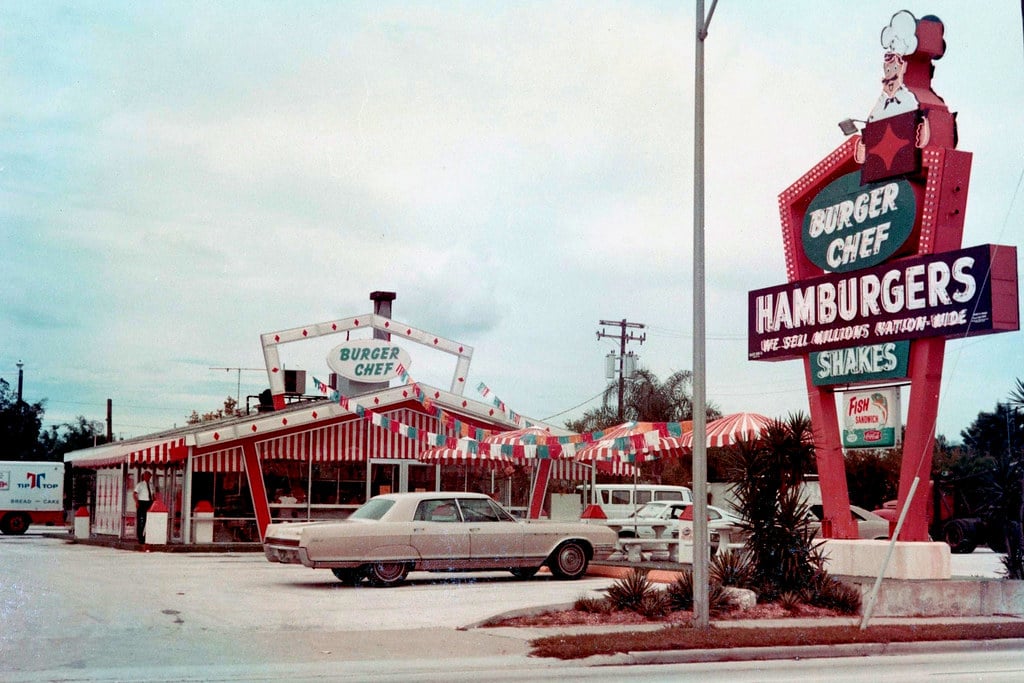
Burger Chef wasn’t some rinky-dink operation. At its peak, this chain operated over 1,000 locations and legitimately threatened McDonald’s dominance.
They pioneered the kids’ meal concept with their “Fun Meal” — complete with toys and puzzles that kept children entertained while parents finished their coffee.
The company understood marketing better than most of its competitors. Their mascots weren’t just cartoon characters; they were brands unto themselves.
But understanding marketing and executing a sustainable business model turned out to be two very different skills. By the early ’80s, Hardee’s had absorbed most locations, and the Burger Chef name vanished entirely.
Sambo’s
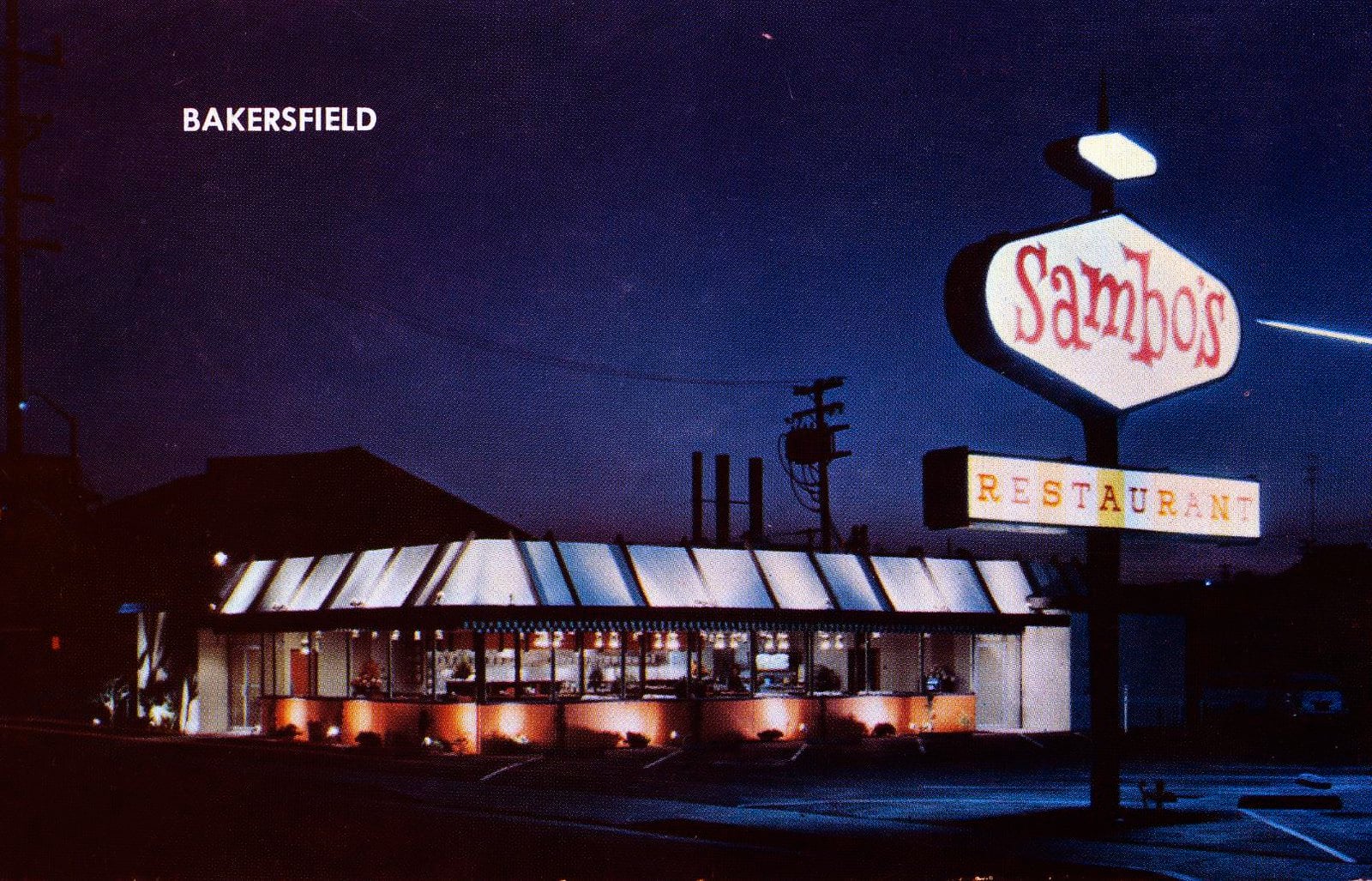
Opening a restaurant called Sambo’s in 1957 was questionable. Keeping that name through the civil rights era and into the 1980s was corporate stubbornness bordering on self-destruction.
The chain claimed the name referenced the founders, Sam Battistone and Newell Bohnett, but the Little Black Sambo-themed decor told a different story entirely.
Despite the obvious issues (and honestly, because of willful blindness to those issues), Sambo’s expanded to over 1,100 locations by the late ’70s. Their pancakes were genuinely good — which makes the eventual collapse feel like cosmic justice rather than business failure.
When boycotts and protests finally forced most locations to close or rebrand, few people mourned the loss. Sometimes the market corrects itself in exactly the way it should.
Lum’s
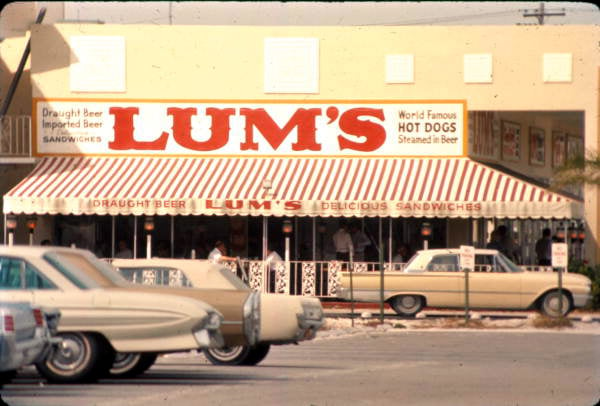
There’s something almost magical about a restaurant that builds its entire identity around beer-steamed hot dogs and a partnership with Caesar’s Palace, as if someone took the most random elements of American dining culture and decided they belonged together in perfect harmony. Lum’s managed to convince people (for a while, anyway) that hot dogs cooked in beer represented the height of fast-food sophistication, which honestly says as much about the era as it does about their marketing department.
Stuart Whitman — the actor — bought into the franchise concept so completely that he became the face of their advertising campaigns. Picture this: a legitimate Hollywood star standing behind a counter, explaining why beer-steamed processed meat constituted fine dining.
The whole operation had this strange, almost surreal quality where everyone involved seemed to believe they were participating in something much more refined than they actually were. And yet, for reasons that probably made sense to someone at the time, it worked.
Gino’s
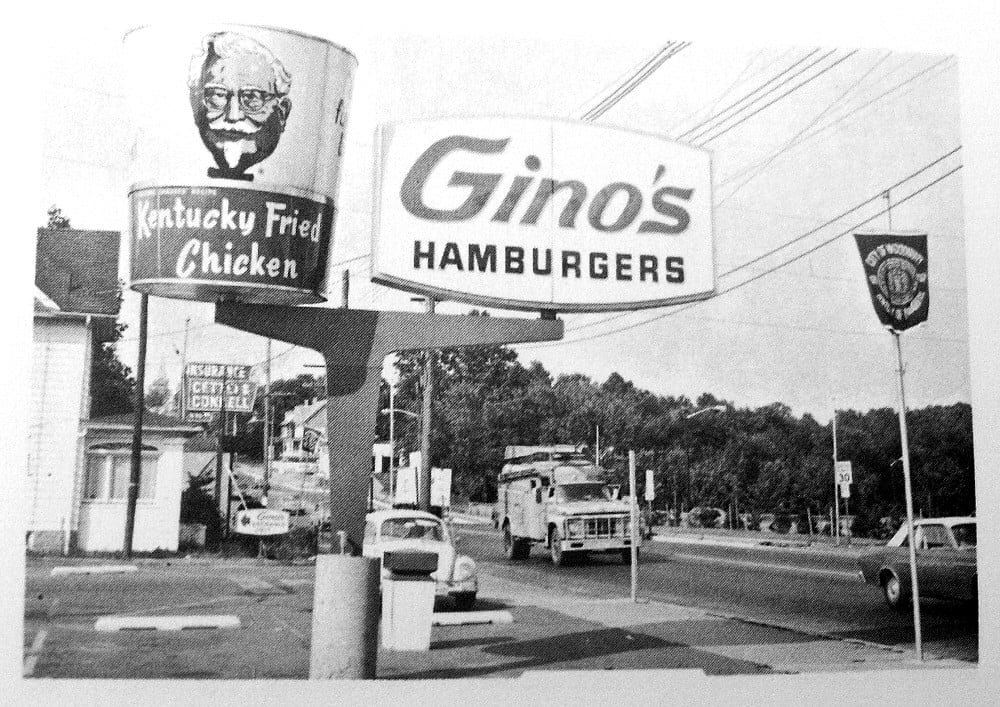
Gino’s had everything going for it. NFL legend Gino Marchetti’s name recognition opened doors across the Mid-Atlantic.
Their Gino Giant burger could hold its own against McDonald’s Big Mac. The fried chicken was crispy enough to make KFC nervous.
For two decades, they represented serious competition in markets where competition actually mattered. The downfall came through a series of mergers and acquisitions that nobody seemed to think through completely.
When Marriott bought the chain in 1982, they converted most locations to Roy Rogers restaurants. Just like that, a brand that had spent 20 years building customer loyalty disappeared.
Pup ‘N’ Taco
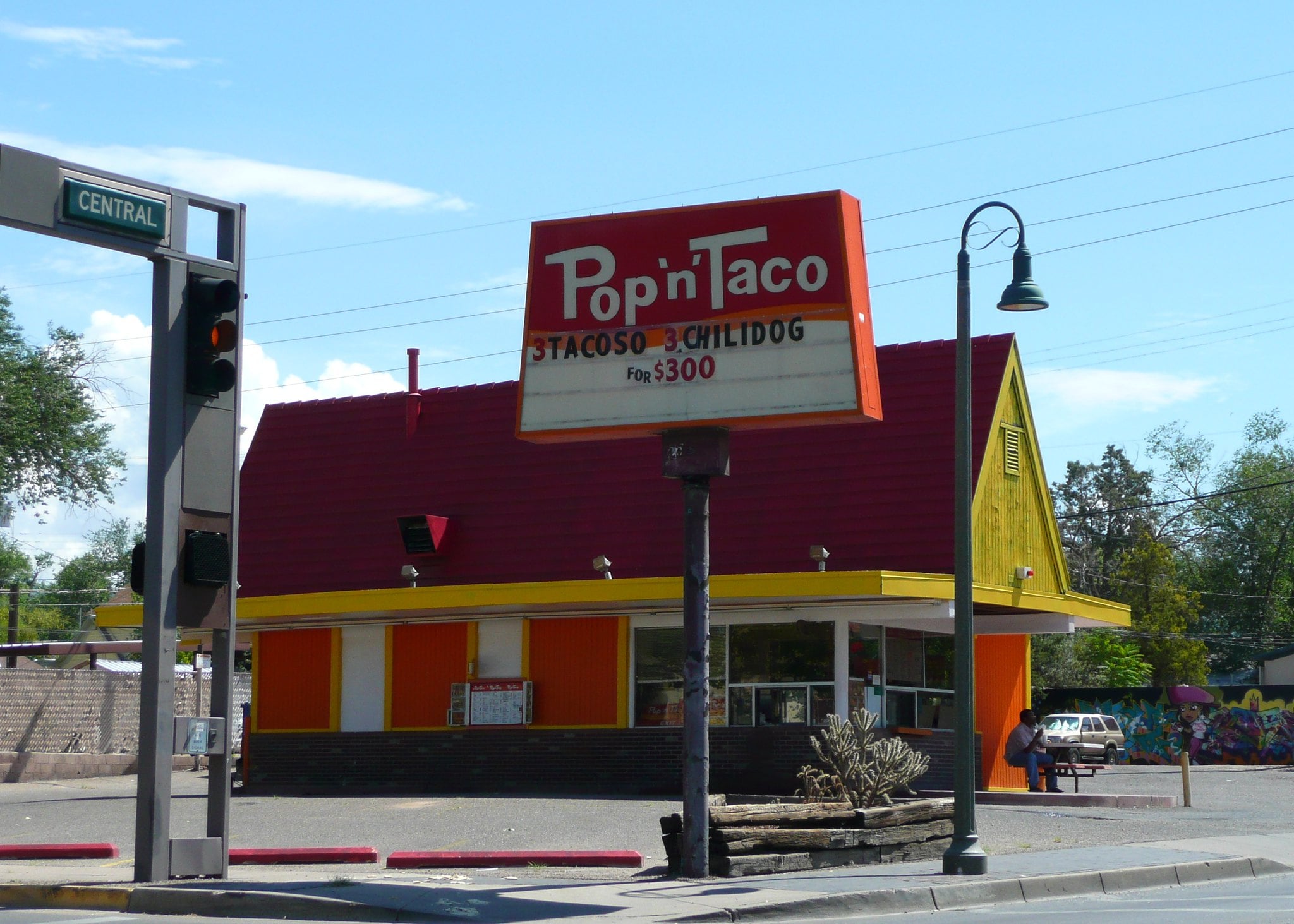
Drive through certain neighborhoods in Los Angeles and you’ll occasionally spot buildings with a distinctive angular architecture that doesn’t quite match anything else on the block. Those are usually former Pup ‘N’ Taco locations, repurposed but still recognizable to anyone who remembers when that chain defined fast Mexican food in Southern California.
Pup ‘N’ Taco understood regional taste better than most national chains ever managed. Their tacos weren’t authentic by any traditional measure, but they weren’t trying to be.
They were Los Angeles tacos — simplified, accessible, and perfectly calibrated to what suburban families actually wanted to order on a Tuesday night. The hot dogs were decent enough.
The tacos were better than they had any right to be. When Taco Bell bought out most locations in 1984, they eliminated a genuine local institution.
Wetson’s
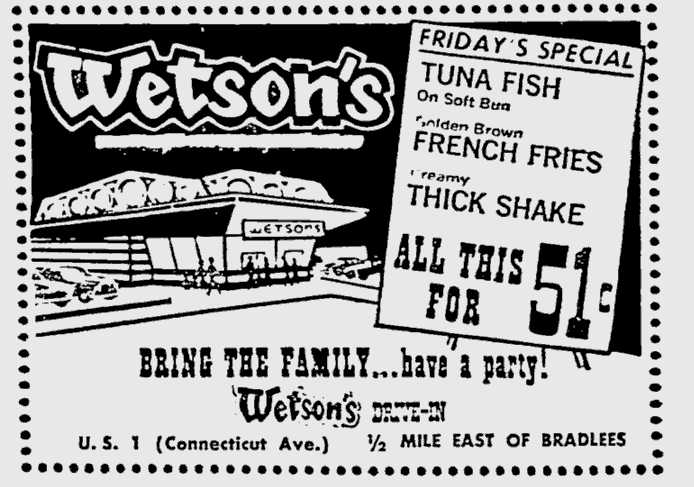
Wetson’s made one smart decision and one catastrophic mistake. The smart decision was positioning themselves as the budget alternative to McDonald’s in the New York area during the 1960s and ’70s.
Their 15-cent hamburgers undercut the competition by enough to matter, and quality was surprisingly consistent for such aggressive pricing.
The catastrophic mistake was believing they could expand nationally without losing the cost advantages that made them competitive in the first place. Regional chains succeed because they understand their specific market and operate efficiently within geographic constraints.
When Wetson’s tried to go national, they discovered that logistics and supply chain management at scale require resources they simply didn’t possess. The expansion killed them.
Druther’s
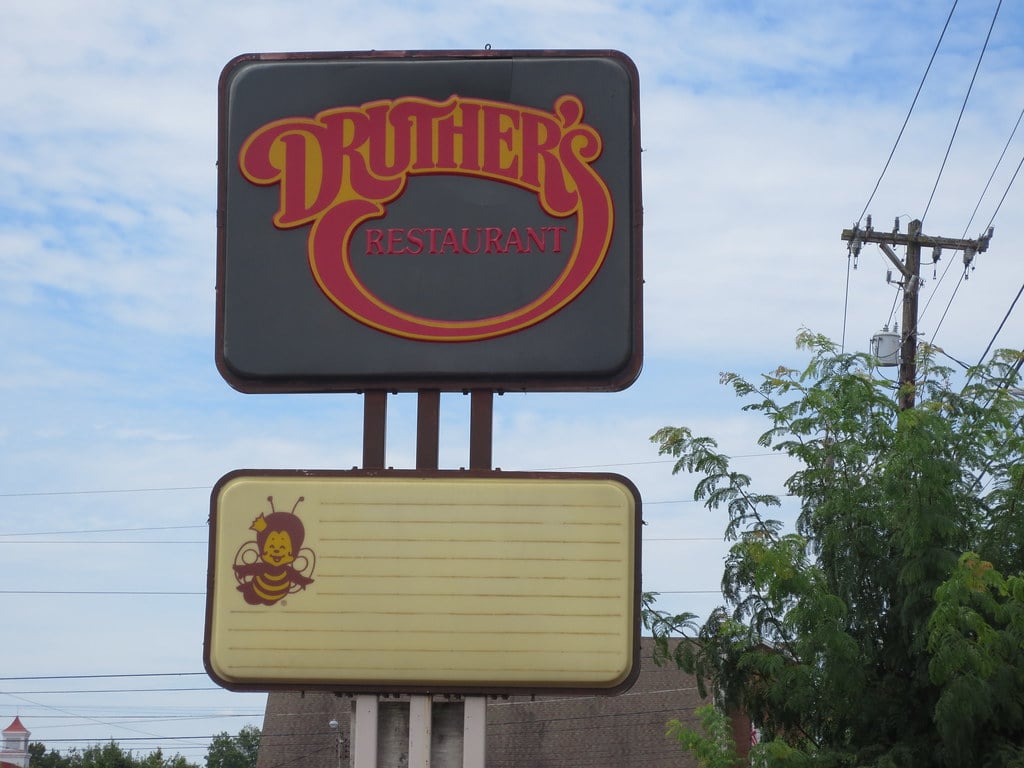
Picture this: someone looked at the crowded fast-food landscape of the 1970s and decided what America really needed was another fried chicken chain, but with a name that sounded like a folksy way of saying “I’d rather not.” Druther’s — originally called Burger Queen before a rebrand that probably seemed clever at the time — spent most of its existence trying to convince customers that their chicken was worth choosing over KFC, their burgers were better than McDonald’s, and their name wasn’t as awkward as it sounded when you said it out loud.
The menu itself wasn’t terrible (though it wasn’t particularly memorable either), but the whole operation had this unfortunate quality of feeling like a compromise rather than a destination. When people asked where you wanted to eat, nobody ever answered “Druther’s” with any real conviction.
It was always “I guess Druther’s is fine” or “There’s a Druther’s down the road if nothing else is open.” Even the mascots seemed to understand their secondary status in the fast-food hierarchy.
D’Lites
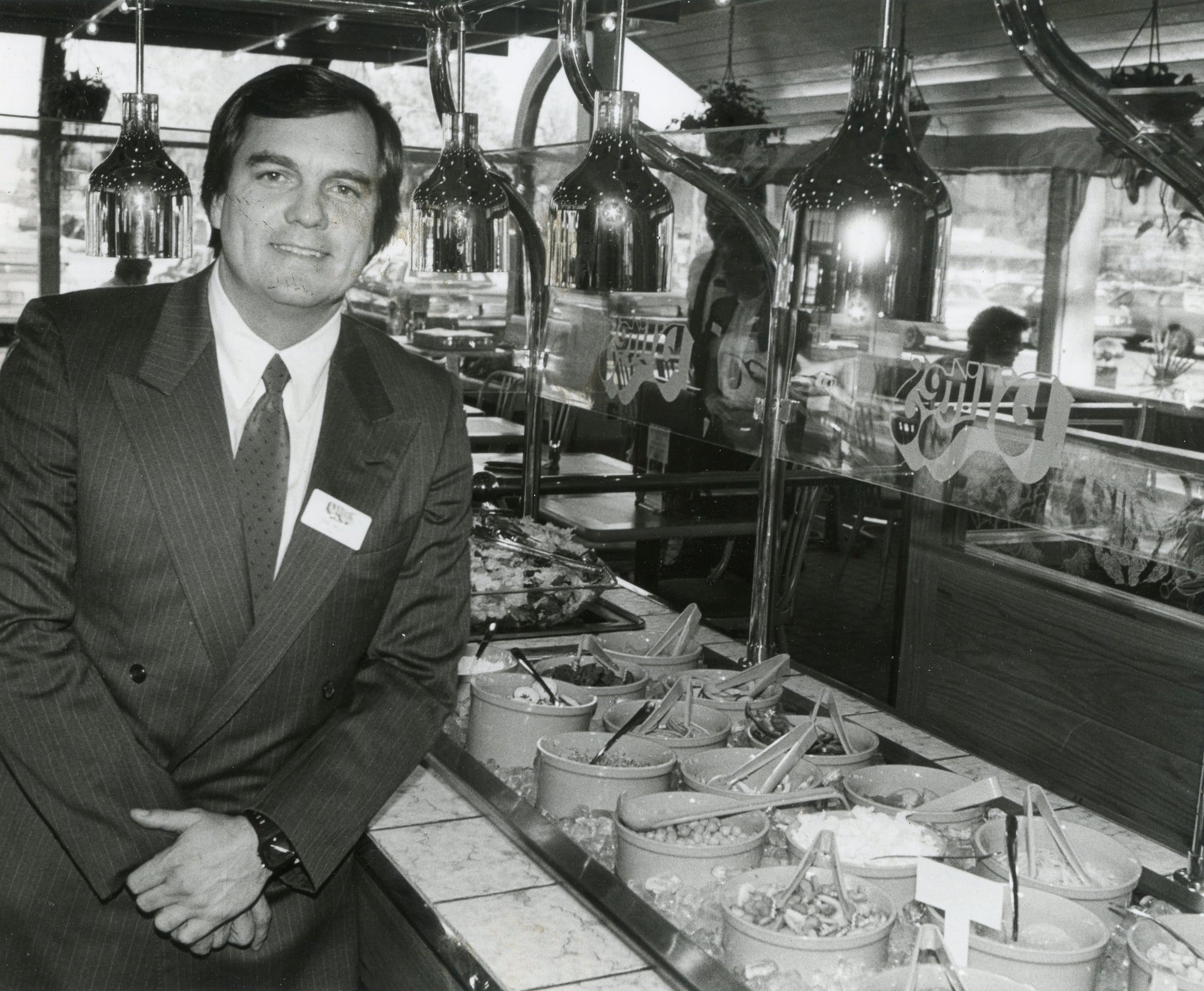
D’Lites deserves credit for reading the cultural moment perfectly. By the early 1980s, health consciousness was reshaping American dining habits, and fast food was beginning to feel like the enemy.
D’Lites positioned itself as the solution — fast, convenient, and actually good for you. Their salads were fresh, their grilled chicken was properly seasoned, and their marketing emphasized nutrition over indulgence.
The execution was nearly flawless. The food was legitimately better for you than typical fast-food fare, and it didn’t taste like punishment.
D’Lites seemed poised to capture the growing market of health-conscious diners who still needed quick, affordable meals. But being ahead of your time in the restaurant business can be just as deadly as being behind it.
The health food movement of the 1980s wasn’t quite ready to support a national fast-food chain. D’Lites collapsed before the market caught up to their concept. Twenty years later, chains like Panera and Chipotle would build empires using similar approaches.
Sandy’s
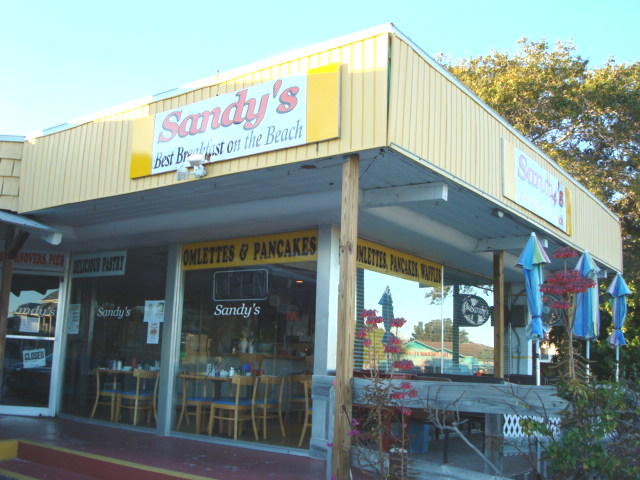
Sandy’s had the misfortune of being a legitimate McDonald’s competitor during the period when McDonald’s was perfecting the formula that would eventually dominate global fast food. Their burgers were decent, their prices were competitive, and their service was reasonably fast.
Under different circumstances, that might have been enough. Instead, Sandy’s became a case study in why “good enough” isn’t actually good enough when you’re competing against excellence.
McDonald’s didn’t just serve food; they created an experience that customers could rely on regardless of location. Sandy’s never figured out how to match that consistency, and regional competence couldn’t overcome national mediocrity.
Carrols
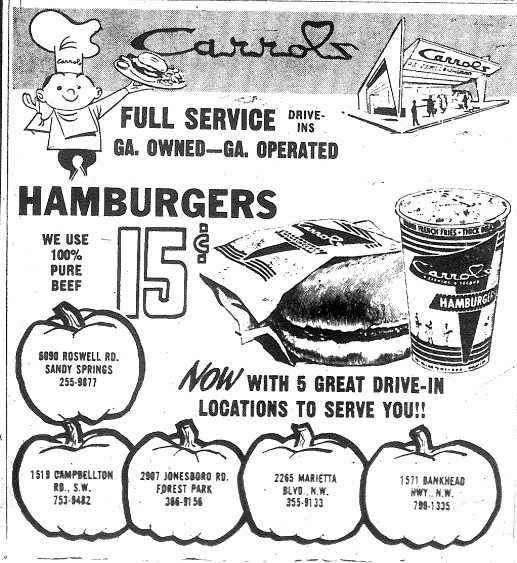
Carrols occupied an interesting position in the fast-food hierarchy — too large to be considered a local chain, too small to compete with national giants. They served solid burgers and maintained a loyal customer base throughout the Northeast, but expansion beyond their core territory proved challenging.
The chain eventually became a Burger King franchisee rather than maintaining its independent identity. Sometimes survival means accepting a supporting role rather than insisting on being the star.
Carrols made the practical choice, even if it meant abandoning the brand that customers had supported for decades.
Red Barn
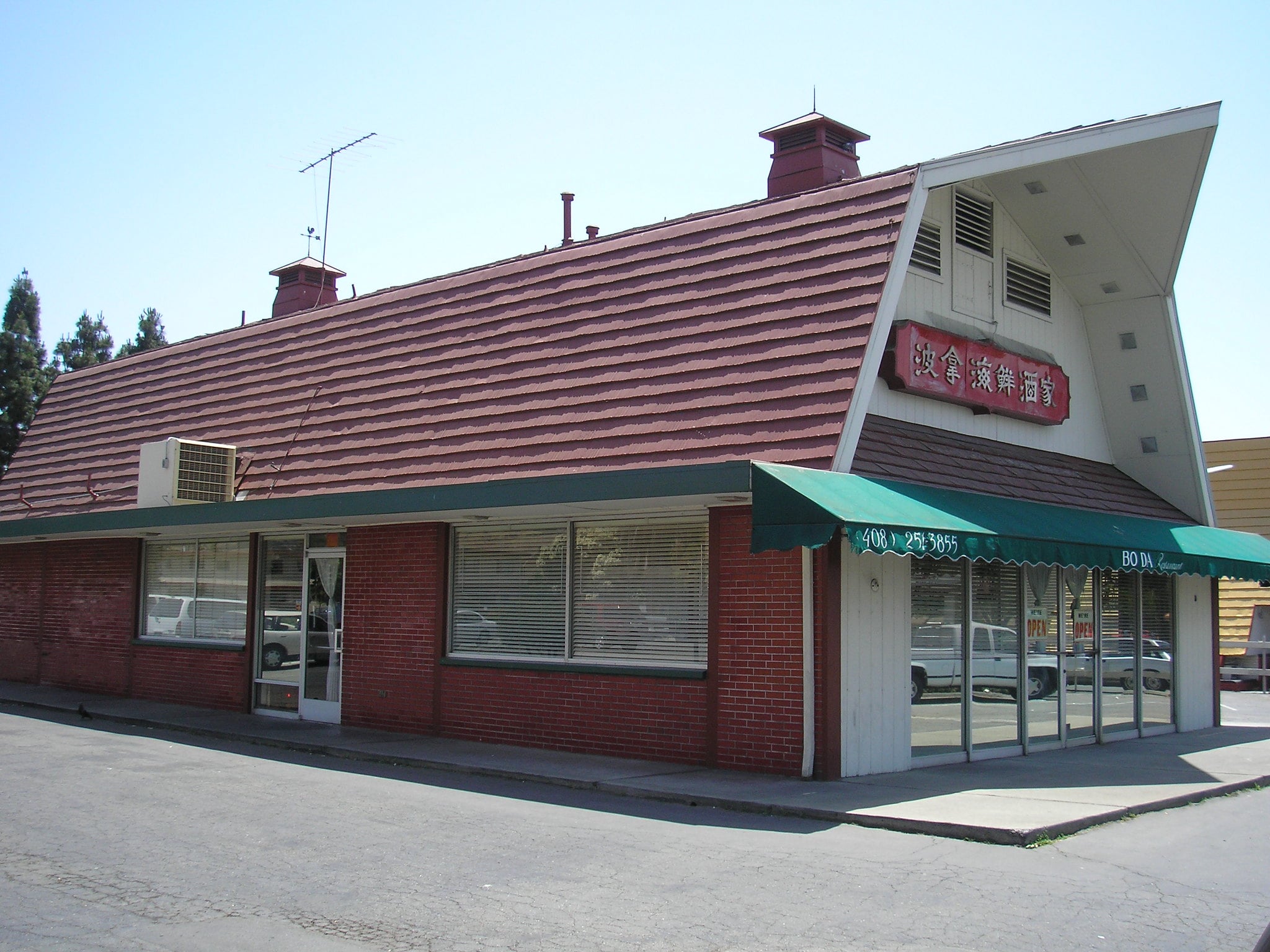
Red Barn restaurants looked exactly like their name suggested — red buildings shaped like barns, scattered across suburban America like some fever dream of rural nostalgia translated into fast food architecture. The whole concept had this aggressively wholesome quality that felt authentic in 1970 and increasingly forced as the decade progressed, as if someone had decided that what McDonald’s really lacked was a genuine connection to American agricultural traditions.
The Big Barney burger was legitimately good — thick enough to feel substantial, seasoned properly, and served on a bun that didn’t disintegrate before you finished eating. But the restaurant itself never quite escaped the feeling that it was performing an idea of Americana rather than actually embodying it.
Everything from the barn-shaped buildings to the farm-themed marketing felt like it had been focus-grouped into existence. And there’s something almost heartbreaking about a chain that tried so hard to evoke simpler times while operating in the middle of the most aggressively corporate period in American restaurant history.
The barns were fake, but the burgers were real. That contradiction probably summarizes everything you need to know about why Red Barn didn’t survive.
Chicken Delight
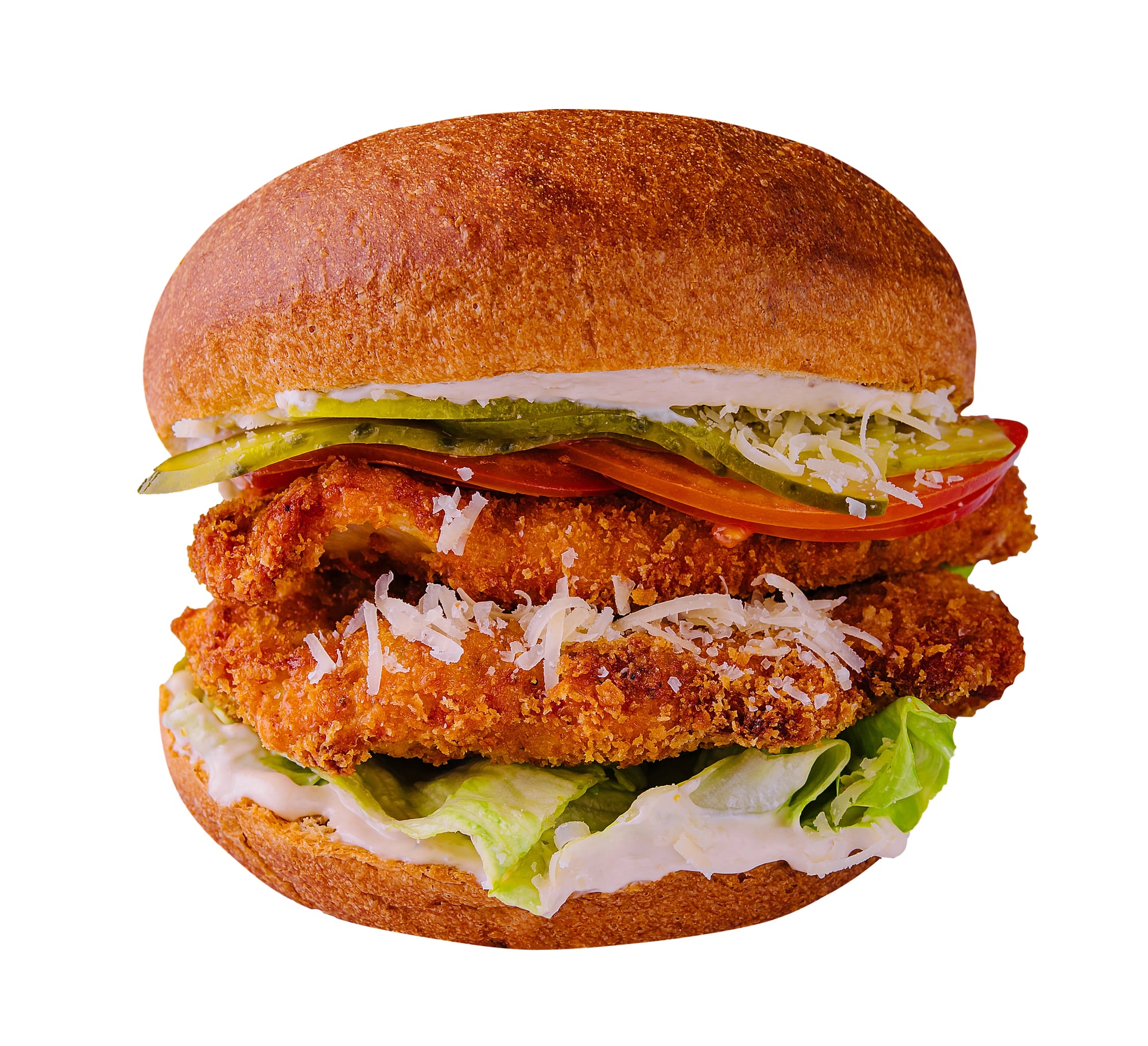
Chicken Delight pioneered food delivery decades before apps made it standard practice. Their slogan — “Don’t cook tonight, call Chicken Delight” — promised convenience that few competitors could match.
The chicken itself was crispy, well-seasoned, and arrived at your door while it was still hot. The concept was brilliant for its time, but execution proved challenging without modern logistics technology.
Keeping food hot during delivery required innovation that Chicken Delight never quite perfected. By the time they solved the technical problems, KFC and other competitors had captured most of their market share.
Henry’s Hamburgers
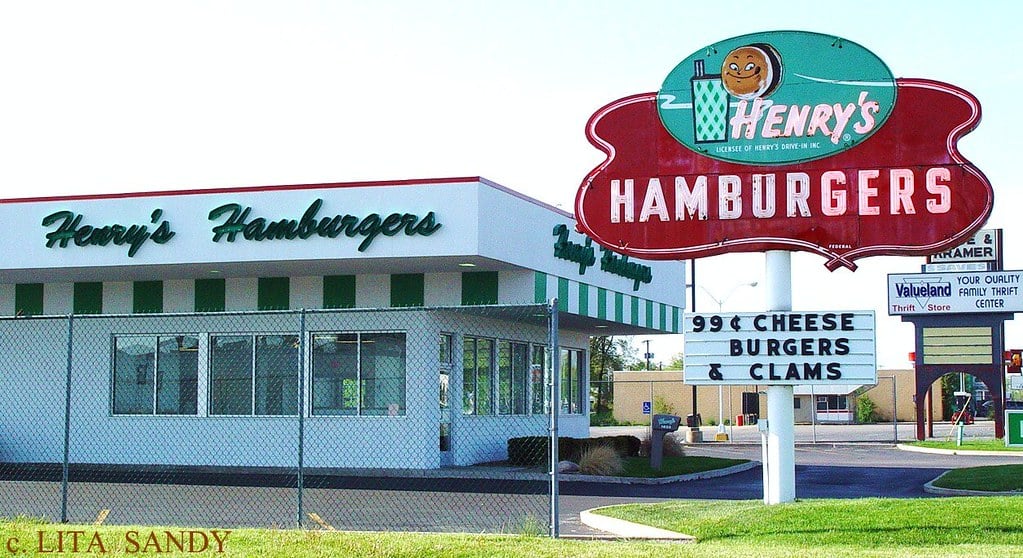
Henry’s represented everything appealing about regional fast food — local ownership, consistent quality, and genuine connection to the communities they served. Their hamburgers were straightforward but well-executed, and their prices remained competitive even as national chains began to dominate the market.
The chain’s downfall came through gradual erosion rather than dramatic collapse. As McDonald’s and Burger King expanded into Henry’s territory, customers slowly migrated toward the familiar national brands.
Henry’s couldn’t offer anything compelling enough to retain loyalty when more convenient options became available nearby.
Minnie Pearl’s Chicken
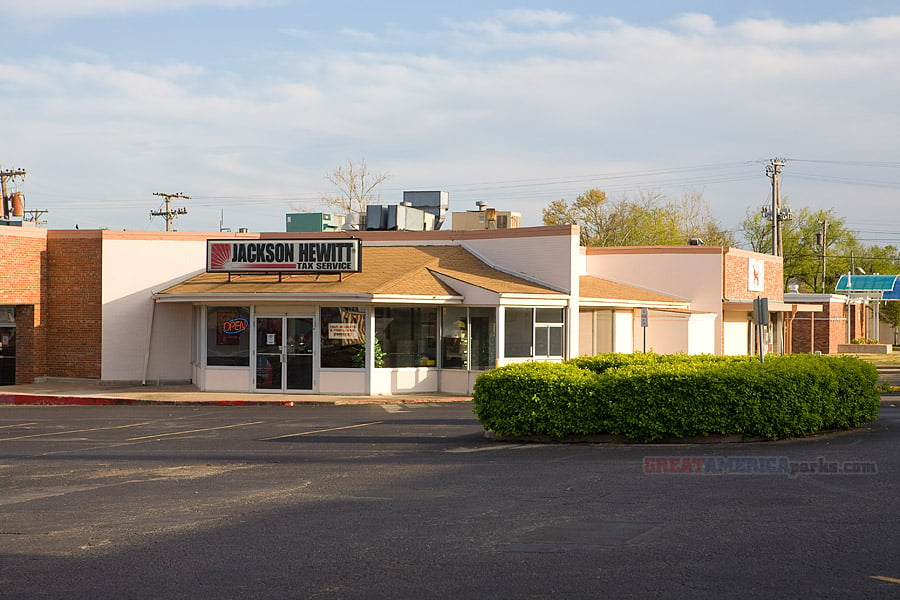
Celebrity endorsements in fast food rarely end well, but Minnie Pearl’s Chicken represented a particularly spectacular example of how star power can’t overcome fundamental business problems. The country music legend lent her name and image to a fried chicken chain that seemed designed to capitalize on Southern nostalgia without understanding what made Southern cooking actually appealing.
The chicken itself was mediocre — not terrible, but certainly not good enough to justify choosing it over KFC or Church’s. The restaurant design emphasized kitschy country themes that felt more like caricature than celebration.
Everything about the concept suggested that someone had confused marketing with actual product development. When the chain collapsed, it took Minnie Pearl’s reputation with it.
Celebrity branding can amplify success, but it also amplifies failure.
Burger Builder
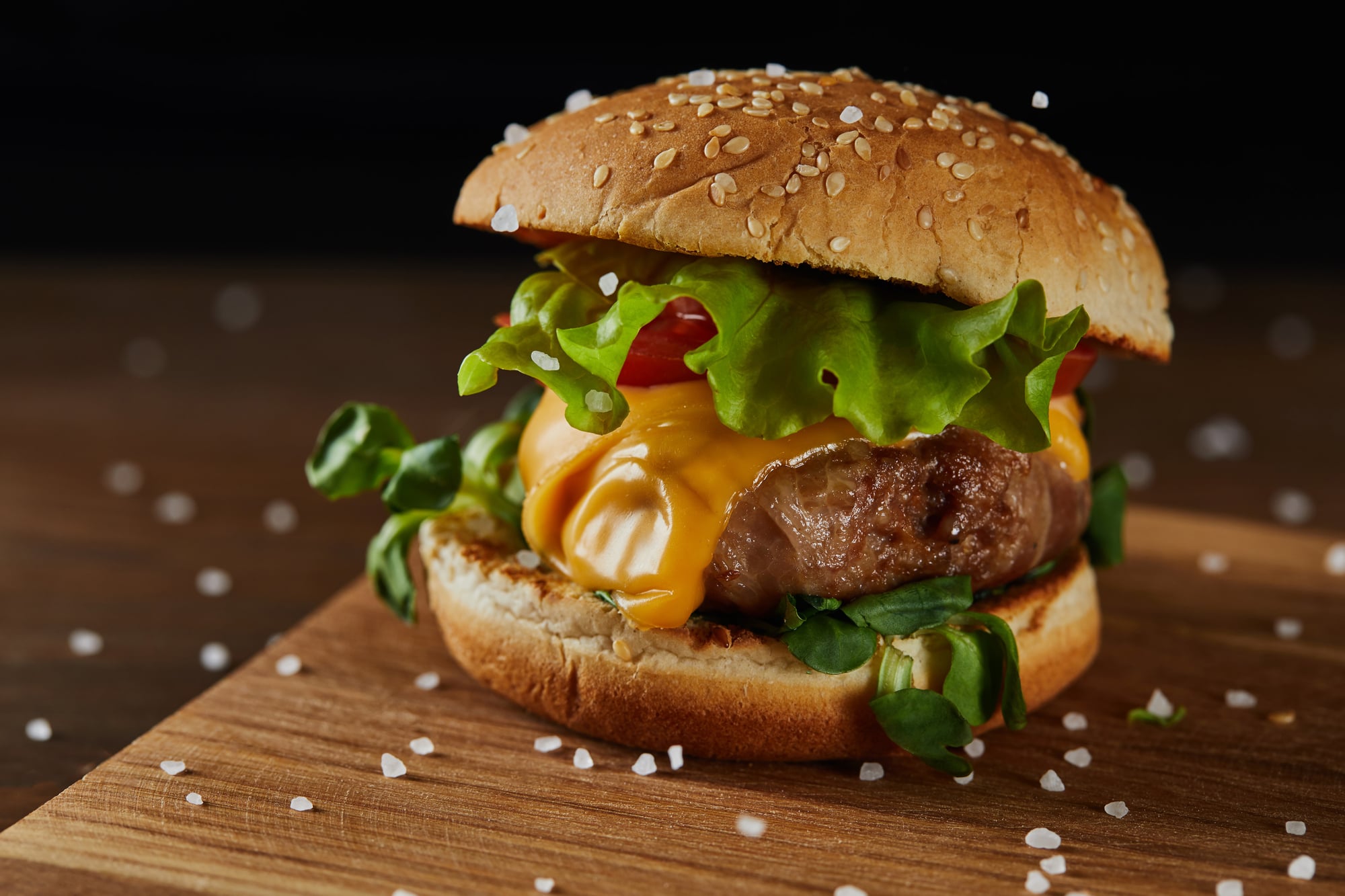
Burger Builder attempted to solve a problem that most customers didn’t realize they had — the inability to customize their burger orders beyond basic condiment preferences. Their concept allowed diners to construct elaborate burgers with dozens of topping options, creating personalized meals that supposedly reflected individual tastes and preferences.
The execution was more complicated than the concept. Customization required longer preparation times, higher labor costs, and more complex inventory management.
Most customers, it turned out, were perfectly satisfied with standard burger configurations and didn’t want to spend extra time or money for the privilege of designing their own meals.
Po Folks
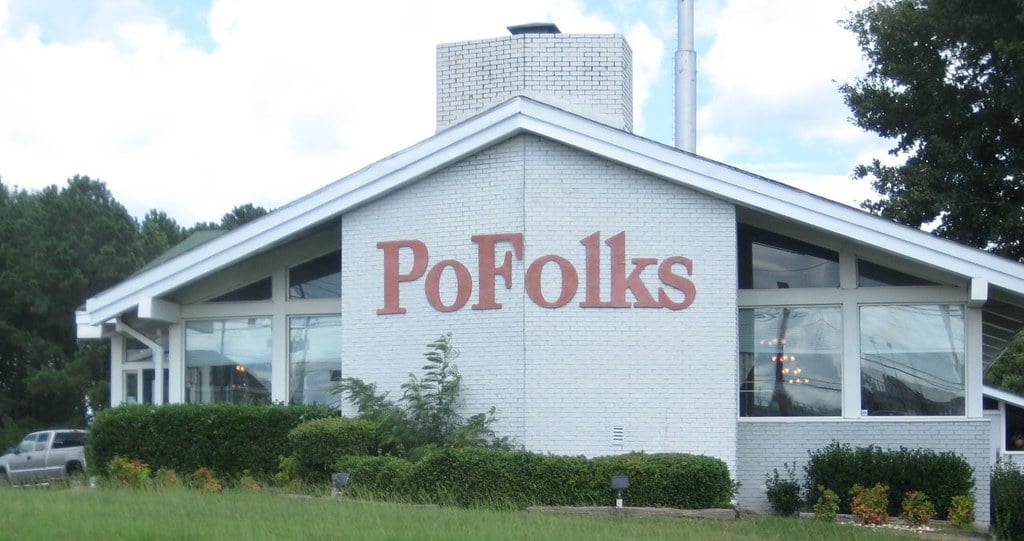
Po Folks represented an ambitious attempt to bring Southern comfort food to the fast-casual dining space, complete with checkered tablecloths, mason jar drinks, and menu items that sounded like they came from someone’s grandmother’s recipe box. The concept had this aggressively folksy quality that worked in certain markets — particularly in the South, where customers appreciated the familiar flavors even if the presentation felt somewhat manufactured.
The problem wasn’t authenticity (though that was certainly questionable); it was scalability. Comfort food requires comfort, and comfort is notoriously difficult to mass-produce.
The biscuits were decent when they were fresh, but maintaining consistency across multiple locations proved challenging. The fried chicken was properly seasoned, but keeping it crispy under heat lamps was nearly impossible.
What really killed Po Folks was the rise of genuine fast-casual chains like Cracker Barrel, which offered similar food with better execution and more convincing atmosphere. When customers can choose between authentic-feeling comfort food and obviously manufactured nostalgia, they usually make the obvious choice.
Rax Roast Beef
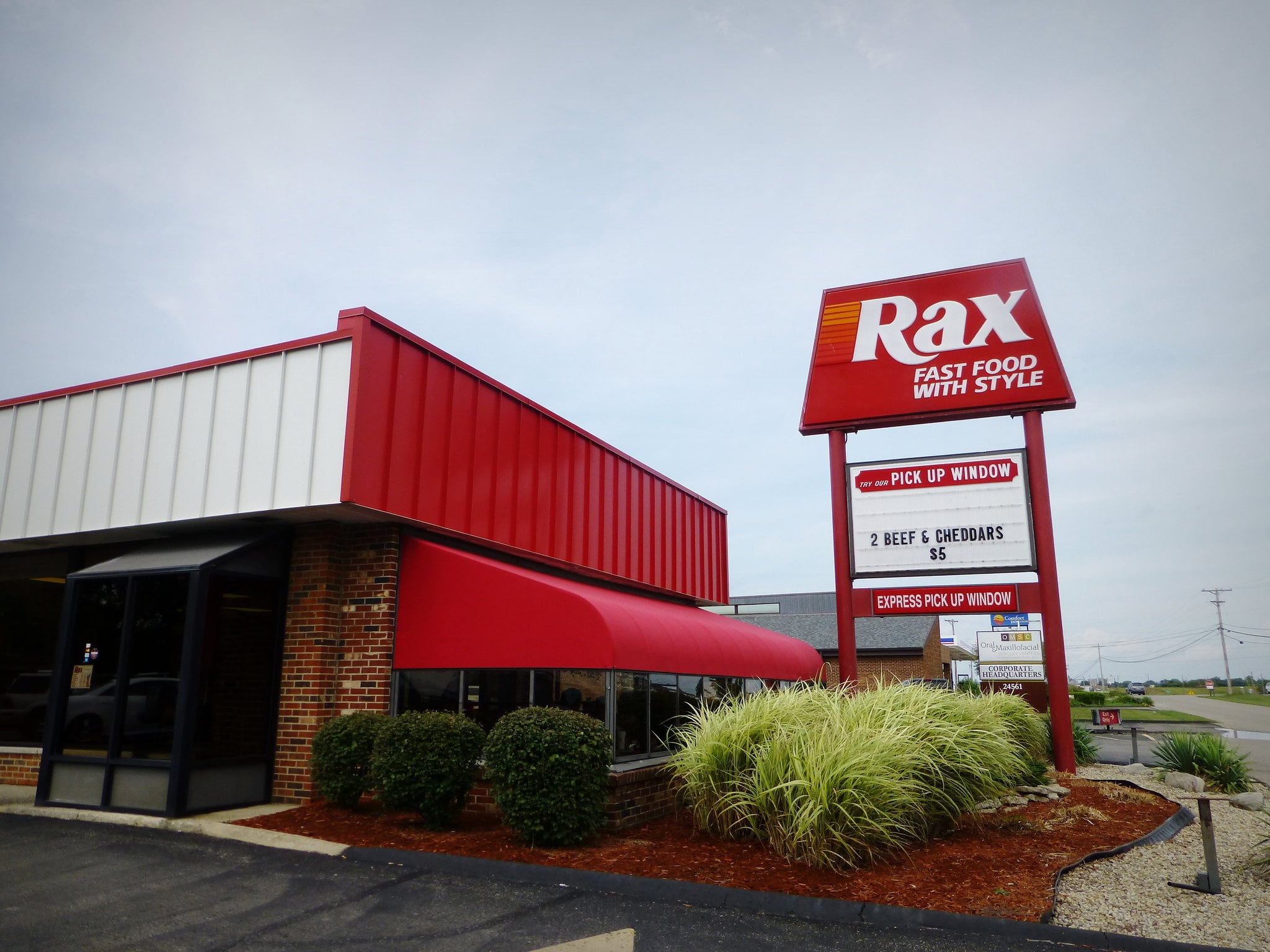
Rax Roast Beef spent years trying to convince America that roast beef could compete with burgers as the foundation of a fast-food empire. For a while, the strategy worked. The chain expanded rapidly during the 1970s and 1980s, serving roast beef sandwiches, baked potatoes, salad bars, and desserts that felt a little more ambitious than typical fast-food fare.
The problem was that Rax never seemed completely sure what it wanted to be. One year it was a quick-service sandwich shop.
The next it was experimenting with upscale menu items and buffet concepts. Customers grew confused, competitors grew stronger, and the chain slowly lost relevance.
Most locations disappeared by the 1990s, leaving behind little more than memories and a handful of surviving restaurants scattered across the Midwest.
Naugles
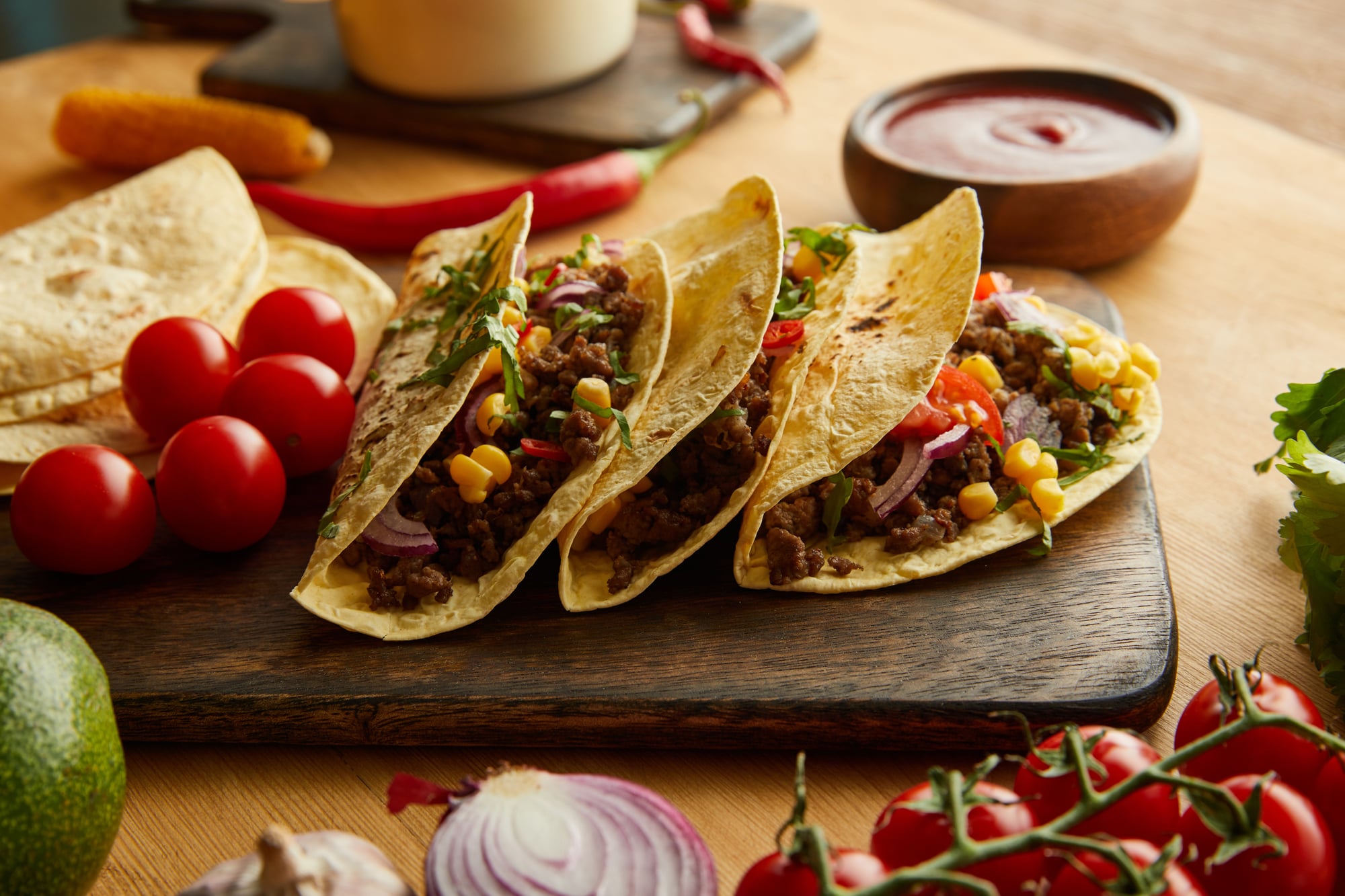
Long before Taco Bell dominated the fast-Mexican landscape, Naugles built a loyal following across California with oversized portions, late-night hours, and menu items that felt more substantial than what larger chains were offering. The food wasn’t authentic Mexican cuisine, but it was affordable, satisfying, and exactly what many customers wanted.
Expansion came quickly, but a merger with Del Taco ultimately sealed the chain’s fate. Locations were converted, branding disappeared, and one of Southern California’s most recognizable fast-food names faded from view.
For many former customers, Naugles remains one of the most missed chains of the era.
White Tower
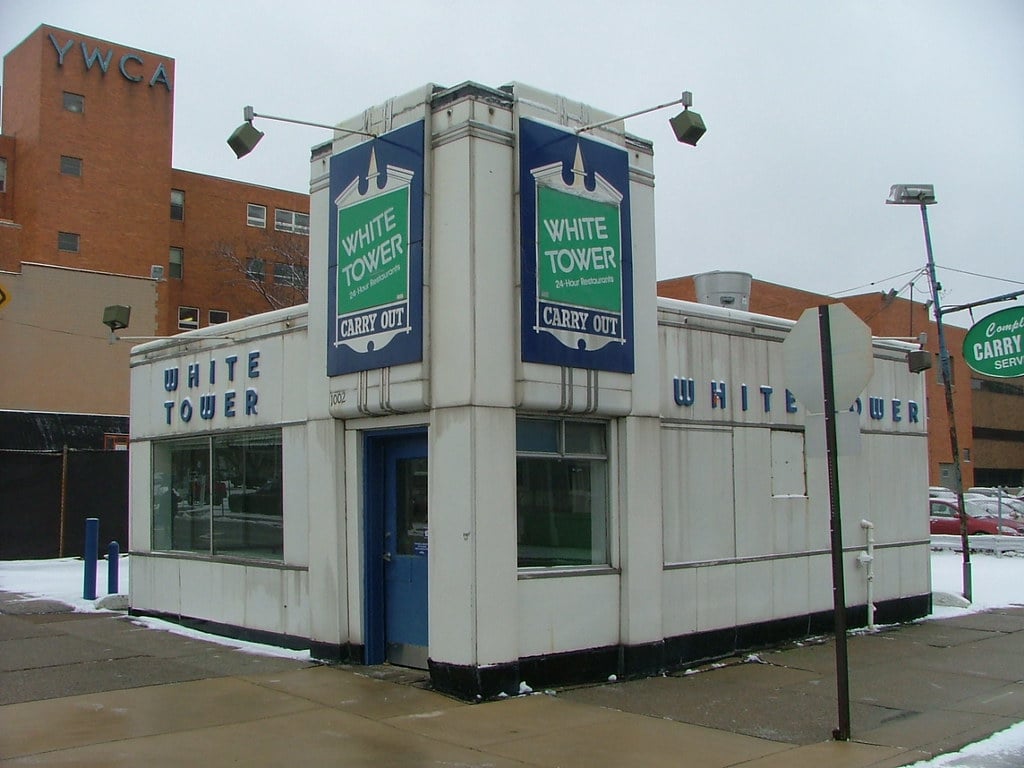
White Tower was once one of the biggest hamburger chains in America, operating hundreds of restaurants with distinctive white buildings and castle-inspired architecture. The chain thrived for decades by offering inexpensive burgers and quick service long before those concepts became industry standards.
Unfortunately, White Tower spent much of its history living in the shadow of White Castle. As larger competitors expanded and consumer tastes shifted, the chain gradually contracted.
By the end of the century, most locations had vanished, leaving behind little evidence of what was once a major national brand.
VIP’s
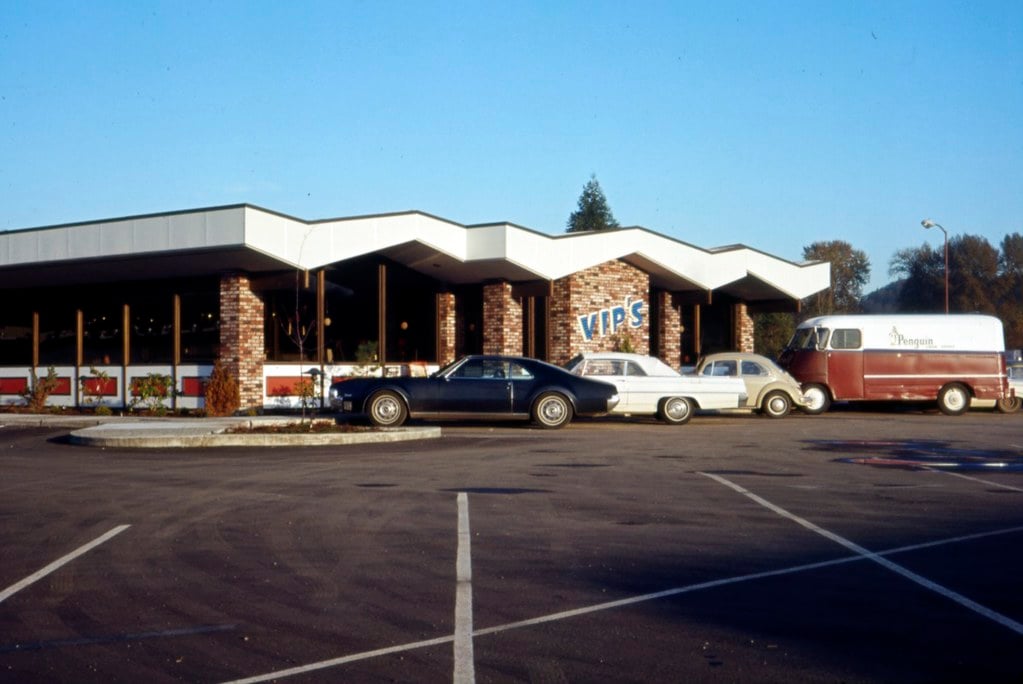
For travelers throughout the Pacific Northwest, VIP’s was a familiar sight along highways and busy commercial strips. The chain specialized in family dining, hearty breakfasts, and dependable comfort food served in restaurants that felt welcoming rather than flashy.
VIP’s performed well regionally but struggled against larger national competitors with deeper pockets and broader marketing reach. Most locations were eventually sold off or converted to other brands.
This brought an end to a chain that had once been a staple of road trips across several western states.
Doggie Diner
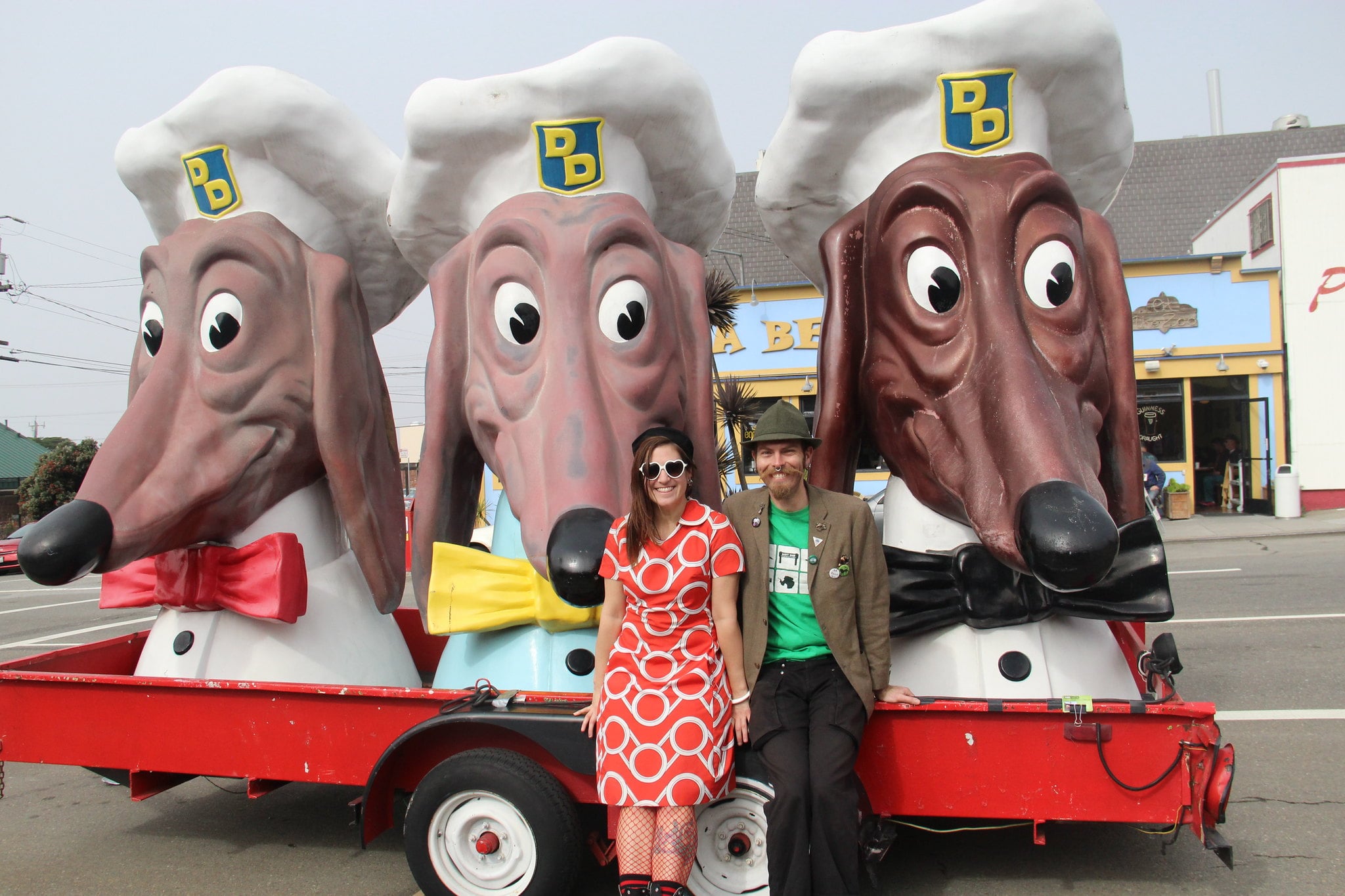
Doggie Diner might be remembered less for its food than for its unforgettable mascot. Giant dachshund heads perched atop restaurant signs became landmarks throughout Northern California, making the chain instantly recognizable even to people who never stopped to eat there.
The menu focused on hot dogs, burgers, and other drive-in favorites, but changing consumer habits and increased competition gradually chipped away at the business. By the mid-1980s, most locations had closed.
Today, the surviving dog-head signs are cherished pieces of roadside Americana and reminders of a vanished era of regional fast-food creativity.
Fast food spots gone too soon
The fast-food industry of the 1970s and 1980s was far more diverse than it is today. Regional chains flourished, unusual concepts attracted loyal followings, and restaurant owners weren’t afraid to experiment with new ideas.
Not every concept deserved to survive, but many of these restaurants offered something that modern chains often struggle to replicate: a genuine sense of personality.
Some disappeared because of poor management, others because of changing tastes, and many simply couldn’t compete with the scale and efficiency of emerging national brands. Yet for those who remember them, these vanished restaurants represent a time when grabbing a quick meal felt a little less predictable and a lot more interesting.
More from Go2Tutors!

- The Romanov Crown Jewels and Their Tragic Fate
- 13 Historical Mysteries That Science Still Can’t Solve
- Famous Hoaxes That Fooled the World for Years
- 15 Child Stars with Tragic Adult Lives
- 16 Famous Jewelry Pieces in History
Like Go2Tutors’s content? Follow us on MSN.



