15 Launch Days That Turned Into PR Nightmares
Product launches are meant to be celebrations – those special moments when companies proudly unveil their latest innovations to an eagerly waiting world. But sometimes, what should be a triumphant moment turns into a day that marketing teams would rather forget.
These calamities happen to even the most prestigious brands with seemingly bulletproof planning. Here is a list of 15 product launches that went spectacularly wrong, leaving PR teams scrambling to control the damage and executives wondering where it all went south.
Samsung Galaxy Note 7
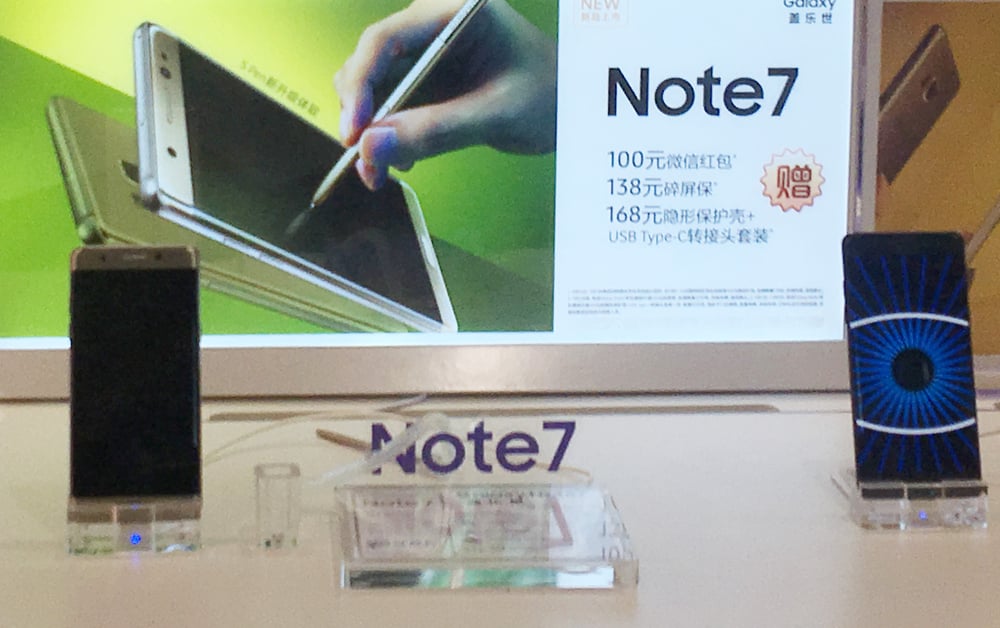
Samsung’s flagship phone became infamous for its tendency to catch fire and explode due to battery defects. The company initially recalled 2.5 million devices before permanently discontinuing the model.
This fiasco cost Samsung an estimated $5.3 billion and damaged consumer trust in a way that took years to rebuild.
New Coke
In 1985, Coca-Cola decided to change its century-old formula in response to Pepsi’s growing market share. Consumers responded with outrage so intense that it felt like Coca-Cola had personally betrayed them.
The company received over 400,000 angry letters and calls, forcing them to reintroduce the original formula as ‘Coca-Cola Classic’ just 79 days later.
Windows Vista
Microsoft’s 2007 operating system launch was met with widespread disappointment due to its sluggish performance and compatibility issues. Computers labeled ‘Vista Compatible’ often couldn’t properly run the software, leading to lawsuits and customer frustration.
The launch was so problematic that many users and businesses skipped Vista entirely and waited for Windows 7.
Apple Maps
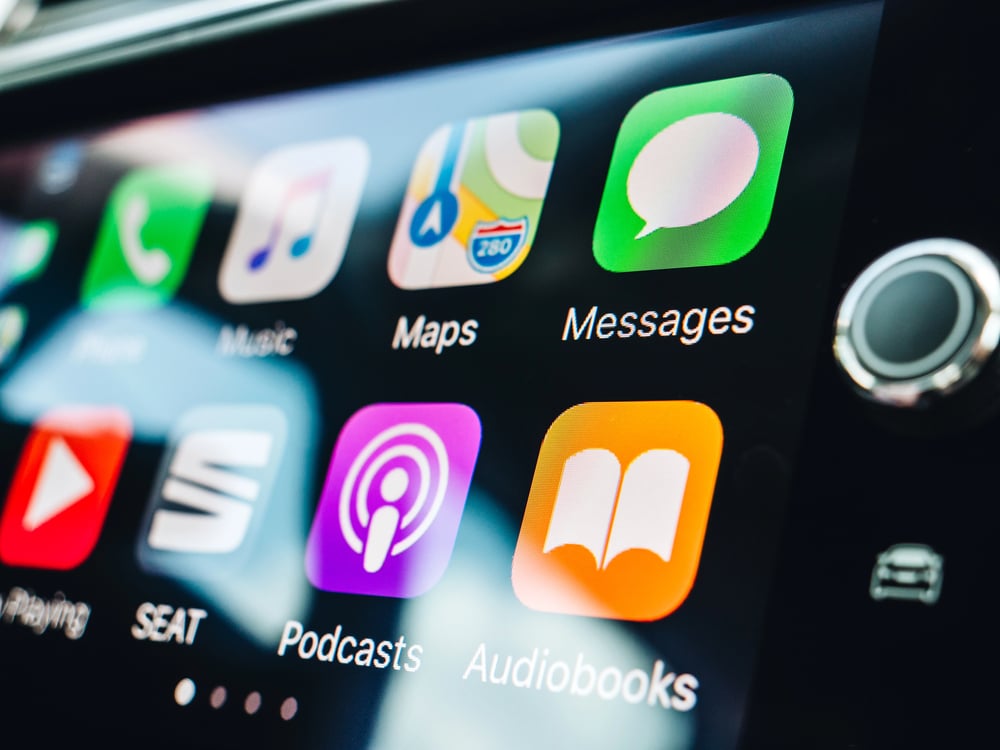
When Apple replaced Google Maps with its own mapping application in iOS 6, users quickly discovered how unprepared the new service was. The app featured melting bridges, missing landmarks, and directions that sometimes led people into dangerous situations.
CEO Tim Cook had to issue a public apology and recommend competitors’ products until Apple could fix its own.
Fyre Festival

Promoted as a luxury music festival in the Bahamas with social media influencers, attendees arrived to find emergency tents, limited food, and none of the promised amenities or musicians. The disastrous event resulted in eight lawsuits and jail time for organizer Billy McFarland.
It became a textbook example of how influencer marketing without substance leads to catastrophe.
Google Glass
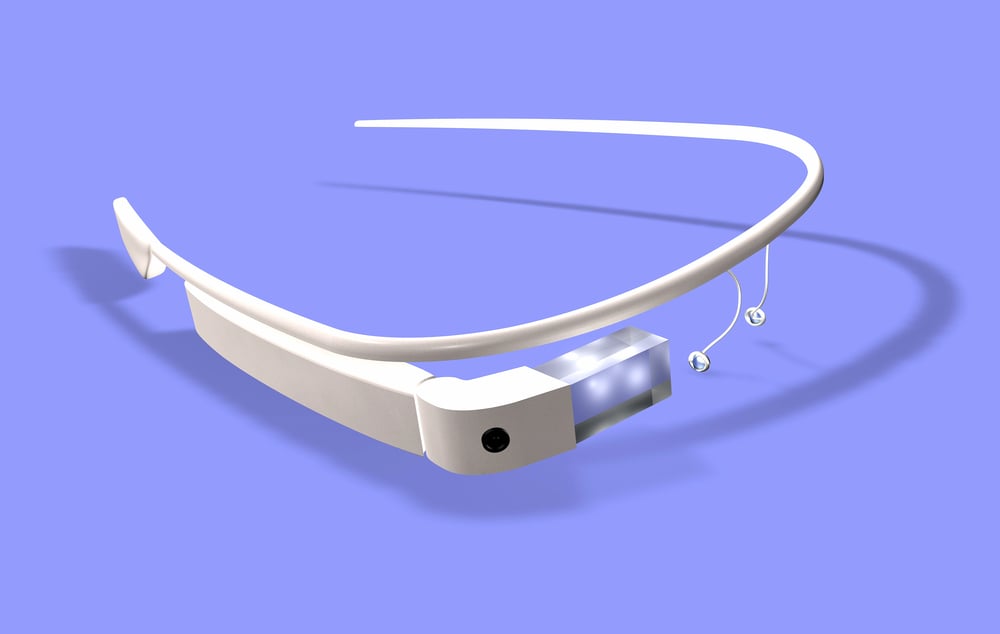
This wearable computer seemed futuristic but triggered privacy concerns almost immediately upon release. People worried about being recorded without consent, and wearers were mockingly called ‘Glassholes.’
The product’s high price tag of $1,500 combined with limited functionality made it a commercial failure, forcing Google to withdraw it from the consumer market.
Segway
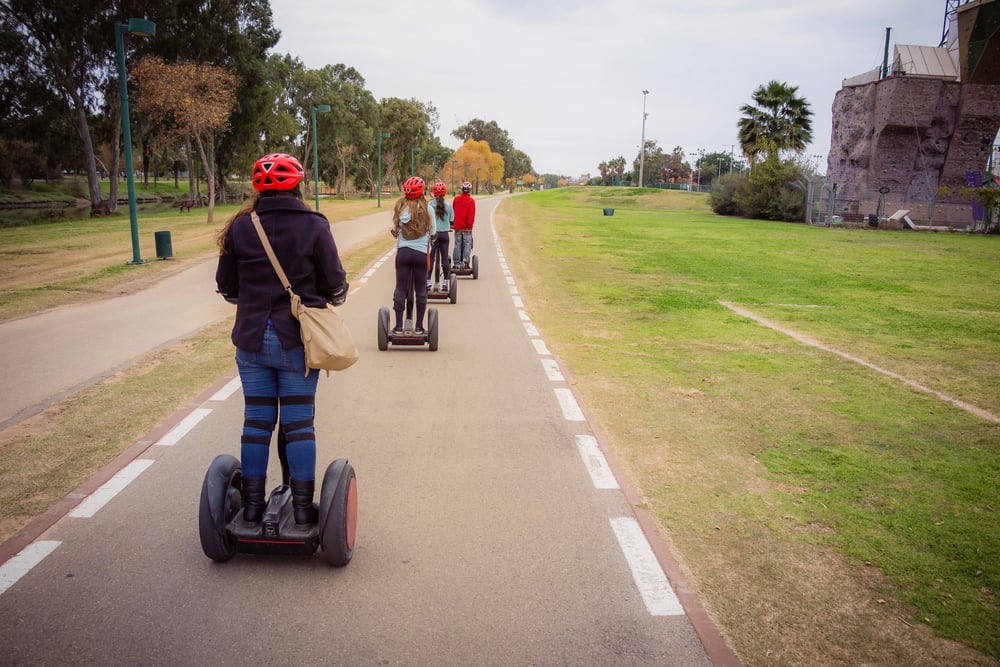
Hyped before its 2001 launch as a revolutionary invention that would change city design, the Segway faced immediate ridicule when unveiled. Its odd appearance and $5,000 price tag limited its appeal to tourists and mall security guards.
The transportation revolution never materialized, making the overblown pre-launch expectations seem almost comical in retrospect.
Facebook Home

Facebook’s attempt to take over Android smartphones with this launcher in 2013 was met with immediate consumer rejection. Users disliked how it prioritized Facebook content over everything else on their devices.
The HTC First phone that came preloaded with Facebook Home was such a flop that AT&T dropped its price from $99 to 99 cents within weeks of launch.
Cyberpunk 2077
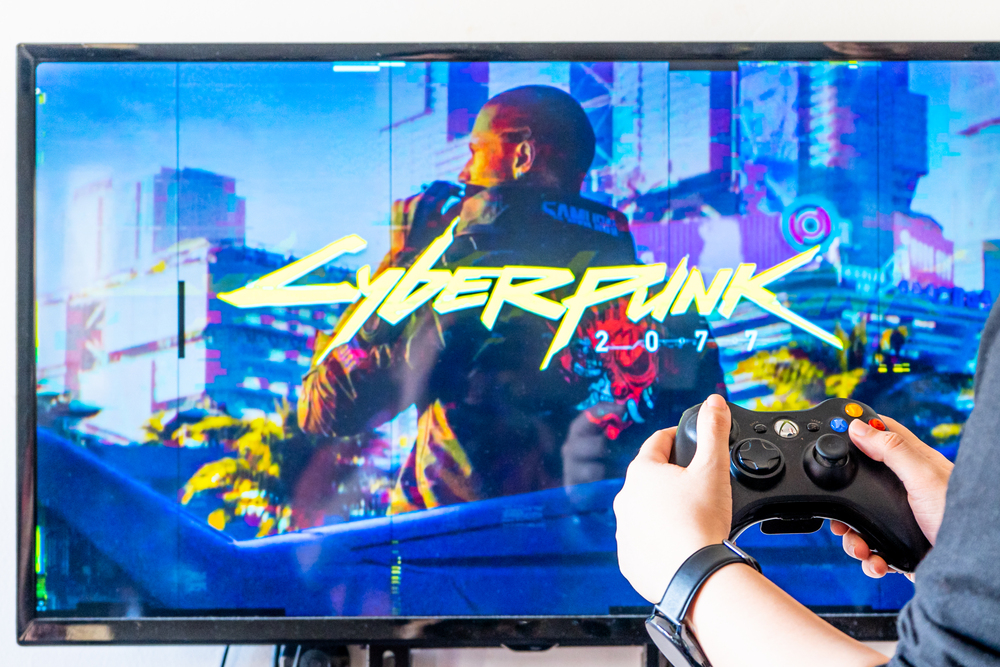
After eight years of development and numerous delays, this highly anticipated video game launched in December 2020 with countless bugs and performance issues. The game barely functioned on older consoles despite being marketed for those platforms.
Sony took the unprecedented step of removing it from the PlayStation Store and offering refunds to unhappy customers.
Ford Edsel
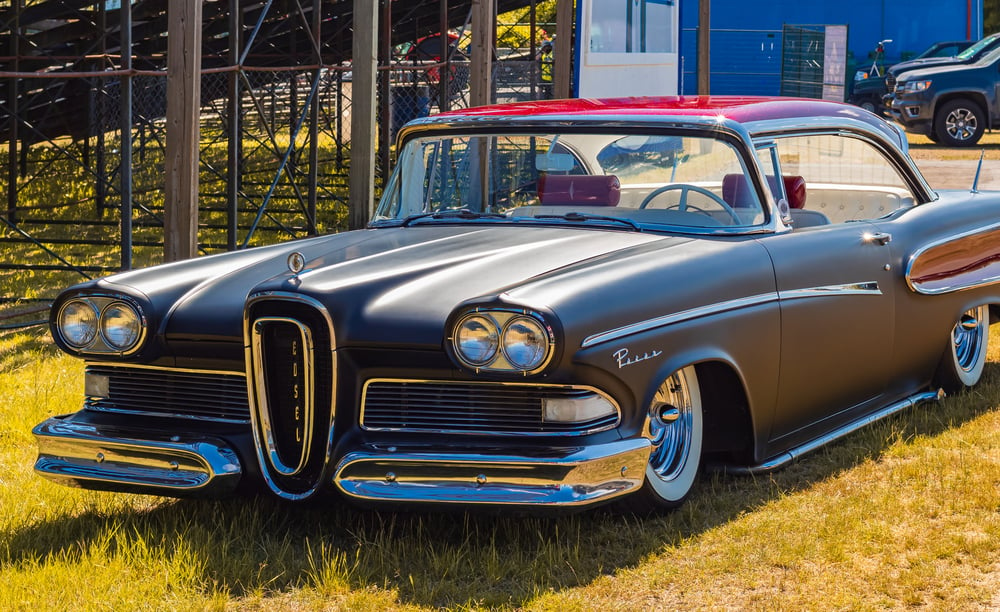
Often cited as the definitive product launch disaster, Ford spent $250 million developing this car in the late 1950s. The vehicle’s unusual design, reliability problems, and bad timing during an economic recession made it a commercial failure.
The Edsel became synonymous with corporate failure and cost Ford the equivalent of $2.5 billion in today’s money.
Qwikster
Netflix announced in 2011 that it would split its streaming and DVD-by-mail services, with the latter renamed Qwikster. Customers would need two accounts and two passwords and pay more for the same services they already had.
The backlash was so severe that Netflix abandoned the plan within three weeks, but not before losing 800,000 subscribers and 77% of its stock value.
HBO Max
Launched in May 2020, WarnerMedia’s streaming service suffered technical issues that kept many users from accessing material. Complicated branding differences between HBO, HBO Go, HBO Now, and HBO Max added to the uncertainty.
Even for those with current memberships, many customers found it difficult to know how to use the site.
Crystal Pepsi
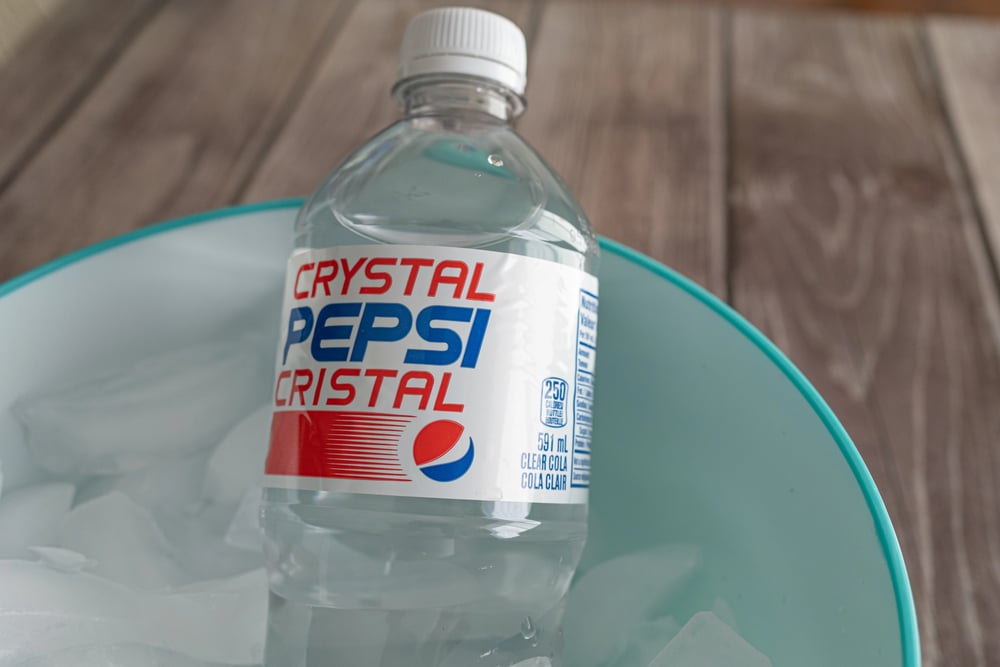
The goal of Pepsi’s clear cola was to take advantage of the early 1990s ‘purity’ craze. Customers were perplexed by the discrepancy between the clear appearance and the cola taste, even if sales were initially high.
Only one year after its 1992 debut, production came to an end. Since then, the product has developed a cult following and had sporadic limited reissues, demonstrating that even flops can eventually acquire a following.
Amazon Fire Phone
Amazon’s 2014 attempt to enter the smartphone market flopped spectacularly due to gimmicky features and a high price point. The phone’s ‘Dynamic Perspective’ 3D effects failed to impress consumers, and the device’s tight integration with Amazon’s ecosystem felt restrictive rather than helpful.
After just one year, Amazon took a $170 million write-down and discontinued the phone.
Dasani Water UK
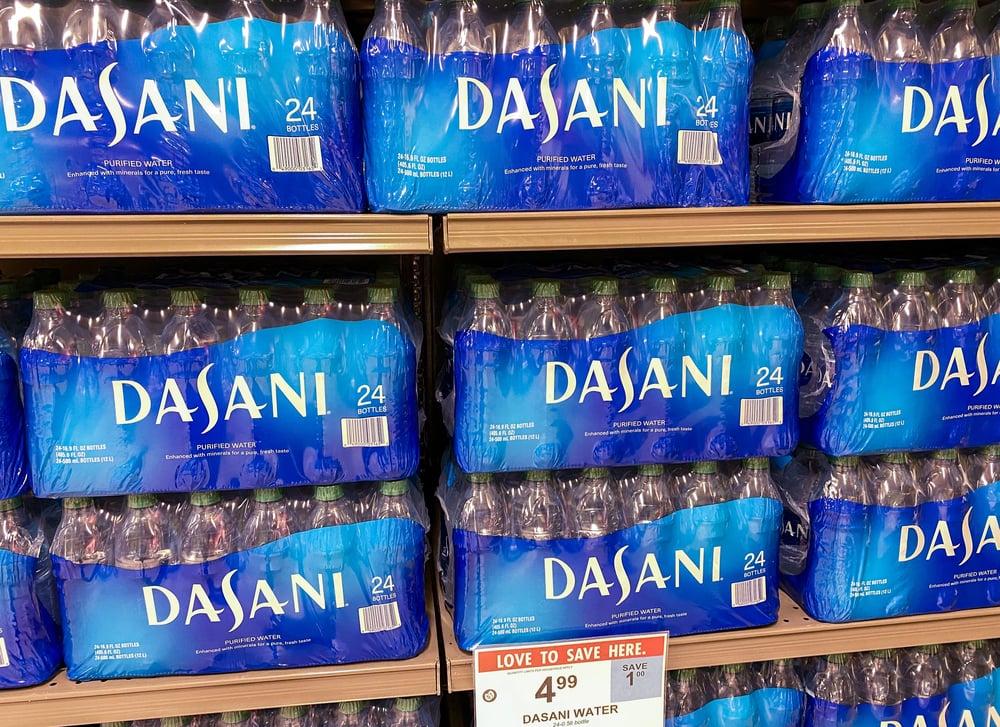
Coca-Cola’s launch of Dasani bottled water in the UK in 2004 quickly turned into a PR disaster when British media revealed it was simply filtered tap water. The situation worsened when the company had to recall 500,000 bottles due to bromate contamination, which exceeded legal limits.
Coca-Cola abandoned its UK Dasani launch entirely, wasting millions in marketing and production costs.
The Legacy of Launch Failures

These disastrous product launches serve as a reminder that even businesses with great resources and skilled teams can misread consumer wants or needs. The greatest companies change and learn from these setbacks.
Many companies on this list came back by means of sincere communication, quick corrective action, and a readiness to admit their errors instead of doubling down on defective goods. For every successful product we use daily, there’s a graveyard of launch disasters that serve as cautionary tales for business students and executives alike.
In today’s connected world, companies have less room than ever to make mistakes during high-profile launches, as social media can amplify failures from minor hiccups into full-blown crises within hours.
More from Go2Tutors!

- The Romanov Crown Jewels and Their Tragic Fate
- 13 Historical Mysteries That Science Still Can’t Solve
- Famous Hoaxes That Fooled the World for Years
- 15 Child Stars with Tragic Adult Lives
- 16 Famous Jewelry Pieces in History
Like Go2Tutors’s content? Follow us on MSN.