28 Objects Sitting In Major Museums Right Now That Were Taken From Other Countries
Walk through any major museum and you’re bound to see something beautiful that doesn’t quite belong where it sits. Ancient sculptures from Greece displayed in London. Egyptian sarcophagi resting in New York. Intricate bronzes from West Africa housed in Paris. These artifacts tell stories — not just of the civilizations that created them, but of the complex history of how they ended up thousands of miles from home.
The question of cultural repatriation has become one of the most heated debates in the museum world. Some argue these objects are better preserved and more accessible in major institutions. Others maintain that cultural treasures belong with the people who created them. What’s undeniable is that many of the world’s most famous museums built their collections during eras of colonialism, conquest, and questionable acquisition practices that would be unthinkable today.
The Elgin Marbles
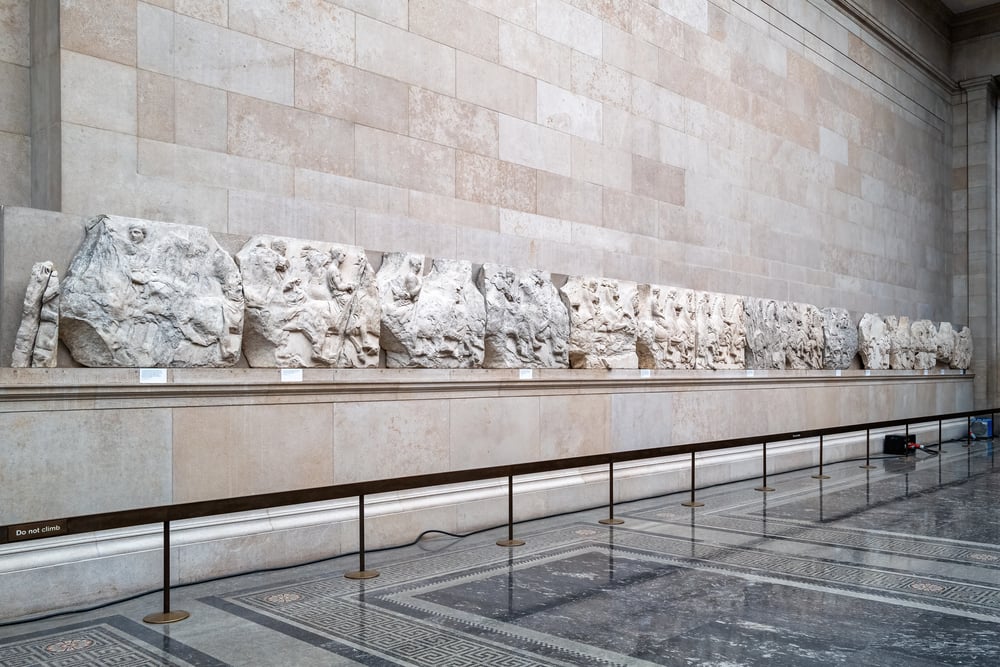
The Parthenon sculptures sit in the British Museum like exiled royalty. Lord Elgin removed them from Athens in the early 1800s, claiming he had permission from the Ottoman Empire that controlled Greece at the time. Greece has been asking for them back ever since independence. The British Museum argues they’re safer in London and accessible to more people. Greece argues they’re part of a sacred site that’s been mutilated by their removal.
Rosetta Stone
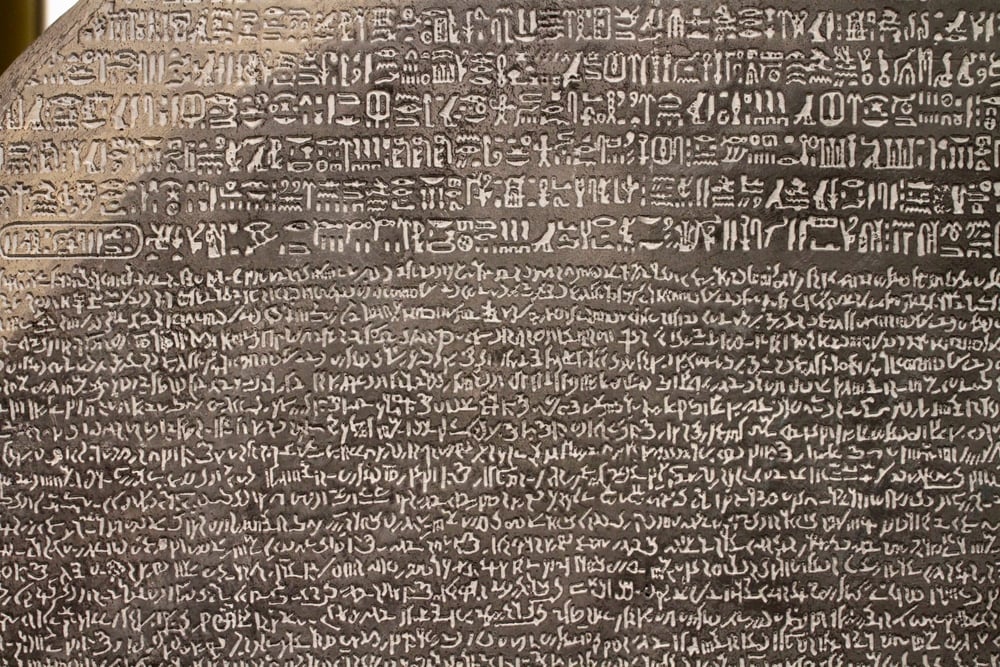
The key to understanding Egyptian hieroglyphs never left Egypt voluntarily. French soldiers found the Rosetta Stone in 1799, but when Napoleon’s forces surrendered to the British, it became a spoil of war. Egypt has repeatedly requested its return, arguing that this cornerstone of their ancient writing system belongs in Cairo, not London. The British Museum maintains that its current location allows for broader scholarly access.
Bust Of Nefertiti
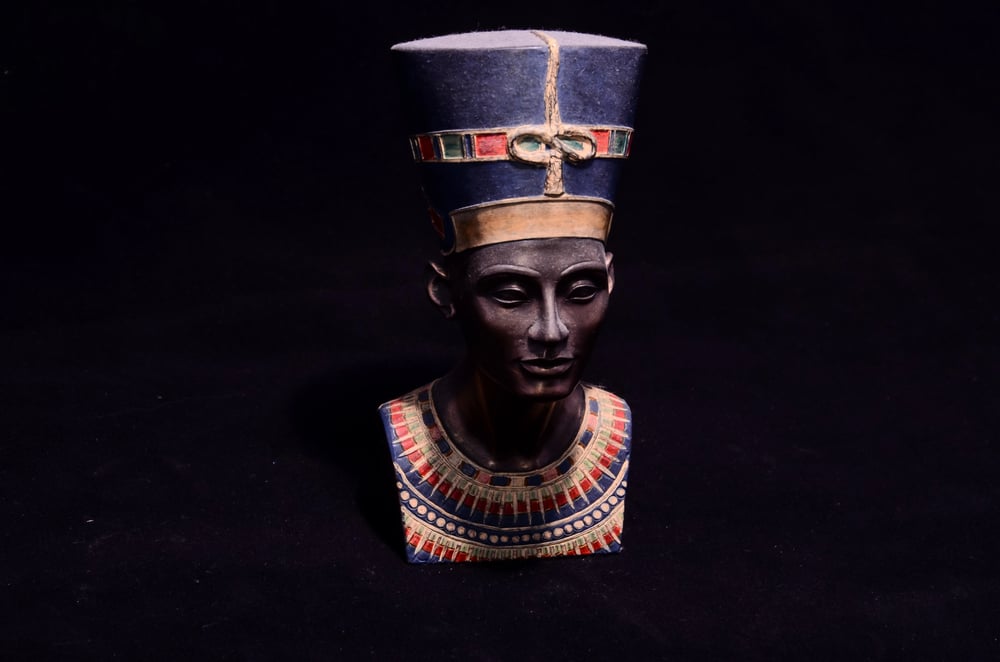
This limestone sculpture embodies everything complicated about museum acquisitions — it was excavated legally under an agreement that allowed the German team to keep half of what they found, but there’s strong evidence the Egyptians didn’t know what they were giving away (the archaeologist may have deliberately concealed the bust’s true significance). And so Queen Nefertiti, one of Egypt’s most famous rulers, stares out from Berlin’s Neues Museum while Egypt continues to demand her return, creating a diplomatic tension that has lasted over a century.
Benin Bronzes
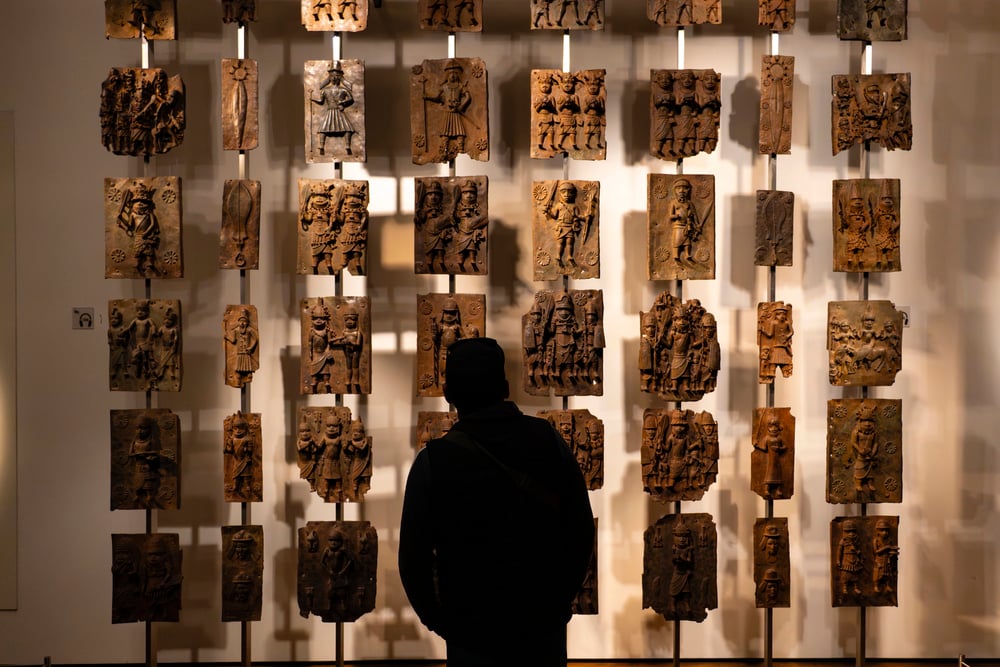
These aren’t just art pieces. They’re historical records. The bronze plaques and sculptures from the Kingdom of Benin (in present-day Nigeria) documented royal history, court life, and cultural practices with incredible detail. British forces looted them during a punitive expedition in 1897, scattering thousands of pieces across European and American museums. Nigeria has been systematically requesting their return, and some institutions have finally started listening.
Koh-I-Noor Diamond
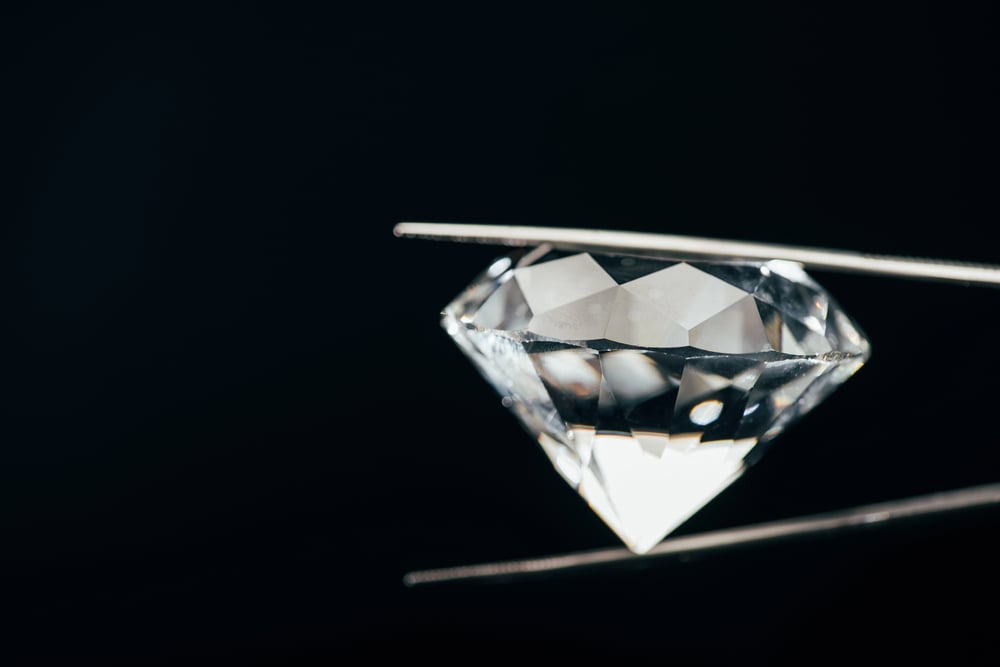
The mountain of light has a bloody history. This 105-carat diamond passed between rulers through conquest and political maneuvering for centuries before ending up in the British Crown Jewels. India, Pakistan, Iran, and Afghanistan have all claimed ownership at various times. The diamond sits in the Tower of London, but its presence there represents centuries of colonial extraction that multiple nations would like to see corrected.
Hoa Hakananai’a
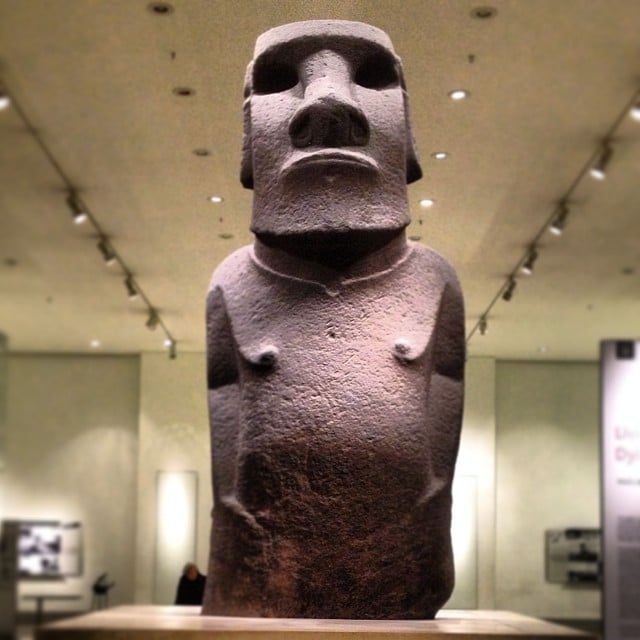
Easter Island’s most famous statue doesn’t live on Easter Island. Hoa Hakananai’a (which means “lost or stolen friend” — the irony writes itself) was taken by the HMS Topaze in 1868 and given to Queen Victoria. The Rapa Nui people have requested its return multiple times, pointing out that removing a moai from its cultural context is like tearing a page from a sacred book. The statue represents their ancestors, and its absence is felt as a genuine loss.
Euphronios Krater
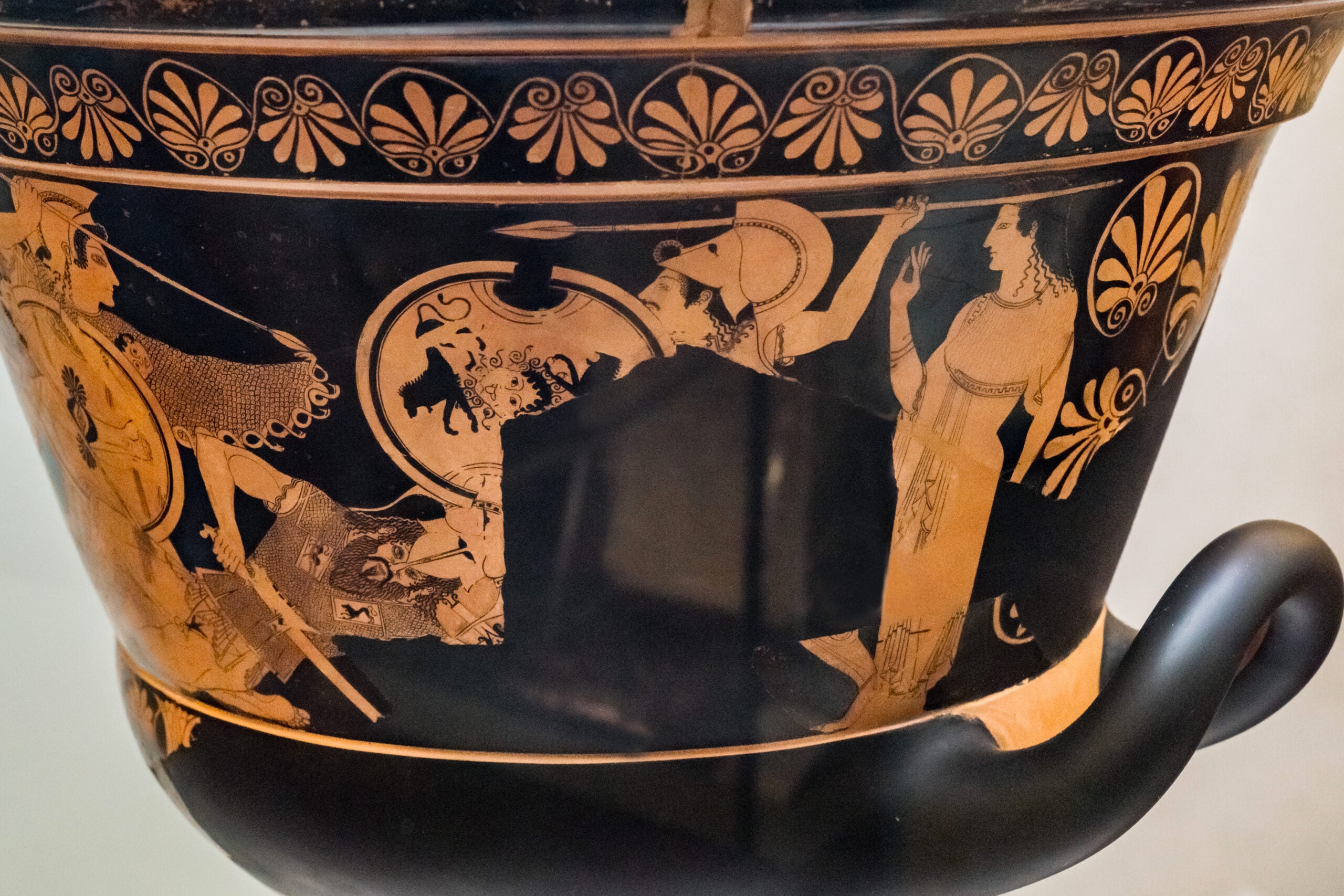
This red-figure calyx krater tells the story of Sarpedon’s death in the Trojan War, but it also tells a more modern story about the illegal antiquities trade. The Metropolitan Museum of Art acquired it in 1972, knowing it had been recently excavated from an Etruscan tomb in Italy. After decades of legal pressure and mounting evidence of its illicit excavation, the Met finally returned it to Italy in 2008. It now sits in Rome, where it belongs.
Aztec Feathered Serpent
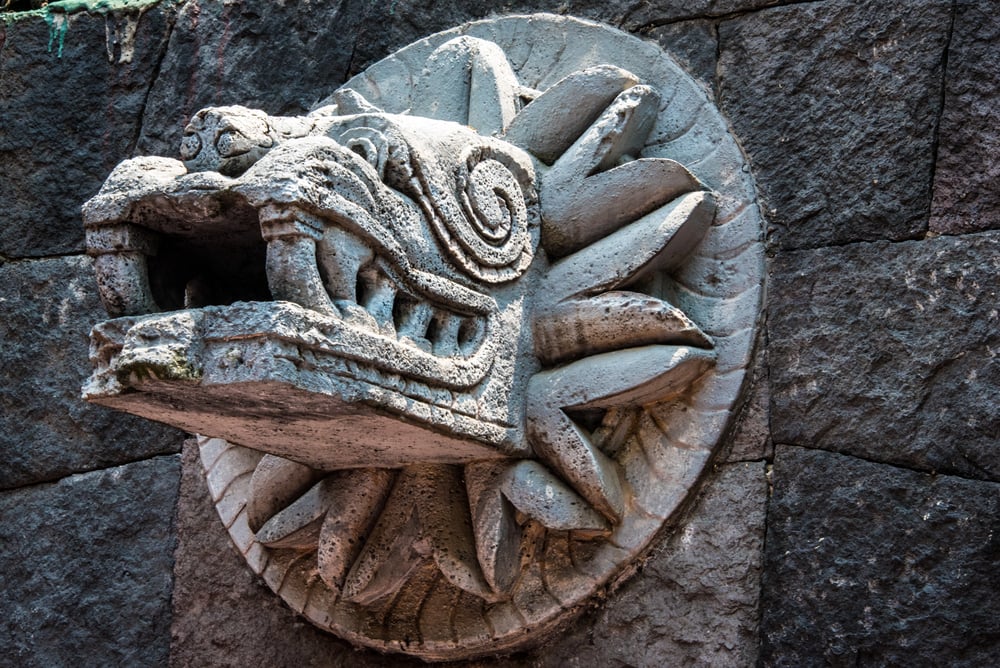
Montezuma’s headdress sits in Vienna, not Mexico City. This stunning piece of Aztec craftsmanship — made from over 450 feathers of the sacred quetzal bird — somehow made its way to Austria, possibly as a gift to Cortés that eventually reached the Habsburg court. Mexico has been trying to negotiate its return for decades. Austria claims the feathers are too fragile to transport, though they somehow survived the journey from Mexico centuries ago.
Lewis Chessmen
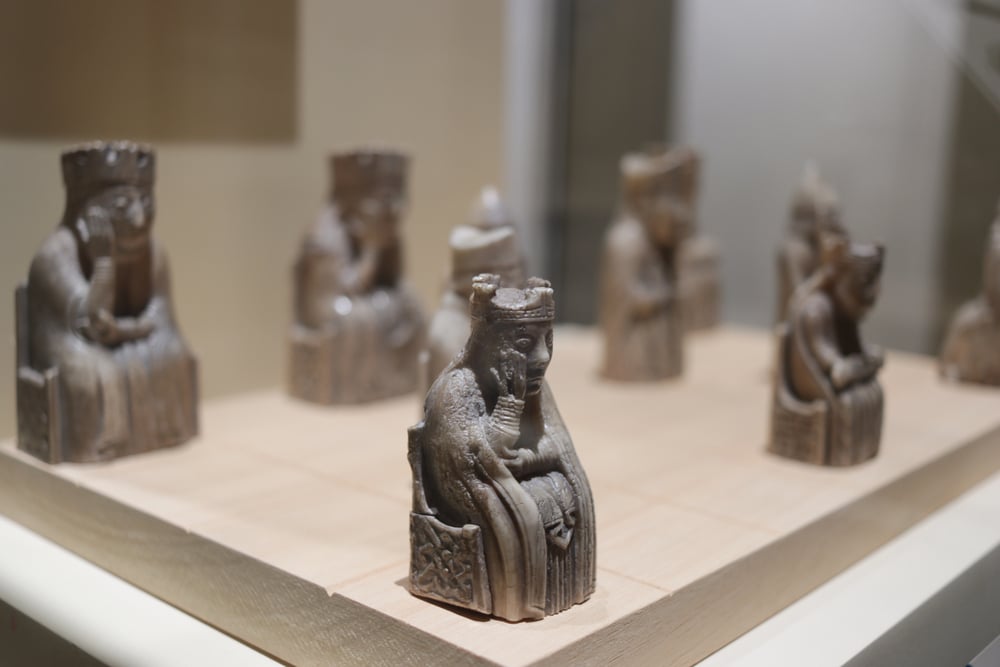
These walrus ivory chess pieces were buried on a Scottish beach and discovered in 1831, but most of them ended up in London rather than Scotland. The British Museum holds 82 pieces, while only 11 remain in Scotland at the National Museum in Edinburgh. Scotland argues these medieval artifacts represent their cultural heritage and should be displayed where they were found. The chessmen have become symbols in the broader debate about Scottish cultural patrimony.
Pergamon Altar
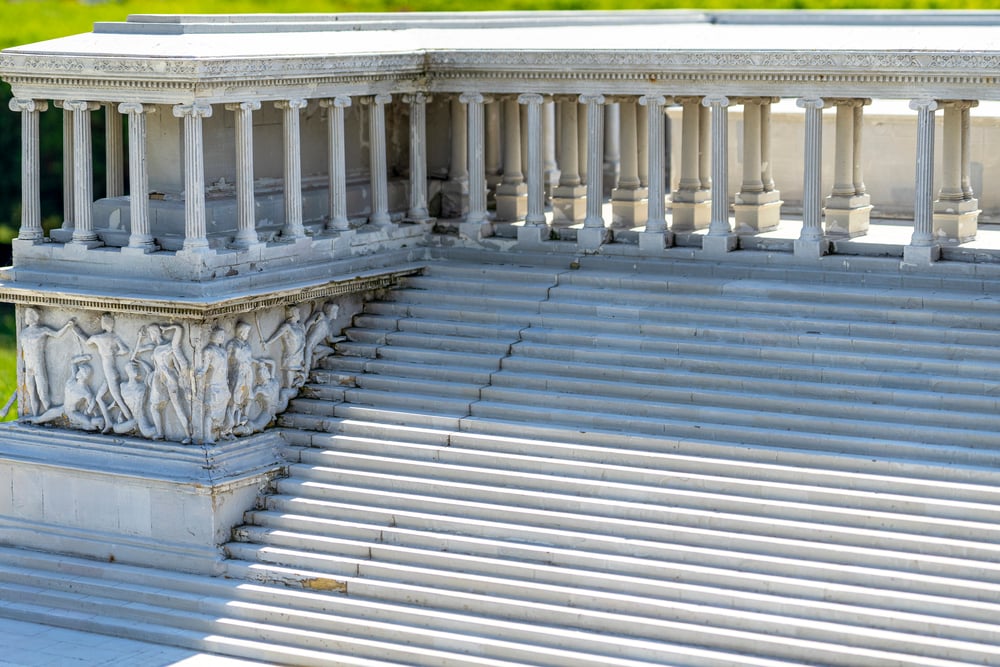
German archaeologists didn’t just study this massive Hellenistic structure — they dismantled it, shipped it to Berlin, and reconstructed it in a custom-built museum. The Pergamon Altar, dating from the 2nd century BC, was excavated from its original site in modern-day Turkey with Ottoman permission in the 1870s. Turkey now considers this one of the most significant losses of its archaeological heritage and has repeatedly requested its return.
Dendur Temple
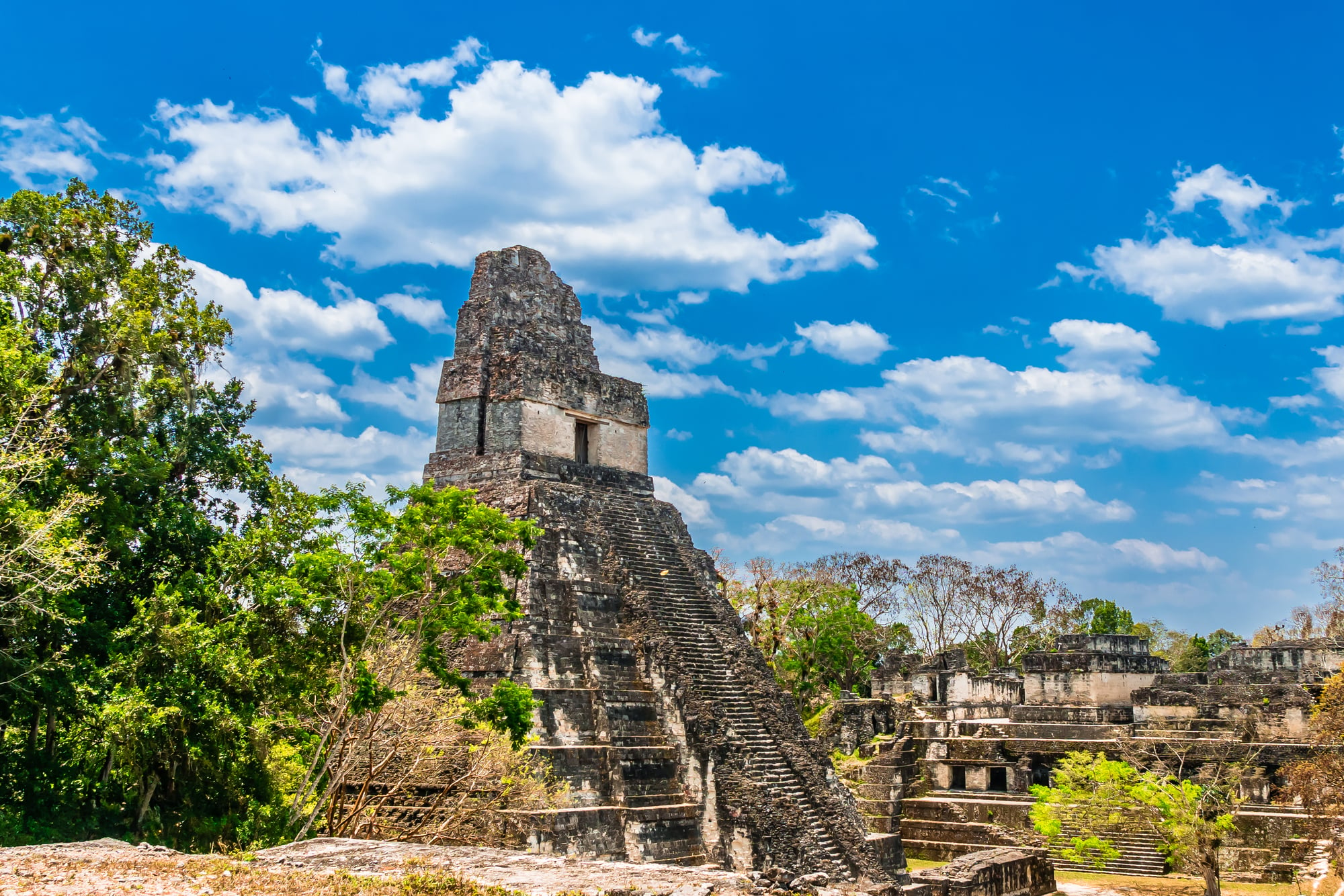
This entire Roman-period Egyptian temple was gifted to the United States in 1965 as thanks for helping save monuments threatened by the Aswan High Dam. While legally acquired, the Temple of Dendur’s presence in New York’s Metropolitan Museum raises questions about whether ancient sacred sites should be relocated wholesale. The temple sits in a glass-walled room designed to evoke its Nile setting, but critics argue that no recreation can substitute for original context.
Priam’s Treasure
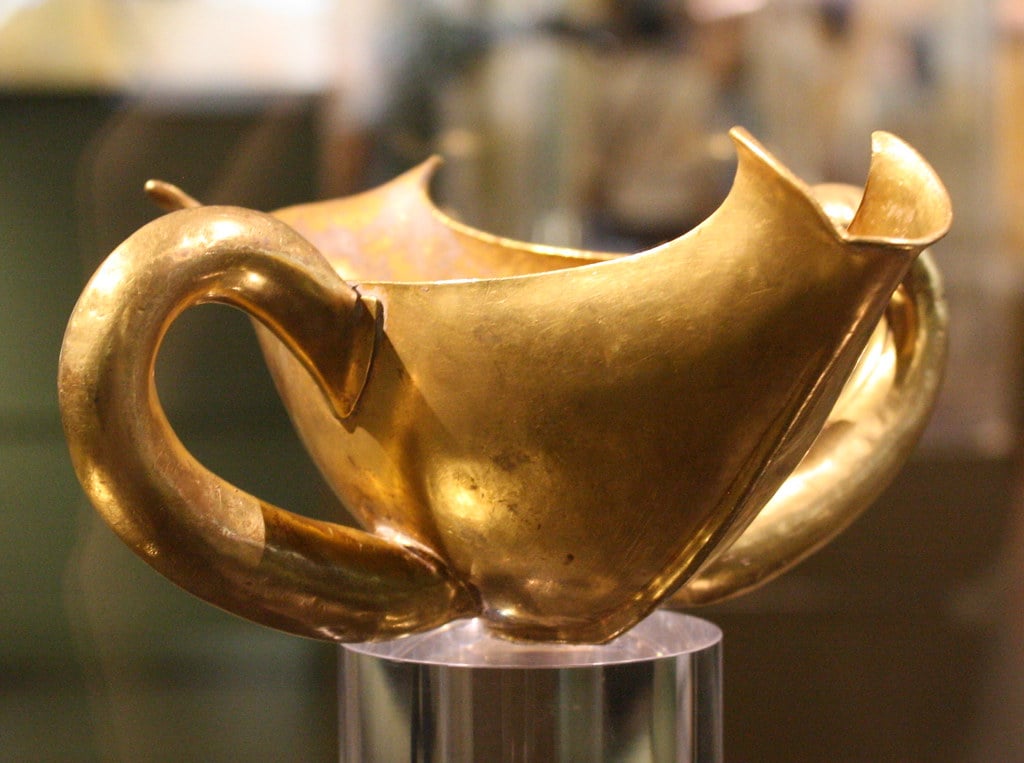
Heinrich Schliemann claimed he found the treasure of King Priam when he excavated Troy in the 1870s, though the artifacts probably predate the legendary king by a thousand years. Schliemann smuggled the gold out of Turkey illegally, eventually donating it to Berlin. The Soviets seized it as war reparations in 1945, and it remained hidden until surfacing in Moscow’s Pushkin Museum in the 1990s. Turkey, Germany, and Russia all have claims, creating a three-way cultural property dispute.
Seokgatap And Bulguksa Artifacts
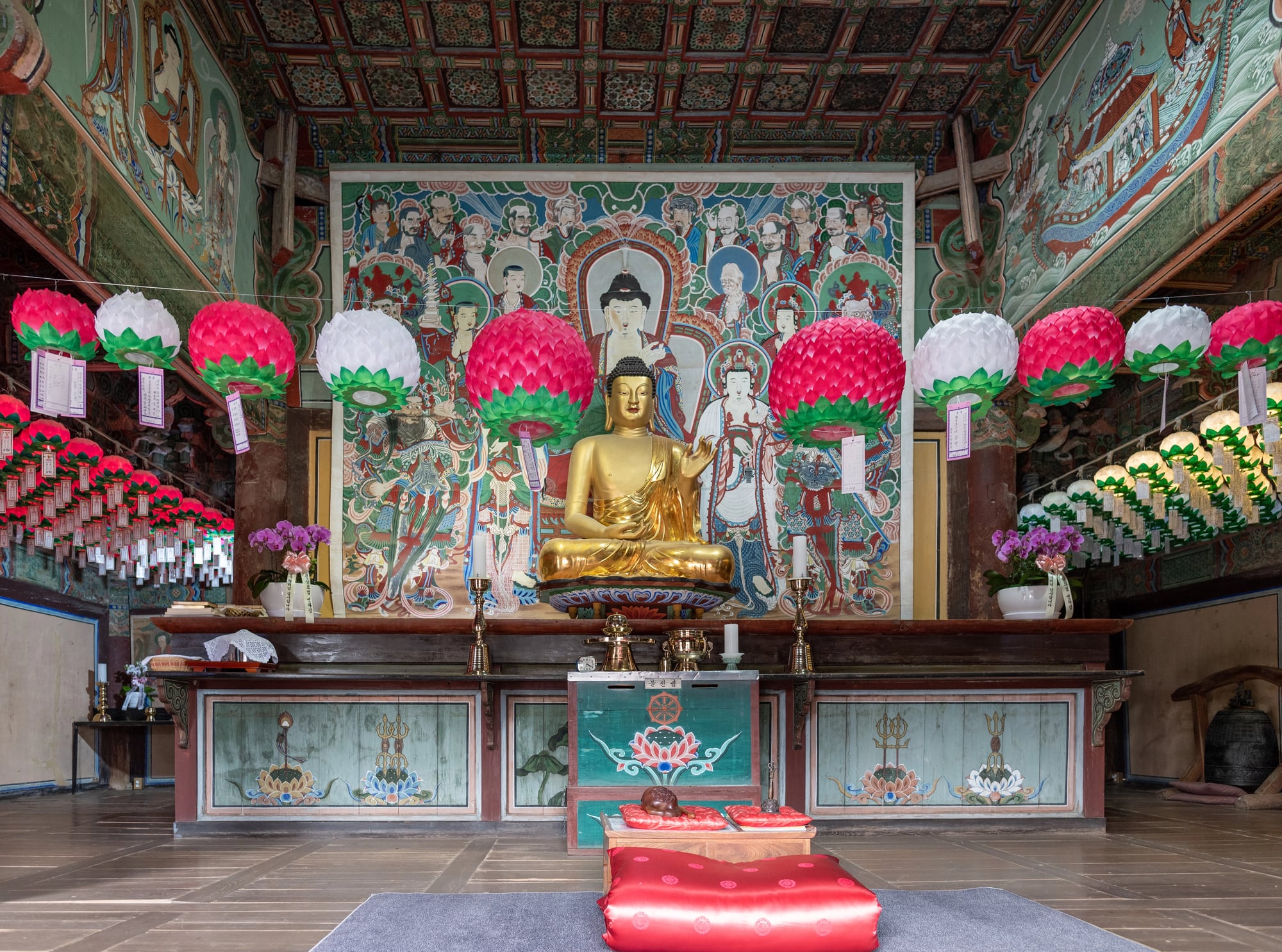
Japanese colonial authorities systematically removed Korean cultural artifacts during their occupation from 1910 to 1945. Many pieces from Bulguksa Temple and other significant sites ended up in Japanese museums and private collections. While some items have been returned following diplomatic negotiations, hundreds of important Korean cultural artifacts remain in Japan. The emotional weight of these missing pieces goes beyond their artistic value — they represent a culture under assault.
Aboriginal Sacred Objects
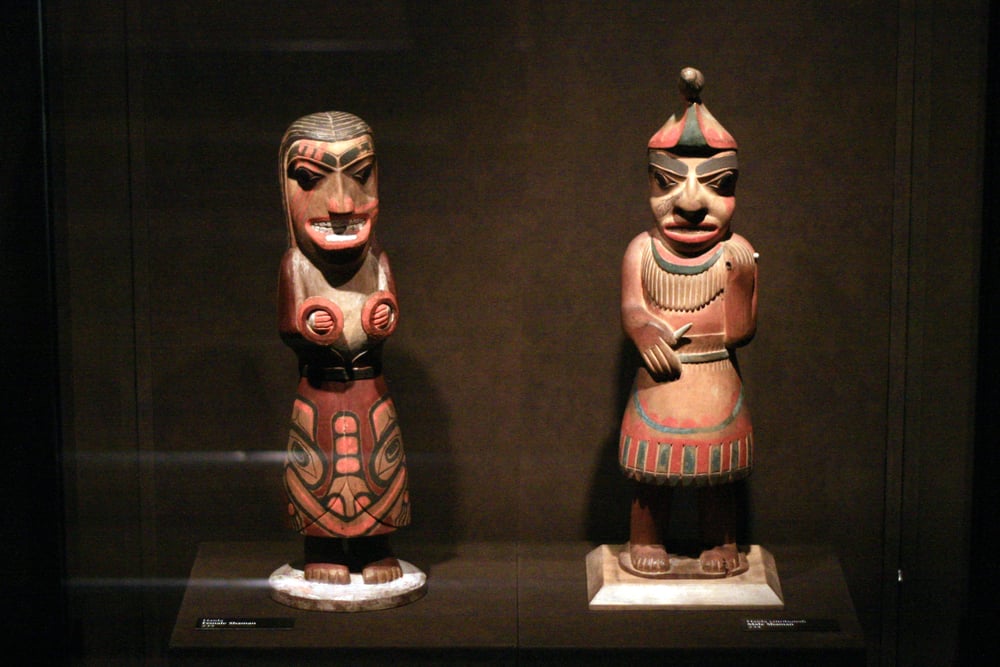
European collectors and museums acquired countless Aboriginal sacred objects without understanding — or caring — that many were never meant to be seen by uninitiated eyes, let alone displayed publicly. These aren’t just artifacts; they’re living cultural elements with ongoing spiritual significance. Australian museums have led repatriation efforts, but sacred objects remain scattered in collections worldwide, far from the communities that created and venerate them.
Hoxne Hoard
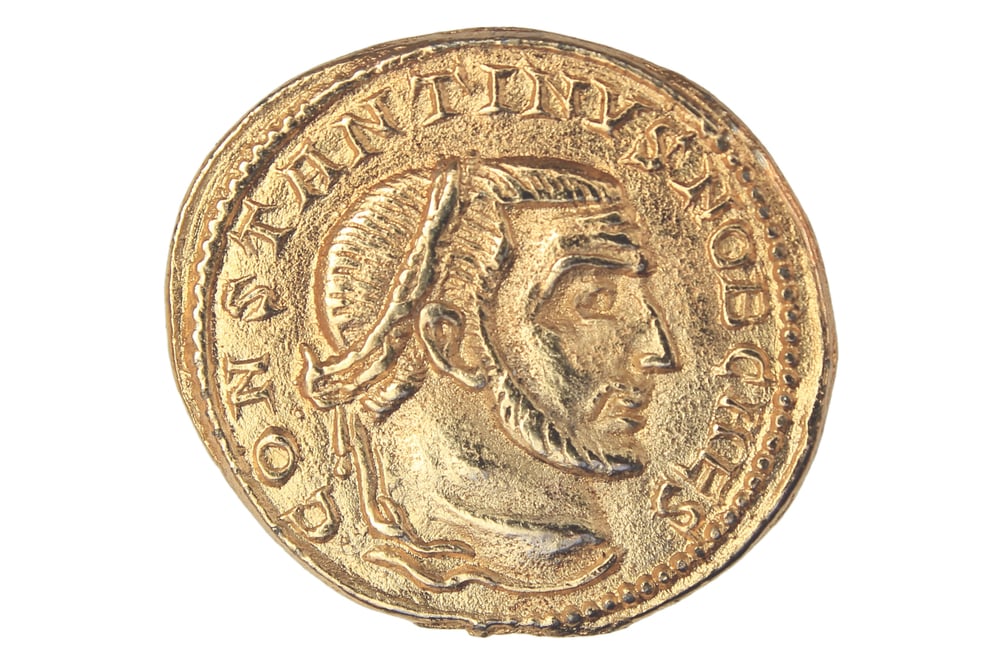
This massive collection of late Roman gold and silver was discovered by a metal detectorist in Suffolk in 1992, but questions linger about whether similar finds from earlier decades were properly handled. While the Hoxne Hoard itself was legally acquired by the British Museum, it represents broader issues about archaeological finds leaving their countries of origin. The hoard includes over 15,000 coins and precious objects that illuminate late Roman Britain.
Machu Picchu Artifacts
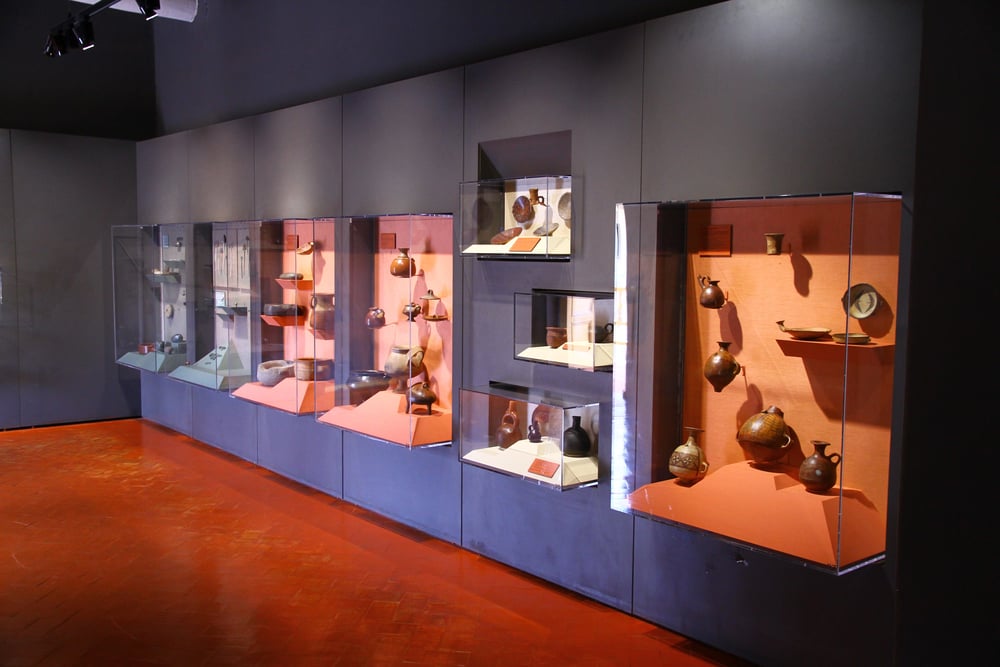
Yale University’s Hiram Bingham III expedition to Machu Picchu between 1911 and 1915 removed thousands of artifacts with Peruvian government permission — but Peru later argued the permission was only for temporary study. After nearly a century of legal battles, Yale finally returned the artifacts to Peru between 2011 and 2012. The case established important precedents for time-limited research agreements and the difference between borrowing and owning.
Sumerian Artifacts From Ur
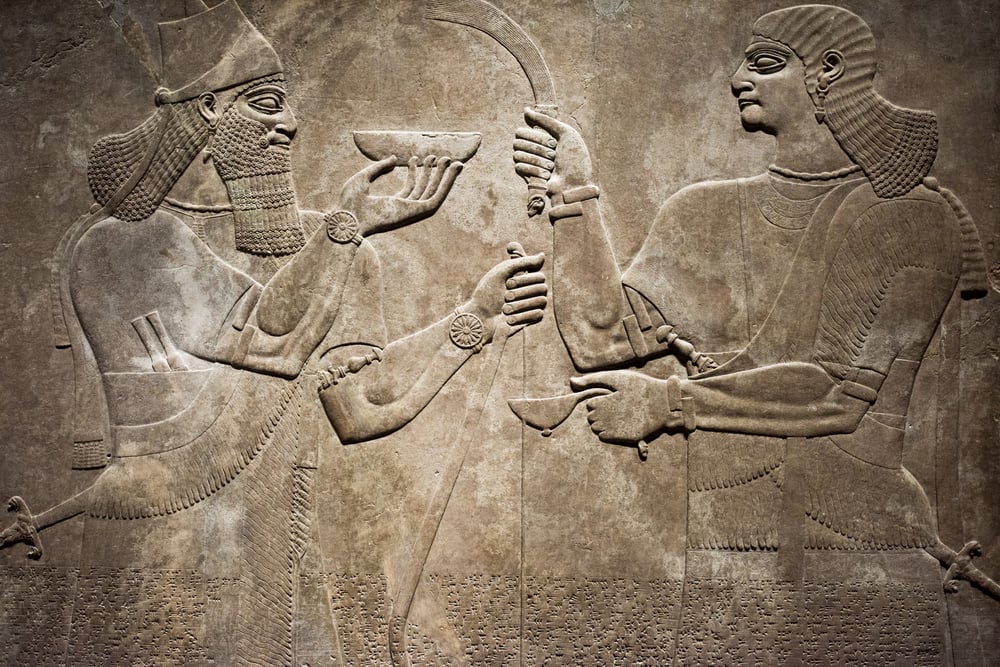
Sir Leonard Woolley’s excavations at Ur in the 1920s uncovered spectacular Sumerian artifacts, including the treasures of Queen Puabi. The finds were divided between Iraq, Britain, and the United States under the terms of the excavation permit. However, decades of conflict have devastated Iraq’s ability to protect its cultural heritage, while pieces in London and Philadelphia remain secure but separated from their cultural context.
Ethiopian Manuscripts
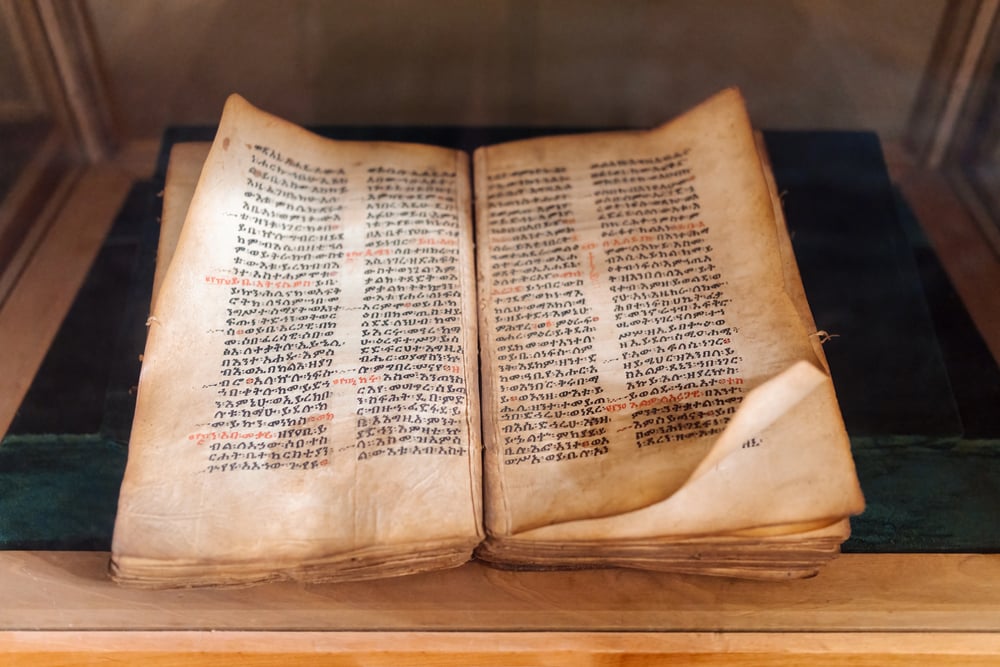
The British expedition to Ethiopia in 1868 wasn’t just a military campaign — it was cultural looting on an industrial scale. Soldiers carried off over 1,000 manuscripts from Emperor Tewodros II’s library at Magdala, along with countless other artifacts. These manuscripts, written in Ge’ez and Amharic, represent centuries of Ethiopian Christian scholarship. Many remain in the British Library, despite Ethiopia’s requests for their return.
Akan Gold Weights
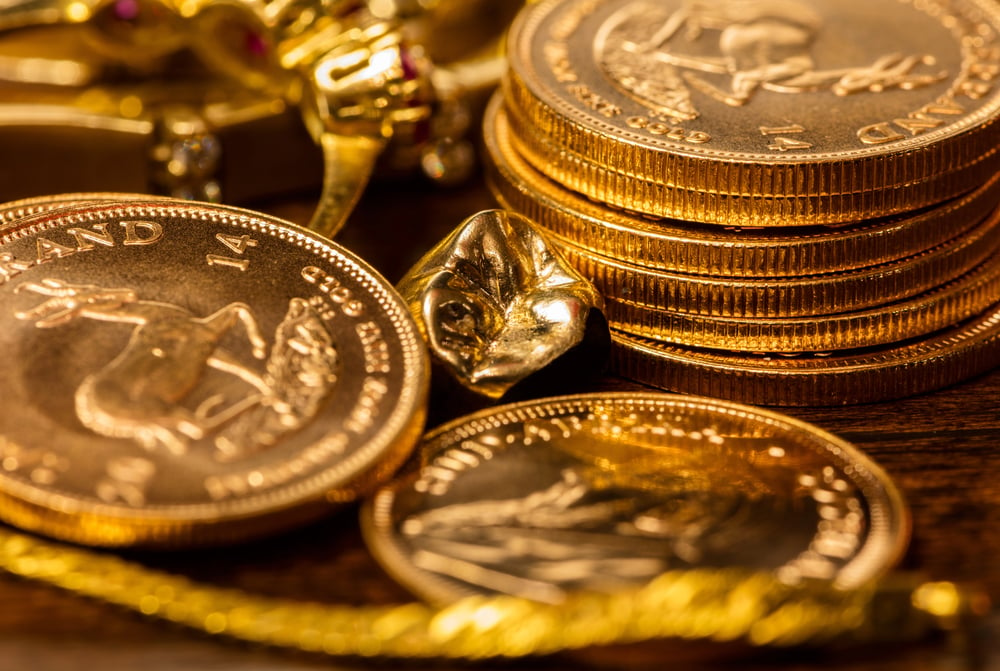
These small brass sculptures served as standardized weights for gold dust in West African trade networks, but they also functioned as artistic expressions and cultural symbols. Colonial administrators and collectors systematically acquired them, often without understanding their complex cultural meanings. Today, museums across Europe and North America house extensive collections of these weights, while the communities that created them work to preserve knowledge about their original uses.
Chinese Imperial Artifacts
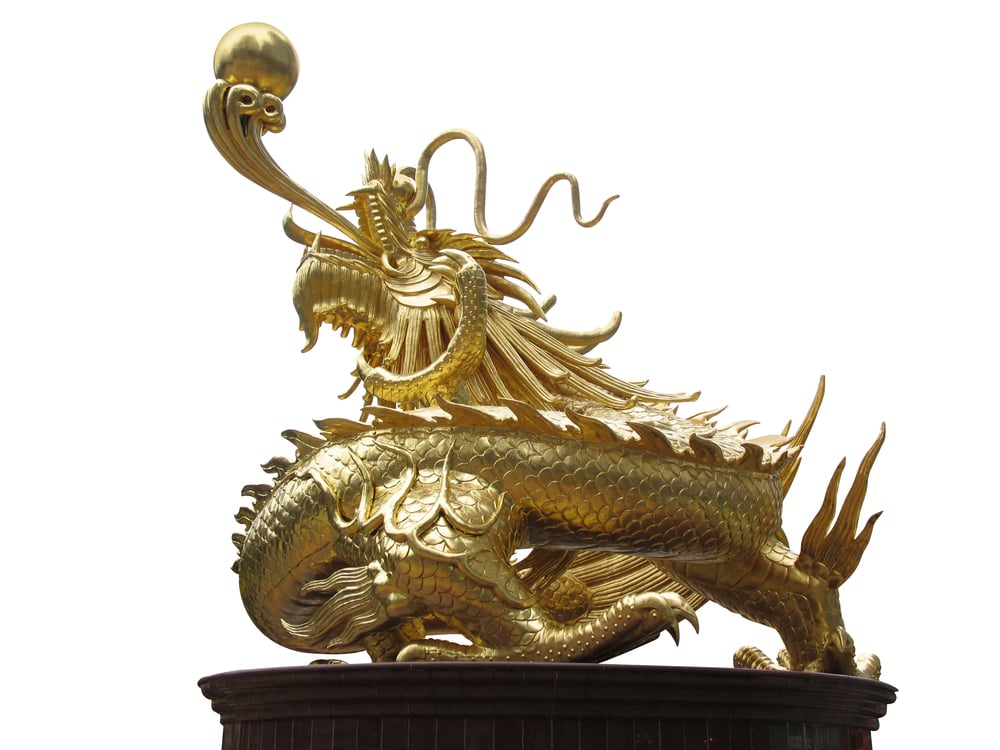
The destruction of the Old Summer Palace in Beijing in 1860 scattered Chinese imperial treasures across European collections. British and French forces looted the palace systematically before burning it down, and many of the finest pieces ended up in museums and private collections. China has been working to track down and repatriate these artifacts, with some success, but thousands of pieces remain in foreign hands.
Silla Kingdom Artifacts
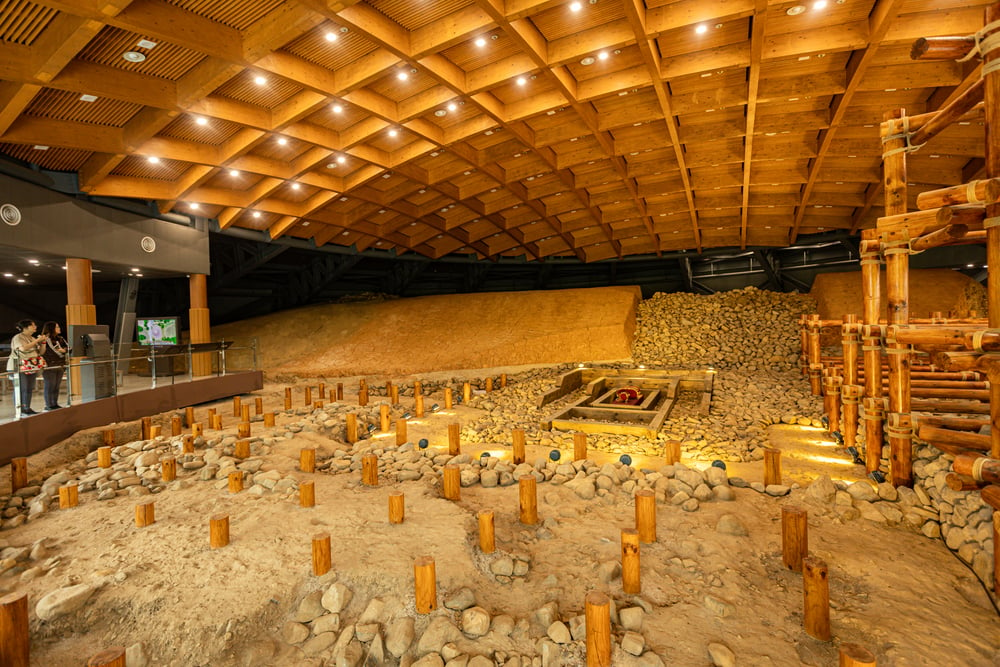
Korean golden crowns and jewelry from the ancient Silla Kingdom represent some of the finest metalwork in East Asian history. Japanese collectors acquired many pieces during the colonial period, often through unclear means. These aren’t just beautiful objects — they’re symbols of Korean royal authority and cultural achievement. South Korea has negotiated the return of some items, but significant pieces remain in Japanese museums.
Maya Stelae And Sculptures
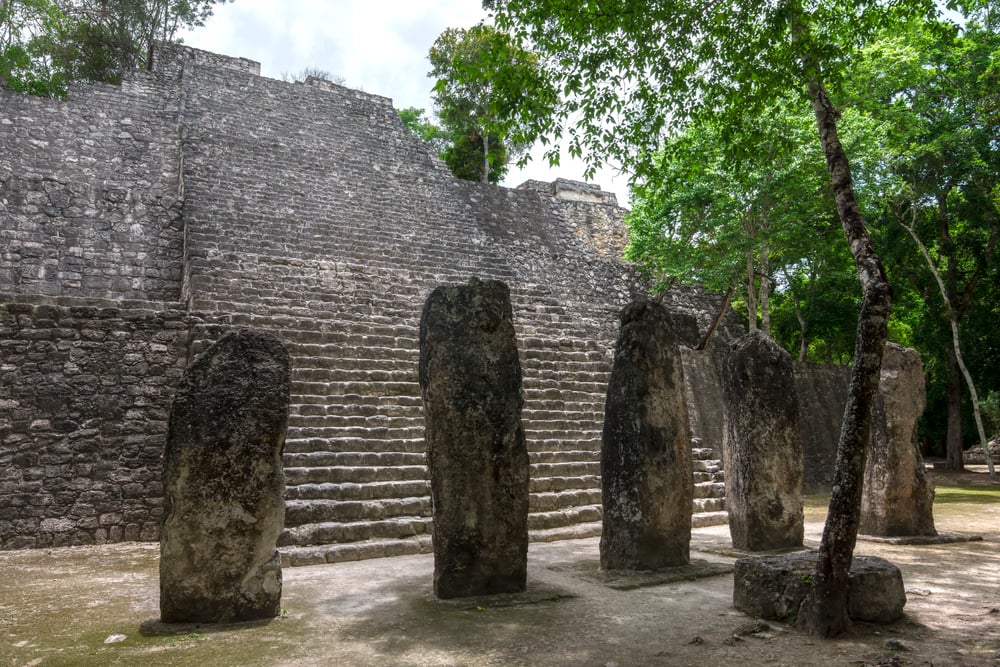
Museums across the United States house Maya stelae and architectural sculptures that were removed from sites in Guatemala, Mexico, and Belize during the 20th century. Many were legally acquired under the laws of the time, but source countries now argue that these monuments are integral parts of archaeological sites that have been damaged by their removal. The stelae often contain crucial historical information that belongs with the sites they originally marked.
Pacific Northwest Totems
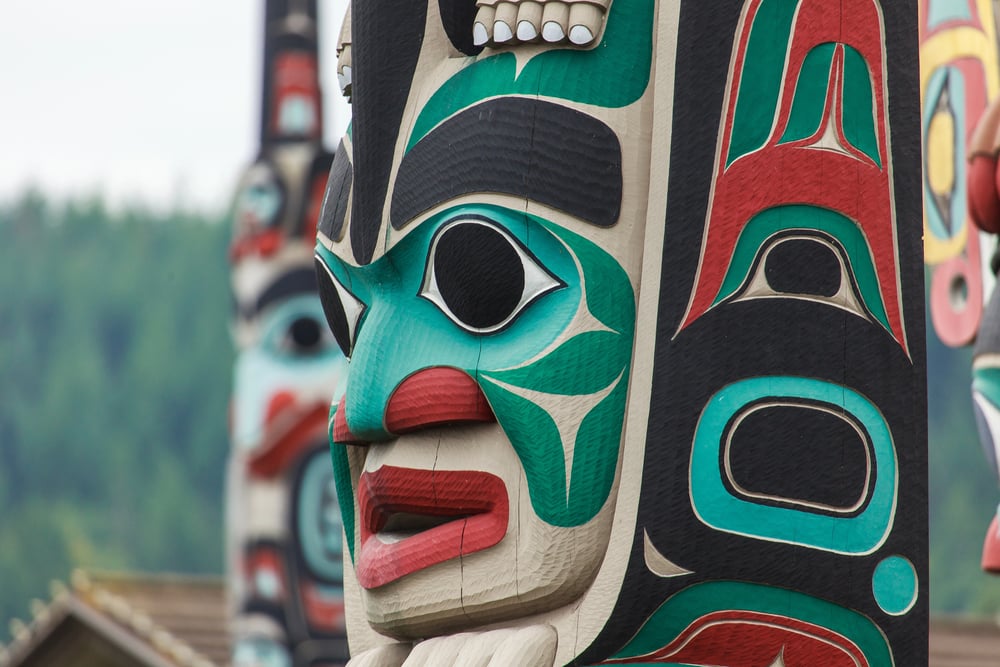
Totem poles and ceremonial objects from Pacific Northwest peoples ended up in museums worldwide during the late 19th and early 20th centuries. Many were acquired during potlatch ceremonies that the Canadian government had banned, forcing communities to sell sacred objects. These aren’t just artistic expressions — they’re genealogical records and spiritual focal points. Repatriation efforts have returned some items, but many remain far from their originating communities.
Thracian Gold
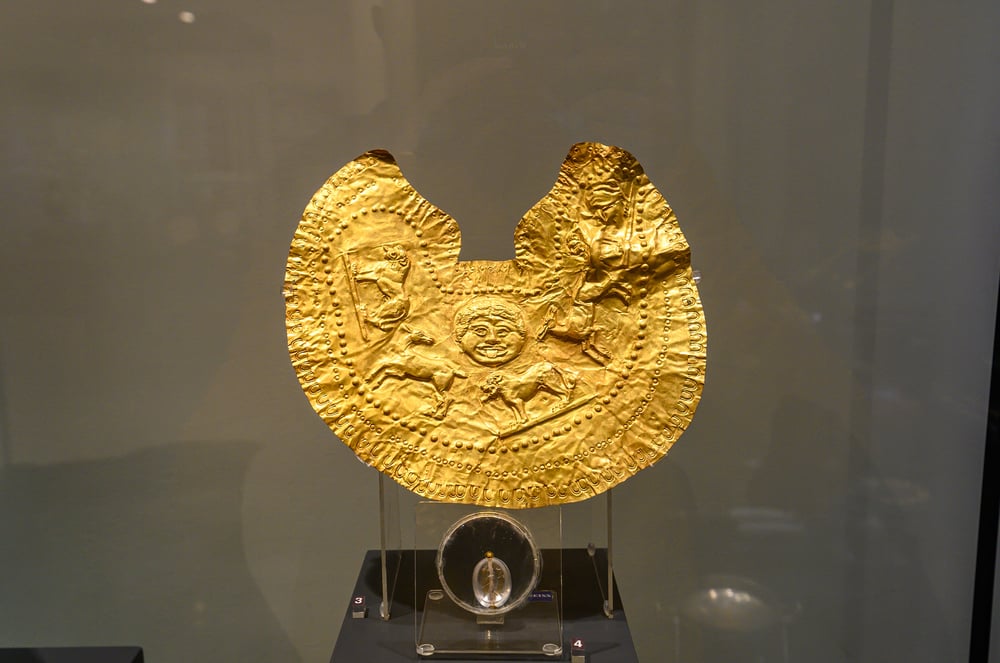
The ancient Thracians left behind spectacular gold artifacts that have been excavated from burial sites across Bulgaria and neighboring regions. However, many of the finest pieces left Bulgaria during the communist era or were acquired by foreign museums through questionable channels. Bulgaria has been working to recover looted Thracian gold from collections worldwide, arguing that these artifacts are crucial to understanding their pre-Roman cultural heritage.
Nubian Artifacts From Kerma
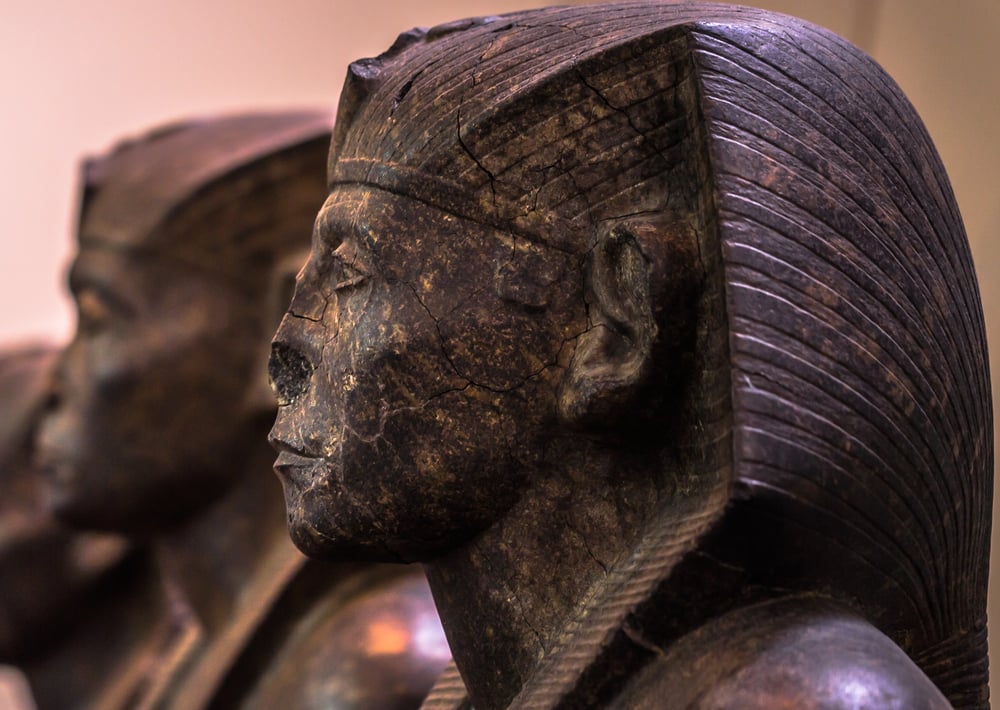
The ancient Kingdom of Kush produced sophisticated artwork and cultural objects that are now scattered across museum collections worldwide. Many pieces were excavated during the colonial period when Sudan had little control over archaeological activities. These artifacts tell the story of one of Africa’s most powerful ancient kingdoms, but their dispersal has made it difficult for Sudanese scholars and the public to access their own cultural heritage.
Indonesian Hindu-Buddhist Sculptures
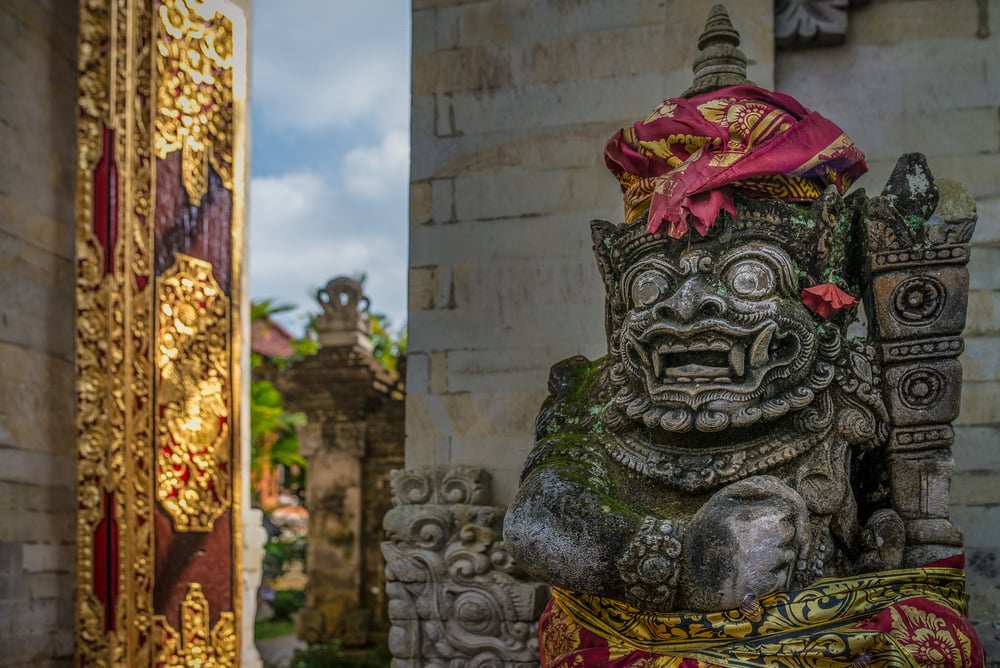
Dutch colonial authorities and collectors removed countless sculptures and architectural elements from Indonesian temples during the colonial period. These pieces, representing centuries of Indonesian Hindu-Buddhist culture, ended up in Dutch museums and private collections. Indonesia has been working to catalog and potentially repatriate these artifacts, arguing that they belong in the context of Indonesia’s rich cultural heritage.
Scythian Gold
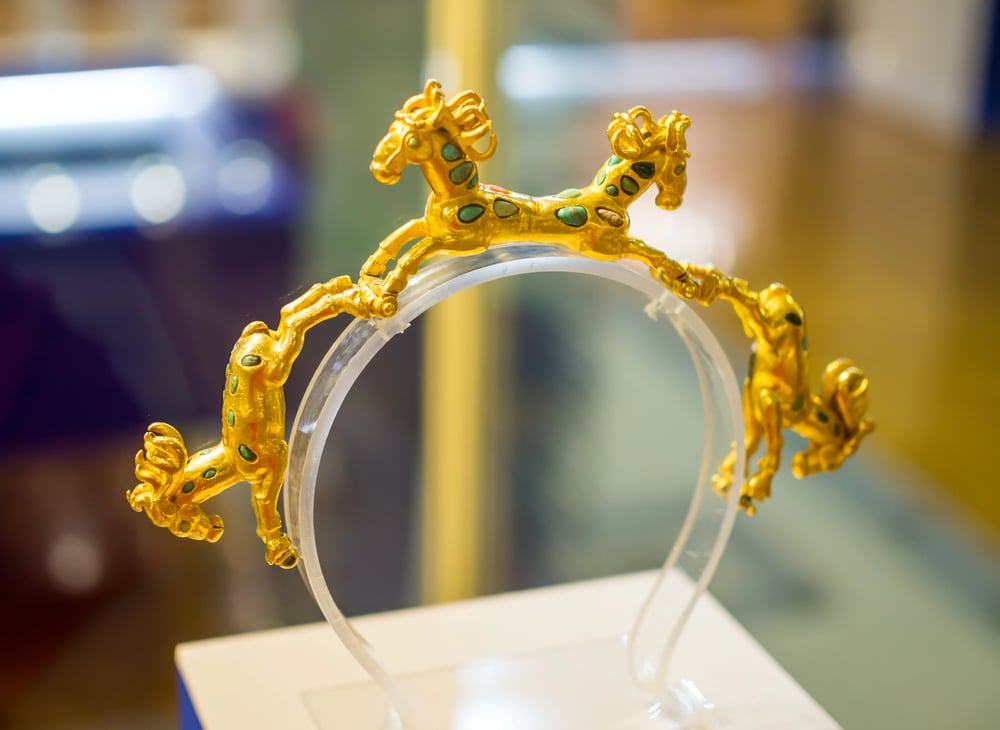
Elaborate Scythian gold artifacts from burial sites across the Black Sea region represent one of the ancient world’s most sophisticated nomadic cultures. Many pieces were excavated and removed during the 19th and early 20th centuries, ending up in museums across Europe. Ukraine and other successor states in the region have been working to recover these artifacts, arguing that they’re crucial to understanding the cultural heritage of the Scythian peoples.
Celtic Artifacts From Gaul
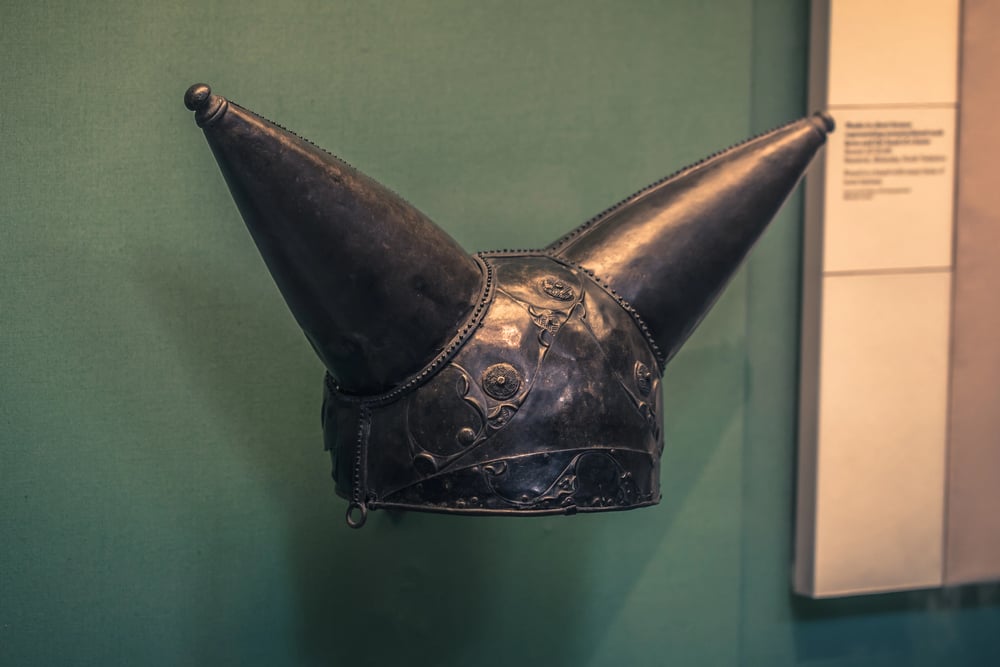
Roman-era Celtic artifacts from France were systematically collected by German archaeologists and museums during the 19th and 20th centuries. These pieces — including weapons, jewelry, and religious objects — represent the culture of Celtic Gaul before and during Roman conquest. France has been working to recover some of these artifacts, arguing that they’re integral to French prehistoric and early historic cultural heritage.
When Museums Become Battlegrounds
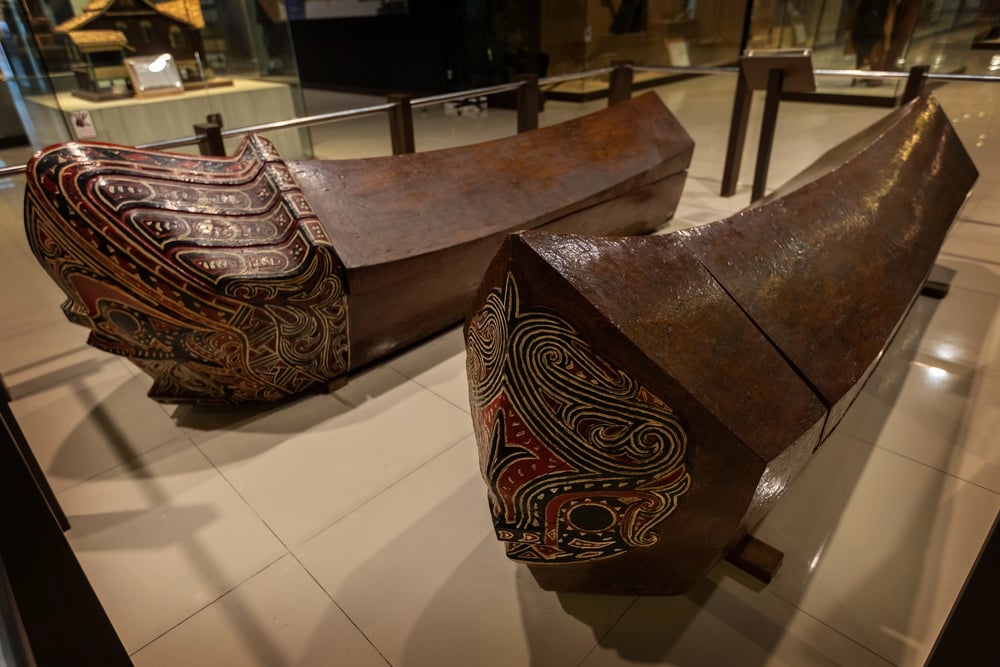
The marble floors of major museums have become unexpected diplomatic arenas where nations negotiate not just for objects, but for pieces of their cultural souls. These aren’t abstract legal disputes — they’re conversations about identity, memory, and who gets to tell the story of human civilization. Every returned artifact sets a precedent, and every refusal to return something becomes part of a larger conversation about cultural ownership that will define museums for generations to come.
More from Go2Tutors!

- The Romanov Crown Jewels and Their Tragic Fate
- 13 Historical Mysteries That Science Still Can’t Solve
- Famous Hoaxes That Fooled the World for Years
- 15 Child Stars with Tragic Adult Lives
- 16 Famous Jewelry Pieces in History
Like Go2Tutors’s content? Follow us on MSN.