Historic Snacks That Have Been Around for Centuries
The idea of snacking, though new, is nothing unusual. The idea of having small meals on the go, though, is old.
Long ago, long before the idea of bagged or man-made snacks, people carried around small meals to accompany their travels, work, or between meals. In a strange way, though, many of these old snacks look surprisingly similar to their modern counterparts.
The reason for these old snacks, though, was necessity, not chance. Created by necessity, they were carried around because they worked.
People used what was around them, and they built what lasted. The usefulness of these old snacks carried them forward long after their inception.
For example, old snacks, some of which have surprisingly familiar faces, date back hundreds of years. Time, though, has worn down empires, and yet some of these old snacks seem to have stayed put.
You’d see them on the shelves without realizing how long ago they were introduced. Surprisingly, nothing much was changed about their appearance, though.
Pretzels

The pretzel traces its origins back to early medieval Europe, where monks are believed to have created them as a reward for children learning prayers. Their distinctive twisted shape wasn’t random — it symbolized arms crossed in prayer.
Over time, pretzels spread across Europe and eventually into the United States, where they evolved into both soft and hard varieties. Even so, the basic ingredients — flour, water, and salt — have remained unchanged.
It’s a rare example of a snack that has stayed simple while adapting to different cultures. Today, whether served warm at a street stand or packaged as a crunchy snack, the core idea remains intact.
Popcorn
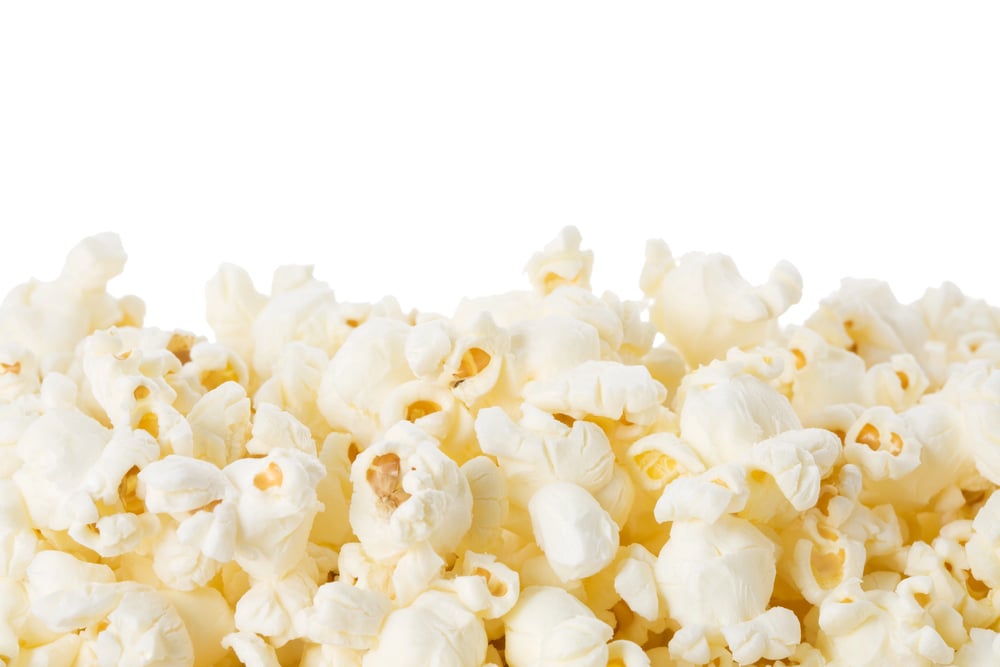
Few snacks feel as timeless as popcorn, and for good reason. Evidence suggests it was enjoyed by ancient civilizations in the Americas thousands of years ago.
Kernels would be heated until they burst, creating the light, crunchy snack still loved today. What makes popcorn remarkable is how little it has changed.
While flavors and preparation methods have evolved, the core process remains the same. It’s one of the oldest snacks still widely consumed in nearly its original form.
Even modern movie theaters rely on this ancient concept, proving how enduring simplicity can be.
Cheese
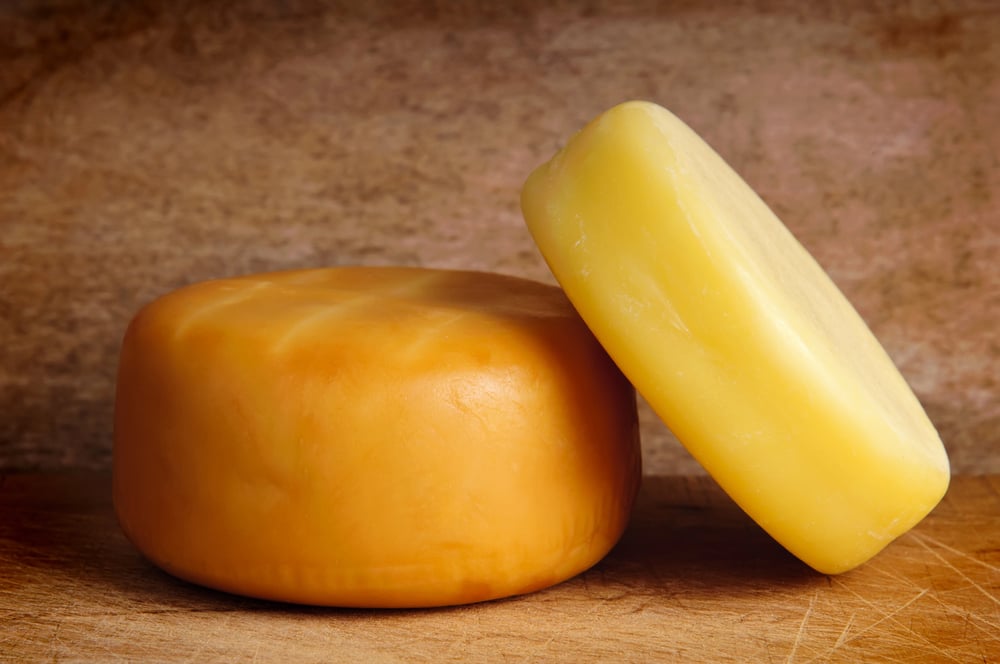
Cheese has been part of human diets for thousands of years, often serving as both a staple food and a convenient snack. Its long shelf life made it especially valuable in times when preservation was essential.
Different regions developed their own styles, but the idea remained consistent — transforming milk into something more durable and portable. Even today, cheese is still enjoyed in much the same way, whether on its own or paired with other foods.
Its versatility is part of what has kept it relevant across cultures and generations.
Dried Fruit
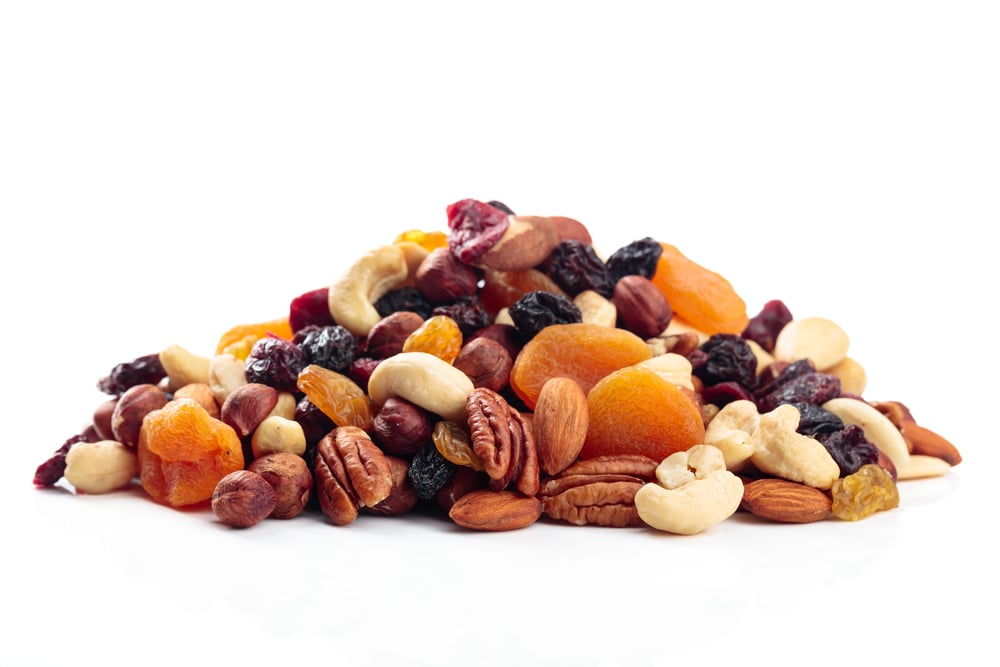
Before refrigeration, drying fruit was one of the most effective ways to preserve it. Snacks like raisins, figs, and dates became common across ancient civilizations, offering natural sweetness in a form that could last for long periods.
These snacks were especially useful for travelers, as they were lightweight and energy-dense. While modern versions may be packaged differently, the concept hasn’t changed.
Dried fruit remains one of the simplest and oldest snacks still in circulation. It’s also a reminder that preservation techniques often shaped entire food traditions.
Nuts
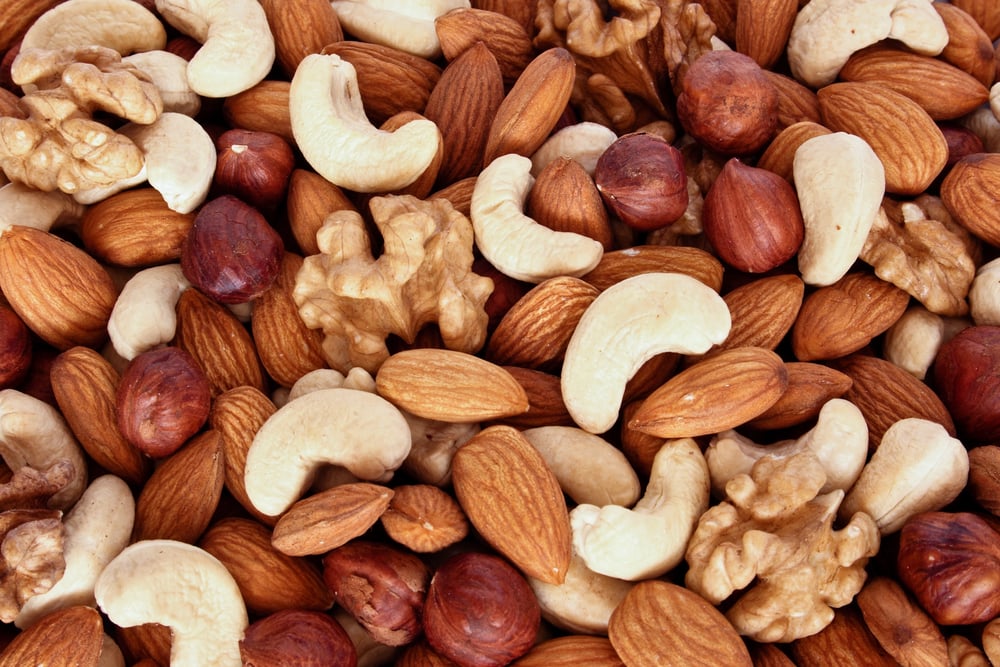
Nuts have been gathered and eaten for thousands of years, making them one of the earliest snack foods. Almonds, walnuts, and hazelnuts were all valued for their nutritional content and convenience.
They required little preparation and could be eaten on the go, which made them ideal for both daily life and long journeys. Even now, nuts are still seen as a practical, satisfying snack — a direct link to how people ate in ancient times.
Their balance of flavor and nutrition continues to make them a staple in modern diets.
Jerky
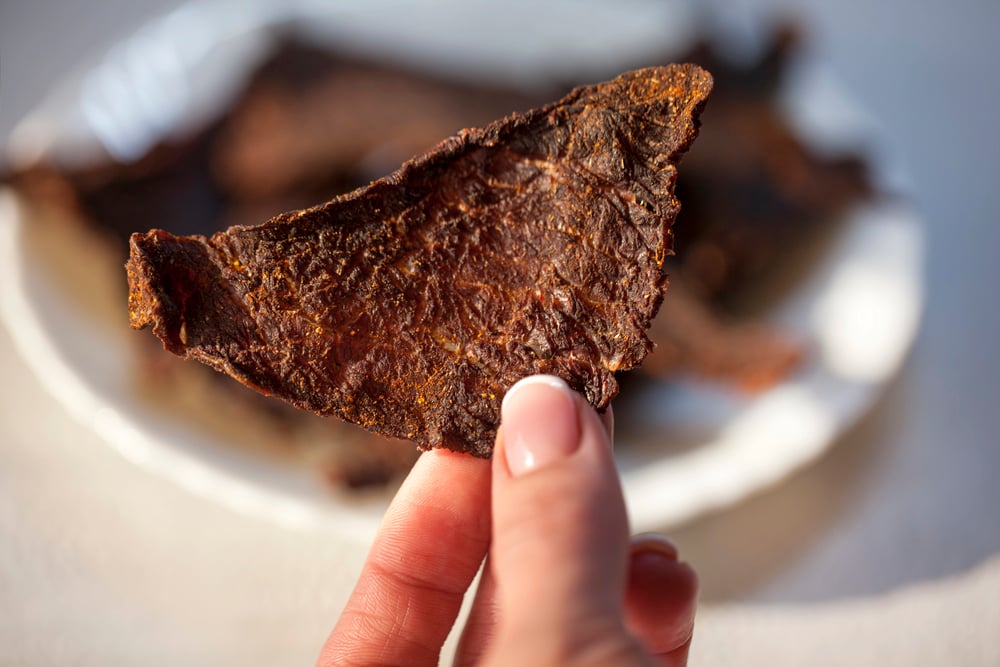
jerky has its roots in ancient preservation techniques used by various cultures around the world. By drying meat and removing moisture, people created a product that could last for extended periods without spoiling.
This made jerky an essential food for travel and survival. While modern versions often include added flavors, the original purpose remains the same — creating a durable, protein-rich snack that can be stored and carried easily.
Its long history is closely tied to exploration and movement across vast distances.
Flatbreads

Flatbreads have been a part of human diets for thousands of years, often serving as both a meal and a quick snack. Made from simple ingredients like flour and water, they were easy to prepare and versatile in use.
In many cultures, flatbreads were eaten on their own or paired with small amounts of other foods. Their simplicity is what allowed them to endure, evolving into different forms while maintaining the same basic concept.
From ancient ovens to modern kitchens, the method remains familiar.
Olives
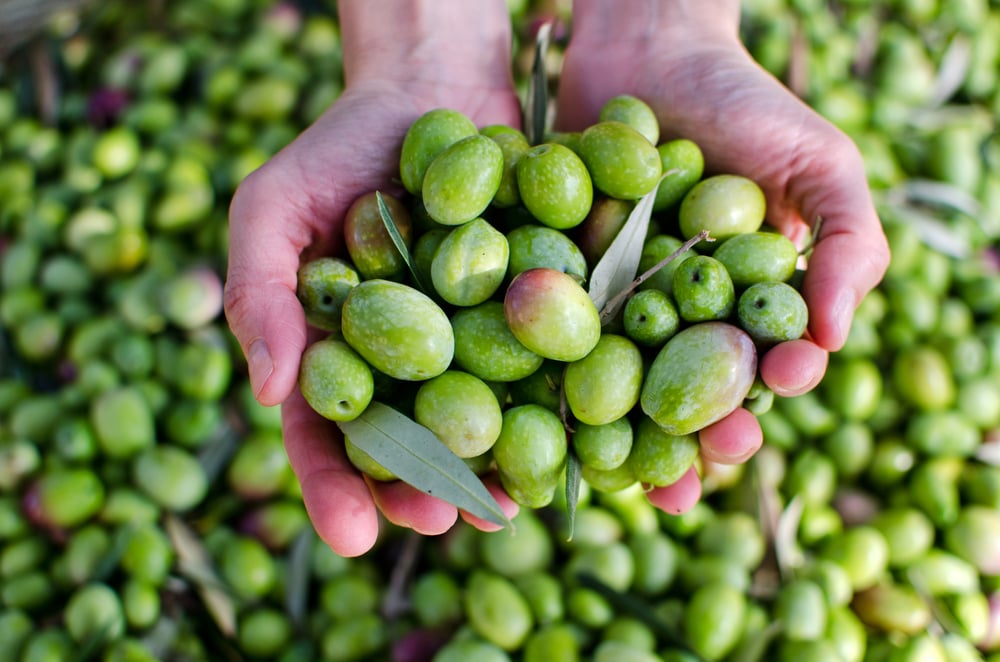
Olives have been consumed for thousands of years, particularly in Mediterranean regions. While they require curing before they can be eaten, once prepared, they become a convenient and flavorful snack.
Their long shelf life and distinct taste made them a staple in many diets. Even today, olives are enjoyed in much the same way, often served as a small, satisfying bite between meals.
Their enduring presence highlights how regional foods can become globally recognized over time.
Honey-Based Treats

Before refined sugar became widely available, honey was the primary sweetener in many cultures. Simple snacks made with honey — sometimes combined with nuts or grains — were common across ancient societies.
These treats offered both flavor and energy, making them practical as well as enjoyable. While recipes have evolved, the use of honey as a base for snacks remains a tradition that has lasted for centuries.
It’s a natural example of how sweetness has always been part of human diets.
Pickled Vegetables
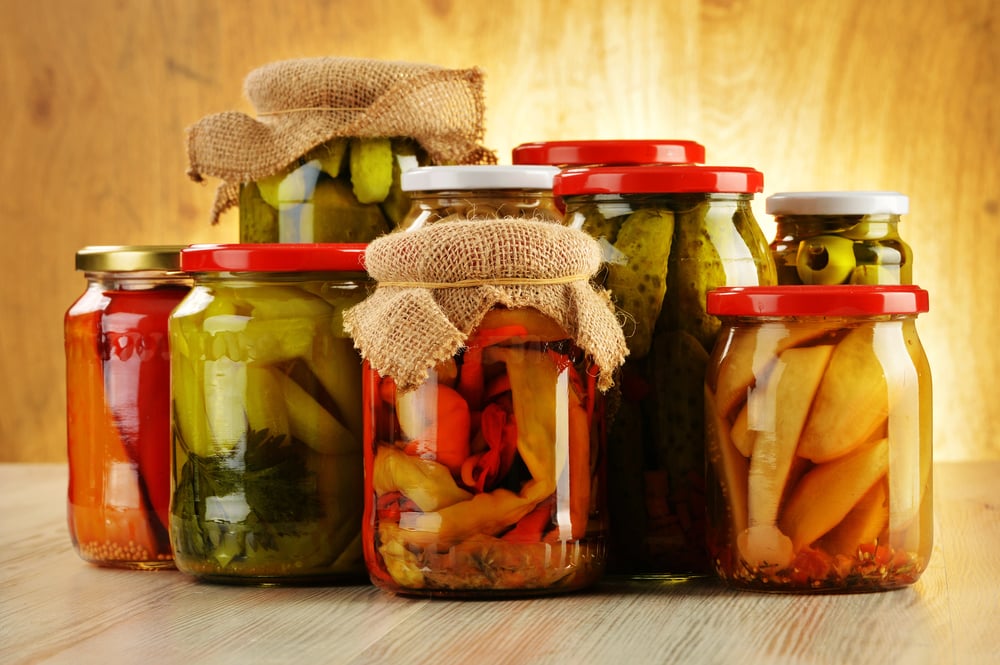
Pickling was another early method of preservation, allowing vegetables to be stored for long periods. Cucumbers, cabbage, and other produce were commonly preserved this way, creating snacks that were both tangy and long-lasting.
These foods provided variety in diets that might otherwise have been limited. Even so, the core process of pickling hasn’t changed much, and these snacks are still widely enjoyed today.
The balance of flavor and preservation continues to make them relevant.
Why These Snacks Still Exist
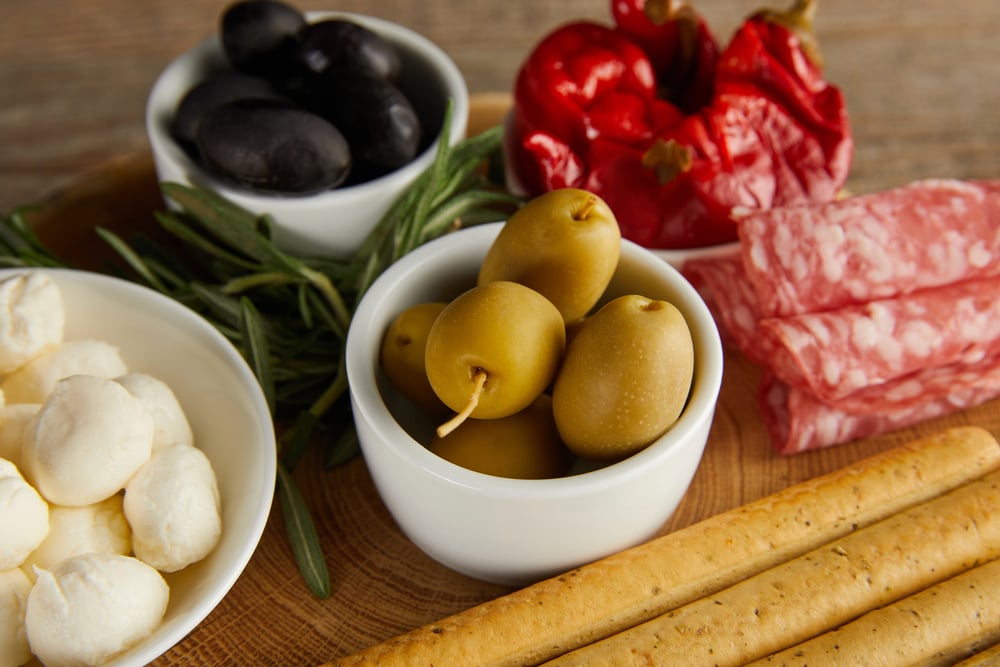
It’s the usefulness that connects these foods. Created not out of choice, but out of need: keeping things fresh, making meals easy to transport, and providing energy in a hurry.
And it’s this purpose that’s kept these foods around. What connects these foods?
The way they help people solve real problems. Even today, the simple nature of these foods makes them easy to integrate into a changing world.
While the tastes and wraps may have changed in recent versions, the essence remains the same as it ever was. What makes it last is not always the most exciting thing; it’s often just the thing people keep coming back to year after year.
What makes things last is rarely loud; it’s just the quiet usefulness of things.
More from Go2Tutors!

- The Romanov Crown Jewels and Their Tragic Fate
- 13 Historical Mysteries That Science Still Can’t Solve
- Famous Hoaxes That Fooled the World for Years
- 15 Child Stars with Tragic Adult Lives
- 16 Famous Jewelry Pieces in History
Like Go2Tutors’s content? Follow us on MSN.