26 Old Coins Still in Circulation That Are Worth Far More Than Face Value
Most people treat loose change like an afterthought — something to dump in a jar or leave scattered across a car’s cup holder. But tucked between ordinary pennies and dimes, valuable coins from decades past continue circulating, waiting for someone who knows what to look for.
These aren’t museum pieces or collector items locked away in vaults. They’re coins that might show up in your pocket change tomorrow, carrying price tags that dwarf their printed denominations.
Pre-1965 Silver Quarters
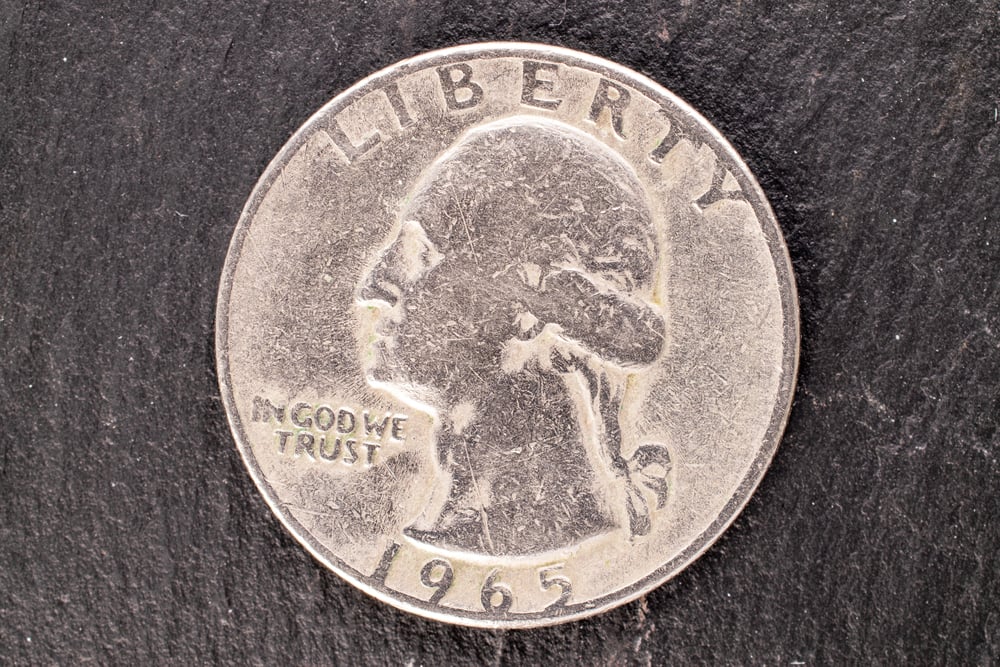
These quarters contain 90% silver and trade hands every day without most people realizing their worth. The silver content alone makes them worth several times their face value.
Any quarter dated 1964 or earlier falls into this category.
Pre-1965 Silver Dimes
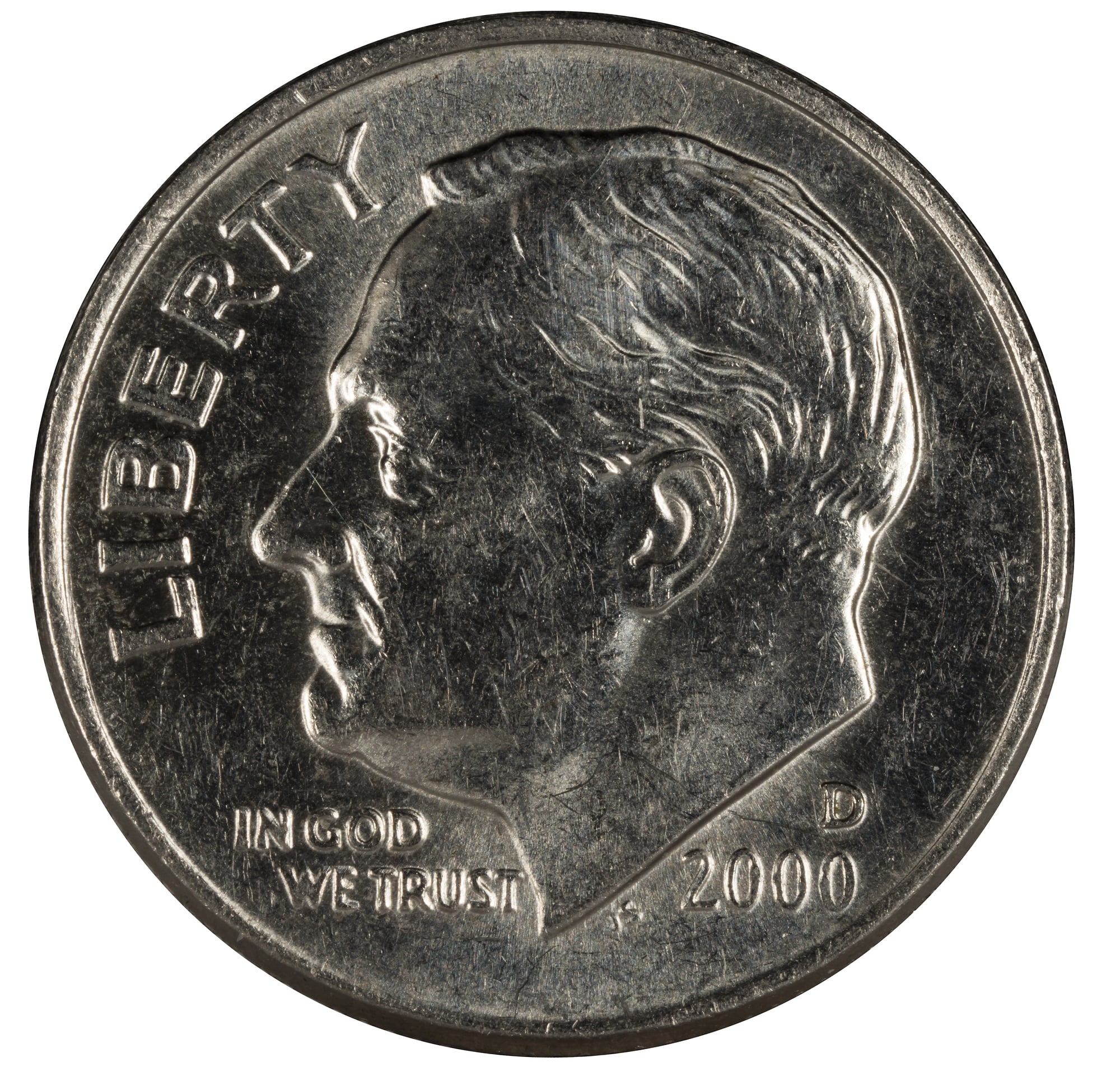
Roosevelt and Mercury dimes minted before 1965 carry the same 90% silver composition as their quarter counterparts. Even worn examples command premiums well above ten cents.
1943 Steel Pennies
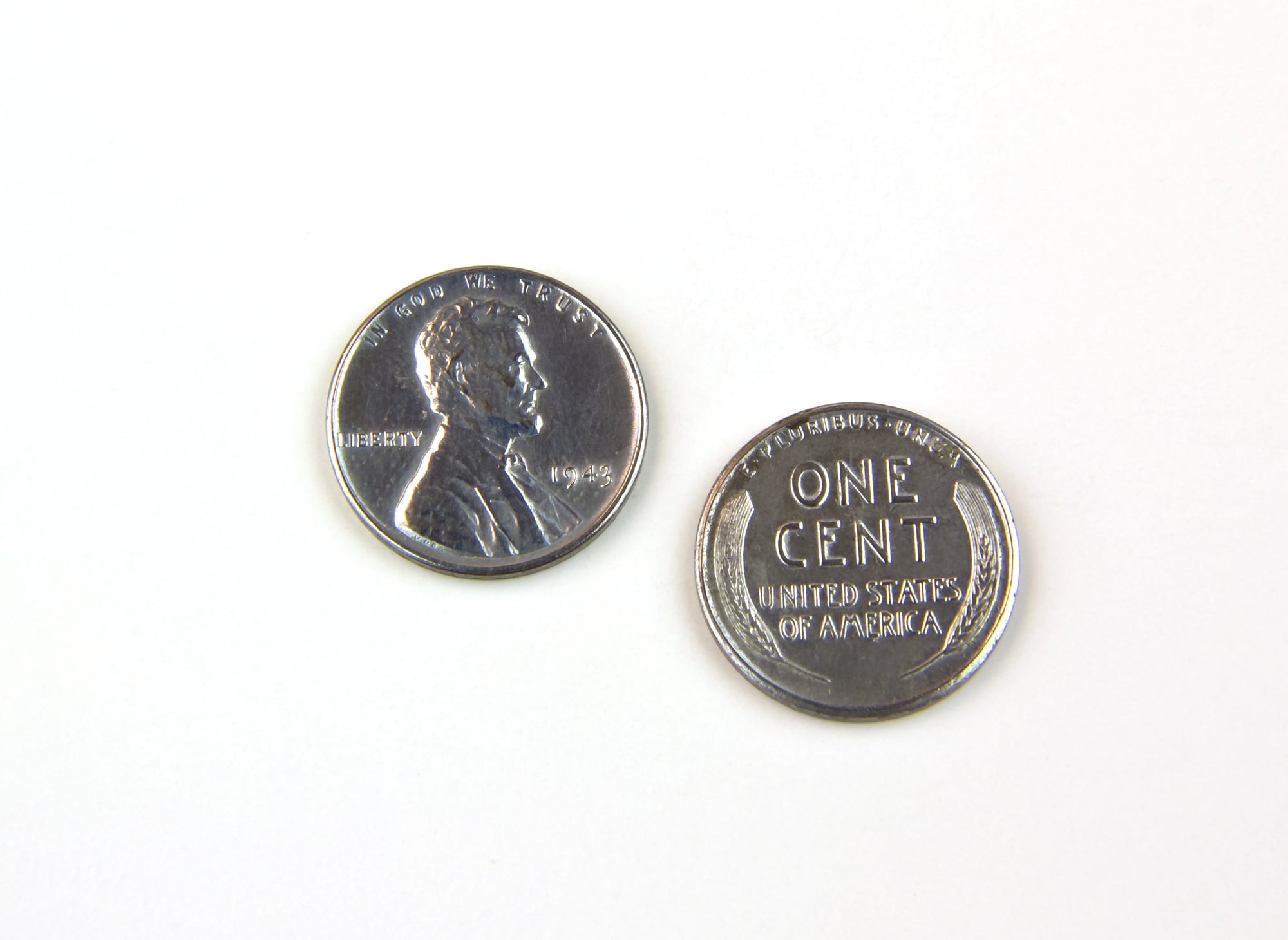
War shortages (and the need to conserve copper for ammunition) led to zinc-coated steel pennies that ring like tiny bells when dropped, which is something most people discover by accident when they’re sorting through change and hear that distinctive metallic ping. These coins look silver instead of copper, making them easy to spot — and yet countless examples remain in circulation because people either don’t notice the difference or assume they’re damaged.
But here’s where it gets interesting: while most 1943 steel pennies are worth a few dollars in average condition, there are extremely rare copper versions from that same year that somehow escaped the steel conversion process. So every time someone finds what looks like a 1943 steel penny, there’s this small chance (astronomically small, but still) that they’re holding something worth tens of thousands instead of a few bucks.
The steel pennies themselves tell the story of a country scrambling to support a war effort while maintaining normal life back home.
Pre-1982 Copper Pennies
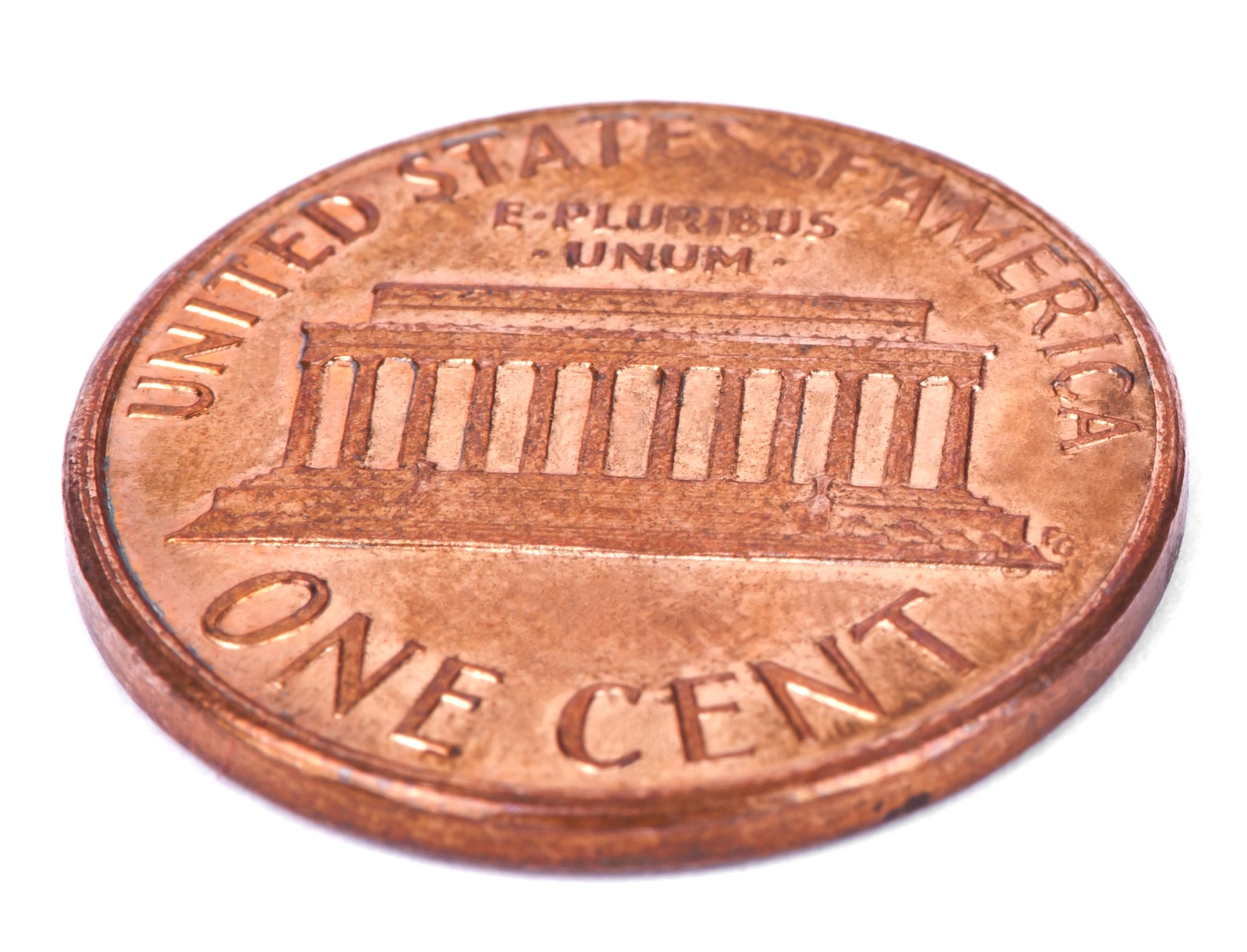
The composition of pennies changed in 1982 from mostly copper to zinc with copper plating. Older copper pennies are worth more than face value due to their metal content.
Weight distinguishes them — copper pennies feel noticeably heavier than modern zinc versions.
1965-1970 Half Dollars
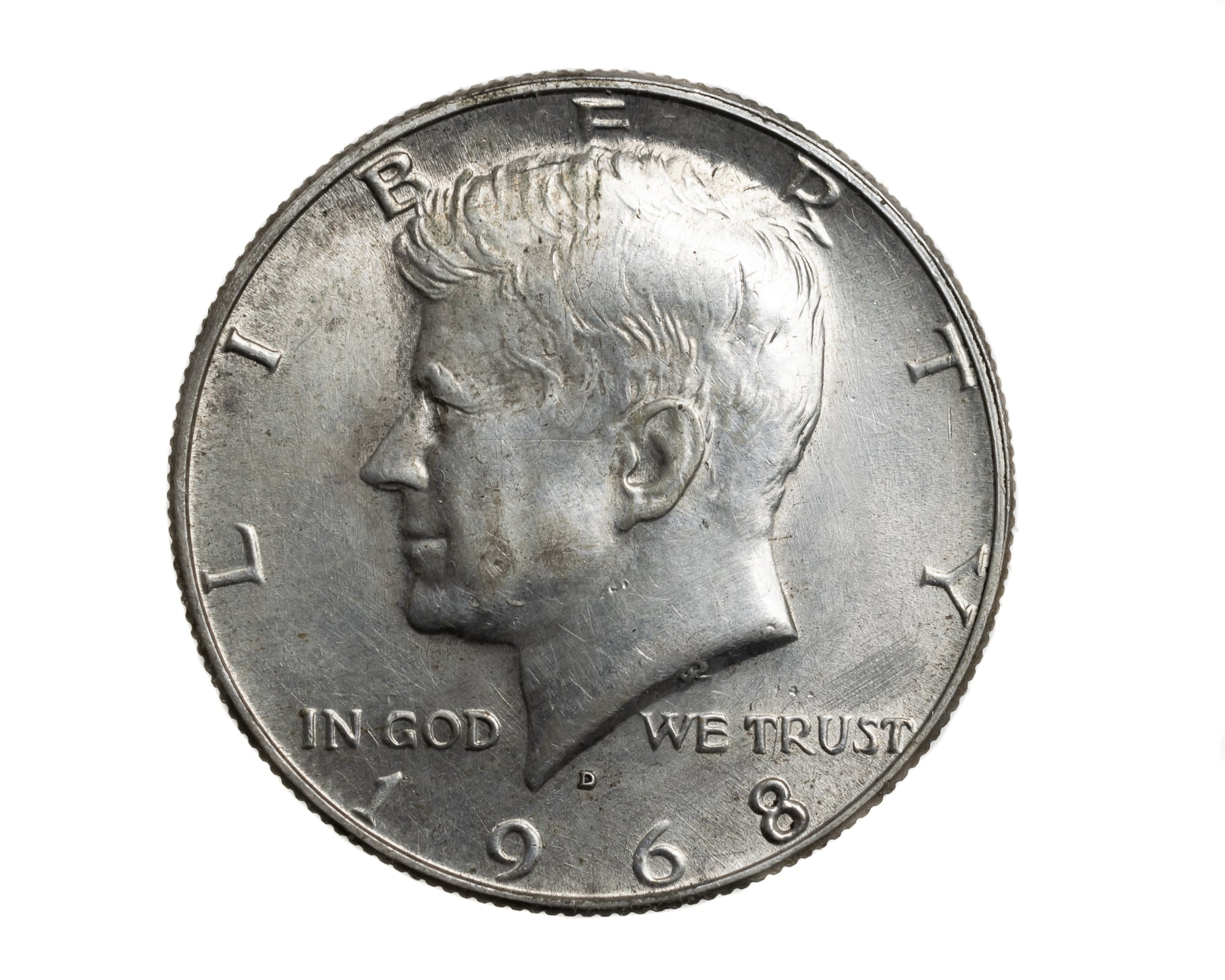
Kennedy half dollars from these years contain 40% silver, making them significantly more valuable than fifty cents. Most people don’t realize the silver content dropped gradually rather than disappearing entirely in 1965.
War Nickels (1942-1945)
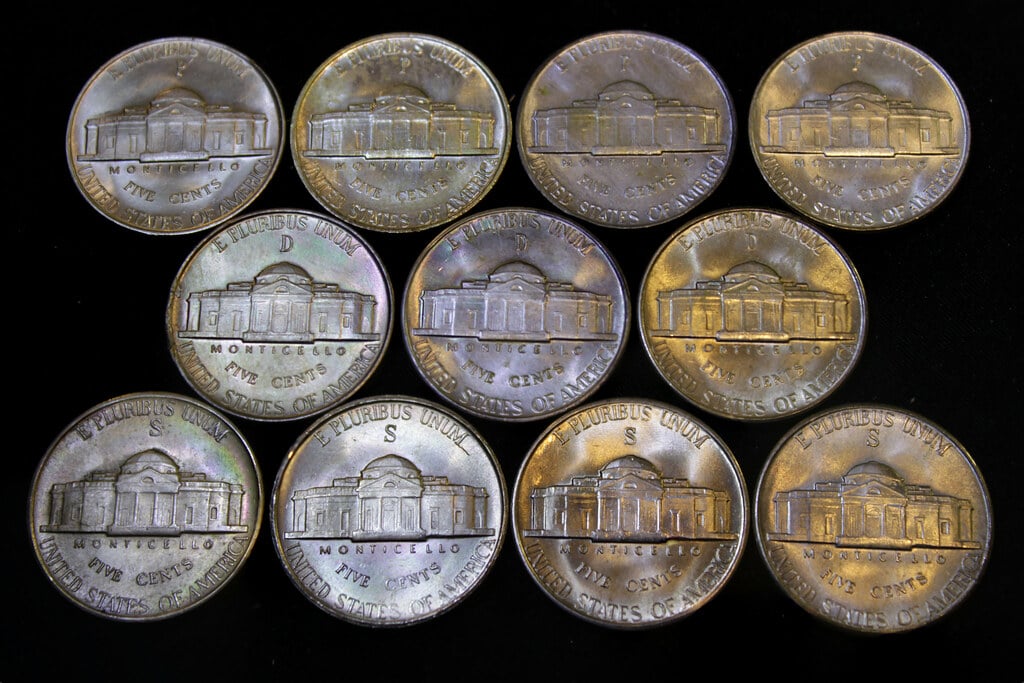
Nickels minted during World War II contain 35% silver instead of the usual nickel composition. You can identify them by the large mintmark above Monticello on the reverse side.
Regular nickels from other years don’t display mintmarks in that prominent location.
Wheat Pennies
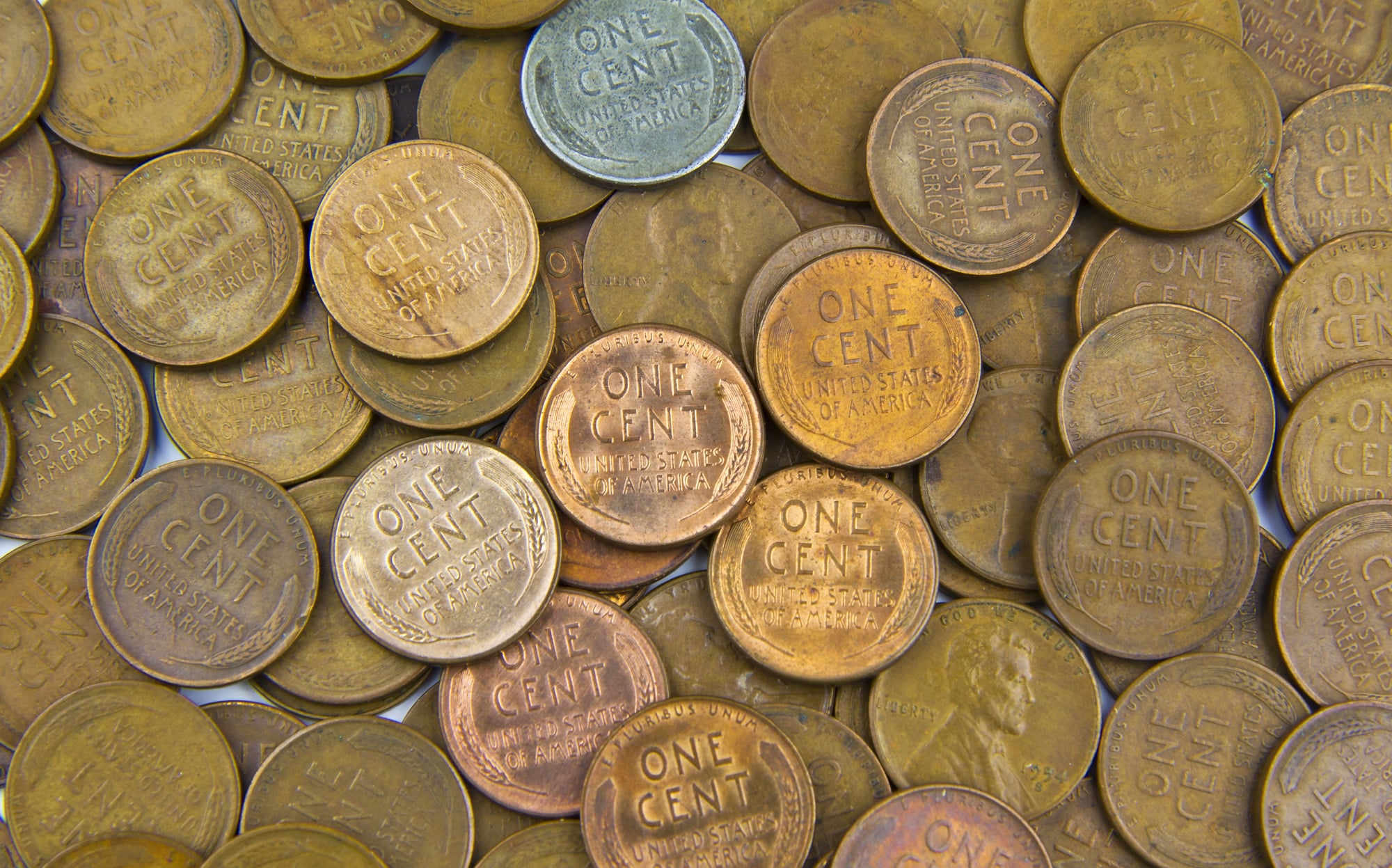
Lincoln cents minted before 1959 feature wheat stalks instead of the Lincoln Memorial on the reverse, and while most aren’t particularly rare, certain dates and mint combinations trade for substantial premiums — sometimes because of low mintages, sometimes because of historical significance, and sometimes for reasons that seem almost arbitrary until someone explains the peculiar circumstances that made collecting communities decide this particular coin from this specific year mattered more than logic would suggest. And the thing about wheat pennies is that they aged in a way that makes them immediately recognizable: the wheat stalks give them a completely different visual texture than modern pennies, so once your eye learns to spot that distinctive reverse design, you’ll notice them instantly in any handful of change.
But even within the wheat penny category, there’s a hierarchy that ranges from common dates worth a few cents to key dates worth hundreds or more. It’s like finding old books at a garage sale where most are worth fifty cents, but one turns out to be a first edition of something important.
Bicentennial Quarters
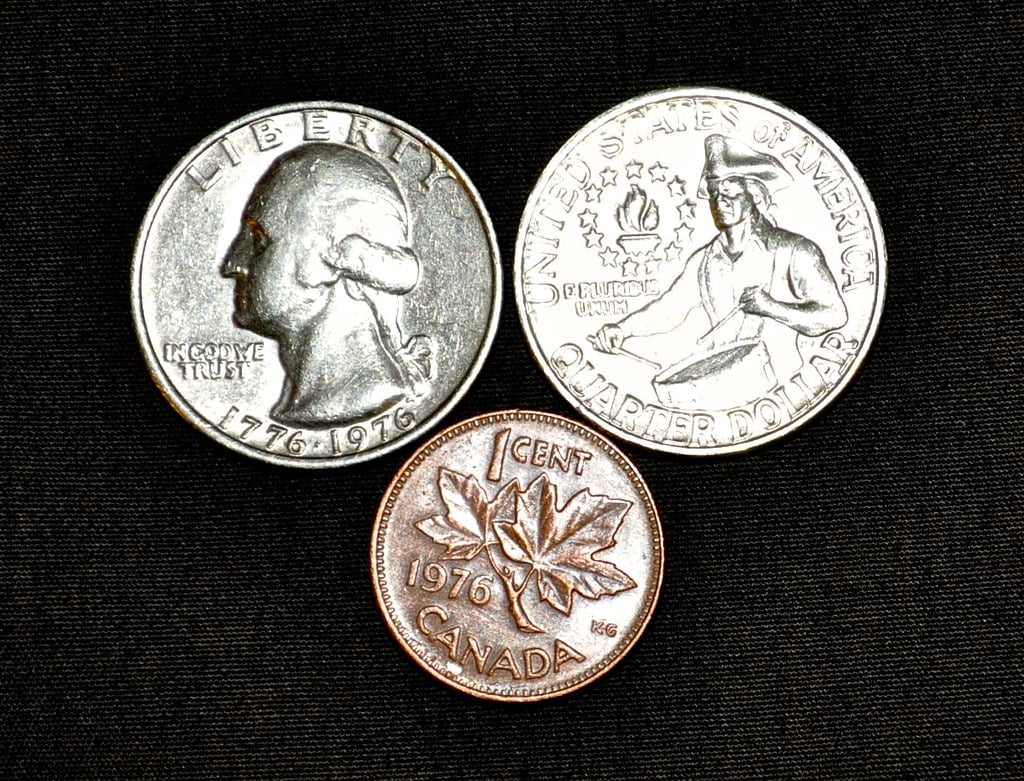
Quarters minted in 1976 to celebrate America’s 200th birthday aren’t automatically valuable, but certain varieties command higher prices. The 40% silver versions sold in collector sets occasionally surface in regular circulation.
Susan B. Anthony Dollars
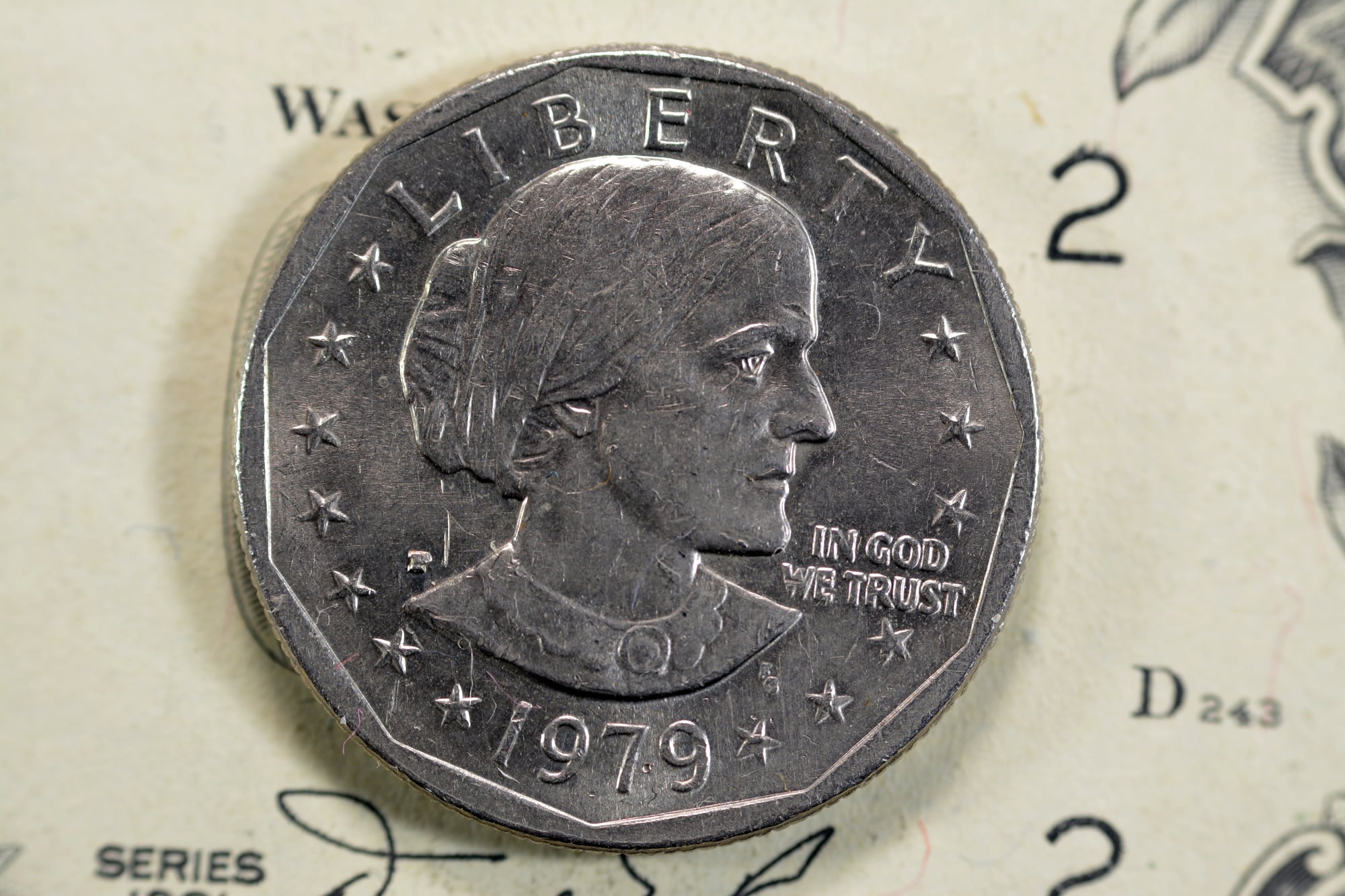
These coins (1979-1981, 1999) often get mistaken for quarters due to their size, which means they’re frequently spent at face value despite being worth more to collectors, particularly in uncirculated condition or for certain date and mintmark combinations that experienced lower production runs than others. The confusion factor actually works in favor of anyone hunting for valuable coins because most people either don’t recognize them as dollars or assume they’re common enough to be worthless.
And yet there’s something almost comically American about the way these coins honored an important historical figure by creating currency so impractical that most people avoided using it. So they accumulated in bank vaults and desk drawers, which means high-grade examples turn up more often than they should.
Eisenhower Dollars
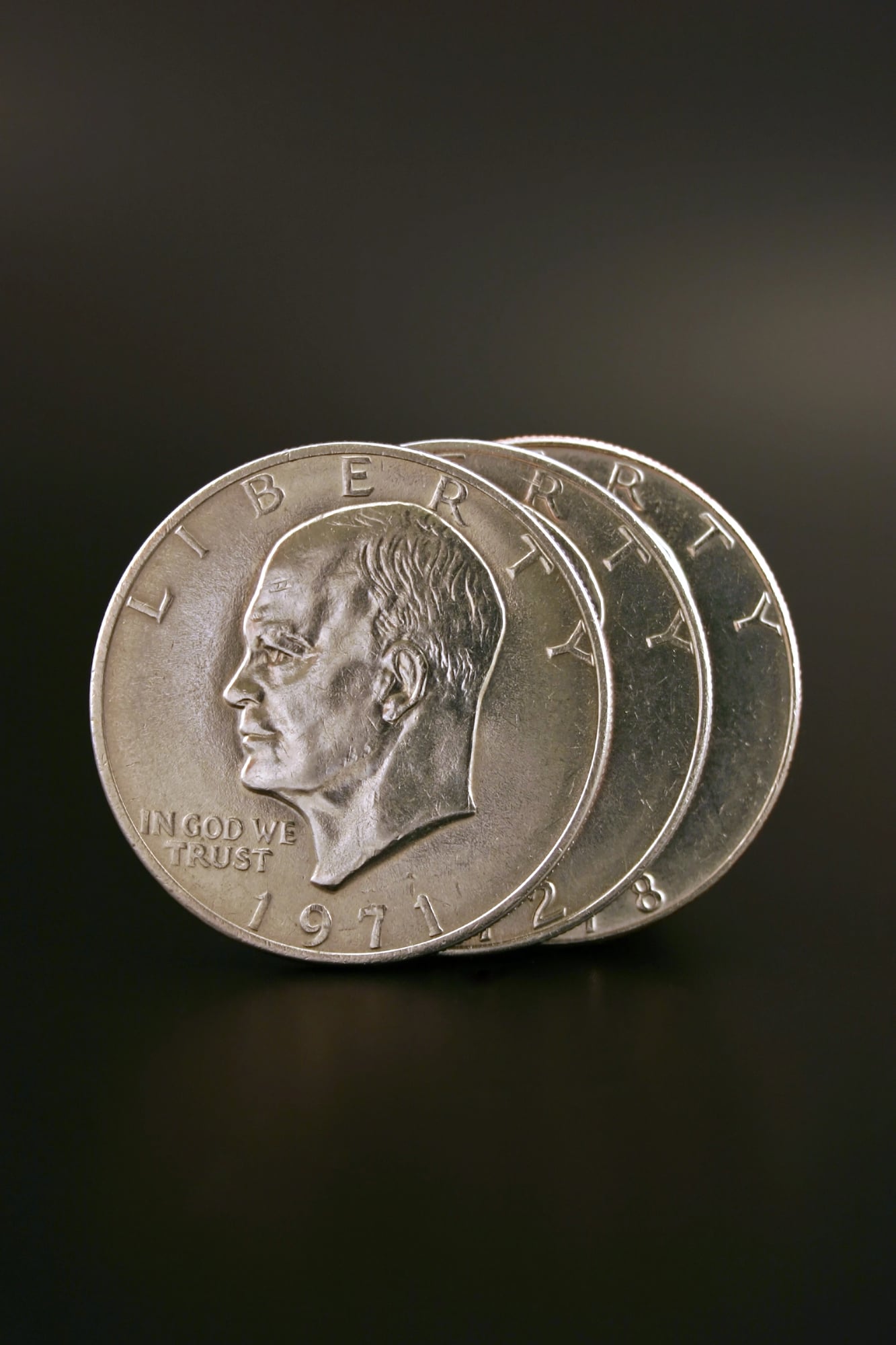
Large dollar coins from 1971-1978 come in two varieties: copper-nickel for circulation and 40% silver for collectors. The silver versions sometimes escape into general circulation and spend years being treated as regular dollars.
1969-S Lincoln Cent
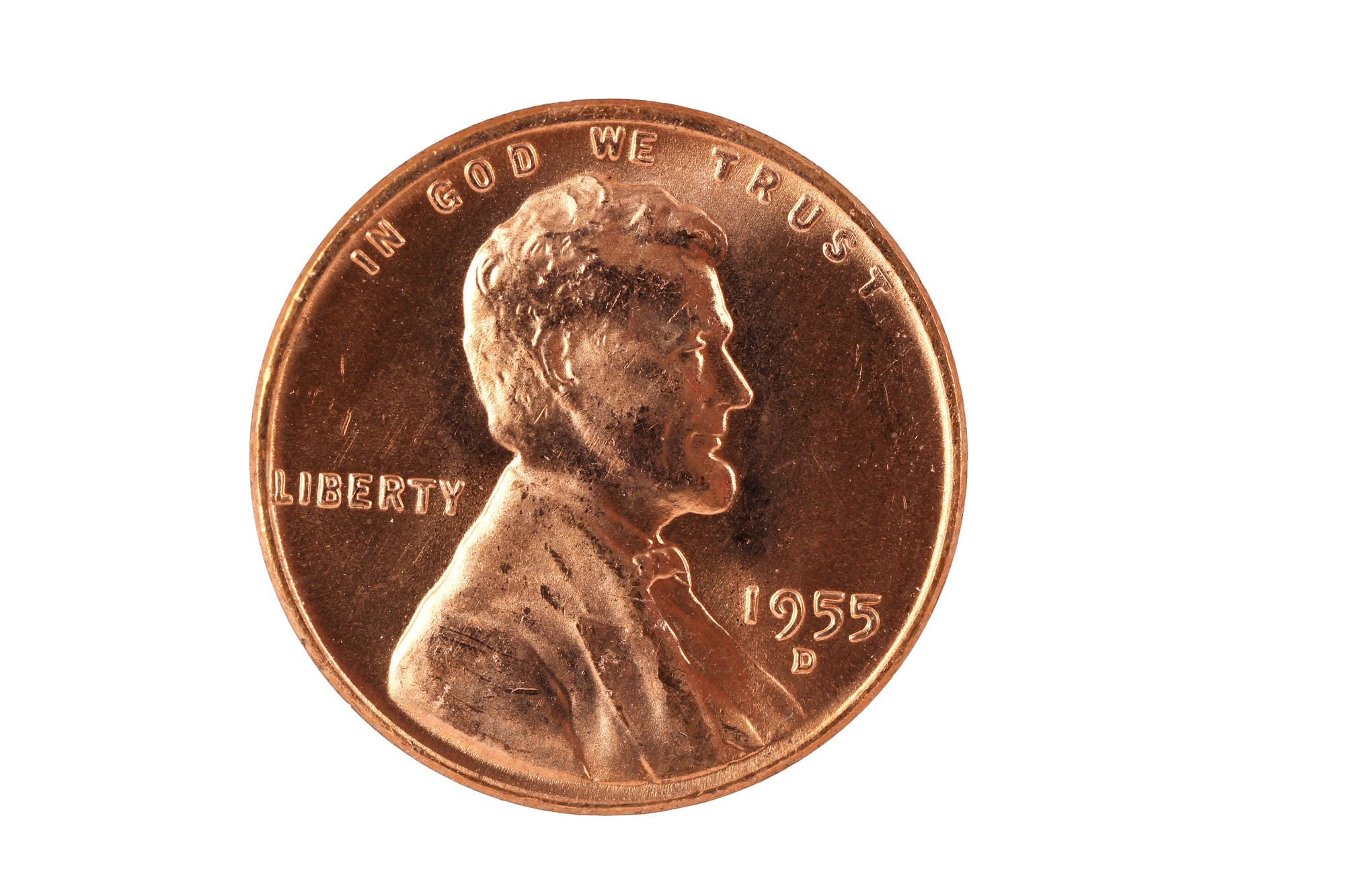
This particular date and mintmark combination has a lower mintage than most pennies from that era. Finding one in decent condition means discovering a coin worth significantly more than one cent.
Franklin Half Dollars (1948-1963)
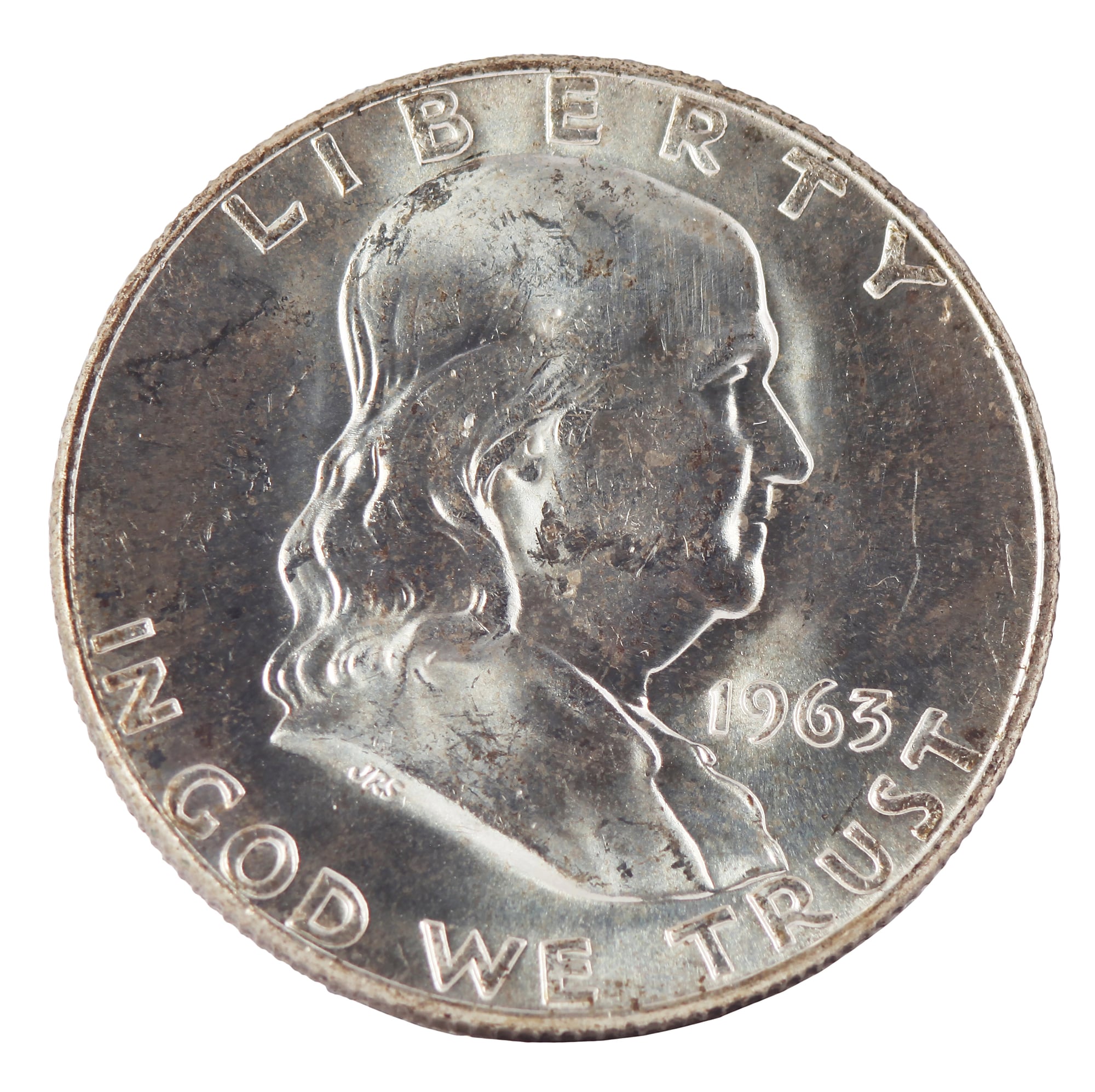
These 90% silver half dollars feature Benjamin Franklin instead of Kennedy. They stopped production when Kennedy half dollars began, making them a discrete series that many collectors pursue.
Walking Liberty Half Dollars
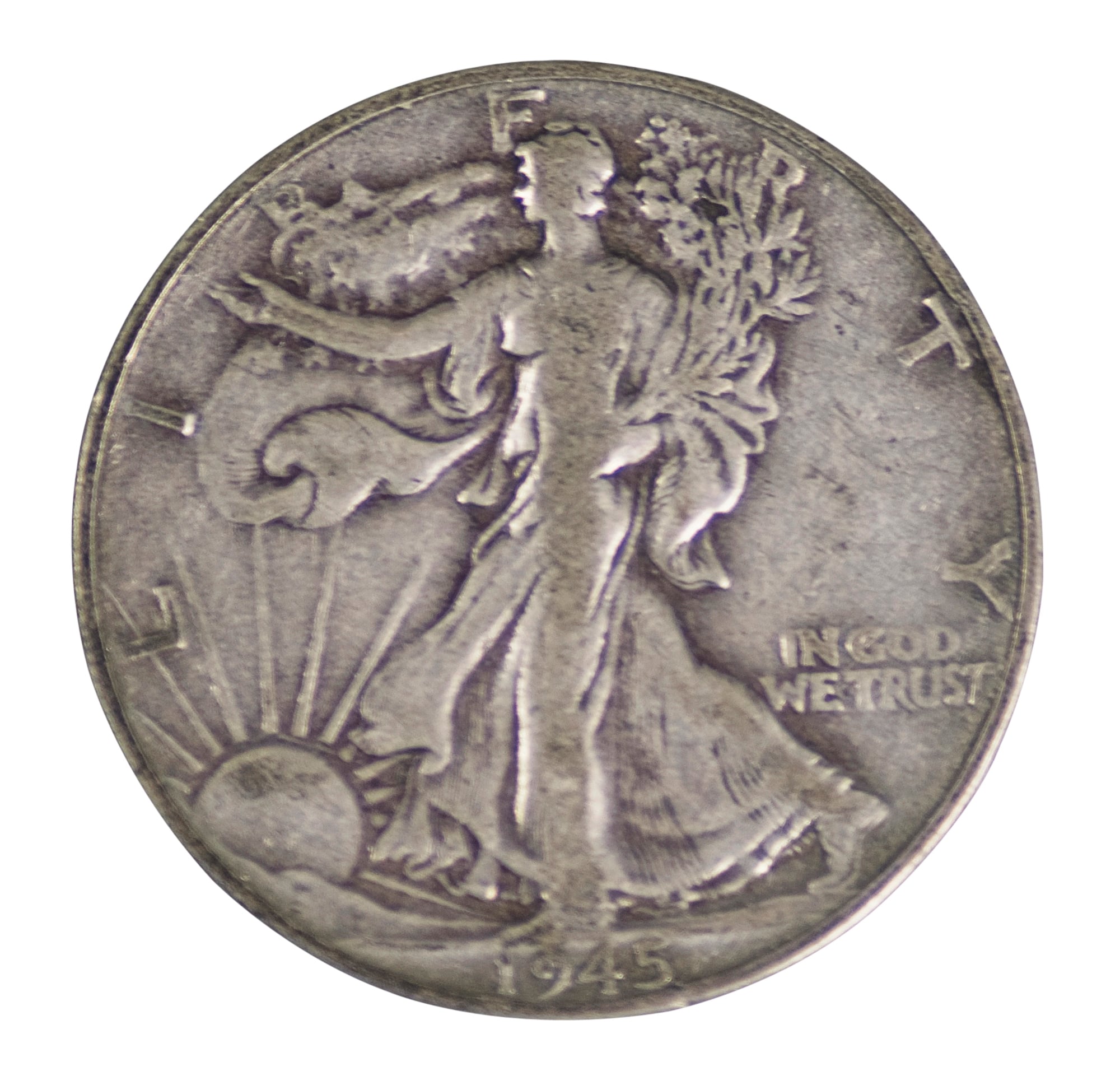
Any Walking Liberty half dollar still circulating represents both artistic achievement and silver content. These coins showcase some of the most beautiful designs ever featured on American currency.
Mercury Dimes (1916-1945)
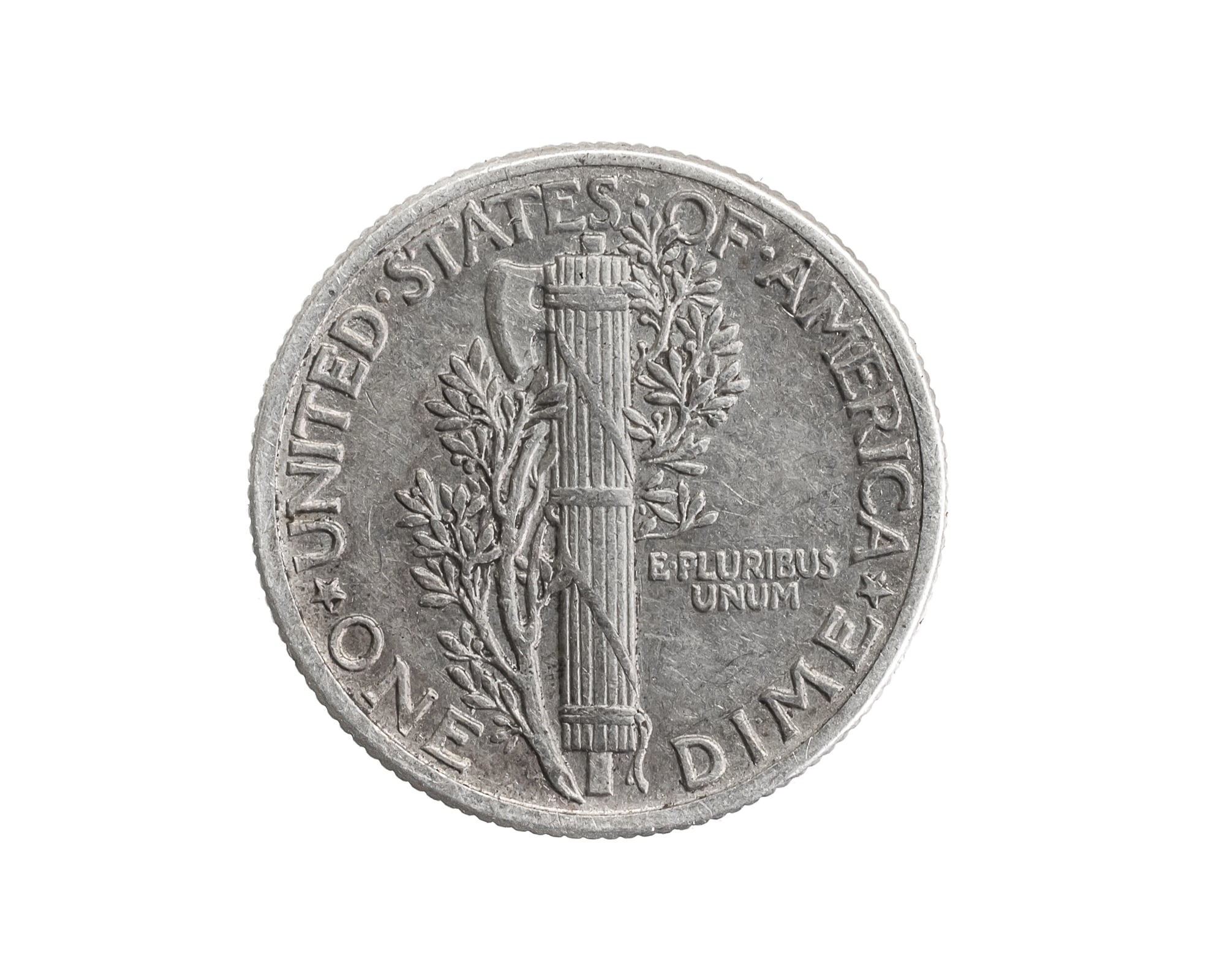
Mercury dimes (actually depicting Liberty wearing a winged cap) contain 90% silver and rank among the most recognizable pre-1965 coins. The 1916-D variety commands exceptional premiums.
Standing Liberty Quarters
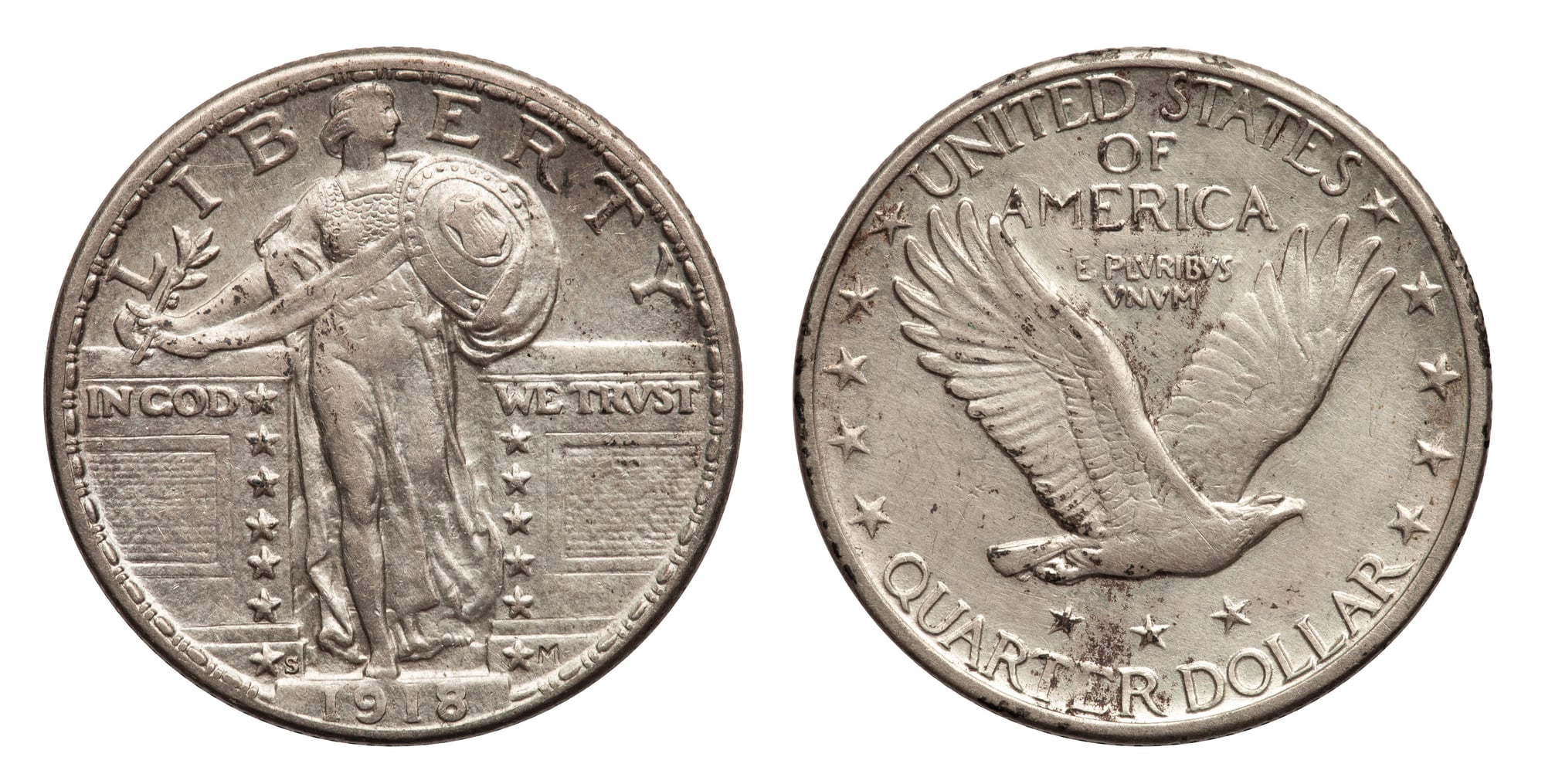
These quarters feature Liberty in flowing robes and represent a brief design period (1916-1930). All examples contain 90% silver and trade well above face value.
Buffalo Nickels
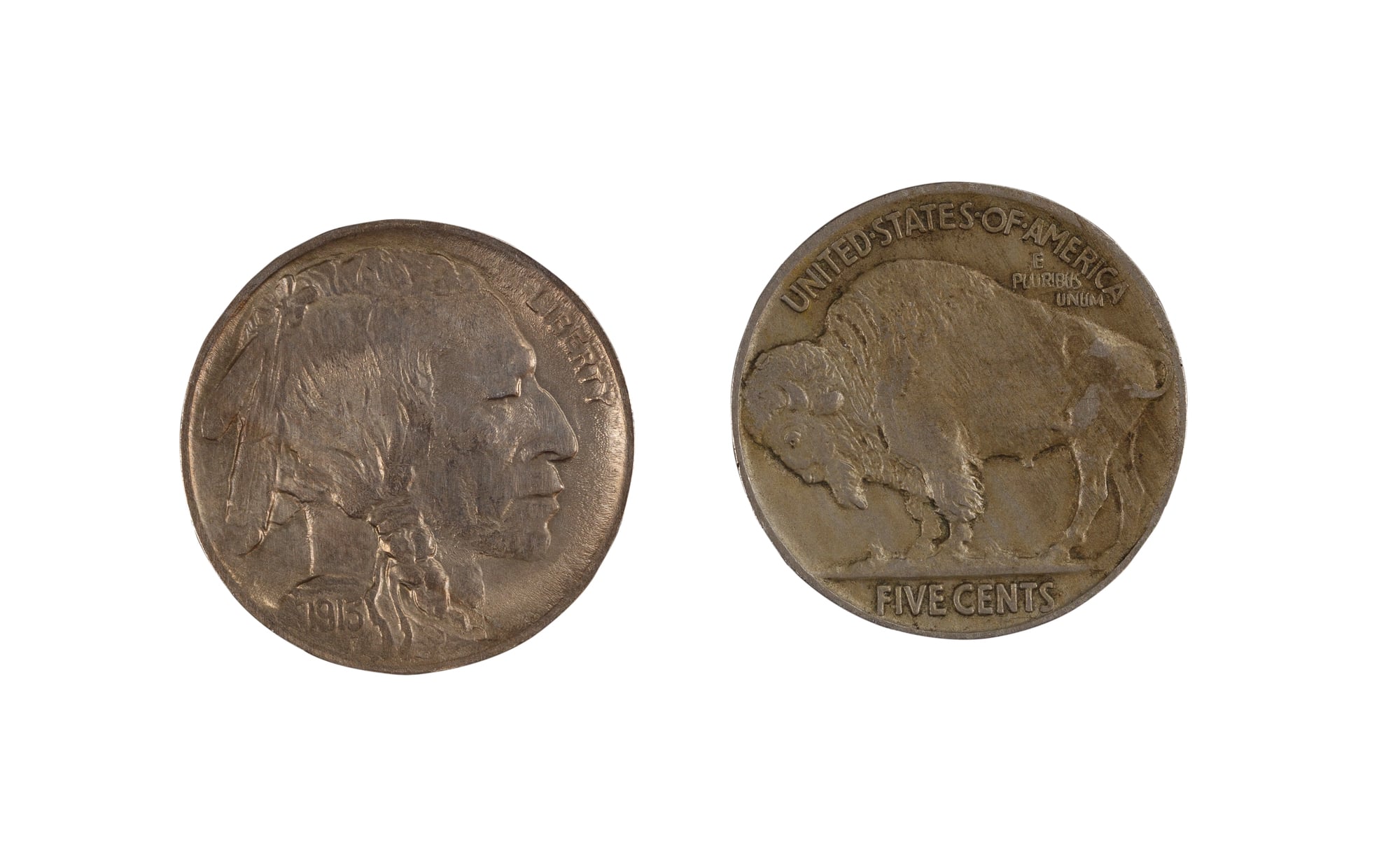
Indian Head or Buffalo nickels (1913-1938) occasionally surface in circulation despite their age. Most examples show significant wear, but even heavily worn specimens carry premiums over face value.
Large Cents
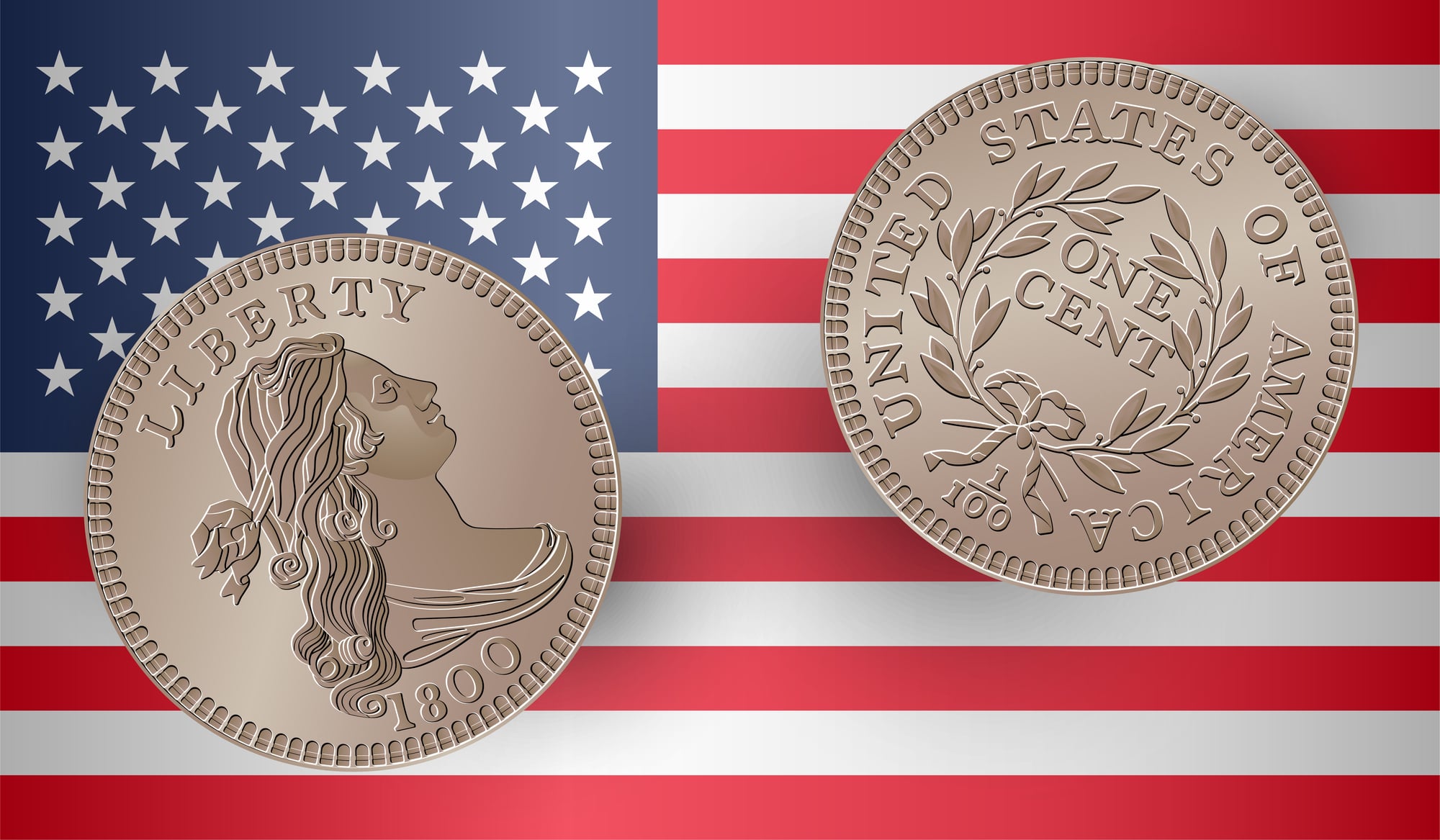
Any large cent (pre-1857) represents a true archaeological find in modern pocket change. These oversized copper coins ceased production over 160 years ago yet somehow persist in circulation.
Two-Cent Pieces
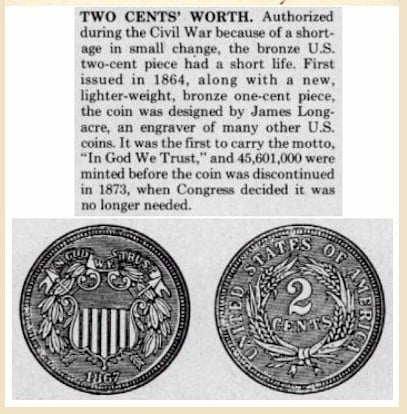
The two-cent denomination existed briefly (1864-1873) and featured the first appearance of “In God We Trust” on American coinage, which makes finding one feel less like discovering valuable currency and more like holding a small piece of legislative history — the kind of artifact that makes someone wonder about the specific Congressional debates that led to creating a denomination nobody particularly wanted. And the practical reality is that most people wouldn’t recognize a two-cent piece if they found one because it occupies this strange middle ground between a penny and a nickel that the American monetary system abandoned for good reason.
But that unfamiliarity works in favor of anyone who knows what they’re looking at, because these coins occasionally get spent as pennies or accepted as foreign currency by merchants who don’t bother examining them closely. Three-cent pieces share that same quality of being historically significant but practically forgotten.
Three-Cent Silver
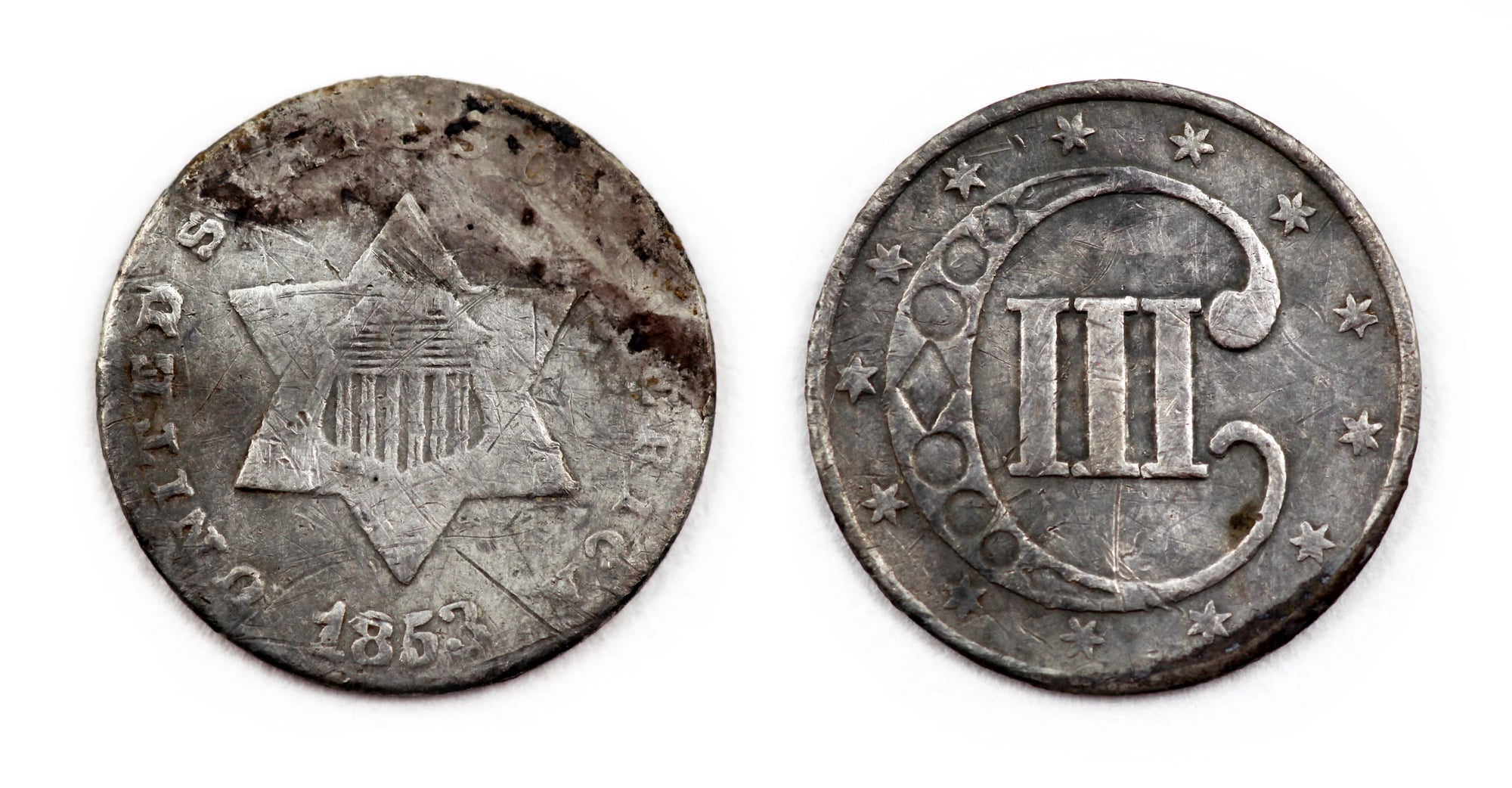
These tiny silver coins (1851-1873) rank among the smallest denominations ever produced by the U.S. Mint. Their size makes them easy to overlook, but their silver content and rarity create substantial value.
Twenty-Cent Pieces
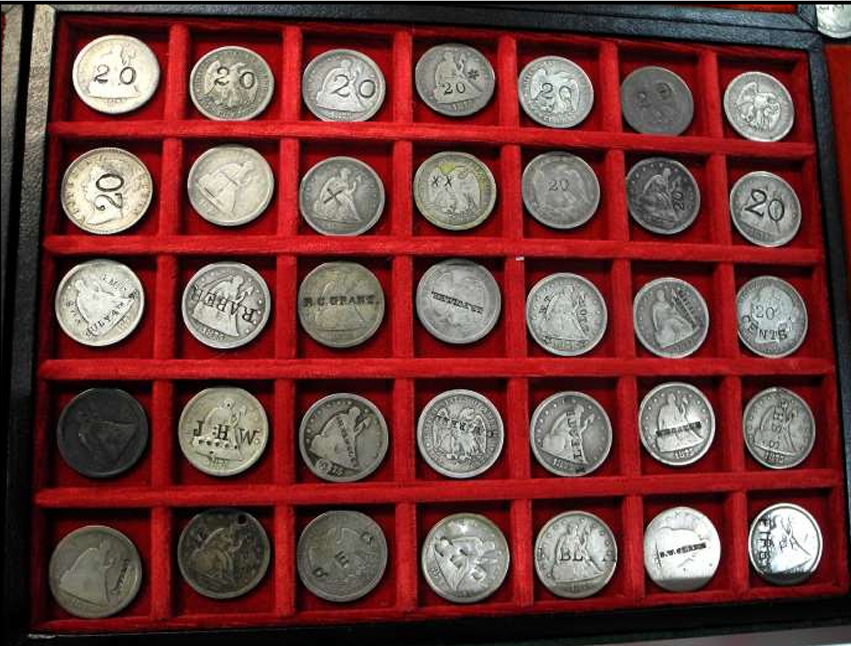
The twenty-cent piece existed for only four years (1875-1878) due to public confusion with quarters. Any example found in circulation represents an extremely rare discovery.
Trade Dollars
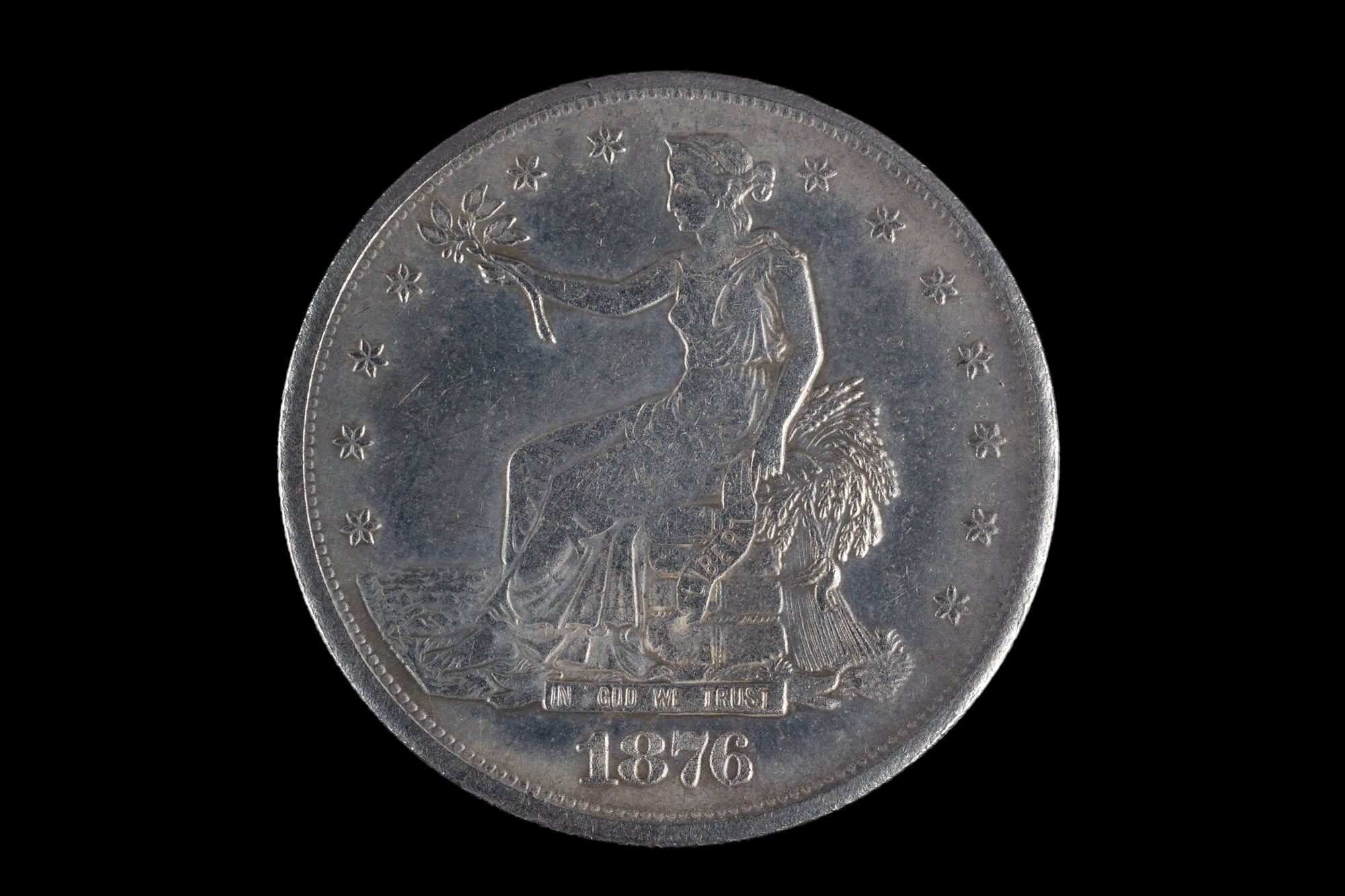
Trade dollars were designed for commerce with Asia and have a complex legal history involving their status as U.S. currency. Examples occasionally appear in circulation despite their age and silver content.
Seated Liberty Coins
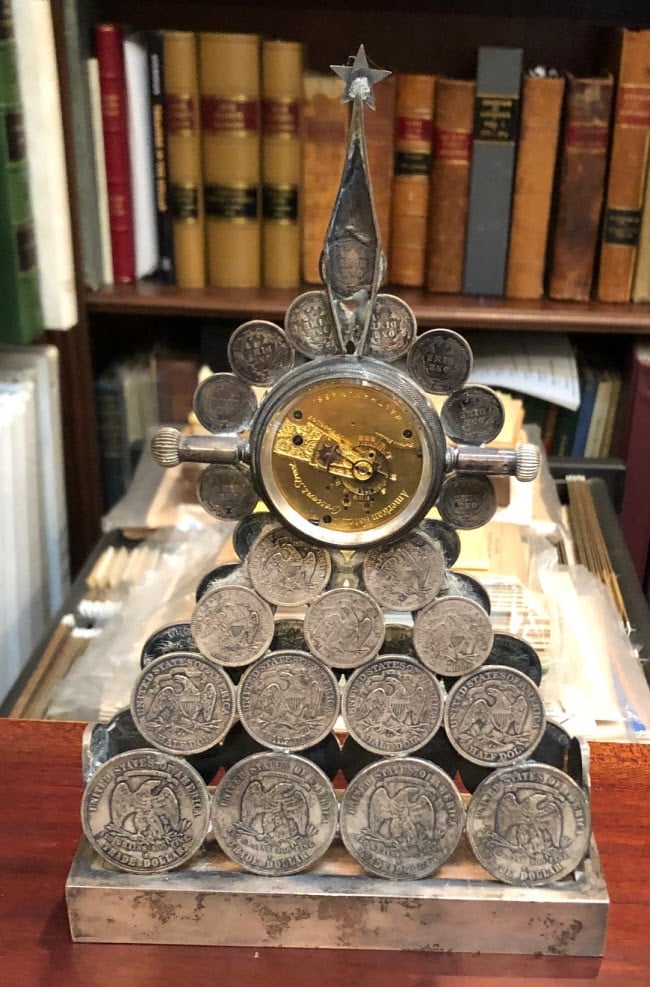
Any Seated Liberty denomination (dimes, quarters, half dollars, dollars) contains 90% silver and significant historical value. These designs dominated American coinage for much of the 19th century.
Draped Bust Coins
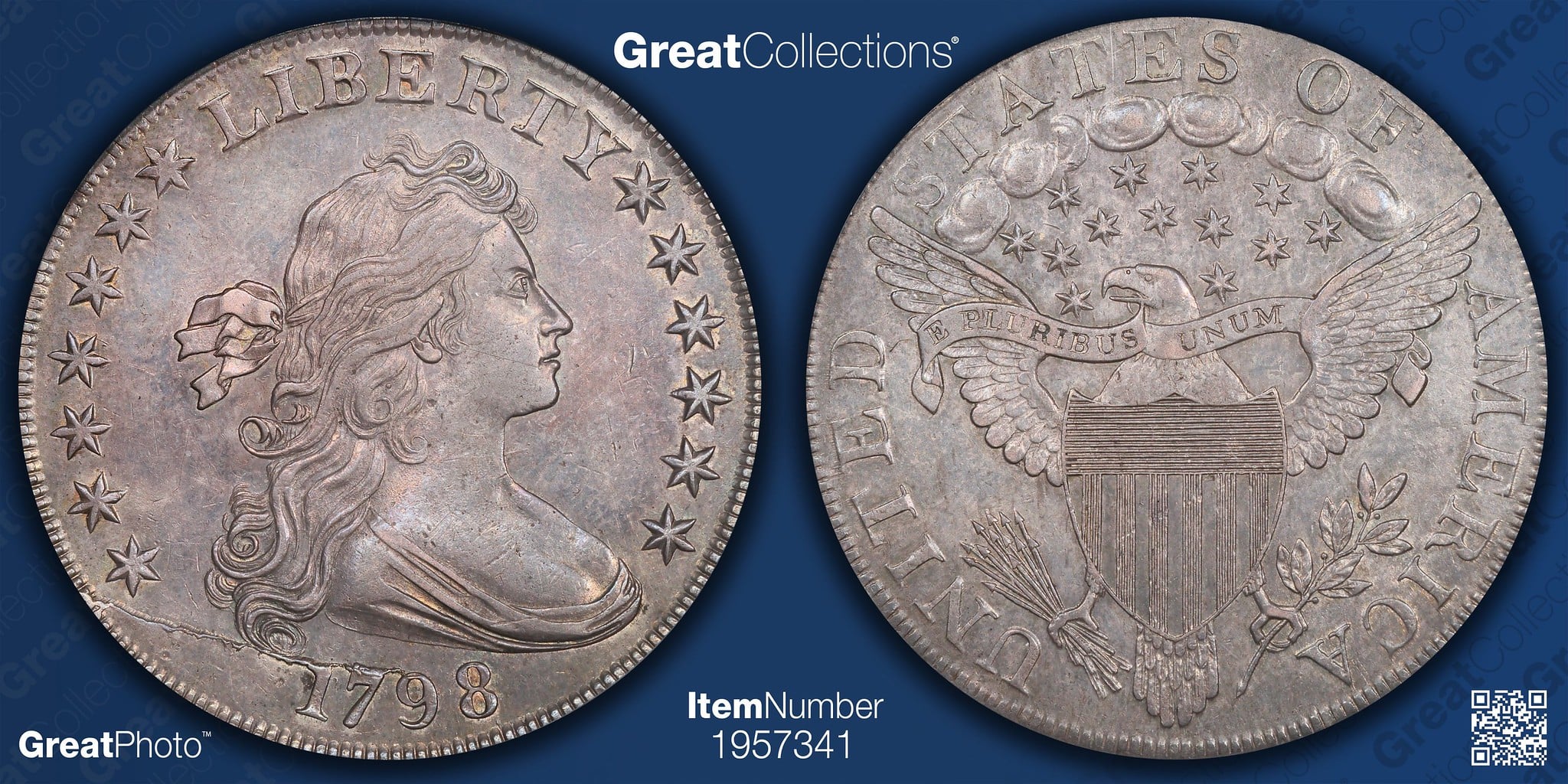
Draped Bust coins date to the early 1800s and represent some of America’s earliest federal coinage. Finding any example in circulation constitutes a remarkable discovery.
Flowing Hair Coins
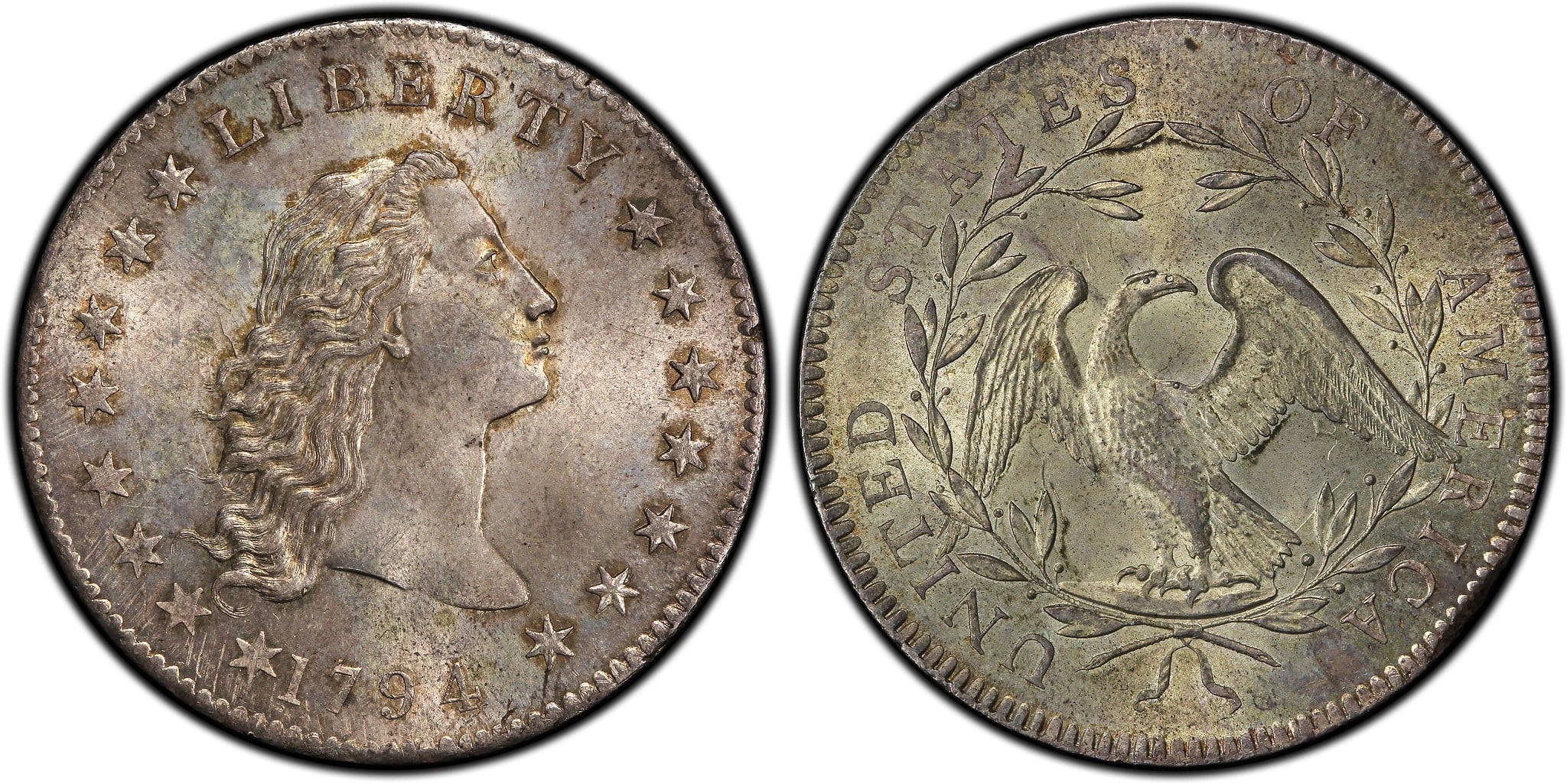
These coins represent the very first designs produced by the U.S. Mint in the 1790s. Any Flowing Hair coin still circulating would be worth thousands of dollars minimum.
Morgan Silver Dollars
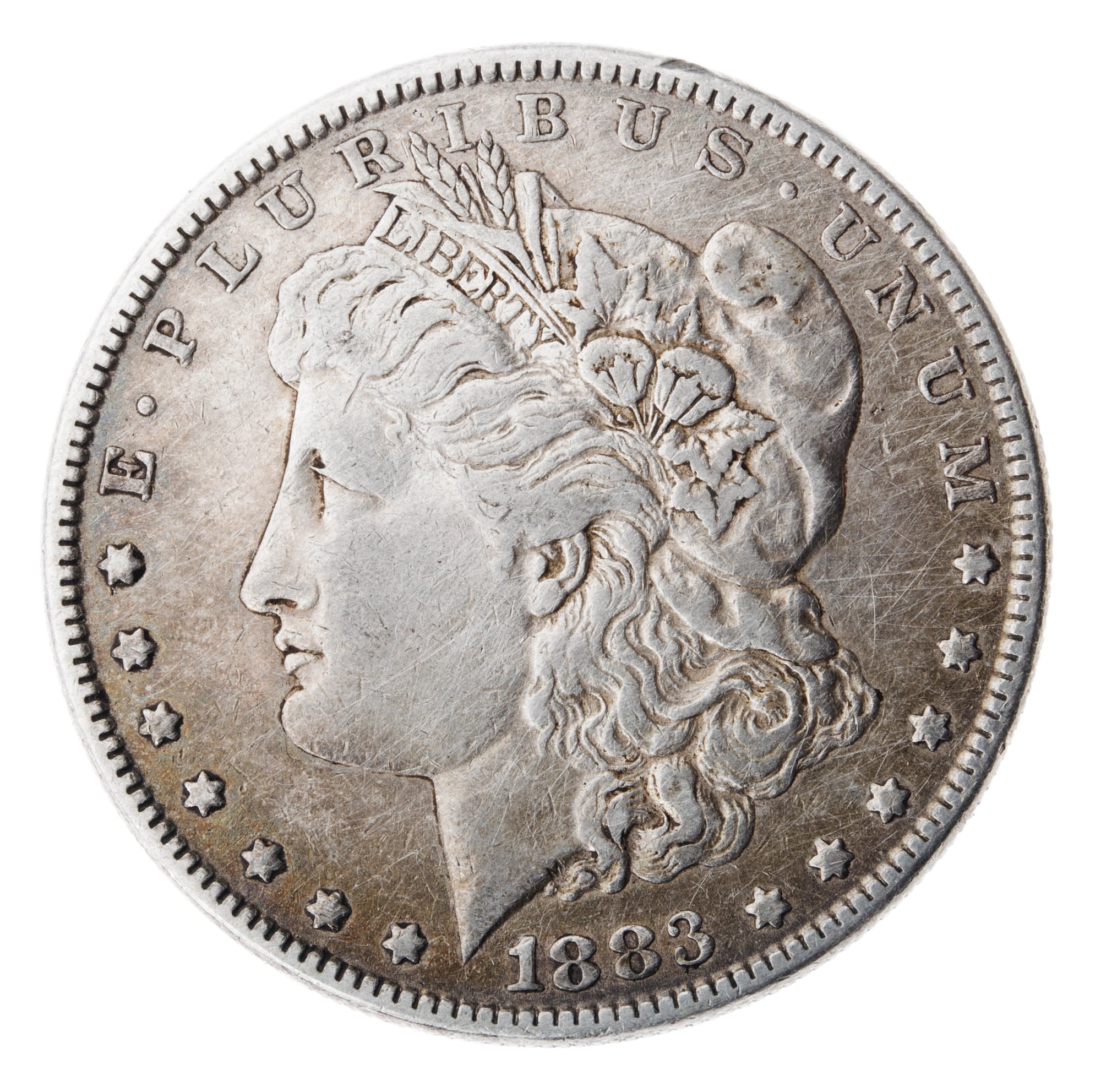
Morgan silver dollars (1878-1921) contain nearly an ounce of silver and feature one of the most beloved designs in American numismatics, so finding one in circulation feels like discovering money that forgot to go home — these coins should be sitting in collections or safety deposit boxes, not mixing with modern currency in cash registers and tip jars. The coin depicts Liberty as an allegorical representation created by designer George T. Morgan, rather than a portrait of a specific individual.
But Morgan dollars have this peculiar circulation pattern where they disappear for decades and then surface unexpectedly when estate collections get spent or when someone cleans out inherited belongings without realizing what they’re handling. So while finding one represents luck, it’s not impossible luck.
Most examples trade for multiples of their silver content, with certain dates commanding significant premiums.
Peace Dollars
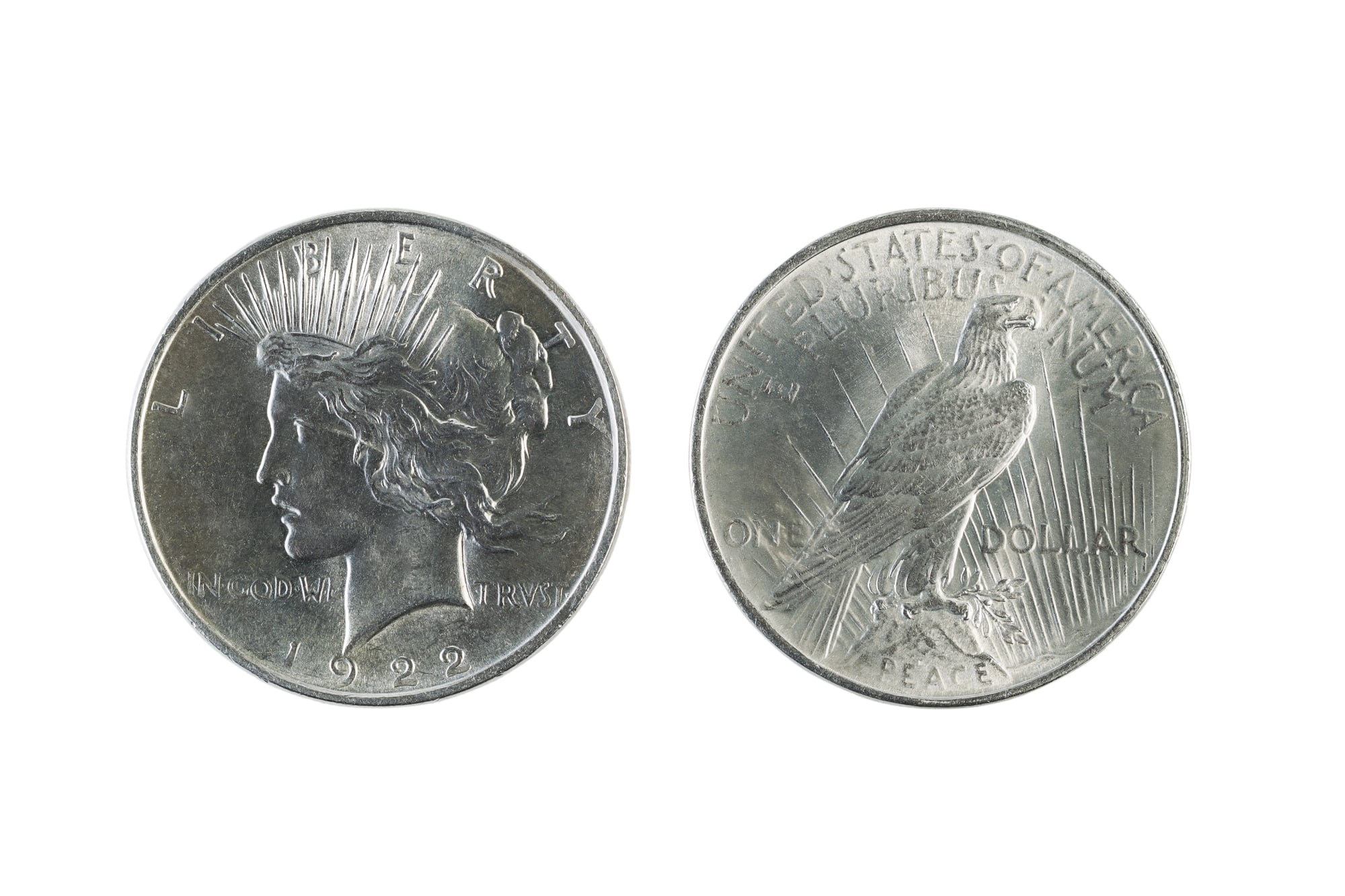
Peace dollars (1921-1935) commemorate the end of World War I and contain 90% silver. These large silver dollars occasionally appear in circulation, particularly from estate disbursements or inherited collections.
The Patience Required for This Hunt
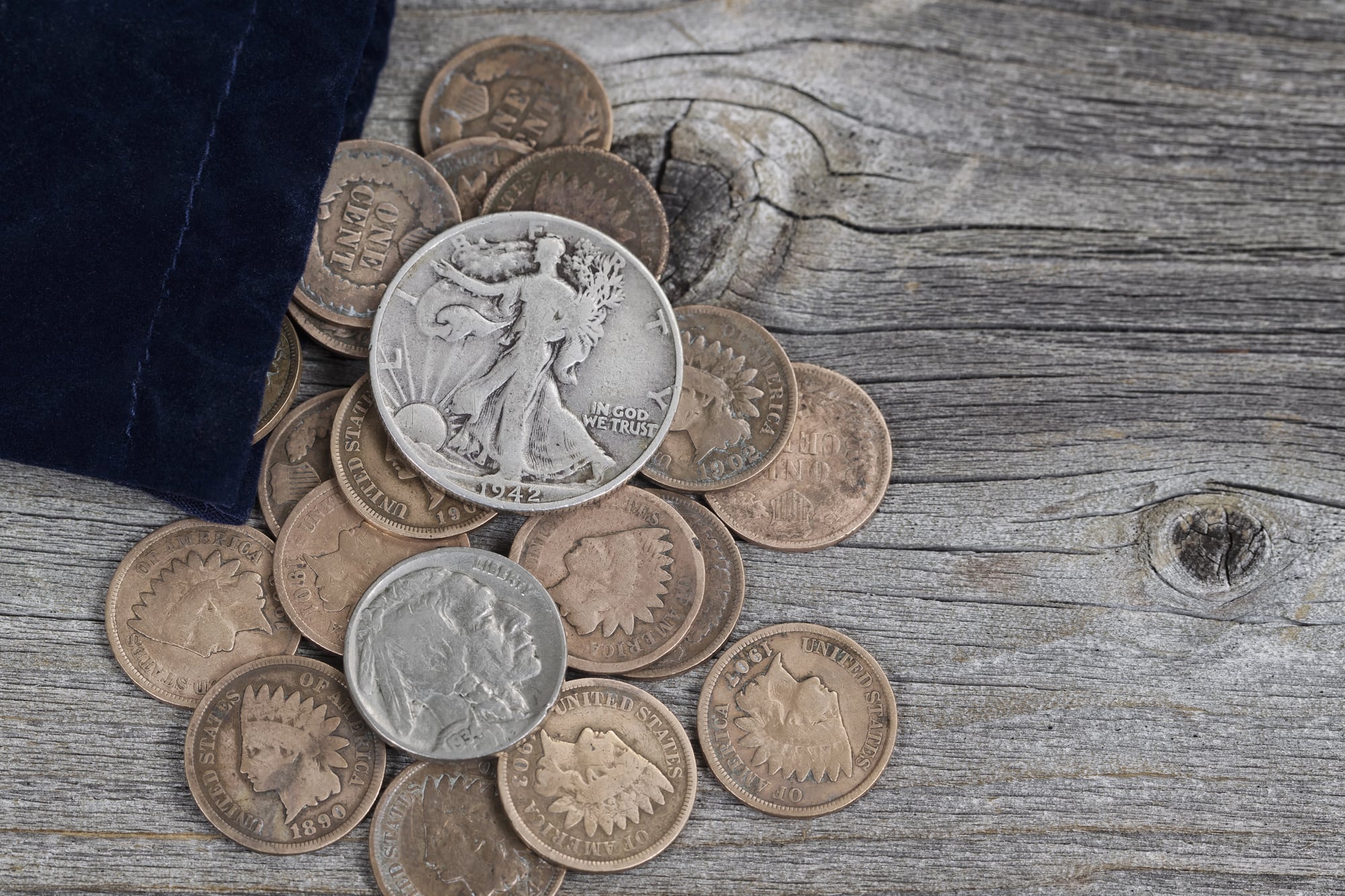
Finding valuable coins in circulation requires a different kind of attention than most modern activities demand. It means actually looking at pocket change instead of treating it as background noise, developing an eye for dates and mintmarks, and accepting that most searches yield nothing more valuable than face value.
But the possibility transforms routine transactions into small adventures, where every handful of change might contain something that connects directly to American history — not through a museum display case, but through the accumulated wear patterns of decades spent moving from hand to hand.
More from Go2Tutors!

- The Romanov Crown Jewels and Their Tragic Fate
- 13 Historical Mysteries That Science Still Can’t Solve
- Famous Hoaxes That Fooled the World for Years
- 15 Child Stars with Tragic Adult Lives
- 16 Famous Jewelry Pieces in History
Like Go2Tutors’s content? Follow us on MSN.