18 Home Design Trends Boomers Wish Would Return
The baby boomer generation knew how to make a statement with their homes. Born between 1946 and 1964, this generation embraced bold colors, cozy textures, and design elements that prioritized comfort and conversation over minimalist trends. While younger generations might cringe at some of these choices, many boomers look back fondly at the warmth and personality these features brought to their spaces.
Today’s sleek, neutral interiors feel sterile to many boomers who miss the days when homes had real character. Here is a list of 18 home design trends that boomers wish would make a comeback in modern homes.
Conversation Pits
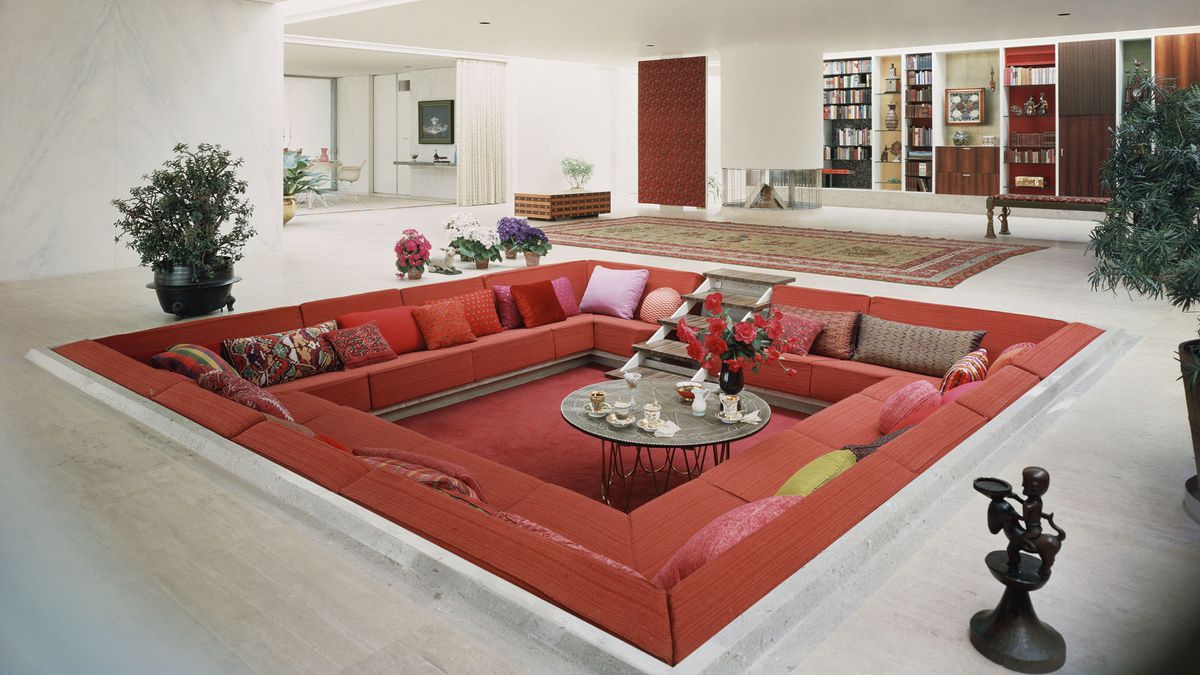
These sunken living areas were the ultimate gathering spot for family and friends in the 1970s. Conversation pits featured built-in seating arranged around a central focal point, creating intimate spaces that encouraged face-to-face interaction without the need for walls.
While safety concerns led many homeowners to fill them in over the years, boomers remember these cozy nooks as the heart of their entertaining spaces.
Avocado Green Appliances
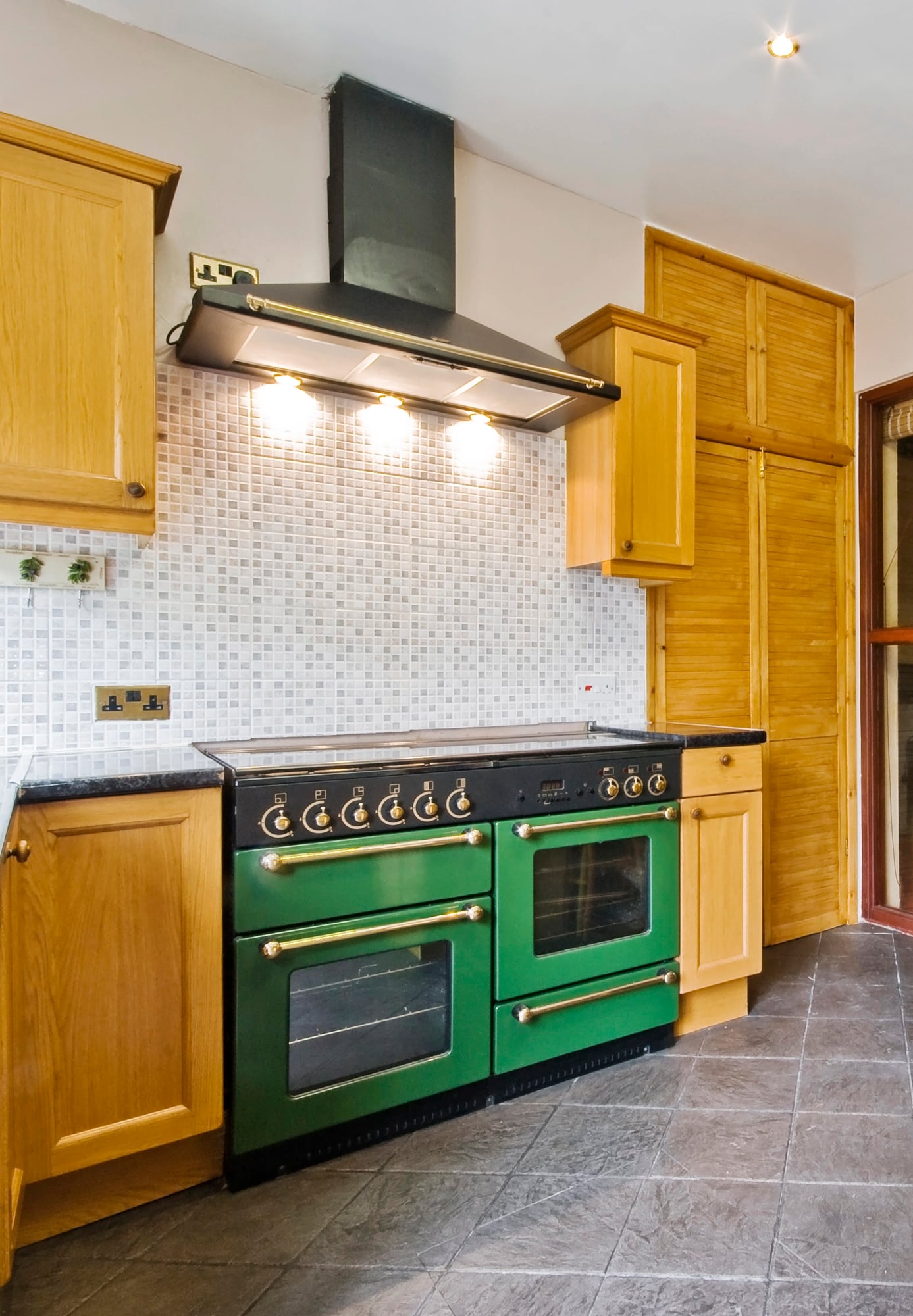
The 1970s kitchen was defined by bold avocado green appliances that made a vibrant statement, with refrigerators, stoves, and dishwashers all sporting this nature-inspired hue. These weren’t just appliances—they were the centerpiece of kitchen design that tied the whole room together.
Many boomers miss when kitchen appliances had personality instead of today’s uniform stainless steel look.
Shag Carpeting
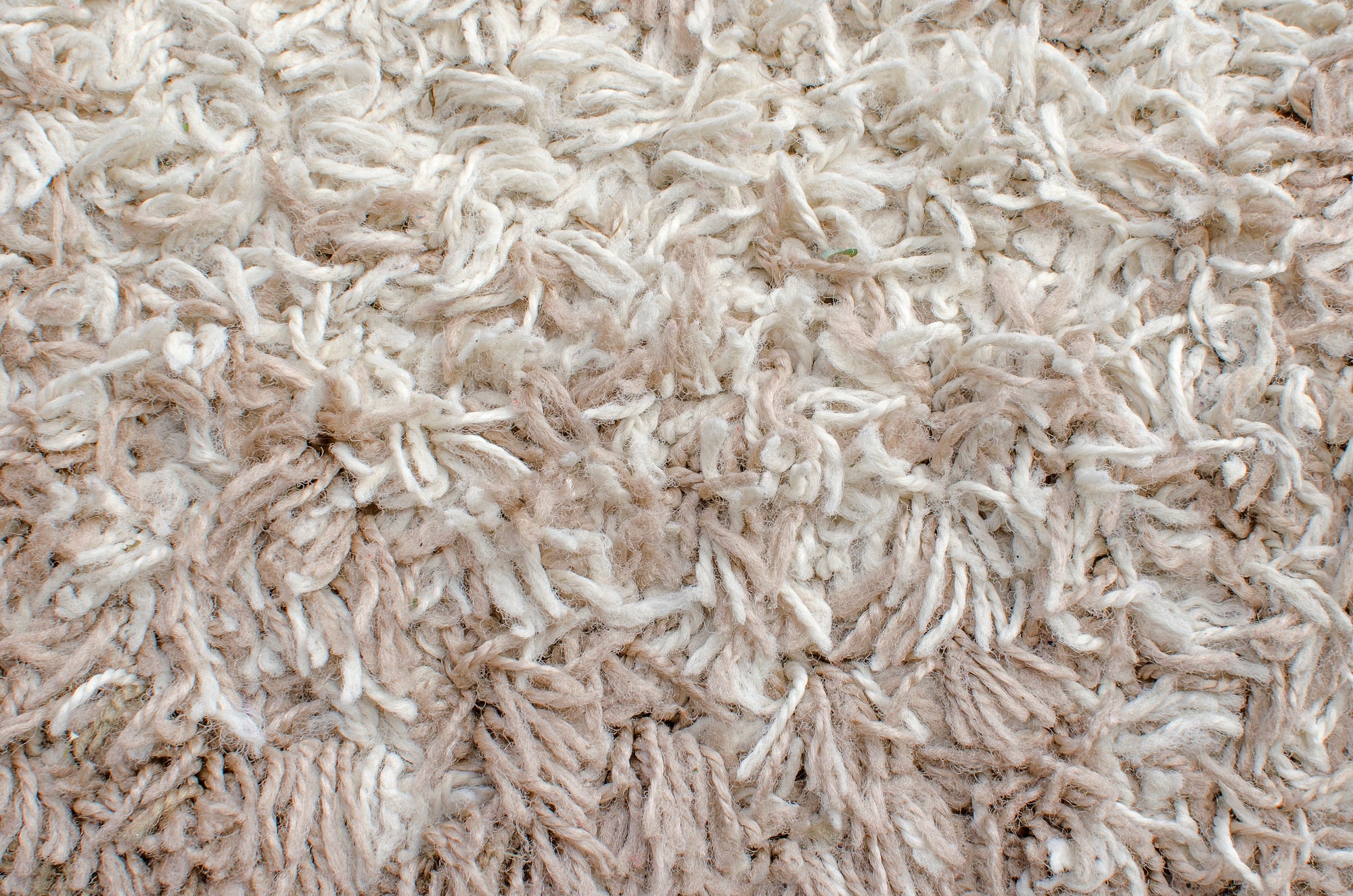
Nothing said luxury quite like sinking your feet into thick, plush shag carpet after a long day. These textile landscapes came in bold colors like harvest gold and burnt orange, requiring special rakes to maintain their fluffy appearance.
Despite being a nightmare to vacuum, boomers fondly remember the tactile comfort and visual warmth that shag brought to their living spaces.
Like Go2Tutors’s content? Follow us on MSN.
Wood Paneling

Dark wood paneling was a staple that transformed rooms with a sense of warmth and enclosure, creating a cozy cabin-like atmosphere throughout the home. While it might make rooms feel smaller by today’s standards, boomers appreciated how paneling added instant character and sophistication to any space.
The rich wood tones created a welcoming environment that felt both elegant and comfortable.
Bold Floral Wallpaper

Floral patterns were everywhere in boomer homes—covering walls with everything from delicate bouquets to oversized roses that brought the garden indoors. These romantic, personality-filled patterns created rooms that felt alive and vibrant.
Boomers remember when wallpaper wasn’t afraid to make a statement, unlike today’s preference for plain painted walls.
Macramé Wall Hangings
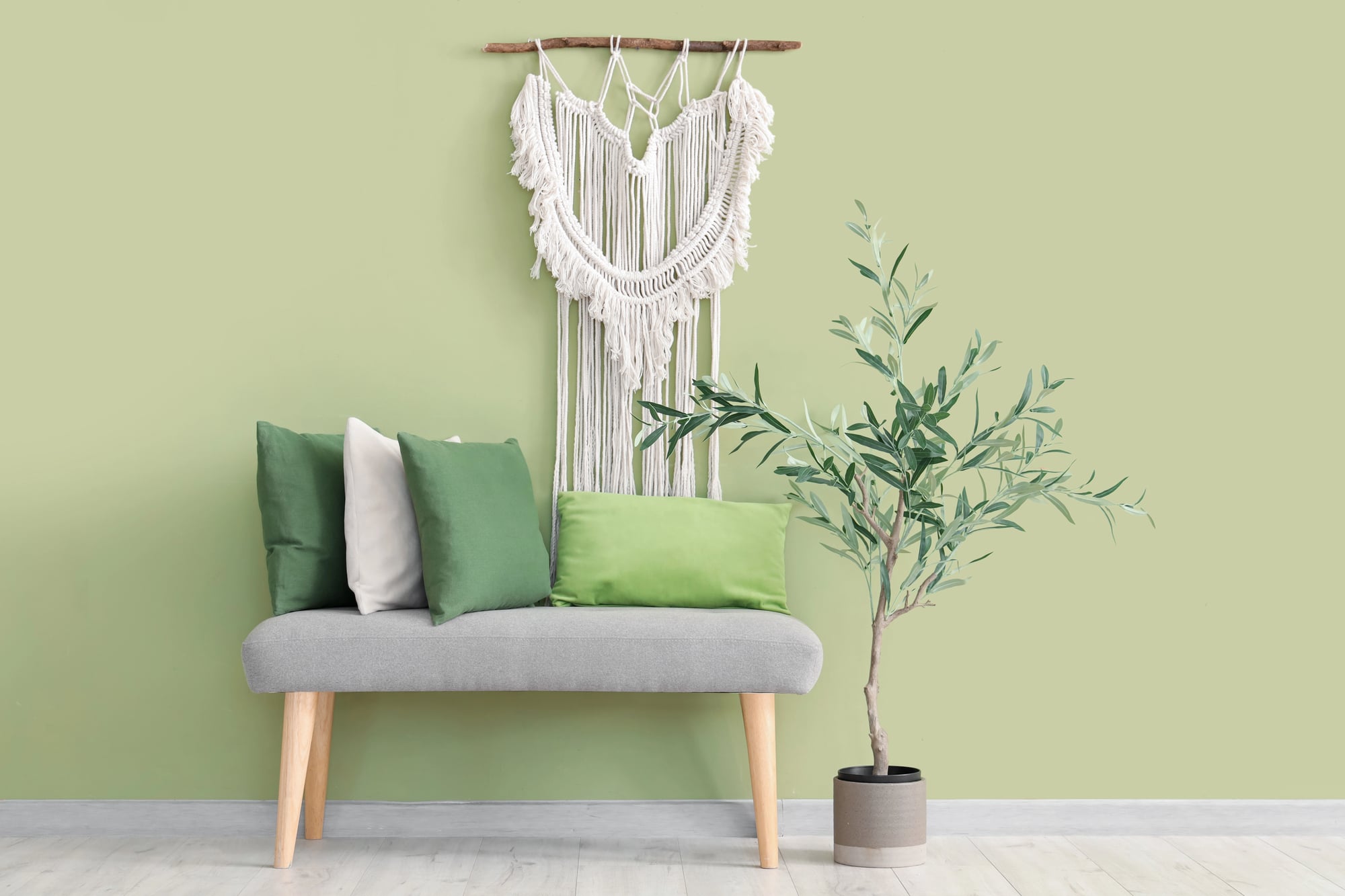
Hand-knotted macramé pieces brought texture and bohemian charm to walls, connecting an entire generation to the handmade aesthetic of the 1970s and ’80s. From plant hangers to sprawling wall art, these intricate rope creations added an artisanal touch that showed off the homeowner’s creativity.
The time and skill required to make these pieces gave them a special meaning that mass-produced art simply can’t match.
Like Go2Tutors’s content? Follow us on MSN.
Brass Fixtures
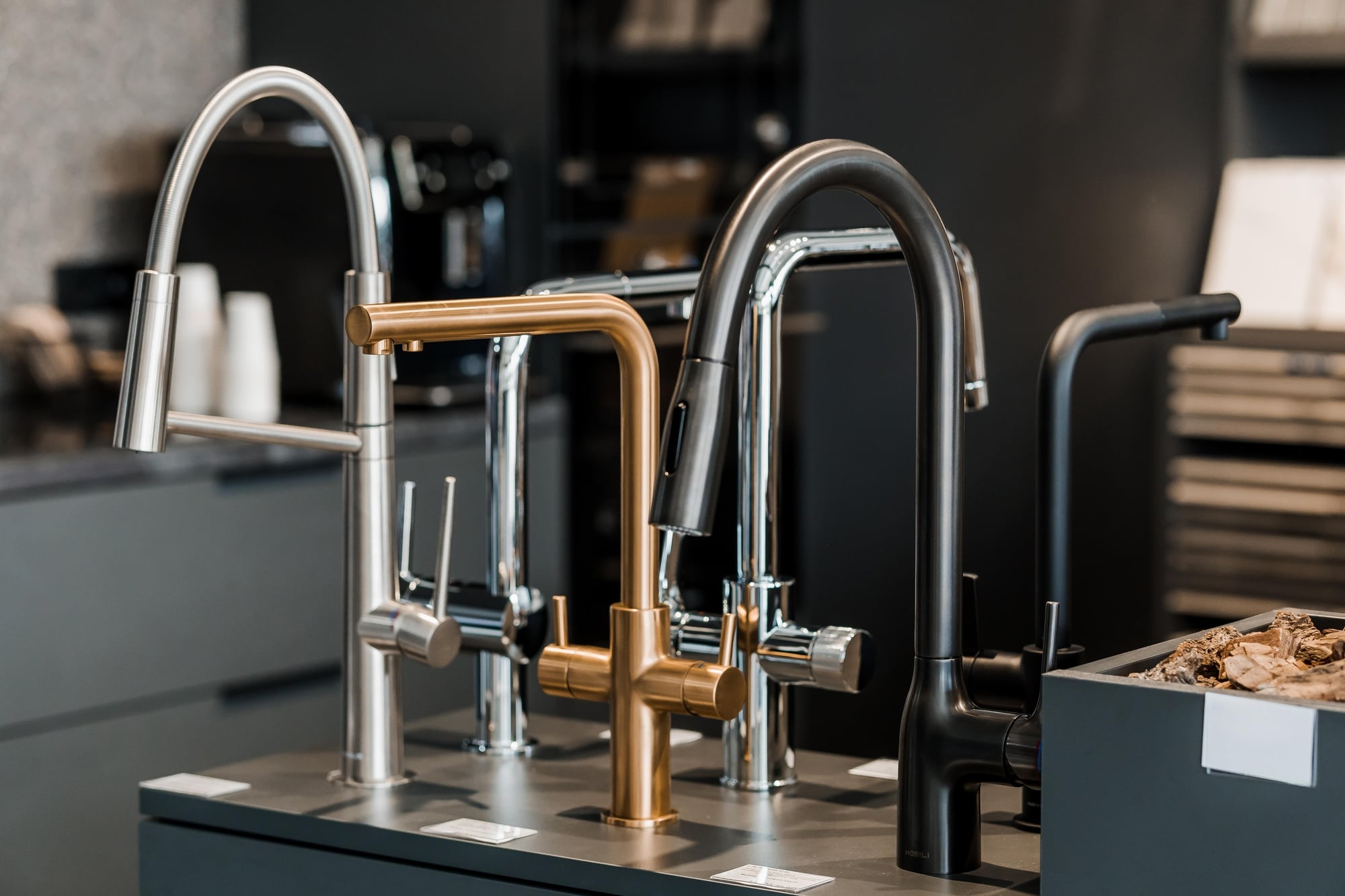
During the 1980s, brass fixtures were the epitome of luxury, with bathrooms and kitchens gleaming with gold-toned faucets and hardware that caught the light beautifully. These warm metallic finishes added instant glamour and sophistication to any room.
Boomers miss when fixtures made a bold statement rather than trying to blend invisibly into the background.
Built-in Entertainment Centers
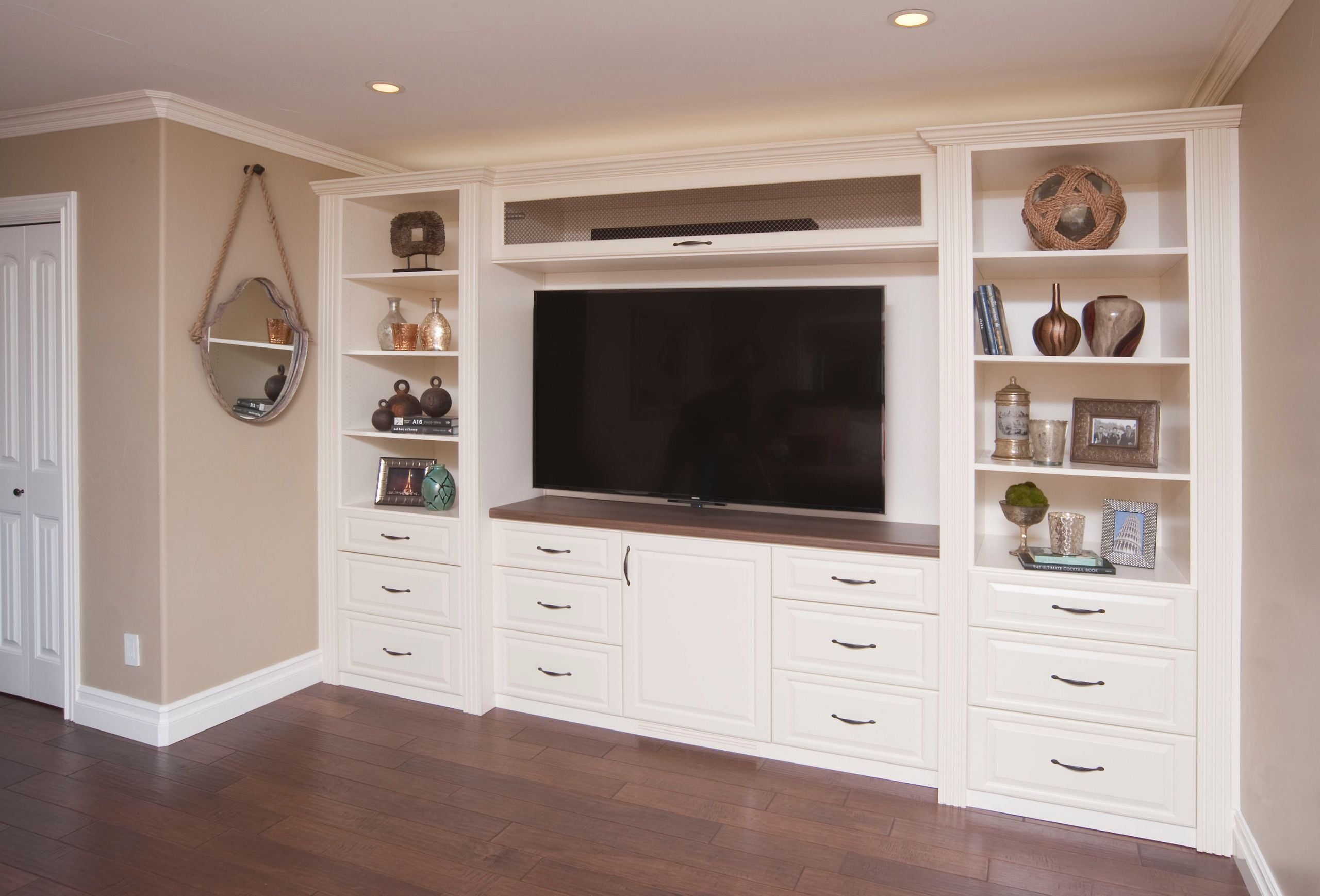
Massive wooden entertainment centers were designed to house equally massive TVs, with plenty of storage for VHS tapes and decorative items. These furniture pieces served as the focal point of the living room and showed off the family’s prized electronics.
Unlike today’s wall-mounted TVs, these entertainment centers made watching television feel like a special occasion.
Formal Dining Rooms
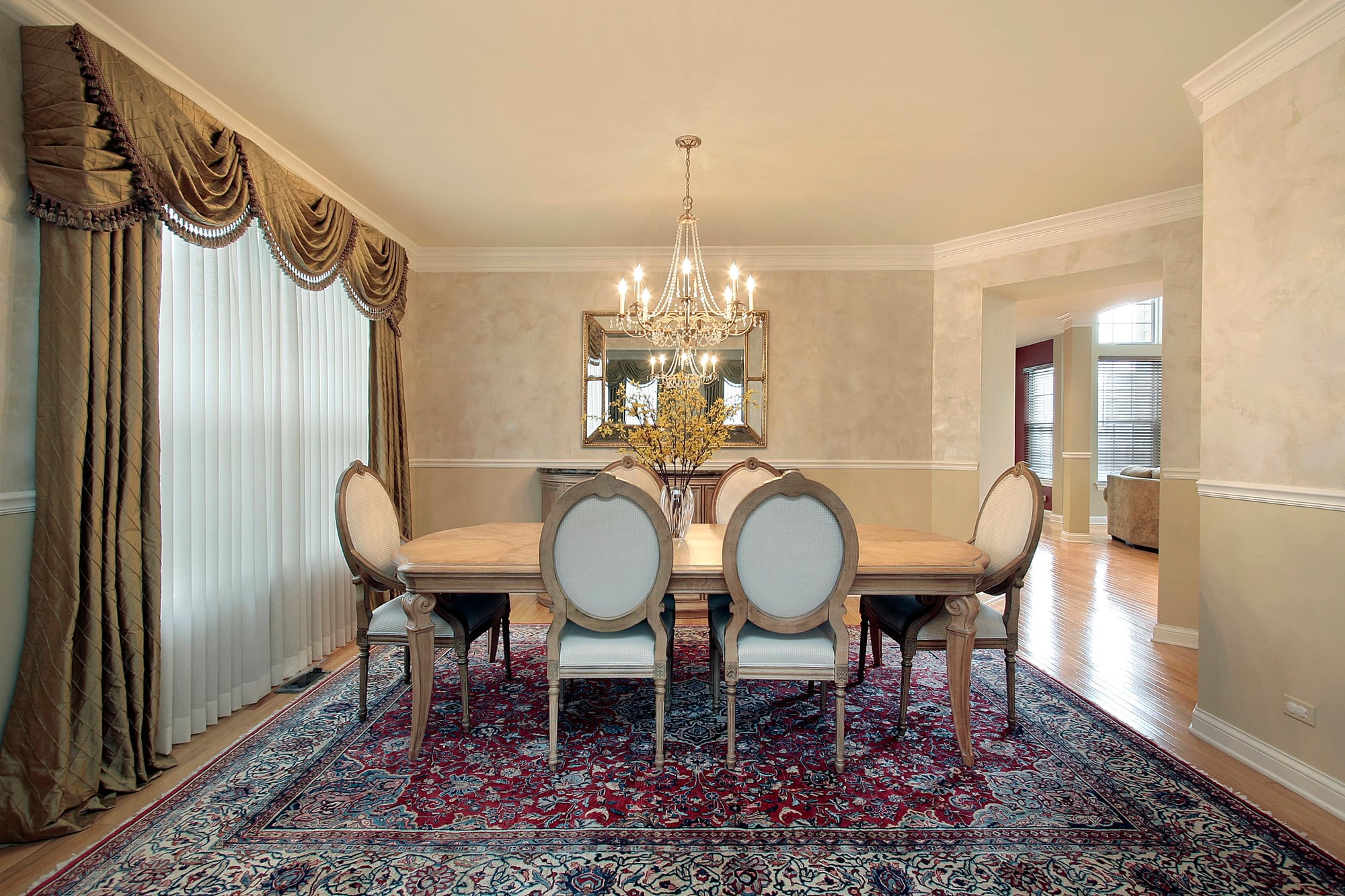
Every boomer home had that special room reserved for holidays and important dinners, complete with the good china and elegant furniture. These spaces represented hospitality and the importance of gathering for meals as a family.
Boomers remember when homes had dedicated spaces for different activities rather than today’s open-concept approach where everything blends together.
Like Go2Tutors’s content? Follow us on MSN.
Wall-to-Wall Carpeting
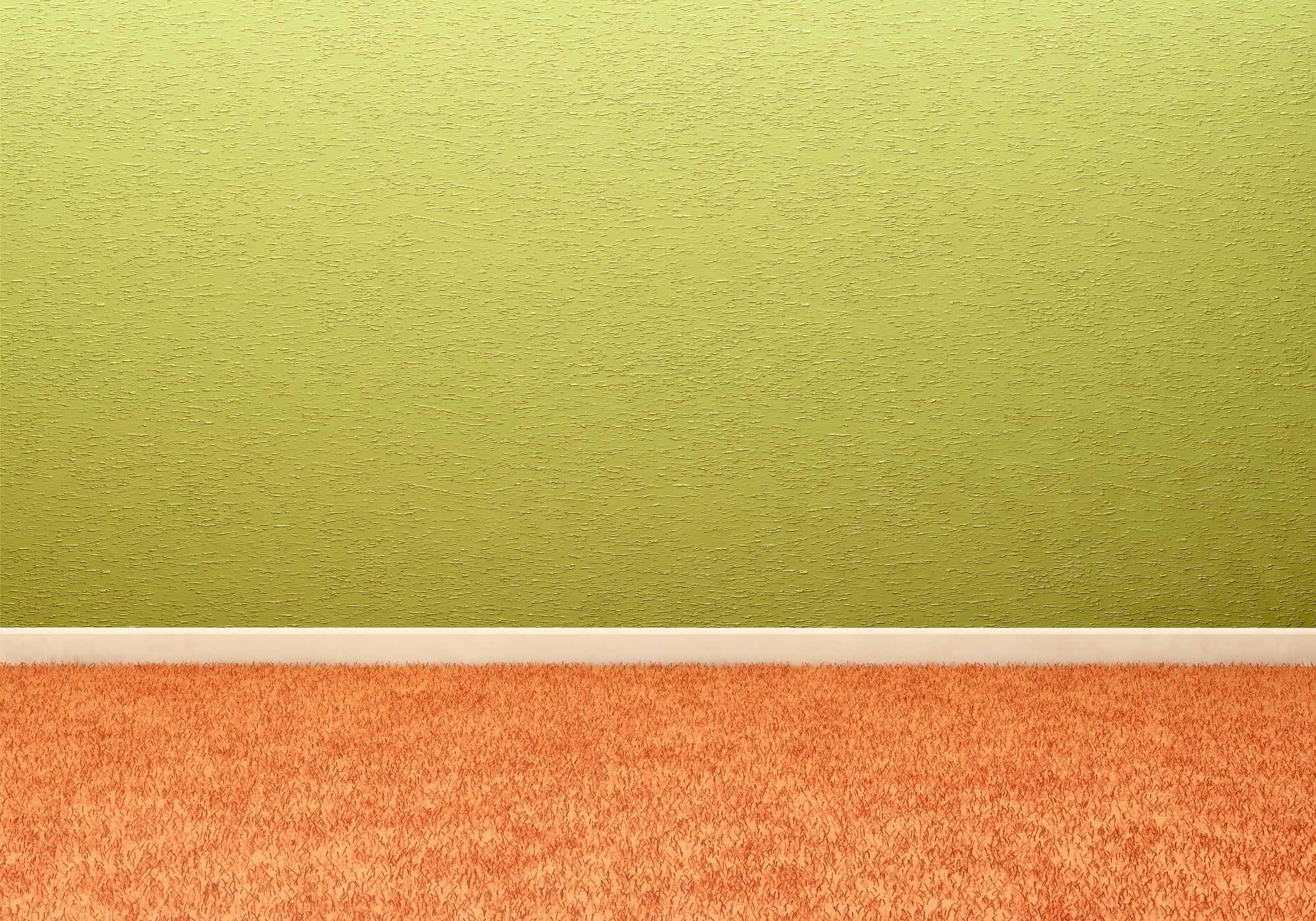
Carpeting throughout the home was once synonymous with luxury, providing warmth and comfort underfoot while creating a unified look from room to room. The soft surface made homes feel more welcoming and comfortable, especially in bedrooms and living areas.
Many boomers preferred the cozy feeling of carpet over the hard, cold surfaces that dominate modern homes.
Harvest Gold Everything

This warm, golden yellow color appeared on appliances, countertops, and accessories, creating kitchens that felt sunny and cheerful. When paired with earth tones like brown and rust, harvest gold created a coordinated look that felt both sophisticated and welcoming.
Boomers remember when color coordination meant something and every element in a room worked together harmoniously.
China Hutches
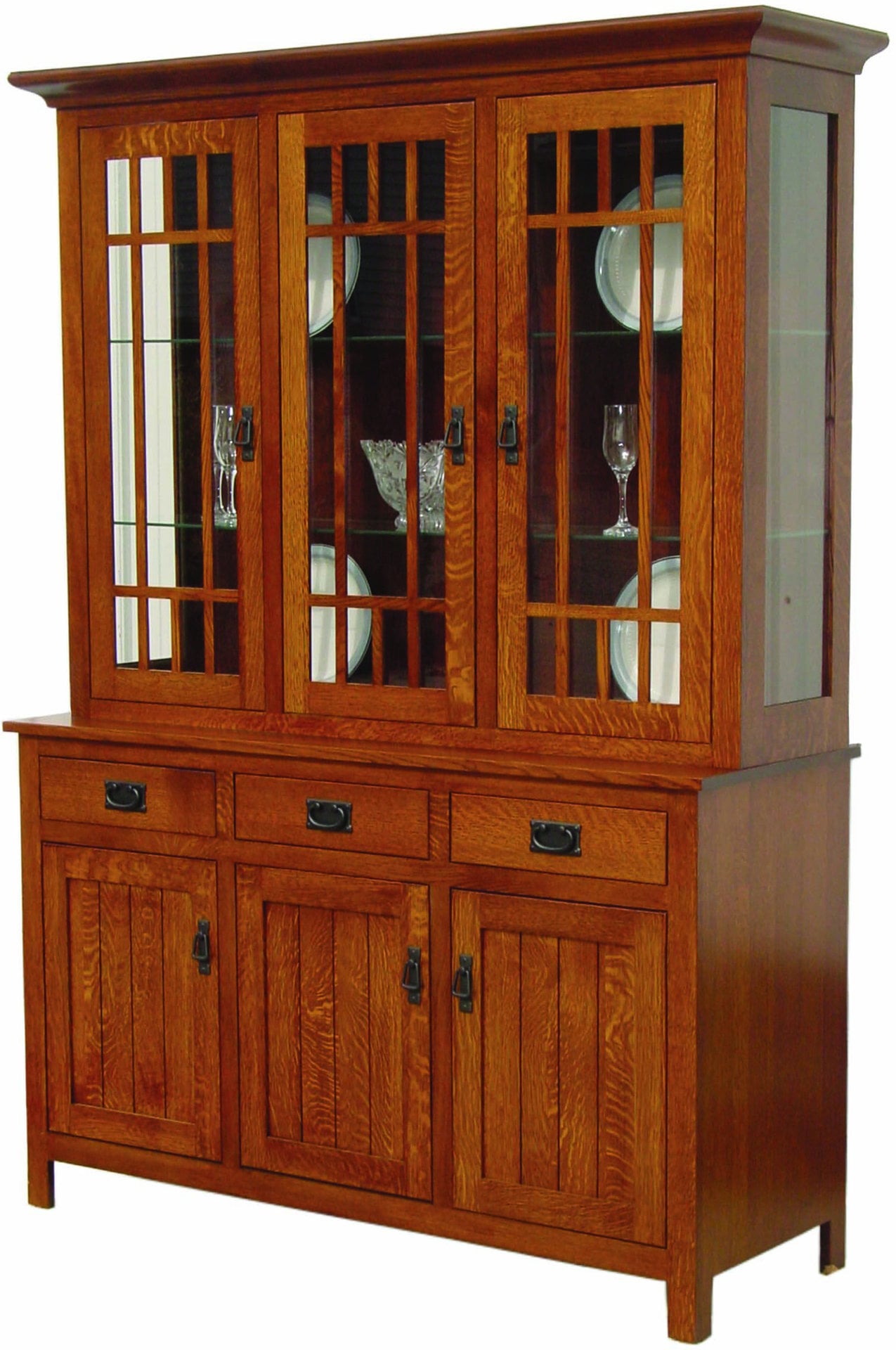
Wooden hutches and curio cabinets were essential for displaying fine china, collectibles, and family treasures where everyone could admire them. These pieces showed off a family’s most precious possessions and created conversation starters for guests.
The practice of collecting and displaying beautiful objects gave homes a sense of history and personal meaning that’s missing from today’s minimalist approach.
Lava Lamps

These groovy bubble-filled decorations were the epitome of cool in the 1970s, adding a psychedelic focal point to any room. The mesmerizing movement of colored wax created a relaxing, almost hypnotic atmosphere perfect for unwinding.
Boomers remember when home decor could be fun and whimsical rather than serious and understated.
Like Go2Tutors’s content? Follow us on MSN.
Pine Furniture
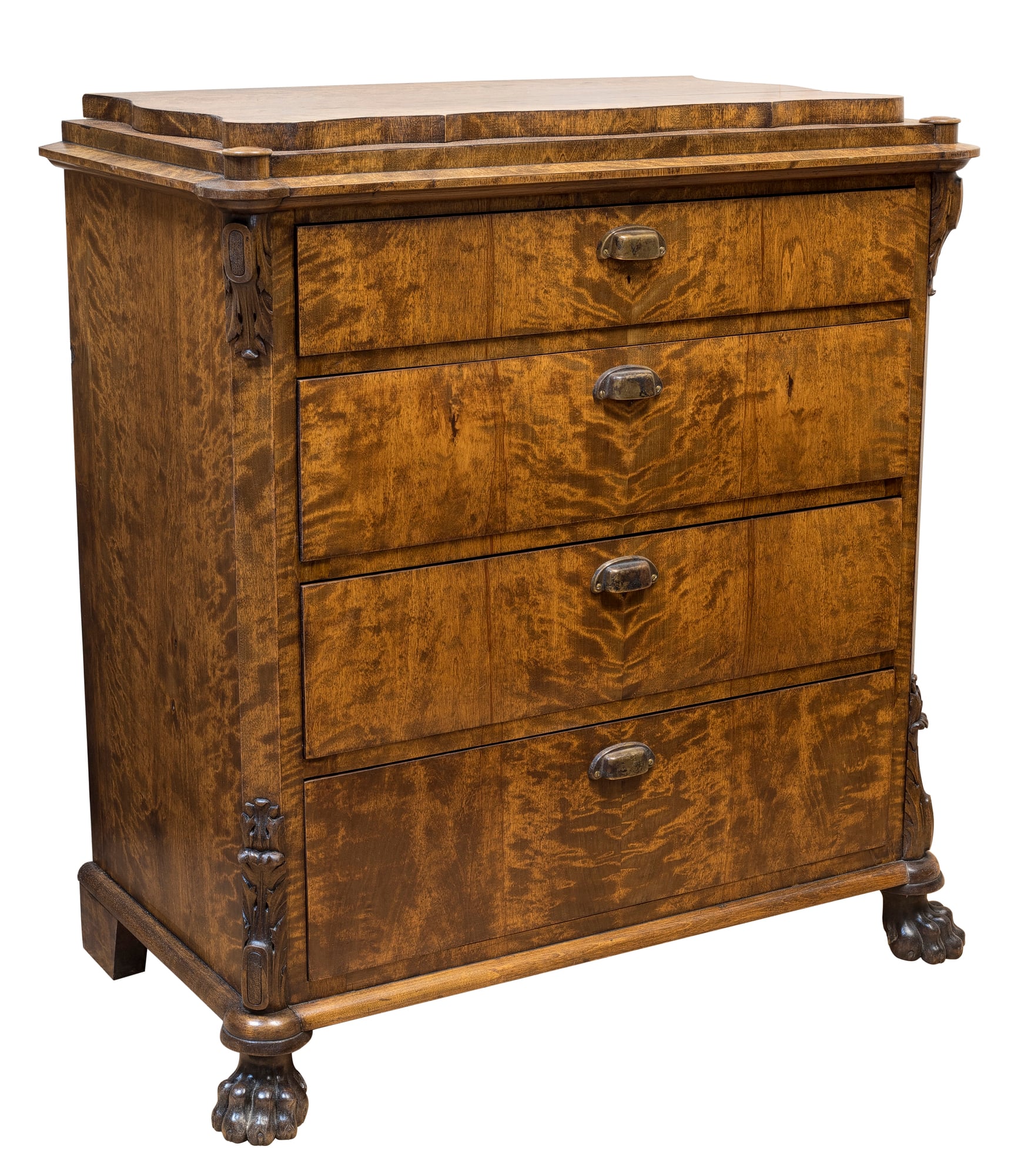
Pine’s pale tone and sturdy construction brought a casual, welcoming feel to dining sets and bedroom furniture, making it affordable for families to furnish entire homes. The light wood grain added natural beauty without being too formal or expensive.
Many boomer families built their first homes around practical pine furniture that lasted for decades.
Mirror Walls
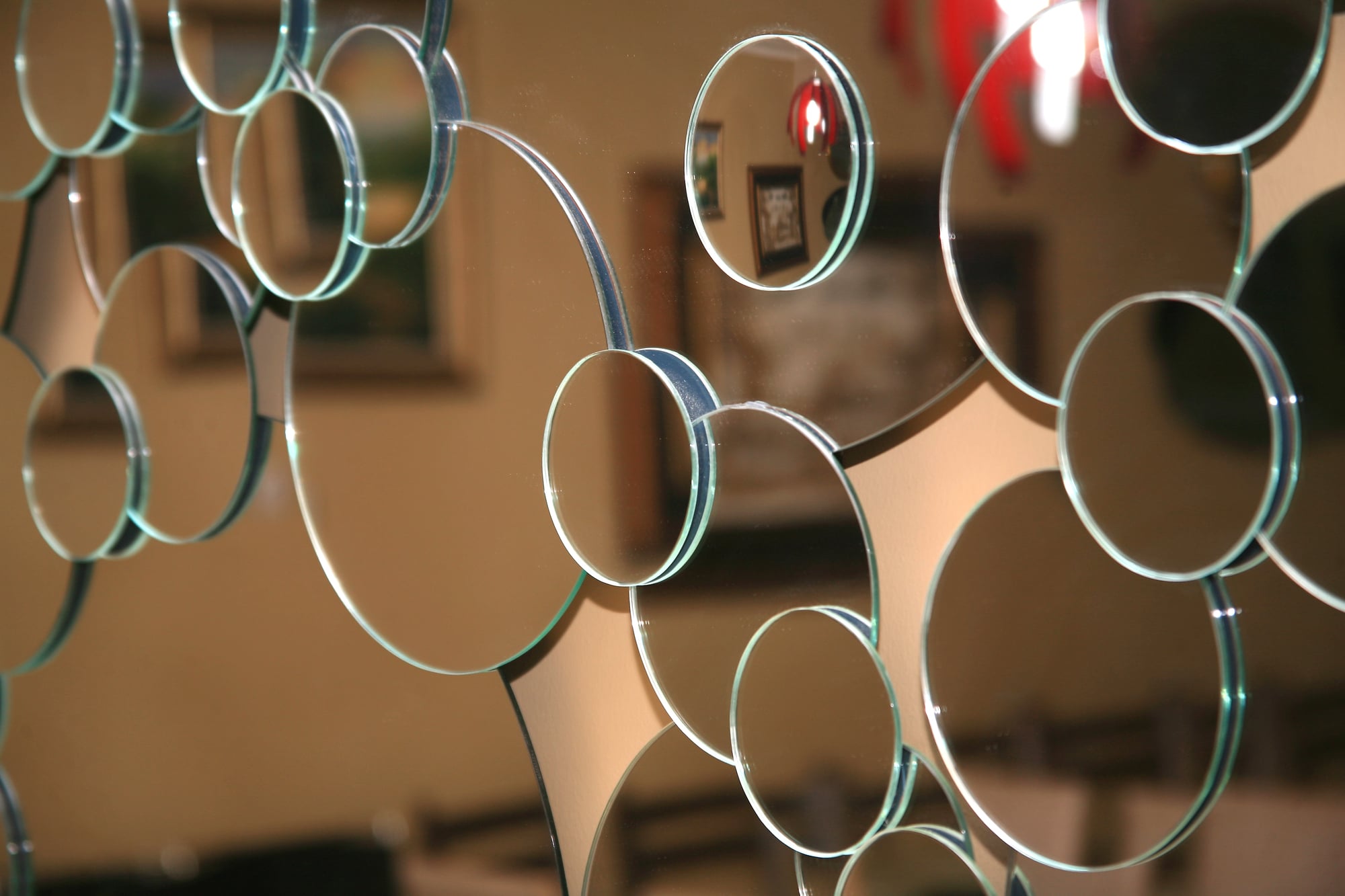
Entire walls covered in mirrors were designed to bounce light around the room and make small spaces feel dramatically larger. These reflective surfaces added instant glamour and sophistication while serving a practical purpose.
Boomers appreciated how mirrors could transform a space and create the illusion of luxury even in modest homes.
Popcorn Ceilings

This textured ceiling treatment was initially praised for its ability to hide imperfections and add visual interest overhead. While maintenance proved challenging over time, the bumpy surface created a unique architectural detail that made rooms feel finished and complete.
Boomers remember when even ceilings had personality rather than being left completely plain.
Like Go2Tutors’s content? Follow us on MSN.
Linoleum Flooring

Durable and inexpensive linoleum came in bold patterns and colors, allowing homeowners to make dramatic statements in kitchens and bathrooms. The practical benefits included easy cleanup and long-lasting wear, making it perfect for busy family homes.
Boomers appreciated having flooring that could handle daily life while still looking stylish and coordinated.
Carpeted Bathrooms
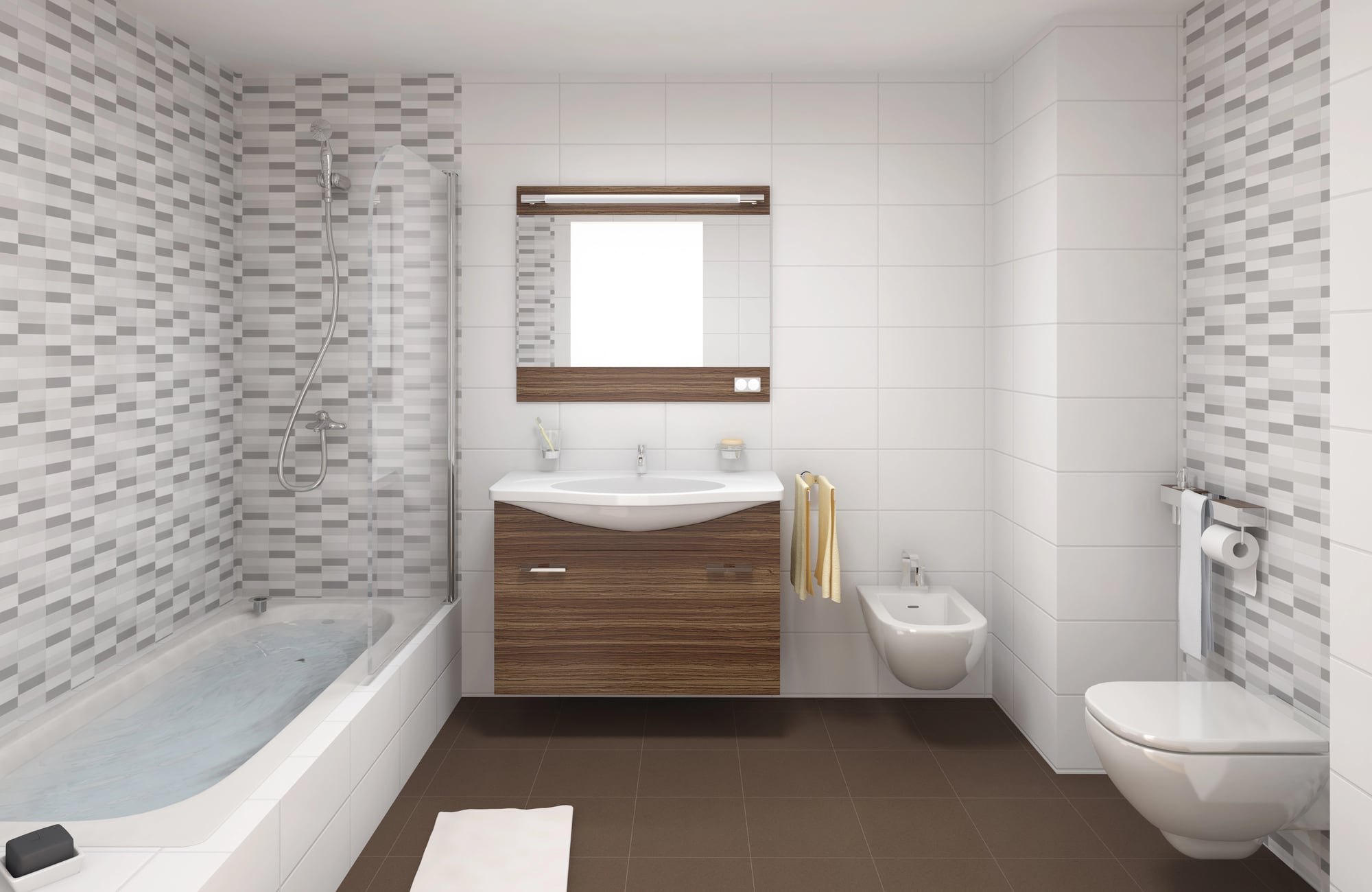
Soft carpeting in bathrooms provided a warm, luxurious feeling underfoot, especially when stepping out of the tub on cold mornings. This trend represented the ultimate in comfort and showed that practical spaces could still feel cozy and inviting.
While hygiene concerns eventually made this trend impractical, boomers fondly remember the spa-like feeling it created.
When Comfort Ruled Design

These trends represent more than just outdated decor—they reflect a time when homes prioritized warmth, personality, and gathering spaces over stark minimalism. Boomers valued comfort above all else, preferring furniture and features that invited relaxation and encouraged family time together.
While some of these elements are making comebacks in modern interpretations, the original spirit of bold self-expression and cozy functionality remains something many boomers wish would return to today’s homes. The lesson here isn’t necessarily to bring back avocado appliances, but to remember that homes should reflect the people who live in them rather than looking like sterile showrooms.
More from Go2Tutors!

- 18 Unexpectedly Valuable Collectibles You Might Have Lying Around
- 20 Little-Known Historical Battles That Had Huge Consequences
- 20 Historical Artifacts That Scientists Can’t Explain
- 15 Inventions That Were Immediately Banned After Being Created
- 20 Actors Who Were Almost Cast in Iconic Roles
Like Go2Tutors’s content? Follow us on MSN.