Old Kitchen Utensils with Specific Markings That Are Worth Serious Money
Most people think of kitchen utensils as purely functional items—tools meant to be used until they break and then replaced without a second thought. Yet scattered throughout vintage collections, estate sales, and forgotten kitchen drawers are pieces marked with specific stamps, signatures, or logos that transform everyday tools into valuable antiques.
These markings often tell stories of craftsmanship, company heritage, or limited production runs that collectors prize today. The difference between a worthless old spoon and a piece worth hundreds of dollars often comes down to a few letters, numbers, or symbols most people would overlook entirely.
Wagner Ware Cast Iron Skillets
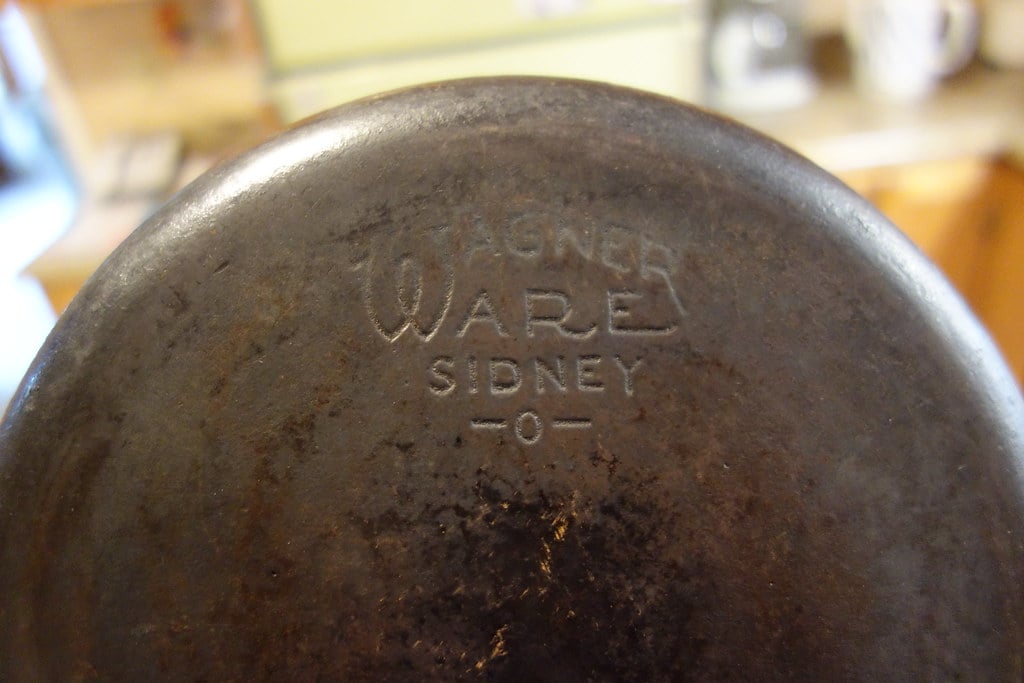
Wagner Manufacturing produced some of the finest cast iron cookware in America from 1891 to 1957. The skillets marked with “Wagner Ware Sidney -O-” command the highest prices among collectors.
These pieces feature smooth cooking surfaces that rival modern non-stick pans when properly seasoned. The Sidney, Ohio location marking indicates pre-1960s production, before the company changed hands and quality declined.
A #8 skillet in excellent condition sells for $150 to $300, while rarer sizes like #14 can reach $500 or more.
Griswold Cast Iron with Block Logo
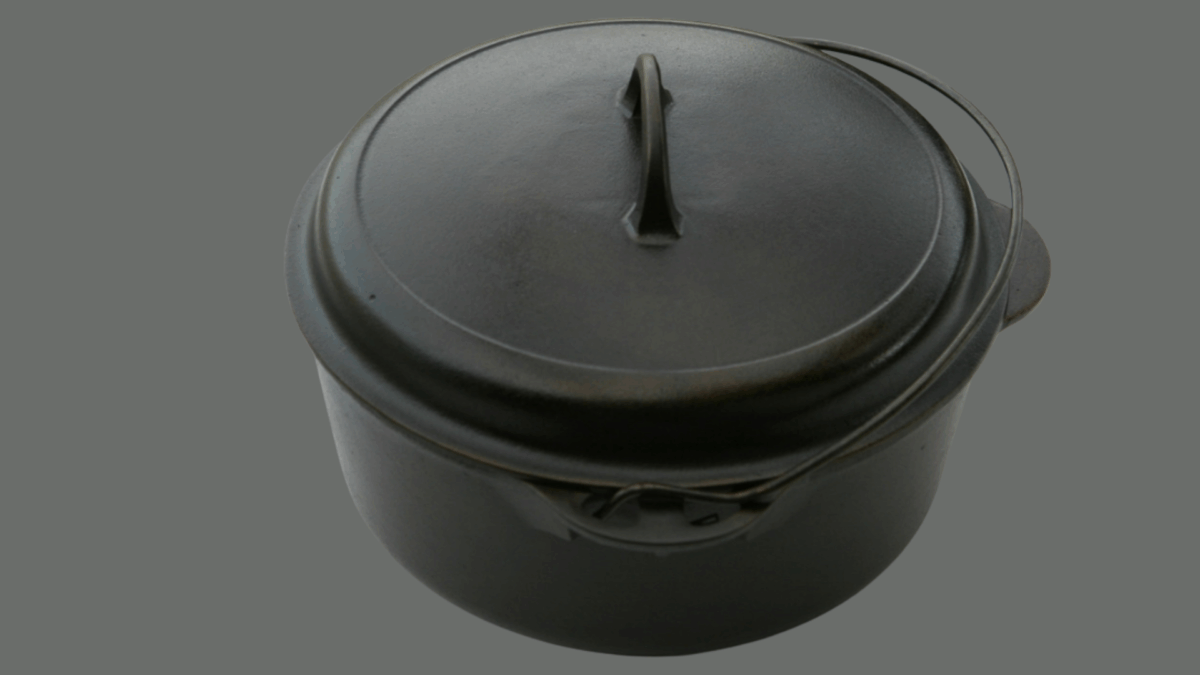
The holy grail of vintage cookware comes stamped with the distinctive Griswold block logo (which looks deliberately industrial, no fancy script here—just block letters that mean business, and collectors know it when they spot one across a crowded antique mall because that logo might as well be a neon sign announcing serious money). These pieces, manufactured in Erie, Pennsylvania between 1865 and 1957, represent the pinnacle of American cast iron craftsmanship.
So when people find a Griswold #8 skillets with that block logo in decent shape, they’re holding something worth $200 to $400. And the waffle makers—those beautiful, heavy pieces that most people would use as doorstops—can sell for over $1,000 if they’re complete with both halves and the original markings are crisp.
Butter Stamps with Folk Art Carvings
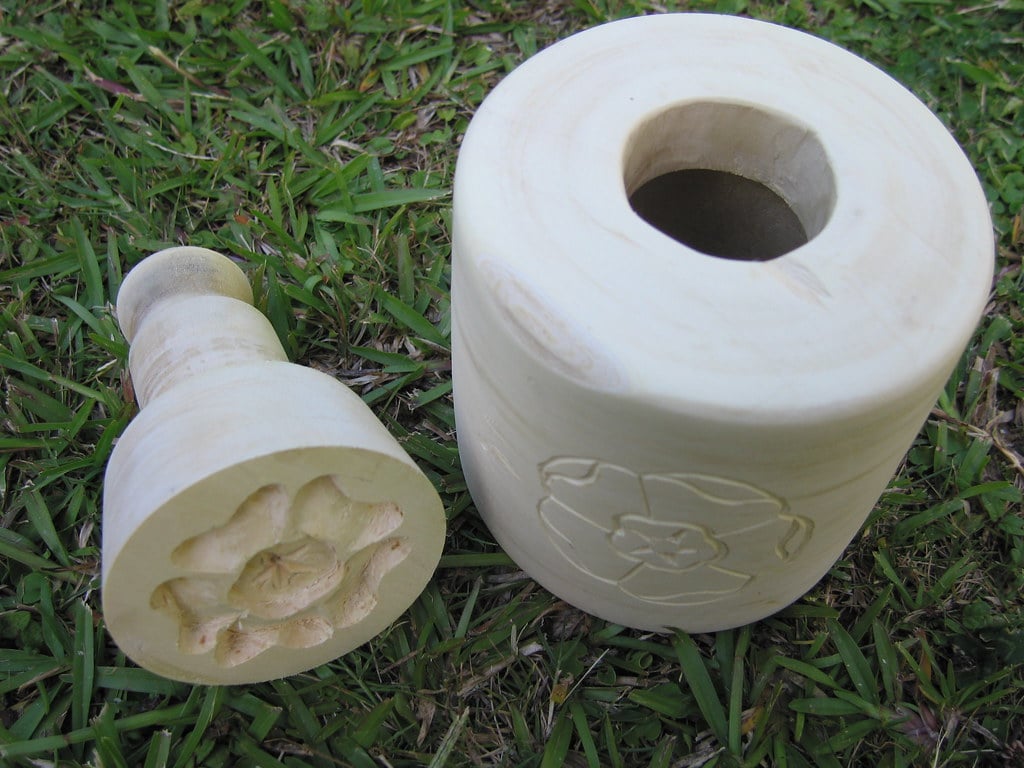
Carved wooden butter stamps rest in kitchen drawers like small sculptures, their purpose forgotten but their artistry intact. These tools once pressed decorative patterns into fresh butter—roses, wheat sheaves, pineapples, or family initials—turning a basic dairy product into something worthy of the Sunday table.
The most valuable stamps feature deep, precise carving and unusual motifs. A stamp carved with a detailed eagle or intricate geometric pattern can sell for $200 to $600, while simpler designs bring $50 to $150.
The wood should show honest wear but no cracks or missing pieces.
Sterling Silver Serving Pieces by Tiffany
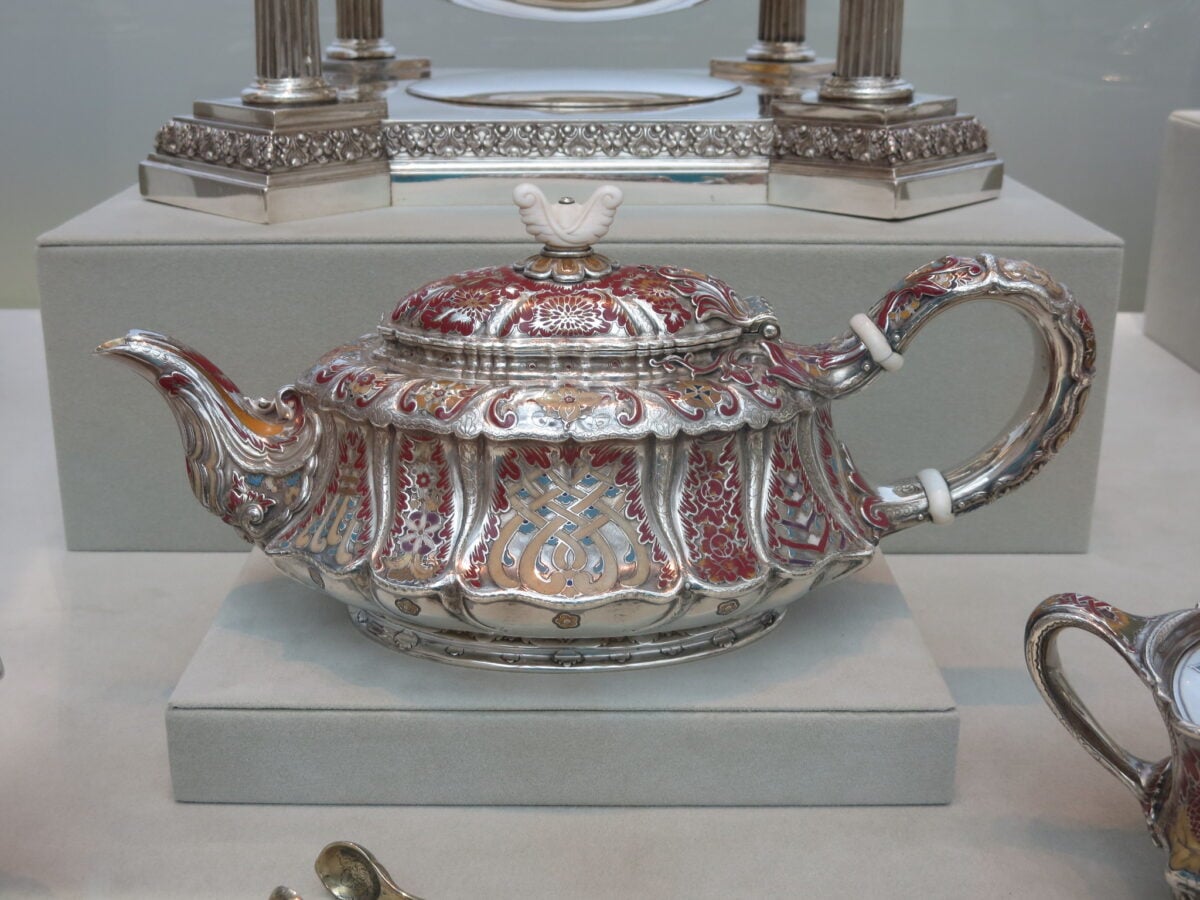
Tiffany & Co. sterling silver serving pieces marked with the company hallmark are kitchen treasures disguised as everyday flatware. The weight alone announces their quality—real silver has a heft that silver-plate cannot match.
A Tiffany ladle or serving spoon marked “Tiffany & Co. Sterling” sells for $300 to $800 depending on the pattern and size. Even damaged pieces retain value since silver trades as a commodity.
Collectors particularly prize pieces from discontinued patterns, which can command premium prices at auction.
Wooden Spoons with Scandinavian Marks
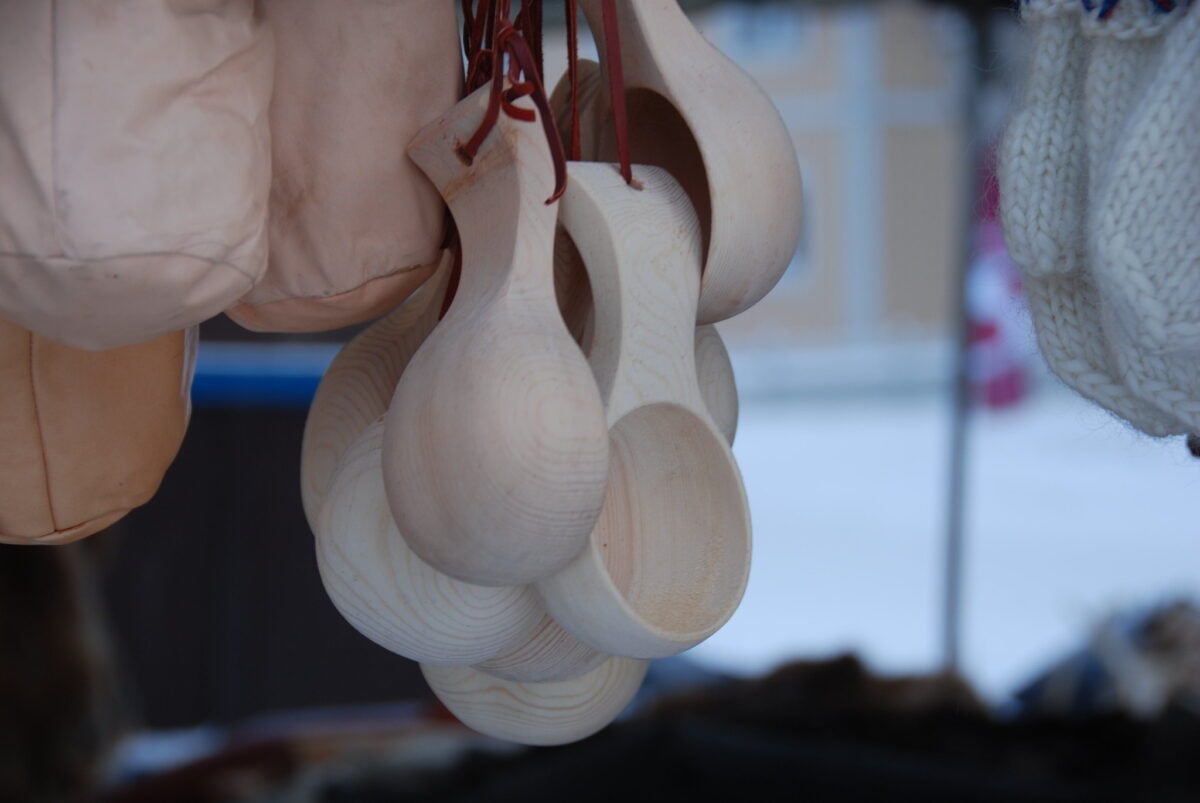
Scandinavian wooden spoons carry centuries of craftsmanship in their grain, and the ones that matter—the ones that separate casual kitchen tools from collectible folk art—bear specific maker’s marks or regional stamps that most people mistake for random scratches (but collectors study these marks like archaeologists reading ancient texts, because each symbol represents a specific woodworker, region, or time period that transforms a simple spoon into something worth real money). Norwegian and Swedish artisans traditionally carved initials, dates, or small decorative symbols into their work.
And these marked pieces, especially those showing traditional rosemaling painted decoration alongside the carved marks, sell for $75 to $300 depending on age and artistry: the older pieces command higher prices, naturally, but even mid-20th century examples with clear provenance find eager buyers.
Copper Molds with Maker Stamps
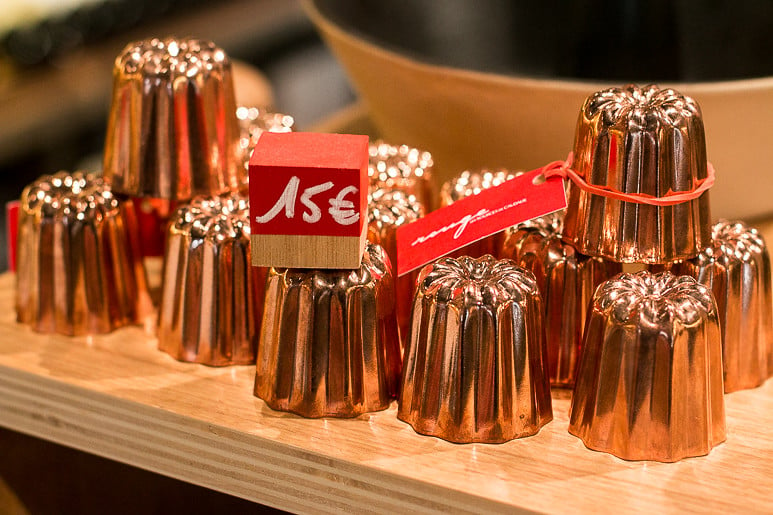
French copper molds represent the intersection of kitchen function and architectural beauty. These heavy, tinned pieces shaped everything from aspic to chocolate, their forms as precise as the dishes they created.
Molds stamped with maker names like “Mauviel” or “Dehillerin” command the highest prices. A large fish mold or elaborate architectural form can sell for $400 to $1,200.
The tin lining should be intact, though re-tinning is possible and doesn’t significantly harm value if done properly.
Early American Pewter Spoons
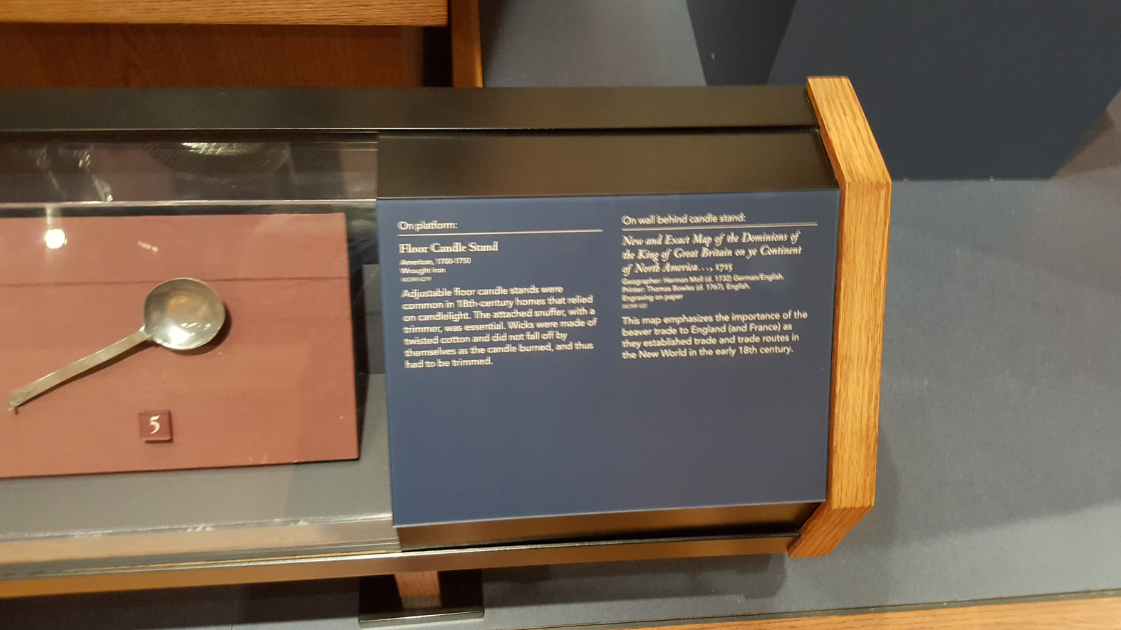
Pewter spoons marked by early American pewterers are among the most valuable flatware pieces in antique collecting. The marks matter enormously here—a spoon bearing the touch mark of a documented 18th or 19th-century craftsman can be worth serious money.
Look for clear maker stamps on the handle back, often including the pewterer’s name or initials within a decorative cartouche. Documented makers like the Boardmans of Connecticut or Thomas Danforth can push values from $200 to over $1,000 for a single spoon.
Japanese Kitchen Knives with Tang Stamps
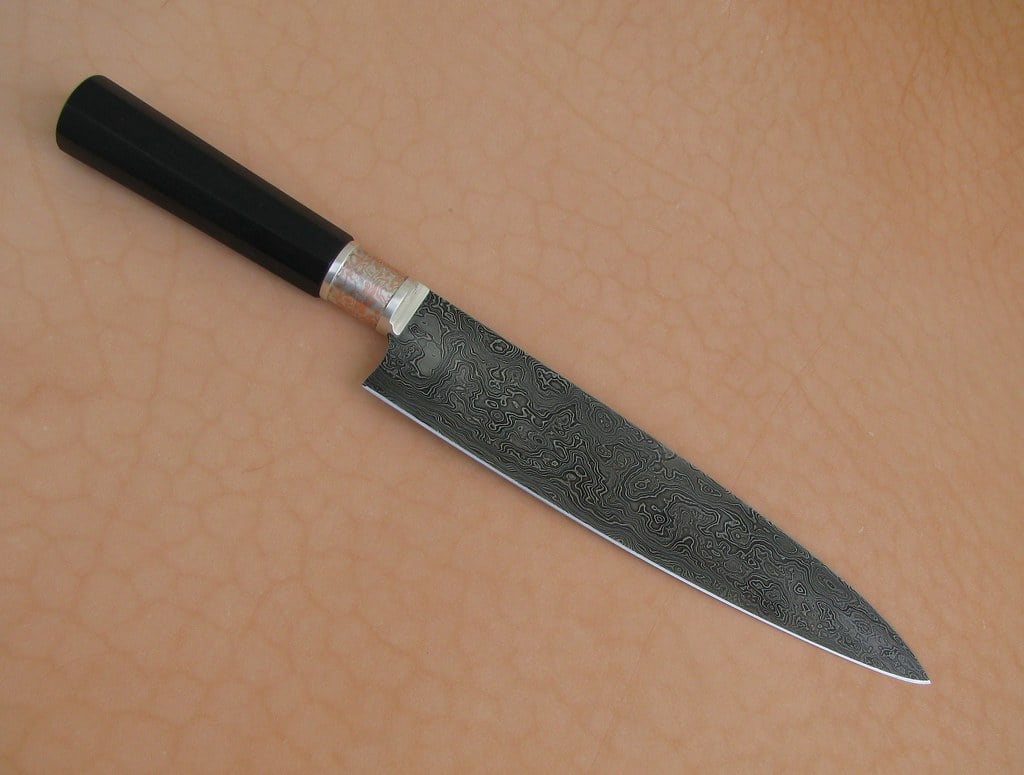
Japanese kitchen knives operate in a different universe from Western cutlery—the steel harder, the edge geometry more acute, the cultural reverence for the blade almost spiritual (and when you hold a proper Japanese knife, even one that’s decades old, the weight distribution tells you immediately that someone understood metallurgy in ways that mass production simply cannot replicate, which explains why collectors pay extraordinary sums for vintage examples). The tang stamps matter enormously: knives marked with characters indicating famous smiths or regions like Sakai command premium prices.
So a vintage gyuto (chef’s knife) with clear maker stamps sells for $300 to $1,500, while rare or historically significant pieces reach much higher. And condition matters less than you’d expect—even knives needing professional sharpening retain value because the steel quality endures.
Silver-Plated Serving Pieces by Reed & Barton
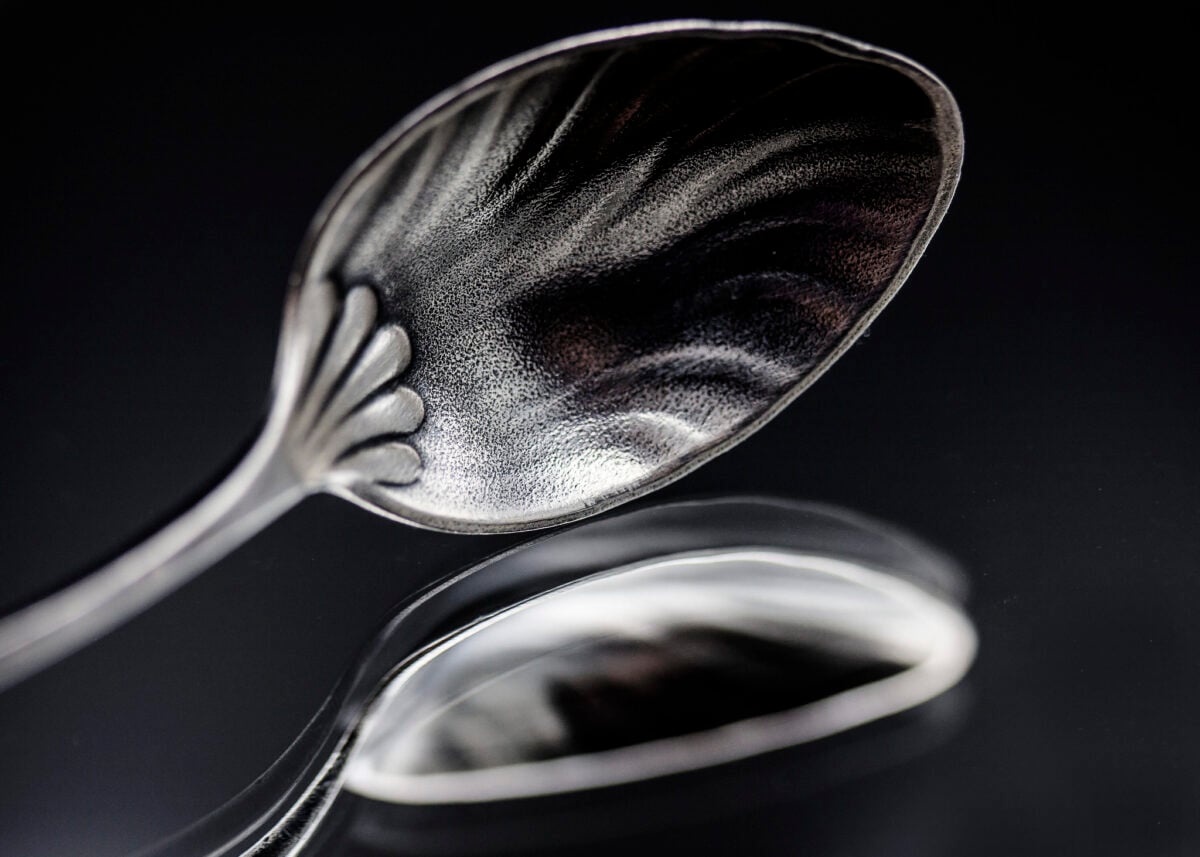
Reed & Barton silver-plated serving pieces marked with the company’s distinctive hallmarks represent affordable luxury from America’s premier silver manufacturer. These pieces feel substantial in ways that modern serving ware cannot match.
A complete serving set with clear Reed & Barton markings sells for $150 to $400, while individual statement pieces like large serving trays can reach $200 to $500. The plating should show normal wear but no base metal showing through on high-contact areas.
Stoneware Crocks with Maker Stamps
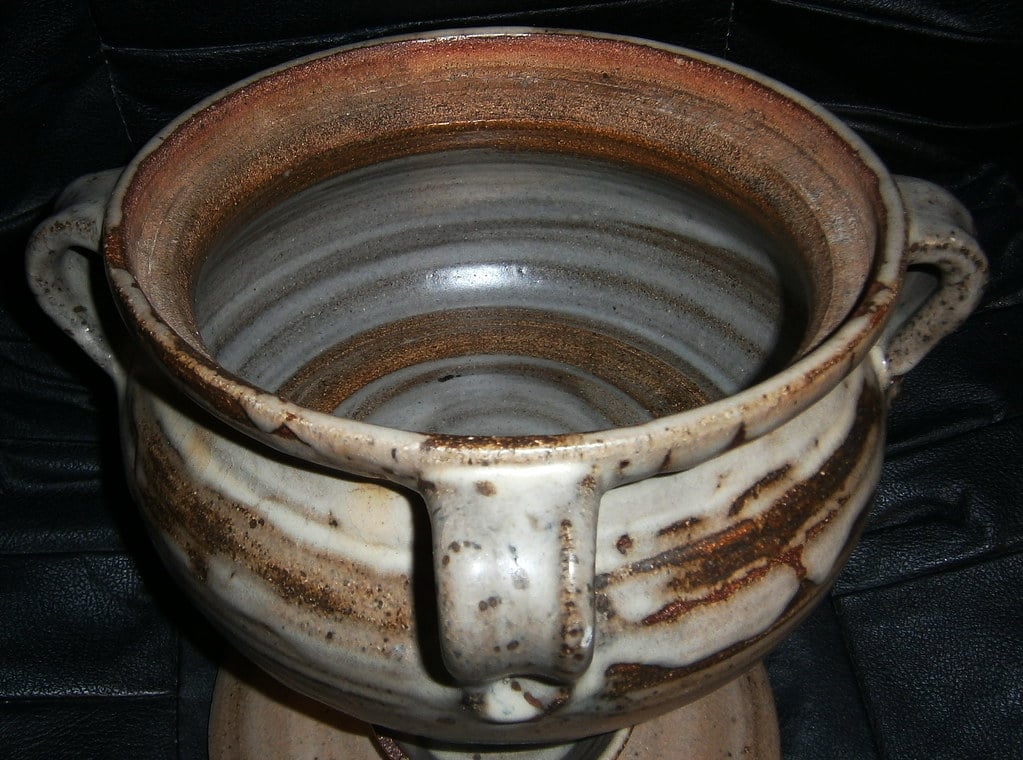
Salt-glazed stoneware crocks marked with potter stamps or company names store more than their obvious contents—they hold decades of American ceramic tradition. The best examples feature cobalt blue decoration alongside clear maker marks.
Red Wing, Western Stoneware, and other documented American potteries command strong prices. A 2-gallon crock with clear markings and good decoration sells for $200 to $600, while larger sizes or exceptional decoration can reach $1,000 or more.
English Bone China Tea Services
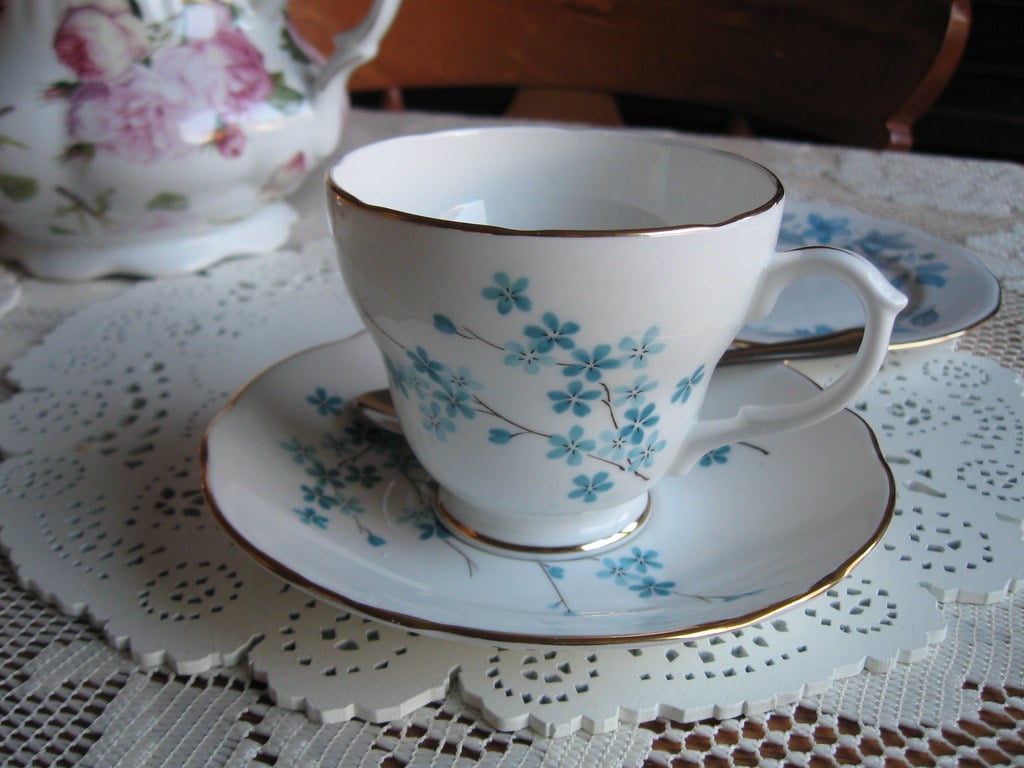
English bone china tea services marked by prestigious manufacturers like Royal Crown Derby or Spode represent centuries of ceramic refinement. These pieces feel different from modern china—lighter yet stronger, with a translucency that catches light beautifully.
Complete services with clear maker marks sell for $300 to $1,200 depending on the pattern and manufacturer. Even incomplete sets retain value, particularly if they include serving pieces like cake stands or cream and sugar sets.
Carved Wooden Butter Molds with Regional Marks
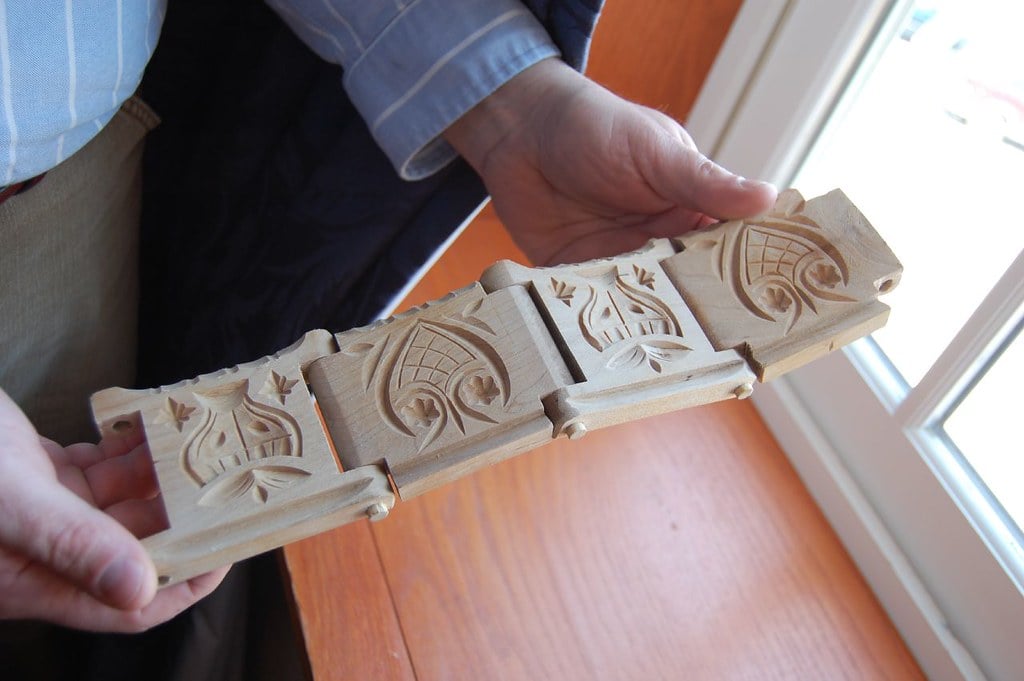
Regional butter molds tell stories of local pride and craftsmanship through their carved designs and maker marks (and there’s something deeply satisfying about holding a tool that shaped butter for a farm family over a century ago, knowing that the same hands that milked cows and churned cream also carved intricate patterns into hardwood with nothing more than simple chisels and endless patience). Pennsylvania German examples with hex signs or floral motifs command the highest prices, especially when they bear carver initials or dates.
So a documented Pennsylvania piece with clear provenance sells for $400 to $1,200, while New England examples with simpler geometric patterns bring $150 to $500. But condition matters enormously here: splits, repairs, or missing pieces drop values significantly because collectors want these as display pieces, not just historical curiosities.
Enamelware with Manufacturer Labels
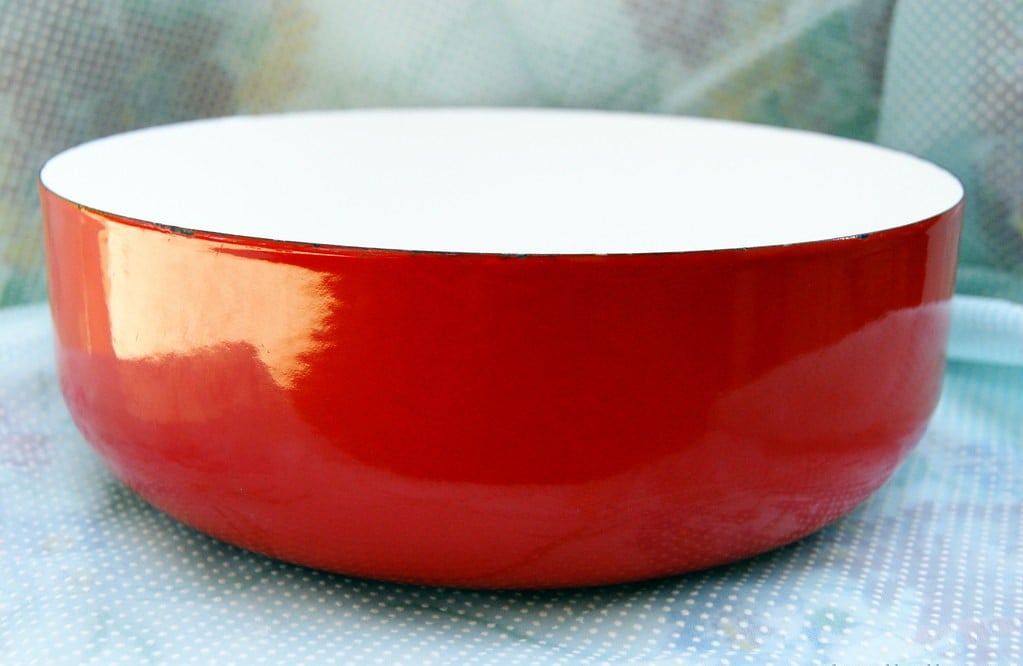
Vintage enamelware marked with manufacturer labels like “Granite Ware” or specific company names represents the height of early 20th-century kitchen technology. These pieces brought color and easy cleaning to kitchens that had known only cast iron and stoneware.
Complete sets or unusual pieces in good condition command strong prices. A coffee pot with clear manufacturer markings sells for $75 to $250, while rare colors like red or unusual forms like colanders can reach $300 or more.
Hand-Forged Iron Utensils with Smith Marks
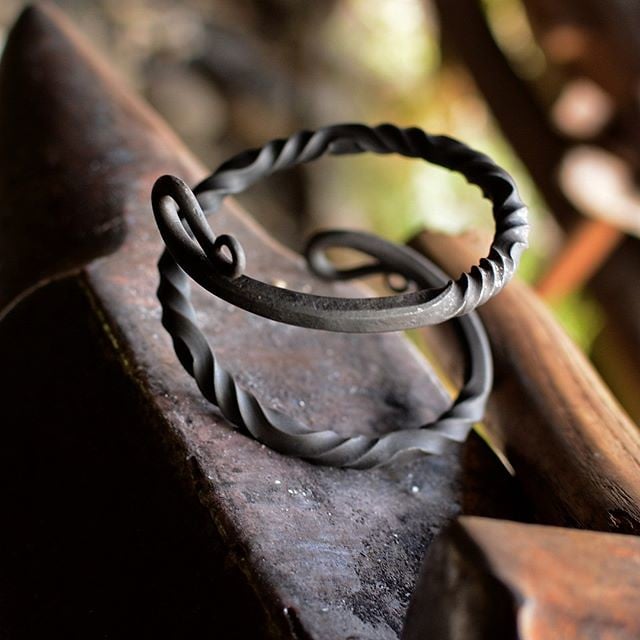
Hand-forged iron utensils bearing blacksmith marks represent individual craftsmanship in an age of mass production. These pieces feel alive in ways that machine-made tools never achieve—the hammer marks visible, the weight perfectly balanced for their intended use.
Look for smith stamps, initials, or distinctive forging patterns that indicate individual makers. A set of fireplace cooking tools with clear maker marks sells for $200 to $600, while unusual forms like flesh forks or specialized roasting implements can command higher prices.
Vintage Apple Parers with Patent Dates
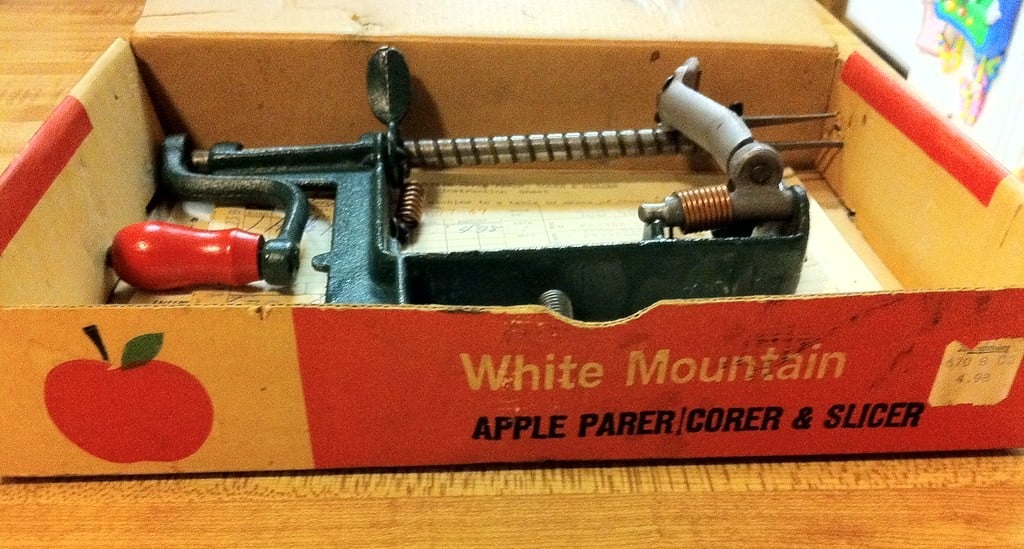
Mechanical apple parers marked with patent dates and manufacturer names fascinate collectors of both kitchen tools and mechanical devices. These ingenious machines reduced hours of hand work to minutes of turning a crank.
The Reading Hardware Company and Goodell Company produced the most sought-after models. A complete parer with clear manufacturer markings and original paint sells for $150 to $400, while rare variations or exceptionally clean examples can reach $600 or more.
English Silver Hallmarked Flatware
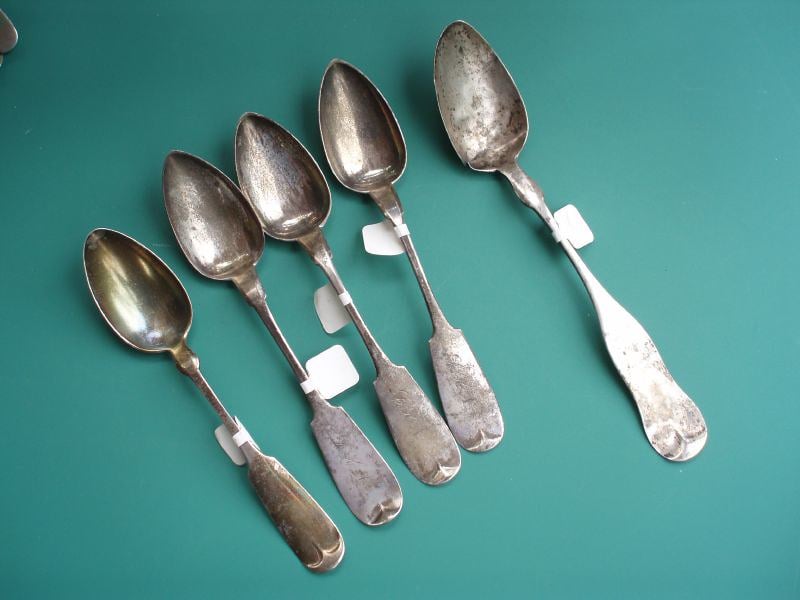
English silver flatware bearing proper London or Birmingham hallmarks represents centuries of regulated craftsmanship. The hallmark system ensures both silver content and maker identification, making these pieces reliably valuable.
Even single pieces retain significant value due to silver content alone. A set of six Georgian silver spoons with clear hallmarks sells for $400 to $1,000, while serving pieces by famous makers can command much higher prices.
Hand-Painted Porcelain with Artist Signatures
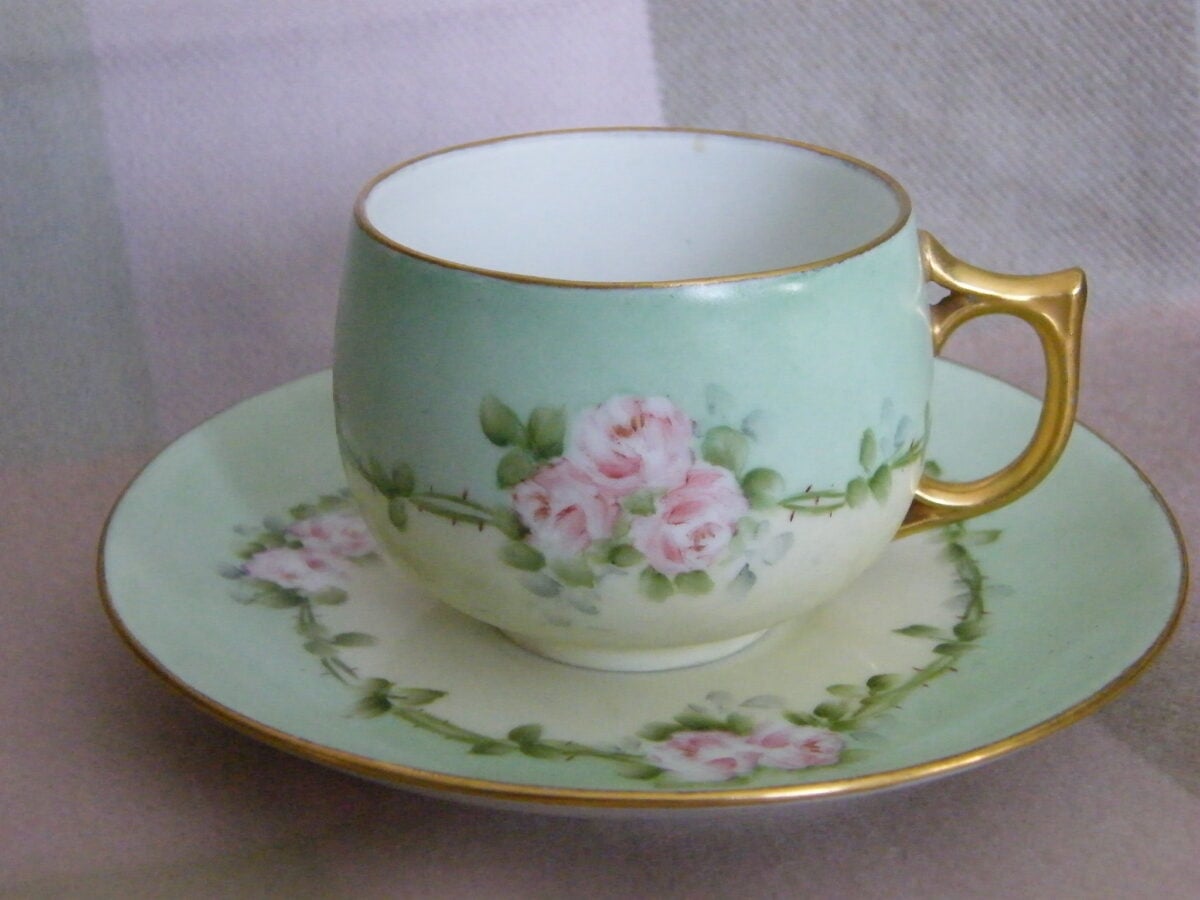
Hand-painted porcelain serving pieces signed by individual artists transform functional items into collectible art. These pieces often came from small European workshops where artists painted flowers, birds, or landscapes directly onto white porcelain blanks.
The artist signature or workshop mark makes all the difference in value. A signed serving plate or tea set sells for $200 to $800, while pieces by documented artists or from famous workshops like KPM Berlin can reach much higher prices.
Regional Pottery with Local Clay Works Marks
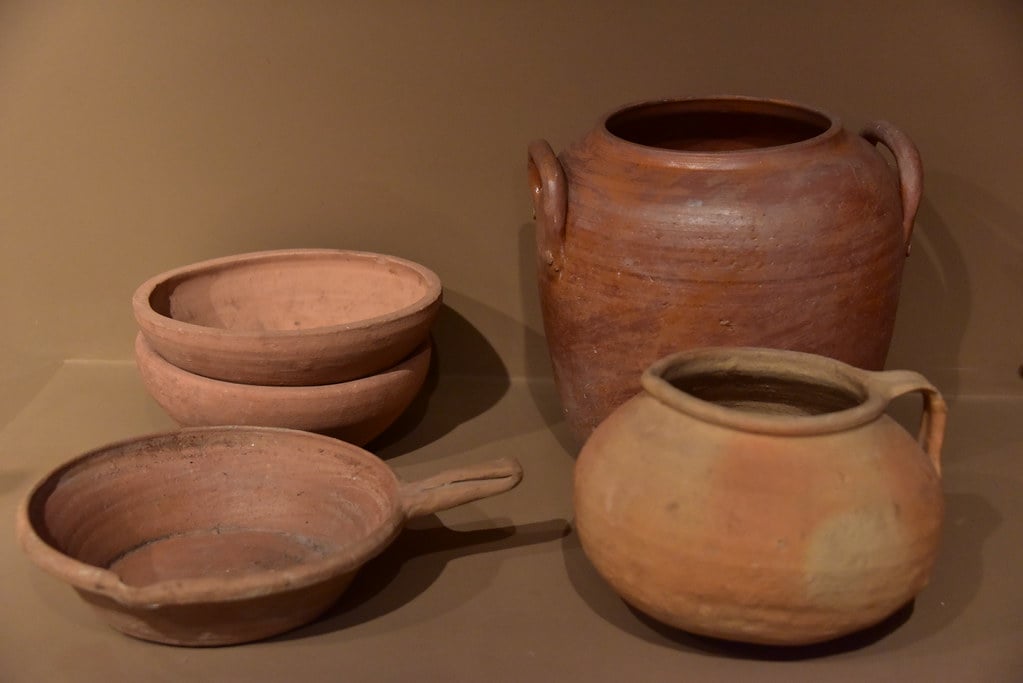
Local pottery works across America produced distinctive kitchen wares marked with company names or location stamps (and these pieces carry something that mass-produced ceramics never capture: a sense of place, the knowledge that the clay came from nearby deposits, the potter lived in the same community as the customers, and each piece represents not just function but local pride in craftsmanship that sustained families and defined regional identity). Ohio, North Carolina, and Pennsylvania produced exceptional stoneware and redware. So marked pieces from documented potteries like Newcomb or Jugtown sell for $150 to $600 depending on form and condition.
But the real treasures are pieces with both maker marks and dates—these provide historical documentation that collectors prize almost as much as the pottery itself.
The Stories These Markings Tell
These marked utensils represent more than just valuable antiques—they document the evolution of American and international craftsmanship. Each stamp, signature, or carved initial connects modern kitchens to workshops where individual artisans took pride in tools that would outlast their makers.
The markings that matter most to collectors often meant the most to their creators: signatures of pride, stamps of quality, and marks of regional identity that transform forgotten kitchen drawers into treasure chests waiting for recognition.
More from Go2Tutors!

- The Romanov Crown Jewels and Their Tragic Fate
- 13 Historical Mysteries That Science Still Can’t Solve
- Famous Hoaxes That Fooled the World for Years
- 15 Child Stars with Tragic Adult Lives
- 16 Famous Jewelry Pieces in History
Like Go2Tutors’s content? Follow us on MSN.