30 Things Every Kid Did During Summer Break in the ’80s Without Spending a Single Dime
Summer in the 1980s meant three months of pure freedom with nothing but time and imagination. No smartphones, no organized camps every week, no carefully curated activities. Just you, your neighborhood, and the endless possibility of a day that stretched from dawn until the streetlights came on. The best part? Everything that made those summers legendary cost absolutely nothing.
Riding Bikes Until Dark

The bike was your ticket to everywhere. You’d pedal until your legs burned, racing friends down hills and jumping homemade ramps made from plywood and bricks. Distance didn’t matter when adventure was the destination.
Building Forts Out of Couch Cushions
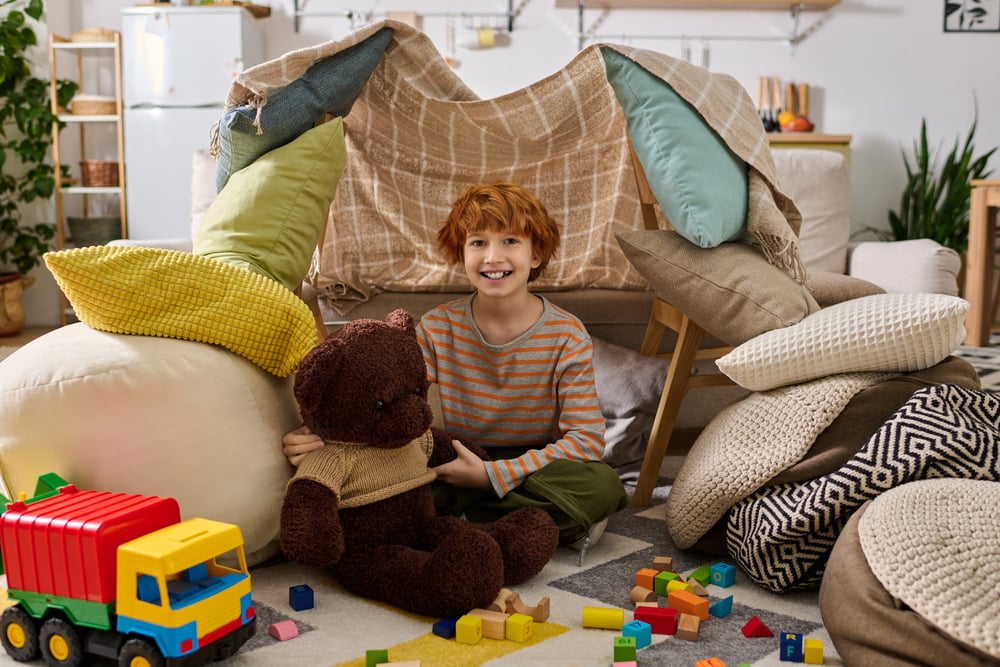
Every living room became an architectural playground when parents weren’t looking, and honestly, even when they were (because somehow mothers in the ’80s possessed an almost supernatural patience for domestic chaos that seems to have vanished from the gene pool entirely). Couch cushions transformed into walls, blankets draped over chairs became roofs, and suddenly you had your own private kingdom where the rules of the adult world couldn’t reach. The structural integrity was always questionable — one wrong move and the whole thing collapsed — but that was part of the thrill, wasn’t it?
Playing Flashlight Tag
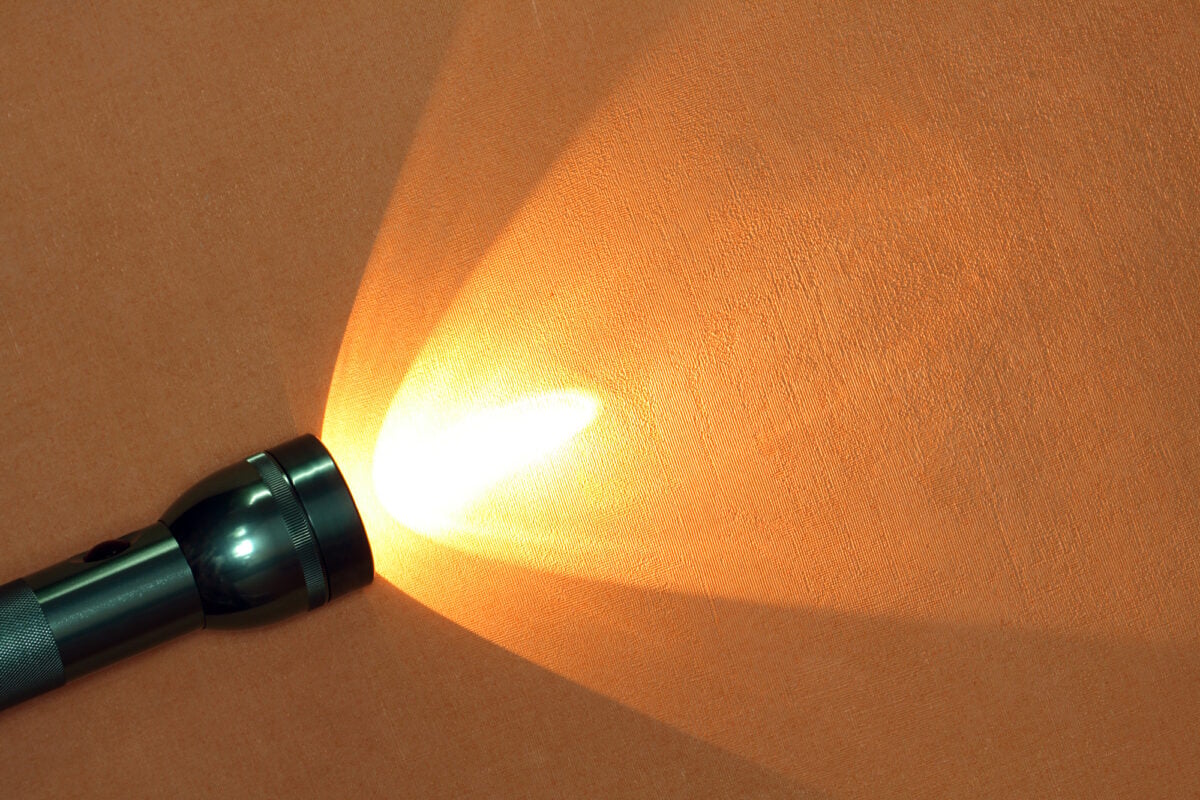
There’s something about being hunted in the dark that strips away everything else. Your heartbeat becomes the loudest sound in the world. Every shadow could hide a friend waiting to tag you. The beam of the flashlight cuts through darkness like a sword, and being caught in it feels like being pinned by a spotlight on stage.
Catching Fireflies in Mason Jars
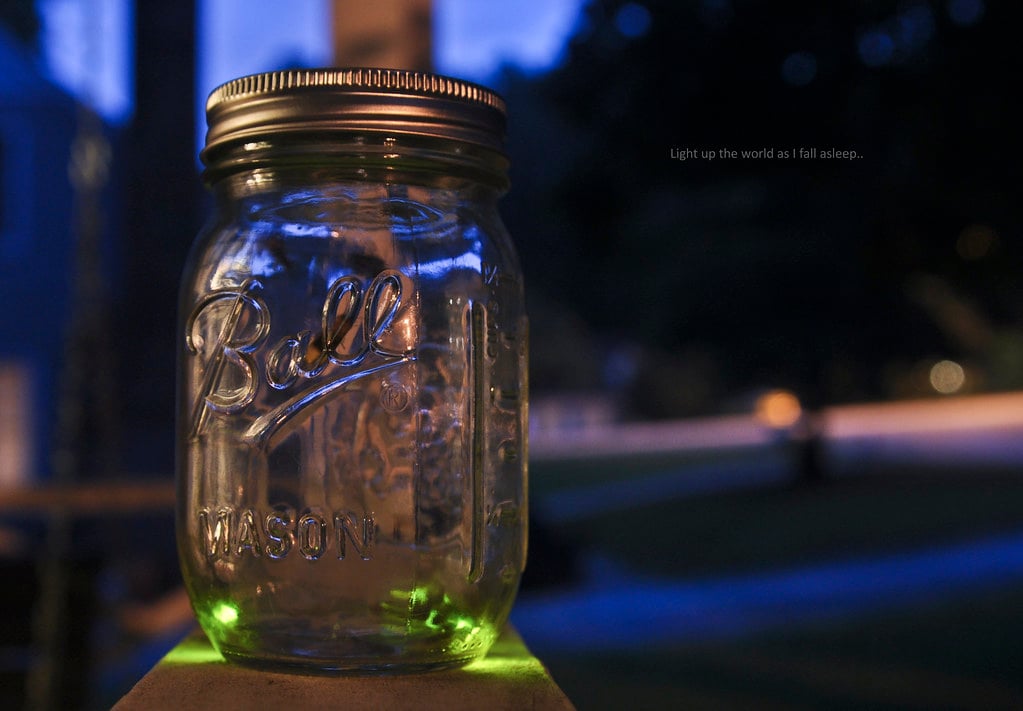
Capturing lightning bugs was the closest thing to magic most kids experienced. You’d punch pits in jar lids and spend twilight hours chasing those blinking dots across the yard. The bugs never stayed bright for long once trapped, but that didn’t stop anyone from trying to build their own constellation in a jar.
Making Mud Pies
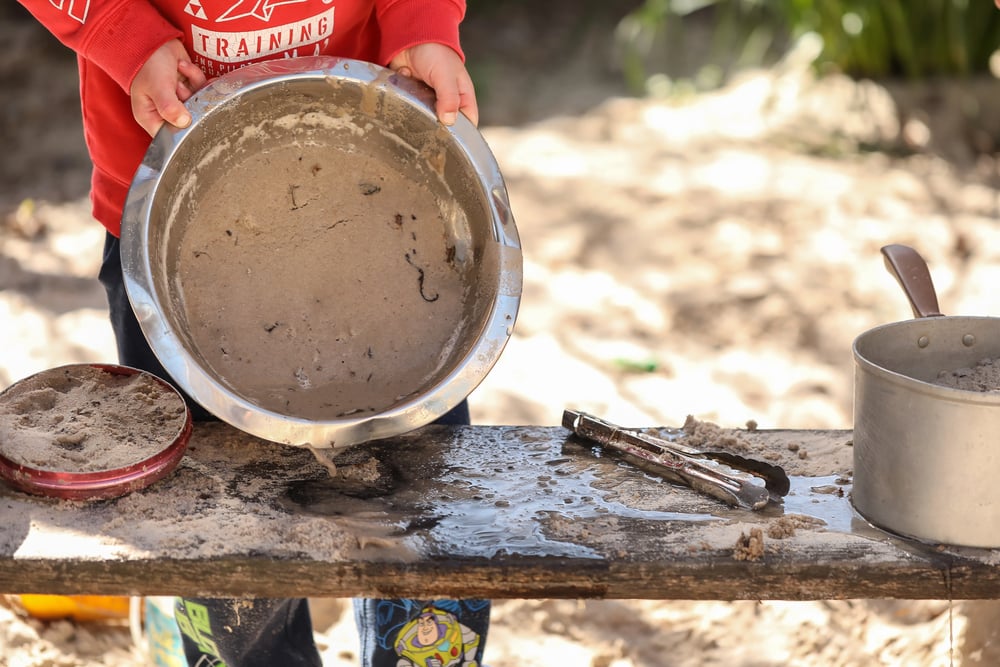
Every backyard became a restaurant when you mixed dirt with water from the garden hose, and the menu was whatever your imagination could dream up (though it always seemed to lean heavily toward desserts, probably because actual pie was the highest culinary achievement most eight-year-olds could envision). The consistency never quite matched what you were aiming for — too watery and it looked like chocolate soup, too thick and it resembled concrete more than cake batter. But you’d spend hours perfecting your recipes, decorating them with leaves and flowers, presenting them to parents who had to pretend they looked appetizing. And the mess was legendary.
Reading Library Books Under a Tree

The public library’s summer reading program meant stacks of free books and your own personal reading nook under the biggest tree in the yard. No one bothered you there. Just you, the story, and the sound of leaves rustling overhead like nature’s own soundtrack.
Playing Kick the Can
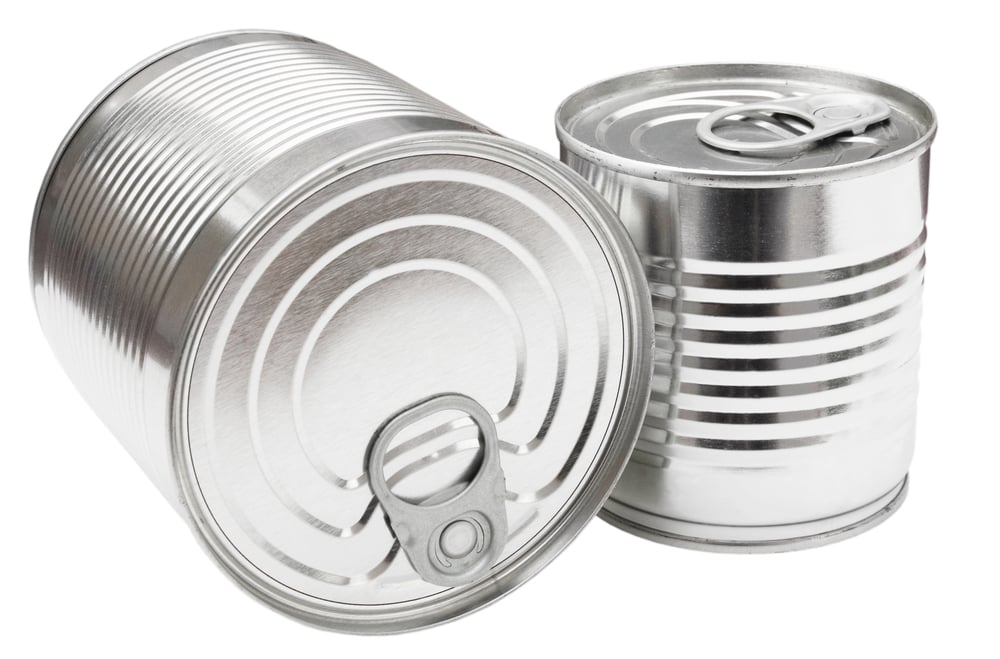
One can, endless entertainment. Someone guards the can while everyone else hides, then races to kick it before getting tagged. Simple rules, but the strategy was complex enough to keep entire neighborhoods occupied for hours. The metallic clang of sneaker meeting aluminum meant freedom for whoever was brave enough to make the run.
Collecting Rocks, Leaves, and Random Treasures
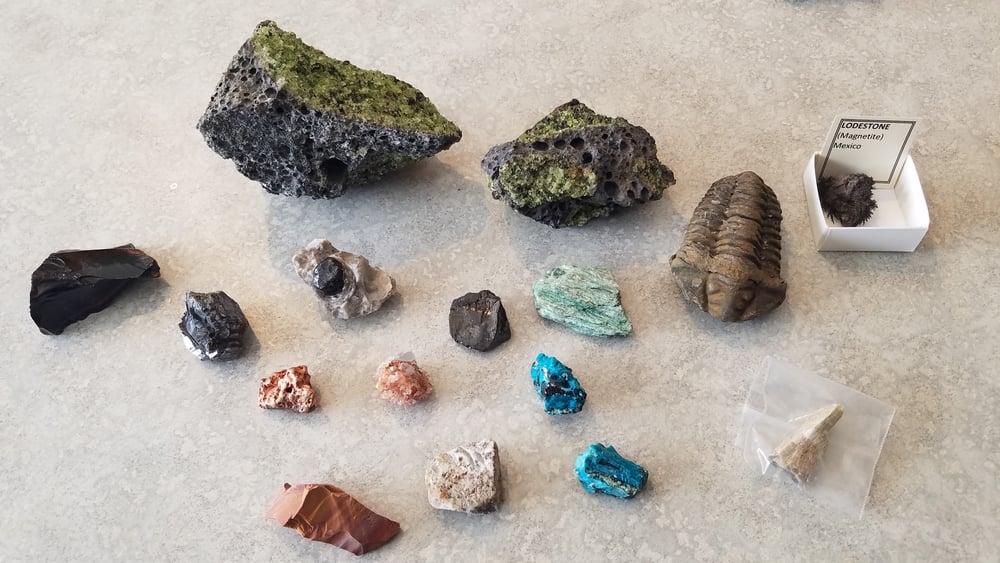
Every kid became a curator of the ordinary. Smooth rocks from the creek, perfectly shaped leaves, bottle caps that caught the light just right — these weren’t just objects, they were discoveries. Shoeboxes under beds turned into personal museums where a piece of broken glass could be as valuable as any diamond.
Swimming in Sprinklers
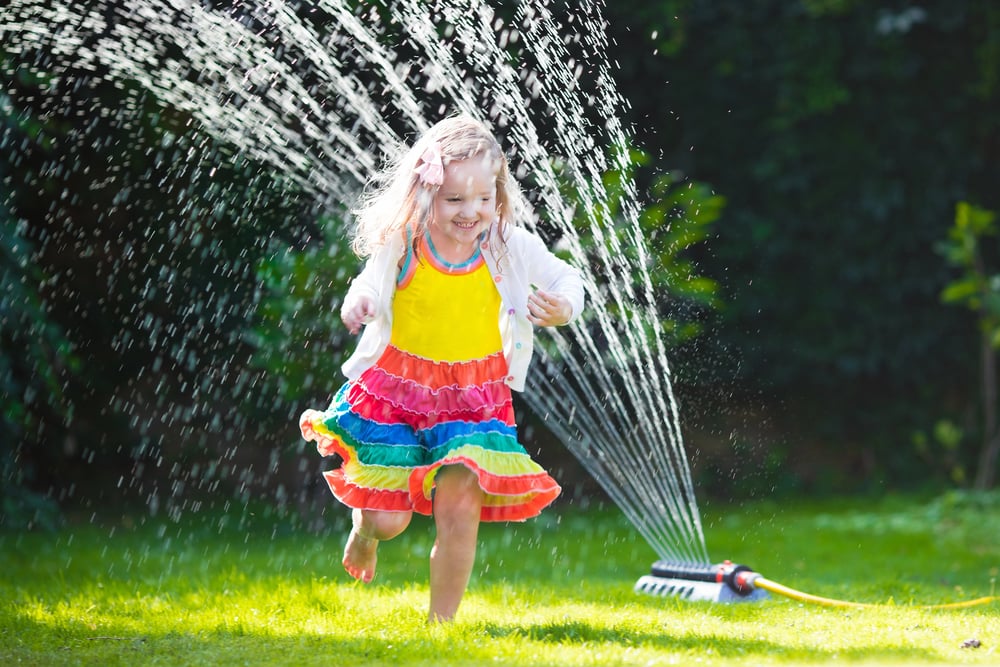
The garden sprinkler was summer’s greatest invention, turning any yard into a water park where the price of admission was simply running through the spray until you were soaked through to your sneakers. There was an art to timing your approach — too early and you’d get a face full of cold water, too late and you’d miss the arc entirely. But when you got it right, when you caught that perfect sweep of water across your shoulders on a day when the pavement was hot enough to fry an egg, it felt like you’d discovered the secret to happiness.
Making Paper Airplanes

Folding paper into flying machines was both science and art. You’d test different designs, adjust wing angles, and compete to see whose plane could fly the farthest. The best ones seemed to defy gravity, gliding across the room like they had somewhere important to be.
Playing Red Light, Green Light
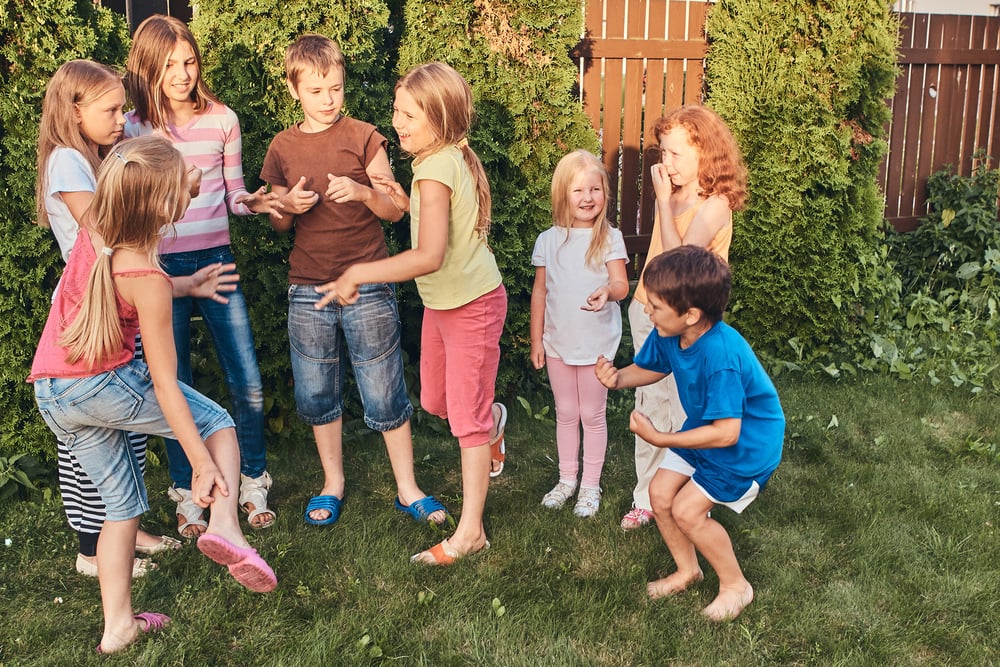
One person calls the shots while everyone else tries to reach them without getting caught moving on red. The tension builds with each step forward, knowing that one tiny wobble means starting over. Victory meant becoming the caller, and power never felt so sweet.
Exploring Storm Drains and Culverts
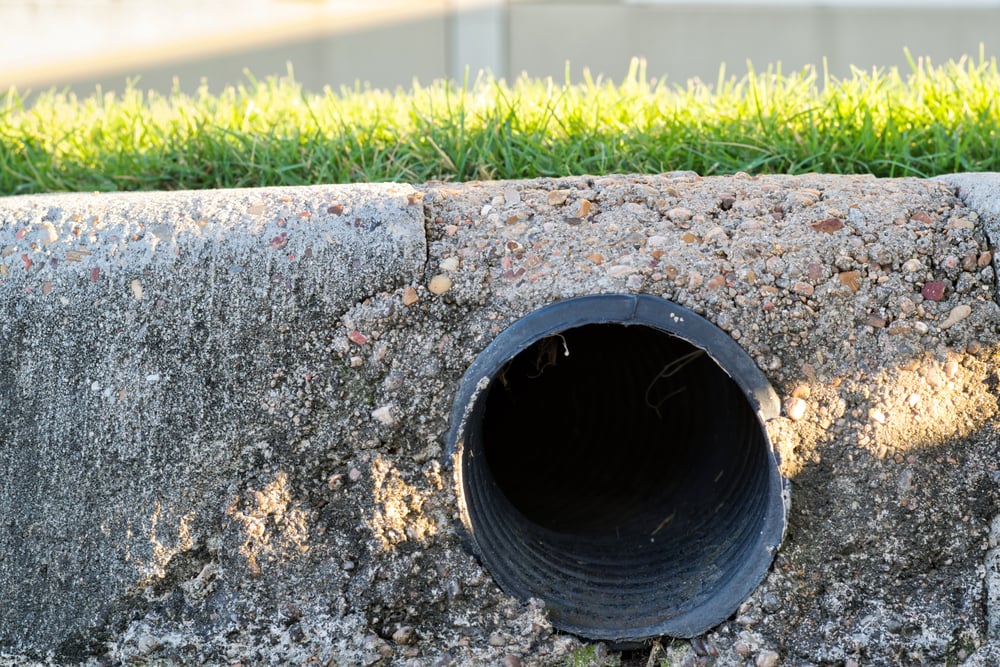
Every neighborhood had those concrete tunnels that carried rainwater, and every parent had forbidden their kids from going near them (which naturally made them irresistible to anyone under twelve, because there’s something hardwired into children that makes parental warnings sound exactly like treasure maps). The echoes of your voice bouncing off curved walls, the way flashlight beams created dancing shadows, the thrill of emerging from the other side like some kind of urban spelunker — it was dangerous and stupid and absolutely unforgettable.
And the acoustics were incredible.
Putting on Backyard Theater Productions
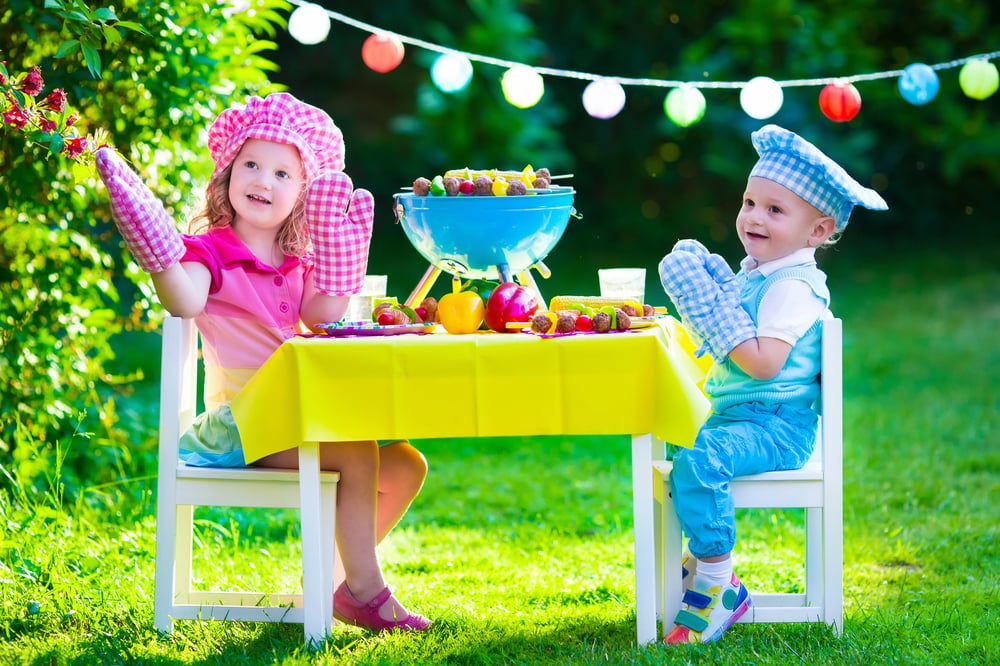
Someone’s garage became Broadway when you dragged out old clothes and convinced the neighborhood kids to be your cast. Scripts were improvised, costumes were whatever you could find in the dress-up box, and the audience was usually just parents who got voluntarily conscripted into watching. But for those moments on your makeshift stage, you were performing for millions.
Making Friendship Bracelets
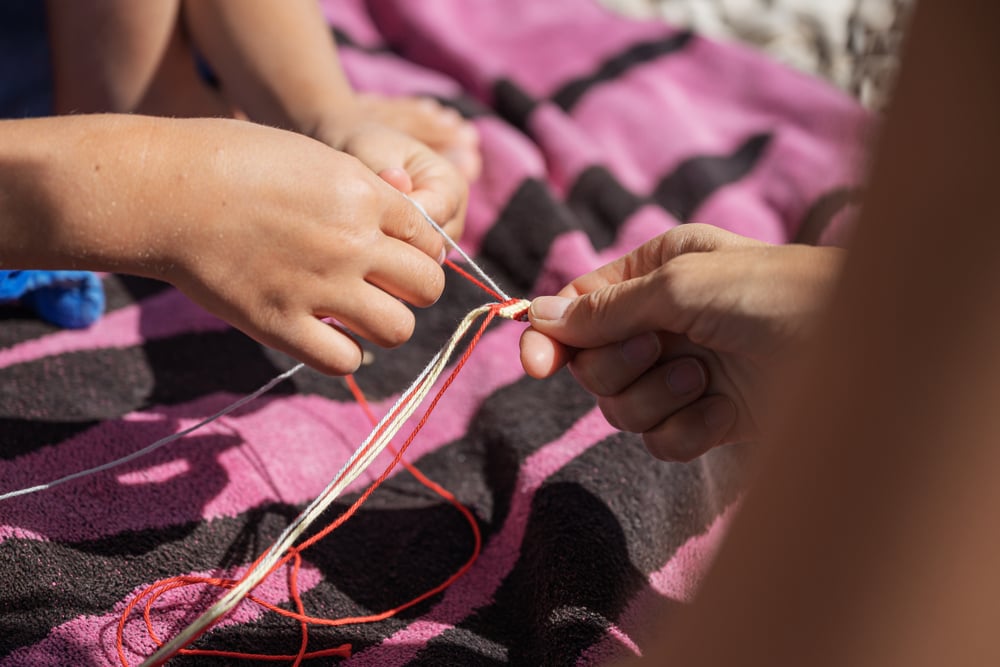
Embroidery floss transformed into wearable proof of loyalty. You’d spend hours learning different knot patterns, trading colors, and wearing so many bracelets up your arm that you looked like you’d raided a craft store. Each one represented a bond, a summer memory tied in thread.
Playing Marco Polo in the Pool

The pool became a game of trust and instinct. Eyes squeezed shut, arms outstretched, trying to catch someone by sound alone while they tried their best to stay silent in the water. The chlorine smell, the echo of voices off the water’s surface, the shock of actually tagging someone — pure summer magic.
Having Water Balloon Fights
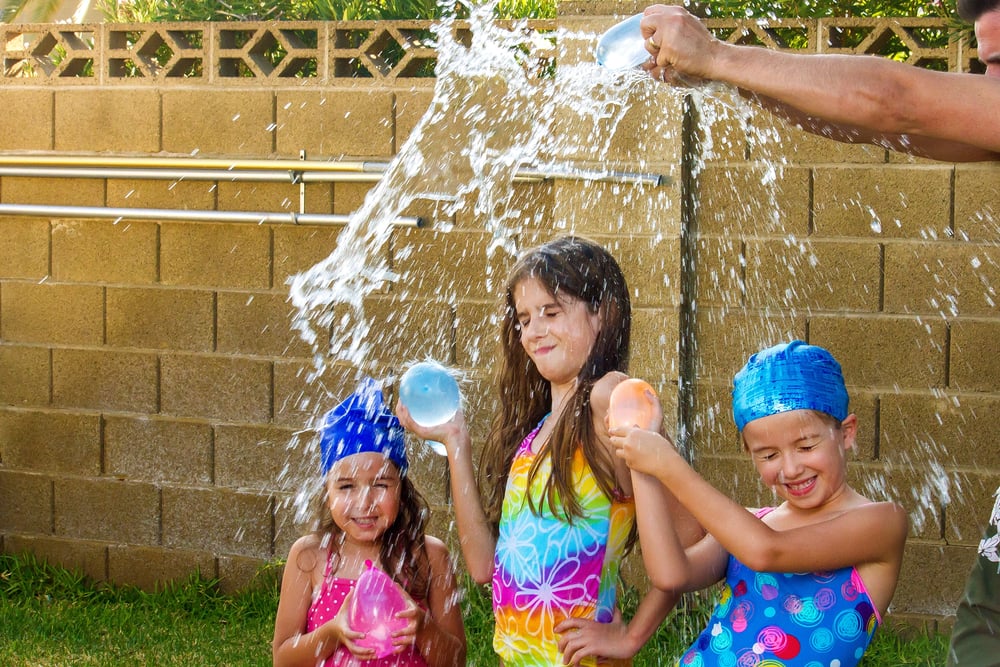
The preparation was half the fun: standing at the kitchen sink, stretching balloons over the faucet, trying to fill them just enough without bursting them in your hands. Then came the stockpiling, the choosing of sides, the strategic positioning behind trees and cars.
The actual fight was chaos — balloons exploding on impact, kids shrieking and laughing, everyone soaked within minutes. Victory was measured not in hits but in how thoroughly drenched everyone ended up.
Climbing Trees
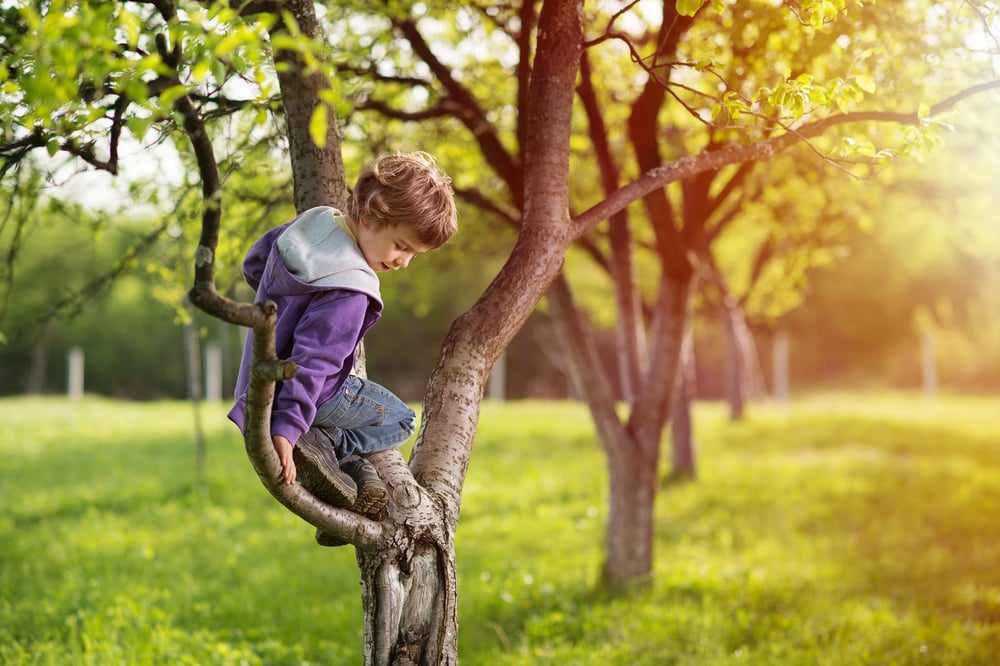
Every climbable tree became your personal skyscraper, offering views of backyards and rooftops that felt like seeing your neighborhood from an airplane (though admittedly, most eight-year-olds had never been on an airplane, so maybe it felt more like seeing your neighborhood from a really tall ladder). The rough bark against your palms, the way branches swayed slightly under your weight, the sense of accomplishment when you reached a new height — these were the original jungle gyms, designed by nature and improved by decades of kids who’d figured out the best route to the top.
Playing Hide and Seek
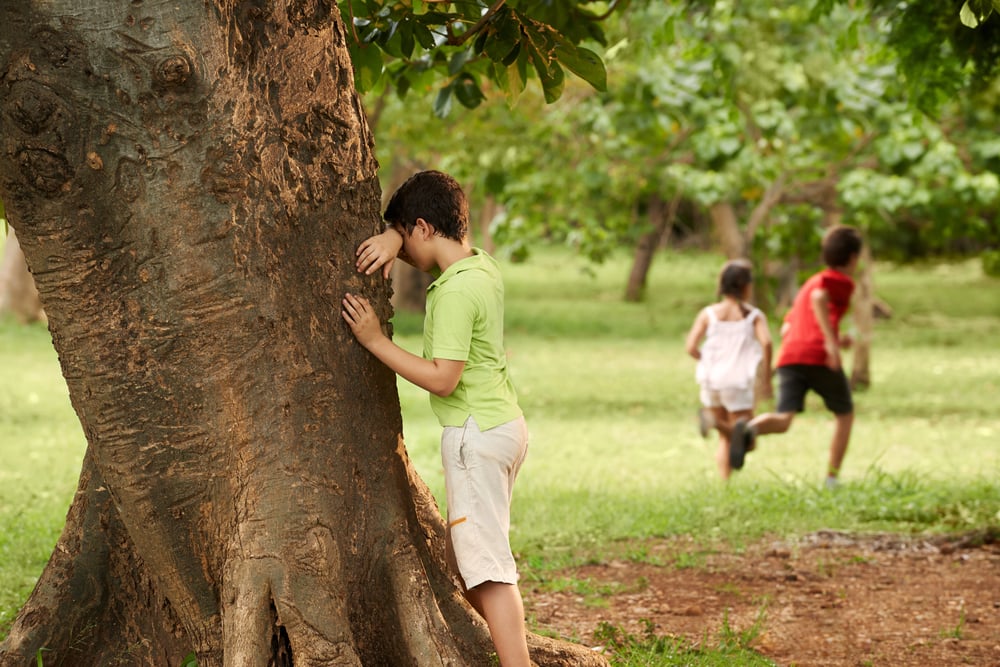
The neighborhood became your hiding ground. Behind bushes, under porches, in tool sheds that smelled like grass clippings and gasoline. The best hiding spots were the ones adults would never think to look, which usually meant they were exactly the places adults had told you to stay out of.
Making Music with Glasses of Water

Different water levels created different pitches when you tapped the rim with a spoon. Suddenly the kitchen table became a xylophone, and you were conducting your own orchestra. The sound was pure and clear, like tiny church bells ringing in your dining room.
Playing Telephone with Tin Cans

Two cans connected by string created the world’s simplest communication device. You’d stretch the string tight between houses, whispering secrets that traveled along the vibration like magic. The scratchy quality made every conversation feel like you were talking to someone on another planet.
Drawing with Sidewalk Chalk
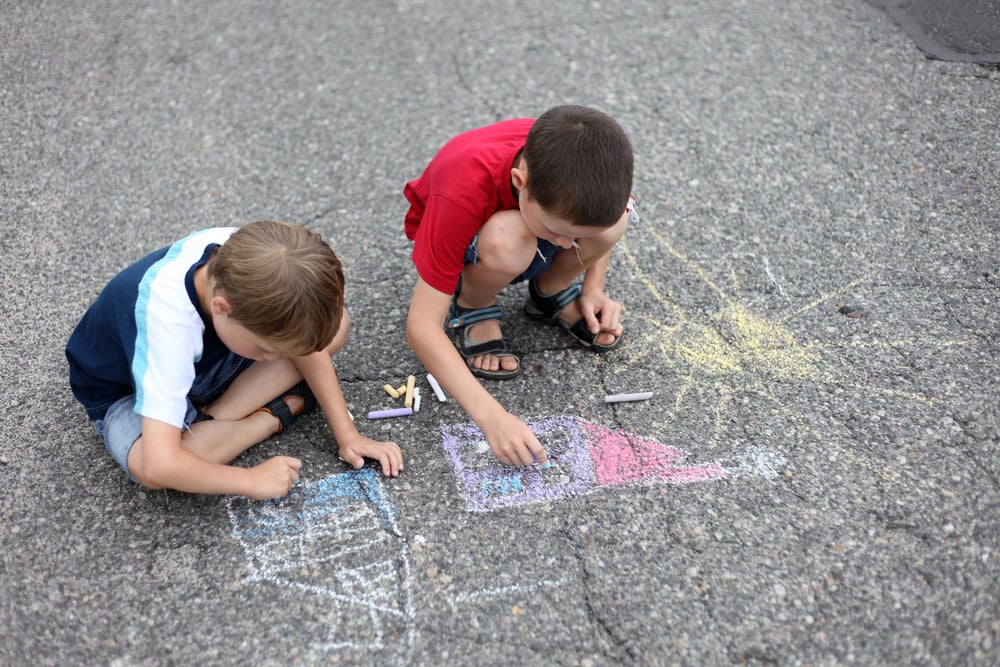
The driveway was your canvas, and chalk was your medium. Hopscotch courts, rainbow murals, elaborate obstacle courses that covered the entire street — everything washed away with the next rain, which just meant you got to start over.
The temporary nature was part of the appeal. Nothing had to be perfect because nothing was permanent.
Collecting Bottle Caps and Trading Them

Every soda bottle cap became potential currency in an economy only kids understood, and the exchange rates fluctuated based on factors that would baffle any economist (rarity, color, the presence or absence of dents, whether it came from a local brand or somewhere exotic like two towns over). You’d find them on sidewalks, in parking lots, behind vending machines, building collections that you’d trade like baseball cards.
The rare ones — the weird flavors, the ones with interesting logos — those were worth their weight in playground gold.
Playing Statues in the Backyard

When the music stopped, you froze exactly where you were. The challenge was holding the most ridiculous pose without laughing while someone tried to make you move. Gravity became your enemy, and self-control became everything. The best players could hold positions that looked physically impossible.
Making Dandelion Chains
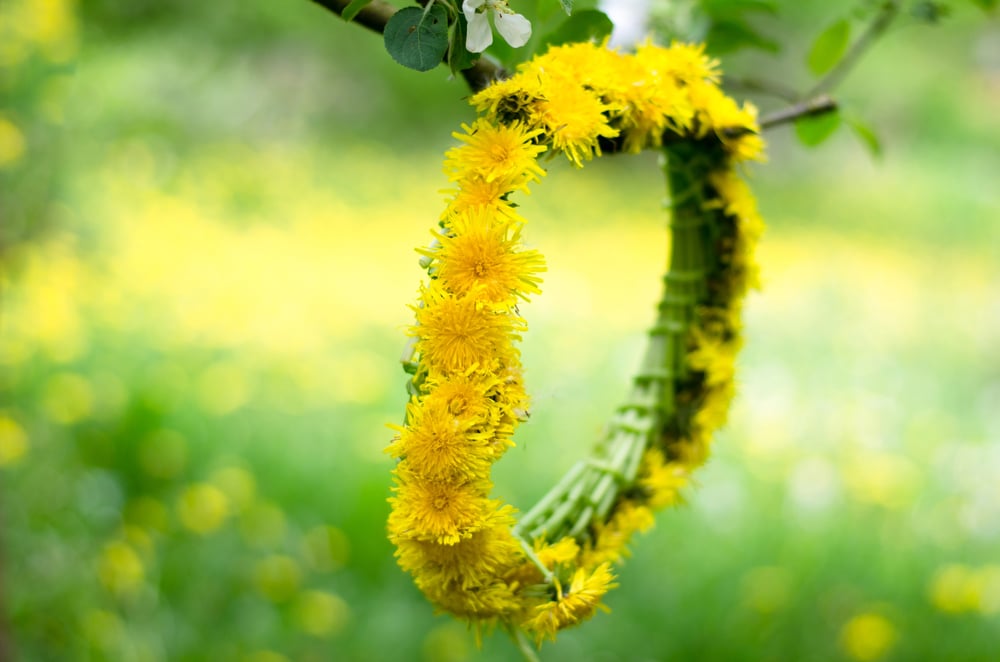
Those yellow weeds became jewelry when you learned to split the stems and link them together. Dandelion necklaces, bracelets, crowns — nature’s craft supplies grew right in the yard. They wilted within hours, but for a moment you felt like royalty wearing a crown of sunshine.
Playing Television Tag

Regular tag with a twist: when you were about to get caught, you could shout the name of a TV show and freeze safely in place. But you had to squat down like you were sitting in front of a TV, and you couldn’t use the same show twice. Strategy meant remembering which shows your friends had already called.
Building Dams in Streams
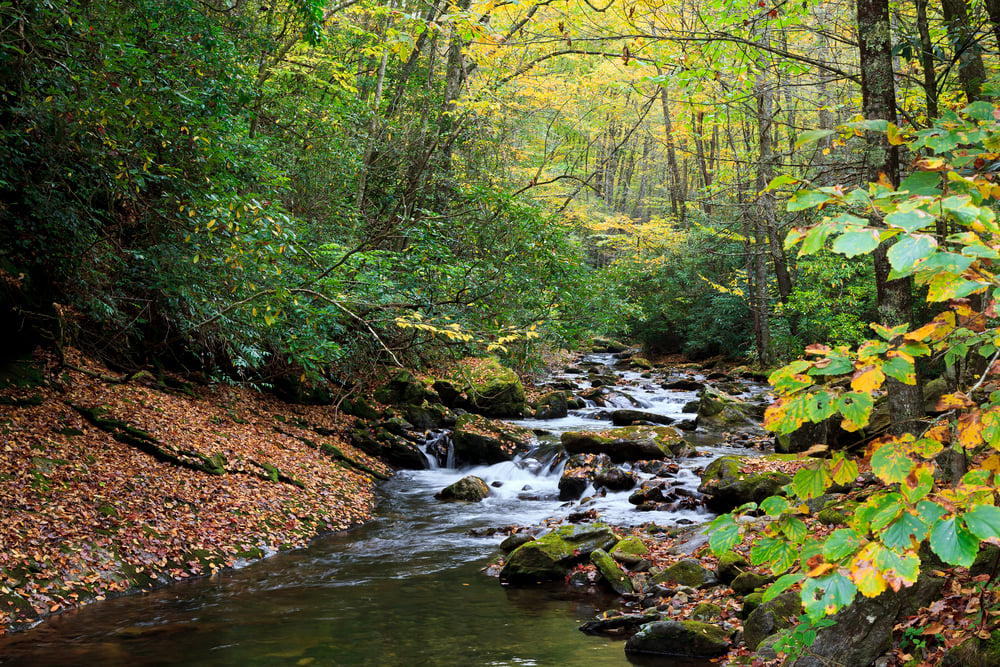
Every creek became an engineering project when you started moving rocks and sticks to redirect the water flow, and suddenly you understood why beavers were considered such skilled architects (though your constructions were considerably less permanent and usually lasted about as long as it took for the next kid to come along and kick them apart, which was apparently the natural cycle of childhood hydraulic engineering). The water would back up behind your carefully placed barriers, creating temporary ponds that reflected the sky.
Then someone would pull out the key stone and watch the whole thing rush downstream in a miniature flood.
Playing Cops and Robbers
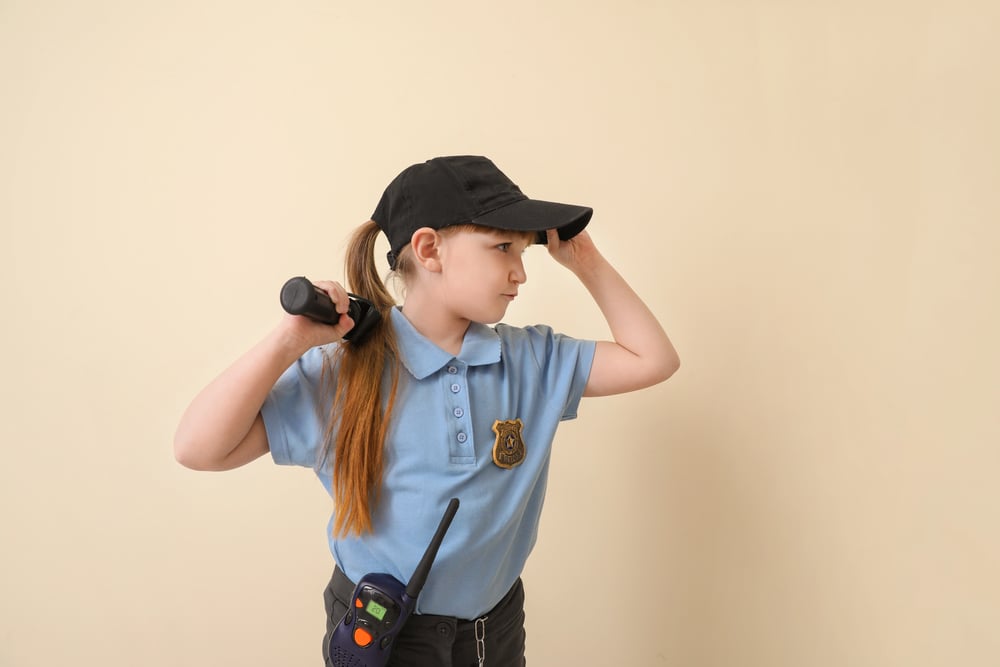
The neighborhood became your movie set. Chasing and being chased, diving behind cars for cover, dramatic death scenes when you got “shot” — it was action movie fantasy played out on suburban streets.
The robbers always seemed to have more fun, but getting to yell “freeze” had its own appeal.
Having Staring Contests

Two people, eye to eye, waiting for someone to blink first. Sounds simple, but the psychological warfare was intense.
Your eyes would water, your face would itch, and every instinct told you to look away. Winning required the kind of stubborn determination that served no purpose beyond bragging rights — which made it absolutely essential.
Making Grass Whistles

The right blade of grass, held between your thumbs just so, could create a whistle that cut through summer air like a referee’s call. It took practice to get the technique right, but once you mastered it, you could create your own soundtrack to lazy afternoons.
The pitch varied depending on the width of the grass, giving you a whole orchestra at your feet.
Playing Mother May I

One person gives commands, everyone else asks permission to follow them. “Mother may I take three giant steps?” The trick was remembering to ask — forget the magic words and you had to start over.
It was Simon Says with manners, and the power of being “mother” was absolute.
Those Endless Summer Days

The beauty of an ’80s summer wasn’t in the activities themselves — it was in the freedom to be bored, to invent, to turn nothing into something magical. Without screens demanding attention or schedules dictating every hour, kids learned to create their own entertainment from whatever was lying around.
That kind of resourcefulness, that ability to find adventure in the ordinary, might be the most valuable skill those summers taught. And it didn’t cost a thing.
More from Go2Tutors!

- The Romanov Crown Jewels and Their Tragic Fate
- 13 Historical Mysteries That Science Still Can’t Solve
- Famous Hoaxes That Fooled the World for Years
- 15 Child Stars with Tragic Adult Lives
- 16 Famous Jewelry Pieces in History
Like Go2Tutors’s content? Follow us on MSN.



