16 Bizarre Superstitions Ship Captains Follow
The ocean has a way of humbling even the most rational minds. Miles from shore, surrounded by endless water that can shift from calm to deadly in minutes, ship captains develop an almost supernatural respect for forces they can’t control.
What starts as practical wisdom often morphs into rigid ritual — a collection of beliefs passed down through generations of mariners who’ve learned that the sea doesn’t forgive mistakes.
These aren’t just quaint traditions. Many captains swear their careers depend on following these unwritten rules, and crews who’ve sailed with multiple captains notice how consistently certain behaviors appear across different vessels.
The superstitions range from mildly eccentric to genuinely bizarre, but they all share one thing: absolute devotion from those who practice them.
Never Leave Port on Friday
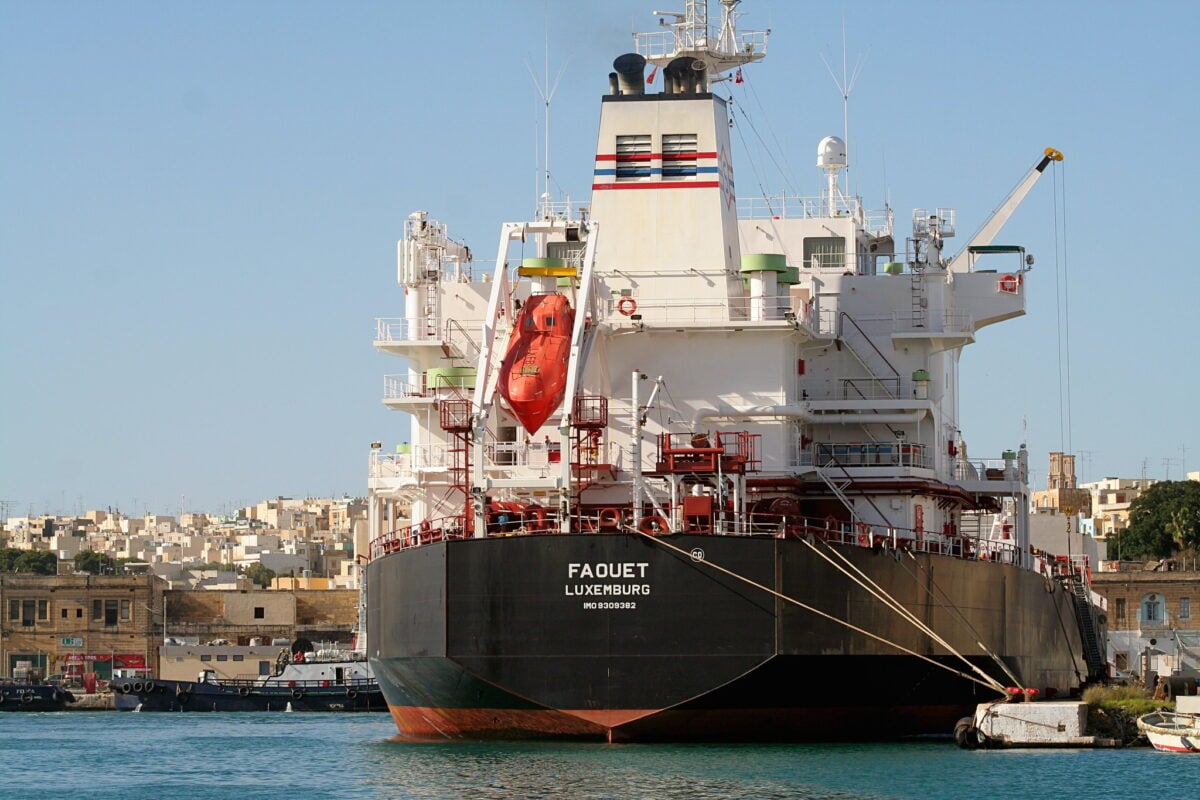
Friday departures are career deaths in maritime circles. Every captain knows this, even the ones who claim not to believe it.
The superstition runs so deep that shipping schedules worldwide still bend around it.
Cargo waits an extra day. Passengers get delayed.
The entire industry accommodates this one inflexible rule.
Whistling Brings Storms

Whistling on deck supposedly summons wind — and not the helpful kind. Captains will shut down any crew member who so much as hums a tune while working.
The belief is that casual whistling shows disrespect to the wind spirits, who respond by sending gales strong enough to snap masts. Even hardened sailors who’ve worked multiple vessels learn to keep their lips sealed.
Women Aboard Cause Bad Luck
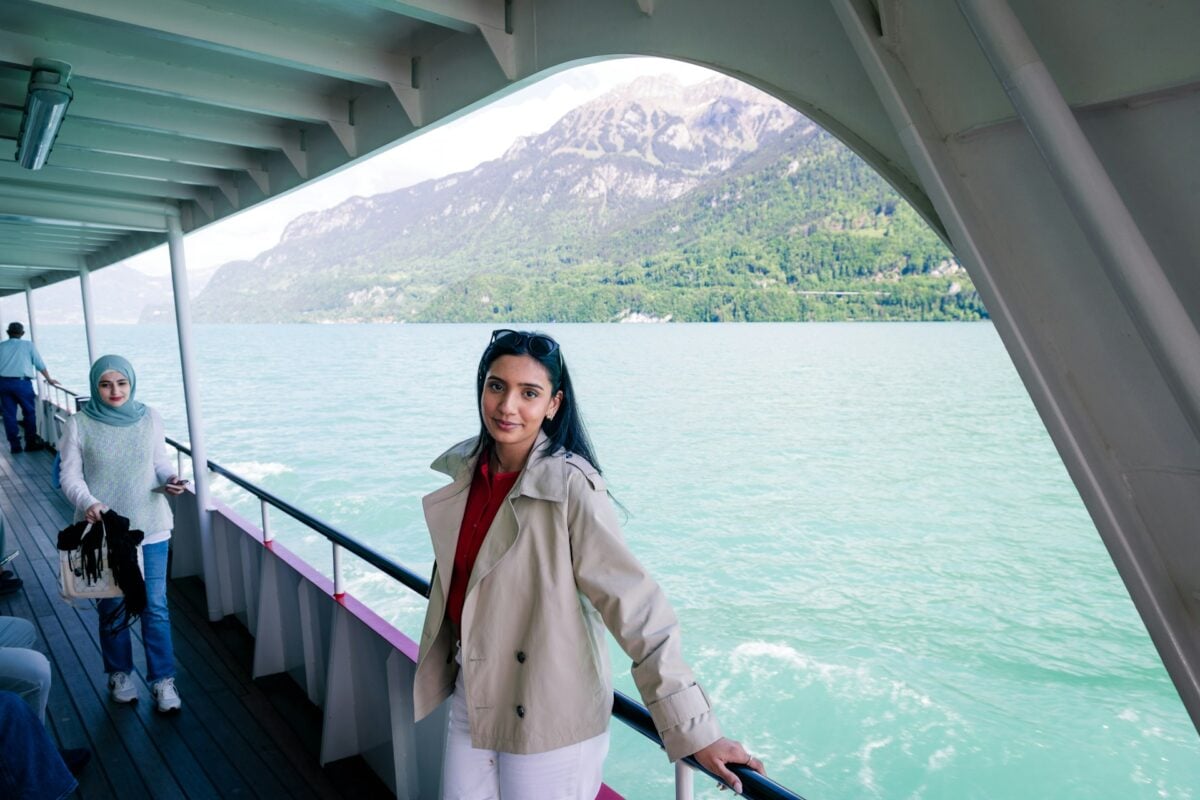
This particular belief creates all sorts of complications (and has been challenged by decades of successful female crew members and passengers), but many traditional captains still hold to it with stubborn conviction. The superstition claims that women distract crew members and anger sea gods who prefer masculine company — which sounds more like an excuse for maintaining old boys’ clubs than any genuine maritime wisdom, but the belief persists nonetheless.
And yet, paradoxically, many of these same captains insist that unclothed women calm storms, which explains why so many ships still feature bare-breasted figureheads mounted on their bows.
So the logic here gets tangled: clothed women spell disaster, but unclothed wooden women provide protection. The inconsistency doesn’t seem to bother anyone who follows these rules, which tells you something about how superstition operates — it doesn’t need to make sense, it just needs to feel necessary.
Bananas Are Forbidden Cargo

Bananas on board mean certain doom, according to captains who’ve built entire careers around avoiding the yellow fruit. The superstition traces back to shipwrecks found floating with banana cargo, though correlation and causation got permanently confused somewhere along the way.
Modern refrigerated ships can transport bananas safely, but many charter fishing boats still refuse banana-carrying passengers.
Nothing quite captures the arbitrary nature of maritime anxiety like grown adults checking lunch boxes for contraband fruit. The fear runs so deep that some captains won’t even allow banana-flavored snacks or sunscreen containing banana boat branding. Paranoia finds creative ways to express itself.
Coins Under the Mast
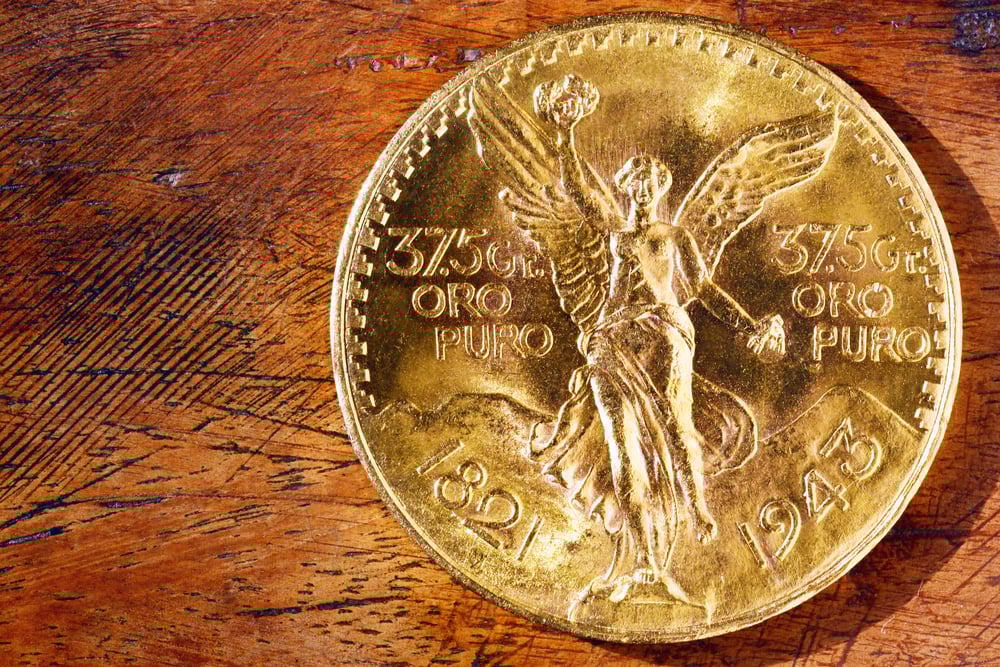
Every properly launched vessel needs coins placed beneath the mast during construction — payment to ensure safe passage through dangerous waters. Captains treat this as essential insurance rather than optional ritual.
The specific coins matter too: silver works better than copper, old currency trumps new, and the person placing them must have clean hands and pure intentions.
Ships launched without this monetary foundation are considered cursed from the start. Captains who inherit such vessels often struggle to recruit experienced crew members, since word travels fast in maritime communities about which boats received proper blessings and which ones cut corners during construction.
Never Rename a Ship
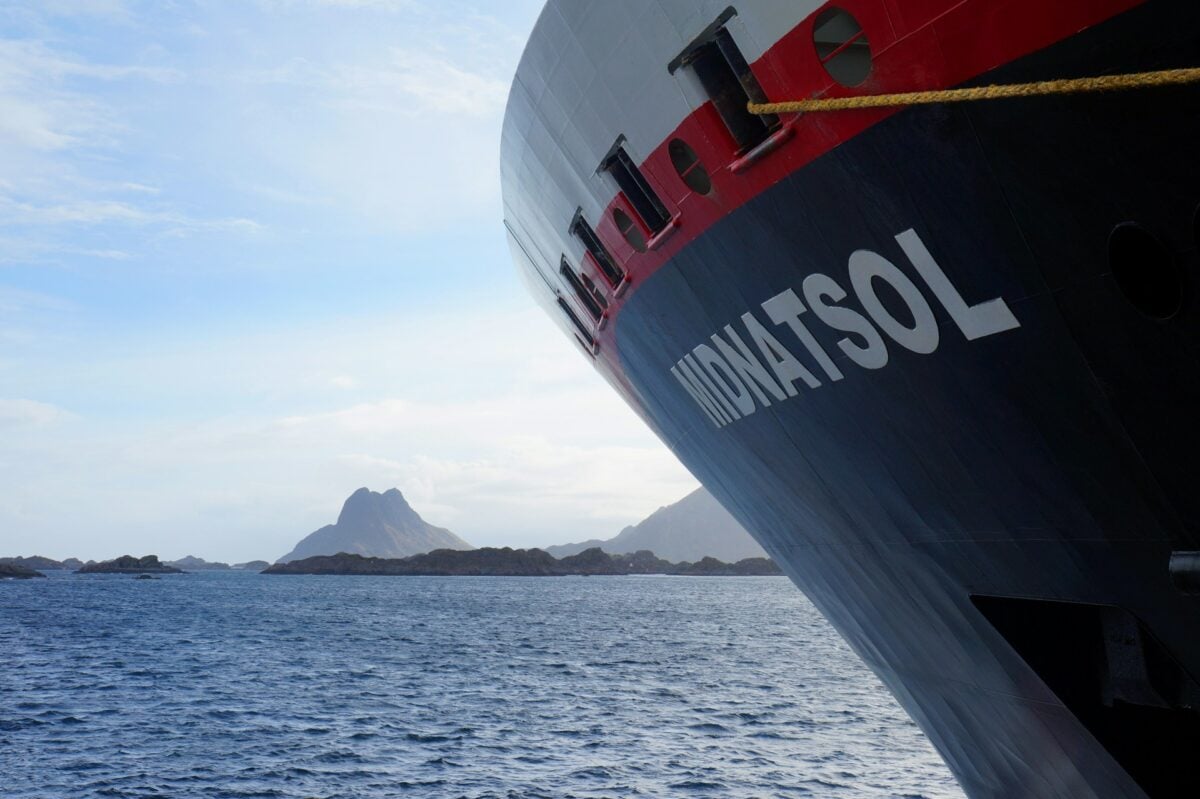
Ship names carry power, and changing them invites catastrophe. Captains who take over renamed vessels report unusual mechanical failures, navigation problems, and crew accidents that seem to cluster around their boats.
The superstition claims that sea spirits recognize vessels by name, and confusion leads to withdrawn protection.
The few captains brave enough to rename ships must perform elaborate ceremonies involving champagne, salt water, and formal announcements to both sea gods and maritime authorities. Even then, many sailors prefer to find work elsewhere rather than test fate aboard a vessel with identity issues.
Red Sky Navigation

Red morning skies mean postponed departures, regardless of what weather forecasts predict. Captains read dawn colors like scripture — pink means caution, orange suggests delay, deep red demands staying in port until conditions change.
The old saying “red sky at night, sailor’s delight; red sky at morning, sailors take warning” still overrides modern meteorology in many wheelhouses.
This superstition actually contains some meteorological truth, since red morning light can indicate approaching storm systems, but captains treat it as absolute law rather than useful guideline. Weather satellites and radar systems provide more accurate predictions, but many mariners still trust their eyes over instruments when making departure decisions.
Dolphins Mean Safe Passage
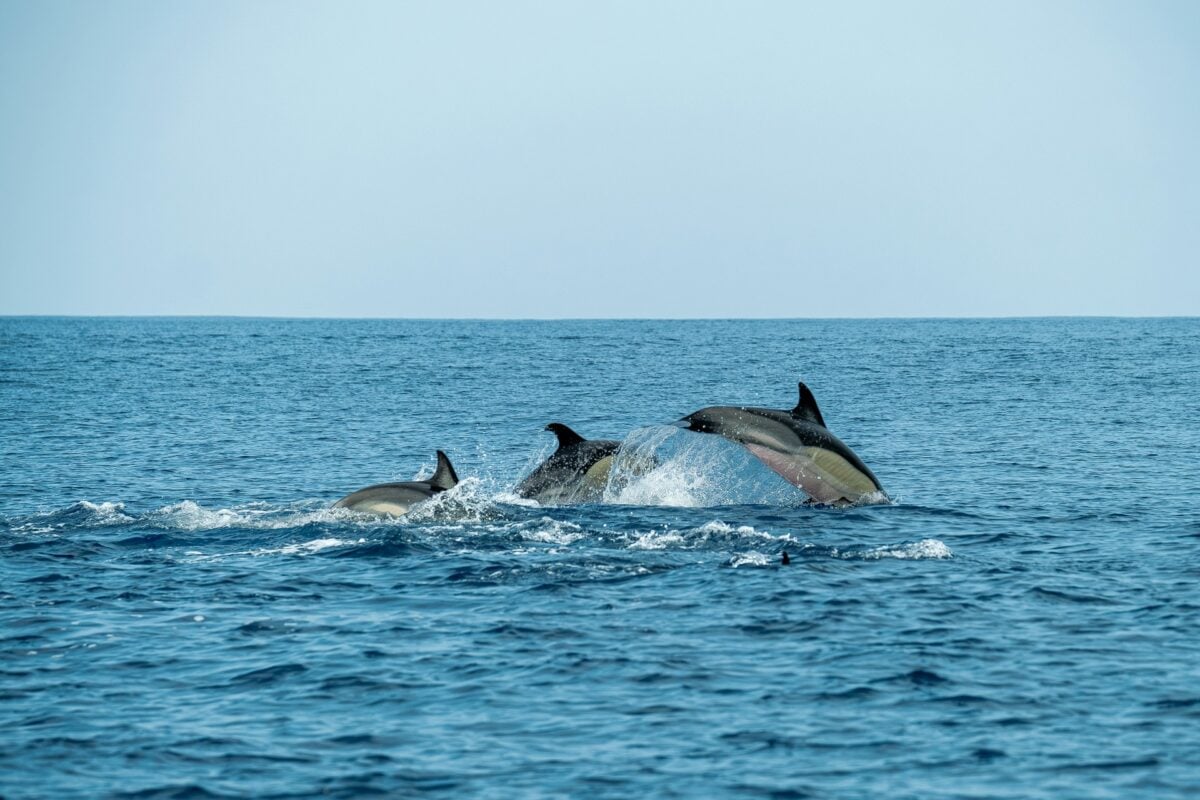
Dolphins alongside the vessel guarantee smooth sailing ahead. Captains alter course to follow dolphin pods, believing these marine mammals can sense underwater dangers and safe passages invisible to human navigation.
Crew members who spot dolphins first often receive bonuses or extra shore leave, since their observation protects everyone aboard.
The superstition extends to dolphin behavior — playful jumping indicates calm seas ahead, while rapid swimming suggests storms approaching. Captains who’ve sailed for decades swear they can read dolphin body language like maritime fortune telling, adjusting their routes based on subtle changes in how these animals interact with their vessels.
Lucky Clothing Never Gets Washed
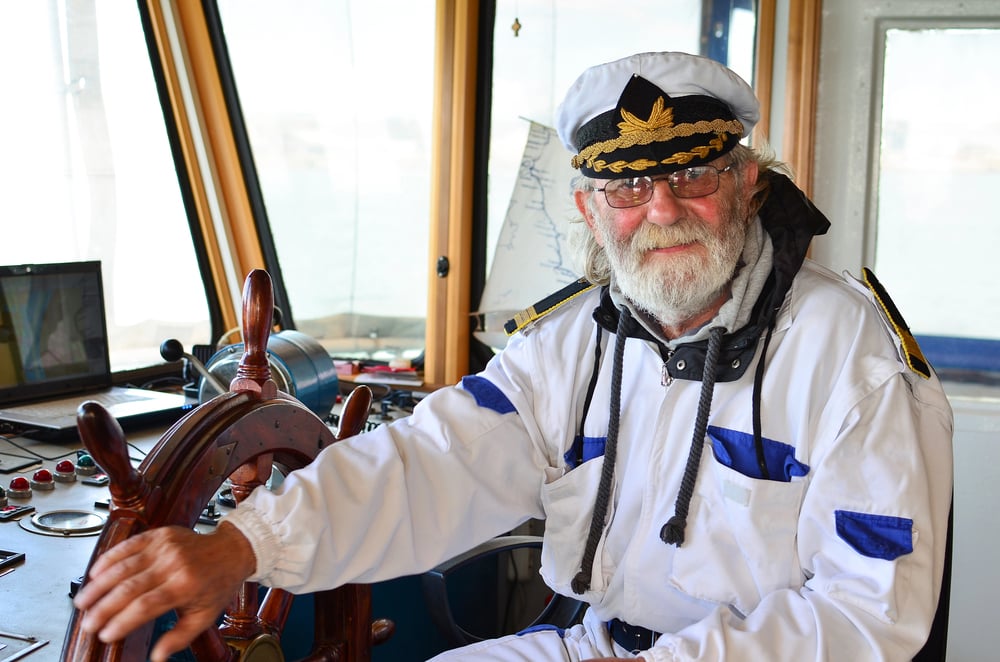
Every captain owns specific garments — usually hats, shirts, or jackets — that never see soap and water once they’ve proven lucky during difficult voyages. These items develop legendary status among crew members, who recognize their captain’s “lucky shirt” and understand its unwashed condition is intentional, not neglectful.
The clothing accumulates years of salt spray, engine oil, and weathering that supposedly contains protective properties. Captains who’ve lost lucky garments report immediate changes in their vessel’s fortune — equipment failures, difficult weather, and navigation problems that continue until replacement lucky items are identified and properly seasoned through successful voyages.
Albatross Protection
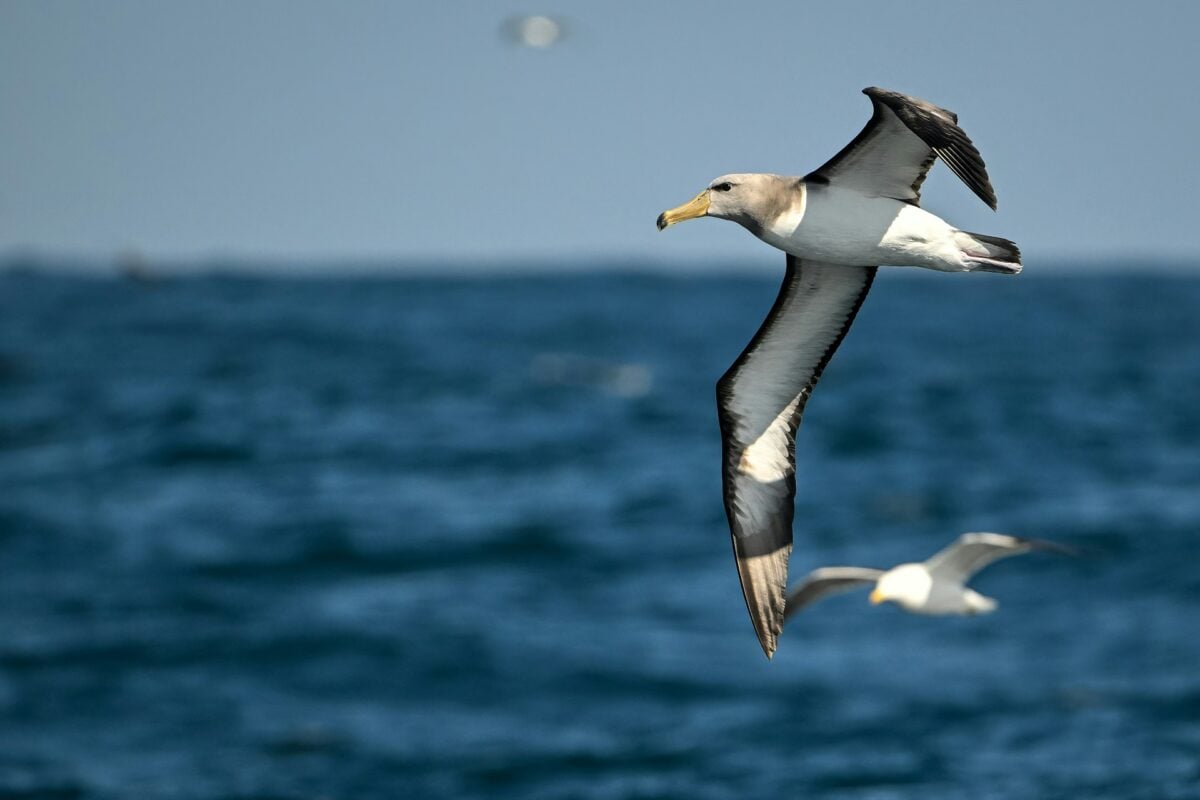
Killing an albatross brings permanent curse upon ship and crew (which anyone who’s read Coleridge already knows, but the superstition predates the poem by centuries). But what’s interesting is how this belief extends to general albatross treatment: captains refuse to disturb nesting areas, always share fish scraps when albatross follow their vessels, and consider it essential luck to have these birds accompanying their journeys across open ocean.
And crews learn to recognize individual albatross that regularly follow shipping routes, giving them names and tracking their appearances like old friends returning for visits. The birds become unofficial crew members whose presence or absence influences crew morale and captain decision-making in ways that would seem ridiculous on land but feel perfectly reasonable after weeks surrounded by endless water.
Church Services Before Departure

Mandatory blessing ceremonies must occur before any significant voyage, regardless of crew religious beliefs. Captains arrange formal services with local clergy, ensuring their vessel receives proper spiritual protection before leaving port.
These aren’t casual prayers — they’re elaborate rituals involving holy water, specific maritime blessings, and requests for divine intervention during dangerous passages.
Even captains who rarely attend church otherwise treat these departure ceremonies as essential safety equipment. The blessings supposedly create spiritual shields around vessels that protect against storms, mechanical failures, and navigational disasters that might otherwise destroy ship and crew.
Never Count Fish or Crew

Counting active crew members or successful fish catches invites immediate reversal of fortune. Captains maintain rough estimates but refuse precise tallies, believing that exact numbers attract the attention of jealous spirits who resent human success and abundance.
This superstition creates amusing communication problems when port authorities or company officials request specific numbers for official records. Captains develop creative ways to provide approximate figures without stating exact counts, using phrases like “nearly a dozen” or “somewhere around twenty” to avoid triggering supernatural backlash against their vessels.
Tattoos Tell the Future
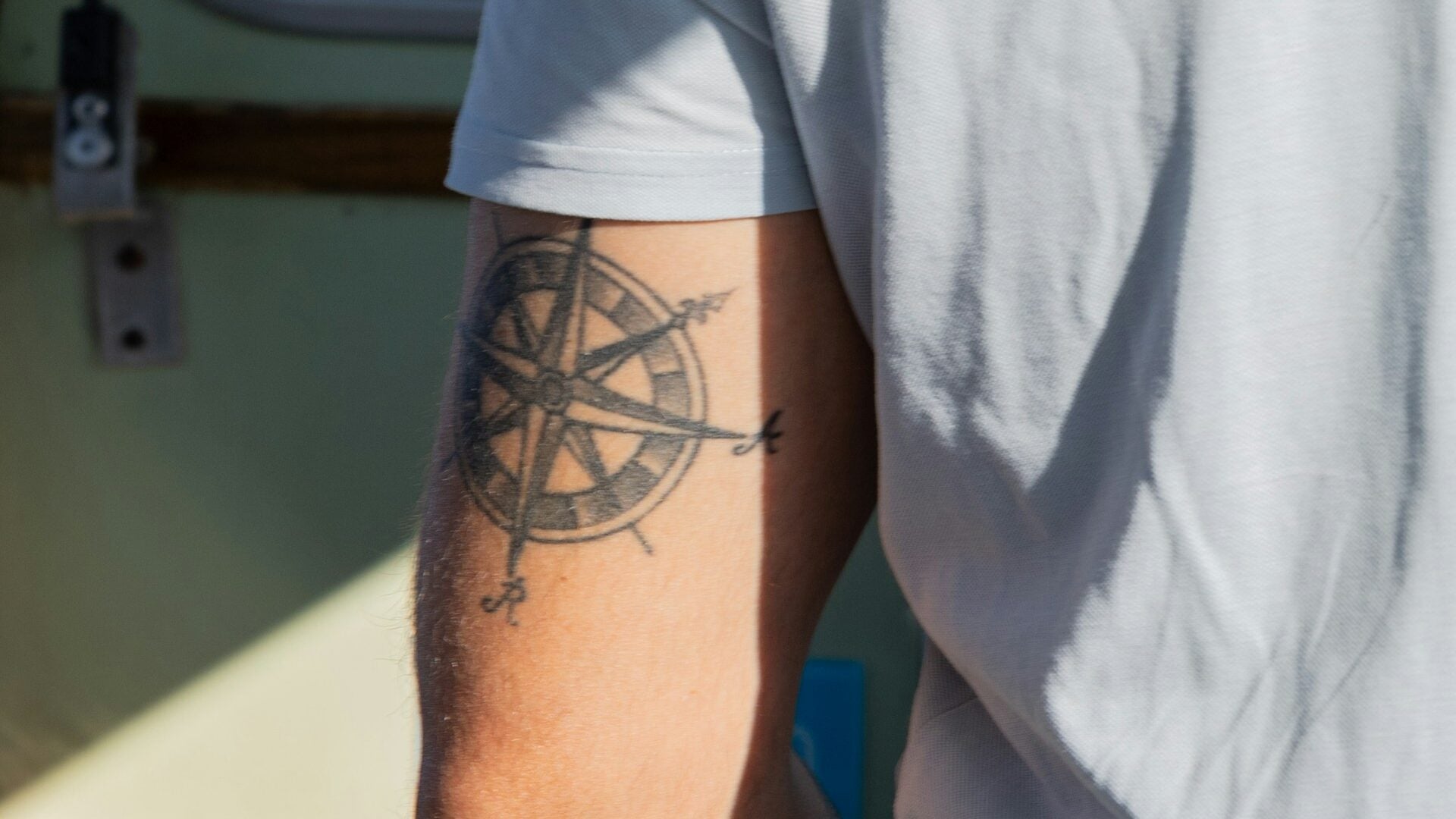
Crew tattoos reveal information about upcoming voyages, and experienced captains read these markings like maritime fortune cookies. Specific tattoo designs — anchors, compasses, mermaids, nautical stars — supposedly indicate how their bearers will perform during difficult conditions and whether their presence brings good or bad luck to the vessel.
Captains who practice tattoo reading prefer crew members with traditional maritime designs over modern artistic choices. They believe that nautical tattoos create spiritual connections between sailors and sea forces, while non-maritime tattoos provide no protection and might actually attract unwanted supernatural attention during dangerous passages.
Stars Determine Departure Times

Certain star positions override scheduled departure times, forcing delays until celestial conditions improve. Captains consult star charts and astronomical calendars before confirming voyage timing, believing that stellar alignment affects everything from weather patterns to mechanical reliability throughout their journeys.
This superstition differs from practical celestial navigation — it’s about star positions influencing luck rather than providing directional guidance. Captains track which star combinations coincided with their successful versus disastrous voyages, developing personal astronomical systems that determine when conditions are favorable for leaving port.
Never Turn Back After Departure
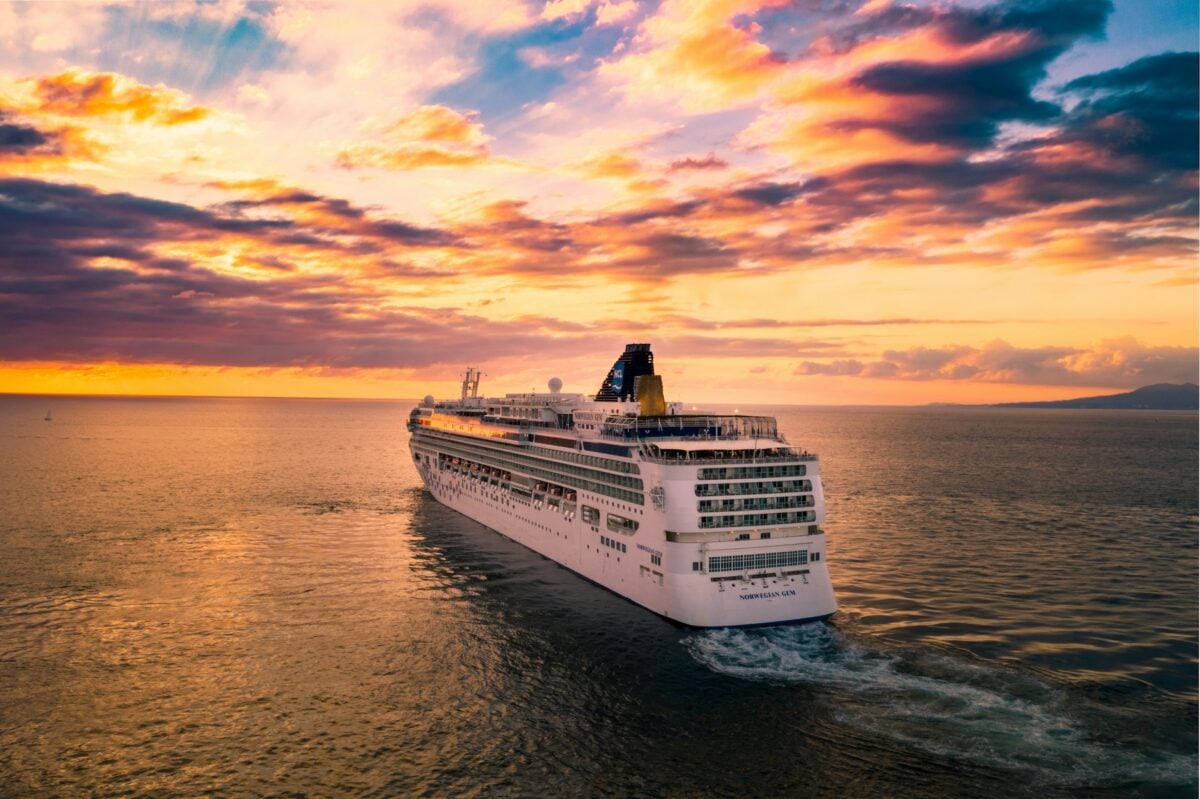
Once a vessel clears port, returning for forgotten items or last-minute additions guarantees voyage failure. Captains who’ve already departed refuse to return even for essential supplies or emergency passengers, believing that reversing course after commitment breaks their contract with sea spirits and invites immediate punishment.
This inflexible rule creates logistical nightmares when crew members realize they’ve forgotten crucial equipment or when port authorities discover last-minute cargo requirements. But captains consider these inconveniences preferable to the catastrophic bad luck that supposedly follows any vessel that changes its mind after leaving harbor.
Salt Circles for Protection

Sacred salt circles drawn around important ship areas — the wheelhouse, engine room, crew quarters — create protective barriers against supernatural interference during voyages. Captains personally draw these circles using sea salt collected from previous successful journeys, believing that salt from lucky voyages carries enhanced protective properties.
The circles must remain unbroken throughout the journey, which means crew members learn to step carefully around invisible salt lines that may not be visible after a few days of ship movement and cleaning. Breaking a salt circle accidentally requires immediate replacement and additional protective rituals to restore the vessel’s spiritual defenses.
When the Sea Calls
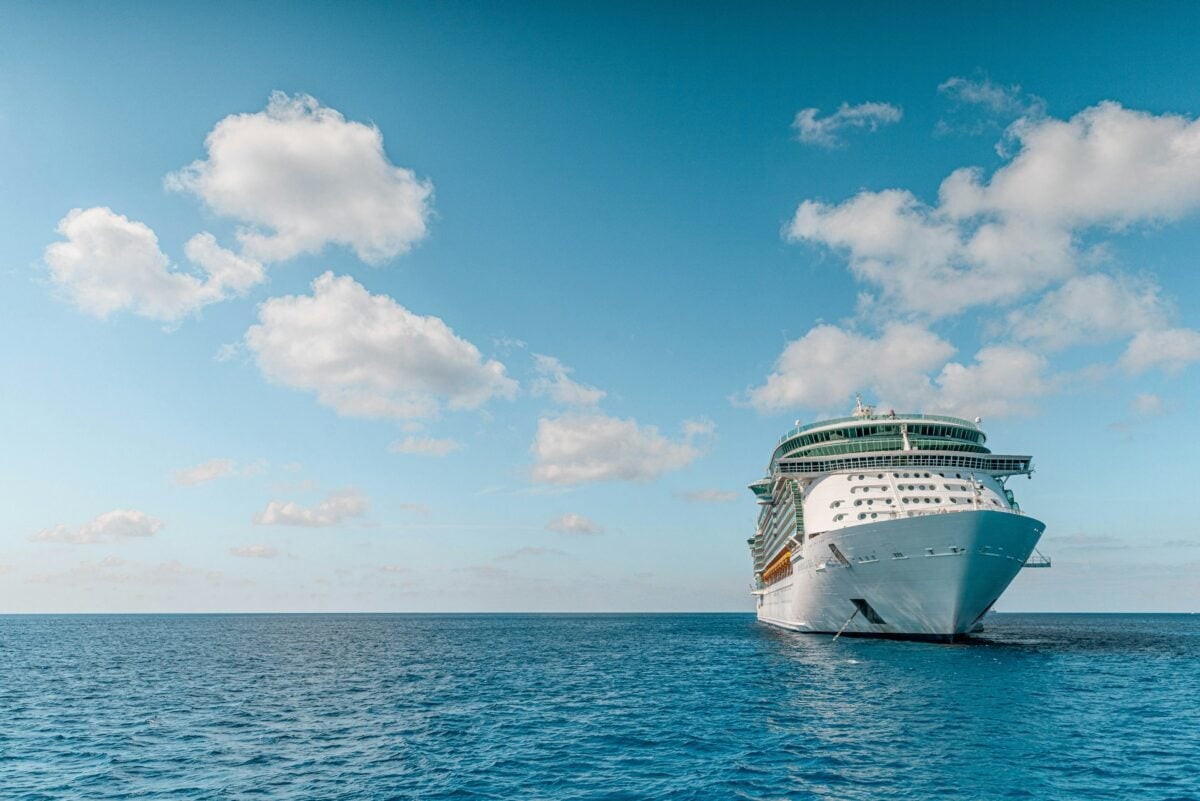
These superstitions might seem absurd from the safety of dry land, but they represent something deeper than mere paranoia. They’re acknowledgment that the ocean remains fundamentally beyond human control, no matter how advanced navigation technology becomes.
Captains who follow these rituals aren’t necessarily irrational — they’re recognizing that respect for forces larger than themselves has kept sailors alive for thousands of years.
The superstitions persist because they work, not necessarily by influencing supernatural forces, but by creating mindful awareness of maritime dangers and fostering crew cohesion around shared beliefs. Whether the protection comes from sea spirits or simply from increased caution and teamwork, captains who practice these rituals often report fewer accidents and more successful voyages than their purely rational counterparts.
More from Go2Tutors!

- 16 Historical Figures Who Were Nothing Like You Think
- 12 Things Sold in the 80s That Are Now Illegal
- 15 VHS Tapes That Could Be Worth Thousands
- 17 Historical “What Ifs” That Would Have Changed Everything
- 18 TV Shows That Vanished Without a Finale
Like Go2Tutors’s content? Follow us on MSN.