Plants That Move Without Wind
Despite what many people think, plants aren’t always the immobile creatures they seem to be. Some plant species are remarkably capable of autonomous movement beyond bending toward light sources or swaying in mild breezes.
Without the aid of outside forces like wind or animals, these amazing botanical processes enable plants to hunt, protect themselves, reproduce, or react to environmental stimuli. This list of 14 remarkable plants illustrates the unexpected dynamism of the plant kingdom by moving on their own.
Venus Flytrap
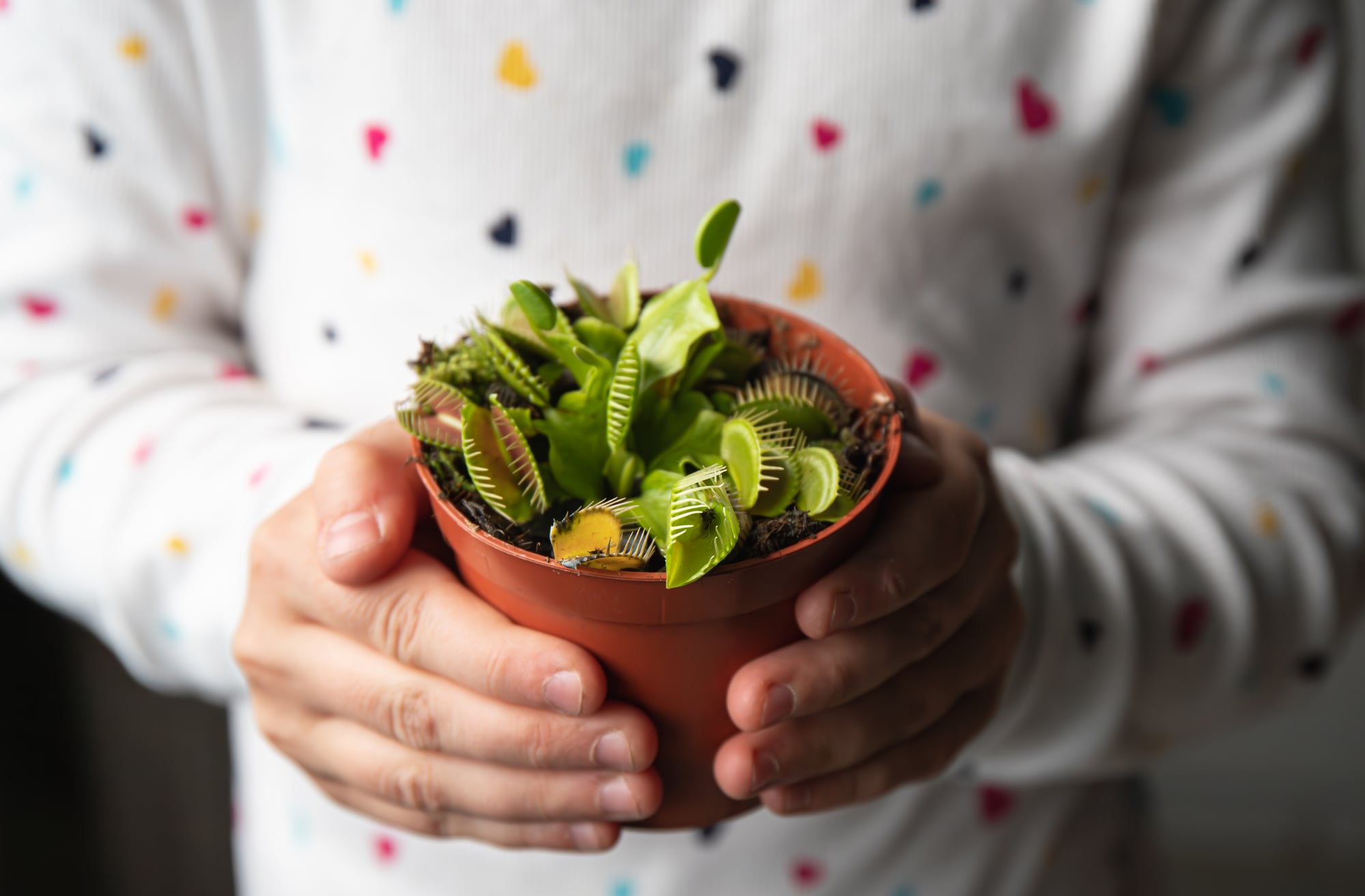
Native to North Carolina wetlands, this carnivorous plant snaps shut when tiny trigger hairs on its modified leaves detect prey. The closure happens in about half a second—making it one of the fastest movements in the plant world.
Once closed, digestive enzymes break down the trapped insect over days, providing valuable nitrogen that’s scarce in the poor soils where these plants typically grow.
Sensitive Plant

Also called Mimosa pudica, this tropical species dramatically folds its compound leaves inward when touched—a defensive response that happens through rapid water movement between specialized cells. The drooping leaves make the plant appear less appetizing to potential herbivores while potentially dislodging any insects that might be crawling on its surface.
Despite looking permanently damaged after touching, the leaves gradually reopen within minutes—ready to respond again if necessary.
Like Go2Tutors’s content? Follow us on MSN.
Telegraph Plant

Named for its unusual semaphore-like movements, Codariocalyx motorius features small lateral leaflets that rotate in jerky, elliptical patterns throughout the day—even without external stimulation. These seemingly random rotations actually help the plant sample sunlight from different angles and potentially detect nearby objects.
Scientists remain fascinated by this continuous movement, which occurs through specialized pulvinus organs at the leaf base.
Sundew

These bog-dwelling carnivores catch prey using tentacle-like structures covered in sweet, sticky mucilage that glistens in sunlight—hence their poetic name. When an insect becomes stuck, surrounding tentacles slowly curl inward—essentially folding the entire leaf around the meal over several hours.
This movement pushes the prey toward digestive glands while maximizing contact with digestive enzymes—a slow yet remarkably effective hunting strategy.
Bladderwort

These aquatic carnivores use small underwater bladder traps with spring-loaded doors to lurk beneath pond surfaces. The bladder, which was previously kept under negative pressure, rapidly swells as the prey brushes between trigger hairs, pulling water and the victim inside in a matter of milliseconds.
One of nature’s most advanced vacuum mechanisms is created when the trap door swiftly closes behind the prey. Given that plants have neither muscles nor nerves, this quick movement is an engineering marvel.
Like Go2Tutors’s content? Follow us on MSN.
White Mulberry
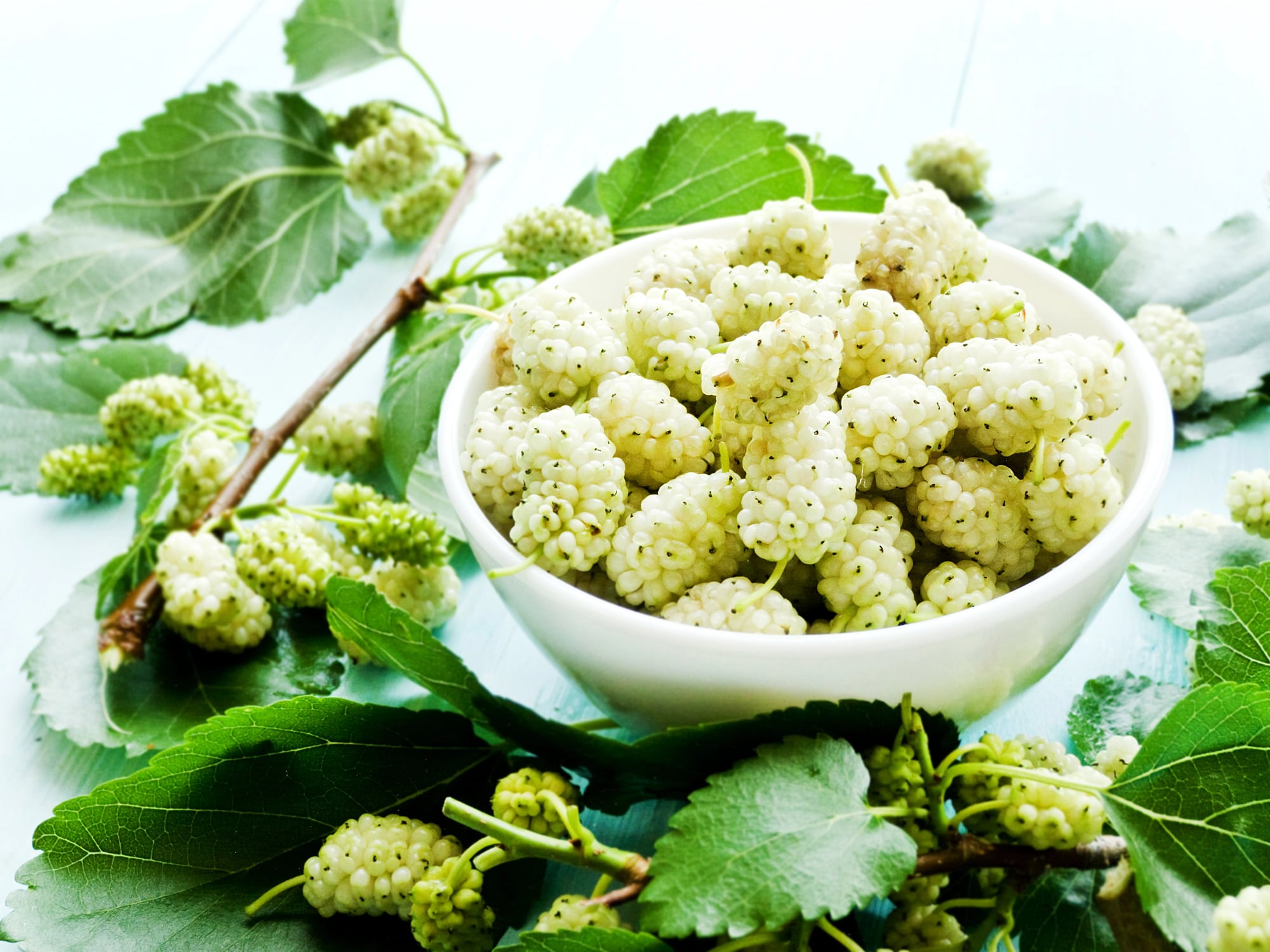
During pollination, the stamens of male mulberry flowers remain coiled under tension like loaded springs—waiting for optimal conditions. When humidity drops to certain levels—typically during mid-morning hours—these stamens suddenly catapult outward, launching pollen clouds into the air at speeds exceeding miles per hour.
This explosive pollen release ranks among the fastest movements in biology—significantly more rapid than many animal movements.
Squirting Cucumber
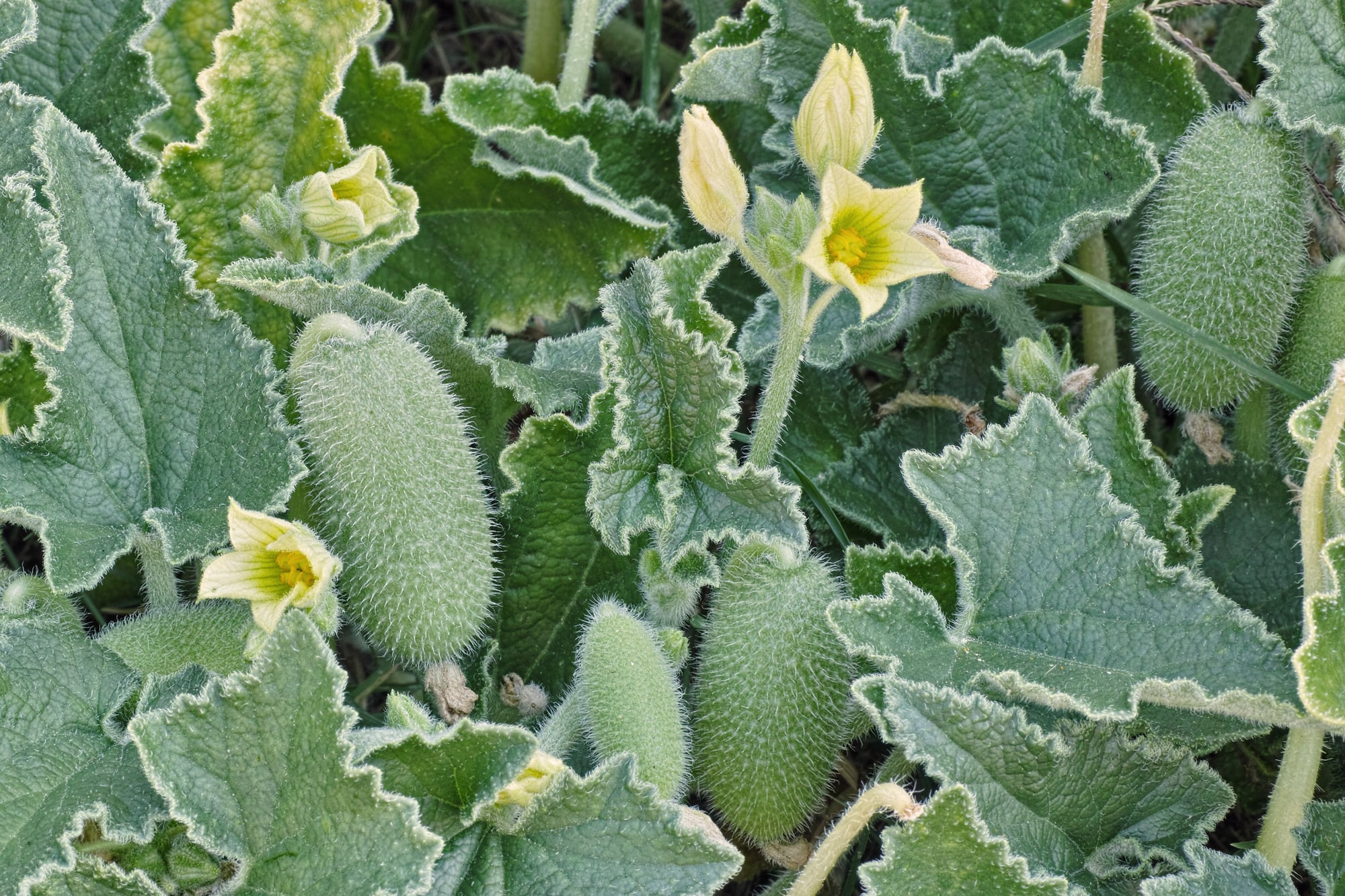
When ripe, this Mediterranean plant builds tremendous hydraulic pressure inside its elongated fruits. The slightest touch or movement can trigger explosive dehiscence—causing the cucumber to forcefully detach from its stalk while ejecting seeds mixed with bitter fluid up to feet away.
Garden visitors often react with surprise when nearby fruits suddenly launch their contents—sometimes directly at unsuspecting observers.
Resurrection Fern
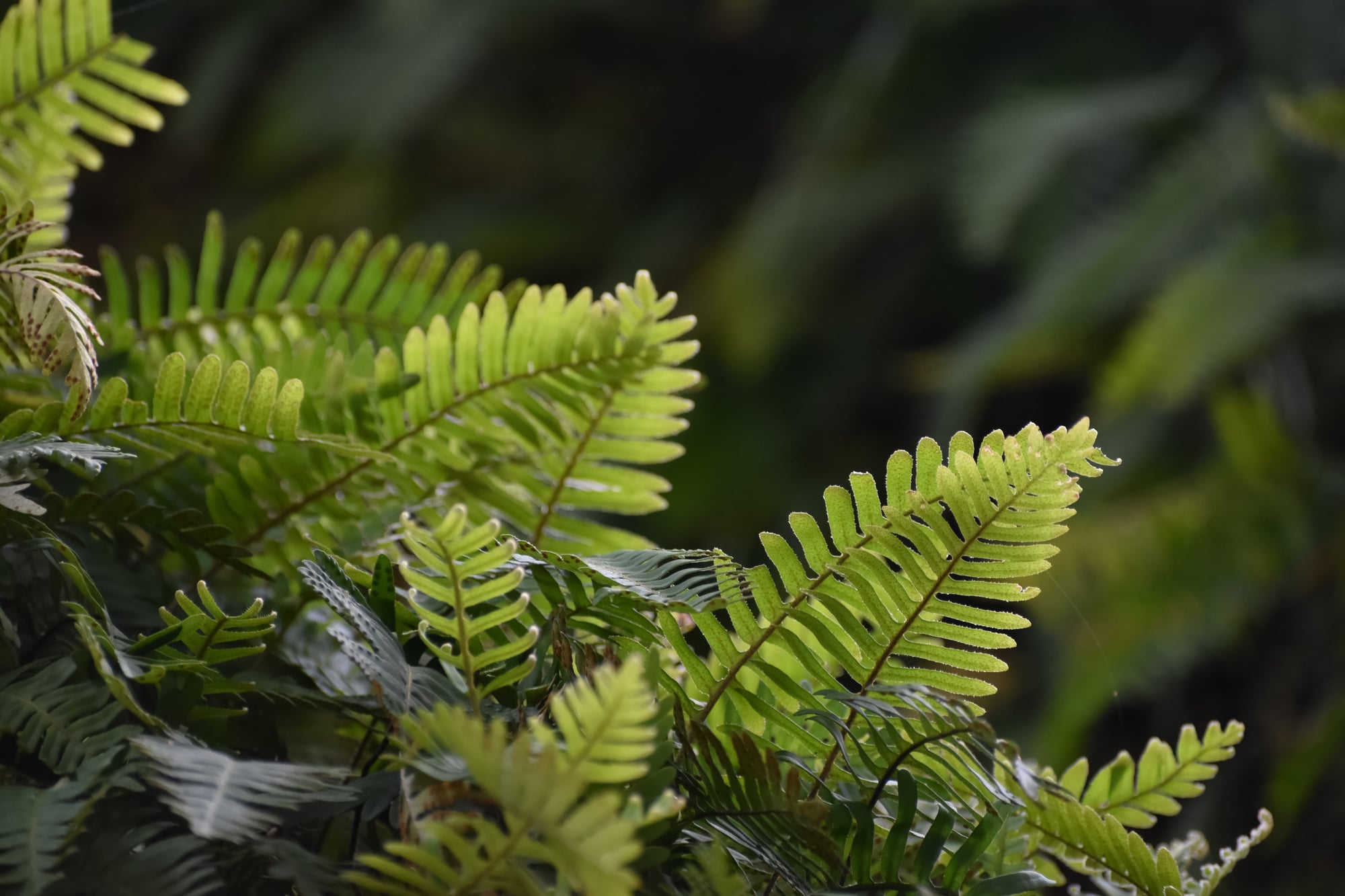
Though lacking explosive movements, this epiphyte demonstrates equally impressive cellular rearrangement during drought conditions. The plant can lose nearly all of its water content—shriveling into a brown, lifeless-looking mass while reconfiguring cellular components to prevent damage.
Add water, though, and the resurrection begins—fronds unfurl and cells expand within hours as the plant returns to vibrant green life. This dramatic transformation represents one of the most visible examples of plant resurrection.
Like Go2Tutors’s content? Follow us on MSN.
Wood Sorrel

This common woodland plant exhibits nyctinastic movements—folding its clover-like leaves downward at dusk and reopening them at dawn through controlled water transport between specialized cells. Unlike simple sun-tracking, these movements follow internal circadian rhythms that continue even when placed in constant light conditions.
The nightly folding helps protect delicate leaf tissues from temperature fluctuations while potentially reducing moisture loss during darkness.
Trigger Plants

Found primarily in Australia, Stylidium species possess column-like reproductive structures that remain bent and under tension until stimulated. When a pollinator touches certain parts of the flower, this column swings rapidly across the flower—dumping pollen onto the visitor or collecting pollen from previously visited blooms.
The structure resets slowly over minutes—ready for another rapid deployment when the next pollinator arrives.
Bunchberry Dogwood
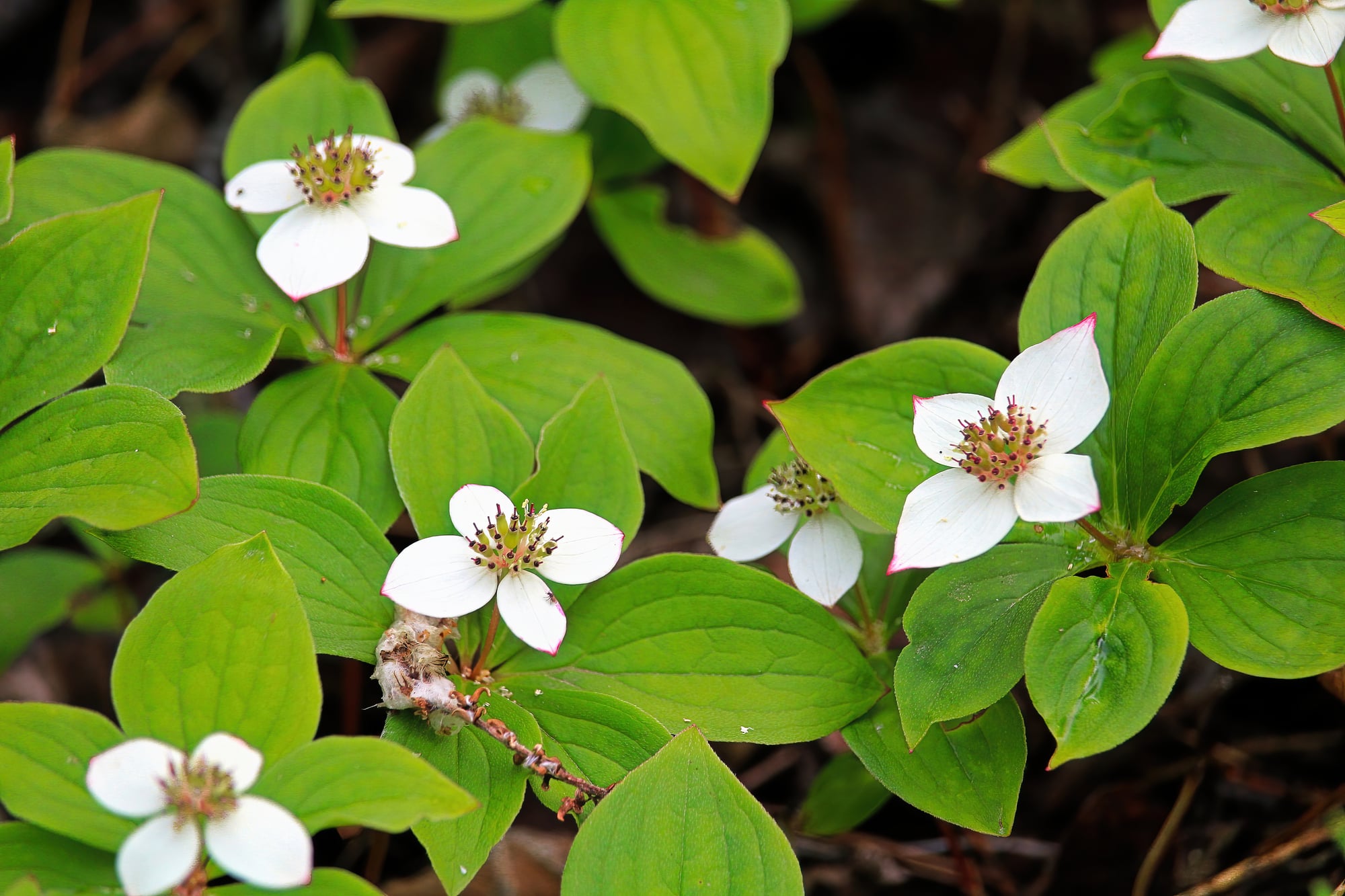
These unassuming forest floor dwellers pack an unexpected punch when it comes to pollen dispersal. Their flower petals snap open explosively, catapulting pollen upward at approximately meters per second—completing the entire process in less than milliseconds.
High-speed cameras reveal that the anthers actually function like miniature trebuchets, storing energy before releasing it with precise timing. Few human-made machines can match this combination of speed and accuracy at such a small scale.
Like Go2Tutors’s content? Follow us on MSN.
Desert Rose

During extreme drought conditions, these succulent plants perform a gradual but dramatic shape-shifting act. Their normally plump stems slowly contract, pulling the entire plant into a more compact form to reduce water loss through surface exposure.
When rain finally arrives, the process reverses as specialized tissues absorb water rapidly—causing visible expansion that can occur quickly enough to observe. This volumetric plasticity allows desert roses to survive in environments where water availability fluctuates wildly.
Touch-Me-Not

Related to but distinct from the sensitive plant, Impatiens species utilize explosive seed dispersal through mechanically stressed seed capsules. As fruits mature, cells arrange themselves under increasing tension until the slightest contact causes the capsule to split into sections that curl backward violently—flinging seeds considerable distances from the parent plant.
This touch-triggered catapult ensures genetic material spreads widely throughout a suitable habitat rather than creating resource competition directly below the parent.
Stinging Nettle

While famous for their painful sting, nettles possess a less known mechanical defense system. Their stinging hairs operate like microscopic hypodermic needles—with bulbous bases containing irritant chemicals and silica-hardened tips.
When brushed against, these hollow spines snap at a specific point—transforming into injection devices that deliver their payload under the skin surface. This sophisticated pressure-triggered system functions without any metabolic energy expenditure during the actual defensive response.
Like Go2Tutors’s content? Follow us on MSN.
Beyond Static Existence

These remarkable botanical movements challenge our traditional understanding of plants as passive, immobile organisms. Through specialized cells, hydraulic mechanisms, elastic tissues, and protein transformations, plants orchestrate complex movements without muscles or nervous systems.
Studying these botanical movers provides valuable insights into alternative biological engineering solutions while highlighting evolution’s remarkable adaptability across different kingdoms of life. Perhaps most importantly, these plants remind us that dynamism exists throughout nature—even in organisms we typically perceive as rooted in stillness.
More from Go2Tutors!

- 18 Unexpectedly Valuable Collectibles You Might Have Lying Around
- 20 Little-Known Historical Battles That Had Huge Consequences
- 20 Historical Artifacts That Scientists Can’t Explain
- 15 Inventions That Were Immediately Banned After Being Created
- 20 Actors Who Were Almost Cast in Iconic Roles
Like Go2Tutors’s content? Follow us on MSN.



