27 VHS Tapes Every American Family Owned in the ’90s
The family entertainment center was incomplete without that towering stack of VHS tapes beside the television. These black plastic rectangles held movie nights, rainy afternoon rescues, and the kind of repeat viewings that wore down the magnetic tape until the picture went fuzzy.
Every household had their collection, and while the titles varied slightly from family to family, certain tapes appeared in living rooms across America with remarkable consistency. They were the cultural touchstones that defined a decade of home viewing.
The Lion King
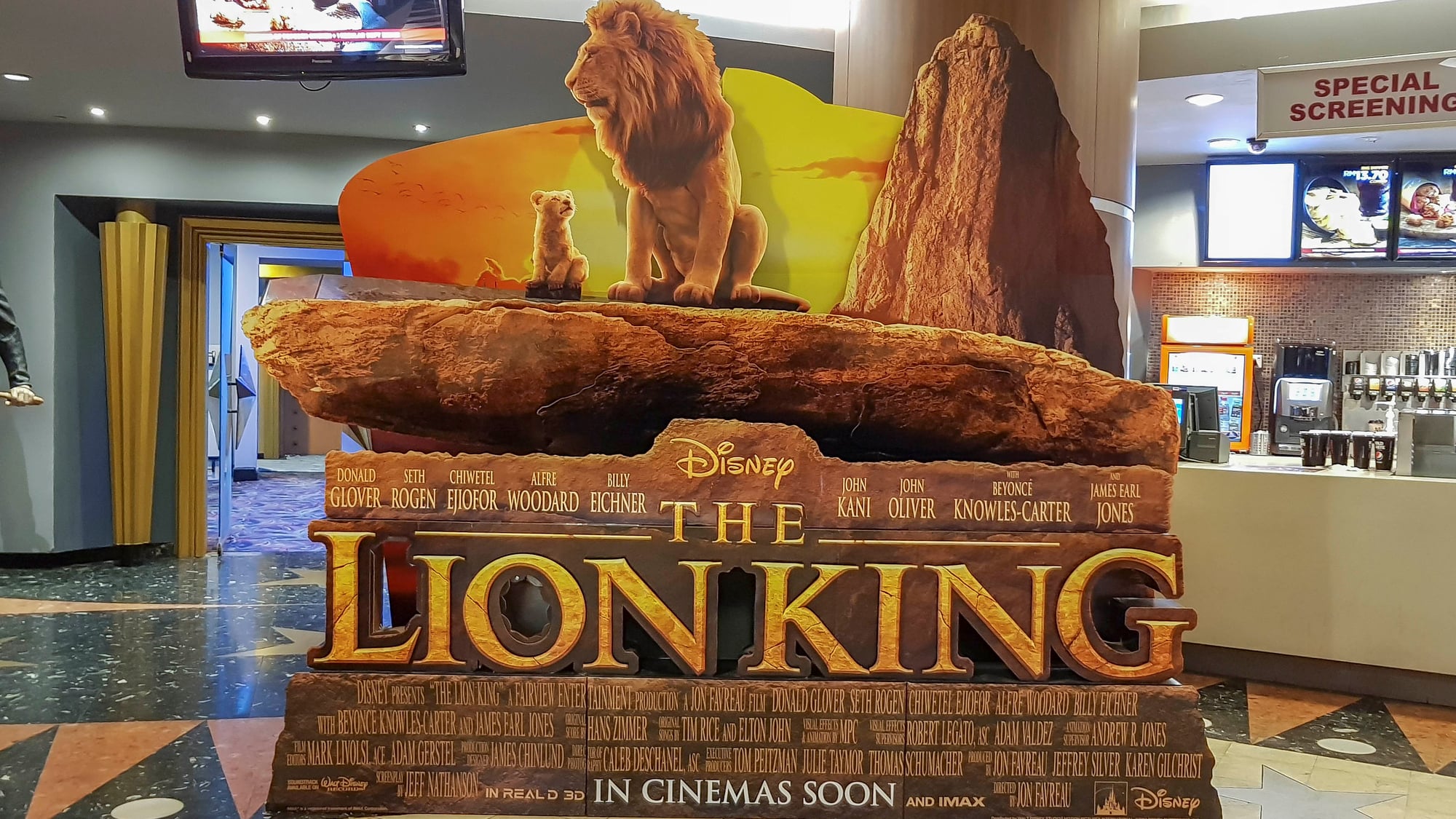
Disney struck gold in 1994. The Circle of Life opened in theaters and never really closed.
Every kid knew the words to every song. Most adults did too, though they pretended otherwise.
Jurassic Park

Spielberg made dinosaurs terrifying again, which turned out to be exactly what families wanted for movie night. The kitchen scene with the velociraptors had parents covering kids’ eyes while those same kids peeked through their fingers, desperate not to miss a second.
And the T-Rex breaking through the fence — that was the moment VHS proved its worth as a home format, because you could rewind and watch it again immediately. Home video had never delivered anything quite like this before, where the spectacle somehow translated perfectly to the smaller screen (maybe because the tension mattered more than the size).
The tape got so much use in most households that the tracking went wonky right around the scene where the power goes out in the park.
Aladdin
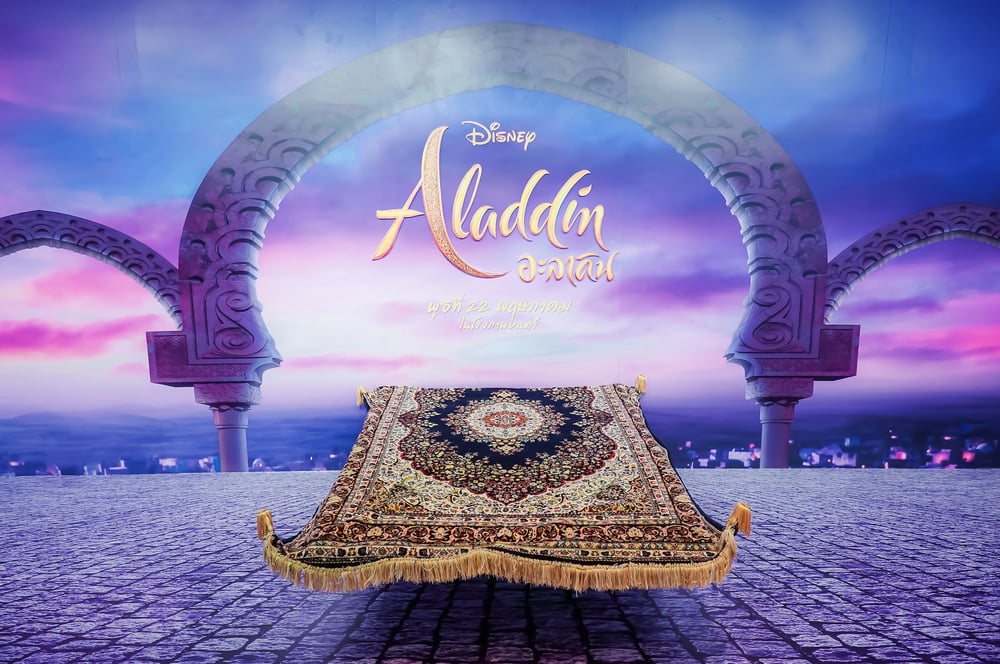
Robin Williams unleashed ten thousand years of comedic energy into a blue animated genie, and parents discovered they could entertain their children for 90 minutes without having to participate. The tape became a babysitter that actually worked.
Williams improvised most of his lines, which meant even adults caught jokes they’d missed on previous viewings. So the whole family stayed engaged, which made Aladdin the rare kids’ movie that didn’t send parents fleeing to another room.
The “Friend Like Me” sequence played on repeat in households across America, sometimes literally, thanks to curious toddlers who learned how to work the rewind button.
Beauty and the Beast
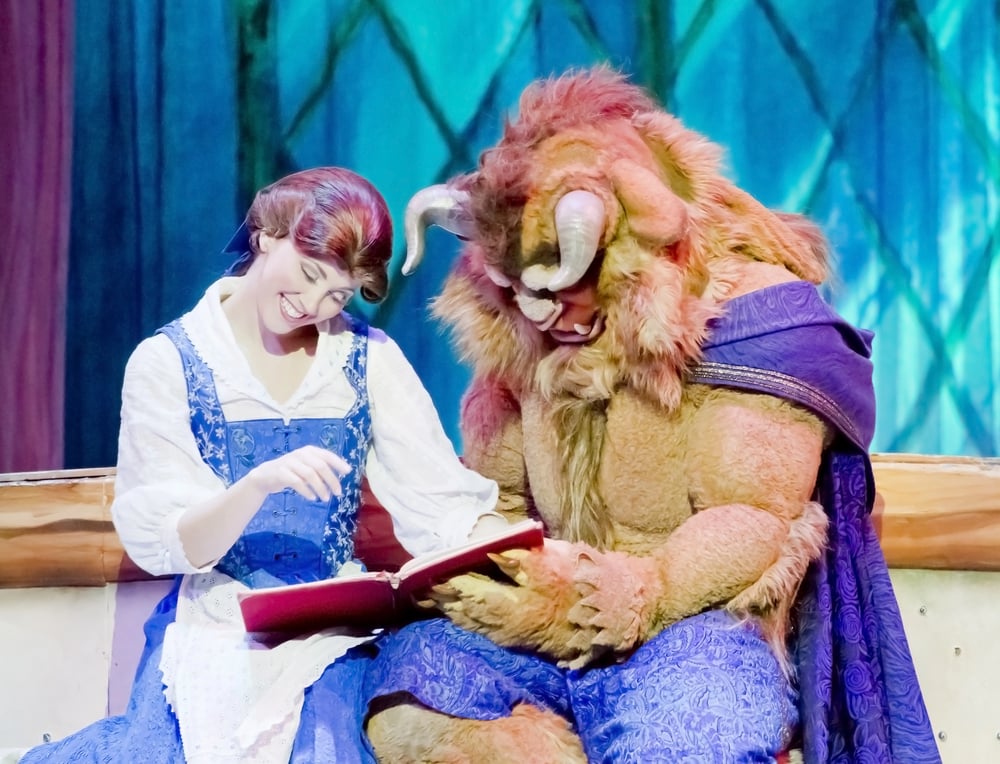
Disney’s renaissance peaked with a tale as old as time that somehow felt completely fresh. Belle read books in a provincial town, Beast brooded in his castle, and Angela Lansbury sang about enchanted dinnerware with the kind of warmth that made you understand why people trusted her voice for decades.
The ballroom scene existed in that perfect sweet spot where animation became pure magic — sweeping camera movements that would have cost millions in live action, delivered to your living room for the price of a rental that turned into a purchase because no one wanted to give it back.
Forrest Gump
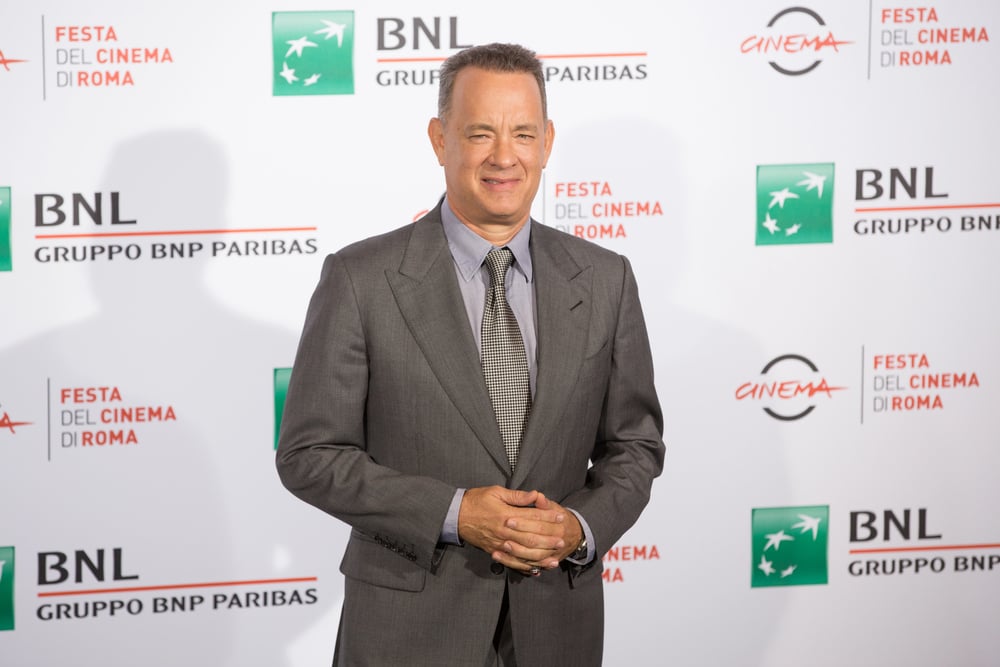
Life was like a box of chocolates, and this particular piece of candy satisfied everyone’s taste. Tom Hanks played the gentle soul who stumbled through major historical events with the kind of earnest charm that made you root for him even when you knew how everything turned out.
The movie worked as a history lesson, a love story, and a meditation on fate versus choice. Families gathered around this one because it offered something for every generation.
Grandparents recognized the cultural touchstones, parents appreciated the craft, and kids enjoyed the straightforward storytelling. Plus, at two and a half hours, it filled an entire evening when you needed the entertainment to last.
The Little Mermaid
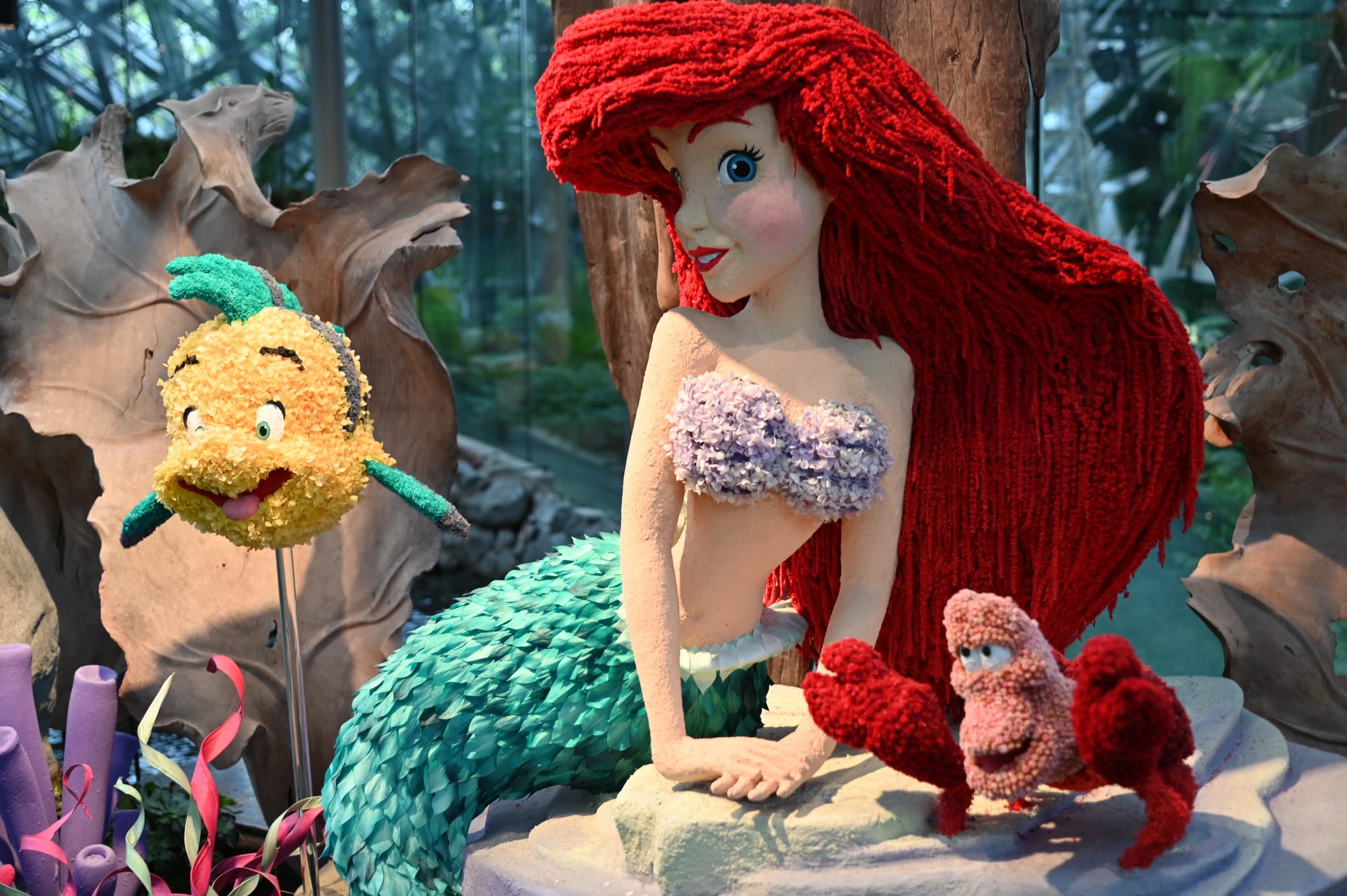
Ariel wanted to be part of that world, and families wanted her in their living rooms. Disney’s underwater musical kicked off the animation renaissance that would define the decade.
Sebastian the crab delivered calypso wisdom while Ursula provided genuine menace — the kind that made kids hide behind couch cushions but come back for more. The tape marked a generational shift.
Parents who grew up with Sleeping Beauty and Cinderella found themselves humming “Under the Sea” while doing dishes. Their kids wore out the rewind button replaying “Part of Your World.”
The movie reminded everyone why Disney animation mattered, just when people had started to forget.
Home Alone
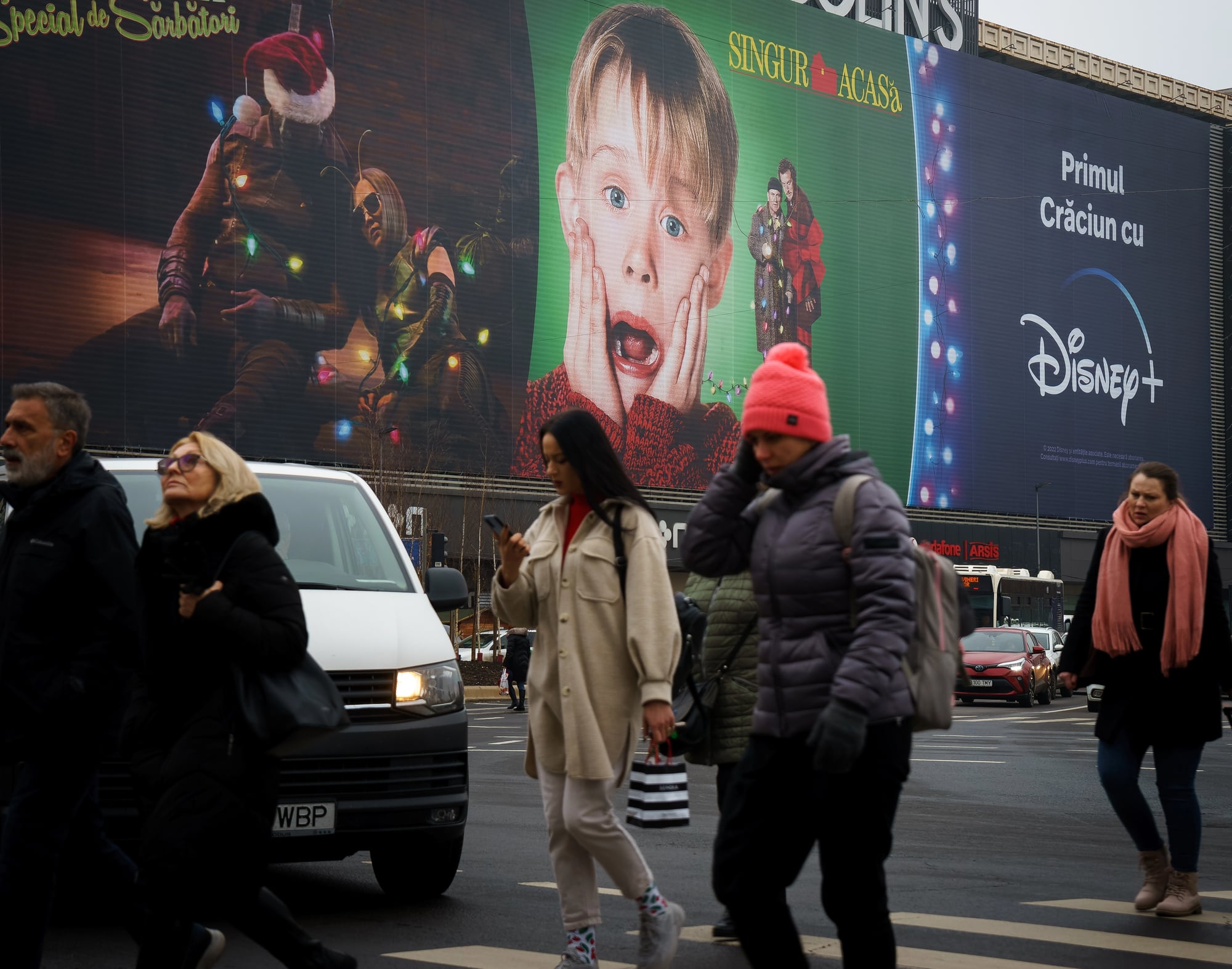
Macaulay Culkin turned child abandonment into family comedy gold. The paint cans swinging down the stairs, the hot doorknob, the tarantula on Marv’s face — these became the moments kids recreated in their own homes, much to their parents’ horror and secret amusement.
The movie tapped into every child’s fantasy of having the house to themselves while delivering enough slapstick punishment to satisfy adult viewers who knew the Wet Bandits deserved everything they got. And yet underneath all the mayhem lived a surprisingly tender story about family connection that made the chaos feel earned rather than cruel.
Terminator 2: Judgment Day
Arnold Schwarzenegger became the good guy this time, which was all the character development most families needed. The liquid metal T-1000 provided nightmares that somehow felt worth having.
James Cameron delivered action sequences that pushed VHS to its technical limits — you could almost hear the tape working harder during the motorcycle chase through the storm drains. This was the movie that proved R-rated action films could become family viewing if they balanced the violence with enough heart.
The relationship between John Connor and his mechanical protector gave emotional weight to all the explosions. Plus, “Hasta la vista, baby” became dinner table vocabulary in households across America.
Ghost
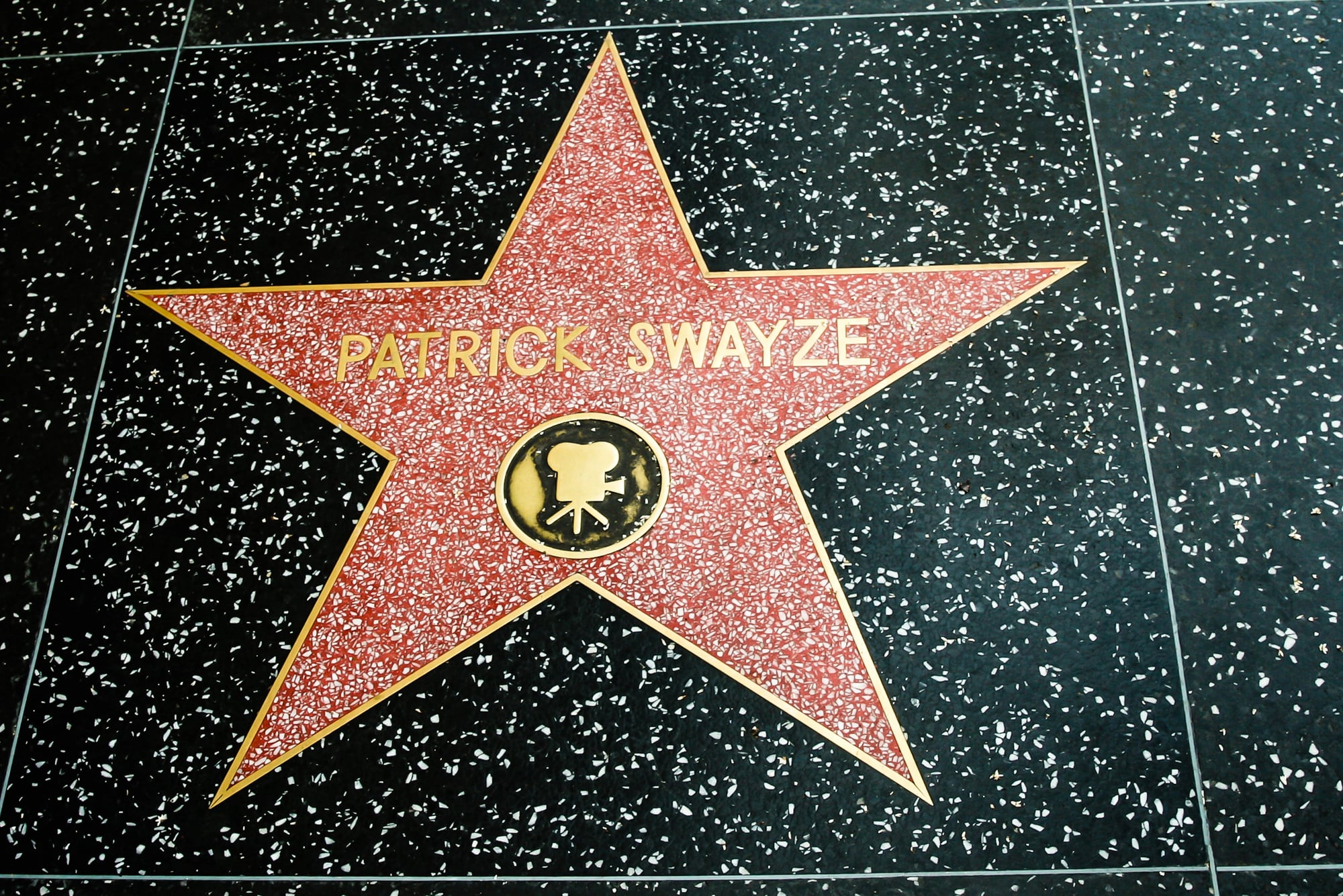
Patrick Swayze reached through the veil between life and death to make pottery wheels sensual and subway scenes terrifying. Demi Moore delivered the kind of vulnerable performance that made emotional manipulation feel like high art.
Whoopi Goldberg provided the comic relief that kept the supernatural elements from becoming too heavy for family viewing. The movie worked because it treated love as the force strong enough to overcome death, which appealed to romantics, while delivering enough genuine scares to satisfy thriller fans.
Plus, the Righteous Brothers got a second life on radio thanks to one perfectly placed scene.
Pretty Woman
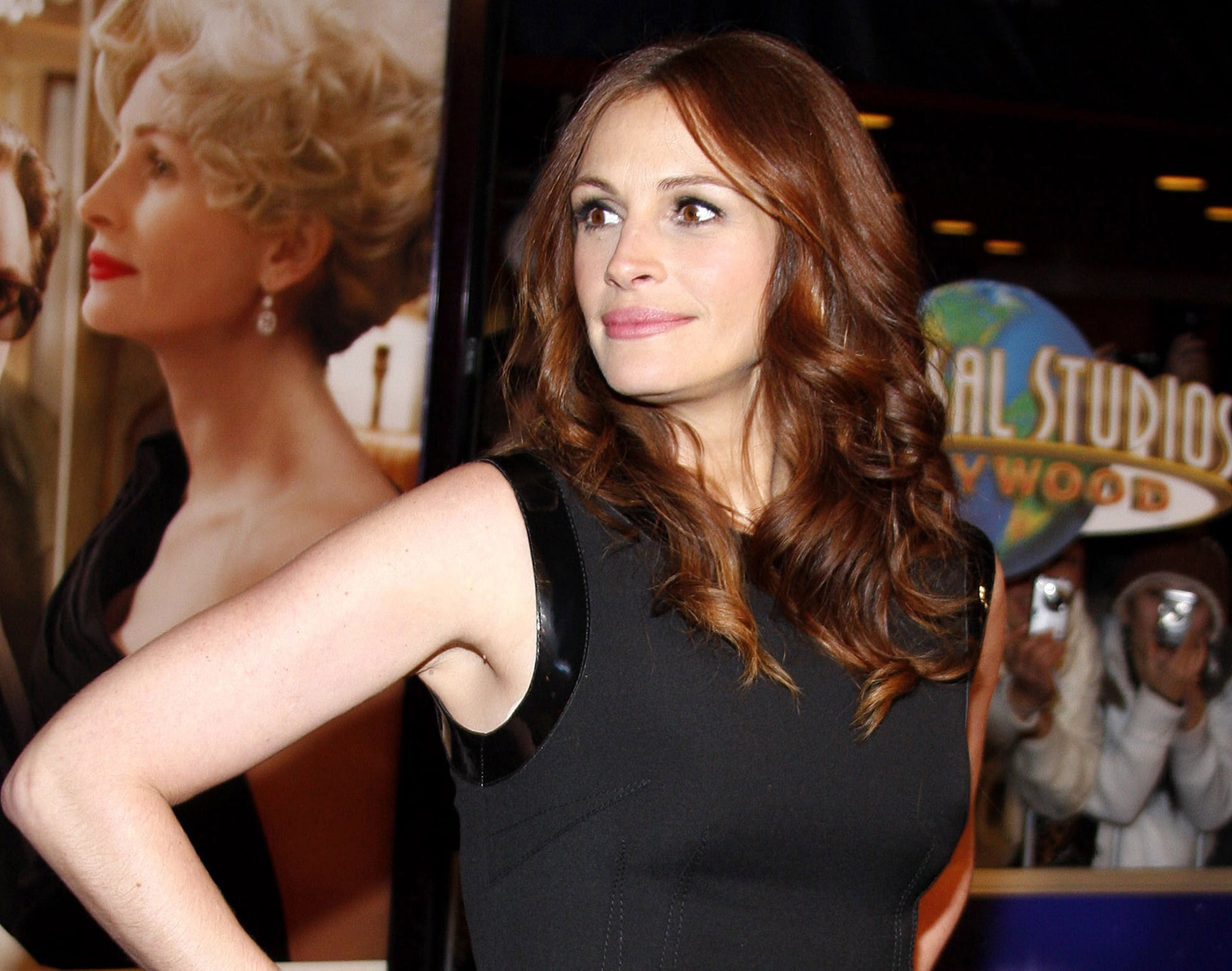
Corporate romance wrapped in a Cinderella bow, delivered with enough wit to make the fairy tale feel contemporary. Julia Roberts smiled her way into America’s living rooms while Richard Gere proved that wealthy jerks could develop hearts if the script demanded it.
The shopping montage on Rodeo Drive became the template for every makeover scene that followed. Families embraced this one because it offered fantasy without requiring anyone to believe in magic.
The transformation felt earned rather than enchanted. Roberts and Gere had the kind of chemistry that made you root for characters who probably shouldn’t work together but obviously belonged with each other.
Dirty Dancing
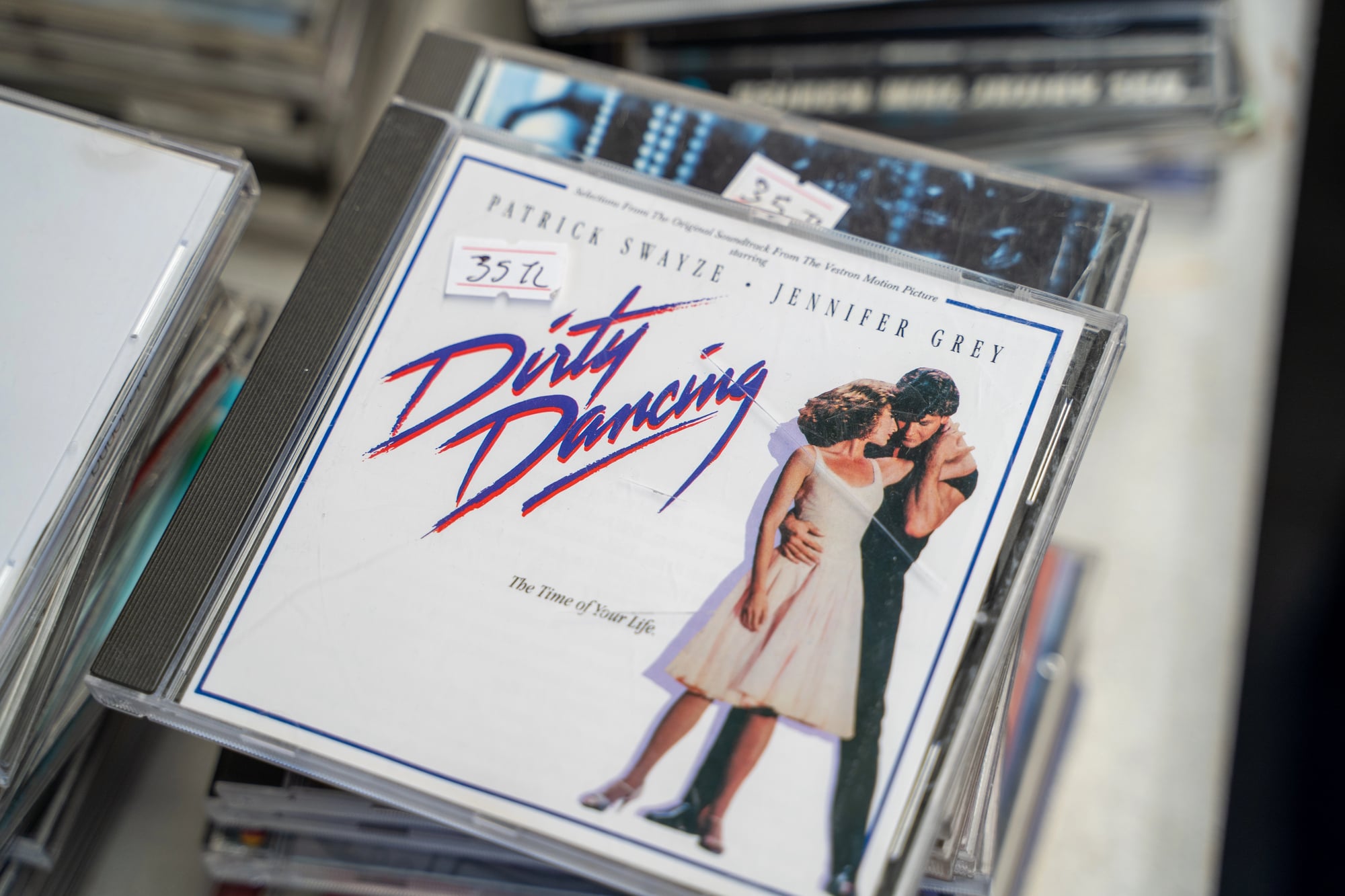
Nobody puts Baby in a corner, and nobody kept this tape on the shelf for long. Patrick Swayze taught Jennifer Grey how to dance while teaching audiences how to move their hips without feeling self-conscious about it.
The movie delivered romance, rebellion, and enough memorable one-liners to fuel family conversations for years. The coming-of-age story worked because it treated teenage transformation seriously without taking itself too seriously.
Grey’s character earned her confidence through actual effort rather than magical intervention. Plus, the soundtrack invaded radio playlists and wedding receptions with equal effectiveness.
Top Gun

Tom Cruise flew fighter jets while wearing aviator sunglasses and a cocky grin that made military recruitment look like the world’s most exciting career path. The aerial sequences pushed home theater systems to their limits while the locker room volleyball scene made everyone reconsider their fitness routines.
Maverick and Goose delivered the kind of male friendship that felt genuine despite all the manufactured tension. The romance with Kelly McGillis provided emotional stakes beyond national security.
And “Take My Breath Away” became the slow dance song for an entire generation of high school students.
E.T. the Extra-Terrestrial

Spielberg turned alien contact into a story about childhood friendship, complete with flying bicycles and glowing fingertips. The government agents provided just enough menace to create stakes without overwhelming the wonder.
E.T.’s relationship with Elliott tapped into every kid’s desire for a friend who understood them completely. The movie succeeded because it approached the extraordinary through ordinary family dynamics.
Elliott’s suburban home felt lived-in rather than constructed. His relationship with his siblings carried the kind of authentic irritation and affection that made the fantastic elements feel grounded in recognizable emotional truth.
Back to the Future
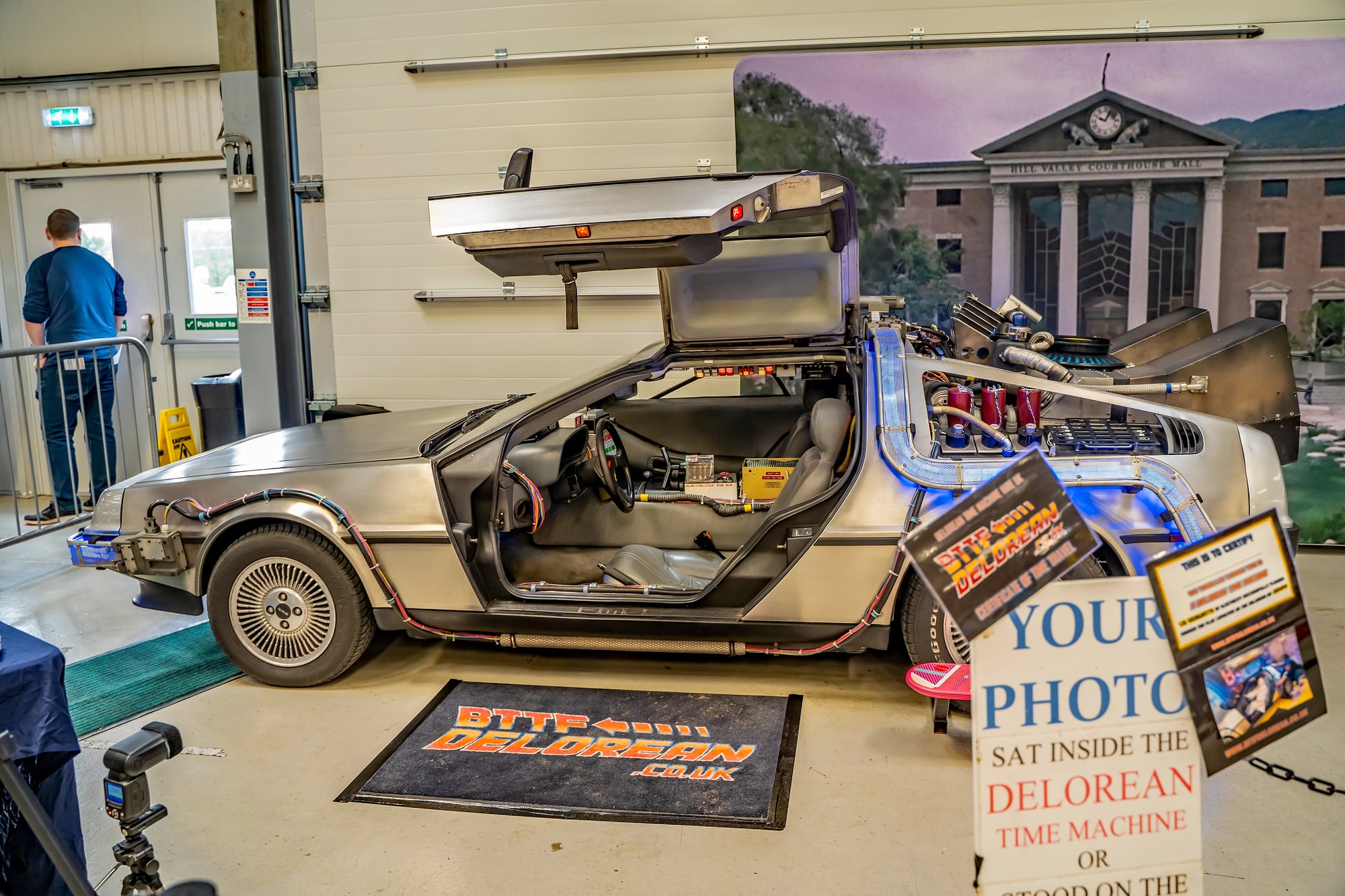
Michael J. Fox traveled through time in a DeLorean while trying not to erase himself from existence. The high-concept premise delivered old-fashioned entertainment values wrapped in special effects that felt both cutting-edge and timeless.
Doc Brown provided the manic energy that kept the science fiction elements from becoming too serious. Families connected with this one because it celebrated both innovation and tradition.
Marty McFly had to understand his parents’ generation to secure his own future. The movie suggested that progress required respecting the past, which made it the rare time travel story that felt optimistic about human nature.
Indiana Jones and the Last Crusade

Harrison Ford and Sean Connery played father and son archaeologists racing Nazis to the Holy Grail. The relationship between Indy and his dad provided emotional depth to match the action sequences.
Connery brought gravitas and humor to what could have been a thankless role, while Ford delivered the rugged charm that made Indiana Jones a household name. The movie worked as both adventure story and family drama.
The quest for the Grail became a metaphor for understanding family legacy. Plus, the tank chase through the desert showcased practical effects that made every explosion feel genuine rather than manufactured.
The Karate Kid

Ralph Macchio learned life lessons through martial arts training, guided by Pat Morita’s Mr. Miyagi, who disguised wisdom as household chores. Wax on, wax off became the philosophy for patient skill-building, while the tournament finale delivered underdog satisfaction that never got old.
The movie tapped into every teenager’s desire to transform from victim to victor through dedicated effort. The bullying felt real enough to create genuine stakes, while the training sequences provided hope that persistence could overcome natural disadvantage.
Plus, the crane kick became playground legend.
Grease
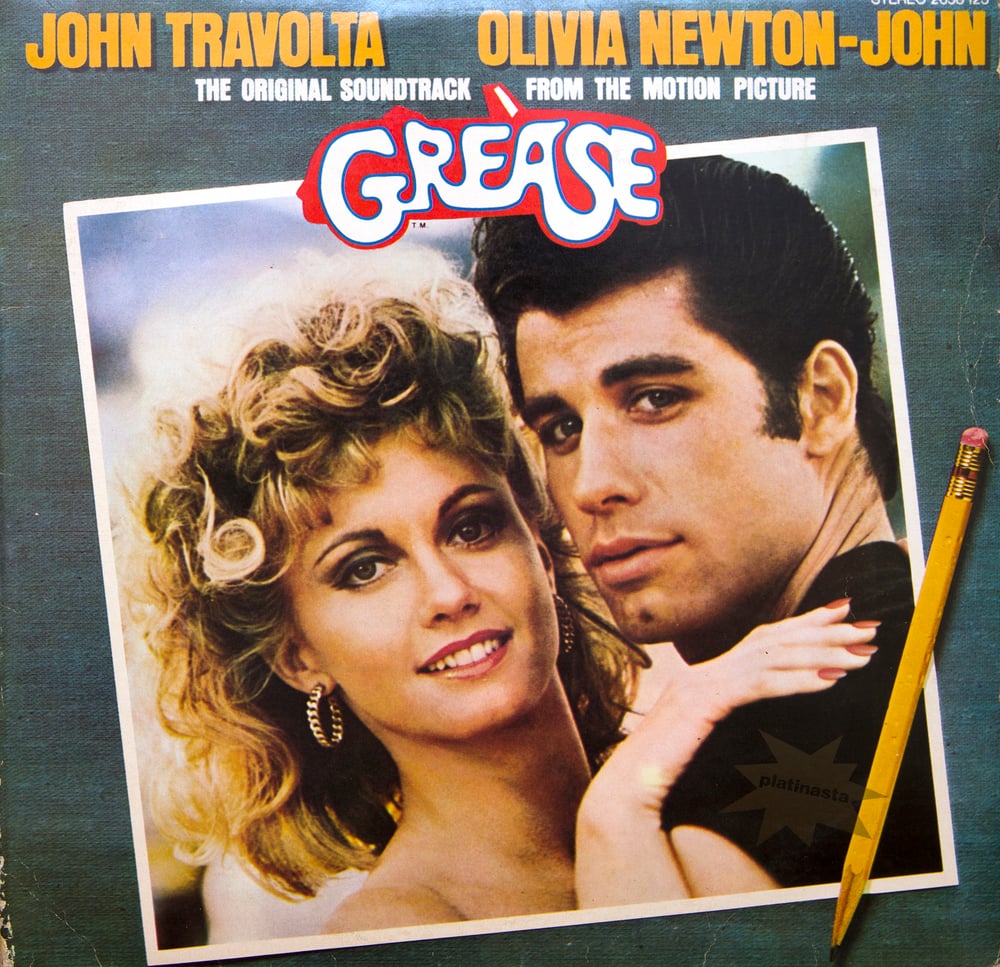
John Travolta and Olivia Newton-John sang their way through high school romance with enough energy to power a small city. The movie delivered nostalgia for an era most viewers never experienced, wrapped in musical numbers that made everyone want to learn the choreography.
“Summer Nights” became the duet that defined teenage romance for multiple generations. The story worked because it acknowledged that love requires compromise from both partners.
Danny and Sandy each had to change to make their relationship work, which felt more honest than most romantic comedies. Plus, the hand-jive sequence provided dance moves that actually seemed achievable for ordinary humans.
The Wizard of Oz
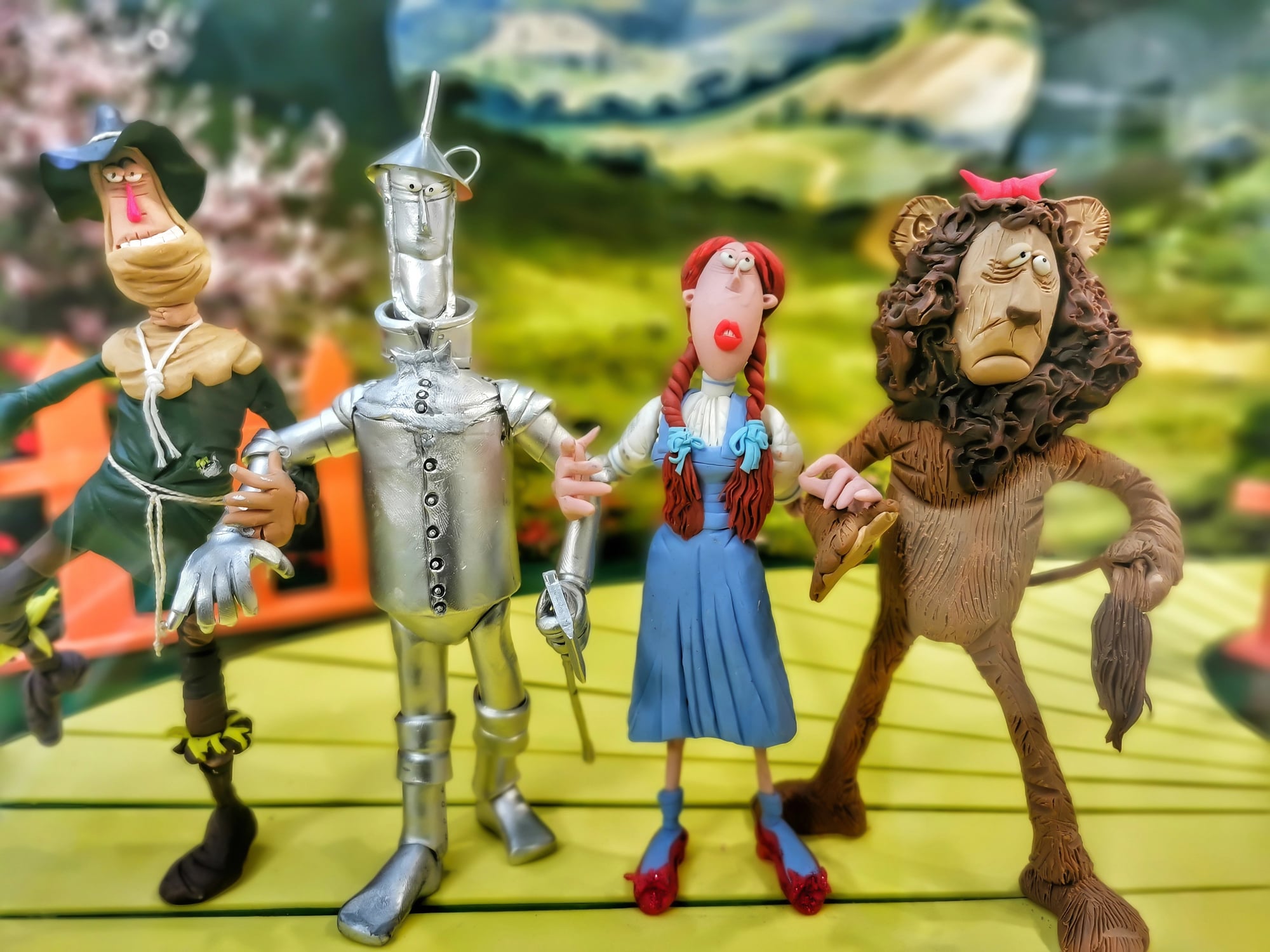
Dorothy followed the yellow brick road in a movie that predated the VHS era by decades but found new life on home video. The transition from sepia to Technicolor still delivered magic even on smaller screens.
The Wicked Witch of the West provided nightmare fuel that somehow felt appropriate for family viewing. MGM’s 1939 masterpiece proved that some stories never lose their power to enchant.
The simple wisdom of “there’s no place like home” resonated with families who gathered around their television sets rather than movie theater screens. Plus, the ruby slippers sparked conversations about the power of believing in yourself.
Ghostbusters
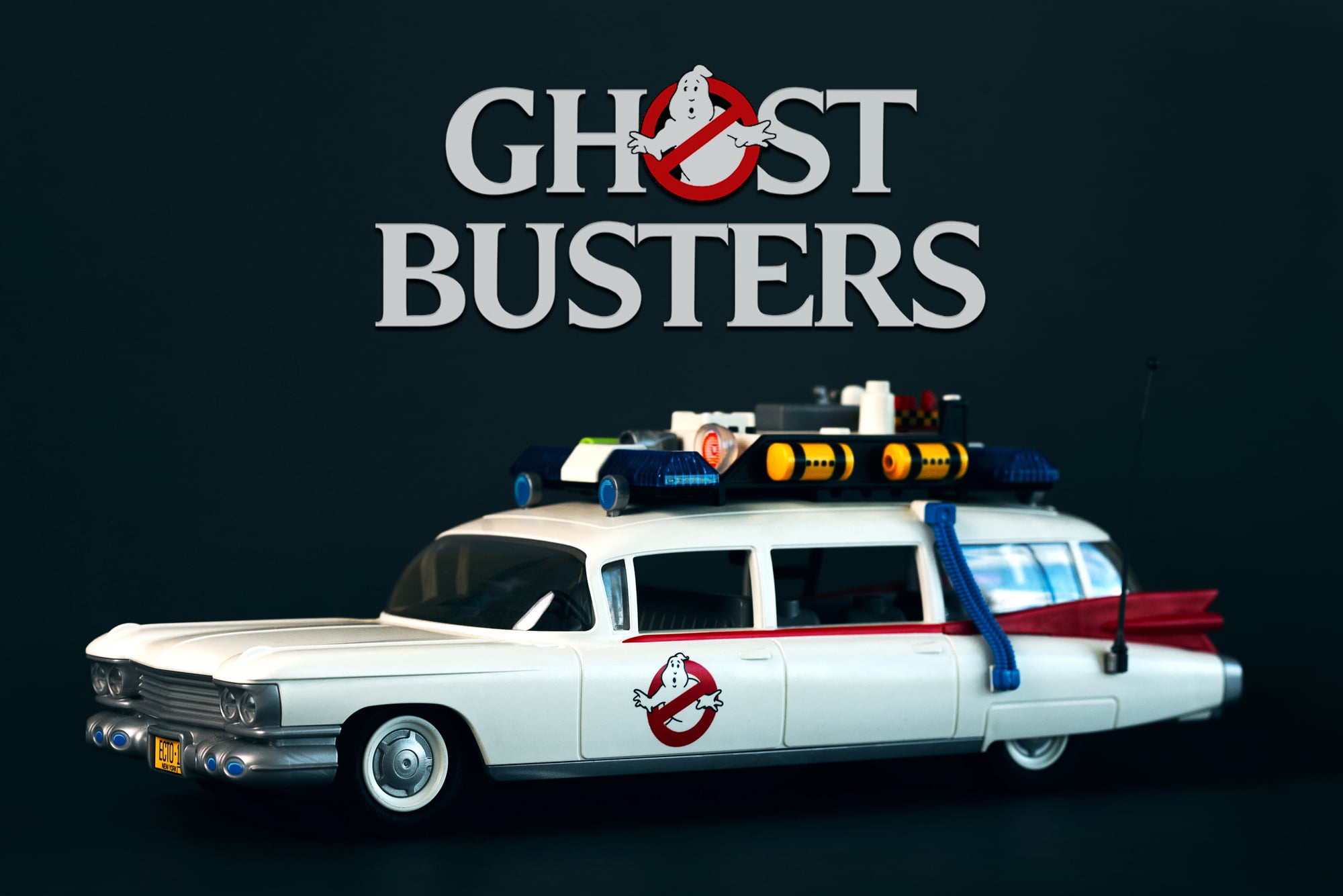
Bill Murray and his paranormal investigation team turned New York City’s supernatural infestation into comedy gold. The Stay Puft Marshmallow Man provided the kind of absurd menace that satisfied both horror and humor fans.
“Who you gonna call?” became the rallying cry for anyone facing impossible situations with insufficient resources. The movie succeeded because it treated its ridiculous premise with complete seriousness while never taking itself too seriously.
Murray’s deadpan delivery made every joke feel effortless, while the special effects provided enough spectacle to justify the supernatural premise. Plus, Ray Parker Jr.’s theme song invaded radio and made ghostbusting seem like a viable career path.
Honey, I Shrunk the Kids

Rick Moranis accidentally miniaturized his children, turning the backyard into a hostile wilderness filled with giant insects and sprinkler systems that felt like natural disasters. The movie delivered adventure through perspective shift — ordinary household hazards became epic obstacles when you stood three-quarters of an inch tall.
Families embraced this one because it made suburban life feel exotic. The familiar backyard became alien territory worth exploring.
Kids identified with characters who had to use wit rather than strength to overcome challenges, while parents appreciated the underlying message about paying attention to your children’s needs.
Big
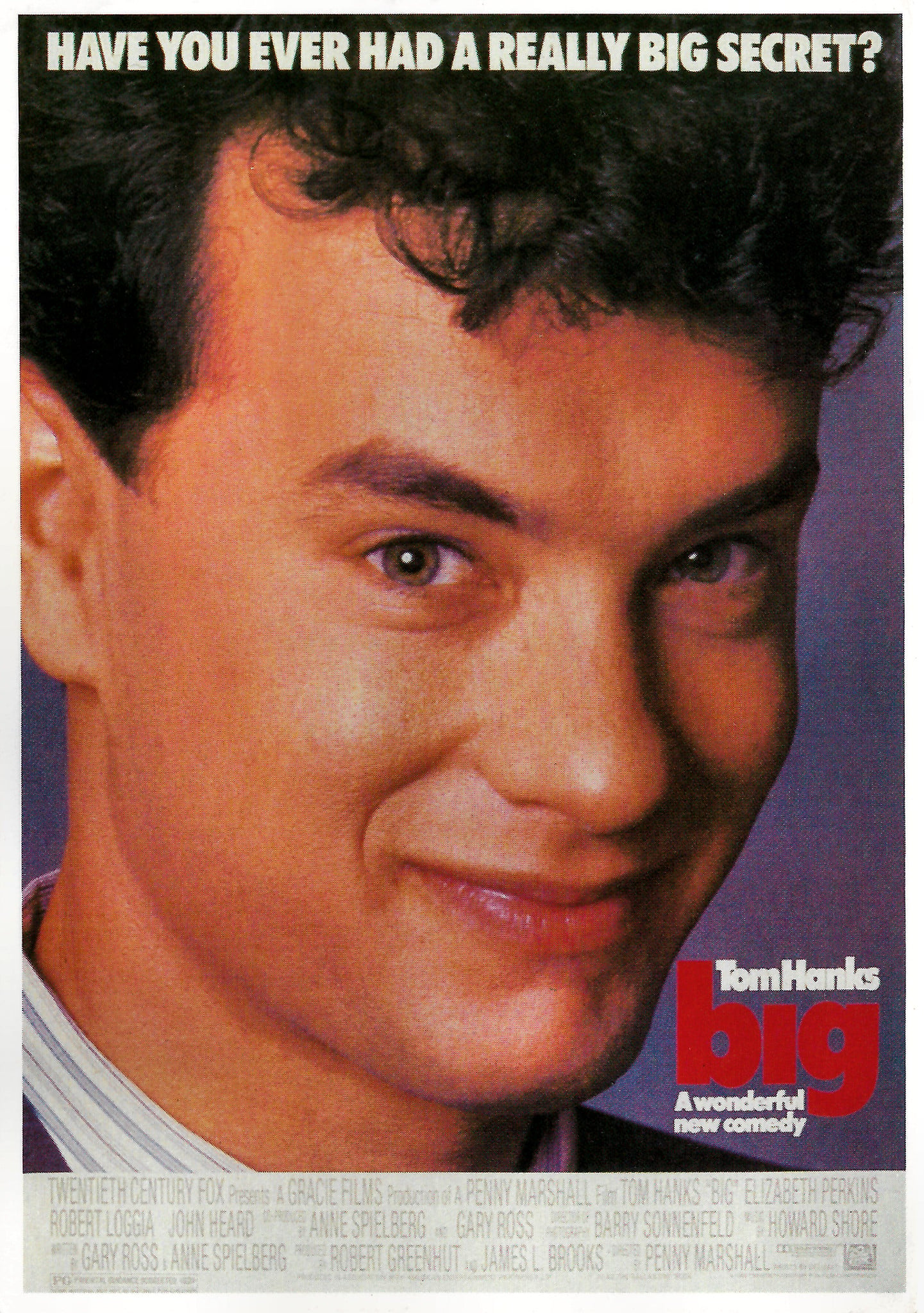
Tom Hanks played a twelve-year-old boy trapped in an adult body, navigating corporate culture with the kind of innocent wisdom that made cynicism seem unnecessary. The piano scene at FAO Schwarz became the moment when physical comedy transformed into pure joy.
Elizabeth Perkins provided the romantic interest who had to fall in love with emotional honesty rather than sophisticated charm. The movie worked because it suggested that growing up meant retaining childhood wonder rather than abandoning it.
Hanks made innocence feel like strength rather than naivety. Plus, the toy company setting provided enough visual spectacle to keep kids engaged while adults appreciated the workplace satire.
The NeverEnding Story
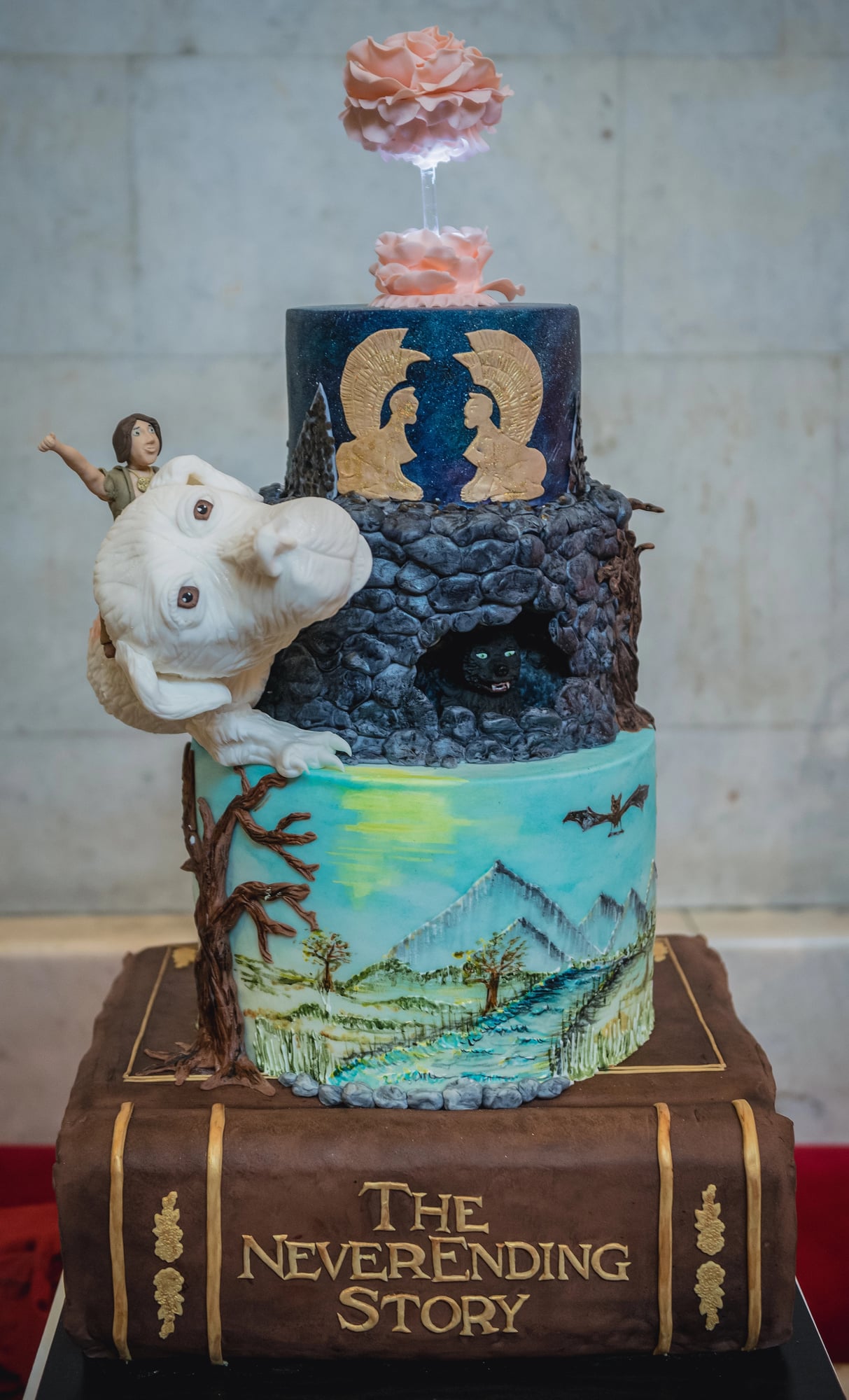
A young boy discovered a book that contained a world dying from the Nothing, saved only by the power of imagination. The story within the story created meta-fictional layers that felt profound rather than pretentious.
Falkor the luckdragon provided the kind of magical companion every child wanted, while the Childlike Empress offered wisdom beyond her apparent years. The movie tapped into every reader’s fantasy of becoming part of the stories they loved.
Atreyu’s quest to save Fantasia paralleled Bastian’s journey toward self-confidence in the real world. The film suggested that imagination wasn’t escapism but rather the force that made actual life worth living.
Labyrinth

David Bowie ruled an elaborate maze filled with creatures designed by Jim Henson’s workshop, while Jennifer Connelly navigated puzzles that required both intelligence and intuition. The movie delivered fantasy adventure with enough musical numbers to satisfy Broadway fans and enough puppet work to showcase practical effects at their most imaginative.
Families connected with this one because it acknowledged that growing up required facing genuinely difficult choices. Sarah’s journey through the labyrinth became a metaphor for adolescent transition.
Plus, Bowie’s Goblin King provided the kind of charismatic villain who made evil seem almost appealing without ever making it seem right.
Ferris Bueller’s Day Off
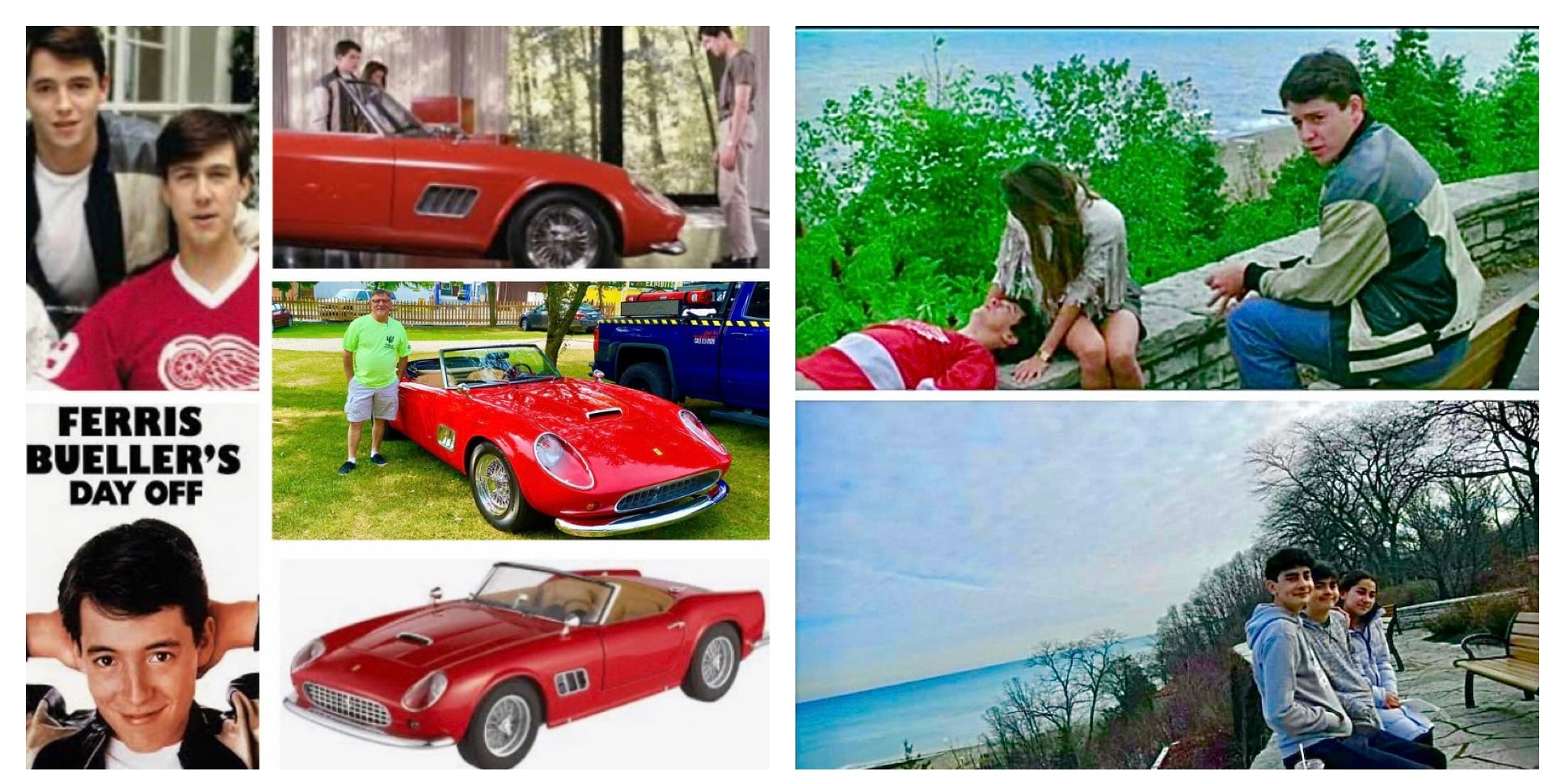
Matthew Broderick skipped school with such style that truancy became an art form. The day off in Chicago delivered wish fulfillment for every teenager who ever felt trapped by institutional expectations.
Cameron’s character arc provided emotional depth to balance Ferris’s manic energy, while Principal Rooney served as the authority figure everyone loved to hate. The movie succeeded because it celebrated rule-breaking without endorsing irresponsibility.
Ferris understood that life moved fast enough to justify occasional rebellion against boring routine. Plus, the parade sequence made civic engagement look like the most fun you could have in public.
The Princess Bride
William Goldman adapted his own novel into a story that worked as adventure, romance, comedy, and family drama simultaneously. The framing device of a grandfather reading to his sick grandson provided emotional stakes that elevated the fairy tale elements.
“Inconceivable!” became the catchphrase for situations that defied logic, while “Hello, my name is Inigo Montoya” provided the template for perfect revenge declarations. The movie delivered something for everyone without compromising its vision to please anyone.
The sword fights satisfied action fans, the romance worked for relationship believers, and the humor appealed to viewers who preferred their entertainment with a substantial dose of wit. Plus, the cast committed completely to material that could have felt ridiculous in less capable hands.
Teenage Mutant Ninja Turtles

Four reptilian martial artists lived in New York sewers while fighting crime and eating pizza. The premise sounded absurd on paper but translated into adventure entertainment that satisfied both kids who loved the cartoon and adults who appreciated the surprisingly sophisticated fight choreography.
Master Splinter provided wisdom while Shredder delivered menace, creating stakes that felt genuine despite the inherently silly concept. The movie proved that successful adaptation required understanding what made the source material work rather than trying to make it more realistic.
The Turtles kept their distinct personalities while the action sequences showcased practical effects that made their martial arts skills feel convincing rather than cartoonish.
A Christmas Story

Ralphie wanted a Red Ryder BB gun for Christmas while navigating the social disasters of childhood in 1940s Indiana. The movie delivered nostalgia for small-town America wrapped in humor that acknowledged how traumatic growing up actually felt.
The leg lamp became the symbol for adult eccentricity that kids couldn’t understand but somehow learned to accept. Families embraced this one because it captured the gap between childhood desires and adult concerns without taking sides in the conflict.
Ralphie’s parents felt like real people rather than sitcom characters. Plus, the movie suggested that family dysfunction could be endearing rather than damaging if everyone maintained their sense of humor about it.
When Magic Still Mattered

Those VHS tapes represented more than entertainment. They were the shared language of a generation, the common references that connected families across geographic and cultural divides.
The ritual of choosing a movie, inserting the tape, and gathering around the television created the kind of communal experience that streaming services have spent decades trying to recreate. These 25 titles weren’t just popular — they were essential, the building blocks of collective memory that turned individual households into part of something larger than themselves.
More from Go2Tutors!

- The Romanov Crown Jewels and Their Tragic Fate
- 13 Historical Mysteries That Science Still Can’t Solve
- Famous Hoaxes That Fooled the World for Years
- 15 Child Stars with Tragic Adult Lives
- 16 Famous Jewelry Pieces in History
Like Go2Tutors’s content? Follow us on MSN.