17 Interesting Great Depression Facts
Midnight seemed brighter than those years when despair took hold. Beginning in America during 1929, it swept nations as winter air cut through cloth – sudden, sharp.
Jobs vanished first, then meals grew scarce, lastly dreams faded under gray skies. Doors of banks sealed shut while roofs over heads slipped away just as fast.
Since then, views on wealth shifted, slowly, deeply, differently. Picture this: bits of truth about the Great Depression, ones that textbooks skip.
A few shocks. Others ache. Each shifts your view a little.
Falling Prices On Wall Street Weren’t The Only Force At Play
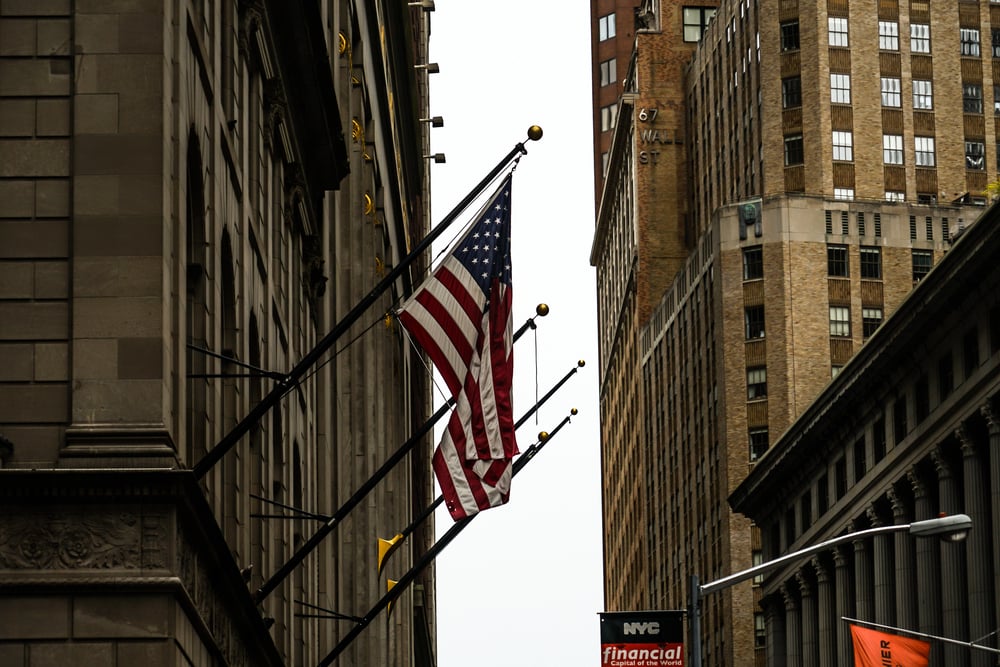
Not many realize the 1929 market collapse didn’t cause the Great Depression by itself – it simply lit a fuse already laid. Behind the scenes, shaky banking systems were struggling, while factories and farms churned out more than anyone could buy.
On top of that, heavy borrowing left households stretched thin. Once prices plunged on October 29 – later dubbed Black Tuesday – the truth surfaced: the whole structure had been wobbling long before.
That moment merely revealed what was hidden beneath.
Unemployment Hit Shocking Numbers
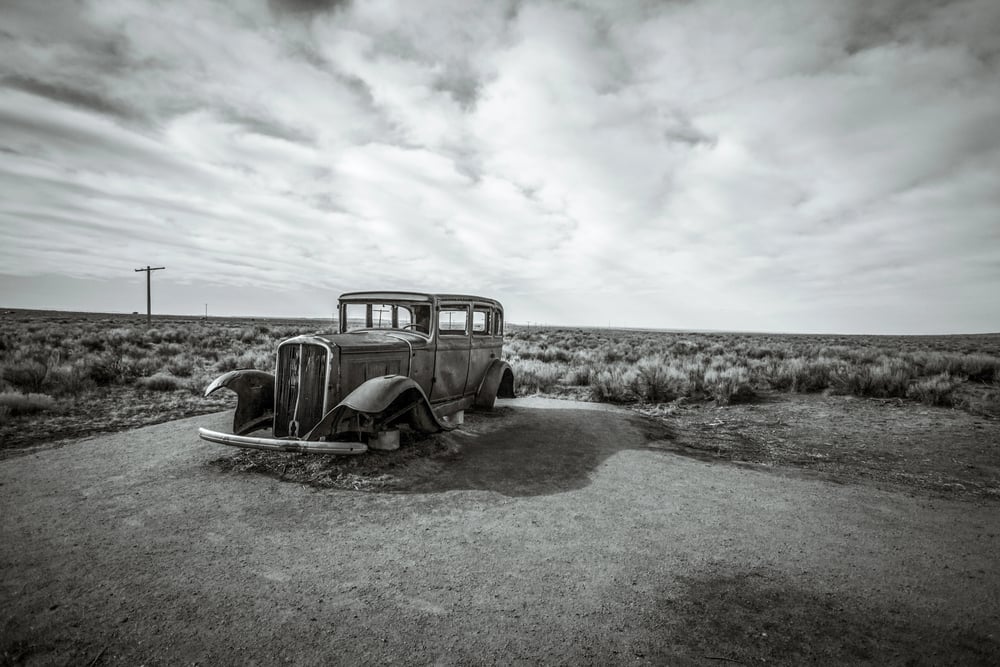
One out of every four Americans stood without work during 1933, near the worst stretch of the Great Depression. Picture walking down a sidewalk – every fourth person you passed had no paycheck coming.
Toledo, Ohio saw things spiral much further, hitting close to 80% joblessness when times tightened hardest.
Few Survived When Banks Collapsed In Vast Numbers
From 1930 to 1933, more than nine thousand U.S. banks closed their doors for good. As each bank collapsed, everyday citizens saw every penny vanish – no safety net existed back then.
People who’d spent years tucking away cash suddenly found nothing left when dawn came.
Hoover’s Name Became An Insult
Homeless camps made from junk lumber and boxes earned a nickname tied to the president blamed for hard times. Newspapers used as bedding became known by his name, since warmth came scarce.
Misery found a label through one man’s legacy when survival grew thin. Scrap materials held together hovels that bore his title across city edges.
The Dust Bowl Intensified Hardships
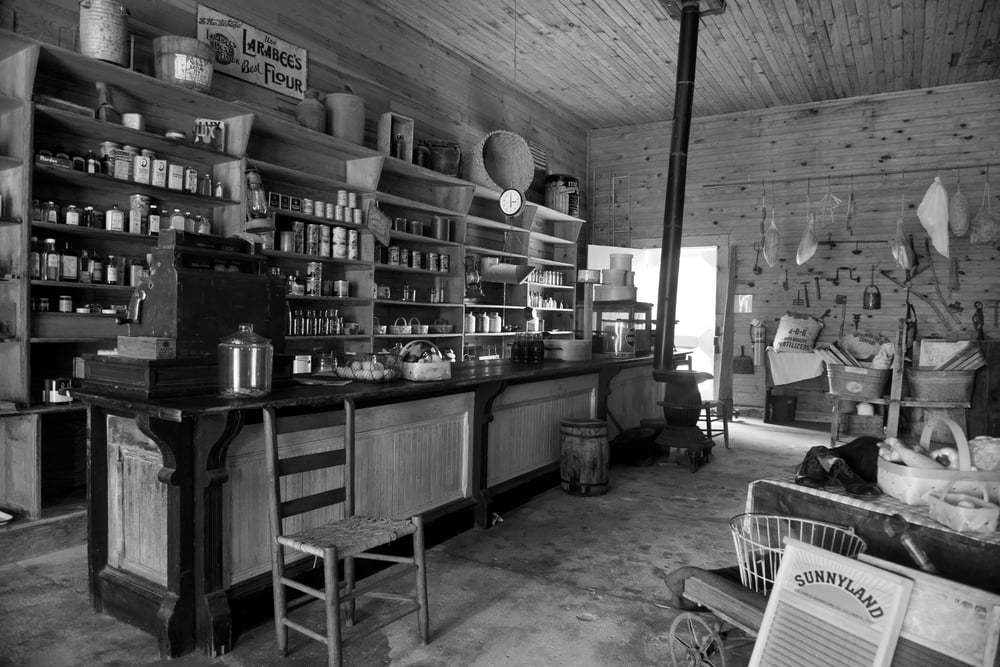
Even though money troubles had already taken hold, dry weather struck the Great Plains at the start of the 1930s, sparking the disaster called the Dust Bowl. Across Oklahoma, Texas, and Kansas, towering walls of dirt swallowed up fields, houses, and whole communities.
Because survival grew harder, more than 3.5 million individuals moved away, looking for jobs and livable soil – most aiming for California.
Children Suffered Deeply
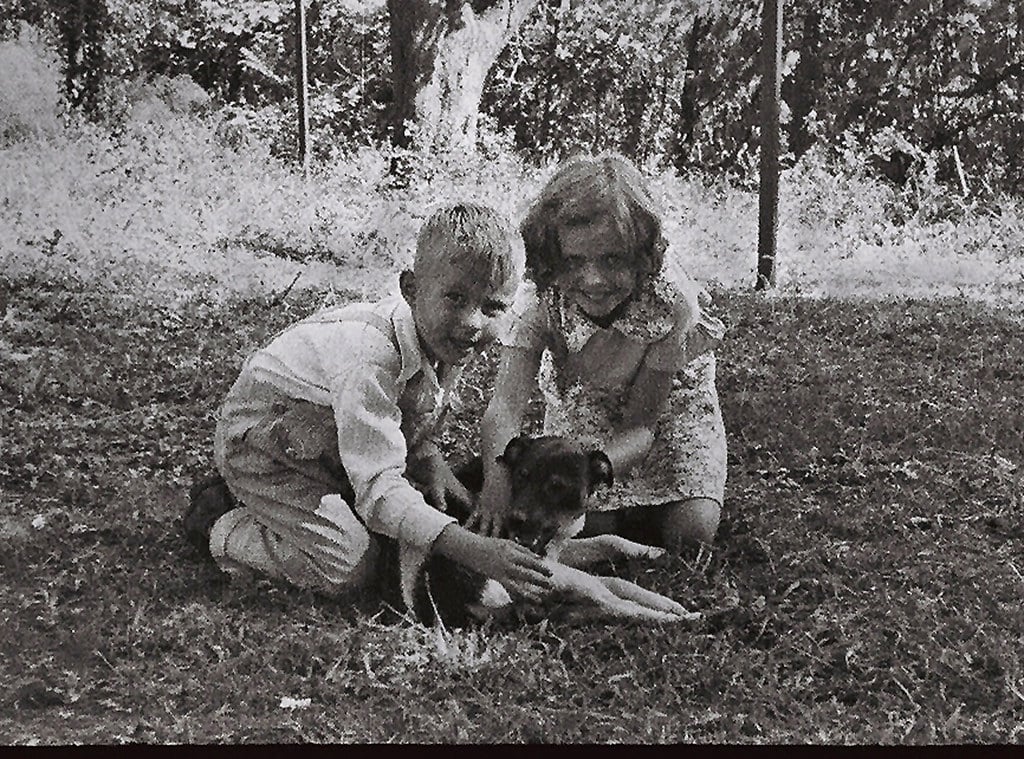
Hungry bellies were common among kids heading to class back then, yet plenty still showed up even when hunger bit hard. When cash vanished completely, whole families leaned on young ones instead, pulling them straight from lessons into labor.
Out in far corners of the land, schoolhouses went dark – no wages meant no teachers willing to come around. With nothing holding them close, countless boys and girls jumped onto moving boxcars, chasing any chance at a job.
These small travelers faced cold nights and long stretches without help, shaped too soon by what survival demanded.
Roosevelt’s New Deal Changed The Country
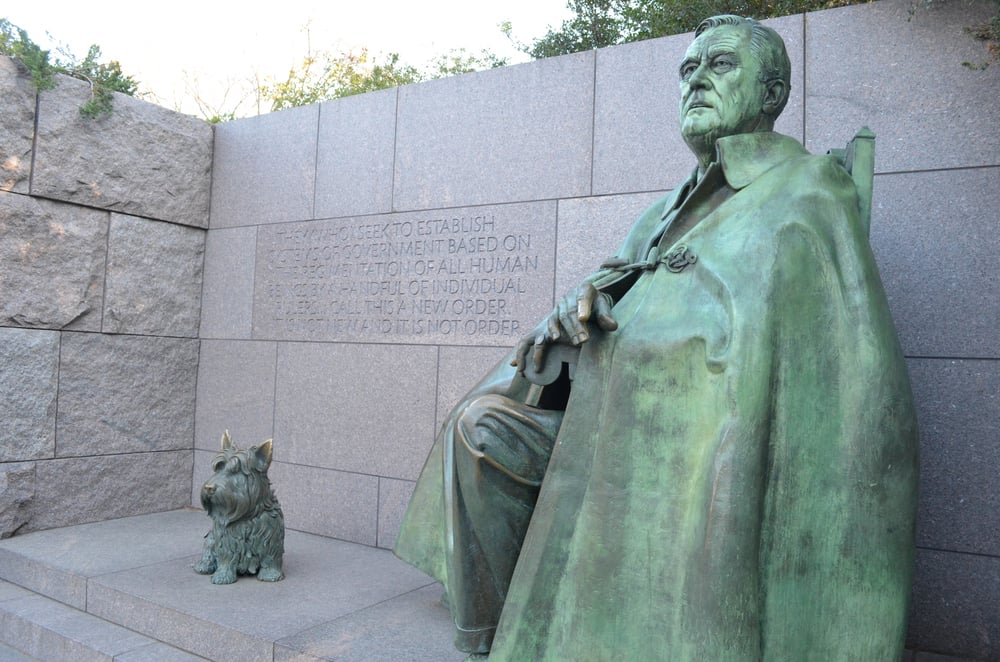
Starting in 1933, Franklin D. Roosevelt took office with the country deep in crisis. Instead of waiting, he rolled out a string of initiatives known as the New Deal.
Work crews sprang up nationwide because jobs were badly needed. Roads began taking shape, along with bridges, schools, even playgrounds.
Decades later, many of those structures keep serving communities from coast to coast. What was built then remains part of daily life now.
Soup Kitchens Fed Millions

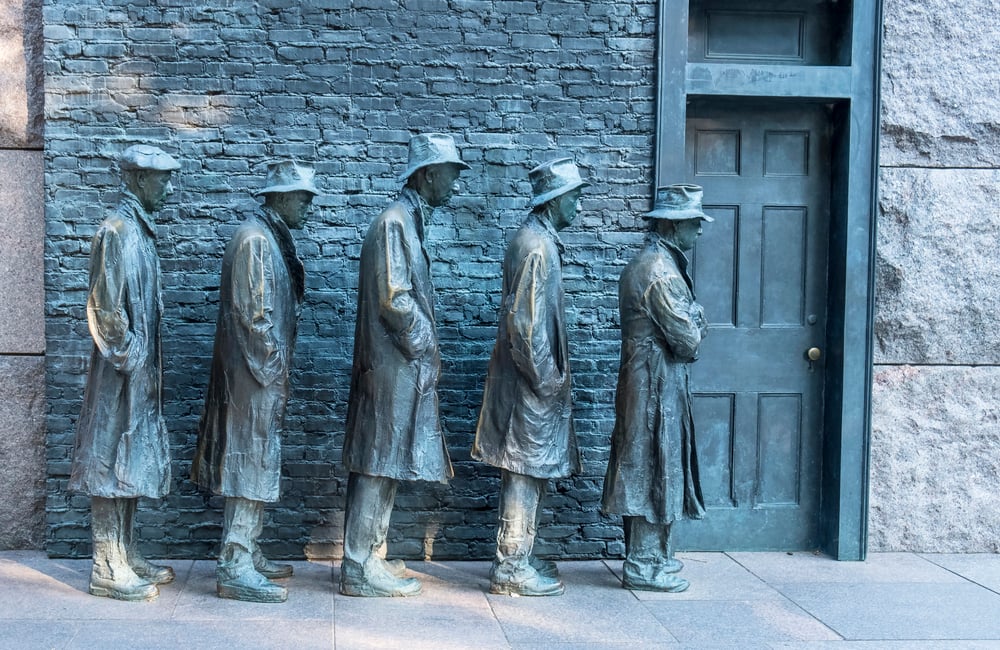
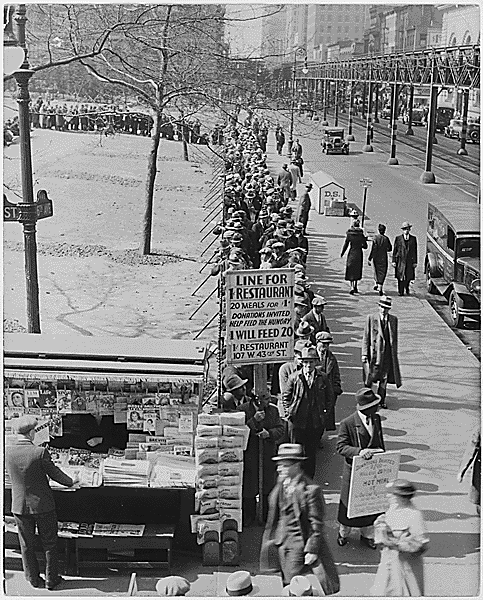
Folks without food found help when private groups, places of worship, then public agencies opened meal sites nationwide. By the worst days, lines in New York dished out close to eighty-five thousand servings each morning, noon, and night.
Waiting for a bowl became part of the day for households that once thought aid was for others. People used to self-reliance now counted on handouts just to keep going.
Hollywood Boomed While America Struggled
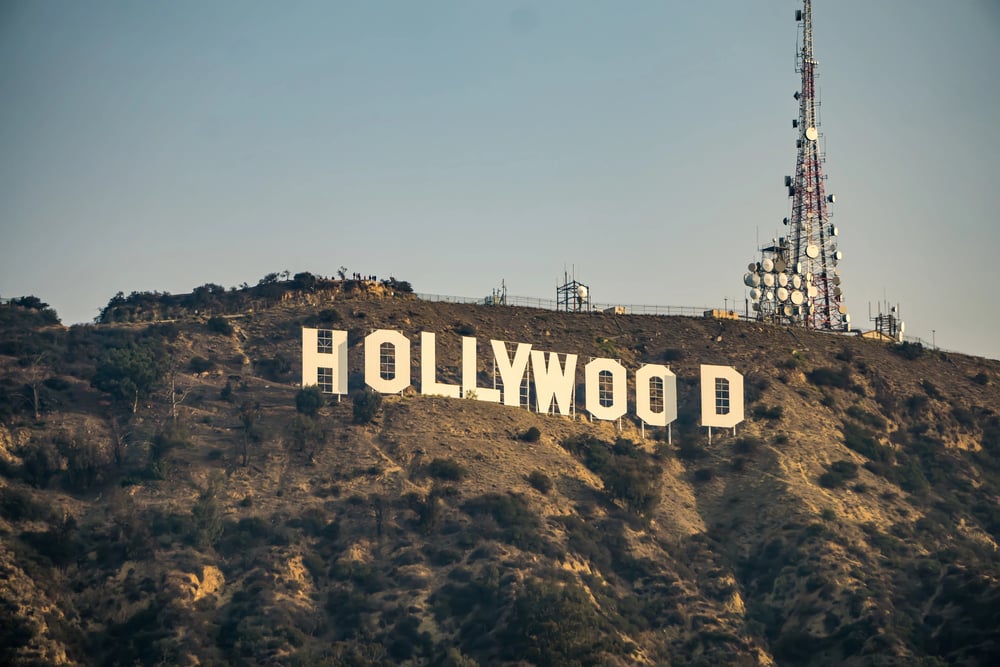
Surprisingly, the film industry actually grew during the Great Depression. Movies offered people a cheap escape from their daily hardships, with tickets costing as little as 10 cents.
Studios like MGM and Warner Bros. released some of their most beloved films during this period because audiences desperately wanted something to smile about.
The Depression Went Global Fast
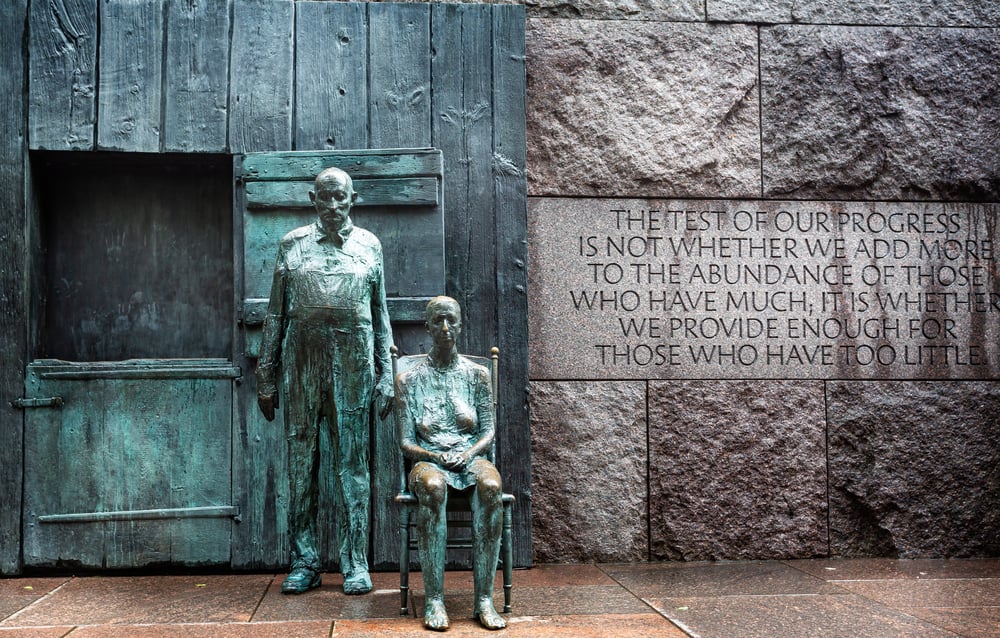
The Great Depression did not stay in America. Within a couple of years, it had spread to Europe, Latin America, and beyond, collapsing trade and causing massive unemployment worldwide.
Germany was hit especially hard, and historians argue that the economic despair there helped create the conditions for Adolf Hitler’s rise to power.
Women Entered The Workforce In New Ways
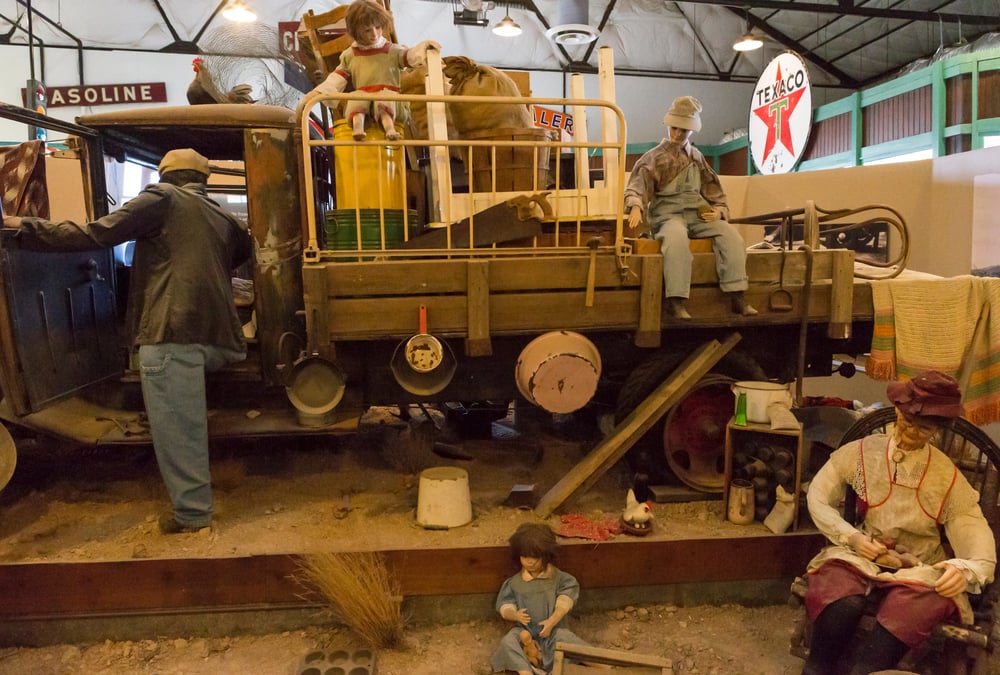
While many employers preferred to hire men during the Depression, women quietly found ways to contribute. Some took in laundry, sewing, or boarders to help their families survive.
Others moved into jobs that were considered ‘women’s work,’ like teaching and nursing, which paid less but were seen as less threatening to male workers.
Prices Dropped To Unbelievable Lows
Deflation during the Depression sent prices falling to levels that seem unbelievable today. A loaf of bread cost about 8 cents, a dozen eggs were around 18 cents, and a new car could be bought for under $600.
The problem was that most people still could not afford these low prices because they had no income at all.
The Government Started Insuring Bank Deposits
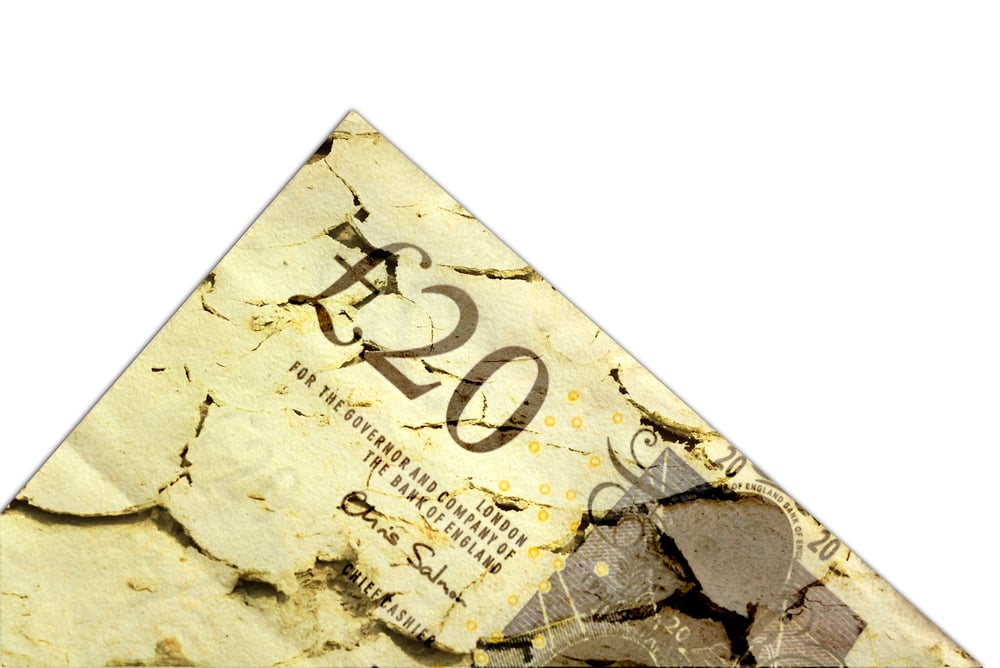
After millions of people lost their savings when banks failed, the U.S. government created the Federal Deposit Insurance Corporation, known as the FDIC, in 1933. This agency guaranteed that people’s bank deposits would be protected even if a bank went under.
That one change helped restore public trust in banks and is still protecting American savers today.
Farmers Destroyed Food While People Starved

One of the most painful contradictions of the Depression was that farmers were ordered to destroy crops and livestock to keep prices from falling even lower. Millions of pounds of food were burned or buried while city families went hungry just miles away.
It was a policy that made economic sense on paper but broke the hearts of anyone who saw it happen.
Migration Changed The American Map
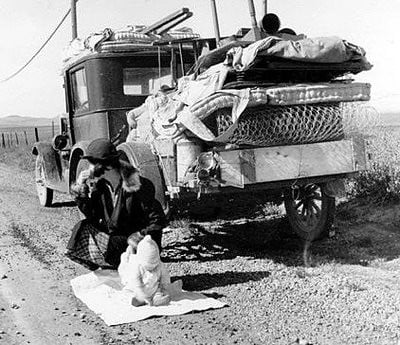
The combination of the Depression and the Dust Bowl triggered one of the largest internal migrations in American history. About 400,000 people from Oklahoma alone packed their belongings and moved to California between 1930 and 1940.
This wave of migrants, often called ‘Okies,’ changed the culture, politics, and demographics of the American West permanently.
The Depression Finally Ended Because Of War

The Great Depression did not fade away because of economic recovery alone. It was World War II that truly ended it, as massive government spending on weapons, ships, and supplies put millions of Americans back to work almost overnight.
By 1941, unemployment had dropped sharply, and factories were running at full capacity again, producing everything from boots to bombers.
Crime Rates Shifted In Unexpected Ways
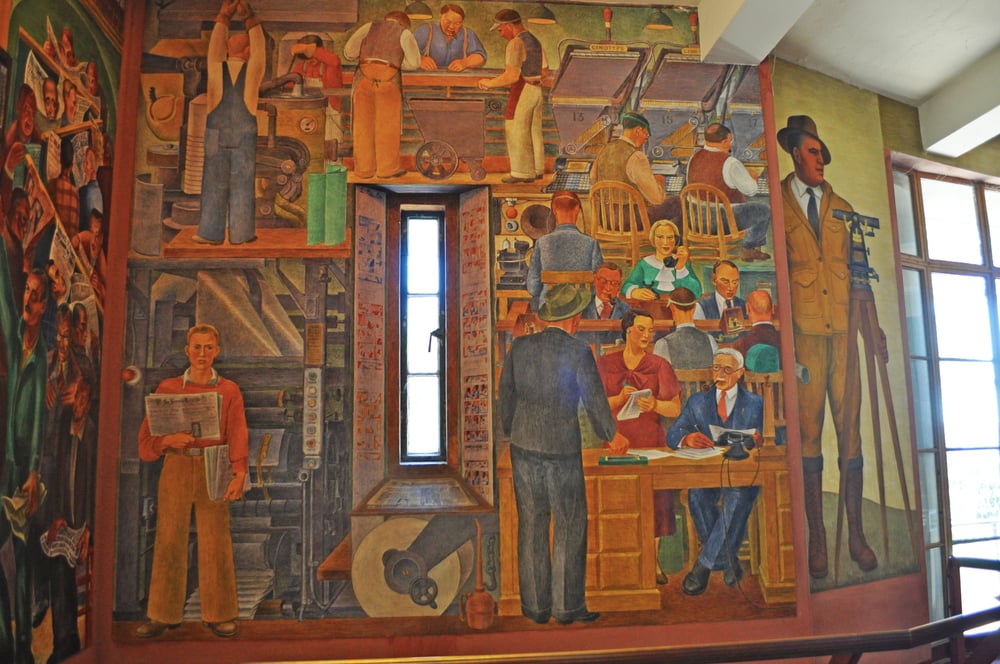
Not everyone realizes it, yet crime overall didn’t spike wildly during the Depression. While shoplifting small items climbed because folks needed food and essentials, violence in urban areas held steady in plenty of places.
Instead, arrests for wandering without shelter shot upward – being visibly destitute now looked suspicious to authorities. Poverty started showing up behind bars, treated less like hardship and more like wrongdoing.
What The Depression Still Teaches Today
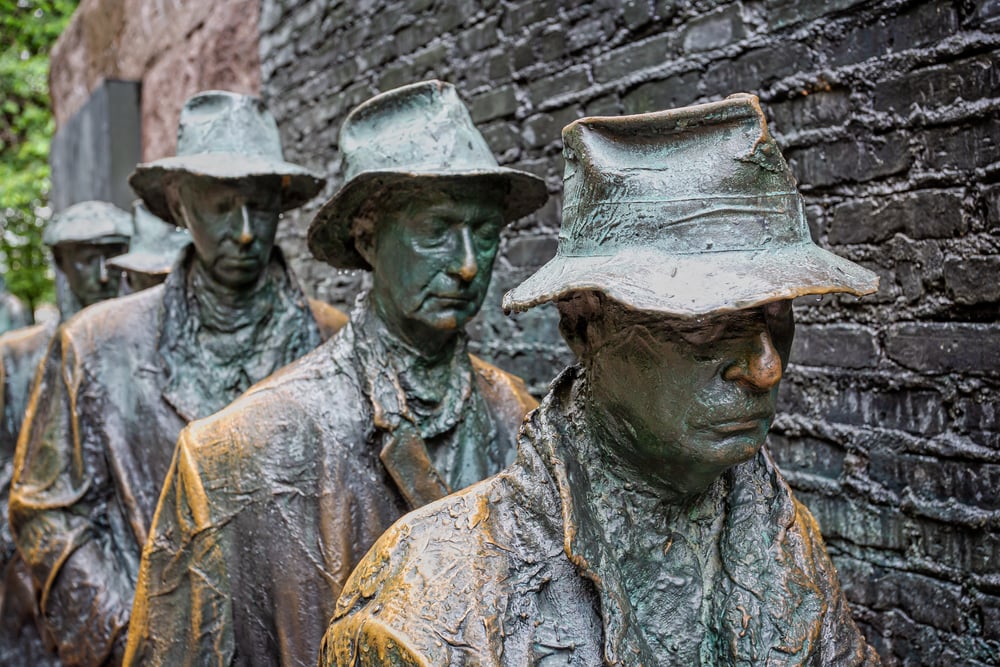
The Great Depression left behind lessons that shaped every major economy in the world. The safety nets people rely on today, like unemployment benefits, bank deposit insurance, and social security, all came directly out of the suffering of that era.
It is a reminder that economies are fragile, governments have a real role to play in protecting people, and ordinary families always pay the highest price when systems fail. The Depression did not just reshape America.
It rewired how the world thinks about money, safety, and responsibility.
More from Go2Tutors!

- The Romanov Crown Jewels and Their Tragic Fate
- 13 Historical Mysteries That Science Still Can’t Solve
- Famous Hoaxes That Fooled the World for Years
- 15 Child Stars with Tragic Adult Lives
- 16 Famous Jewelry Pieces in History
Like Go2Tutors’s content? Follow us on MSN.



