16 Odd Facts About Astronaut Food Diets
Space food has come a long way since the early days when astronauts squeezed mysterious paste from toothpaste-like tubes. What started as a scientific uncertainty about whether humans could even eat in space has evolved into a sophisticated system that keeps astronauts fed, healthy, and reasonably satisfied while orbiting Earth.
The journey from pureed beef in aluminum tubes to fresh lettuce grown aboard the International Space Station reveals some truly bizarre and fascinating facts about dining beyond our planet. From smuggled sandwiches that nearly caused disasters to the surprising ways microgravity affects your sense of taste, astronaut nutrition involves challenges most of us never consider.
Here is a list of 16 odd facts about how astronauts eat, what they consume, and the strange science behind keeping humans fed in the final frontier.
The First Space Food Was Basically Toothpaste
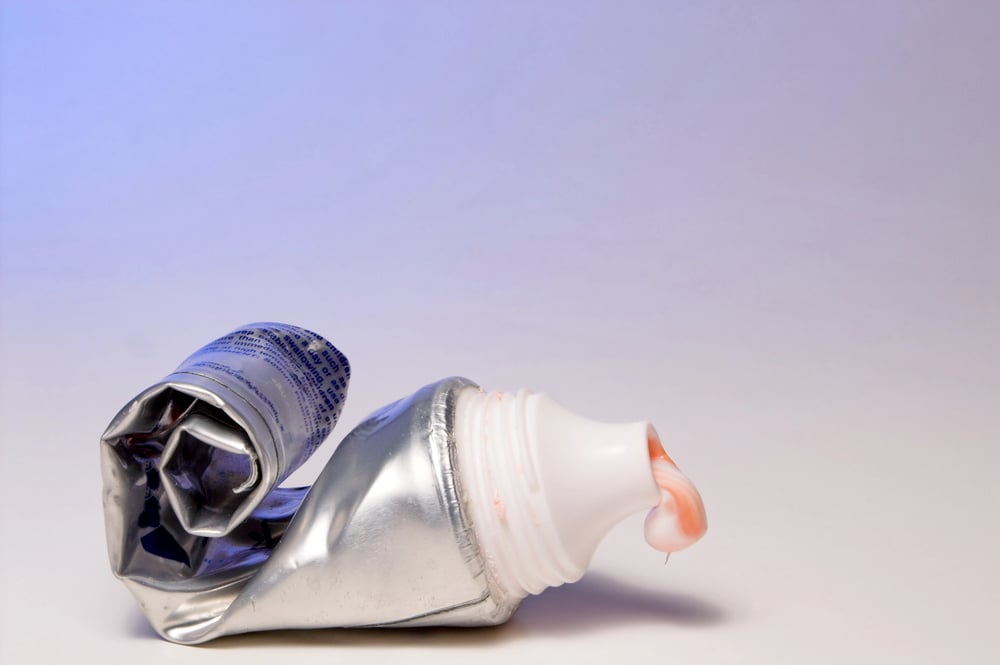
Soviet cosmonaut Yuri Gagarin made history as the first human to eat in space, squeezing beef and liver paste from an aluminum tube into his mouth. For dessert, he had chocolate sauce using the same appetizing method.
Scientists weren’t even sure if swallowing in zero gravity was possible before Gagarin proved it could be done. John Glenn became the first American to eat in space, consuming applesauce from a toothpaste-like tube, which sounds about as glamorous as it was.
A Smuggled Corned Beef Sandwich Nearly Caused Chaos
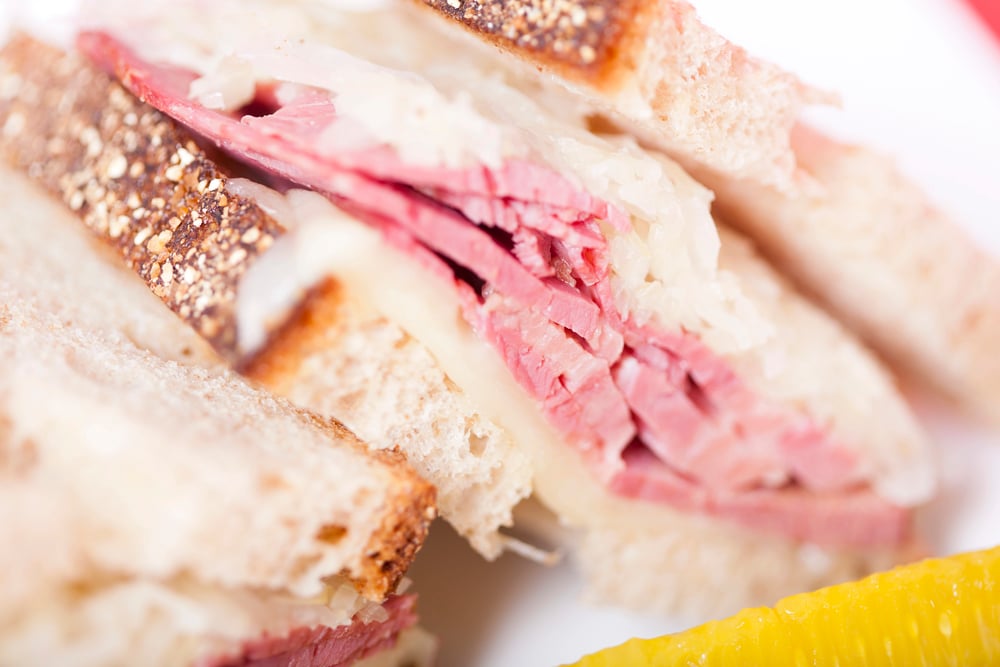
During Gemini 3, astronaut John Young surprised fellow astronaut Virgil Grissom with a corned beef sandwich on rye he purchased at a delicatessen. The sandwich didn’t handle zero gravity well and started falling apart, creating floating crumbs that could have damaged sensitive equipment or gotten into the astronauts’ eyes and lungs.
Young quickly stuffed it back in his pocket, but NASA wasn’t amused and implemented strict food policies to prevent future sandwich smuggling adventures.
Astronauts Can’t Burp Properly in Space

The lack of gravity in space means the air in astronauts’ stomachs doesn’t separate and rise up from ingested food. This creates uncomfortable gas buildup since there’s no buoyancy to help air bubbles rise to the top of the stomach like they do on Earth.
It’s one of those bodily functions we take for granted until gravity disappears and makes everything weird.
Space Makes Everything Taste Like Hospital Food
Microgravity causes body fluids to shift around differently, creating a sensation similar to having a head cold. This leaves many foods tasting bland, so astronauts prefer piquant and hot foods such as peppers and spicy flavors like horseradish or wasabi.
Hot sauce is a staple on the International Space Station, with astronauts reaching for Tabasco and other fiery condiments to wake up their dulled taste buds.
Salt and Pepper Become Liquid in Space
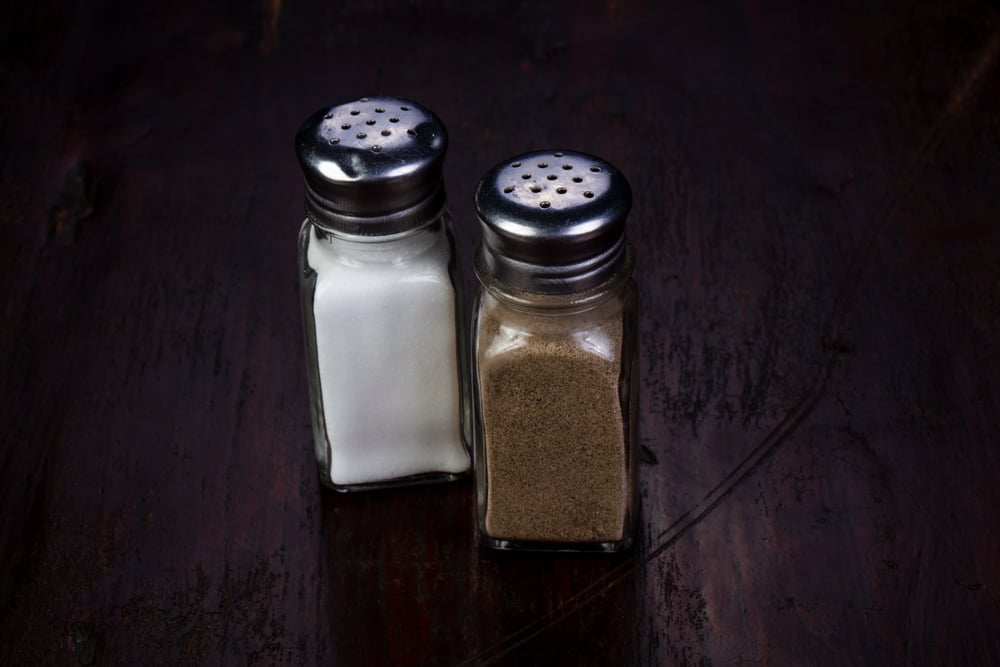
Salt and pepper, which come in granule form on earth, are made into liquids so they do not scatter in the microgravity environment of space. Floating granules could get into astronauts’ eyes, damage equipment, or be inhaled.
This means astronauts squeeze their seasonings from bottles rather than shaking them from shakers, which sounds oddly futuristic and mundane at the same time.
The Famous ‘Astronaut Ice Cream’ Never Actually Went to Space
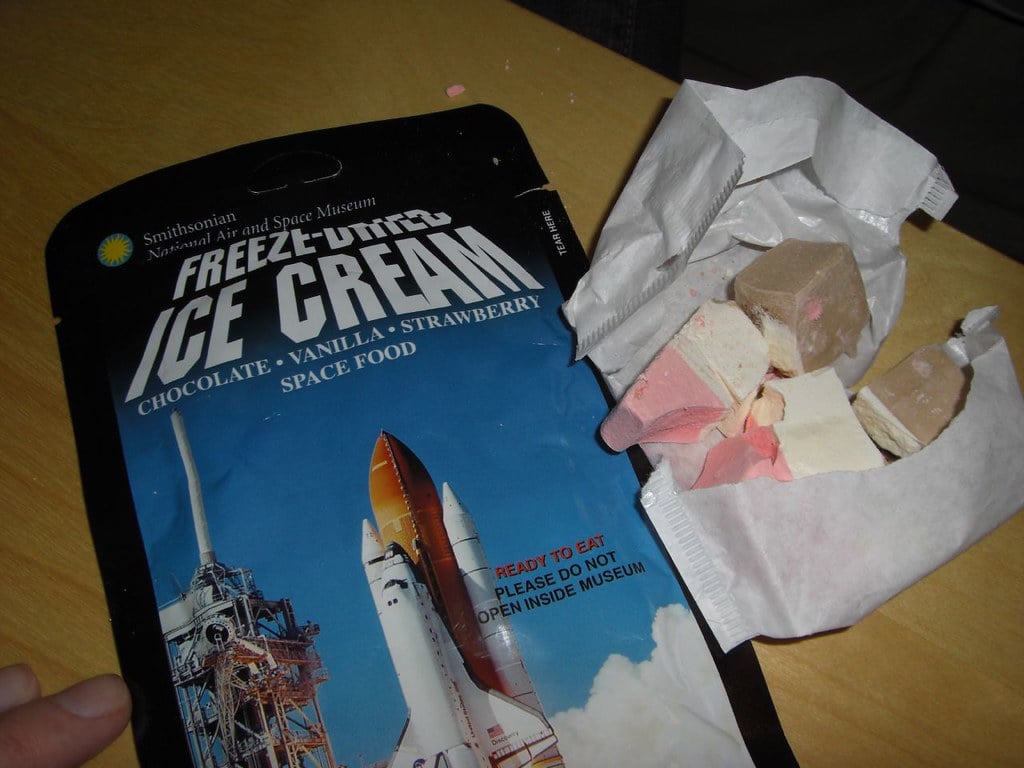
Despite being sold in every space museum gift shop, freeze-dried ice cream was developed for the Apollo missions but was considered too crumbly and messy for actual space consumption. The irony is that one of the most popular ‘space foods’ on Earth has never been eaten by astronauts in space.
It remains a terrestrial treat that just sounds like it should have gone to the stars.
Astronauts Must Eat 3,000 Calories Daily
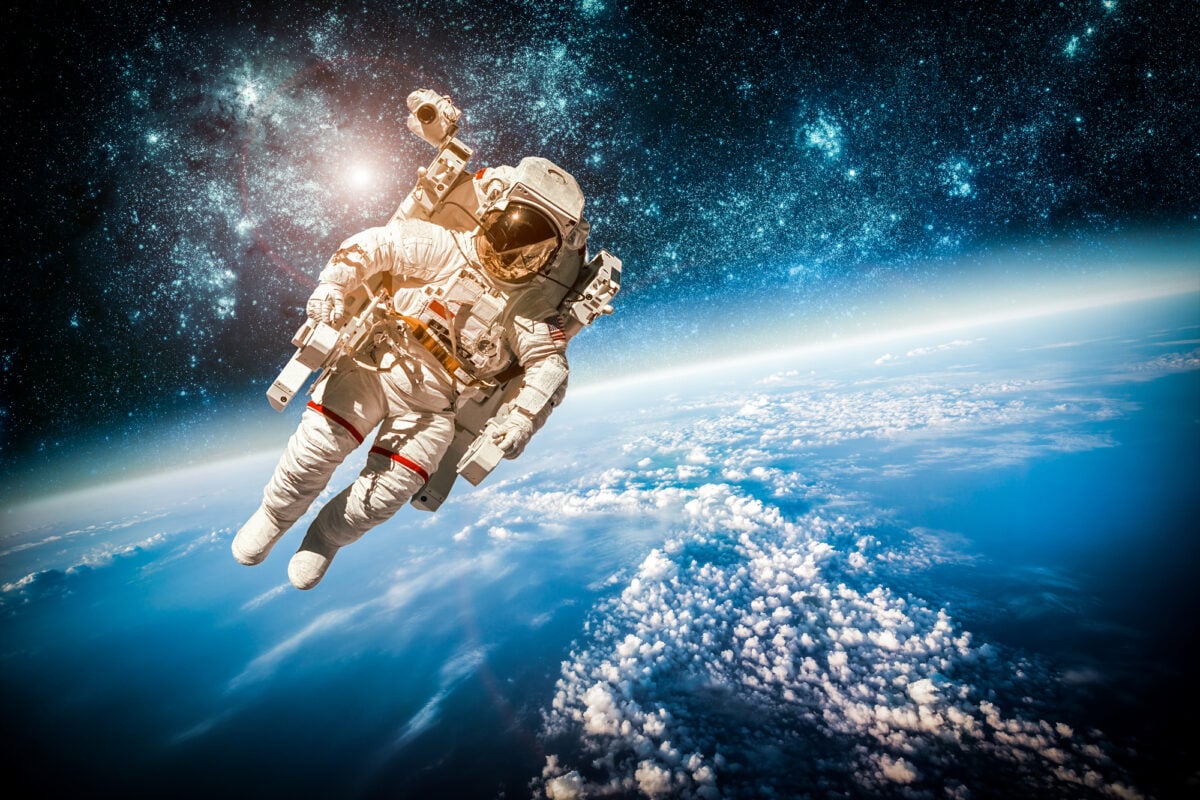
With a daily target of about 3,000 calories, astronauts’ diets are designed to combat bone loss, a common issue in microgravity. They need extra energy because they exercise for about two hours daily to prevent muscle and bone deterioration.
NASA avoids sodium-heavy foods, as they can make bone loss worse, which explains why space food often tastes different from what we’re used to on Earth.
The First Food Grown in Space Was Potatoes
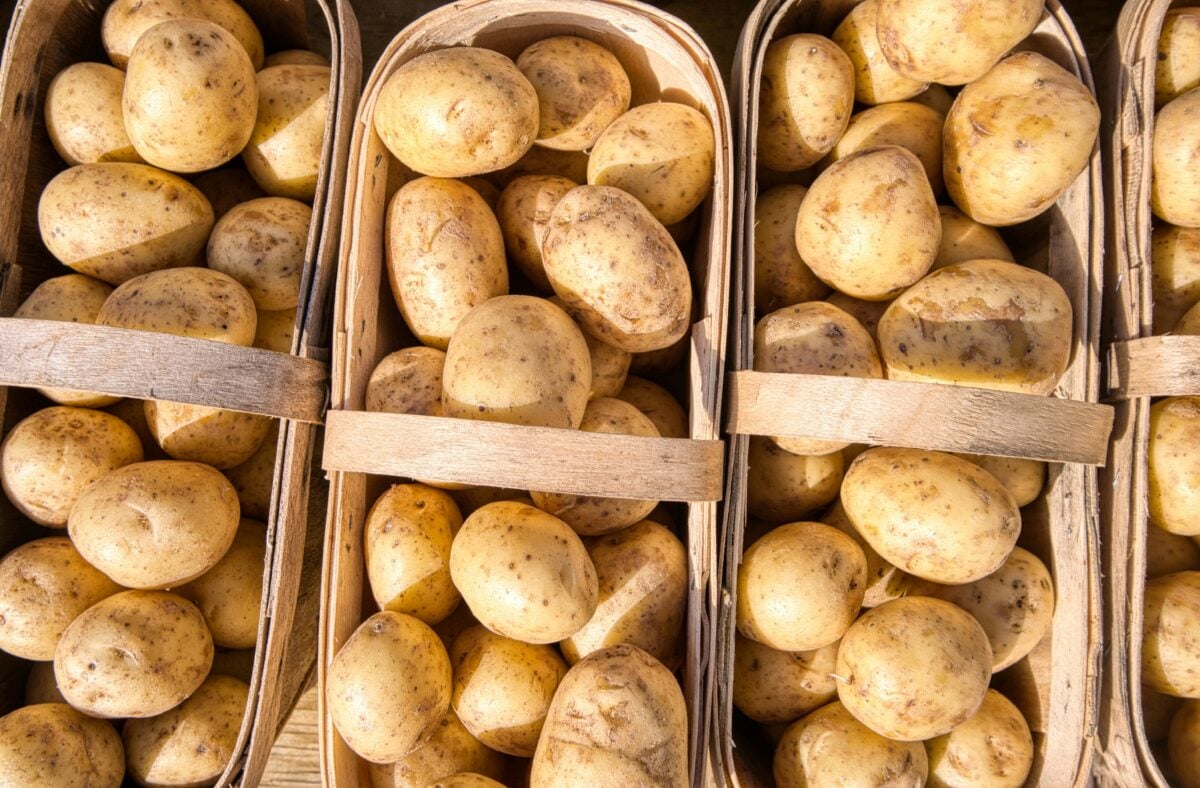
In October 1995, the University of Wisconsin, Madison, created the technology to plant food in space, and potatoes were the first food grown there. The goal was to feed astronauts on long space voyages, paving the way for future Mars missions where fresh food will be essential.
Now astronauts regularly grow and eat fresh lettuce, radishes, and other crops aboard the International Space Station.
Tang Wasn’t Invented for Space Travel
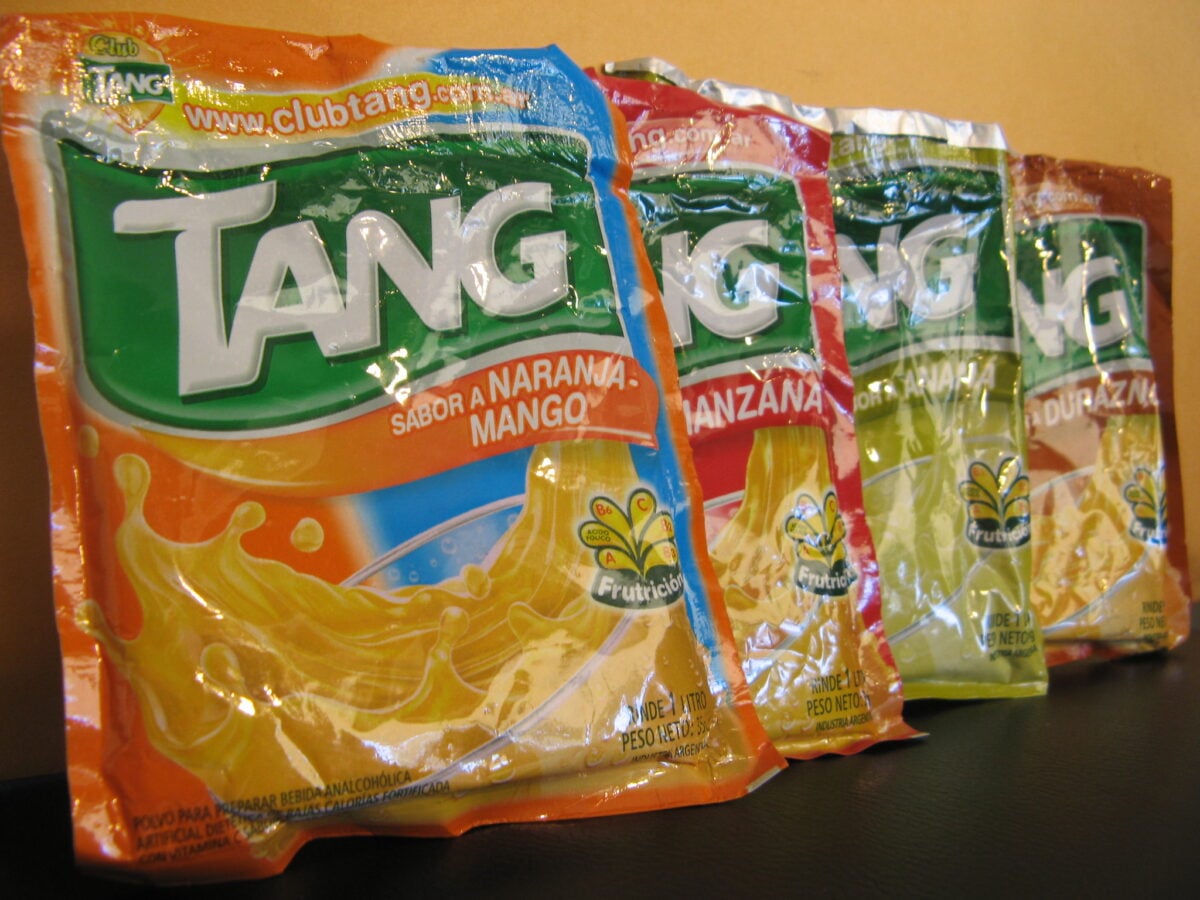
Contrary to popular belief, Tang wasn’t created by NASA for astronauts. Tang was not invented by NASA or for space travel, but it did become a household name after it was used by the early Mercury, Gemini and Apollo astronauts to make the water that was produced in space taste much better.
The powdered drink just happened to be perfect for space use and got famous by association.
Different Countries Bring Their Cultural Foods to Space
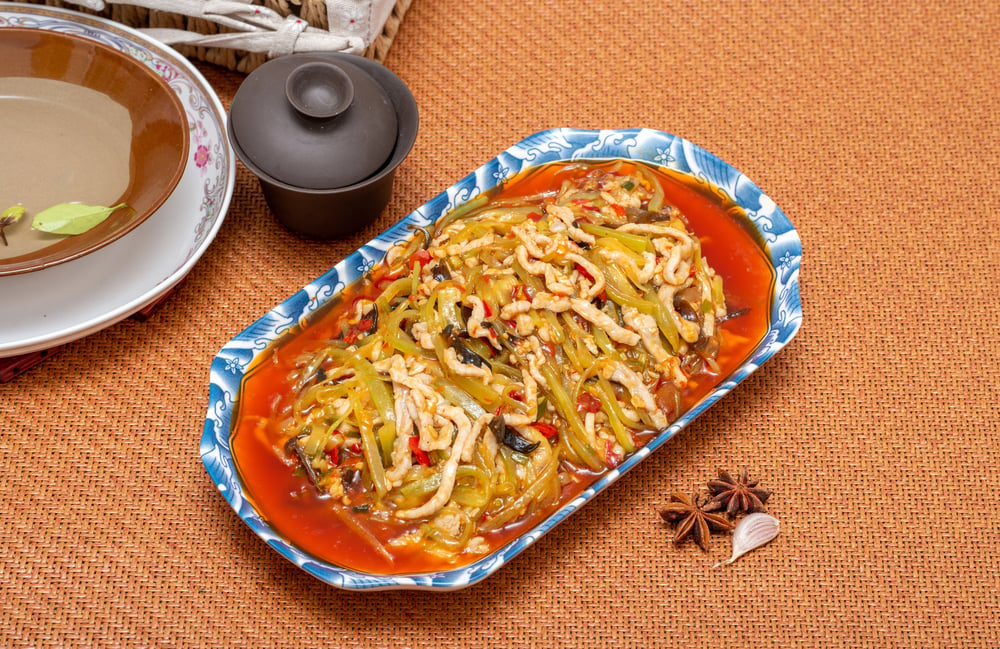
When China launched into orbit in 2003 for the first time, Yang Liwei brought yuxiang pork, Kung Pao chicken, rice and Chinese herbal tea. Japan sends sushi, ramen, yokan and rice with ume for its astronauts. Russian astronauts enjoy traditional foods like borsch, goulash, and spiced perch.
This cultural food sharing helps astronauts feel connected to home and introduces crew members to different cuisines.
Astronauts Have Emergency Liquid Food Systems
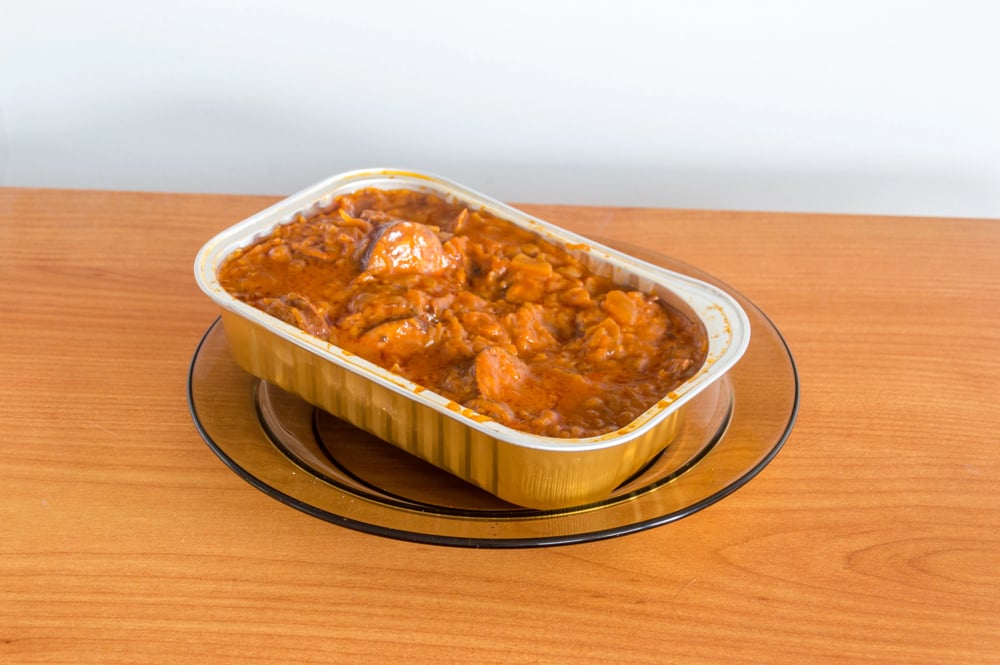
The Contingency Feeding System, carried on Apollo 11, would have allowed an astronaut to eat liquid foods through a small port in their helmet in case of an emergency. This system was designed for situations where the spacecraft cabin became depressurized and astronauts had to live in their spacesuits.
Thankfully, it was never needed, but it shows how much planning goes into every possible scenario.
Food Packages Have Bar Codes to Track Astronaut Diets
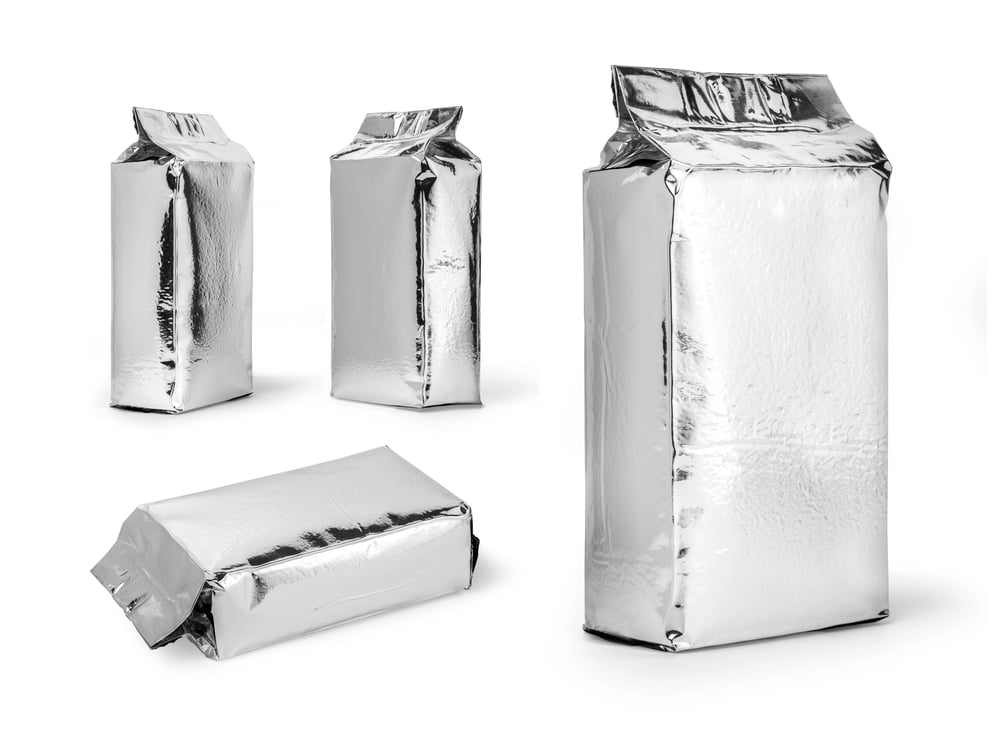
The packaging includes a bar-coded label, which allows for the tracking of an astronaut’s diet. Mission Control monitors exactly what each astronaut eats to ensure they’re getting proper nutrition during their stay in space.
It’s like having a very high-tech nutritionist keeping tabs on every bite you take, except the stakes involve staying healthy in an environment where medical help is 250 miles away.
Some Space Food Comes in Actual Cans
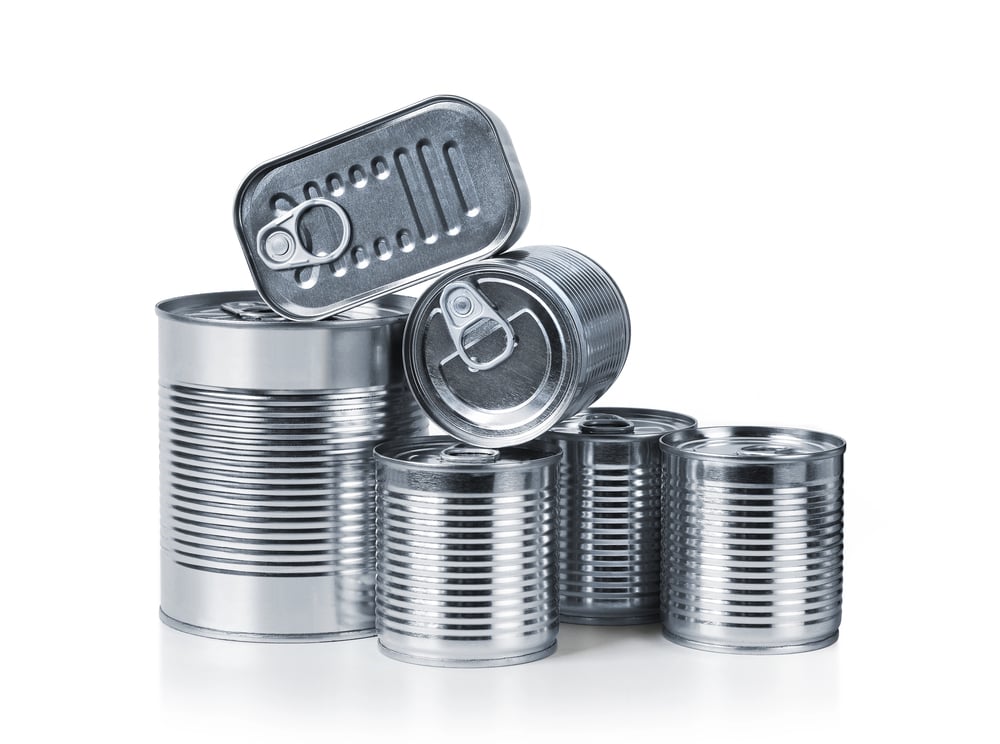
Many foods from the Russian space program are packaged in cans and tins. These are heated through electro-resistive (ohmic) methods, opened with a can-opener, and the food inside consumed directly.
While NASA uses mostly pouch-based foods, Russian cosmonauts still crack open cans like they’re camping, except their campsite happens to be orbiting Earth at 17,000 miles per hour.
Fresh Food Must Be Eaten Within Two Days
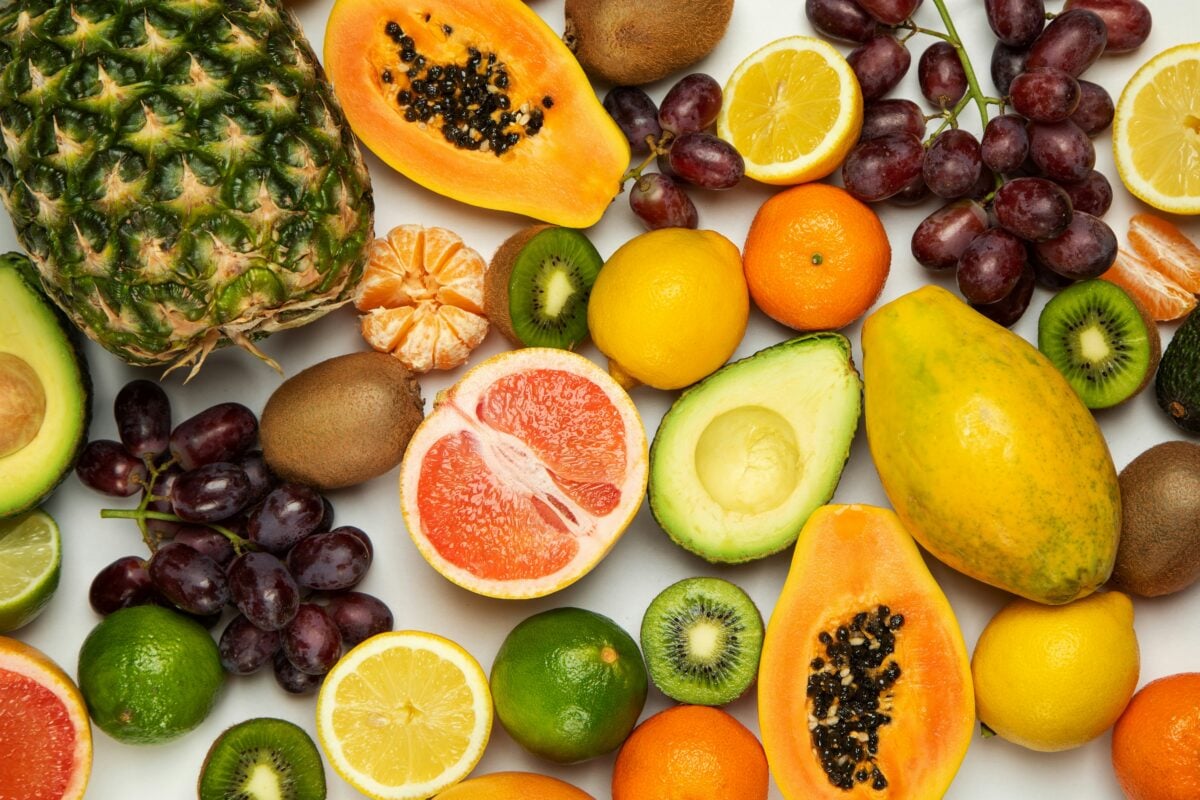
Fresh fruits, vegetables, and tortillas delivered by resupply missions spoil quickly and need to be eaten within the first two days of the package’s arrival to the ISS to prevent spoilage. These fresh foods serve as psychological support for astronauts who may not return home for extended periods.
There’s something deeply human about craving a fresh apple when you’re floating in a metal tube surrounded by the vacuum of space.
Astronauts Can’t Have Bread Because of Crumbs
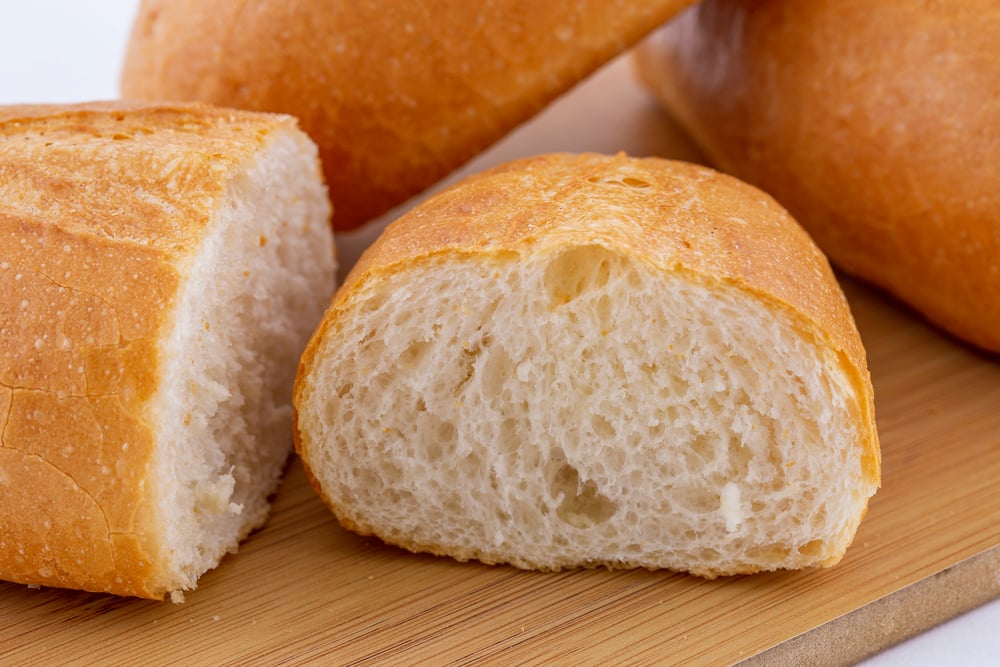
Regular bread creates crumbs that float around in microgravity and can damage equipment or be inhaled by crew members. Instead, astronauts use tortillas, which don’t crumble and can be wrapped around other foods like a space burrito.
It’s one of those simple Earth foods that just doesn’t work in space, forcing astronauts to get creative with their sandwich alternatives.
Rice Is Considered a ‘Total Disaster’ in Space
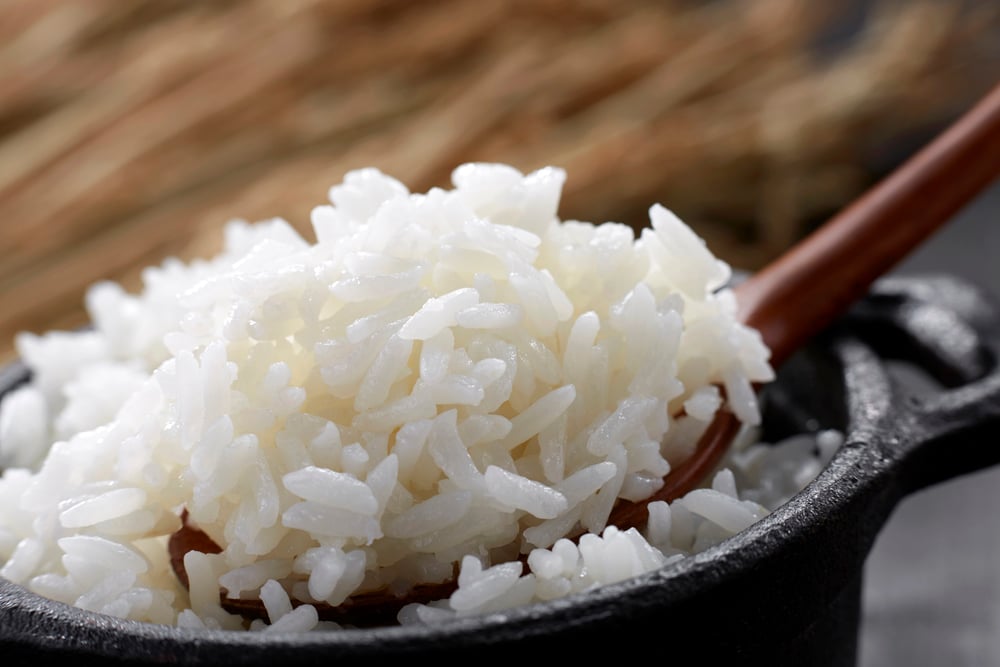
Some foods are best avoided entirely—like rice, which astronaut Kjell Lindgren described as a ‘total disaster’ in zero gravity. Individual rice grains float everywhere and are nearly impossible to contain or clean up.
It’s remarkable how something as basic as rice, a staple food for billions of people on Earth, becomes an absolute nightmare 250 miles above the planet.
From Tubes to Tables
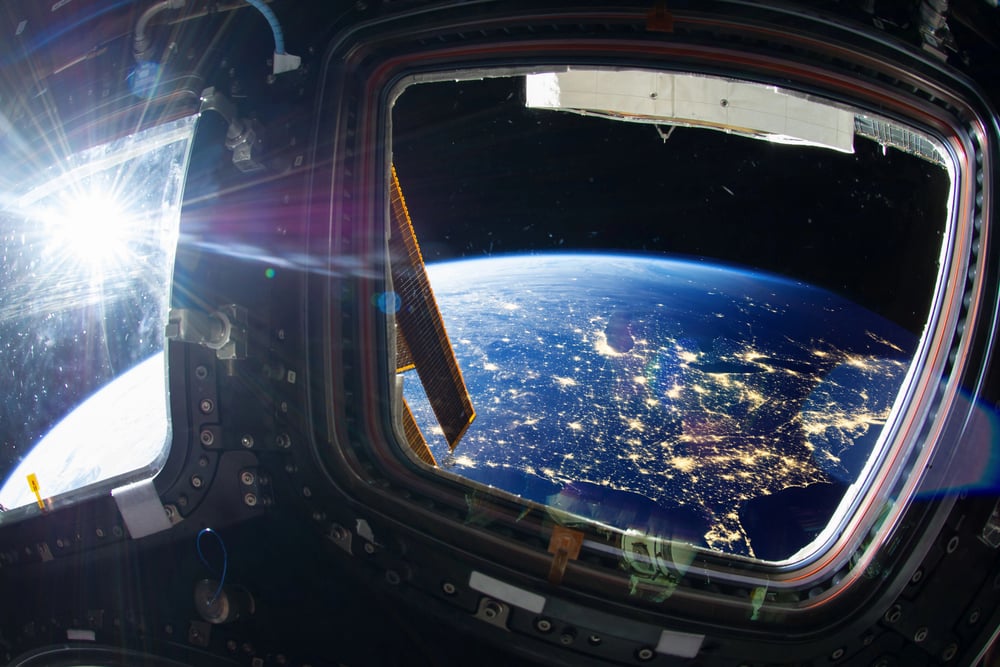
What began as a terrifying unknown—whether humans could even eat in space—has transformed into a sophisticated system that nourishes astronauts while connecting them to their cultures and home planet. The evolution from Gagarin’s beef paste tubes to fresh lettuce grown in space mirrors humanity’s growing confidence in our ability to thrive beyond Earth.
Today’s astronauts enjoy meals that would seem luxurious compared to those early space explorers, yet they still face unique challenges that remind us how much we take for granted about simply eating dinner. As we prepare for longer missions to Mars and beyond, these odd facts about space food highlight both how far we’ve come and how much more we need to learn about keeping humans well-fed among the stars.
More from Go2Tutors!

- The Romanov Crown Jewels and Their Tragic Fate
- 13 Historical Mysteries That Science Still Can’t Solve
- Famous Hoaxes That Fooled the World for Years
- 15 Child Stars with Tragic Adult Lives
- 16 Famous Jewelry Pieces in History
Like Go2Tutors’s content? Follow us on MSN.



