15 New Words Added in the Dictionary in the Past 10 Years
Language never stops changing. Every year, new words pop up in conversations, text messages, and social media posts, and eventually, they make their way into official dictionaries.
These additions reflect how people communicate, what they care about, and how culture shifts over time. Let’s take a look at some of the newest entries that have earned their place in the dictionary over the last decade.
Ghosting

Breaking off communication without any explanation became so common that it needed its own word. Ghosting happens when someone suddenly stops responding to messages, calls, or any form of contact, leaving the other person confused and wondering what went wrong.
The term started in the dating world but quickly spread to friendships and even professional relationships. Now everyone knows exactly what you mean when you say someone ghosted you.
Binge-Watch

Streaming services changed how people consume television, and this word captures that shift perfectly. Binge-watching means sitting down and watching multiple episodes of a show in one sitting, sometimes an entire season in a weekend.
Before streaming platforms made this easy, people had to wait a week between episodes. Now the temptation to click ‘next episode’ at 2 a.m. on a work night is a universal struggle.
Selfie

Taking a photo of yourself with your phone became such a massive part of modern life that the Oxford English Dictionary named this word of the year back in 2013. Selfies are everywhere, from casual snapshots to carefully staged photos with perfect lighting.
The word itself sounds playful and informal, which fits the casual nature of snapping a quick picture of your face. Front-facing cameras on phones made selfies easier, and social media gave people a place to share them instantly.
Adulting

Growing up comes with responsibilities that nobody really prepares you for, and this word captures that experience. Adulting refers to doing the boring but necessary tasks that come with being a grown-up, like paying bills, doing laundry, or figuring out taxes.
Young people started using it as a joking way to acknowledge that they’re handling responsibilities even when they don’t feel ready. It turns the noun ‘adult’ into a verb, which shows how flexible English can be.
Hangry

Anyone who has ever been in a bad mood because they skipped a meal understands this word immediately. Hangry combines ‘hungry’ and ‘angry’ to describe that specific irritability that comes from low blood sugar.
Scientists have actually studied this phenomenon and confirmed that hunger affects mood and decision-making. The word took something people experienced all the time and gave it a name that everyone could relate to.
Clickbait

Online headlines that promise shocking revelations or unbelievable stories just to get people to click on them earned their own term. Clickbait uses sensational language and often disappoints readers with content that doesn’t match the hype.
These headlines usually tease information without giving it away, like ‘You won’t believe what happened next’ or ‘Number seven will shock you.’ The practice became so widespread that people needed a word to call it out.
Photobomb

Jumping into someone else’s picture at the last second, either accidentally or on purpose, became a recognized act with its own name. Photobombing can be funny, annoying, or sometimes perfectly timed to create a memorable image.
The word follows the pattern of other ‘bomb’ terms that describe sudden, disruptive actions. Digital cameras and smartphones made photography so common that photobombing opportunities are everywhere.
Mansplaining

This word describes when a man explains something to a woman in a condescending way, often assuming she knows less than she actually does. The term highlights a specific type of patronizing behavior that many women encounter regularly.
It combines ‘man’ and ‘explaining’ to create a word that calls out this behavior directly. The addition of this word to dictionaries sparked debates about gender dynamics and communication styles.
Stan

Originally inspired by an Eminem song about an obsessed fan, this word evolved into both a noun and a verb. As a noun, a stan is an extremely devoted fan of a celebrity, band, or franchise.
As a verb, to stan someone means to support them enthusiastically and defend them online. The word captures the intensity of modern fandom culture, especially on social media where fans organize, create content, and engage with their favorites constantly.
FOMO

The fear of missing out became so universal in the social media age that its acronym entered the dictionary. FOMO describes the anxiety people feel when they see others doing something fun or interesting and worry they’re being left out.
Social media feeds full of parties, trips, and events can trigger this feeling even when people are perfectly happy with their own plans. The term acknowledges a very modern problem that comes from constant connectivity.
Cryptocurrency

Digital currency that uses encryption technology to secure transactions needed a name as it became more mainstream. Cryptocurrency operates independently of central banks and governments, using blockchain technology to track ownership and transfers.
Bitcoin brought the concept into public awareness, but hundreds of other cryptocurrencies followed. The word entered dictionaries as these digital assets moved from niche technology circles into broader financial discussions.
Crowdfunding

Raising money from a large number of people, usually through online platforms, became a new way to fund projects, businesses, and personal causes. Crowdfunding democratized funding by letting creators pitch directly to potential supporters instead of going through traditional investors or banks.
Platforms like Kickstarter and GoFundMe made this approach accessible to anyone with an internet connection. The word describes a funding model that didn’t really exist before the internet made it practical.
Unfriend

Out there among digital ties, fresh ways of connecting brought along fresh ways of disconnecting. Removing someone from your circle online might look like just clicking a button – yet feelings often tag along.
When that person shows up at parties or shares memories, hitting unfriend stirs more than silence. Facebook made the phrase common, even if others do nearly the same thing by another name.
What one site called unfriending, another might call blocking, muting, or stepping away.
Vape

Vapor rises when e-cigarettes warm flavored liquid, skipping smoke entirely. That shift sparked a fresh term slipping easily into conversation.
Instead of describing gadgets with long phrases, folks now just say they vape. Popularity climbed fast, especially in schools and social spots.
Shorter syllables helped it stick where longer words would fade. Headlines picked it up, then doctors started using it too.
Influencer

Nowadays, a fresh kind of fame emerges through screens, where popularity grows not from TV but from posts and videos. These individuals shape choices – what to buy, what to believe – not by ads, but simply by sharing daily moments.
Instead of studios or networks, their stage is Instagram, YouTube, TikTok, places where trust builds one scroll at a time. Brands notice, team up, send messages woven into casual content.
Fame slips loose from old gatekeepers, finds new homes in bedrooms turned sets. Numbers sometimes dwarf those of movie stars; reach expands without red carpets.
Cultural shifts start quietly – in dances, rants, unboxing clips – then ripple outward.
Words That Stick Around
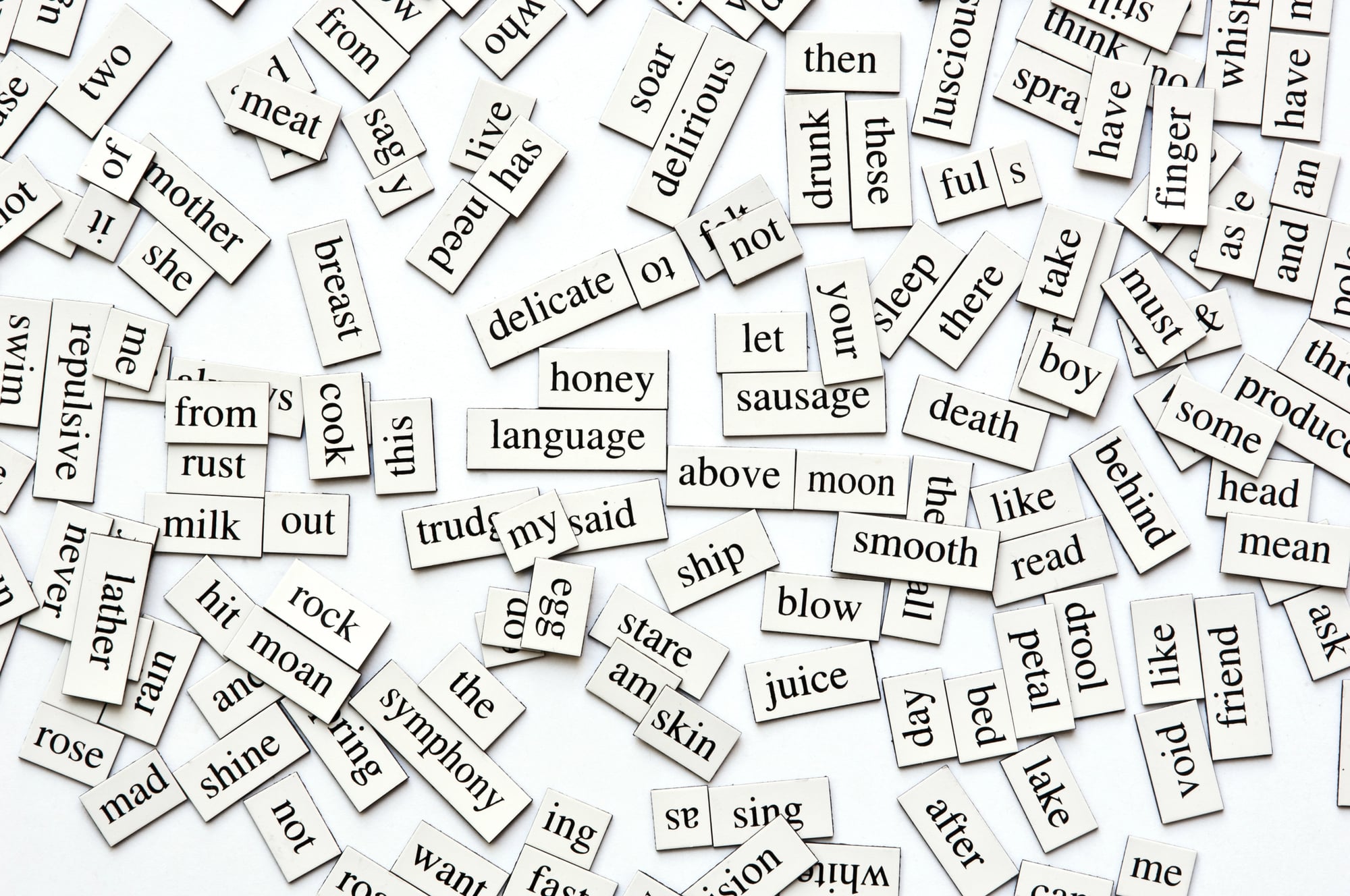
Words keep entering dictionaries, yet many disappear just as fast. Those sticking around tend to be spoken regularly, fitting into spaces where language felt thin before.
These fifteen examples trace shifts brought by tech, society, and cultural turns. Life during the 2010s and early 2020s could later be seen through such terms – when phones stayed glued to hands and online networks rewired human interaction.
More from Go2Tutors!

- The Romanov Crown Jewels and Their Tragic Fate
- 13 Historical Mysteries That Science Still Can’t Solve
- Famous Hoaxes That Fooled the World for Years
- 15 Child Stars with Tragic Adult Lives
- 16 Famous Jewelry Pieces in History
Like Go2Tutors’s content? Follow us on MSN.