27 Coincidences in History So Precise They Seem Impossible to Explain
The human brain is a pattern-recognition machine, and it never fully switches off. Given a large enough dataset — and history is very large — patterns will emerge even where none were intended.
Statisticians call it apophenia: the tendency to perceive meaningful connections in random configurations. Most historical coincidences, examined closely, turn out to be products of selective attention rather than cosmic design.
But some of them are precise enough, and layered enough, that even the most rigorously sceptical mind pauses before dismissing them entirely. The entries below are presented as curious facts, not as evidence of fate.
Where historians have noted that the “coincidence” depends on selective dates or embellished details, that’s noted too. The raw strangeness of the real cases is sufficient without the embellishment.
Lincoln and Kennedy: Elected a Century Apart

Abraham Lincoln was elected to Congress in 1846. John F. Kennedy was elected to Congress in 1946. Lincoln was elected President in 1860. Kennedy was elected President in 1960.
The century-gap alignment across multiple career milestones — not just one — is what makes this particular coincidence harder to wave away than a single matching date.
Both Shot on a Friday, in the Head, With Their Wives Present

Lincoln was shot on the evening of Friday, April 14, 1865, at Ford’s Theatre. Kennedy was shot on Friday, November 22, 1963, in Dallas. Both were shot from behind, in the head, while seated beside their wives, neither of whom was injured.
Both were in the company of another couple, and in each case the other man present was also wounded by the attacker.
The Two Johnsons: Successors Born 100 Years Apart

Both Lincoln and Kennedy were succeeded by Vice Presidents named Johnson. Andrew Johnson, who followed Lincoln, was born in 1808.
Lyndon B. Johnson, who followed Kennedy, was born in 1908. Both were Southern Democrats. Both had two daughters.
Both had 13 letters in their names. The century gap in birth years, matching the century gap between the presidents themselves, is the part of the Lincoln-Kennedy list that most reliably holds up to fact-checking.
The Assassins and Their 15-Letter Names

John Wilkes Booth and Lee Harvey Oswald each have exactly 15 letters in their full names. Both were killed before they could be tried for the assassination — Booth by Union soldiers twelve days after shooting Lincoln, Oswald by Jack Ruby two days after shooting Kennedy. Both were shot by a single fatal round from a Colt revolver.
This last detail is accurate, though the theatrical exchange of venue — Booth at a theatre fleeing to a warehouse, Oswald at a warehouse fleeing to a movie theatre — is close but technically imprecise.
Mark Twain and Halley’s Comet
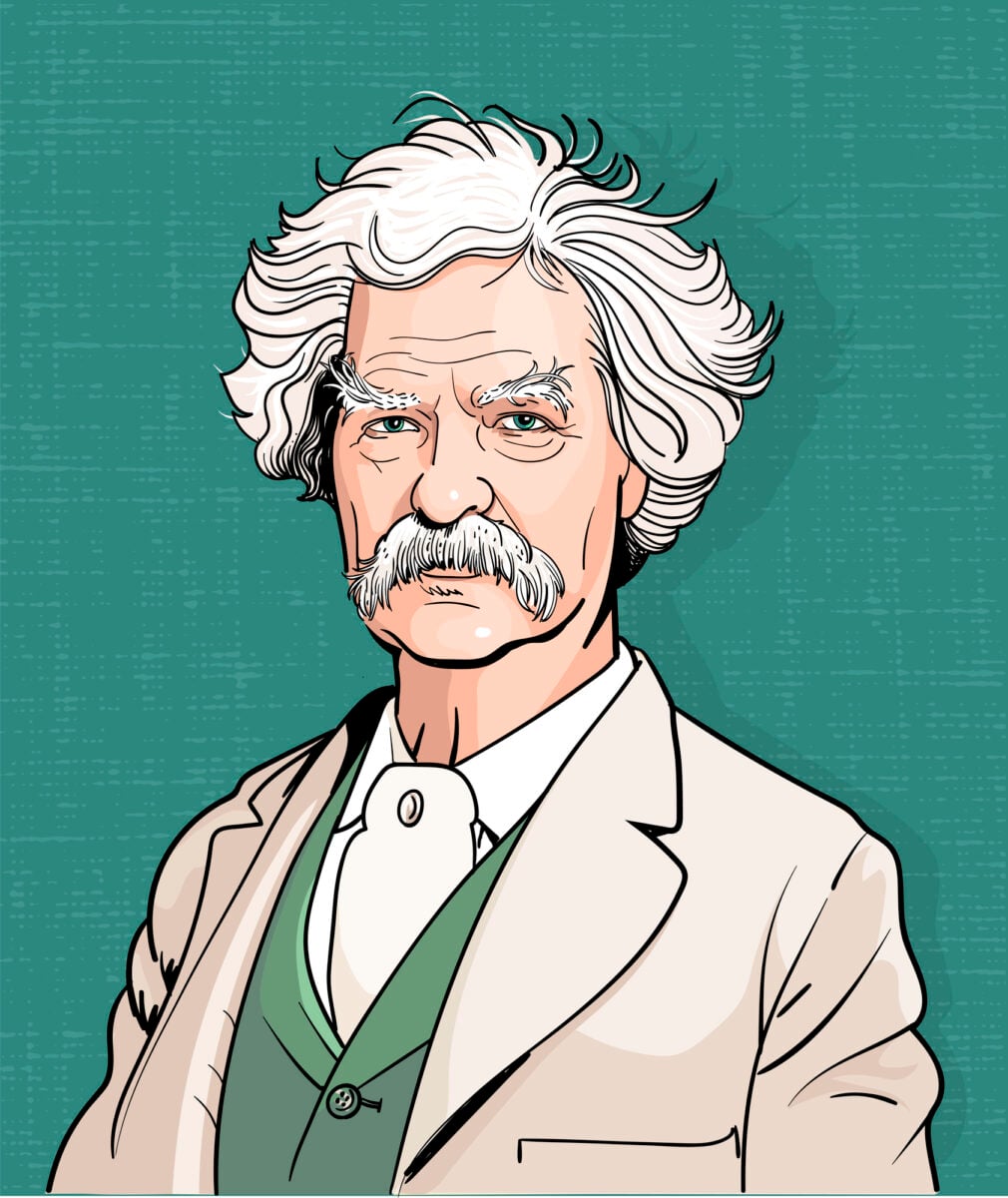
Mark Twain was born on November 30, 1835, shortly after Halley’s Comet’s closest approach — a celestial event that occurs roughly every 75 to 76 years. In 1909, he noted that he’d come into the world with the comet and intended to go out with it.
On April 21, 1910, the day after Halley’s Comet reached its perihelion during its return pass, Twain died of a heart attack. He had essentially timed his prediction down to the year, and it held.
Poe’s Richard Parker and the Mignonette
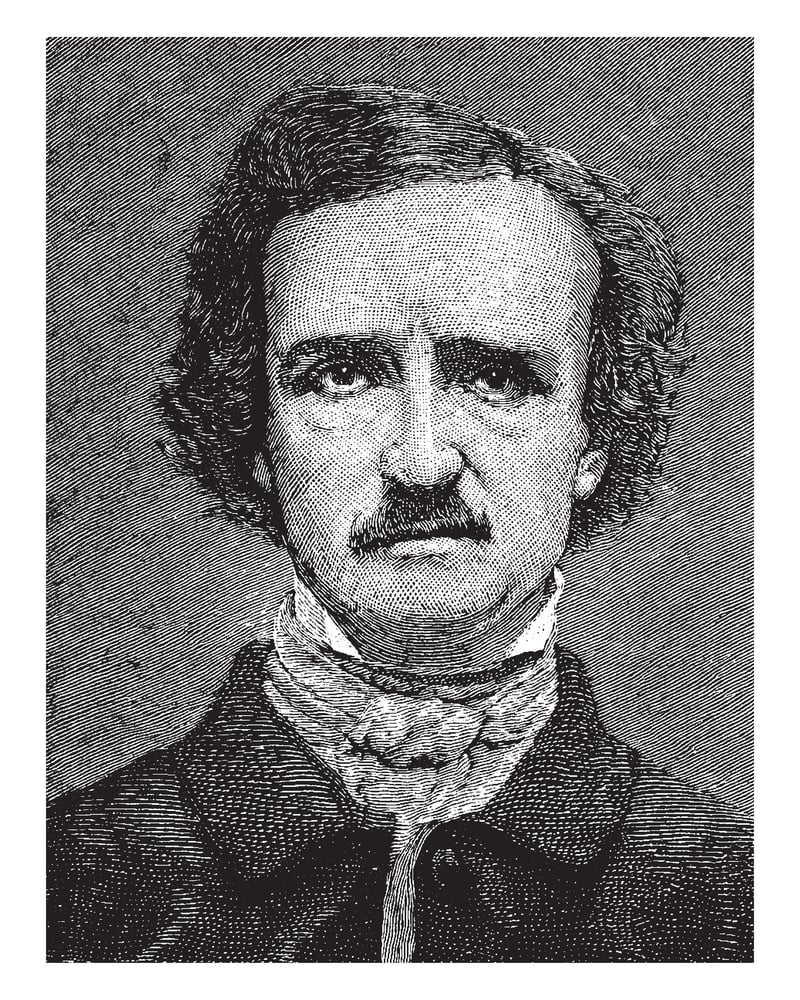
In 1838, Edgar Allan Poe published his only complete novel, The Narrative of Arthur Gordon Pym of Nantucket, in which shipwrecked sailors draw lots to decide who among them will be sacrificed as food. The name drawn is Richard Parker. In 1884, the yacht Mignonette sank off the African coast.
The four surviving crew members, adrift without provisions, killed and consumed the youngest among them — a 17-year-old cabin boy named Richard Parker. The name, the act, and the maritime setting all matched Poe’s fiction from 46 years earlier.
Napoleon and Hitler: The 129-Year Shadow
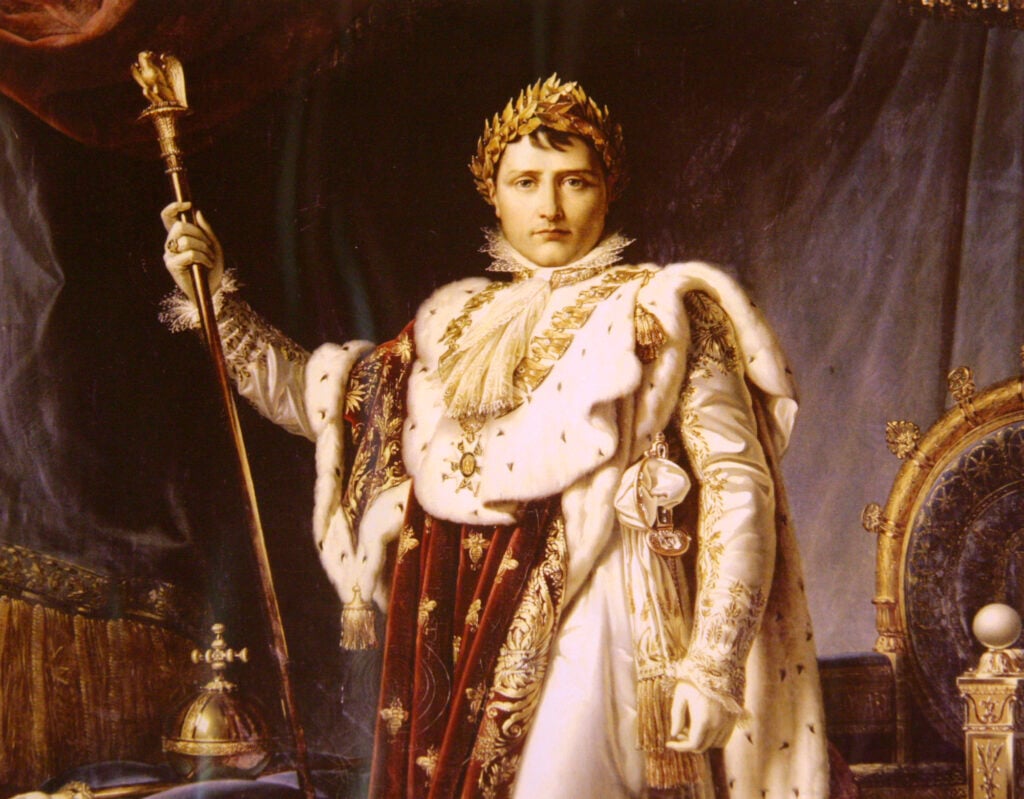
Napoleon Bonaparte rose to power in 1804. Hitler rose to power in 1933 — 129 years later. Napoleon invaded Russia in 1812. Hitler invaded Russia in 1941 — 129 years later. Both invasions began in summer and ended in catastrophic winter retreat.
Napoleon’s final defeat came in 1815. Hitler’s final defeat came in 1944 to 1945.
It’s worth noting that historians dispute the precision of some of these date alignments depending on how “rose to power” and “defeated” are defined, and critics of the comparison argue that two European military dictators sharing strategic failures isn’t as surprising as it sounds. But the 129-year gap appearing across multiple milestones is the part that resists easy dismissal.
The Morgan Robertson Titanic Prediction
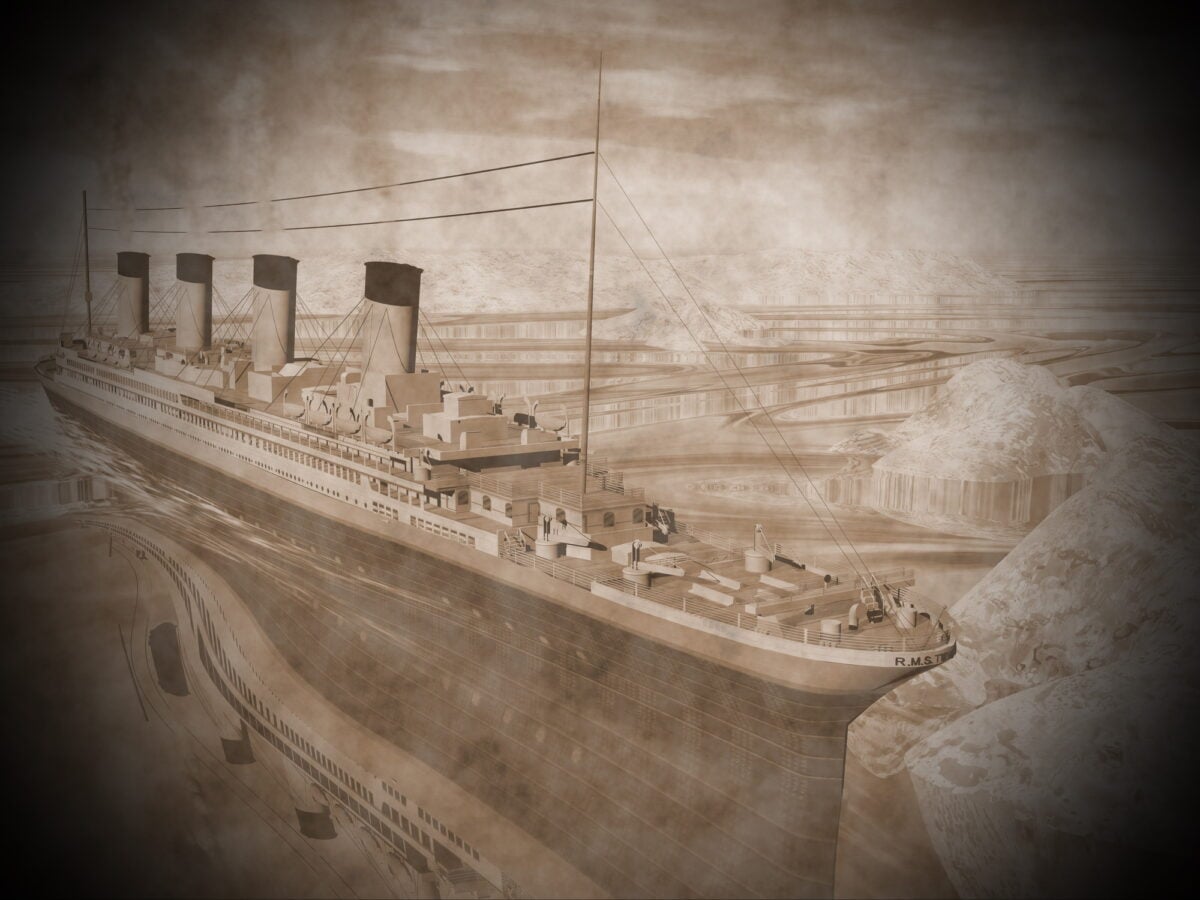
In 1898, a novelist named Morgan Robertson published a novella called Futility, describing the fictional sinking of the world’s largest ocean liner — named the Titan — on its maiden voyage across the North Atlantic after striking an iceberg. In 1912, the RMS Titanic, the world’s largest ocean liner, sank on its maiden voyage across the North Atlantic after striking an iceberg.
The two ships were comparable in length, speed, and passenger capacity. Both were described as practically unsinkable.
Both lacked sufficient lifeboats. Robertson’s book preceded the actual disaster by 14 years.
The Jim Twins

James Lewis and James Springer were identical twins separated at birth in Ohio in 1940 and adopted by different families who had no contact with each other. When they finally met at age 39, they discovered that both adoptive families had independently named them James.
Both had married women named Linda, divorced, and remarried women named Betty. Both had sons — one named James Alan, one named James Allan. Both drove the same model of car, had dogs named Toy, and had held similar jobs.
A study conducted by the University of Minnesota, which examined the twins, found their case representative of a broader pattern in separated-twin research.
Adams and Jefferson: Dying on the Same Day
John Adams and Thomas Jefferson — the second and third Presidents of the United States, former friends, rivals, and late-life correspondents — both died on July 4, 1826, the 50th anniversary of American independence to this day. Adams, reportedly unaware Jefferson had already died hours earlier, is said to have remarked that Jefferson still lived.
A third Founding Father and President, James Monroe, also died on July 4, five years later in 1831.
Franz Ferdinand’s Licence Plate and the Armistice Date
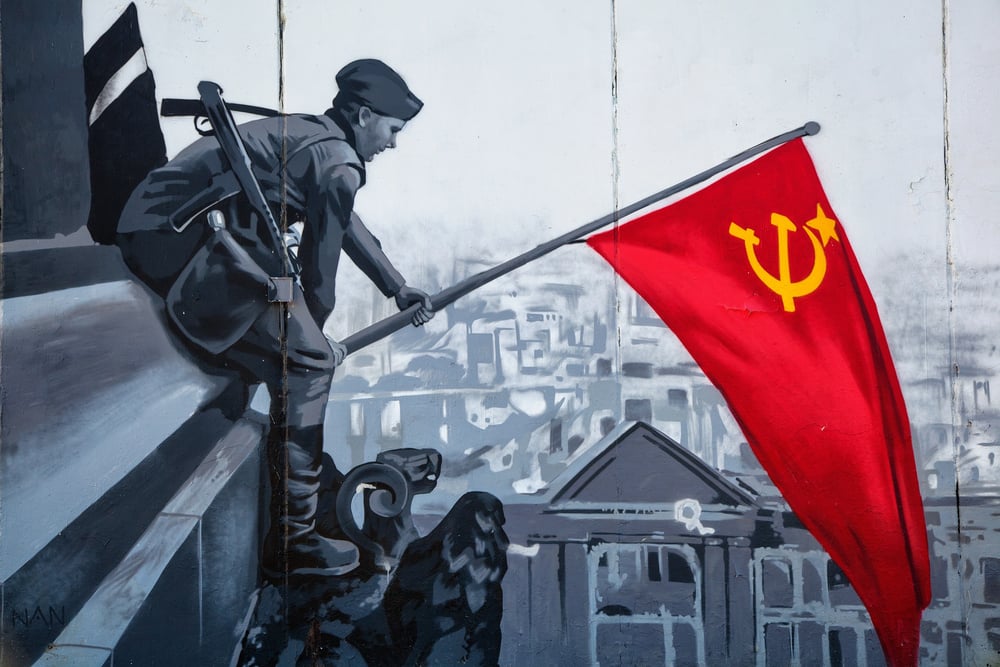
The licence plate on the car in which Archduke Franz Ferdinand was assassinated on June 28, 1914 — the killing that triggered the First World War — was AIII 118. WWI ended with the Armistice on November 11, 1918: the 11th month, the 11th day. The plate reads, in its components, A-11-11-18.
World War I both started and ended, in a sense, encoded in the same licence plate.
The Hoover Dam’s Tierney Dynasty

The first worker to die during the construction of the Hoover Dam was J.G. Tierney, who drowned in the Colorado River while conducting a survey on December 20, 1922. The last worker to die on the dam project was Patrick Tierney — J.G. Tierney’s own son — who fell from an intake tower on December 20, 1935.
The first and last deaths in the same project, 13 years apart, in the same family, on the same calendar date.
Hamilton and His Son: Duels at the Same Location

Alexander Hamilton lost his son Philip in a duel at Weehawken, New Jersey, in November 1801, the result of a dispute over a speech Philip had made in Hamilton’s defense. In July 1804, Hamilton himself was shot and killed in a duel at Weehawken — the same location, with similar pistols, over a dispute involving his own honour.
Father and son both died in duels at the same spot, three years apart.
The Two Ohioan Cars of 1895

In 1895, there were exactly two registered automobiles in the entire state of Ohio. Both belonged to different owners who had never met, and both were driving in Columbus at the same time.
They collided with each other. The owners were uninjured.
This remains, in percentage terms, the most comprehensive automobile accident in American history — a state’s entire functional car fleet eliminated in a single collision between strangers.
Dennis the Menace: Two Countries, One Day

On March 12, 1951, two separate comic strip characters named Dennis the Menace debuted in print on the same day. In the United States, Hank Ketcham published Dennis — a messy, well-meaning American boy. In the United Kingdom, David Law published his Dennis — a more anarchic, spiky-haired troublemaker.
Neither cartoonist knew of the other’s work. Both characters were blond mischief-makers with the same name, launched on the same date, by strangers.
King Umberto I of Italy and His Double

In 1900, King Umberto I of Italy dined at a restaurant in Monza and encountered the owner, who looked exactly like him. Conversation revealed that both men were named Umberto, both were married to women named Margherita, both had been born in Turin on the same day, and the restaurant had opened on the same day as Umberto I’s coronation.
The following day, King Umberto I was assassinated. The restaurant owner had died in an accident that same morning.
Tamerlane’s Tomb and Operation Barbarossa

Soviet archaeologists opened the sealed tomb of Timur (Tamerlane) in Samarkand on June 20, 1941. An inscription found inside reportedly warned that whoever opened the tomb would unleash an invader more terrible than Timur himself.
On June 22, 1941, Germany launched Operation Barbarossa — the largest military invasion in history — against the Soviet Union. The Soviet government had the tomb resealed in late 1942, and the Wehrmacht’s advance halted at Stalingrad shortly afterward. The Soviet Union then went on the offensive.
Jimi Hendrix and George Handel: Neighbours 200 Years Apart
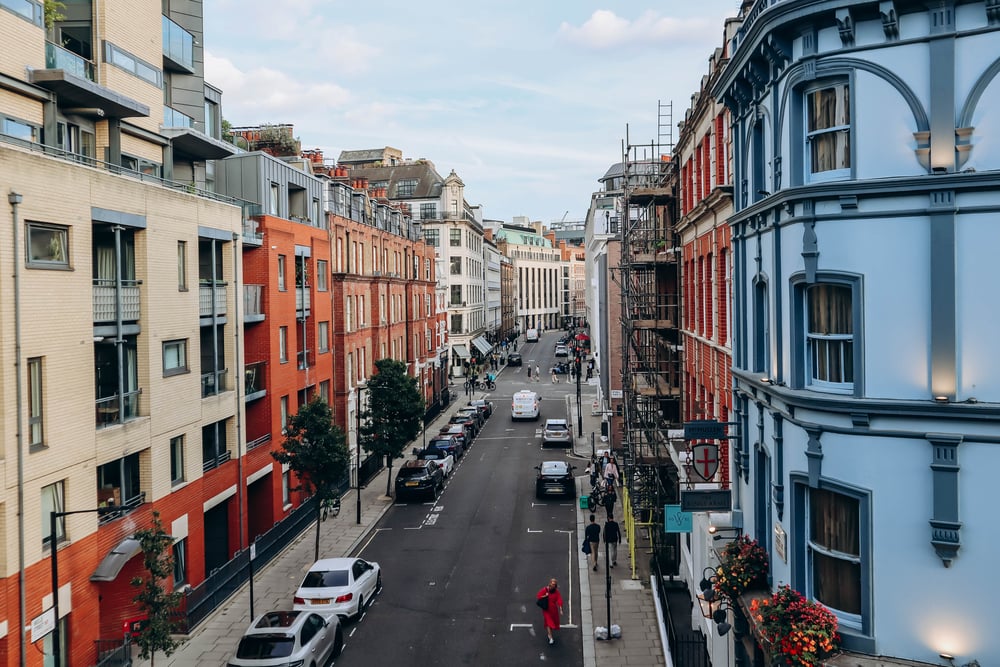
Jimi Hendrix lived at 23 Brook Street in London’s Mayfair district during the late 1960s. George Frideric Handel lived at 25 Brook Street in the same neighbourhood from 1723 until his death in 1759. The two musicians were neighbours, separated by approximately 200 years.
The Handel House Museum, now occupying Handel’s former home, opened an exhibit in 2001 acknowledging the connection.
The Titanic and the Californian
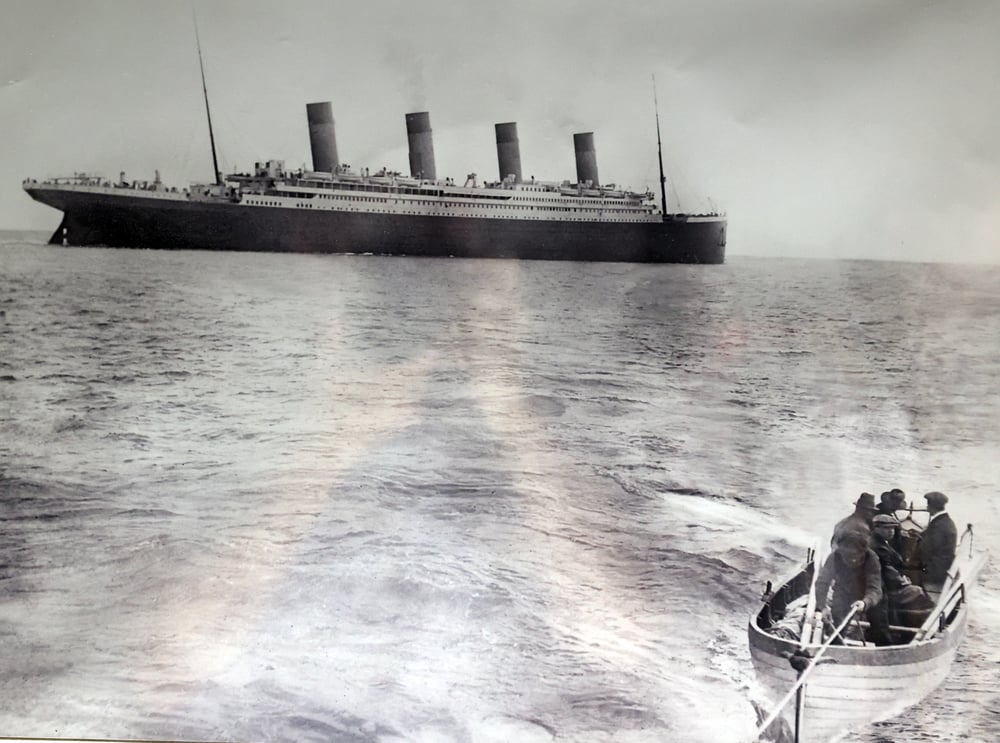
The SS Californian was the ship closest to the Titanic on the night of April 14–15, 1912, positioned close enough that its crew could see lights they assumed were from a vessel that didn’t appear to be in distress. The Californian did not respond. Its radio operator had gone to bed 30 minutes before the Titanic sent its first distress signal.
The Californian’s own wireless operator was named Cyril Evans. The officer who decided not to investigate the flares from the sinking ship was the same officer who had been responsible for stopping the Californian to avoid ice — ice that the Titanic failed to stop for.
Bulgaria’s Lottery Draws the Same Numbers Twice in Four Days

In September 2009, Bulgaria’s national lottery drew the winning numbers 4, 15, 23, 24, 35, and 42. Four days later, the same six numbers appeared in the next draw. Officials investigated and confirmed no mechanical fault.
Statisticians noted that while the probability of this occurring is extremely low, it falls within the range of events that should be expected to happen occasionally across the world’s many lotteries over many years. It had simply never been documented before.
The Belgian Twins Who Died on the Same Road

In 2002 in Belgium, identical twin brothers both died in separate cycling accidents on the same road, hit by trucks, approximately one year apart. Each was 65 at the time of his death. Officials confirmed there was no connection between the two incidents.
The road, the age, the vehicle type, and the one-year gap between the deaths all matched.
The Simpsons and the Disney-Fox Merger
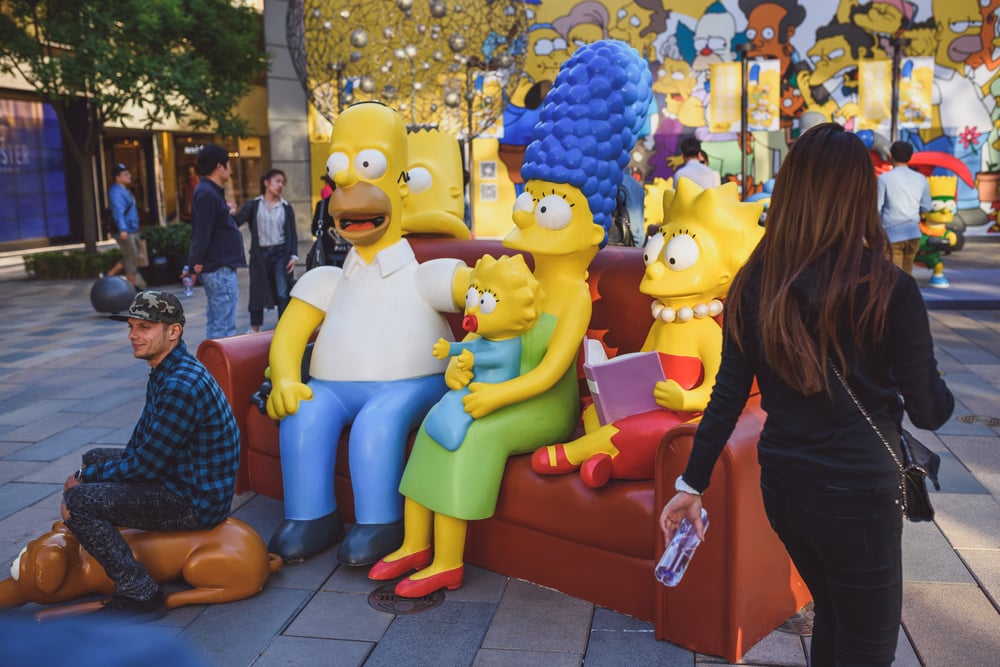
A 1998 episode of The Simpsons, set in a fictional future, depicted a Fox Television logo with the caption “a division of Walt Disney Co.” In 2019, Disney completed its acquisition of 21st Century Fox in a real corporate deal. The show had anticipated a specific corporate outcome 21 years before it occurred.
The Simpsons has now accumulated dozens of apparently predictive gags, most of which are better explained by the volume of satirical speculation the show has produced over 35 years than by any unusual foresight.
Archduke Franz Ferdinand’s Second Near-Miss
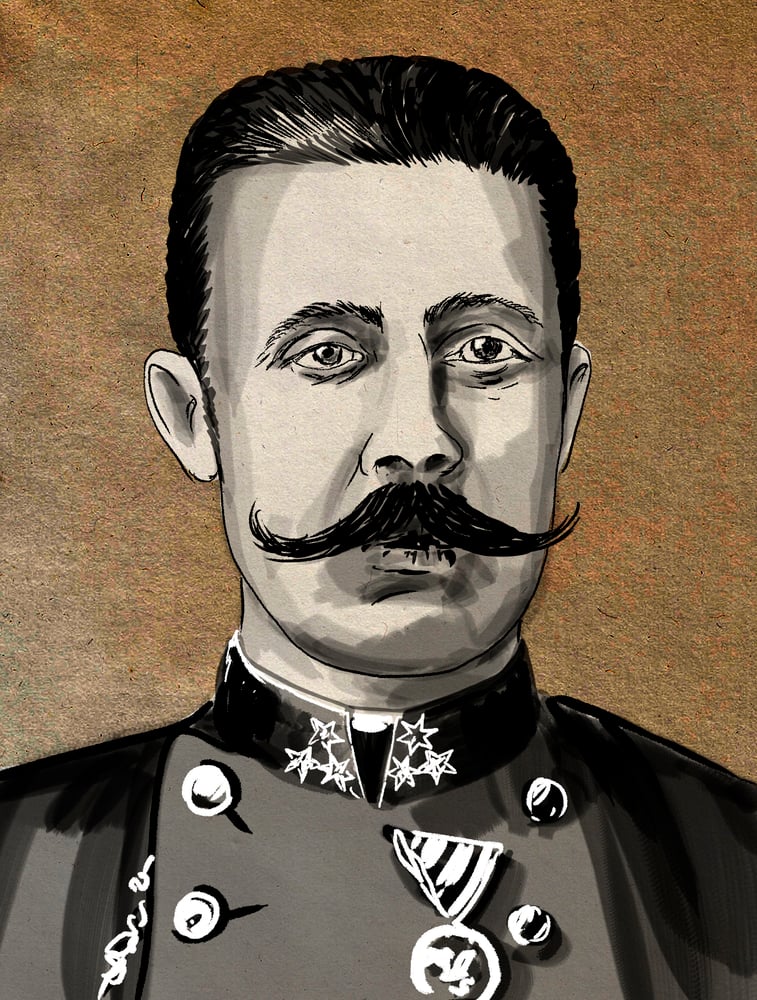
On the day of his assassination in Sarajevo, June 28, 1914, Archduke Franz Ferdinand survived a first attack earlier in the same motorcade when a bomb intended for his car bounced off the vehicle and detonated under the car behind it.
His route was subsequently changed for security reasons. The driver of his new route then made a wrong turn down a side street and — while attempting to reverse — stopped directly in front of Gavrilo Princip, the assassination’s organiser, who had assumed the day was over and was buying a sandwich. Princip fired from a metre away.
Private George Price: Last Man Killed in WWI
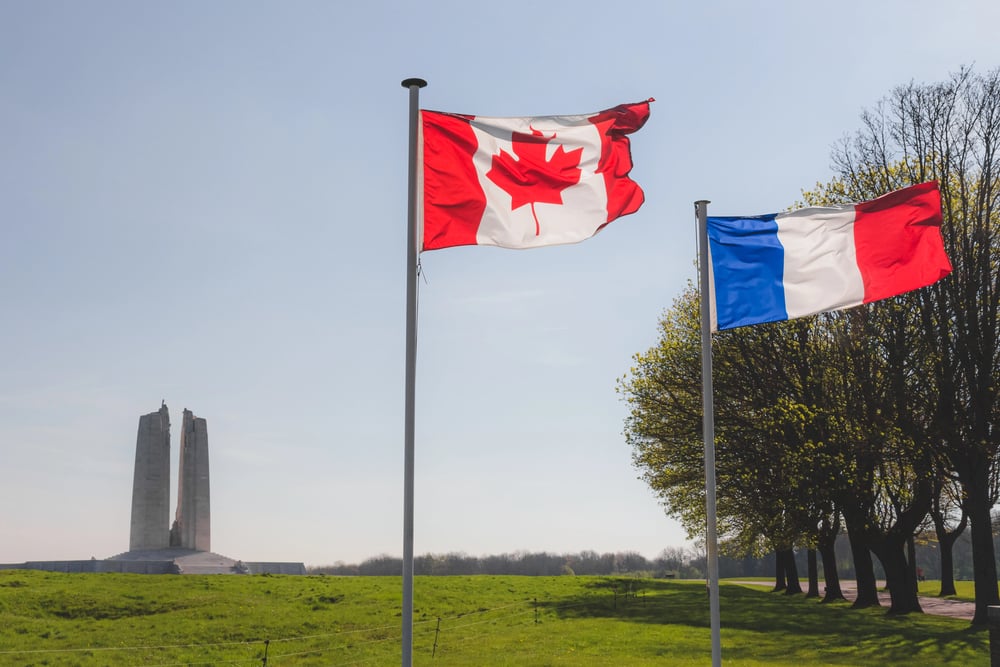
Private George Price of the 28th Battalion, Canadian Expeditionary Force, was killed at 10:58 AM on November 11, 1918 — two minutes before the Armistice took effect at 11:00 AM, ending World War One. He is the last Commonwealth soldier recorded as killed in the conflict.
He was shot by a German sniper in Belgium while crossing a canal. The Armistice had been signed at 5:00 AM, six hours earlier.
Both sides knew it was coming. The firing continued anyway.
The Dubarry Father-Son Execution
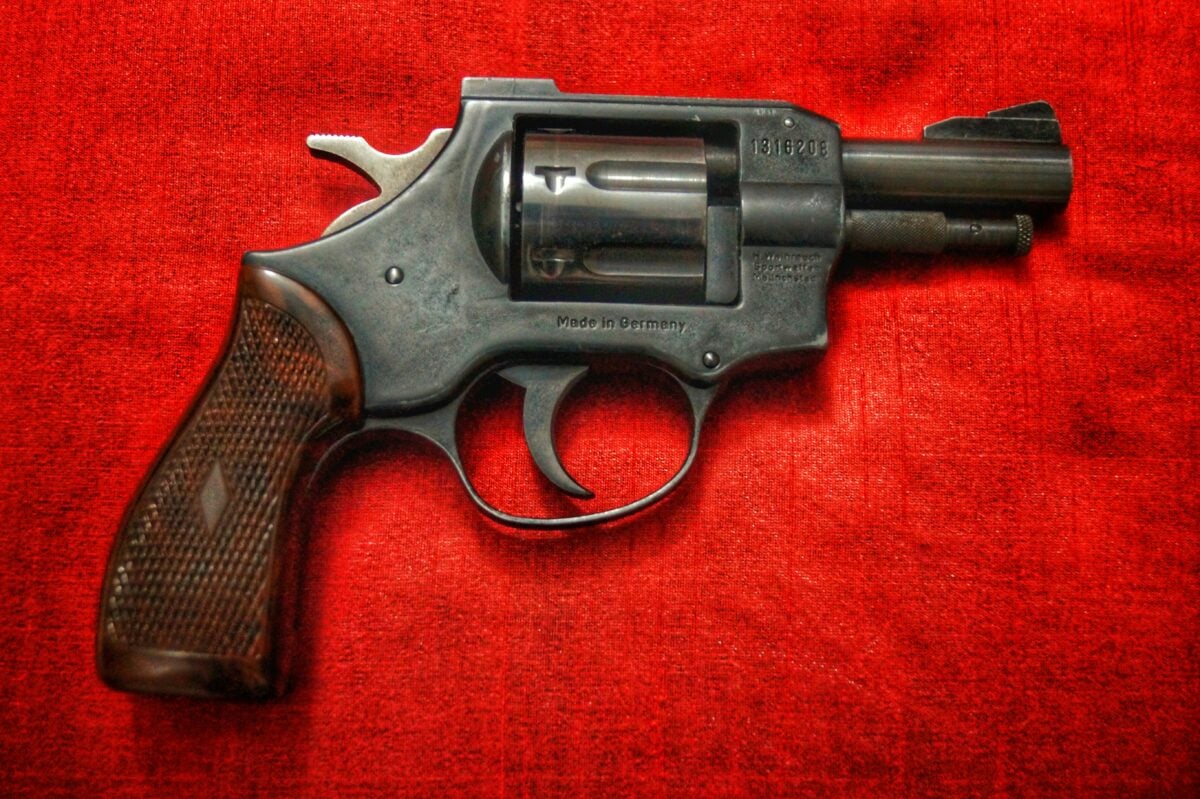
On February 13, 1746, a Frenchman named Jean Marie Dubarry was executed for murdering his own father. Exactly 100 years later, on February 13, 1846, a man also named Jean Marie Dubarry was executed for murdering his own father.
The French authorities appear to have found no connection between the two cases beyond the date, the name, and the crime.
Anthony Hopkins Finds the Lost Book
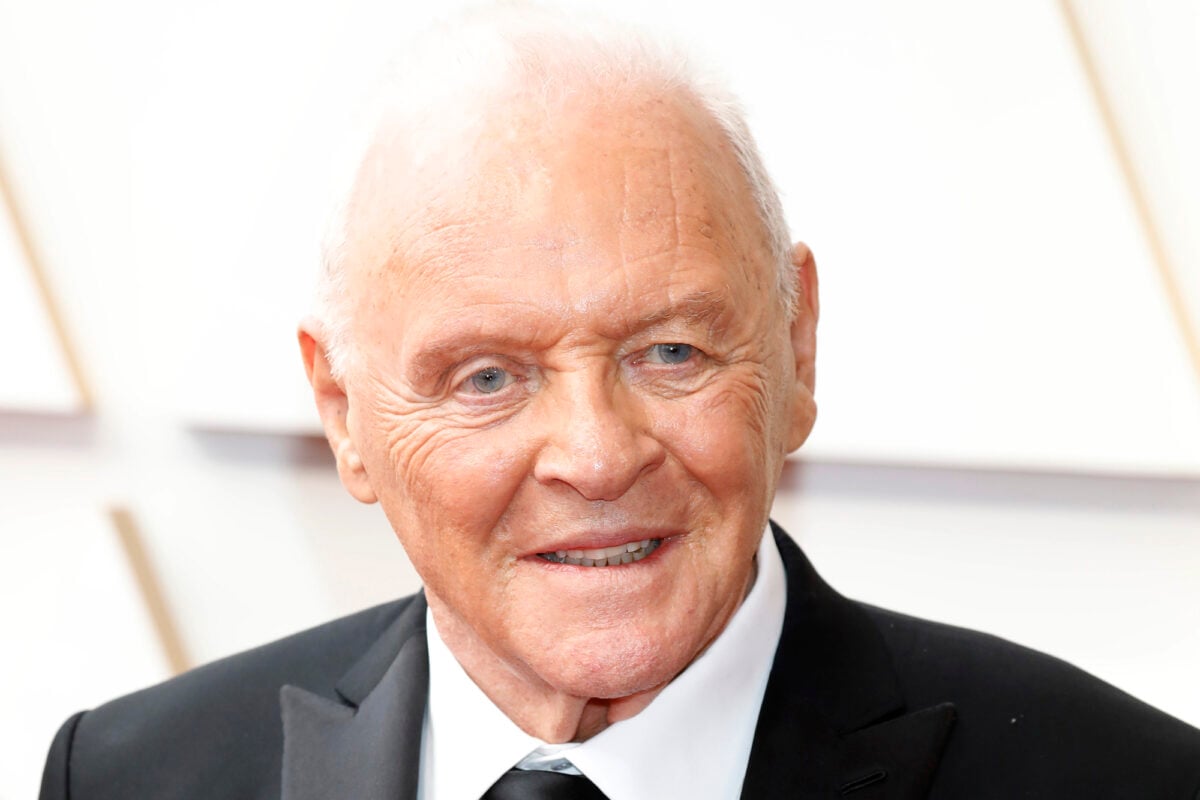
Before beginning work on the film The Girl from Petrovka in 1973, Anthony Hopkins spent weeks trying to find a copy of the novel by George Feifer that the film was based on. He couldn’t locate one anywhere in London.
On his way to the Underground one evening, he found a discarded copy on a bench at Leicester Square station. It turned out to be a copy annotated with personal notes by the author himself — a copy Feifer had lent to a friend, who had lost it. Hopkins mentioned this to Feifer when they met during production.
Feifer confirmed it was his copy.
The Maureen Wilcox Lottery Reverse

In 1980, Maureen Wilcox of Massachusetts bought tickets for both the Massachusetts State Lottery and the Rhode Island State Lottery in the same week. She correctly selected the winning numbers for both draws.
But she had done so on the wrong tickets — she had the Rhode Island winning numbers on her Massachusetts ticket and the Massachusetts winning numbers on her Rhode Island ticket. She won nothing.
The probability of correctly predicting both sets of winning numbers and validating neither of them is, by any reasonable calculation, more improbable than simply winning one.
When Chance Stops Being Random
What makes the most persistent of these coincidences sticky is not that they’re impossible — nothing here is — but that they combine multiple precise details in the same event. A single matching name would be unremarkable.
A matching name attached to a matching act in a matching setting, written by a fiction author 46 years before the event occurs, is the kind of layered specificity that probability alone struggles to absorb comfortably. The honest explanation for most of this is survivorship: history records a vast number of events, and the ones with coincidental properties get noticed, shared, and remembered while the ones without them disappear into the archive.
But that explanation, accurate as it is, requires you to explain why it’s always these particular ones that keep turning up — and why some of them, like Poe’s Richard Parker, feel less like pattern-recognition and more like something stranger that doesn’t yet have a name.
More from Go2Tutors!

- The Romanov Crown Jewels and Their Tragic Fate
- 13 Historical Mysteries That Science Still Can’t Solve
- Famous Hoaxes That Fooled the World for Years
- 15 Child Stars with Tragic Adult Lives
- 16 Famous Jewelry Pieces in History
Like Go2Tutors’s content? Follow us on MSN.