Historical Figures Who Were Publicly Humiliated Before Being Proven Right
History loves a good reversal of fortune. The brilliant mind dismissed as a crackpot.
The visionary mocked by their peers. The rebel who dared to challenge everything people thought they knew about the world.
These stories stick with us because they reveal something uncomfortable about human nature — how quickly crowds turn on anyone who threatens the comfortable certainty of accepted wisdom. The pattern repeats across centuries and cultures: ridicule first, vindication later, awkward silence when the textbooks need rewriting.
Galileo Galilei
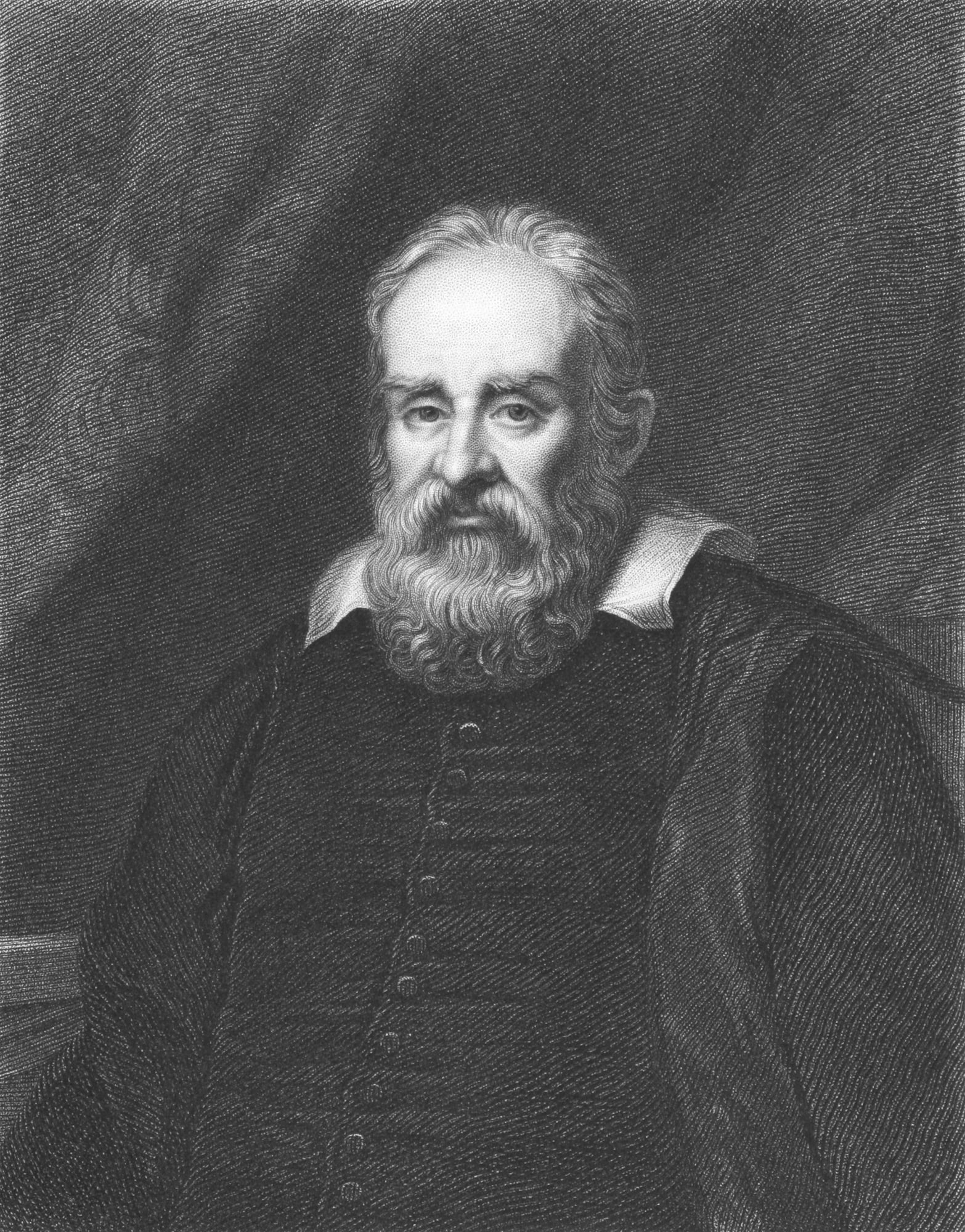
The Catholic Church put Galileo under house arrest for the last nine years of his life. His crime?
Supporting the idea that Earth revolves around the sun instead of sitting motionless at the center of everything. The Inquisition forced him to publicly renounce his views in 1633, calling them “foolish and absurd.”
Ignaz Semmelweis
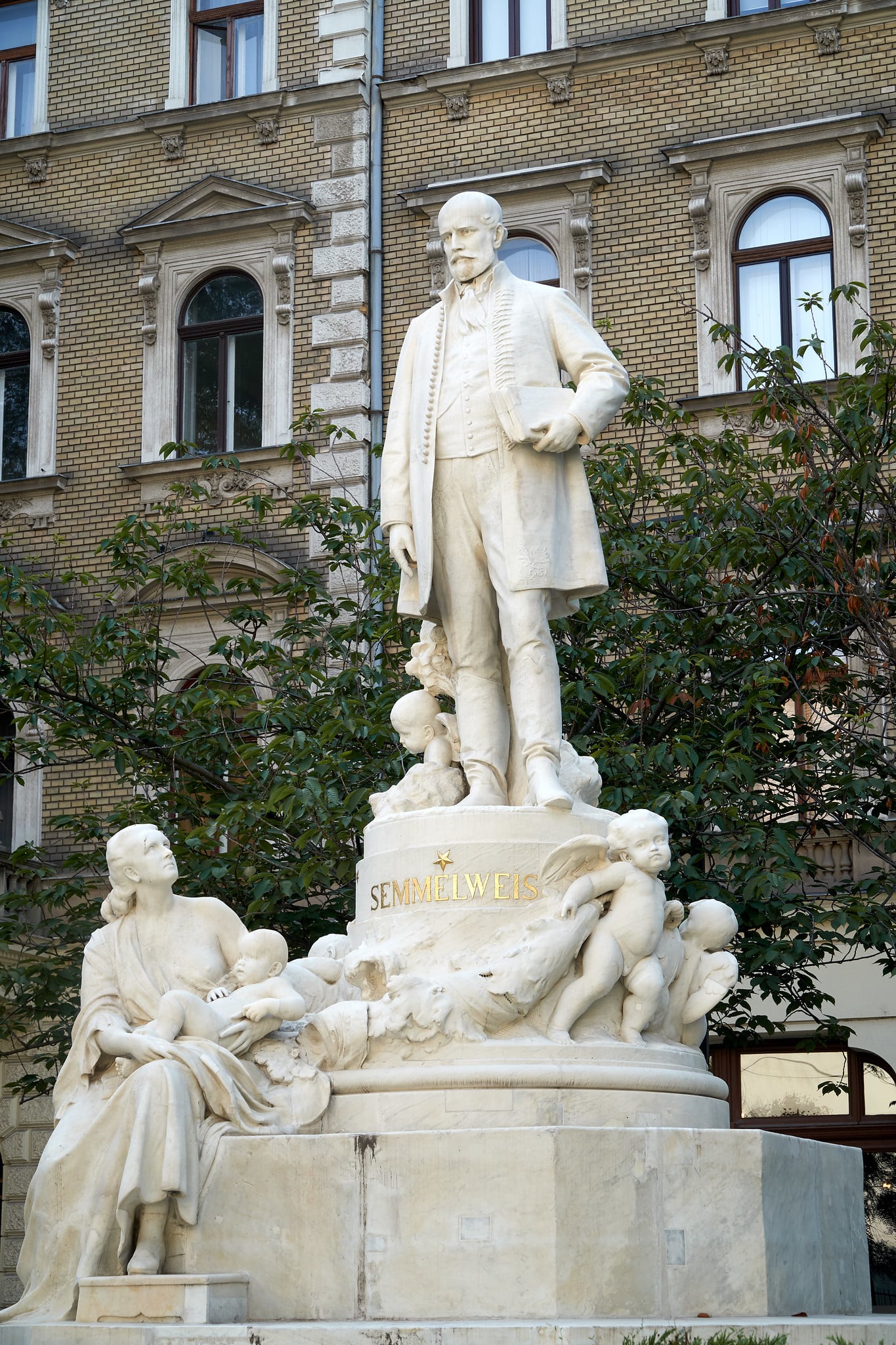
Semmelweis noticed something odd about childbirth mortality rates at Vienna General Hospital in the 1840s. Wards run by doctors had death rates roughly eight times higher than those run by midwives (approximately 18% versus 2%), which made no sense — until he realized doctors were performing autopsies before delivering babies without washing their hands.
When he suggested handwashing with chlorinated lime solutions, his colleagues were offended (because gentlemen’s hands were always clean, obviously), and they had him fired. The medical establishment rejected his findings so thoroughly that he suffered a nervous breakdown, was committed to an asylum, and died shortly after — ironically, from an infection.
And yet (here’s the part that should make everyone uncomfortable): the mortality rates in his ward had dropped from 18% to less than 2% when doctors followed his protocol. So much for professional courtesy.
Charles Darwin
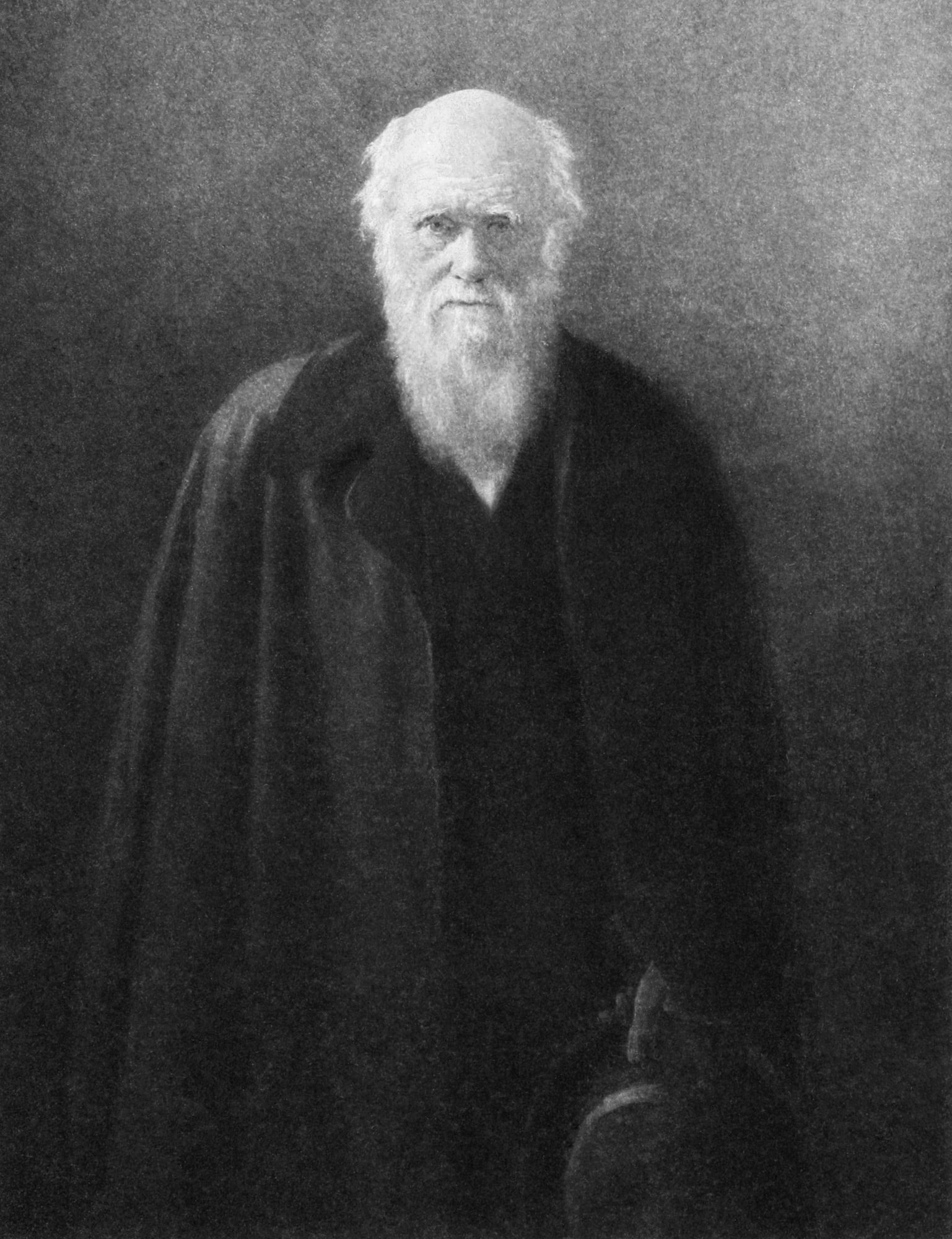
Picture Darwin as the Victorian gentleman who accidentally started a war he never wanted to fight. When “On the Origin of Species” hit bookstores in 1859, the reaction was swift and brutal — cartoons showing him as an ape, sermons condemning him from every pulpit, scientific colleagues distancing themselves from his “dangerous” ideas about natural selection.
The establishment didn’t just disagree with his theory of evolution; they treated it as a personal attack on human dignity itself. But Darwin had spent decades collecting evidence from his voyage on the Beagle, studying finches and fossils with the patience of someone who knew he was about to overturn everything.
The mockery stung (he was a sensitive man who hated confrontation), yet the evidence kept piling up in his favor, fossil by fossil, until even his harshest critics couldn’t ignore what was staring them in the face.
Barbara McClintock
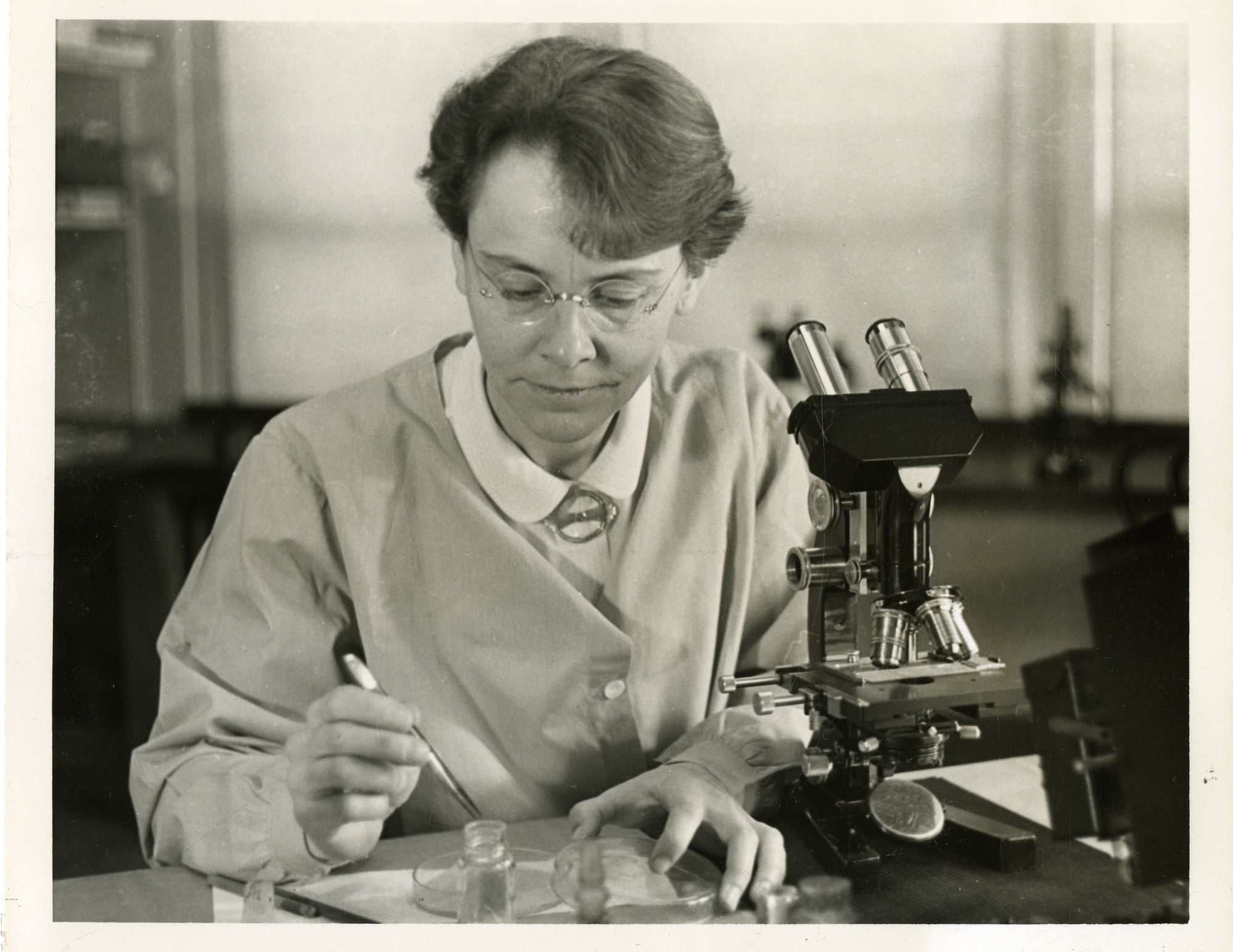
McClintock discovered genetic transposition in the 1940s — genes that could move around chromosomes like pieces on a chessboard. The scientific community’s response was predictable: dismissive laughter.
Her work was too radical, too strange, too far outside accepted genetic theory. Colleagues stopped inviting her to conferences.
Journals rejected her papers. She became a scientific pariah for suggesting that genes weren’t fixed in place like everyone believed.
The isolation lasted decades.
Alfred Wegener
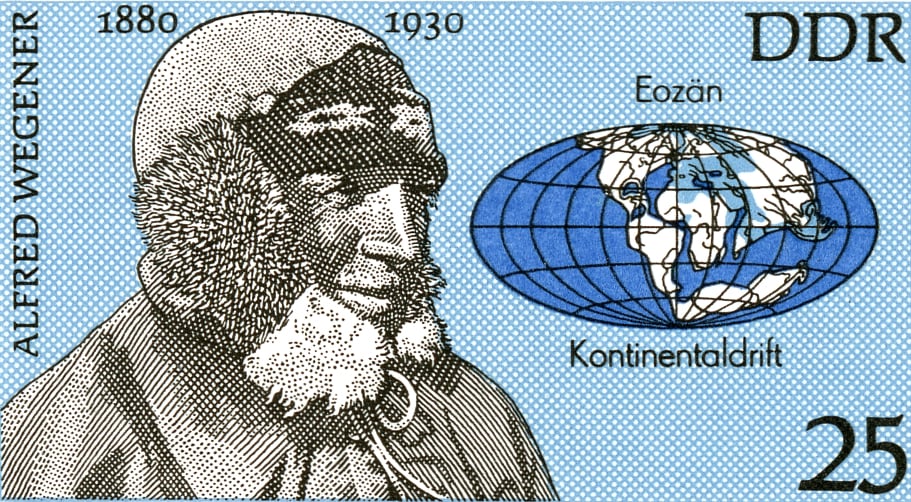
Wegener looked at world maps the way a child might — noticing that South America and Africa fit together like puzzle pieces. But when he proposed continental drift theory in 1912, geologists treated him like someone suggesting the moon was made of cheese.
They mocked his lack of formal geological training and demanded he explain the mechanism that could move entire continents. He couldn’t, which made the ridicule worse.
Gregor Mendel
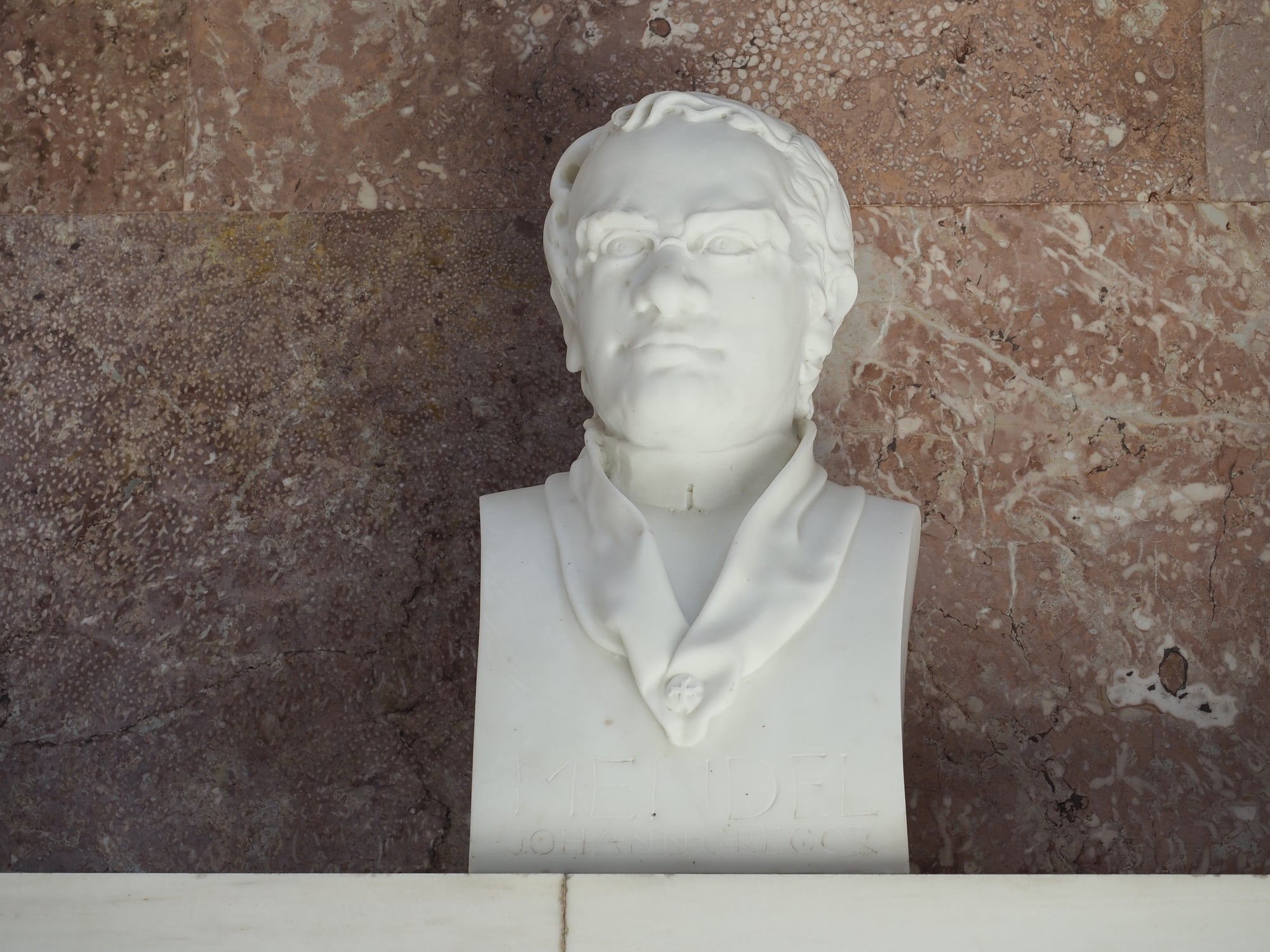
The monk who figured out heredity by growing pea plants in his monastery garden deserved better than complete indifference, but that’s what he got. When Mendel published his laws of inheritance in 1866, the scientific world responded with deafening silence (which, let’s be honest, can sting worse than outright criticism because at least criticism acknowledges your existence).
His groundbreaking work on dominant and recessive traits — the foundation of modern genetics — was ignored for 35 years, dismissed as the amateur dabbling of a country priest who didn’t understand “real” science. And here’s what makes the story particularly maddening: Mendel had sent his research to prominent botanists who simply filed it away without serious consideration, apparently too busy with their own theories to notice that a quiet monk had just solved one of biology’s greatest mysteries.
The scientific establishment’s loss, really — they missed the chance to witness genius in real time and had to settle for rediscovering it decades later when three separate researchers stumbled onto the same principles and found Mendel’s work gathering dust in academic libraries.
Nikola Tesla
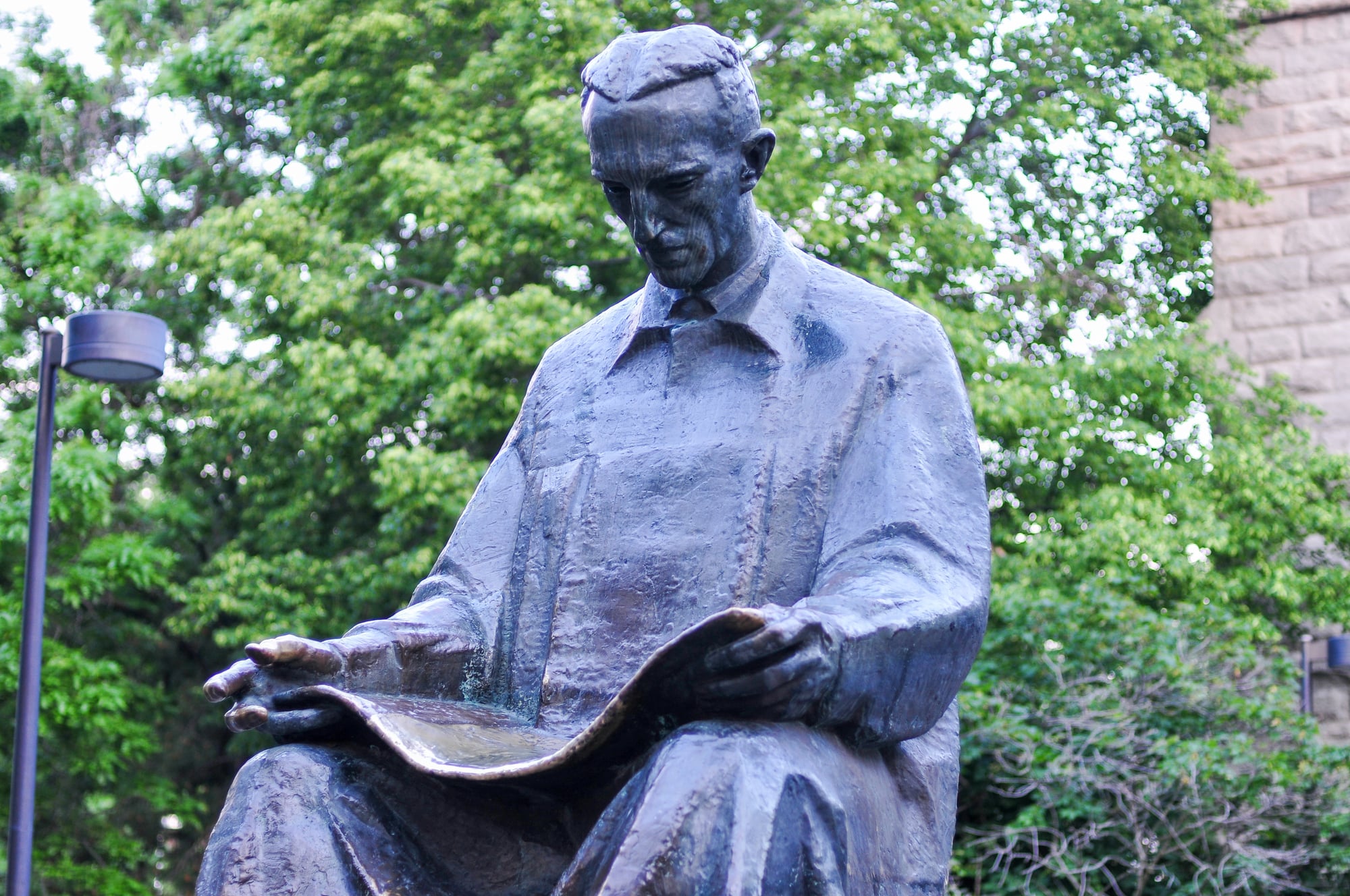
Tesla’s alternating current system faced brutal opposition from Thomas Edison, who had invested heavily in direct current technology. Edison launched a public campaign to discredit AC power, even electrocuting animals in public demonstrations to show how “dangerous” Tesla’s system was.
The press called Tesla a mad scientist. Fellow inventors dismissed his ideas as impractical fantasies.
Vincent Van Gogh
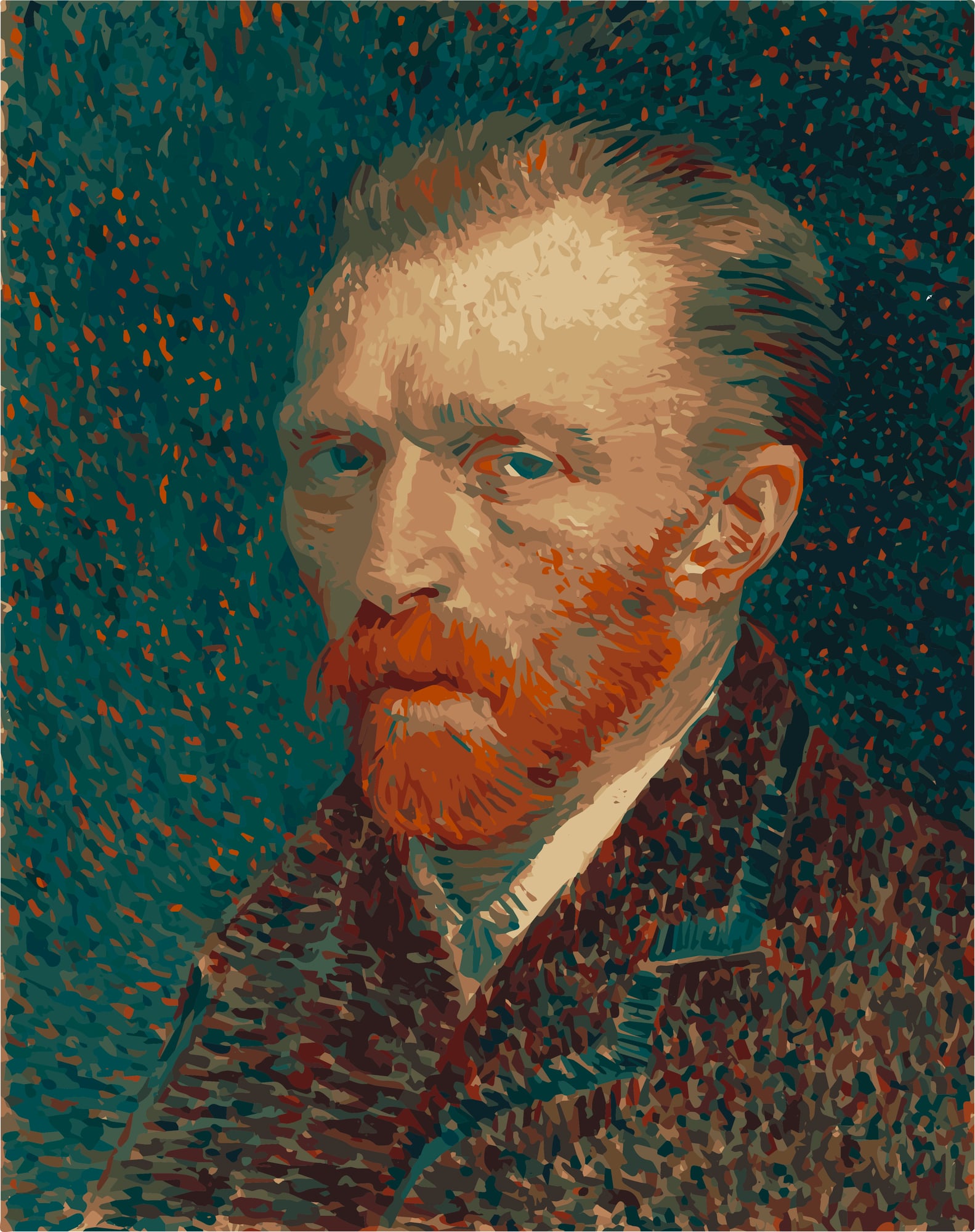
Van Gogh sold exactly one painting during his lifetime. Art critics called his work crude and amateurish.
Fellow artists avoided him. The public ignored his exhibitions when galleries bothered to show his pieces at all.
He died in poverty, convinced he was a failure. Today his paintings sell for over $100 million, and museums fight over the chance to display his “crude” masterpieces.
Ludwig Boltzmann
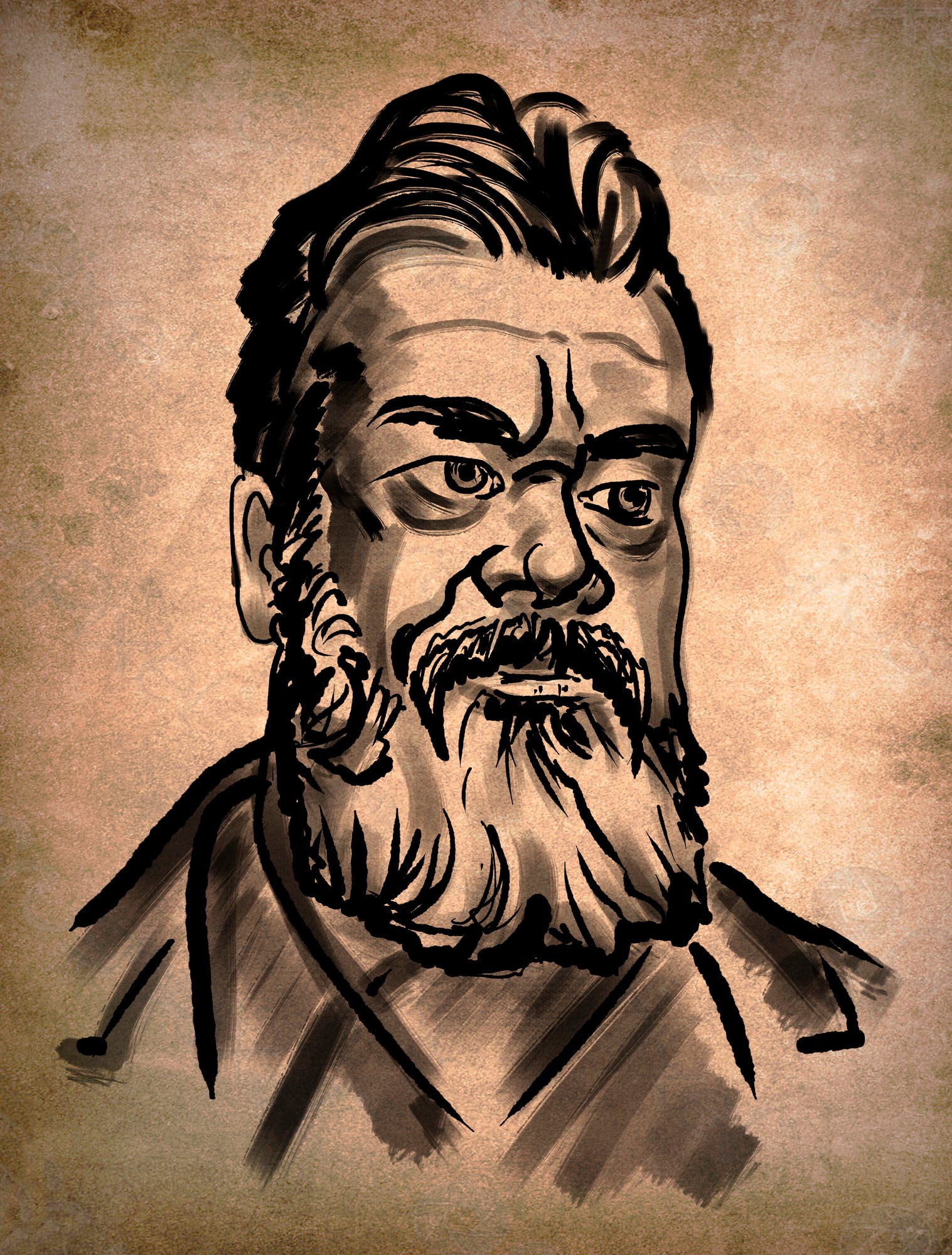
Boltzmann’s atomic theory of matter met fierce resistance from the scientific establishment of the late 1800s, who preferred to think of heat and energy as continuous phenomena rather than the result of countless invisible particles bouncing around (because apparently the idea that everything was made of tiny, constantly moving bits seemed too fantastical for serious scientists to consider, even though it explained pretty much every thermal phenomenon they’d been struggling to understand). The opposition wasn’t just professional — it was deeply personal, with prominent physicists like Ernst Mach attacking not just Boltzmann’s theories but his competence as a scientist.
So the man who laid the groundwork for statistical mechanics and helped establish the kinetic theory of gases spent years defending ideas that seemed obvious in hindsight, facing such intense criticism that he fell into deep depression. But nature doesn’t care about scientific politics: atoms kept behaving exactly as Boltzmann predicted, and by the early 1900s, experiments were confirming his theories left and right.
The vindication came too late for Boltzmann himself — he took his own life in 1906, just as the scientific tide was finally turning in his favor.
Mary Anning
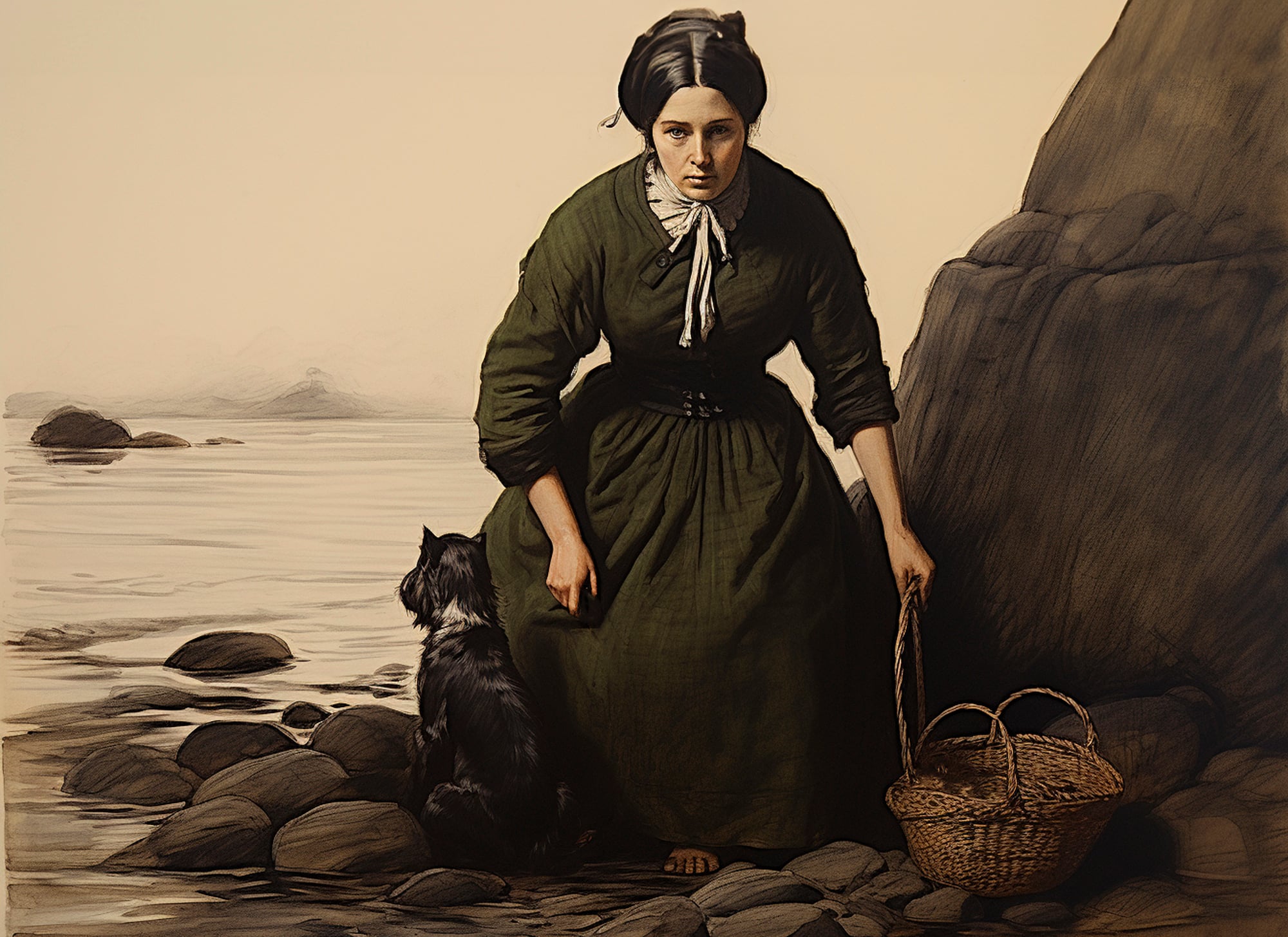
Anning discovered some of the first correctly identified dinosaur fossils along the English coast in the early 1800s. But she was a working-class woman in an era when science belonged to wealthy gentlemen, so her discoveries were routinely credited to the male geologists who bought her specimens.
When she suggested that her findings proved Earth was much older than biblical accounts claimed, religious authorities condemned her as a troublemaker.
William Harvey
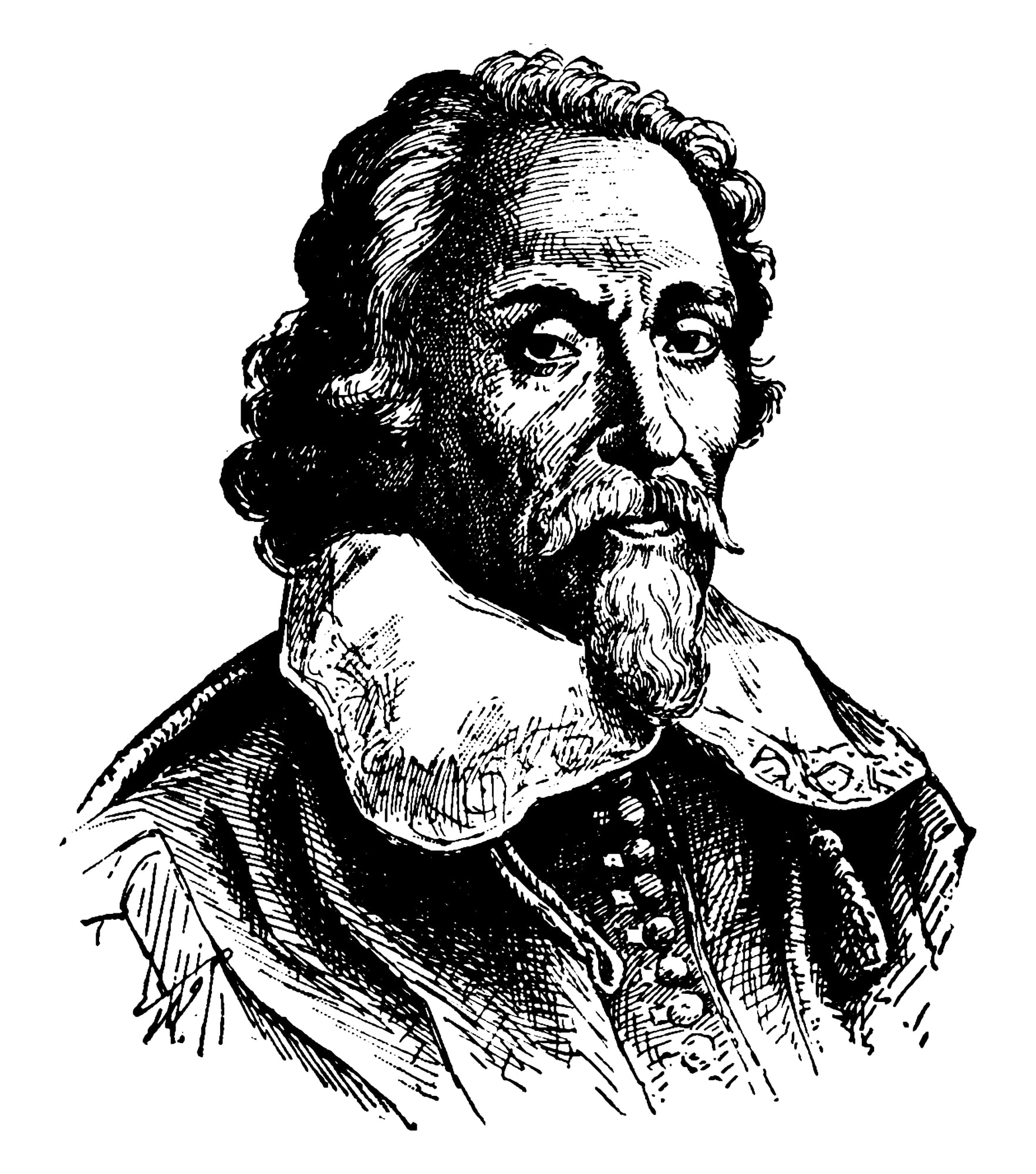
Harvey’s discovery of blood circulation challenged 1,500 years of medical doctrine. In 1628, when he published his findings showing that blood flows in a continuous loop pumped by the heart, physicians reacted with outrage.
The established theory held that blood was consumed by organs and constantly replenished by the liver. Harvey’s colleagues called him crazy and refused to refer patients to him.
Rosalind Franklin

Franklin’s X-ray crystallography work provided crucial evidence for the double helix structure of DNA. Yet her male colleagues marginalized her contributions, with James Watson describing her dismissively in his memoir as difficult and unfeminine.
She was excluded from key discussions about her own research and died before receiving proper recognition for her groundbreaking discoveries.
Joseph Lister
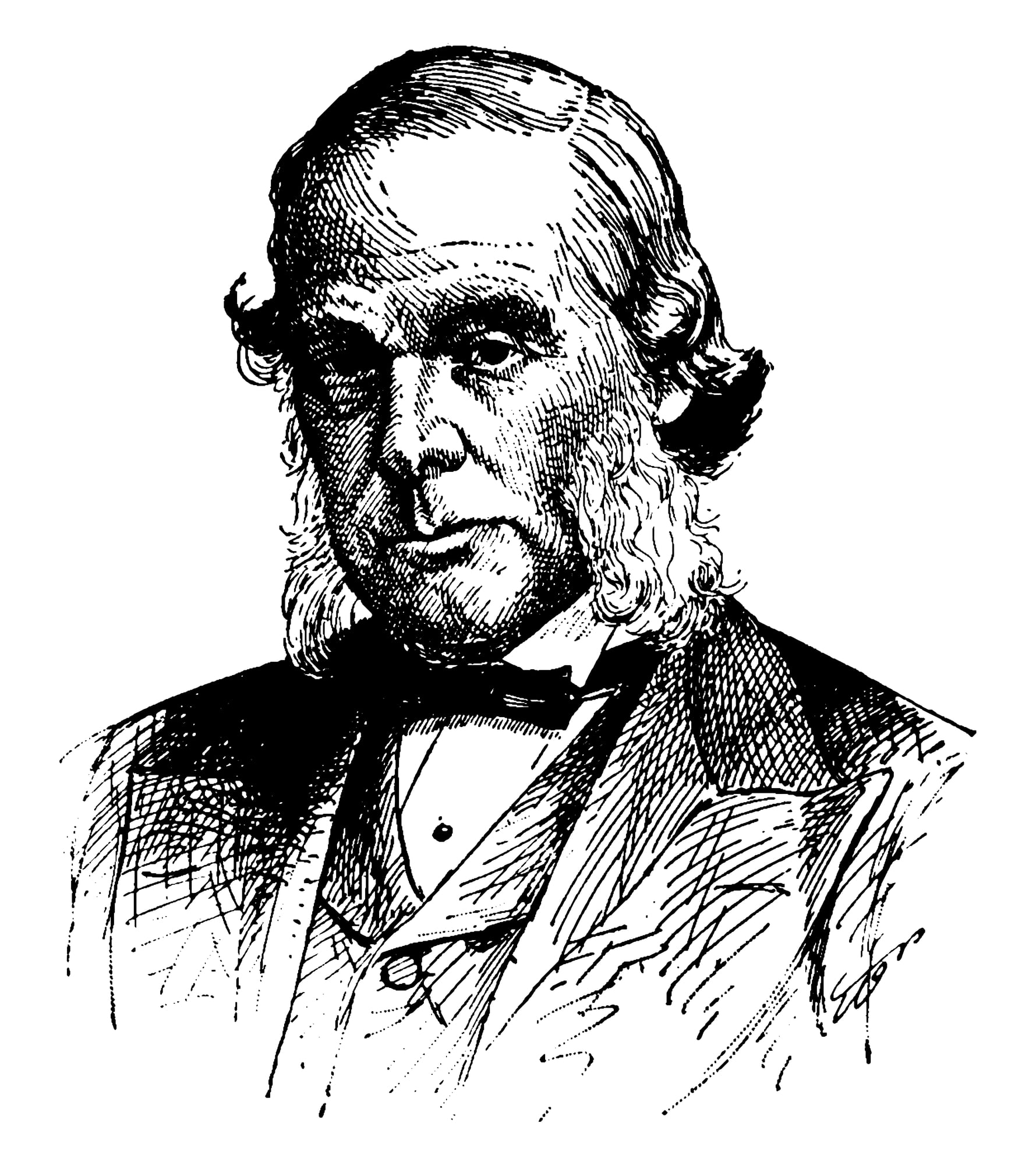
Lister championed antiseptic surgery in the 1860s, insisting that carbolic acid could prevent post-operative infections. British surgeons ridiculed the idea that invisible germs could cause disease.
They prided themselves on their blood-stained coats as symbols of their experience. Lister was ostracized by the medical community for suggesting they were inadvertently harming patients through poor hygiene.
Copernicus
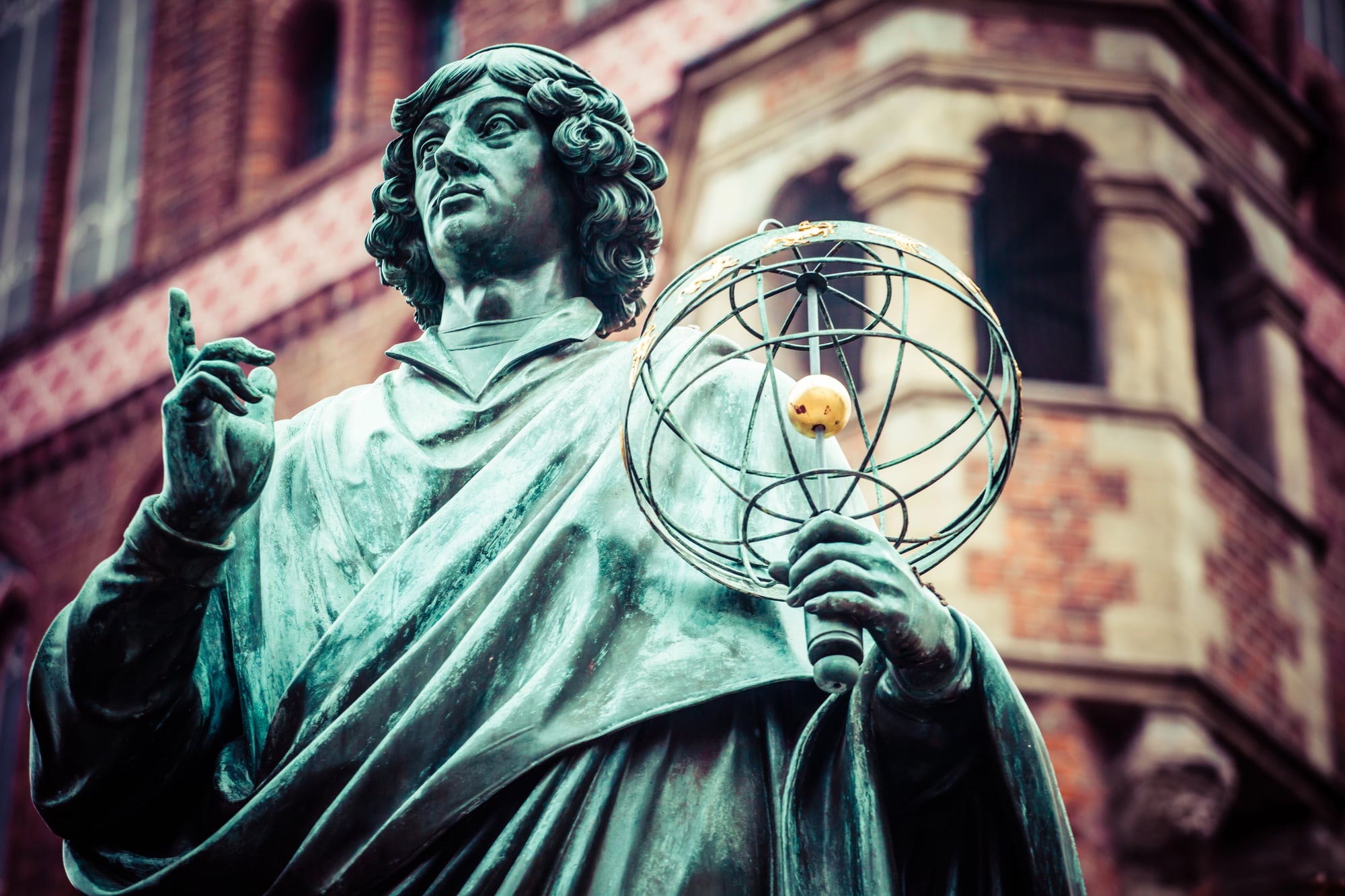
Nicolaus Copernicus spent decades developing his heliocentric model of the solar system but delayed publishing it until he was near death, knowing it would trigger massive controversy. When “De revolutionibus” appeared in 1543, religious leaders denounced it as heretical.
The Catholic Church eventually banned the work, though Luther’s specific response to Copernicus is not clearly documented in contemporary sources. The book was banned by the Catholic Church for over 200 years.
John Snow

Snow mapped cholera cases during London’s 1854 outbreak and traced the source to a contaminated water pump on Broad Street. The medical establishment rejected his findings, insisting cholera spread through “bad air” rather than contaminated water (because the miasma theory was so much more elegant than the messy reality of sewage-contaminated drinking water, and admitting Snow was right would mean acknowledging that London’s entire water system was a public health disaster waiting to happen).
Government officials dismissed him as an attention-seeking troublemaker. The Board of Health refused to accept his evidence, even after he convinced local authorities to remove the pump handle and cholera cases plummeted.
And the frustrating part? Snow had essentially founded epidemiology single-handedly, using data visualization and statistical analysis to solve a medical mystery that had baffled experts for decades, but the scientific community was too invested in their existing theories to recognize genius when it was staring them in the face.
Snow died in 1858, still fighting for acceptance of germ theory and proper sanitation — vindication came only after another cholera outbreak proved his methods worked exactly as he’d predicted.
Aristarchus of Samos

Aristarchus proposed a heliocentric model of the solar system around 270 BCE, nearly 2,000 years before Copernicus. Ancient Greek scholars rejected his theory as absurd.
If Earth really moved around the sun, they argued, wouldn’t we feel the motion? Wouldn’t objects fall sideways?
His ideas were so unpopular that most of his writings were destroyed, surviving only in references by other astronomers.
Rebecca Lee Crumpler
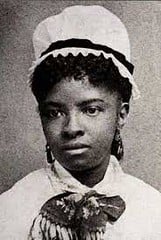
Crumpler became the first Black woman to earn a medical degree in the United States in 1864. White colleagues refused to work with her.
Hospitals barred her from practicing. Pharmacists wouldn’t fill her prescriptions.
She faced constant humiliation from the medical establishment but continued treating patients in Boston’s poor neighborhoods and later provided care for freed slaves in the South.
Franz Mesmer
Mesmer developed theories about “animal magnetism” and its therapeutic effects, essentially discovering what would later be recognized as hypnosis and the power of suggestion in healing. The medical establishment of the 1780s mocked his methods as charlatanism.
Benjamin Franklin led a commission that debunked mesmerism as fraudulent. Mesmer was exiled from Paris and died in obscurity, though his techniques laid groundwork for modern psychotherapy.
Lise Meitner
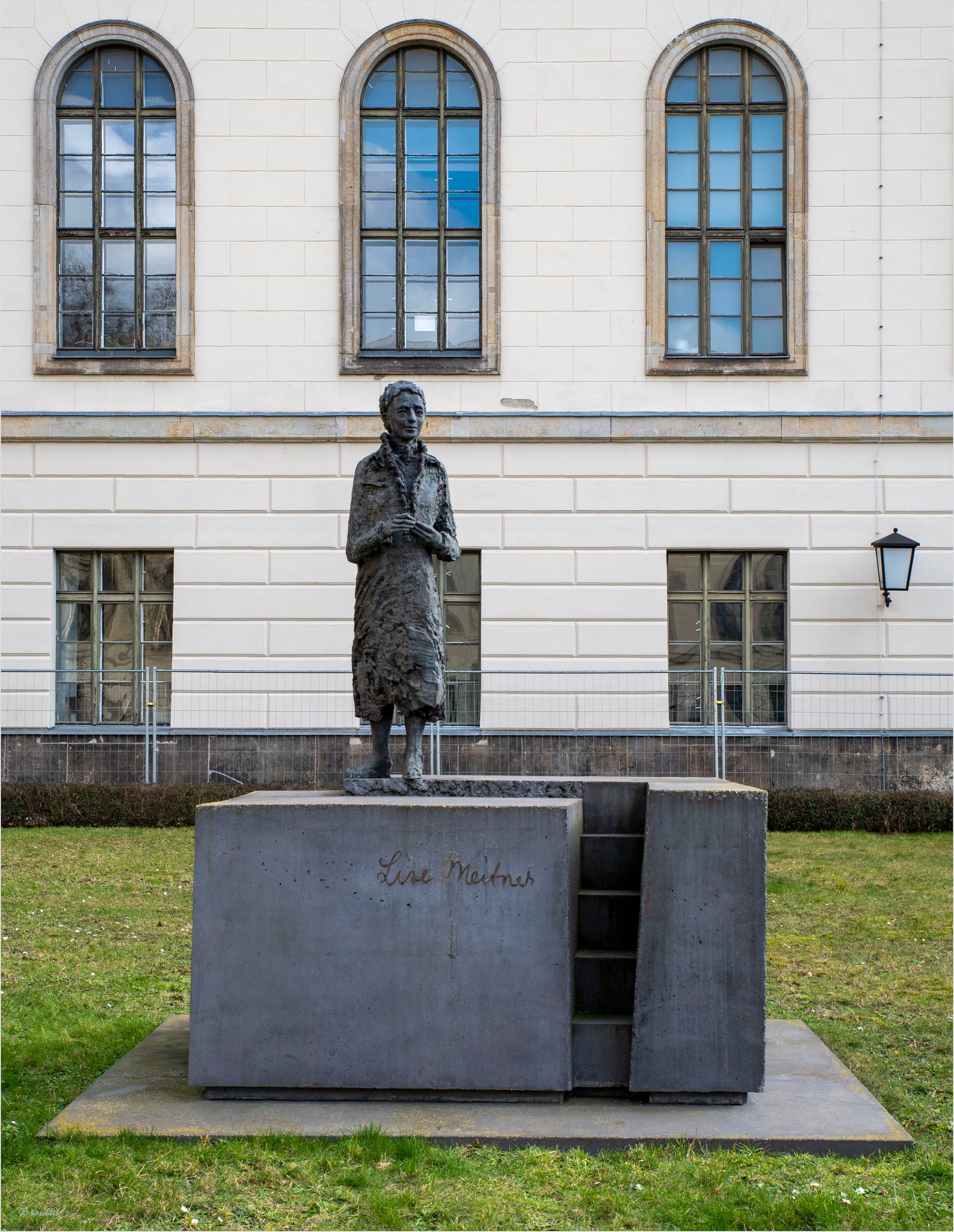
Meitner’s work on nuclear fission provided the theoretical framework for understanding atomic energy. Yet when the Nobel Prize was awarded for the discovery in 1944, only her male collaborator Otto Hahn received recognition.
The scientific community had systematically excluded her from credit for her own research. She was forced to flee Nazi Germany and continued her groundbreaking work in exile while facing both gender and ethnic discrimination.
George Washington Carver
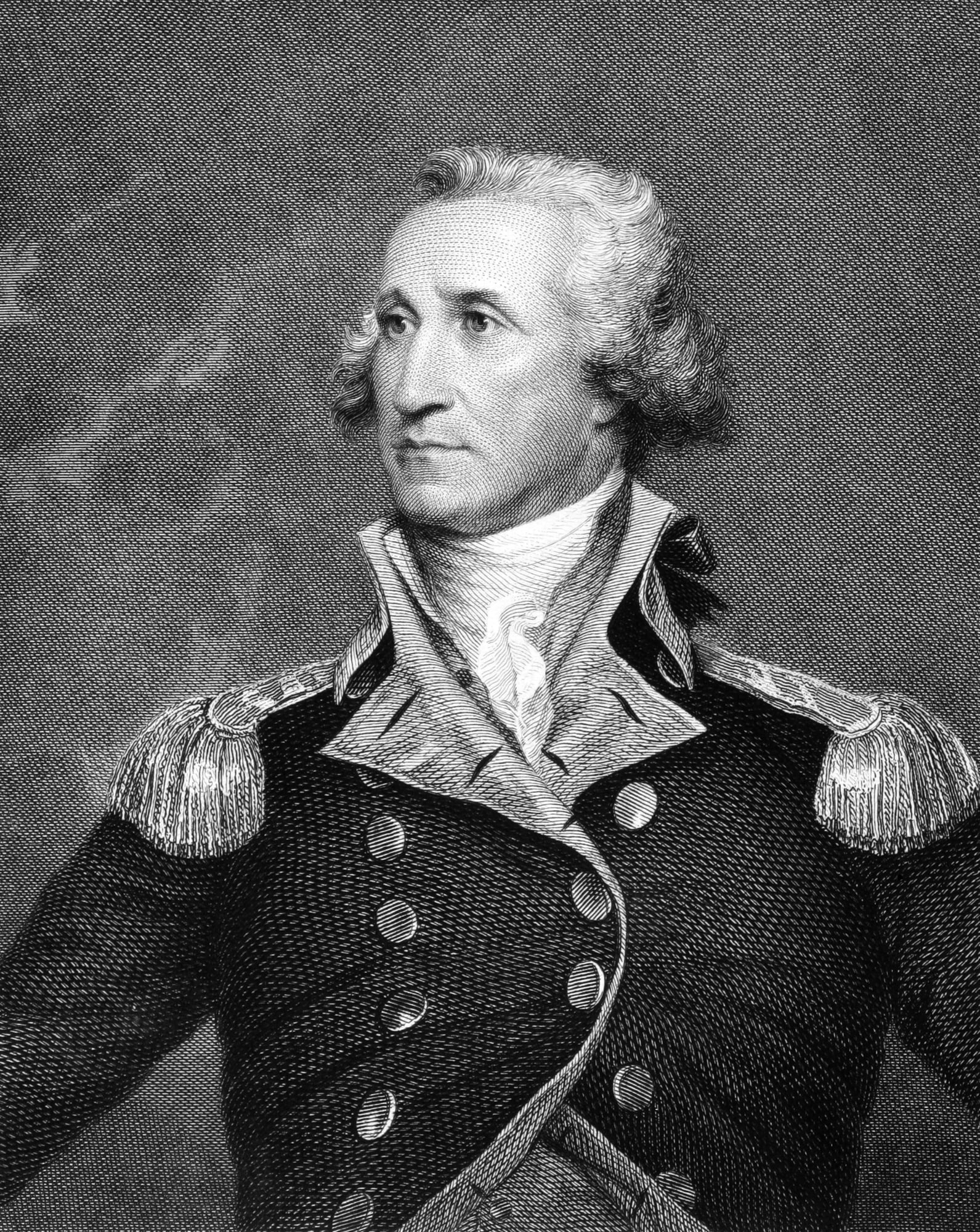
Carver revolutionized Southern agriculture by promoting crop rotation and developing hundreds of uses for peanuts, soybeans, and sweet potatoes. White agricultural scientists initially dismissed his methods as folk remedies unworthy of serious consideration.
Farmers resisted his advice, preferring traditional cotton monoculture that was depleting their soil. Carver faced constant racial prejudice while trying to share innovations that would eventually transform American farming.
William Morton
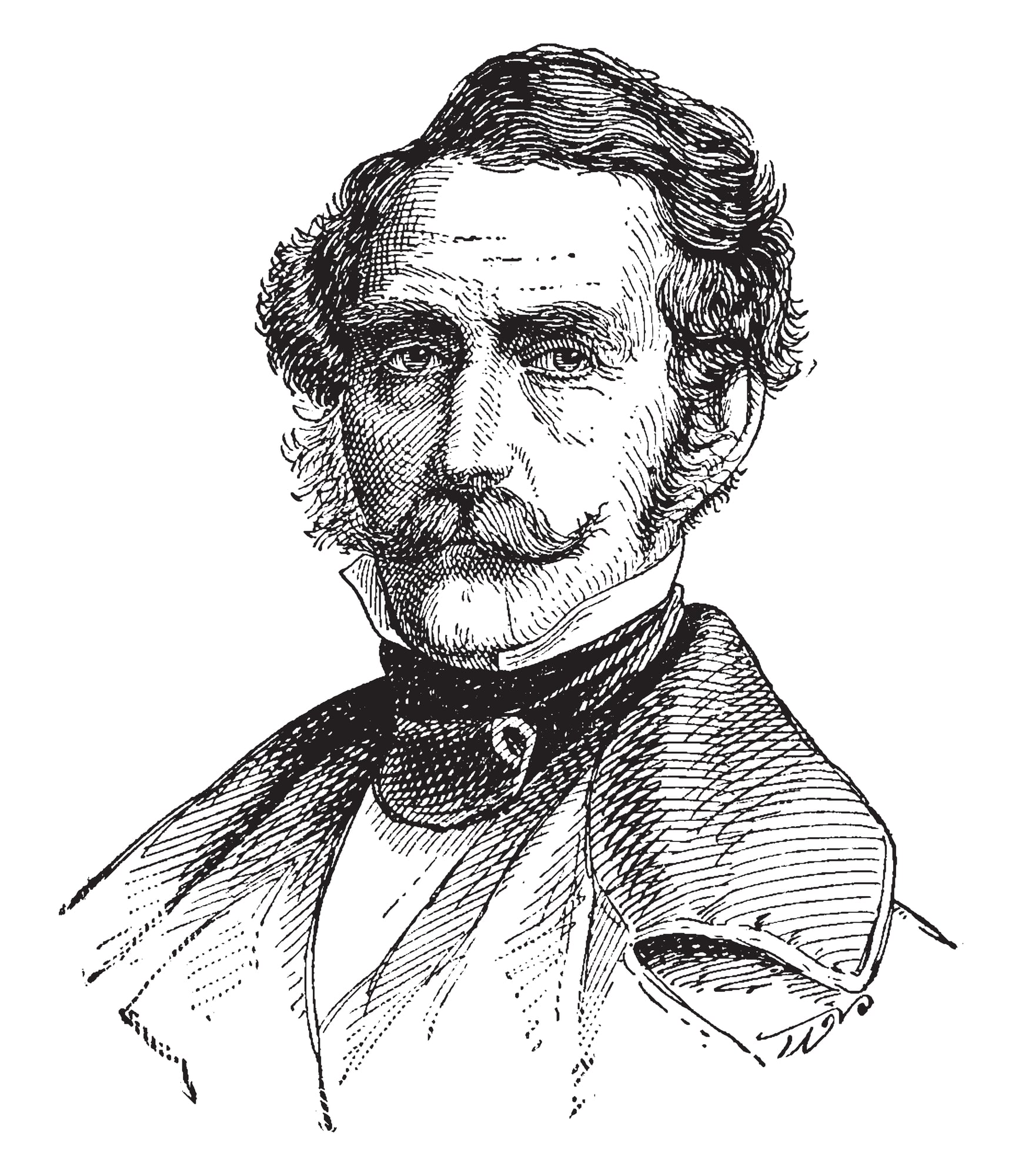
Morton publicly demonstrated surgical anesthesia using ether at Massachusetts General Hospital in 1846, revolutionizing surgery forever. Medical colleagues initially condemned the practice as reckless and potentially deadly.
Some called it ungodly interference with divine will — if God intended surgery to be painful, who was Morton to argue? The medical establishment was slow to adopt anesthesia, with many surgeons continuing to operate on conscious patients for years after Morton proved its safety and effectiveness.
When Tomorrow’s Textbooks Get Written
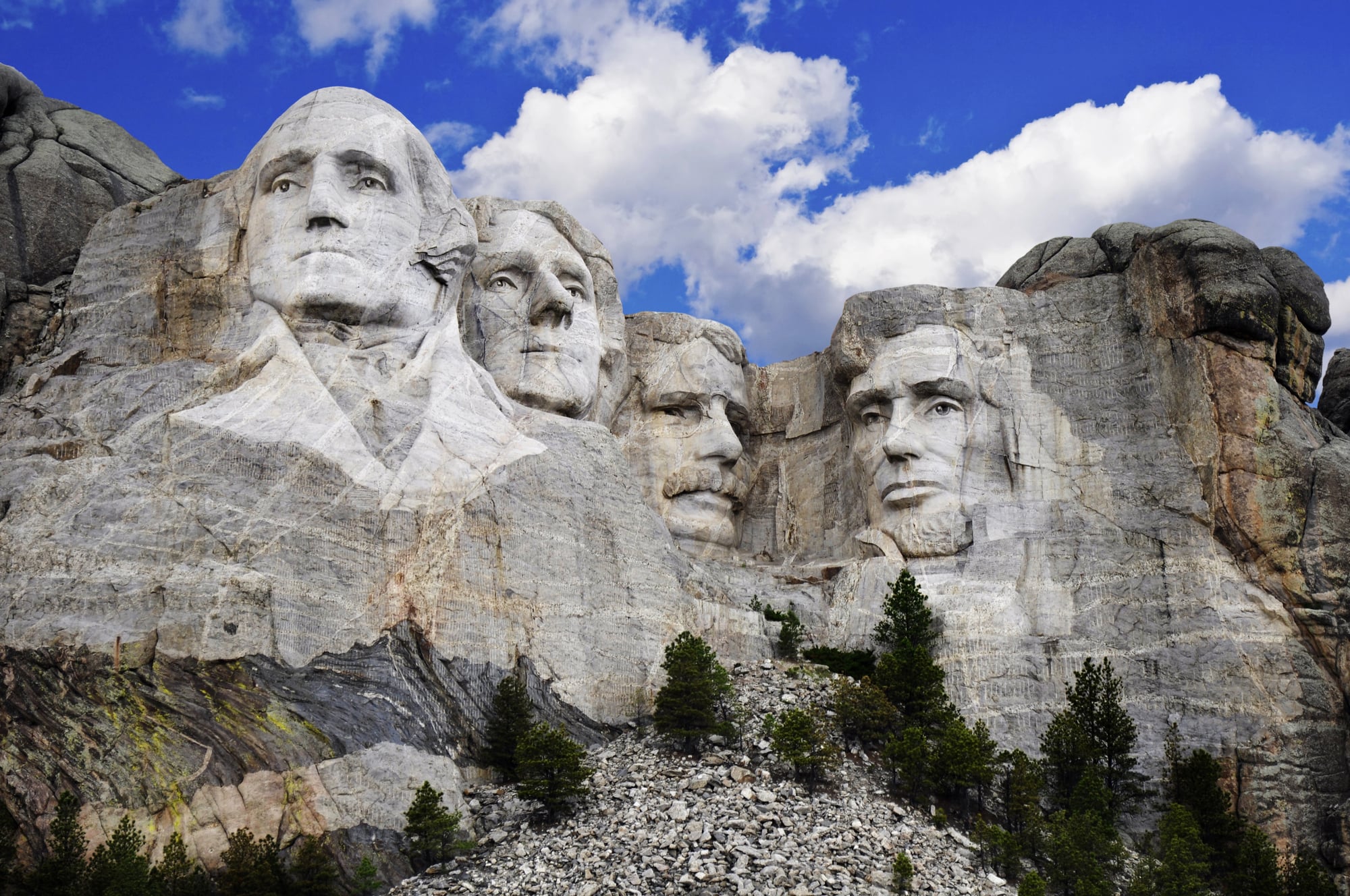
These stories share an uncomfortable truth about progress: it rarely arrives with fanfare or immediate acceptance. Instead, it sneaks in through the back door, carried by stubborn individuals who refuse to accept that the impossible should stay that way.
The pattern holds across centuries — the lone voice in the wilderness, the data that doesn’t fit, the simple observation that unravels everything experts thought they knew. Tomorrow’s vindication belongs to someone being ridiculed today, somewhere, for suggesting that the world works differently than everyone believes.
More from Go2Tutors!

- The Romanov Crown Jewels and Their Tragic Fate
- 13 Historical Mysteries That Science Still Can’t Solve
- Famous Hoaxes That Fooled the World for Years
- 15 Child Stars with Tragic Adult Lives
- 16 Famous Jewelry Pieces in History
Like Go2Tutors’s content? Follow us on MSN.