Old Sewing Machines Stored in Closets That Quilting Communities Pay Top Dollar For
That heavy machine gathering dust at the back of a closet might be the most underestimated object in the house. Quilters, restorers, and vintage sewing enthusiasts form a passionate and well-organised buying community, and they know exactly what they’re looking for — which means they’ll pay quickly and well when they find it.
The machines that attract the most serious attention are almost never the flashiest ones. They’re the workhorses: solid metal, pre-electronic, built to outlast everyone who owned them.
Condition matters enormously, but “working order” matters more than aesthetics. A machine with a faded decal that sews a perfect stitch will outsell a museum-quality cosmetic example that jams on the first pass.
Before pricing anything, thread it up and run it.
Singer Featherweight 221
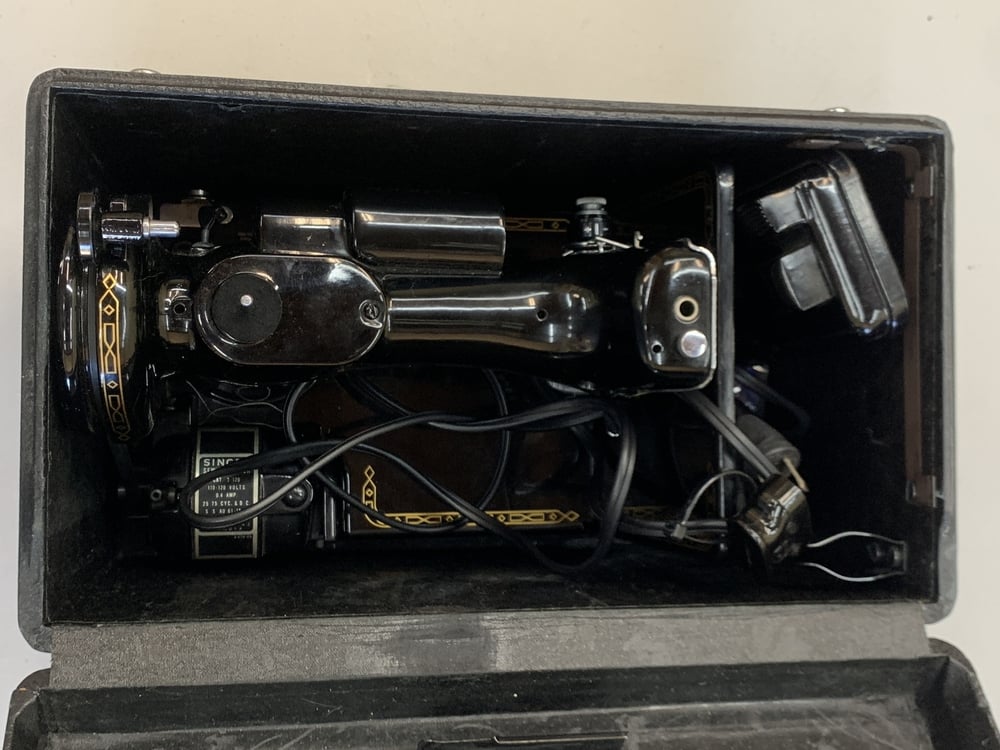
Introduced in 1933 with an innovative aluminium body that made it dramatically lighter than competing machines of its era, the Singer 221 Featherweight became the quilter’s machine of choice almost immediately — and never really stopped being one. Its straight-stitch precision and compact footprint make it ideal for the precise piecing that quilts require, and the community that collects and uses these machines is extraordinarily active.
Standard models sell for $150 to $400, while black versions and the rarer 221K in excellent condition can reach $600 to $800.
Singer 222K Free-Arm Featherweight
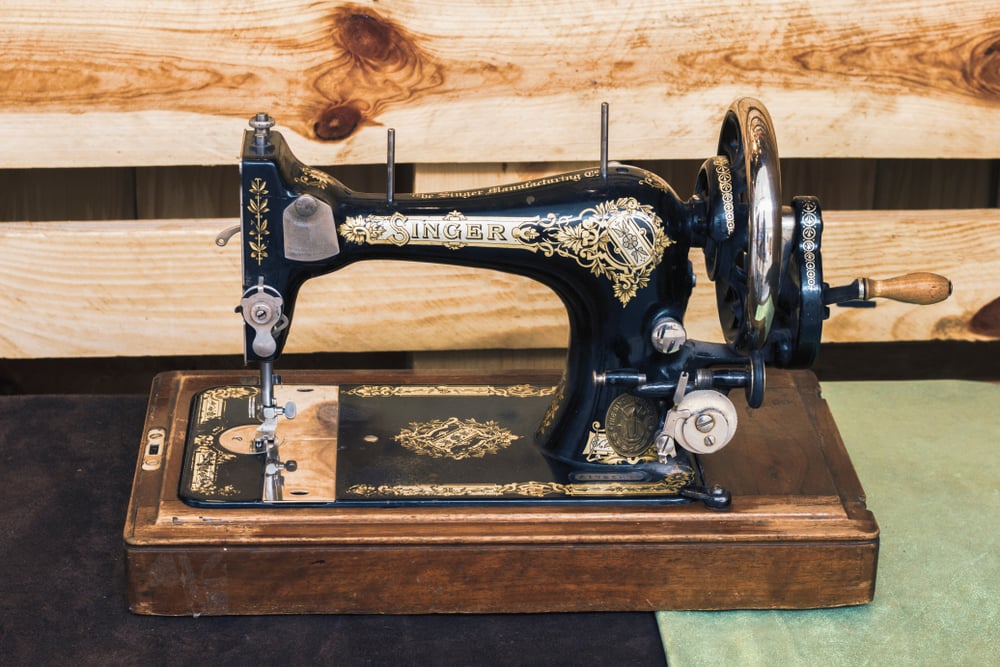
The 222K is the free-arm variant of the Featherweight, produced in the UK from the mid-1950s, and it commands prices well above its 221 sibling due to lower production numbers and the added functionality of the removable extension table. In good condition with original accessories and case, a 222K sells for $800 to $1,500 — and quilters who know the model will pay without hesitation.
The needle plate, bobbins, and original presser feet all affect final value significantly.
Singer Model 66 “Red Eye”
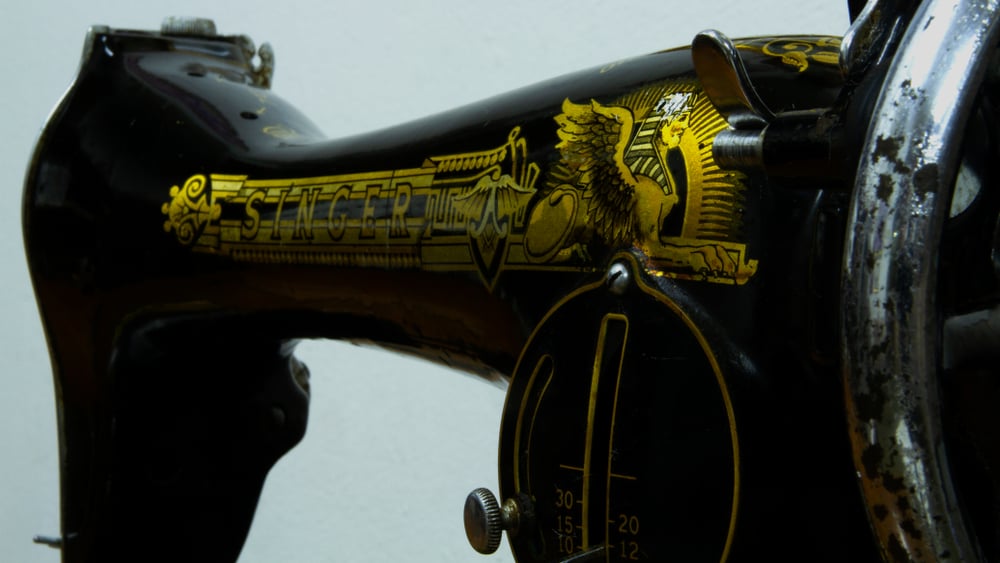
The Model 66 earned its nickname from the distinctive red and gold decal pattern on its black lacquered body — a design that makes it one of the most visually striking machines Singer ever produced. Manufactured from around 1902 through the 1950s with various updates, it sits in cast iron and runs with a mechanical reliability that modern sewists find genuinely impressive.
Prices range from $100 to $500 depending on whether the decals are intact and whether the machine still runs.
Singer Model 201
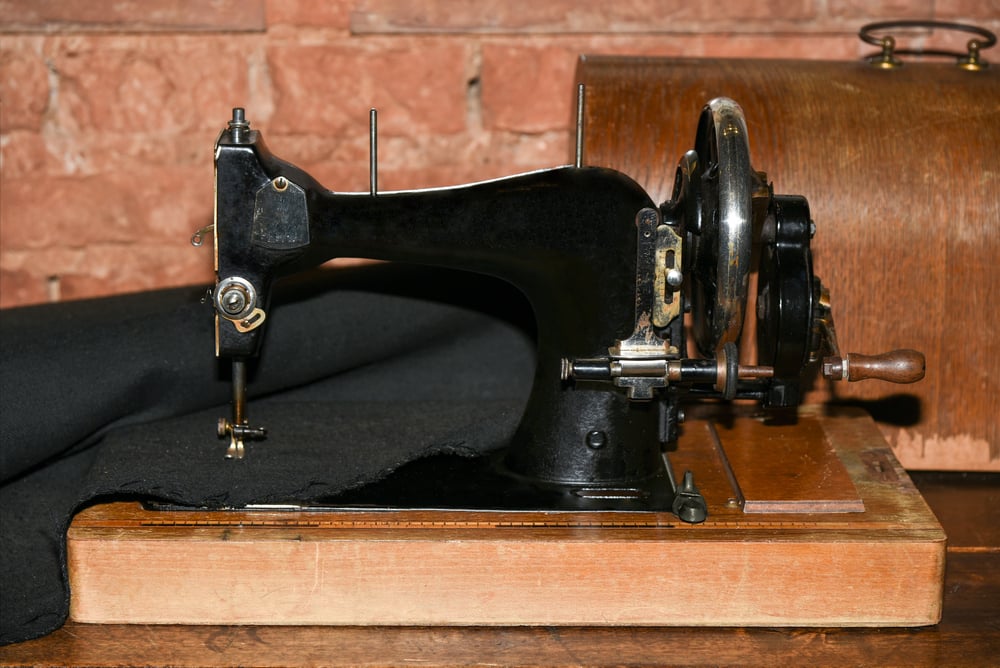
Often described as the finest domestic sewing machine Singer ever made, the 201 features a rotary hook mechanism that produces an exceptionally smooth and quiet stitch. It was Singer’s top-of-the-line consumer model through the 1930s and 1940s and is still used by textile artists who prioritise stitch quality over convenience.
Clean, functional examples sell for $150 to $400, and the model has a devoted restoration community that maintains parts availability.
Singer Treadle Machines in Original Cabinets
— Photo by natalia.milko@gmail.com
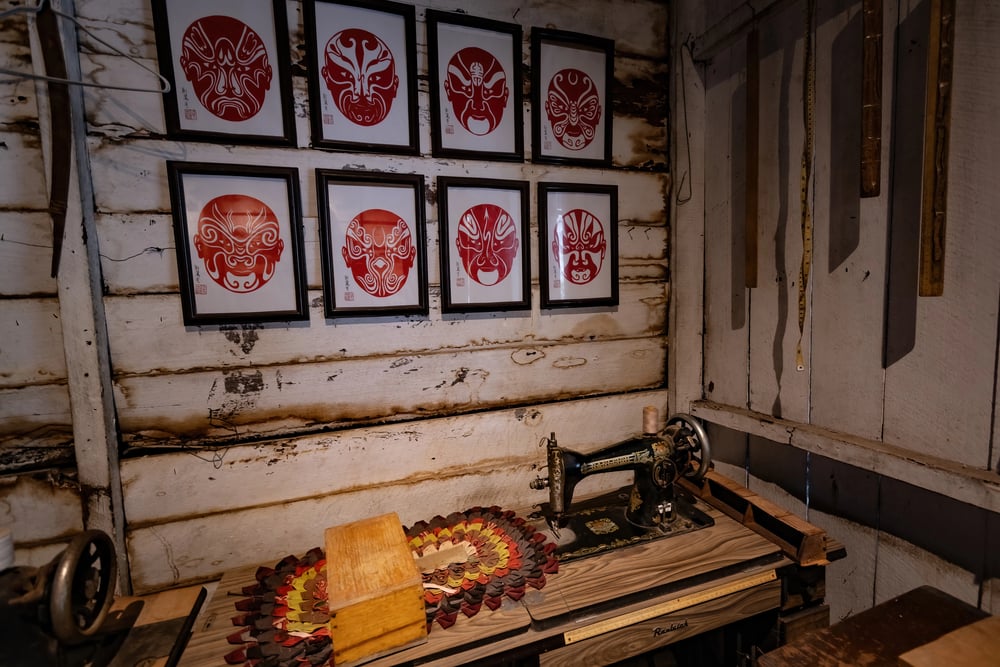
The sight of a Singer treadle in its original oak or walnut cabinet is one of the most recognisable icons of domestic manufacturing history. When the cabinet is intact — proper ironwork base, original finish, functioning treadle mechanism — the combination sells for $150 to $800 depending on cabinet condition and machine model.
Many quilters specifically seek treadle machines because they produce no electrical interference with pacemakers, and off-grid sewing communities value them for obvious reasons.
Wheeler and Wilson No. 9
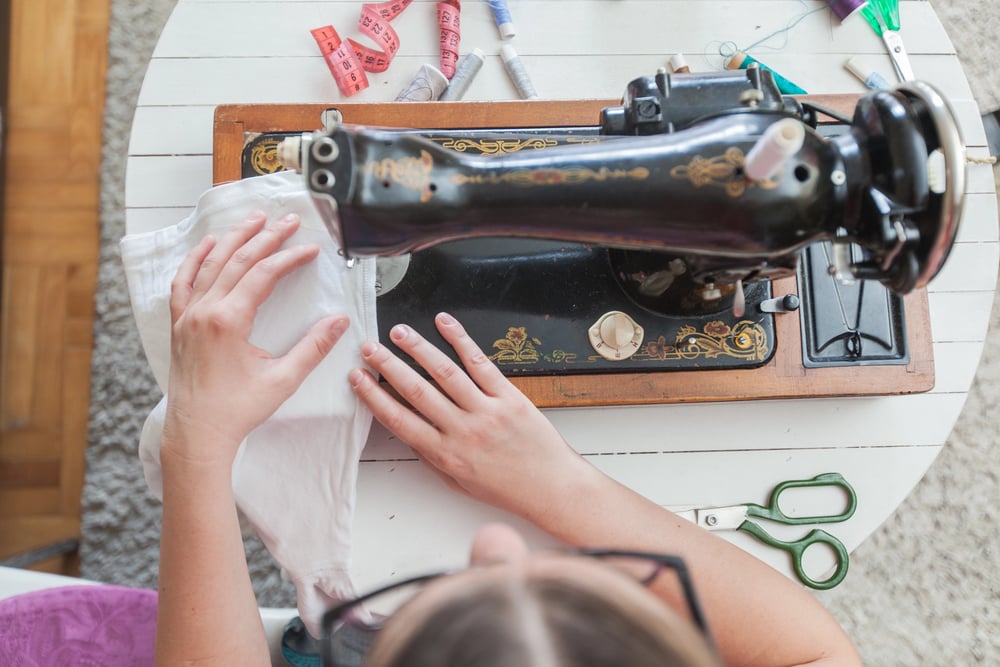
Wheeler and Wilson was Singer’s primary 19th-century competitor, and the No. 9 was their most refined domestic model before Singer absorbed the company in 1905. The No. 9 features a curved, almost Art Nouveau body styling that makes it one of the most distinctive-looking antique machines a collector can find.
Hand-crank examples command $300 to $1,200 depending on condition, and intact examples with original wooden cases are particularly sought after.
Willcox and Gibbs Hand-Crank Models (circa 1880)
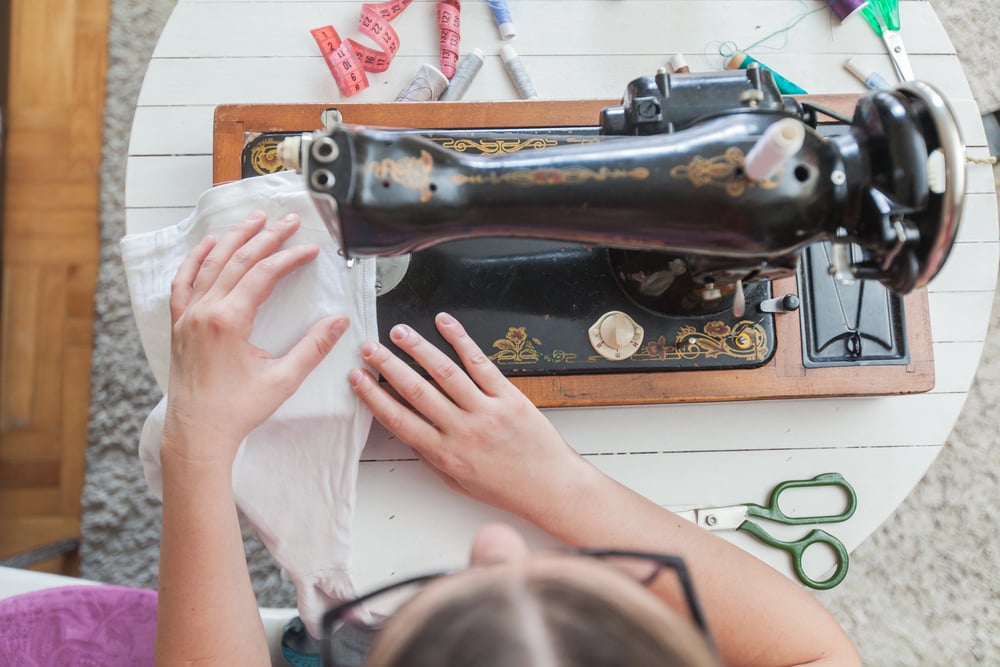
Founded in 1857 by James Gibbs and James Willcox, this company produced machines known for their elegant simplicity and a unique chain-stitch mechanism that differs fundamentally from most other antique machines. A Willcox and Gibbs hand-crank from around 1880 in good working order sold at auction for €415 after 34 competitive bids — a result that reflects genuine collector enthusiasm rather than decorative appeal.
Treadle versions with original cabinets reach $100 to $1,000 depending on state.
Pfaff 130
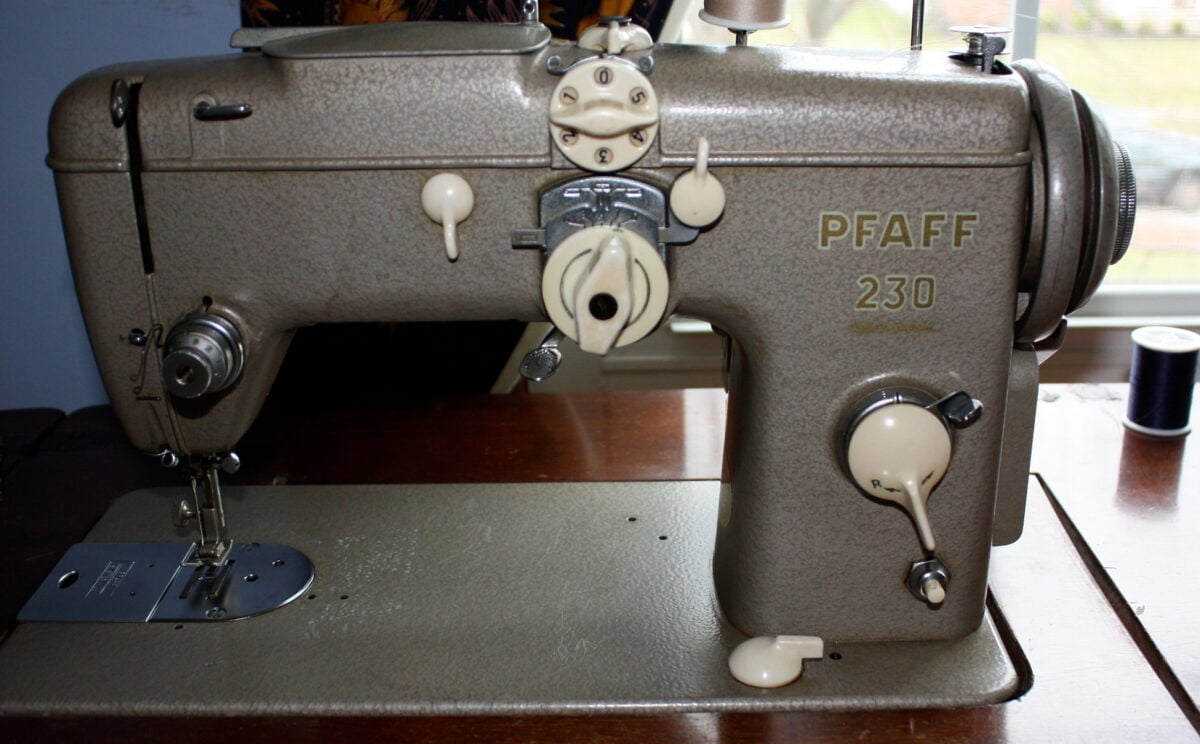
Made in Germany through the mid-20th century, the Pfaff 130 introduced zigzag stitch capability to a market that had mostly settled for straight-stitch machines, and it did so with an all-metal build that collectors and working sewists still appreciate. The mechanical precision inside a 130 is closer to watchmaking than appliance manufacturing, and machines with original decals and working foot pedals sell for $300 to $600.
The wooden cabinet version attracts additional interest from furniture collectors who have no interest in sewing at all.
Bernina Record 530
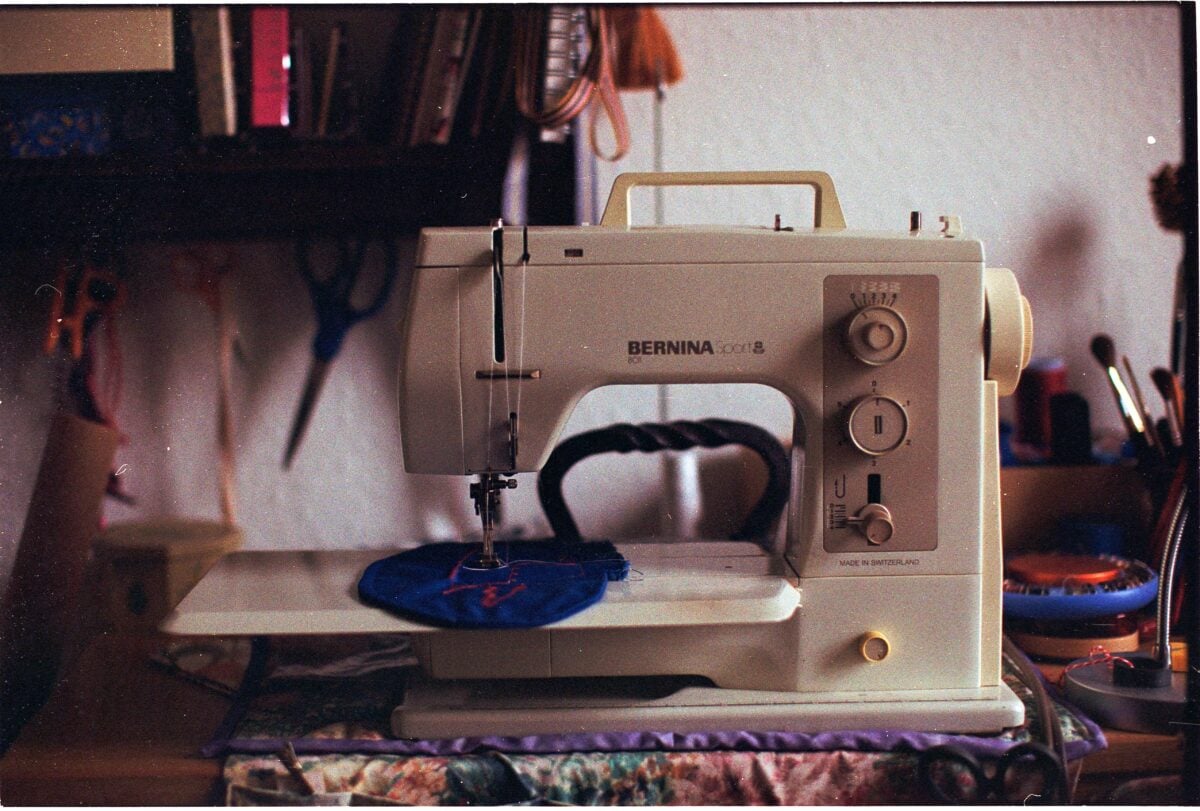
Swiss-made and built to tolerances that most domestic appliance manufacturers wouldn’t bother with, the Bernina Record series machines from the 1960s and 1970s represent the high end of vintage domestic sewing. The 530 in particular is sought by both sewists who want a working machine and collectors who appreciate engineering for its own sake.
Machines with original accessories and hard cases sell for $400 to $800, and pristine examples command more. The red Bernina logo on an intact nameplate adds measurable value.
Elna Supermatic (1952)
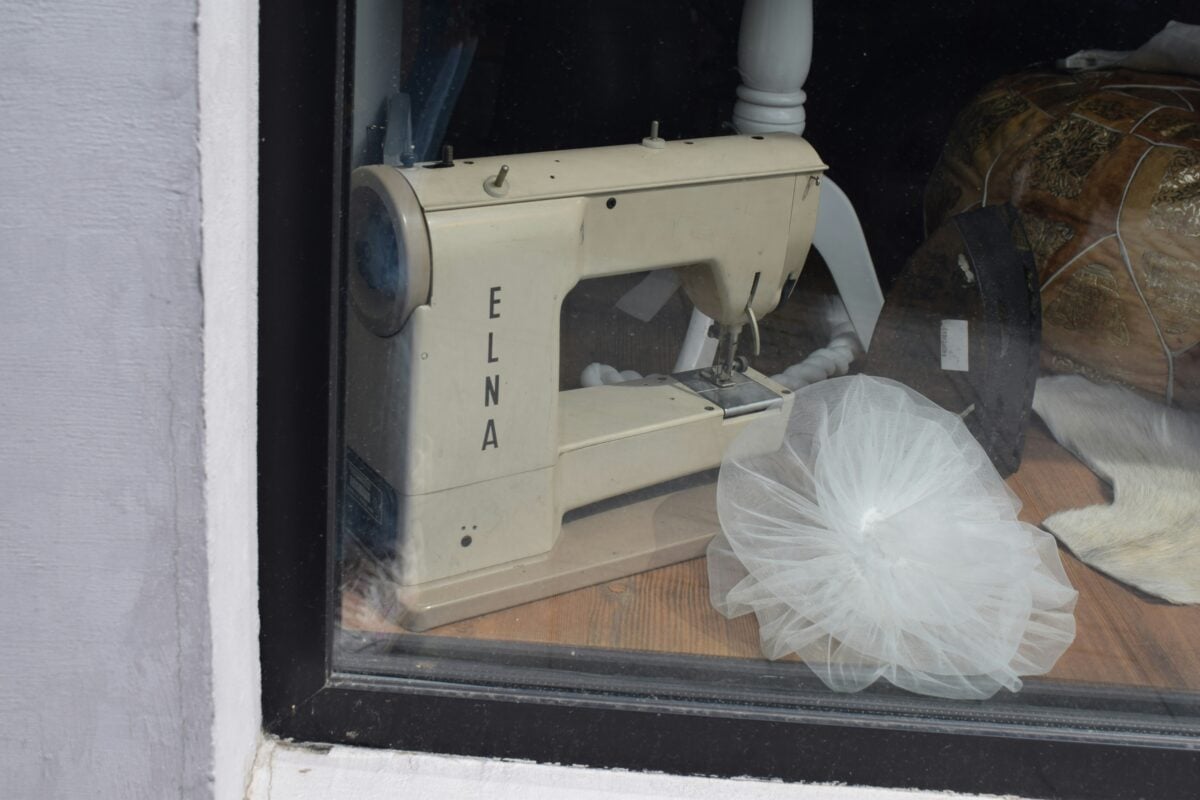
The Elna Supermatic was the first home sewing machine to feature a cam system allowing decorative stitches without external attachments, making it a genuine engineering milestone in the history of the domestic sewing machine. It was also unusually compact for its era.
Collectors value early examples from the first production years particularly highly, and a fully functioning Supermatic with its cams and original case sells for $200 to $500.
White Family Rotary
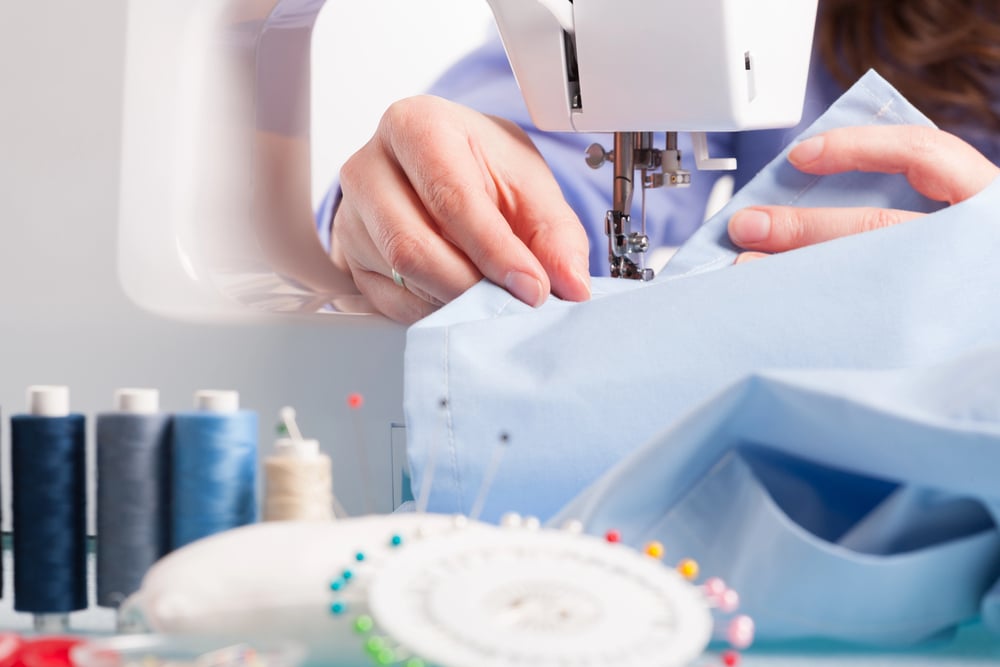
The White Sewing Machine Company produced its Family Rotary model from the late 1890s through the 1950s, and it remained so consistent in its design that differentiating early from late examples requires serial number research. Machines with original landscape painting decals — a White trademark on many models — attract collector premiums beyond what a plain example would achieve.
Treadle versions in intact cabinets sell for $100 to $400, with the quality of the decorative ironwork base being the deciding factor.
Davis Vertical Feed Machines
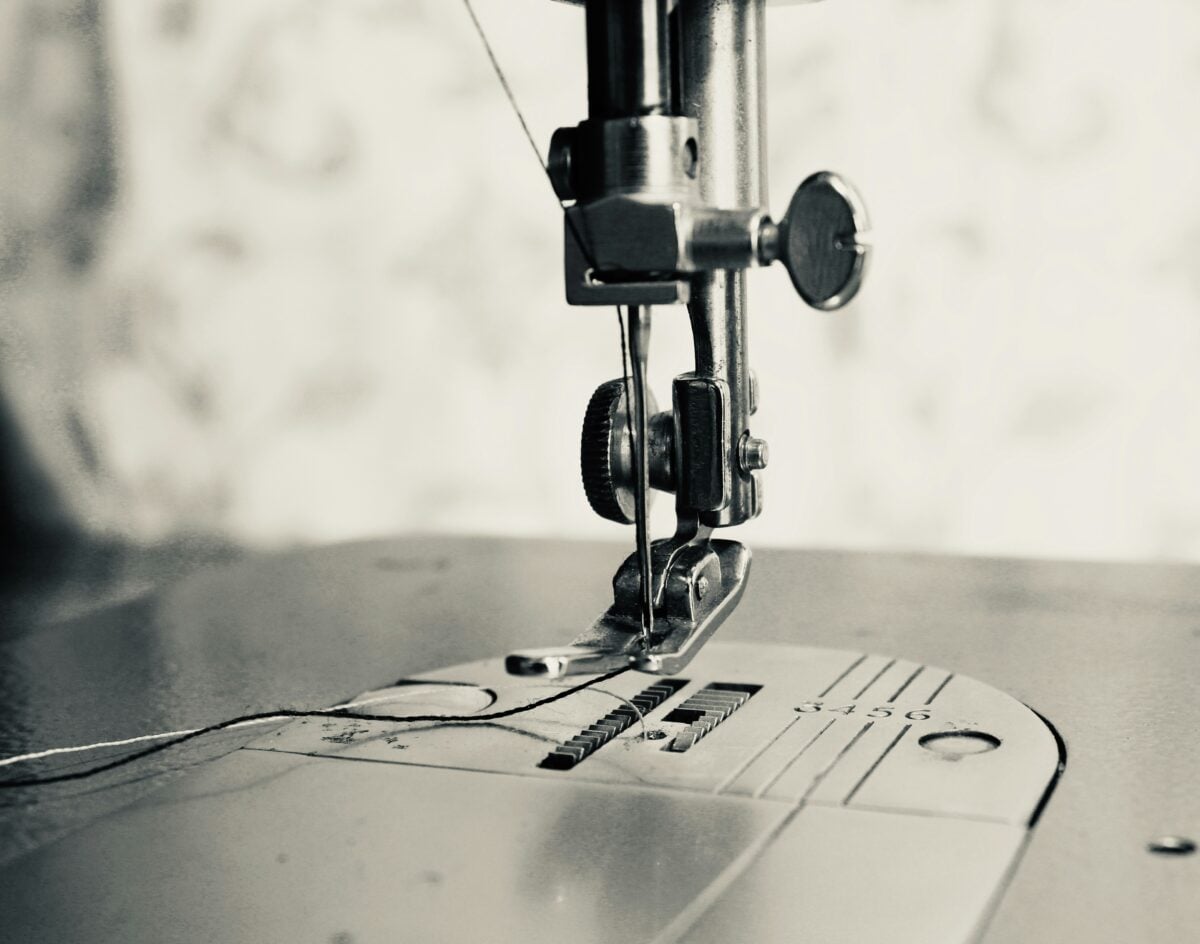
Davis was a significant American manufacturer from the 1870s through the early 20th century, producing machines with a distinctive vertical feed mechanism that handled heavy fabrics unusually well. Few Davis machines have survived in working order because the company’s repair network collapsed when production ended, leaving owners unable to source parts.
A working Davis in its original cabinet is genuinely rare, and prices reflect that scarcity: $200 to $600 for clean examples.
Jones Hand Machine (1879–1909)
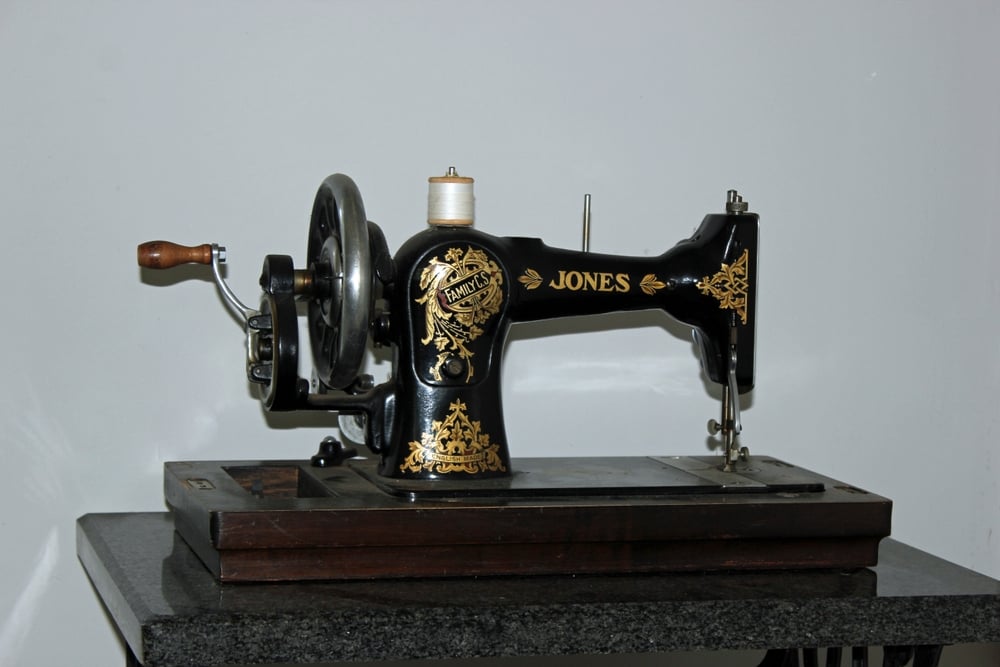
William Jones opened his factory near Manchester in 1869 and began producing hand-crank machines for export to tropical countries, where the absence of electricity made foot-treadle and hand-crank machines the practical choice for generations. The Jones hand machine was in production from 1879 to 1909, and surviving examples with intact black japanning and original wooden cases sold for €523 at recent European auctions.
The export focus means many of these machines surface in unexpected locations, from South African estate sales to Indonesian antique markets.
New Home Treadle Machines
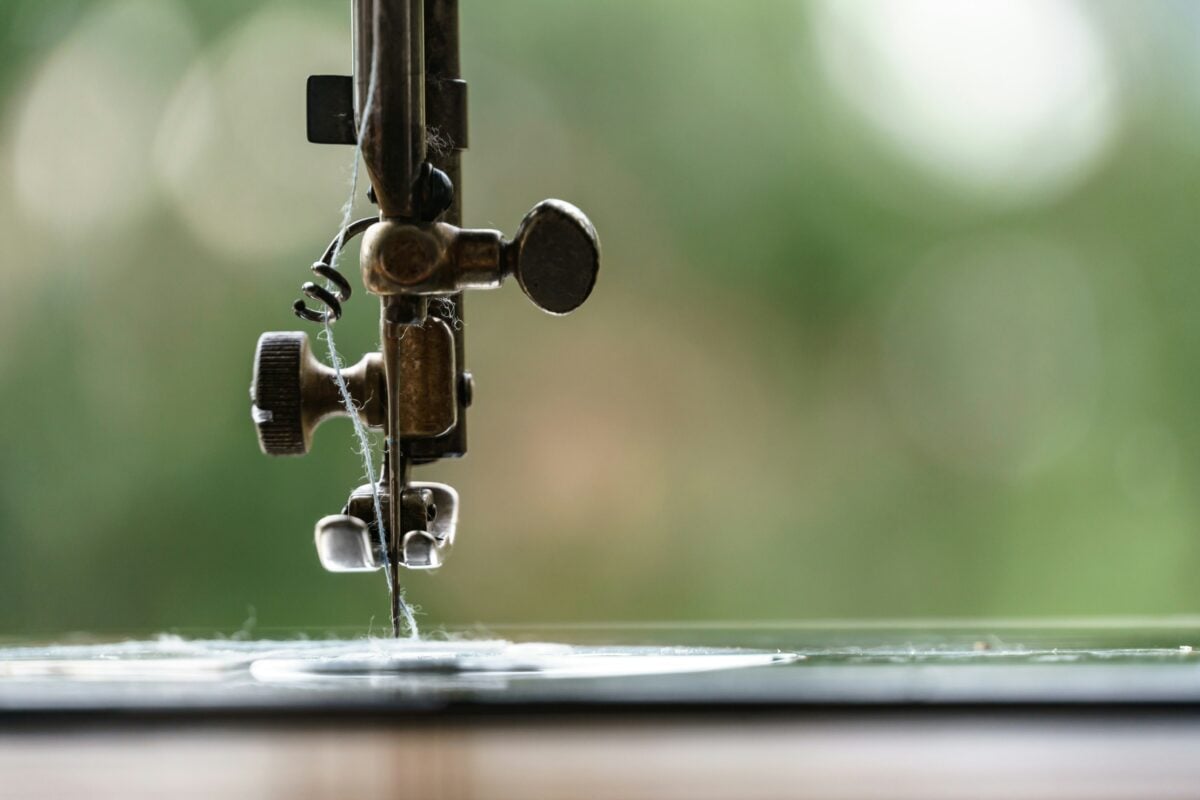
The New Home Sewing Machine Company, based in Orange, Massachusetts, produced domestic machines from the 1880s through the 1920s that competed directly with Singer on price while offering comparable quality. The company’s treadle cabinets are often cited as better-made than Singer’s equivalents, and intact examples with the machine still bolted in sell for $100 to $400.
Quilting groups in New England specifically seek these machines because local provenance adds a layer of meaning that isn’t strictly financial.
National Sewing Machine Company Models
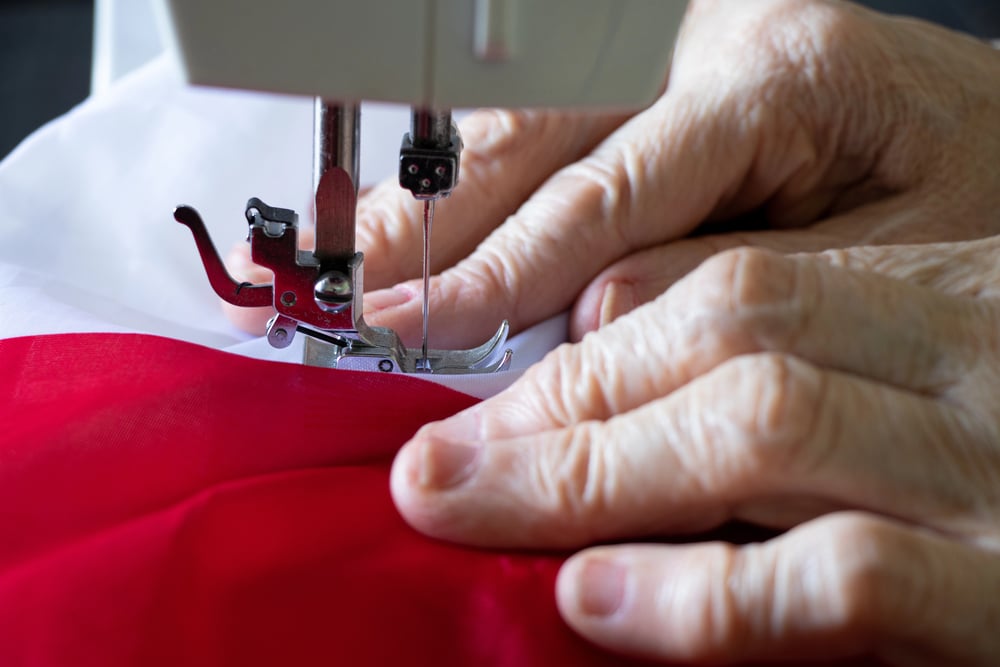
National operated from the 1880s through the 1950s and produced machines under its own name as well as store-branded versions for retailers who wanted to sell sewing machines without manufacturing them. Finding a National in its original cabinet with correct decals is straightforward enough, but finding one in full working order takes more effort — making a verified functional example worth $150 to $350.
The store-branded versions carry a novelty premium for collectors who specialise in retail history.
Miniature and Toy Sewing Machines
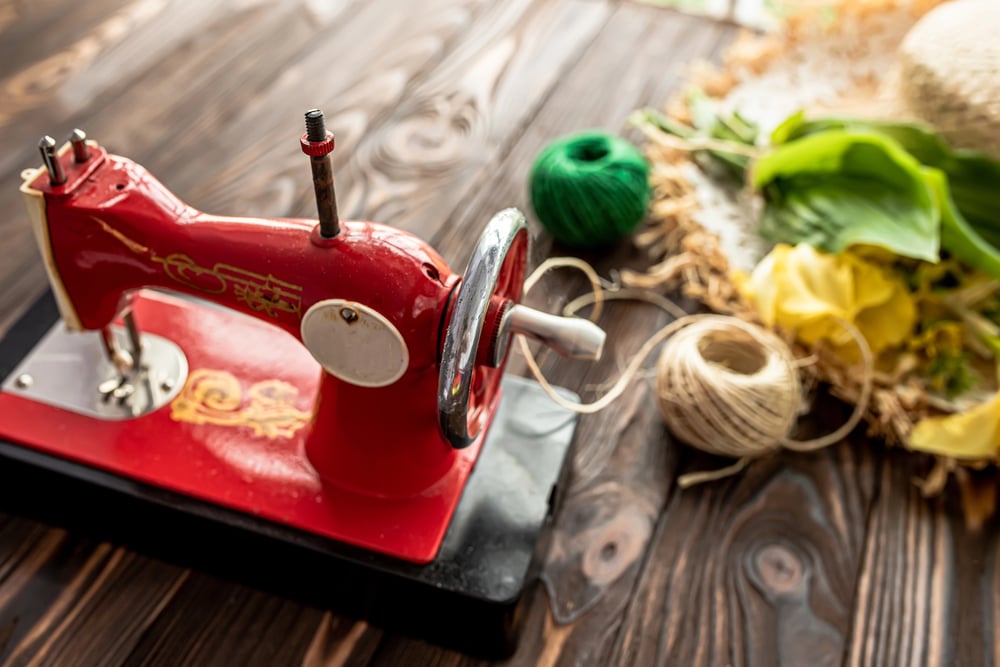
Working toy sewing machines — not display pieces but genuinely functional scaled-down machines made for children from the 1880s through the 1960s — occupy a niche that combines sewing machine collecting with toy collecting, doubling the potential buyer pool. German manufacturers including Casige and Müller produced highly regarded examples, and American brands like Gateway made their own versions.
A working Casige toy machine from the 1940s sells for $80 to $250, with rarer pre-war examples reaching $400.
Industrial Singers with History
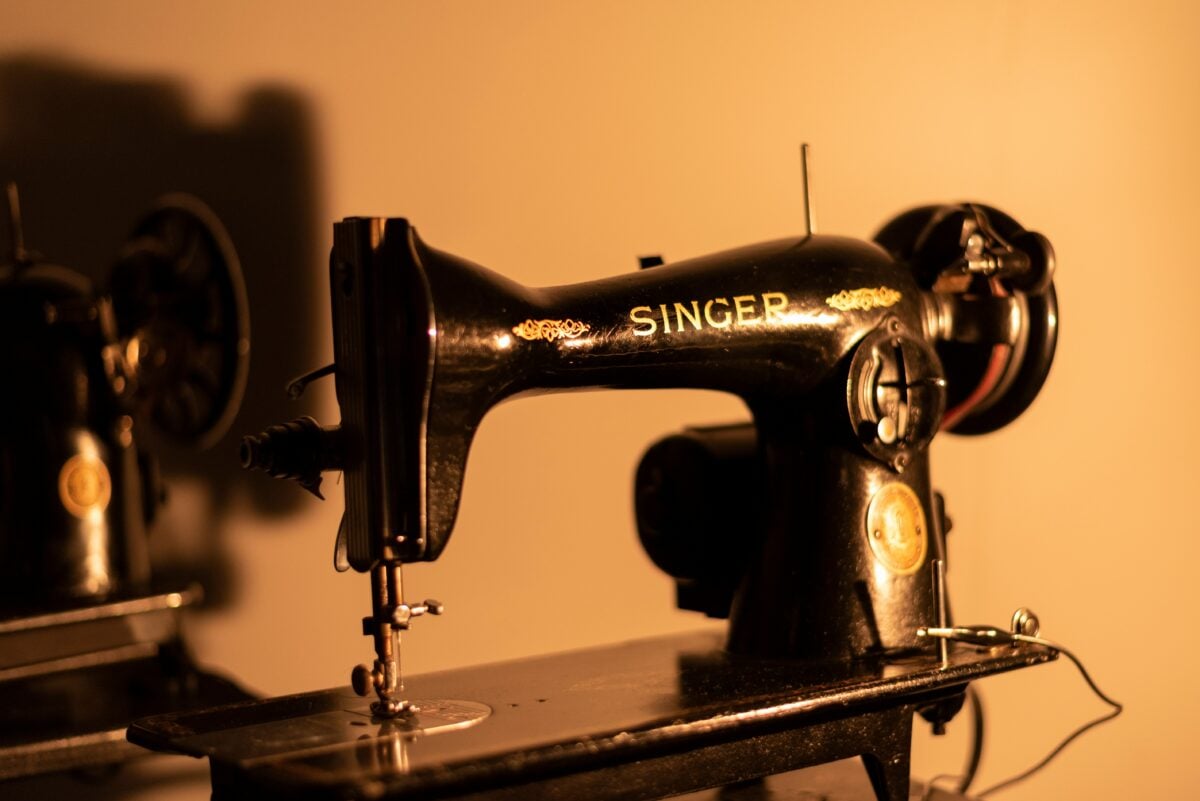
Singer manufactured industrial-grade machines alongside their domestic line, and the industrial models — built for garment factories, upholstery shops, and leather workers — are approaching collector status as garment manufacturing moves offshore and these machines lose their working context.
An industrial Singer 31-15 or 45K in full working order with its original table sells for $200 to $600, and boot-makers and saddlers actively seek these machines to replace irreparable modern equipment.
What Makes the Closet Worth Opening
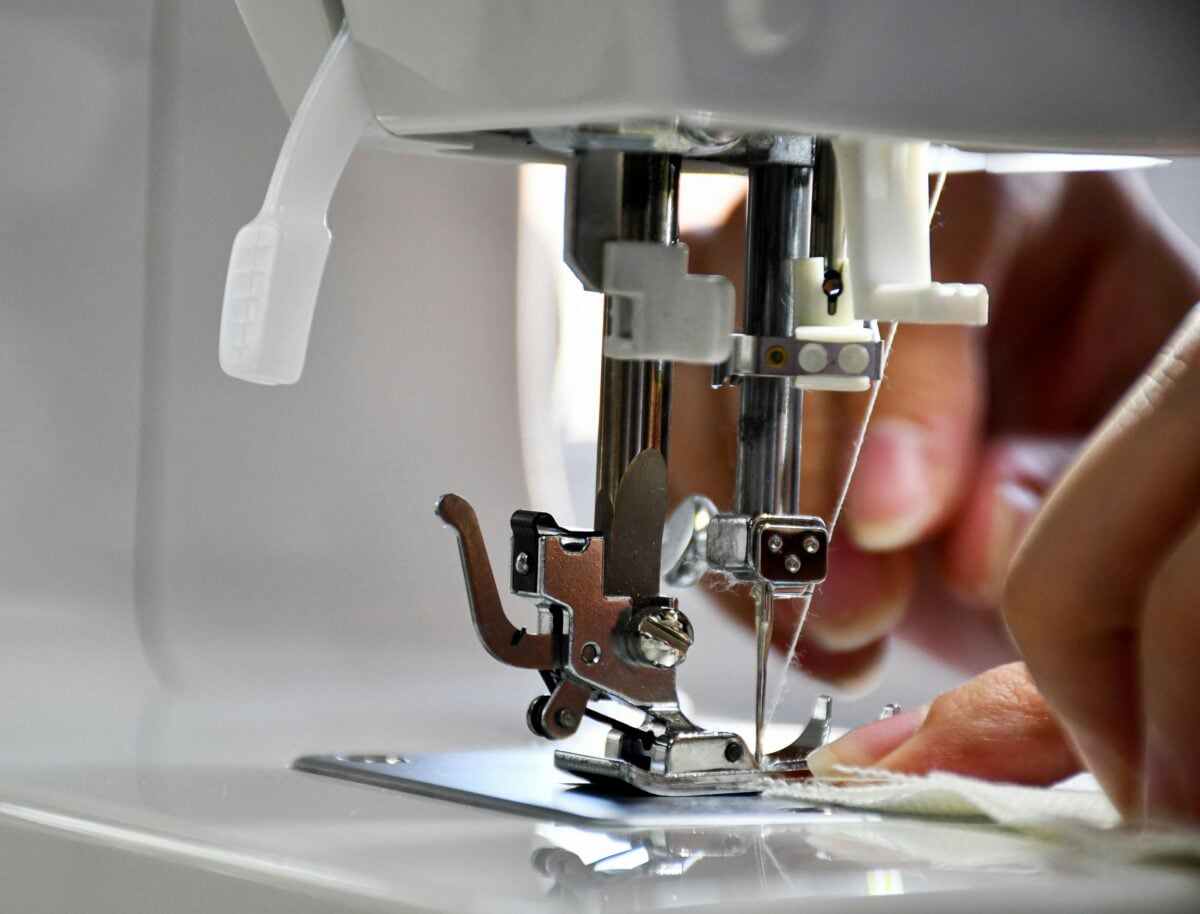
The sewing machine market is shaped by two completely different buyer types operating in the same space: collectors who want a specific model for historical or aesthetic reasons, and sewists who want a specific model because it’s the best tool for the work they do. When both communities want the same machine — which happens reliably with the Featherweight, the 201, and the Bernina Record series — prices climb in ways that surprise sellers who assumed the machine was worthless.
A machine that hasn’t been threaded in forty years can still be exactly what a quilter has been looking for, and finding out what it is costs nothing more than an hour of research and a serial number lookup. The closet is the most profitable starting point in most estate clearances, and most people never look properly at what’s in it.
More from Go2Tutors!

- The Romanov Crown Jewels and Their Tragic Fate
- 13 Historical Mysteries That Science Still Can’t Solve
- Famous Hoaxes That Fooled the World for Years
- 15 Child Stars with Tragic Adult Lives
- 16 Famous Jewelry Pieces in History
Like Go2Tutors’s content? Follow us on MSN.



