Trade Routes That Were Secretly Controlled by Agreements Between Rival Empires
History likes to paint trade routes as the wild west of commerce—merchants braving bandits, storms, and uncertain borders to move goods across continents. The reality was often far more calculated. Behind many of the world’s most important trade arteries lay secret agreements between empires that supposedly despised each other. These rivals discovered something more valuable than conquest: profit through cooperation.
The agreements weren’t born from friendship or diplomatic goodwill. They emerged from cold pragmatism. Two empires could spend decades exhausting resources in border wars, or they could quietly carve up trade routes and collect taxes together. The choice was obvious, even if admitting it publicly would undermine their carefully crafted images as bitter enemies.
The Silk Road’s Ottoman-Safavid Arrangement

The Ottoman Empire and Safavid Persia maintained public hostility for centuries. Their armies clashed regularly along contested borders, their rulers exchanged threats, and their religious differences provided convenient justification for eternal conflict.
None of this prevented them from secretly coordinating control over Silk Road passages through their territories. Both empires realized that Chinese silk, Indian spices, and Central Asian goods flowing freely meant steady tax revenue. Disrupting trade hurt their treasuries more than it hurt each other. So they developed an understanding: public posturing would continue, but caravans carrying valuable cargo would pass through both empires under agreed-upon terms. The arrangement ensured that merchants faced predictable taxes rather than arbitrary seizures, and both empires collected reliable revenue from the same trade routes.
The Baltic Grain Corridor
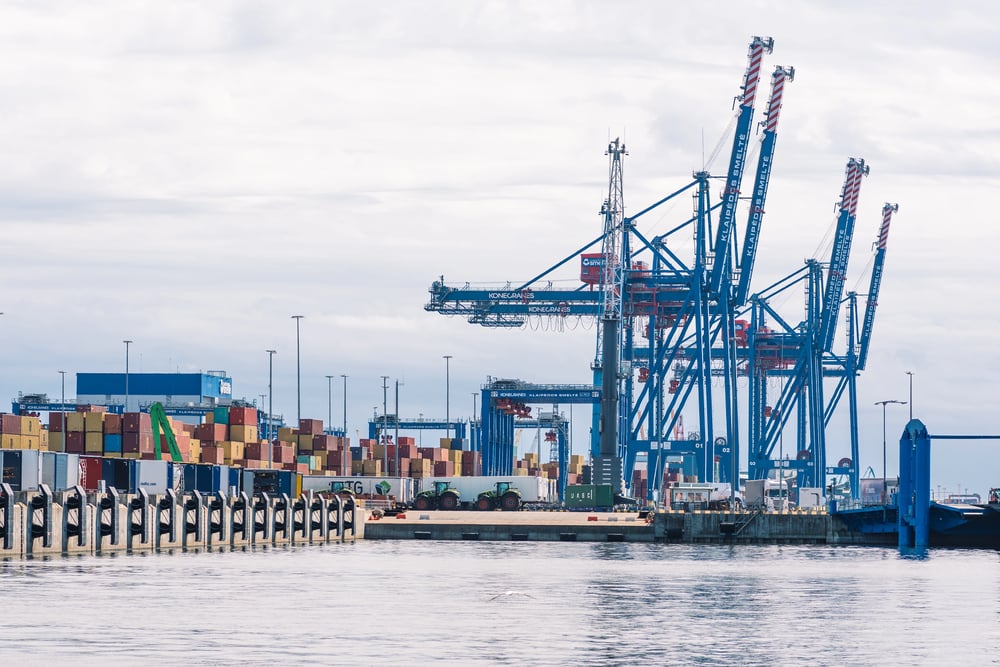
Denmark and Sweden spent the better part of the 16th and 17th centuries at each other’s throats. The Northern Seven Years’ War, the Kalmar War, and countless smaller conflicts kept their armies busy and their populations convinced of mutual hatred.
Yet grain from Poland and the eastern Baltic needed to reach western European markets, and both kingdoms controlled strategic portions of the route. Rather than let their wars disrupt this lucrative flow, they quietly established protocols for grain shipments (though calling them “protocols” overstates their formality—these were handshake deals between rivals who trusted each other’s greed more than their diplomacy). Danish-controlled straits and Swedish-controlled ports operated under an unspoken agreement that grain ships would pass through both territories for predetermined fees, regardless of whatever military campaign was currently underway. The wars continued, but the grain flowed.
The Anglo-Dutch Spice Trade Understanding

England and the Dutch Republic fought three naval wars between 1652 and 1674. These weren’t minor skirmishes—ships burned, trade was disrupted, and both nations poured enormous resources into defeating each other at sea.
Between the wars, however, they developed something resembling cooperation in the spice trade. Both nations had established footholds in Southeast Asia, and both realized that constant conflict in those distant waters served neither’s commercial interests. While their governments maintained official hostility, their trading companies began operating under informal agreements that divided certain spice routes and established shared protocols for dealing with local rulers. The Dutch might control the Banda Islands’ nutmeg, but English ships could still access certain routes to Indian markets—provided they observed agreed-upon limitations and paid appropriate fees. The arrangement wasn’t friendship; it was mutual recognition that some profits were too valuable to sacrifice for the sake of political theater.
Mediterranean Corsair Networks
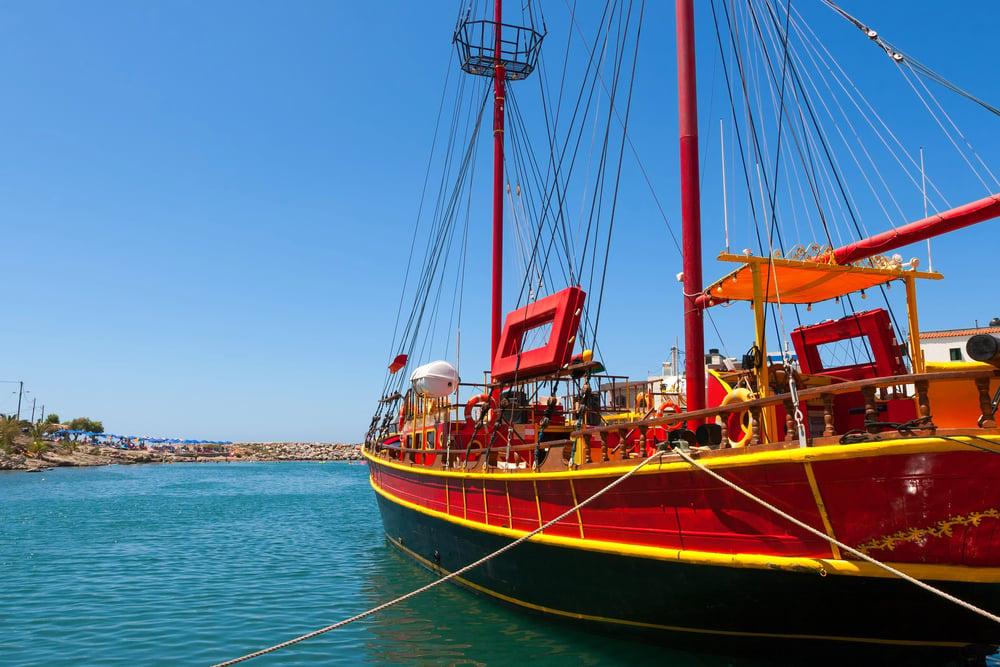
The relationship between Ottoman-sponsored corsairs and their European counterparts reveals something fascinating about how trade and piracy intertwined along Mediterranean routes. European powers publicly condemned these raiders while secretly maintaining relationships that resembled protection rackets more than warfare.
Venice, in particular, mastered the art of paying tribute to corsair networks while maintaining its reputation as a Christian maritime power. The payments weren’t called tribute, of course—they were “diplomatic gifts” or “safe passage fees.” But the effect was clear: Venetian merchant ships moved through corsair-controlled waters with remarkable safety, while ships from nations that refused to pay faced regular attacks. The Ottomans found this arrangement profitable enough to honor it, even when their official policy called for supporting corsair raids against all European shipping. Commerce, it turns out, has its own diplomatic language.
The Trans-Saharan Salt-Gold Balance

The relationship between the Moroccan Saadi dynasty and the Songhai Empire demonstrates how rival powers could maintain territorial disputes while cooperating on trade. Both empires claimed authority over key trans-Saharan routes, and their armies occasionally clashed over control of important trading cities.
This didn’t stop them from developing an intricate understanding about salt and gold flows across the desert. The Moroccans controlled major salt mines in the north, while the Songhai Empire sat atop significant gold sources in the south. Rather than allow their territorial ambitions to disrupt this exchange, both empires created what amounted to a continental trade agreement. Salt moved south under agreed-upon terms, gold moved north through established channels, and both empires collected their shares of the profits. The system worked so well that when the Moroccans eventually conquered Timbuktu, they largely preserved the existing trade frameworks rather than imposing entirely new systems.
The Hanseatic League’s Eastern Agreements
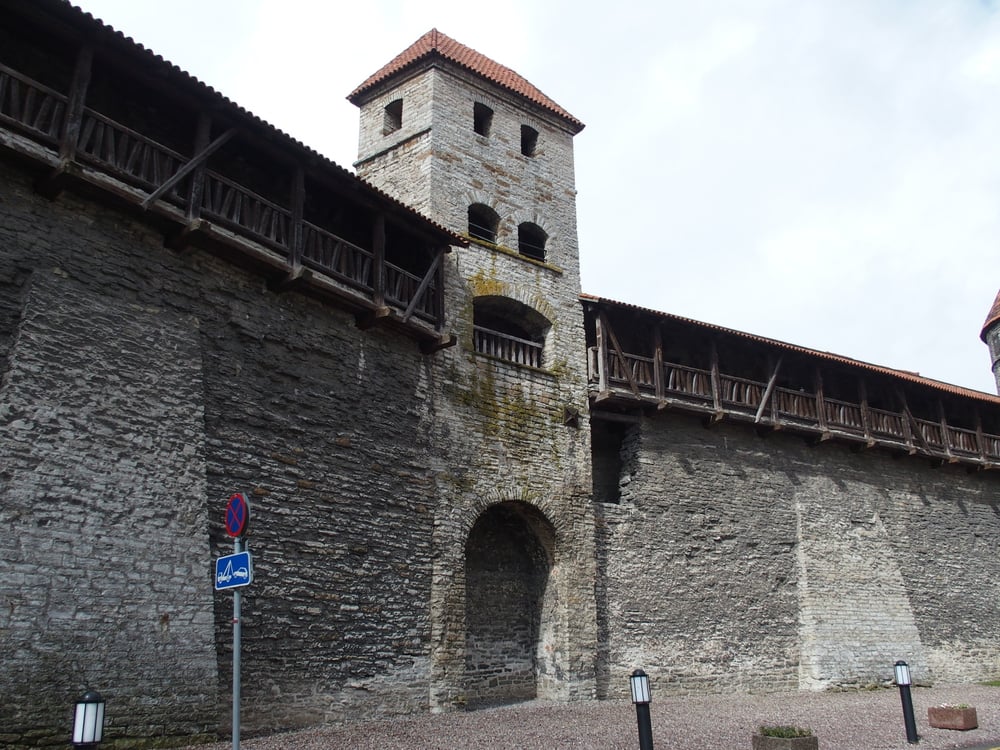
The Hanseatic League maintained its dominance over northern European trade through deals that often resembled territorial compromises more than commercial agreements. The League’s relationship with the growing power of Muscovy illustrates how medieval merchant networks adapted to emerging empires.
And yet the League’s merchants had invested too heavily in Russian routes to abandon them when political winds shifted—instead, they quietly renegotiated their position from one of strength to one that acknowledged Moscow’s growing authority while preserving essential commercial privileges. The new arrangements gave Muscovy greater control over Russian trade routes while guaranteeing League merchants continued access to fur, timber, and other valuable goods (though at higher taxes and with more restrictions than they’d previously faced). So the League’s public independence remained intact while its eastern operations functioned more like a junior partnership with Russian authorities. The transition was gradual enough that most contemporaries didn’t recognize how fundamentally the power balance had shifted.
The Indian Ocean Portuguese-Ottoman Arrangement

Portugal and the Ottoman Empire represented competing visions for Indian Ocean control. Portuguese naval power aimed to dominate sea routes, while Ottoman influence worked through established land routes and existing Muslim trading networks.
Their conflict was too expensive and too distant for either empire to sustain indefinitely. The Portuguese lacked the resources to patrol every sea lane, and the Ottomans couldn’t project naval power effectively into the southern Indian Ocean. Both sides quietly acknowledged these limitations and developed working arrangements that preserved face while maximizing profit. Ottoman merchants gained access to certain sea routes controlled by Portuguese fortresses, while Portuguese traders could operate in Ottoman-influenced ports under specified conditions. The agreements weren’t formal treaties—they were evolutionary adaptations to commercial realities that both sides found preferable to endless, costly confrontation.
The Amber Route Compromises

The Baltic amber trade created unusual diplomatic relationships because amber’s value demanded cooperation between otherwise hostile territories. The route from Baltic beaches to Mediterranean markets crossed numerous political boundaries, each representing potential disruption points.
Holy Roman Empire territories, Polish kingdoms, and Hungarian lands all claimed portions of the amber route, and their political relationships shifted constantly based on dynastic marriages, succession disputes, and religious conflicts. Amber merchants couldn’t wait for political stability—they needed predictable passage regardless of current diplomatic conditions. This created pressure for territorial rulers to maintain amber route agreements even when their broader relationships had deteriorated. The result was a series of overlapping understandings that kept amber flowing south while surface-level political conflicts continued. Rulers discovered that amber taxes provided more reliable revenue than the uncertain profits of territorial warfare.
The Caucasus Pass Agreements

The mountain passes between Europe and Asia created natural bottlenecks that rival empires learned to share rather than fight over exclusively. Georgian kingdoms, caught between Ottoman, Persian, and later Russian expansion, became expert mediators who facilitated agreements between larger powers.
These arrangements often resembled elaborate time-sharing agreements more than territorial treaties. Different empires would exercise primary authority over the same passes during different seasons, or specific types of goods would travel under different imperial protections depending on their destination. Georgian rulers collected fees for facilitating these arrangements while avoiding the impossible task of choosing permanent sides among much larger neighbors. The system preserved trade flows that all parties valued while preventing any single empire from gaining complete control over this crucial connection between European and Asian markets.
The West African Coast Understandings

European trading posts along the West African coast existed in a delicate balance with local kingdoms that could easily disrupt coastal trade if they chose to do so. What emerged wasn’t conquest in the traditional sense, but rather a series of agreements that resembled franchising arrangements.
Portuguese, Dutch, and English posts operated side by side in some regions under understandings that divided trading rights without eliminating competition entirely. Local African rulers often encouraged this arrangement because competing European posts drove up prices for local goods while providing multiple sources for desired European products.
The result was a system where European powers maintained their global rivalries while accepting limitations on their African operations that they would never have tolerated in other regions. The African kingdoms held enough leverage to enforce these limitations, creating one of the few regions where European expansion adapted to local power structures rather than overwhelming them.
The Caribbean Contraband Networks

Spanish control over Caribbean trade was official but incomplete. Dutch, English, and French settlements created alternative networks that Spanish authorities couldn’t eliminate without enormous cost.
Rather than waste resources on impossible enforcement, Spanish colonial administrators developed unofficial relationships with contraband networks that resembled taxation more than prohibition. Certain non-Spanish ships could operate in Spanish waters under specific conditions, paying fees that Spanish officials could present as fines for illegal trading while actually representing negotiated payments for continued access.
The system allowed Spanish colonies to access goods they couldn’t obtain through official channels while providing Spanish administrators with revenue streams that didn’t appear in official reports to Madrid. All parties understood that maintaining plausible deniability was essential for the arrangement’s survival.
The Red Sea Coffee Route

Coffee’s journey from Ethiopian highlands to global markets required cooperation between empires that maintained official hostility. Ottoman control over Red Sea ports, Portuguese naval presence in the Indian Ocean, and various Arab intermediaries created a complex web of relationships that prioritized coffee profits over political consistency.
The Ottoman Empire derived substantial revenue from coffee taxes, but this income depended on coffee reaching international markets controlled by European powers. Portuguese and later Dutch naval dominance meant that coffee ultimately traveled on ships belonging to Christian powers, despite Ottoman religious objections to empowering infidel merchants.
The solution was a series of arrangements that allowed coffee to move through Ottoman territories to neutral ports, where European merchants could purchase it without technically trading directly with Ottoman authorities. Everyone involved understood the fiction, but the fiction preserved religious and political appearances while coffee profits satisfied all parties.
The Arctic Fur Arrangements

The fur trade in northern regions operated under agreements between Russian expansion and Scandinavian territorial claims that treated vast areas more like shared hunting grounds than sovereign territory.
Norway and Russia both claimed rights to fur-rich areas around what is now the border between their territories, but neither could effectively exclude the other without enormous cost. Instead, they developed seasonal arrangements that allowed Russian fur traders and Norwegian trappers to operate in overlapping areas under agreed-upon protocols.
These weren’t formal treaties but rather practical understandings that evolved over decades of contact. The arrangements included shared responsibilities for maintaining trading posts, protocols for resolving disputes between traders of different nationalities, and systems for dividing access to the most valuable fur-bearing regions. The system worked because both sides valued fur profits more than abstract territorial claims in remote areas.
The Pearl Diving Compacts
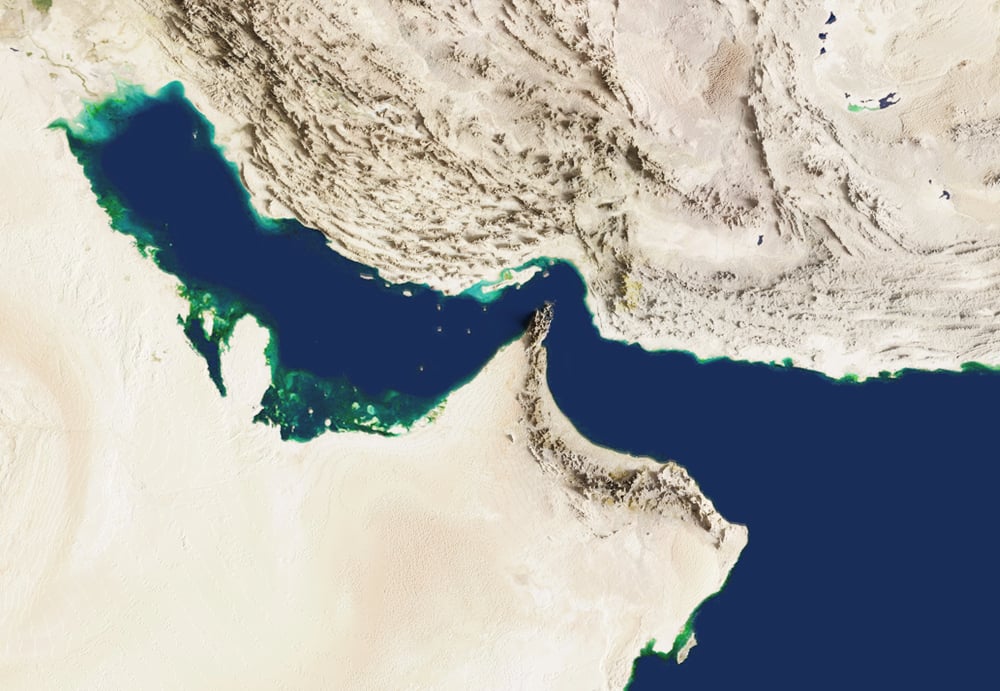
The Persian Gulf’s pearl diving industry created unusual relationships between Ottoman authority, Persian territorial claims, and Arab tribal systems. Pearl beds didn’t respect imperial boundaries, and pearl diving required seasonal access to waters that multiple authorities claimed.
The result was a series of overlapping agreements that gave different groups access to the same pearl beds under different conditions. Ottoman officials collected taxes from some diving operations, Persian authorities licensed others, and local Arab rulers maintained their traditional roles as intermediaries and suppliers.
The system avoided the territorial clarity that European legal systems would have demanded, instead creating flexible arrangements that adapted to the seasonal nature of pearl diving and the complex tribal relationships that actually controlled local labor and expertise. Imperial authorities learned to work within these existing systems rather than replace them, creating one of the few regions where formal imperial control remained deliberately ambiguous.
Lessons From the Ledger Books

These arrangements reveal something important about how power actually worked in the pre-modern world. The empires that lasted longest weren’t necessarily the ones that conquered most effectively—they were the ones that learned when cooperation served their interests better than conflict.
The secret wasn’t eliminating rivals but managing them. A defeated enemy contributed nothing to imperial treasuries, while a carefully controlled rival could become a reliable source of revenue through trade agreements that both sides had incentives to honor.
The empires that grasped this principle early gained access to resources and markets that purely military expansion could never have provided. They learned that sometimes the most profitable victories were the ones that left enemies strong enough to remain valuable trading partners.
More from Go2Tutors!

- The Romanov Crown Jewels and Their Tragic Fate
- 13 Historical Mysteries That Science Still Can’t Solve
- Famous Hoaxes That Fooled the World for Years
- 15 Child Stars with Tragic Adult Lives
- 16 Famous Jewelry Pieces in History
Like Go2Tutors’s content? Follow us on MSN.



