Ancient Libraries Destroyed Throughout History and the Knowledge That Was Lost Forever
Throughout human history, libraries have served as the beating heart of civilizations, housing the accumulated wisdom of generations. These repositories of knowledge contained everything from scientific treatises and philosophical works to historical records and literary masterpieces.
Yet many of these irreplaceable collections have vanished forever, taking with them insights that could have changed the course of human understanding. The destruction of these libraries represents some of humanity’s greatest intellectual losses, erasing voices and discoveries that we’ll never recover.
The Library of Alexandria
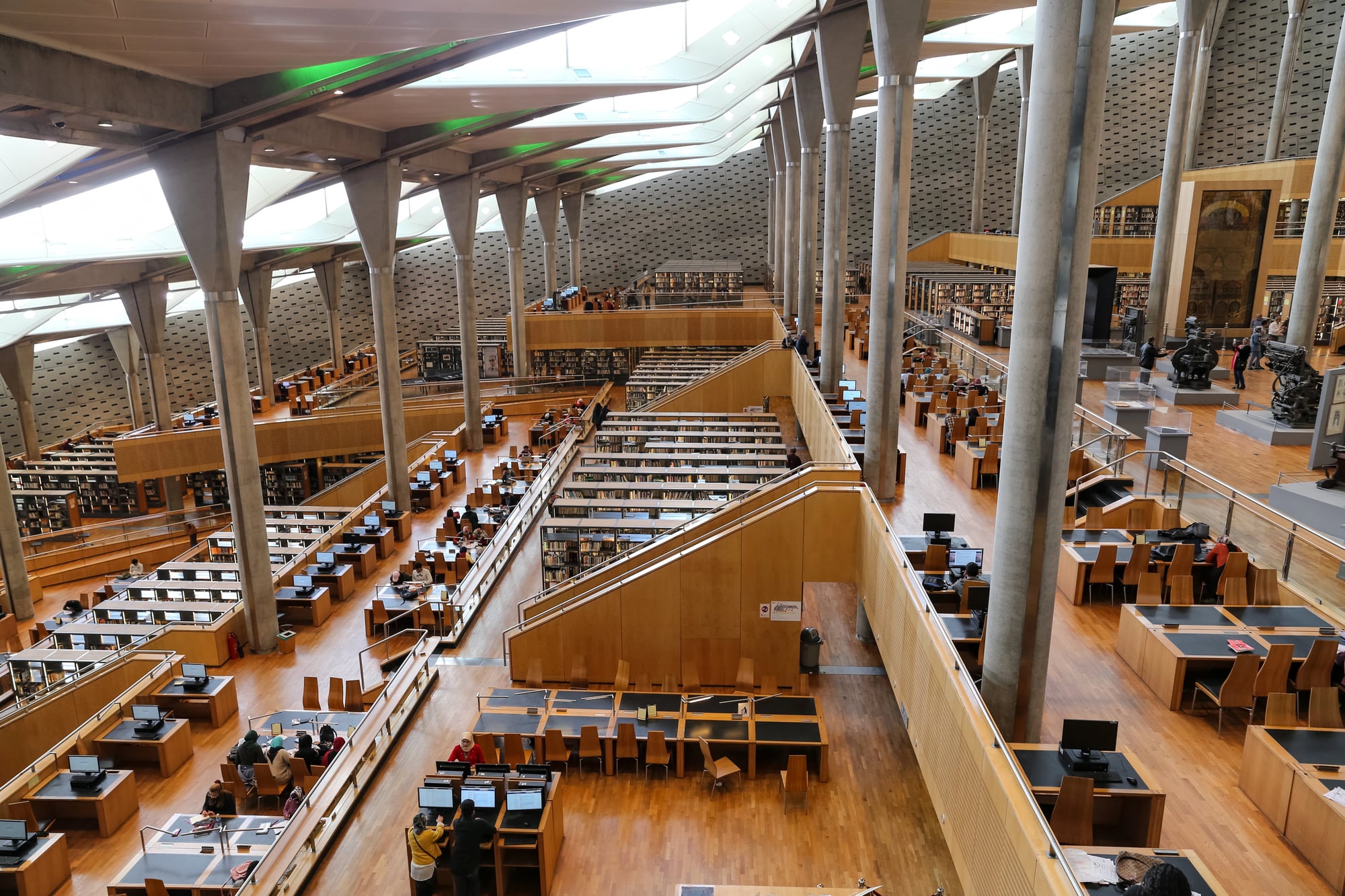
The most famous casualty was never destroyed in a single dramatic event. Alexandria’s great library died slowly, losing manuscripts over centuries through neglect, political upheaval, and changing priorities.
What vanished with it defies imagination. The complete works of ancient mathematicians, astronomers who mapped the heavens with startling accuracy, and medical texts that might have advanced healing by centuries.
Gone forever. Along with them disappeared the personal writings of figures like Cleopatra (who was a scholar before she was a queen) and detailed accounts of expeditions to lands we can only guess about today.
The House of Wisdom in Baghdad
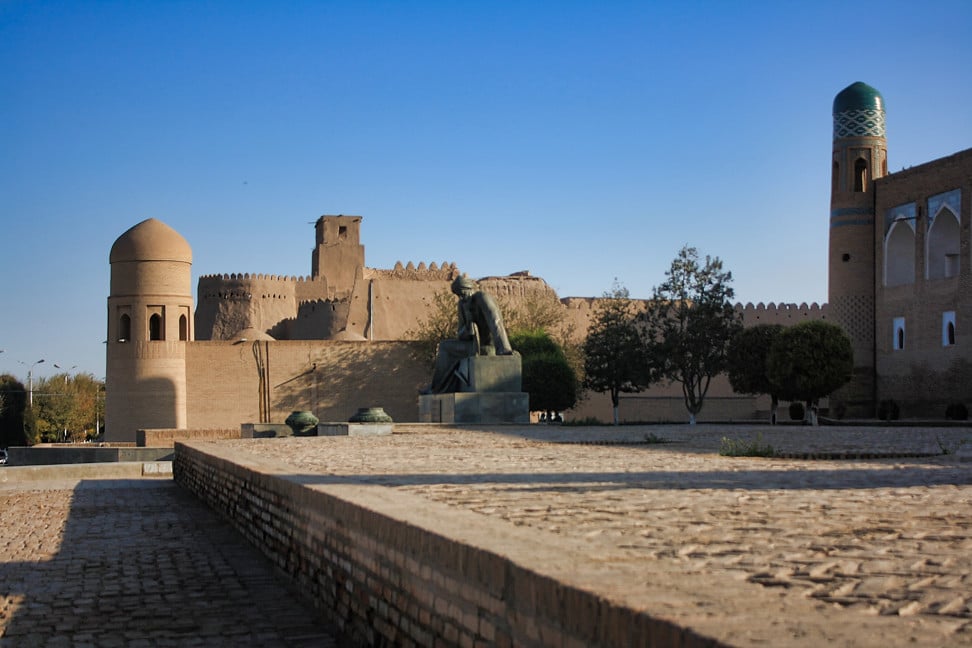
When the Mongols sacked Baghdad in 1258, they threw so many books into the Tigris River that witnesses claimed the water ran black with ink for days. This wasn’t just dramatic symbolism—it was the systematic destruction of the Islamic world’s greatest center of learning, and the loss still echoes today.
The House of Wisdom (which operated more like a combination research institute, library, and translation center than anything we’d recognize) had spent centuries collecting and translating works from across the known world. Greek philosophy, Persian literature, Indian mathematics, Chinese innovations—all of it filtered through Islamic scholarship that often improved upon the originals.
But that’s exactly what makes the loss so devastating: these weren’t just copies of existing works, but enhanced versions, commentaries, and entirely new discoveries that built upon ancient foundations. The mathematical innovations alone (including algebraic concepts that wouldn’t be redeveloped in Europe for centuries) represent a setback that altered the trajectory of human knowledge.
So when those books dissolved in the river, they took with them not just individual texts but entire intellectual traditions. And the scholars who might have rebuilt the collection were mostly dead, which meant the institutional knowledge of how to find, evaluate, and preserve such materials died with them.
The Library of Pergamon
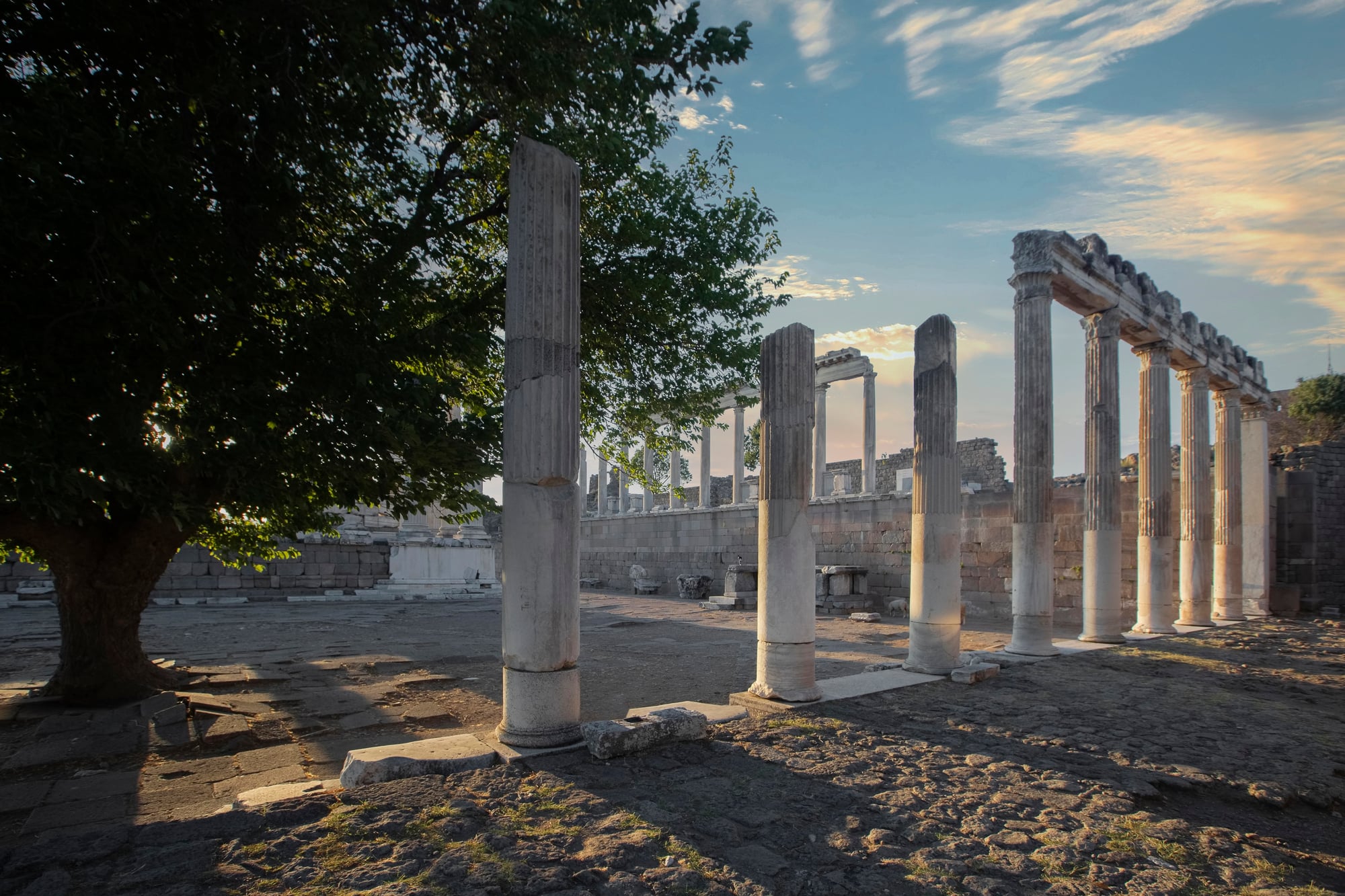
Picture the most intense academic rivalry you’ve ever witnessed, then multiply it by the ambitions of entire empires. That was the relationship between Alexandria and Pergamon, two ancient cities locked in a competition to build the world’s greatest library.
Pergamon’s collection, carved from this rivalry, grew into something magnificent—then vanished so completely that most people have never heard of it. The loss here cuts deeper than individual manuscripts (though those were devastating enough).
Pergamon had developed innovations in how knowledge was organized, cataloged, and cross-referenced that were centuries ahead of their time. They’d created what we might recognize today as early forms of scholarly databases, linking related works across disciplines in ways that enhanced understanding.
The collection was dispersed after Roman conquest. Mark Antony gifted part of the holdings to Cleopatra for the Alexandria library, but the Pergamene collection was never transferred as a single unit and many works were scattered to various locations rather than consolidated in Alexandria.
The tragedy isn’t just what was destroyed, but what was never built upon.
The Library of Ctesiphon
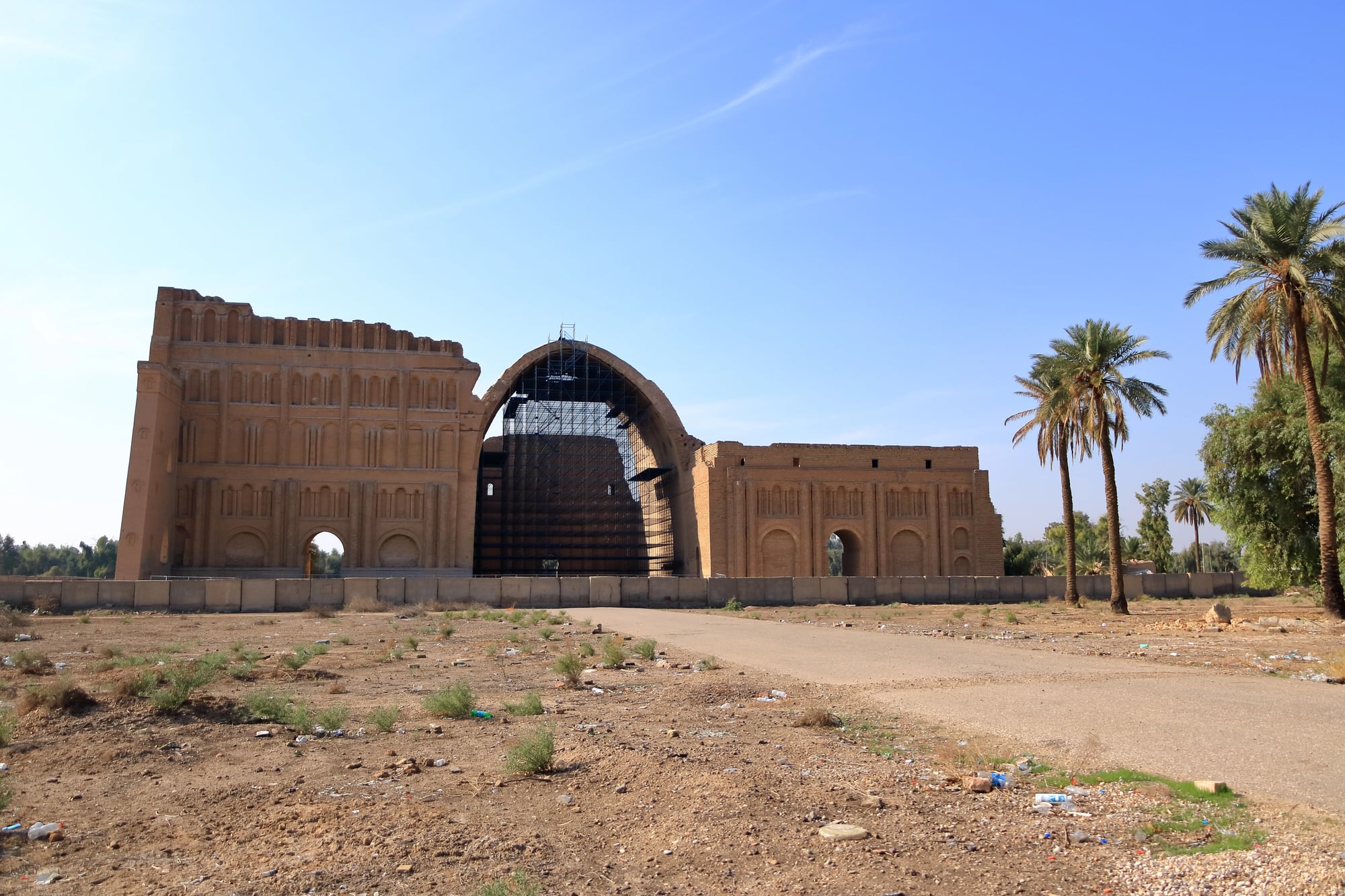
The Sassanid Empire’s great library gets overlooked in discussions of ancient intellectual centers, mostly because it existed in what’s now Iraq during a period when East and West were supposedly isolated from each other. That assumption turns out to be completely wrong, and the loss of Ctesiphon’s collection represents one of history’s great missed opportunities for cross-cultural understanding.
This library specialized in preserving and translating works from India, Central Asia, and China—texts that never made it to European collections and were lost when the library was destroyed during the Arab conquest in 637 CE. The mathematical and astronomical works alone would have revolutionized European scholarship centuries earlier.
More intriguingly, Ctesiphon housed detailed accounts of trade routes, diplomatic correspondence, and cultural exchanges that would have given us an entirely different picture of ancient global connections.
The Imperial Library of Constantinople

Byzantine scholars had managed something remarkable: they’d kept Greek learning alive through the Dark Ages, copying and preserving classical works that had vanished everywhere else. Then came 1204, and the Fourth Crusade turned into a catastrophic case of friendly fire that destroyed the very Christian scholarship the crusaders claimed to be protecting.
The manuscripts lost during the sack of Constantinople included the only remaining copies of works by historians, playwrights, and philosophers whose names we know only from fragments quoted in other texts. But the real tragedy was institutional—the Byzantine copying and preservation system was more sophisticated than anything in Western Europe, and it was obliterated overnight.
The techniques for copying texts, the methods for preventing decay, the scholarly networks that kept learning alive—all of it disappeared, taking with it not just individual works but the knowledge of how to preserve knowledge itself.
The Córdoba Library

Tenth-century Córdoba wasn’t just a city with a library; it was a place where Islamic, Jewish, and Christian scholars worked side by side, creating translations and commentaries that bridged intellectual traditions in ways that wouldn’t happen again for centuries. When the library was destroyed during the Christian reconquest, Europe lost more than books—it lost a model for how different cultures could collaborate in pursuit of knowledge.
The collection included works of science and philosophy that had been enhanced through this cross-cultural collaboration, creating hybrid intellectual traditions that were more sophisticated than any single cultural approach could produce. These weren’t just Arabic versions of Greek texts or Hebrew commentaries on Islamic philosophy; they were new forms of knowledge that emerged from sustained scholarly conversation across religious and cultural boundaries.
The loss represents not just missing information but missing examples of how human understanding advances when barriers come down.
The Maya Codices
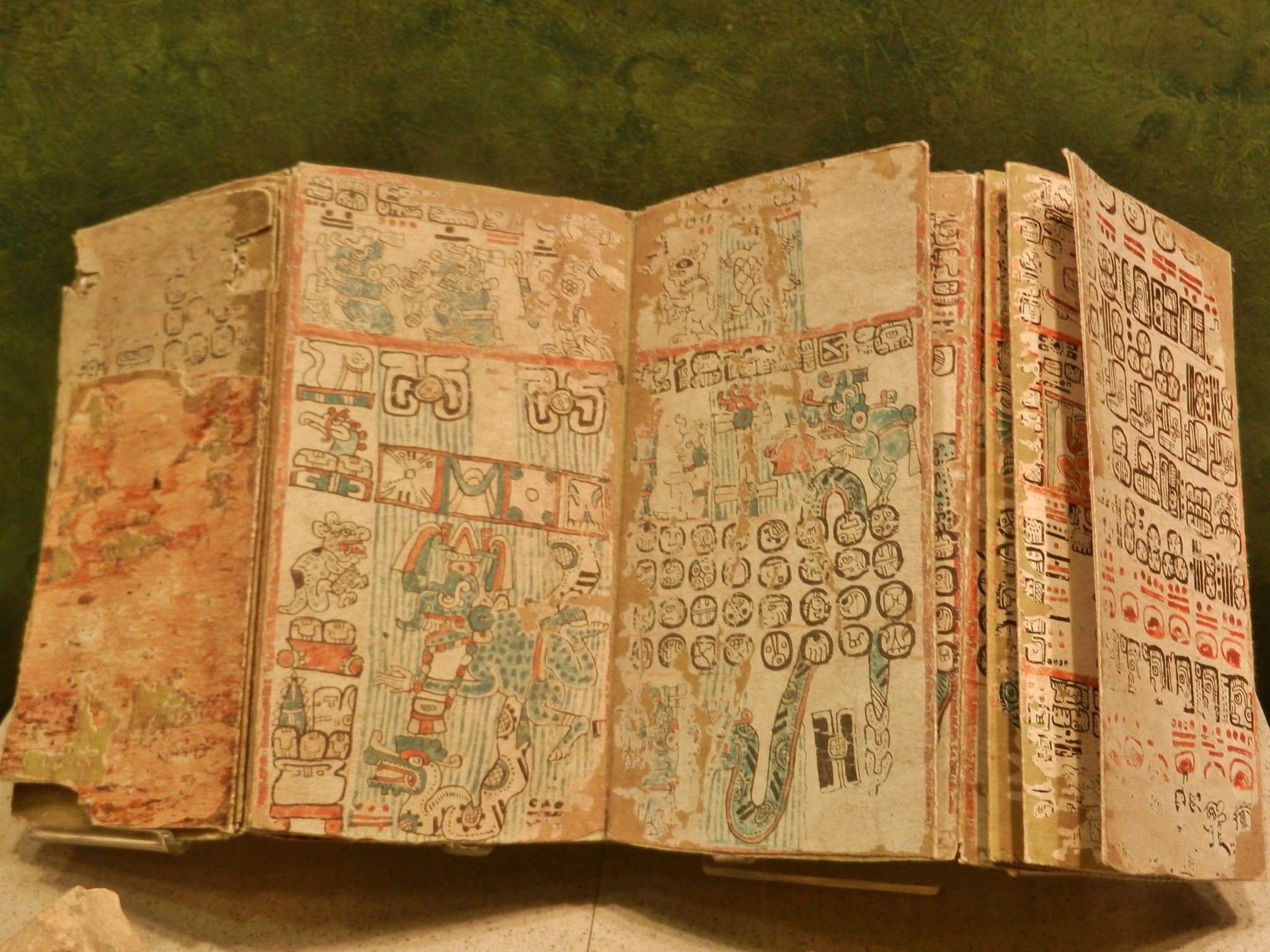
When Spanish conquistadors and missionaries encountered Maya libraries, they found something that challenged their assumptions about civilization in the Americas—complex writing systems, astronomical calculations, and historical records that stretched back centuries. Their response was to burn almost everything, leaving behind only four codices that survived to the present day.
The scope of what was lost staggers the imagination. The Maya had developed mathematical concepts (including the use of zero) independently from Old World civilizations, and their astronomical observations were more accurate than European equivalents.
Their historical chronicles would have provided insights into American civilizations that we’re still trying to piece together from archaeological evidence alone. But the loss cuts deeper than missing scientific knowledge.
The Maya codices contained literature, religious poetry, and philosophical works that represented entirely different ways of understanding human existence and the natural world. These alternative intellectual traditions, developed in complete isolation from Eurasian thought, might have offered perspectives on fundamental questions that could have enriched global understanding immeasurably.
The Library of Nalanda
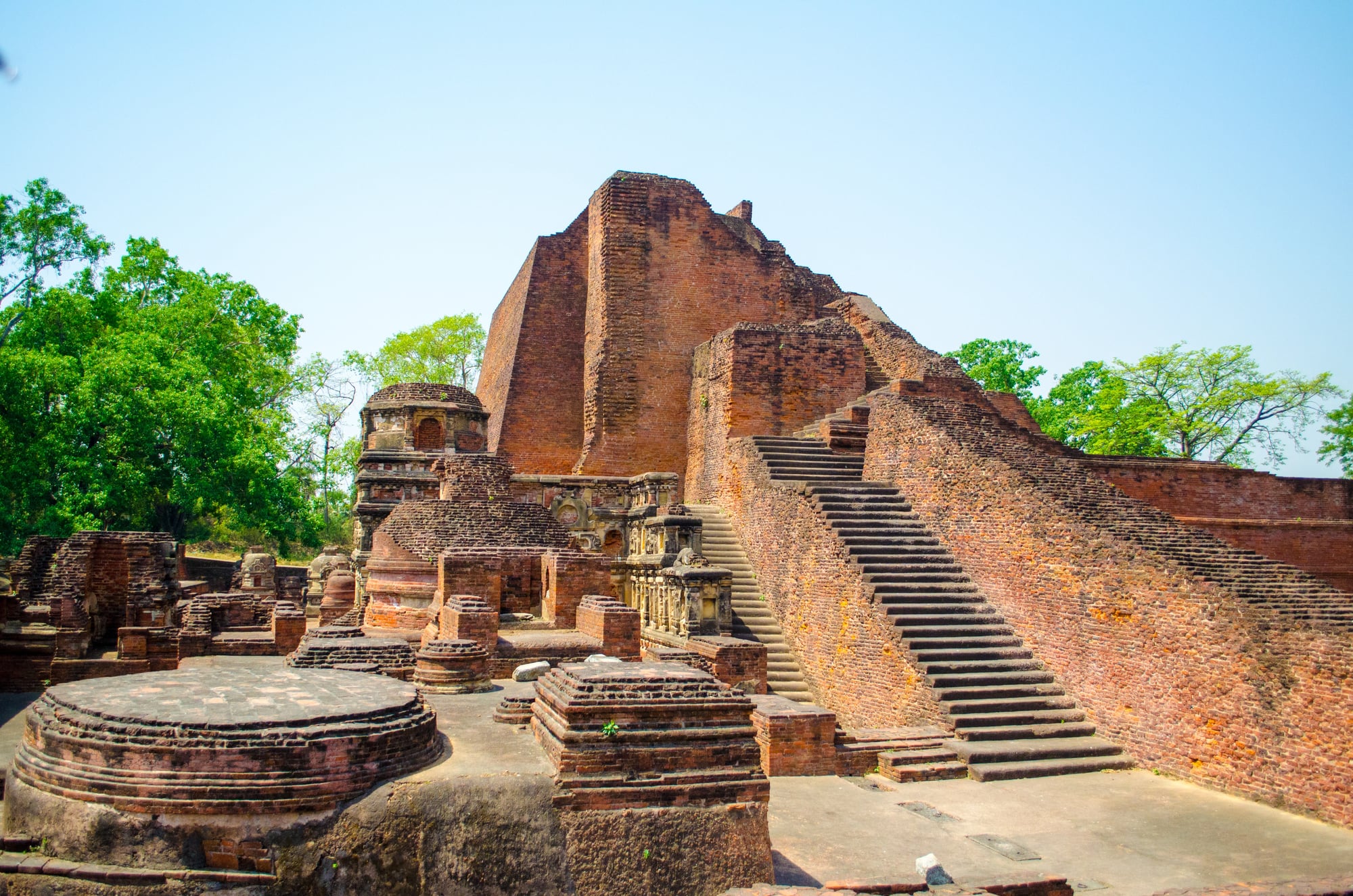
For six centuries, Nalanda functioned as something unprecedented: an international university with a library that attracted scholars from across Asia. When it was destroyed around 1193, multiple sources attest to the extensive destruction of the collection, though the exact duration and circumstances of the destruction vary in historical accounts.
Nalanda’s holdings included Buddhist texts that preserved teachings and commentaries now lost forever, but the library’s significance extended far beyond religion. It housed medical texts based on centuries of systematic observation, mathematical works that had influenced developments from China to the Middle East, and philosophical treatises that represented some of humanity’s most sophisticated thinking about consciousness, ethics, and the nature of reality.
The destruction eliminated not just individual works but an entire approach to learning that emphasized debate, cross-cultural exchange, and empirical observation. The teaching methods developed at Nalanda, the ways scholars from different traditions engaged with each other’s ideas—all of this institutional knowledge vanished along with the books.
The Aztec Codices
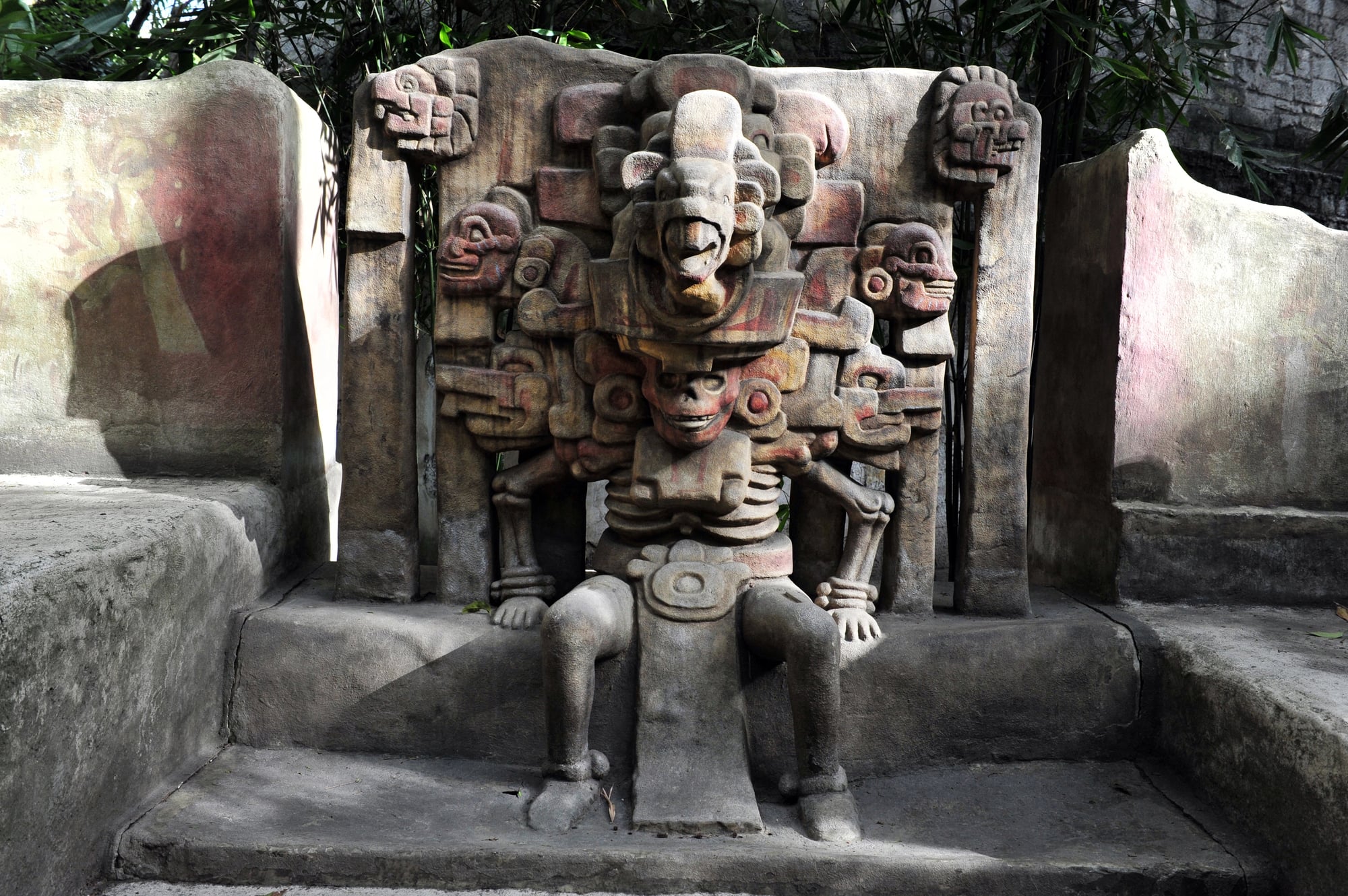
Spanish chroniclers reported libraries throughout the Aztec Empire containing thousands of pictographic books covering everything from astronomy to poetry to detailed historical records. Most were systematically destroyed as part of the effort to eliminate indigenous culture, leaving behind gaps in our understanding of American civilizations that we’ll never fill.
The loss was particularly devastating because Aztec record-keeping was more comprehensive than anything Europeans had developed. They maintained detailed accounts of tribute, trade relationships, genealogies, and astronomical observations that would have provided unprecedented insights into how complex societies functioned before European contact.
The Library of Antioch
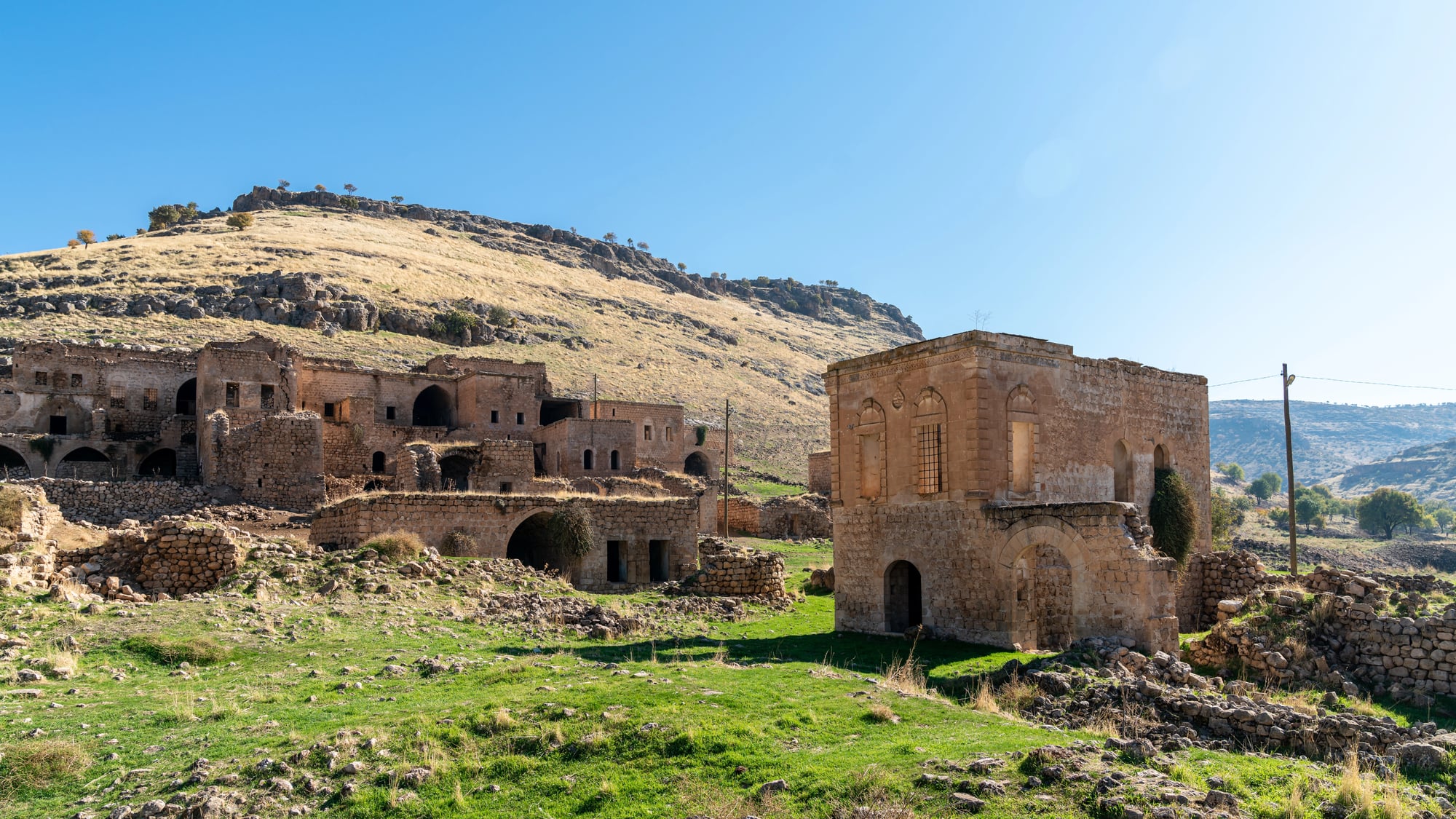
The ancient city of Antioch maintained a library that specialized in preserving early Christian texts, including gospels and theological works that didn’t make it into the biblical canon. When earthquakes and subsequent Arab conquests destroyed the collection, Christianity lost access to alternative theological traditions that might have developed very differently.
These weren’t heretical texts hidden away, but legitimate theological scholarship representing different approaches to understanding Christian doctrine. The loss eliminated intellectual diversity within early Christianity, narrowing the range of theological possibilities in ways that shaped the religion’s development for centuries.
The Mongol Destruction of Central Asian Libraries

The Mongol conquests of the 13th century eliminated dozens of libraries across Central Asia, each specializing in different aspects of knowledge. Samarkand’s library focused on astronomical works that had synthesized observations from China, India, and the Islamic world.
Bukhara’s collection emphasized Sufi mystical texts that represented centuries of spiritual exploration. Merv housed historical chronicles of the Silk Road that detailed cultural exchanges across Eurasia.
These libraries represented a connected network of knowledge that spanned continents, and their simultaneous destruction severed intellectual links that had taken centuries to develop. The loss wasn’t just about individual manuscripts but about the breaking of scholarly networks that had facilitated the flow of ideas across vast distances.
The Library of Timbuktu (Historical Collections)
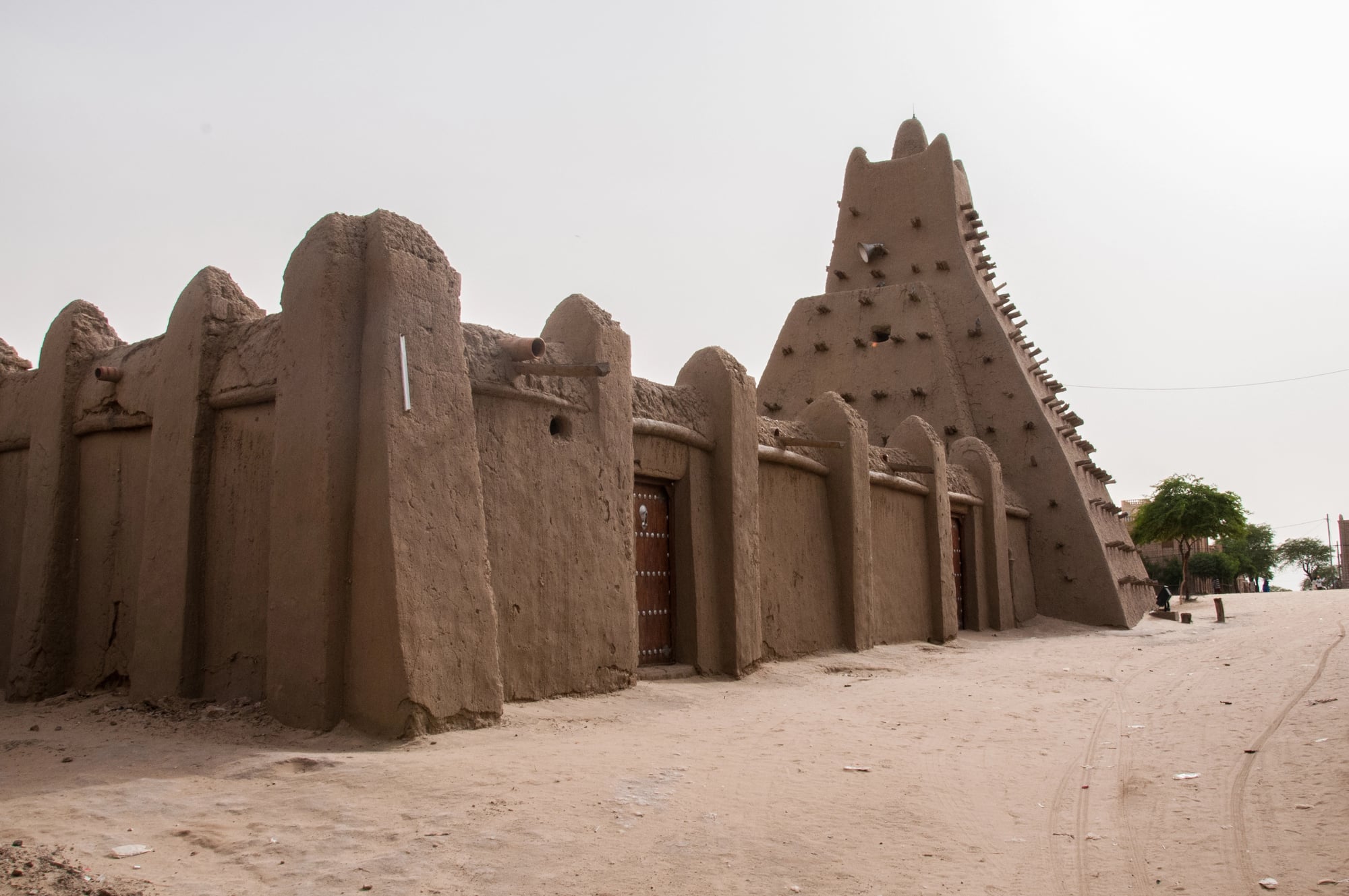
Timbuktu’s rise as a major intellectual center coincided with its development as an Islamic learning hub in the 14th-16th centuries, with its most documented library collections stemming from this Islamic period rather than from clearly identified pre-Islamic predecessors. These libraries contained works on mathematics, astronomy, and philosophy that had developed independently from North African Islamic traditions, representing indigenous African intellectual achievements.
The destruction of these earlier collections during various conquests eliminated evidence of African scholarly traditions that had influenced developments across the continent. The loss perpetuated misconceptions about African intellectual history that persist today.
The Library of Trebizond
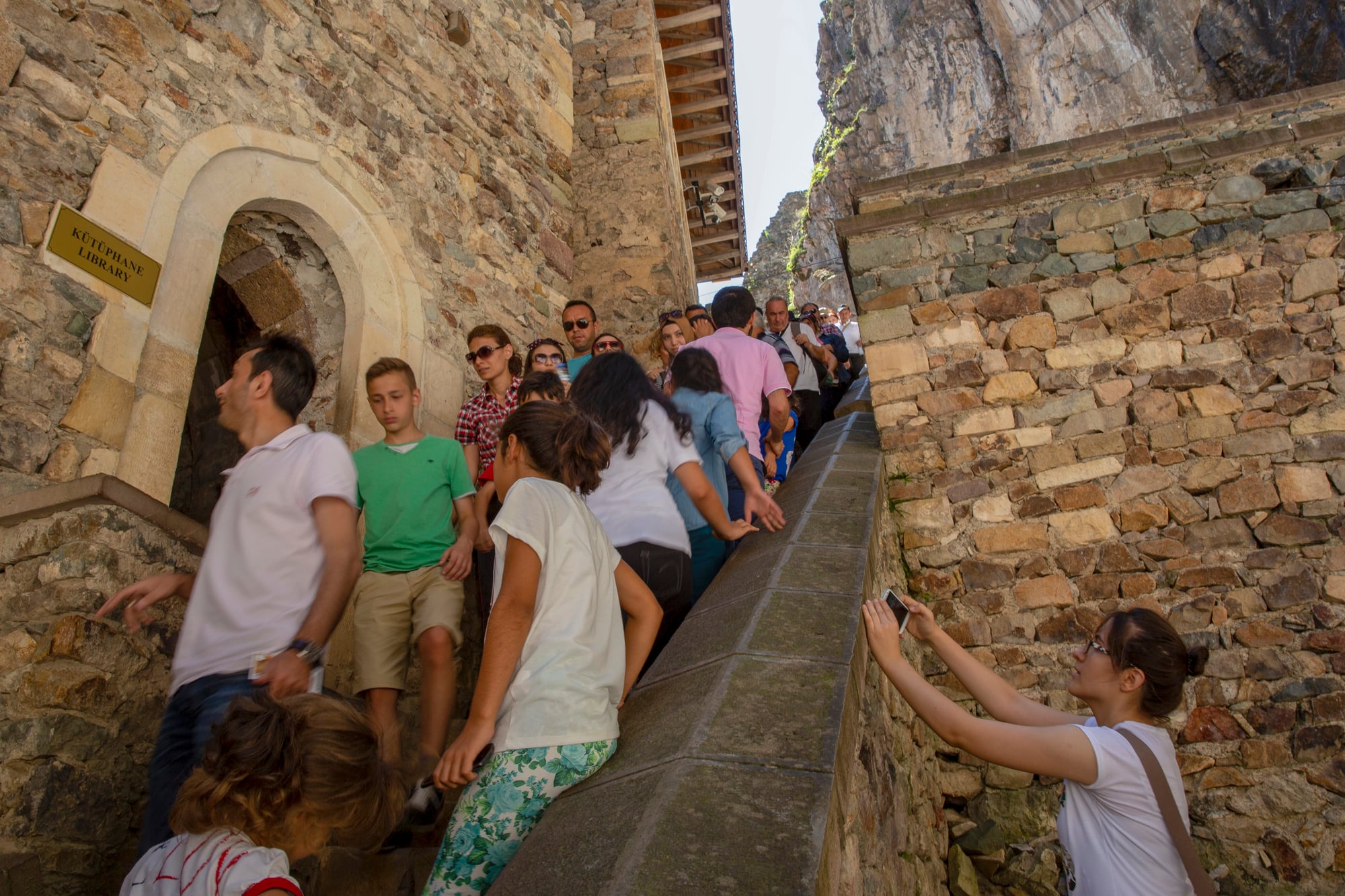
As the last remnant of the Byzantine Empire, Trebizond maintained a library that preserved Greek manuscripts not found anywhere else, including works by ancient historians and scientists whose writings had been lost in Constantinople and Alexandria. When the city fell to the Ottomans in 1461, this final repository of Byzantine scholarship was scattered and largely destroyed.
The collection included the last copies of works by ancient geographers who had documented exploration and trade routes that connected Europe, Asia, and Africa. These texts contained geographical knowledge that would have been invaluable during the Age of Exploration, potentially altering the course of European expansion and colonization.
Temple Libraries of Ancient India
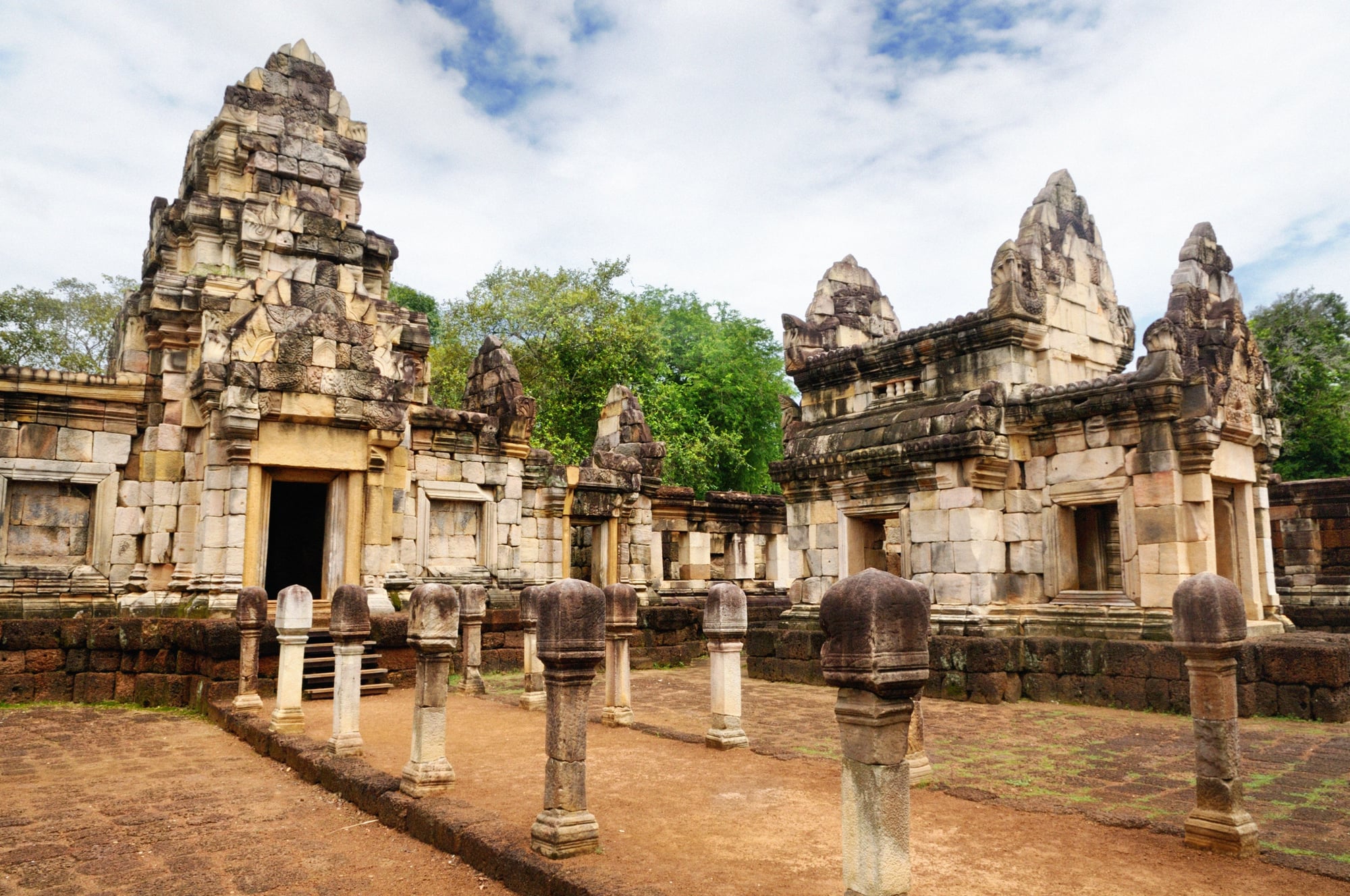
Scattered across the Indian subcontinent, temple libraries preserved Sanskrit texts covering mathematics, astronomy, medicine, and philosophy that represented thousands of years of accumulated knowledge. Many were destroyed during various invasions, eliminating works that had influenced intellectual development from Southeast Asia to Central Asia.
These collections included medical texts based on empirical observation that were more advanced than European equivalents, mathematical works that had developed concepts like algebra and trigonometry centuries before their appearance elsewhere, and philosophical treatises that explored questions about consciousness and reality with unprecedented sophistication.
The Libraries of Al-Andalus
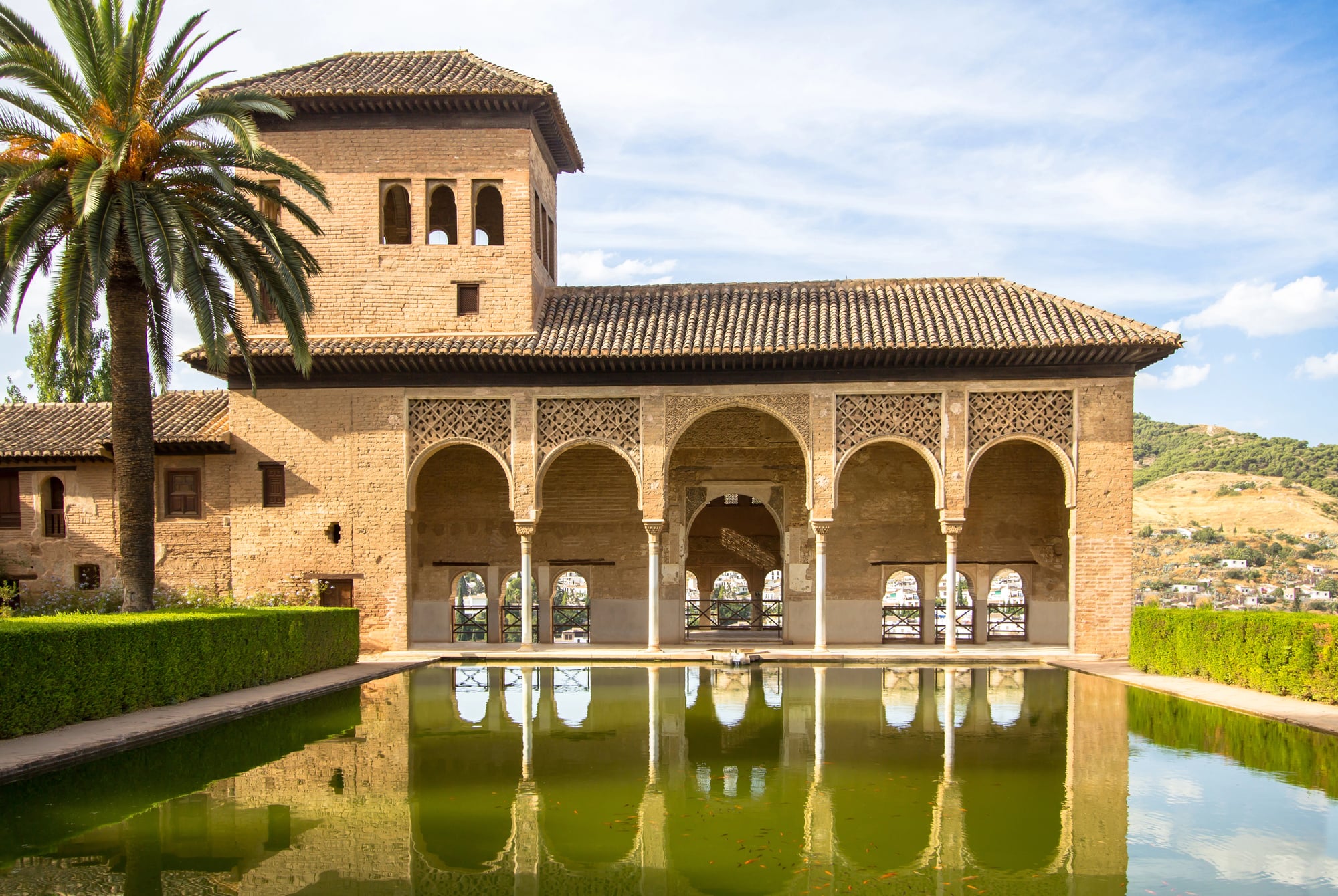
Beyond Córdoba, medieval Islamic Spain supported dozens of smaller libraries that together formed a network of scholarship unmatched anywhere in Europe. Cities like Seville, Granada, and Valencia maintained collections that specialized in different aspects of knowledge, from engineering and agriculture to poetry and music theory.
The systematic destruction of these libraries during the Reconquista eliminated an intellectual tradition that had synthesized influences from across the Mediterranean and beyond. The loss included practical knowledge about agriculture, engineering, and medicine that had been developed specifically for Iberian conditions, as well as literary and artistic works that represented a unique cultural synthesis.
The Wisdom That Silence Holds
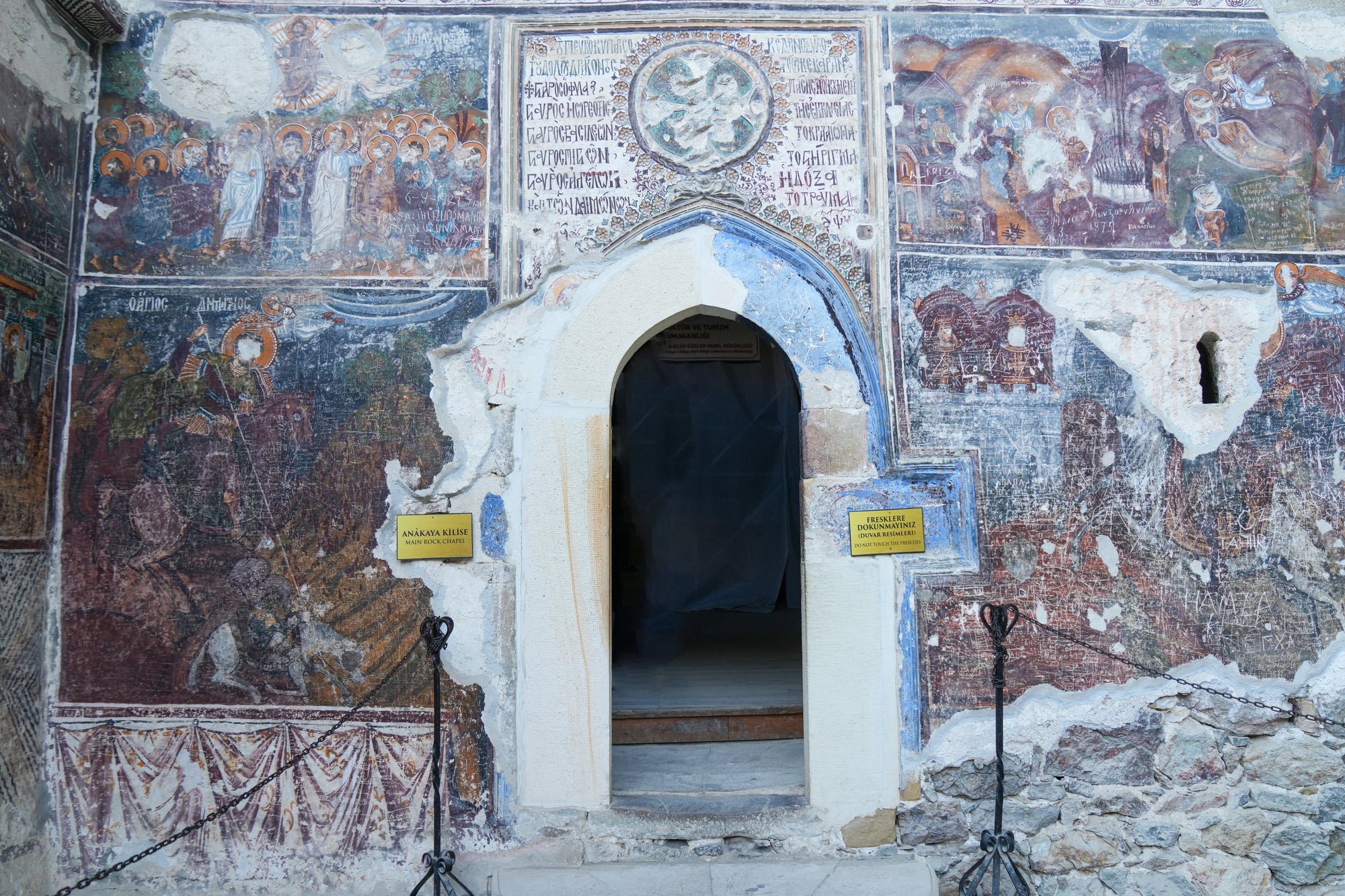
The empty shelves echo louder than the volumes that once filled them. Each destroyed library represents not just lost information but lost possibilities—discoveries that might have been made, connections that might have been drawn, problems that might have been solved centuries earlier than they actually were.
What haunts most deeply isn’t what we know we’ve lost, but what we’ll never know we’re missing. The cure for diseases that still plague us, the scientific insights that could have prevented centuries of ignorance, the philosophical perspectives that might have helped humanity navigate its persistent conflicts with greater wisdom.
These possibilities vanished into smoke and ashes, taking with them alternative paths that human knowledge might have followed. The pattern repeats itself across cultures and centuries: knowledge painstakingly gathered over generations, destroyed in moments of conquest, religious zealotry, or simple neglect.
What remains are fragments and references, tantalizing glimpses of intellectual traditions that flourished and died, leaving us to wonder what humanity might have become with access to its full heritage of wisdom.
More from Go2Tutors!

- The Romanov Crown Jewels and Their Tragic Fate
- 13 Historical Mysteries That Science Still Can’t Solve
- Famous Hoaxes That Fooled the World for Years
- 15 Child Stars with Tragic Adult Lives
- 16 Famous Jewelry Pieces in History
Like Go2Tutors’s content? Follow us on MSN.