Products With Warning Labels That Exist Because Someone Actually Did The Thing
We live in a world where someone, somewhere, thought it was a good idea to use a chainsaw while standing on a ladder. Or maybe they figured a hair dryer would work perfectly fine in the shower.
These moments of questionable judgment didn’t just become funny stories—they became lawsuits, which became warning labels, which became permanent reminders that human creativity knows no bounds when it comes to finding new ways to misuse everyday objects.
Every ridiculous warning label you’ve ever read exists because someone actually did that exact thing. The more absurd the warning, the more entertaining the story behind it becomes.
Here are the products whose warning labels tell tales of human ingenuity gone sideways.
Hair Dryers
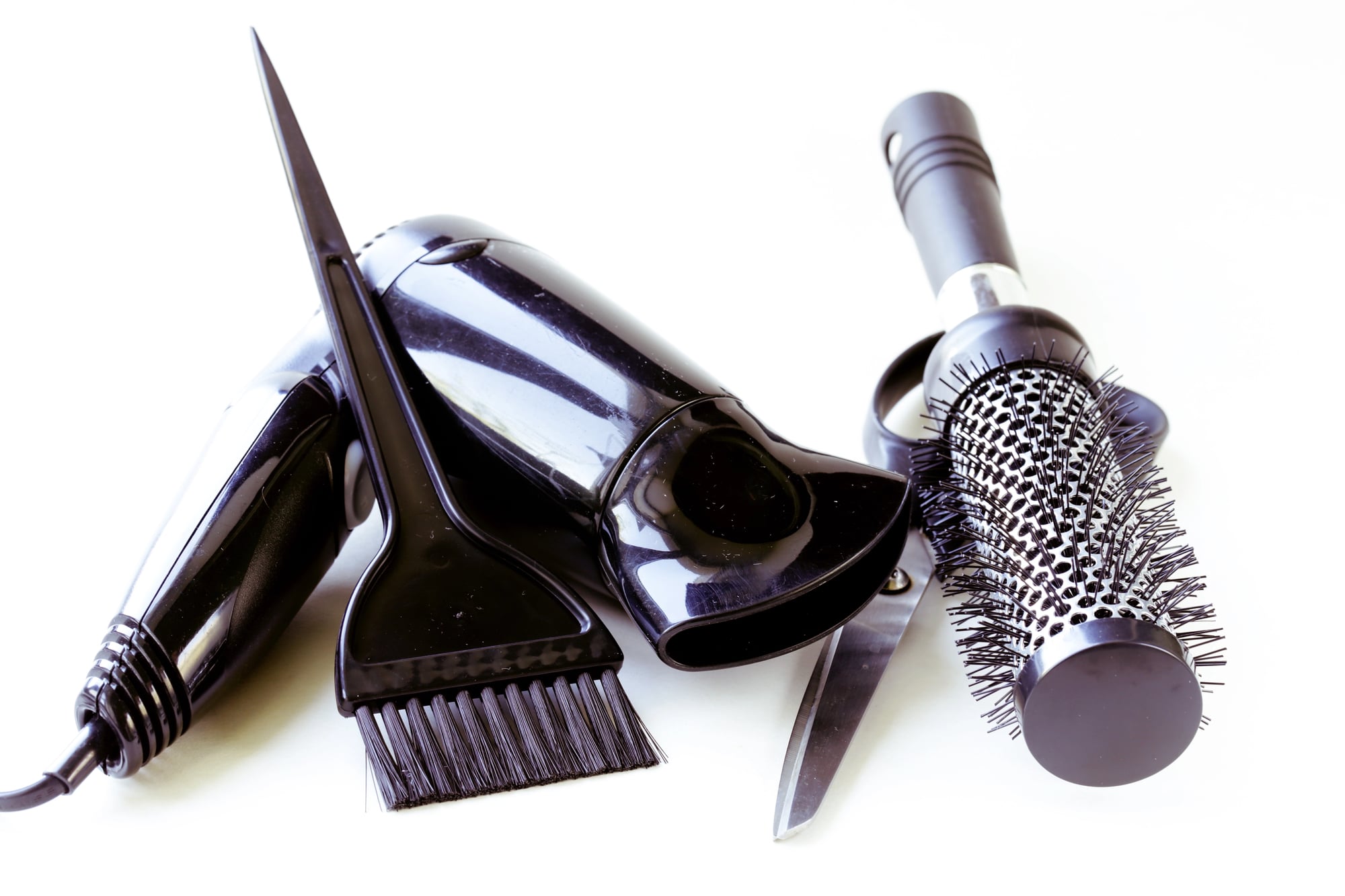
Someone decided their morning routine needed more efficiency, so they brought their hair dryer into the shower. The warning “Do not use while sleeping or in water” exists because this person thought multitasking included blow-drying wet hair while still getting wet.
The sleeping part came later (because apparently someone thought a hair dryer made a reasonable space heater for their pillow), but the water incident was the real catalyst. Physics met optimism, and physics won decisively.
Peanut Products

This one seems obvious, and the “Contains peanuts” warning now appears on every package of peanuts sold in America. While urban legend claims that someone sued for this reason, no documented case of such a lawsuit actually exists.
The warning likely emerged from general product liability standards and the need to highlight major allergens clearly for consumer safety. And since we’re talking about a society that needed to be told peanut butter contains peanuts, the warning probably prevents more incidents than anyone wants to admit.
Chainsaws
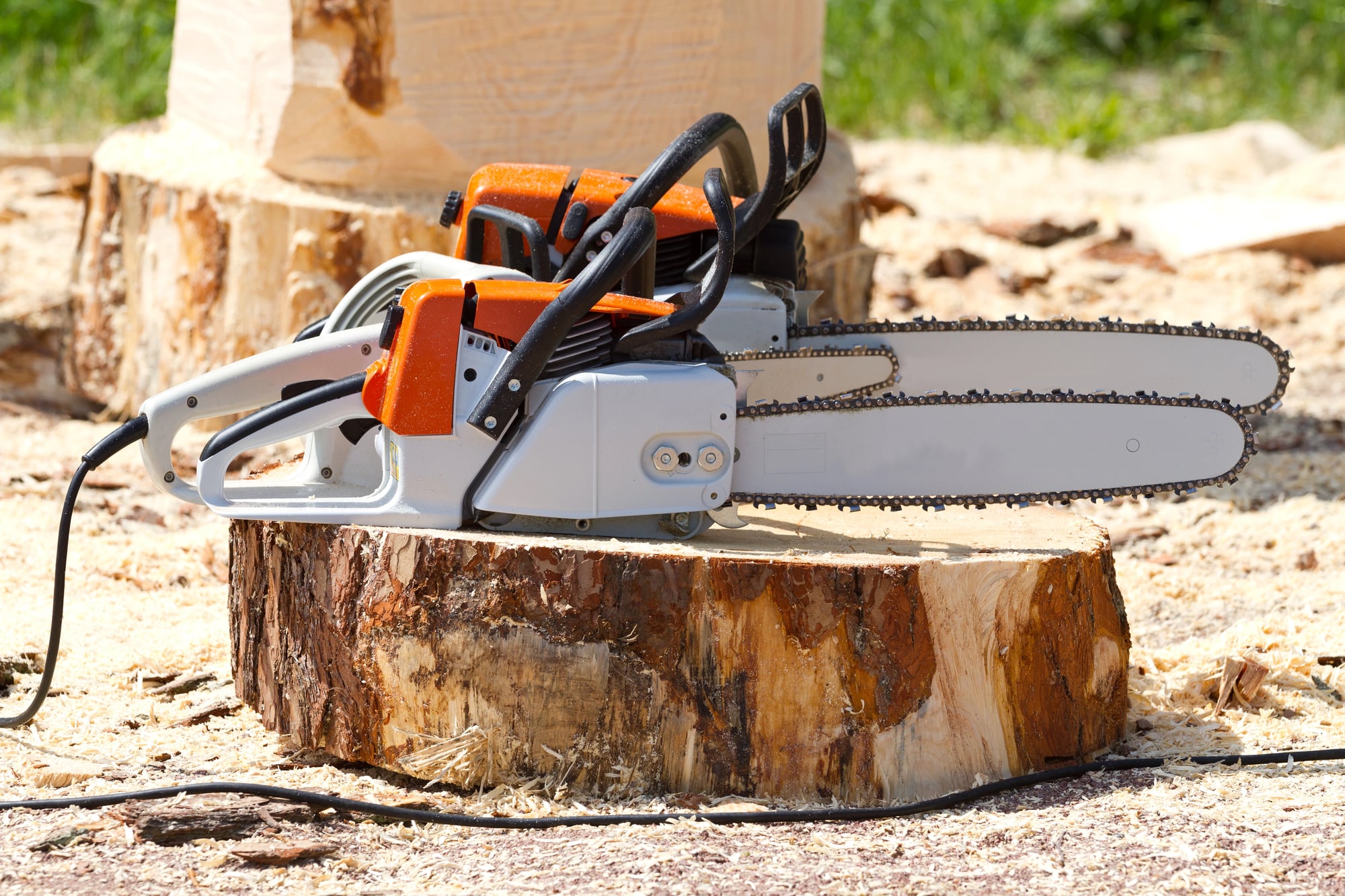
The chainsaw warning that reads “Do not attempt to stop chain with hands or private parts” paints a picture so specific and so horrifying that it raises questions about what exactly happened in that workshop. But here’s the thing about chainsaws: they’re loud, they’re powerful, and they make people feel invincible right up until they don’t (and someone reaches out to stop a spinning chain the way they’d stop a bicycle wheel).
The fact that this warning needed to be expanded beyond hands tells you everything about human decision-making under pressure.
Someone also used a chainsaw to trim their toenails, which sounds impossible until you remember that chainsaws were originally invented for medical procedures. So in a weird historical twist, the person using a chainsaw for personal grooming wasn’t entirely wrong—just wrong enough to necessitate a warning label and probably a trip to the emergency room.
Sleeping Pills

Sleep aids carry warnings against driving or operating machinery, which sounds reasonable until you learn these warnings exist because people took sleeping pills and then decided to reorganize their garage using power tools. But the real problem isn’t the occasional midnight woodworking session—it’s the people who took Ambien and then went grocery shopping, bought $200 worth of frozen pizzas, and called it meal prep.
The brain on sleep medication makes decisions that sober you would never make, but somehow sleeping-pill you thinks driving to Walmart at 2 AM for ice cream makes perfect sense.
Christmas Lights

Christmas lights now warn against indoor and outdoor use in the same sentence, which seems contradictory until you realize someone strung outdoor lights inside their house and nearly burned it down. And then someone took indoor lights outside and created a electrical hazard that probably lit up half the neighborhood in ways Christmas lights aren’t supposed to.
The real winner, though, is the person who decided Christmas lights would make excellent year-round bedroom lighting and left them plugged in for eight months straight. Hence the warning about not leaving lights unattended for extended periods.
December decorating apparently turned into August fire hazards.
Irons
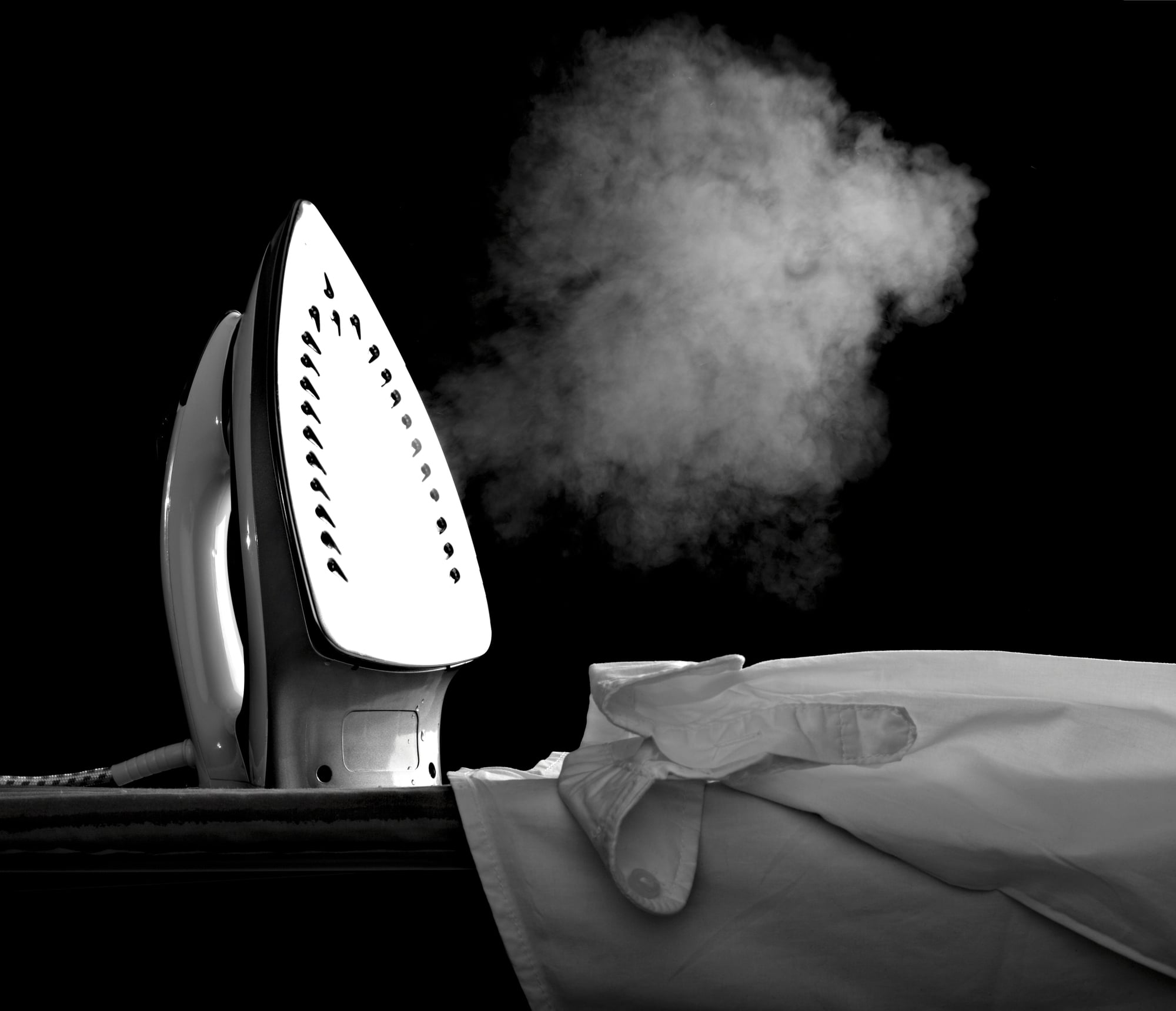
Clothing irons warn against ironing clothes while wearing them. Picture this scenario: someone running late for work, looking at their wrinkled shirt, and thinking they could just iron out the wrinkles real quick without taking the shirt off.
The burn patterns probably told an interesting story at the emergency room, and somewhere a lawyer decided this needed to become a warning label rather than just a cautionary tale.
Even better is the person who used their iron as a grilled cheese maker. The warning against using irons on food exists because someone figured a hot metal plate was a hot metal plate, and if it could smooth wrinkles, it could probably melt cheese too.
They weren’t entirely wrong about the melting part.
Curling Irons
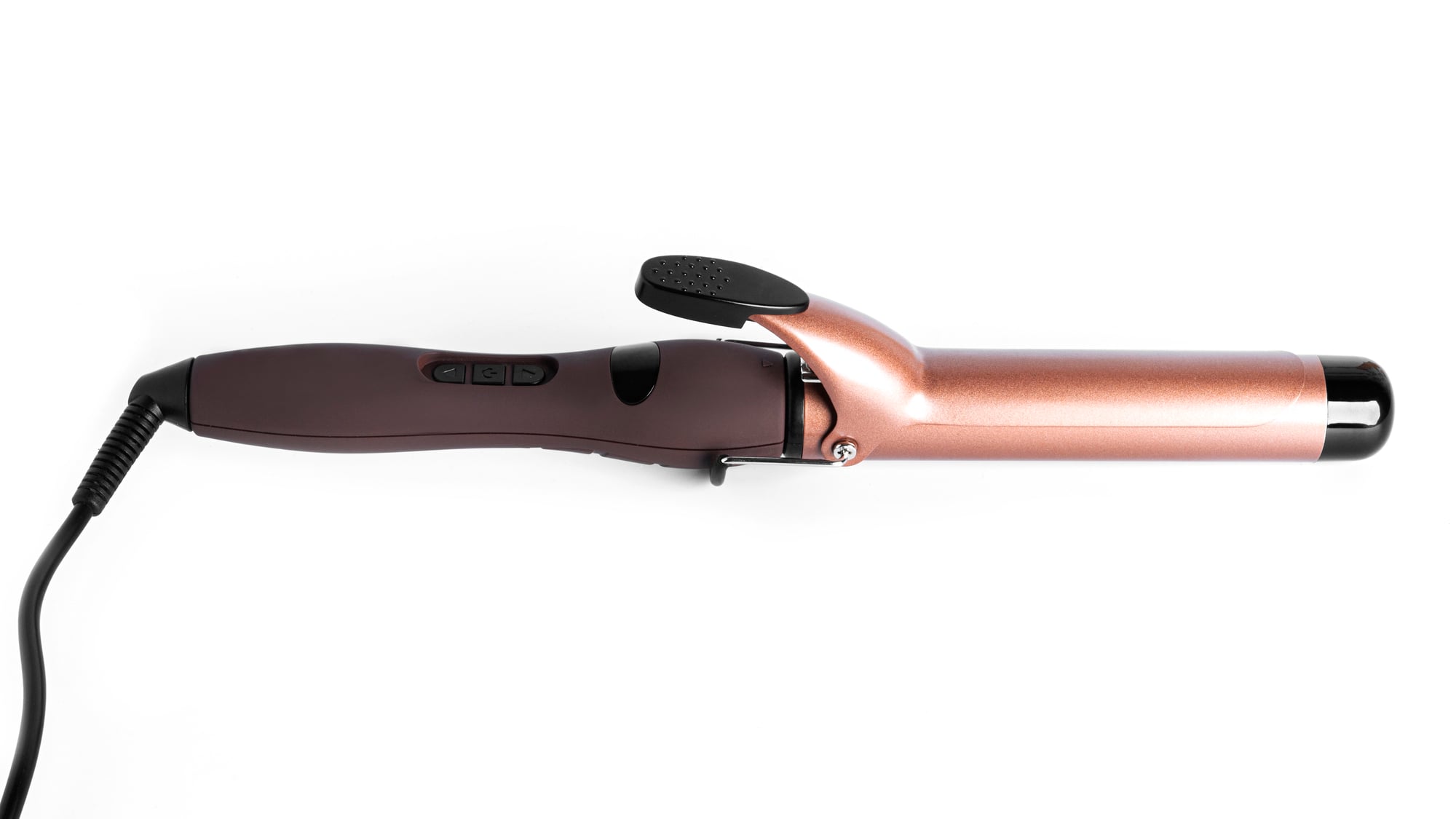
The curling iron warning against internal use exists, and that’s all anyone needs to know about human creativity and personal grooming. But curling irons also warn against use while sleeping, which suggests someone thought they could curl their hair overnight through the magic of unconscious styling.
The result was probably less “effortless waves” and more “call the paramedics.”
Blow Torches

Blow torches carry a warning against use as hair dryers, which means someone looked at a tool designed to melt metal and thought it would work great for their morning routine. The logic isn’t entirely crazy—both blow torches and hair dryers blow hot air—but the temperature difference between styling hair and welding steel is significant enough that the distinction needed to be made legally explicit.
Baby Strollers

Baby strollers warn against folding while child is inside, which sounds obvious until you picture a parent trying to get a stroller into their car trunk and forgetting about the actual baby part of the equation. The warning exists because someone collapsed a stroller with their kid still in it, probably while distracted by the forty-seven other things parents juggle during any outing with small children.
Strollers also warn against use as shopping carts, because apparently someone decided their baby stroller could double as a grocery hauler and loaded it down with enough food to feed a small army. The engineering wasn’t quite right for that kind of cargo load.
Windshield Sun Shades
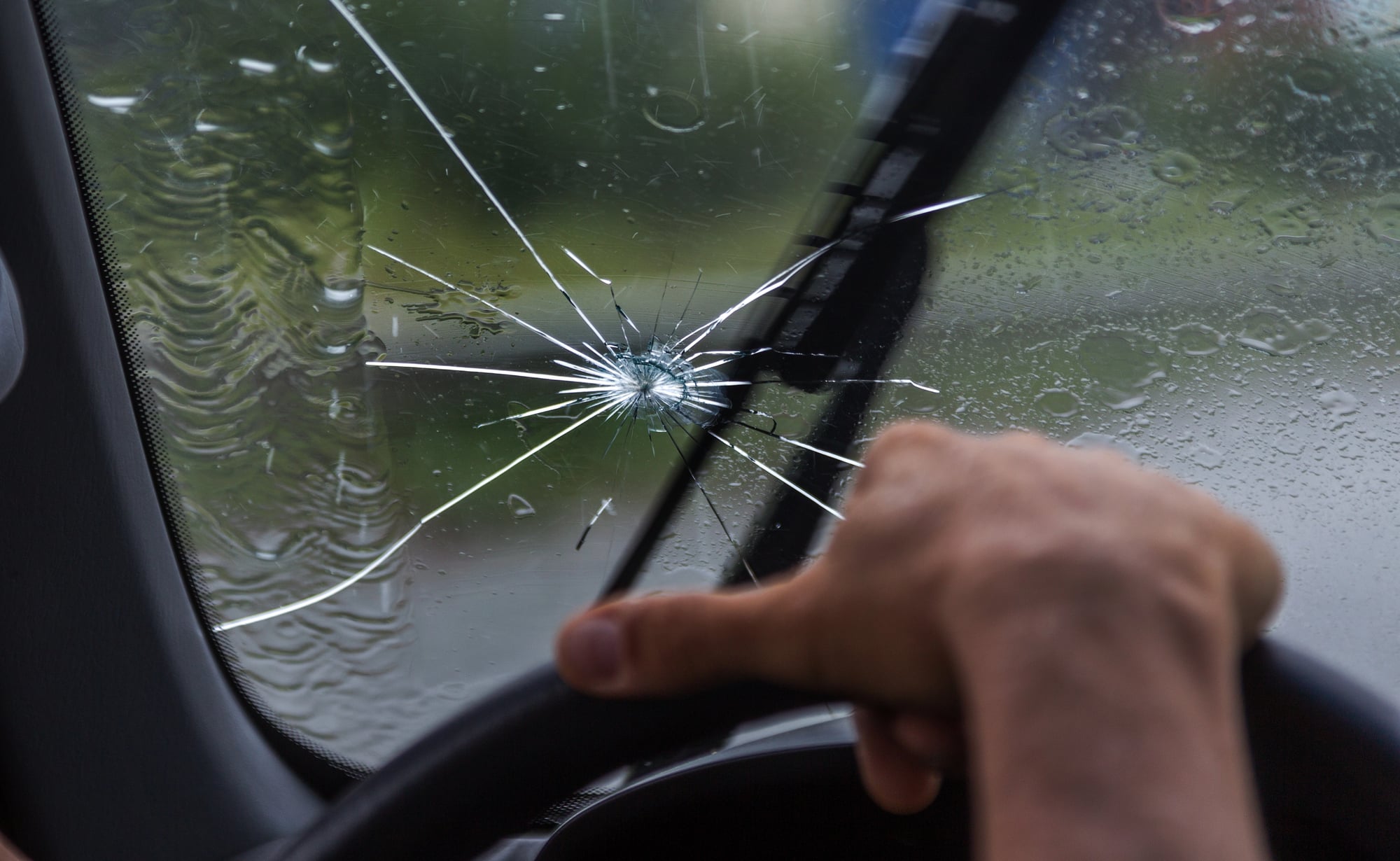
Those accordion-style windshield shades warn against driving with them in place. Someone put up their sun shade and then tried to drive home, presumably navigating by instinct or maybe just hoping for the best.
The fact that this person made it far enough to create a legal precedent suggests either incredible luck or incredibly patient traffic around them.
Toilet Bowl Cleaners

Toilet bowl cleaners warn against drinking, which raises the question of what exactly someone thought that blue liquid was supposed to be. But the real story here isn’t accidental consumption—it’s the person who looked at toilet bowl cleaner and thought it might work as mouthwash.
The reasoning probably had something to do with the word “cleaner,” but the execution was flawed on multiple levels.
Mattresses

Mattresses carry tags warning against removal under penalty of law, but they also warn against use as flotation devices. Someone tried to use their mattress as a raft, probably during a flood or maybe just during an optimistic pool party.
Mattresses don’t float the way you’d expect them to, and they definitely don’t steer the way boats do.
Rope
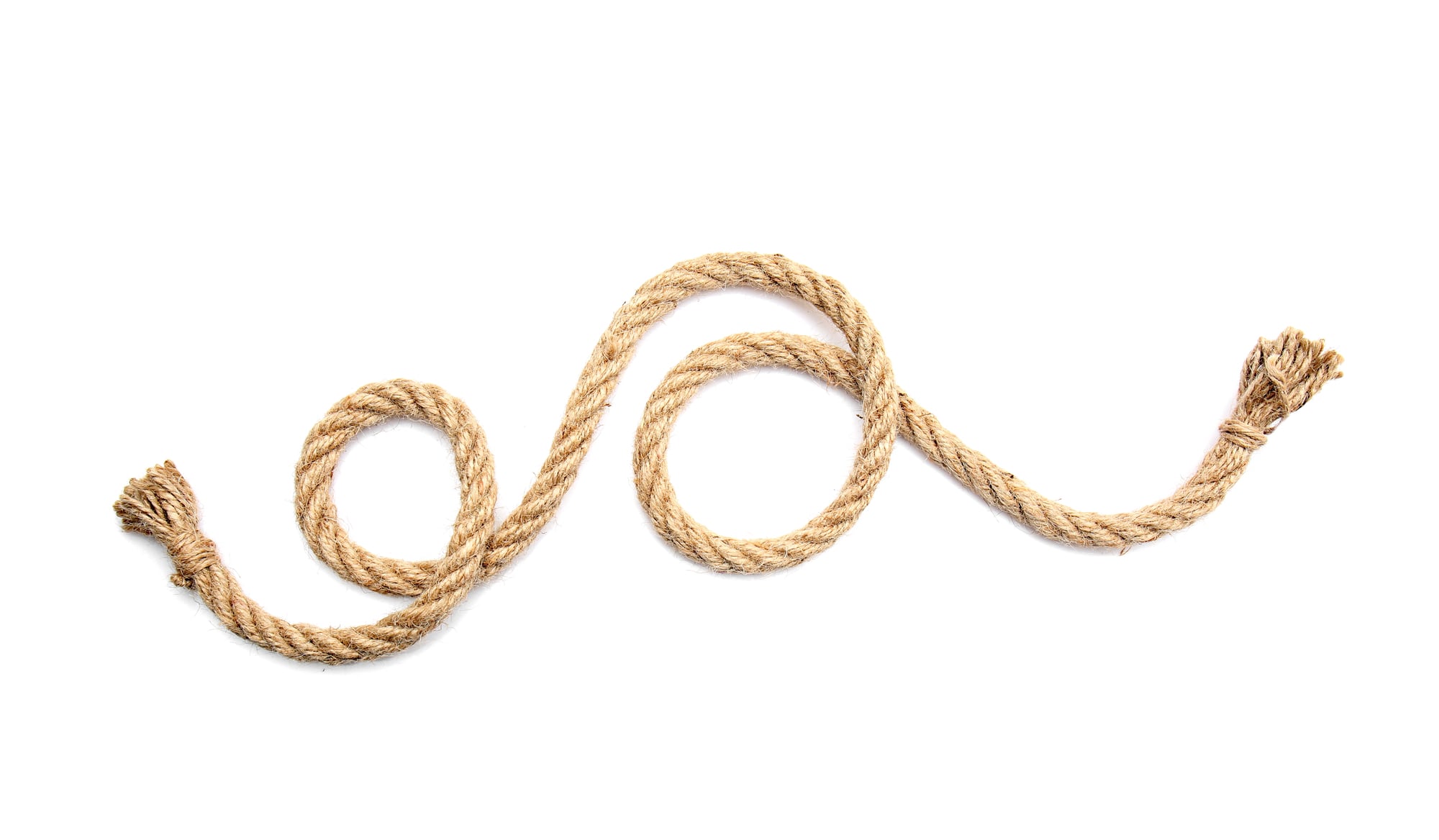
Rope packages warn against use for mountain climbing unless specifically rated for that purpose. Someone bought regular rope from a hardware store and figured rope was rope, whether it was meant for tying down a tarp or keeping someone from falling off a cliff.
The engineering standards between those two applications are different enough that the distinction needed to be spelled out clearly.
Duct Tape
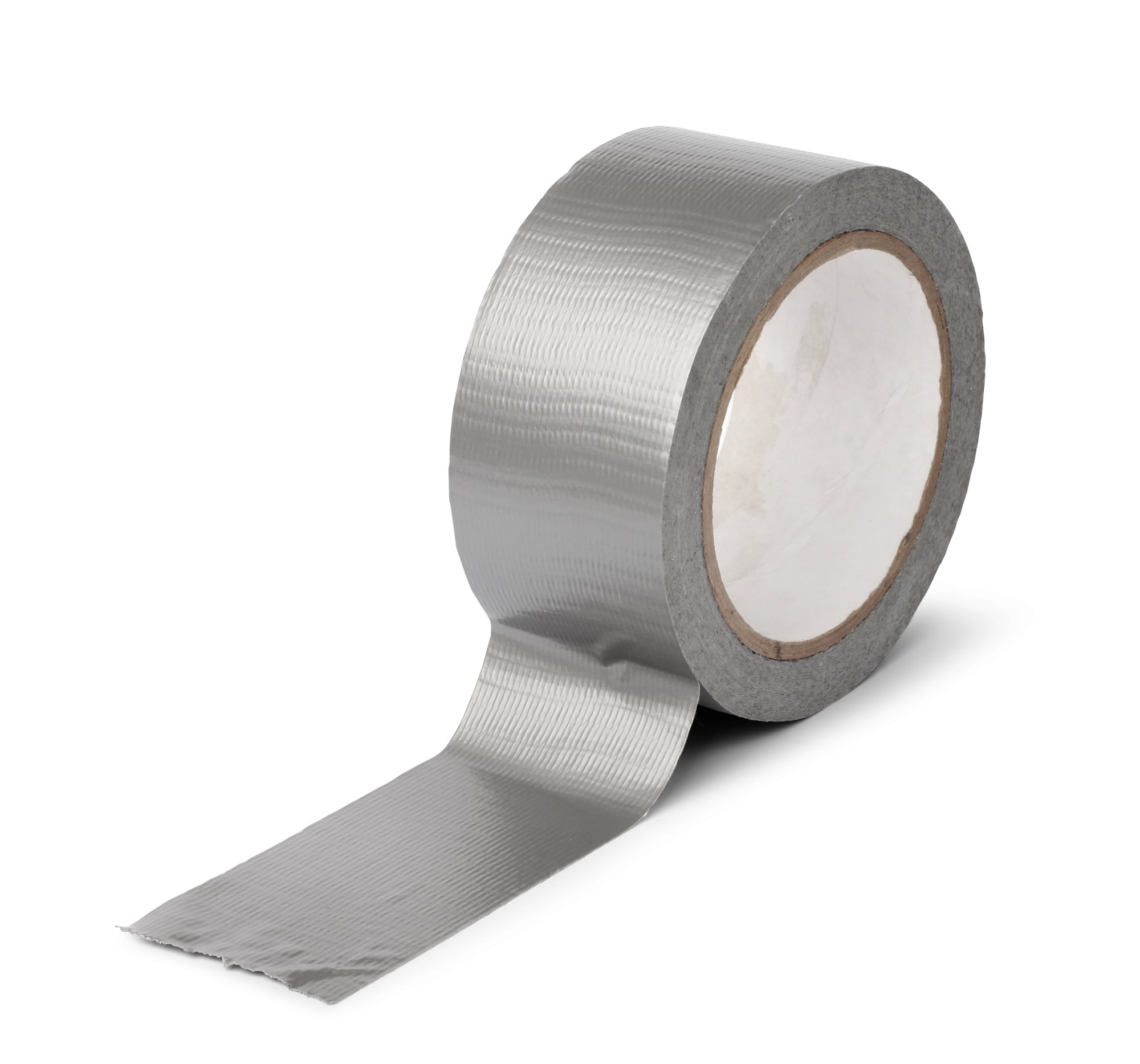
Duct tape warns against use on skin, which exists because someone decided duct tape would make excellent medical tape and tried to bandage a wound with it. Duct tape sticks to everything, including skin, but it doesn’t come off skin the way medical tape does.
The removal process probably hurt worse than whatever injury they were trying to fix.
Garden Hoses
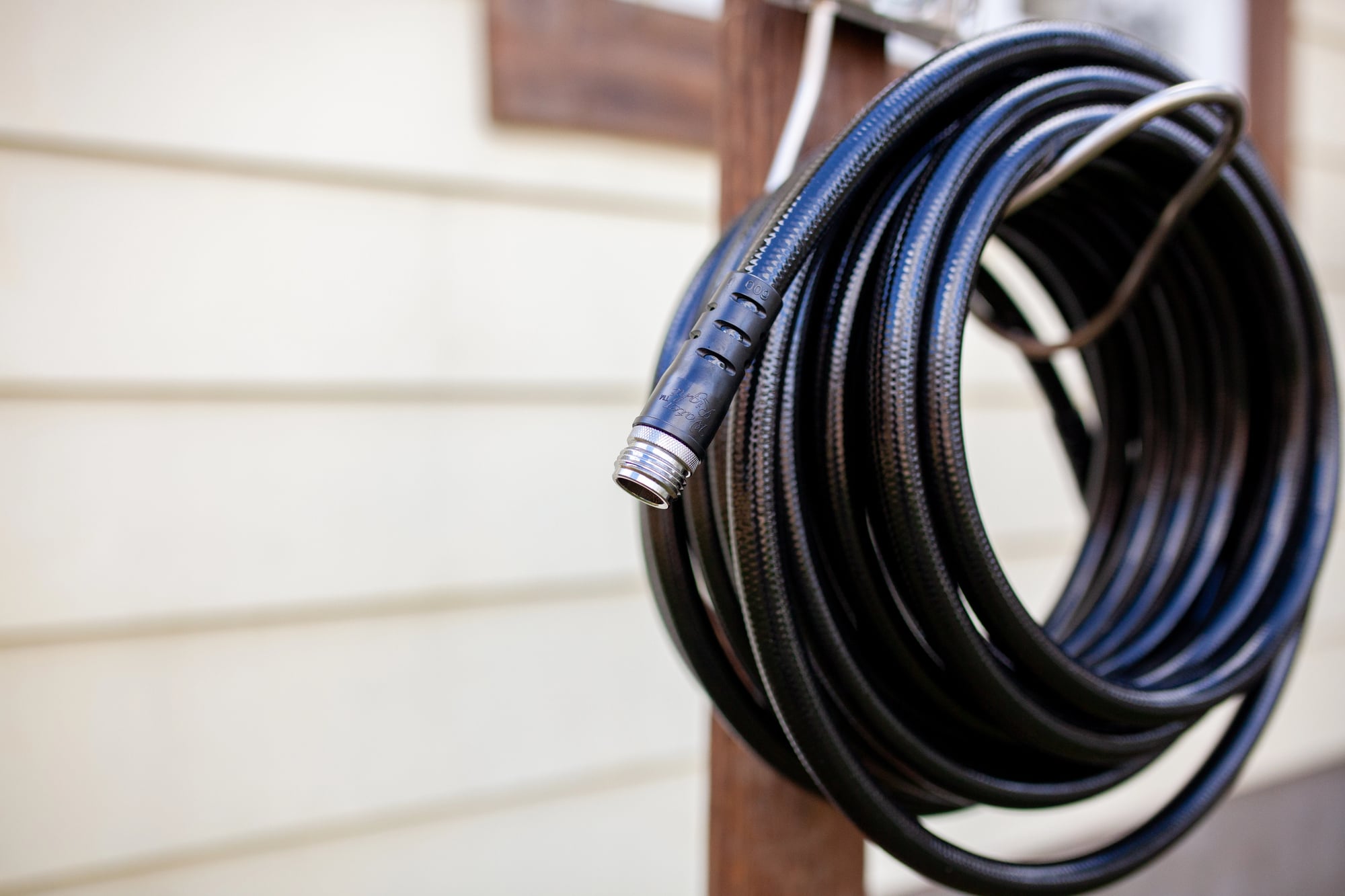
Garden hoses warn against drinking from them, not because of water quality but because someone tried to use a garden hose as a straw for their swimming pool. The suction physics don’t work the way you’d expect, and pool water isn’t exactly drinking water to begin with.
But the bigger issue is probably the person who used their garden hose to siphon gasoline and then wondered why they felt sick.
Chainsaws Again
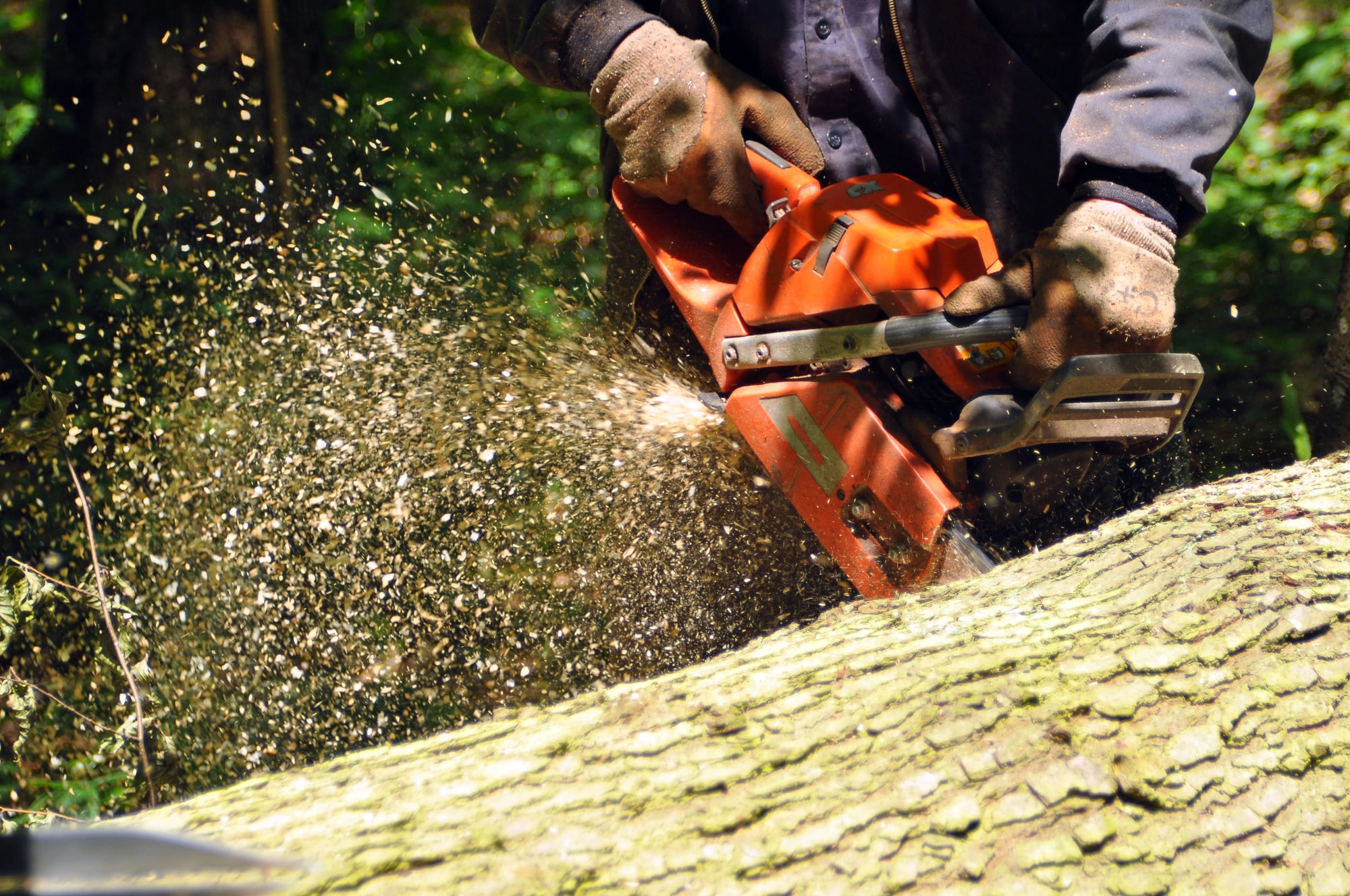
Chainsaws deserve a second mention because they also warn against use for tree climbing. Someone thought a chainsaw would make an excellent climbing aid, probably figuring they could cut handholds as they went up.
The physics of climbing while holding a running chainsaw were apparently more challenging than anticipated, and the warning label was born.
Fishing Lures

Fishing lures warn against use as jewelry, which means someone looked at a sparkly fishing lure and thought it would make an excellent earring or necklace. The hooks that make lures effective for catching fish make them significantly less effective as fashion accessories, but apparently this needed to be clarified legally.
Leaf Blowers
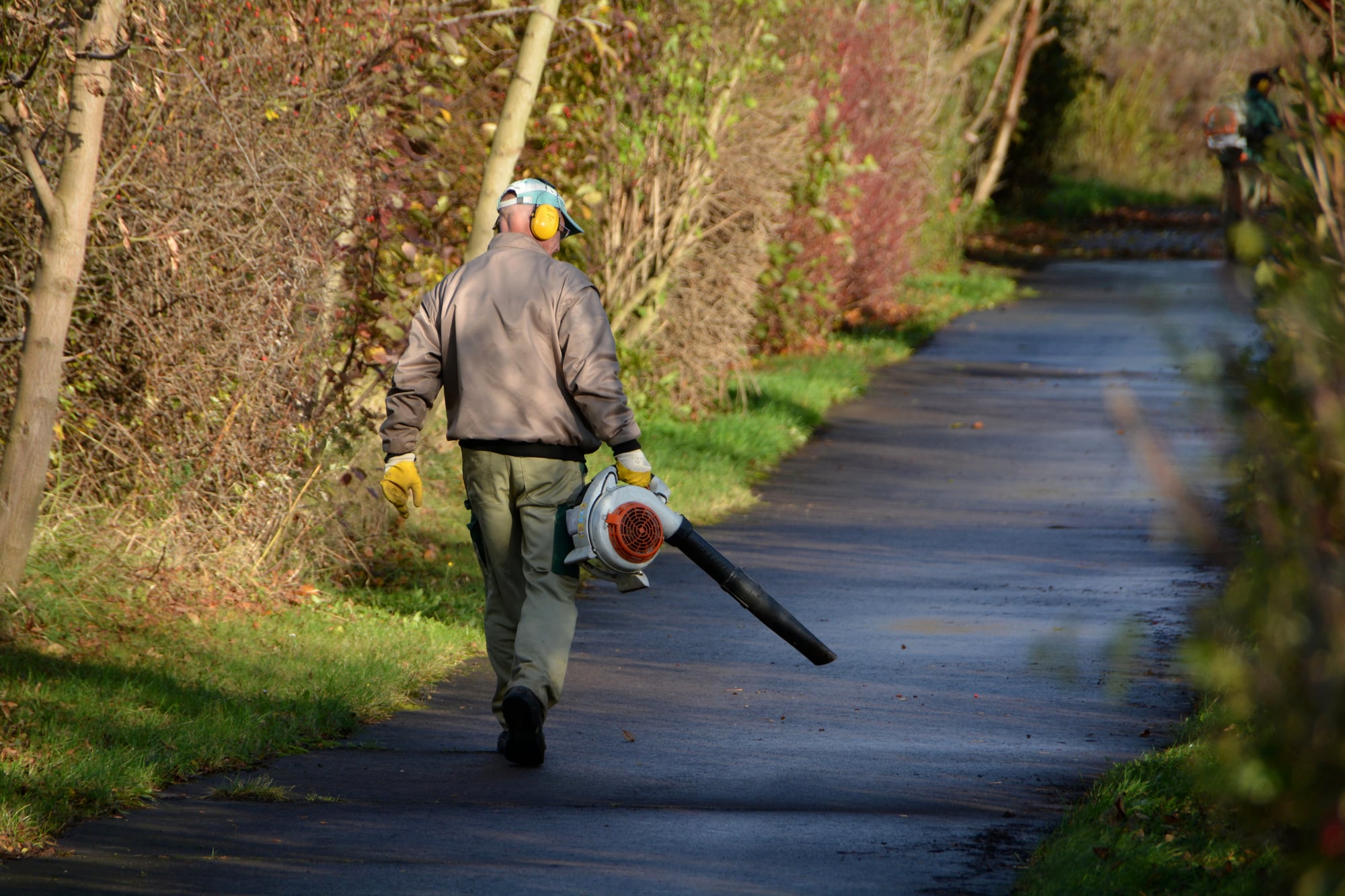
Leaf blowers warn against use for drying hair, which suggests someone looked at their leaf blower and figured it was just a really powerful hair dryer. The volume of air movement that clears leaves off a driveway turns out to be excessive for personal grooming, but someone had to learn this through experience rather than theoretical consideration.
Hammers
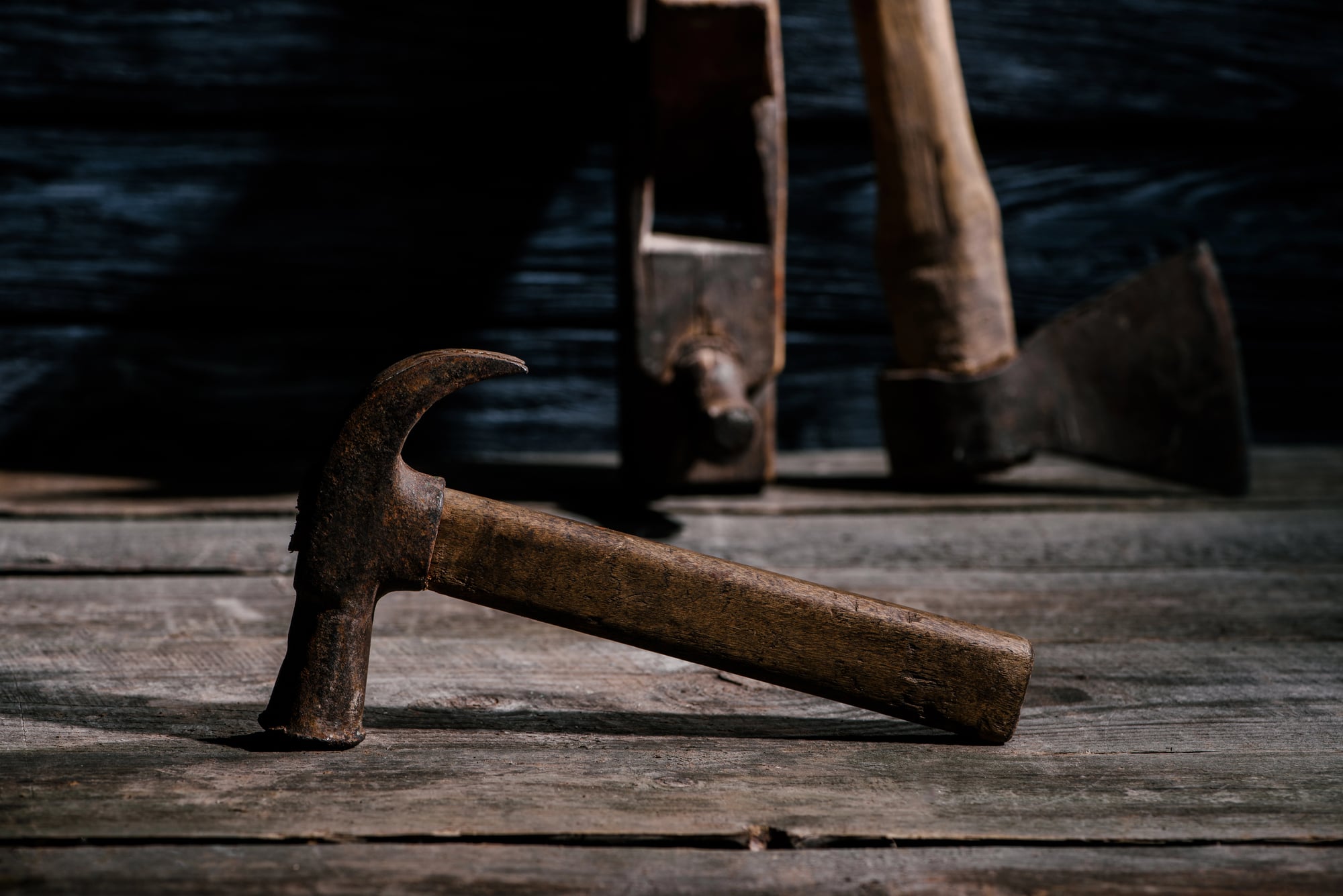
Hammers warn against use on glass, which seems obvious until you picture someone trying to hammer a nail through a window. The warning exists because someone thought they could hang something on glass the same way they’d hang it on drywall, and the physics lesson was probably expensive.
The Stories Behind The Stories
These warning labels represent something oddly hopeful about human nature: our boundless confidence that things might work differently than they actually do. Someone looked at each of these products and saw potential beyond its intended purpose.
Sure, that potential was usually dangerous, impossible, or just plain silly, but it was creative in its own misguided way. The fact that we need warning labels to tell us not to iron our clothes while wearing them says less about human intelligence and more about human optimism—the stubborn belief that maybe, just maybe, there’s a faster way to get things done.
More from Go2Tutors!

- The Romanov Crown Jewels and Their Tragic Fate
- 13 Historical Mysteries That Science Still Can’t Solve
- Famous Hoaxes That Fooled the World for Years
- 15 Child Stars with Tragic Adult Lives
- 16 Famous Jewelry Pieces in History
Like Go2Tutors’s content? Follow us on MSN.



