25 Amusement Park Rides That Were Shut Down for Reasons Nobody Expected
Theme parks are built around one promise: controlled chaos. Riders expect the unexpected once they’re strapped in, but park operators generally prefer everything outside the ride experience to be predictable. Yet some attractions met their end for reasons no engineer, executive, or guest could have anticipated. These weren’t the typical closures caused by old age or obvious safety concerns. Instead, they fell victim to bizarre technical limitations, licensing headaches, insurance nightmares, shifting tastes, and problems so strange they sound invented.
Drachen Fire
When Busch Gardens Williamsburg unveiled Drachen Fire in 1992, it looked like the future of roller coasters. The massive steel coaster featured multiple inversions and an ambitious layout that promised thrills at every turn.
The problem wasn’t danger. It was discomfort. Riders consistently complained that the coaster delivered painful side-to-side forces due to flawed banking calculations. Rather than spending years attempting expensive fixes, the park removed a coaster that was barely seven years old. Few attractions disappear so quickly simply because guests hated how they felt.
Tomb Raider: The Ride
At Kings Island, this indoor adventure combined a giant ride system with elaborate special effects inspired by the Tomb Raider franchise. For a while, it delivered exactly what guests expected: fire, motion, and cinematic spectacle.
Then the licensing agreement expired. Suddenly the attraction no longer had permission to use the Tomb Raider name or storyline. Without its identity, much of the expensive theming lost meaning. The ride survived briefly under new names before disappearing entirely. It wasn’t the machinery that failed — it was the paperwork.
The Bat
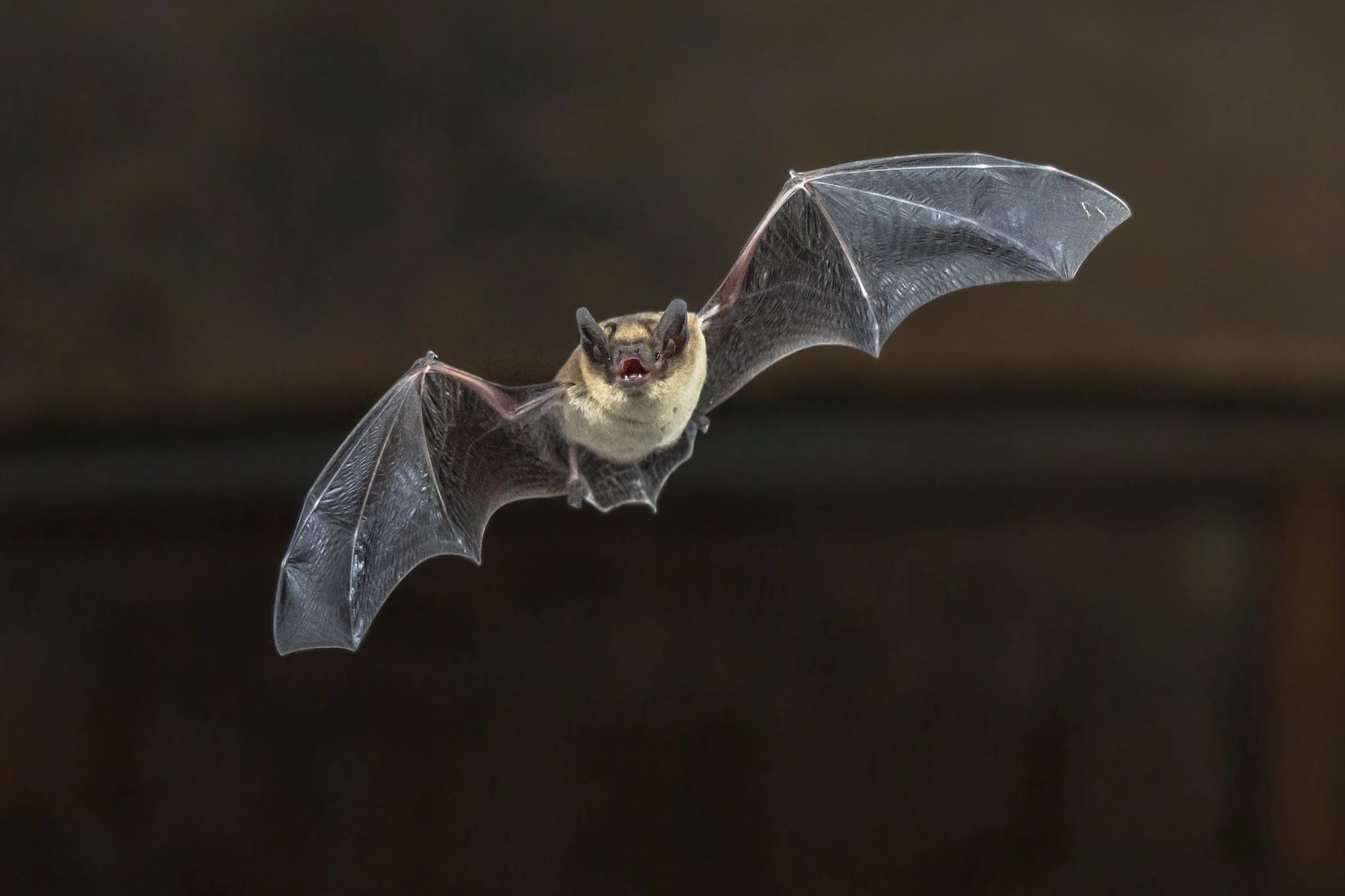
Innovation can be expensive. Kings Island’s original Bat, which opened in 1981, was the world’s first modern suspended roller coaster.
The concept was brilliant. Riders hung beneath the track in swinging cars that moved naturally through turns. Unfortunately, the computer systems and engineering of the era couldn’t adequately manage the stresses created by those moving cars. Constant breakdowns and structural issues plagued the ride. It lasted only a few seasons before closure, though the lessons learned eventually helped create successful suspended coasters elsewhere.
Volcano: The Blast Coaster
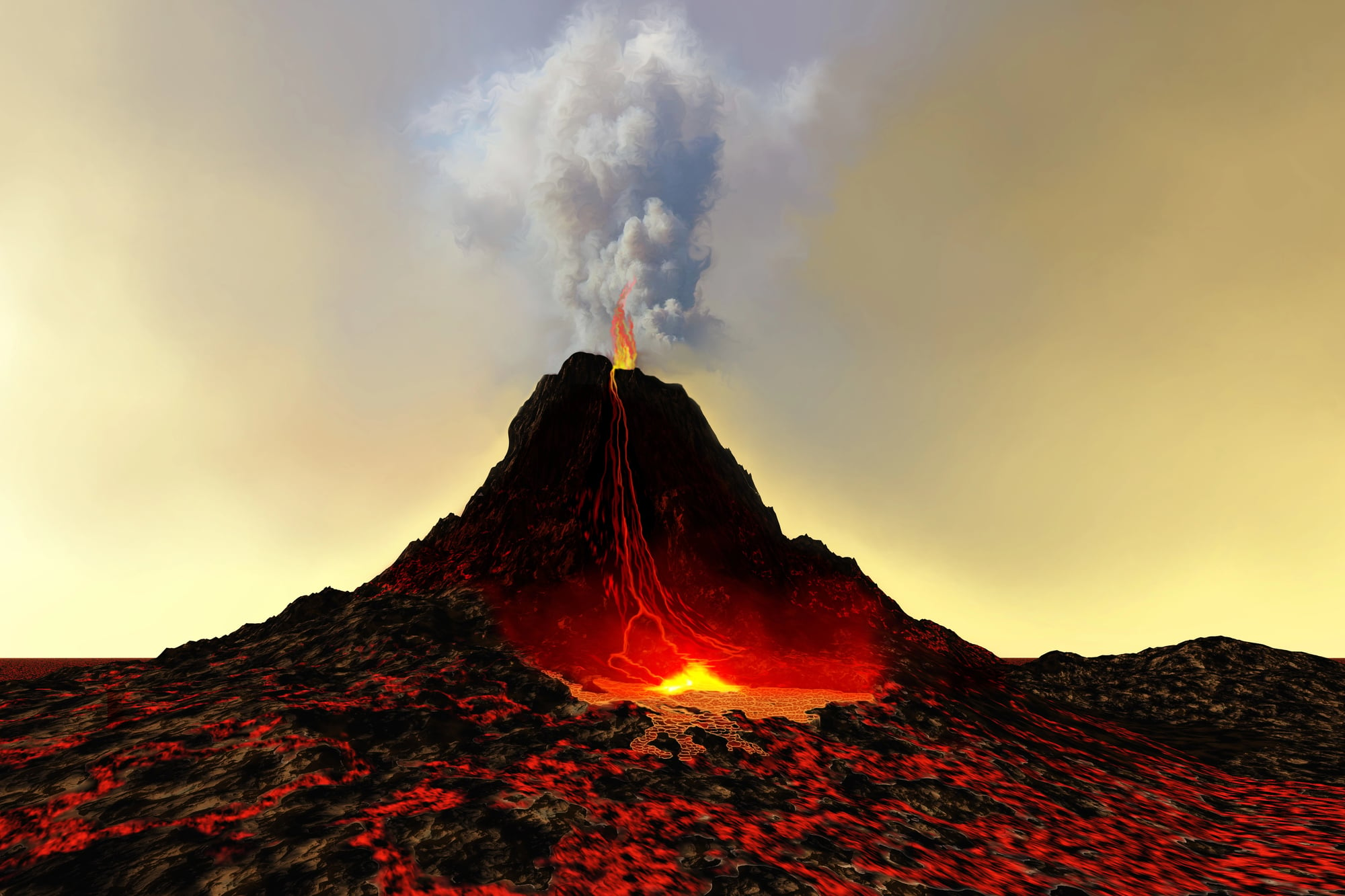
At Kings Dominion, riders launched through an artificial volcano using compressed-air technology that felt years ahead of its time.
Ironically, that advanced technology became the ride’s downfall. Key components were proprietary and eventually impossible to replace. Once major parts failed, repairing the attraction became unrealistic. The volcano wasn’t destroyed because it stopped thrilling people. It was destroyed because nobody could find the pieces needed to keep it alive.
Son of Beast
The world’s only wooden looping coaster sounded like an incredible idea on paper.
Reality proved harsher. Wood naturally flexes and shifts, making smooth loops difficult to maintain. The enormous coaster became infamous for rough rides and recurring maintenance challenges. Engineers repeatedly modified it, even removing the loop at one point, but nothing solved the core problem. The ride ultimately became a cautionary tale about pushing a material beyond its practical limits.
Big Bad Wolf

For 25 years, guests loved this suspended coaster at Busch Gardens Williamsburg.
Its closure wasn’t caused by poor popularity or major safety concerns. Instead, it became increasingly difficult to source replacement parts after manufacturer Arrow Dynamics ceased operations. Combined with the ride’s complex location over a ravine and growing modernization costs, the economics simply stopped making sense.
Disaster Transport
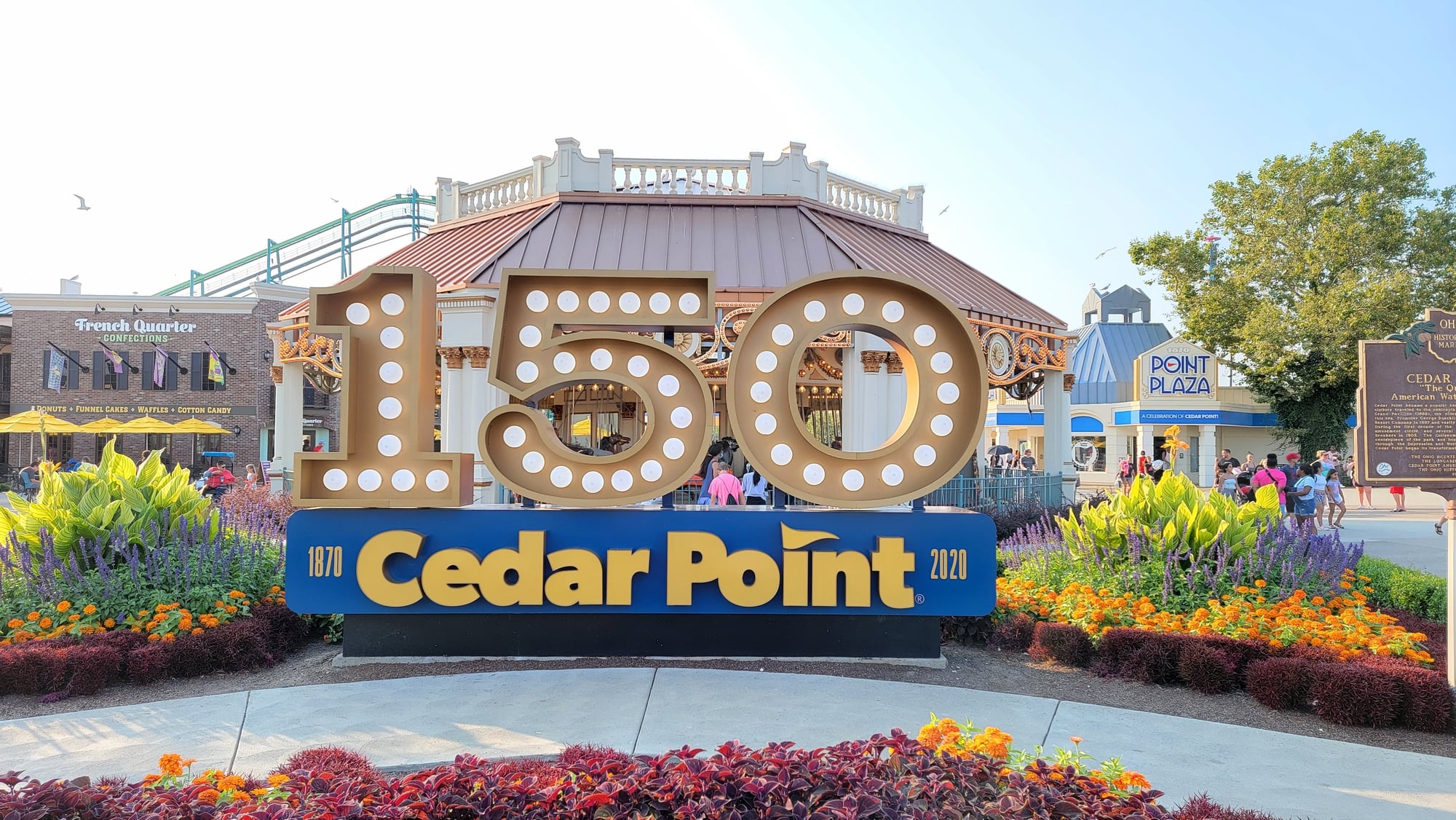
Cedar Point’s indoor space-themed coaster had a devoted fan base and a wonderfully strange storyline involving a futuristic transportation accident.
Over time, however, the effects broke down, the story became confusing, and the massive building required constant upkeep. The coaster itself still functioned, but the surrounding experience no longer justified the expense. Maintaining the shell became harder than maintaining the ride.
FireHawk
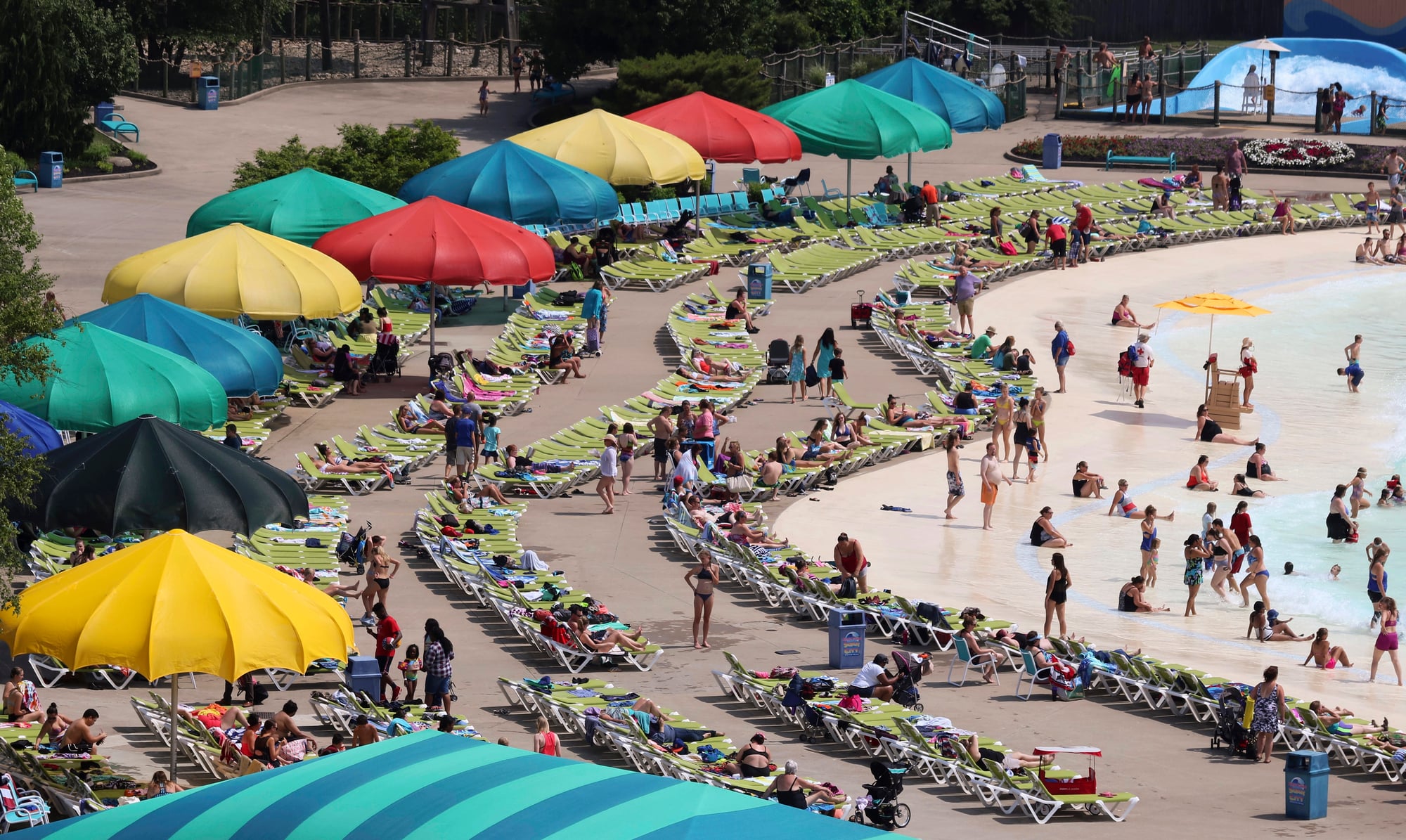
Flying coasters are fascinating because riders experience the track face-down, as though soaring through the air.
Unfortunately, FireHawk at Kings Island required lengthy loading procedures. Every rider needed to be carefully secured into a prone position, dramatically slowing operations. The attraction became a victim of mathematics rather than engineering. A ride can be popular and reliable, but if it processes too few guests per hour, it eventually becomes difficult to justify.
Hypersonic XLC
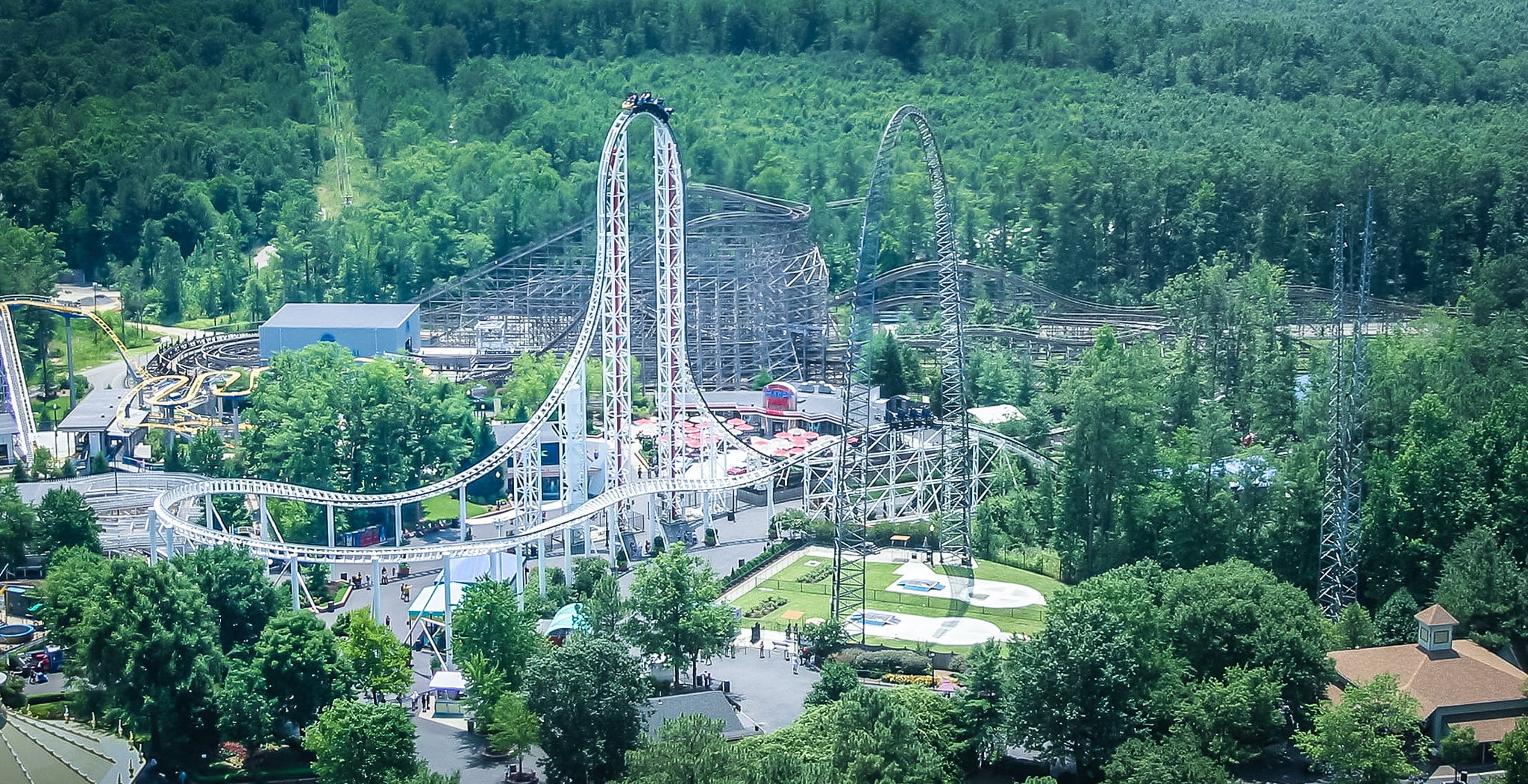
Kings Dominion’s Hypersonic XLC launched riders from zero to 80 mph in less than two seconds.
The ride was thrilling. It was also enormously expensive. Massive compressors consumed huge amounts of power and demanded constant maintenance. The launch technology represented the future, but the future turned out to be impractical. The coaster spent too much time closed and too much money staying open.
Windjammer Surf Racers
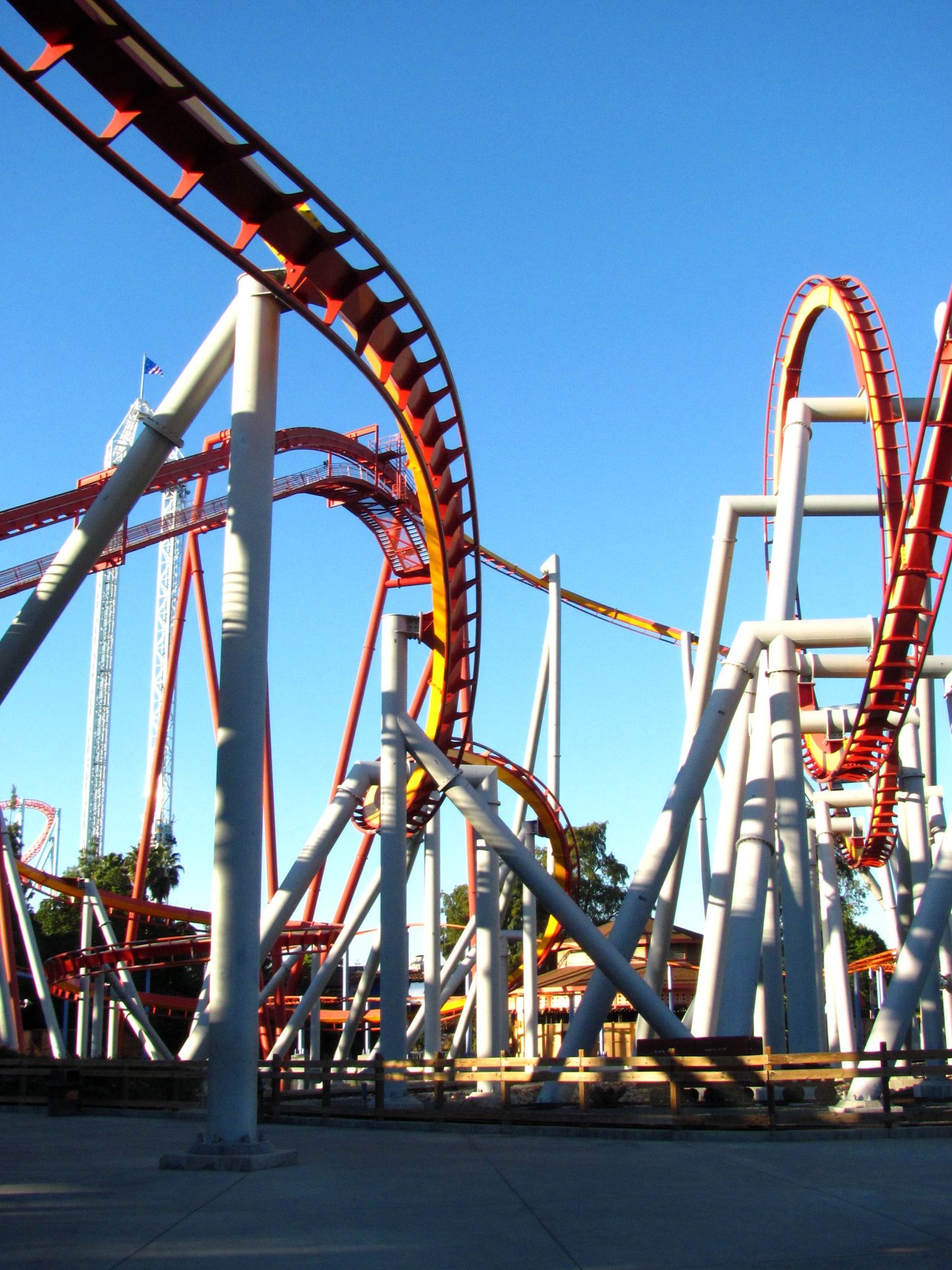
Knott’s Berry Farm introduced a dual-track racing coaster where two trains could compete side by side.
That was the plan, anyway.
The sophisticated computer systems responsible for synchronizing both tracks never performed reliably. Often only one side operated, defeating the entire point of the attraction. After years of frustration, the park removed the coaster entirely.
The Orient Express
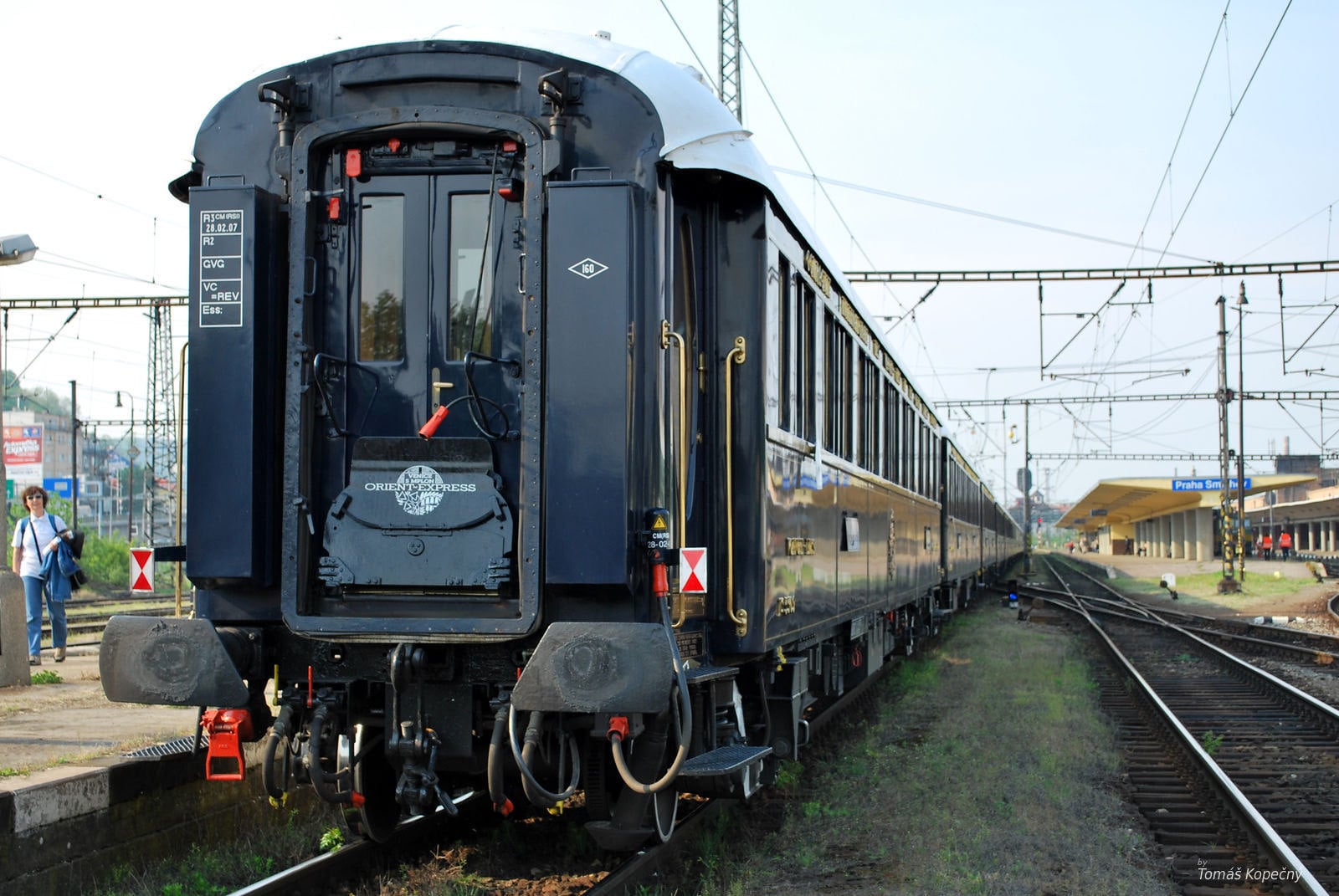
This classic looping coaster at Worlds of Fun didn’t close because guests disliked it.
Instead, its intricate layout became a problem when the park wanted to redevelop surrounding areas. The coaster twisted around pathways and attractions in ways that made future expansion nearly impossible. Sometimes a ride’s greatest achievement — fitting perfectly into its environment — eventually becomes a limitation.
Flashback
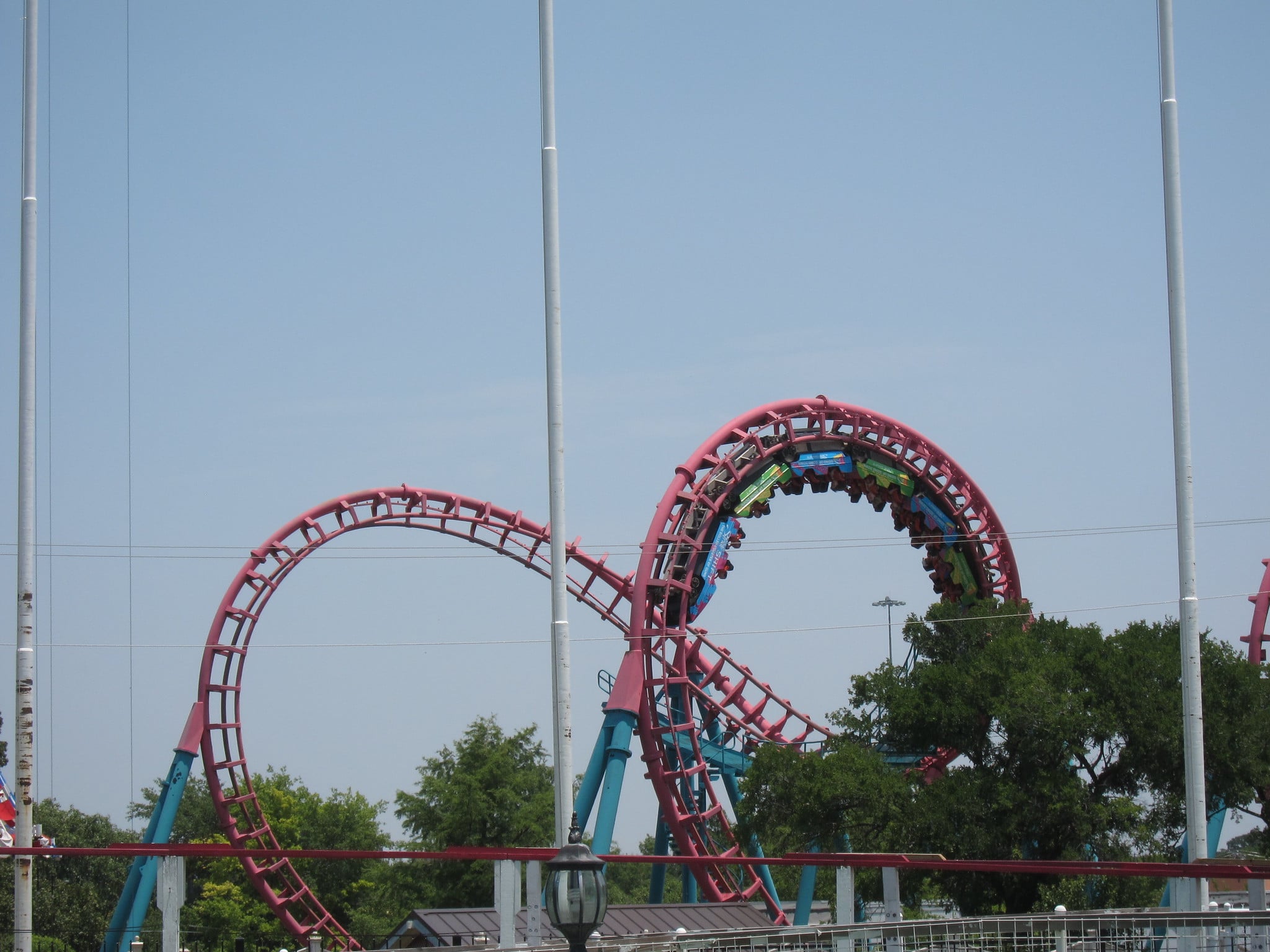
At Six Flags Magic Mountain, Flashback featured intense turns and inversions that looked impressive from the midway.
The issue was that many riders felt physically miserable afterward. Motion sickness complaints became common, maintenance costs rose, and the coaster’s awkward hillside location complicated operations. Technical achievement alone couldn’t overcome the fact that many guests simply didn’t want to ride it twice.
Thunder Run
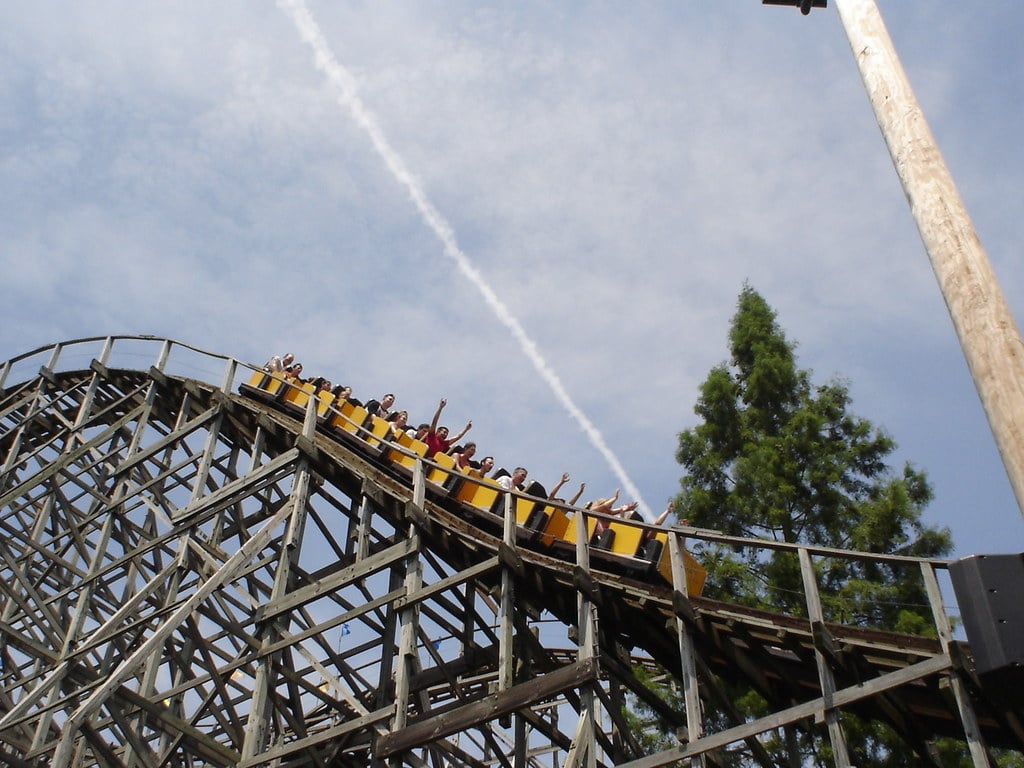
When Six Flags closed Astroworld in 2005, many attractions found new homes.
Thunder Run didn’t.
Its custom layout and unique theming made relocation prohibitively expensive. The coaster worked perfectly fine. Nobody just wanted the expense of moving it. In a strange twist, its uniqueness became the reason it disappeared.
Time Warp
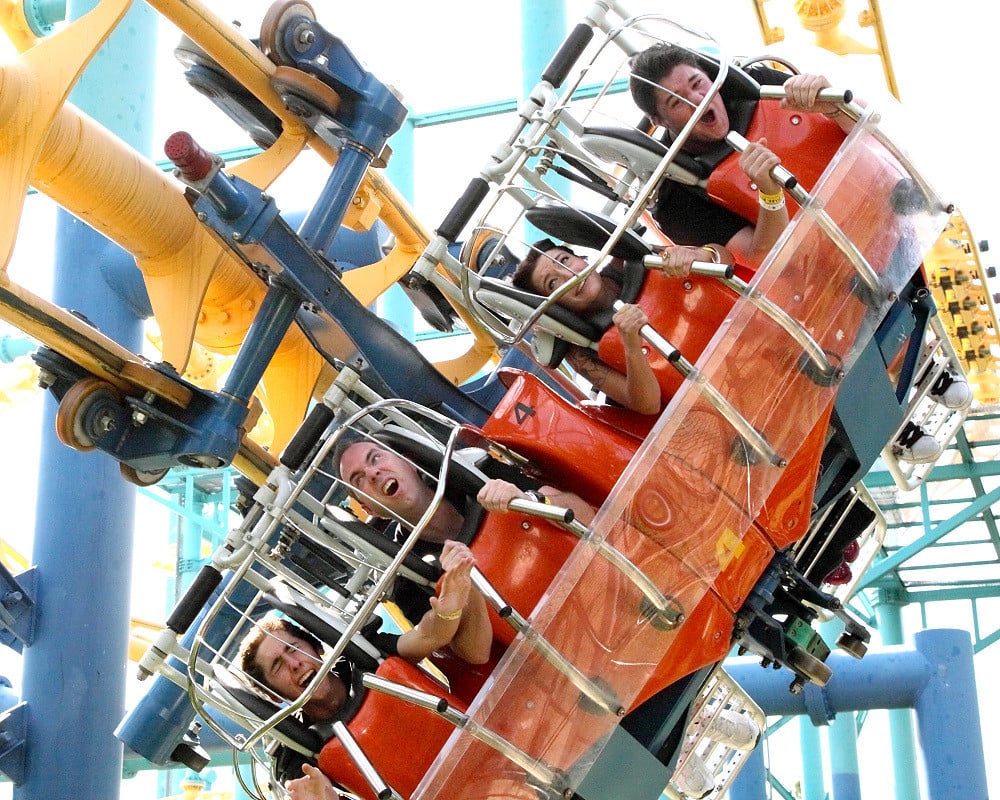
At Canada’s Wonderland, Time Warp offered a flying coaster experience unlike most attractions in North America.
Guests enjoyed it. Operators did not.
Loading riders into specialized harnesses took too long, creating slow-moving lines and poor capacity. In modern theme parks, efficiency matters almost as much as excitement. Time Warp lost that battle.
King Cobra
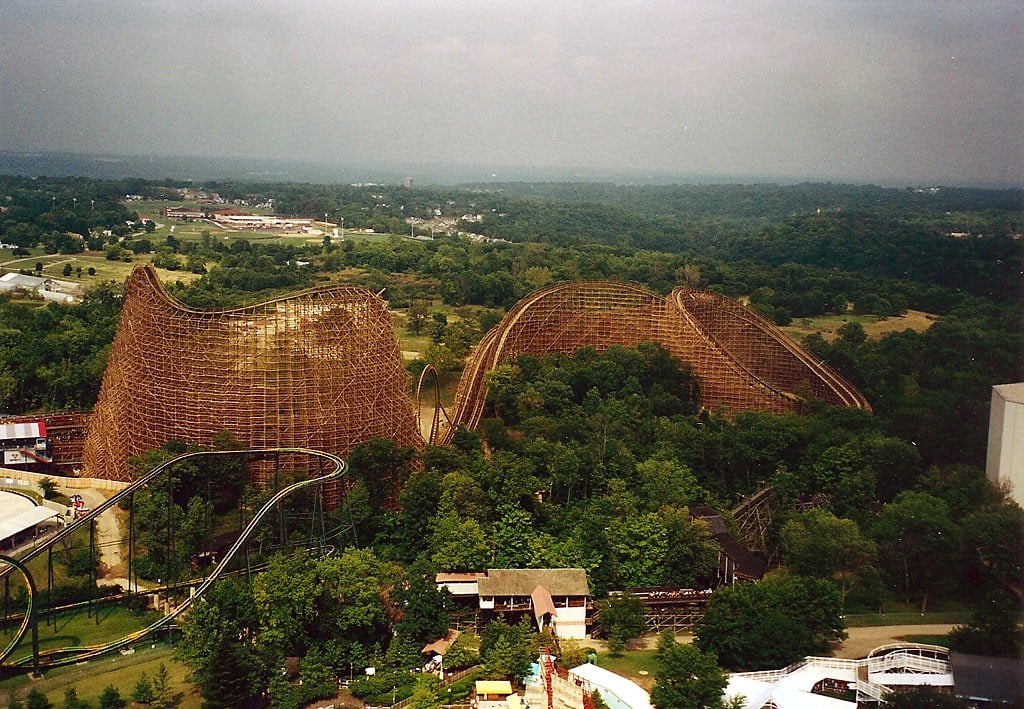
Standing roller coasters seemed like a revolutionary idea during the 1980s.
In practice, riders came in different heights, making restraint adjustments difficult. Some guests enjoyed the novelty, while others found the experience uncomfortable or even painful. As maintenance costs increased and enthusiasm declined, Kings Island retired one of America’s earliest stand-up coasters.
Rattler
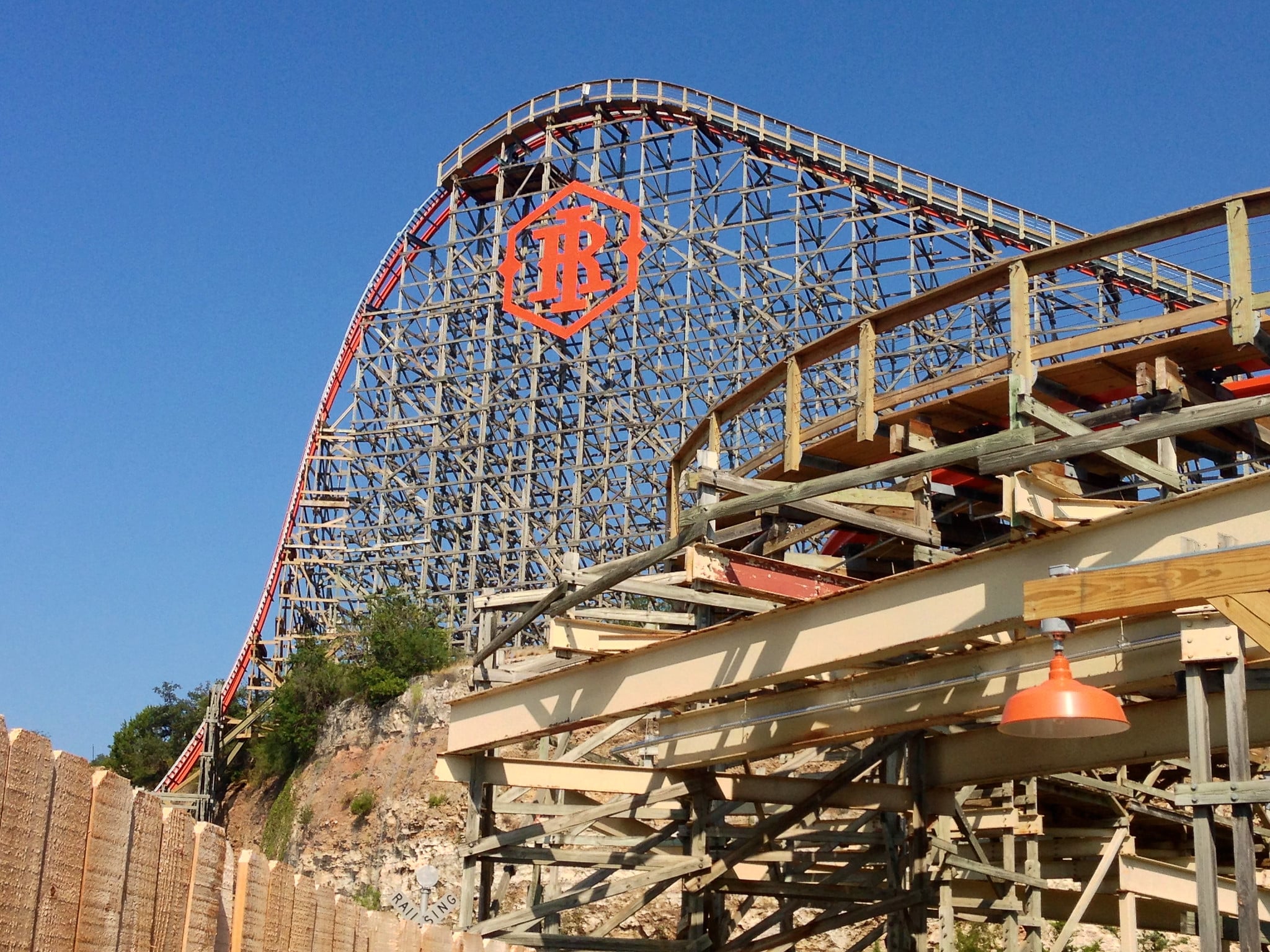
When Fiesta Texas opened Rattler, it ranked among the largest wooden coasters ever built.
Its size became its enemy. Extreme speeds and forces punished the wooden structure, creating endless maintenance challenges. After years of modifications failed to solve the issue, the park converted much of the ride into a steel coaster. The only way to save it was to transform it into something else.
Shockwave
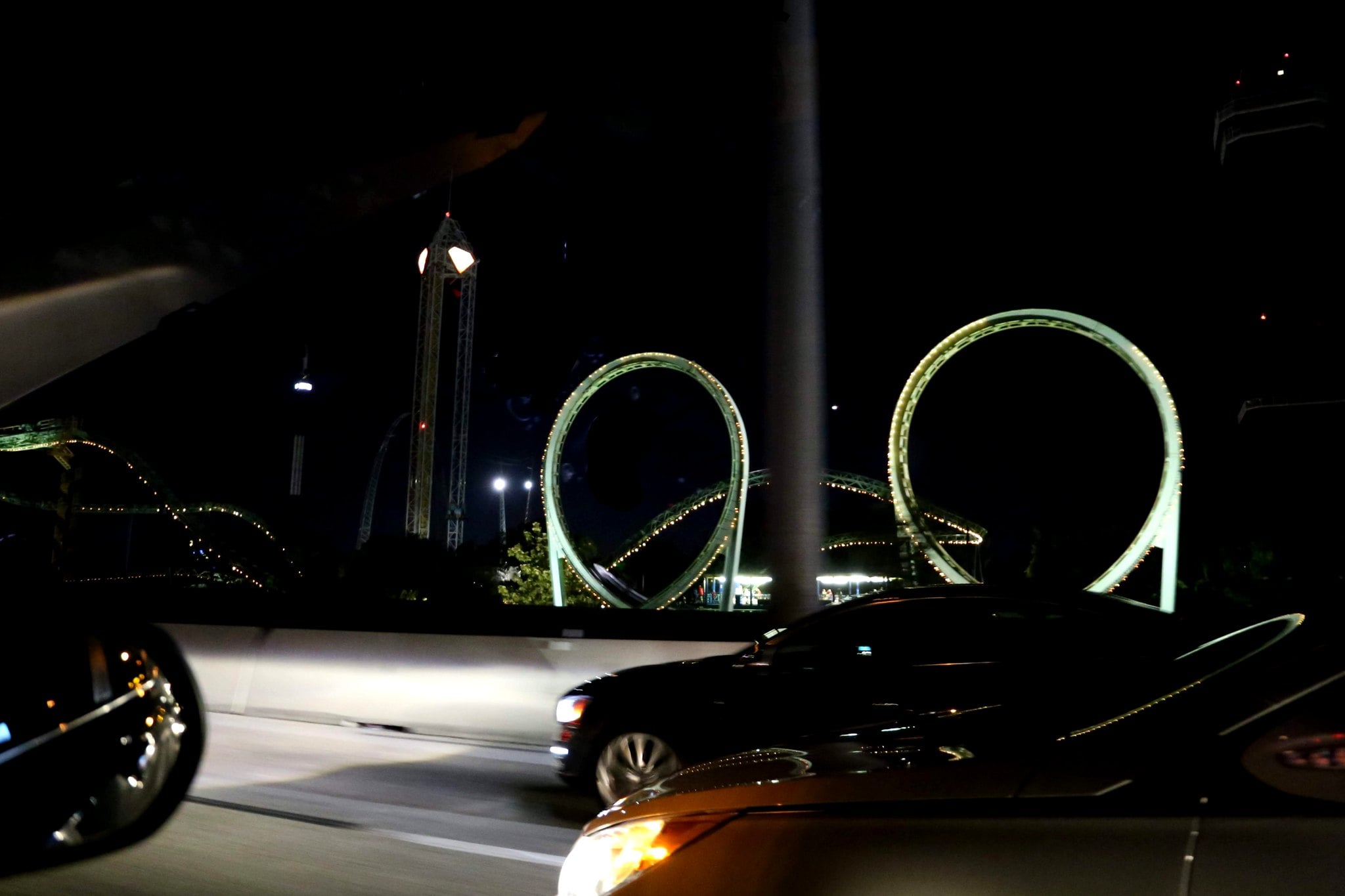
This towering seven-inversion coaster at Six Flags Great America worked exactly as designed.
The problem was cultural. By the early 2000s, coaster fans increasingly preferred smooth experiences and creative layouts over simply piling on inversions. Shockwave represented an earlier era of design philosophy. The ride didn’t fail mechanically — tastes changed around it.
Hercules
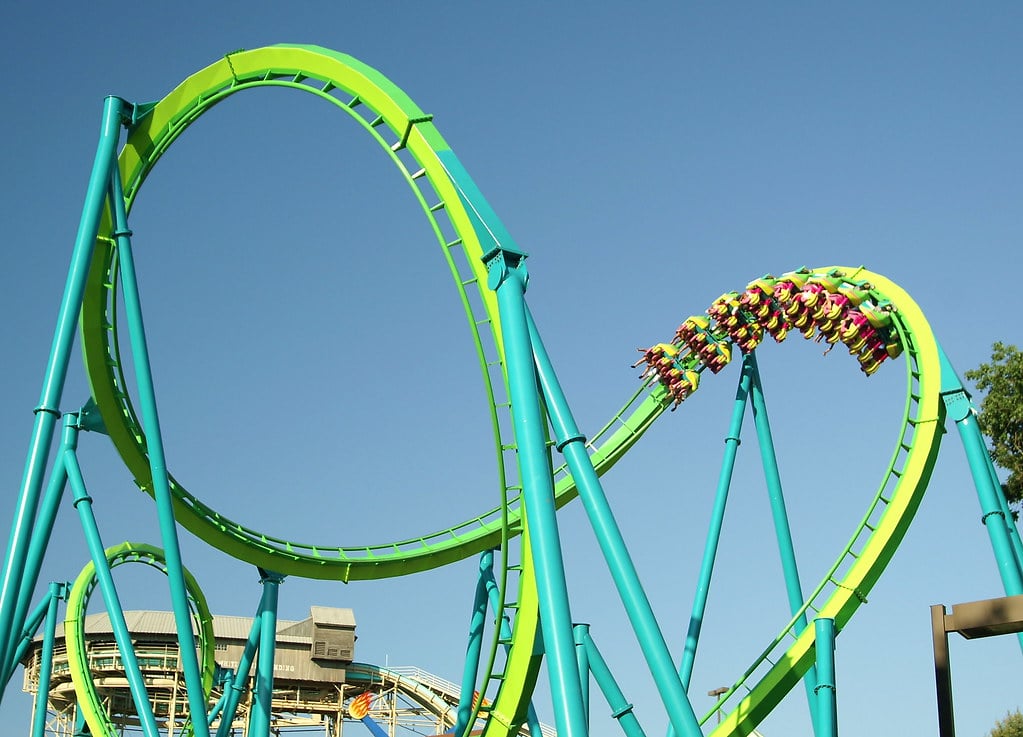
At Dorney Park, Hercules featured more than 4,000 feet of wooden track crossing challenging terrain.
The coaster became a maintenance nightmare. Its massive size demanded constant repairs, inspections, and structural work. Eventually, the resources required to keep it operating outweighed the benefits. Hercules wasn’t beaten by riders. It was beaten by carpentry bills.
Mind Eraser
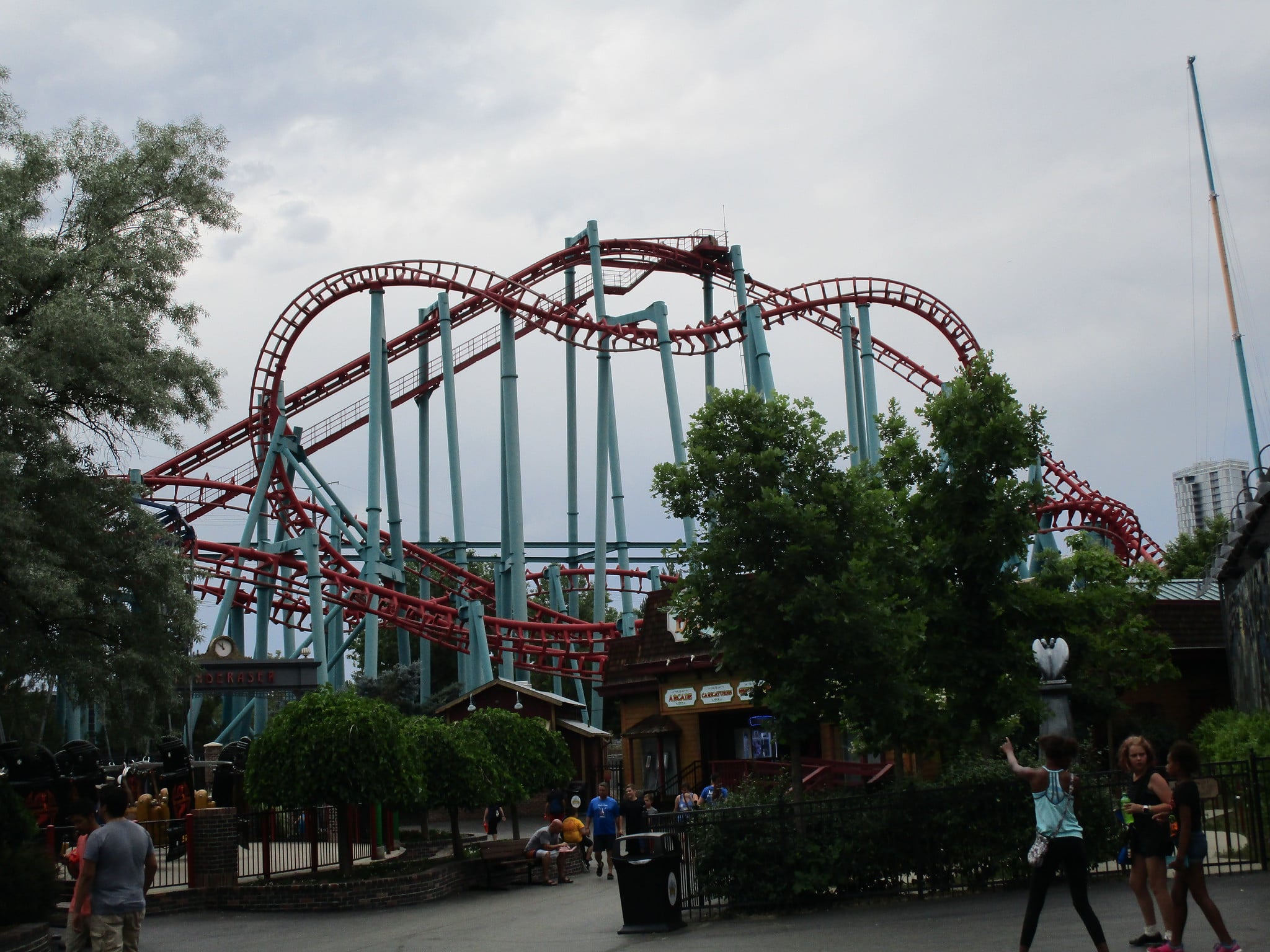
Several parks operated versions of this suspended looping coaster.
Guest complaints frequently involved headaches and roughness. Unfortunately, the ride’s name was Mind Eraser. What was intended as clever marketing suddenly sounded like an admission of guilt. Some parks quietly renamed or removed their versions because the branding amplified every complaint.
Turbulence
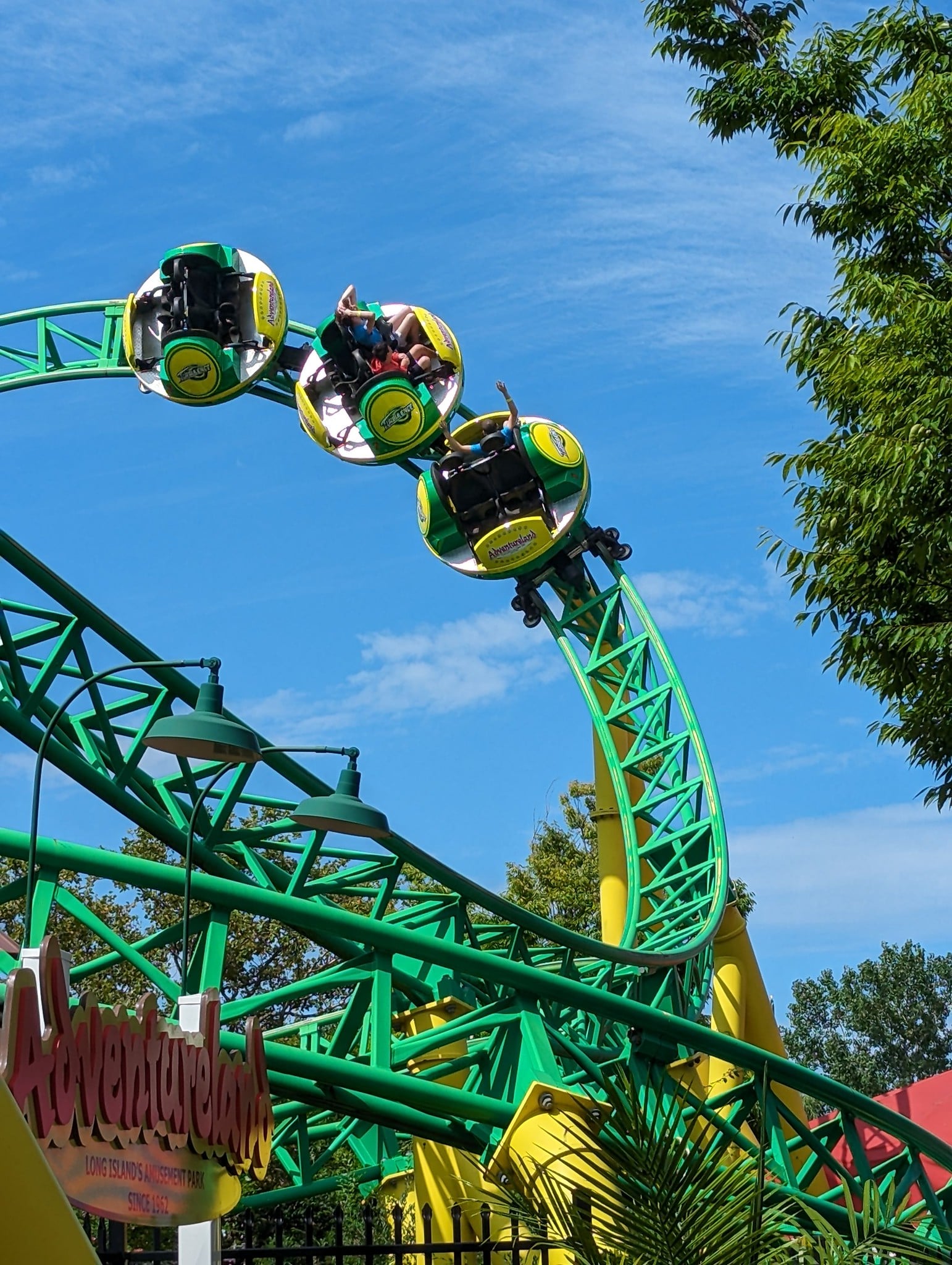
Adventureland’s spinning coaster didn’t suffer a major accident or technical failure.
Insurance companies simply began viewing spinning attractions as riskier investments. Premiums climbed until the numbers no longer worked. The coaster wasn’t removed because it became dangerous. It became too expensive to insure.
Stunt Coaster
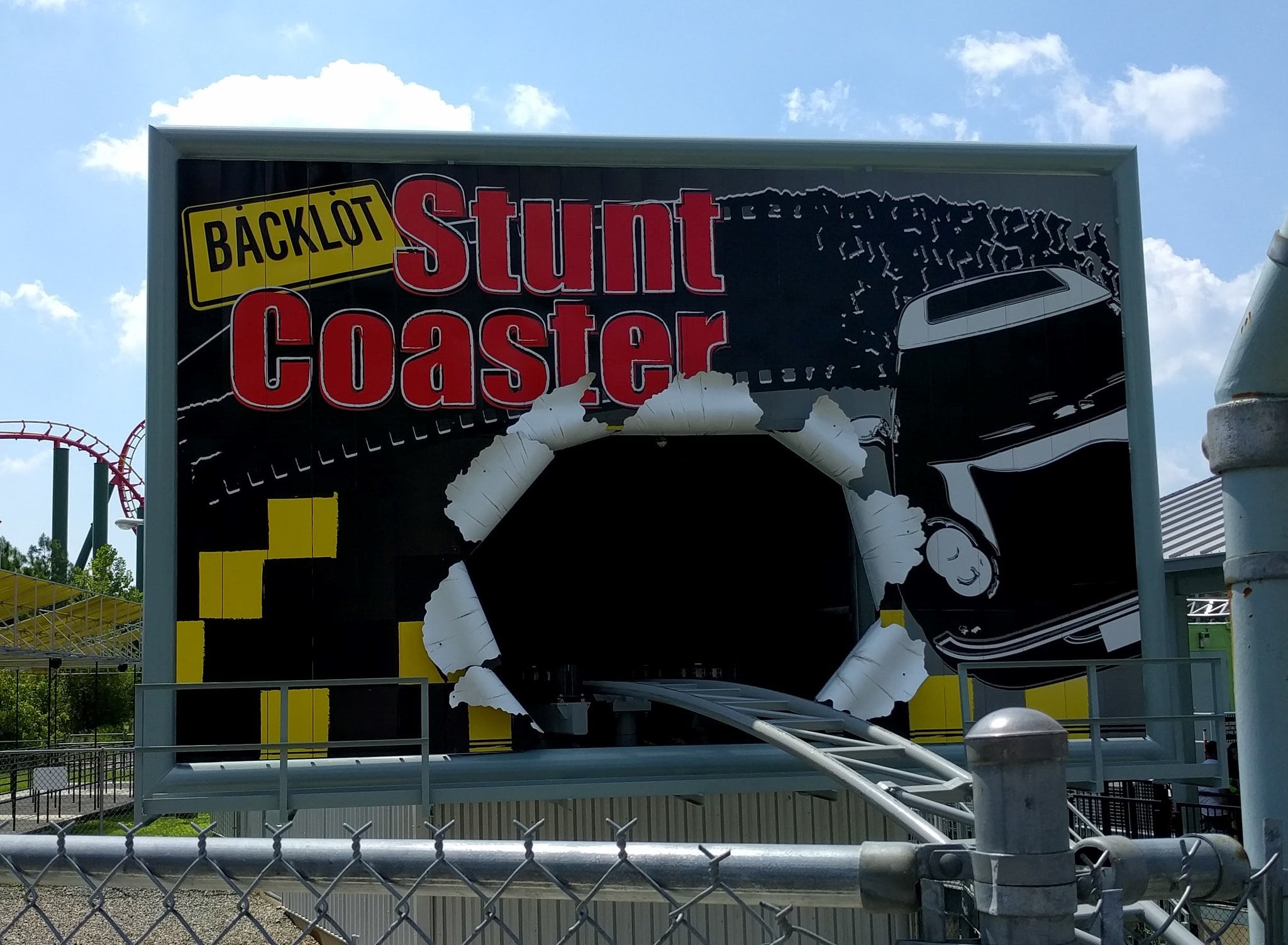
Paramount Parks built movie-themed coasters filled with cinematic effects and storytelling.
When Cedar Fair acquired the parks, many of those movie licenses disappeared. The attractions suddenly featured elaborate effects disconnected from any recognizable story. Without the intellectual property, much of the experience lost purpose. The rides survived mechanically but not creatively.
Geauga Lake’s Big Dipper
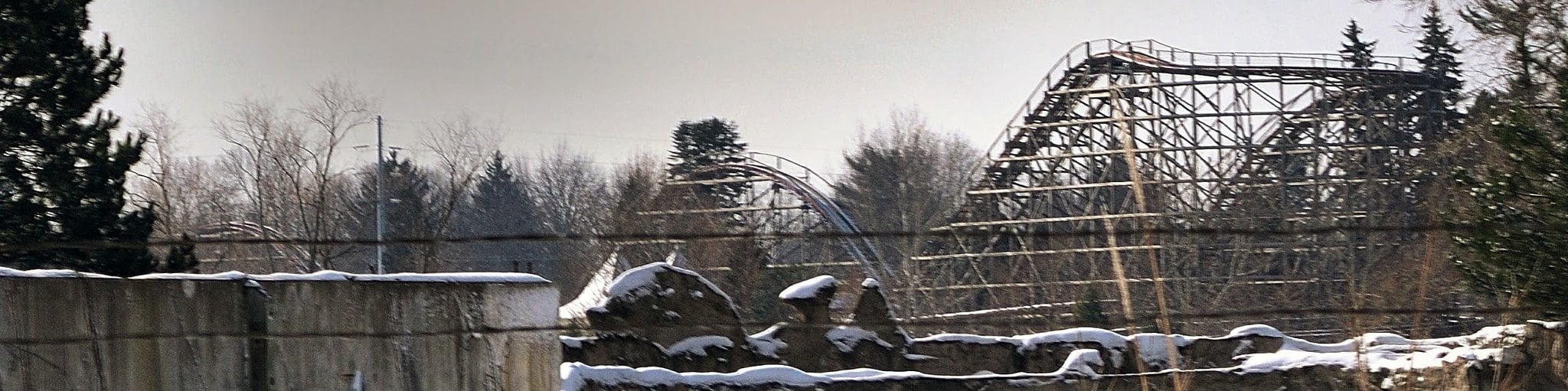
For more than 80 years, Big Dipper delighted guests at Geauga Lake.
Then bigger, faster, newer coasters arrived. The historic ride remained functional, but changing tastes shifted attention elsewhere. When the park itself closed, Big Dipper disappeared too. Sometimes history loses to novelty.
Déjà Vu
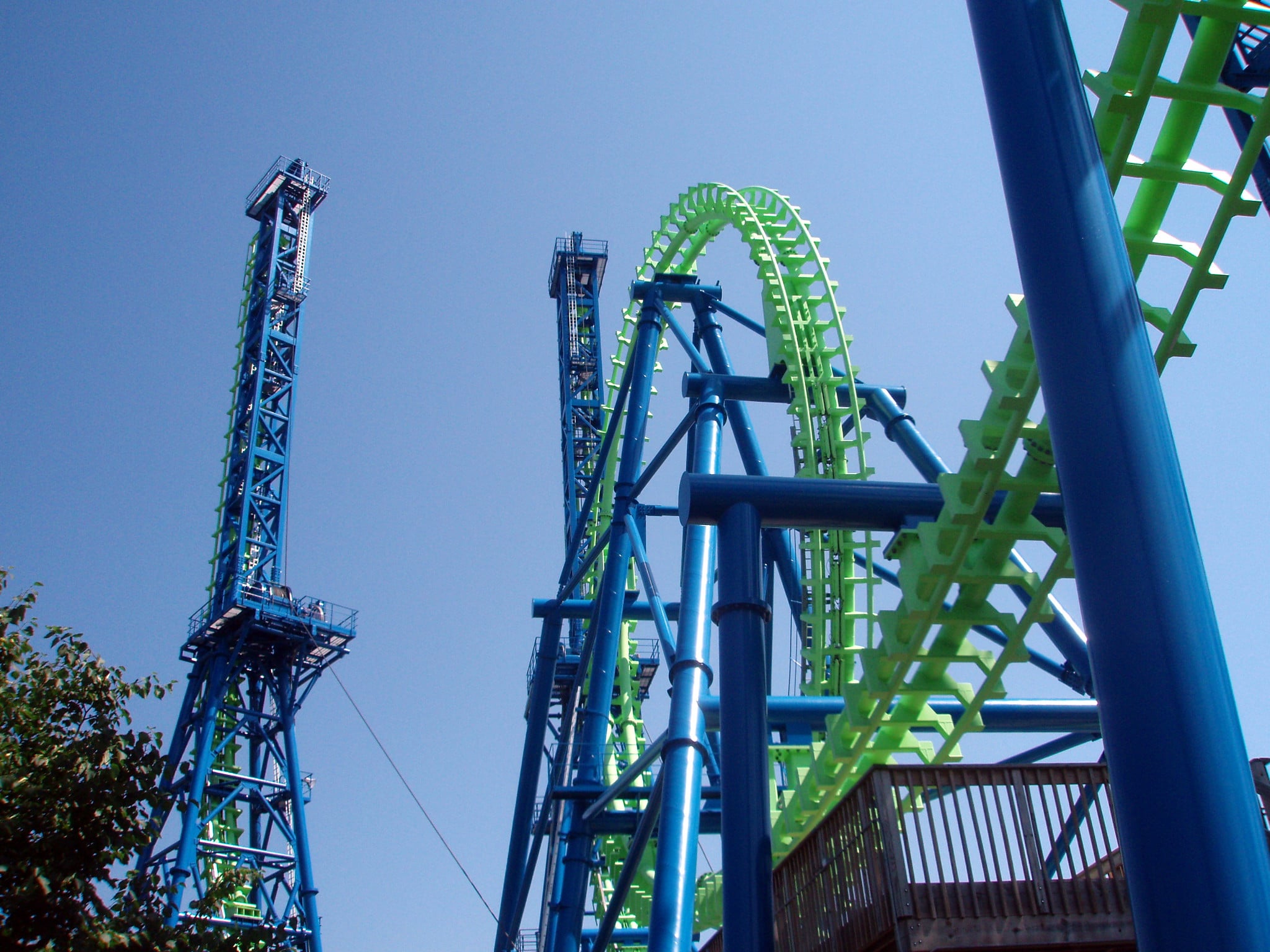
Six Flags installed several giant boomerang coasters that sent riders through the same course forward and backward.
The rides looked spectacular but suffered from chronic operational problems. Complex lift systems frequently malfunctioned, capacity remained low, and evacuations were difficult whenever something went wrong. The attractions were engineering marvels that never became practical business investments.
Superman: Tower of Power
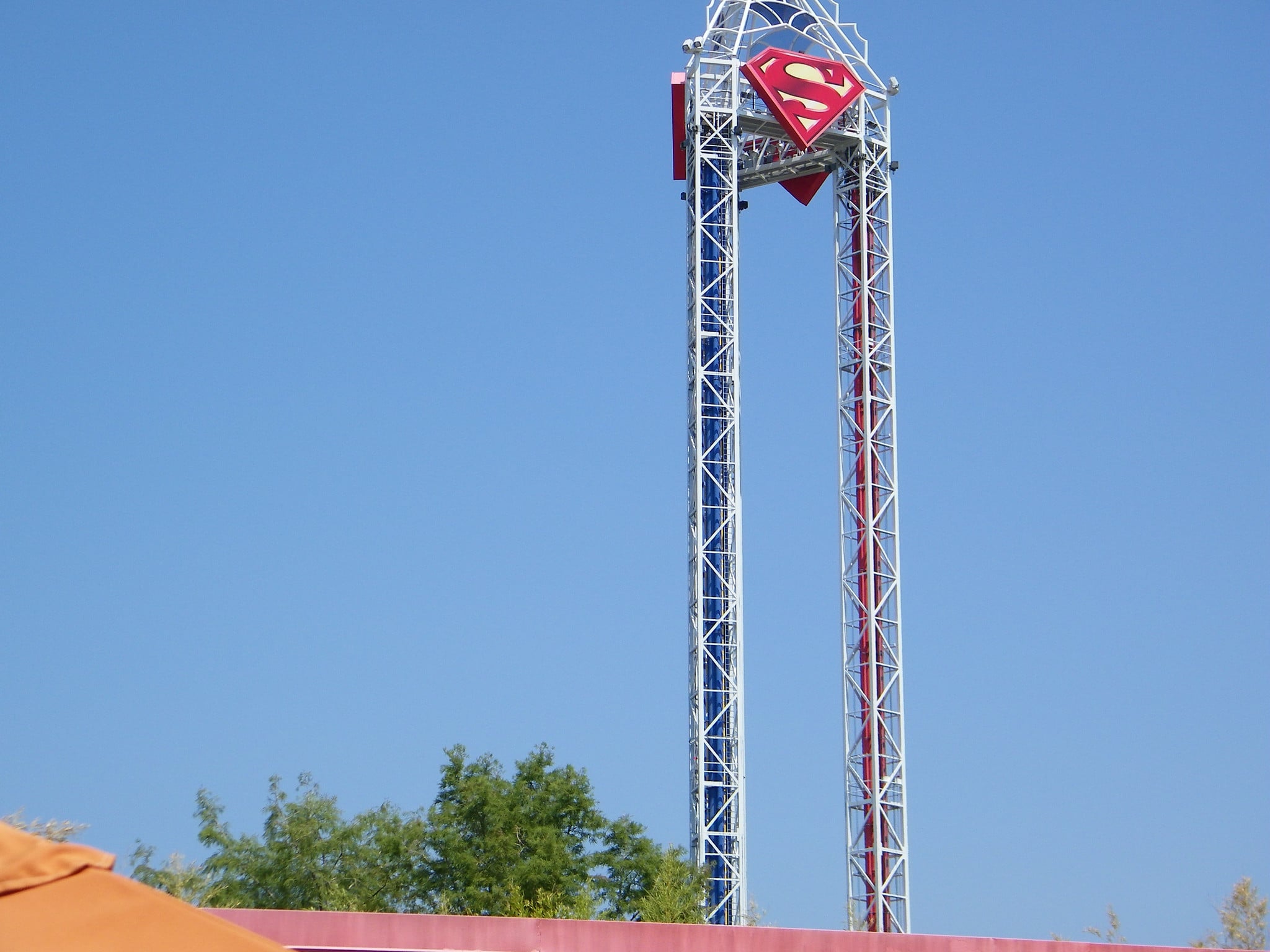
Kentucky Kingdom’s drop tower operated safely for years before a catastrophic maintenance-related accident in 2007.
Although investigations focused on maintenance failures rather than fundamental design flaws, the public-relations damage was irreversible. Once public confidence disappears, reopening becomes almost impossible. Reputation ultimately proved more powerful than engineering.
X
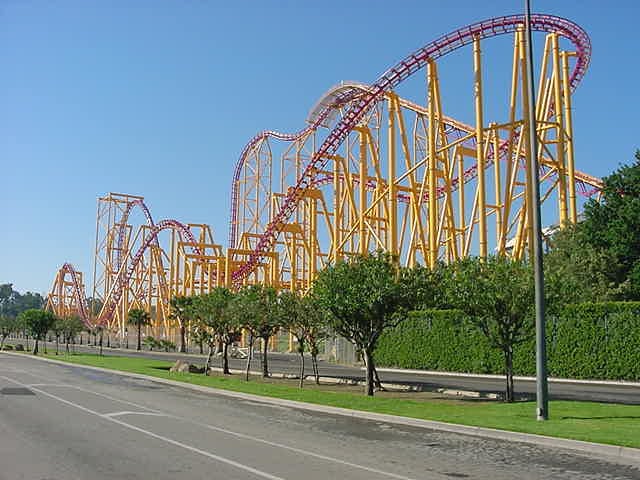
When Six Flags Magic Mountain debuted X in 2002, it introduced a completely new coaster category.
Seats rotated independently of the track, creating unprecedented sensations. Unfortunately, the technology was incredibly complex. Constant computer problems and mechanical failures plagued operations. The ride eventually underwent major reconstruction and reopened as X2, but the original version demonstrated how difficult it can be to pioneer entirely new ride systems.
When Great Ideas Meet Real Life
The amusement park industry thrives on innovation, but these rides reveal an uncomfortable truth: success requires more than a great concept. A ride can be thrilling, beautiful, technologically advanced, and beloved by fans — and still disappear because a company goes bankrupt, a license expires, replacement parts vanish, or insurance rates climb.
The most surprising ride closures rarely happen because the attraction failed to entertain. They happen because the real world has a way of interfering with even the wildest dreams.
More from Go2Tutors!

- The Romanov Crown Jewels and Their Tragic Fate
- 13 Historical Mysteries That Science Still Can’t Solve
- Famous Hoaxes That Fooled the World for Years
- 15 Child Stars with Tragic Adult Lives
- 16 Famous Jewelry Pieces in History
Like Go2Tutors’s content? Follow us on MSN.