27 Babysitting Rules from the ’70s That Sound Wild Today
Remember when babysitting came with a handwritten list of instructions that read like a survival guide? Back in the 1970s, parents left behind rules that would make today’s helicopter moms clutch their organic cotton pearls. These weren’t suggestions — they were commandments carved in ballpoint pen on the back of grocery receipts.
The decade that brought us mood rings and disco also delivered a parenting philosophy that can only be described as “figure it out.” Kids roamed free, babysitters were trusted with decisions that would require committee approval today, and somehow everyone survived.
Looking back at these actual babysitting instructions from the era feels like reading dispatches from another planet.
Let the Kids Play Outside Until Dark

Kids disappeared after breakfast and returned when the streetlights came on. That was the rule.
No GPS tracking, no scheduled check-ins, no panic when little Tommy vanished into the woods behind the house for six hours with nothing but a peanut butter sandwich and a slingshot.
Give Them Whatever’s in the Fridge for Dinner

Leftover meatloaf? Perfect. Half a casserole from Tuesday? Even better.
The concept of kid-specific meals hadn’t been invented yet, and babysitters were expected to make magic happen with whatever lurked in the refrigerator. And somehow (and this is the part that would make modern nutritionists weep), the children thrived on this randomness — cold pizza for breakfast, soup from a can for lunch, and if you were really lucky, someone’s mom had left instructions to “just order pizza” which felt like hitting the jackpot.
Don’t Call Unless Someone’s Wounding

Emergency meant blood. Actual, visible blood flowing from an actual wound.
Tears didn’t count, scraped knees didn’t count, and hurt feelings definitely didn’t count. Parents went out to dinner without cell phones, and they expected to eat their shrimp cocktail in peace.
The Medicine Cabinet Is Off-Limits Unless

Here’s where things get interesting (in a way that makes your insurance agent nervous): parents would leave specific instructions about which pills to give which kid for which ailment, written in handwriting that looked like it was done during an earthquake. “Give Jenny the pink pills if she gets a headache, but not more than two” — and somehow, miraculously, this system worked because babysitters back then possessed a level of common sense that seems to have been bred out of the species.
But then again, maybe it worked because the stakes felt real: you couldn’t just text a parent for clarification when little Bobby was running a fever at 9 PM.
Put Them to Bed When They Get Tired

No elaborate bedtime routines involving three stories, two songs, and a meditation app. Kids went to bed when they crashed, wherever they crashed.
The living room floor was perfectly acceptable real estate for an impromptu nap.
TV Rules Were Suggestions

Parents would write “no TV after 8 PM” knowing full well that by 8:15, everyone would be planted in front of whatever was playing. The babysitter’s job was to make sure nobody died, not to enforce screen time limits that hadn’t been invented yet.
Snacks Were Whatever You Could Find

The pantry was a free-for-all. Crackers, cookies, that mysterious jar of something your mom made last week — everything was fair game.
Modern concepts like “processed foods are poison” and “check the ingredient list” were as foreign as space travel.
Use the Wooden Spoon If They Get Out of Line
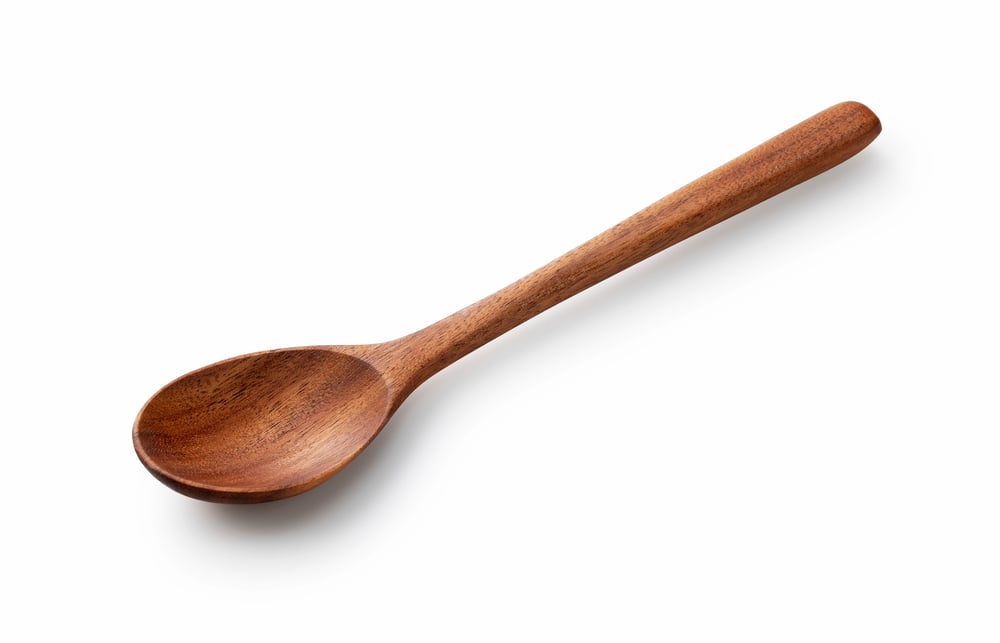
This instruction appeared on babysitting lists with the casual tone of “water the plants.” Corporal punishment wasn’t just accepted — it was expected, and babysitters were given full authority to dish it out as they saw fit.
Different times.
Let Them Walk to the Store Alone

Seven-year-olds walked six blocks to buy milk for their parents (because that was somehow a normal errand for a child), and babysitters were expected to hand over the grocery money without a second thought. The concept of stranger danger existed, but it lived in the background like elevator music — present but not particularly alarming.
And yet, those same kids who wandered through neighborhoods like tiny independent contractors grew up to become the adults who won’t let their own children walk to the mailbox unsupervised.
Answer the Phone But Don’t Give Information
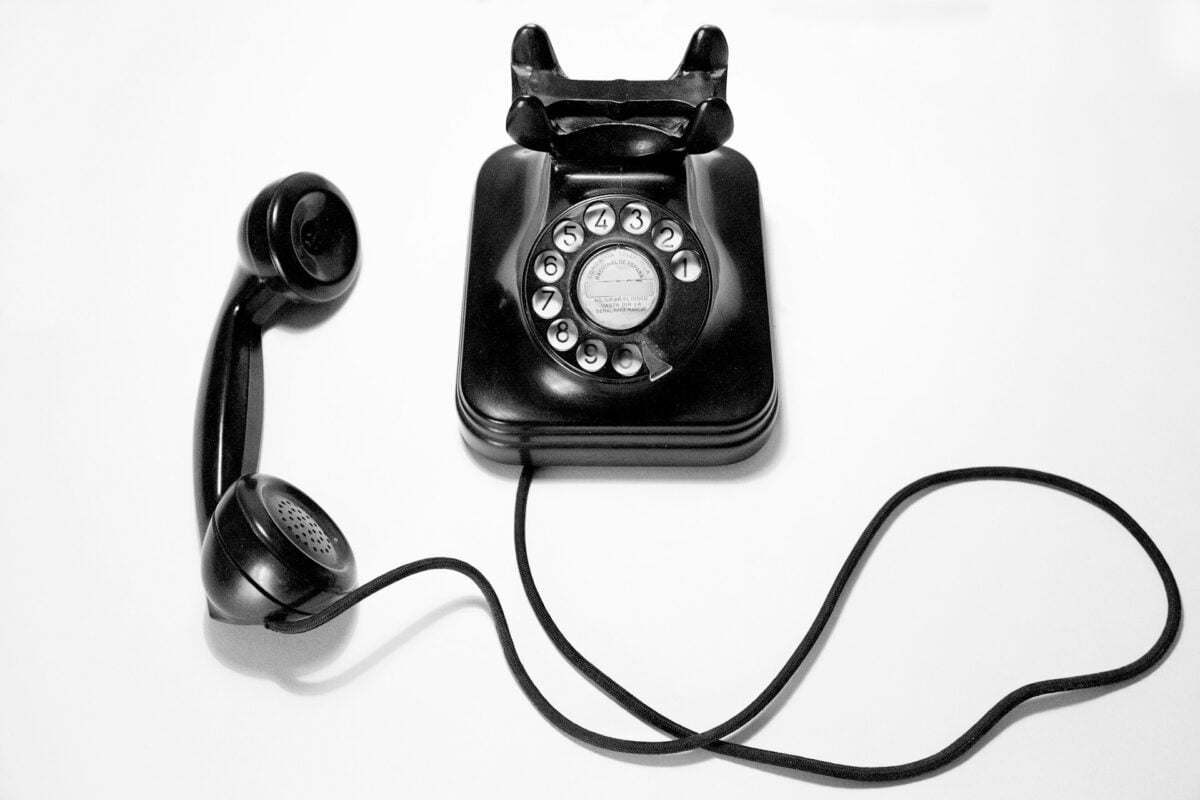
When the rotary phone rang (and it rang a lot because that was the only way people communicated), babysitters became gatekeepers of family information. “The Johnsons aren’t available right now” was the standard response, even when Mr. Johnson was clearly visible through the window mowing the lawn in his undershirt.
Make Sure They Wash Their Face and Hands

Personal hygiene standards were refreshingly low. A quick splash of water on the face and hands counted as a thorough cleaning. Full baths were reserved for Sundays or special occasions, and everyone seemed perfectly content with this arrangement.
Keep the Doors Unlocked
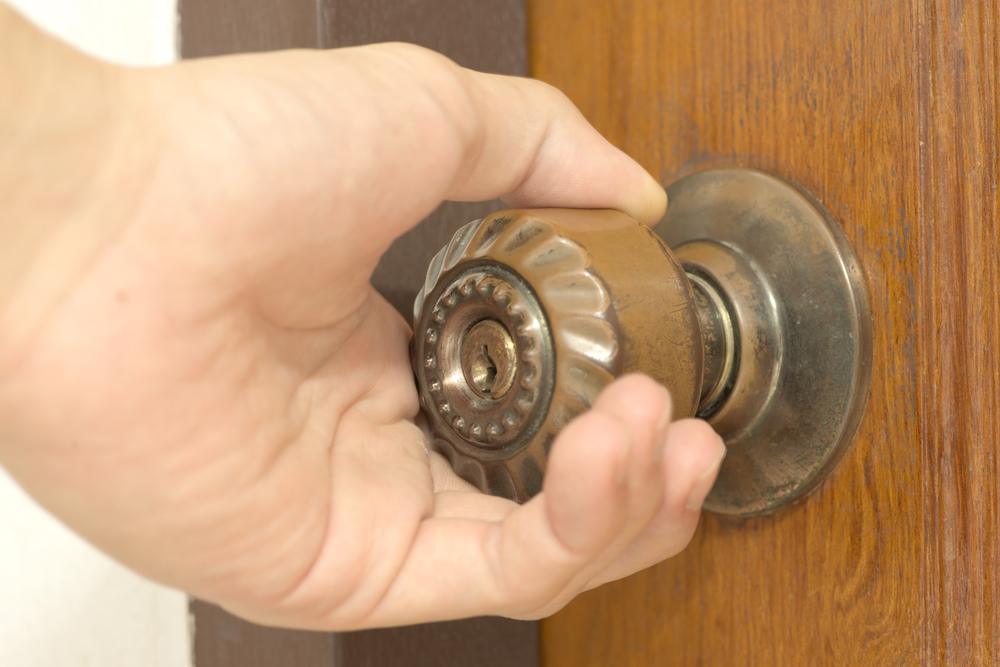
Houses stayed unlocked because crime was something that happened to other people in other neighborhoods. Babysitters were told which neighbors had spare keys, but they rarely needed them because the front door was probably open anyway.
Feed Them Sugar Before Dinner

Modern parents treat sugar like a controlled substance, but ’70s parents would leave instructions to give kids ice cream before dinner if they’d been good. The phrase “it’ll spoil your appetite” was more of a gentle suggestion than a rule carved in stone.
Let Them Settle Their Own Fights
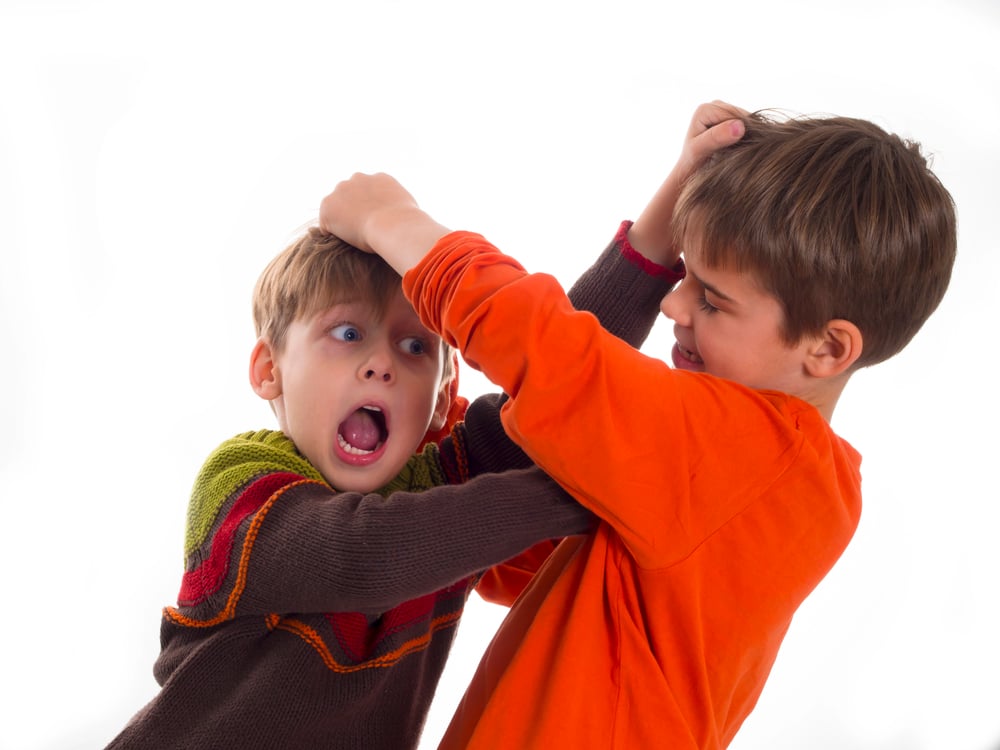
When siblings started throwing punches, babysitters were instructed to let them work it out themselves unless furniture started breaking. Conflict resolution meant the strongest kid won, and everyone moved on with their lives.
Give Them Money for the Ice Cream Truck

The sound of “Turkey in the Straw” played through a crackling speaker meant business stopped and children scattered like confetti. Babysitters were expected to have exact change ready and the authority to make financial decisions about frozen treats.
Don’t Worry About Helmets or Knee Pads

Kids rode bikes, skateboards, and anything else with wheels while wearing exactly zero protective gear. The instruction was simple: make sure they come home with the same number of limbs they left with.
Everything else was negotiable.
Let Them Build Forts Anywhere

Couch cushions, blankets, and dining room chairs were construction materials, and babysitters were expected to help engineer elaborate fortresses that would remain standing for days. The living room looking like a disaster zone was considered a sign of good babysitting.
Bedtime Stories Were Optional

No one tracked whether kids got their daily dose of literacy. If they wanted a story, great.
If they preferred to fall asleep to the sound of the TV, that worked too. The goal was unconscious children, not enriched minds.
Handle Minor Injuries with Band-Aids and Kisses
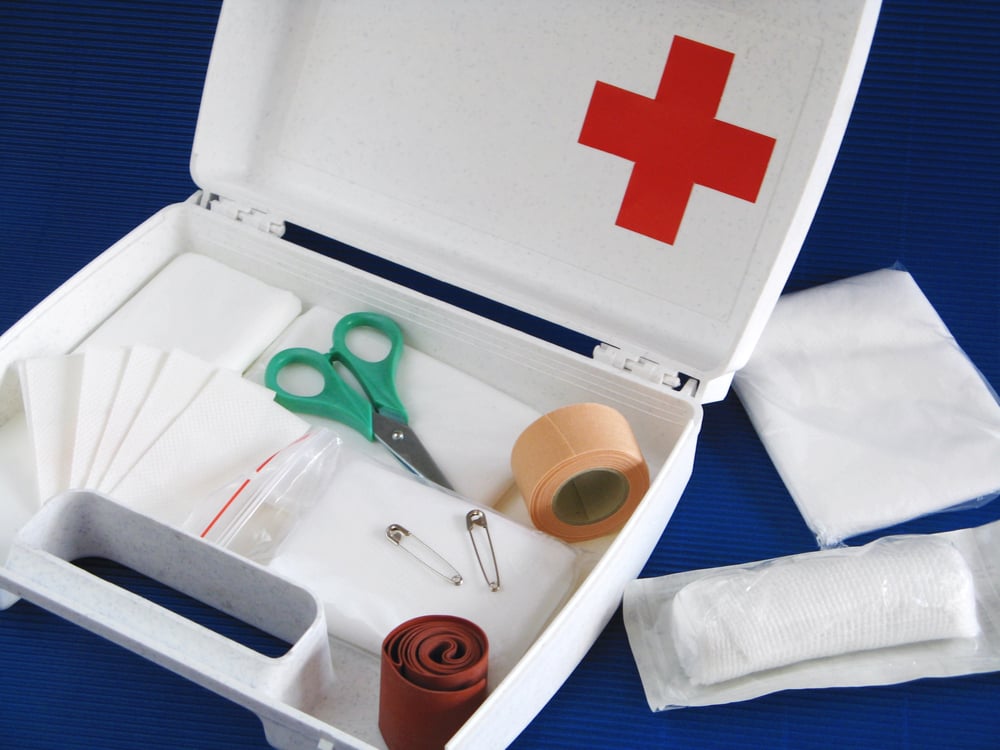
The medicine cabinet contained exactly three things: Band-Aids, hydrogen peroxide, and aspirin. These three items were expected to handle every medical emergency short of a severed limb, and somehow they usually did.
Let Them Stay Up Late on Weekends

Friday and Saturday nights meant bedtime rules went out the window. Kids could stay up until they physically couldn’t keep their eyes open, which usually happened sometime around midnight on the living room carpet.
Use Your Best Judgment About Everything Else

This was the catch-all rule that basically meant: you’re an adult, these are children, figure it out. No detailed instructions about screen time, nutrition, or emotional development.
Just common sense and the expectation that everyone would survive until the parents came home.
Feed Them Whatever They’ll Actually Eat

Picky eating wasn’t a diagnosed condition requiring special accommodation. It was a character flaw that would be solved by hunger.
Babysitters were told to put food in front of kids, and if they didn’t eat it, they’d be hungrier at the next meal.
Let Them Play with Matches Under Supervision
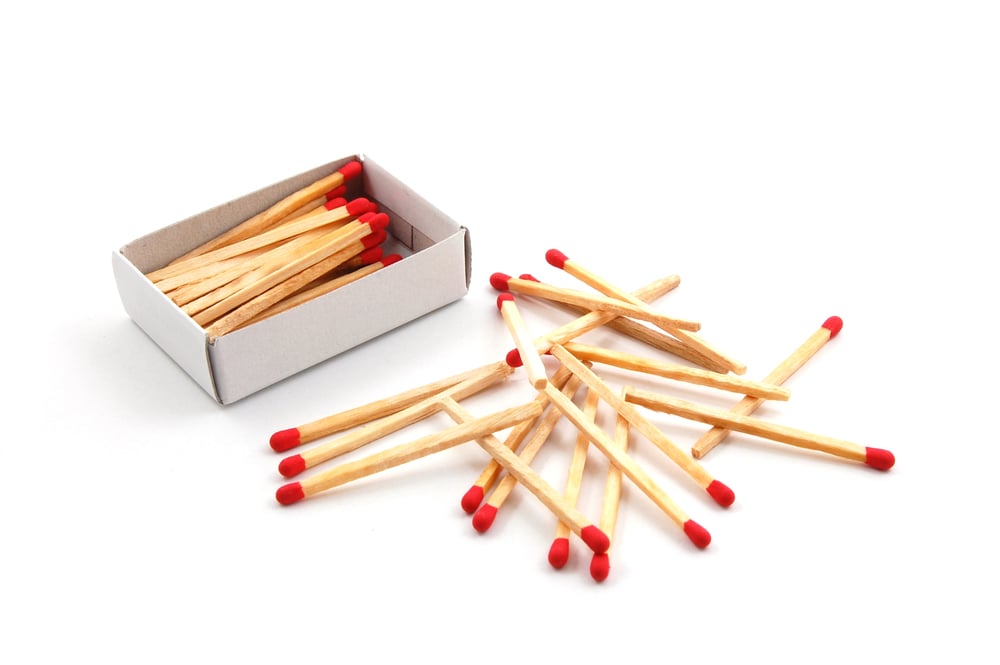
Teaching kids how to light matches safely was considered a valuable life skill, like tying shoes or riding a bike. Babysitters were expected to supervise these lessons in controlled fire-starting, usually involving candles or the fireplace.
Don’t Call the Police Unless Someone’s Actually Dying

Law enforcement was for real emergencies, not hurt feelings or minor property damage. The threshold for police involvement was roughly equivalent to what would require an ambulance today.
Let Them Drink from the Garden Hose

Hydration came from whatever source was handy. The garden hose was perfectly acceptable, and concerns about water quality were as foreign as concerns about gluten.
Thirst was thirst, and water was water.
Put Them in Front of the TV If They Won’t Stop Crying

Television wasn’t the enemy of childhood development — it was a babysitting tool. A crying kid plus a TV show equaled a problem solved, and nobody felt guilty about this mathematical equation.
Make Sure They Come Home Before the Streetlights Come On
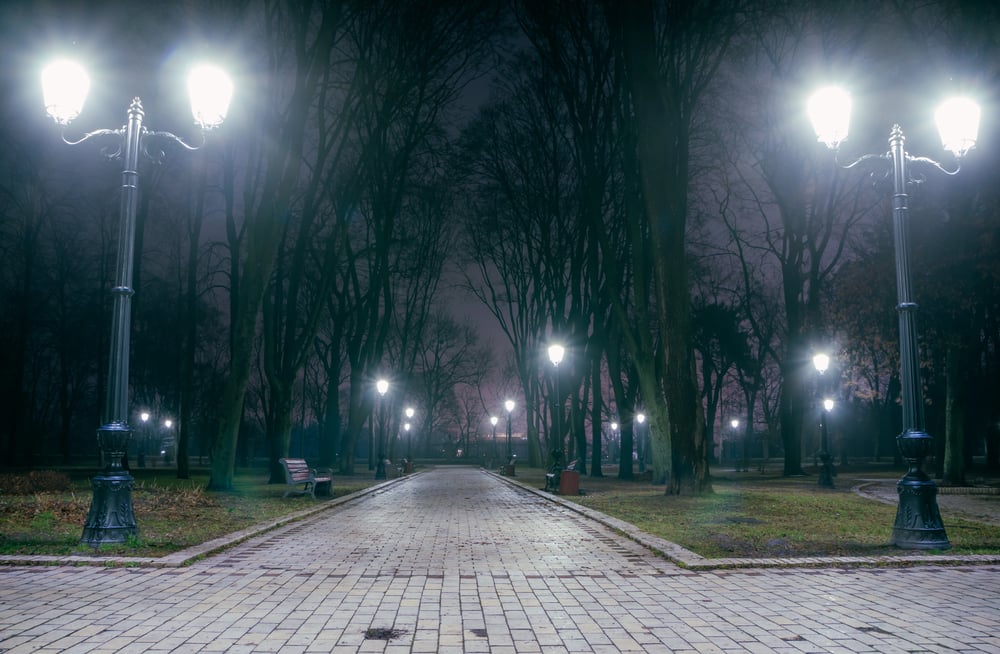
This was the universal curfew system that required no watches, no phone calls, and no negotiation. When the lights came on, playtime ended, and kids materialized from whatever adventures had consumed their day.
When Common Sense Was Actually Common

These rules paint a picture of a time when parenting felt less like a competitive sport and more like basic human survival. The instructions were simple because the expectations were clear: keep the children alive and reasonably clean until the adults returned.
Everything else was just details that would work themselves out through trial, error, and the kind of resilience that only comes from figuring things out on your own.
More from Go2Tutors!

- The Romanov Crown Jewels and Their Tragic Fate
- 13 Historical Mysteries That Science Still Can’t Solve
- Famous Hoaxes That Fooled the World for Years
- 15 Child Stars with Tragic Adult Lives
- 16 Famous Jewelry Pieces in History
Like Go2Tutors’s content? Follow us on MSN.