Longest Movies Ever Released
Evening light still lingers when most movies end. Usually around two hours, give or take a few minutes, just enough to finish before minds wander.
Still, across decades of film, certain directors saw time differently. Length became their tool instead of something to avoid.
Sometimes it pulls you deeper. Other times, it stretches like a novel spread over days.
A rare choice. Often meant to unsettle how fast we expect stories to move.
Not by chance were these films shaped this way. Meant to stretch time, they stirred debate, aimed high.
In regular cinemas, some played in parts, paused by breaks. Across galleries or festivals, others spilled across entire days.
What counts as a film – each one bent that idea further.
Taking a step into film history reveals several titles stretching far beyond typical runtimes. A few stand out simply because they refuse to rush their stories.
One thing leads to another across hours, not minutes. These films demand time, yet give viewers space to sink deep.
Not every story fits inside two hours. Some need room to breathe, grow, stretch further than expected.
Length alone doesn’t define them – still, it marks where they differ most.
Logistics

Released in 2012 by Swedish artists Erika Magnusson and Daniel Andersson, Logistics holds the distinction of being one of the longest films ever created, with a runtime of 857 hours. That translates to more than 35 consecutive days.
The film traces the reverse supply chain journey of a pedometer from a store shelf in Sweden back to its factory in China.
Even so, the project was not meant for conventional theaters. It screened in gallery spaces, where viewers could enter and leave freely.
Its length reframed cinema as durational art, inviting reflection on global manufacturing and the slow mechanics behind everyday objects.
Modern Times Forever
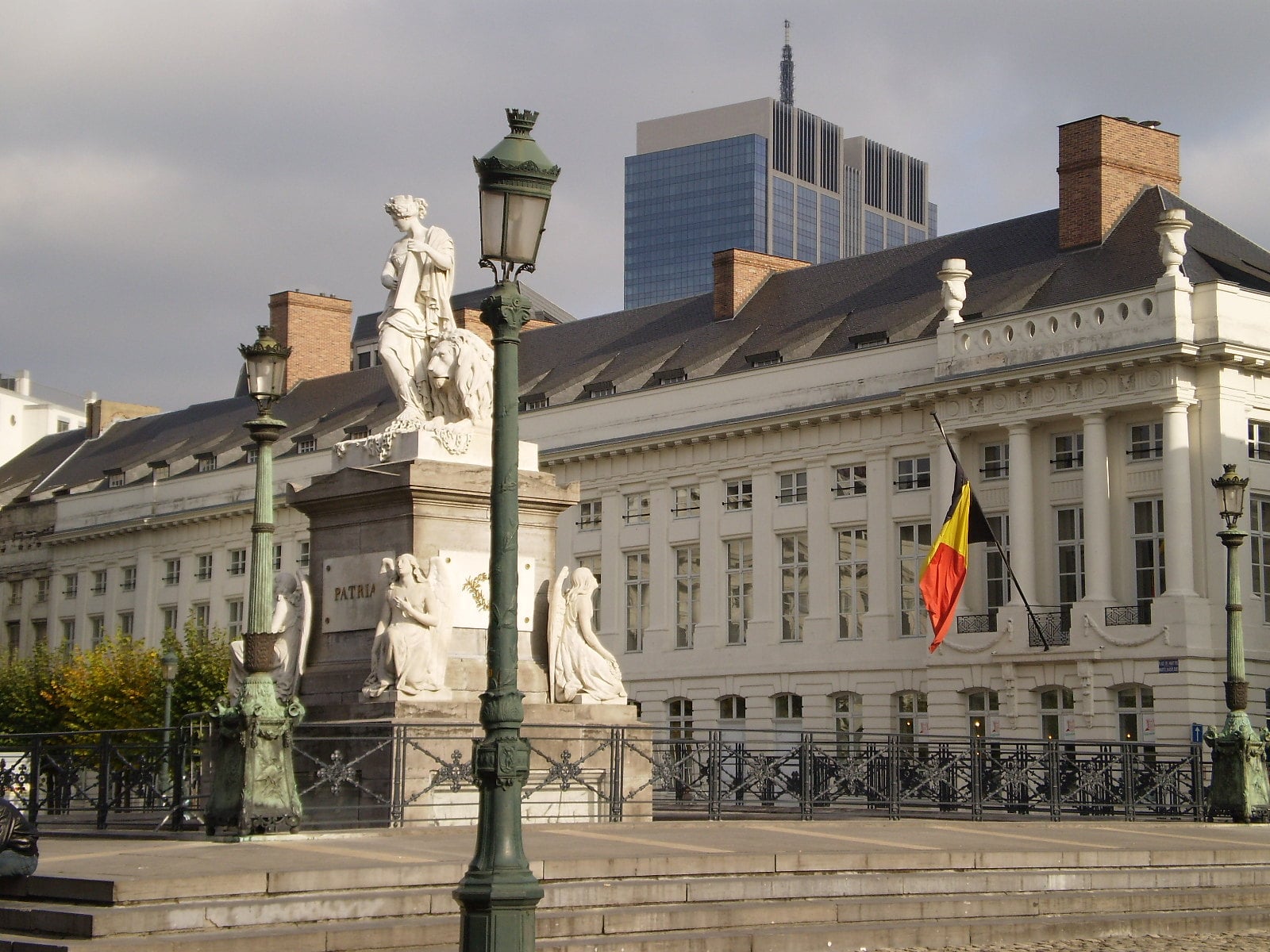
The Danish art collective Superflex released Modern Times Forever in 2011, running 240 hours over 10 days. The film depicts a single building in Helsinki gradually decaying over centuries, using digital simulations to show weathering and collapse.
Still, the film was publicly projected outdoors, allowing passersby to witness time unfolding in extreme slow motion. The project treated architecture itself as the subject, turning duration into a meditation on impermanence.
Resan
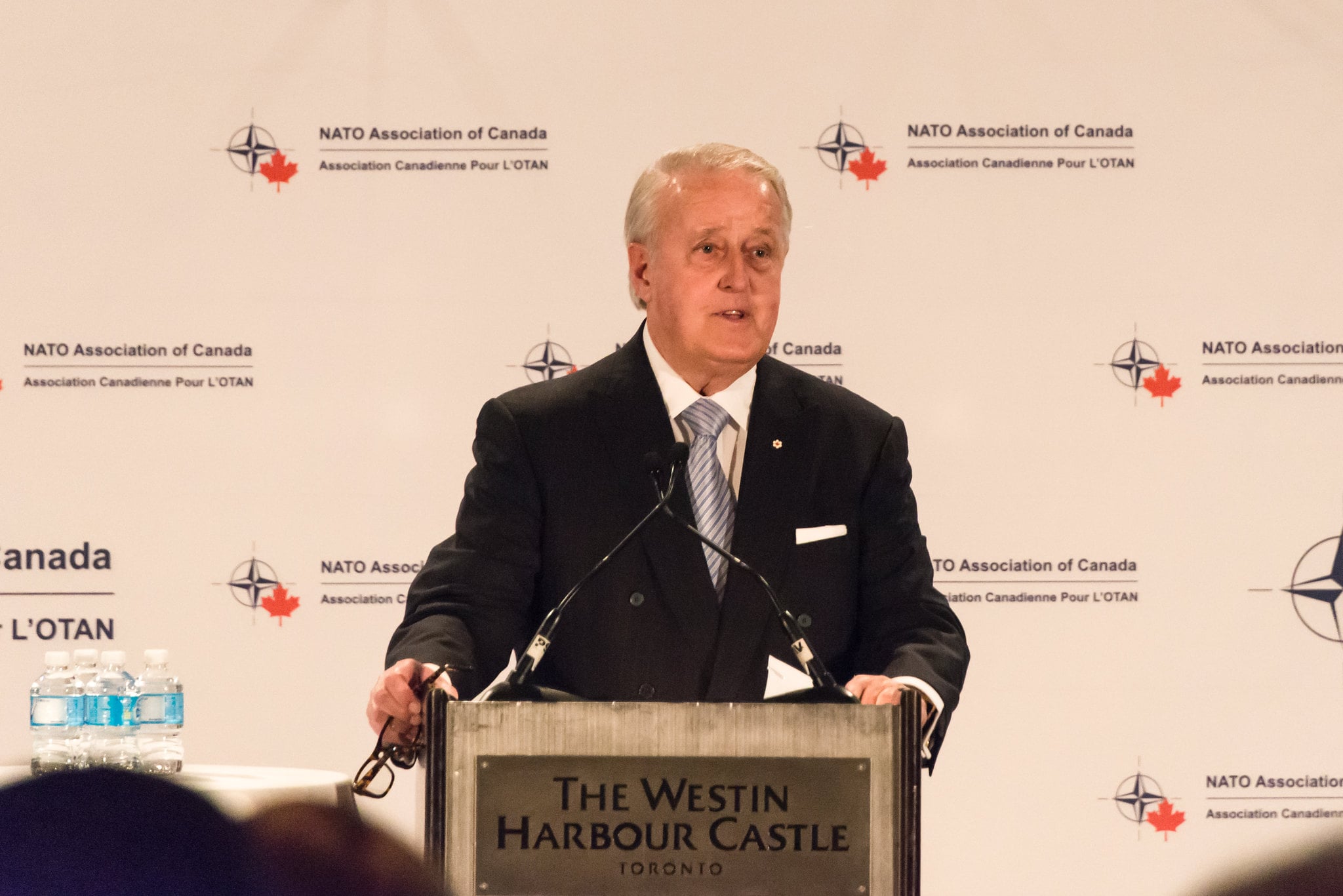
Peter Watkins’s 1987 documentary Resan, also known as The Journey, runs approximately 873 minutes, just under 15 hours. It examines the global arms race and nuclear tensions through interviews across multiple countries.
That said, its structure remains rooted in traditional documentary storytelling. The length reflects the breadth of its political scope.
Rather than compress complex global issues into a brief format, Watkins expanded the frame to allow depth.
La Flor

Argentine filmmaker Mariano Llinás released La Flor in 2018 with a runtime of about 808 minutes, or just over 13 hours. Structured in six parts, it shifts between genres, including spy thriller, melodrama, and meta-narrative commentary.
Even so, the film embraces playful storytelling rather than solemn endurance. Its segmented release at festivals allowed audiences to experience it over multiple sittings, blending theatrical tradition with episodic structure.
Out 1
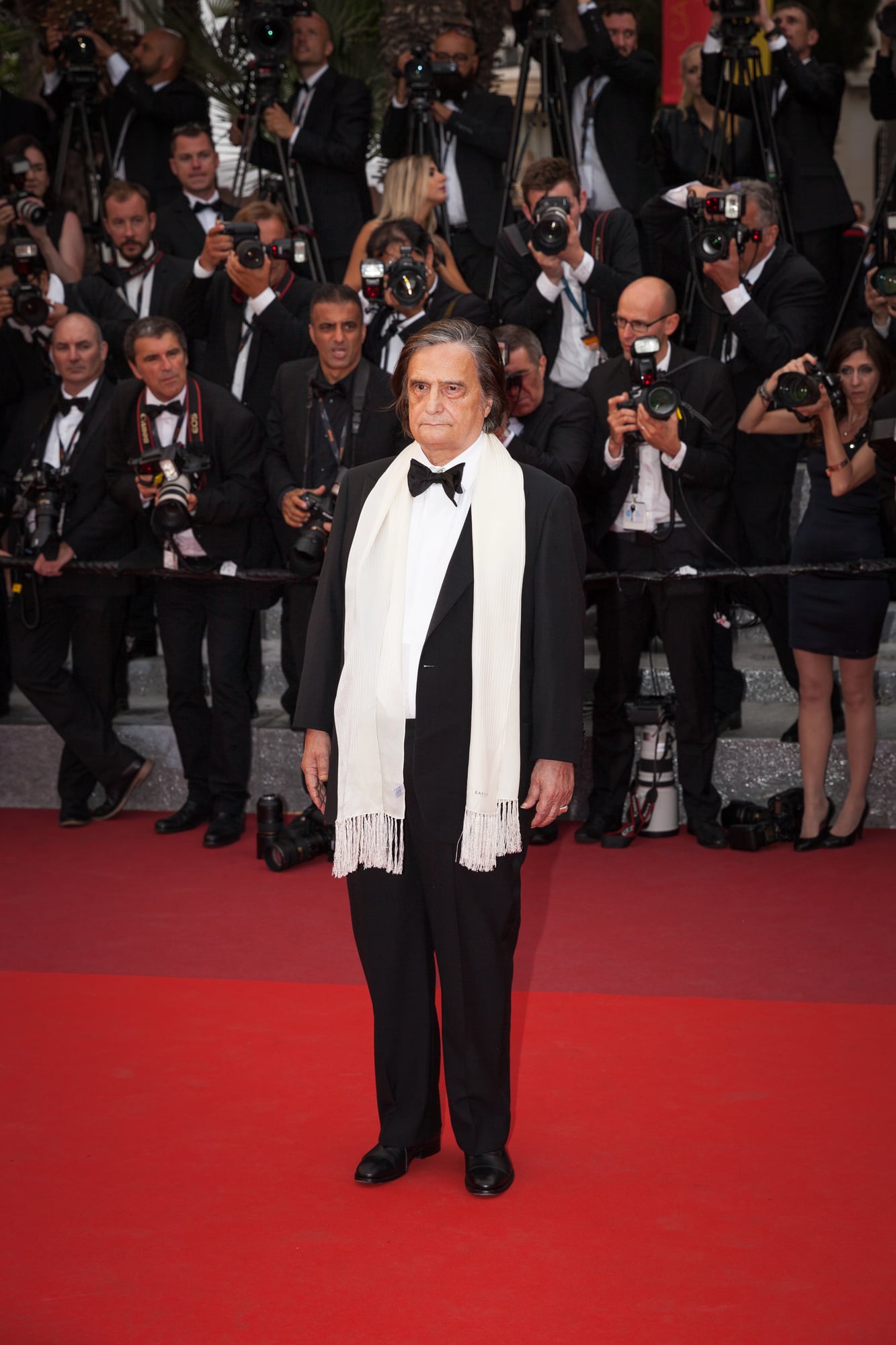
Jacques Rivette’s Out 1, first screened in 1971, runs roughly 775 minutes. The French film revolves around theatrical troupes and a cryptic conspiracy narrative, unfolding in improvisational style.
Still, it was rarely shown in its full version for decades. Restorations later reintroduced audiences to its sprawling ambition.
The film became a landmark in experimental cinema precisely because it resisted conventional pacing.
Satantango
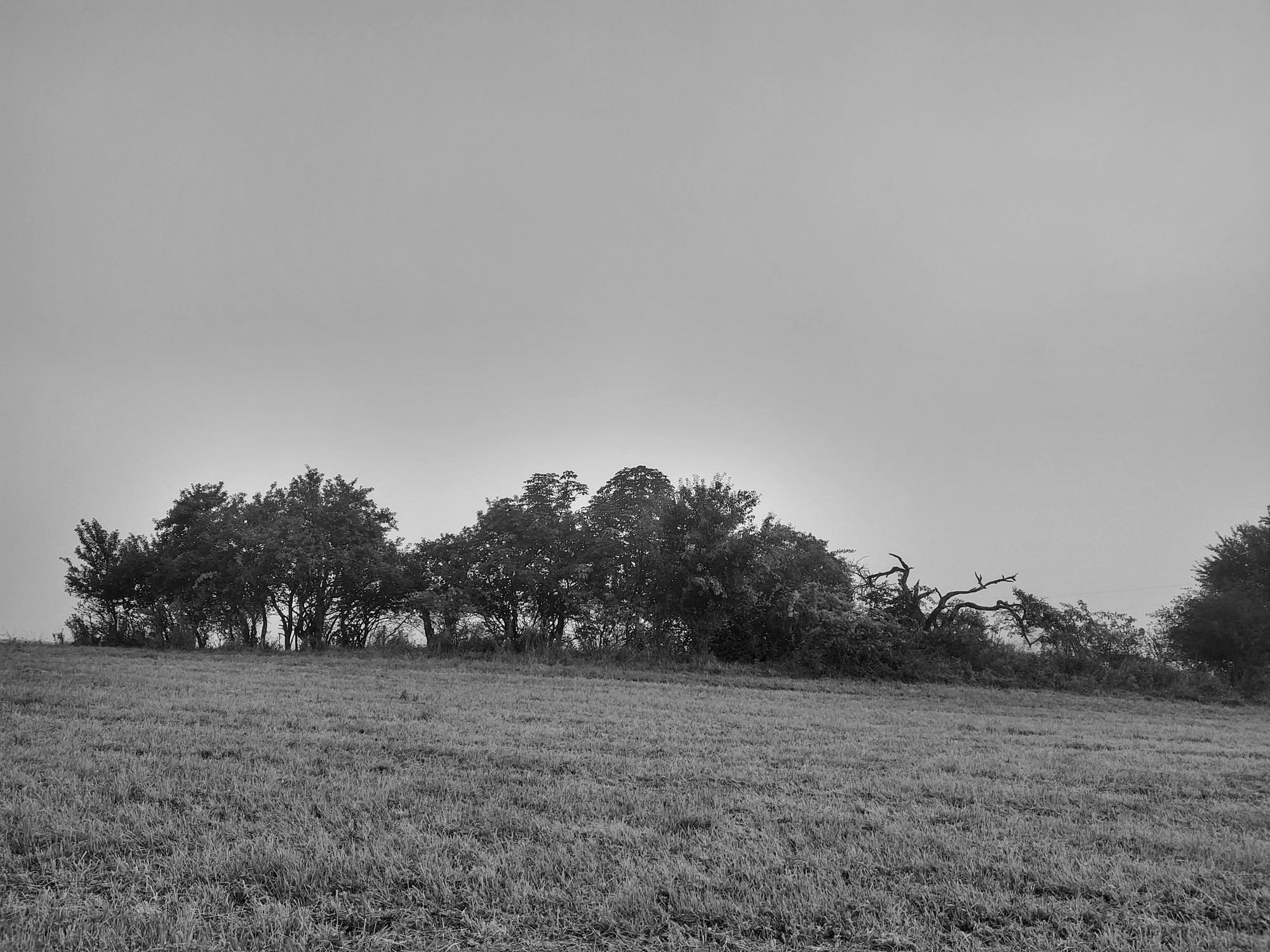
Béla Tarr’s Satantango, released in 1994, runs 432 minutes, or just over seven hours. Shot in stark black-and-white, it follows residents of a failing Hungarian collective farm.
Even so, its long tracking shots and deliberate tempo are integral to its mood. The runtime creates immersion, allowing viewers to feel the monotony and despair that define the setting.
War And Peace
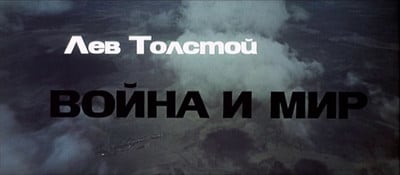
Sergei Bondarchuk’s Soviet adaptation of War and Peace, released between 1966 and 1967, spans about 431 minutes. Based on Leo Tolstoy’s monumental novel, the film mirrors its literary scale.
That said, it was originally distributed in multiple parts. The production remains one of the most expensive and ambitious of its era, blending battle scenes with intimate drama on a vast canvas.
Cleopatra
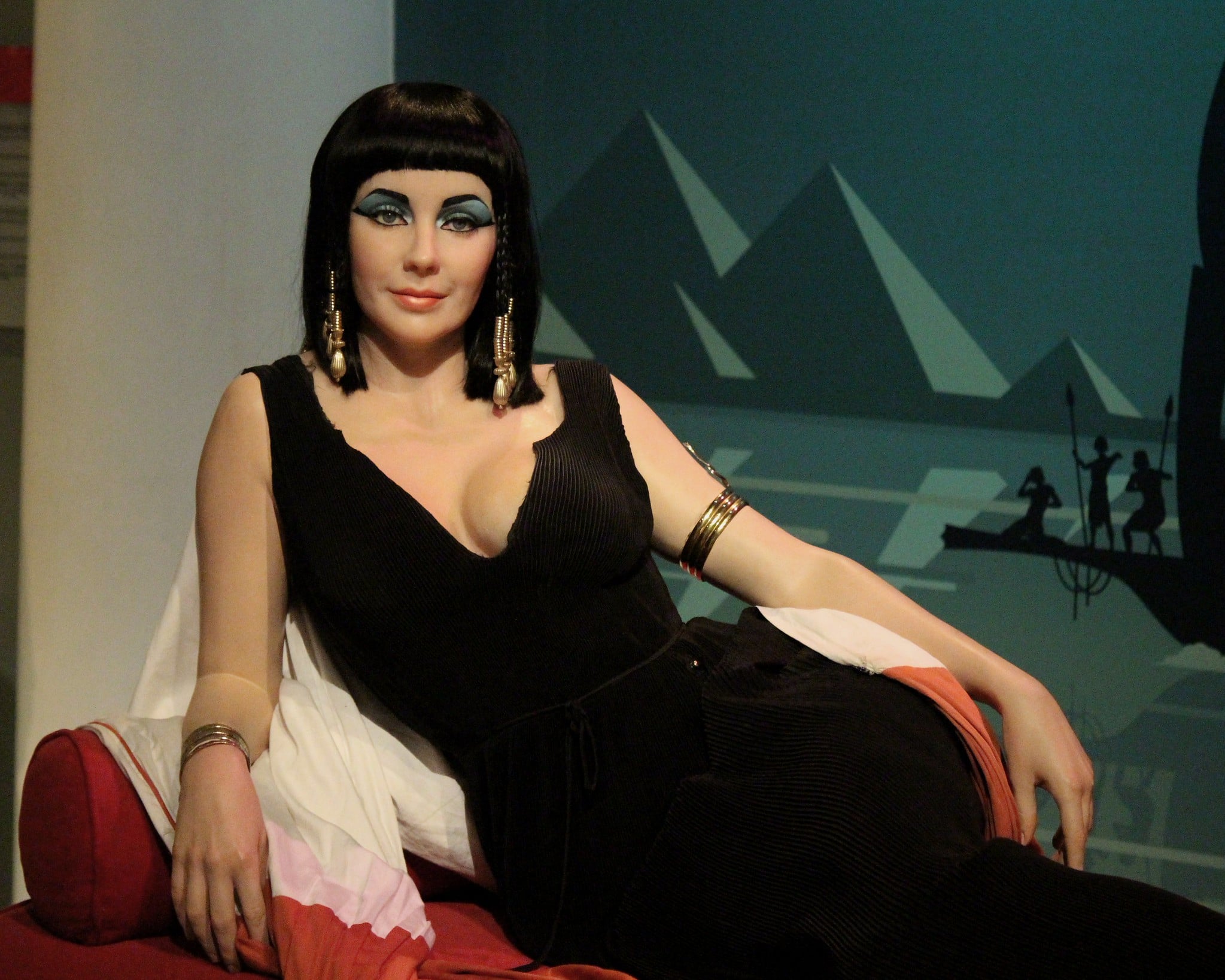
The 1963 historical epic Cleopatra, starring Elizabeth Taylor and Richard Burton, runs 248 minutes in its extended cut. At the time, its length was extraordinary for a Hollywood production.
Still, the film’s massive runtime was matched by its enormous budget. It nearly bankrupted its studio but became emblematic of old Hollywood spectacle.
Gettysburg
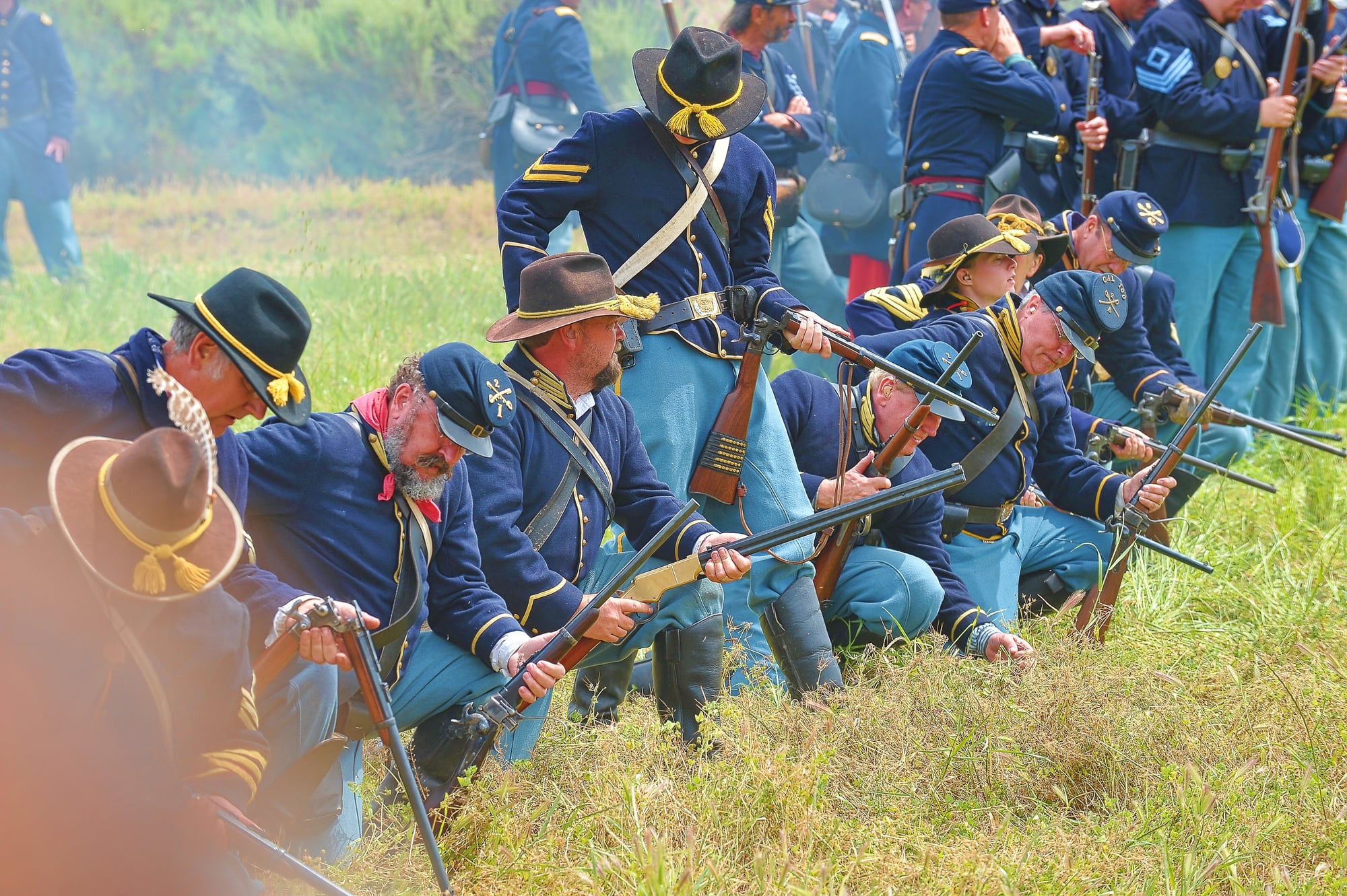
Released in 1993, Gettysburg runs approximately 271 minutes. The Civil War drama prioritizes historical dialogue and detailed battle sequences over brisk pacing.
Even so, it found a dedicated audience. The extended runtime allowed for nuanced portrayals of key historical figures, reflecting a shift toward epic storytelling in historical cinema.
Hamlet
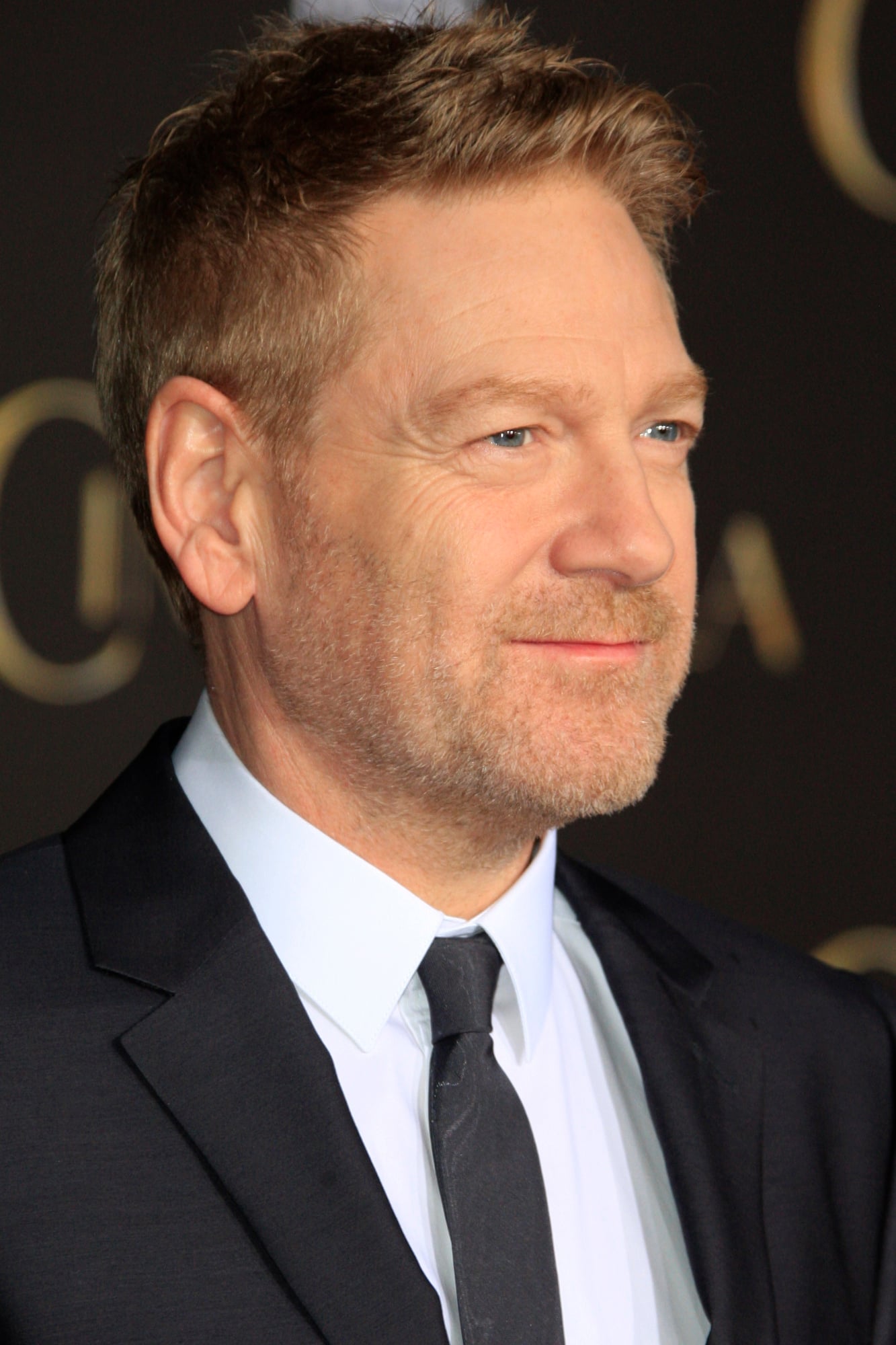
Kenneth Branagh’s 1996 adaptation of Hamlet runs about 242 minutes and presents the full, unabridged Shakespearean text. Few mainstream films attempt such textual fidelity.
Still, the production embraced its length as a virtue. By preserving the complete script, the film positioned itself as both cinematic experience and theatrical preservation.
Lawrence Of Arabia
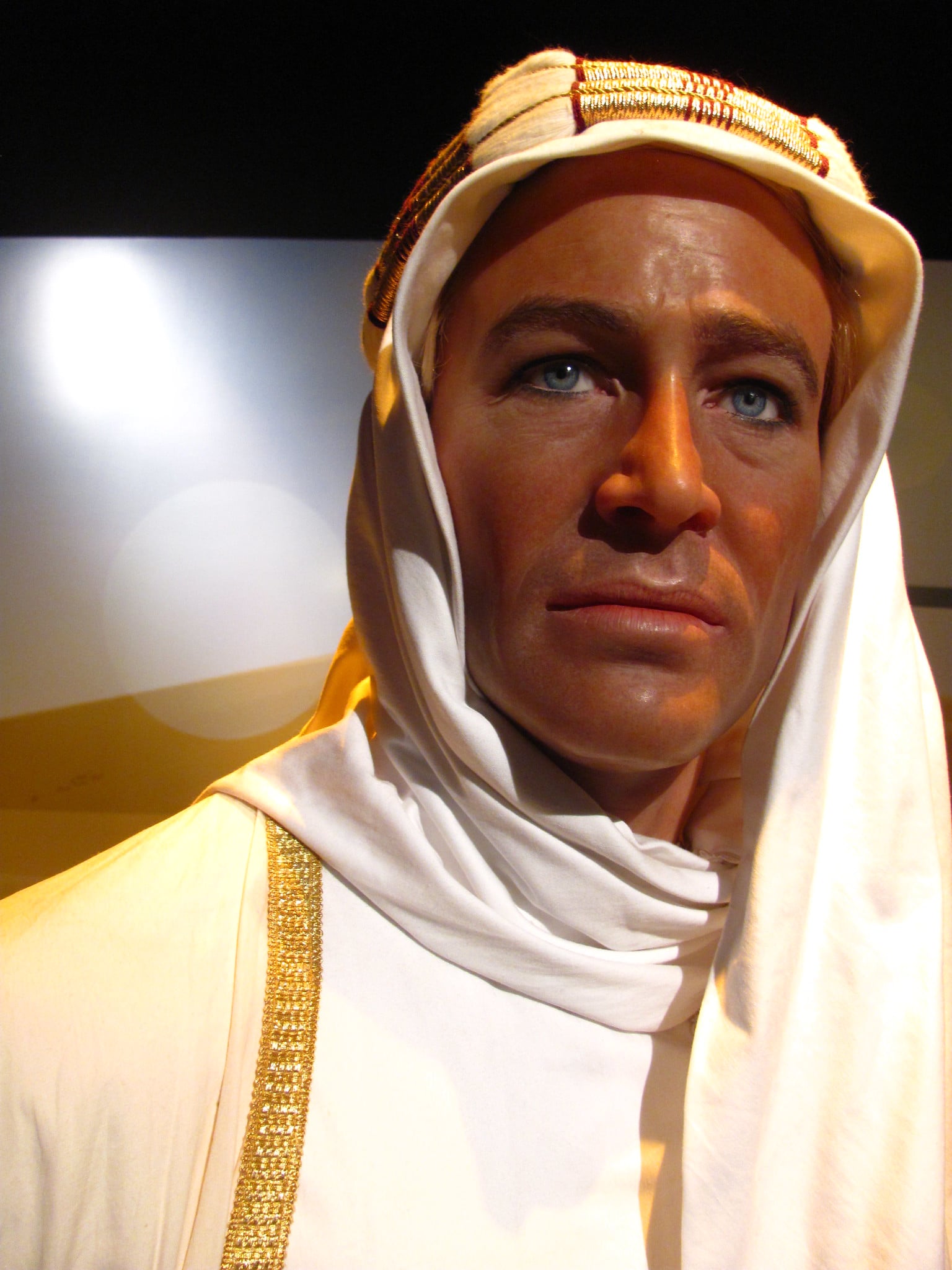
David Lean’s Lawrence of Arabia, restored to about 227 minutes, stands as one of cinema’s most revered epics. Its sweeping desert vistas and deliberate pacing justify its extended length.
Even so, its intermission structure acknowledges audience endurance. The film demonstrates how runtime can amplify scale and atmosphere rather than hinder engagement.
Gone With The Wind
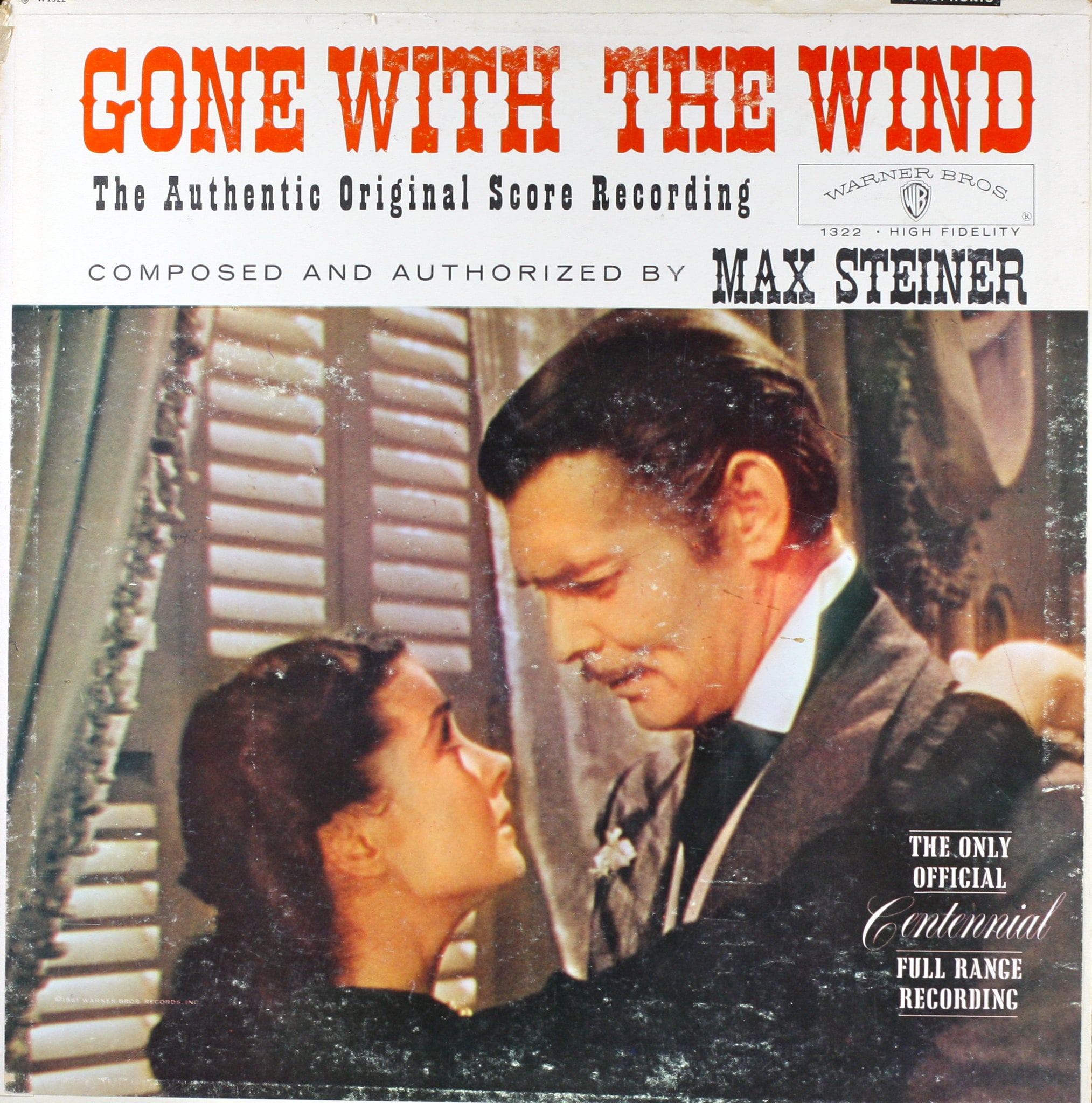
Released in 1939, Gone with the Wind runs approximately 238 minutes. For decades, it was among the longest widely distributed American films.
Still, audiences embraced its sweeping narrative of love and war. The film established the expectation that epic stories deserved epic length.
The Ten Commandments
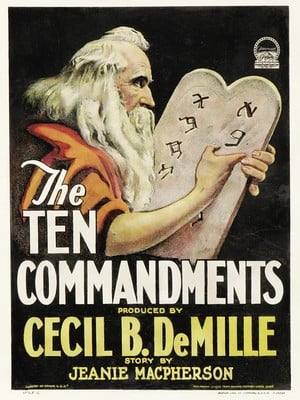
Cecil B. DeMille’s 1956 epic runs about 220 minutes. Biblical spectacle and large-scale set pieces demanded time to unfold.
That said, length functioned as part of the marketing appeal. Viewers anticipated grandeur and intermissions, treating the experience as an event rather than casual entertainment.
The Irishman
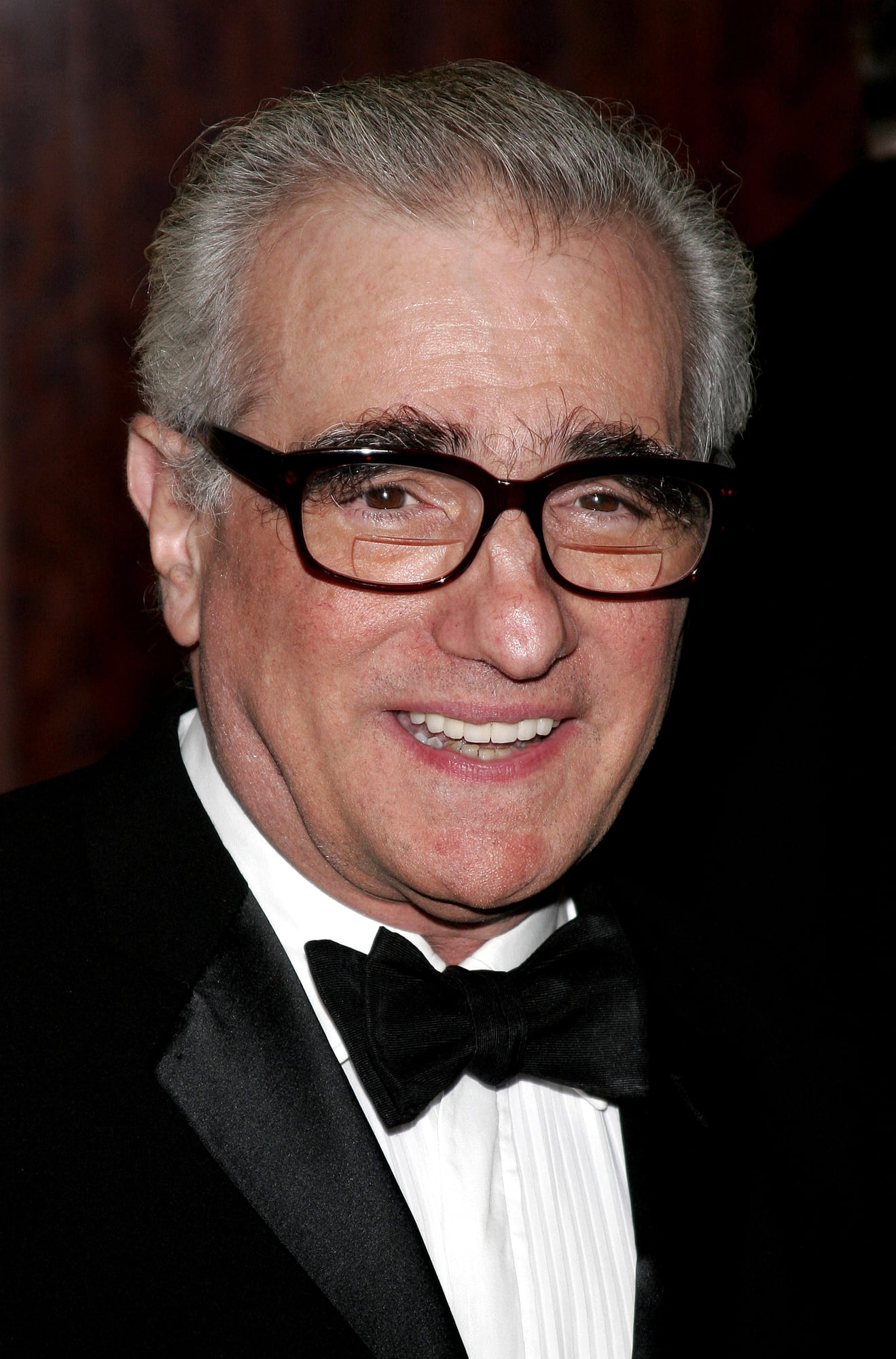
Martin Scorsese’s The Irishman (2019) runs 209 minutes. Distributed primarily through streaming, it reflects how modern platforms accommodate longer runtimes without theatrical constraints.
Even so, its pacing mirrors classic gangster sagas. The film shows how digital distribution has revived appetite for extended storytelling.
Avengers: Endgame
At 181 minutes, Avengers: Endgame became one of the longest superhero blockbusters ever widely released. Its runtime allowed the conclusion of a decade-long interconnected narrative.
Still, audiences filled theaters worldwide. The film demonstrated that when emotional investment is high, viewers accept extended duration without hesitation.
When Length Becomes Legacy
Now picture a film that stretches longer than most novels. These marathon-length works began with flickering reels in empty theaters.
One minute they’re quiet studies of light on walls, next they become sprawling sagas across continents. Think hours passing like slow heartbeats.
Certain directors treat runtime like clay – shaping it, pulling it thin. Not every long movie fills its space with drama; some let silence do the talking.
Instead of plot twists, you get rhythm. Time bends when scenes linger past comfort.
A few creators aim to overwhelm senses, others just want to match life’s unhurried pace. What matters is how each frame resists cutting.
Length becomes the message itself.
Stillness lingers here, even when everything else races past. Patience becomes a quiet rebellion, not a suggestion.
Time bends where others rush through. What matters grows slowly, shaped by hands unafraid to wait.
Length isn’t measured in ticks, but in weight carried.
More from Go2Tutors!

- The Romanov Crown Jewels and Their Tragic Fate
- 13 Historical Mysteries That Science Still Can’t Solve
- Famous Hoaxes That Fooled the World for Years
- 15 Child Stars with Tragic Adult Lives
- 16 Famous Jewelry Pieces in History
Like Go2Tutors’s content? Follow us on MSN.