15 Toys from the 1990s That Are Now Worth a Fortune
Remember when your biggest financial worry was saving enough allowance for the latest action figure or trading card pack? Those seemingly simple plastic toys and colorful collectibles that cluttered childhood bedrooms have quietly transformed into serious investments.
The ’90s toy market has exploded in value, turning nostalgic memories into potentially lucrative discoveries sitting forgotten in attic boxes.
Furby
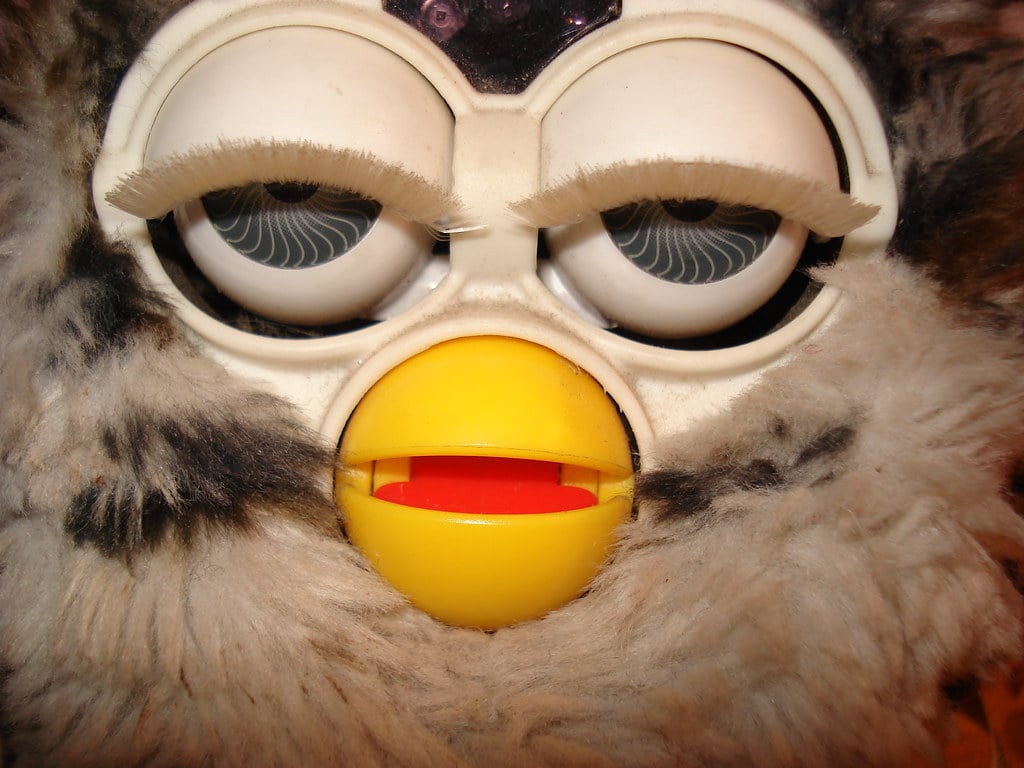
Furby broke every toy convention when it hit shelves in 1998. No instructions.
No explanation. Just a bizarre electronic creature that somehow learned English and never stopped talking.
Most parents regretted the purchase within a week. Original retail price was around $35.
Mint-condition first-generation Furbies now sell for $300 to $900. The tiger-striped versions command the highest prices — collectors pay a premium for the exact model that annoyed parents most.
Pokémon Cards
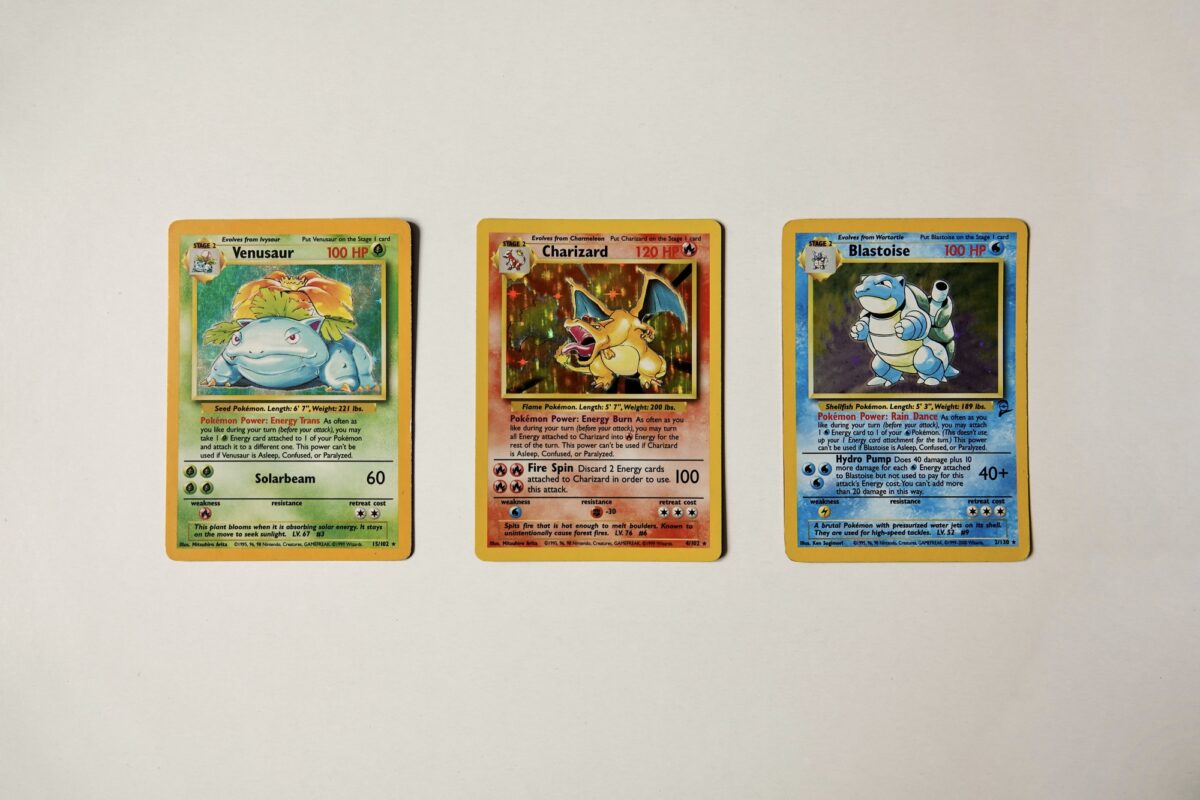
The Pokémon card phenomenon turned playgrounds into underground economies where nine-year-olds conducted serious business negotiations over holographic Charizards. What started as a simple trading card game became something approaching currency among elementary school students (until schools started banning them, which only increased demand, naturally).
First edition base set cards — particularly those graded in mint condition — have reached astronomical values. A perfect Charizard can sell for $350,000. Even common cards from early sets fetch hundreds.
And those McDonald’s promotional cards everyone threw away? Some are worth more than a decent used car. The irony is that the cards kids actually played with, the ones with bent corners and playground dirt, are the ones that tell the real story — but they’re worth almost nothing compared to the pristine specimens locked away in protective cases.
Beanie Babies
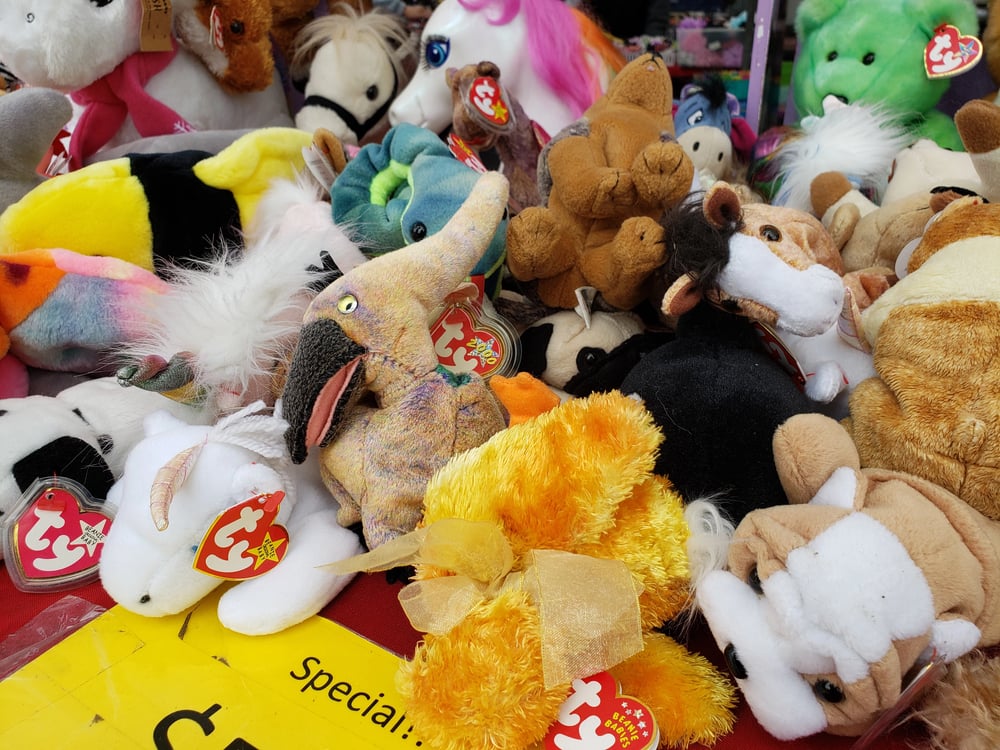
Beanie Babies occupy a strange corner of the collective memory — part innocent childhood toy, part economic bubble, part cautionary tale about the thin line between collecting and obsession. The genius of Ty Warner’s creation wasn’t just the toys themselves but the artificial scarcity he created by retiring certain animals, which turned what should have been a simple stuffed animal purchase into something resembling a stock market transaction.
Princess Bear, the tribute to Princess Diana, sells for thousands when authenticated. Rare manufacturing errors — like Peanut the Elephant in royal blue instead of the standard light blue — command five-figure prices.
But here’s what’s interesting: the value often lies in the smallest details that only true collectors would notice, the kind of minutiae that transforms a $5 toy into a $15,000 investment.
Original Game Boy
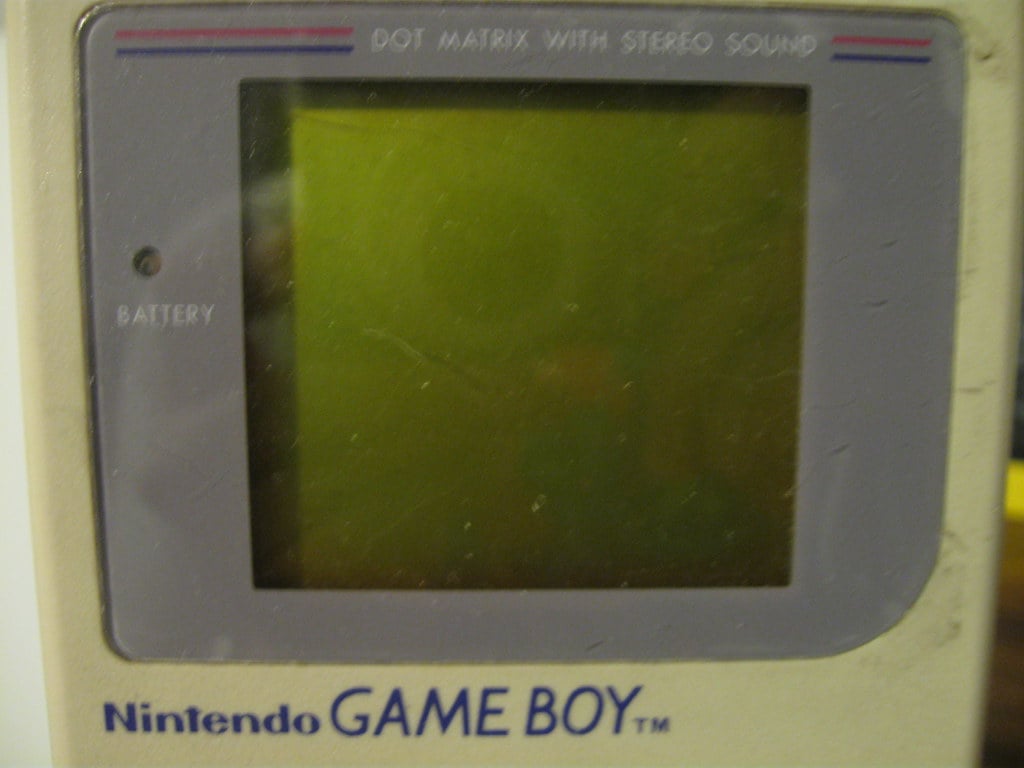
The Game Boy succeeded because Nintendo understood something their competitors missed: portability mattered more than graphics. The green-tinted screen looked primitive even in 1989, but you could play Tetris on the bus.
Boxed units in excellent condition sell for $400 to $800. Limited edition colored versions fetch more.
The pricing makes sense when you consider this device essentially created handheld gaming as we know it. Everything that followed was just refinement.
Tamagotchi
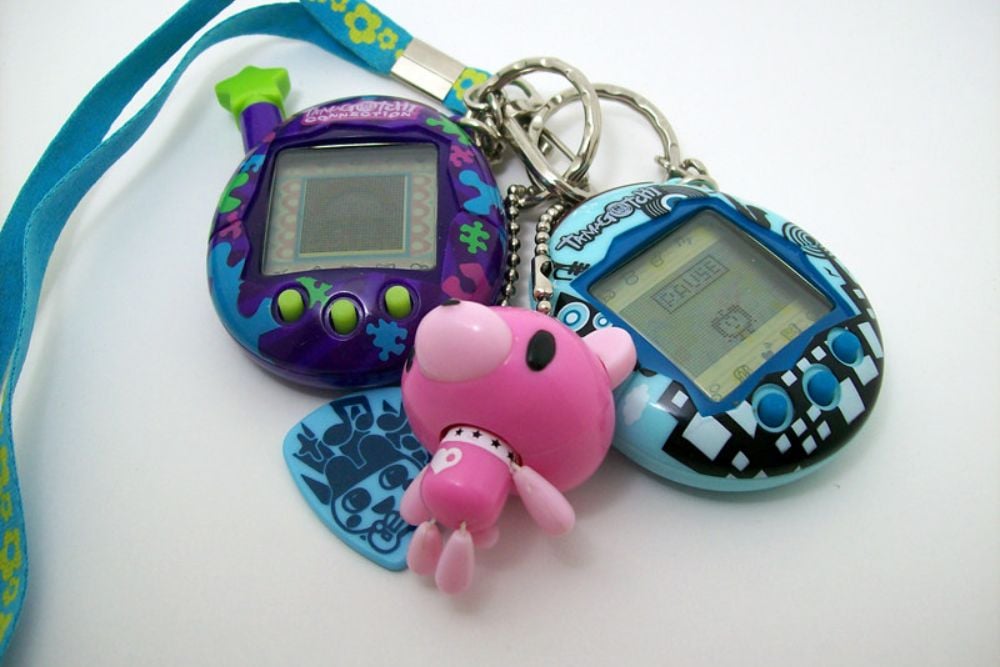
Tamagotchi taught an entire generation about responsibility through the medium of a small plastic egg that beeped incessantly at inappropriate times during math class. These digital pets demanded attention with the persistence of actual living creatures, which was both the point and the problem — they didn’t pause for school, sleep, or family dinners, creating a generation of kids who learned to hide the device during important moments while frantically checking to make sure their virtual pet hadn’t died of neglect.
The original 1996 models in working condition sell for $200 to $700, depending on the shell design and packaging. The rarest versions — like the white with blue trim or the transparent editions — command premium prices. But the real value lies in finding one that still works perfectly; these devices were notorious for screen fade and button failure, making functional units genuinely scarce.
So many kids experienced the heartbreak of watching their carefully tended digital companion fade to black, not from neglect but from hardware failure.
Teenage Mutant Ninja Turtles Action Figures
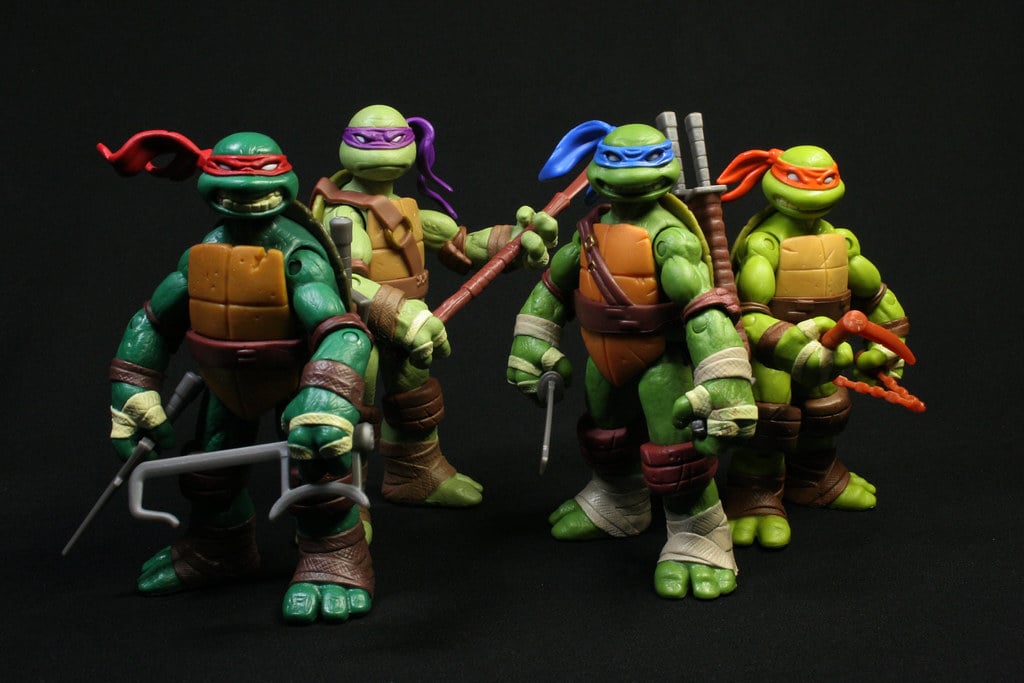
TMNT figures dominated toy aisles because the concept was inherently ridiculous and completely irresistible. Four reptiles trained in martial arts, each with distinct personalities and weapons, fighting crime from the sewers.
The premise shouldn’t have worked, but it launched a franchise that refused to die. Original 1988 figures still in packaging sell for $100 to $500 each. Rare variants like the “storage shell” versions command higher prices.
The figures that kids actually played with — battle-worn and missing accessories — are worth significantly less, but they tell the better story.
Super Soaker Water Guns
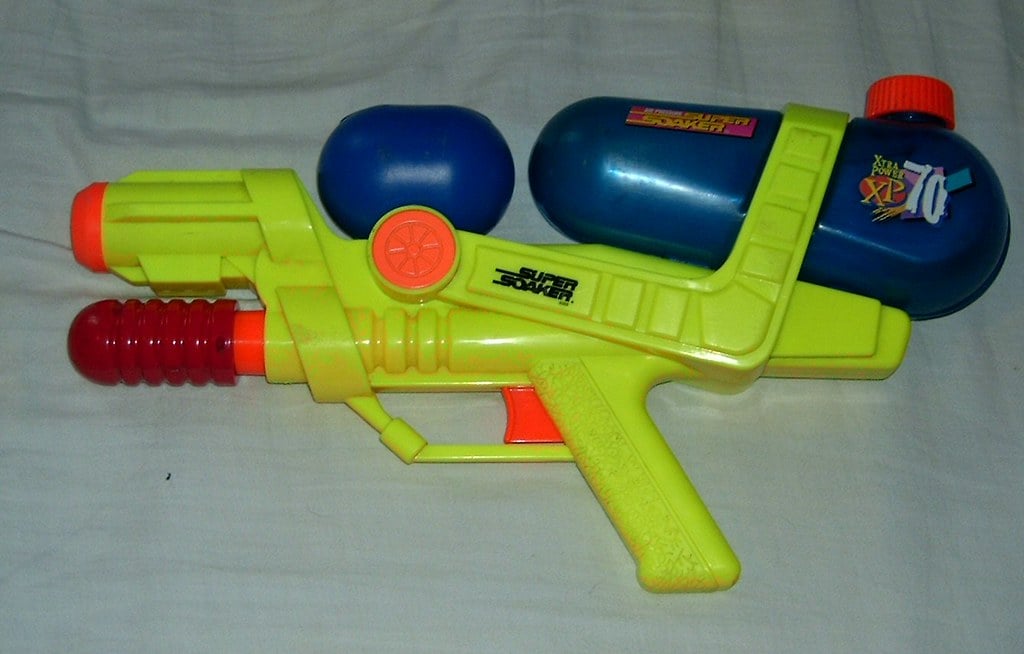
The Super Soaker transformed summer warfare with pressurized technology that turned backyard water fights into serious tactical operations. Lonnie Johnson’s invention wasn’t just a better water gun — it was a paradigm shift that made every previous squirt gun obsolete overnight.
Early models like the SS 50 and SS 100 in original packaging sell for $150 to $400. The larger models that required serious pumping effort commanded higher prices.
These weren’t toys you could operate casually; they demanded commitment and upper body strength, which somehow made victory more satisfying.
Power Rangers Action Figures
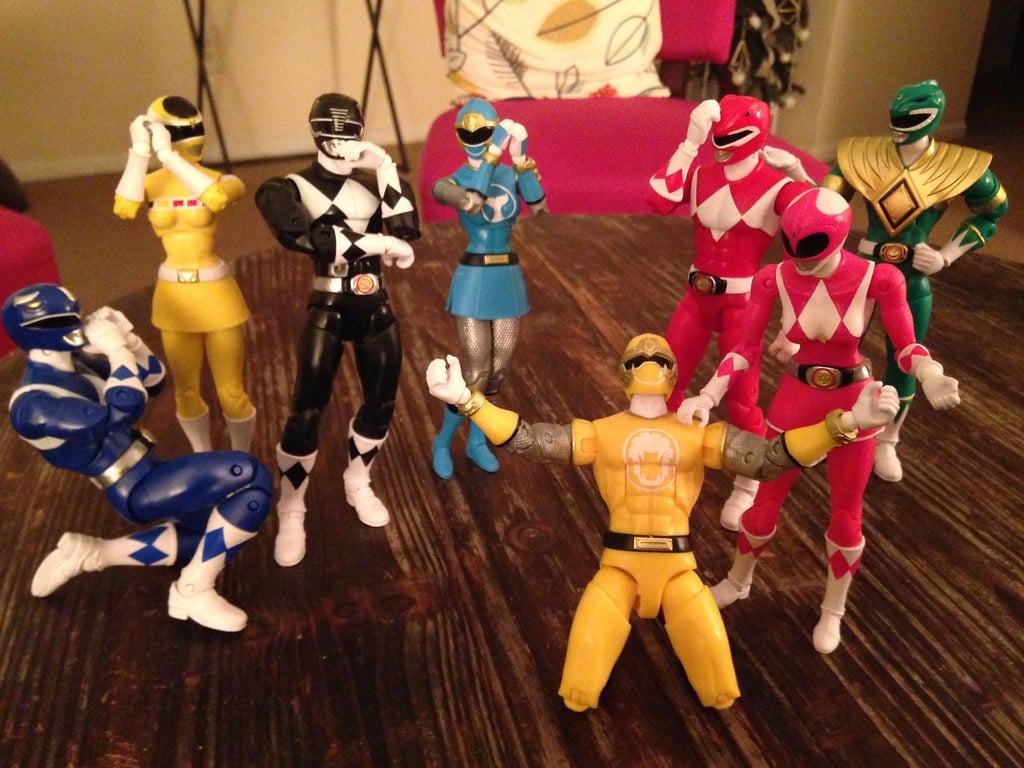
Power Rangers succeeded by combining Japanese action sequences with American marketing savvy, creating a formula that turned children into devoted collectors of both the TV show and an endless array of related merchandise. The genius was in the modular nature of the concept — each Ranger had individual appeal, but they also combined into larger robot formations, which meant kids needed to collect the entire set to recreate what they saw on screen (and parents quickly learned that buying just one figure was never going to be enough).
Original 1993 Mighty Morphin figures in packaging sell for $75 to $300. The Megazord and Dragonzord command the highest prices — these large combining robots were the crown jewels of any collection.
Rare international variants, particularly from Japan, can reach four-figure prices. The show might have been cheesy, but the toy engineering was surprisingly sophisticated for its time. And the pricing reflected that complexity: these weren’t cheap toys even when they were new, which is part of what makes mint-condition examples so valuable today.
Pogs
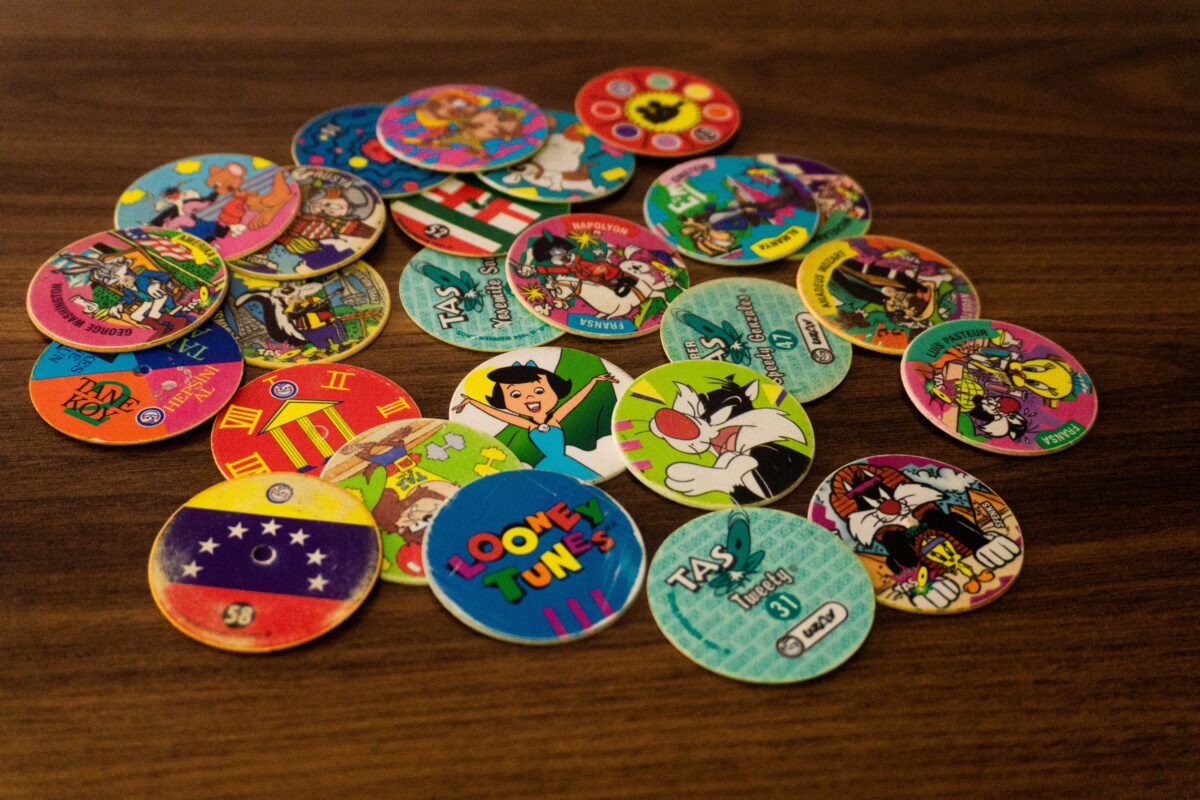
Pogs represented the purest form of schoolyard economics — circular cardboard discs that somehow convinced an entire generation they were participating in serious competition. The game itself was simple: stack your pogs, throw a slammer, keep whatever lands face up.
The collecting was more complex, involving intricate hierarchies of value based on design, rarity, and playground reputation. Rare slammers and holographic pogs sell for $50 to $200.
Complete tournament sets fetch higher prices. The phenomenon burned bright and fast — most schools banned them within a year, which only increased their underground appeal.
The brief lifespan makes surviving complete sets genuinely scarce.
Street Sharks Action Figures
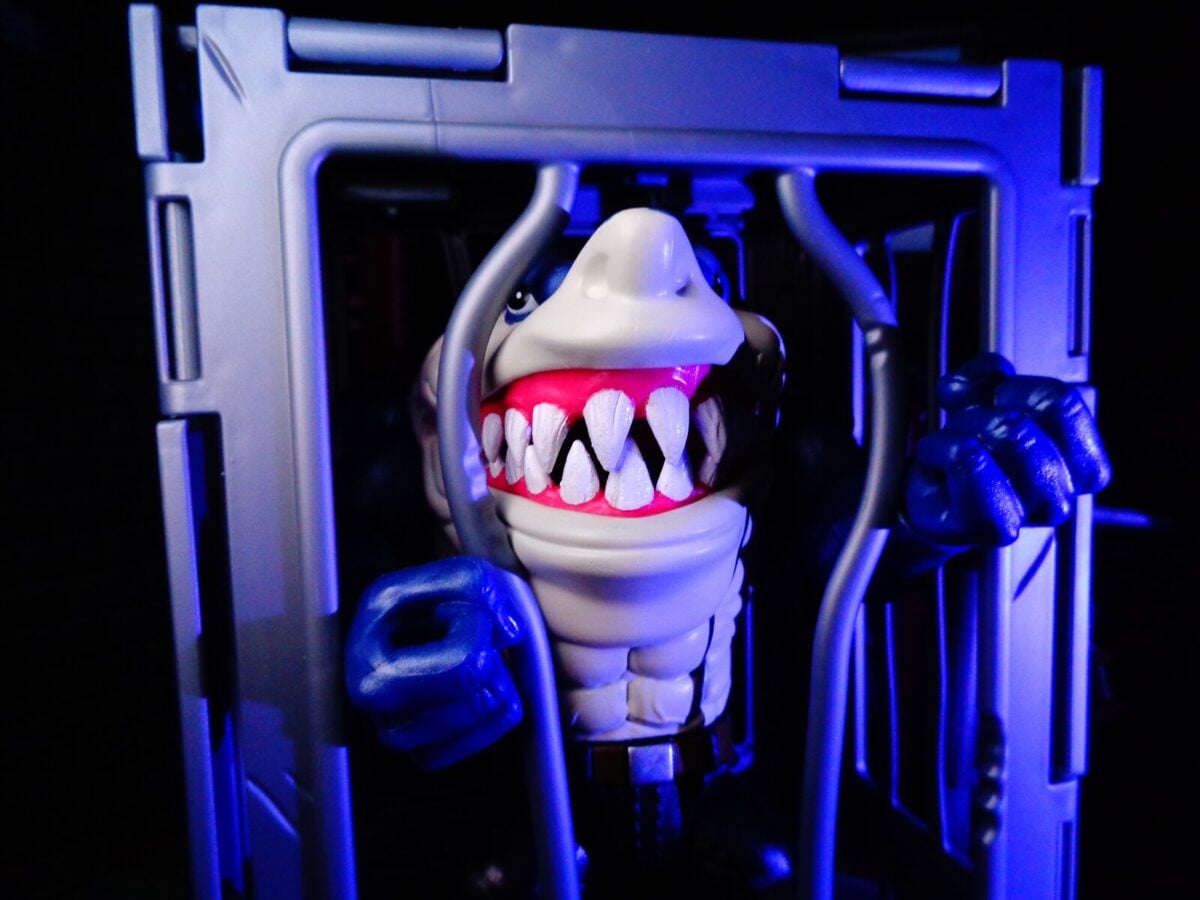
Street Sharks occupied the strange category of toys based on cartoons that existed primarily to sell toys, creating a closed loop of marketing that somehow worked despite everyone involved understanding exactly what was happening. The show lasted just three seasons, but the premise — brothers transformed into half-human, half-shark creatures — was memorable enough to sustain a modest but dedicated collecting community decades later.
Complete figures in packaging sell for $100 to $400. The vehicles and playsets command even higher prices due to their rarity. What makes these valuable isn’t widespread nostalgia but scarcity — relatively few people bought them originally, and even fewer kept them in collectible condition.
Sometimes being a second-tier property works in a toy’s favor when it comes to long-term value. The market rewards scarcity more than popularity, which explains why figures from forgotten shows often outperform toys from beloved franchises.
Tickle Me Elmo
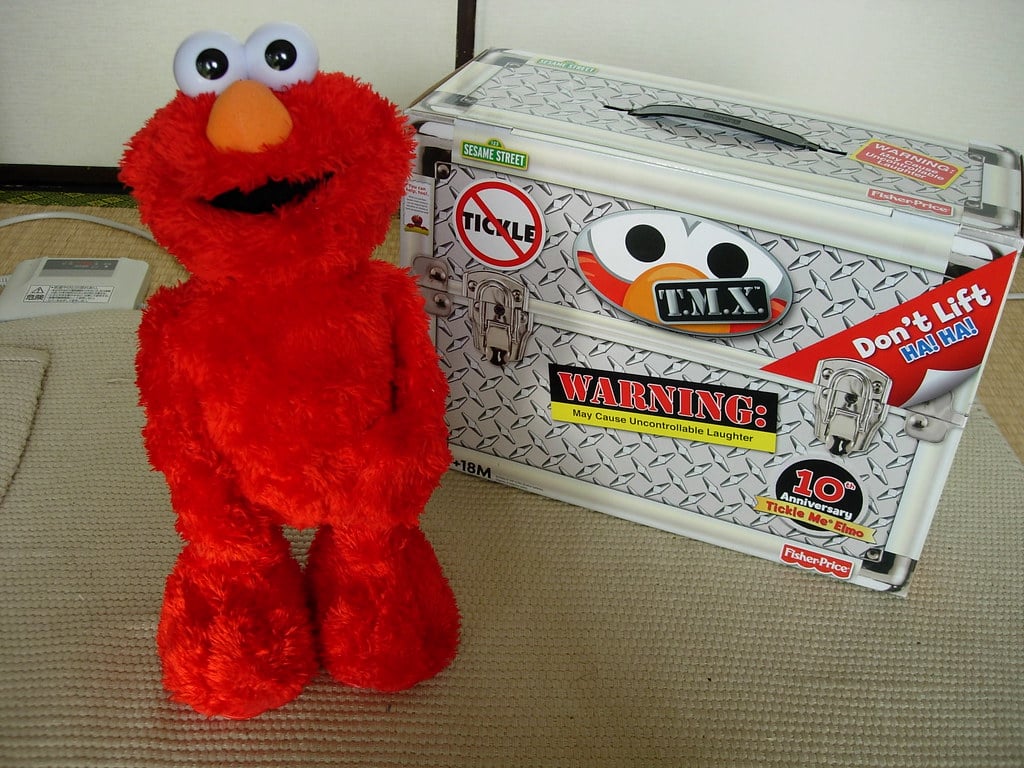
Tickle Me Elmo became the defining toy shortage of the 1990s, turning rational adults into competitive shoppers willing to fight in store aisles over a giggling red puppet. The frenzy had less to do with the toy’s inherent appeal and more to do with manufactured scarcity meeting parental anxiety about disappointing children during the holidays.
Original 1996 versions in boxes sell for $200 to $600. The irony is that the toy’s value comes partly from the chaos it created — this wasn’t just a popular toy but a cultural moment that defined an entire holiday shopping season.
The secondary market during that original Christmas reached absurd levels, with parents paying $1,000 or more for a $30 toy.
Magic: The Gathering Cards
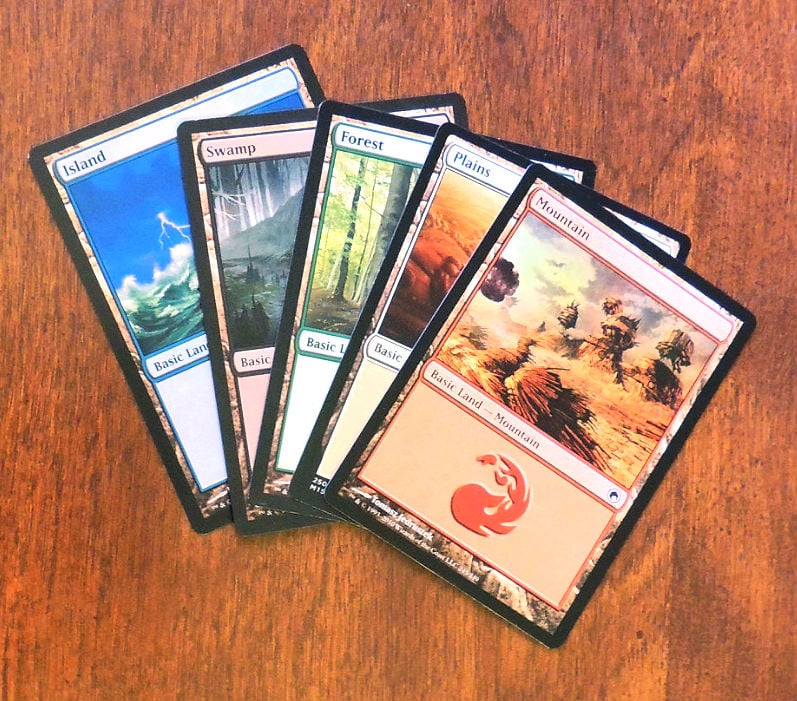
Magic: The Gathering created the trading card game category by combining the collectibility of baseball cards with the strategic complexity of chess, resulting in a hobby that could consume both allowance money and countless hours of tactical planning. Richard Garfield’s design was brilliant in its simplicity: cards had different rarity levels, which meant every pack offered the possibility of discovering something valuable, but building competitive decks required specific combinations that could only be achieved through extensive collecting or trading.
Alpha and Beta edition cards from 1993-1994 represent the holy grail of Magic collecting. A mint condition Black Lotus — the most famous card in the game’s history — has sold for over $500,000.
Even common cards from these early sets sell for $20 to $100. But the real genius of Magic’s economy is its ongoing nature: unlike most ’90s collectibles, people still play the game competitively, which creates sustained demand for vintage cards.
The financial element never overshadowed the gameplay, but it certainly added stakes to every pack opening. And those plastic sleeves and protective binders that seemed excessive at the time? They turned out to be essential for preserving value in a hobby where condition makes the difference between a $5 card and a $5,000 card.
Troll Dolls
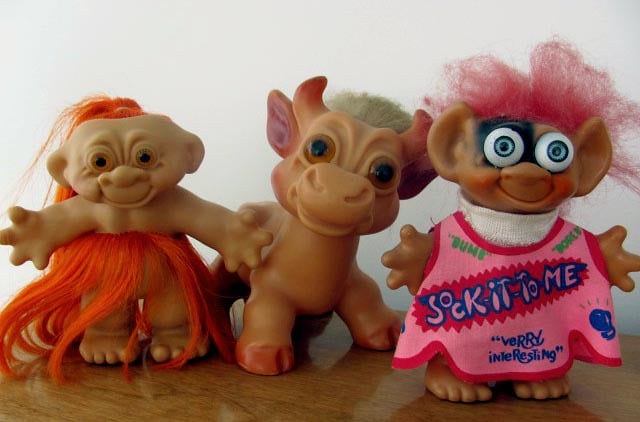
Troll dolls made their ’90s comeback based purely on nostalgic charm — small plastic figures with wild, colorful hair that served no particular purpose beyond looking appealingly weird on a shelf or desk. The original Dam trolls from Denmark had been around since the 1960s, but the ’90s revival introduced them to a new generation of kids who appreciated their deliberately unconventional appearance.
Original Dam trolls in good condition sell for $50 to $200. Rare hair colors and sizes command premium prices.
The value lies partly in their durability — these were simple toys that survived decades of handling better than more complex alternatives. Their success proved that sometimes the most basic concept executed well outlasts more sophisticated competition.
Mighty Max Playsets
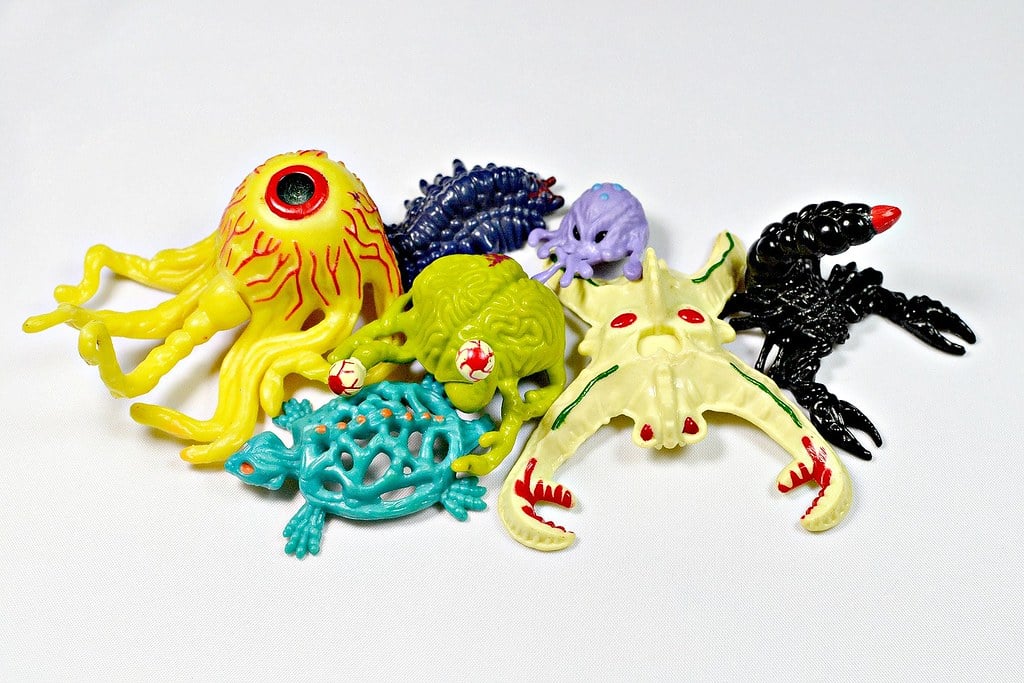
Mighty Max succeeded by taking the Polly Pocket concept and making it appealing to boys — small action figures with compact, portable playsets that unfolded to reveal detailed miniature worlds. Each set told a specific story through its design, from horror-themed scenarios to science fiction adventures, giving kids both a toy and a narrative framework for play.
Complete sets in packaging sell for $100 to $500. The larger “Horror Head” playsets command the highest prices.
These toys required all their pieces to function properly, making complete sets genuinely rare. The detailed sculpting and storytelling elements were sophisticated for their size and price point, which explains their enduring appeal among collectors.
Star Wars Shadows of the Empire Figures
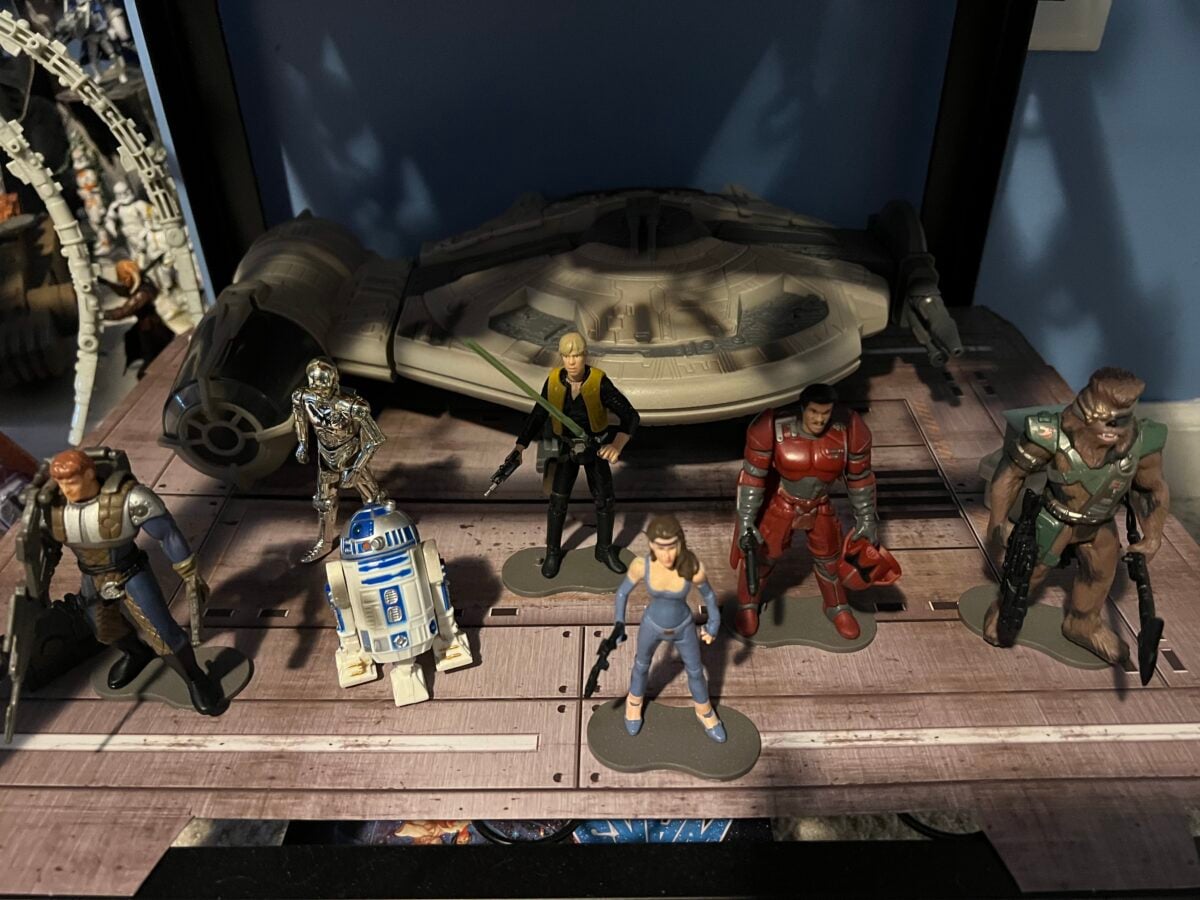
Shadows of the Empire represented an unusual experiment — a Star Wars story told through books, comics, and video games rather than movies, with toys designed to support a narrative most kids never fully experienced. The figures depicted characters like Prince Xizor and Dash Rendar who existed only in this expanded universe, making them oddities in the broader Star Wars toy line.
Figures in packaging sell for $75 to $300. The unusual backstory and limited production run make these more scarce than mainline Star Wars figures from the same period.
They occupy a strange niche in Star Wars collecting — not quite mainstream enough for casual fans, but essential for completists who want every figure from the ’90s toy lines.
The Treasure Hunt Continues
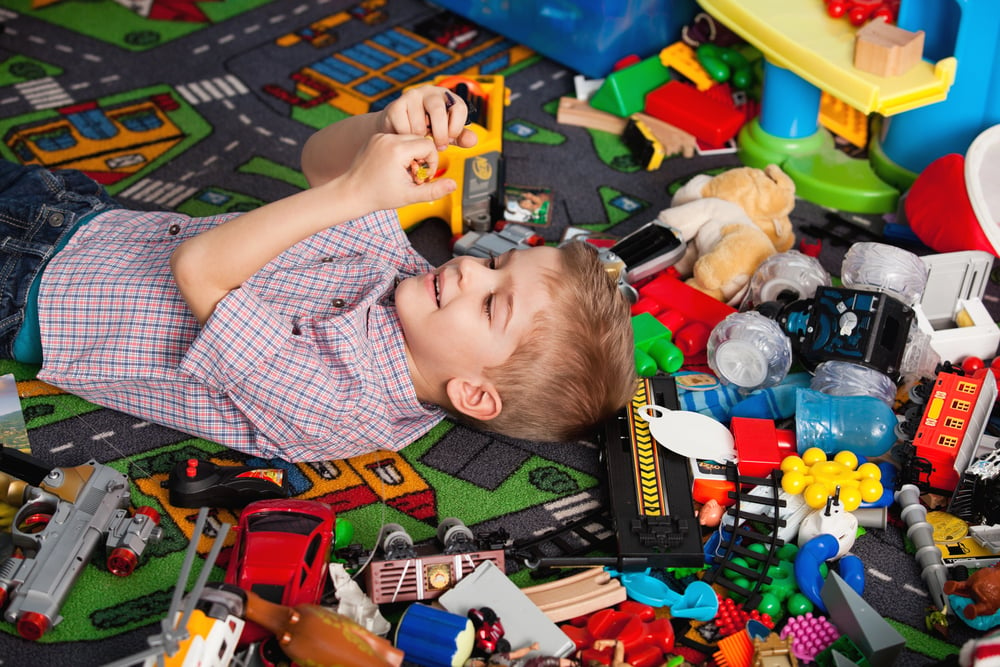
The transformation of ’90s toys from childhood memories into valuable collectibles reveals something interesting about how we assign worth to objects that once seemed disposable. These aren’t museum pieces or fine art — they’re mass-produced plastic and cardboard that happened to capture imaginations at the right cultural moment.
Their value comes not from rarity in the traditional sense, but from the intersection of nostalgia, condition, and the simple fact that most people threw them away. Your childhood bedroom might have been messier than you remember, but it could also have been more valuable than you realized.
More from Go2Tutors!

- The Romanov Crown Jewels and Their Tragic Fate
- 13 Historical Mysteries That Science Still Can’t Solve
- Famous Hoaxes That Fooled the World for Years
- 15 Child Stars with Tragic Adult Lives
- 16 Famous Jewelry Pieces in History
Like Go2Tutors’s content? Follow us on MSN.



