28 Haircuts from the ’80s Everyone Thought Looked Cool
The 1980s were a time when bigger was undeniably better, and nowhere was this philosophy more evident than in the realm of hairstyles. From boardrooms to dance floors, everyone seemed determined to defy gravity with their hair choices.
These looks dominated magazines, music videos, and high school hallways across America, each one considered the absolute height of fashion at the time.
The Mullet
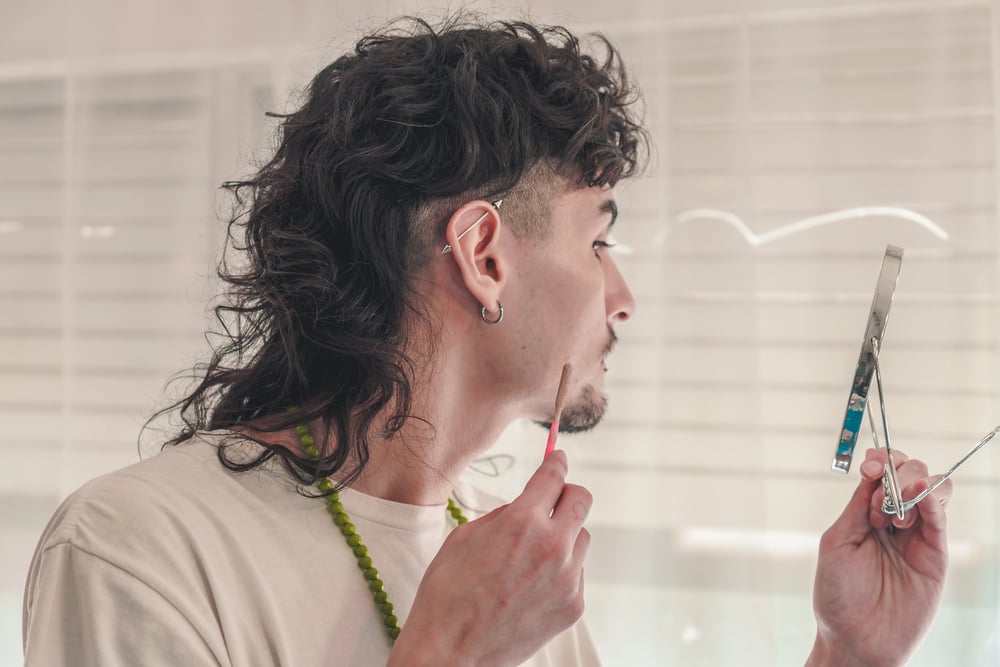
Business up front, party in the back. The mullet said everything about the ’80s approach to life: professional when necessary, wild when possible.
Big Hair with Bangs
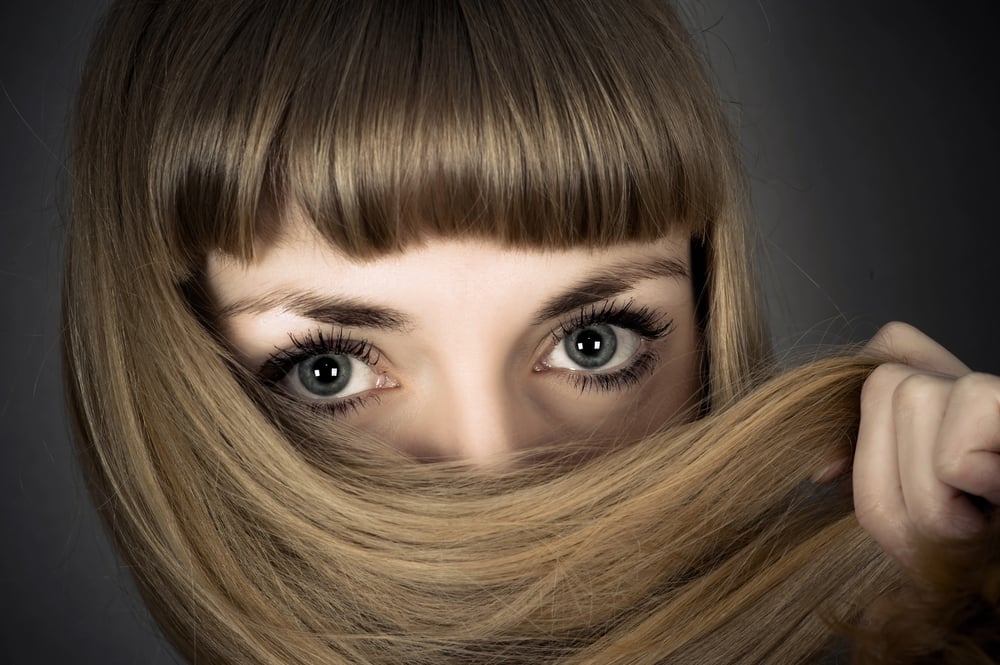
Cans of Aqua Net were emptied daily in pursuit of this look. The higher the bangs, the closer to heaven – or at least to being noticed across a crowded room.
The Jheri Curl
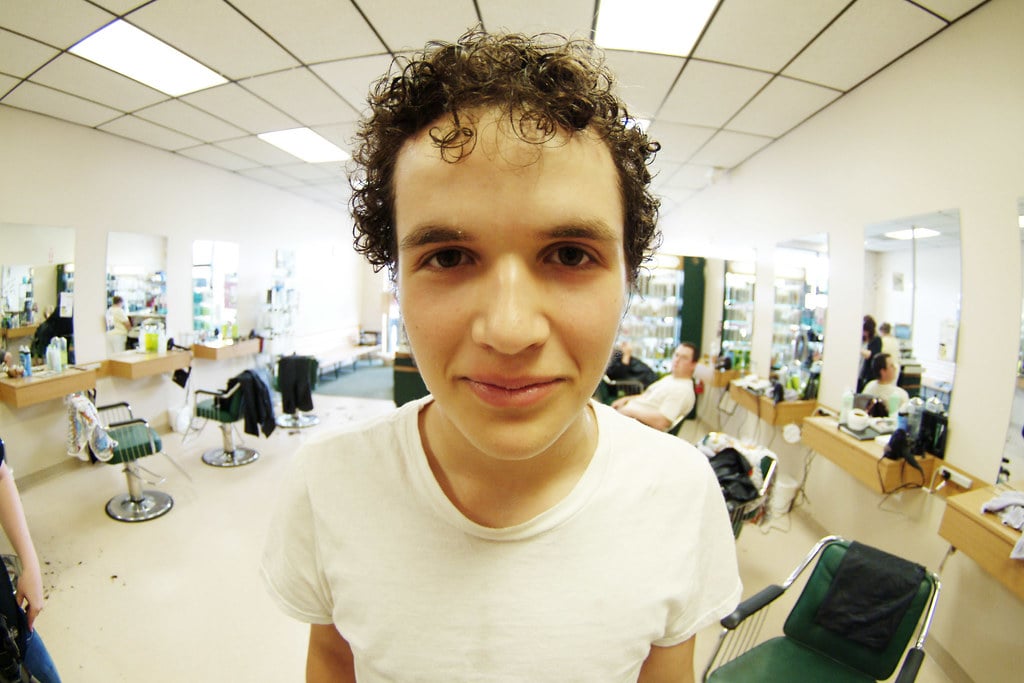
This chemically processed style promised lustrous, bouncy curls that caught light like a disco orb, though the maintenance routine (involving specific shampoos, activators, and daily touch-ups) was more demanding than most people anticipated. The look became ubiquitous in R&B and pop culture, creating a generation of glossy-haired icons who moved through the world with an almost liquid grace.
And yet the aftermath – pillow stains and perpetually damp collars – revealed the price of such manufactured perfection.
Feathered Hair
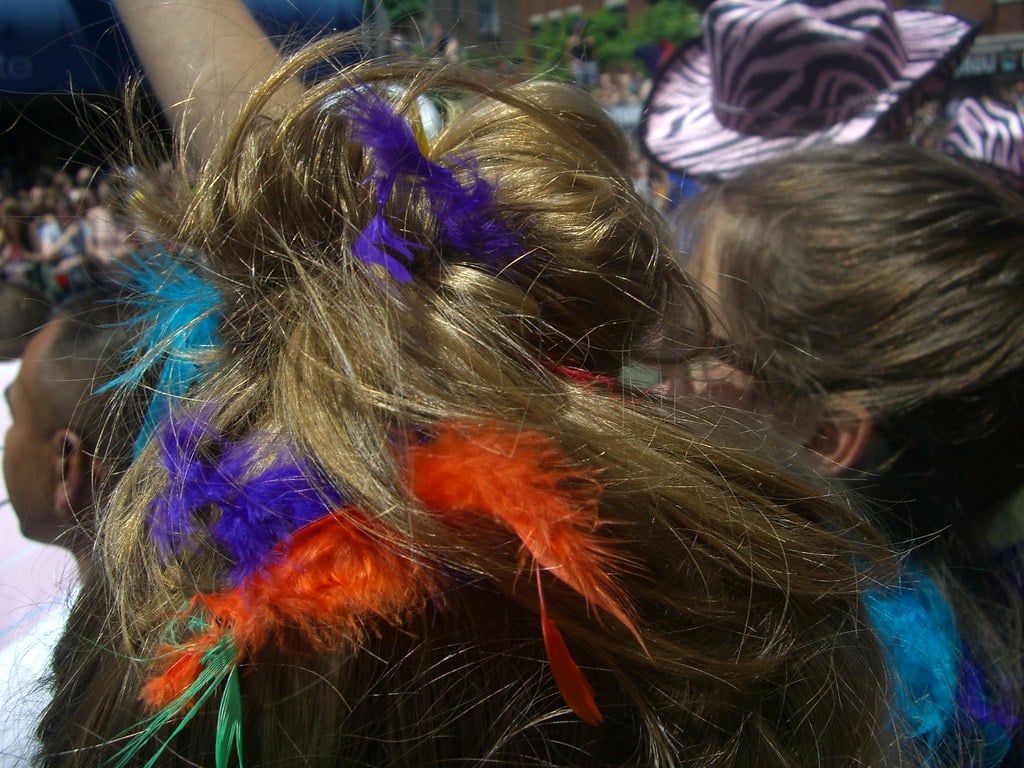
Farrah Fawcett made this look iconic, but millions of Americans perfected it in their own bathrooms. Hair was carefully blown back from the face in soft, wing-like layers that required precision and patience.
The Shag
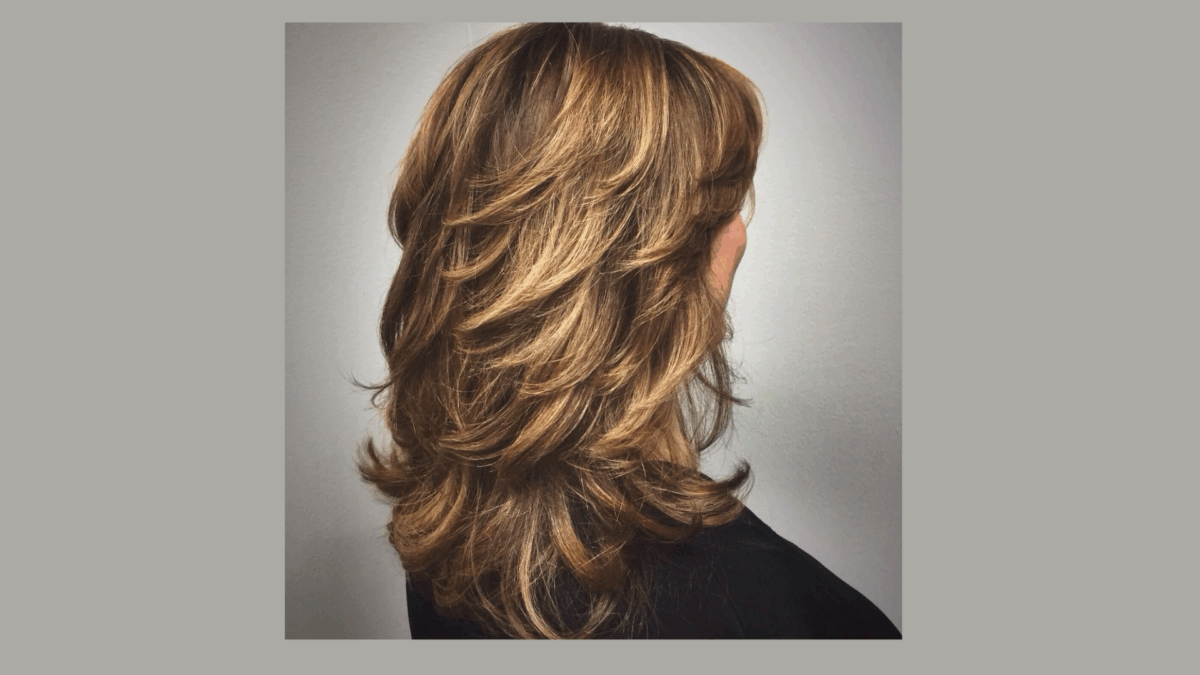
Layered, tousled, and deliberately imperfect. The shag was rock and roll for people who had to wake up early for work but still wanted to look like they might know someone in a band.
Crimped Hair
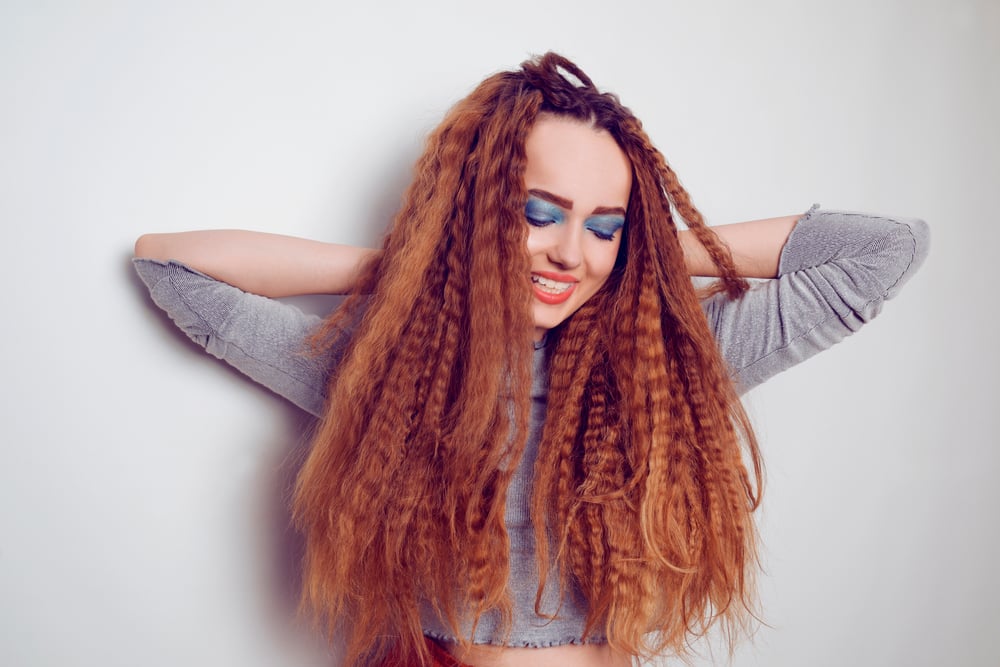
Crimping irons created zigzag textures that added volume without the commitment of a perm, though the process of sectioning hair into tiny pieces and slowly working through each strand was nothing short of meditative torture. The results spoke to something deeper than mere fashion: a desire to transform the everyday into something electric and unfamiliar.
So you’d spend two hours creating a hairstyle that would last exactly one day. The impermanence was part of the appeal.
The Rat Tail
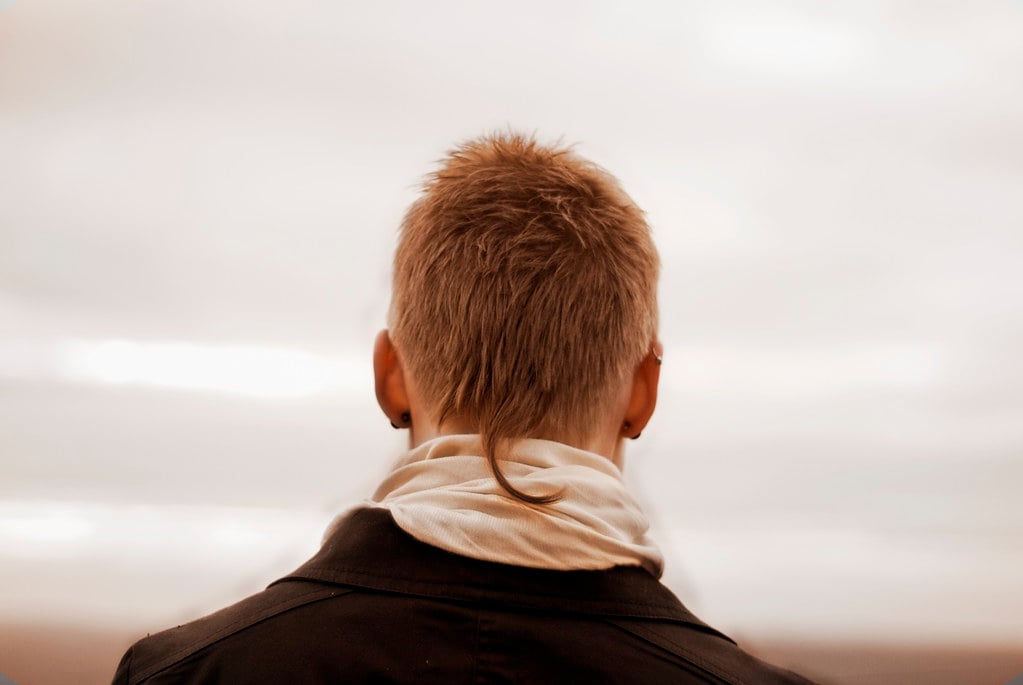
A thin braid of hair trailing down the back of an otherwise normal haircut served no practical purpose and violated most conventional ideas about proportion and style. The rat tail was purely ornamental rebellion – a small act of defiance that parents tolerated because it seemed harmless enough compared to other potential forms of teenage expression.
Asymmetrical Cuts
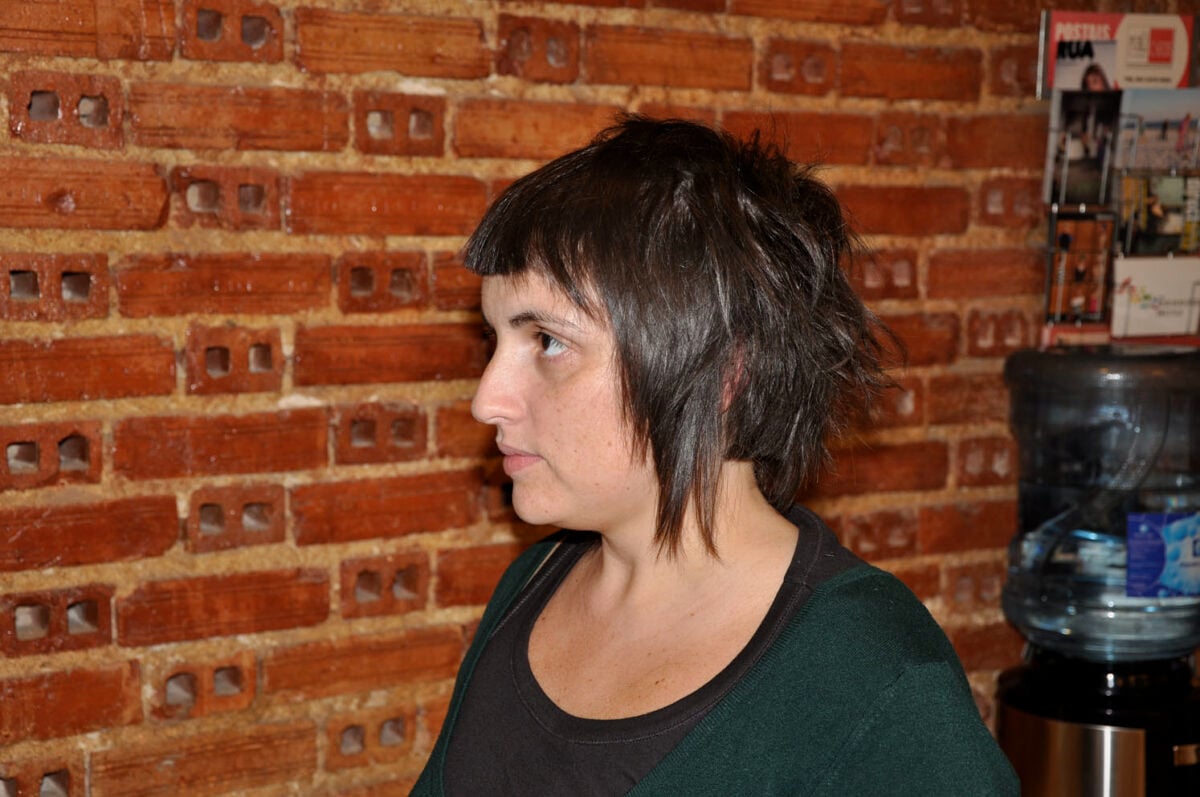
One side short, the other long. This geometric approach to hairstyling reflected the decade’s love affair with sharp angles and bold statements that refused to apologize for their strangeness.
The Hi-Top Fade
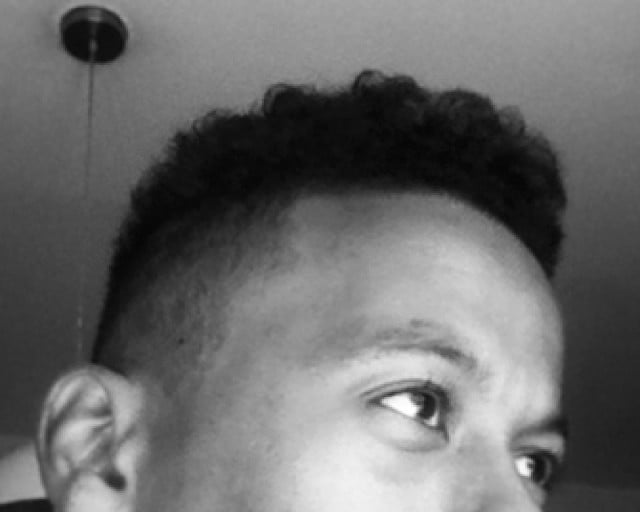
Height was the goal, precision was the method. The hi-top fade required regular maintenance and a skilled barber, but the results commanded attention and respect in equal measure.
This wasn’t just hair – it was architecture built from follicles and determination, a daily statement about taking up space in the world with intention and pride. Each morning became an act of reconstruction, shaping something temporary but unmistakably powerful from the most basic human material.
So the ritual mattered as much as the result.
Spiral Perms
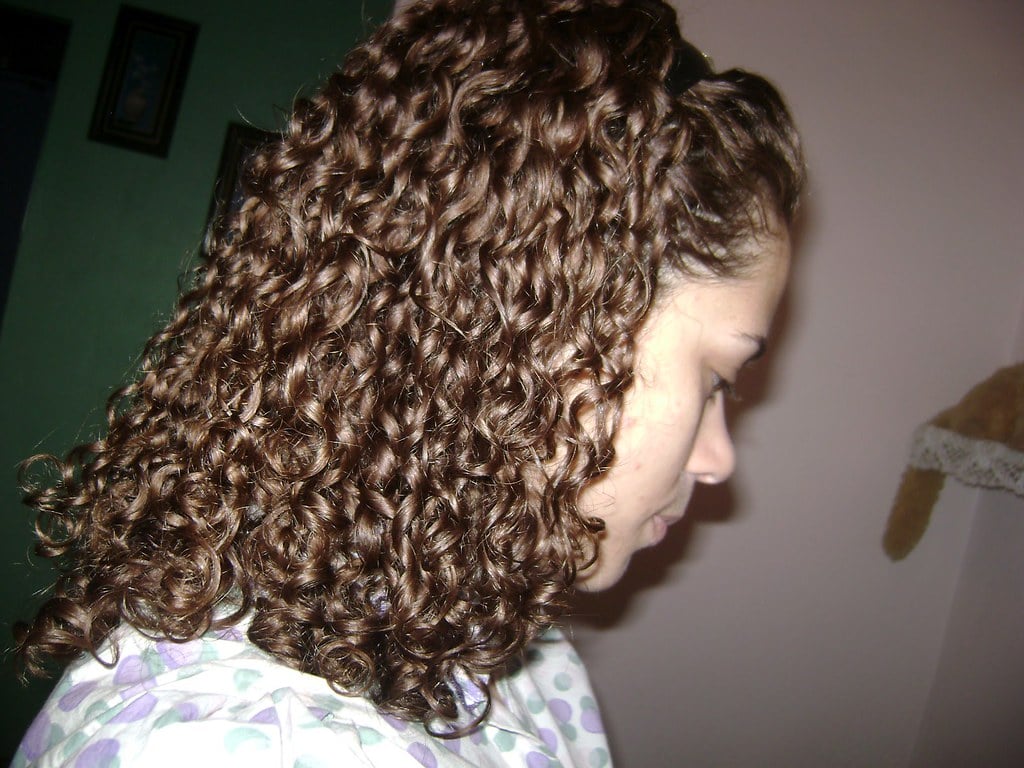
Chemical waves created tight, spring-like curls that bounced with every movement. The process took hours and smelled terrible, but the volume was undeniable.
The Punk Mohawk
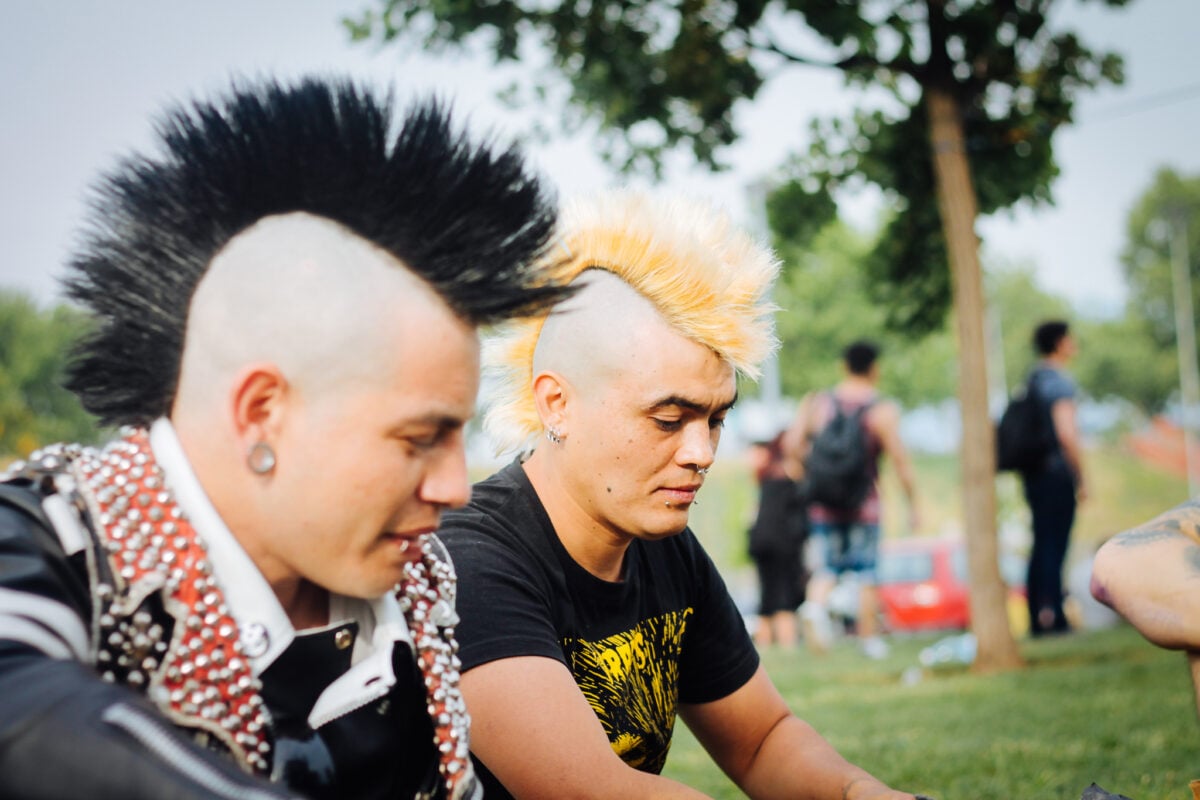
Shaved sides with a strip of hair down the center, often styled into dramatic spikes. This wasn’t a hairstyle – this was a declaration of war against suburban conformity.
Madonna-Style Layered Curls
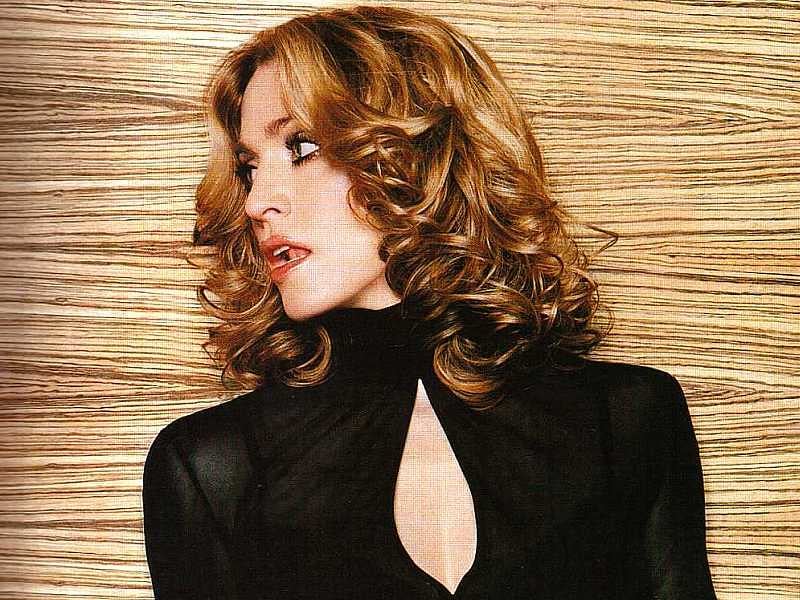
Wild, voluminous curls that seemed to move independently of their owner captured something essential about the era’s relationship with excess and theatricality. The look required a specific combination of perming solution, mousse, and strategic scrunching that transformed ordinary hair into something that belonged on a stage rather than in everyday life.
And yet millions of people wore these curls to grocery stores and parent-teacher conferences, carrying a piece of pop royalty into the most mundane corners of American life.
The Flat Top
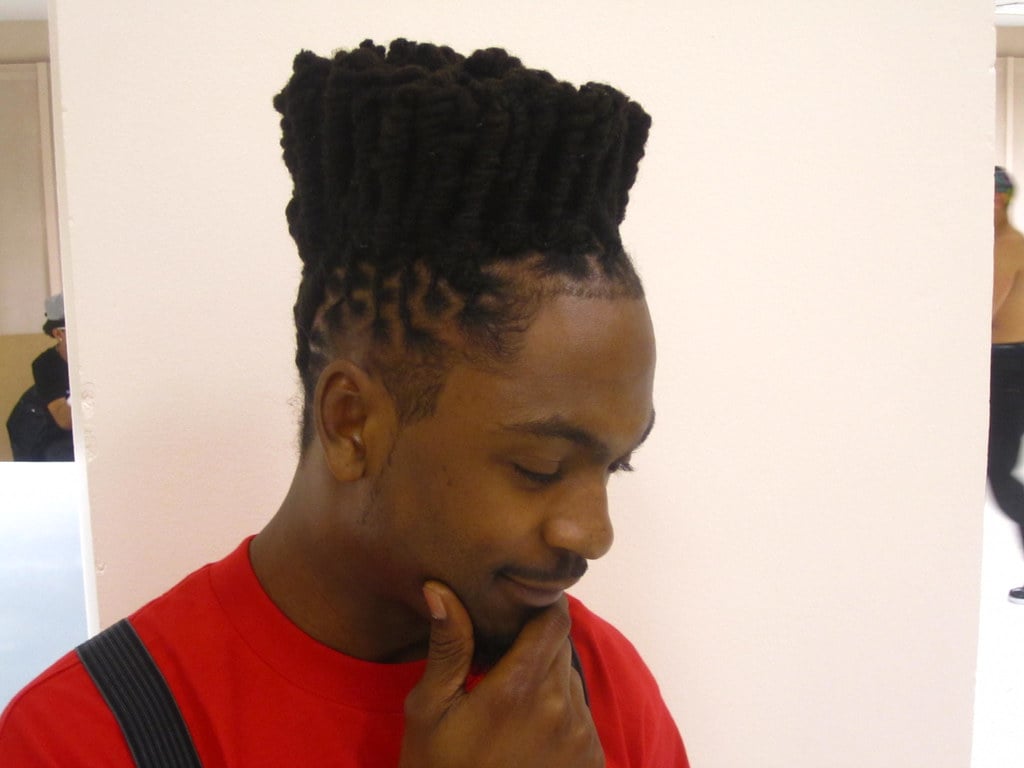
Military precision meets civilian style. The flat top was cut with mathematical accuracy, creating a perfectly level surface that could balance a book.
Voluminous Side Ponytails
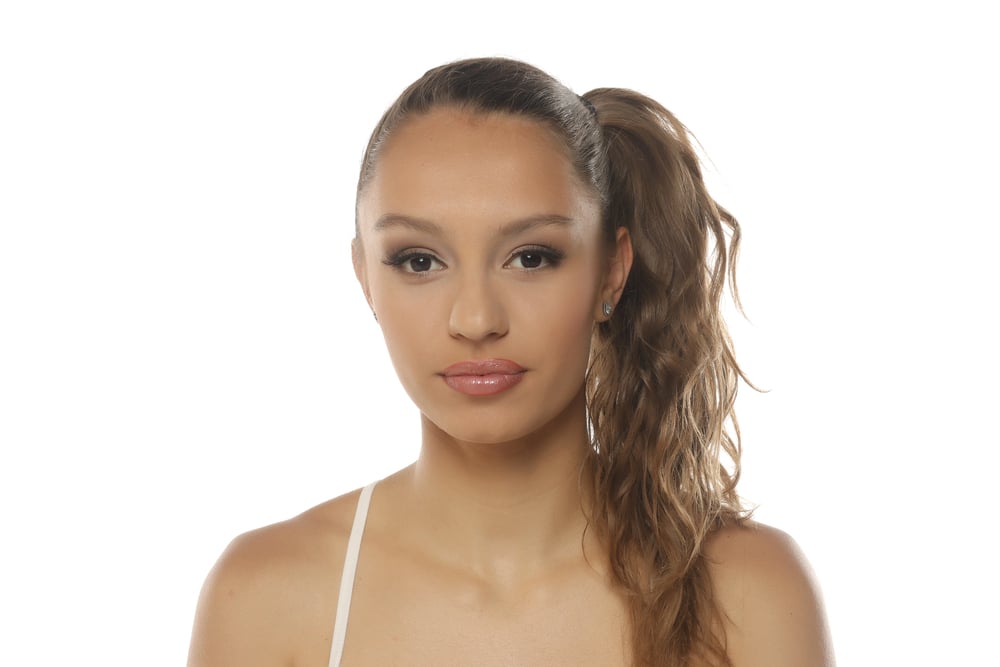
Hair gathered to one side and secured with scrunchies created an intentionally lopsided silhouette. The bigger the scrunchie, the better the look – preferably in neon colors that matched your leg warmers.
The New Wave Quiff
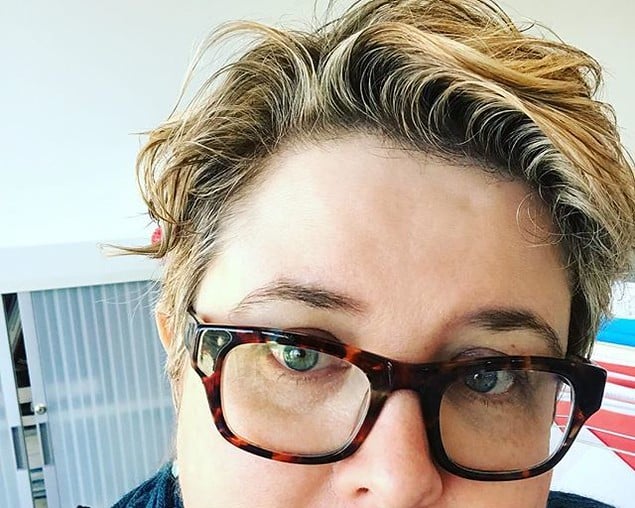
A towering front section swept dramatically upward was the signature of new wave culture, requiring specific products and daily styling rituals that bordered on religious practice. The quiff announced its wearer’s allegiance to a particular tribe of misfits and music lovers who understood that conventional attractiveness was far less interesting than memorable strangeness.
So you’d arrive at school looking like you’d been struck by lightning, and somehow that felt exactly right.
Teased Hair
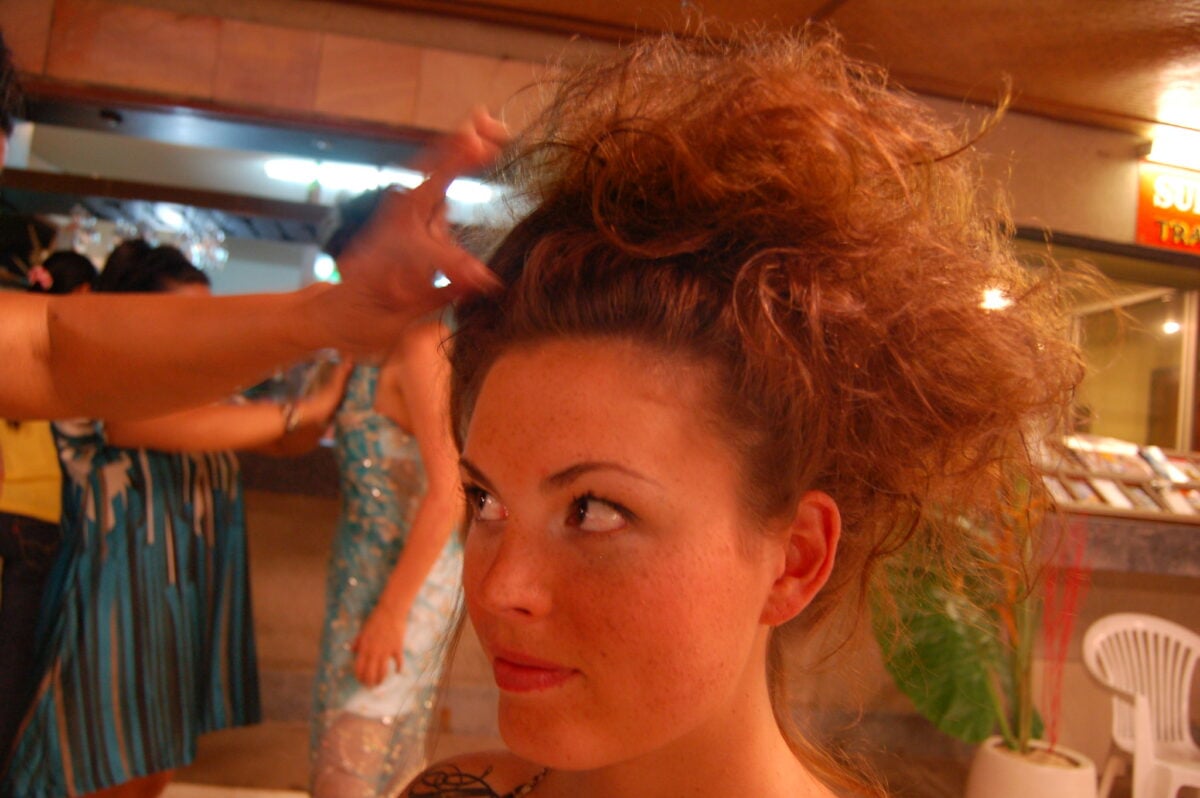
Volume achieved through aggressive backcombing created hairstyles that seemed to expand continuously throughout the day. The technique involved lifting sections of hair and combing backward against the natural grain until maximum height was achieved.
The Wedge
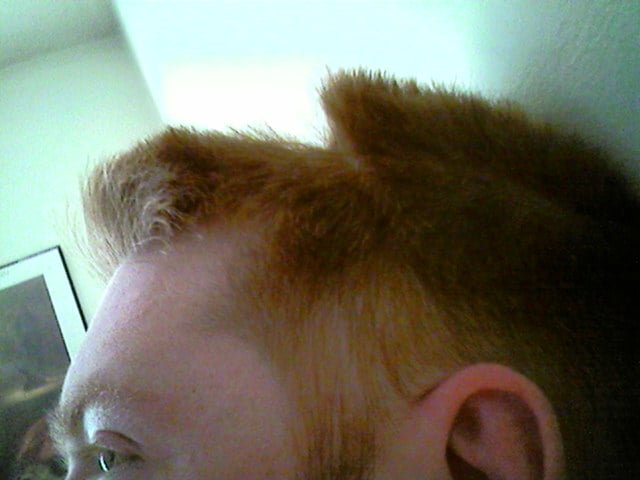
Dorothy Hamill’s Olympic haircut became a suburban standard. Short, layered, and practical, yet somehow still dramatic enough to feel like a statement rather than a compromise.
Permed Bangs
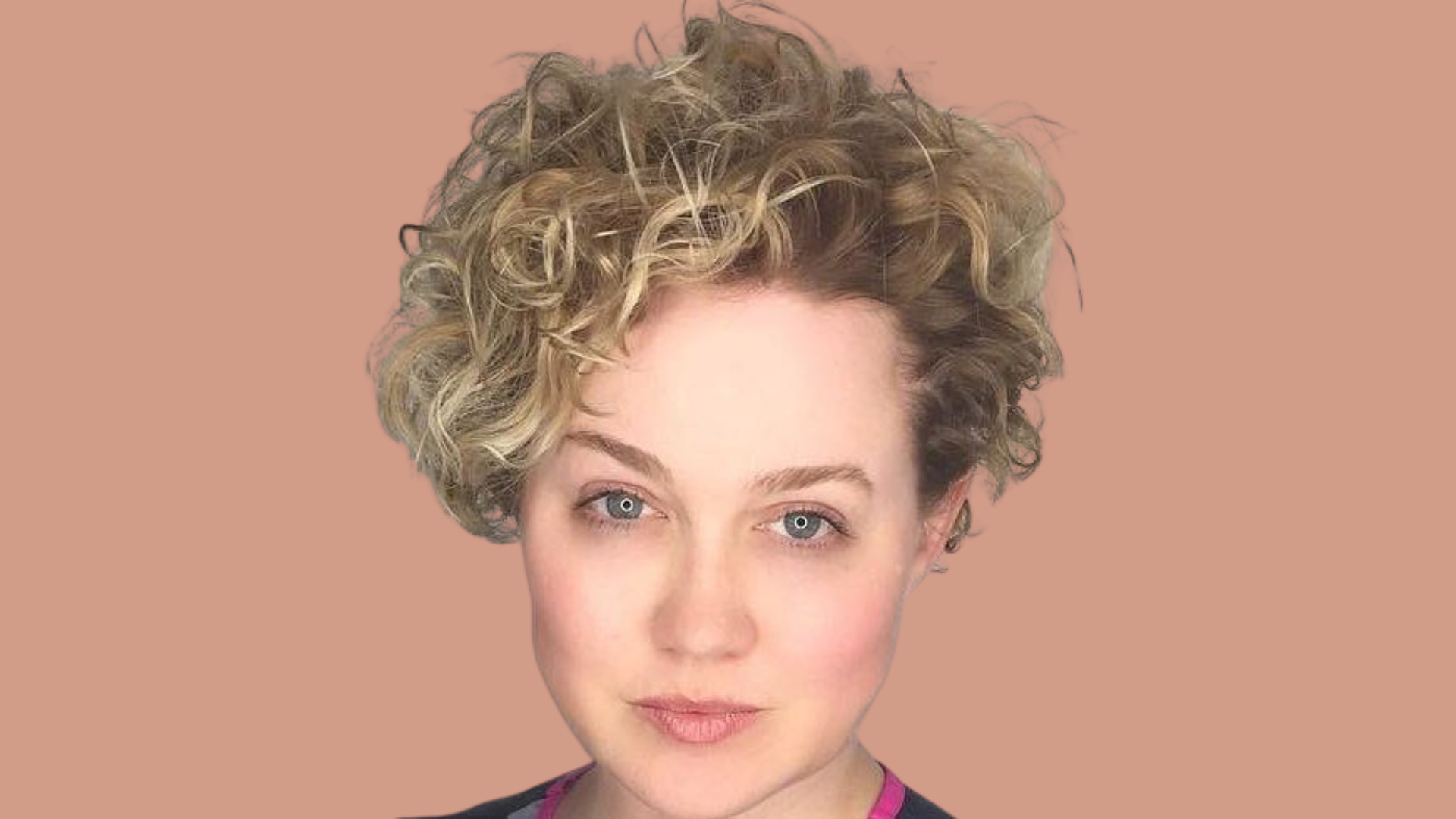
When regular bangs weren’t enough, chemical processing created spiraled fringe that defied both gravity and logic, transforming the simple act of looking someone in the eye into a peek through a curtain of tiny springs. The maintenance schedule alone – touch-ups every six weeks, special shampoos, overnight setting routines – suggested a level of commitment that bordered on the spiritual.
But the results framed faces with an otherworldly texture that made ordinary conversations feel somehow more dramatic.
The Bowl Cut
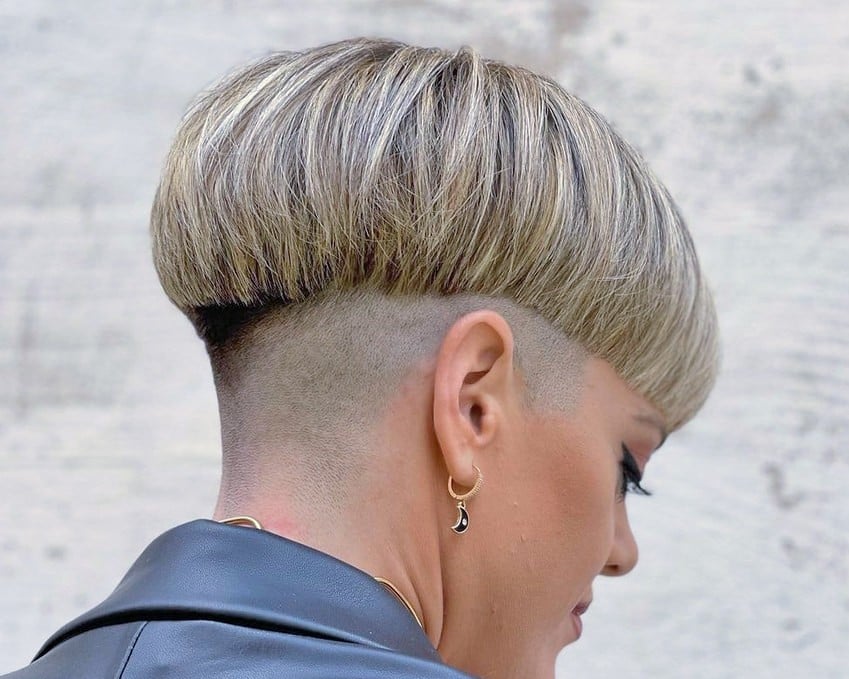
Precision trumped subtlety in this geometric approach to hairstyling. The bowl cut looked exactly like someone had placed a bowl on your head and trimmed around it, which was often exactly how it was achieved.
Rocker Hair
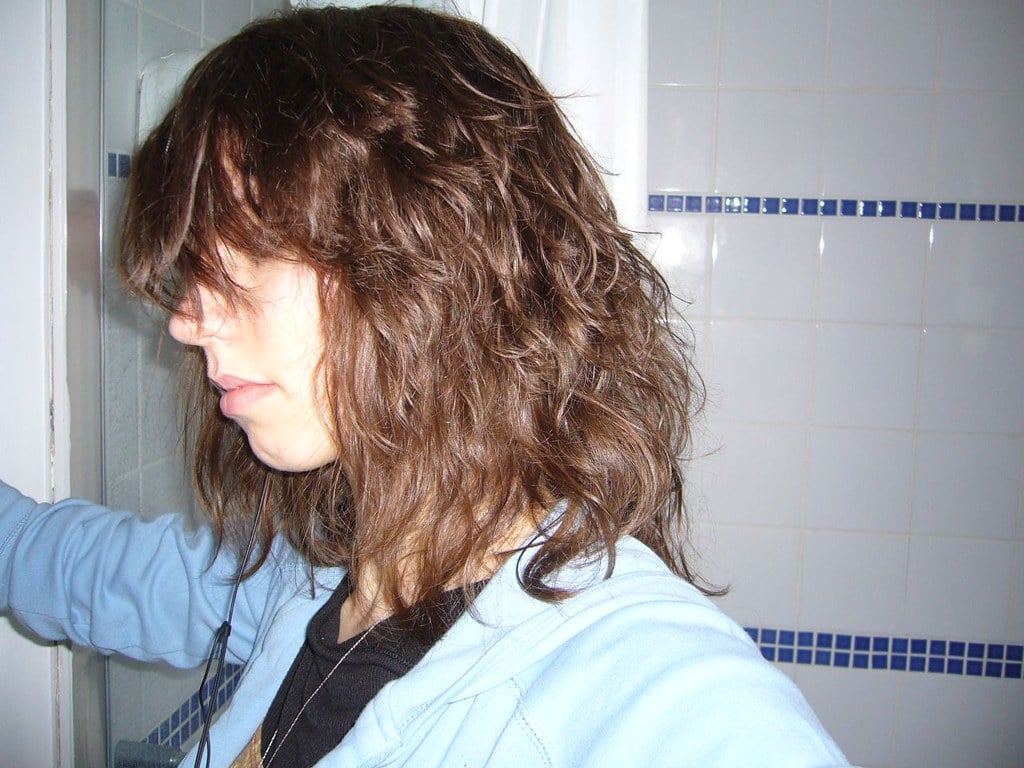
Long, layered, and frequently subjected to extensive teasing and hairspray. This was hair that belonged on stage, even when its owner was nowhere near a microphone.
The Afro Puff
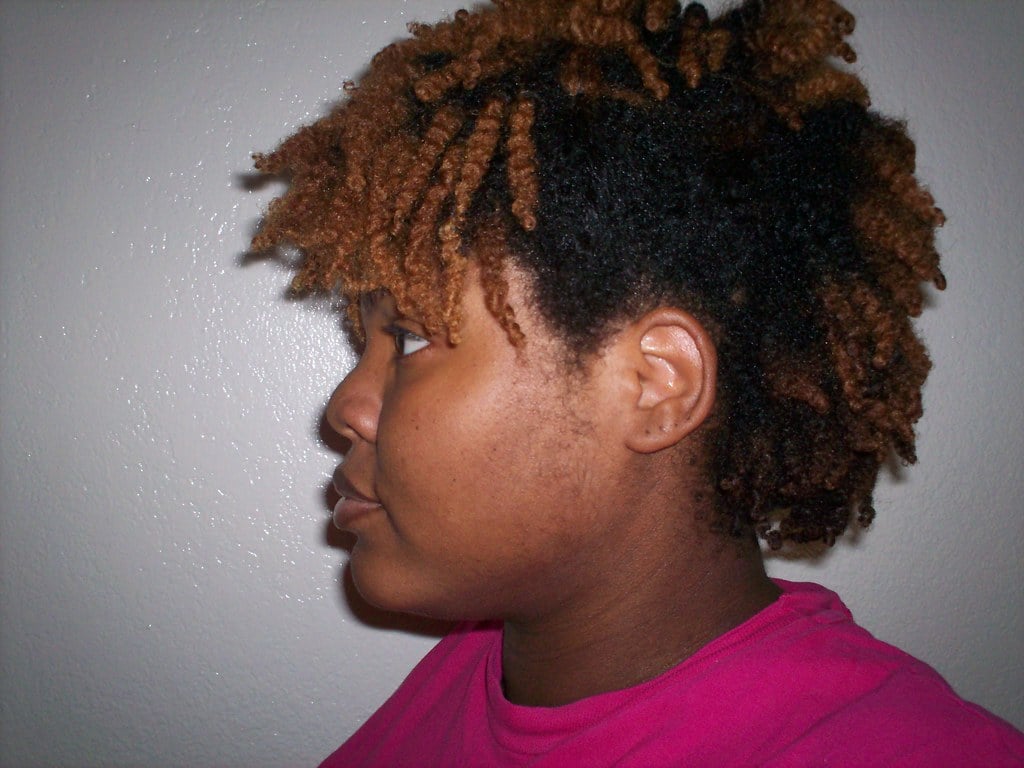
Natural hair gathered into a high, rounded shape that celebrated texture and volume while making a quiet statement about beauty standards that had nothing to do with European ideals. The afro puff required specific care routines and products that honored rather than fought against natural curl patterns, creating shapes that were both practical and powerful.
And it looked effortless even when the morning routine involved careful sectioning, moisturizing, and strategic positioning to achieve the perfect spherical silhouette.
Feathered Bangs
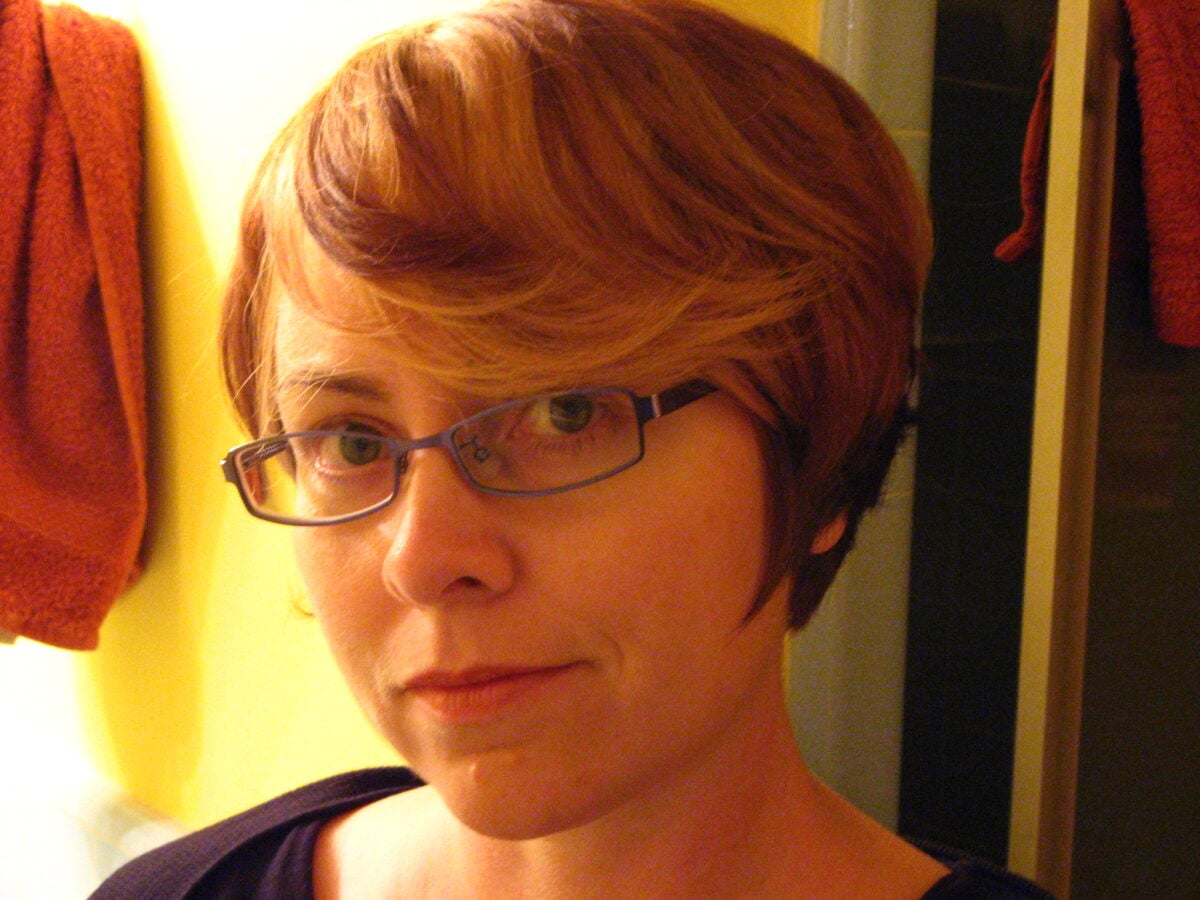
Bangs swept to the sides in wing-like formations required blow-drying skills that most teenagers developed through trial and error. The goal was soft, face-framing layers that moved naturally.
The Ducktail
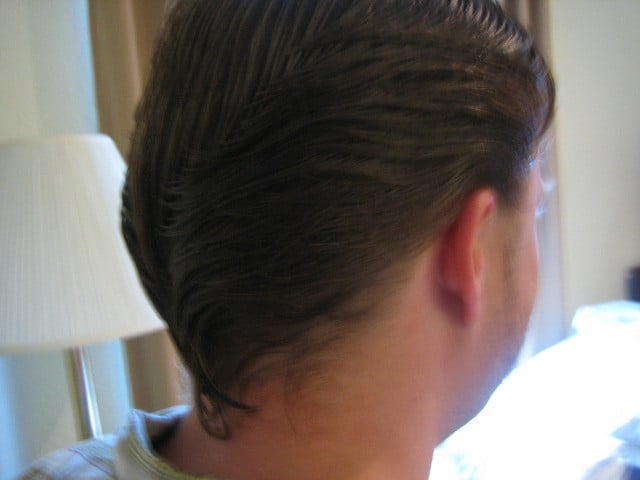
Hair combed back on the sides to meet in a point at the back of the head created a silhouette that recalled both vintage style and rebellious attitude without fully committing to either.
The ducktail was retro nostalgia for an era that had ended only twenty years earlier, but somehow felt ancient and dangerous in comparison to the suburban safety of the 1980s. So you’d style your hair like a 1950s rebel while listening to synthesizer music, which made perfect sense at the time.
Geometric Buzz Cuts
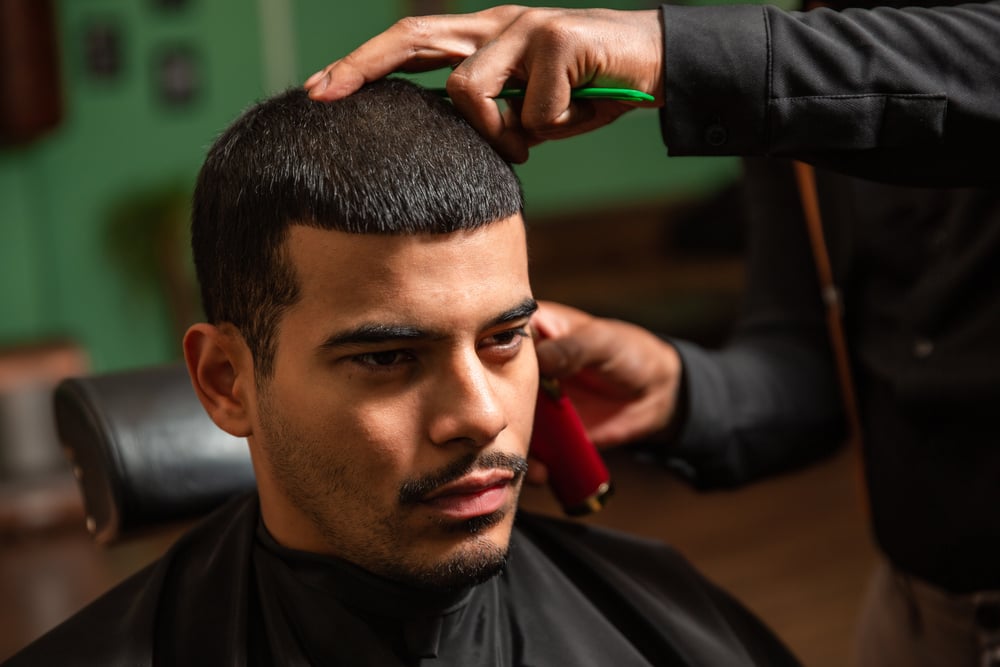
Patterns shaved into short hair created temporary art that grew out within weeks. Hearts, lightning bolts, and abstract designs turned heads into canvases.
The Reverse Mullet
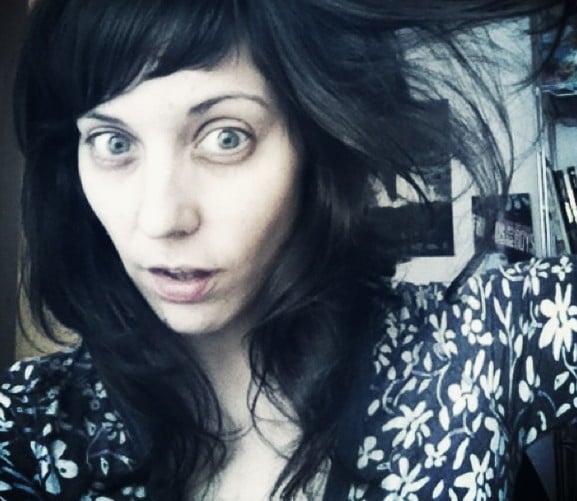
Short in back, long in front – the opposite of traditional mullet logic. This anti-style was purely experimental, worn by people who wanted to test the boundaries of acceptable grooming.
Two-Toned Hair
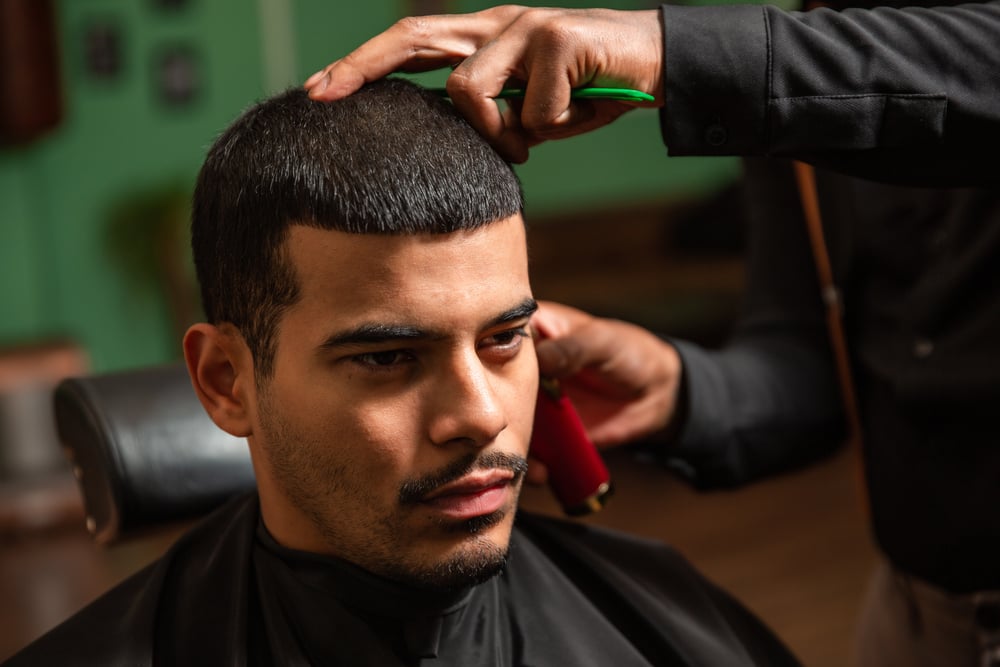
Bleached sections combined with natural color created dramatic contrast that was impossible to ignore, whether achieved through professional highlighting or the more budget-conscious approach of applying peroxide with a paintbrush in suburban bathrooms. The maintenance schedule was punishing – roots appeared within weeks, demanding touch-ups that gradually damaged hair beyond recognition.
But the visual impact justified the sacrifice, creating walking advertisements for the decade’s philosophy that subtle was always inferior to memorable.
Liberty Spikes
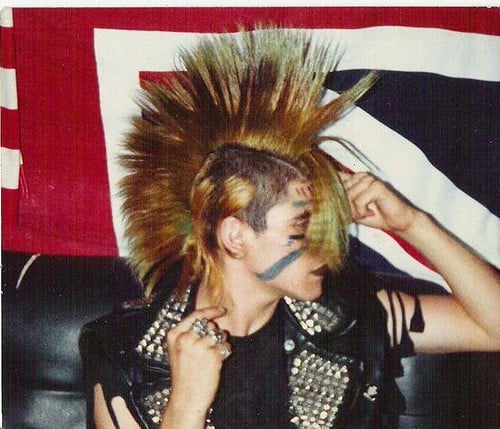
Individual sections of hair gelled into sharp, upward-pointing spikes created a look that was part punk rebellion, part geometric experiment. Each spike required individual attention and industrial-strength products.
Stacked Hair
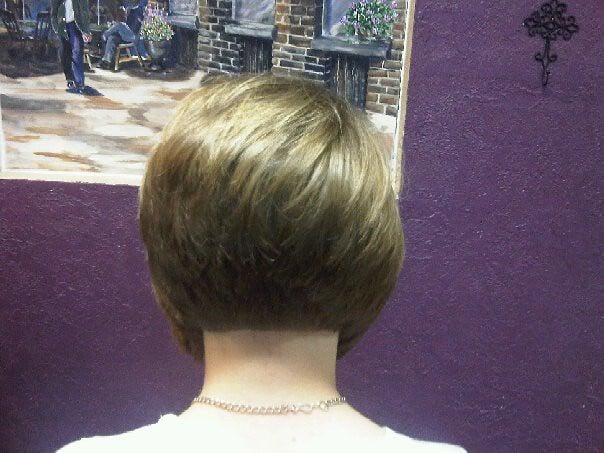
Short layers stacked on top of each other created volume and movement without requiring extensive daily styling. This was a practical rebellion – edgy enough to feel current, manageable enough for real life.
When Hair Was a Statement
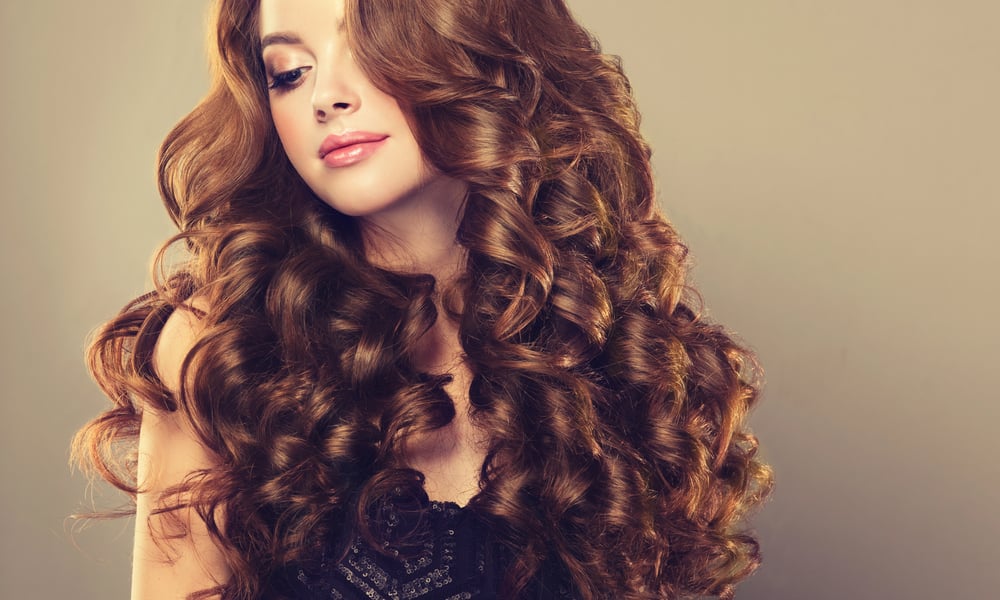
Looking back at these styles reveals something about a decade that refused to whisper when it could shout instead. Each morning, millions of Americans stood in front of bathroom mirrors armed with blow dryers, crimping irons, and enough hairspray to damage the ozone layer, transforming themselves into walking expressions of an era that believed more was always better.
The time invested was enormous, the environmental impact questionable, and the photographic evidence occasionally mortifying. But there was something admirably fearless about a generation that decided their hair should be architecture, rebellion, and art all at once – even if it meant sleeping on towels to protect the pillowcases.
More from Go2Tutors!

- The Romanov Crown Jewels and Their Tragic Fate
- 13 Historical Mysteries That Science Still Can’t Solve
- Famous Hoaxes That Fooled the World for Years
- 15 Child Stars with Tragic Adult Lives
- 16 Famous Jewelry Pieces in History
Like Go2Tutors’s content? Follow us on MSN.