Why Kids in the ’80s Had More Freedom Than Any Generation Since
There’s something almost mythical about the way people remember childhood in the 1980s. Not the big cultural moments or the music or the movies, but the smaller stuff — the way a Saturday morning stretched endlessly ahead with no plan beyond “be back when the streetlights come on.”
That kind of freedom feels impossible now, like something from a different planet rather than just a different decade. The thing is, it wasn’t an accident.
A specific set of circumstances aligned in the ’80s that gave kids more independence than their parents had enjoyed and certainly more than their own children would ever know. The term “latchkey kid” sounds almost quaint now, but it represented a massive shift in how childhood worked.
The Latchkey Revolution

Millions of kids came home to empty houses every day, let themselves in, and figured out their afternoons without adult supervision. This wasn’t considered neglect — it was just Tuesday.
These kids developed a kind of self-reliance that’s hard to imagine now. The key around the neck became a badge of independence rather than abandonment.
The term “latchkey kid” sounds almost quaint now, but it represented a massive shift in how childhood worked. Millions of kids came home to empty houses every day, let themselves in, and figured out their afternoons without adult supervision.
When Stranger Danger Wasn’t Yet Mainstream
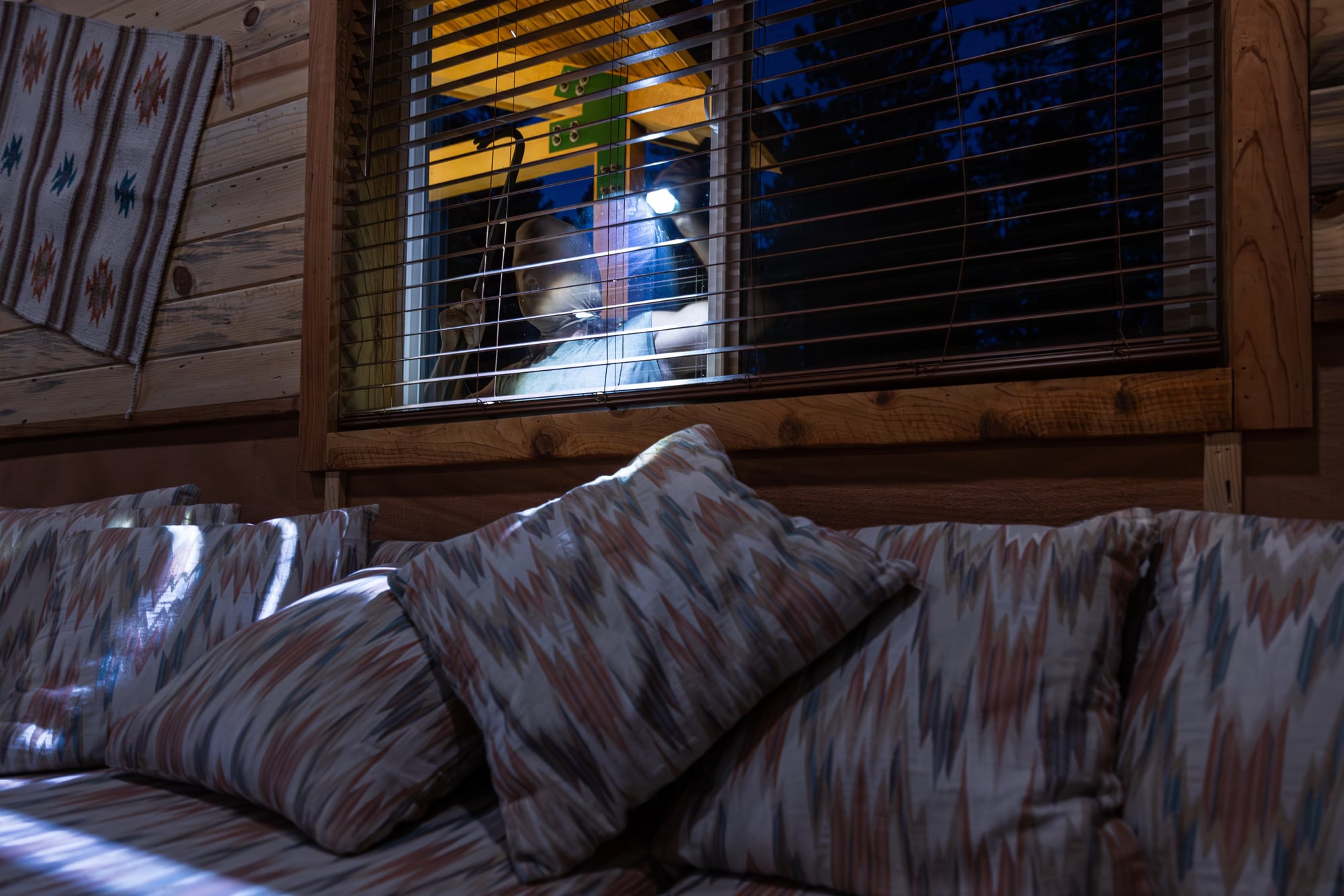
Paranoia about strangers snatching children existed in the 1980s, but it hadn’t yet calcified into the constant background hum of anxiety that would define later decades. Kids still walked places alone, rode bikes to friends’ houses without checking in every hour, and accepted that the world contained risks but wasn’t actively hunting them.
The shift happened gradually, then all at once. But for a brief window in the ’80s, parents still operated under the assumption that letting kids roam was normal childhood rather than negligent parenting.
Bikes as Legitimate Transportation

A bicycle in the 1980s wasn’t exercise equipment or a weekend hobby — it was how kids got around. The radius of a ten-year-old’s world extended as far as they could pedal, which turned out to be surprisingly far when nobody was tracking their movements or demanding itineraries.
Kids biked to school, to friends’ houses, to the store for candy, to the library, to nowhere in particular. And yet, this wasn’t remarkable at the time — it was just how things worked, the same way legs are for walking and doors are for opening.
The Decline of Structured Activities

Youth sports and organized activities existed in the 1980s, but they hadn’t yet consumed childhood the way they would in later decades. Most kids had hours of genuinely unstructured time every day — time that belonged to them rather than to coaches or instructors or enrichment programs.
This meant kids got bored regularly. Profoundly, desperately bored.
They invented games, explored neighborhoods, built things, broke things, and generally learned to entertain themselves.
When Playground Equipment Was Actually Dangerous

The playgrounds of the 1980s were engineering marvels of potential injury. Metal slides that could burn skin in summer sun, merry-go-rounds that spun fast enough to launch children into orbit, monkey bars over concrete, seesaws that could catapult a kid into next week if their partner jumped off at the wrong moment.
But here’s what’s strange: kids learned to navigate these death traps and mostly survived intact. They learned to test the slide with their hand before sitting down, to hang on tighter when the merry-go-round picked up speed, to pay attention in ways that modern safety-engineered playgrounds don’t really require.
The Age Before Helicopter Parents

The term “helicopter parent” didn’t exist in the 1980s, partly because the concept didn’t need a name yet — it was still unusual enough to not require its own vocabulary. Most parents practiced what would now be called neglect but was then considered normal: kids played outside unsupervised for hours, walked to school alone, made their own plans with friends.
So parents weren’t hovering because they hadn’t yet learned to hover. They trusted kids to handle age-appropriate independence because that’s what kids had always done, as far as they knew.
Before Technology Created Constant Surveillance

No cell phones meant no tracking. No GPS meant no monitoring. No social media meant no digital breadcrumbs of every movement and interaction.
This created a kind of psychological freedom that’s hard to explain to someone who’s never experienced it — the knowledge that nobody knew where they were or what they were doing unless they chose to share that information. Privacy wasn’t something kids had to fight for or negotiate; it was just the default state of being away from home.
The Mall as Neutral Territory

Shopping malls in the 1980s functioned as a kind of neutral zone where kids could exist independently without anyone finding this particularly strange or alarming. Groups of twelve and thirteen-year-olds would get dropped off at the mall entrance and left to their own devices for hours, wandering stores, spending allowance money, and practicing being teenagers.
Mall culture created a space that belonged neither to home nor school but somewhere in between — public enough to be safe, large enough to provide genuine exploration, and commercial enough that adult supervision wasn’t expected or required.
When Getting Lost Was Normal

Every kid in the 1980s had stories about getting lost. Really lost, not just turned around for a few minutes, but genuinely separated from parents in stores or left behind at rest stops or confused about which street led home after dark.
But getting lost taught navigation skills that GPS would later make obsolete: how to retrace steps, how to ask strangers for help, how to stay calm and think clearly when things went wrong.
The Last Generation Before Stranger Anxiety

There was a brief window in the 1980s when kids were still allowed to interact with adults who weren’t their parents or teachers without this being considered dangerous or inappropriate. Store clerks would chat with kids shopping alone.
This meant kids learned to read adult intentions and navigate social situations independently rather than being taught that all unknown adults were potential threats.
When Boredom Led to Creativity

No internet, no video games in every home, no streaming services or smartphones. When kids got bored — which they did, regularly and thoroughly — they had to invent their own solutions.
And those solutions often involved genuine creativity: building forts, making up games, exploring the neighborhood just to see what was there, talking to friends for hours about nothing in particular.
The Erosion Begins

But even in the 1980s, the forces that would eventually constrain childhood freedom were already gathering strength. The Missing Children milk carton campaigns, though well-intentioned, began training parents to see danger everywhere.
The freedom of ’80s kids wasn’t lost overnight, but it was already under pressure from safety concerns, scheduling demands, and changing ideas about what good parenting looked like.
Looking Back Through the Rearview Mirror
The freedom that ’80s kids experienced wasn’t necessarily better or worse than what came before or after — it was just different, shaped by specific circumstances that happened to align in ways that prioritized independence over safety, exploration over structure, and trust over surveillance.
Which might be progress, or might be loss, or might just be the way things change when nobody’s really deciding what comes next.
More from Go2Tutors!

- The Romanov Crown Jewels and Their Tragic Fate
- 13 Historical Mysteries That Science Still Can’t Solve
- Famous Hoaxes That Fooled the World for Years
- 15 Child Stars with Tragic Adult Lives
- 16 Famous Jewelry Pieces in History
Like Go2Tutors’s content? Follow us on MSN.