Weekend Rituals From The ’60s Entire Neighborhoods Shared
The weekend in 1960s America wasn’t just a break from the workweek—it was a carefully choreographed dance that entire neighborhoods performed together. From Friday evening’s first backyard barbecue smoke signals to Sunday’s synchronized church bells, communities moved in rhythm.
These weren’t planned events or organized activities. They were rituals that emerged naturally when people lived closer to each other’s daily lives, when front porches faced the street instead of hiding behind privacy fences, and when the weekend felt like a shared celebration rather than individual escape.
Saturday Morning Lawn Mowing
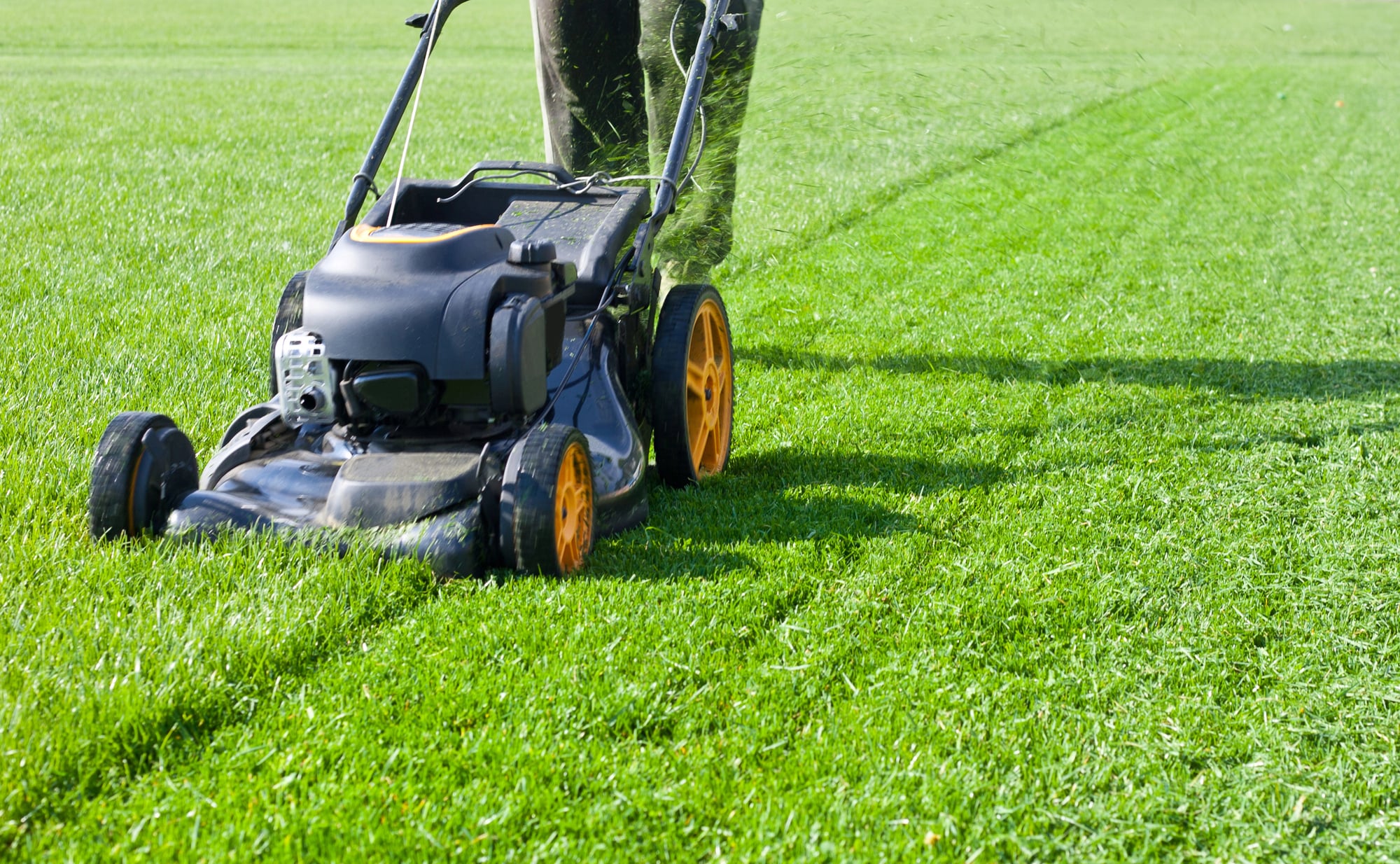
Saturday mornings started with the sound of pull-cord engines coughing to life across suburbia. One neighbor would fire up the mower at exactly 8 AM.
Another would follow within minutes. The ritual spread house by house until the entire street hummed with mechanical precision.
This wasn’t coordination—it was competition disguised as courtesy. Nobody wanted to be the house with the shaggy lawn when everyone else’s looked like a baseball field.
The mowing created its own social pressure and neighborly pride all at once.
Backyard Barbecues That Drifted Between Yards
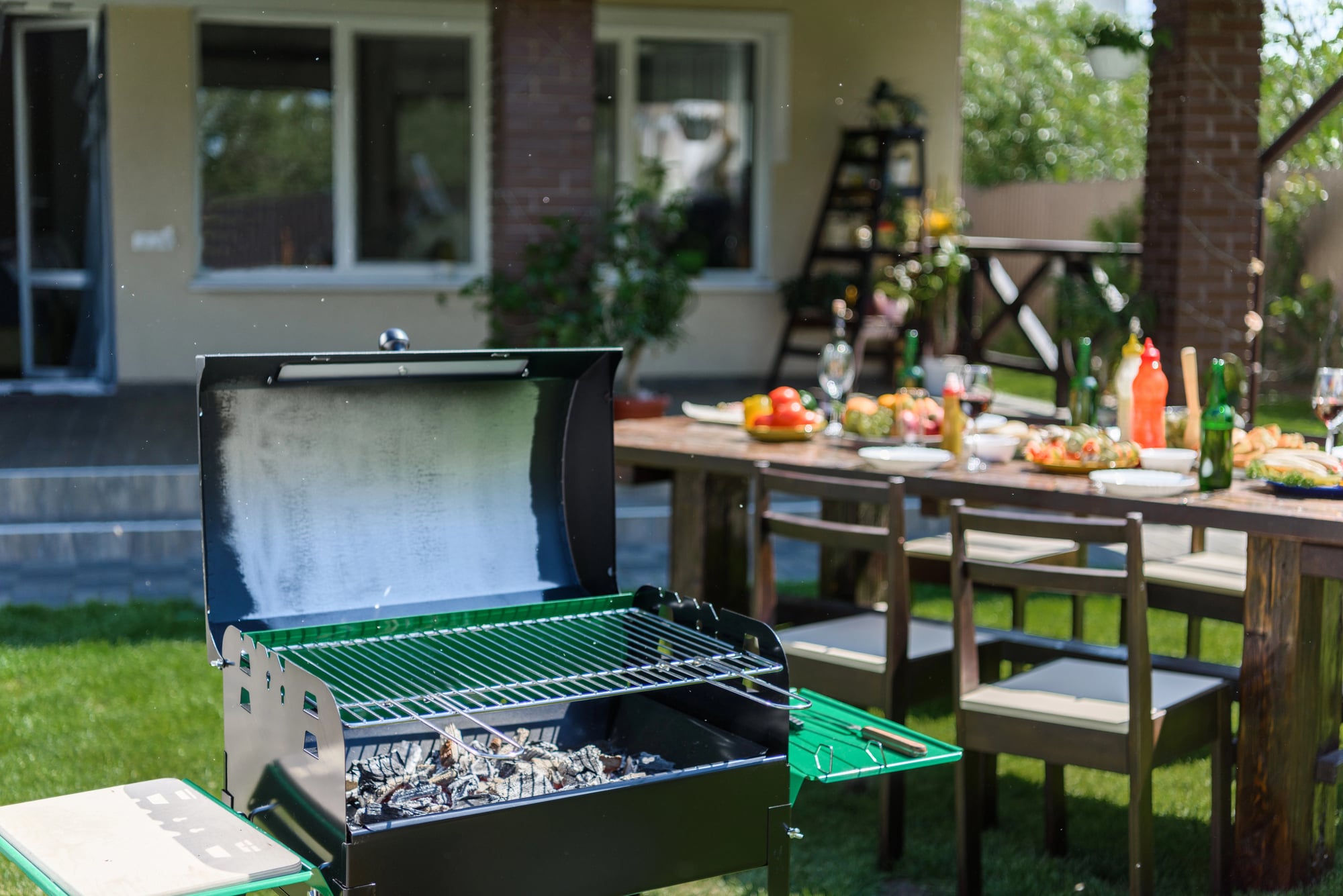
The weekend barbecue existed in a strange social space that belonged to everyone and no one (much like the smoke that drifted freely over fence lines, carrying the promise of charcoal-kissed meat and the gentle chaos of children running between yards). What started as one family grilling burgers would naturally expand as neighbors wandered over with their own plates, their own stories, and often their own contribution to the impromptu feast—and these gatherings had a way of growing organically, spilling from one backyard into the next without anyone officially extending invitations or setting formal boundaries.
The boundaries were fluid. So were the guest lists.
But the barbecue was never really about the food, though the food was undeniably part of the draw: it was about the excuse to gather without the formality that indoor dinner parties required, the permission to let conversations meander as freely as the smoke itself.
Front Porch Evening Conversations
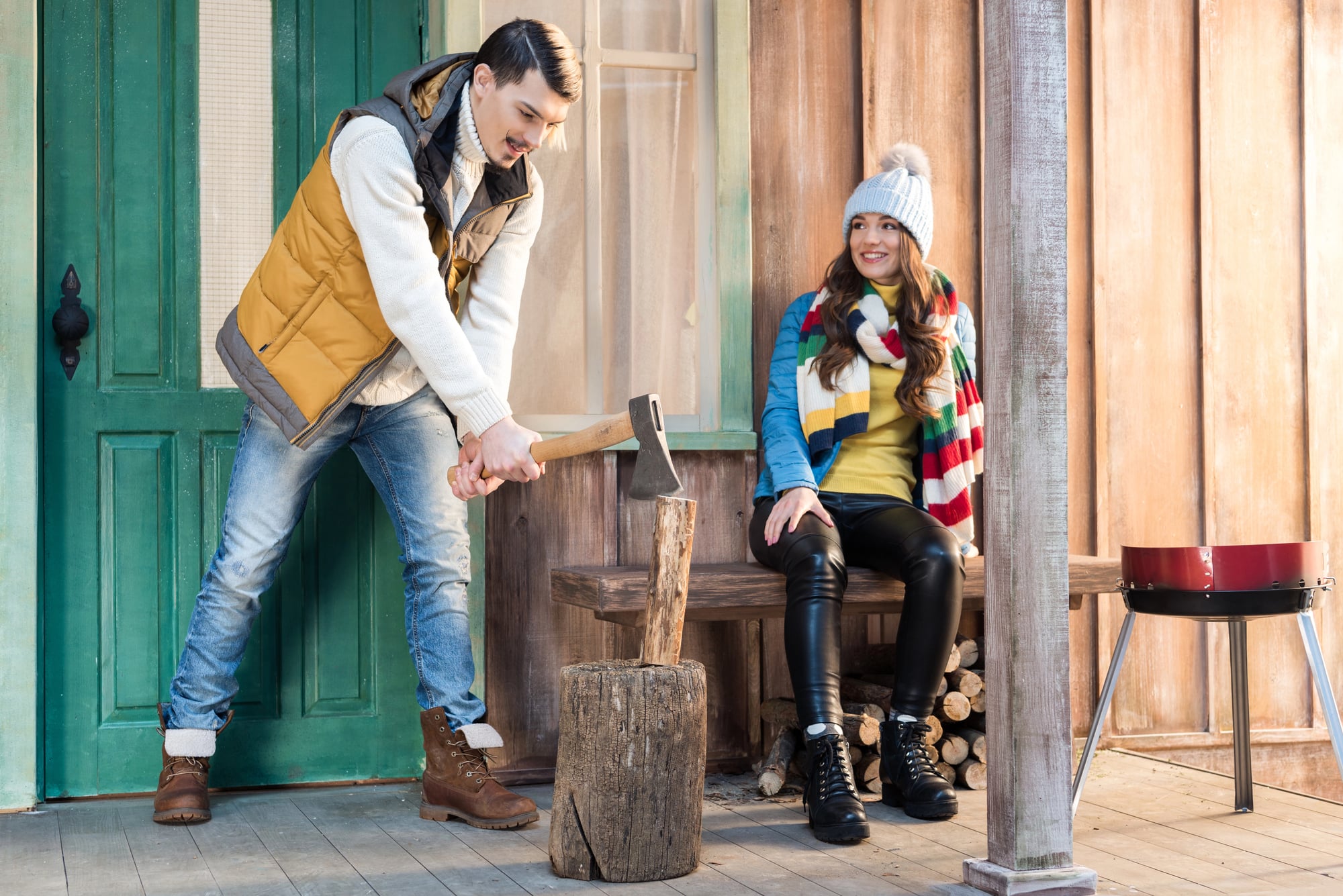
The front porch was the neighborhood’s unofficial town square, a stage where the day’s small dramas played out in real time. People didn’t retreat inside after dinner—they moved outside, settling into metal lawn chairs or porch swings to watch the evening unfold.
These conversations had a particular quality, unhurried and meandering. Topics shifted from the weather to local gossip to national events without anyone steering the discussion.
The porch offered the perfect distance for intimacy—close enough to share genuine thoughts, far enough to maintain politeness.
Children’s Street Games Until Dark

Kids claimed the streets after dinner with the confidence of property owners. Kickball, hide-and-seek, and elaborate games of tag transformed quiet residential roads into playgrounds.
Cars were rare enough that children could spread their games across the asphalt without much concern. The games had their own democracy.
Age differences mattered less than participation. Younger kids learned the rules by watching and jumping in.
Older ones took on informal leadership roles without anyone appointing them. The street itself became a shared resource that belonged to childhood.
Sunday Car Washes In Driveways

Sunday car washing was performance art disguised as maintenance. Fathers emerged from garages with buckets, soap, and garden hoses, transforming driveways into sudsy stages where family pride got polished to a shine.
The ritual had less to do with cleanliness and more to do with the quiet satisfaction of making something ordinary look exceptional—the same way a well-tended garden announces care without saying a word.
Children orbited these washing sessions like planets around the sun, sometimes helping with the easy parts (spraying down hubcaps), sometimes just getting in the way, but always present as witnesses to this weekly renewal.
And when one driveway filled with soap bubbles and the rhythmic sound of chamois on chrome, others followed—not from obligation but from the simple pleasure of participating in something that felt both personal and communal.
The car wash was also an excuse for neighbors to drift over and admire each other’s vehicles, to compare notes on wax brands and polishing techniques, to engage in the kind of casual conversation that builds community one compliment at a time.
Shared Garden Fence Conversations
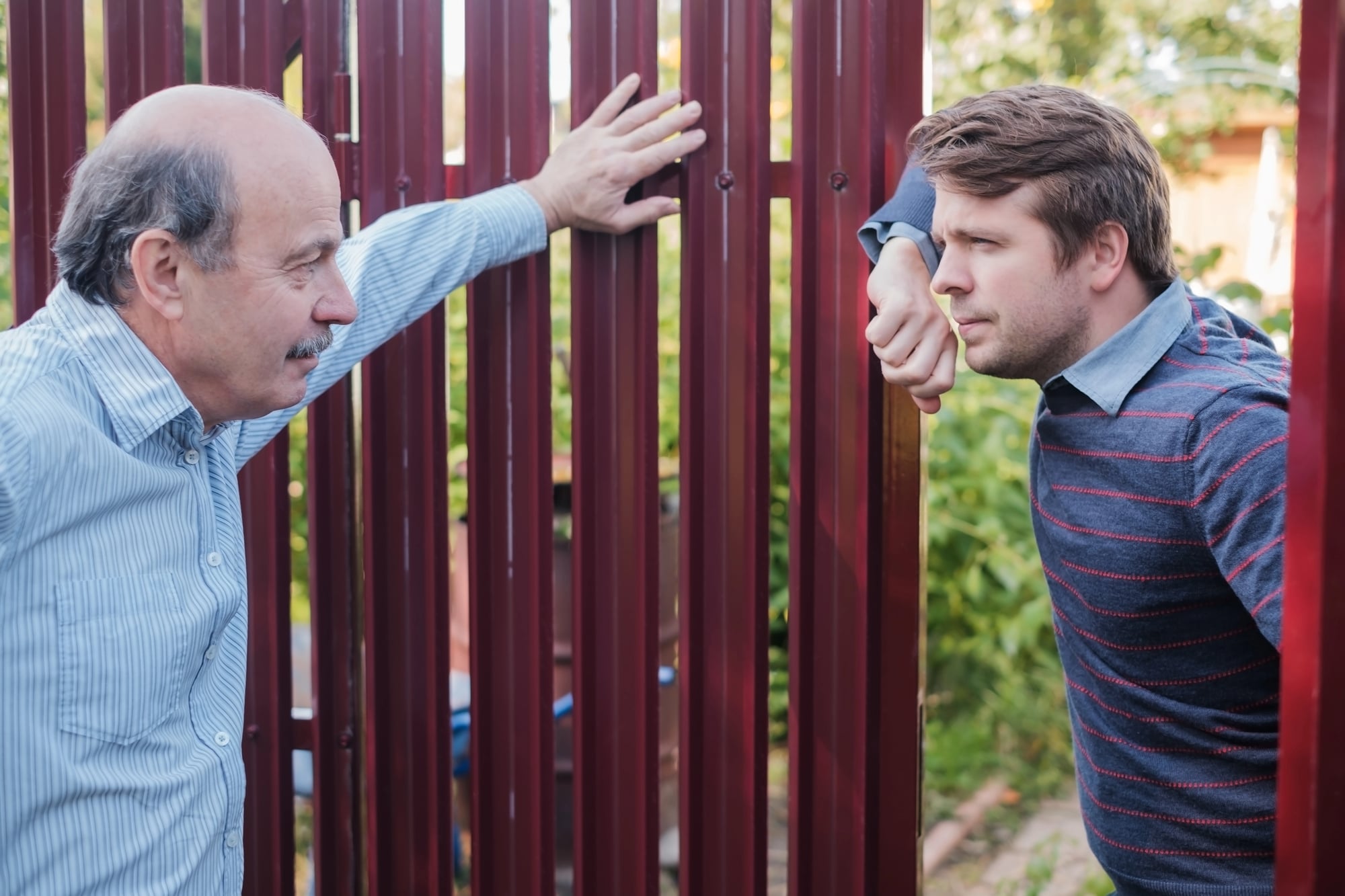
Garden fences in the 1960s served as social connectors rather than barriers. Weekend mornings found neighbors on either side, tending to tomatoes or roses while maintaining running conversations across the property line.
These fence-line chats covered everything from planting advice to family updates. The physical boundary actually encouraged intimacy—there was something easier about talking seriously when both people had their hands busy with soil and pruning shears.
The garden provided neutral territory for conversations that might have felt too intense in other settings.
Neighborhood Potluck Dinners
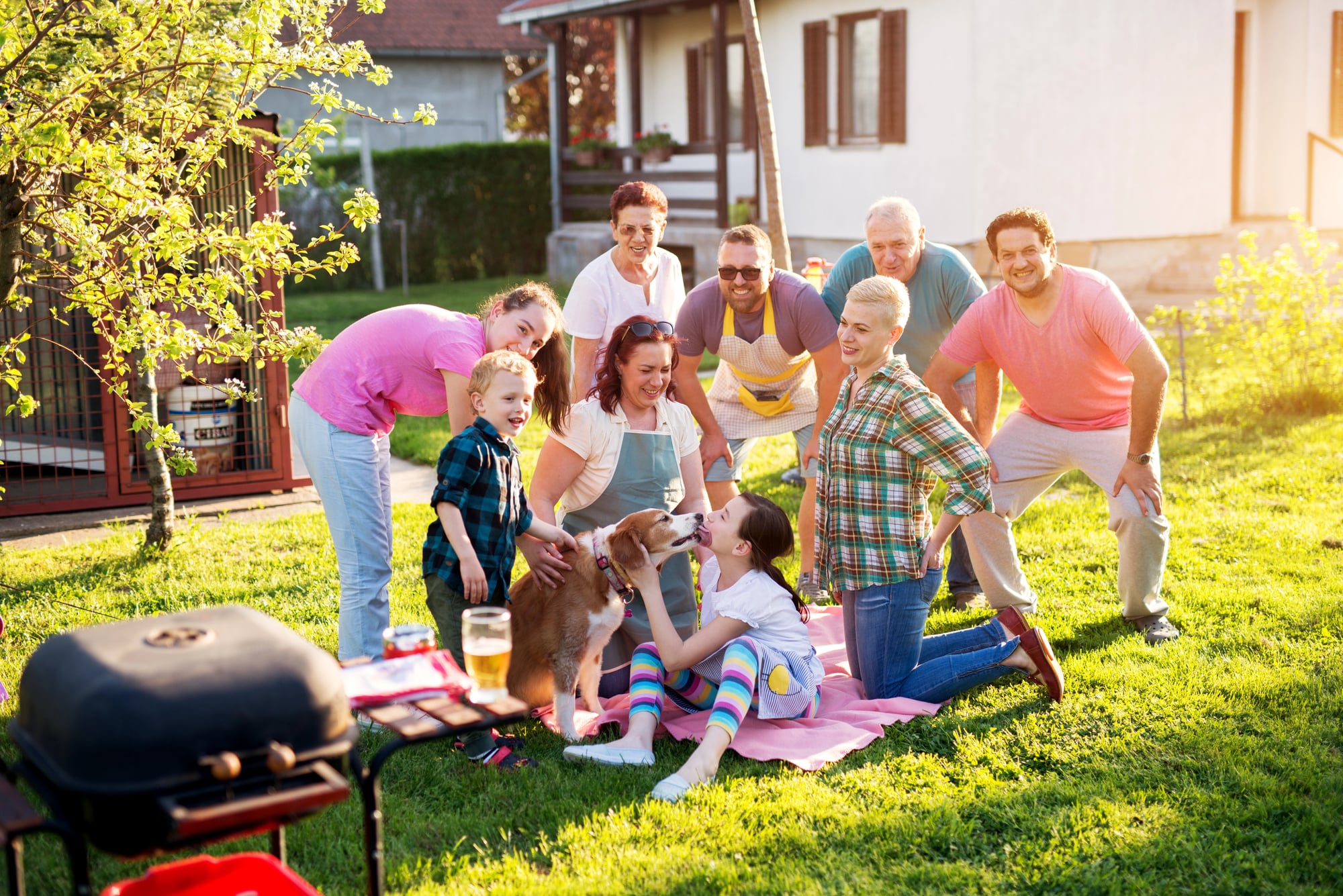
The potluck dinner was democracy in casserole form, where every family contributed something and everyone left satisfied. These gatherings rotated between houses, but the formula remained consistent: bring a dish, share a table, leave with recipes and stronger connections.
Potlucks revealed personality in ways that regular social interactions couldn’t. The family who always brought the same green bean casserole was dependable.
The ones who experimented with exotic desserts were adventurous. The contributions became signatures, expected and appreciated year after year.
Weekend Radio Shows As Shared Soundtrack

Radio programming shaped the weekend’s rhythm in ways that modern streaming can’t replicate (because everyone tuned into the same stations, heard the same songs, experienced the same DJ commentary that became part of the cultural conversation flowing between houses and across neighborhoods). Saturday mornings meant specific shows—comedy programs, music countdowns, local talk shows that everyone referenced in later conversations—and the shared listening created a kind of cultural synchronization that bound communities together without anyone thinking much about it consciously.
Sunday evenings brought different programming, often more serious or reflective, music that prepared the neighborhood for the coming workweek.
But radio’s real power was its ability to provide common reference points: when someone mentioned a particular song or comedian’s joke from the weekend shows, others knew exactly what they meant, could join the conversation immediately. The radio was background noise that somehow managed to be foreground culture at the same time.
Sunday Afternoon Family Walks
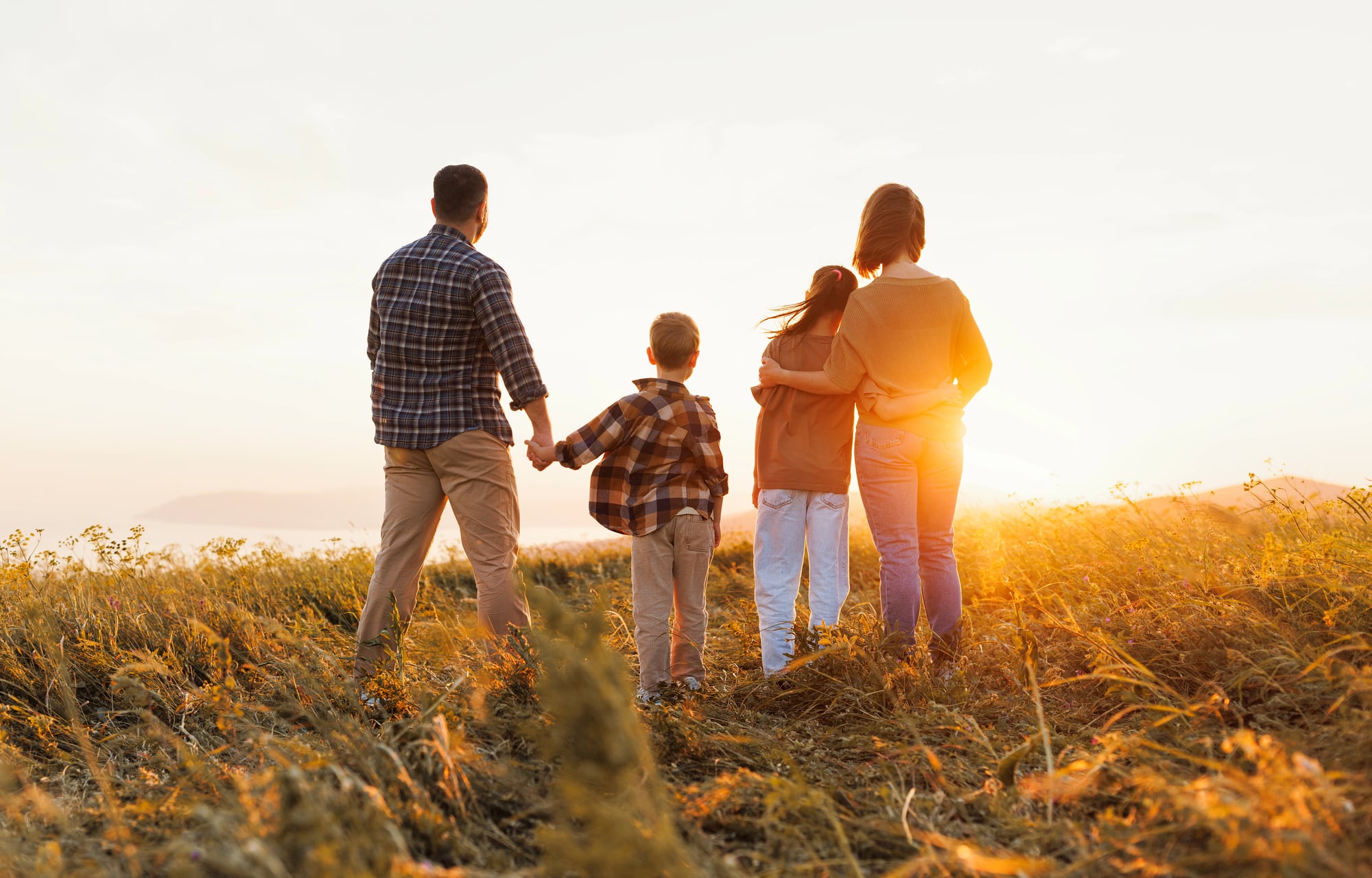
Sunday walks were neighborhood reconnaissance disguised as family exercise. Entire families would emerge from houses after lunch, strolling the same familiar streets at a pace that allowed for observation and conversation.
These walks served multiple purposes. Children burned energy. Parents caught up with each other.
Everyone got a chance to notice changes—new landscaping, fresh paint jobs, unfamiliar cars in driveways. The walks were both routine and discovery, familiar territory seen with fresh eyes each week.
Shared Clothesline Etiquette
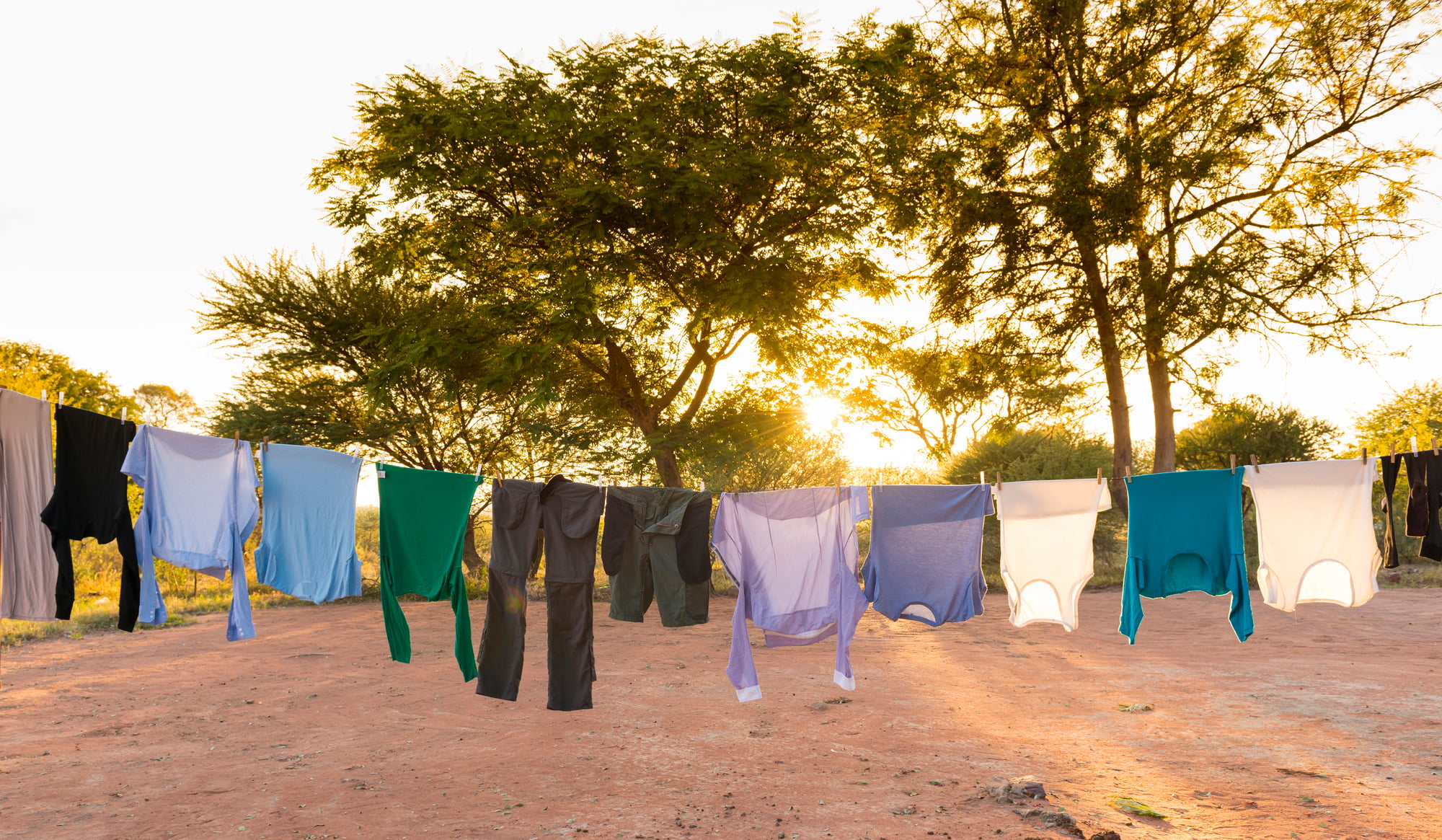
Clotheslines created their own social code, visible across backyards where Saturday laundry became a neighborhood-wide activity. The sight of sheets and shirts flapping in coordinated rows suggested productivity and order without anyone discussing it directly.
There was an unspoken etiquette to clothesline timing and arrangement. Underwear was hung strategically to avoid public display.
Best sheets were reserved for the most visible lines. The ritual connected domestic pride with community standards in ways that felt natural rather than judgmental.
Evening Ice Cream Truck Gatherings
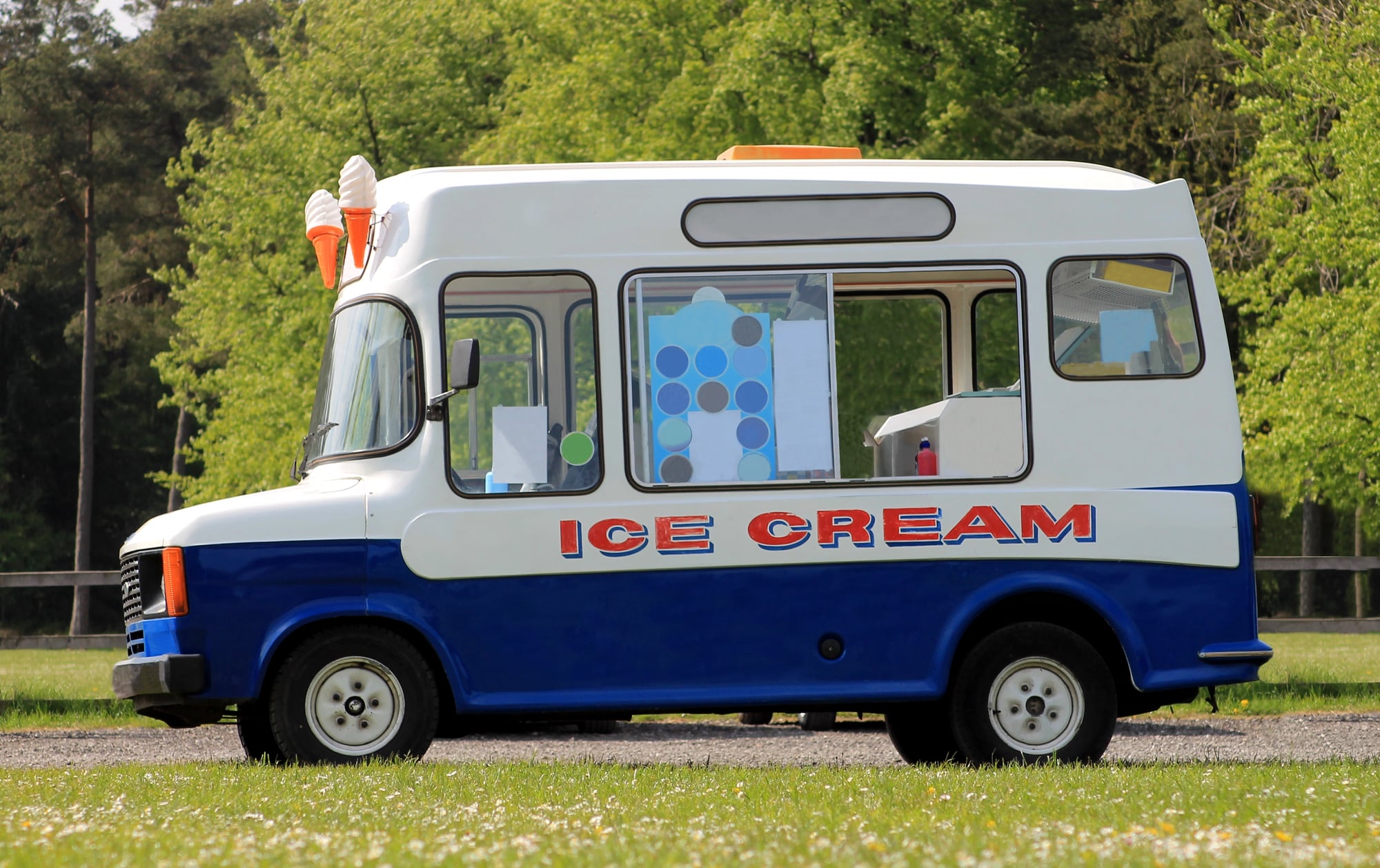
The ice cream truck’s arrival wasn’t just commerce—it was social hour with a musical announcement (that distinctive tinkling melody that somehow managed to sound both cheerful and slightly melancholy, drawing children from yards and houses like a Pied Piper with frozen treats and exact change requirements). Parents would emerge with coins and patience, gathering around the truck while kids debated flavor choices with the seriousness of major life decisions, and these impromptu gatherings created space for adult conversation that might not have happened otherwise.
The ice cream truck served as a neighborhood meeting point that moved slowly through the streets, creating multiple opportunities for connection. And there was something democratic about everyone standing in the same informal line, waiting for the same treats, sharing the same slightly chaotic experience of children changing their minds at the last minute and parents fishing for additional quarters.
The ice cream truck was commerce, but it was also community theater where small social dramas played out over popsicle preferences and shared indulgence.
Weekend Project Collaboration
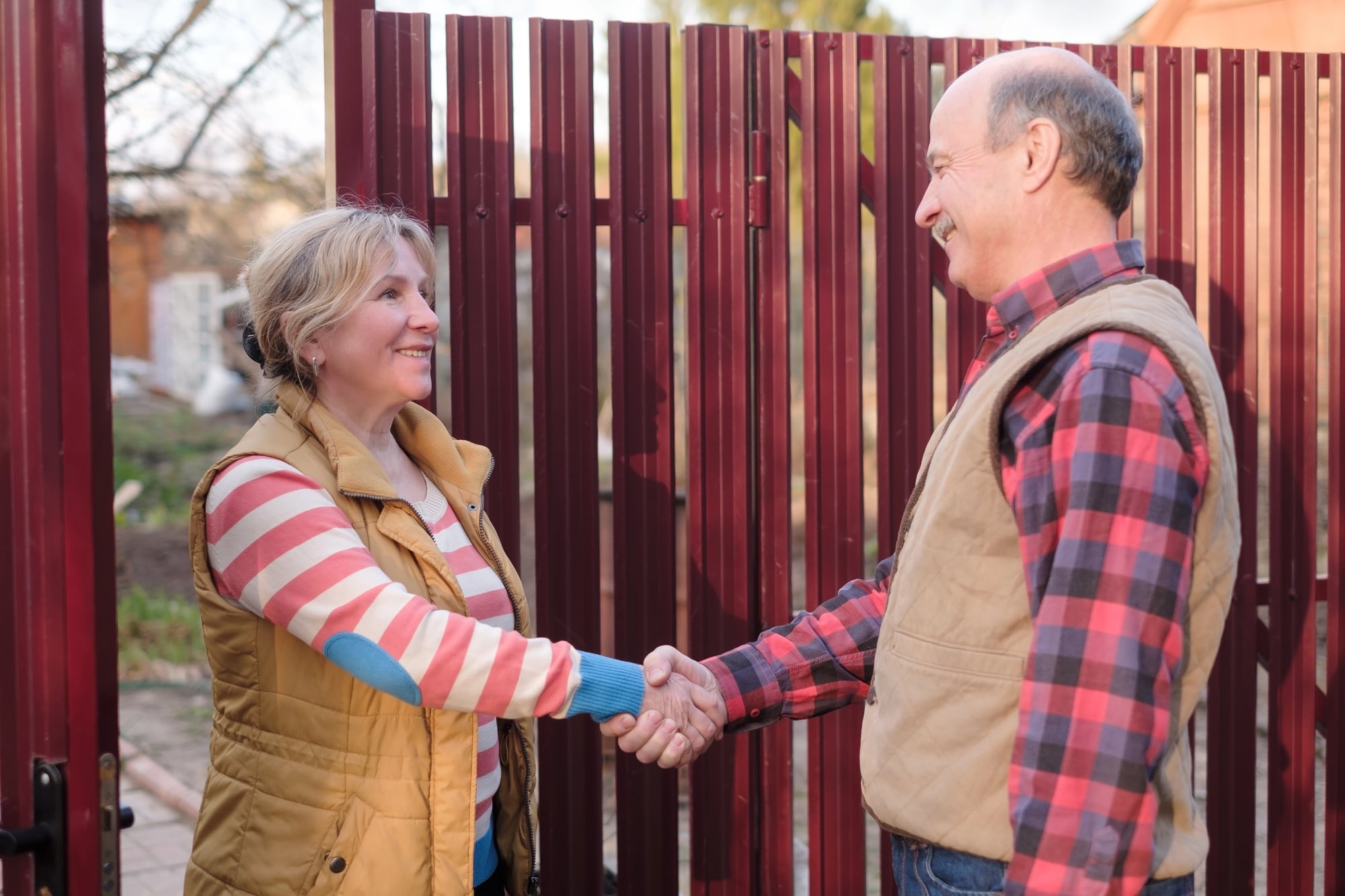
Home improvement projects became neighborhood events by necessity and tradition. One person’s fence repair would draw offers of help, tool lending, and unsolicited advice from multiple directions.
These collaborations mixed practical assistance with social connection. The projects revealed skills and personalities in unexpected ways.
The quiet neighbor might turn out to be a master carpenter. The one who seemed all thumbs could actually troubleshoot electrical problems.
Weekend projects redistributed respect and relationships based on competence rather than just proximity.
Shared Television Event Viewing
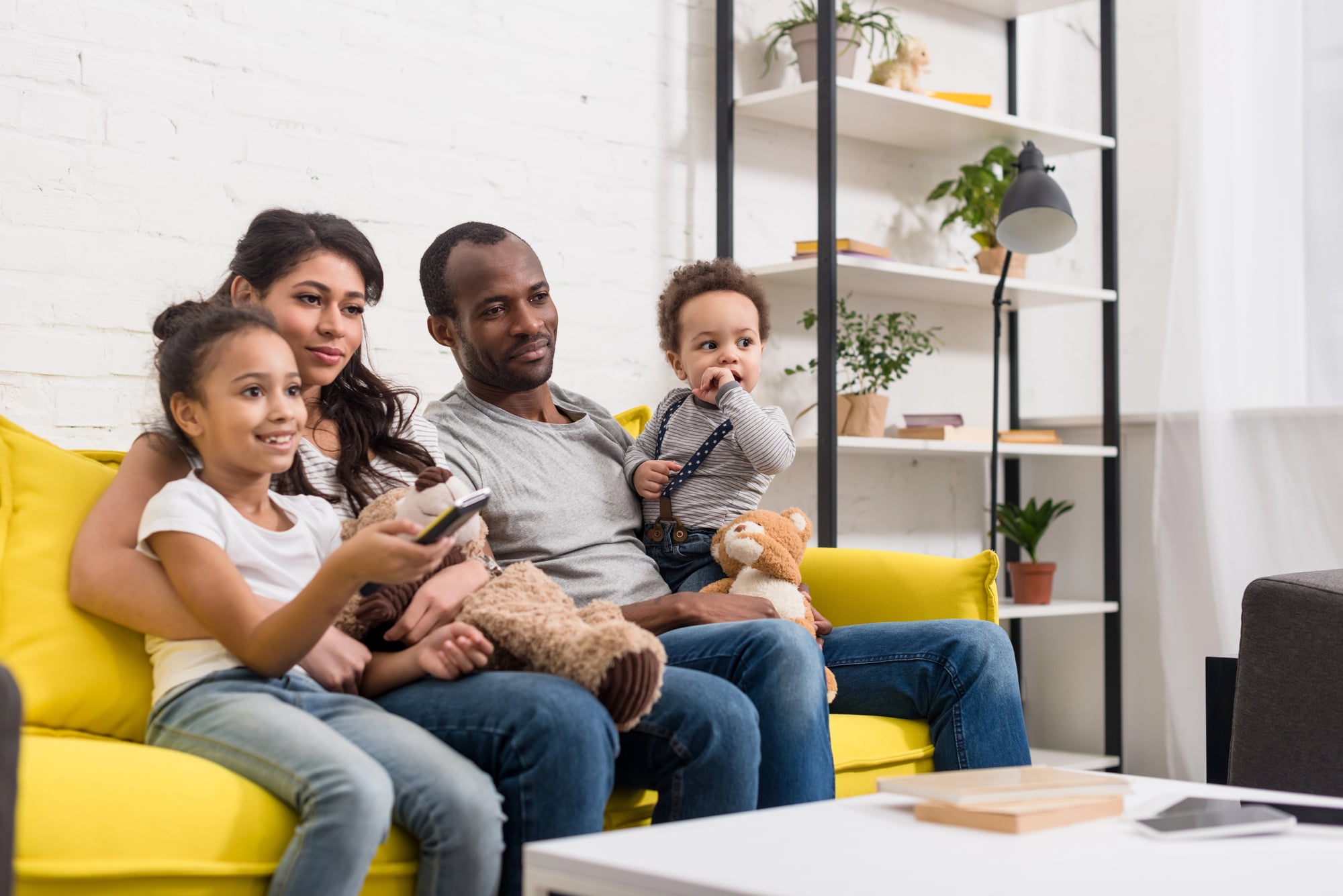
Before cable television fractured viewing habits into individual choices, entire neighborhoods watched the same programs at the same times. Sunday night variety shows, Saturday evening movies, and special events created shared cultural experiences that spilled into Monday morning conversations.
Television viewing often became social in ways that seem impossible now. Neighbors would gather at whoever had the best reception or the largest screen.
Children would sprawl on floors while adults claimed chairs and couches. The programs provided common ground for discussion that lasted well beyond the closing credits.
When Rituals Became Memory
The weekend rituals of the 1960s didn’t disappear overnight, but they faded as life moved indoors, as schedules became more individual, and as neighborhoods became collections of houses rather than communities of families. What remains is the memory of when weekends felt like shared celebrations, when the rhythm of days connected people through simple, repeated actions that required no organization but created lasting bonds.
Those Saturday morning lawn mower symphonies and Sunday evening preparations belonged to a time when privacy was less important than connection, when the weekend was something the whole neighborhood did together.
More from Go2Tutors!

- The Romanov Crown Jewels and Their Tragic Fate
- 13 Historical Mysteries That Science Still Can’t Solve
- Famous Hoaxes That Fooled the World for Years
- 15 Child Stars with Tragic Adult Lives
- 16 Famous Jewelry Pieces in History
Like Go2Tutors’s content? Follow us on MSN.