Ancient Inventions That Inspired Modern Tools
People today use smartphones, cars, and computers every day. These tools feel modern and new.
But many of them actually come from ideas that are thousands of years old. Ancient civilizations created clever solutions to everyday problems.
They built tools that worked so well that we still use updated versions of them now. The basic principles haven’t changed much at all.
So what did our ancestors invent that still shapes the world today? Let’s find out.
The wheel started with pottery, not transportation
Most people think the wheel was invented for carts and wagons. That’s not quite right.
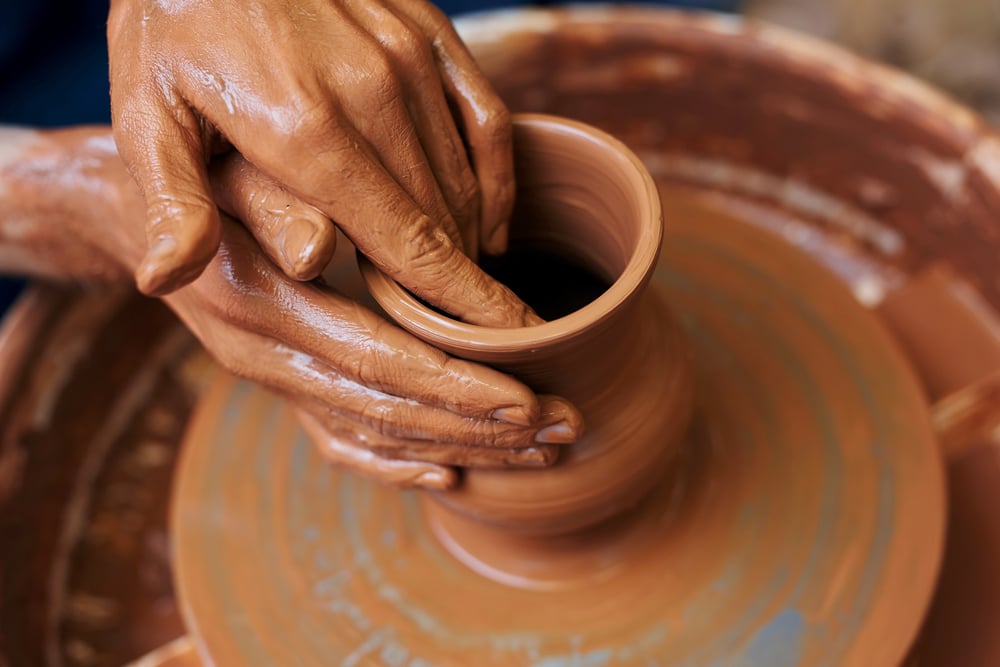
The first wheels appeared around 3500 BCE in Mesopotamia, and potters used them to spin clay. These pottery wheels helped create perfectly round bowls and jars.
Only later did someone realize that wheels could move heavy objects. Today’s cars, bicycles, and factory machines all trace back to that spinning pottery tool.
Ancient cranes lifted stones that seem impossible to move
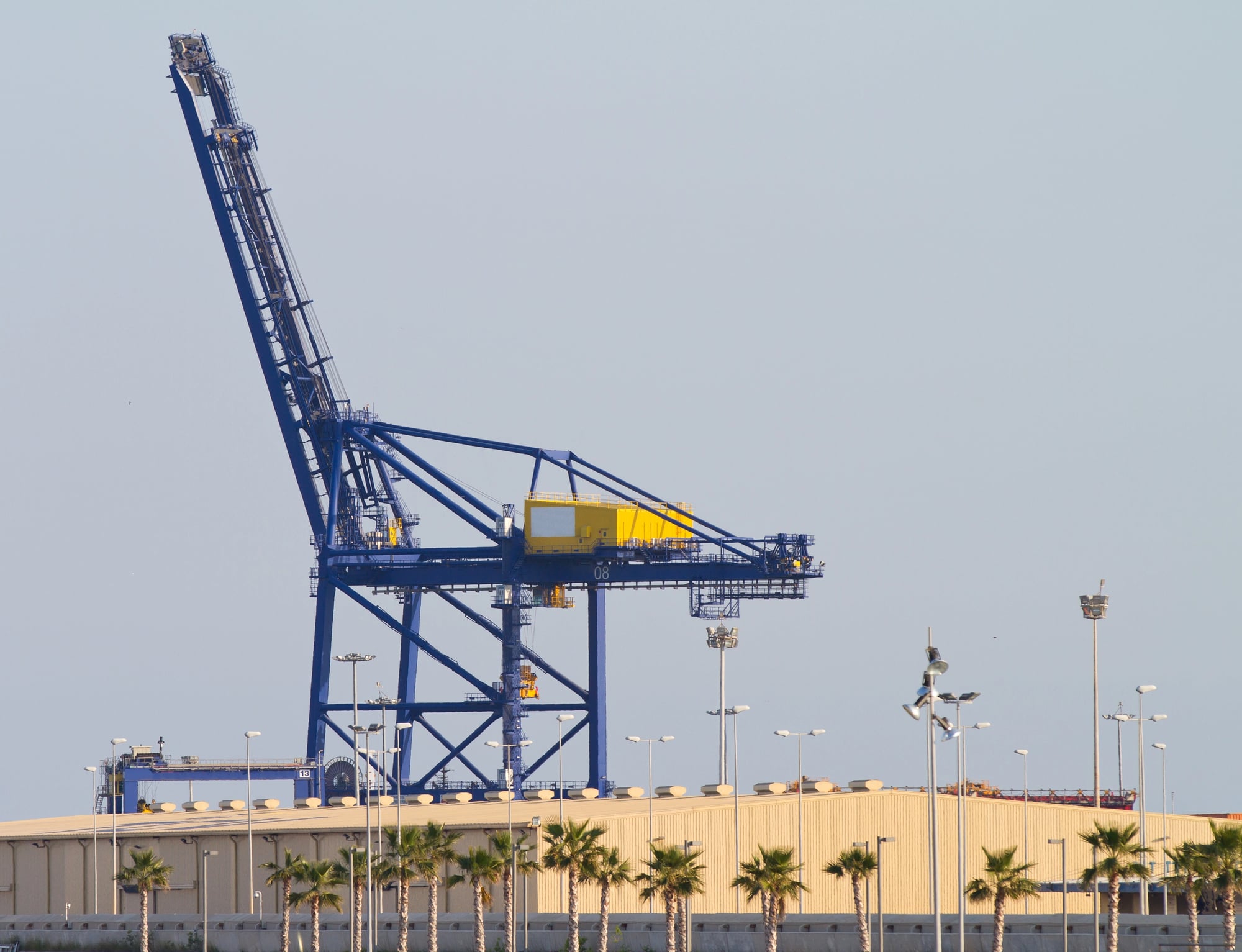
The Greeks and Romans needed to build massive temples and monuments. They invented cranes using pulleys, ropes, and wooden frames.
Workers could lift blocks weighing several tons with these devices. Modern construction cranes use steel and motors instead of wood and muscle.
But the basic idea of using pulleys and counterweights remains exactly the same.
Like Go2Tutors’s content? Follow us on MSN.
The abacus taught computers how to count

Long before calculators existed, people in ancient Mesopotamia used counting frames with beads. The abacus spread to China, Rome, and other civilizations.
Each bead represented a number, and moving them around solved math problems. Today’s computers work on similar principles.
They count and calculate using on-off switches instead of beads, but they’re still doing the same basic arithmetic operations.
Sundials became the first clocks
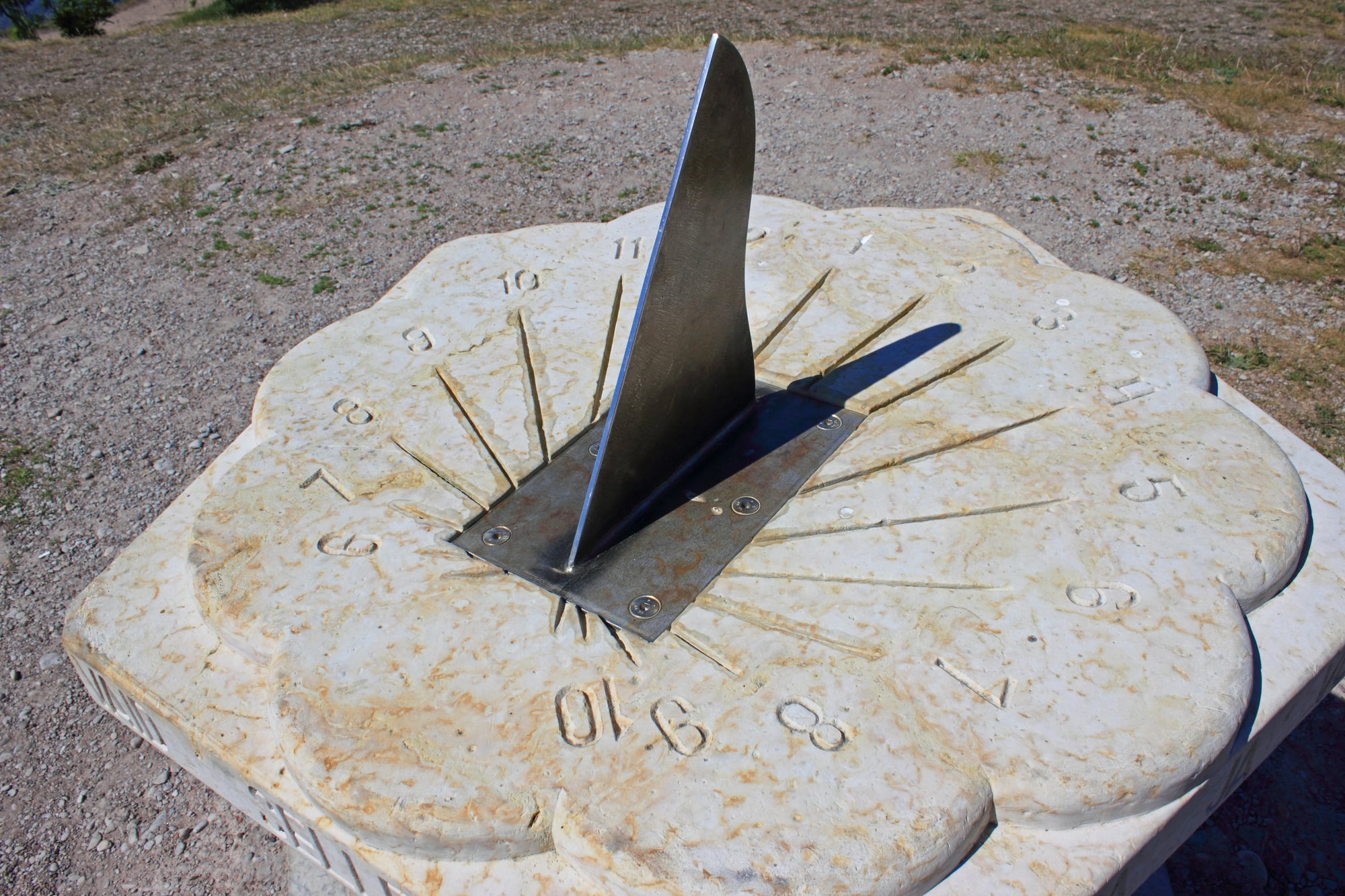
Ancient Egyptians noticed that shadows moved as the sun crossed the sky. They placed tall objects called obelisks in the ground and marked where shadows fell at different times.
This simple observation created the first timekeeping device. Modern clocks use gears, batteries, or atomic particles.
However, they’re all trying to do what that shadow did: track the passage of time accurately.
Aqueducts showed us how to move water uphill

Romans built channels that carried water across miles of landscape. They understood that water flows downhill but can be pushed through pipes using pressure.
Some aqueducts used arches to maintain a steady downward slope. Modern plumbing systems in every home use these same concepts.
Water towers create pressure, and pipes guide water where it needs to go.
Like Go2Tutors’s content? Follow us on MSN.
Ancient batteries stored electricity in clay jars

Archaeologists found clay jars near Baghdad that date back 2,000 years. These jars contained copper cylinders and iron rods.
When filled with vinegar or wine, they produced small amounts of electricity. Nobody knows exactly what ancient people used them for.
But these “Baghdad Batteries” show that storing electrical charge isn’t a modern invention at all.
The screw pump lifted water for farms

Archimedes invented a device that looked like a giant screw inside a tube. When turned, it pushed water upward.
Ancient farmers used these pumps to irrigate their fields. Today’s water pumps in wells, factories, and drainage systems work on similar spiral principles.
The shape of the screw forces liquid to move against gravity.
Central heating kept Roman homes warm

Romans invented the hypocaust system that heated floors and walls. They burned fires under buildings, and hot air traveled through spaces under the floor.
The warm floors heated the rooms above. Modern radiant floor heating uses hot water or electric coils instead of fire.
Yet the concept of heating from below remains the same practical solution.
Like Go2Tutors’s content? Follow us on MSN.
Maps drawn on clay tablets guided ancient travelers
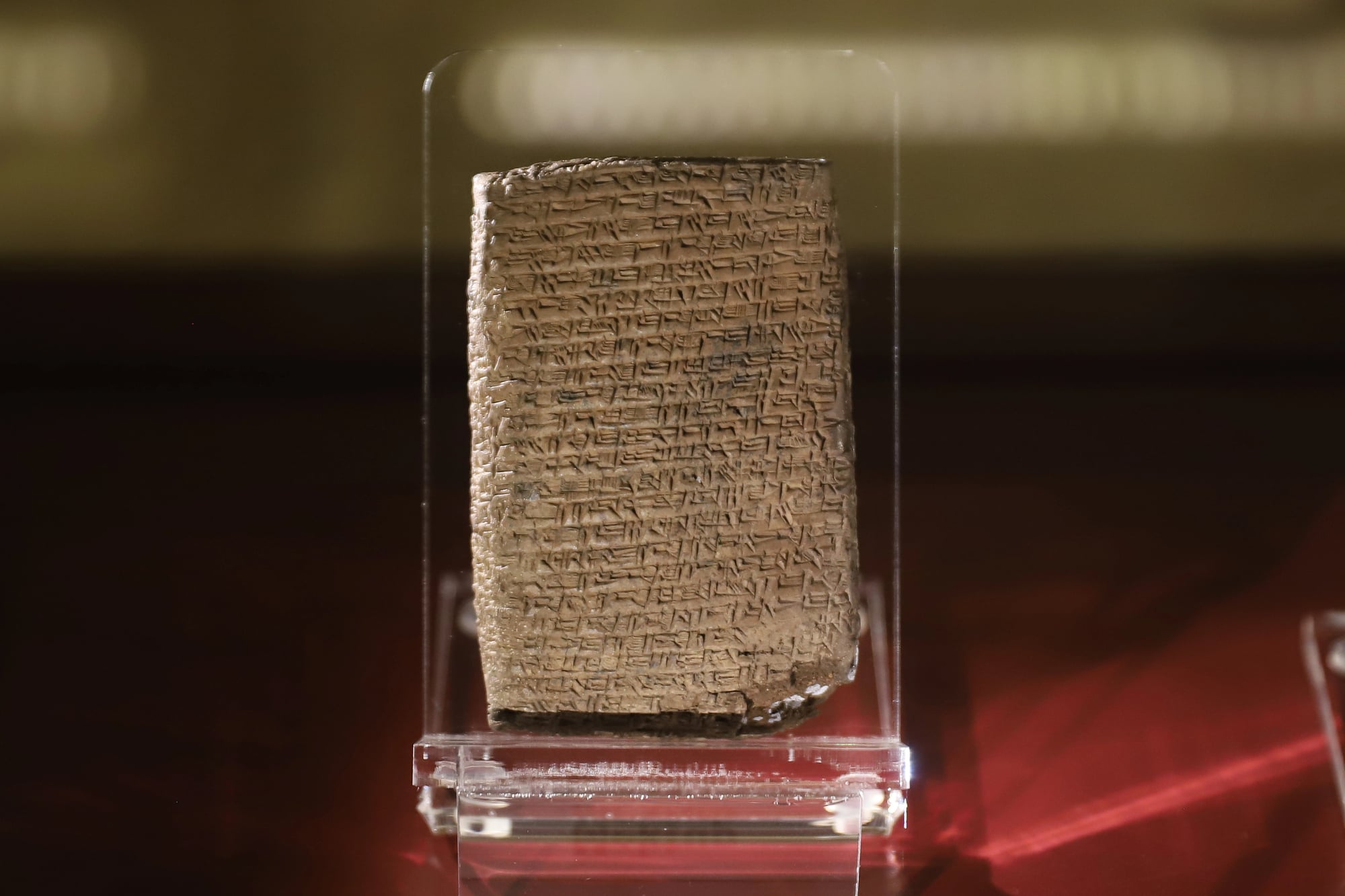
The Babylonians carved maps onto clay tablets showing cities, rivers, and mountains. These weren’t perfectly accurate by modern standards.
But they gave travelers enough information to plan journeys and find destinations. Today’s GPS and digital maps do the same thing with satellites and computers.
Both tools answer the same question: how do you get from here to there?
The plow changed farming and fed civilizations

Early farmers used sticks to poke seeds into the ground. Then someone invented the plow, which cut through soil and turned it over.
This made planting faster and helped crops grow better. Modern tractors pull sophisticated plows with multiple blades.
But they’re still doing what ancient farmers did: breaking up soil so plants can thrive.
Lighthouses guided ships with fire and mirrors

The Pharos of Alexandria was one of the ancient world’s wonders. It used fire and polished mirrors to create a beam visible for miles.
Sailors used this light to navigate safely to shore. Today’s lighthouses use electric bulbs and lenses.
But they serve the exact same purpose: keeping ships away from dangerous rocks and guiding them to safe harbors.
Like Go2Tutors’s content? Follow us on MSN.
The lock and key protected valuable items

Ancient Egyptians created wooden locks with pins that fell into place. A wooden key with the right pattern of pegs could lift those pins and open the lock.
This pin tumbler design is still used in most door locks today. Modern locks use metal instead of wood and come in electronic versions too.
Yet many still rely on that ancient Egyptian pin system.
Odometers measured distance for armies and traders

Ancient Greeks attached gears to cart wheels that dropped pebbles at regular intervals. Each pebble represented a certain distance traveled.
This helped armies know how far they had marched. Modern odometers in cars use spinning cables or electronic sensors.
They count wheel rotations and convert them to miles or kilometers using the same basic math.
Alarm clocks woke ancient Greeks with falling rocks

A Greek engineer named Ctesibius created a water clock that dropped pebbles onto a gong at a preset time. The noise woke people up for important appointments.
Later versions used water to blow whistles. Modern alarm clocks use bells, buzzers, or phone notifications.
Every version does the same annoying but necessary job: waking someone who needs to be somewhere.
Like Go2Tutors’s content? Follow us on MSN.
When old ideas never really get old

Ancient inventors solved problems using the materials and knowledge they had available. Their solutions worked so well that modern engineers still use the same basic concepts.
We’ve added electricity, computers, and better materials. But the core ideas about moving water, lifting weight, keeping time, and storing information haven’t changed.
Those ancient problem-solvers set patterns that thousands of years of progress have only refined, not replaced.
More from Go2Tutors!

- 16 Historical Figures Who Were Nothing Like You Think
- 12 Things Sold in the 80s That Are Now Illegal
- 15 VHS Tapes That Could Be Worth Thousands
- 17 Historical “What Ifs” That Would Have Changed Everything
- 18 TV Shows That Vanished Without a Finale
Like Go2Tutors’s content? Follow us on MSN.