Foods Named After Historic Battles
Food history gets complicated when war enters the picture. Chefs working under pressure, soldiers improvising meals in the field, and victorious generals demanding celebrations all leave their mark on what ends up on your plate.
Some of these dishes became famous because of the stories attached to them. Others just happened to be around at the right moment in history.
The connection between battle and breakfast isn’t always clear-cut. Sometimes the story holds up.
Sometimes it’s just a good tale that stuck around longer than the facts.
Chicken Marengo and Napoleon’s Victory Feast
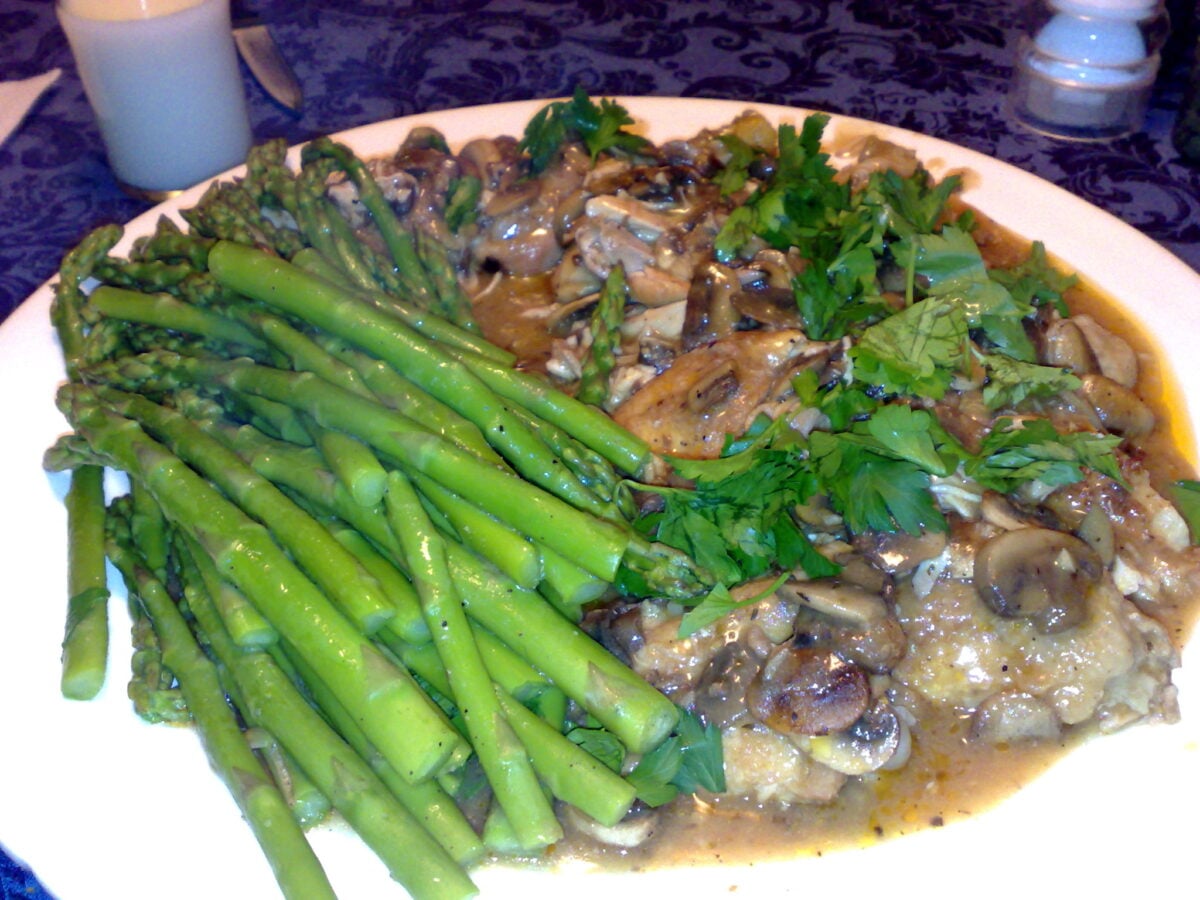
Napoleon won the Battle of Marengo in 1800, and his chef supposedly created this dish on the spot using whatever he could find. The ingredients included chicken, tomatoes, eggs, and crayfish—an odd combination that somehow worked.
The chef sautéed the chicken in oil because butter wasn’t available, then added the tomatoes and other elements. The story says Napoleon loved the dish so much he demanded it after every battle.
Whether that’s true or not, Chicken Marengo became famous across Europe. Restaurants started serving their own versions, though most dropped the crayfish and eggs over time.
The recipe you find today looks nothing like what that chef supposedly made in 1800. But the name stuck, and people still order it.
Beef Wellington’s Military Connection
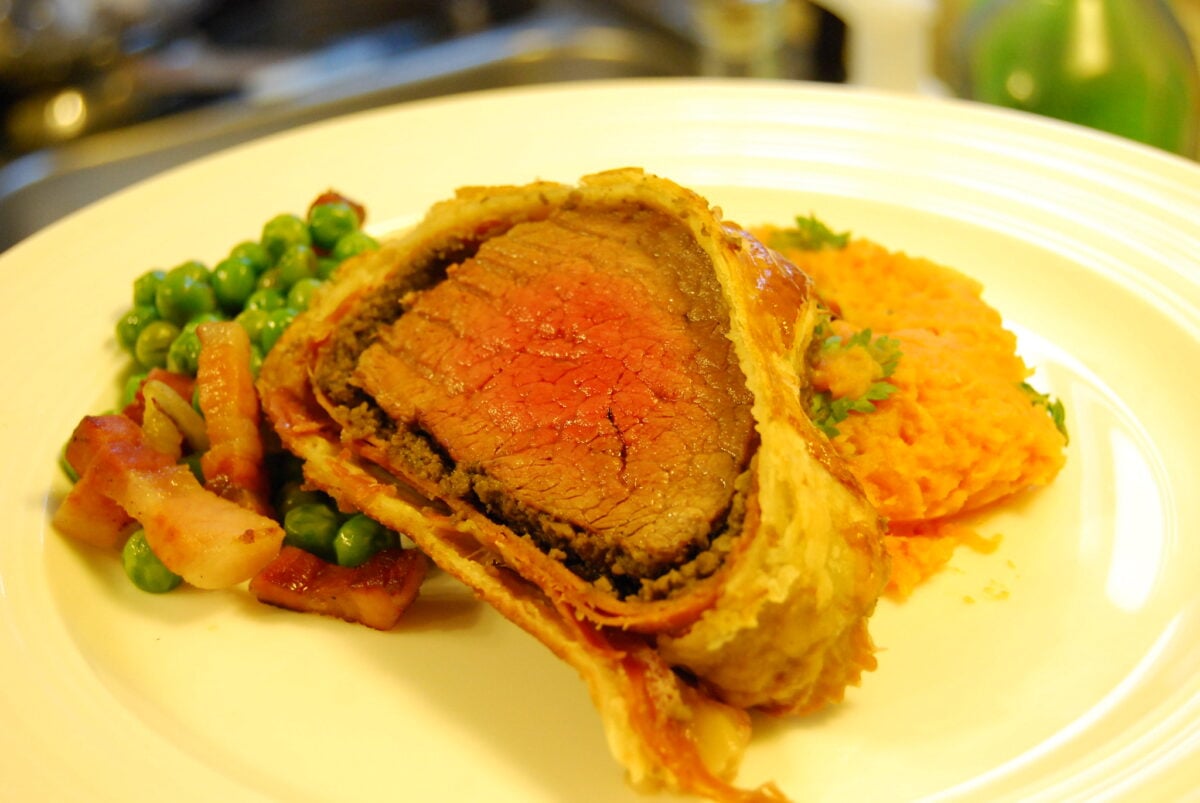
This one gets argued about constantly. Some food historians claim Beef Wellington honors the Duke of Wellington, who defeated Napoleon at Waterloo in 1815.
Others say the name came later and has nothing to do with the battle. The dish itself consists of beef tenderloin coated with pâté and mushrooms, then wrapped in pastry.
It’s fancy, expensive, and takes real skill to make properly. That fits with the image of a dish named after a military hero.
But the French have a similar dish called filet de boeuf en croûte that predates Wellington’s victory. The English version adds the pâté and mushrooms, making it distinct enough to claim as their own.
Whether the Duke ever ate it or not, the name connected the dish to British military pride. That connection matters more than the historical accuracy.
Biscuits That Sailed the Seven Seas
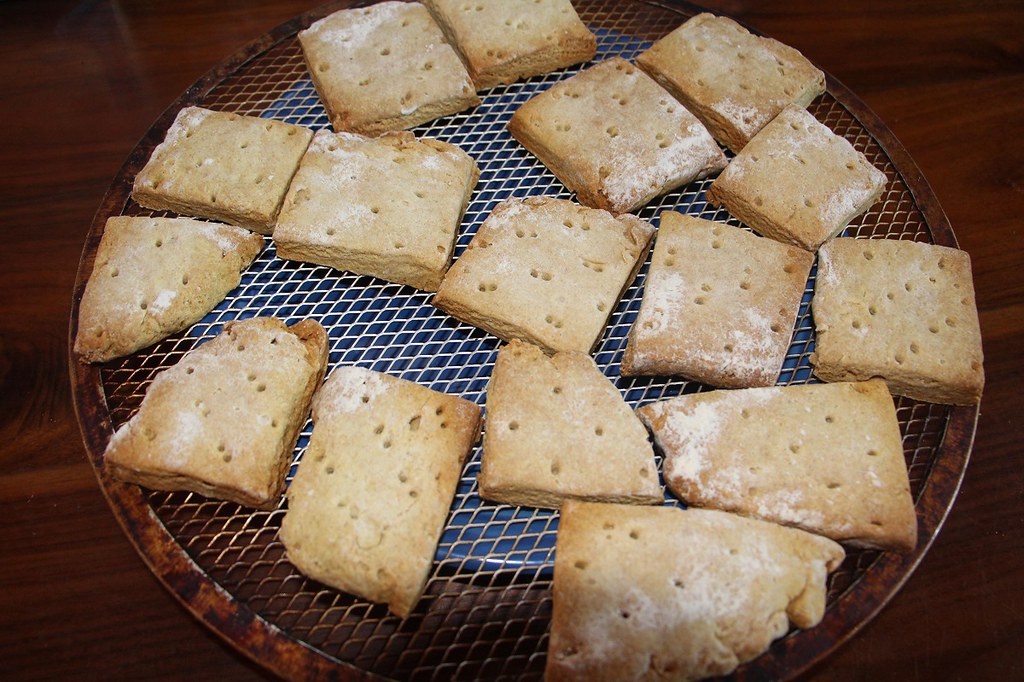
Hardtack and ship’s biscuit kept sailors alive during long naval campaigns. These weren’t the fluffy biscuits you eat with gravy.
They were hard, dry, and nearly indestructible—which was the point. They lasted for months without spoiling.
Sailors on both sides of every naval battle from the 1600s through the 1800s ate these things. They soaked them in coffee or water to make them edible.
Sometimes they fried them in fat if they had any available. The naval battles of the Napoleonic Wars, the War of 1812, and countless other conflicts all involved ships stocked with barrels of these biscuits.
No specific battle claimed them, but they witnessed more military action than most soldiers. Modern recipes for hardtack exist, though nobody makes them for pleasure anymore.
They belong to history books and reenactment events now.
Garibaldi Biscuits and Italian Unification
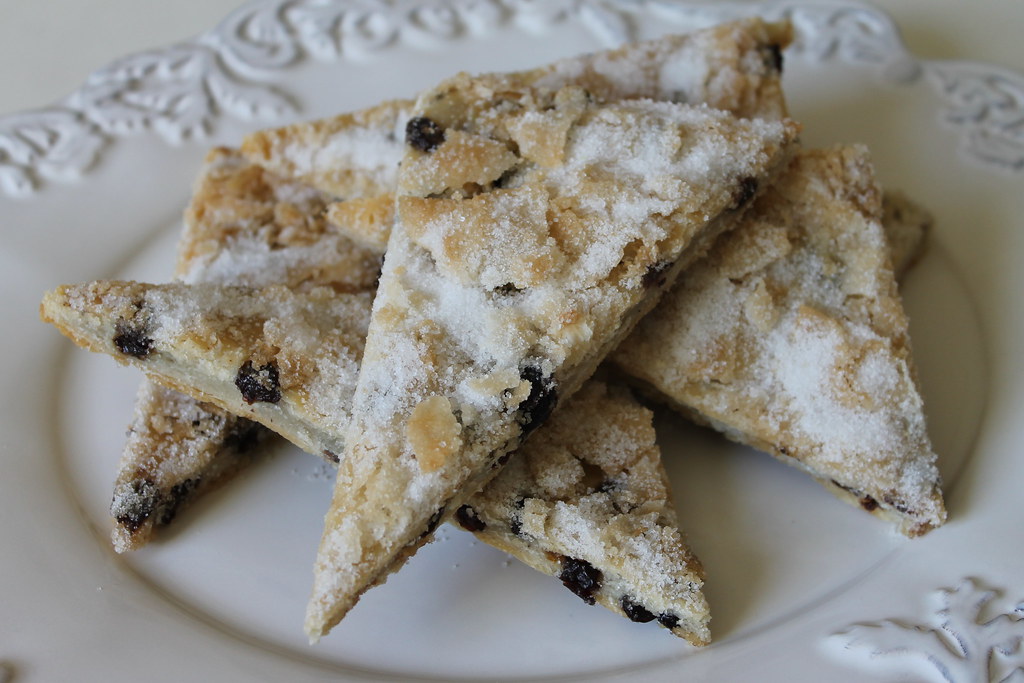
Giuseppe Garibaldi led military campaigns that unified Italy in the 1860s. British bakers created a sweet biscuit in his honor—two layers of dough sandwiching dried currants.
People called the currants “squashed flies,” which sounds unappetizing but the biscuits sold well anyway. Garibaldi visited England in 1864, and the whole country went wild for him.
He represented revolution, nationalism, and military success. The biscuits came out around the same time, riding the wave of his popularity.
The battles Garibaldi fought weren’t British battles, but the British public loved a good military hero regardless. The biscuits gave ordinary people a way to participate in that enthusiasm.
You can still buy Garibaldi biscuits in British supermarkets today. Most people eating them have no idea who Garibaldi was or what battles he fought.
Napoleon Cake’s Russian Origins
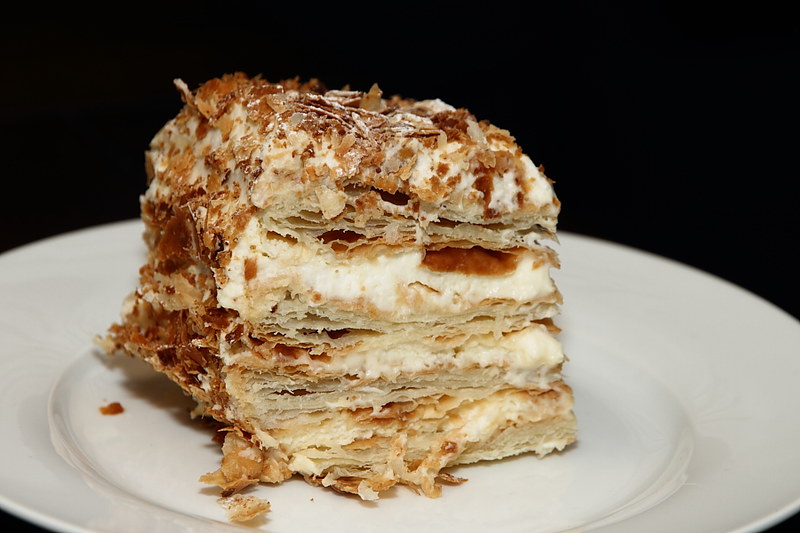
This layered cake has nothing to do with Napoleon the person, despite the name. Russians created it, and they called it Napoleon cake to mock the French emperor after his failed invasion of Russia in 1812.
The cake consists of multiple thin layers of pastry alternating with cream. Some versions have more than twenty layers.
Making it takes patience and skill because each layer needs to be rolled thin and baked separately. The name worked as an insult because Napoleon’s army got destroyed in Russia.
Creating something sweet and calling it Napoleon let Russians turn the invasion into a dessert. That’s some next-level historical pettiness.
The French have their own layered pastry called mille-feuille, which might have inspired the Russian version. But the Russians made it their own and attached it permanently to Napoleon’s military failure.
Tournedos Rossini and the Composer’s Battles
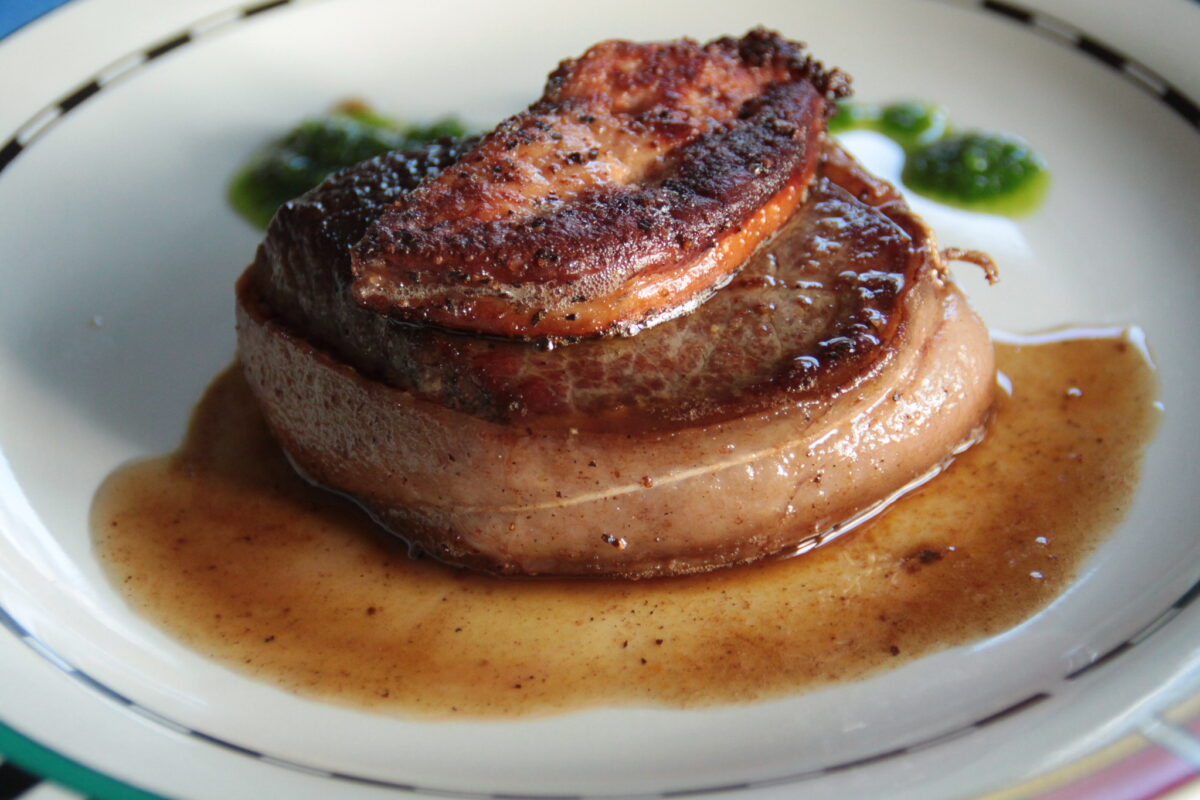
Gioacchino Rossini composed operas, not military campaigns, but he knew plenty of military figures. This dish—filet mignon topped with foie gras and truffle—supposedly came from his own kitchen experiments.
The connection to actual battles is thin, but Rossini lived through Napoleon’s wars and knew the generals who fought them. The dish became popular in Paris restaurants in the late 1800s.
Chefs created elaborate versions, adding more expensive ingredients to justify higher prices. The military connection came through Rossini’s associations with the political and military elite of his time.
Food historians debate whether Rossini actually invented this dish or if chefs just attached his name to it later. Either way, it represents the intersection of military power, wealth, and culinary extravagance that characterized post-Napoleonic Europe.
The Sandwich and the Earl’s Card Games
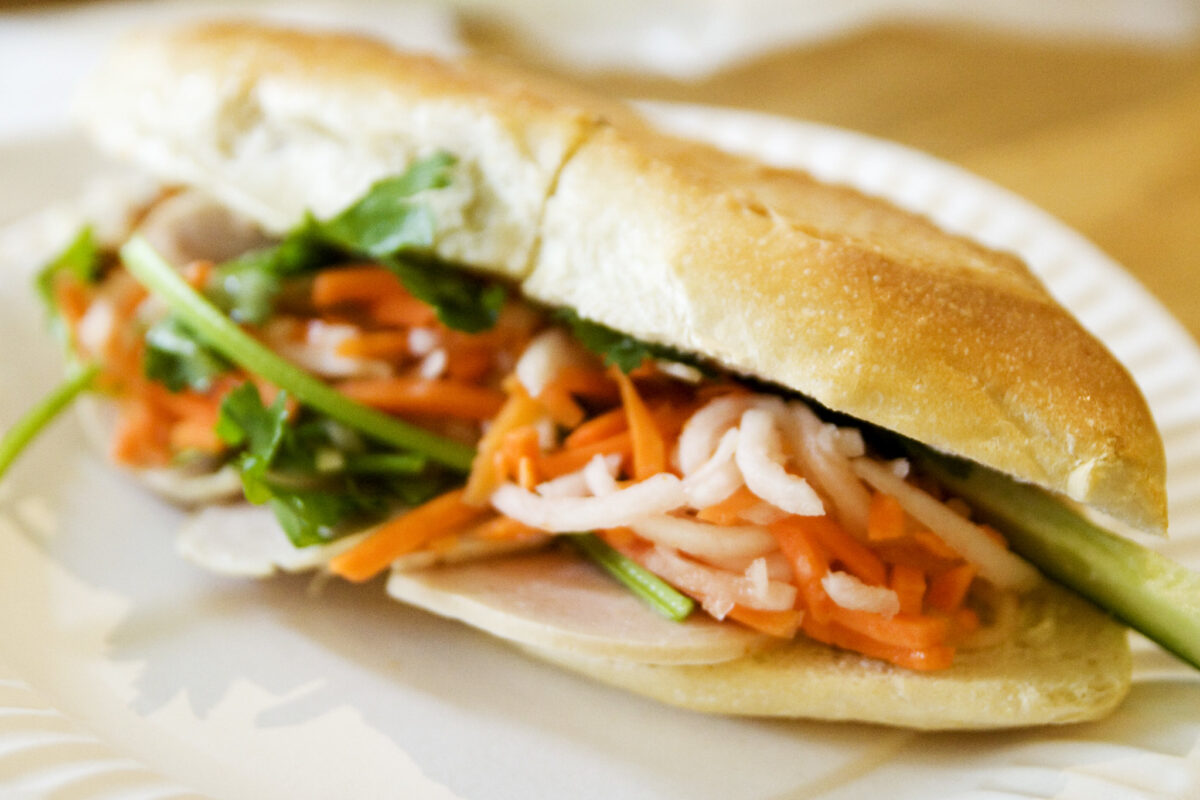
The Earl of Sandwich didn’t fight battles, but he ran the British Navy during the American Revolution. The story goes that he was too busy gambling to stop for meals, so he ordered meat between two slices of bread.
That way he could eat without leaving the card table. This happened in the 1760s and 1770s, right when Britain was fighting colonial wars and losing its American colonies.
The sandwich became the food of the British naval administration during a period of military crisis. The concept of putting food between bread wasn’t new, but the name stuck to the Earl.
His association with the Navy during wartime gave the sandwich an indirect military connection. Sailors and soldiers ended up eating variations of it for the next two centuries.
Charlotte Russe and Russian Imperial Cuisine
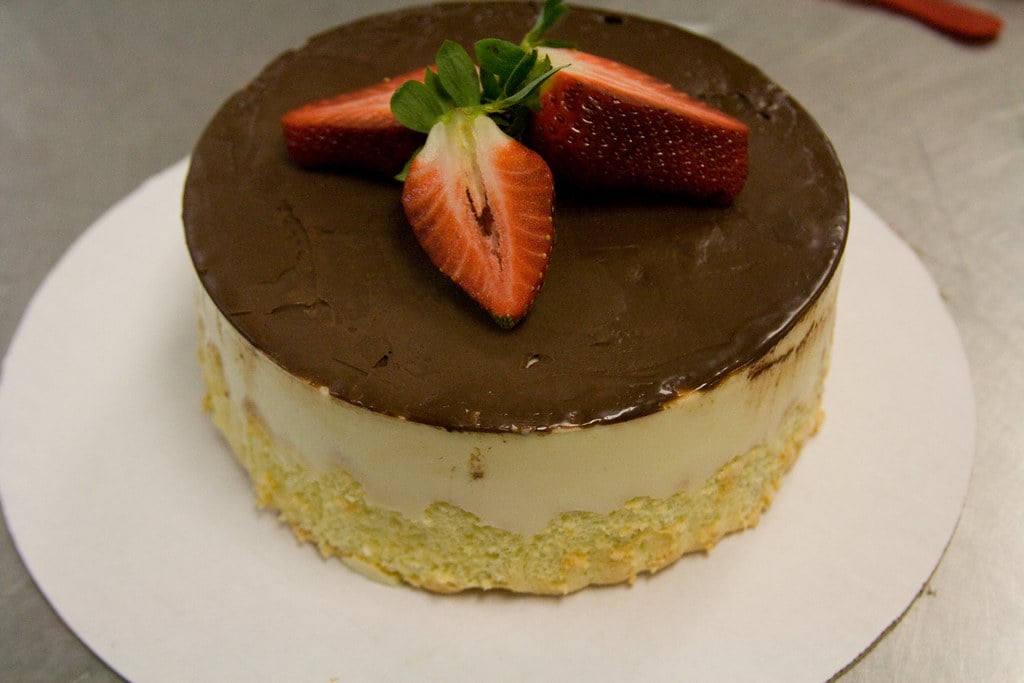
French chef Marie-Antoine Carême created this molded dessert for Tsar Alexander I of Russia. Alexander commanded Russian forces against Napoleon, making this dish connected to the Napoleonic Wars.
The dessert consists of sponge cake lined with ladyfingers and filled with Bavarian cream. Carême worked for the elite of Europe, including royalty and military commanders.
He cooked for people who made decisions about war and peace. His dishes reflected the power dynamics of post-Napoleonic Europe.
The name combines French and Russian elements, representing the alliance between the two countries against Napoleon. Food became a way to express political relationships.
Charlotte Russe shows up in fancy restaurants occasionally, though it’s less common than it used to be. The military connection faded as the Napoleonic Wars receded into history.
Eggs Benedict and the Banking Family
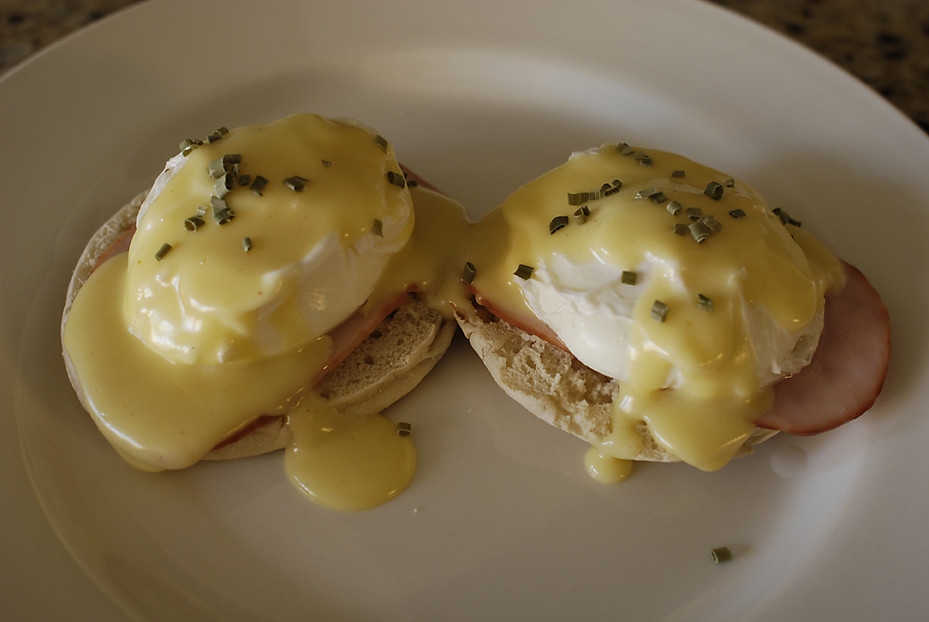
This dish supposedly got its name from Lemuel Benedict, a Wall Street broker who ordered it as a hangover cure in the 1890s. But another story credits the wealthy Benedicts of New York, a family with military connections.
Elias Cornelius Benedict’s family had ties to Civil War military leadership. The dish itself—poached eggs on English muffins with ham and hollandaise—doesn’t have obvious military origins.
But the Benedict family’s social circle included military officers and government officials who made wartime decisions. The connection is weak compared to other foods on this list, but it shows how military families influenced food culture even when the dishes themselves had nothing to do with battle.
Army Stew from the Korean War
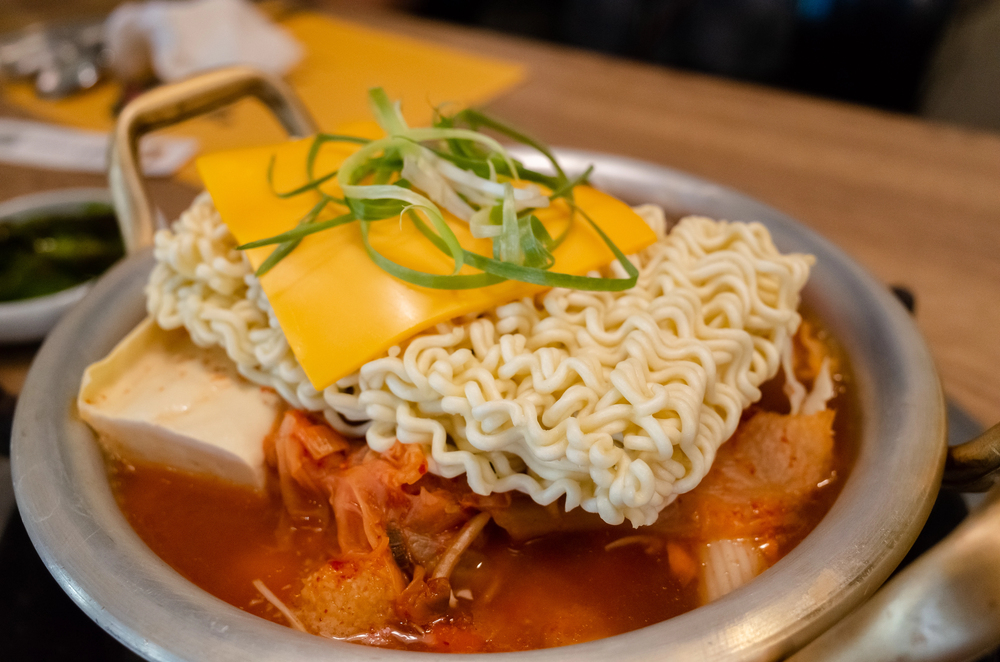
Budae jjigae translates directly to “army stew.” South Koreans created it after the Korean War using surplus American military rations. The base includes kimchi and gochugaru, but soldiers added SPAM, hot dogs, baked beans, and whatever else they could get from U.S. military bases.
This dish came directly from wartime scarcity and military presence. People made it work with what they had available.
The combination sounds strange, but it became popular across South Korea. Modern versions show up in restaurants now, cleaned up and made more presentable.
But the origin story stays the same—a direct result of war and military occupation. The dish represents adaptation under pressure, which is exactly what happens when civilians deal with the aftermath of battle.
Goulash and the Hungarian Cavalry
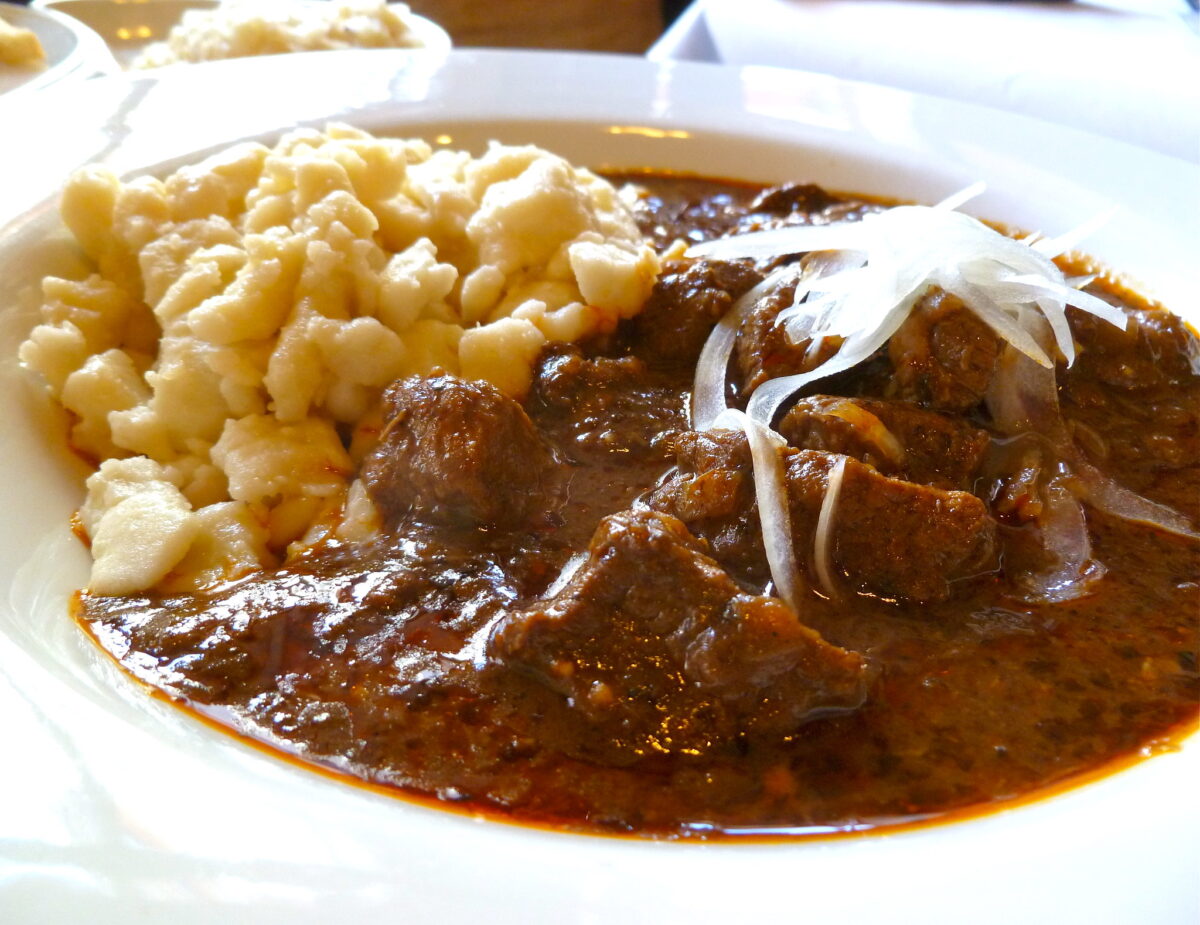
Hungarian shepherds and cavalry soldiers made this stew for centuries. The paprika-heavy beef stew became associated with Hungarian military campaigns, particularly during the Austro-Hungarian Empire.
Soldiers could make it in large batches and it traveled well. The dish sustained troops during various wars, including conflicts with the Ottoman Empire.
The hearty, spiced stew worked well for keeping soldiers fed in different weather conditions. Different regions developed their own variations, but the basic combination of beef, paprika, and vegetables stayed consistent.
The military connection comes from its practical nature and long history with Hungarian armed forces. Modern goulash shows up everywhere from casual restaurants to home kitchens.
The military origins don’t matter much anymore, but they shaped how the dish developed.
Lancashire Hotpot and Industrial England
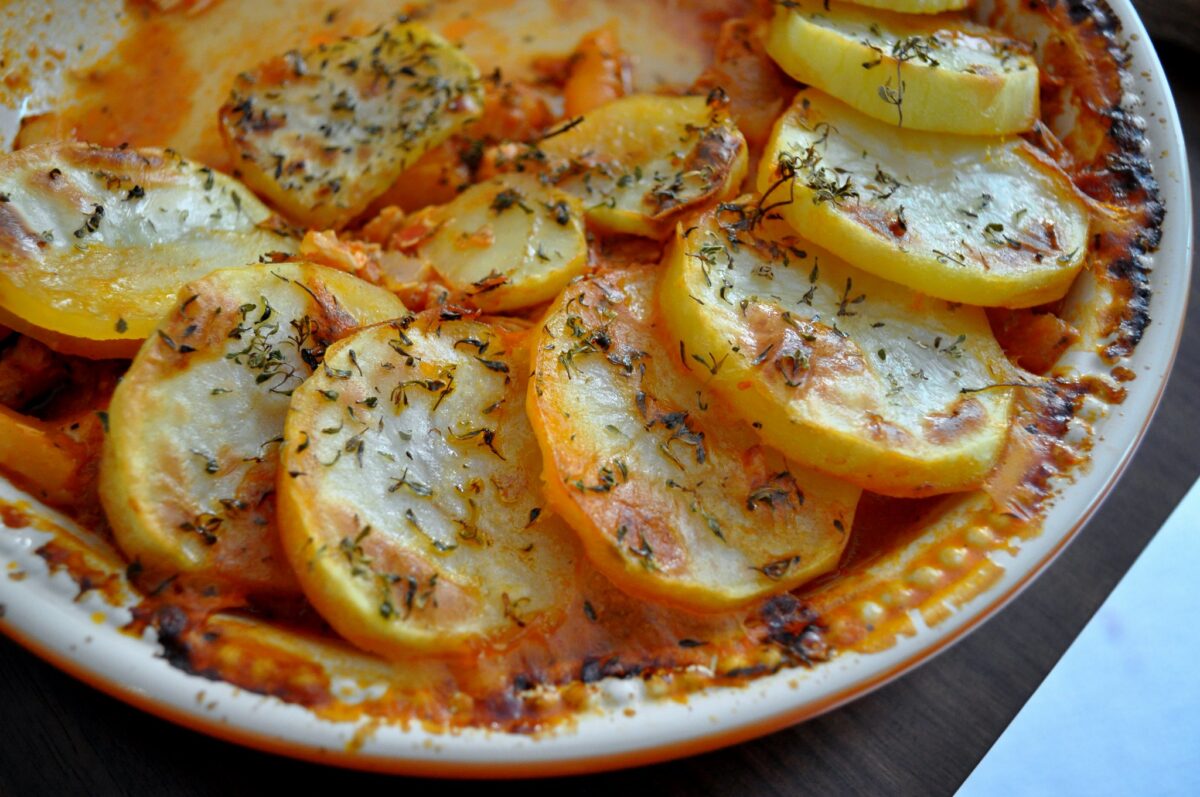
This isn’t directly connected to a specific battle, but it fed workers in England’s industrial heartland—the same region that produced soldiers and equipment for British military campaigns. The dish consists of lamb, onions, and sliced potatoes cooked slowly in a pot.
Factory workers needed cheap, filling meals they could prepare quickly. Soldiers from Lancashire ate this before shipping off to various colonial wars and European conflicts.
The connection is social rather than directly military. The dish represents the civilian side of military campaigns.
Somebody had to make the weapons, and those workers needed to eat. Lancashire Hotpot kept them going.
Bombay Duck and Colonial Campaigns
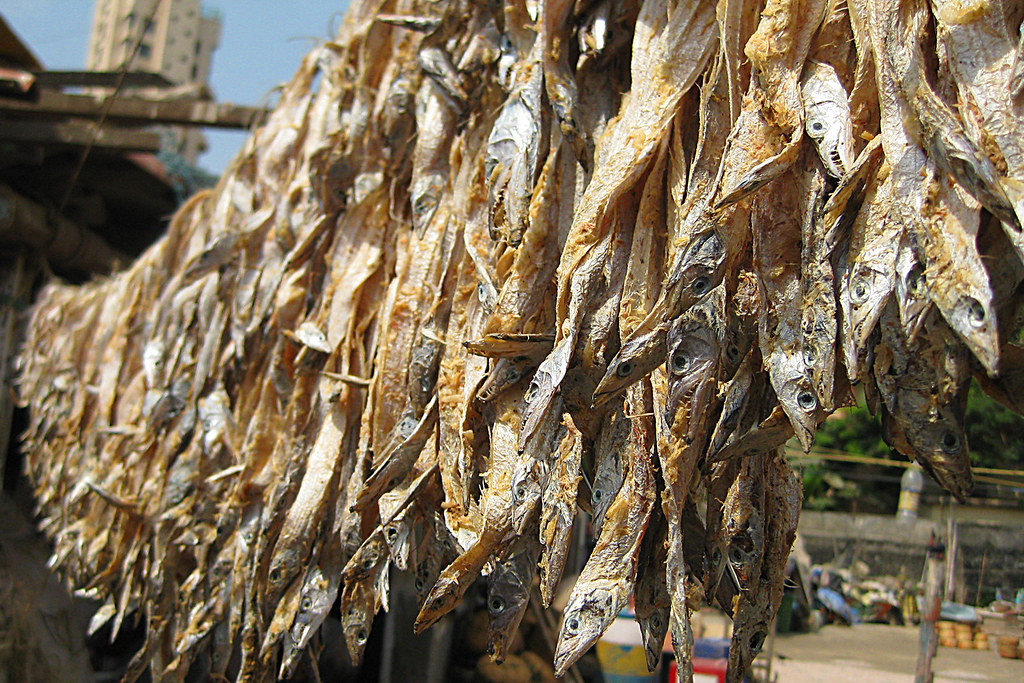
Despite the name, this isn’t a duck at all. It’s a type of lizardfish that gets dried and salted.
British colonial officers stationed in India encountered it during various military campaigns and brought the taste back home. The name supposedly comes from the Marathi word “bombil” or from the fact that it was transported on the Bombay Dak mail train.
Either way, British military presence in India made this food known outside its native region. Colonial wars and military occupations spread food across continents.
British soldiers and officers experienced local cuisines, and some of those foods made it back to England. Bombay Duck represents that exchange, though it never became as popular as curry.
The Admiral’s Hardtack Legacy
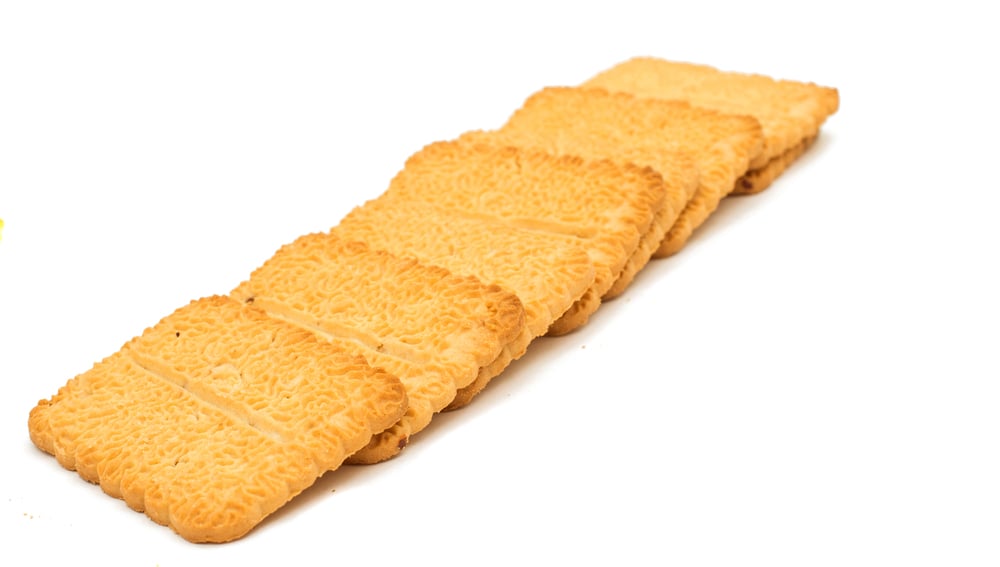
For hundreds of years, the British Royal Navy relied on vast amounts of hardtack while fighting wars at sea. From the time of the Spanish Armada to battles in World War I, fleets carried these long-lasting biscuits aboard.
What mattered was simple: food that stayed edible, supplying energy without going bad. Food supplies shaped admirals’ strategies at sea.
Because of hardtack, long missions became doable. Had that biscuit not existed, history might have recorded another kind of war.
Biscuits never looked fancy, yet held power to shape wars. More important than flavor, their role shifted the course of events.
Food as a Memorial to Conflict
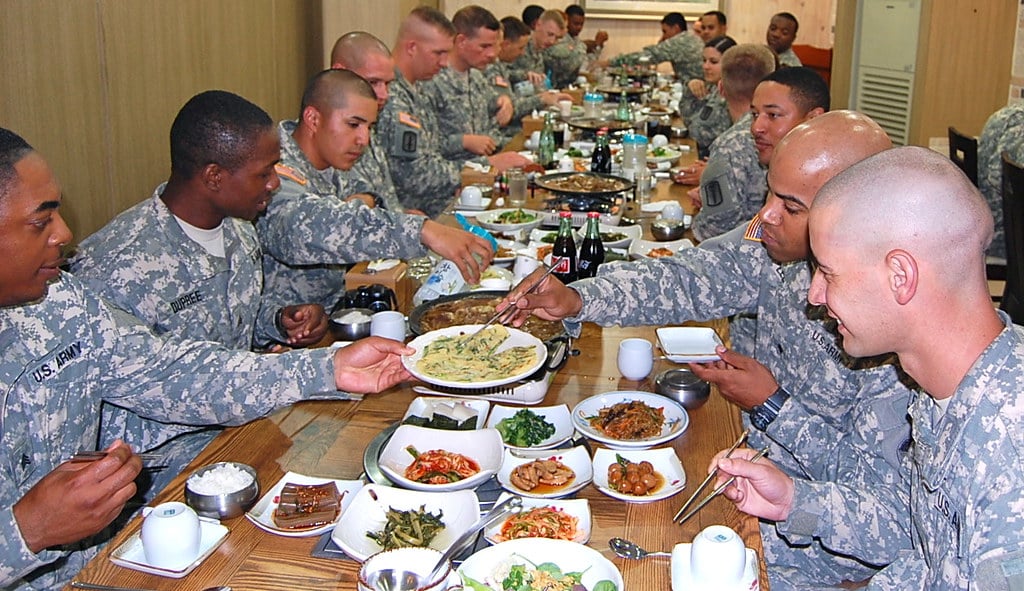
A story hides behind every bite of these meals. Born from hunger on battlefields, a few began as army portions before turning into staples at home.
Names tied to generals or historic fights emerged years later, sometimes out of thin air. Truth shifts from one version to the next.
Yet one thing stays clear – meals and warfare have always walked close together. Biting into Beef Wellington, war stories aren’t what come to mind.
Goulash simmering on the stove feels far removed from any battlefield tale. Yet these meals survived long after the fights ended.
A little history turns a plate into something more. Folks who study food history never stop debating what actually happened versus made-up tales.
Dishes pay no mind. Names hold old wounds.
People still eat them anyway.
More from Go2Tutors!

- The Romanov Crown Jewels and Their Tragic Fate
- 13 Historical Mysteries That Science Still Can’t Solve
- Famous Hoaxes That Fooled the World for Years
- 15 Child Stars with Tragic Adult Lives
- 16 Famous Jewelry Pieces in History
Like Go2Tutors’s content? Follow us on MSN.



