31 Toys Pulled From Shelves for Safety Reasons That Kids Loved Anyway
There’s something almost poetic about a toy that gets banned. The moment a parent organization or federal agency declares it dangerous, it transforms overnight from a Christmas gift into a forbidden artifact — which, if you remember being ten years old, only made it more interesting.
Some of these toys were genuinely hazardous. Some were pulled for reasons that feel, in hindsight, a little theatrical.
But all of them were beloved, and that affection didn’t evaporate just because a regulator stamped a warning label on the box. Here’s a look back at thirty-one toys that got yanked from shelves, and why kids refused to stop loving them anyway.
Lawn Darts

Lawn darts were exactly what they sound like: heavy, metal-tipped projectiles designed to be thrown high into the air toward a plastic ring on the ground. The Consumer Product Safety Commission banned them in 1988 after a series of serious injuries, including fatalities involving children.
And yet, sets that had already been sold quietly stayed in garages across America for another decade, pulled out at summer barbecues by adults who were absolutely certain they’d be careful this time.
Sky Dancers
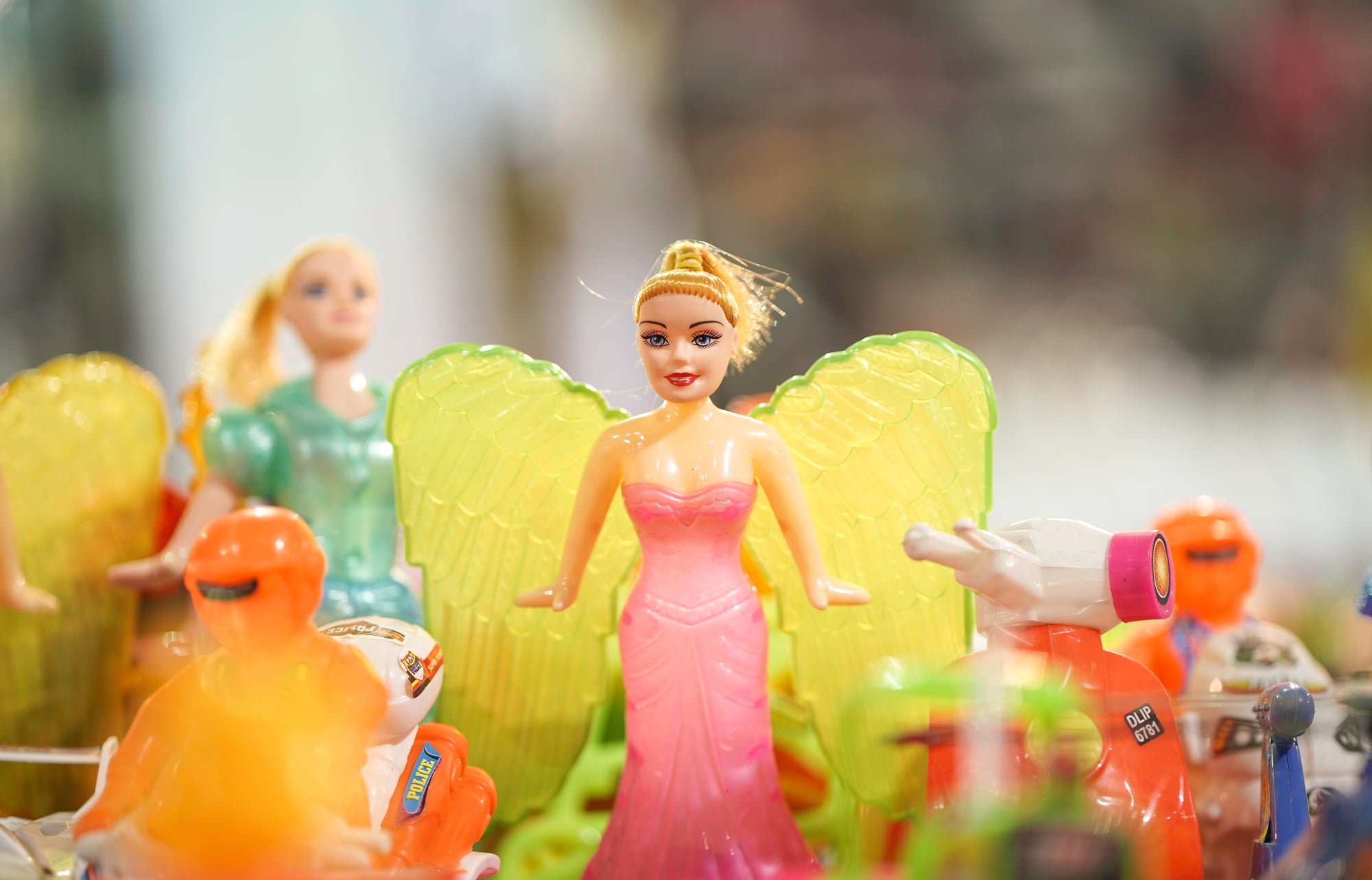
Sky Dancers were spinning fairy dolls that launched into the air when you pulled a cord — beautiful in the commercial, genuinely chaotic in the living room. Galoob recalled roughly nine million of them in 2000 after reports of eye injuries, broken teeth, and facial lacerations.
The toy looked like something from a dream and behaved like something from an emergency room, which somehow didn’t stop it from being one of the most nostalgic toys of the nineties.
Clackers
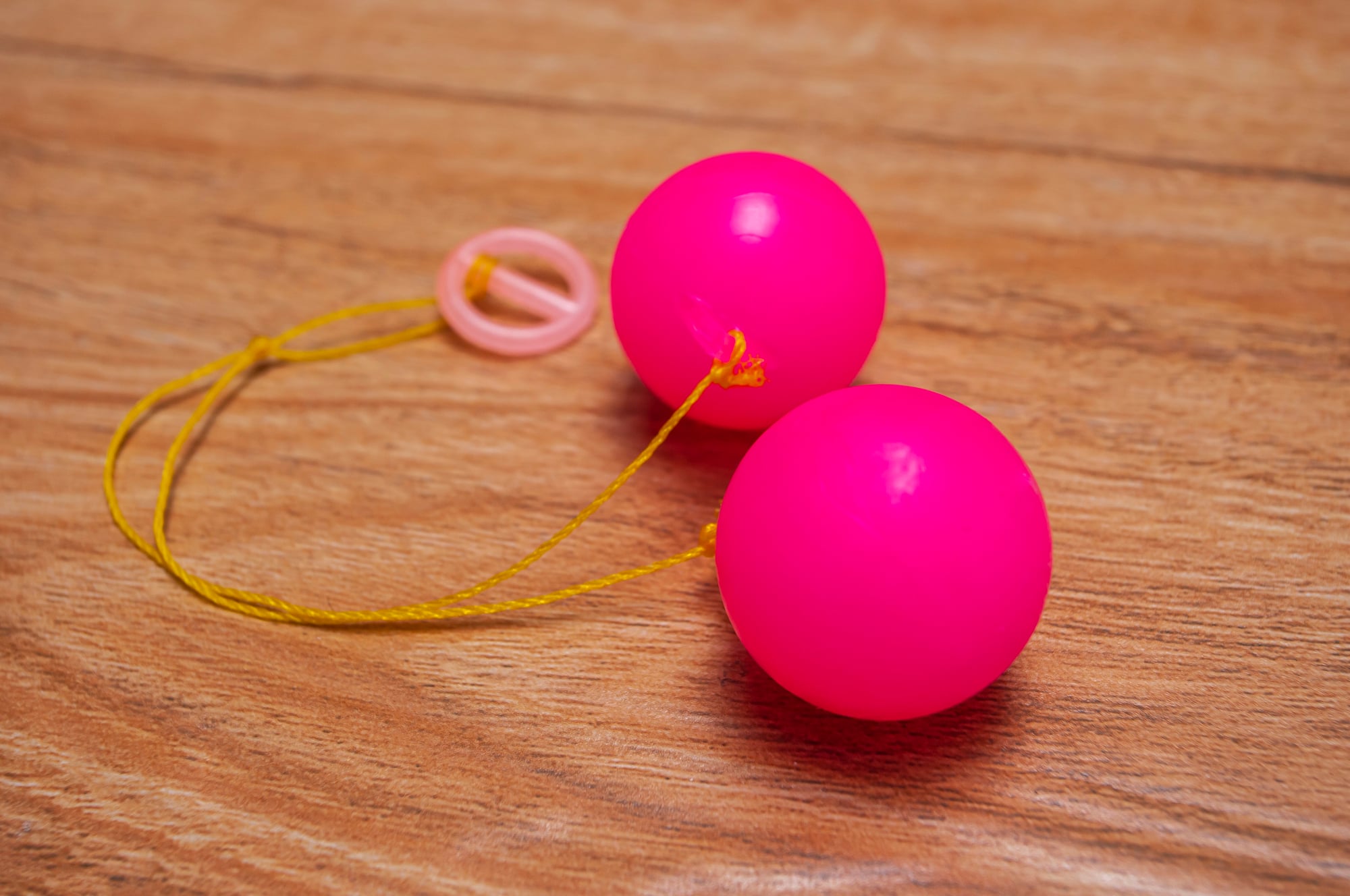
Clackers — two hard acrylic or glass orbs on a string, swung until they clacked together above and below the hand — were the kind of toy that felt dangerous from the first swing. And they were: the orbs could shatter under the impact, sending fragments toward the face.
The FDA flagged them as a mechanical hazard in the early 1970s, and they largely disappeared from store shelves, though they never quite disappeared from memory.
Aqua Dots
Aqua Dots were craft beads that fused together with water, which sounds harmless enough — until it emerged that the coating contained a chemical that metabolized into a sedative when swallowed. The CPSC issued a recall in 2007 after children who ingested the beads fell into comas.
The toy itself, as a concept, was genuinely delightful, and a reformulated version eventually returned to shelves under a different name.
Snacktime Cabbage Patch Doll
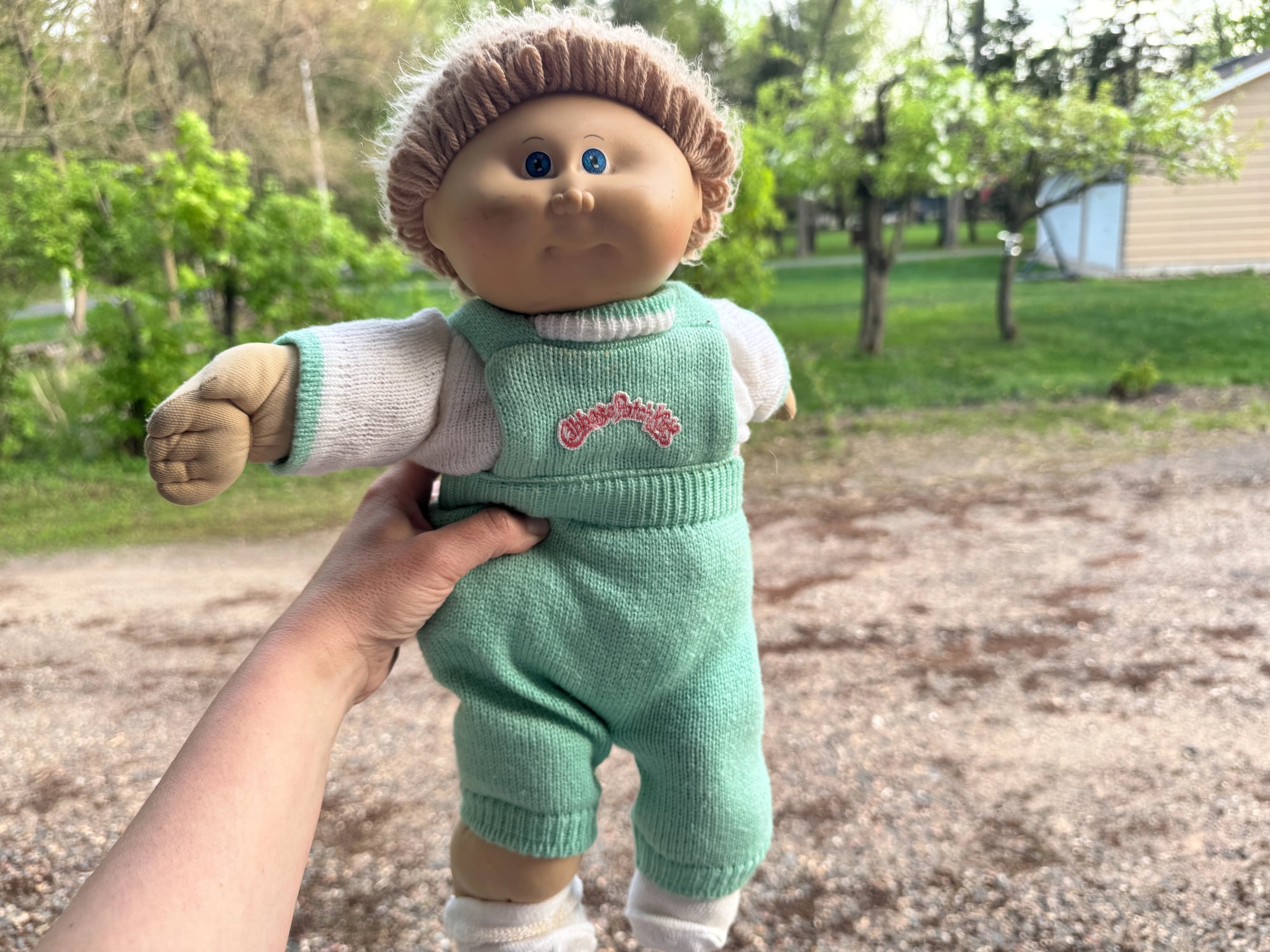
Mattel’s 1978 Snacktime Kid was a motorized doll with a mouth designed to “eat” plastic food. The mechanism, it turned out, made no distinctions between plastic food and children’s fingers — or hair.
Mattel issued a full recall and offered refunds after the doll’s mechanical jaw caused injuries that were more alarming than comical. Kids had begged for it for months before it arrived, and were crushed when it left.
Magnetix
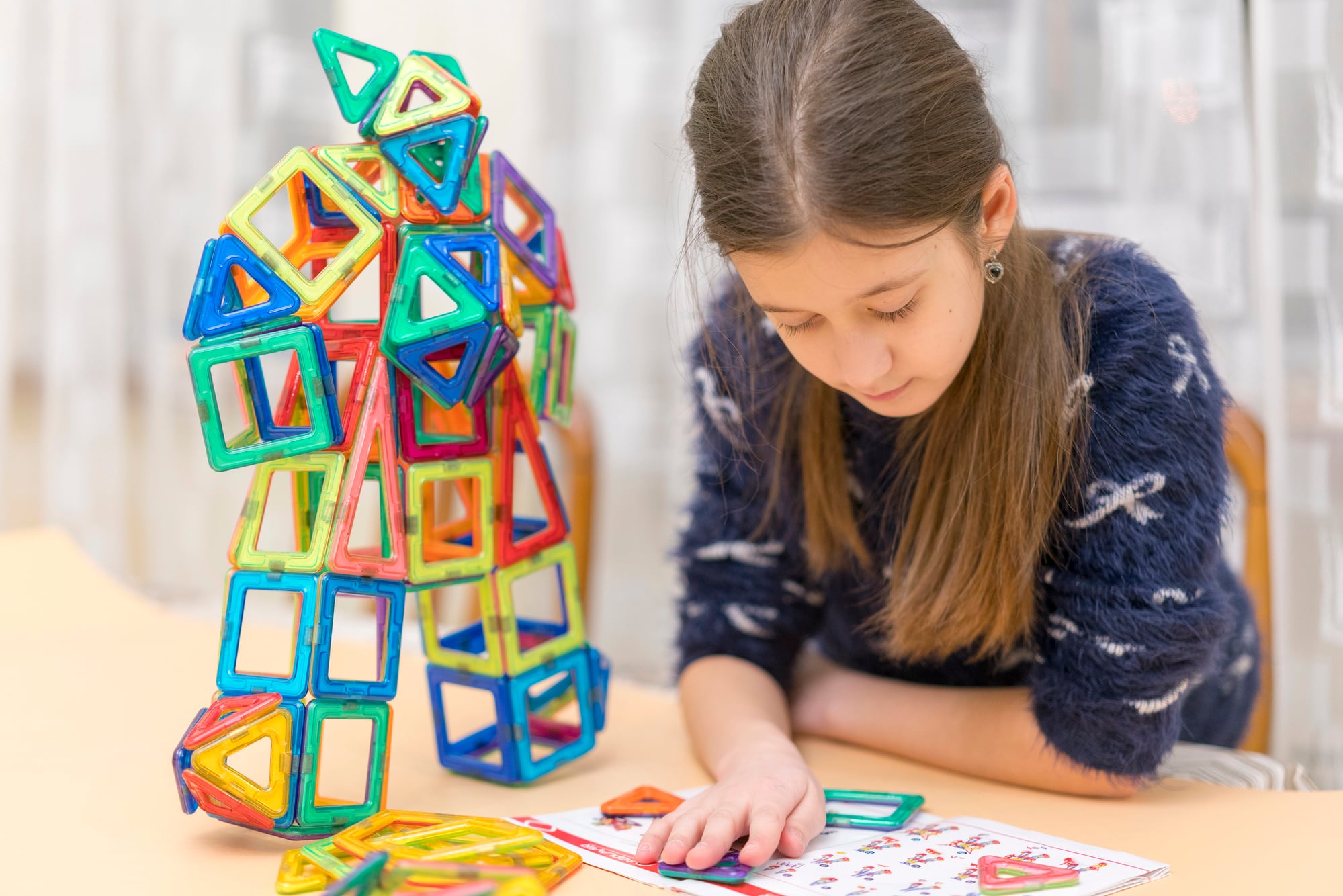
Magnetix building sets were small magnetic rods and steel spheres that could be assembled into geometric structures — visually satisfying, genuinely fun, and deeply problematic when pieces were swallowed. The concern wasn’t the magnets individually, but what happened when multiple magnets were ingested and attracted each other through the intestinal wall.
Rose Art recalled millions of sets in 2006. The building concept was sound; the safety gap was not.
Mini Hammocks

These weren’t a branded toy exactly — they were a category: small, portable fabric hammocks marketed to children in the late 1980s and early 1990s. The problem was entanglement.
Kids could become trapped in the netting in ways that created genuine strangulation hazards, and the CPSC moved against them in 1996 after multiple deaths. The image of a kid lazily swinging in a backyard hammock was idyllic; the reality of how the netting behaved was not.
Easy-Bake Oven (2007 Model)
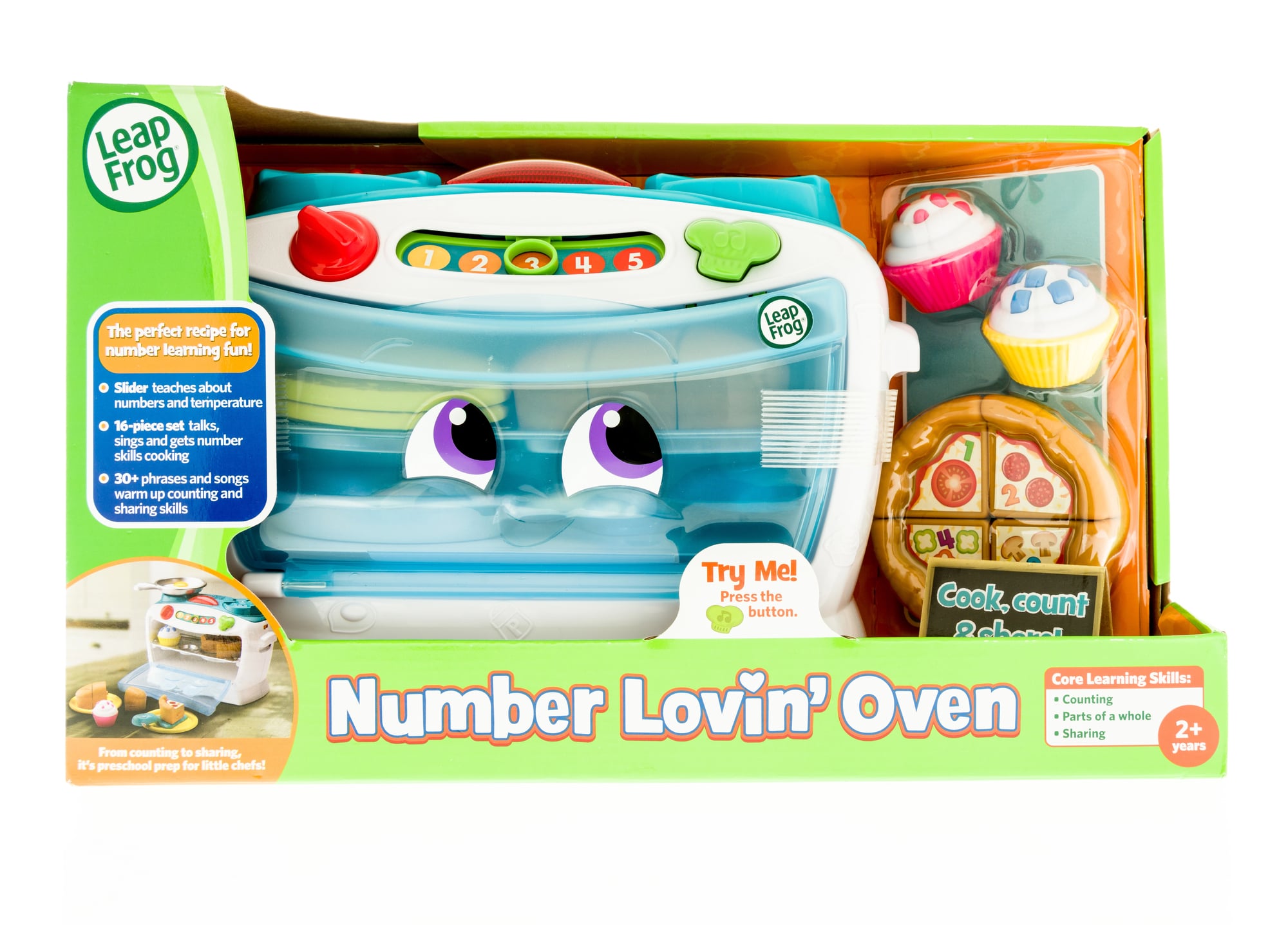
The Easy-Bake Oven had been a childhood institution for decades before a specific model released in 2007 prompted a massive recall. The newer design had a front-loading slot that could trap small hands near the heating element, resulting in burns — some serious enough to require surgery.
Hasbro recalled approximately one million units. The oven itself, as a concept, remained beloved; it was the geometry of that particular design that failed.
Battlestar Galactica Colonial Viper
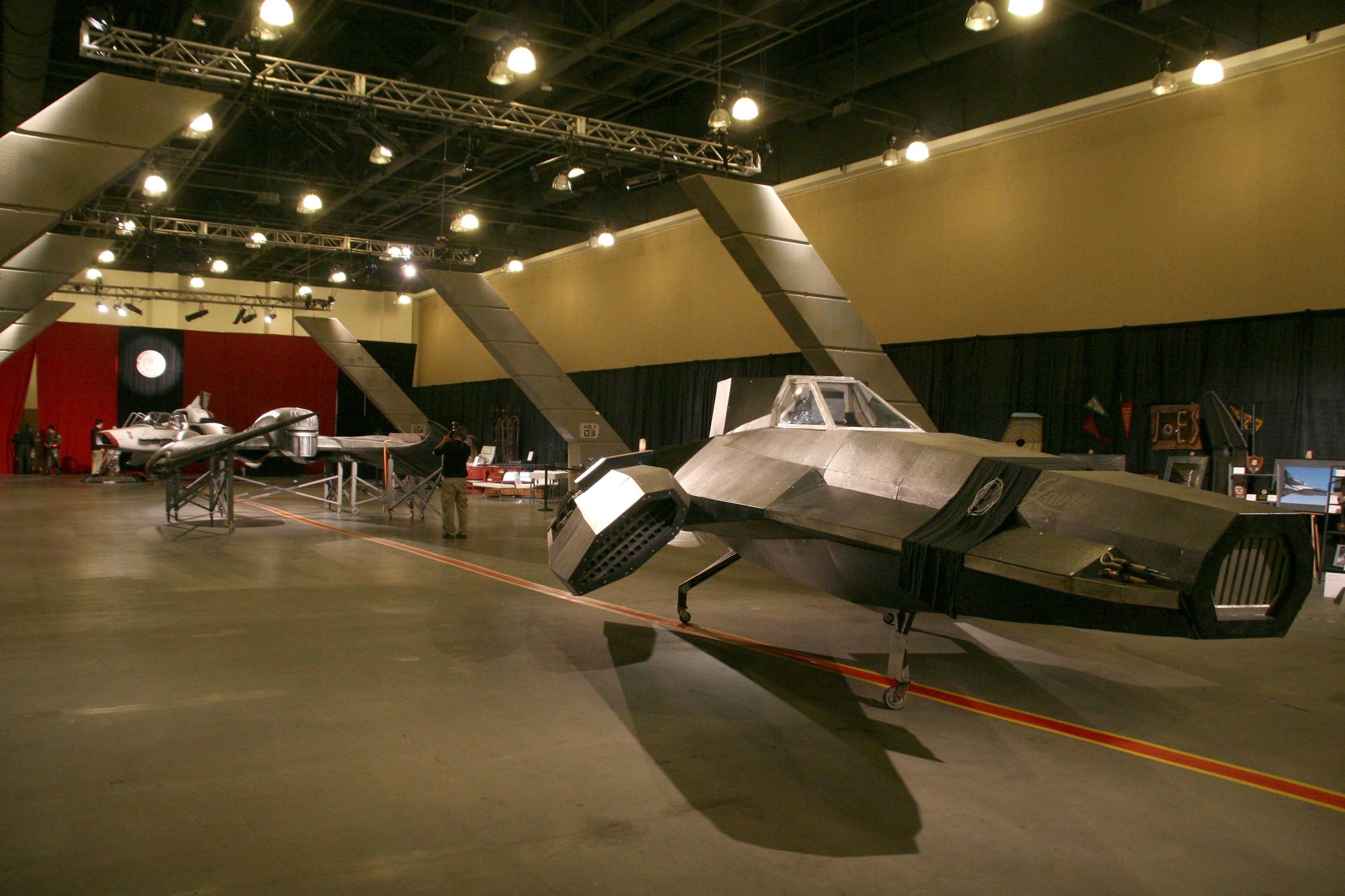
The 1978 Mattel toy based on the Battlestar Galactica TV series came with small missile-launching accessories — which, as a category, were already drawing regulatory scrutiny. A child died after swallowing one of the tiny projectiles, and Mattel recalled the toy.
The broader crackdown that followed effectively ended the era of spring-loaded missile launchers in children’s toys for years, which felt like a genuine loss to an entire generation of kids mid-battle.
Gilbert U-238 Atomic Energy Lab
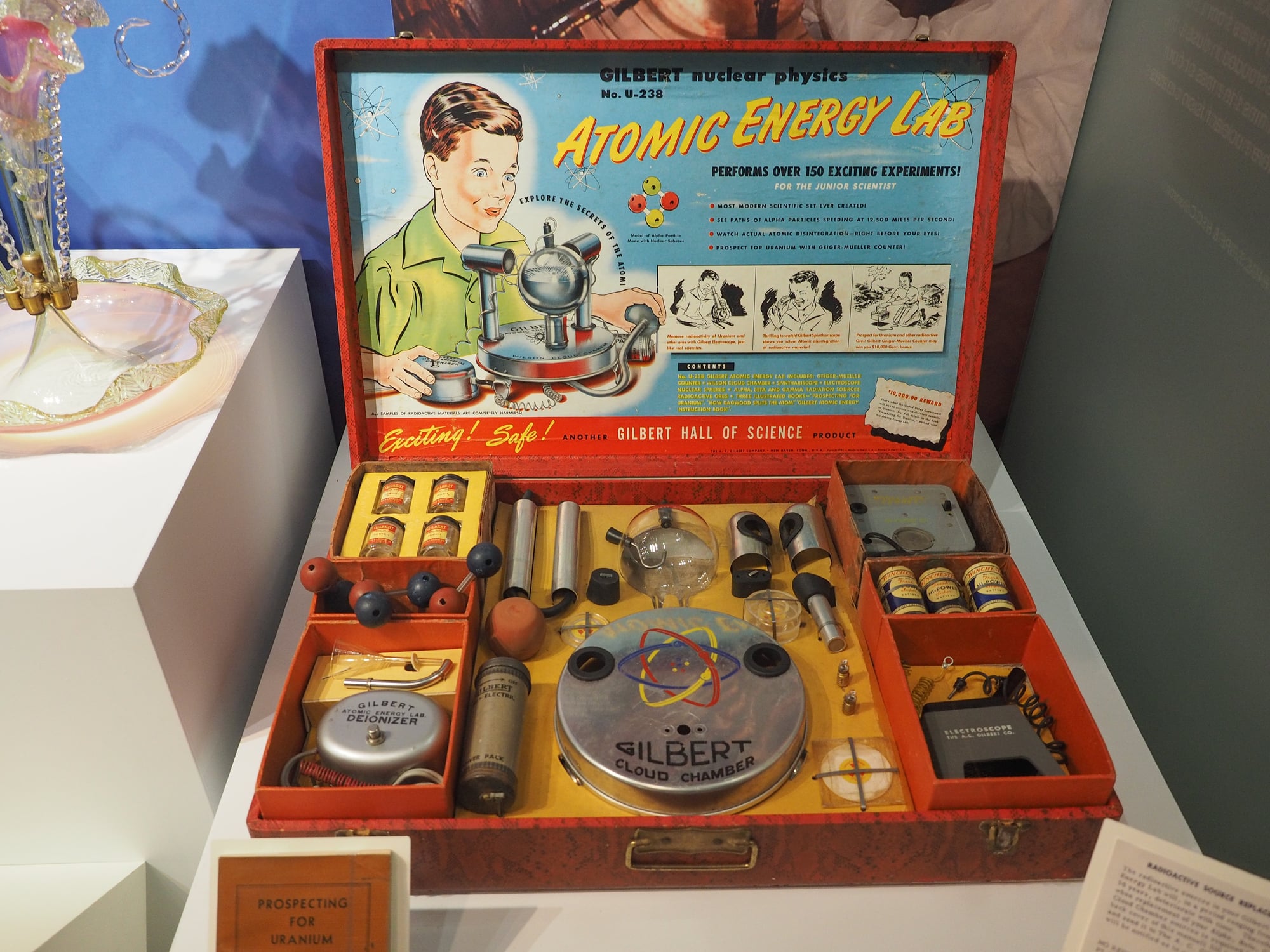
This one comes from 1950, which explains a great deal. The A.C. Gilbert Company produced an atomic energy lab kit that included actual radioactive material — uranium ore samples — along with a Geiger counter and a cloud chamber.
The kit was pulled from the market after roughly a year, partly due to cost and partly due to the dawning recognition that handing children radioactive samples was perhaps not ideal. Kids who owned one remember it with a reverence bordering on reverence.
Yo-Yo Water Orb
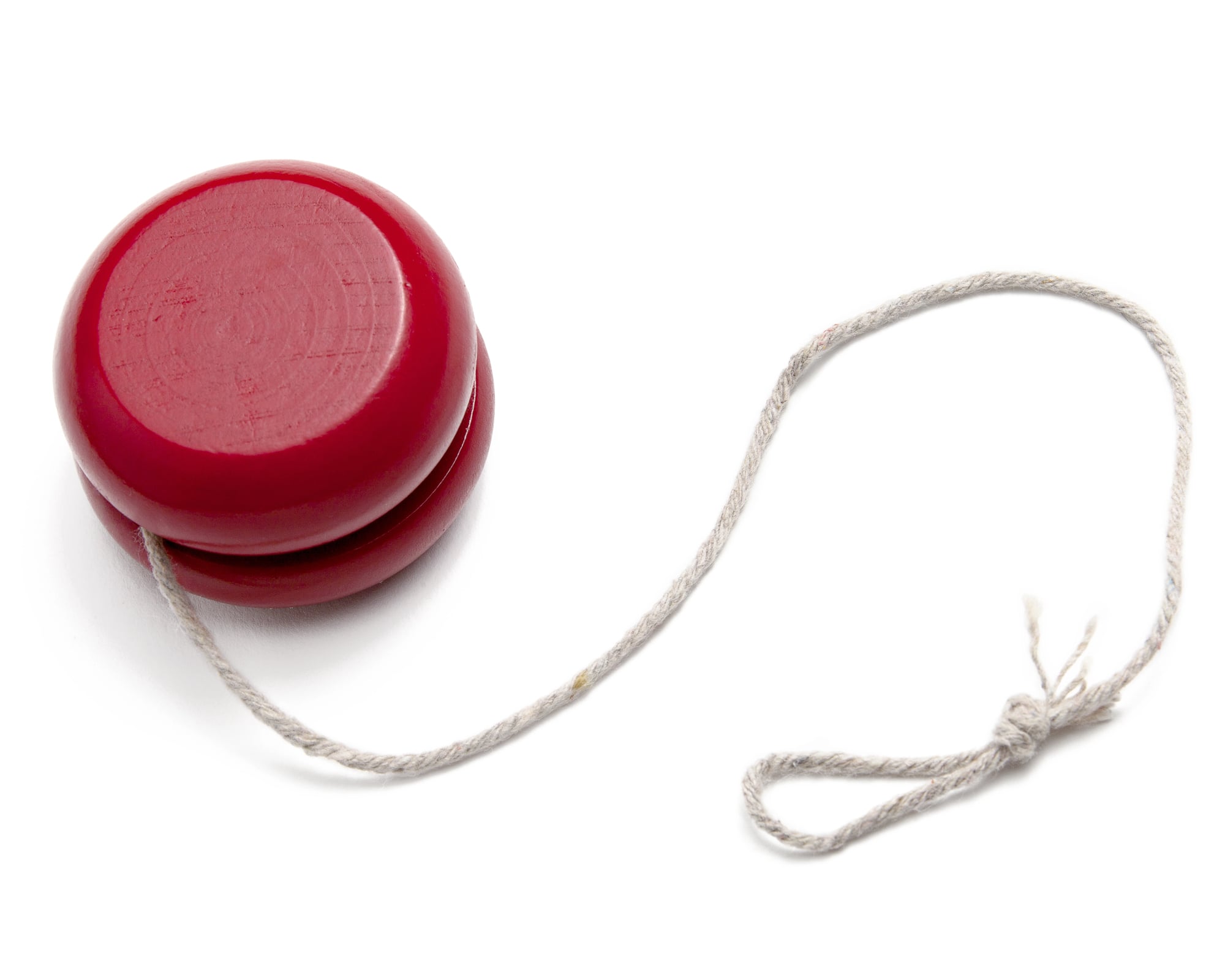
Yo-yo water orbs — those stretchy, liquid-filled orbs on elastic cords — were everywhere at fairs and dollar stores in the late 1990s and early 2000s. The elastic cord was the problem: it could wrap around a child’s neck or fingers quickly enough to cause strangulation or cut off circulation.
Several states moved to ban them, and the CPSC issued warnings. They were cheap, bouncy, hypnotic to watch, and beloved by every child who ever owned one.
Creepy Crawlers
The original Mattel Thingmaker — sold under various names including Creepy Crawlers — let children pour liquid “Plastigoop” into metal molds and bake it on an open hot plate that reached temperatures high enough to cause serious burns. The original version was discontinued, eventually replaced with a safer oven model.
Kids who grew up with the original remember the burn risk as simply part of the experience, like a tax on creativity.
Rollerblade Barbie
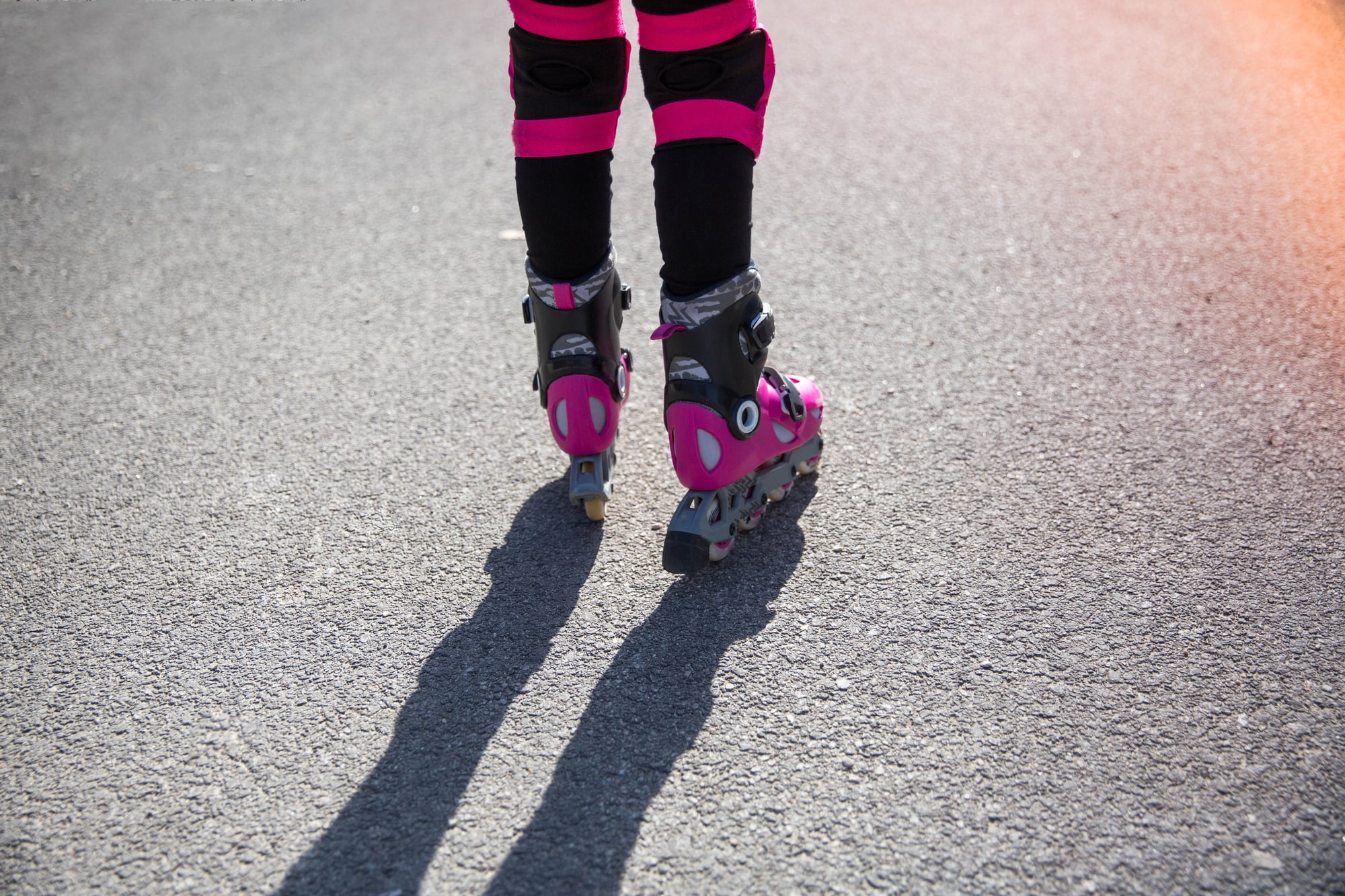
Rollerblade Barbie, released in 1991, came with tiny sparking wheels on her skates — a feature that produced a satisfying shower of sparks when the skates were rolled across a surface. The sparks were the problem: some of the accessory packs were deemed a fire hazard, and Mattel issued a recall on specific related products.
The doll itself retained an almost mythological status among kids who managed to get one before the recall.
CSI Fingerprint Examination Kit

A 2007 CSI-branded forensics toy kit for children was recalled after testing revealed that the fingerprint dust included in the kit contained asbestos fibers. The manufacturer, Planet Toys, pulled the product immediately.
It was a striking case of a safety issue that had nothing to do with how the toy was used — the danger was in the materials, sitting quietly inside a product that looked, on every level, completely innocuous.
Splash Off Water Rockets
Water rockets — pressurized tube toys that launched with a burst of water — were a summer staple that periodically generated recall notices due to the risk of the rocket striking a child in the face at high velocity. Specific versions were pulled over the years for launching unpredictably, and the Consumer Product Safety Commission addressed the category more than once.
The arc of a water rocket against a blue sky was genuinely magnificent, which is why kids kept asking for them anyway.
Atomic Reflex
Atomic Reflex was a round-on-a-string toy — similar in concept to a tethered paddle toy — but designed so that it orbited at significant speed, and the cord and weight could cause injuries if the mechanism failed. Versions of this toy appeared under different names and were periodically recalled through the 1990s.
The appeal was obvious: it was fast, it made noise, and it felt slightly dangerous, which is its own form of marketing to anyone under twelve.
Moon Shoes
Moon Shoes were mini trampolines strapped to children’s feet, designed to let them bounce slightly higher than normal walking. The specific concern was ankle injuries — the design didn’t provide adequate support, and kids twisted ankles with enough frequency to generate safety complaints.
Certain versions were recalled or redesigned. The product image, a child bounding across a backyard in oversized springed footwear, was irresistible even when the reality was significantly less graceful.
Hannah Montana Pop Star Card Game

A 2007 Hannah Montana-branded card game was recalled after the cards were found to have sharp edges capable of causing lacerations. The recall affected roughly 17,000 units.
The toy was unremarkable in concept but remarkable in the loyalty it generated: Hannah Montana merchandise in that era sold on name recognition alone, and children who received this set as a gift were genuinely disappointed when it disappeared.
Bucky Orbs
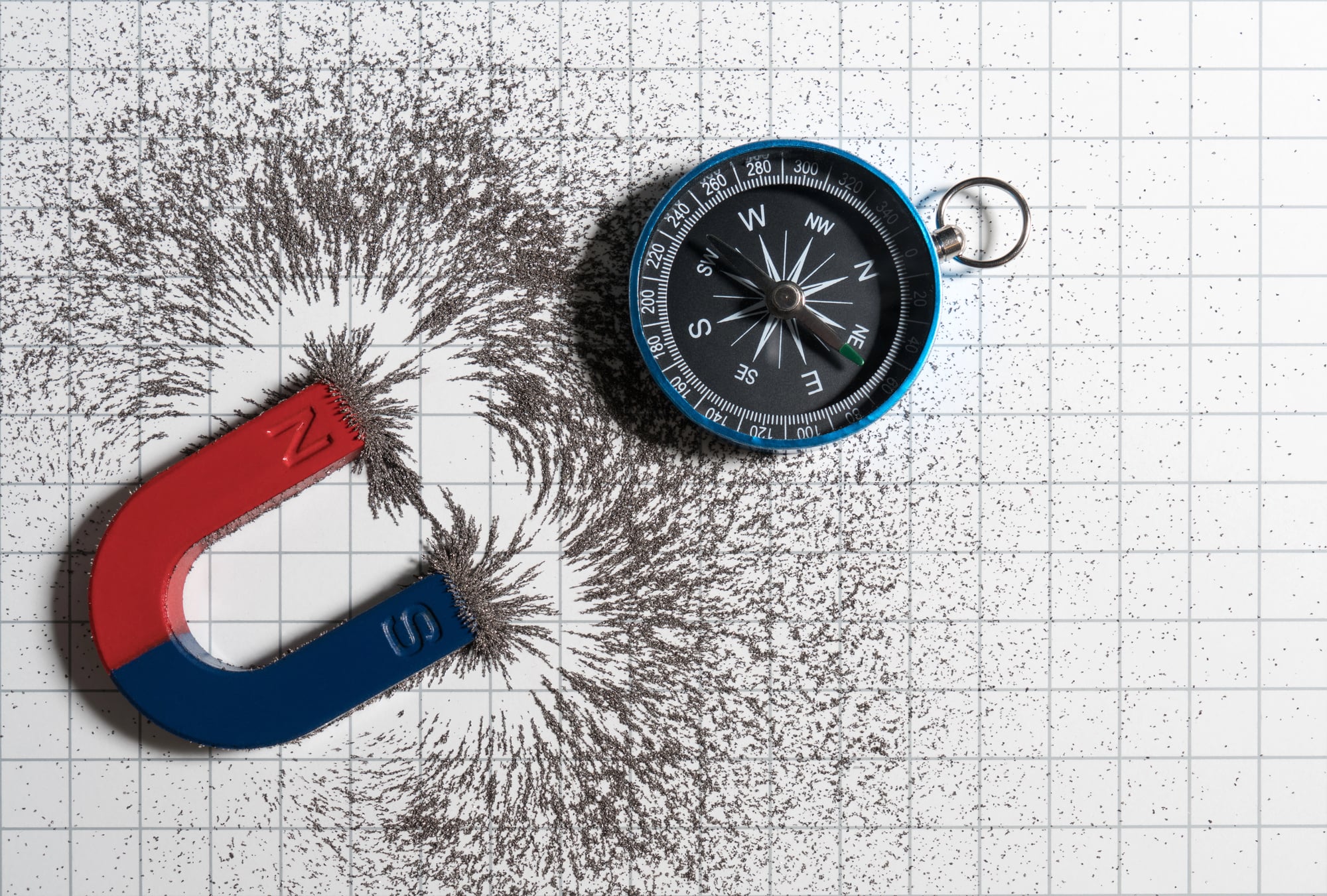
Bucky Orbs — small, powerful rare-earth magnets sold as a desktop toy for adults but frequently ending up in children’s hands — became the subject of one of the more aggressive CPSC actions in recent memory. The agency sought a recall in 2012 after a rash of serious intestinal injuries in children who had swallowed multiple magnets.
The magnets were so strong and so small that the case became a landmark consumer safety battle, eventually resulting in the product being pulled from the market.
Sniper Helmet Toy

A specific sniper helmet accessory toy from the early 2000s was recalled after reports that the helmet’s visor could break apart in ways that sent sharp plastic fragments toward children’s faces. The product combined the perennial appeal of military-themed play gear with a structural fragility that regulators found unacceptable.
Kids who owned one before the recall treated it as a badge of honor, which is the reliable effect of telling a child that something is no longer available.
Swing Wing

The Swing Wing was a 1965 Transogram toy — essentially a spinning propeller hat worn on the head that the child kept spinning by swinging their head in circles. The neck strain this produced was apparently significant enough to generate safety concerns, and the toy vanished from stores relatively quickly.
The television commercial for it remains one of the more surreal artifacts of 1960s toy marketing.
Fisher-Price Power Wheels Lil’ Quad
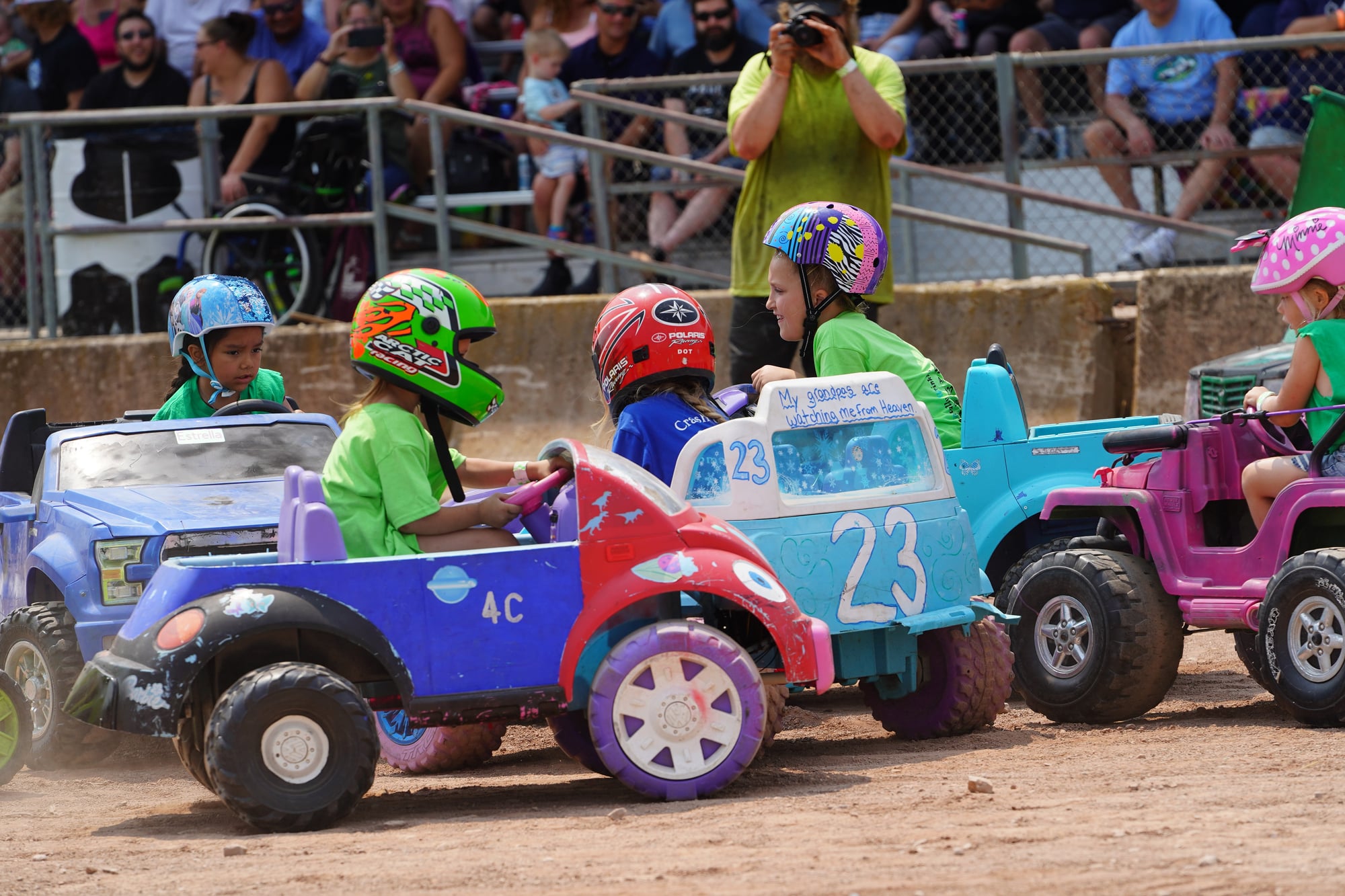
A specific version of Fisher-Price’s battery-powered Lil’ Quad ride-on toy was recalled in 2007 after a fire hazard was identified in the battery. Roughly 152,000 units were affected.
The ride-on toy category — small, low-powered vehicles for young children — is almost universally beloved, and a recall notice attached to one of them lands with a particular disappointment, because few childhood experiences feel as grand as driving your own vehicle at age three.
The Really Gnarly Super Soaker Versions
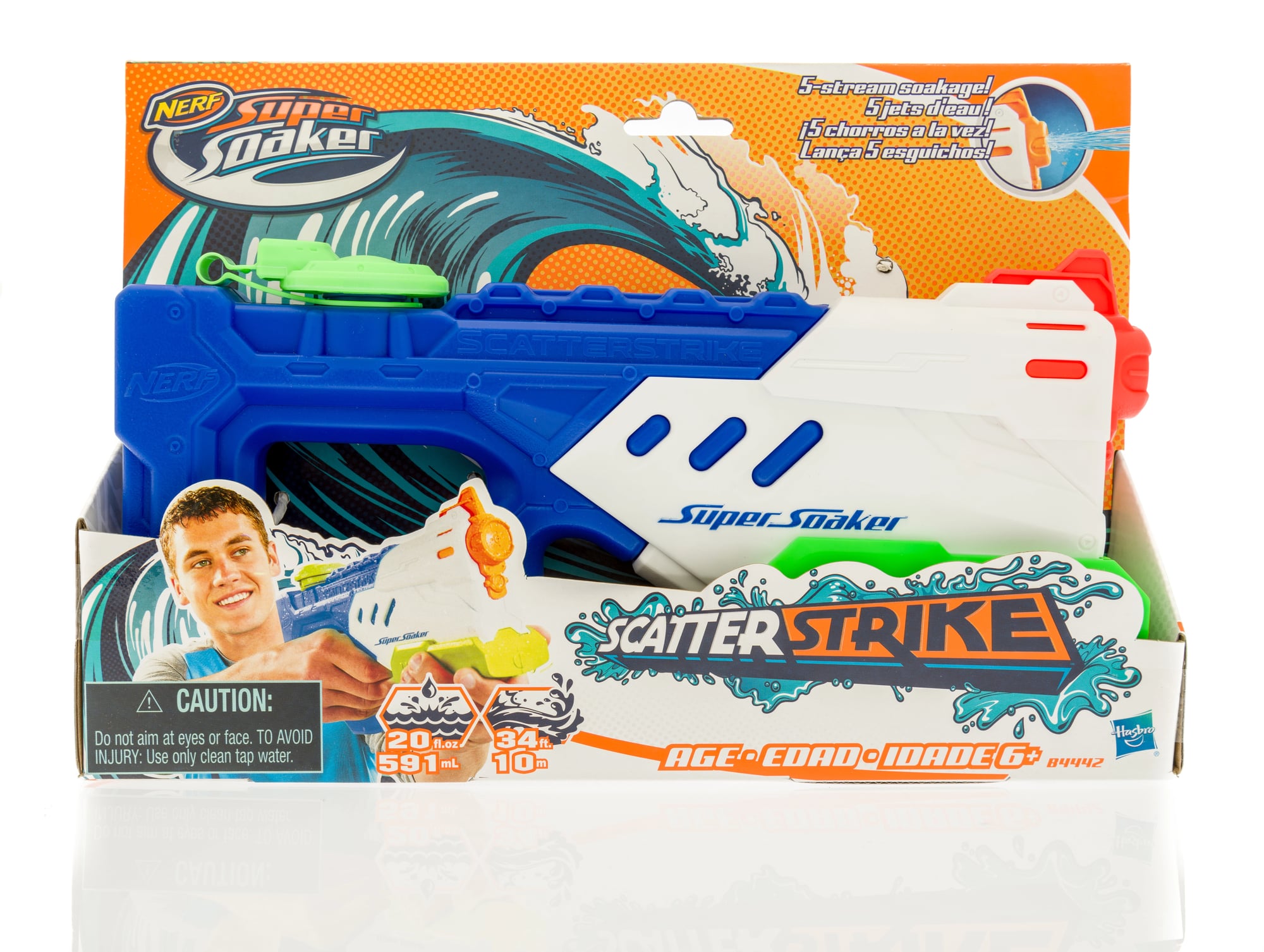
Certain high-powered Super Soaker variants — specifically the large-reservoir pressurized models from the late 1990s — generated safety concerns around the pressure mechanisms and nozzle failures that could direct water with enough force to cause eye injuries. Specific models were recalled or modified.
The Super Soaker brand itself remained untouched in the cultural imagination; these particular versions just became the ones that got away.
Kite Tube
The Kite Tube was an inflatable water toy designed to be towed behind a boat and launched into the air — a water-skiing variant that produced air-time that looked spectacular in promotional footage. The CPSC issued a warning in 2006 after serious injuries, including fatalities, and Sportsstuff recalled the product.
The footage of it working as intended was genuinely breathtaking, which made the danger feel almost beside the point to the people who wanted one.
Cabbage Patch Doll Snacker
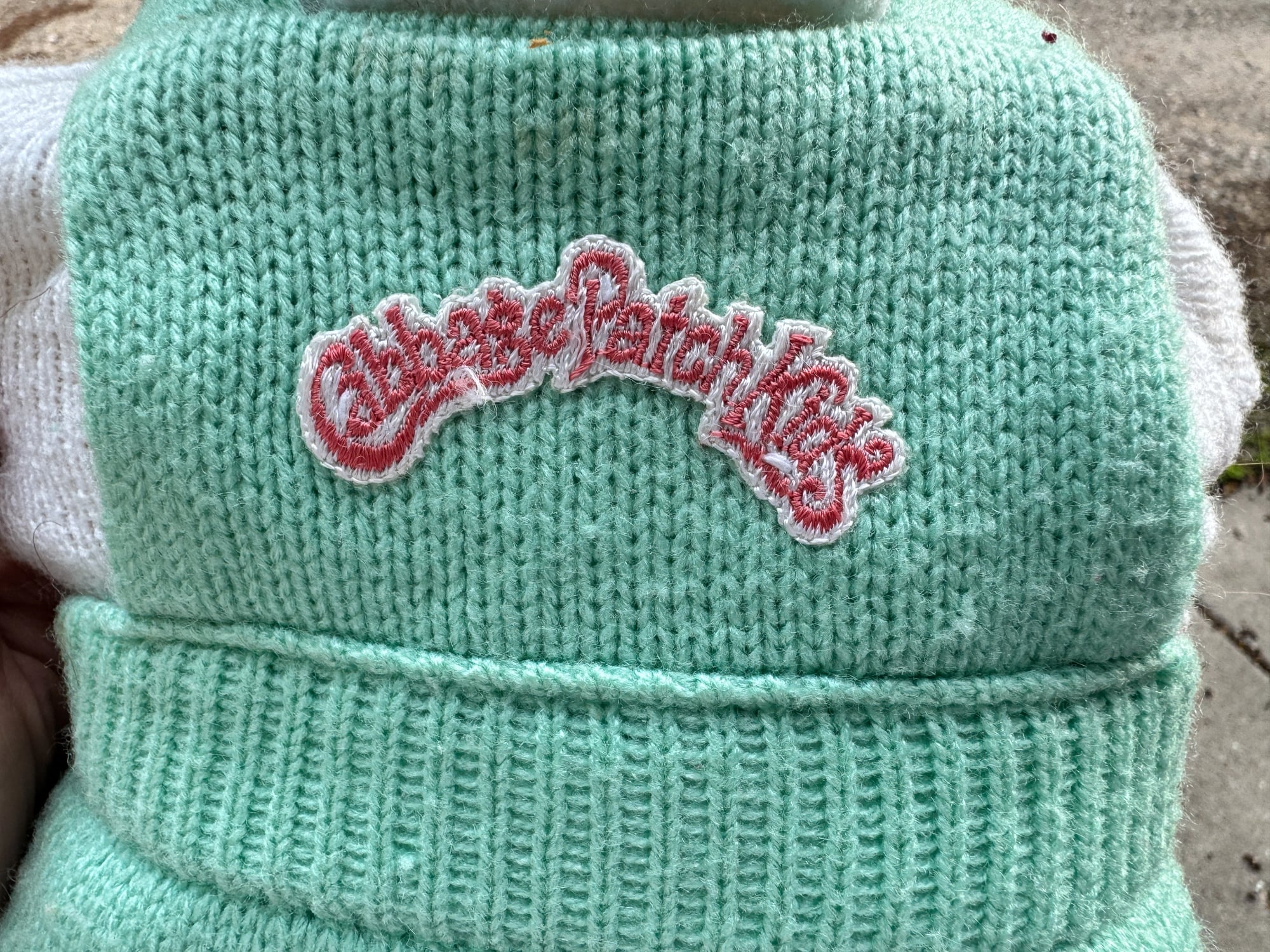
A second Cabbage Patch variant worth noting separately from the Snacktime Kid: the Snacker model, released in different years in different regional markets, also incorporated a feeding mechanism that generated safety concerns around hair and finger entanglement. The brand’s reputation for soft, friendly dolls made the mechanical hazard feel particularly dissonant — like discovering that something inherently gentle had a difficult side.
Z-Band Dart Blaster
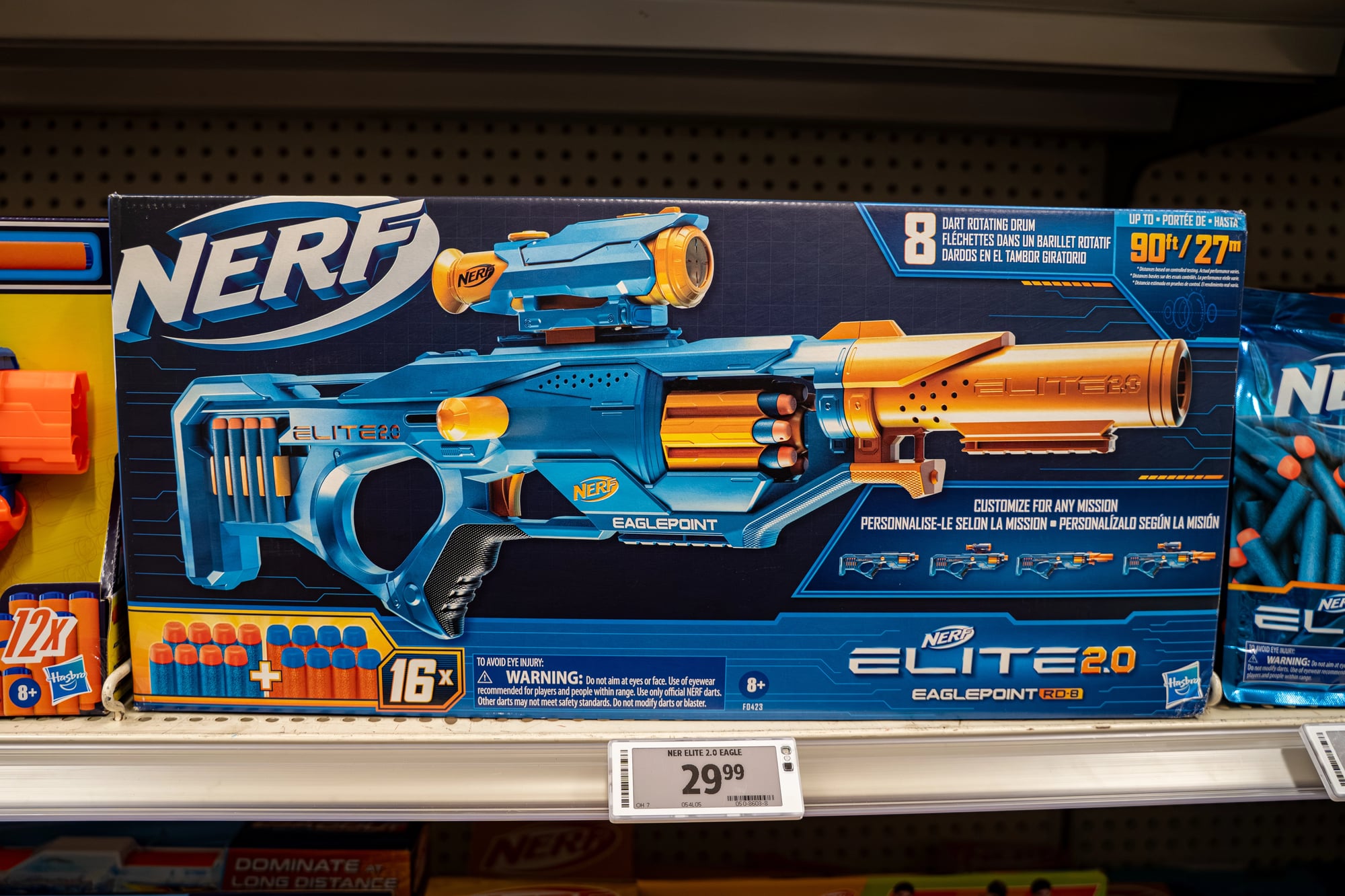
A Z-Band dart blaster recall in 2017 involved foam dart guns that could fire with enough force — using non-standard darts — to cause eye injuries. The CPSC recalled roughly 100,000 units.
Toy blasters occupy a specific emotional territory for kids: they’re loud, they’re active, they feel vaguely tactical, and the recall of one doesn’t diminish the category’s appeal — it just creates a small mythology around the version that got recalled.
Polly Pocket Magnetic Playsets
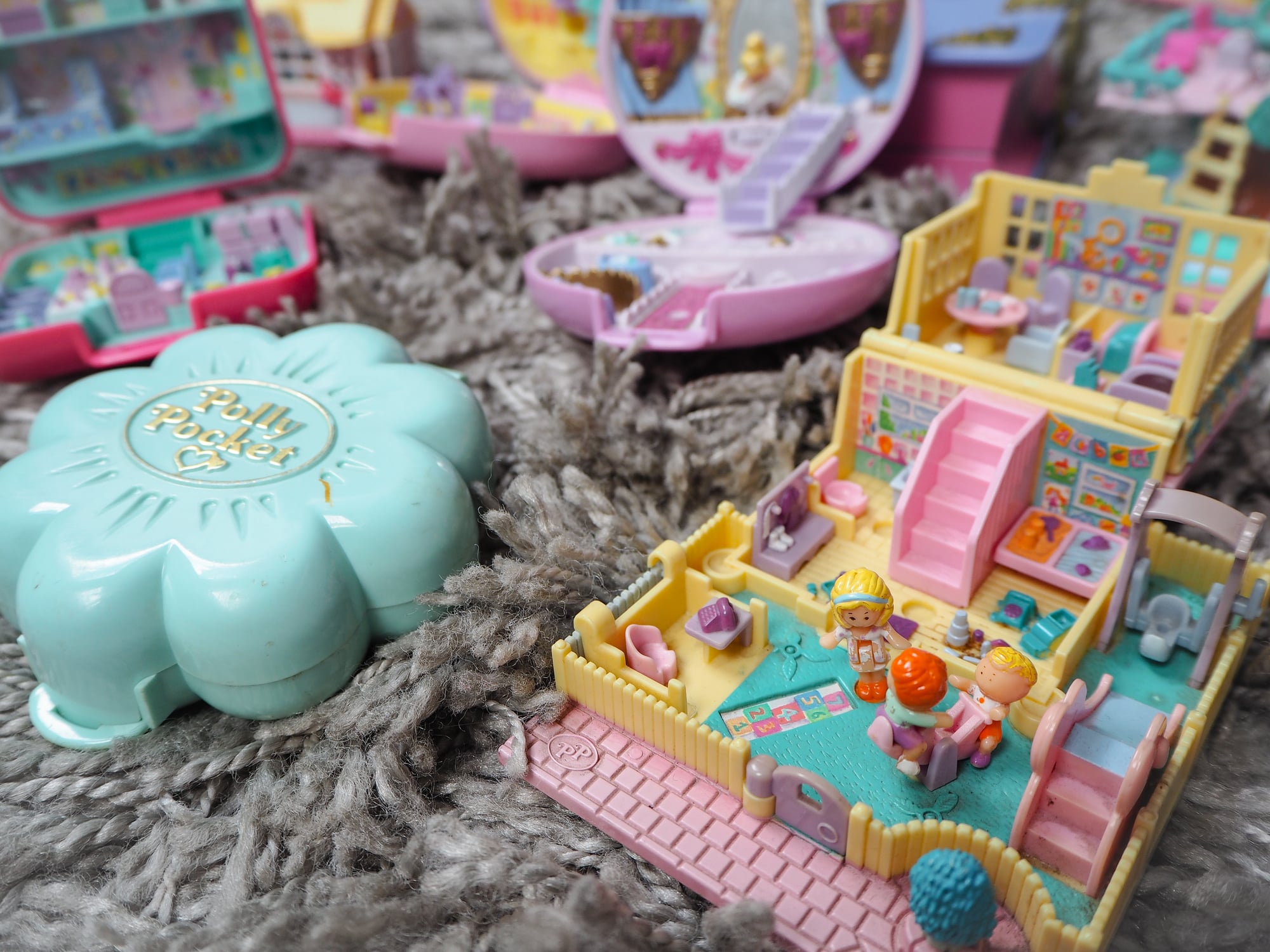
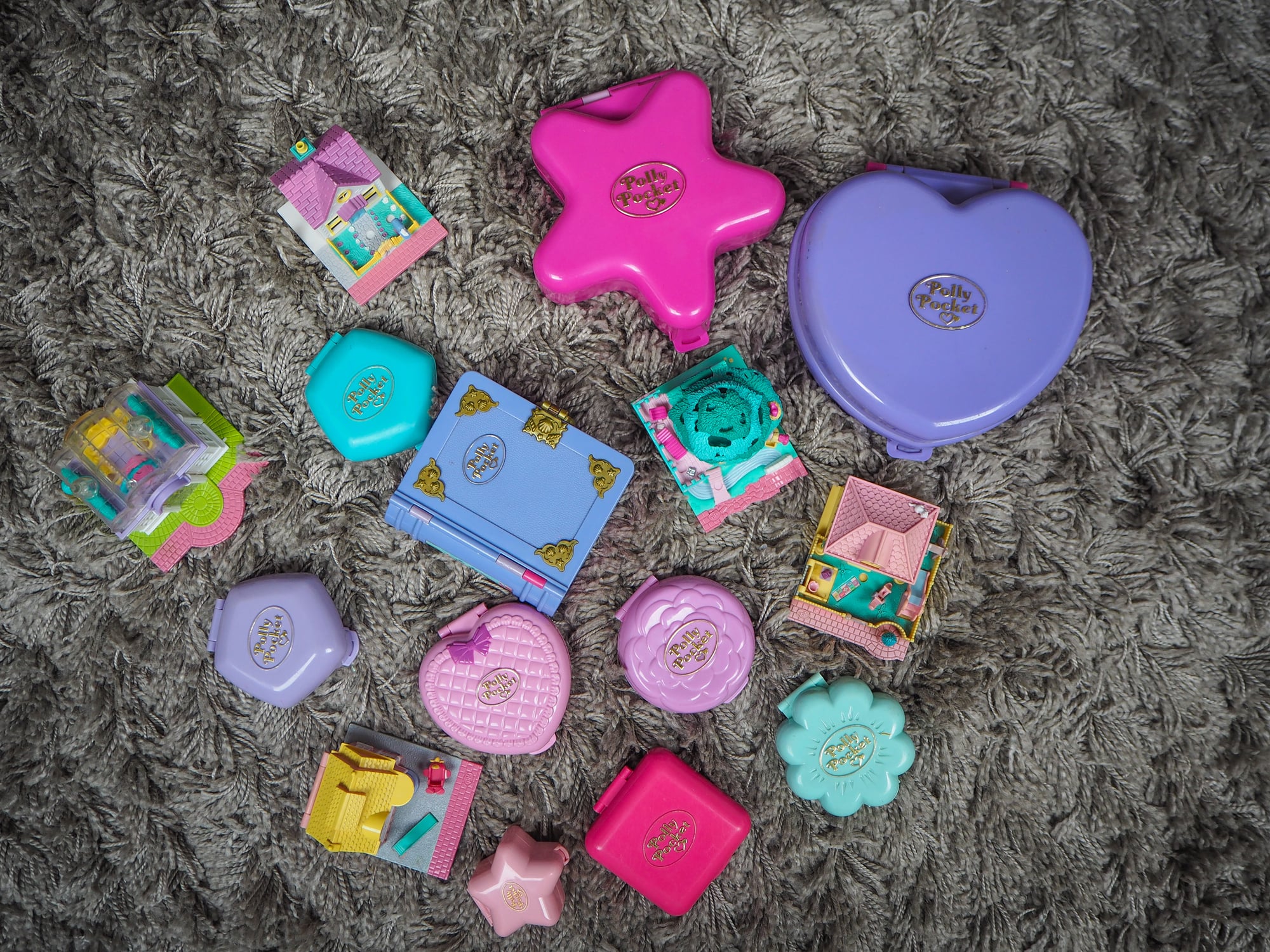
In 2006, Mattel recalled roughly 4.4 million Polly Pocket magnetic playsets after reports that the small, powerful magnets in the accessories were being swallowed by children. This was part of the same wave of magnet-safety concerns that would later engulf Bucky Orbs, and it was striking partly because Polly Pocket was — and still is — one of the most cheerfully innocent toy brands ever produced.
The gap between the branding and the hazard was considerable.
Radio Flyer Spin Master Scooter
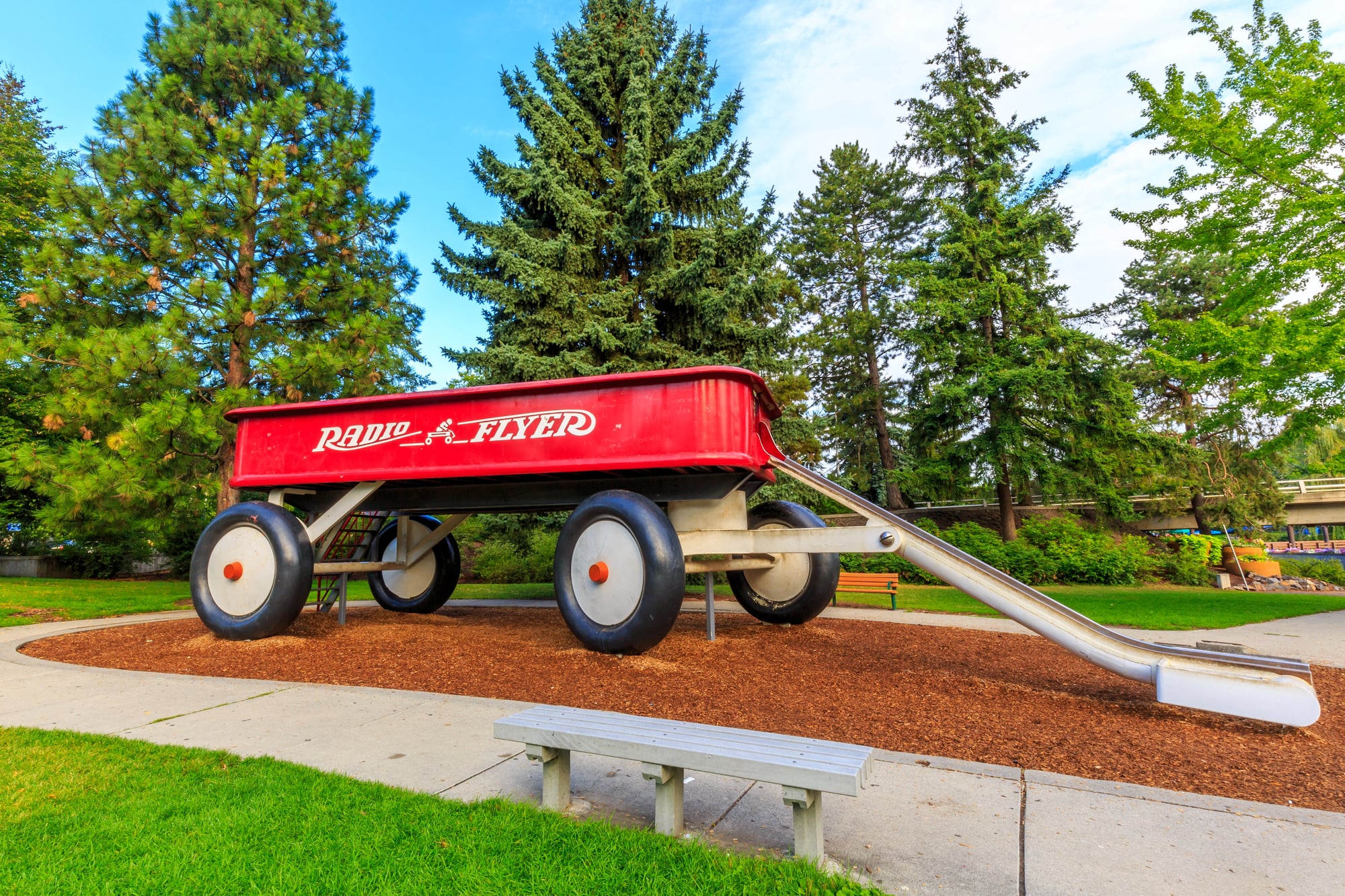
A specific Radio Flyer scooter variant, recalled in the early 2000s, had a handlebar assembly that could detach during use — which, on a scooter moving at any speed, created a fall hazard significant enough to prompt CPSC action. Radio Flyer’s reputation for durability made the recall feel particularly anomalous.
Kids who rode scooters in that era remember the brand with the kind of fondness that a single bad product run couldn’t realistically dent.
Johnny Reb Cannon
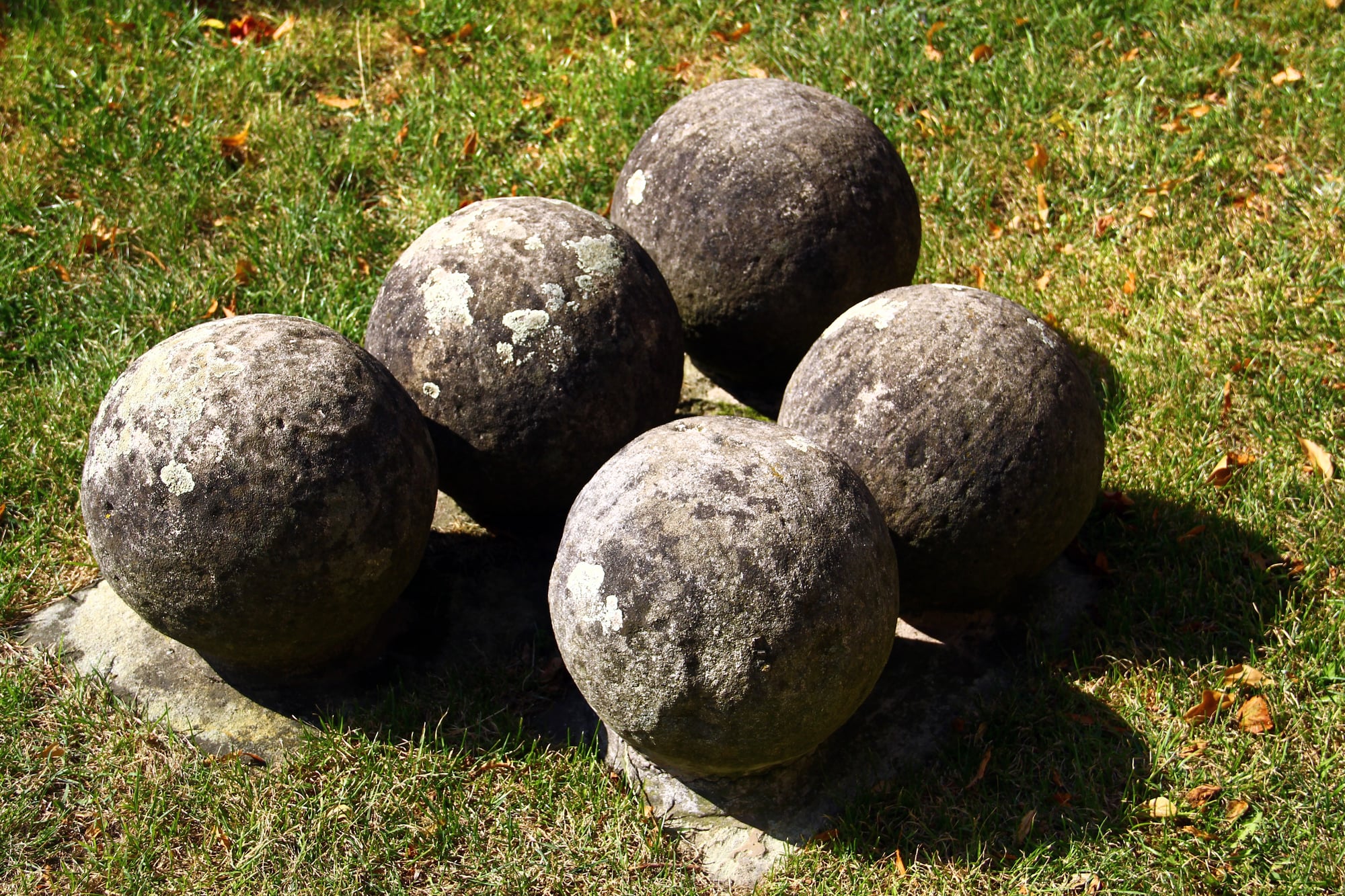
The Johnny Reb Cannon, produced by Remco in the early 1960s, was a toy Civil War cannon that fired small plastic projectiles with enough force to cause injury. It was pulled from the market after complaints — part of the broader mid-century reckoning with spring-loaded projectile toys that would continue for decades.
The cannon was elaborate, detailed, and satisfying to operate in the way that only slightly dangerous toys tend to be.
Rollerblade Barbie Accessory Pack

Distinct from the original recall, certain accessory packs associated with the broader Rollerblade Barbie line were flagged separately for the sparking mechanism in different markets and at different times, creating a somewhat fragmented recall history. The toy occupied that specific nineties register: pastel, sporty, and faintly aspirational in the way that Barbie products reliably were, which made the hazard notice feel almost comically out of place next to the packaging.
Bat Masterson Derringer Belt Gun
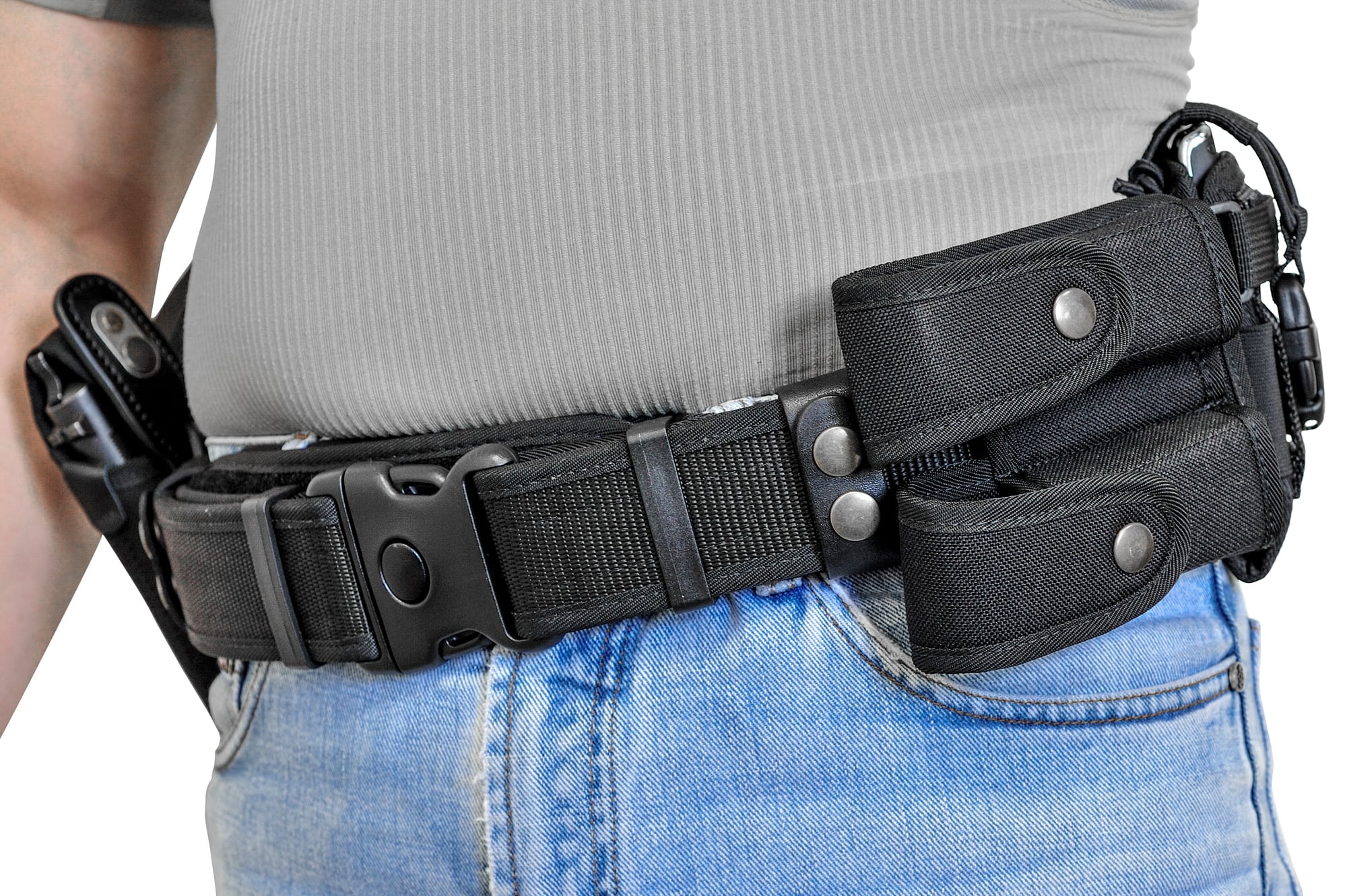
The Bat Masterson Derringer Belt Gun — a cap gun accessory from the early 1960s based on the television Western — was recalled after the firing mechanism presented hazards that regulators determined were unacceptable for a children’s product. Cap guns as a category were already drawing scrutiny by that point, and this particular product became a casualty of the broader conversation.
Kids who owned one before the recall had no idea they were holding a collector’s item.
The Ones That Got Away
There’s a particular quality to a toy that’s been recalled — it acquires a significance it probably didn’t earn, a kind of underground reputation that only grows over time. The danger, real or overstated, becomes part of the story.
And that story is always the same: a child loved this thing completely, regulators intervened for reasons that ranged from life-saving to arguably bureaucratic, and the memory of the toy outlasted both the toy and the warning. Some of these products genuinely hurt people, and their removal from shelves was right.
Others feel, in retrospect, like minor casualties of an era when toy safety was still figuring out its own parameters. But all of them left a mark — not on the shelves they were pulled from, but on the kids who remember them.
More from Go2Tutors!

- The Romanov Crown Jewels and Their Tragic Fate
- 13 Historical Mysteries That Science Still Can’t Solve
- Famous Hoaxes That Fooled the World for Years
- 15 Child Stars with Tragic Adult Lives
- 16 Famous Jewelry Pieces in History
Like Go2Tutors’s content? Follow us on MSN.