27 Catalog Brands from the ’80s That Defined Family Shopping
The mailbox was a different kind of portal in the 1980s. Thick catalogs arrived like clockwork, their glossy pages promising everything from workwear to toys to home goods, all delivered straight to your door. Families gathered around kitchen tables, dog-earing pages and circling items with ballpoint pens, turning shopping into a shared ritual that felt both practical and magical.
These weren’t just shopping tools — they were the internet before the internet existed. Each catalog represented a curated world of possibilities, complete with lifestyle photography that suggested who you could become if you just ordered the right flannel shirt or kitchen gadget. The brands behind these catalogs understood something fundamental about American families: they wanted quality, convenience, and a sense of belonging to something larger than their immediate surroundings.
Sears

The Sears catalog was the undisputed king of family shopping. Every household had one, usually dog-eared and coffee-stained from constant use. You could buy everything from underwear to riding mowers, often on a payment plan that made big purchases feel manageable.
In rural areas especially, the Sears catalog wasn’t a convenience — it was a lifeline. The store might be hours away. The catalog was always on the kitchen table.
J.Crew
J.Crew turned preppy into a lifestyle brand through their catalog. The photography made everyone look like they summered in Nantucket, even if they’d never left Ohio. Their sweaters and khakis became the uniform of aspirational middle-class America.
The catalog arrived and people felt, flipping through it, that a certain kind of effortless, well-dressed life was entirely within reach. That feeling was the product, more than the clothing itself.
L.L.Bean

L.L.Bean somehow convinced suburban families that they needed the same gear as Maine fishermen, and the remarkable thing is they were probably right. Durability isn’t just about surviving the elements — it’s about surviving family life, which might actually be harder.
A Bean backpack lasted through decades of school lunches and soccer practice. Those duck boots became a practical luxury that parents could justify because the kids needed something waterproof, didn’t they? The lifetime guarantee wasn’t marketing. It was a standing promise that the company kept.
Lands’ End
Lands’ End sold the dream of effortless American casual wear. Their catalog copy read like friendly letters from Wisconsin, complete with sailing metaphors that somehow made sense even when describing flannel pajamas.

The lifetime guarantee wasn’t marketing — it was a promise that turned first-time buyers into customers for decades.
Eddie Bauer
Eddie Bauer bridged the gap between outdoor gear and everyday wear. Their catalog suggested that adventure was just a down vest away, and families bought into that promise wholeheartedly.
The photography was aspirational without being unattainable — real-looking people in beautiful places wearing clothes that happened to be practical too.
Victoria’s Secret
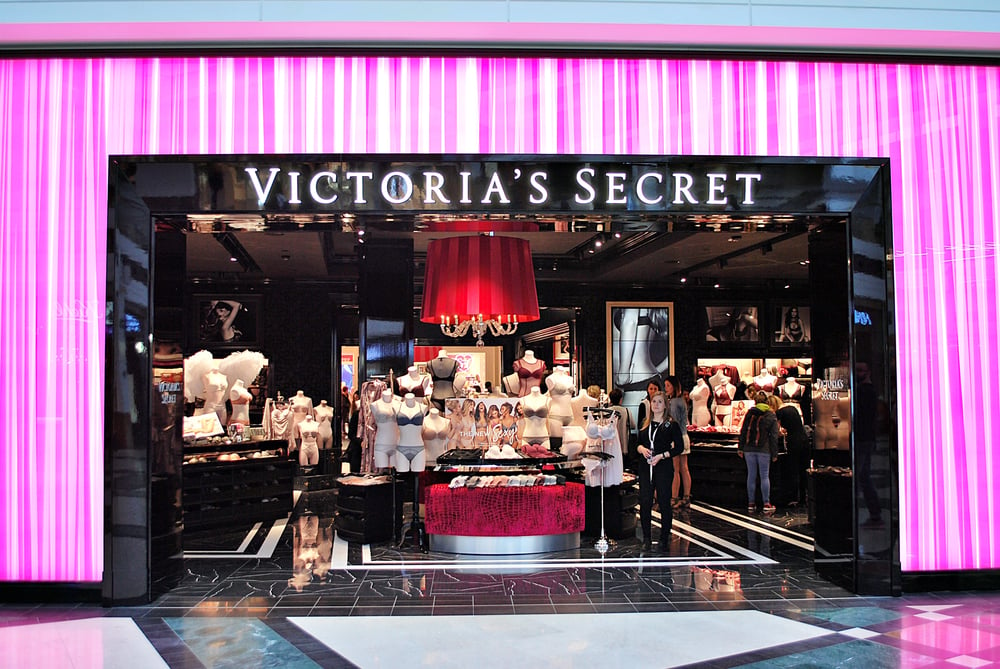
Before Victoria’s Secret became synonymous with fashion shows and pink everything, their early catalog was focused on romantic but tasteful lingerie presented with a European-inspired sensibility. The brand was founded in San Francisco in 1977 by Roy Raymond, who wanted a less clinical shopping experience than department stores offered at the time.
The early ’80s catalog used words like “romantic” and “feminine,” walked a careful line between allure and respectability, and landed squarely in the mainstream of married life. Husbands ordered from it for anniversaries, wives browsed for special occasions. It felt sophisticated rather than scandalous — a tone that suited Reagan-era sensibilities perfectly.
Spencer Gifts
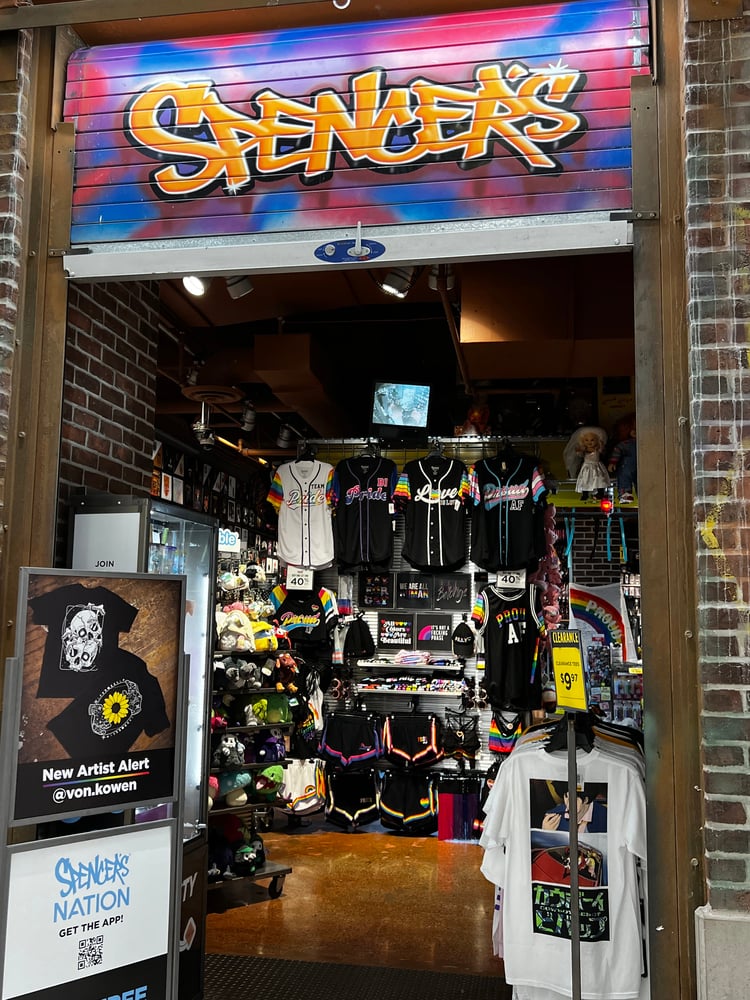
Spencer Gifts catalogs were where teenagers discovered you could buy things their parents definitely wouldn’t approve of. Novelty t-shirts, gag gifts, and items that pushed boundaries just enough to feel rebellious without crossing into actual trouble.
The catalog was practically a rite of passage — evidence that the world contained more strangeness and humor than your parents’ taste in home furnishings suggested.
Fingerhut
Fingerhut made shopping accessible to families who couldn’t always pay upfront. Their “buy now, pay later” model turned catalog shopping into a form of layaway that arrived at your door immediately, which was a genuine innovation for households living paycheck to paycheck.
Montgomery Ward

Montgomery Ward competed directly with Sears but never quite achieved the same cultural dominance. Still, their catalog was a fixture in millions of homes, offering everything from appliances to clothing at competitive prices.
For many families, the choice between Sears and Ward’s came down to which catalog happened to be closer at hand.
Sharper Image
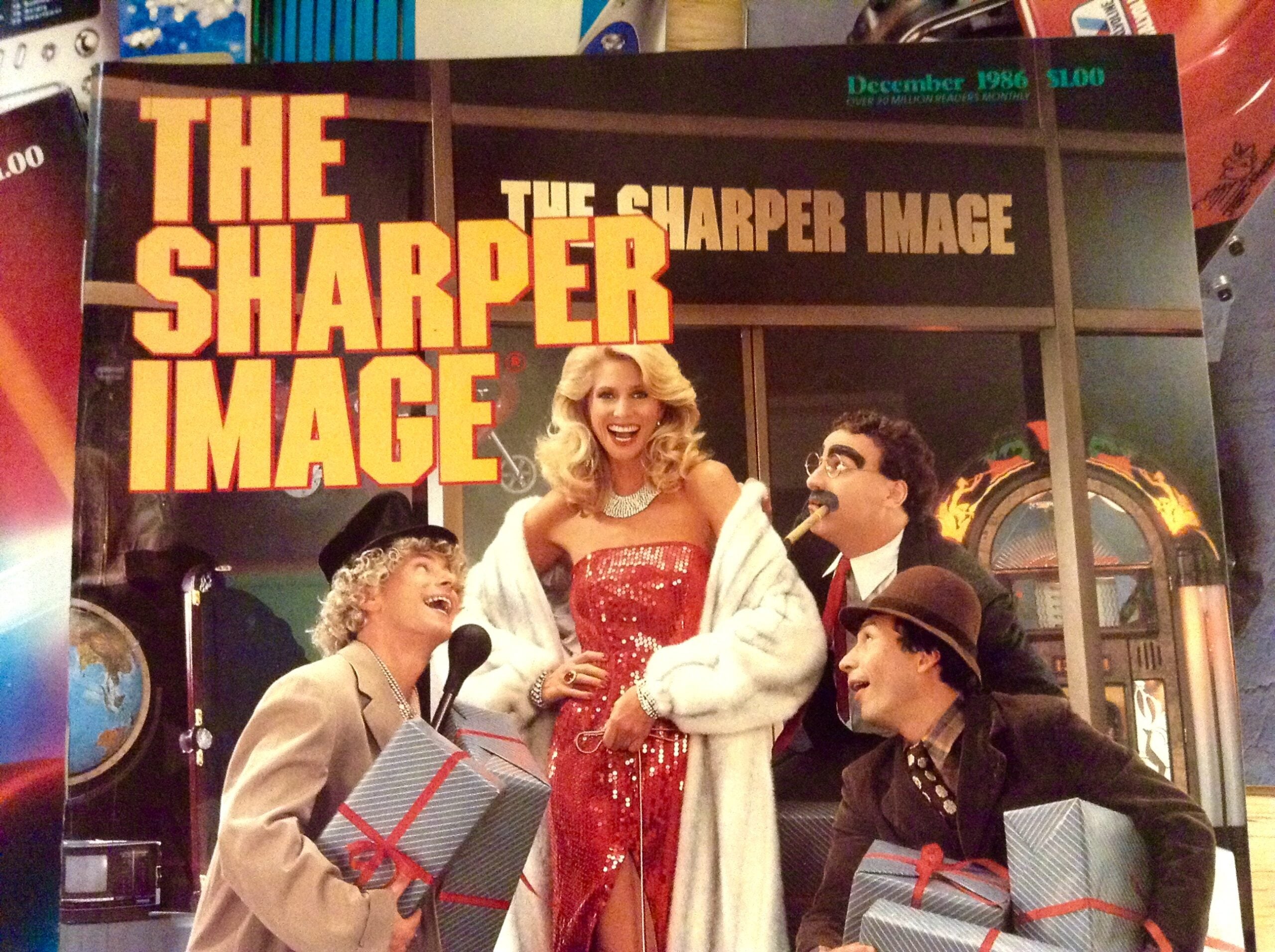
The Sharper Image catalog was pure aspiration wrapped in sleek photography and gadget lust. Nobody really needed a $200 massage chair or an ionic air purifier, but the catalog made you believe that owning these things would upgrade your entire existence.
It was shopping as science fiction, presenting a future where technology solved problems you didn’t know you had. The products were expensive enough to feel exclusive but practical enough to justify to a spouse — exactly the sweet spot for discretionary spending in middle-class households. The catalog arrived quarterly like a glimpse into tomorrow.
Brookstone
Brookstone specialised in solutions to problems you didn’t know existed. Their catalog was filled with ergonomic tools, massage gadgets, and innovative household items that seemed essential once you read the descriptions.
The copy was the product — detailed explanations that created the need as they described the solution.
Lillian Vernon

Lillian Vernon turned personalisation into a cottage industry decades before anyone used the word “customisation.” The genius wasn’t in the products themselves — most were fairly ordinary household items, gifts, and accessories — but in the promise that you could make them uniquely yours with a monogram, a name, or a special message on anything from towels to jewellery boxes.
For families in the ’80s, this felt genuinely revolutionary: finally, a way to give gifts that couldn’t possibly be mistaken for a last-minute department store purchase.
Hammacher Schlemmer

Hammacher Schlemmer sold items that nobody needed but everybody secretly wanted. Their catalog read like a museum of useful inventions, each product accompanied by a detailed explanation of why it was superior to anything else on the market — often backed by specific testing data and claims of being the “only,” the “first,” or the “best.”
The format was part of the appeal. Every product came with a miniature argument for its own existence, and somehow those arguments were consistently persuasive.
Current
Current was the place families went for stationery, address labels, and greeting cards that felt more personal than what you’d find at the drugstore. Their catalog made correspondence feel like an art form worth investing in, at a time when handwritten notes and personalised stationery still carried social weight.
Harry and David
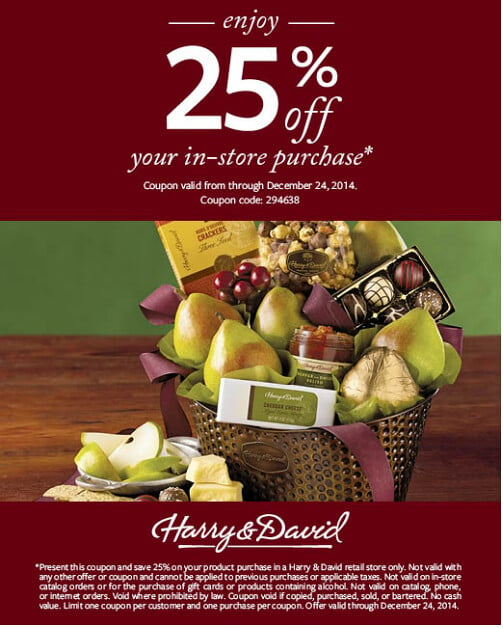
Harry and David turned fruit into a luxury gift through their catalog presentations. Their pears arrived in wooden boxes like precious cargo, making ordinary fruit feel like a special occasion worthy of shipping across the country.
Seasonal catalogs created anticipation that lasted for months. Christmas meant towers of perfectly arranged fruit and cheese, while spring brought promises of fresh citrus delivered to your door. Giving someone a Harry and David gift said you had thought about it in advance — which was, itself, a kind of compliment.
Miles Kimball

Miles Kimball occupied the catalog niche of “things you never knew you needed until you saw them in print.” Shoe organisers that hung over closet doors, foam padding for uncomfortable chairs, pill bottles easier to open for arthritic hands, systems for keeping jewellery untangled.
These weren’t glamorous purchases. They addressed the small frustrations that accumulate in family life and then, once solved, immediately became indispensable.
Norm Thompson

Norm Thompson catalogs felt like shopping in an upscale Pacific Northwest boutique from the comfort of your living room. Their selections leaned toward natural materials and artisanal quality that justified higher prices — the kind of clothing and gifts that seemed thoughtful rather than merely purchased.
Orvis

Orvis sold a very specific vision of American leisure: fly fishing, bird hunting, and country living that felt authentic rather than manufactured. Their catalog was as much lifestyle education as product showcase, written with the assumption that readers either already lived this life or sincerely intended to.
Banana Republic
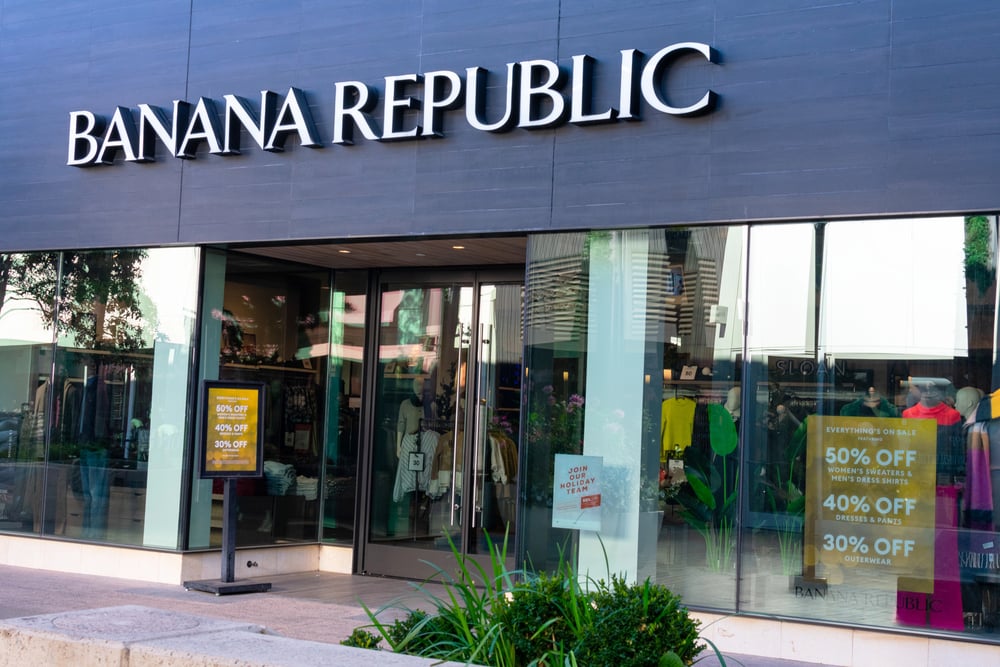
Banana Republic was founded in 1978 by journalist Mel Ziegler and illustrator Patricia Ziegler as an army surplus import business in Mill Valley, California. What made their catalog remarkable was Patricia’s hand-drawn illustrations, which gave each item a travelogue treatment — a flight jacket came with a story about the expedition it was designed for, a pair of gurkha shorts arrived with a paragraph about the Himalayan terrain that inspired them.
Gap acquired the company in 1983 and backed a period of explosive growth, with the Zieglers staying on to run the creative side through 1988. The adventure-story catalog era was very much alive through this period, before the brand eventually shifted toward mainstream upscale retail. In its ’80s prime, reading a Banana Republic catalog felt less like shopping than planning an expedition you’d probably never take but fully intended to.
Patagonia
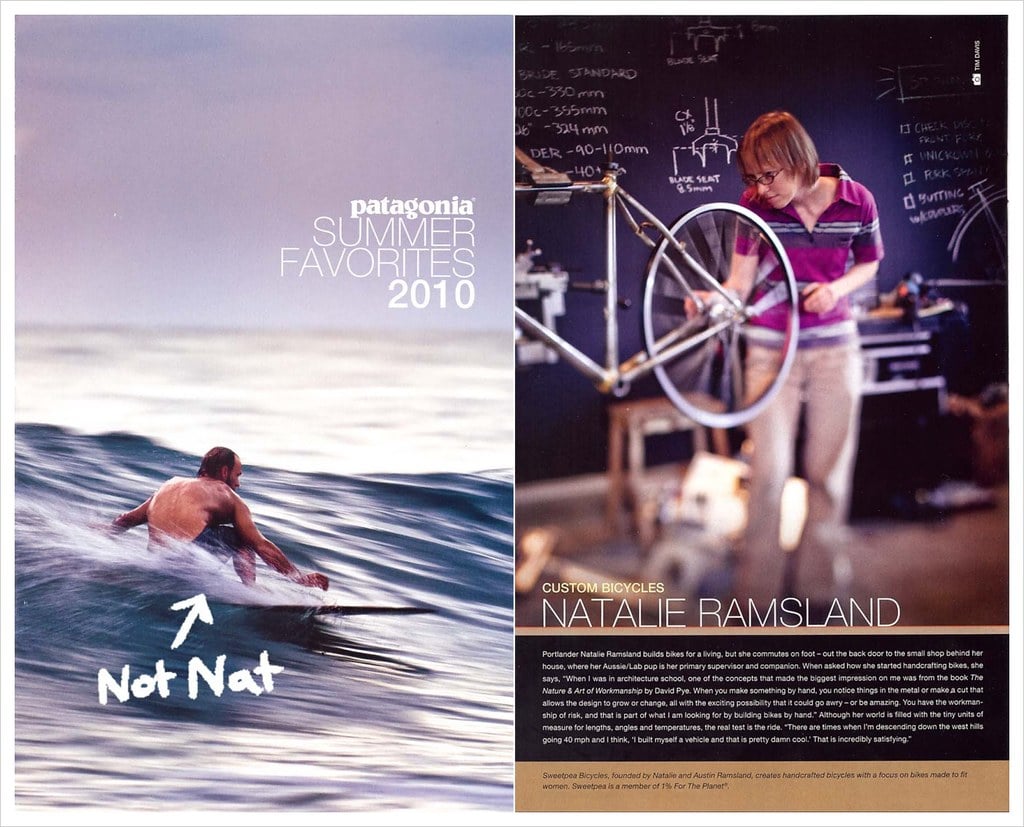
Patagonia established the template for environmentally conscious outdoor gear through catalogs that were equal parts product showcase and environmental argument. Their product descriptions didn’t just tell you what a jacket was made of — they explained why the materials mattered, how they were sourced, and what your purchase meant for the places where you’d wear it.
The catalog felt like it was written by people who actually used the gear, because it was, and that authenticity showed in every description and photograph. Families who bought Patagonia weren’t just buying outdoor gear. They were buying into a philosophy that said enjoying nature and protecting it weren’t separate activities.
Carol Wright Gifts

Carol Wright Gifts specialised in affordable solutions to everyday problems. Their catalog was aimed squarely at budget-conscious families who still wanted convenience and quality without breaking the bank — the practical, no-nonsense counterpart to the more aspirational brands sharing mailboxes with them.
The Territory Ahead
The Territory Ahead sold clothing that looked like it came from expensive adventure travel, designed for people who wanted to look the part while living suburban lives. Their catalog photography suggested exotic locations and outdoor pursuits, but the clothes translated perfectly to office jobs and weekend errands — which was exactly the point.
Solutions
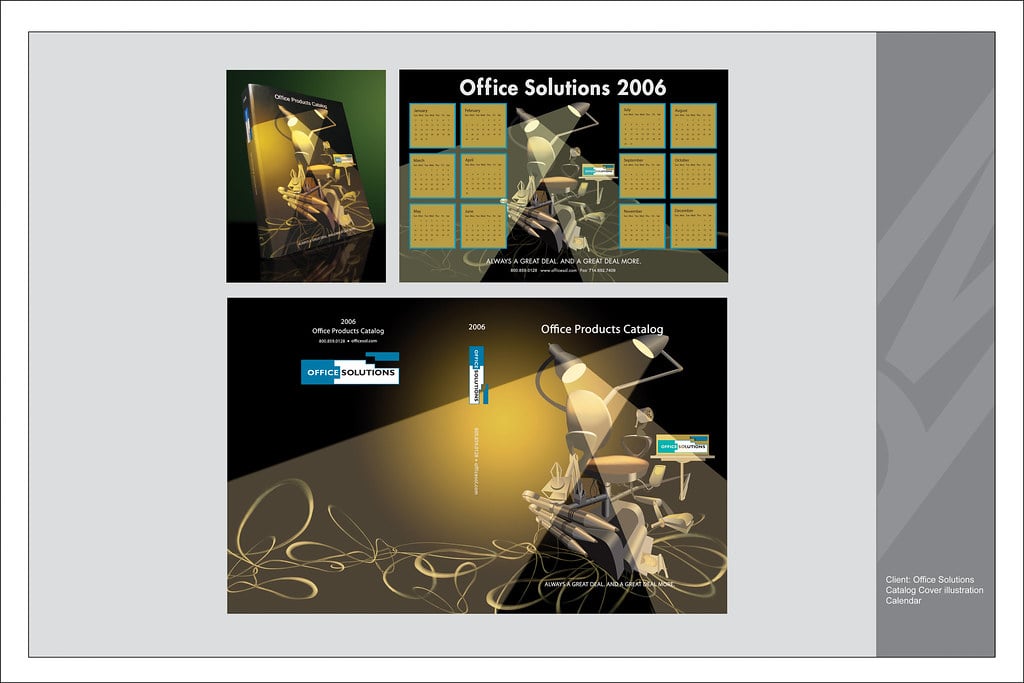
Solutions catalogs lived up to their name with products that solved specific household problems you’d learned to live with. Innovative storage, cleaning tools, and organisational systems that actually worked filled every page with the implicit message that your domestic life could be better than it currently was, and for a reasonable price.
Gump’s

Gump’s brought San Francisco sophistication to catalog shopping. Their selections felt curated rather than mass-produced, offering home goods and gifts that suggested refined taste and cultural awareness.
Ordering from Gump’s felt like a small act of self-definition.
Williams-Sonoma
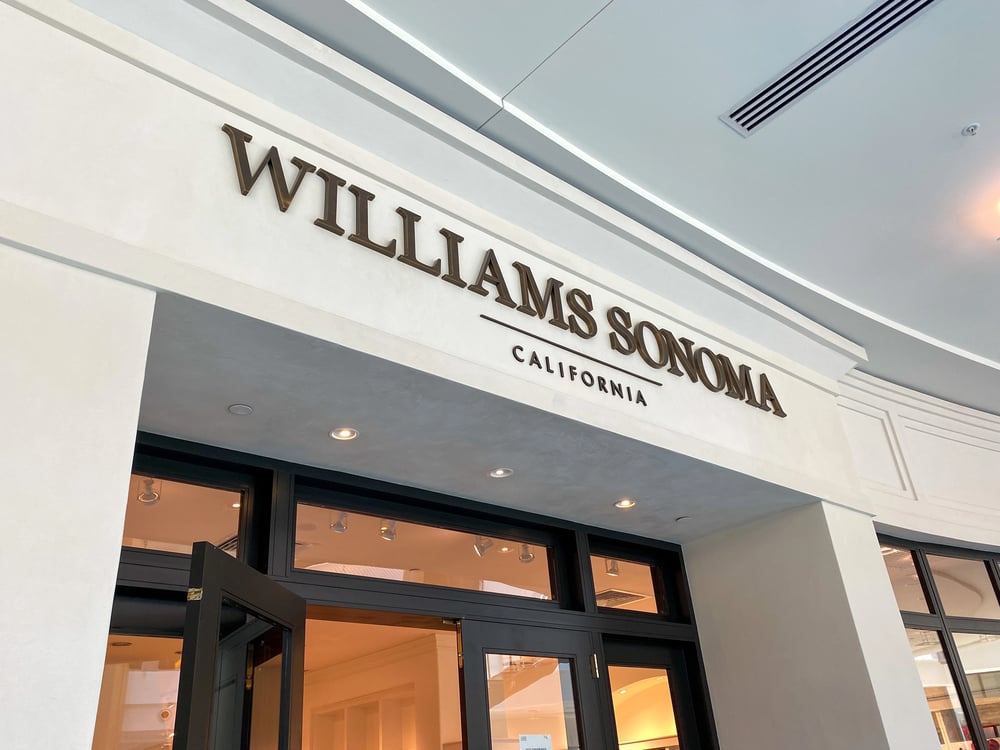
Williams-Sonoma didn’t just sell kitchen equipment — they sold the dream of becoming the kind of cook who needed professional-grade tools, and made that aspiration feel achievable rather than intimidating. The catalog arrived like a cooking school course book, with detailed explanations of why you needed a particular type of knife or how a specific pan would change your approach to dinner.
Product descriptions read like encouragement from a patient teacher rather than sales pitches, and the photography made even complicated techniques look manageable for home cooks still figuring out how to properly dice an onion. The genius was making professional cooking feel accessible to families who mostly lived on weeknight dinners and weekend experiments.
Horchow
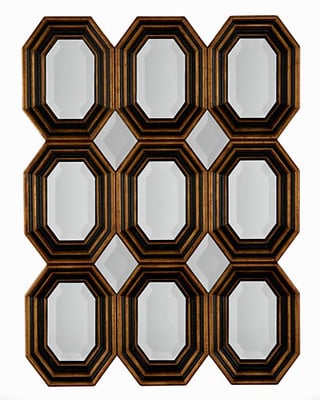
Horchow catalogs were aspirational home decor for families who wanted their houses to look like magazine spreads. Their selections bridged affordable and luxury, offering pieces that could elevate an entire room without requiring a decorator’s budget.
The catalog itself felt like a design magazine, with room settings that suggested possibilities rather than just displaying products for sale. You didn’t just want the lamp — you wanted the whole room it was photographed in.
What the Mailbox Carried
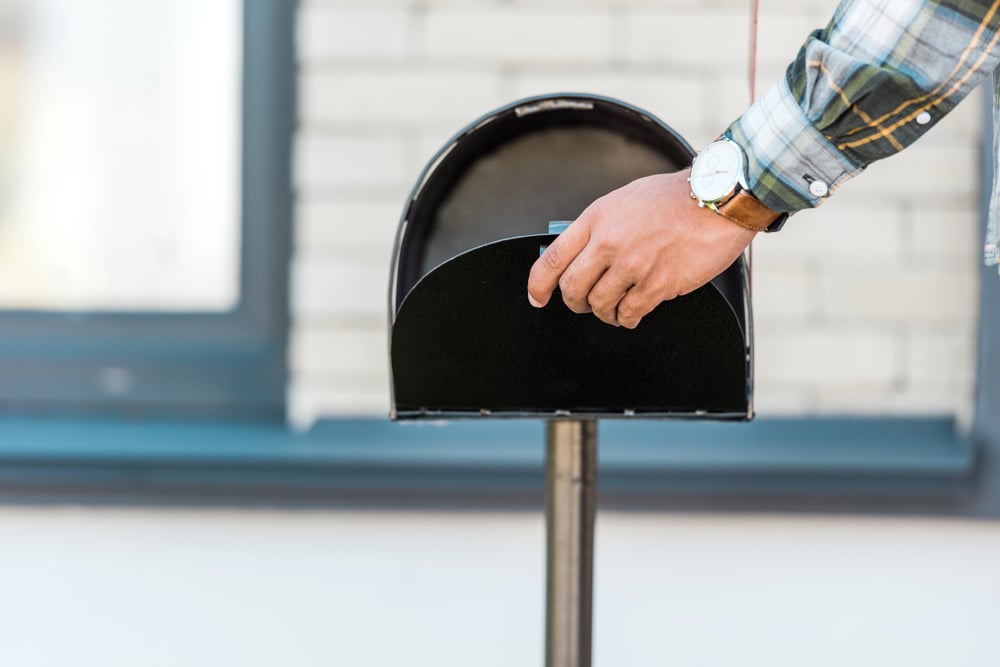
These catalog brands created a shared language of American family life in the 1980s, one that spoke of possibility, convenience, and the belief that the right products could improve daily existence in meaningful ways. The ritual of catalog shopping — the anticipation of new arrivals, the careful deliberation over each purchase, the circled pages passed around the kitchen table — was itself a form of family conversation about values and aspirations.
What the internet eventually replaced wasn’t just a distribution method. It was a particular kind of deliberation, the slow turning of pages and the building of desire over weeks rather than seconds. Those catalogs understood that the wanting was part of the pleasure, and that a purchase considered for a while meant more than one made in an instant. Some of what they understood about shopping has never quite been recovered.
More from Go2Tutors!

- The Romanov Crown Jewels and Their Tragic Fate
- 13 Historical Mysteries That Science Still Can’t Solve
- Famous Hoaxes That Fooled the World for Years
- 15 Child Stars with Tragic Adult Lives
- 16 Famous Jewelry Pieces in History
Like Go2Tutors’s content? Follow us on MSN.