20 Surprising Facts About First Cellphones
Back before smartphones fit into pockets and did everything, cellphones were large, heavy devices that felt more like a hassle than a help. These early gadgets changed how people communicated, even though now they seem bulky and outdated.
Here’s a look at some surprising things about the first cellphones. Some of these might seem odd today, but they show how much the technology has improved.
The First Cellphone Was Huge And Heavy

Motorola made the first cellphone in 1973, and it weighed almost 2.5 pounds. This was a serious weight to carry around, especially compared to today’s tiny phones. People couldn’t just slip it into their pockets. Many had to carry the phone in special bags or large cases designed to support the size and weight. The phone was so bulky that holding it for a long call was uncomfortable, and many users describe it as feeling like holding a brick to their ear. This size showed just how new the technology was and how far it had to go.
Calls Lasted Only About 30 Minutes

Battery life on early cellphones was very limited. The big, bulky batteries inside could only power the phone for about half an hour of talk time. After that, the phone died and needed a recharge. Charging these batteries wasn’t as quick or easy as today’s fast chargers. Because of this, people had to plan their calls carefully, saving them for only the most important conversations. Long phone calls were rare because the battery simply couldn’t last.
No Text Messages At First
Early cellphones did not have the ability to send text messages. People had to speak directly to each other to communicate. The concept of texting came later, in the 1990s, after phones became more advanced. Without texting, quick messages and silent communication were impossible. This meant calls were often the only way to share information, which made communication less private and more public. It also meant that many people stayed tied to landlines or face-to-face chats.
Cellphones Were Mainly For The Rich

When the first cellphones came out, they were very expensive to buy and operate. The cost of the phone itself could be thousands of dollars, and monthly service fees were high. Because of this, most cellphones belonged to wealthy people, business leaders, or professionals who needed to stay connected. For the average person, cellphones were out of reach for many years. Owning a cellphone was a clear sign that someone had money and social status. It wasn’t until prices dropped that cellphones became more common.
Early Cellphone Networks Had Spotty Coverage

Cellphone networks back then were small and limited. Most coverage was in large cities or towns, and even there, the signal could drop unexpectedly. People often experienced calls cutting out or poor sound quality. Outside of the few network areas, the phones didn’t work at all. This made cellphones unreliable for many people, especially those living in rural or remote areas. It took years before networks grew large enough to offer consistent service everywhere.
There Was No Internet Access
The first cellphones were made just for calls. They didn’t have any ability to connect to the internet, check email, or use apps. The idea of browsing websites on a phone was something for the future. These phones were simple tools focused only on voice communication. Internet access came much later, after mobile networks improved and phones became smarter.
Dialing Was Slow And Manual

Many early cellphones used rotary dials, similar to old landline phones. To call someone, users had to turn a dial for each number, which took a good amount of time. If you made a mistake dialing, you had to start over. This slow dialing process meant calls were not as quick or easy as today. It could be frustrating, especially if you needed to call many different people or make emergency calls fast. This old-fashioned method showed how early the technology was.
Phones Didn’t Store Contacts

Early cellphones didn’t have built-in memory to save phone numbers. Users had to remember numbers or keep them written down on paper or in a notebook. This made it harder to call friends or business contacts quickly. Every time you wanted to call someone, you had to find their number elsewhere or know it by heart. This lack of storage meant cellphones were less convenient than modern devices.
Cellphones Had Long Antennas

To catch signals, early cellphones came with long, stick-like antennas. These antennas often stuck out from the phone’s body and could easily break if bent or dropped. The antennas made the phone larger and less comfortable to carry or hold. People had to be careful because if the antenna was damaged, the phone’s signal would weaken or disappear completely. Despite being annoying, these antennas were necessary for the phone to work.
Phones Were Mostly Used In Cars
Because early cellphones were so heavy and had short battery life, many were not carried around freely. Instead, they were installed in cars as fixed “car phones.” These phones had bigger battery packs and external antennas mounted on the vehicle. Using a cellphone while driving was one of the first ways people had mobile communication, but carrying the phone on foot was rare. This made cellphones seem more like car accessories than personal gadgets.
Making A Call Was Expensive

Phone calls made on early cellphones cost a lot of money per minute. This was especially true for long-distance calls. The high prices meant people were careful about how long they talked and often limited themselves to short, necessary conversations. It was common for users to check the phone bill closely to avoid surprise charges. Because of the expense, cellphone calls were not casual but reserved for important moments.
Battery Technology Was Basic And Slow

The batteries inside early cellphones were heavy and needed many hours to recharge fully. Unlike today’s quick charging options, users had to plug in their phones for long periods to get a full charge. The batteries didn’t last very long once charged, so people often found themselves without power at inconvenient times. This made early cellphones less reliable and more difficult to use regularly. Managing battery life became an important part of owning one.
Phones Could Only Make One Call At A Time
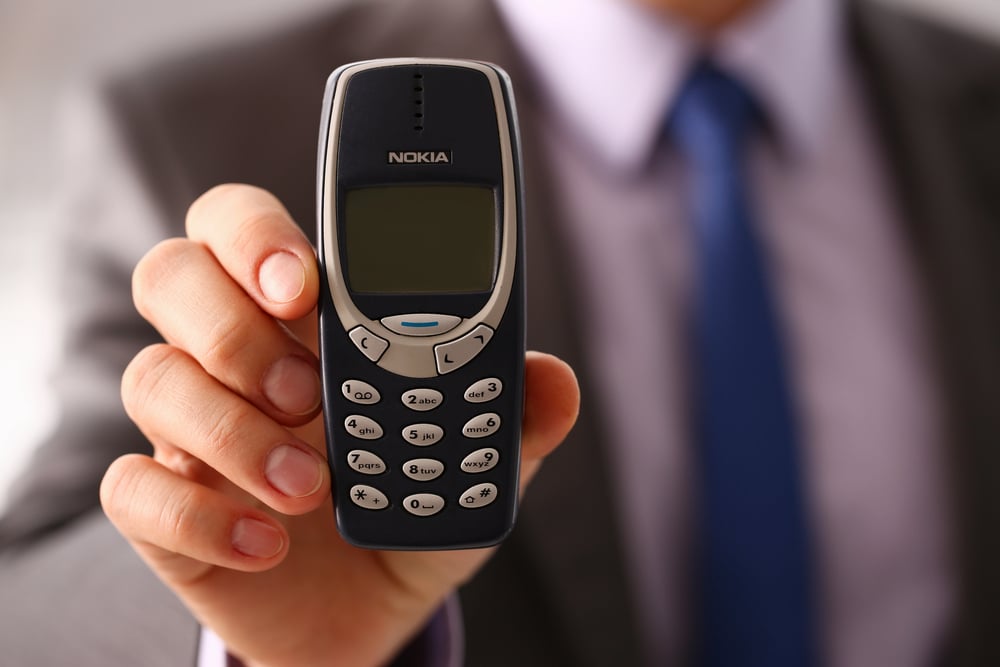
Early cellphones had very basic features. One big limitation was that they could only handle a single call at once. There was no way to put someone on hold, no call waiting, and no conference calls. If someone was using the phone, no one else could call or use the device until the call ended. This meant sharing a phone in a family or office was tricky and sometimes frustrating.
The First Cellphone Call Was Made By A Motorola Engineer
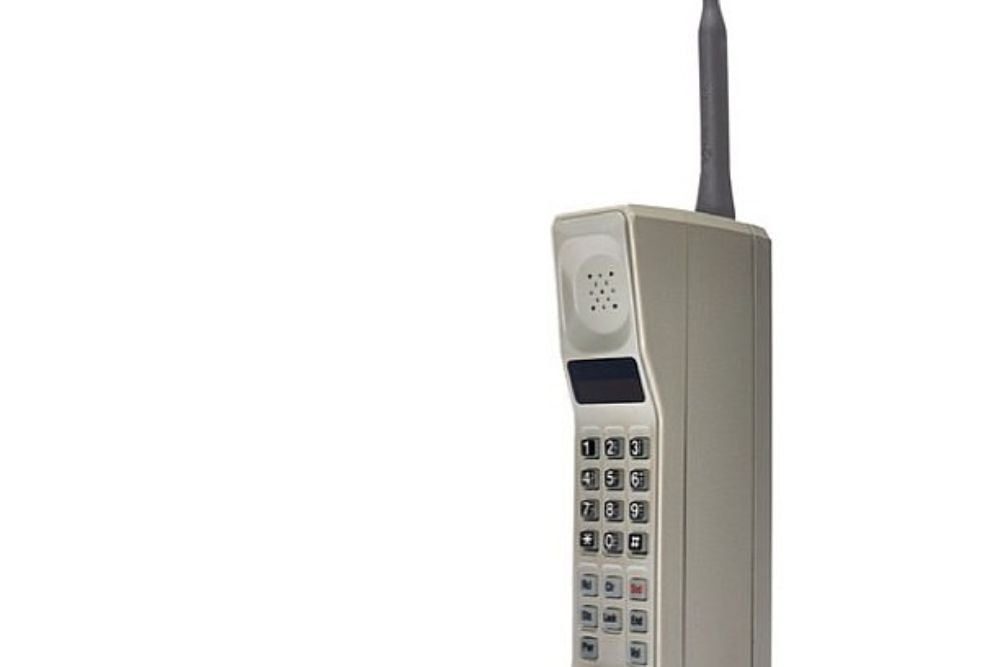
Martin Cooper, a Motorola engineer, made the very first public cellphone call in 1973. He called a rival at Bell Labs to announce the new invention. This call was a key moment in history because it showed that talking without wires was finally possible. Cooper’s call proved the technology worked and started the era of mobile communication that has changed the world.
Cellphone Designs Were Mostly Black Or Gray

The earliest cellphones came only in simple, plain colors like black, gray, or silver. Manufacturers focused on making the phones functional and professional-looking. Bright colors, fun designs, or personalization options were almost unheard of. The plain look made the phones feel serious and business-like. Style was a low priority compared to just getting the phone to work.
People Had To Carry A Charger Everywhere
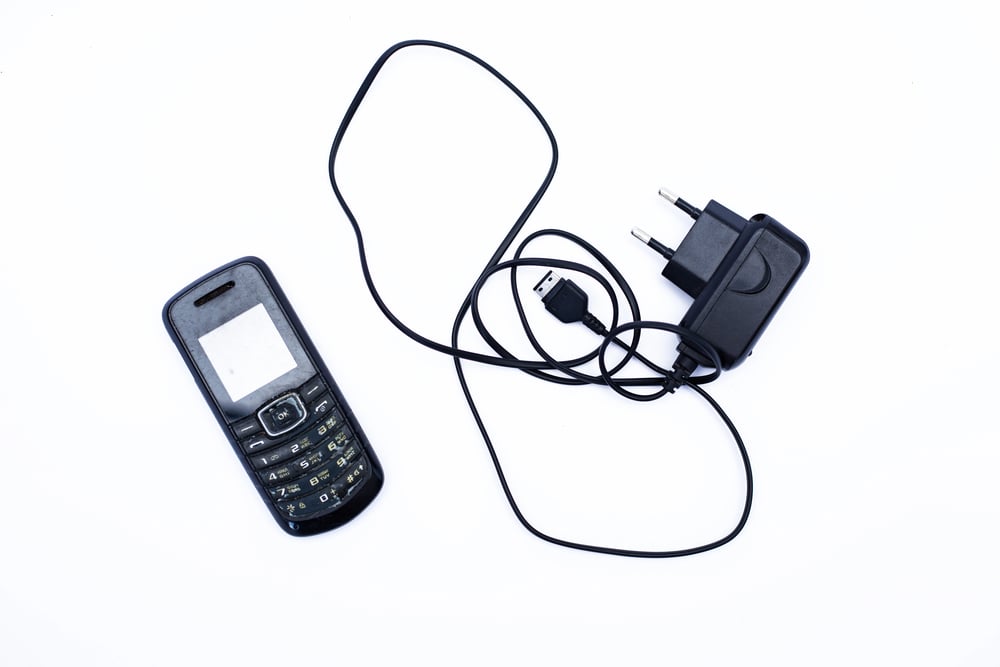
Due to short battery life, early cellphone owners often carried chargers with them. They might keep chargers at work, in their cars, and even bring one when visiting friends. This helped ensure they could recharge the phone quickly when needed. Carrying chargers everywhere made using early phones less convenient and more of a hassle. It was common for people to plan where they could charge before leaving home.
The Concept Of “Mobile” Was Really Limited
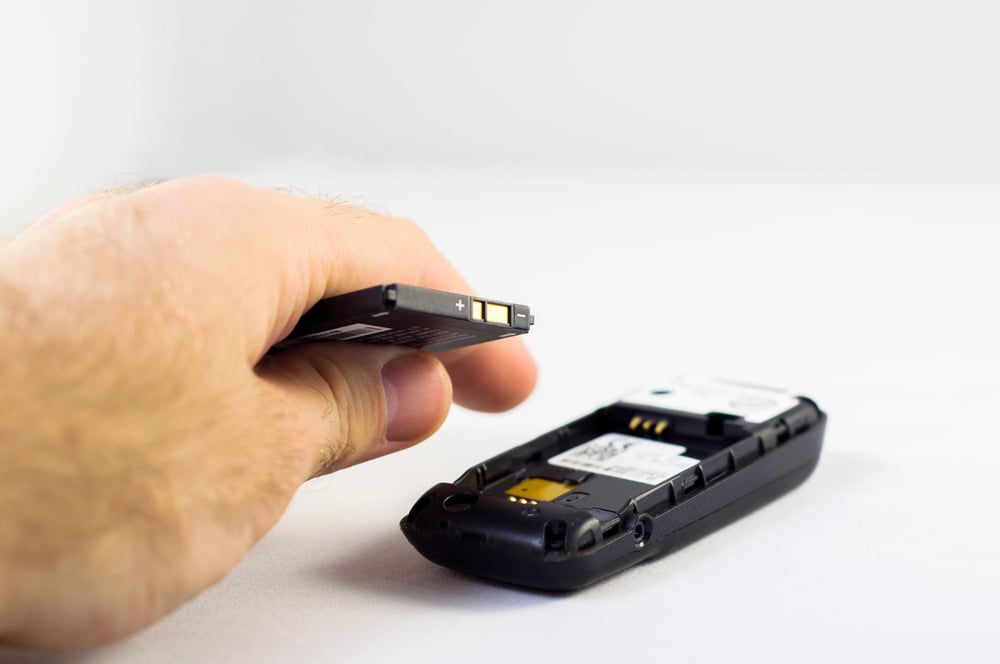
Even though they were called “cellphones,” these early devices were not very mobile in practice. Their weight, size, and short battery life meant people rarely carried them all day. Most users kept the phones in cars or at offices where they could easily plug in to recharge. True portability came later, once phones got smaller and batteries improved. The “mobile” phone of the early days was more like a cordless home phone than a device you could use anywhere.
Cellphone Calls Could Be Hacked

The signals sent by early cellphones were not encrypted, which meant they were vulnerable to eavesdropping. People with the right equipment could listen in on conversations or steal phone numbers without much effort. This made privacy a big worry, especially for business users discussing confidential matters. It wasn’t until later that cellphone signals became much safer and harder to intercept.
Phones Did Not Have Screens

Early cellphones had no screens at all. Users couldn’t see phone numbers, battery status, or caller IDs. All you had was a basic keypad or dial and a speaker. This meant dialing was manual and less user-friendly. It also made it impossible to check who was calling before answering or to see text messages, since texting didn’t exist yet.
Every Phone Was A Status Symbol

In the early days, owning a cellphone meant a lot more than just having a tool for calls. It was a sign of importance, power, and success. Having a cellphone showed you were connected, busy, and possibly wealthy. People often looked up to those who had one because it meant they were part of an elite group. Phones were not common and were almost like a badge of honor.
The Journey From Then To Now

Cellphones started as heavy, costly devices for only a few people but slowly became small, affordable, and smart. This change has transformed how people live, work, and stay connected. Looking back at these early phones helps us appreciate how much technology has improved in a short time. What was once a bulky, limited tool is now a powerful, everyday device that fits in the palm of your hand. The first cellphones laid the foundation for the world we know today.
More from Go2Tutors!

- The Romanov Crown Jewels and Their Tragic Fate
- 13 Historical Mysteries That Science Still Can’t Solve
- Famous Hoaxes That Fooled the World for Years
- 15 Child Stars with Tragic Adult Lives
- 16 Famous Jewelry Pieces in History
Like Go2Tutors’s content? Follow us on MSN.