Iconic Gadgets That Shaped Modern Gaming
Gaming looks completely different today than it did in the 1980s. But the biggest changes didn’t come from better graphics or faster processors.
They came from the physical things you held in your hands and the hardware that made new experiences possible. These gadgets changed how you play, how games are designed, and what you expect when you sit down for a session.
Some became so standard that you don’t even think about them anymore. Others opened doors that nobody knew existed.
The NES Controller’s Simple Genius
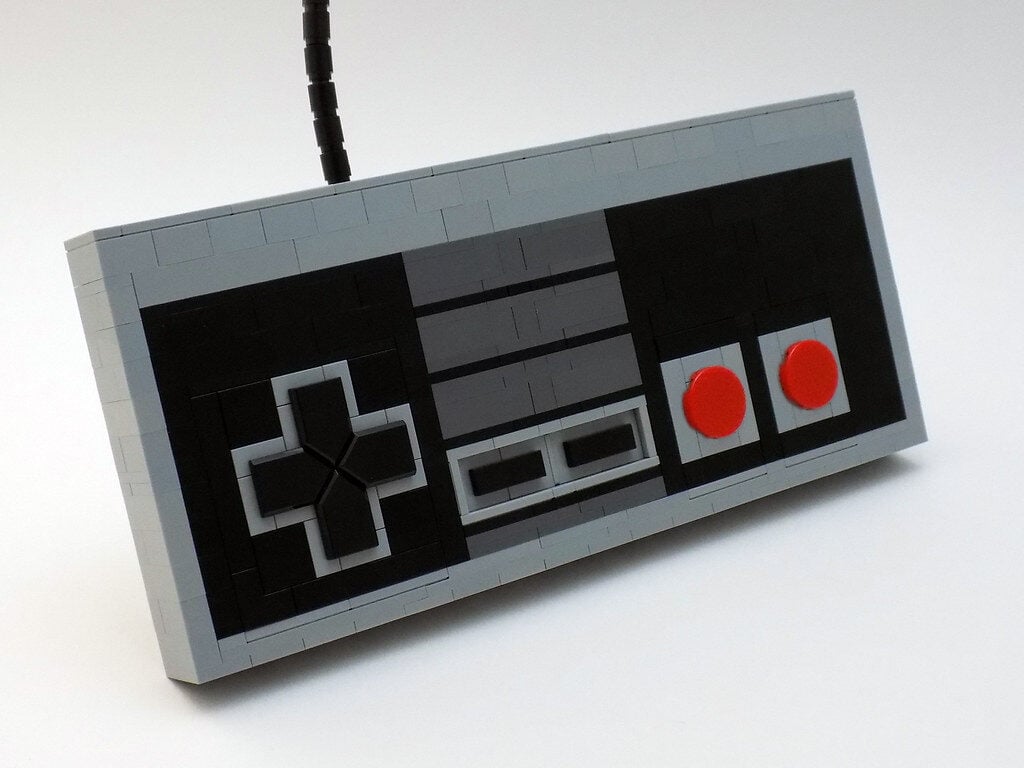
Nintendo didn’t invent video game controllers, but they perfected them. The rectangular design with the cross-shaped directional pad and two action buttons became the template that every other company followed.
Before this, controllers were often just joysticks or single buttons. The NES controller gave developers a reliable input method they could design around.
Every player had the same layout, so games could assume certain things about what you could do. That consistency made better games possible.
When the D-Pad Changed Everything

The directional pad deserves its own recognition. That simple cross-shaped button replaced clunky joysticks and gave you precise eight-directional control with your thumb.
You could move diagonally without thinking about it. Fighting games became possible because you could input complex move combinations.
Platformers got more sophisticated because developers knew you could hit exact angles. One small piece of plastic changed what game designers could create.
The Analog Stick Brought Nuance

Digital controls worked fine for 2D games, but 3D spaces needed something different. The analog stick gave you variable input.
Push it a little and your character walks. Push it all the way and they run.
This opened up entirely new types of gameplay. Racing games felt more natural because you could control how hard you turned.
Third-person action games let you sneak slowly or charge forward. The difference between full pressure and light pressure created possibilities that digital buttons couldn’t match.
DualShock Made You Feel the Game

Sony added vibration motors to the PlayStation controller and suddenly games had physical feedback. When you crashed your car, you felt it.
When you fired a weapon, the controller kicked back. The technology wasn’t new, but putting it in a standard controller meant every developer could use it.
Games started designing around the haptic feedback. Boss fights felt more intense.
Racing games became more immersive. That physical connection between what happened on screen and what you felt in your hands added a layer that graphics alone couldn’t provide.
Memory Cards Gave You Freedom

Cartridges had battery-powered save systems, but they were limited. Memory cards changed the equation.
You could save multiple games, back up your progress, and take your saves to a friend’s house. This small change had big effects.
Games could be longer and more complex because players could save anywhere. RPGs expanded.
Adventure games added more content. You weren’t limited to what fit in a cartridge’s tiny memory.
Developers had room to create bigger worlds.
Light Guns Made Shooting Simple

The Zapper and similar light guns turned your TV into a target range. The technology was straightforward—the gun detected the bright flash when the TV refreshed—but it made shooting games accessible.
Duck Hunt became a phenomenon because anyone could point and shoot. You didn’t need to master complex controls or button combinations.
That simplicity brought non-gamers into the fold and proved that the right interface could make any game concept work.
Wireless Controllers Cut the Cord

Controllers with wires seemed fine until you tried wireless ones. No more tripping over cables.
No more limited movement. No more untangling knots before you could play.
The first wireless controllers had latency issues and battery problems. But once the technology matured, going back to wired felt archaic.
You could sit anywhere in the room. You could shift positions without thinking about cable length.
That freedom changed how people set up their gaming spaces.
Motion Controls Brought New Players In

The Wii Remote proved that you didn’t need traditional controls for every game. Swing the controller to swing a tennis racket.
Point at the screen to aim. Tilt it to steer.
Critics dismissed motion controls as a gimmick, and many implementations were clumsy. But the idea that your physical movements could directly translate to game actions opened gaming to people who found traditional controllers intimidating.
Your grandmother could play Wii Sports because the controls made intuitive sense.
Gaming Headsets Changed Multiplayer

Online gaming existed before headsets became common, but voice communication transformed the experience. Coordinating with teammates in real-time made team-based games deeper and more strategic.
The social aspect mattered too. You weren’t just playing with usernames anymore.
You heard voices, made friends, and built communities. Headsets turned online gaming from a solitary activity into a social experience.
For better or worse, that changed gaming culture permanently.
Mechanical Keyboards Gave Precision

Most people didn’t think much about their keyboards until gaming keyboards appeared. Mechanical switches provided tactile feedback and consistent actuation.
You knew exactly when a keypress registered. That precision mattered in competitive games where milliseconds count.
The durability helped too—mechanical keyboards lasted through millions of keypresses. They cost more, but serious PC gamers considered them essential equipment.
The satisfying click became part of the gaming experience itself.
High Refresh Rate Monitors Smoothed Everything Out
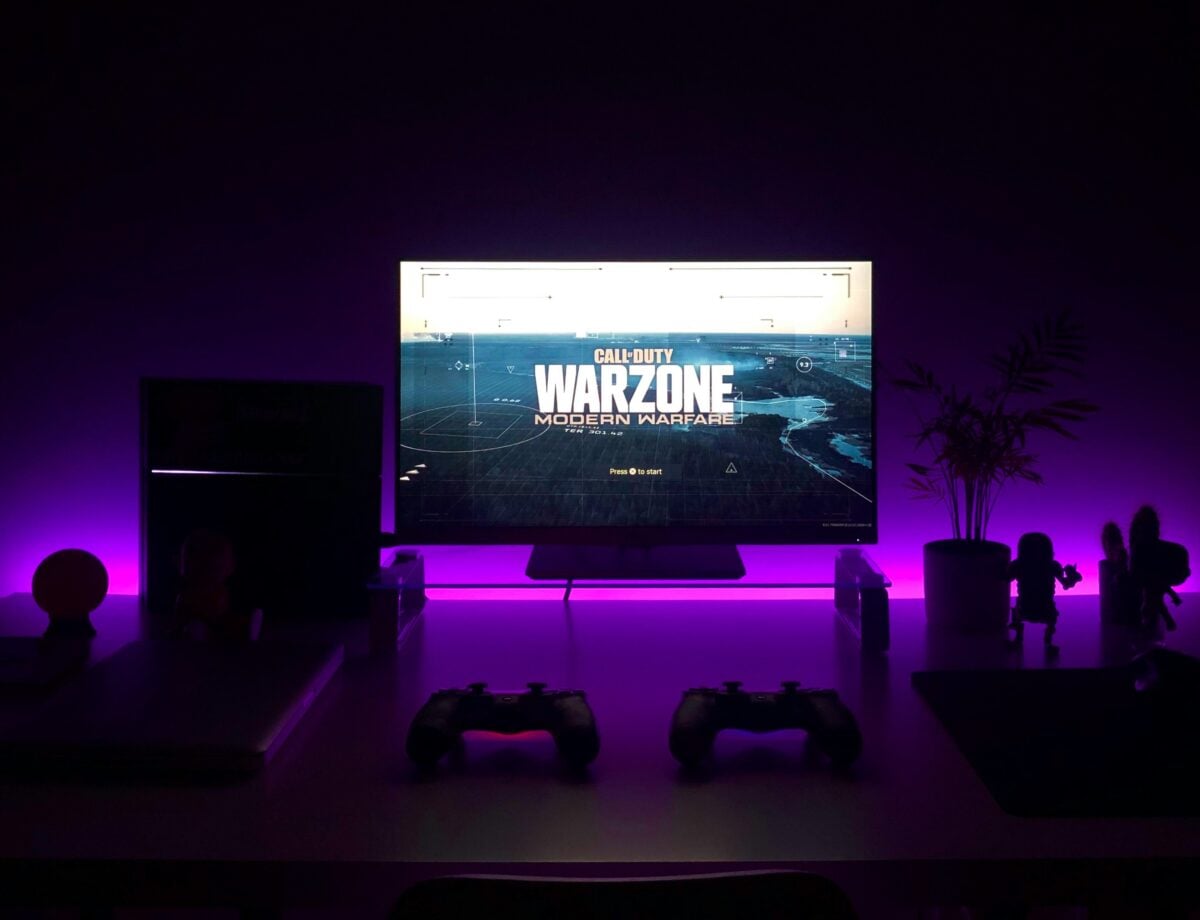
Standard monitors refreshed 60 times per second, which seemed fine. Then high refresh rate monitors pushed that to 120Hz, 144Hz, and beyond.
The difference was immediately obvious. Movement looked smoother.
Fast-paced games became easier to track. Competitive players gained a real advantage because they could see and react faster.
Once you experienced 144Hz gaming, 60Hz felt choppy. The hardware arms race had moved beyond processing power to how information reached your eyes.
Adjustable DPI Mice Added Control

Gaming mice with adjustable sensitivity let you switch between precision aiming and quick turns instantly. You could set different sensitivities for different games or even different situations within the same game.
Sniper scope? High precision. Turning to check behind you? Quick movement.
That flexibility gave you more control over your experience. Weight systems, customizable buttons, and programmable macros added even more options.
The mouse evolved from a simple pointing device into a specialized tool.
VR Headsets Created New Dimensions

Virtual reality had false starts for decades, but modern VR headsets finally delivered on the promise. Putting the screen inches from your eyes and tracking your head movements created genuine presence.
You weren’t just controlling a character anymore. You were inside the game world.
Looking around corners felt natural because you actually turned your head. Reaching out to grab objects uses your real hands.
VR created experiences that flat screens couldn’t replicate. The technology still has limitations, but it proved that entirely new types of games are possible.
The Controllers You Forget About

Fading into the background is what top-tier gear does. Handling moves without thought happens once you’re deep in a game.
A controller cuts the cord, yet feels more connected than before. Storage slipped silently into every setup, expected but unseen.
Fixing flaws so completely made these tools vanish into the background. Today’s players never knew clumsy movement schemes or scarce saving options since upgrades arrived early enough to erase them.
What built current gaming culture now hides within smooth gameplay, unnoticed due to its own success.
More from Go2Tutors!

- The Romanov Crown Jewels and Their Tragic Fate
- 13 Historical Mysteries That Science Still Can’t Solve
- Famous Hoaxes That Fooled the World for Years
- 15 Child Stars with Tragic Adult Lives
- 16 Famous Jewelry Pieces in History
Like Go2Tutors’s content? Follow us on MSN.