Home Appliances from the ’60s That Outlasted Everything Since
Walk into any vintage shop today, and you’ll find a curious thing happening. Appliances from the 1960s sit alongside modern gadgets, and more often than not, the older machines still work. Not just work — they hum along with the same steady confidence they had when Kennedy was president. Meanwhile, that fancy refrigerator from five years ago already needs a repair technician.
The 1960s marked a sweet spot in American manufacturing. Companies built appliances to last decades, not just survive a warranty period. Steel was thick, motors were overbuilt, and planned obsolescence hadn’t yet become the business model it is today. These machines were investments families expected to pass down, and many of them delivered on that promise.
KitchenAid Stand Mixers
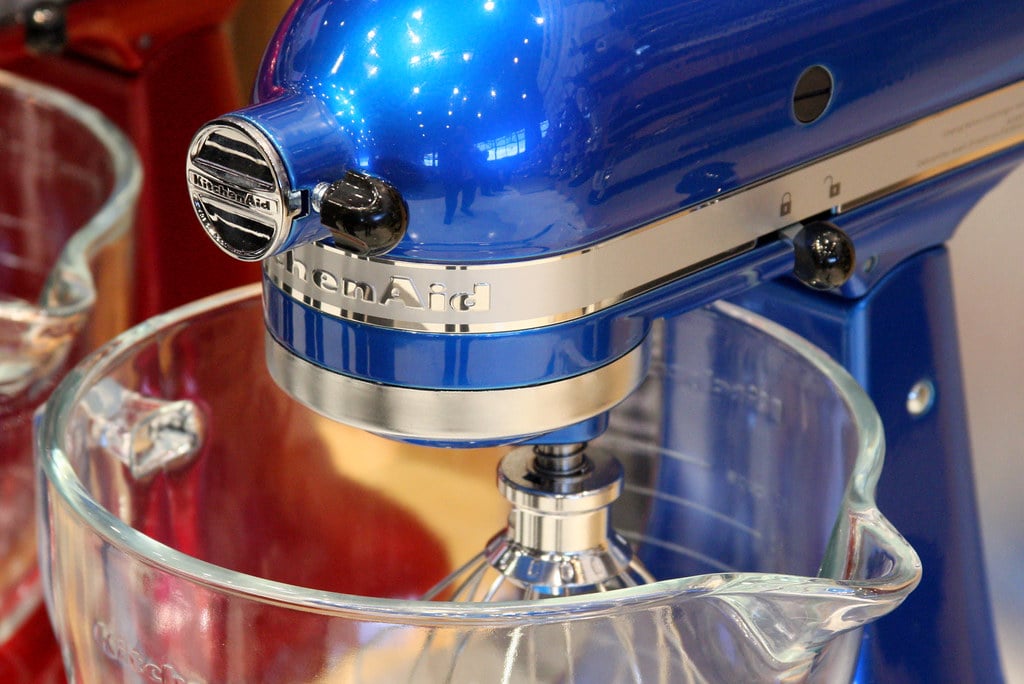
The K45 bowl-lift mixer from 1963 still beats modern versions in repair shops across America. Built like a tank.
No plastic gears to strip, no digital displays to fail. Just steel, determination, and a motor that refuses to quit.
Maytag Wringer Washers
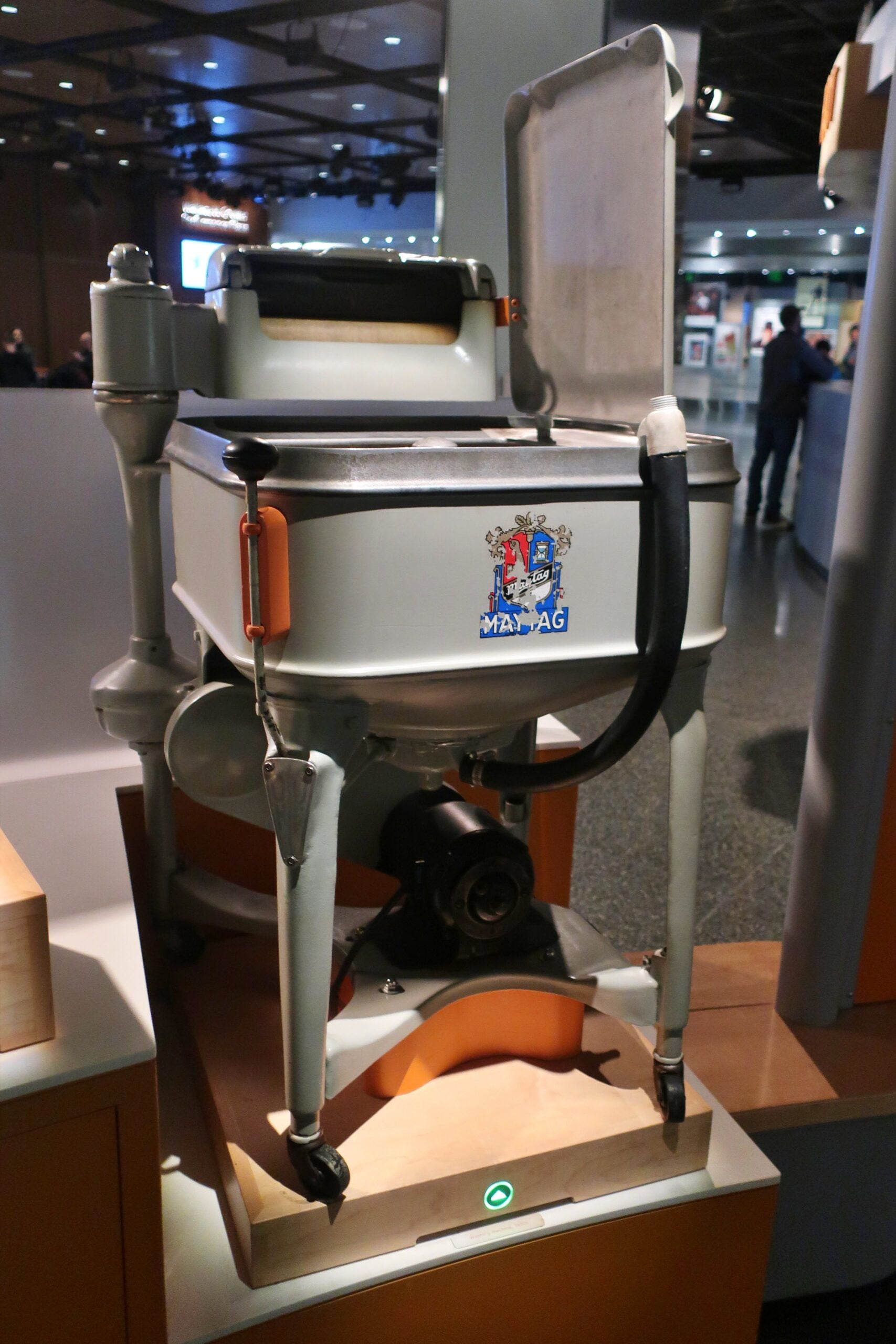
Before anyone worried about water conservation or gentle cycles, Maytag built washing machines that treated laundry like a serious business. The wringer washers from this era (particularly the models with the cast iron tubs) lasted through decades of farm life, large families, and daily abuse that would destroy contemporary machines within months.
These weren’t just appliances — they were mechanical allies in the endless war against dirt, and they came equipped for a long campaign. The wringer mechanism, which modern safety standards have rendered obsolete, was built with the kind of precision engineering usually reserved for industrial equipment. And the motors, those beautiful, overbuilt motors, were designed by engineers who seemed to take personal offense at the idea of mechanical failure.
Frigidaire Imperial Refrigerators
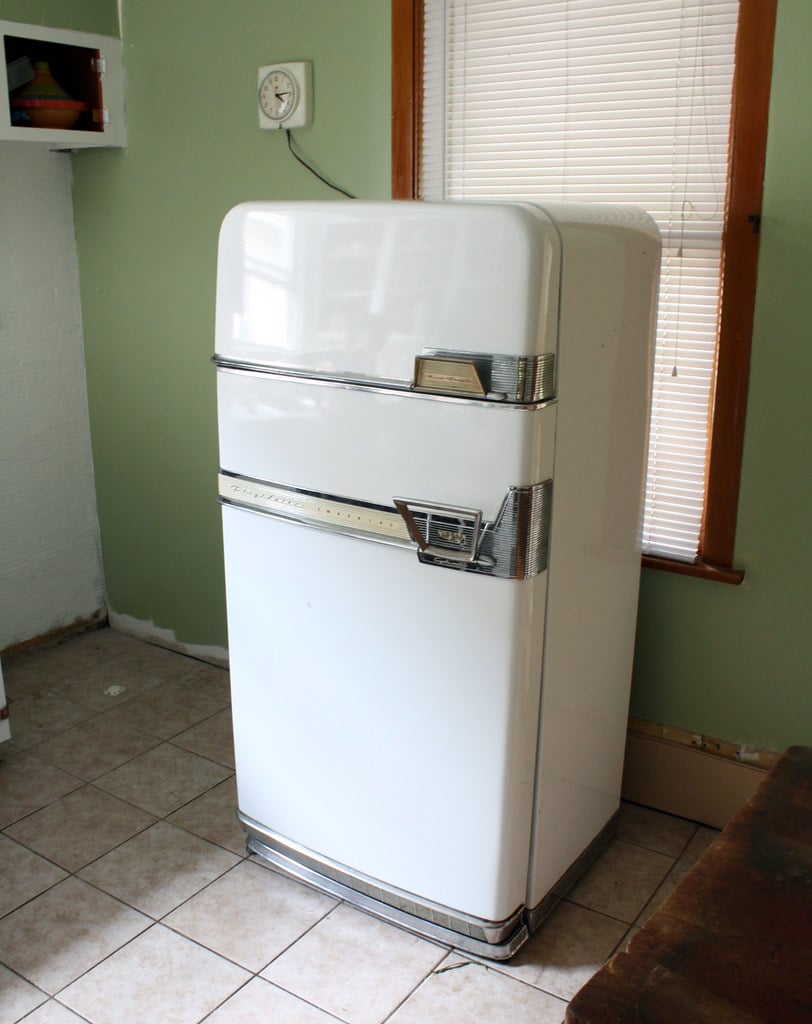
The Imperial line represented Frigidaire’s attempt to make refrigerators that felt like luxury cars — and structurally, they succeeded beyond anyone’s expectations. These units came with compressors so robust that finding replacement parts became the only real challenge (the compressors themselves rarely needed replacing).
But what makes these refrigerators truly remarkable isn’t just their longevity; it’s their stubborn refusal to acknowledge that they’re supposed to be obsolete. The cooling system operates on principles so straightforward that most problems can be diagnosed with basic tools. No computer chips, no sensors that fail when humidity changes, no error codes that require a technician with specialized training to decode.
Hamilton Beach Drink Mixers
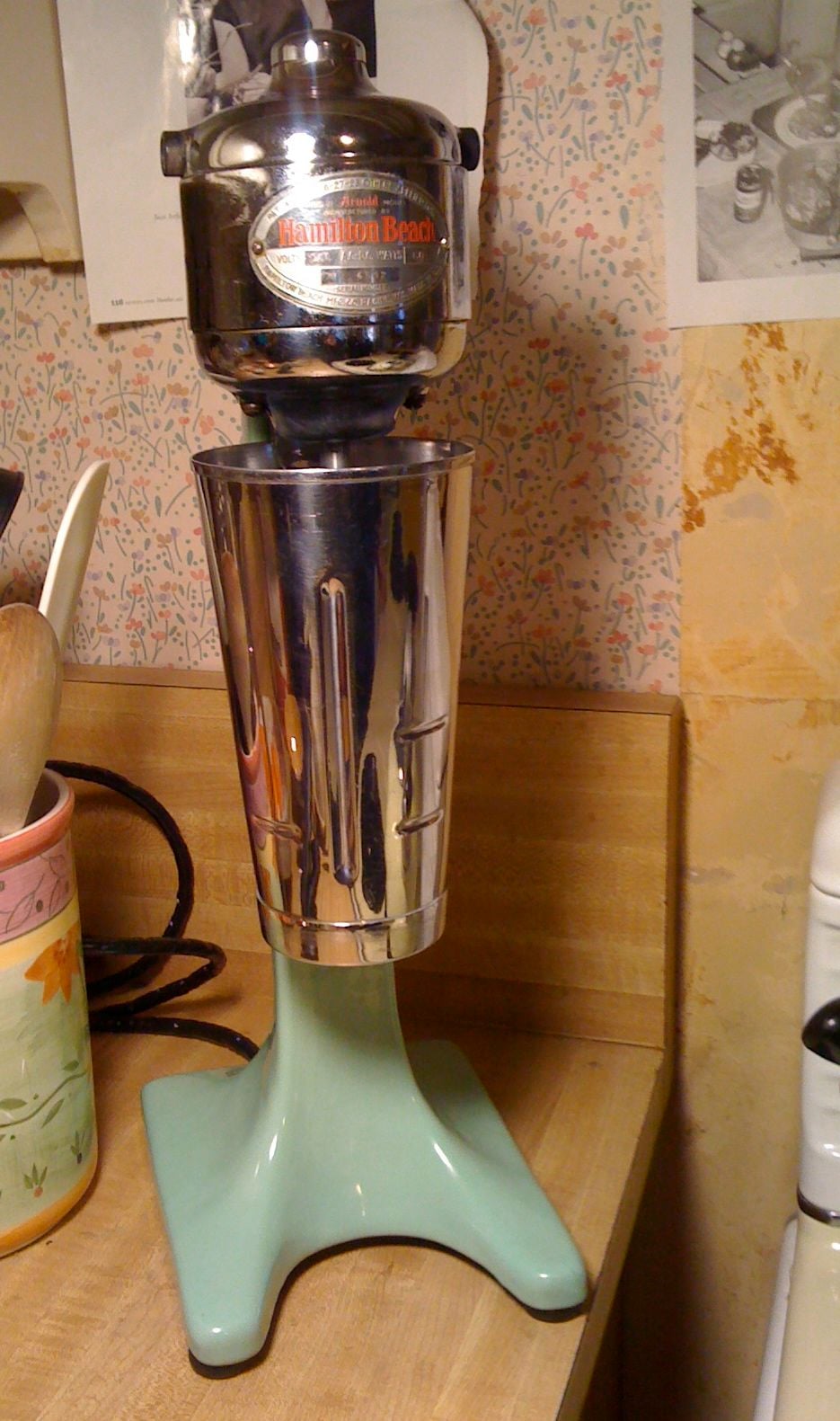
Commercial-grade milkshake mixers found their way into home kitchens during the 1960s, and they’re still spinning today. The chrome spindle mixers from this period handle everything from protein shakes to paint mixing without missing a beat.
Sunbeam Mixmaster
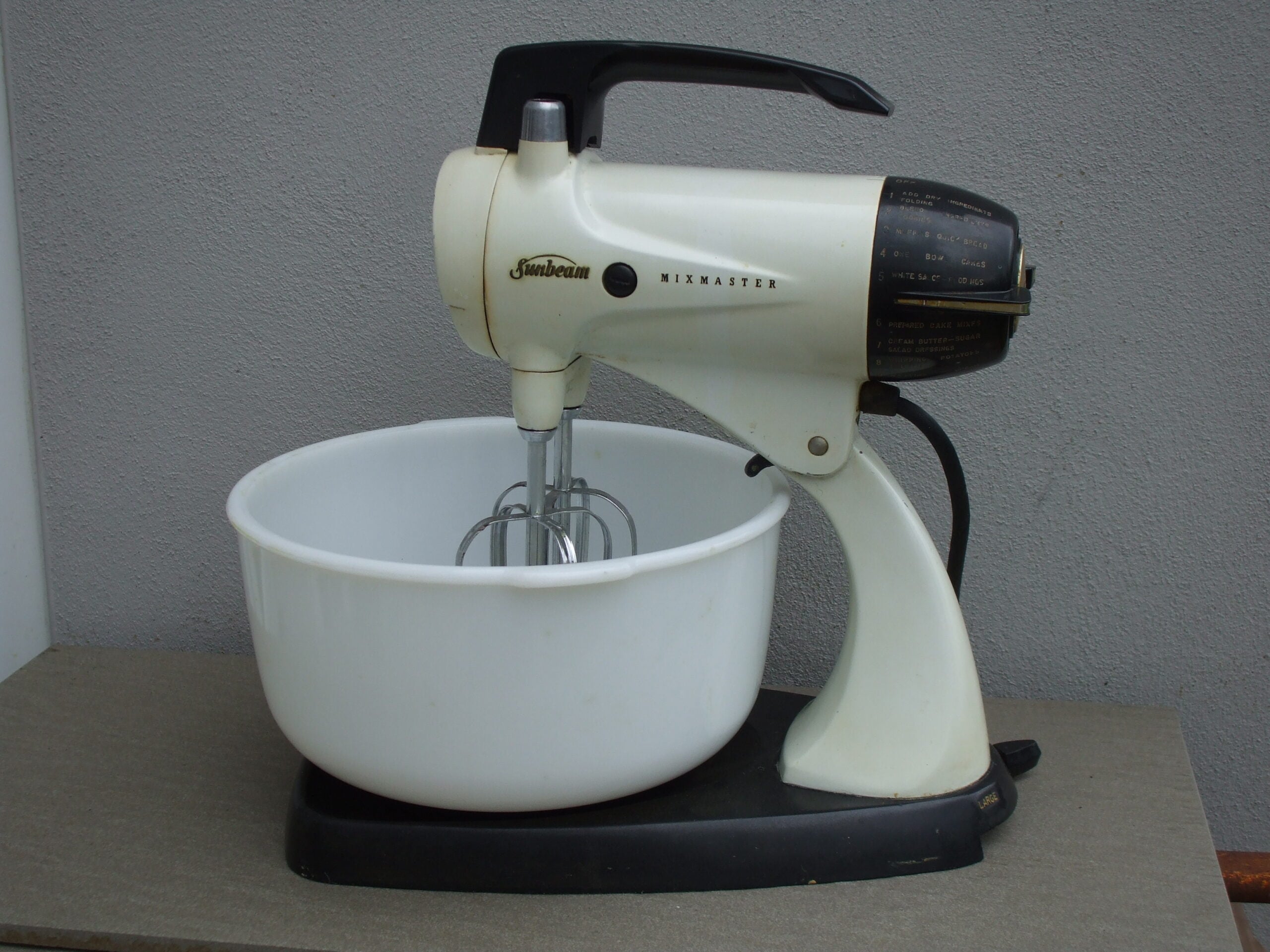
Sunbeam’s approach to hand mixers was refreshingly direct: build them strong enough to mix cement if someone got creative. The Mixmaster series from the mid-1960s featured motors that generated enough torque to mix the heaviest cookie dough without strain.
General Electric Skillets
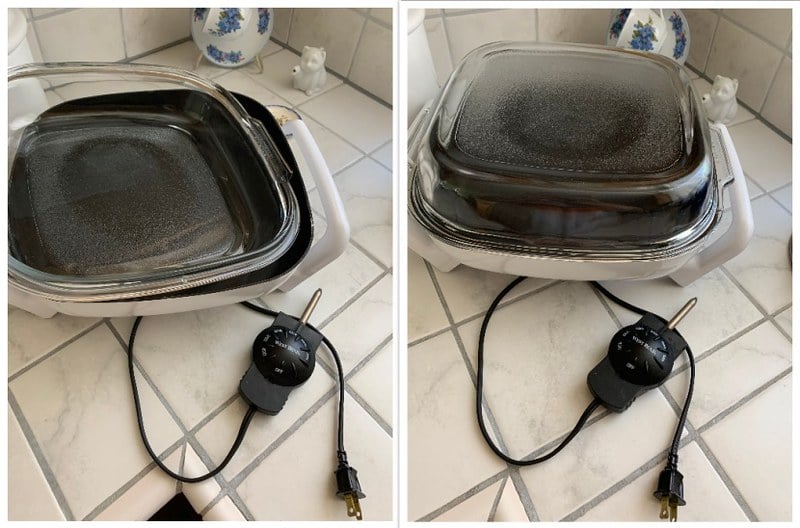
Electric skillets from GE’s 1960s lineup treated temperature control as a mechanical problem with a mechanical solution. The result was cooking surfaces that heated evenly and maintained temperature with the kind of consistency that modern non-stick alternatives can’t match.
Rival Crock-Pot Originals
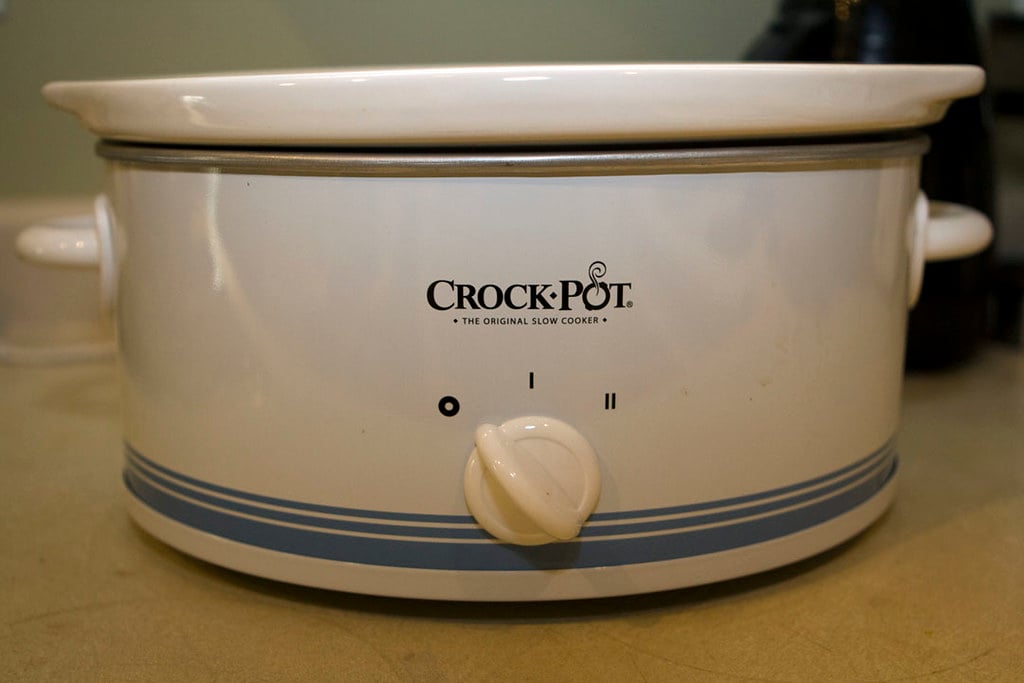
The original Crock-Pot models introduced in 1971 established slow cooking as a legitimate technique, and they did it with ceramic inserts and heating elements built to last indefinitely. These units reached temperature slowly and maintained it without the hot spots that modern versions struggle with.
Presto Pressure Cookers
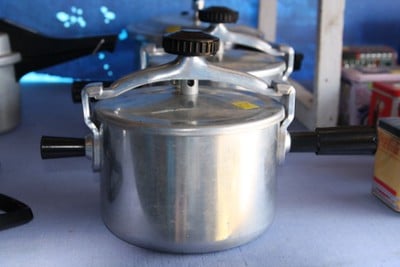
Presto’s pressure cookers from this era were built with safety margins that would make modern product liability lawyers uncomfortable. The aluminum construction was thick enough to handle decades of pressure cycling, and the safety mechanisms were mechanical systems that couldn’t fail due to electrical issues.
Toastmaster Waffle Irons

Toastmaster’s waffle irons from the 1960s featured cast aluminum plates with non-stick surfaces that were mechanically bonded, not chemically coated. The result was waffle irons that improved with use rather than degrading.
Mirro-Matic Pressure Cookers
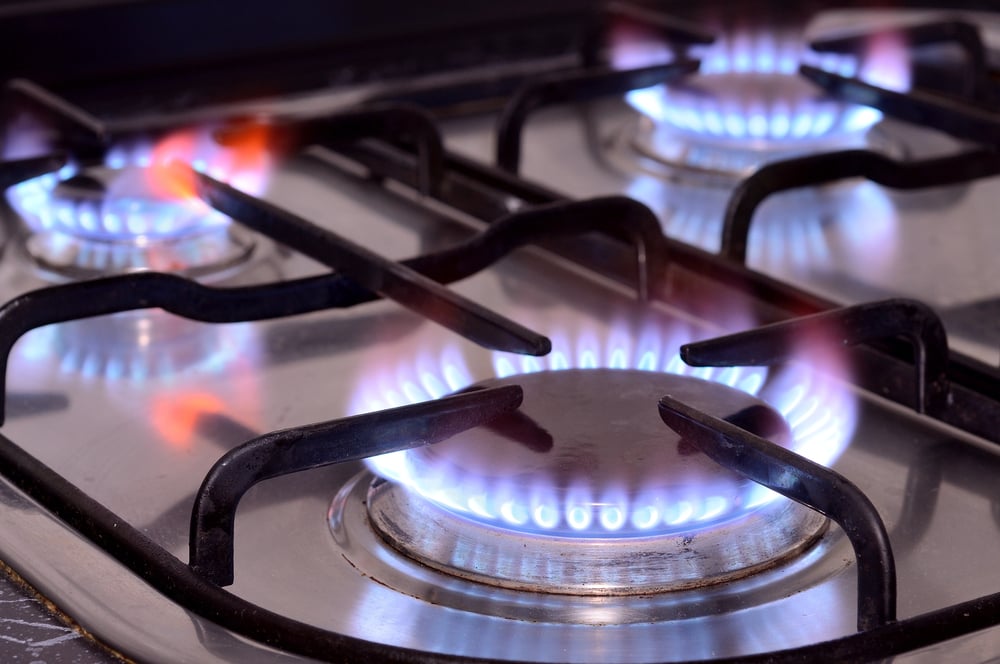
Mirro’s pressure cooker line treated pressure cooking as serious business, with aluminum construction thick enough to handle commercial use and pressure release systems that functioned mechanically. These units sealed properly and maintained pressure without the gasket failures that modern versions experience.
The pressure regulation relied on weight-activated valves (a system so straightforward that diagnosis never required more than visual inspection). When these cookers reached proper pressure, they announced it clearly and maintained it consistently. No guesswork, no digital pressure readings that might or might not reflect actual conditions inside the pot.
Dormeyer Mixers
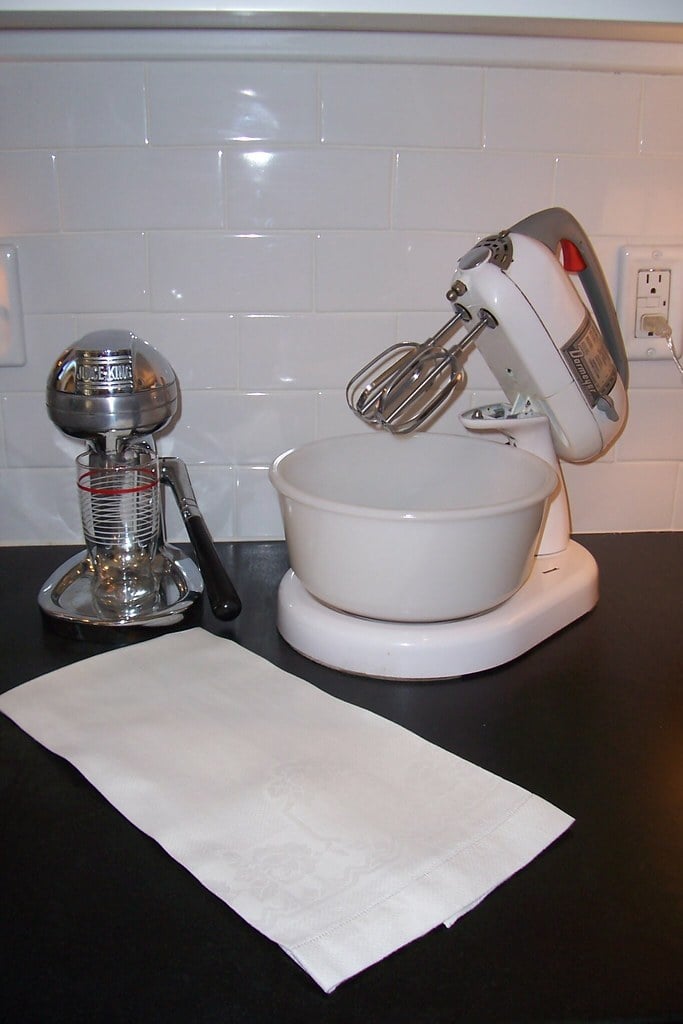
Dormeyer’s stand mixers from the 1960s competed directly with KitchenAid by building motors that could handle continuous operation without overheating. The planetary mixing action was driven by metal gears that lasted indefinitely.
When Built to Last Actually Meant Something
These appliances share something that modern manufacturing seems to have abandoned: the assumption that products should outlast their warranties by decades, not months. Engineers in the 1960s designed for obsolescence through innovation, not failure.
They expected their mixers and blenders to still be running when something genuinely better came along to replace them. That something better still hasn’t arrived for most of these categories. Which explains why a 60-year-old Mixmaster still commands respect in a kitchen full of modern conveniences.
More from Go2Tutors!

- The Romanov Crown Jewels and Their Tragic Fate
- 13 Historical Mysteries That Science Still Can’t Solve
- Famous Hoaxes That Fooled the World for Years
- 15 Child Stars with Tragic Adult Lives
- 16 Famous Jewelry Pieces in History
Like Go2Tutors’s content? Follow us on MSN.



