Things That Smelled the Same in Every ’90s School
There’s something almost eerie about how universal it was. You could walk into a school building in rural Montana or suburban Florida, in 1993 or 1998, and the smell would be essentially identical — a layered, unmistakable atmosphere that no architect planned and no janitor could fully scrub away.
It wasn’t one scent but a whole ecology of them, each one tied to a specific hallway, a specific moment, a specific kind of dread or comfort. These weren’t just background details.
They were the full sensory backdrop of growing up, and the second one of them drifts past you now, you’re right back there — backpack too heavy, sneakers squeaking on linoleum, trying to remember your locker combination.
The Cafeteria on Pizza Day
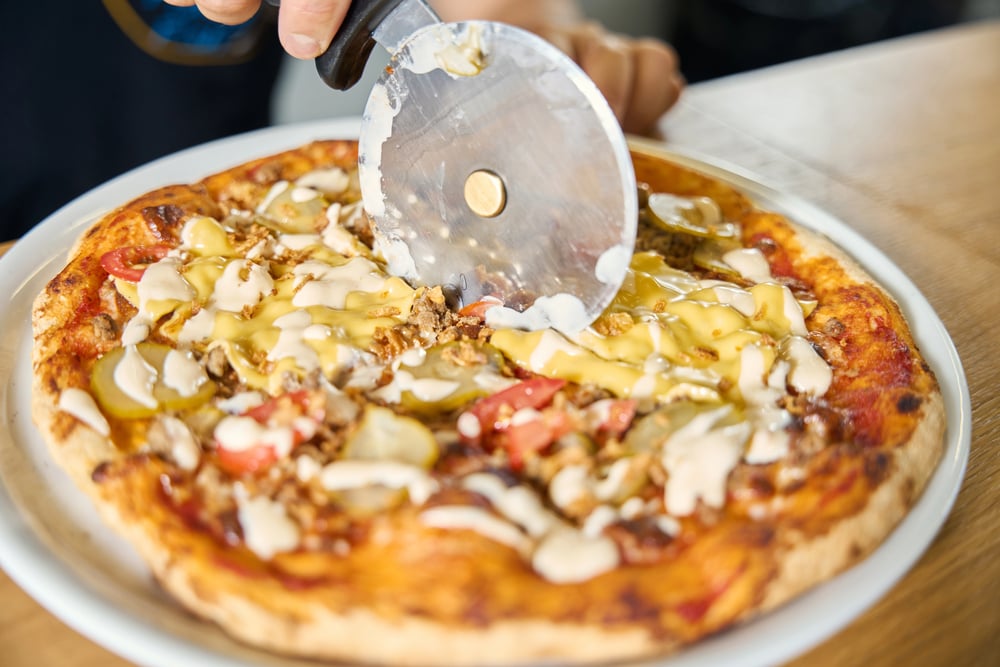
Pizza day had its own atmosphere, literally. The smell rolled out from the cafeteria doors before you could even see the lunch line — warm dough, processed cheese with that slightly sharp edge, and underneath it all, a faint ghost of whatever had been served the three days before.
It hit you somewhere around the gymnasium intersection, and it was, to be fair, one of the more welcome olfactory events of the school week.
Crayola Crayons
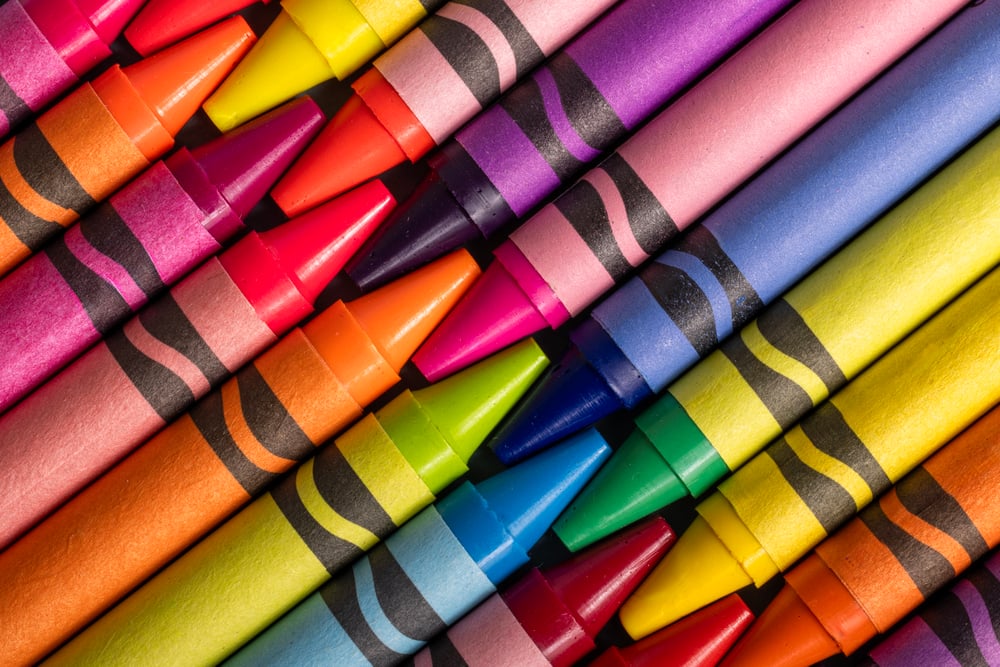
The waxy, faintly chemical smell of a fresh box of Crayola crayons is one of the most reliably transported scents in existence. Open one now and you’re back at a small desk with a laminated name tag taped to the front, deciding whether to use Burnt Sienna or Raw Umber on a turkey handprint.
It’s almost unsettling how little distance there is between that smell and a specific, specific kind of childhood feeling.
Gymnasium Floor Wax
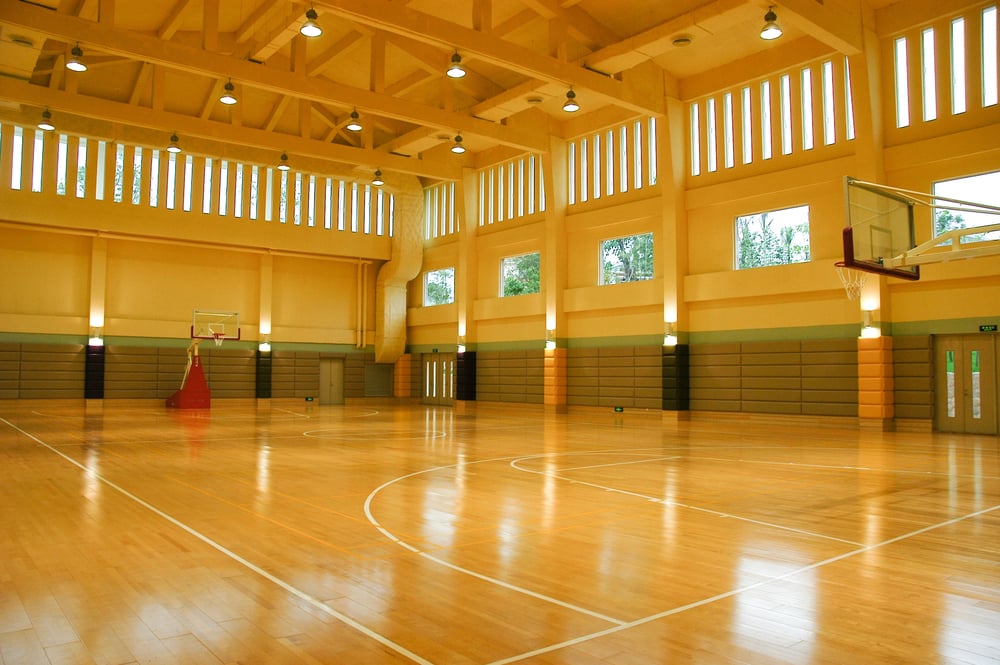
The gymnasium smell was its own contained world — a thick, waxy, almost sweet heaviness that clung to the air like it had been sealed in there since the building opened. The floor itself, polished to a high gloss that picked up the overhead lights, gave off a kind of chemical warmth that mixed with decades of sneaker rubber and whatever institutional cleaner the custodial staff favored.
And somehow, under all of it, there was always just a faint suggestion of sweat — not overwhelming, just present, like a quiet acknowledgment of every dodgeball game that had ever happened in that room.
Cafeteria Milk Cartons
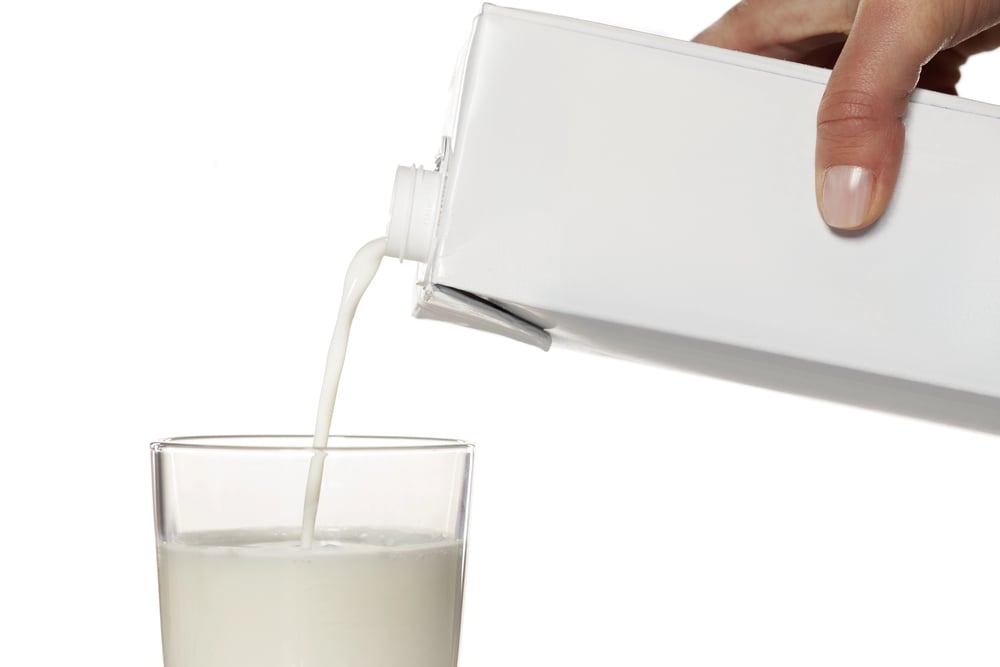
Cafeteria milk cartons had a smell that was somehow both fresh and slightly wrong. The cardboard absorbed just enough of the cold milk to produce something that wasn’t quite dairy and wasn’t quite paper — it was its own third thing, distinctive and very specific to those small, waxy containers that refused to open cleanly on the first try.
Drinking chocolate milk out of one in a crowded cafeteria was a full sensory experience that no adult version of chocolate milk has ever quite replicated.
The Library

Libraries in ’90s schools smelled like time. Not in a romantic way — in a very specific, dust-and-binding-glue way that accumulated over thousands of returned books handled by thousands of small, slightly sticky hands over decades.
The smell deepened as you moved further from the entrance, toward the reference shelves where the encyclopedias sat in their matching sets, consulted for every report on every state and every planet, radiating that particular aged-paper warmth that said: information lives here, and it’s been here longer than you have.
Rubber Cement
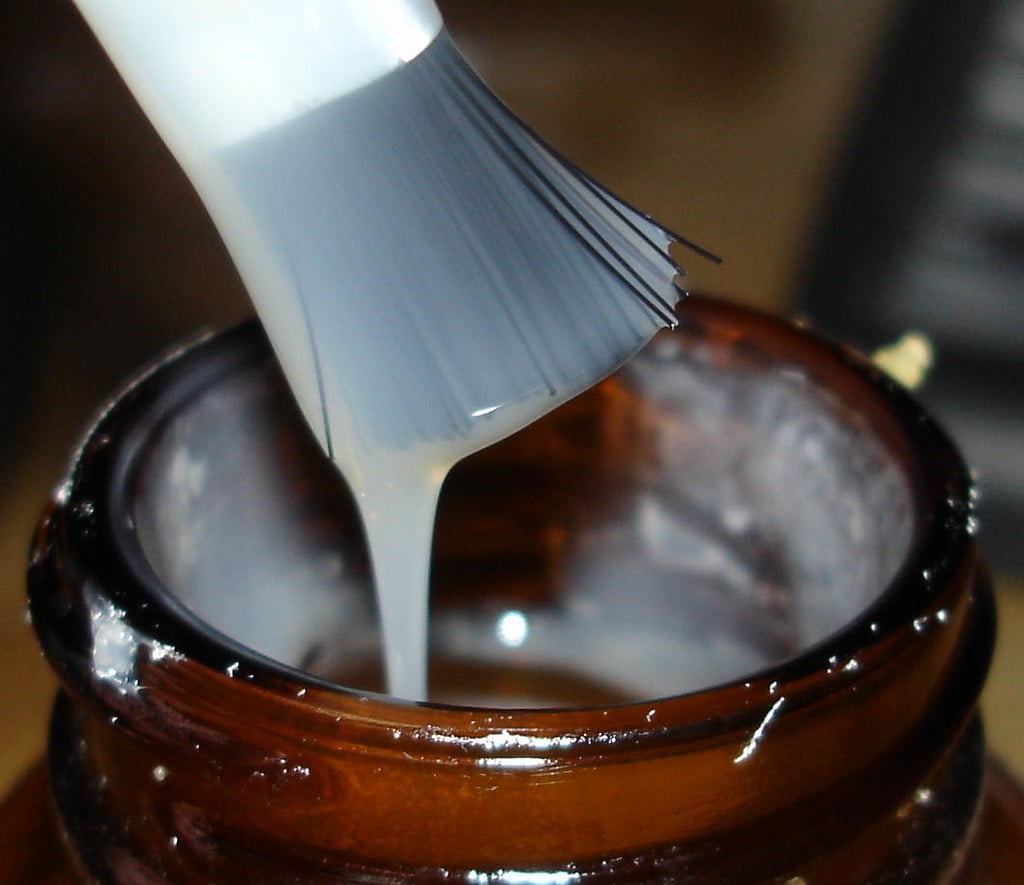
Rubber cement deserves its own category of sensory memory. It arrived in those squat orange jars with the built-in brush, and the second the lid came off, the smell hit the whole table — sharp, slightly dizzying, unmistakably chemical in a way that felt vaguely forbidden even though it was handed out by the teacher.
The smell was the art project, really; whatever you glued together was almost secondary to the ritual of opening that jar.
Pencil Shavings

There is something almost gentle about the smell of pencil shavings — cedar and graphite mixing in that small, wall-mounted sharpener that everyone used and nobody ever emptied until it was dangerously full. The shavings curled out in tight little spirals, pale and fragrant, and the whole act of sharpening a pencil mid-class felt vaguely ceremonial: a brief, sanctioned walk across the room, the grinding whirr of the machine, and then back to your seat smelling faintly of wood.
It was one of the quieter pleasures of elementary school, which is saying something given the competition.
Mimeograph Copies
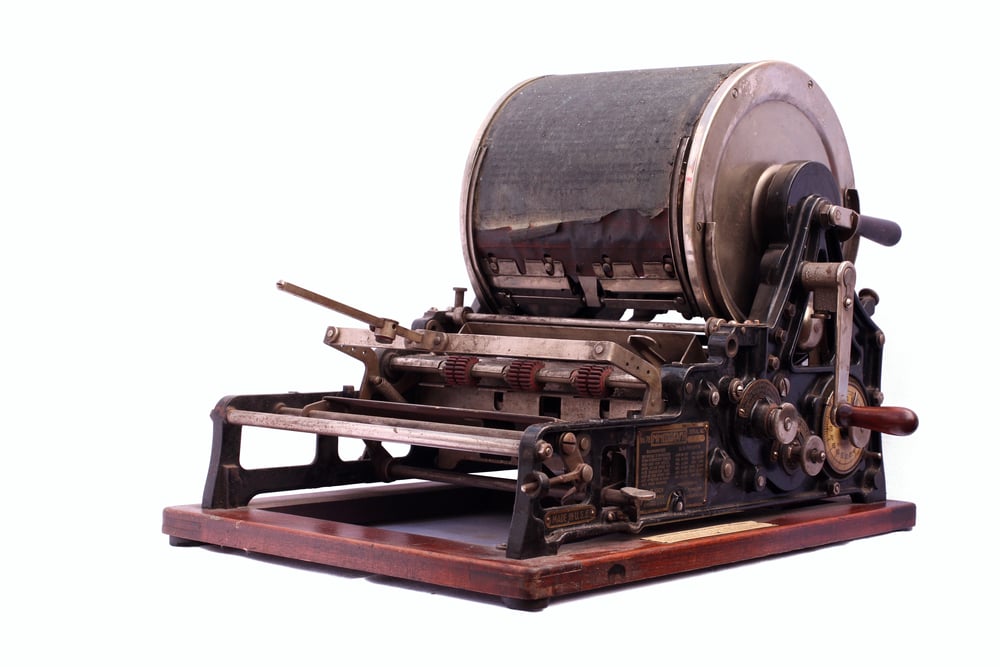
For anyone who made it into the early ’90s before photocopiers fully took over, the mimeograph handout was an experience unto itself. The copies came out slightly warm, faintly damp, printed in that distinctive blue-purple ink that smelled strongly of methanol — sharp and chemical and somehow thrilling in the way that mildly unusual things are thrilling to a nine-year-old.
The whole class would quietly smell their quiz before turning it over to begin, and nobody thought that was strange.
Lunch Box Interiors
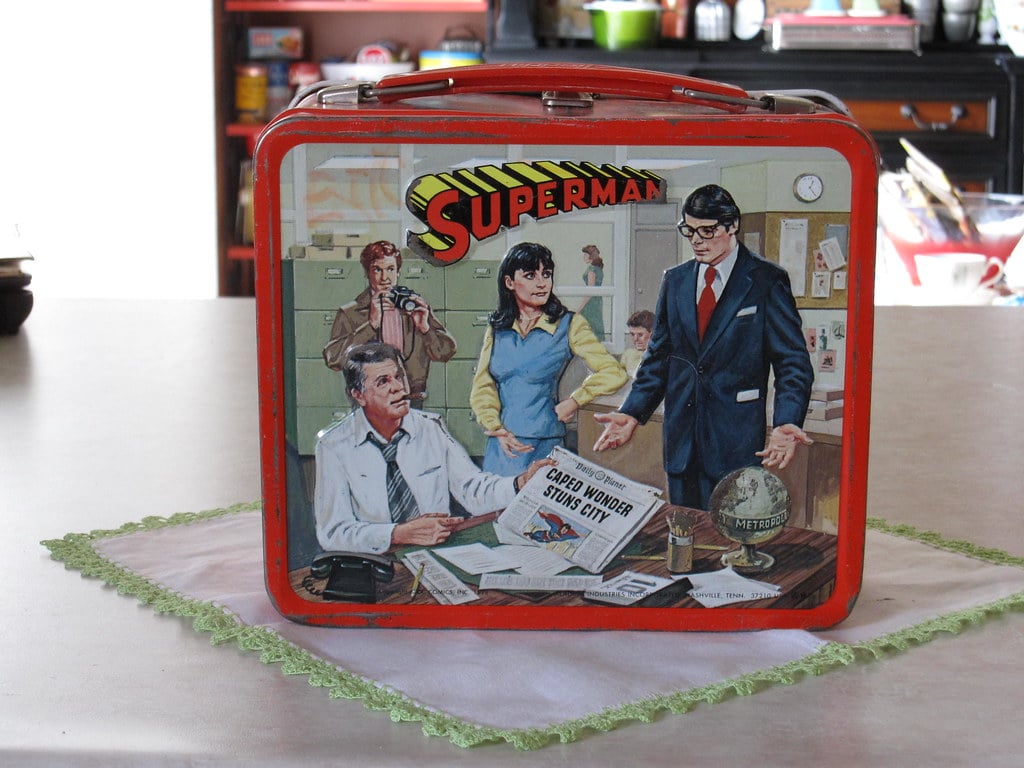
The inside of a plastic lunch box was a concentrated environment. By mid-morning, whatever was packed inside — a slightly warm sandwich, a fruit roll-up, a thermos of soup — had been seeping into the plastic walls for hours, and the smell that emerged when you opened the lid was a dense, specific blend that was essentially unique to your particular lunch combination.
Every kid’s lunch box smelled different, but they all smelled like the inside of a lunch box: warm, vaguely sweet, and completely enclosed.
Tempera Paint
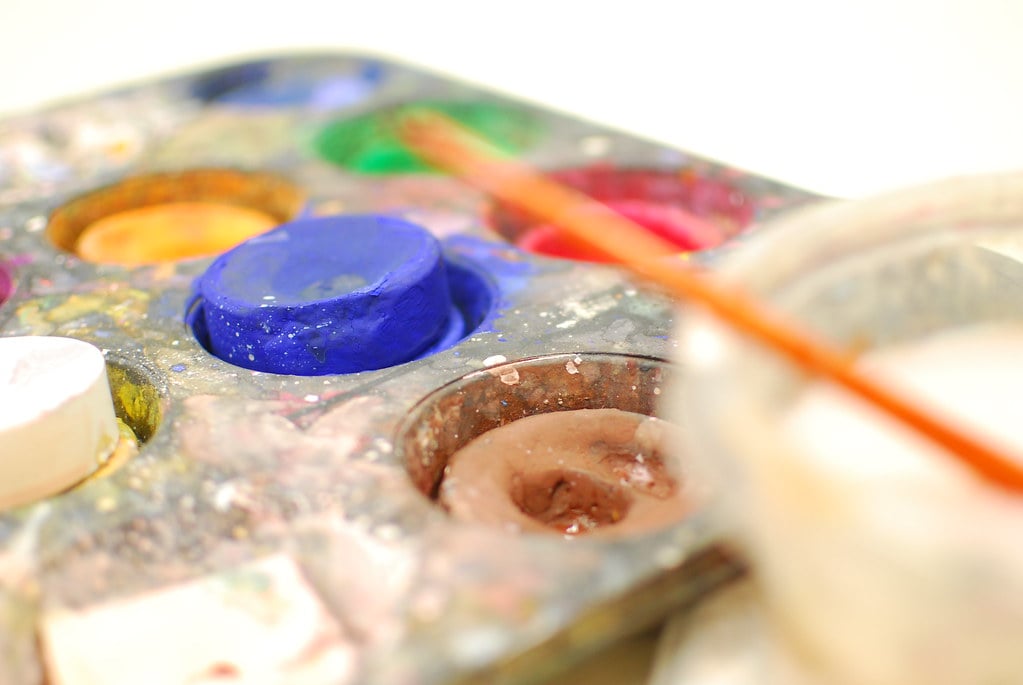
Tempera paint smelled faintly medicinal — a chalky, slightly sour smell that intensified as it dried on construction paper and on hands and, inevitably, on shirt cuffs. It was the smell of art class: plastic cups of murky water turning five different colors at once, brushes that never quite dried out between uses, and sheets of painted work hung along the hallway to dry in that slightly wrinkled, curling way that tempera always produced.
The smell lingered on your hands through the rest of the morning no matter how many times you washed them, and there was something quietly satisfying about that.
The Boys’ Bathroom
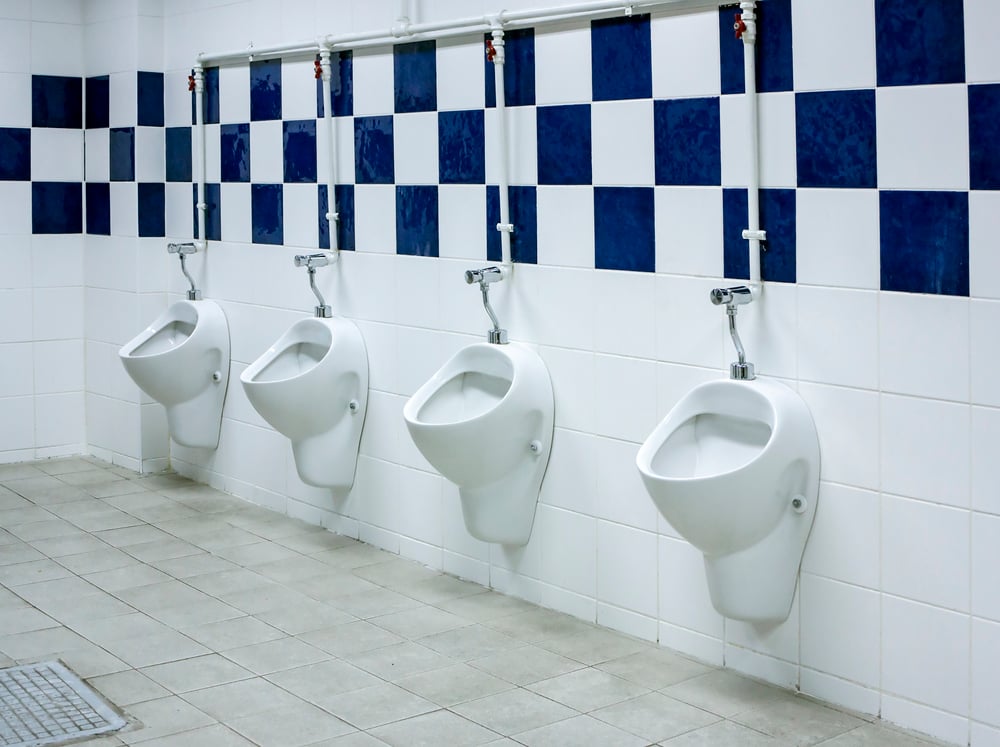
The boys’ bathroom in any ’90s school operated on a scent profile that was aggressively consistent across every building in every state: industrial cleaner losing a decisive battle against something much older and more stubborn. The pink powdered soap dispensed from a wall unit that always seemed half-broken contributed a faintly floral note that did absolutely nothing to improve the overall situation.
It was not a pleasant smell, but it was a universal one, and there’s a dark kind of comfort in knowing that every other kid was navigating the same olfactory obstacle.
Paste
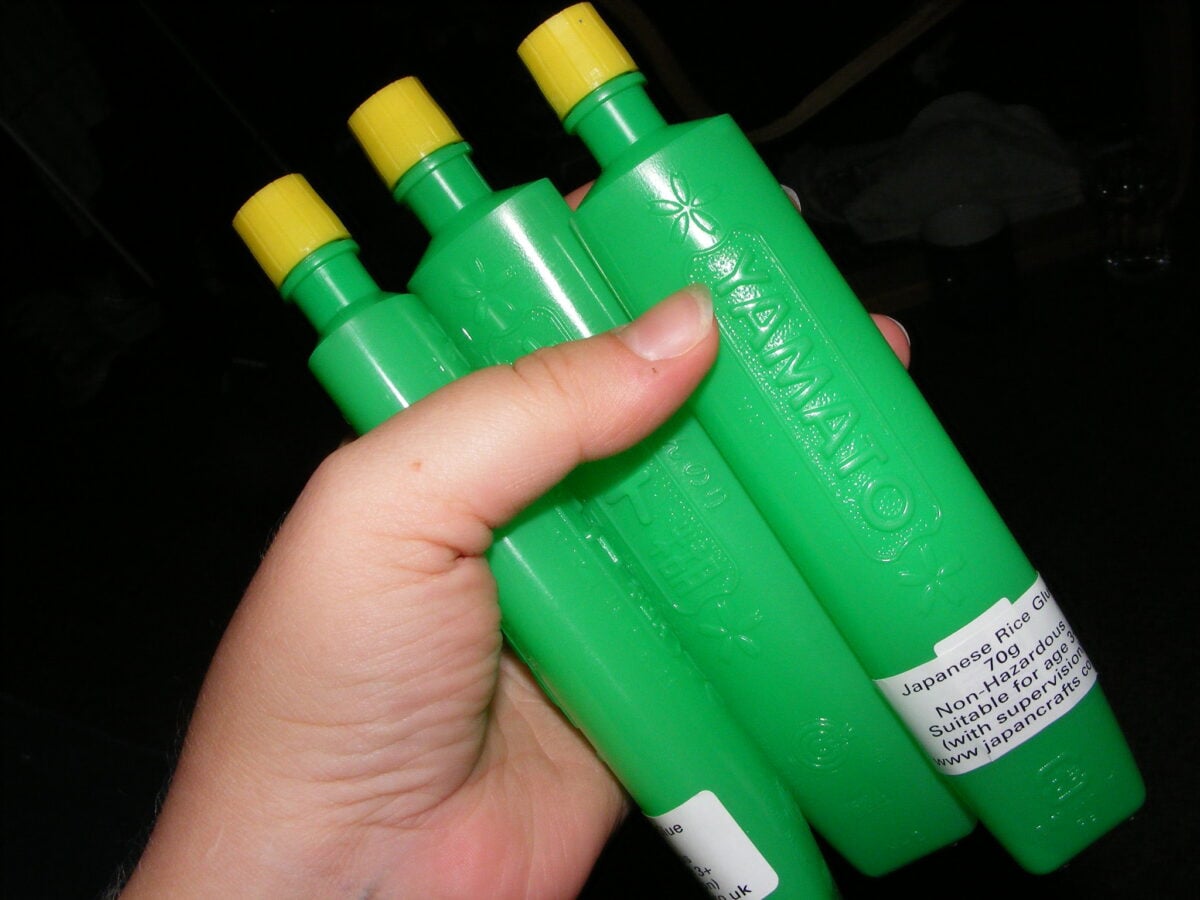
Before glue sticks took over, there was paste — thick, white, faintly minty in a way that made it inexplicably appealing to certain first-graders who treated it as a snack. The smell was mild and almost pleasant, somewhere between school and food without being full either, and the jar it came in was always slightly crusted around the rim from dried residue.
It was the kind of smell that belonged entirely to a specific age: the age of rounded scissors and name tags and sitting criss-cross on a rug.
Old Textbooks
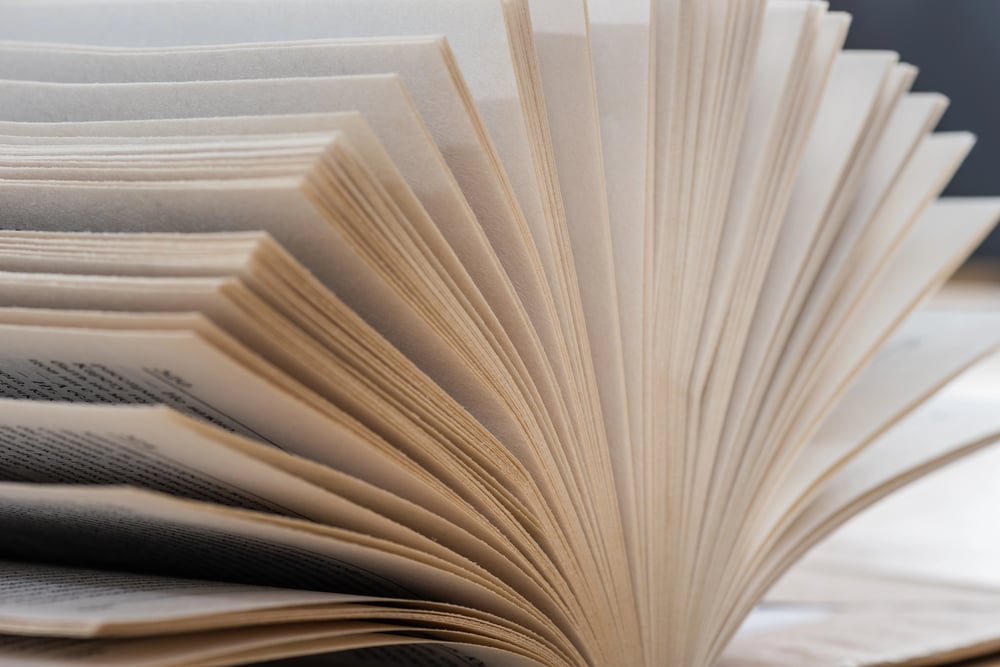
Old textbooks had a smell that was almost archeological — layers of years compressed into paper that had been opened, closed, underlined, and erased by hundreds of students before you ever touched it. The inside front cover usually held a list of names going back a decade or more, each one representing a kid who had sat in roughly the same desk, staring at roughly the same diagrams of the water cycle or the branches of government.
The smell of those pages was not entirely pleasant, but it had a kind of gravity to it.
The Art Room
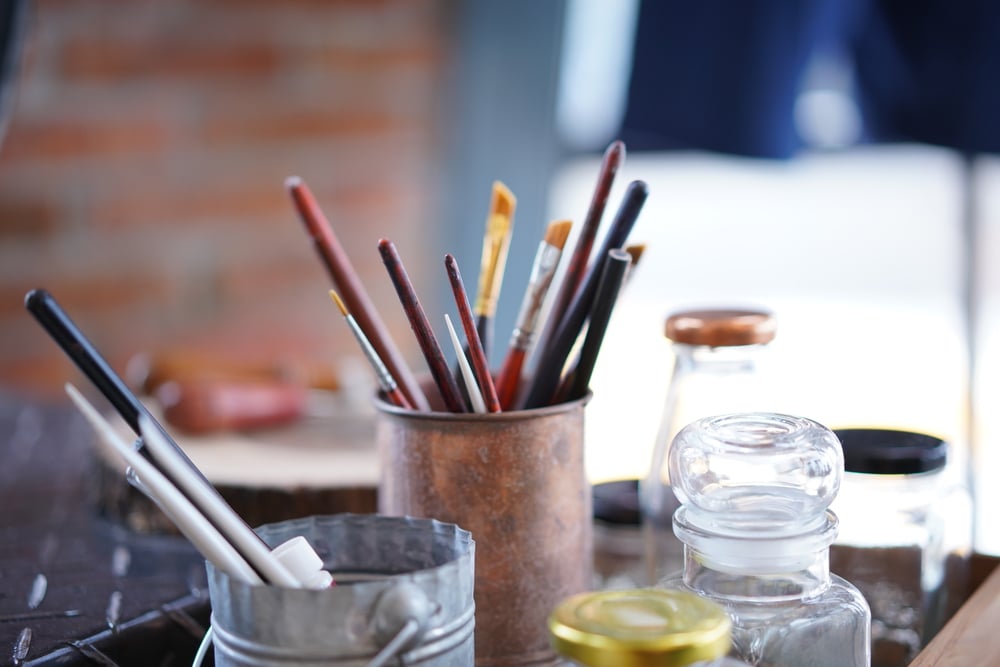
The art room smell was a composite that no single ingredient could account for — dried paint on brushes that were never fully cleaned, clay dust settled into every surface, the chemical edge of markers left uncapped too long, and underneath all of it, the particular papery warmth of construction paper stacked in deep piles. It was the most layered smell in the building, accumulated over years of projects and experiments, and it hit you the moment you stepped through the door in a way that felt genuinely immersive.
The art room smelled like creative ambition and mild disorder, which is accurate.
Band Room Instrument Cases
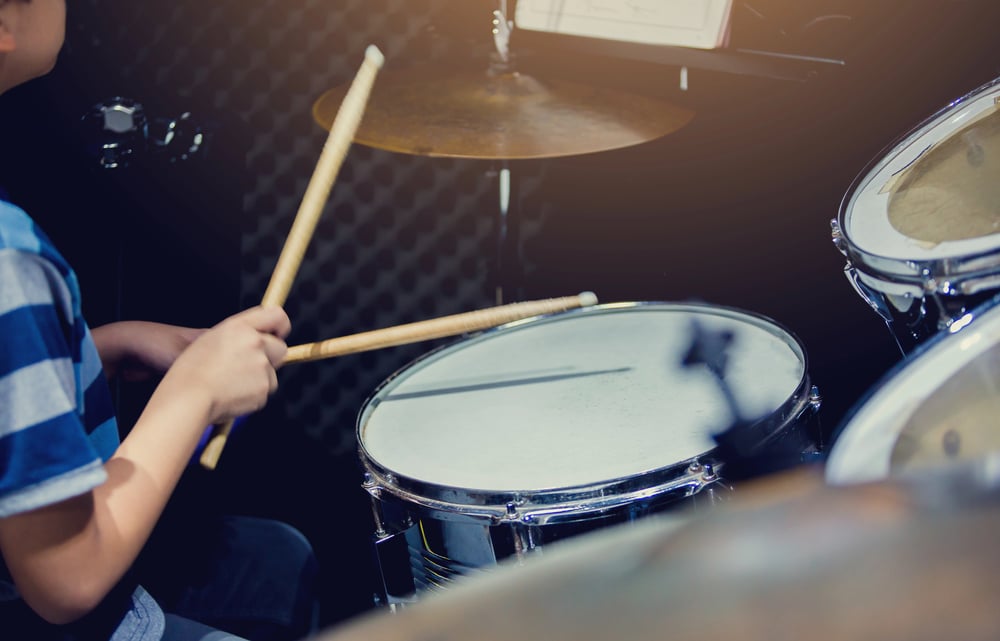
The band room had its own atmosphere, distinct from everywhere else in the building. Instrument cases — especially the older ones with velvet-lined interiors — held a smell that was part metal, part rosin, part whatever the case had absorbed over years of storage, and when thirty of them were opened simultaneously in a warm room, the combined effect was considerable.
The smell was oddly specific to that particular combination of mild anxiety and off-key enthusiasm that defined every sixth-grade band class in recorded history.
Carpet Squares
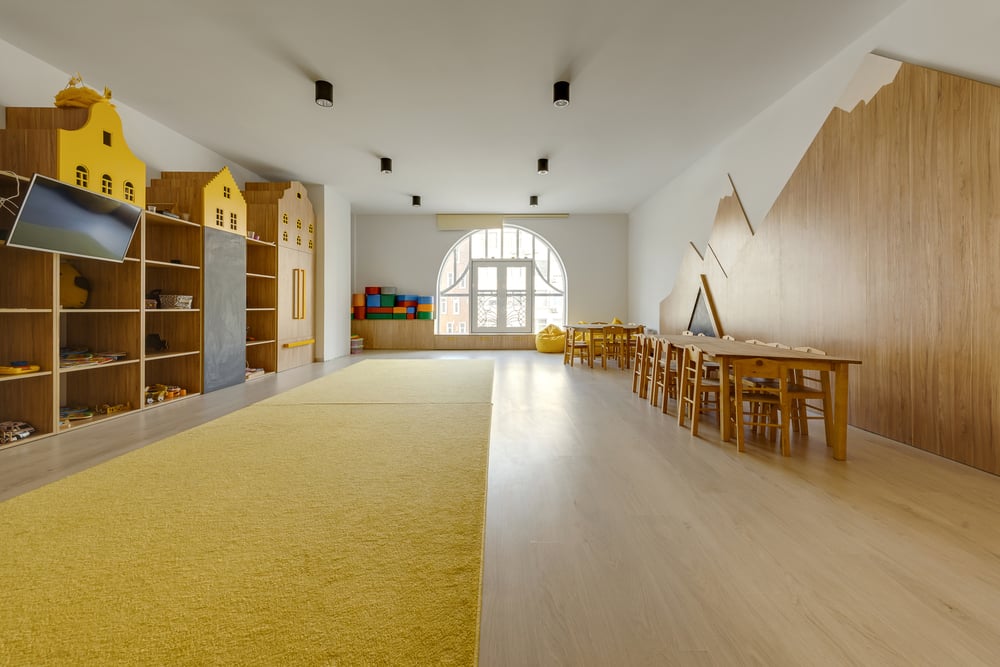
Some schools had carpet squares — those small, slightly rough rectangles brought out for story time or circle time or any activity that required everyone to sit on the floor in an organized way. The smell was low, dusty, and very particular to carpet that spent most of its life rolled up in a closet: a warm, slightly stale quality with the faint chemical undertone of whatever industrial fabric treatment had been applied at the factory.
They didn’t smell bad, exactly. They smelled like sitting still and listening, which is a very specific category of smell.
Chocolate Pudding Cup Day
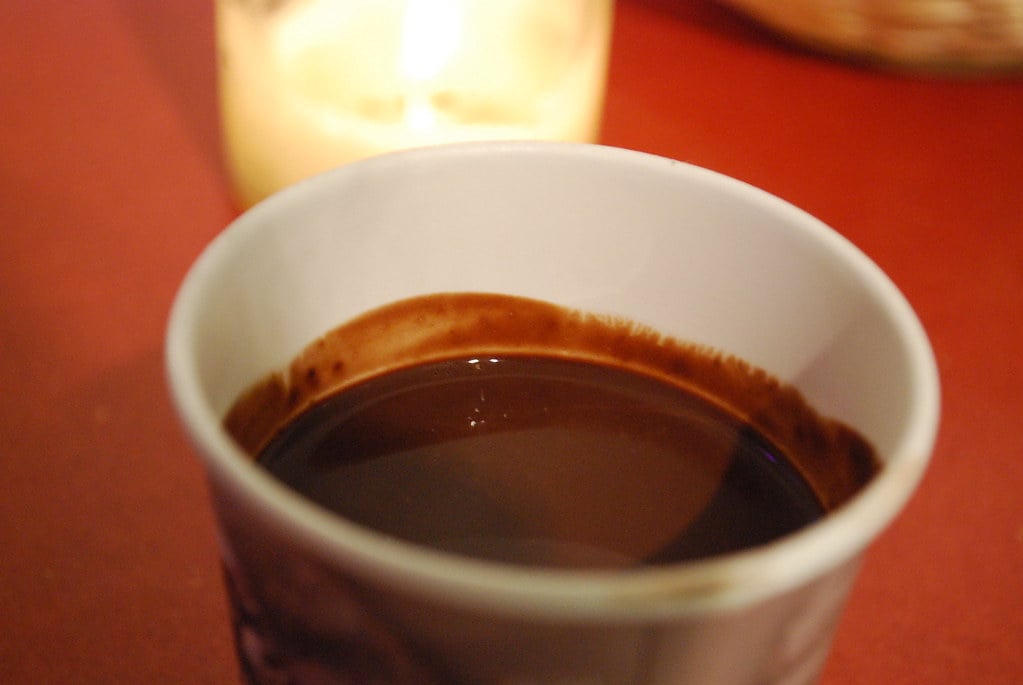
Chocolate pudding cups appeared in the cafeteria with a frequency that felt random — never announced, always somehow surprising — and the smell that preceded them was distinct enough to generate audible excitement from two tables away. The pudding itself smelled intensely chocolatey in that processed, shelf-stable way that bore only a passing resemblance to homemade pudding but managed to be deeply satisfying anyway.
Peeling the foil lid back was its own small ceremony.
The Principal’s Office
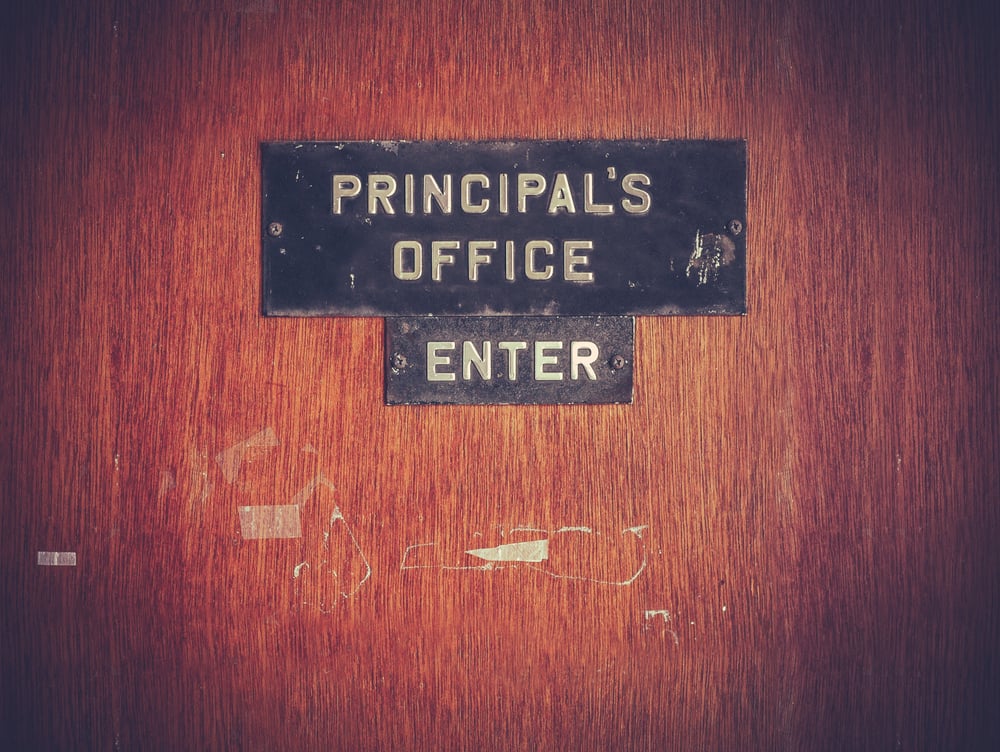
The principal’s office had a smell that was functionally inseparable from the feeling of low-grade dread. It was paper-heavy — stacks of forms and files contributing a dry, slightly dusty quality — mixed with the particular smell of a phone that got used constantly and whatever coffee had been sitting in a machine since early morning.
Whether you were in there for something bad or just to deliver attendance sheets, the smell was a reliable producer of mild anxiety, which was probably not unintentional.
Hand Sanitizer After the First Hand Sanitizer Arrived
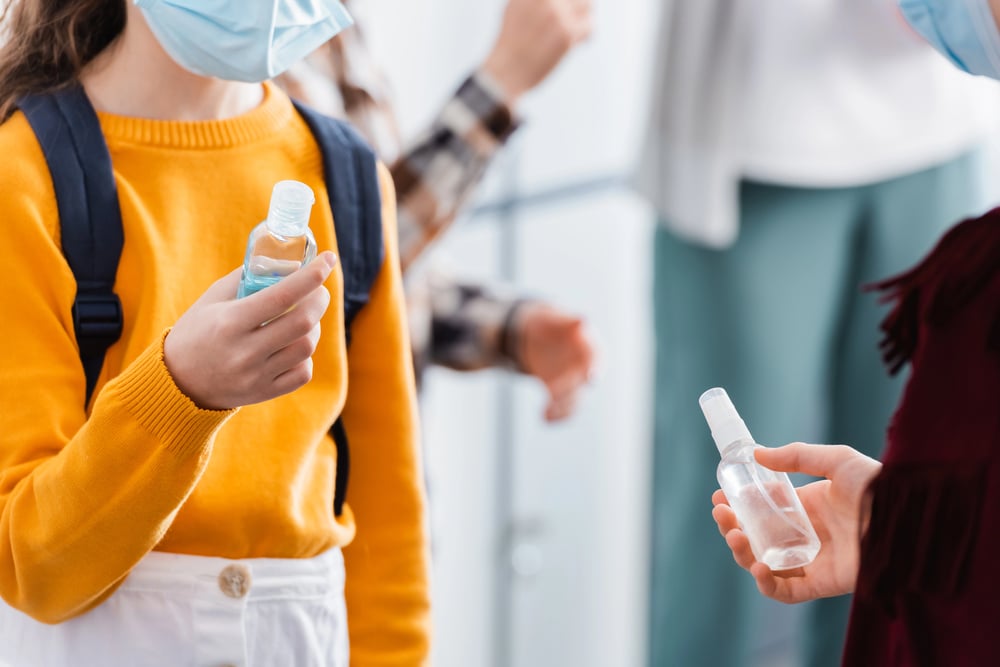
Hand sanitizer turned up in schools toward the very end of the ’90s — a product that felt almost futuristic compared to the pink powder soap — and its sharp, alcohol-forward smell became immediately identifiable as the new official scent of clean. The gel dispensers appeared near classroom doors and in the nurse’s office, and the smell, once encountered, colonized the memory instantly.
It smelled aggressively sterile in a way that felt modern and slightly clinical, which, as it turned out, was exactly what it was.
The Nurse’s Office
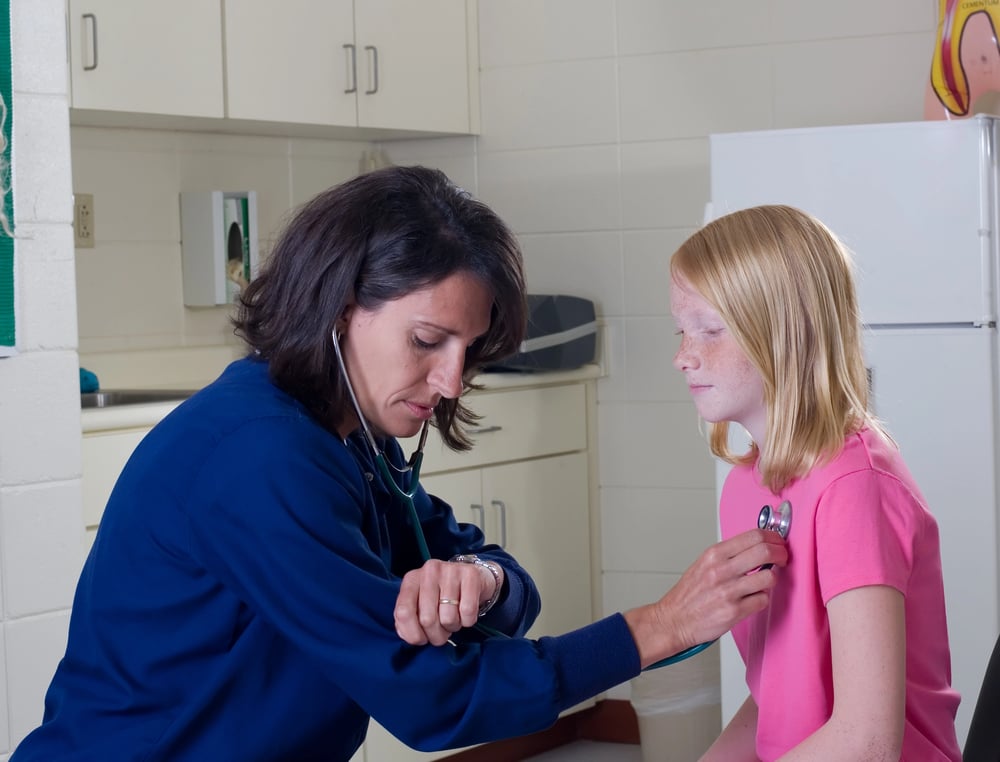
The nurse’s office smelled like low-level medical — not a hospital, not a pharmacy, but somewhere in between those two things and the inside of a first aid kit. There was rubbing alcohol, somewhere in the background, and the faint paper smell of examination table tissue, and usually something vaguely mentholated that you couldn’t quite place.
The cot in the corner had a crinkly paper cover that smelled clean in an institutional way, and the whole room produced a calm that was either genuinely soothing or just the relief of being somewhere quiet for twenty minutes.
The Hallway After Lunch
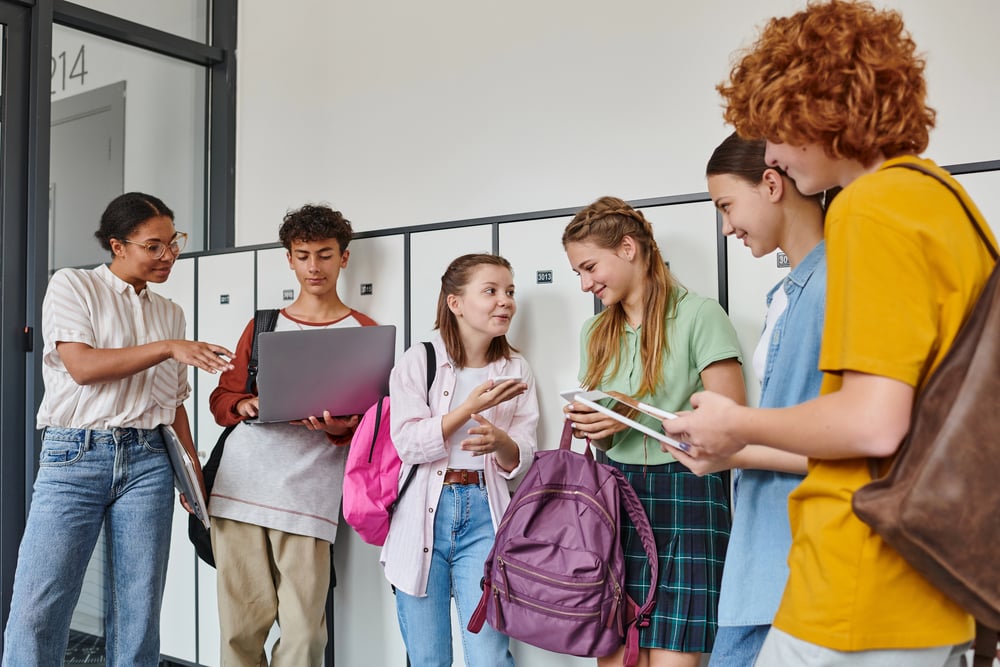
The post-lunch hallway had a specific smell profile that lasted for about thirty minutes before the ventilation system diluted it. It was a moving cloud of cafeteria food carried on coats and backpacks and breath — pizza or corn dogs or that mysterious pasta dish, mixed with the energy of four hundred kids released briefly from their chairs.
The smell was chaotic in a way that matched the noise level, which was loud enough to hear from the parking lot.
New Backpack at the Start of the Year
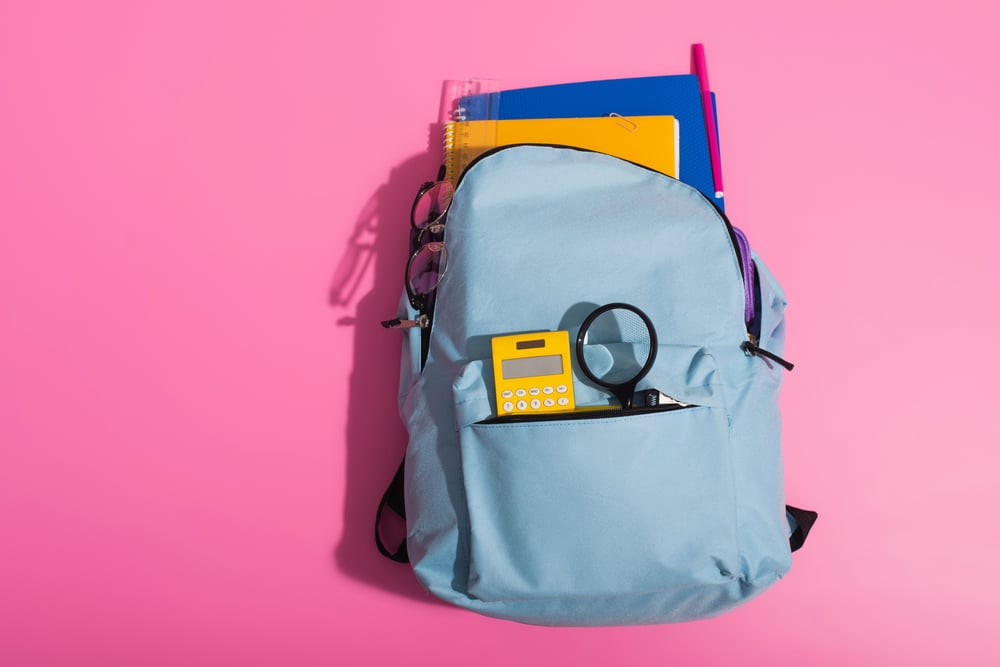
A new backpack in late August or early September smelled like nylon and possibility, which sounds more romantic than it felt at the time, but that chemical-fresh smell of brand-new synthetic fabric was genuinely its own thing. The zippers were stiff, the fabric had that slightly shiny quality of something that hadn’t been through a single wash cycle yet, and inside the main compartment, the smell was clean and empty in a way that lasted exactly until the first lunch was packed.
After that, it was someone else’s backpack.
Where That Smell Lives Now
There’s no official archive of ’90s school smells — no institution preserving them, no exhibit you can visit. They live entirely in memory, triggered without warning by a box of crayons opened in a craft store or the waxy smell of a cafeteria tray in an airport food court or a library that still uses old books instead of new ones.
The smell arrives before the memory does, which is how smell works: faster than thought, deeper than language, pulling you somewhere specific before you’ve had a chance to resist. It’s less nostalgia than it is evidence — proof that you were there, sitting at that small desk, smelling all of it, not yet knowing you’d remember.
More from Go2Tutors!

- The Romanov Crown Jewels and Their Tragic Fate
- 13 Historical Mysteries That Science Still Can’t Solve
- Famous Hoaxes That Fooled the World for Years
- 15 Child Stars with Tragic Adult Lives
- 16 Famous Jewelry Pieces in History
Like Go2Tutors’s content? Follow us on MSN.