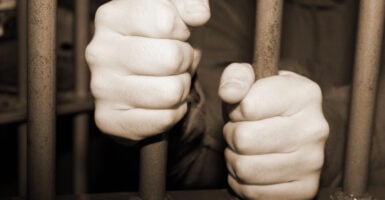
25 Prisoners Who Changed the World from Inside a Cell
Prison walls have a strange way of concentrating the human spirit. When freedom disappears, something else often emerges — a clarity of purpose, a defiance that burns brighter in darkness, or simply the stubborn refusal to let concrete and steel define a life’s worth; these confined spaces have witnessed some of history’s most profound transformations, not just of the prisoners themselves, but of the world beyond their cells.
The people in these stories didn’t set out to change anything from behind bars. Most found themselves there through circumstance, conviction, or the simple act of standing up when staying silent would have been safer; yet their words, ideas, and unwavering determination managed to reach far beyond locked doors, touching millions of lives and reshaping societies in ways their captors never imagined possible.
Nelson Mandela
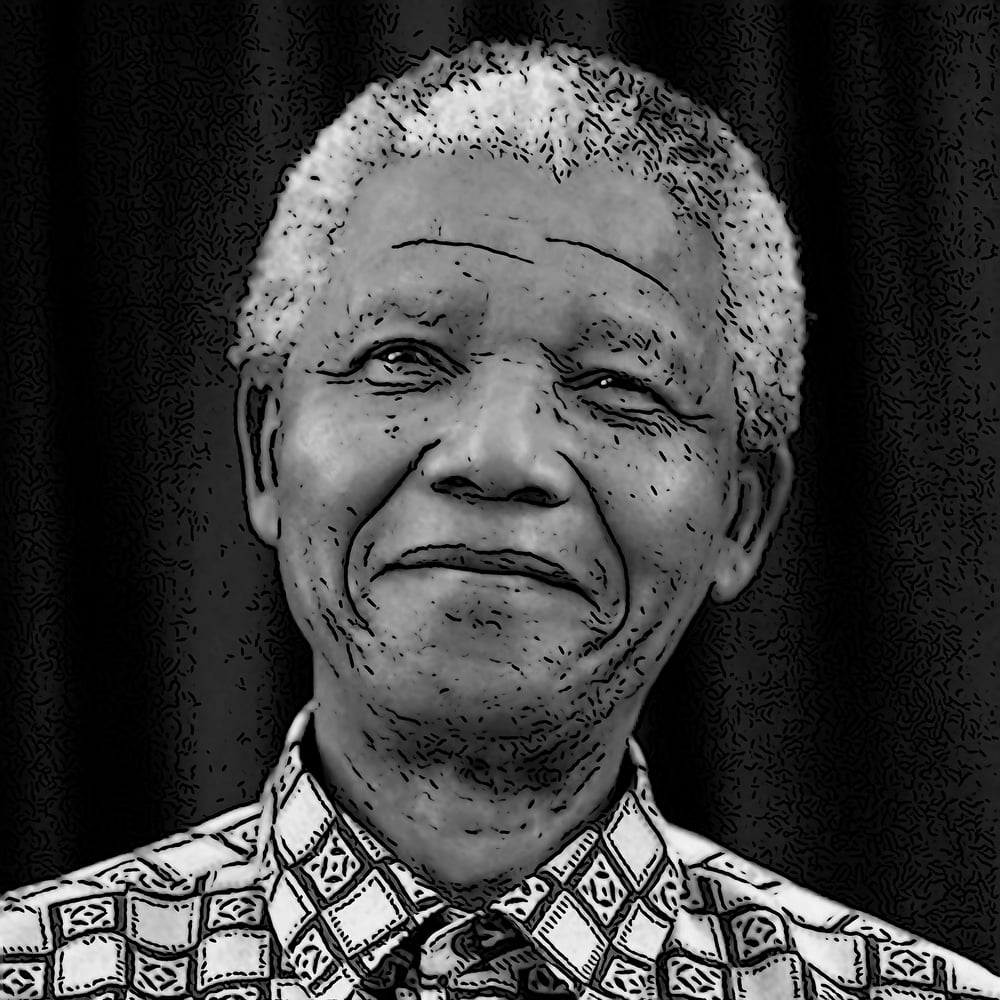
Twenty-seven years behind bars didn’t break Mandela. It refined him.
Robben Island became his university, where a young revolutionary transformed into a statesman who could forgive his captors and unite a fractured nation. The man who walked free in 1990 carried with him a vision of reconciliation that seemed impossible when he first entered that cell.
Mahatma Gandhi
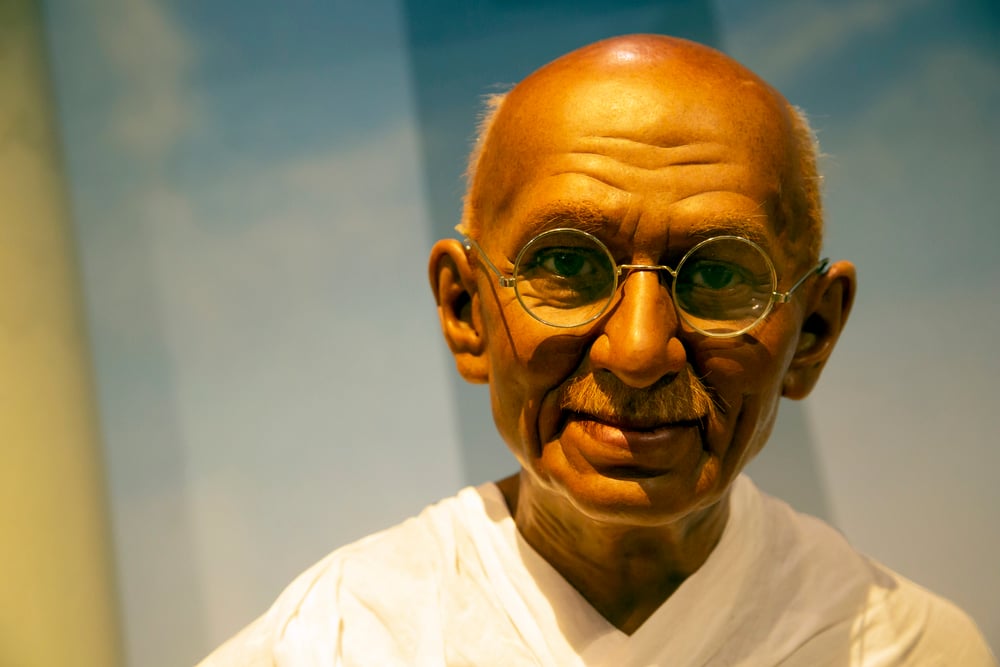
Gandhi’s early imprisonment in South Africa shaped his philosophy of non-violent resistance. Those jail cells became laboratories for testing the power of peaceful protest.
Each arrest only strengthened his resolve and proved to watching crowds that moral authority doesn’t require physical freedom to flourish.
Martin Luther King Jr.
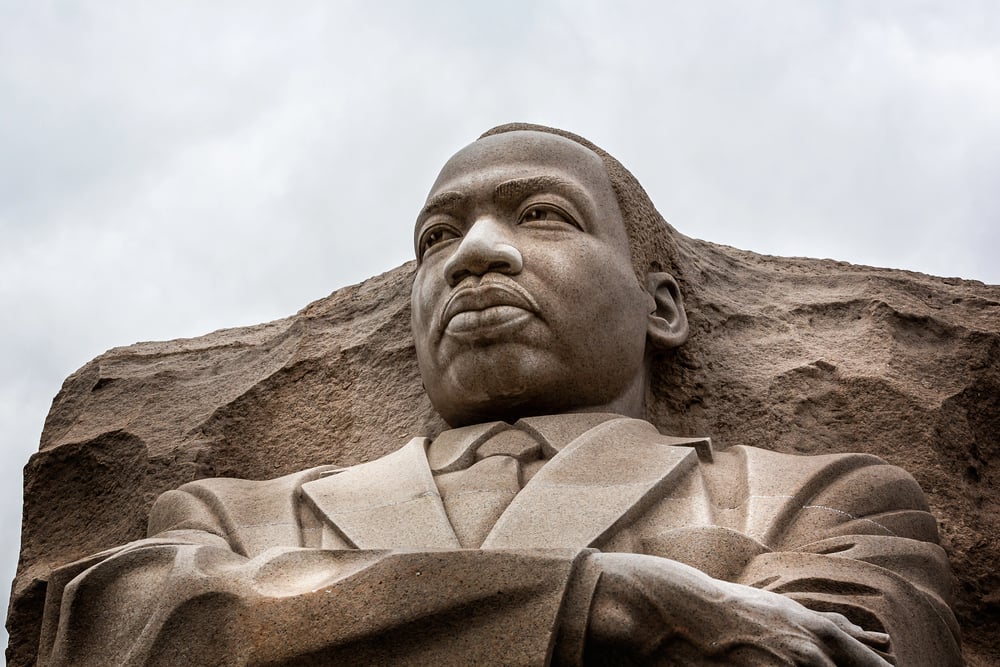
Birmingham City Jail gave the world one of its most powerful letters. King’s response to fellow clergymen who urged patience became a masterpiece of moral reasoning that (parenthetically speaking, though this wasn’t his intention at all) would outlive every politician who put him there; the letter, written on scraps of newspaper and smuggled out piece by piece, crystallized the urgency of civil rights in a way that comfortable people could no longer ignore — and it did so from a place where King had nothing but time to choose his words carefully.
Time, as it turned out, was exactly what he needed. But the world couldn’t wait; so the letter traveled while King remained, carrying his voice to congregations and conscience-stricken readers who finally understood that justice delayed really was justice denied: the philosophical became personal when written from behind bars.
Oscar Wilde
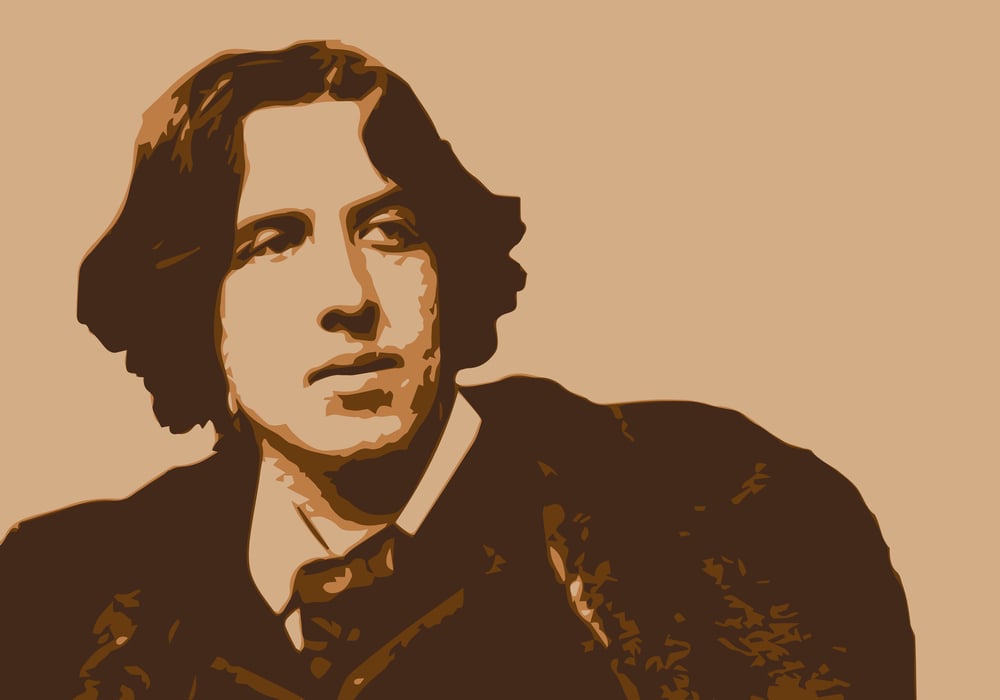
Prison destroyed Wilde’s body but distilled his soul into something pure and heartbreaking. “De Profundis,” written during his two years of hard labor, became a meditation on suffering and redemption that stripped away all his famous wit to reveal something far more valuable underneath.
The man who once quipped about everything discovered that pain has its own terrible eloquence.
Antonio Gramsci
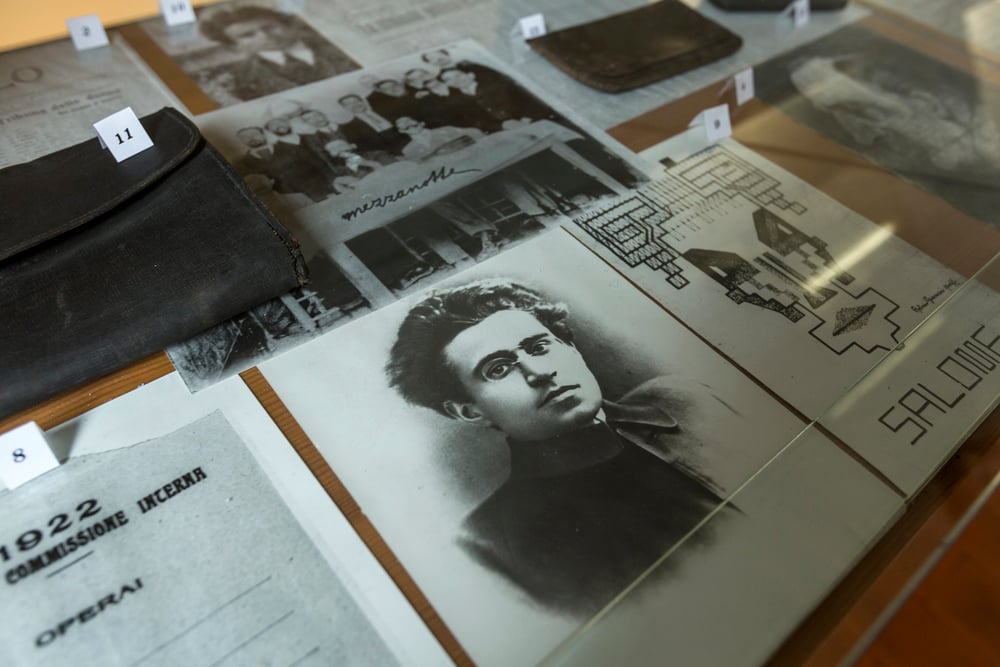
Mussolini thought imprisoning this Italian Marxist would silence dangerous ideas; instead, Gramsci used his decade in fascist prisons to develop theories about culture and power that would influence social movements for generations. His “Prison Notebooks” proved that walls can’t contain thoughts, only bodies; his jailers gave him books to keep him quiet — which turned out to be spectacularly counterproductive, since Gramsci spent the next ten years thinking harder than most people do in a lifetime, developing ideas about how power really works that made his earlier activism look like amateur hour.
And the thing about giving a brilliant mind nothing but time and books (along with the intimate knowledge of oppression that comes from living under it daily): you end up with insights that wouldn’t have emerged any other way. So Mussolini’s attempt to remove a troublesome intellectual from the equation actually created one of the most influential political thinkers of the 20th century; the “Prison Notebooks” read like dispatches from someone who understood both the crushing weight of state power and the subtle ways people resist it, because he was experiencing both simultaneously: living proof that sometimes the most dangerous prisoners are the ones who’ve learned to make weapons out of words.
Fyodor Dostoevsky
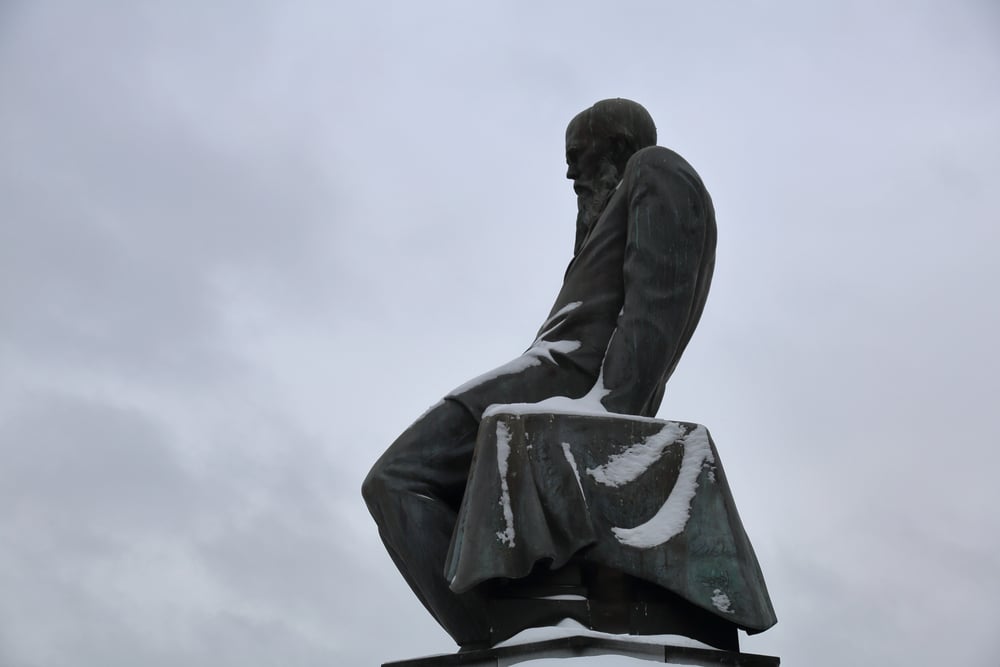
Siberian labor camps taught Dostoevsky about the darkest corners of human nature and the strange capacity for redemption that exists even there. “The House of the Dead” became his masterpiece of prison literature, while his later novels carried the psychological insights gained from years among criminals and political prisoners.
Suffering, he discovered, could be a terrible teacher — but also a thorough one.
Václav Havel
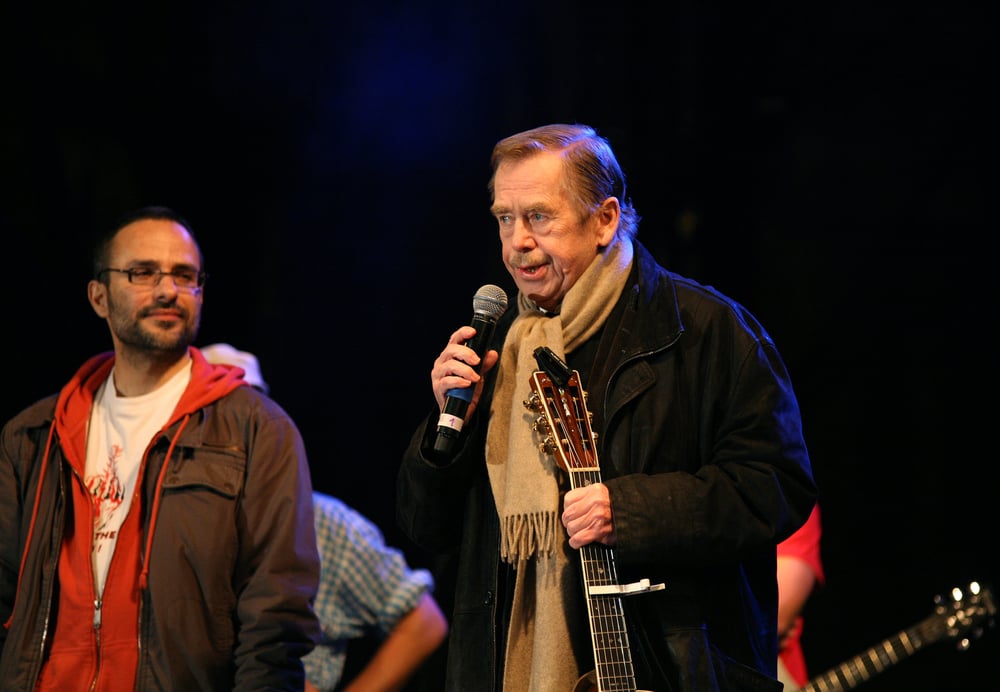
Communist authorities kept arresting this playwright, apparently unaware that each imprisonment only amplified his voice. Havel’s letters from prison became underground classics in Czechoslovakia, and his moral authority as a former prisoner helped him lead the Velvet Revolution that toppled the very system that had caged him.
The man who wrote about the power of truth eventually proved it.
Miguel de Cervantes
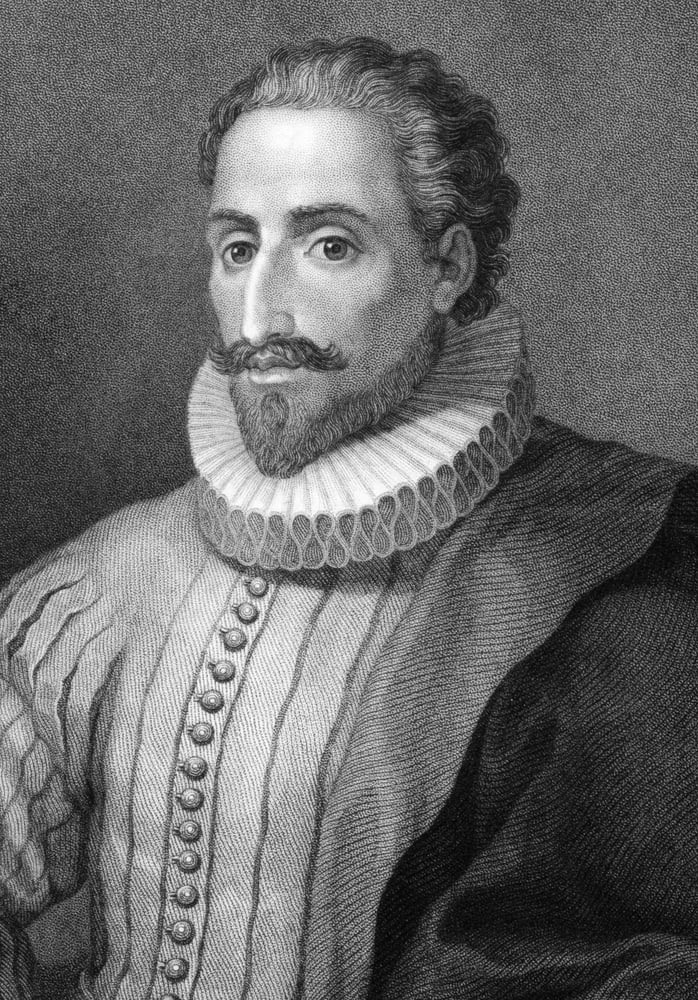
Cervantes spent five years as a prisoner in Algiers after being captured by pirates; those years of captivity didn’t just give him material for “Don Quixote” — they taught him about the thin line between reality and imagination that runs through his masterpiece. A man who had lost his freedom understood better than most why people create elaborate fantasies to escape unbearable truths; prison teaches you that reality bends under pressure, that the mind builds elaborate escapes when the body can’t. Cervantes learned this lesson in the most direct way possible: chained in North Africa, watching fellow prisoners go mad or find strange forms of salvation in their own delusions.
When he finally wrote about a man who saw windmills as giants and innkeepers as lords, he wasn’t just creating comedy — he was documenting the beautiful, desperate ways consciousness protects itself from unacceptable circumstances; so “Don Quixote” carries the weight of someone who understood both the necessity of dreams and their ultimate fragility. The laughter in the book has shadows because Cervantes knew what happens when reality becomes too much to bear without some form of creative distortion; his captivity gave literature one of its greatest works precisely because it taught him that sometimes the most profound truths live inside the most obvious lies.
Bobby Sands
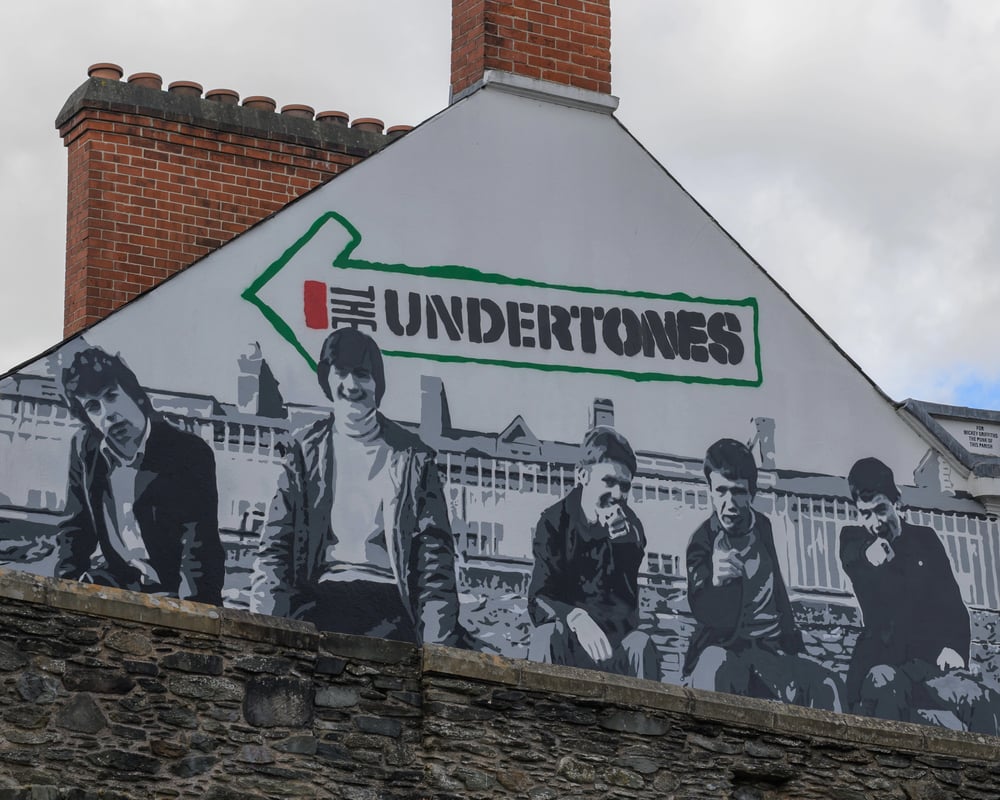
Sands turned starvation into a form of political speech that echoed around the world. His hunger strike in Belfast’s Maze Prison became a masterclass in how powerless people can still exercise the ultimate form of control — over their own bodies.
The British government found itself defeated by a man who had nothing left to lose except his life.
Alexander Solzhenitsyn

Stalin’s gulags created one of the 20th century’s most powerful witnesses to totalitarian brutality. Solzhenitsyn’s “Gulag Archipelago” exposed the Soviet prison system with such devastating accuracy that it helped bring down the empire that created it.
One man’s experience of systematic cruelty became a nation’s reckoning with its own history.
Dietrich Bonhoeffer
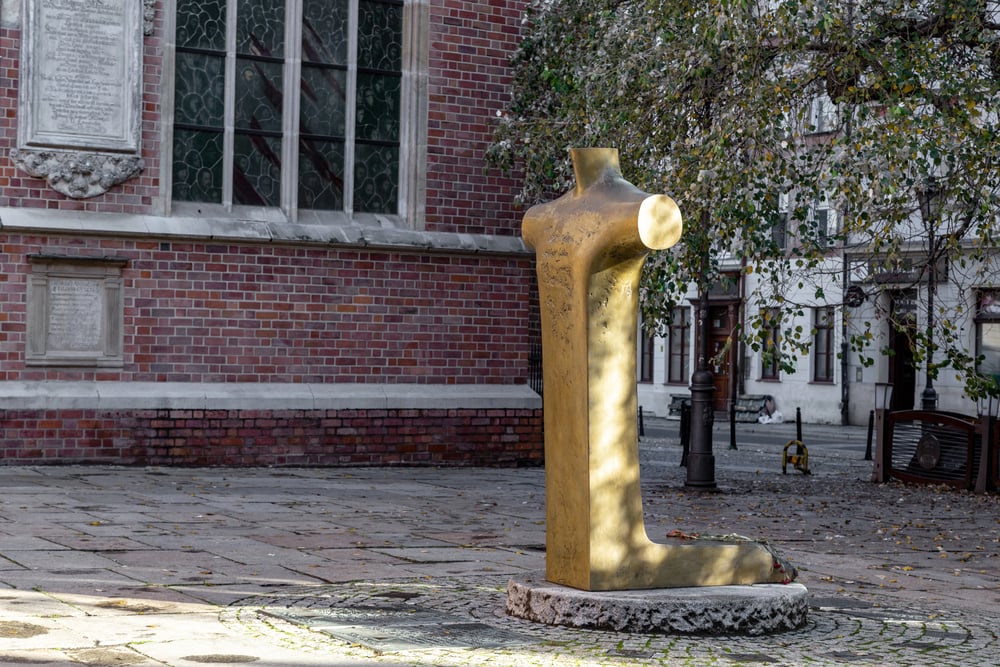
This German pastor’s resistance to Nazi ideology landed him in prison, where he wrote letters that became classics of Christian thought under persecution; bonhoeffer’s reflections on faith in the face of evil showed believers how to maintain spiritual integrity when the world has gone insane. His execution made him a martyr, but his prison writings made him immortal; the remarkable thing about writing theology from a Nazi prison cell is how it strips away every comfortable assumption about God’s protection of the righteous; Bonhoeffer couldn’t retreat into platitudes about divine providence when he was surrounded by evidence that evil often wins in the short term.
Instead, he developed what he called “religionless Christianity” — faith that works even when all the traditional consolations fail; his letters from Tegel Prison read like dispatches from someone who had to rebuild his entire understanding of God while watching the world burn. And perhaps that’s exactly what theology needs: someone willing to ask the hardest questions from the darkest places; the pastor who could write about grace while facing execution understood something about faith that seminary couldn’t teach.
Henri Charrière
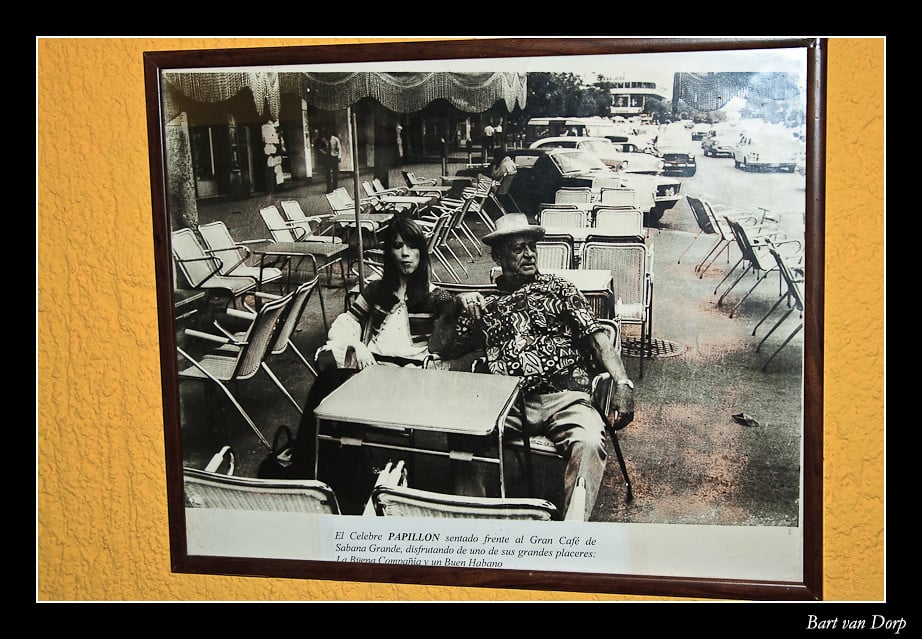
“Papillon” proved that even the most brutal prison system couldn’t crush the human desire for freedom. Charrière’s multiple escape attempts from Devil’s Island became legendary, and his memoir showed readers that dignity and hope can survive in places designed to destroy both.
His story reminded the world that some spirits simply refuse to be broken.
John Bunyan
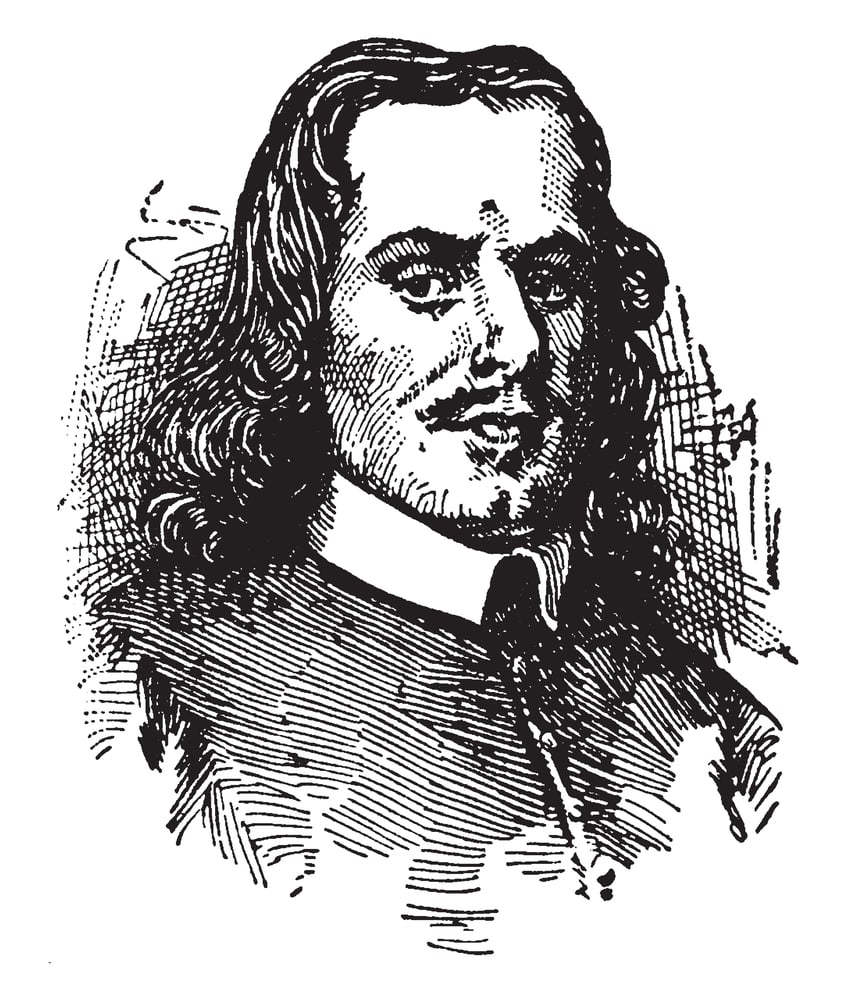
Twelve years in Bedford Jail for preaching without a license gave English literature “The Pilgrim’s Progress.” Bunyan’s allegory of spiritual journey became one of the most widely read books in history, proving that religious persecution often backfires spectacularly.
The authorities thought they were silencing a troublesome preacher — instead, they created immortal literature.
Jawaharlal Nehru
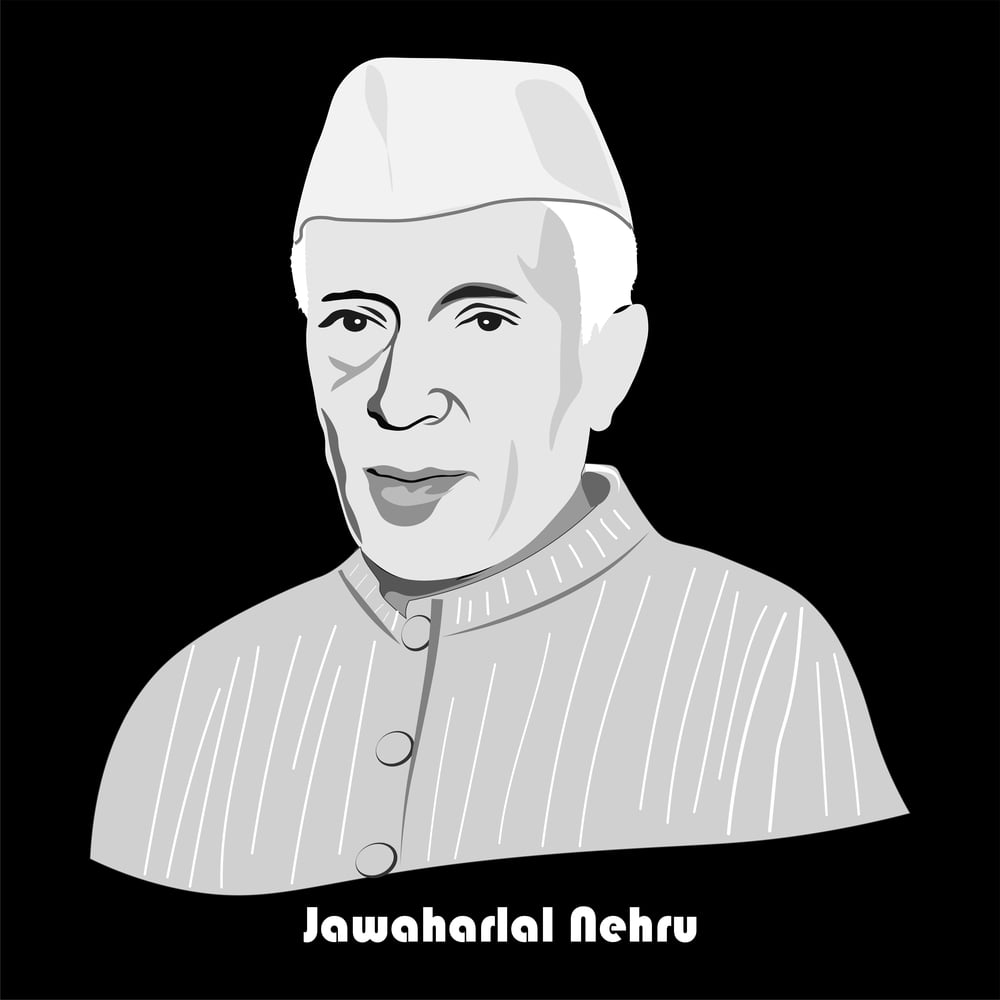
British colonial prisons became Nehru’s writing retreats, where he penned letters to his daughter that became classics of historical and political thought; his prison writings helped articulate the intellectual case for Indian independence and showed how confinement could deepen rather than diminish a leader’s connection to his people’s aspirations. Each arrest taught Nehru something new about the empire he was fighting and the nation he hoped to build; the British kept expecting imprisonment to moderate his views, but time behind bars only convinced him more thoroughly that independence wasn’t just politically necessary — it was morally inevitable.
His letters from various jails read like a master class in turning captivity into education; prison gave Nehru the one thing active politicians rarely have: uninterrupted time to think. The man who emerged from each stint behind bars was more thoughtful, more articulate, and more dangerous to British rule than the one who went in; colonial authorities never seemed to grasp that their punishment was actually his preparation.
Rubin Carter
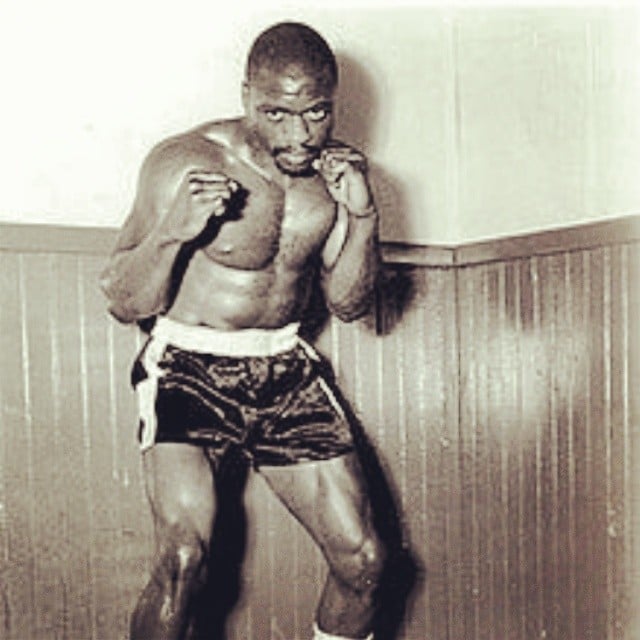
Wrongfully imprisoned for murder, Carter turned his cell into a classroom where he educated himself in law, history, and human rights.
His case became a symbol of racial injustice in America’s courts, and his dignified refusal to be broken by false imprisonment inspired a generation of activists and artists, including Bob Dylan’s famous song about his case.
Angela Davis
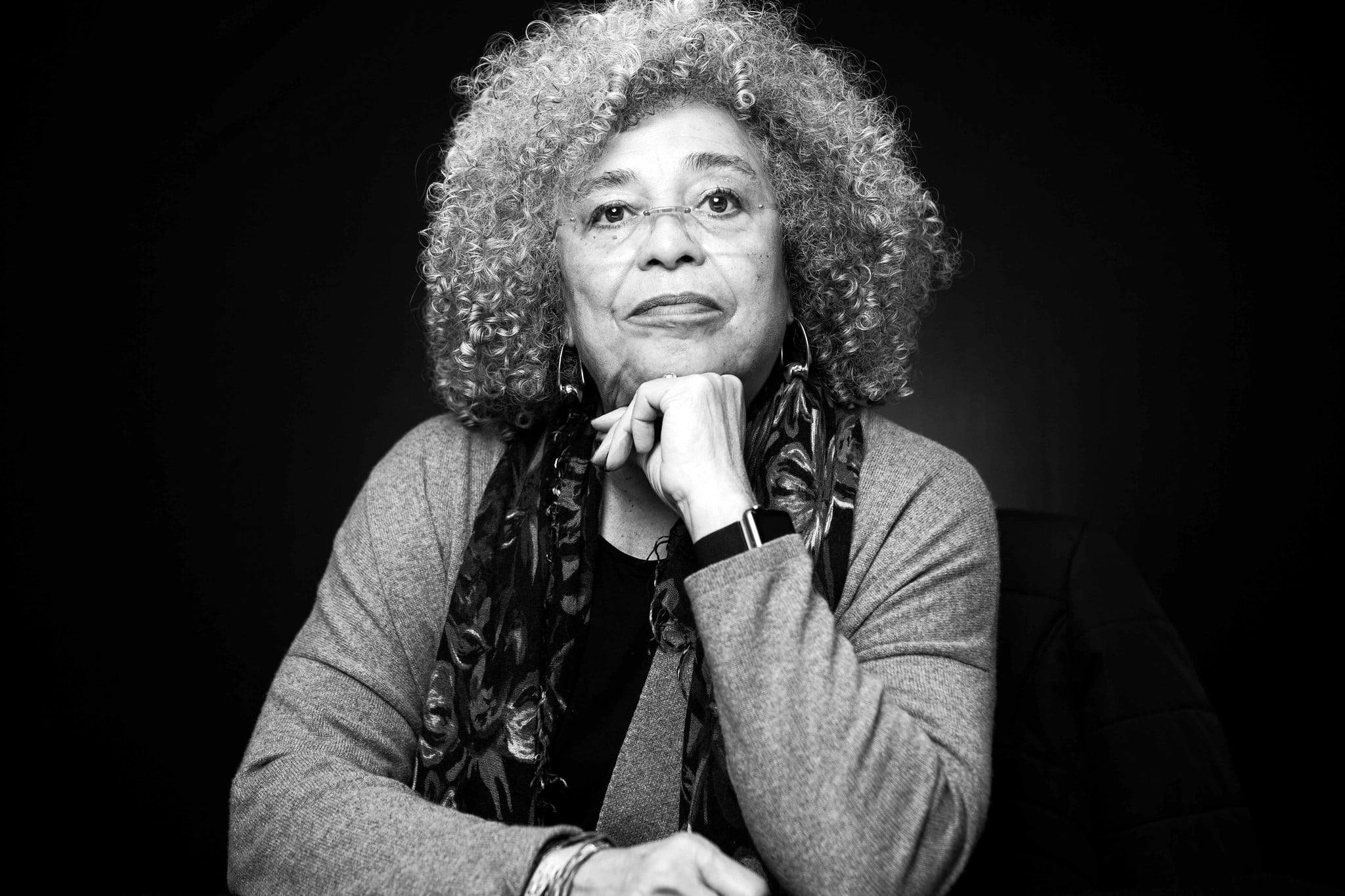
Davis spent months in jail awaiting trial on charges that would eventually be dismissed, but her imprisonment became a rallying point for civil rights activists worldwide.
Her case highlighted the political nature of the American justice system and helped launch her career as one of the most influential radical thinkers of her generation.
Marco Polo
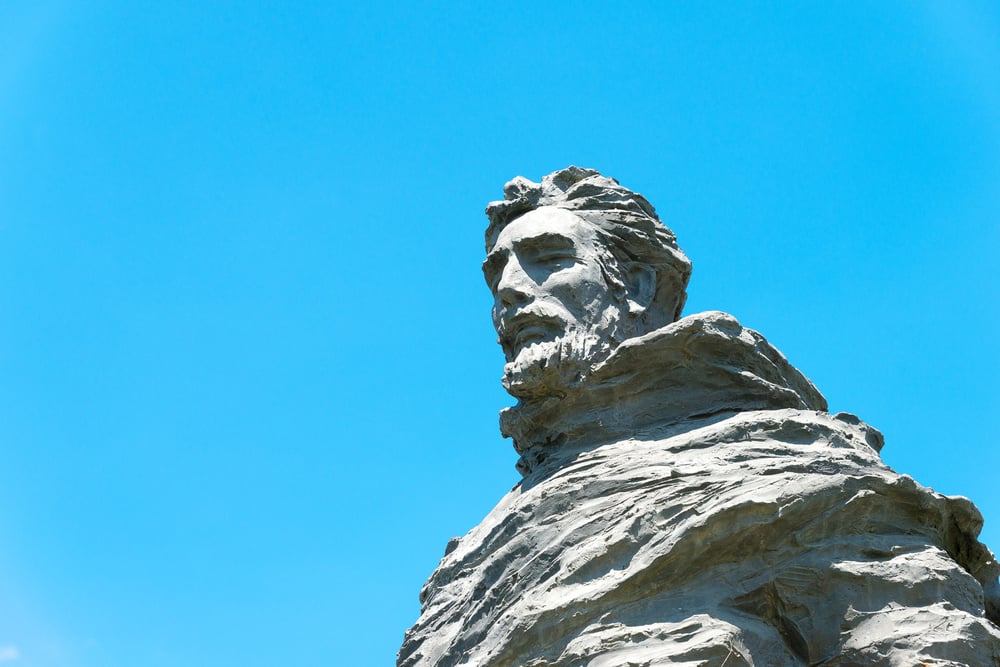
Captured during a war between Venice and Genoa, Polo dictated the stories of his travels to Asia while sharing a prison cell with a writer; those tales became “The Travels of Marco Polo,” one of the most influential travel narratives in history. Without that chance imprisonment and literate cellmate, the Western world might have waited centuries longer to learn about the riches of the East; the strange thing about literary history is how often great books emerge from pure accident; Polo wasn’t planning to write anything — he was a merchant, not an author.
But stick a man full of incredible stories in a cell with someone who knows how to write them down, and suddenly you have a book that will shape European imagination for centuries; prison forced Polo to slow down long enough to turn his adventures into art. Without those Genoese captors, Polo’s tales might have remained dinner party stories told to Venetian friends and forgotten after his death; instead, they became the book that made Columbus dream of reaching Asia by sailing west; one man’s imprisonment accidentally launched the Age of Exploration.
Wole Soyinka
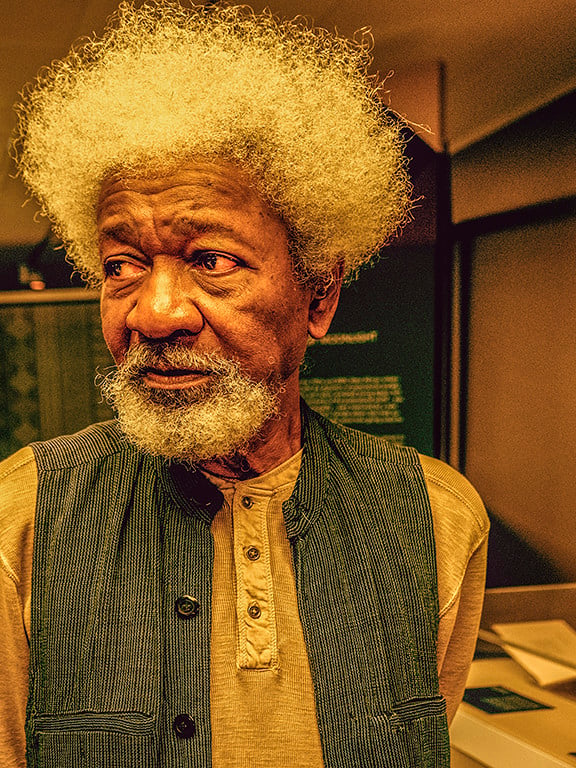
Nigeria’s future Nobel Prize winner spent two years in solitary confinement during the country’s civil war. Soyinka’s prison poems and his later memoir of the experience became powerful testaments to the resilience of artistic imagination under political oppression.
His captivity proved that governments can imprison bodies but not creativity.
Girolamo Savonarola
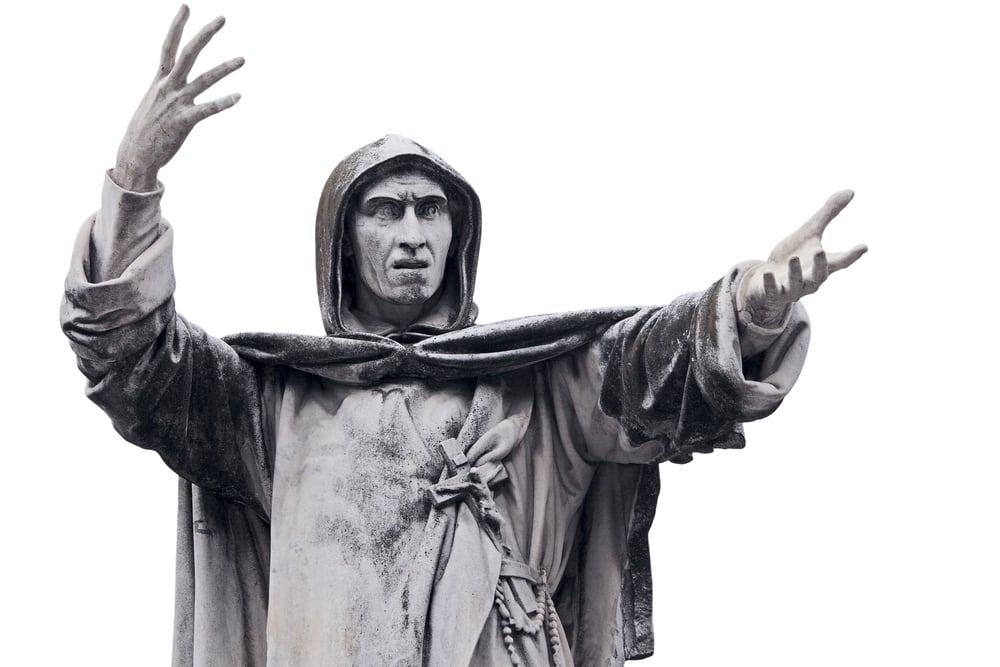
This Italian monk’s brief imprisonment before his execution became the stuff of legend, inspiring centuries of writers and thinkers who admired his refusal to compromise his principles even when facing death.
His prison writings showed how religious conviction could challenge political corruption, making him a model for later reformers and revolutionaries.
Thomas More
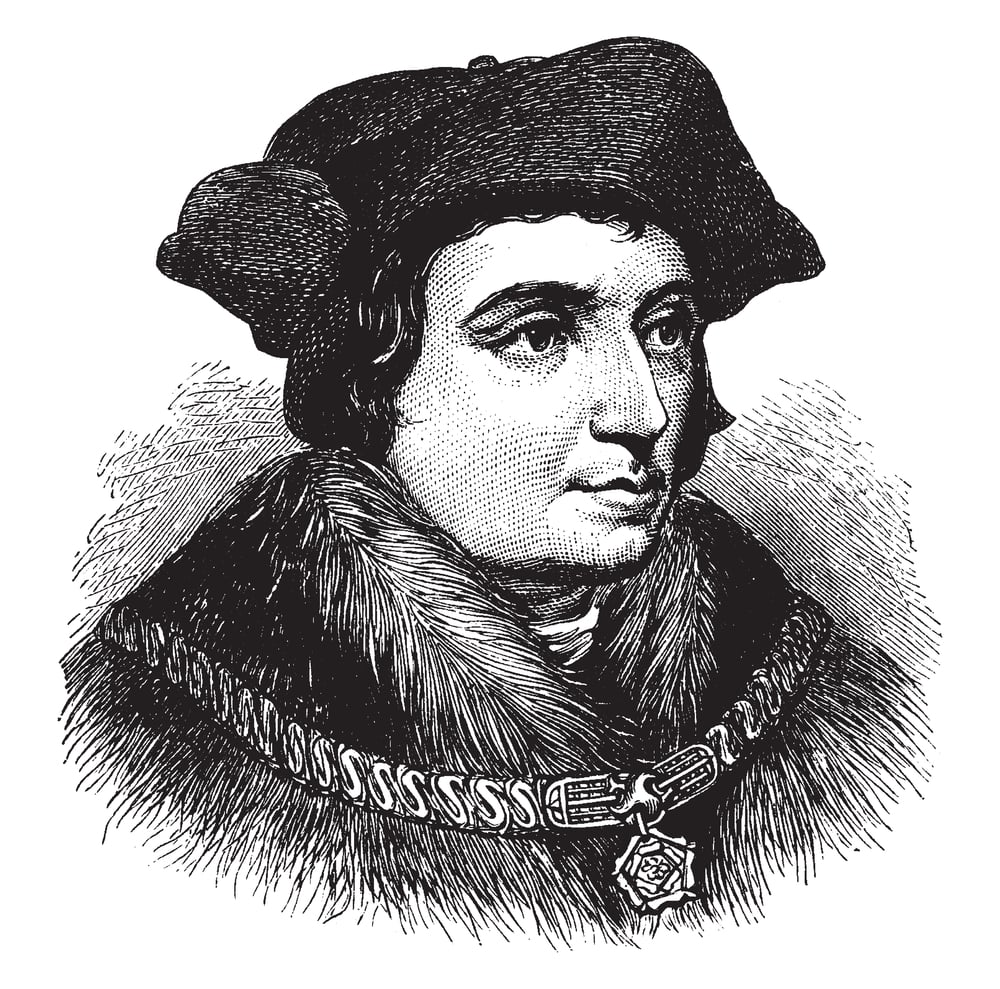
More’s refusal to endorse Henry VIII’s break with Rome landed him in the Tower of London, where he wrote some of his most profound reflections on conscience and duty. His principled stance unto death made him a symbol of intellectual integrity that transcends religious boundaries.
Prison revealed the steel beneath the humanist scholar’s gentle exterior.
José Martí
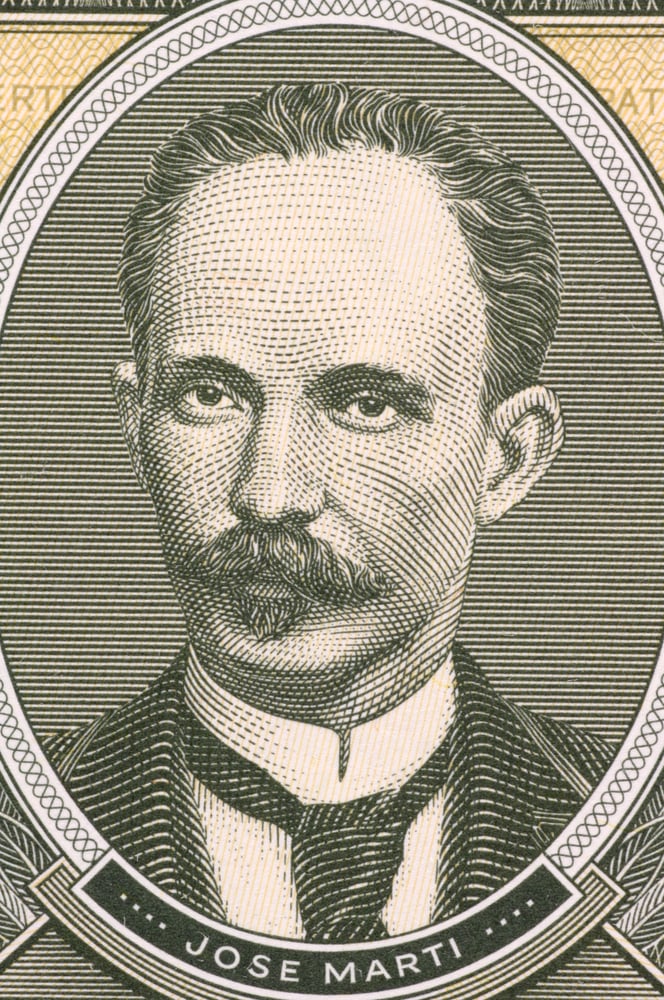
Cuba’s future national hero spent time in Spanish prisons as a teenager, an experience that crystallized his commitment to Cuban independence; Martí’s prison writings and his later essays about the experience helped forge Cuban national identity and inspired generations of Latin American revolutionaries. Teenage imprisonment turned him into a lifelong rebel with the literary skills to match his political passion; the Spanish authorities who imprisoned a nineteen-year-old student for writing about independence probably thought they were nipping a minor problem in the bud.
Instead, they created the intellectual father of Cuban nationalism; Martí’s time breaking rocks in a quarry gang taught him about Spanish colonial brutality in ways that no amount of reading could have done. Prison gave Martí the moral authority to speak for all Cubans who suffered under Spanish rule; when he later wrote about freedom, readers knew he had paid a personal price for those words; the teenager who went into prison dreaming of independence emerged as a man whose entire life would be devoted to achieving it.
Bertrand Russell
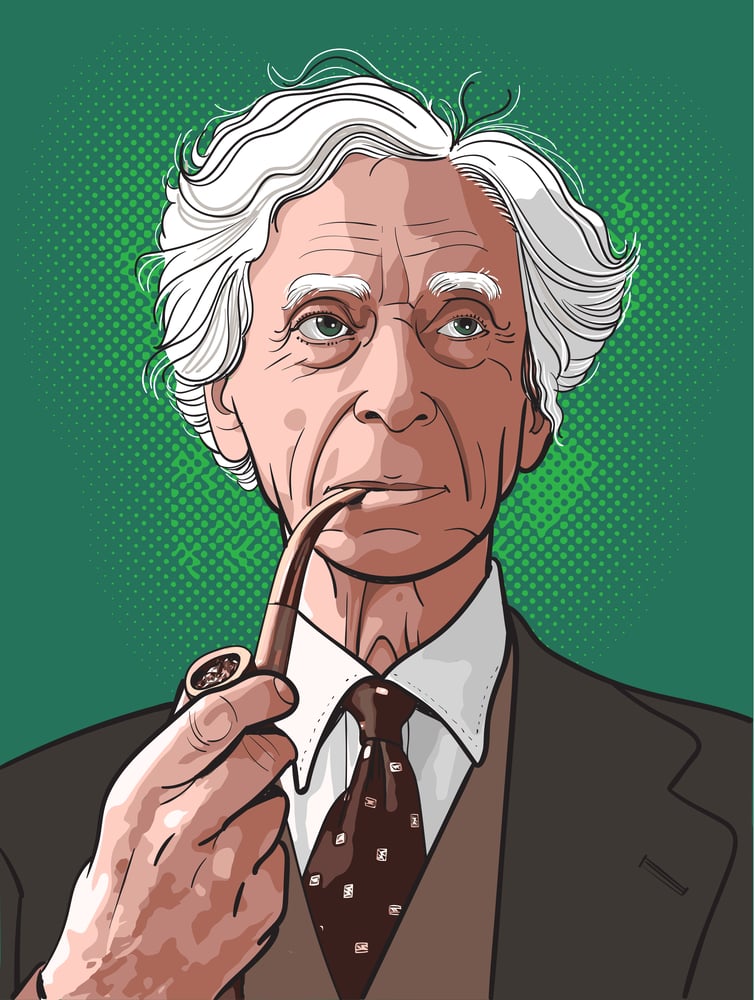
Russell’s imprisonment for pacifist activities during World War I gave him uninterrupted time to write “Introduction to Mathematical Philosophy,” one of his most important works. The authorities thought they were punishing a troublesome intellectual — instead, they gave him the scholarly retreat he needed to advance human knowledge.
Russell later joked that prison was the most productive period of his academic career.
Eldridge Cleaver
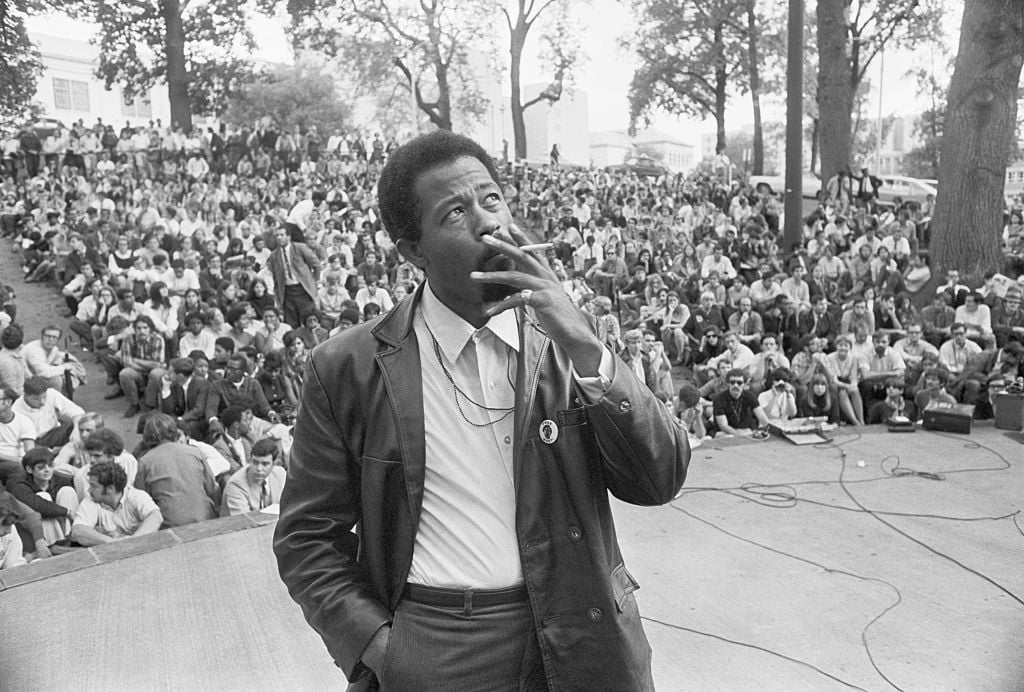
Cleaver wrote “Soul on Ice” while serving time in California’s prison system, creating one of the most powerful memoirs of the Black Power movement. His brutal honesty about his own crimes and his evolution as a thinker showed how prison could become a place of genuine transformation rather than mere punishment.
The book became required reading for anyone trying to understand race in America.
Aung San Suu Kyi
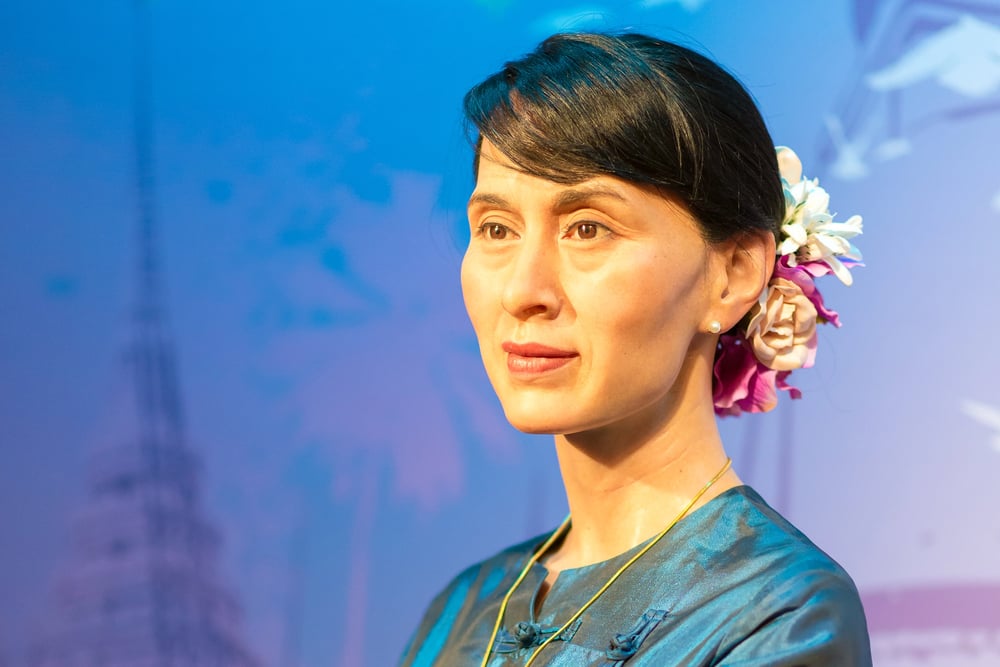
Years of house arrest in Myanmar turned this opposition leader into an international symbol of peaceful resistance to military rule; her confinement paradoxically amplified her voice around the world, proving that modern communication can make prisoners more powerful than their captors expect. Her example inspired democracy movements from Tibet to Hong Kong; Suu Kyi’s house arrest created a strange form of political theater where the person with the least physical freedom became the most talked-about figure in Southeast Asian politics.
Her captors wanted to make her disappear from public consciousness; instead, they created a living symbol of their own illegitimacy that grew more powerful with each passing year of confinement. The generals who kept her locked away never understood that martyrdom works differently in the age of global media; every day she remained confined, the world was reminded of Myanmar’s oppression; her silence became louder than any speech she could have given if free.
Liu Xiaobo
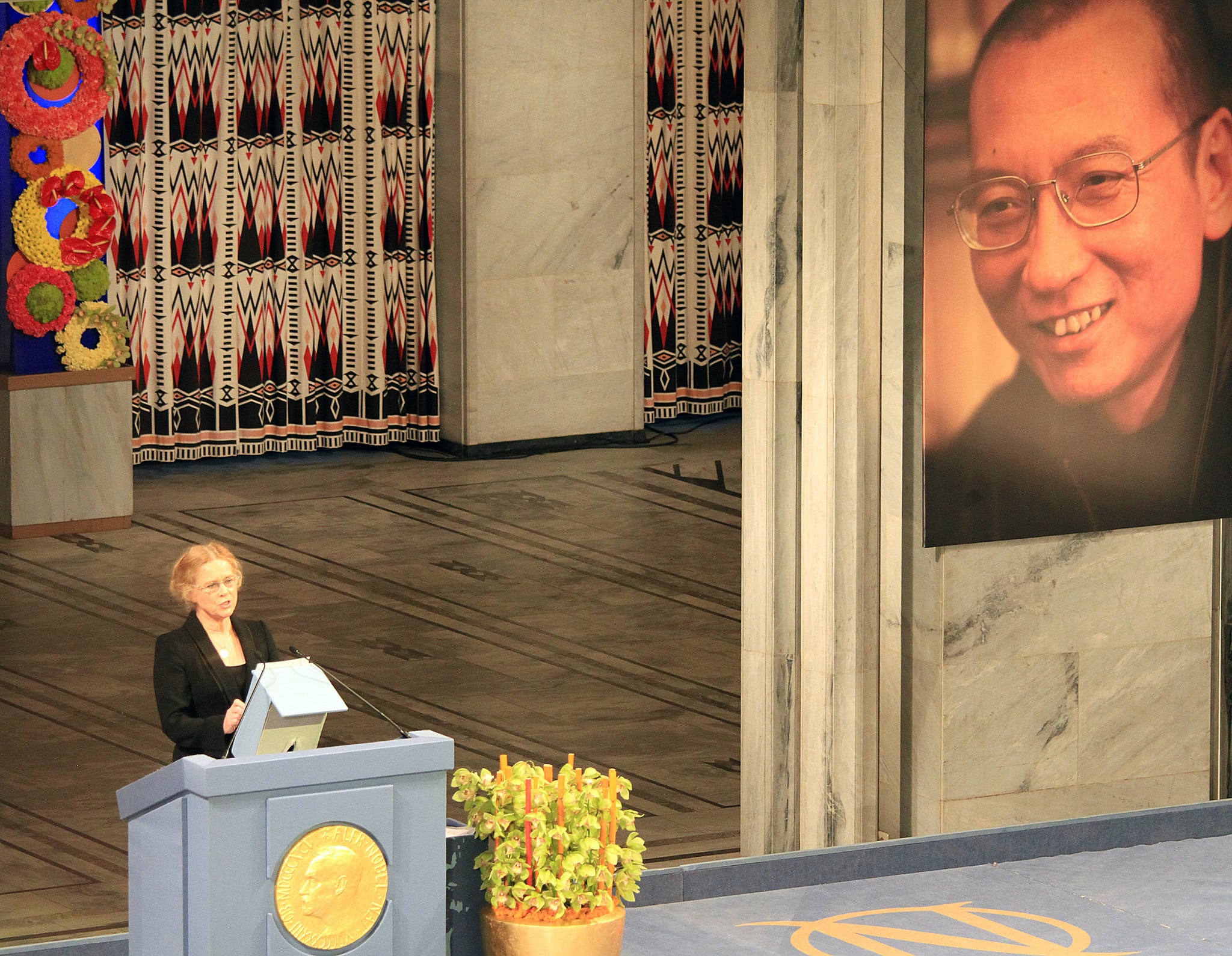
China’s Nobel Peace Prize winner spent his final years in prison for co-authoring Charter 08, a manifesto calling for democratic reforms. His imprisonment and death in custody made him a powerful symbol of the ongoing struggle for human rights in authoritarian societies.
Even in death, his example continues to inspire Chinese dissidents and democrats worldwide.
The Power of Confinement
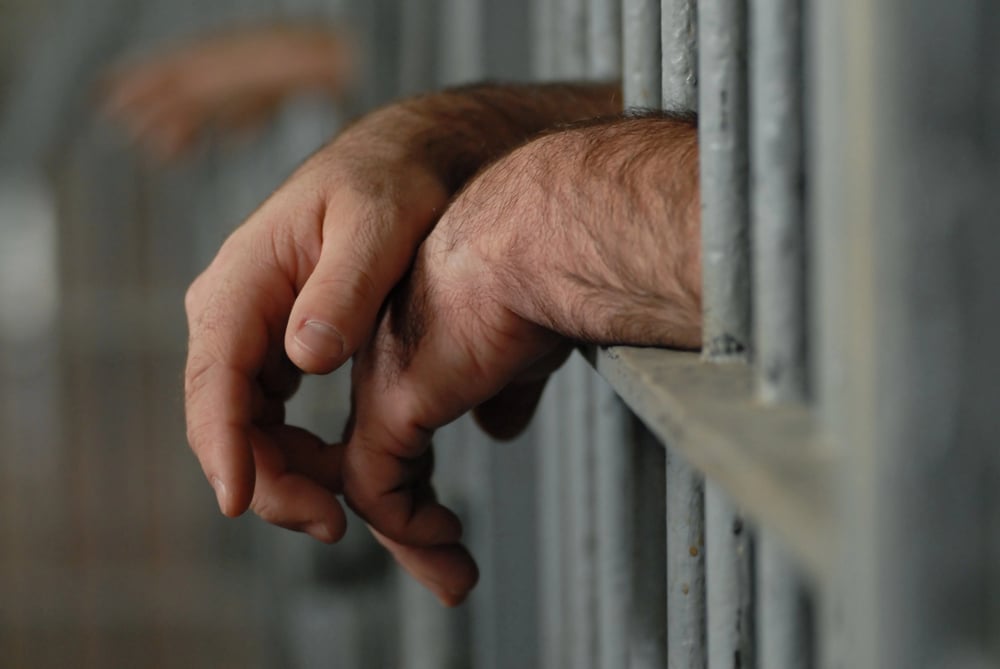
The thread connecting these 26 lives isn’t just imprisonment — it’s the strange alchemy that can occur when human consciousness confronts absolute powerlessness. These walls that were meant to diminish ended up concentrating, these silences that were meant to muffle ended up amplifying voices that still echo decades or centuries later.
Their captors all made the same fundamental miscalculation: they confused controlling someone’s body with controlling their influence on the world. But history keeps demonstrating that the most dangerous prisoners are often the ones who’ve learned to turn their cells into classrooms, their sentences into scholarship, and their suffering into art that outlives the systems that created it.
More from Go2Tutors!

- The Romanov Crown Jewels and Their Tragic Fate
- 13 Historical Mysteries That Science Still Can’t Solve
- Famous Hoaxes That Fooled the World for Years
- 15 Child Stars with Tragic Adult Lives
- 16 Famous Jewelry Pieces in History
Like Go2Tutors’s content? Follow us on MSN.