31 Crooners and Entertainers from the Golden Age Who Defined Cool
The microphone changed everything. Before it arrived in the late 1920s, singers had to shout to reach the back of the room.
Then crooners appeared—men with velvety voices who could whisper directly into a listener’s ear, creating an intimacy that live audiences found intoxicating. They dominated popular music from the 1930s through the 1960s, moving between nightclubs, radio broadcasts, television variety shows, and Hollywood films with the ease of superstars.
These were entertainers who did far more than sing. Many were comedians, actors, or all-around performers who made the Great American Songbook their personal playground.
They understood how to work a microphone, time a joke, charm a crowd, and deliver a lyric with precision and emotional weight. Their influence never fully faded—singers today still study their phrasing and technique.
Frank Sinatra
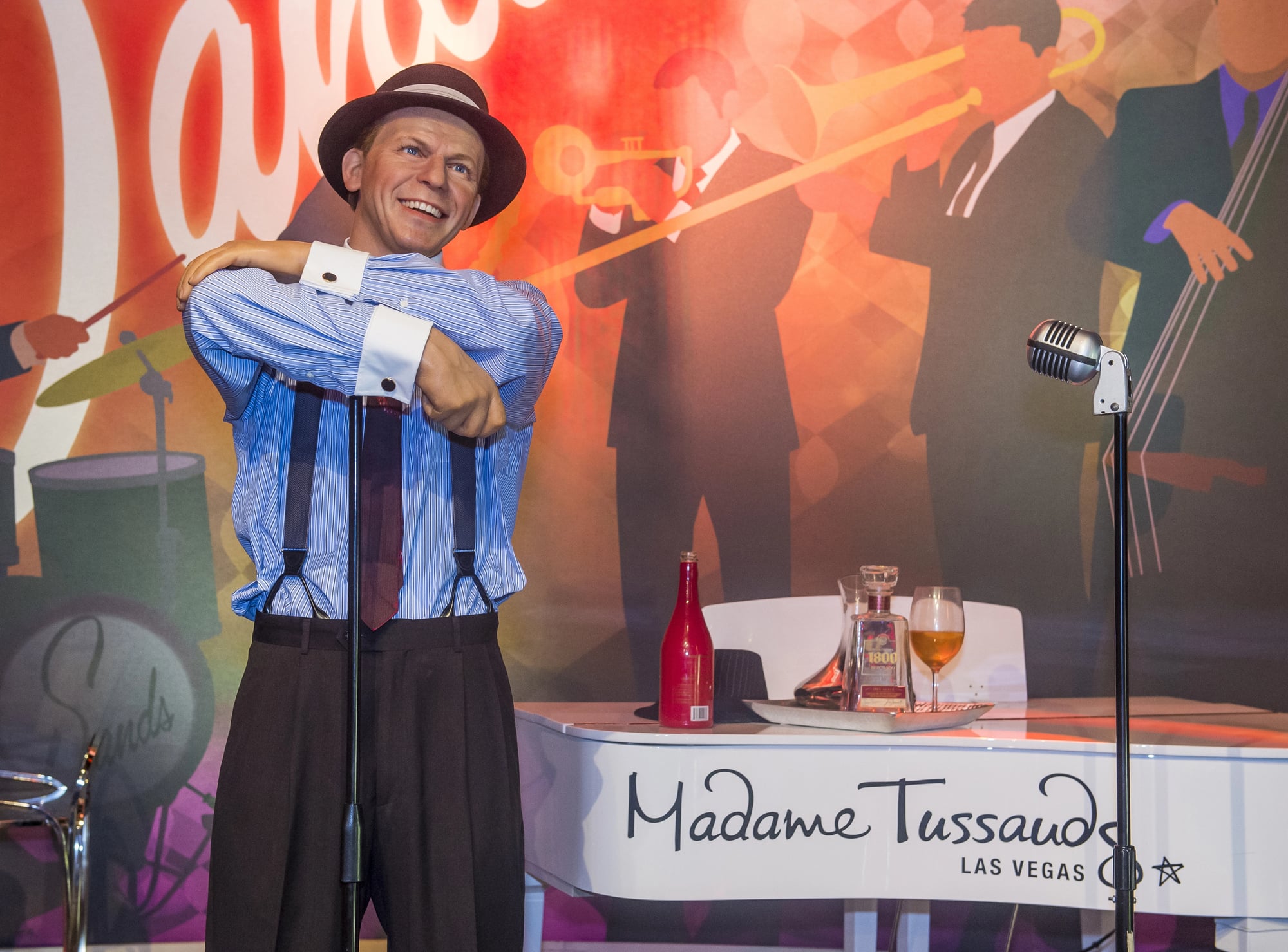
The definitive crooner, Sinatra pioneered the art of manipulating a microphone to create an intimate connection with the listener. He perfected the concept album format and influenced virtually every male vocalist who came after him, earning the title “Ol’ Blue Eyes” through decades of chart success and cultural dominance.
Bing Crosby
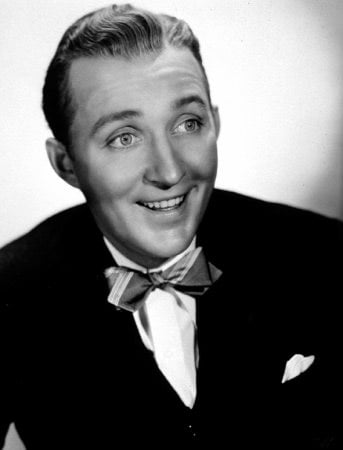
The Irish master and one of the best-selling artists of the 20th century, Crosby’s smooth baritone defined the 1930s and 1940s. He starred in numerous Hollywood films and scored massive hits with songs like “White Christmas,” becoming one of the most recognizable entertainers of his era.
Dean Martin
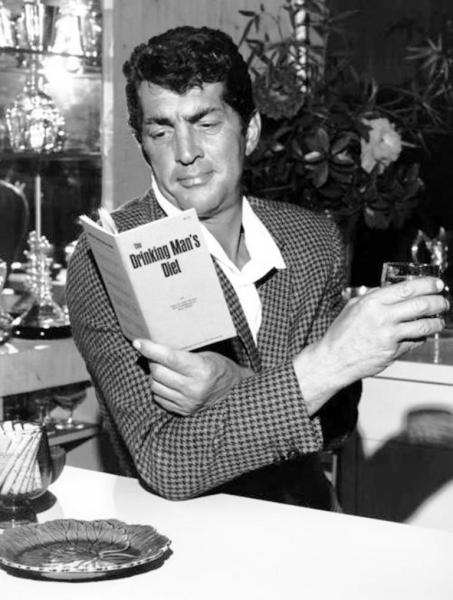
Known as the “King of Cool” for his seemingly effortless charisma, Martin mastered the balance between romance and comedy. His lazy delivery and laid-back charm made songs like “Everybody Loves Somebody” sound effortless, and he transitioned seamlessly from music to acting to television stardom.
Nat King Cole
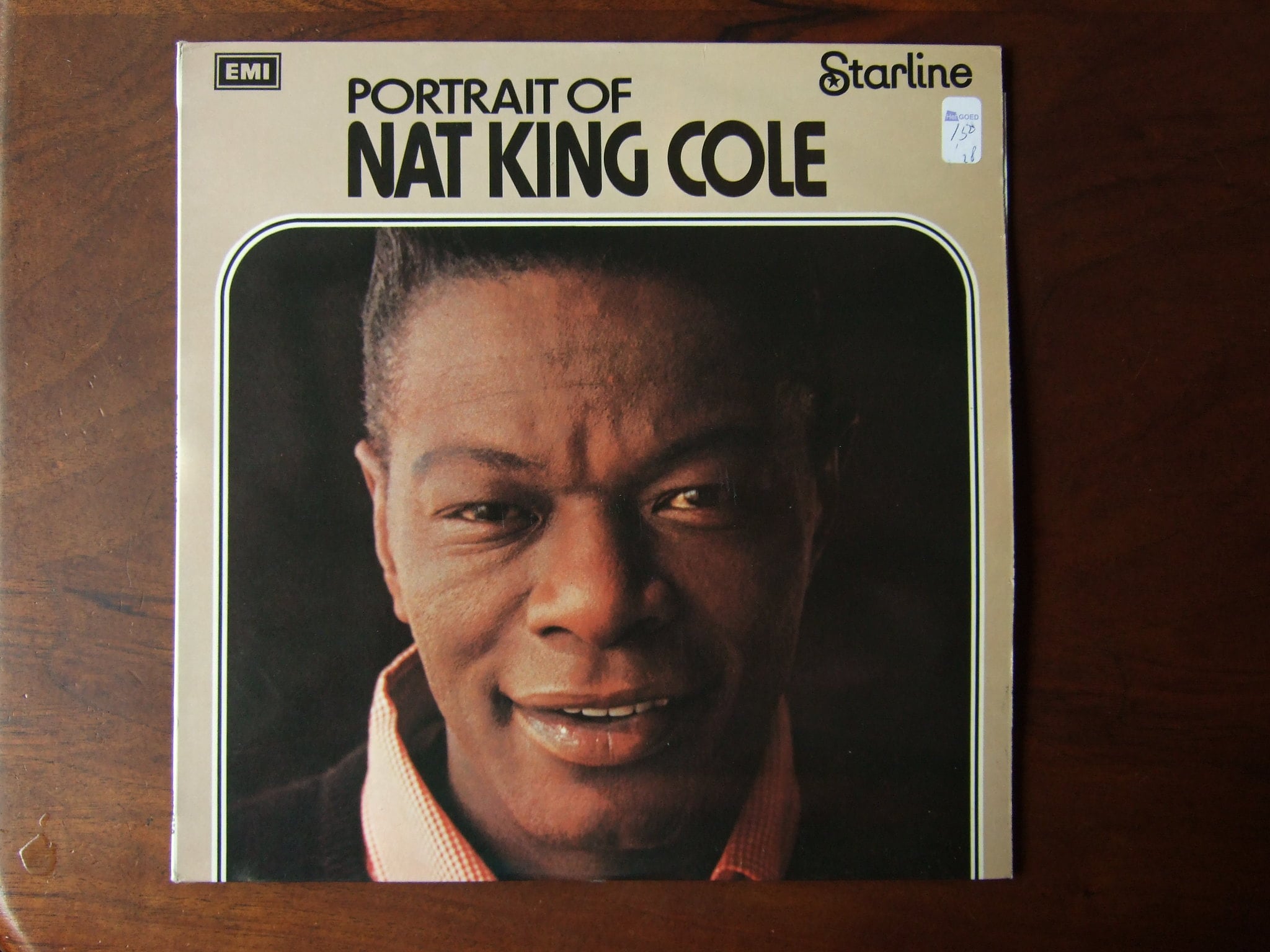
Cole possessed one of the warmest voices in American music and became the first Black performer to host his own network television series. His interpretations of the Great American Songbook influenced generations of singers, and his hits—including “Unforgettable” and “Mona Lisa”—remain jazz standards.
Perry Como
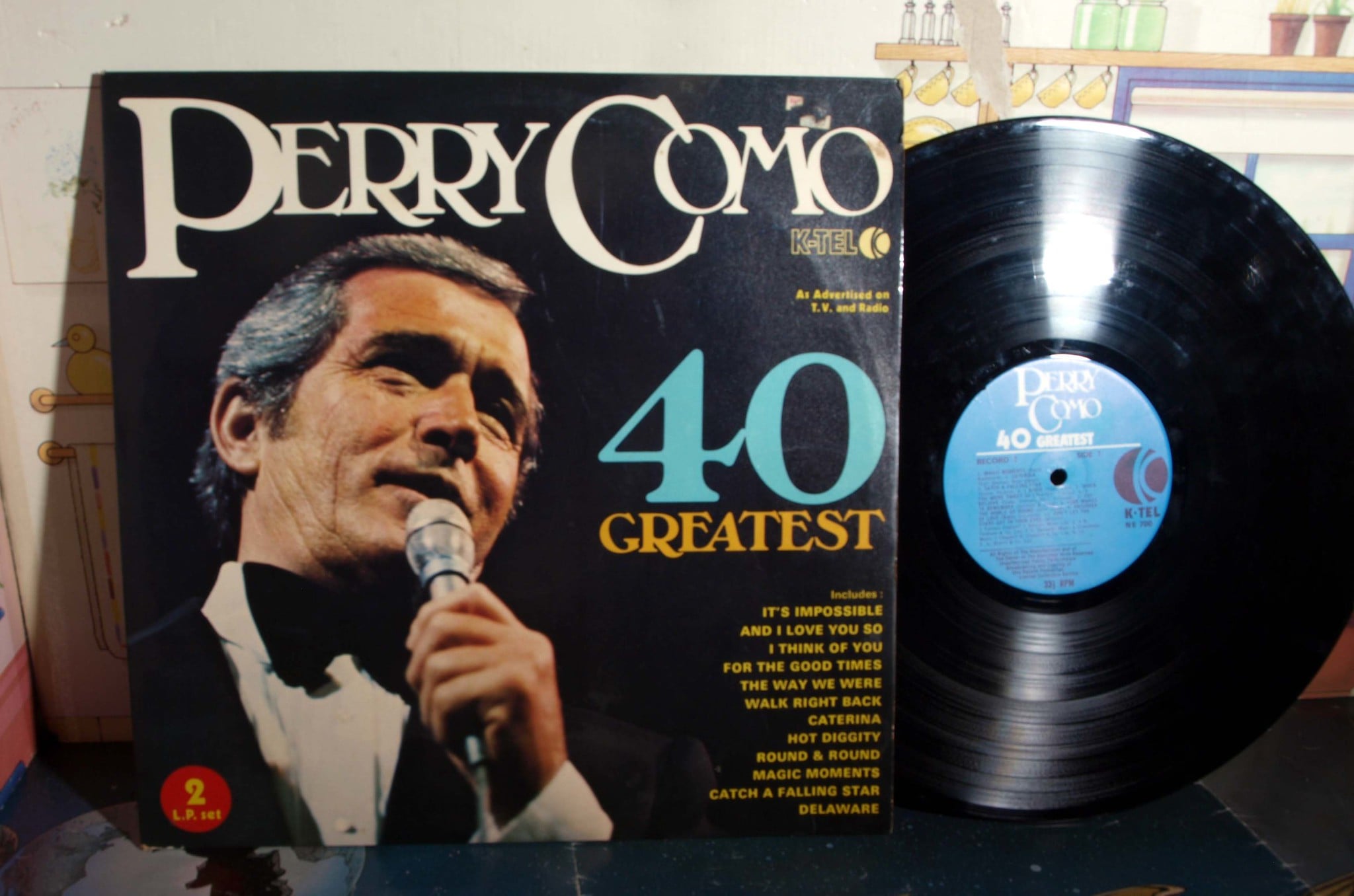
The dreamy and mellow baritone ruled the television variety show circuit throughout the 1950s and 1960s, bringing crooning into the living rooms of millions. His relaxed, easy listening approach made him a ratings powerhouse and helped make television the dominant entertainment medium.
Tony Bennett
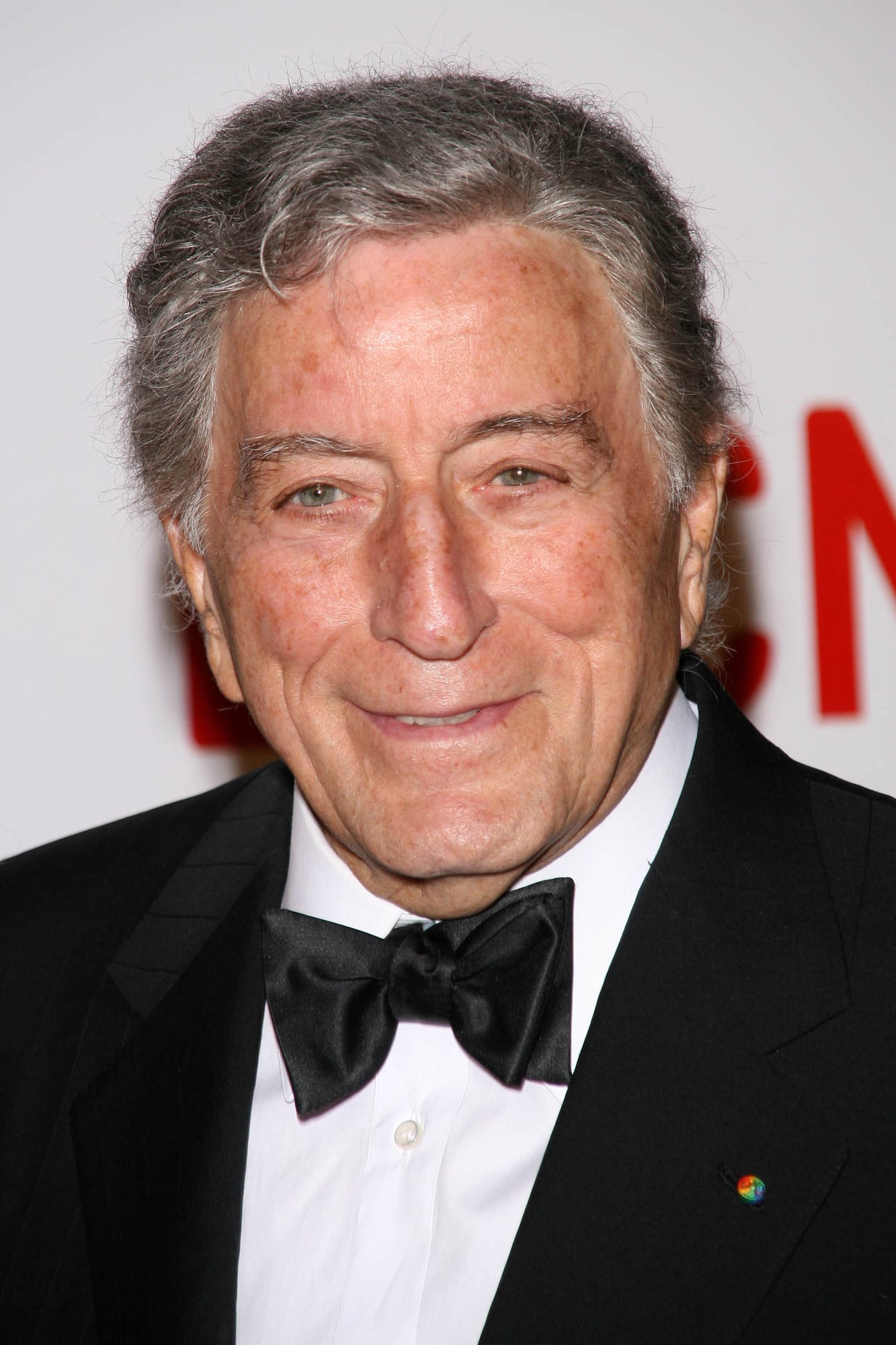
A standards master who proved the appeal of classic songbook material could outlast trends and generations. Bennett’s emotional phrasing and technical precision earned him respect from other crooners, and his career revival decades later demonstrated the durability of the crooner aesthetic.
Vic Damone
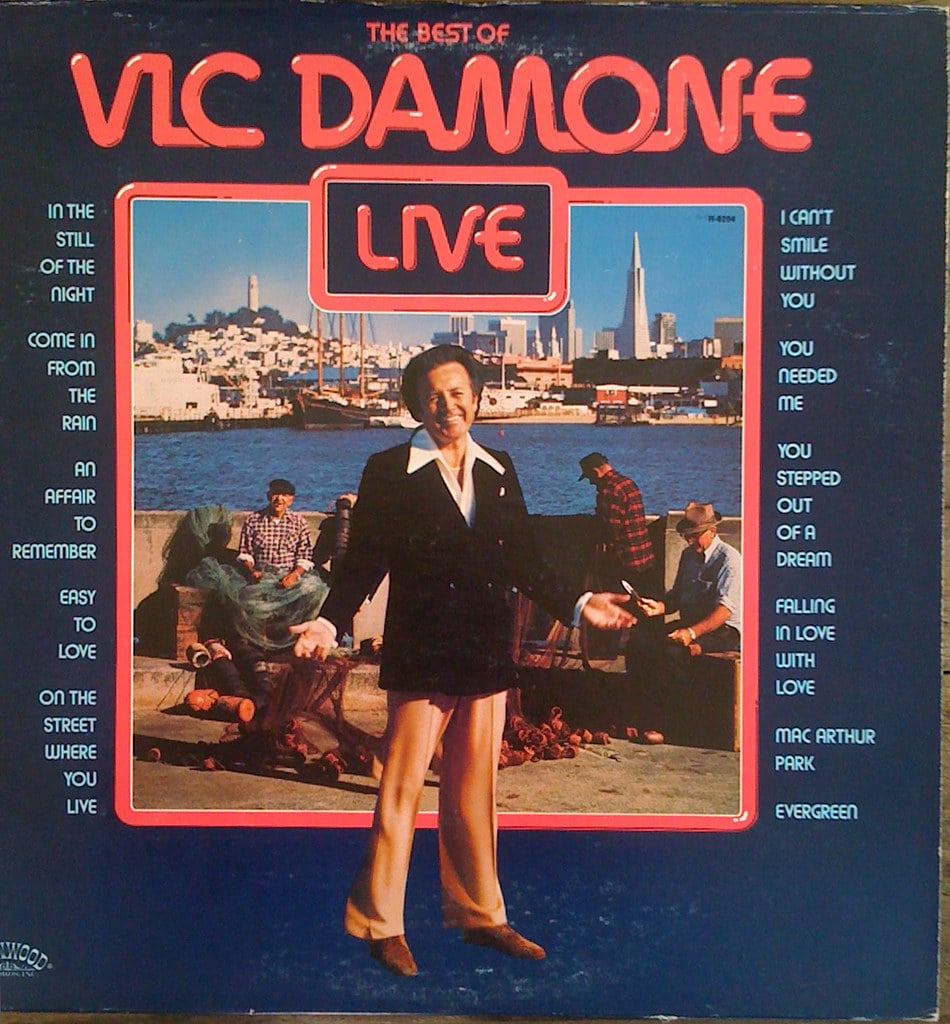
Frank Sinatra once said Damone had “the best pipes in the business.” Damone’s silky baritone and ability to make any tune sound like an intimate serenade made him a favorite on nightclub stages and television shows throughout the golden age.
Andy Williams
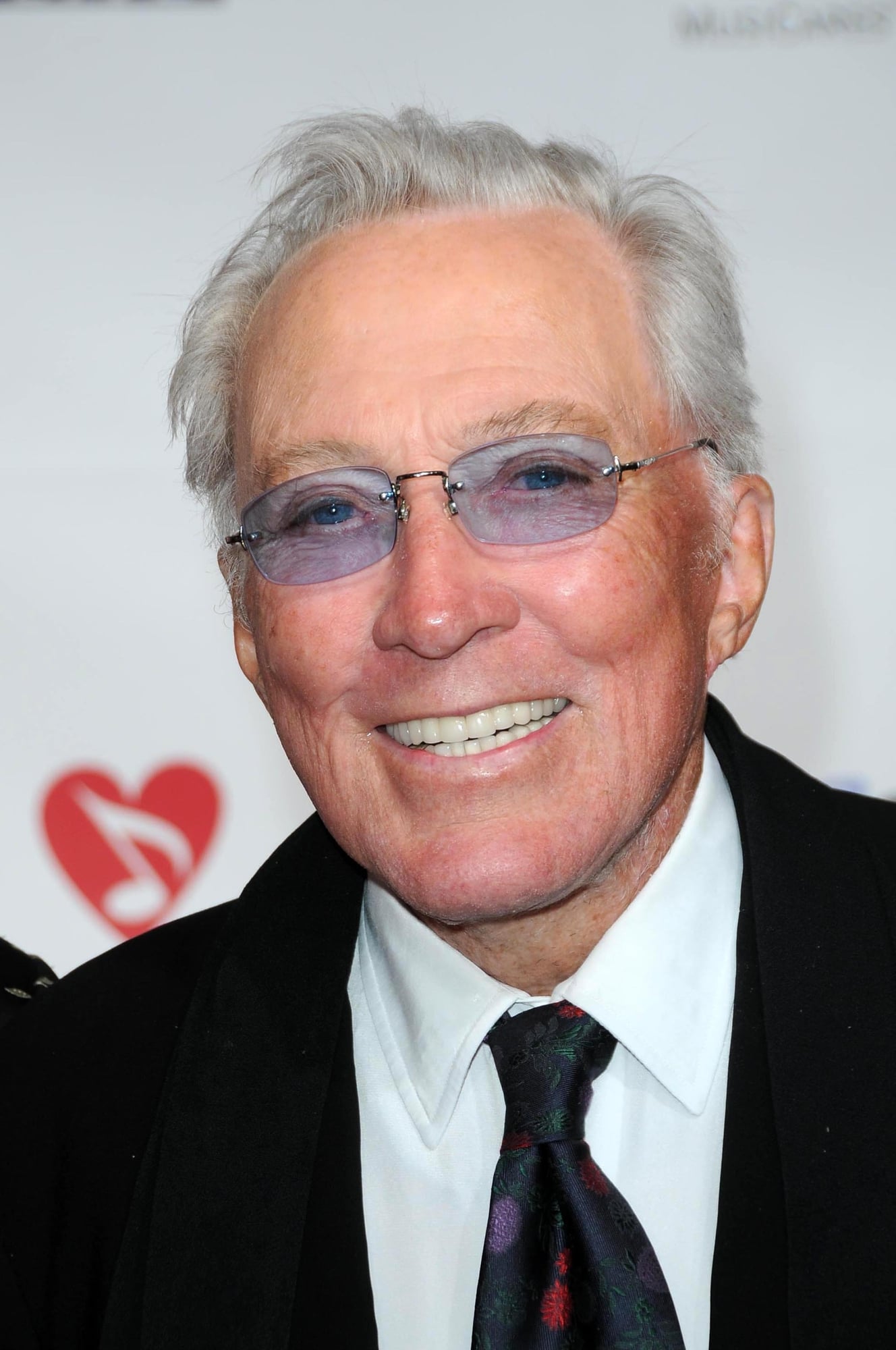
A television staple who brought the crooner sound into the 1960s and beyond, Williams hosted his own Emmy-winning variety show and filled nightclubs with his warm, mellow voice. His renditions of “Moon River” and “Days of Wine and Roses” became iconic.
Johnny Mathis
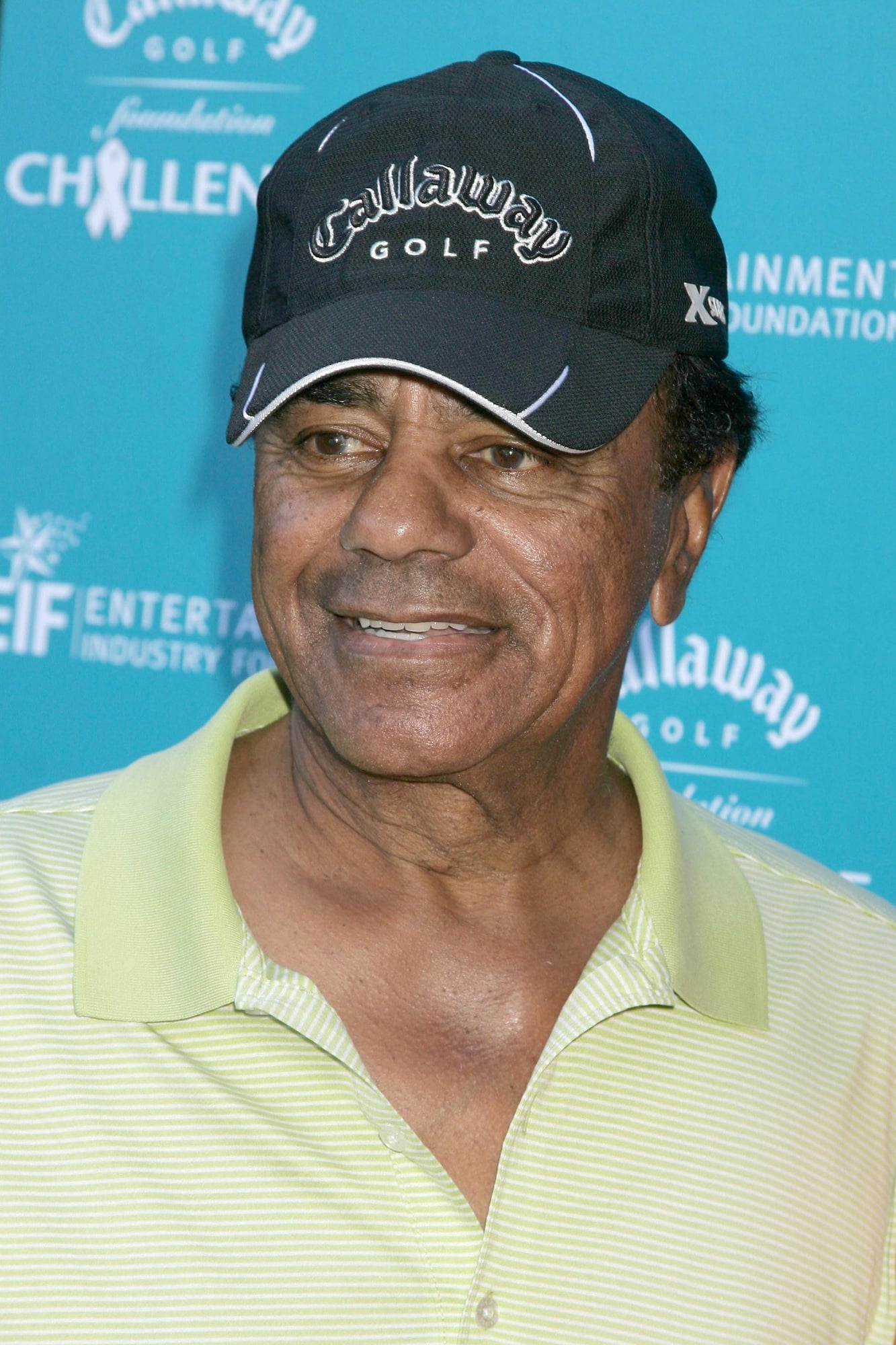
The Romantic revolutionized the concept of the teen idol crooner, releasing dozens of albums of standards and ballads that appealed across age groups. His ability to sustain a note and convey emotional depth made him one of the most commercially successful crooners of the 1950s.
Bobby Darin
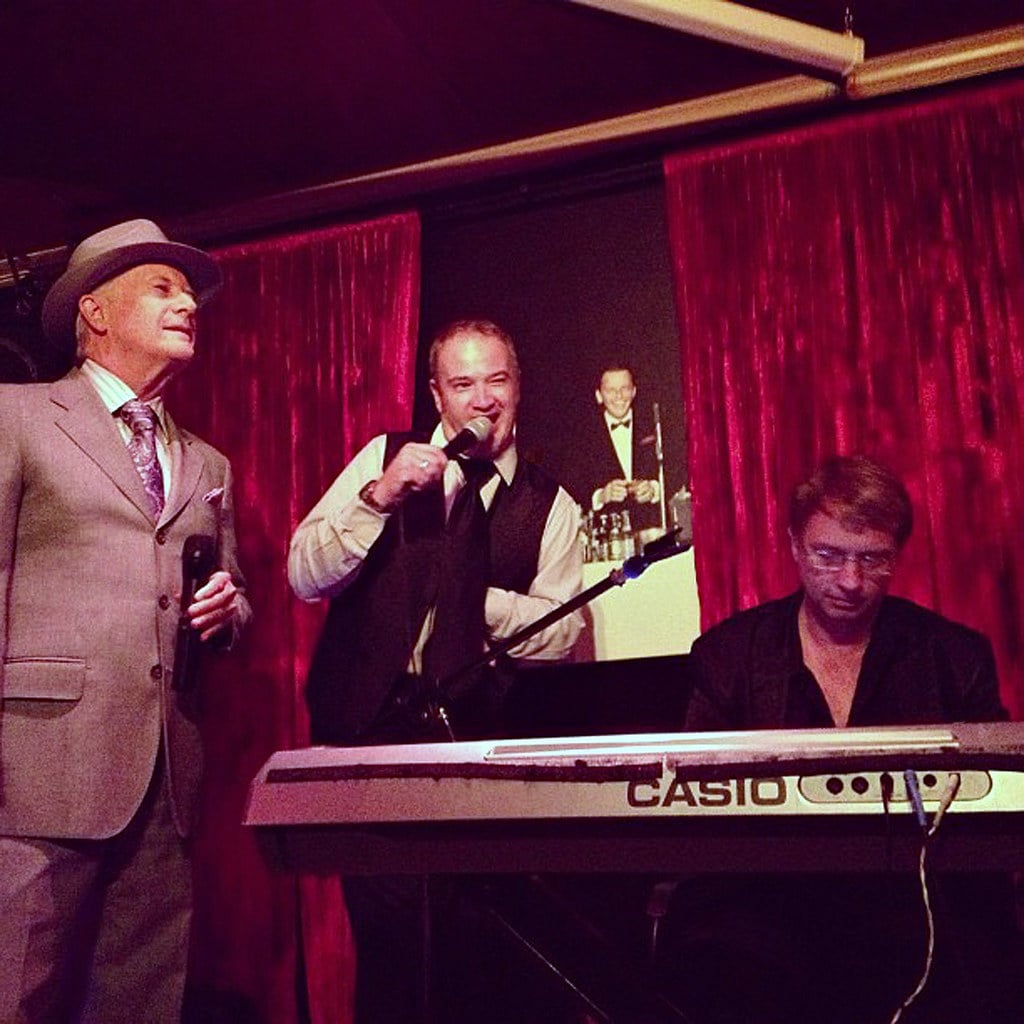
A versatile performer who could handle rock and roll, swing, and sophisticated ballads with equal ease, Darin scored hits like “Mack the Knife” and proved crooners could adapt to changing musical tastes without losing their essential cool.
Matt Monro
The British crooner brought a sophisticated approach to the American songbook, featuring rich, dramatic vocals and an instinctive sense of arrangement. His hits included “Portrait of My Love” and “Born Free,” demonstrating that crooning transcended national borders.
Mel Tormé
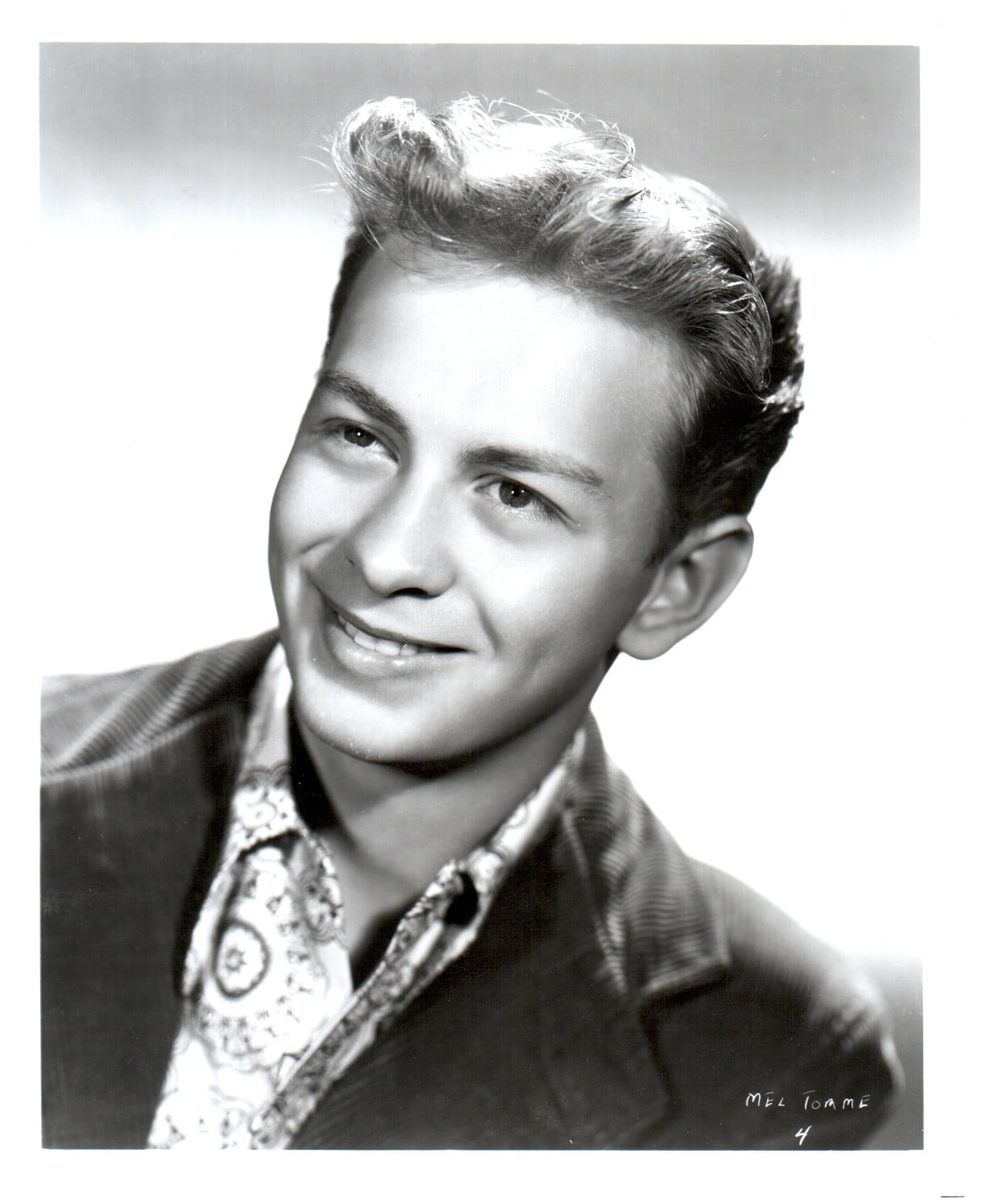
The “Velvet Fog” possessed an extraordinary range and technical mastery that made him one of the most accomplished singers in jazz history. Tormé could shift from a whisper to a powerful belt, showcasing the full capabilities of the crooning style.
Al Martino

An operatic tenor who crossed over into popular music, Martino recorded numerous standards and appeared in Hollywood films. His powerful voice and sophisticated interpretations made him a favorite at upscale nightclubs and concert halls.
Sammy Davis Jr.
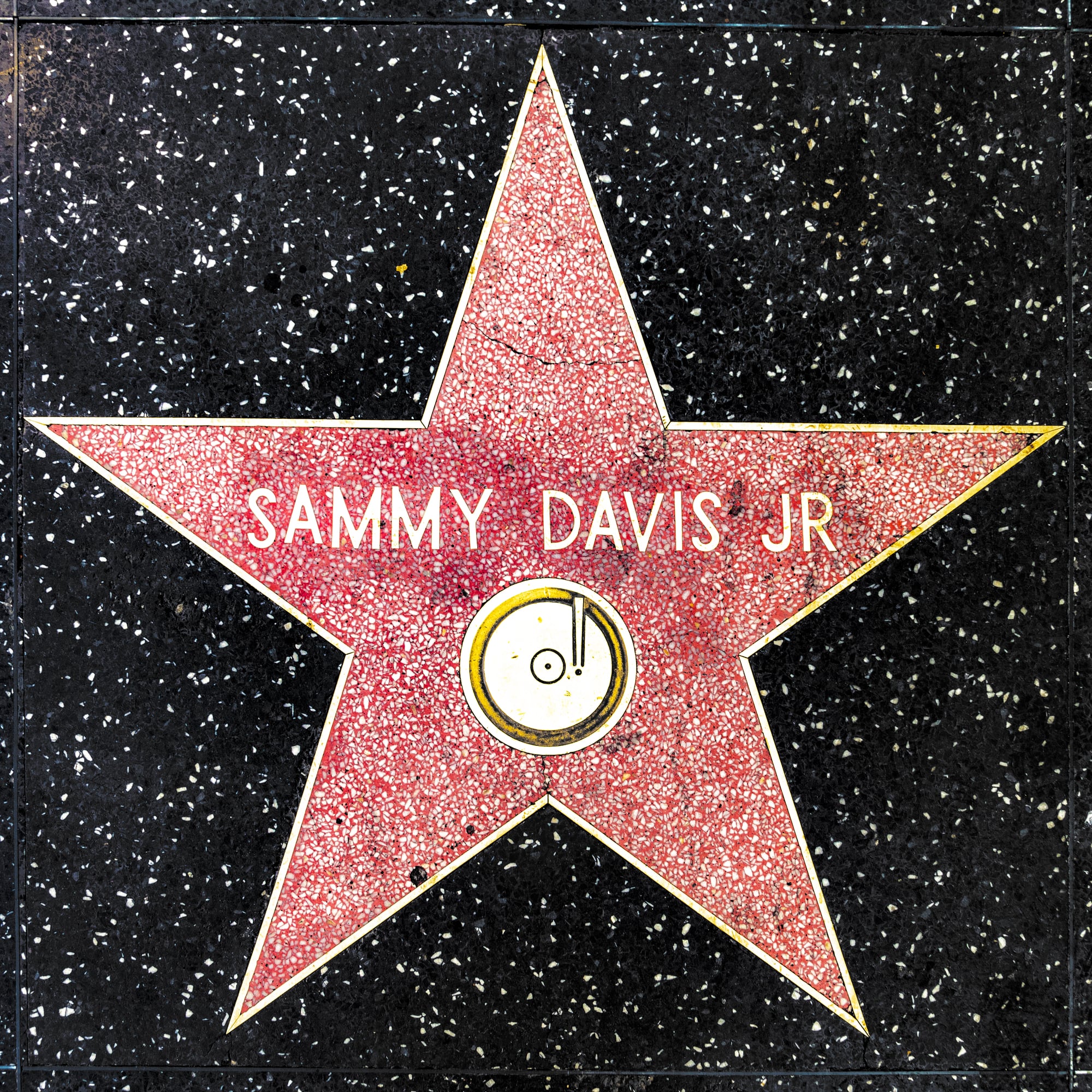
A triple-threat entertainer who sang, danced, and acted with dazzling virtuosity, Davis brought an energetic edge to the crooner tradition. His command of the microphone and ability to deliver both uptempo swing and tender ballads made him indispensable in the Rat Pack era.
Eddie Fisher
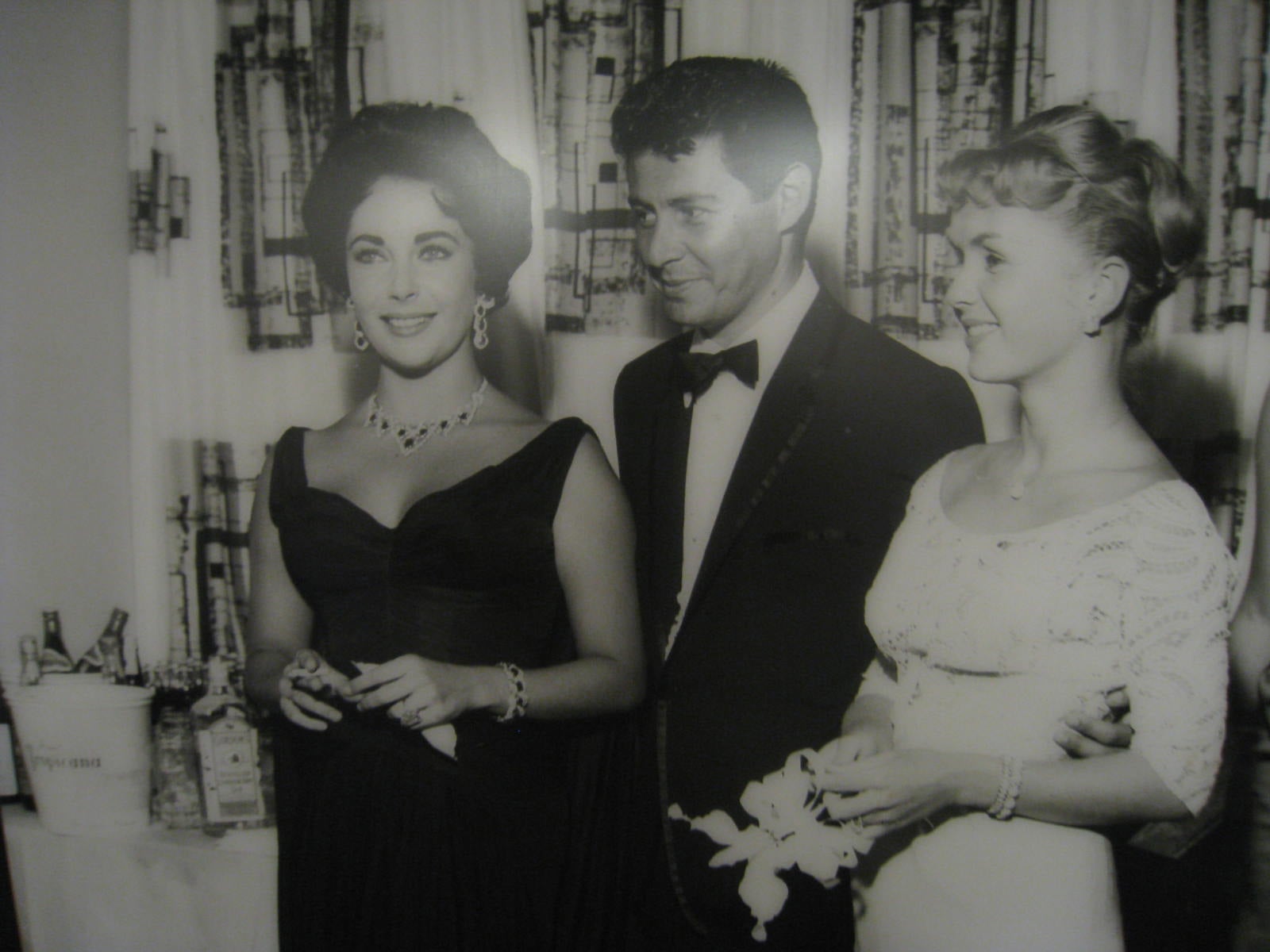
One of the most commercially successful singers of the 1950s, Fisher had a smooth tenor voice that made him a radio favorite and teen idol. His career encompassed recording, television appearances, and nightclub performances across America.
Pat Boone
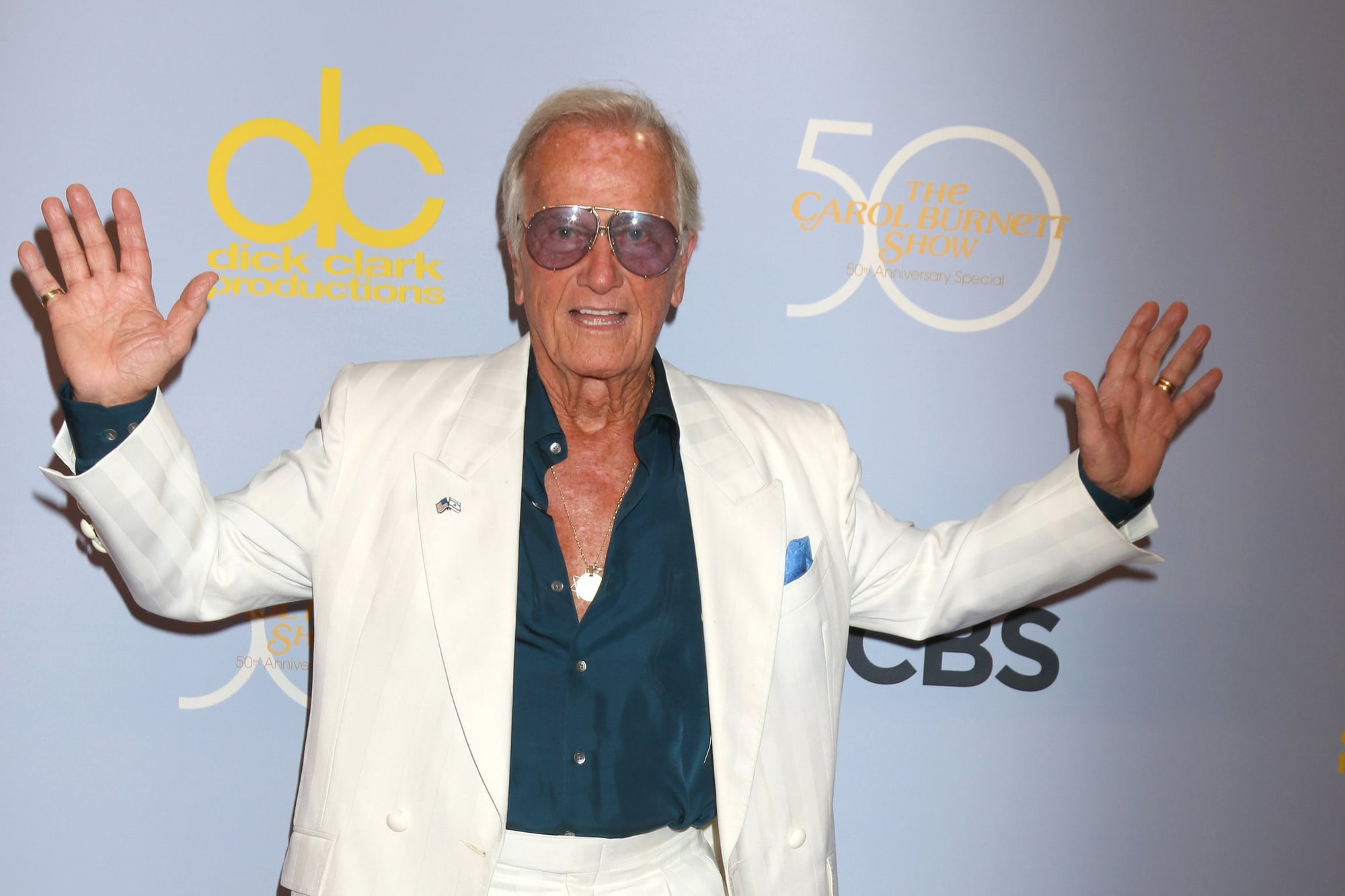
A clean-cut crooner and actor who dominated the charts in the 1950s with his wholesome image and soft pop renditions. Boone successfully recorded his own versions of emerging rock and roll hits while maintaining the crooner’s refined approach.
Johnny Hartman
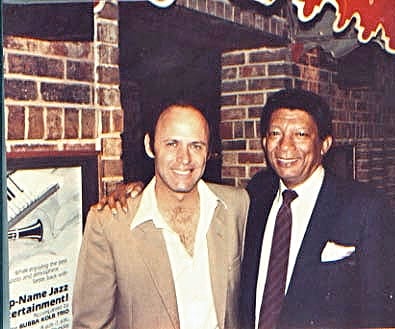
Though less famous than some of his contemporaries, Hartman possessed a baritone of remarkable warmth and depth. His interpretations of ballads and standards earned critical praise and influenced the jazz vocal tradition.
J. Vale

A prolific recording artist with a tenor voice suited to romantic Italian American standards, Vale enjoyed consistent success on the nightclub circuit and in the recording studio throughout the golden age.
Brook Benton
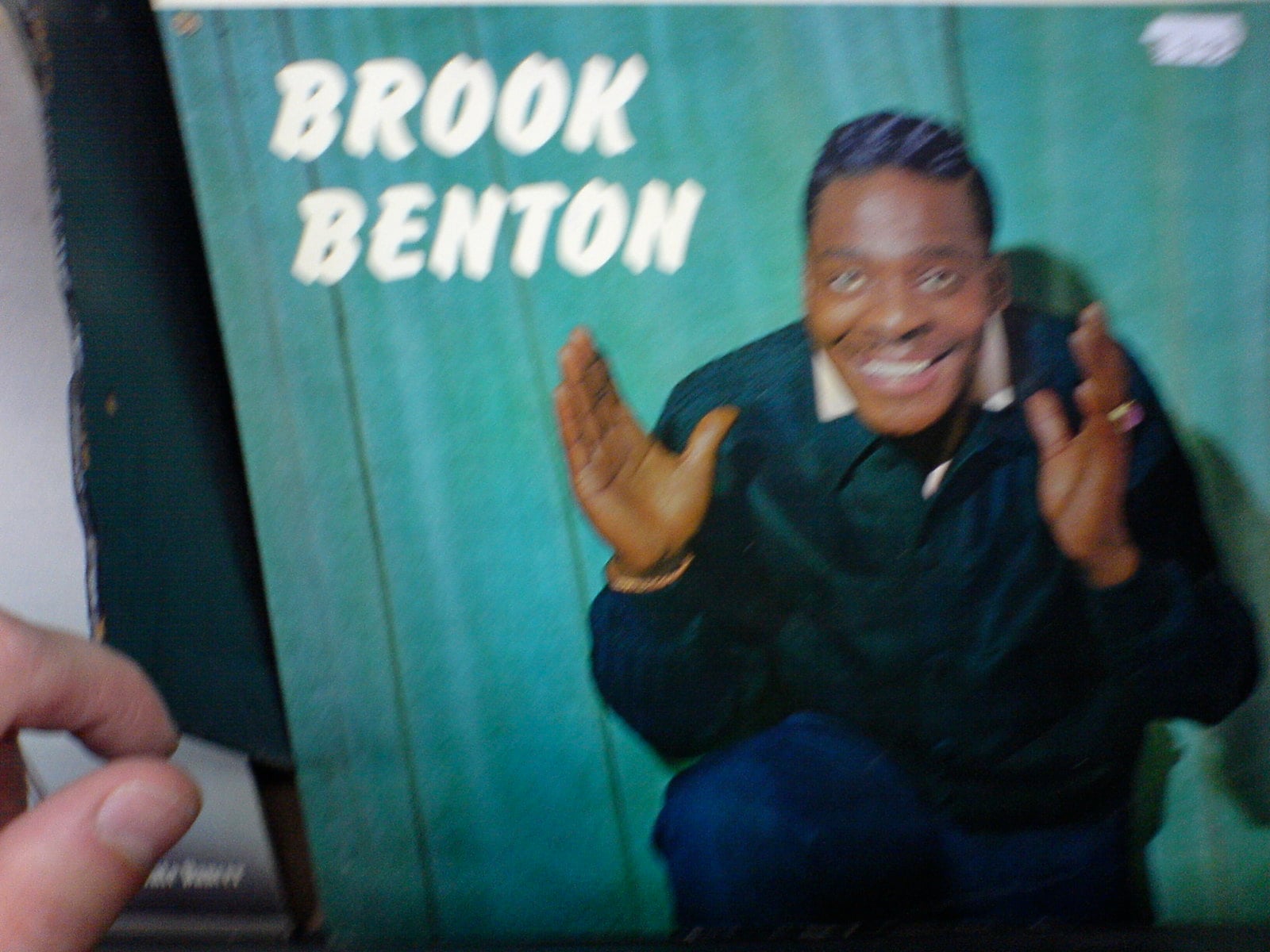
Beginning as a rhythm and blues singer, Benton crossed into crooner territory with smooth interpretations of standards and ballads. His vocal versatility and commercial success demonstrated the flexibility of the crooning tradition.
Al Bowlly
A British vocalist from the 1920s and 1930s, Bowlly was among the earliest crooners and helped establish the intimate vocal style that would define the era. His prolific recordings influenced countless singers.
Gene Austin
One of the first crooners to emerge in the 1920s, Austin’s early microphone work established many of the techniques later performers would refine. His recording of “My Blue Heaven” became an immediate hit and set standards for the crooning sound.
Rudy Vallée
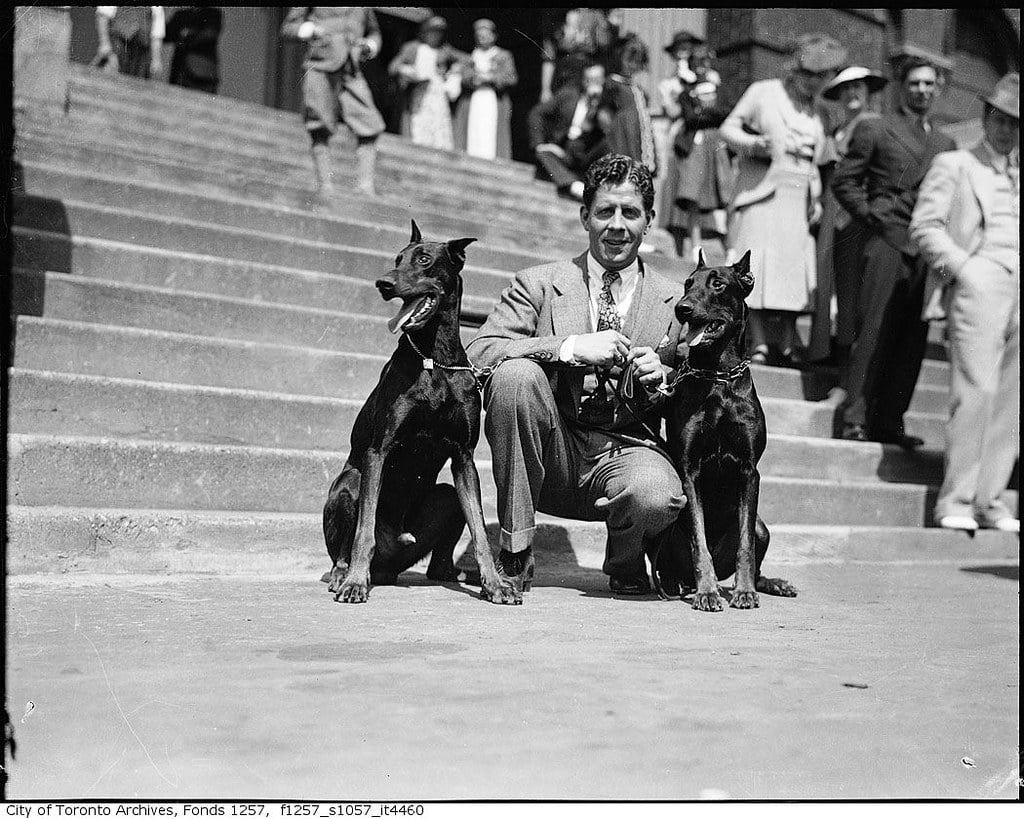
The “Maine Troubadour” was one of the first major crooning stars, using the megaphone and later the microphone to deliver intimate vocals. His success in the 1920s and 1930s paved the way for Sinatra and the crooners who followed.
Russ Columbo

A tragic figure who died at age 26, Columbo was briefly one of the biggest crooning stars of the early 1930s. His velvet voice and romantic ballads made him a serious rival to Bing Crosby before his untimely death.
Louis Armstrong
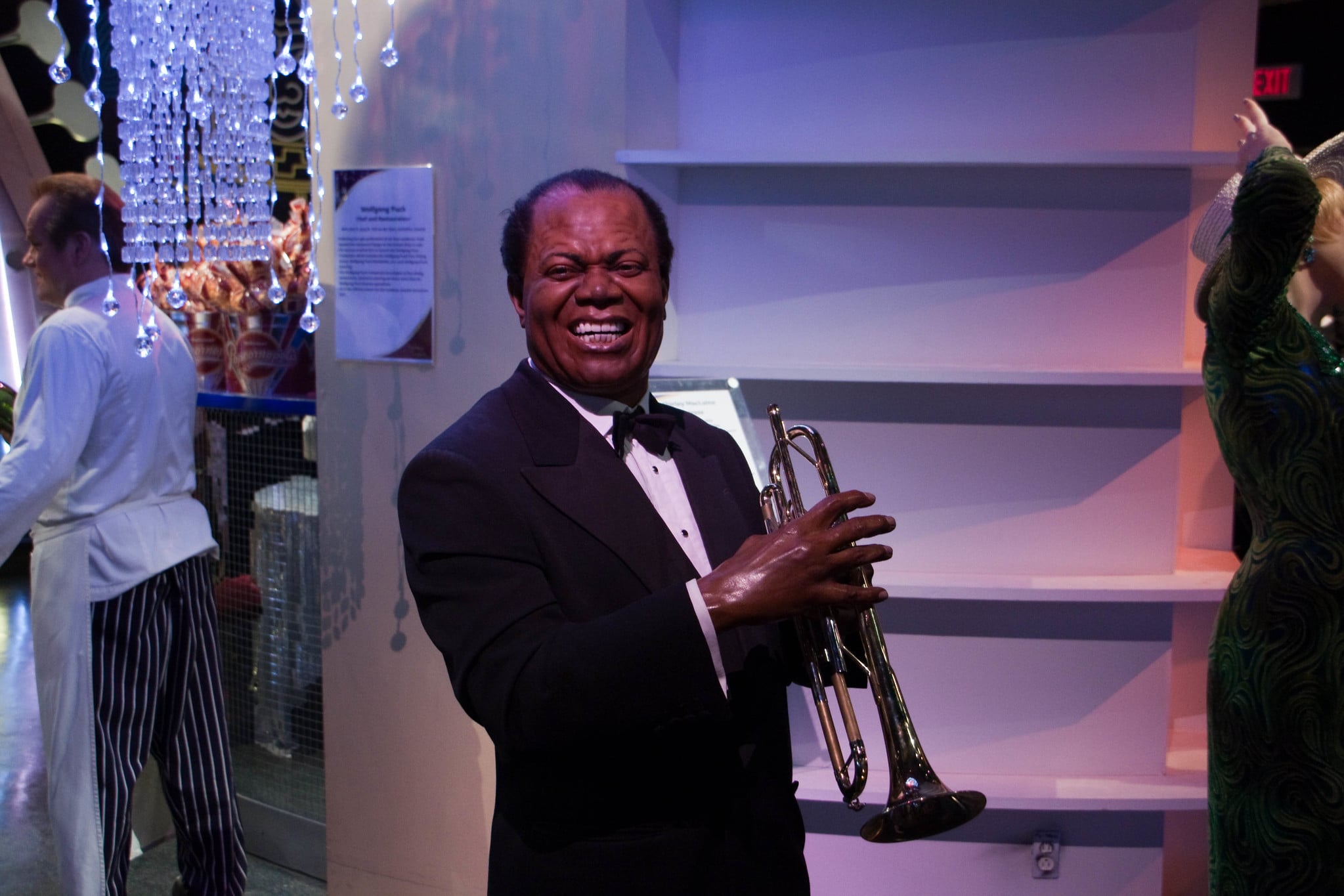
While often categorized separately as a jazz pioneer, Armstrong’s warm vocals and ability to deliver a lyric with both technical precision and emotional honesty place him firmly in the crooner tradition, especially in his later years.
Rosemary Clooney
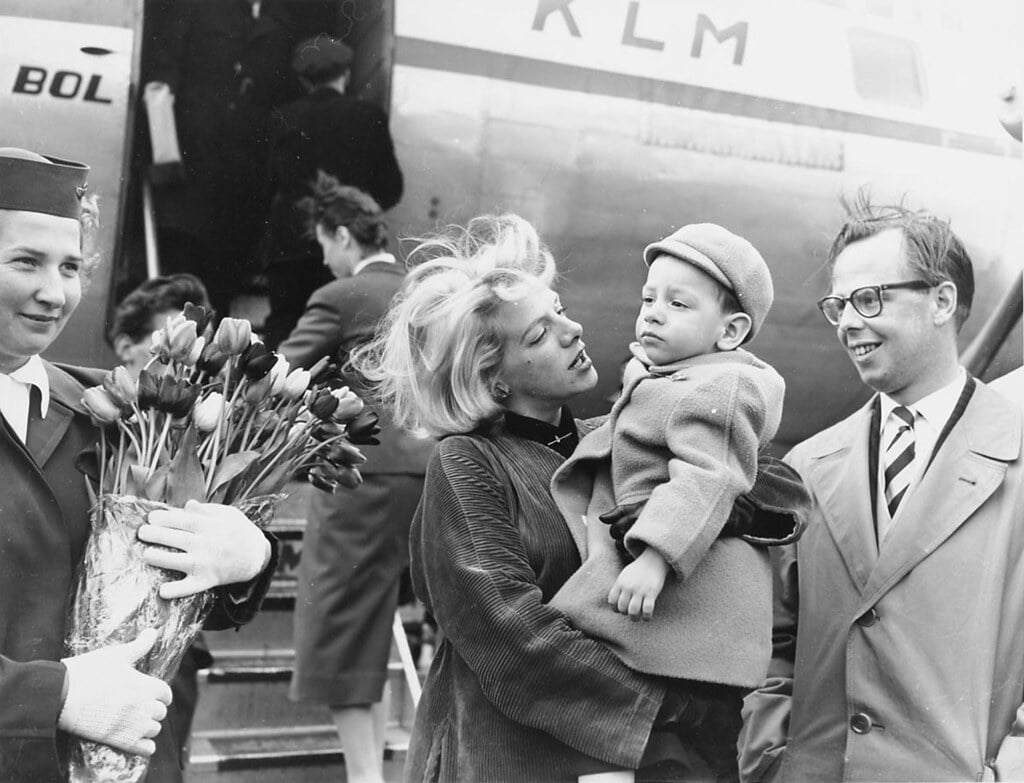
Though not a male vocalist, Clooney’s warm contralto and sophisticated interpretation of standards earned her a place alongside the great crooners of her era. Her work with orchestras and her jazz interpretations demonstrated that crooning transcended gender.
Engelbert Humperdinck
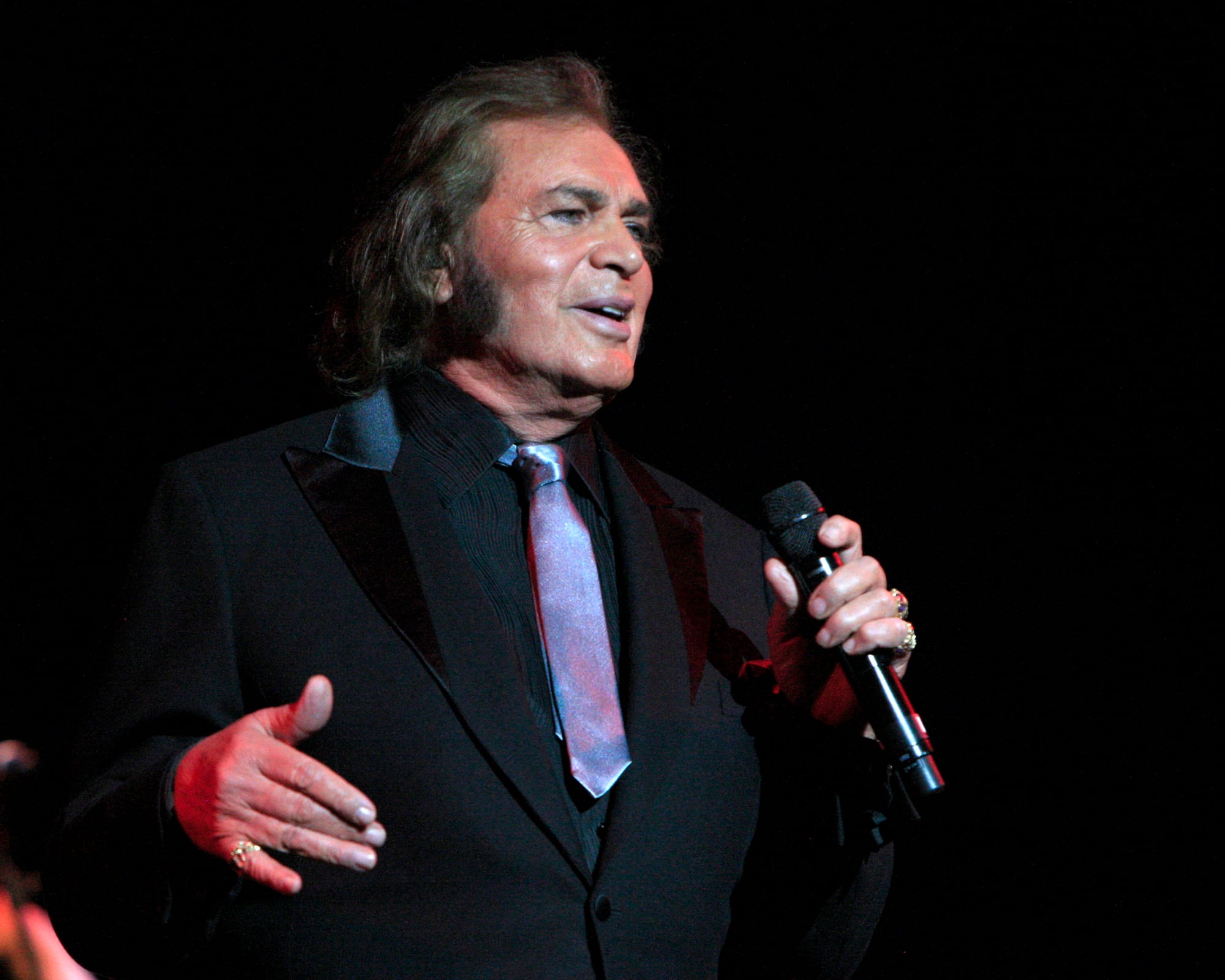
Arriving in the 1960s, Humperdinck represented the last true devotee of the classical crooning style. His dramatic voice and sweeping orchestral arrangements on songs like “Quando Quando Quando” kept the crooner tradition alive as rock and roll threatened to eclipse it entirely.
James Darren
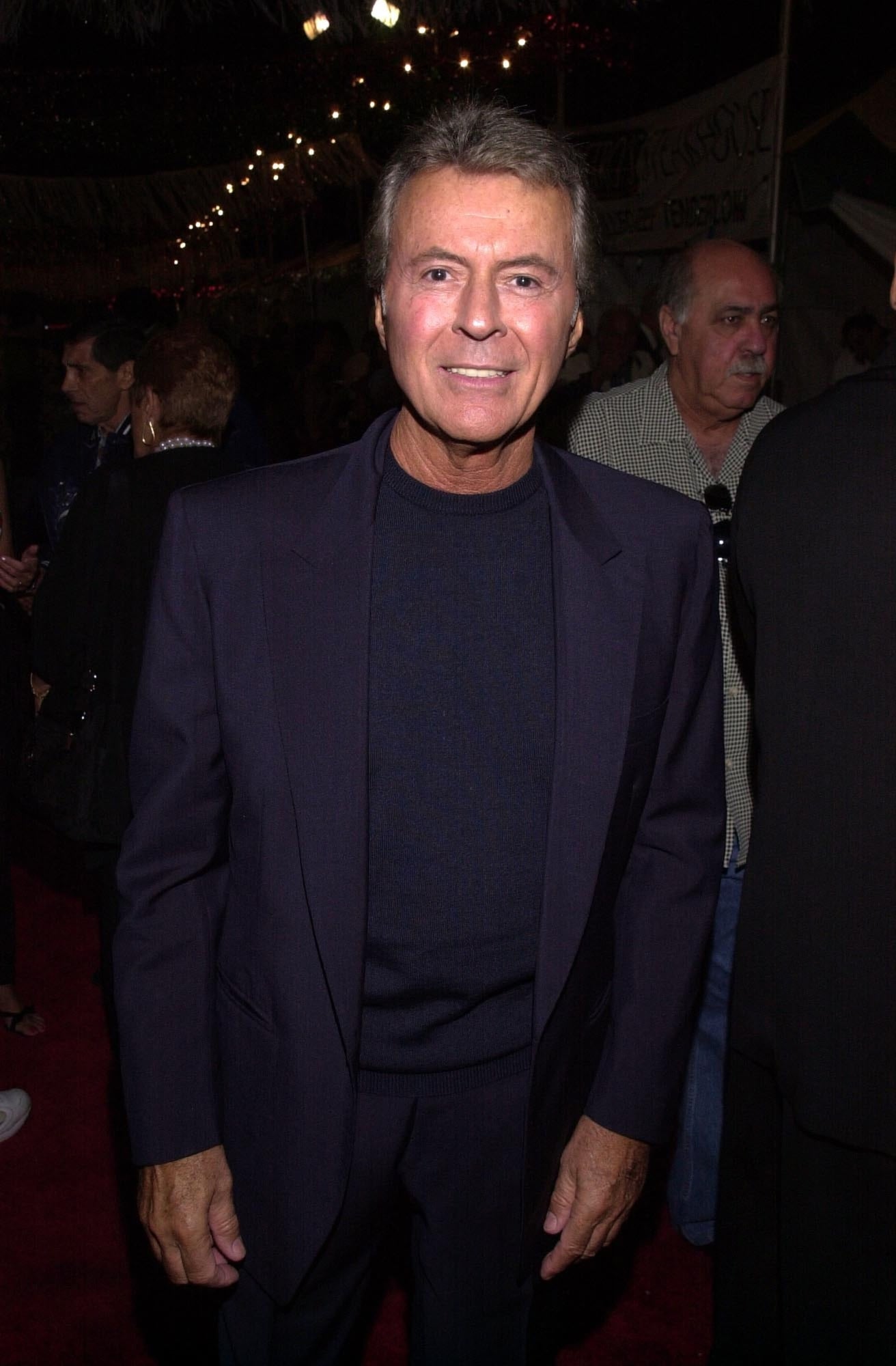
A teen idol crooner who blended pop sensibility with genuine vocal talent, Darren recorded standards and pop ballads while maintaining a successful film and television career throughout the 1950s and 1960s.
Mario Lanza
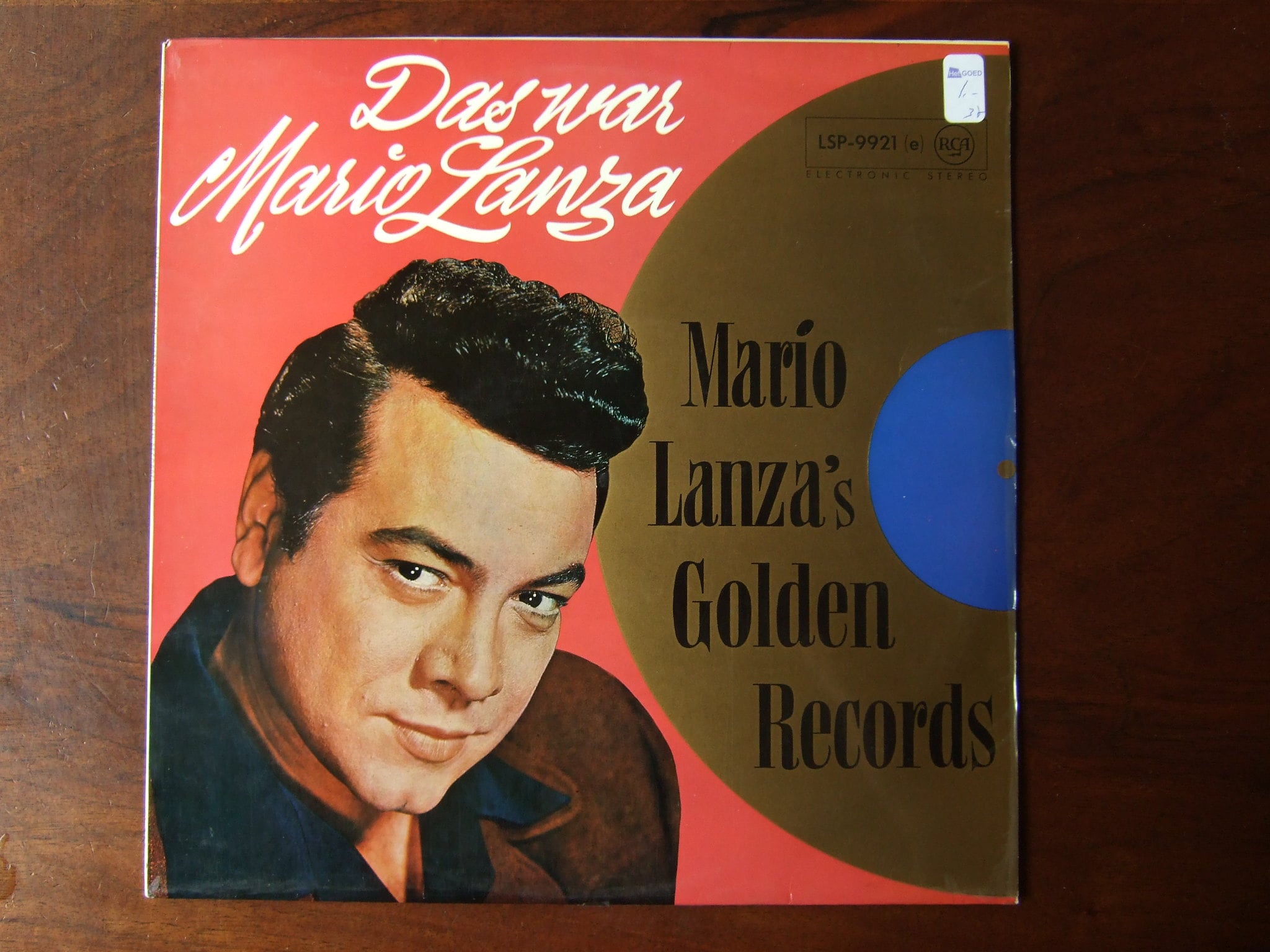
The operatic tenor brought classical vocal technique to popular crooning, creating a hybrid style that emphasized power and precision. His film roles and recordings demonstrated that crooning could accommodate operatic ambition.
Frankie Laine
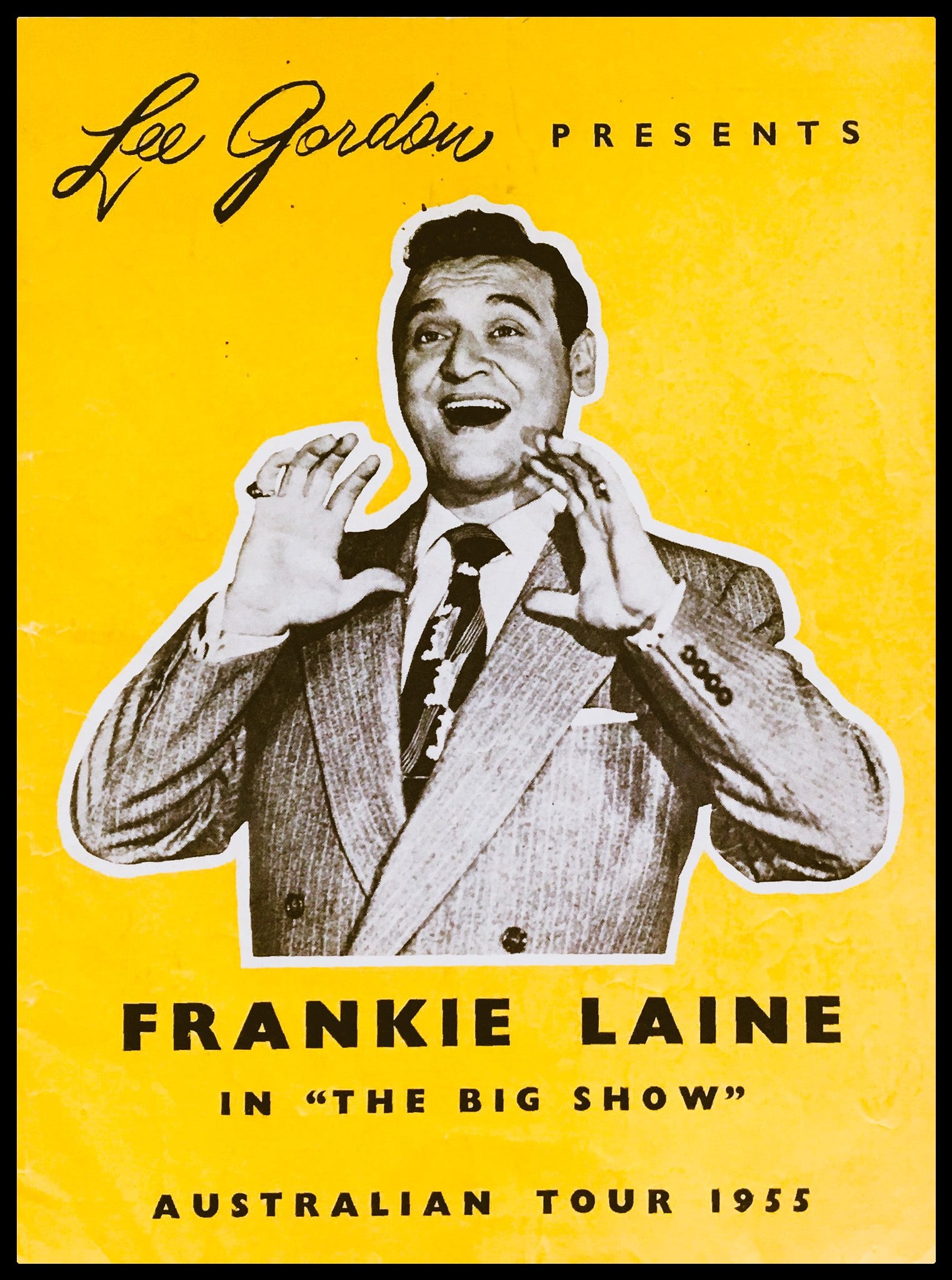
A belting baritone with tremendous power, Laine showed that the crooner tradition encompassed both intimate whispers and full-throated emotion. His dramatic interpretations of standards and theme songs for Western films made him a unique presence.
Ray Charles
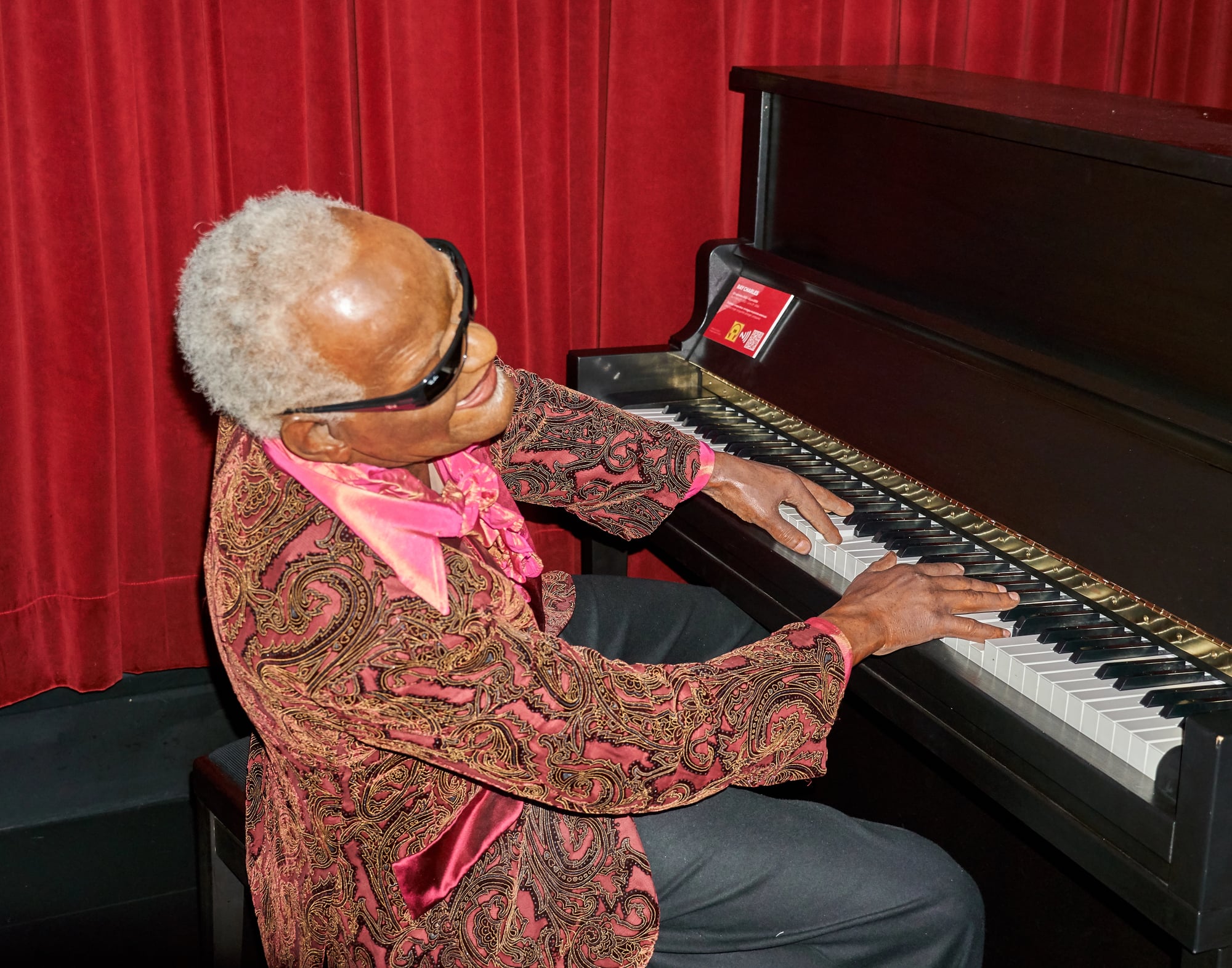
While primarily a blues and soul innovator, Charles’ recordings of standards and ballads placed him in conversation with the crooner tradition. His emotional depth and musical sophistication earned him the respect of classical crooners like Sinatra.
The Enduring Sophistication of Crooning
These crooners did more than sing songs—they redefined what popular music could be. They demonstrated that technical precision, emotional intelligence, and microphone technique could elevate pop music to an art form capable of moving listeners decades later.
The crooner’s approach to phrasing, his intimate connection with the listener, and his commitment to the lyric over flashy vocal acrobatics established a standard that influenced everything from rock and roll to contemporary jazz.
The decline of crooning as a mainstream force coincided with cultural shifts that valued rebellion and novelty over refinement. Yet the crooner never truly disappeared—musicians from Tony Bennett to Michael Bublé continue to study and emulate the techniques these entertainers perfected, ensuring that the whispered confession, the perfectly timed pause, and the velvet voice remain eternal tools in any singer’s toolkit.
More from Go2Tutors!

- The Romanov Crown Jewels and Their Tragic Fate
- 13 Historical Mysteries That Science Still Can’t Solve
- Famous Hoaxes That Fooled the World for Years
- 15 Child Stars with Tragic Adult Lives
- 16 Famous Jewelry Pieces in History
Like Go2Tutors’s content? Follow us on MSN.



