25 Menu Items Named After Real People and Their Stories
Food has a way of carrying stories forward. Walk into any restaurant and you’re surrounded by dishes that bear the names of real people — chefs who invented something in desperation, celebrities who inspired a creation, or everyday folks who stumbled into culinary immortality.
These aren’t just recipes with fancy names. They’re edible biographies, each one carrying a piece of someone’s life into your dining experience.
Caesar Salad
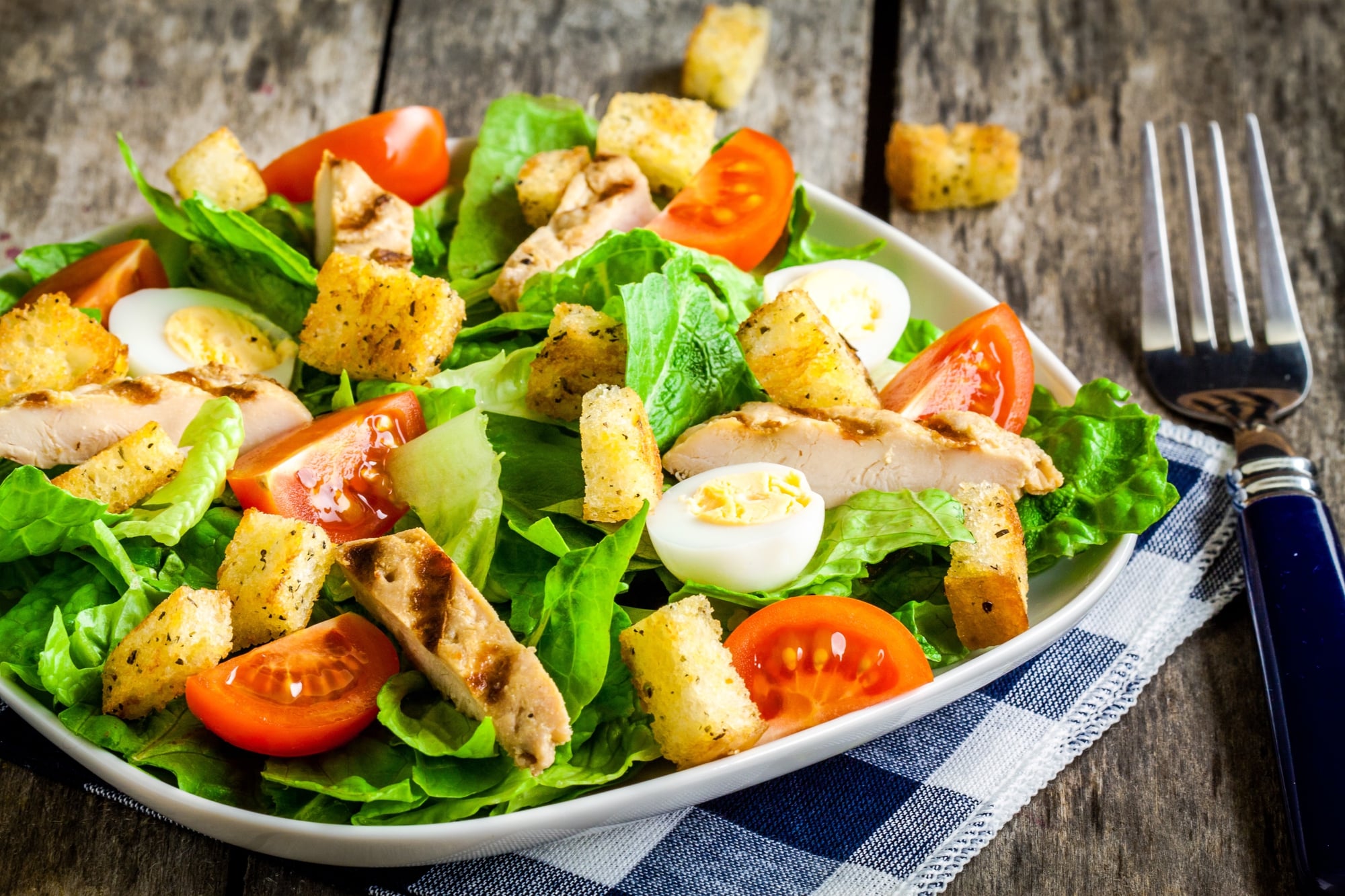
Caesar Cardini didn’t set out to create one of the world’s most famous salads. The Italian immigrant ran Caesar’s Place in Tijuana during Prohibition, where Americans crossed the border for drinks and dining.
On July 4, 1924, his kitchen ran low on ingredients just as a holiday crowd of hungry Californians arrived. Cardini grabbed what he had: romaine lettuce, Parmigiano-Reggiano, olive oil, lime juice, Worcestershire sauce, raw egg, and toasted bread.
He tossed it all together tableside with dramatic flair, turning scarcity into showmanship. The customers loved both the taste and the performance.
That desperate improvisation became the Caesar salad — proof that some of the best discoveries happen when you’re down to your last few ingredients. Julia Child later recalled eating it at Caesar’s as a teenager, prepared tableside by Cardini himself.
Eggs Benedict
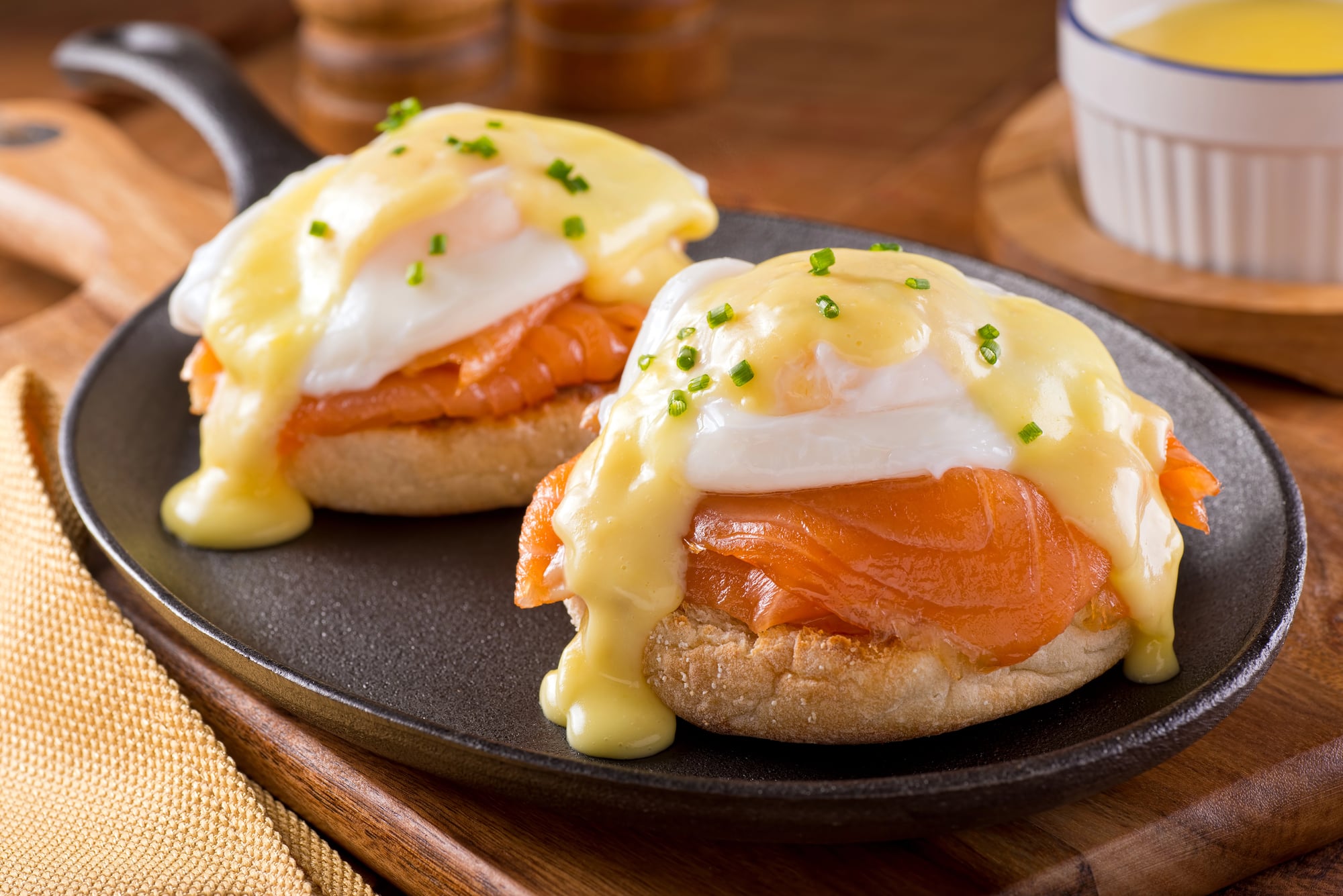
The most credible origin story involves Lemuel Benedict, a Wall Street broker nursing a brutal hangover at the Waldorf Hotel in 1894. He ordered buttered toast, poached eggs, crispy bacon, and hollandaise sauce — asking the kitchen to assemble a restorative from whatever they had.
The maître d’, Oscar Tschirky, was intrigued enough to adapt it for the menu, swapping ham for bacon and English muffins for toast. And that’s how a stockbroker’s damage control became a brunch staple.
Peach Melba
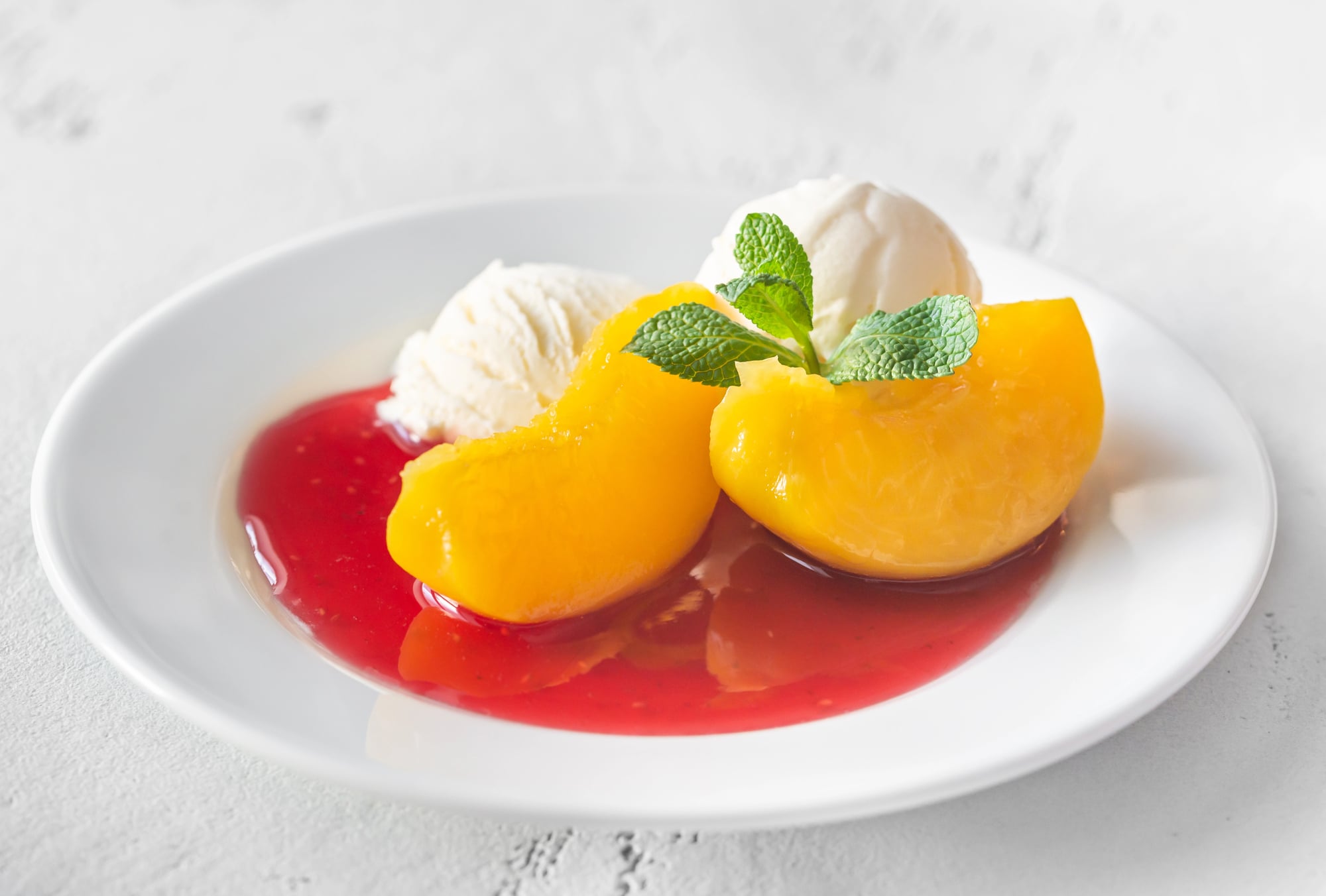
Dame Nellie Melba commanded opera stages across Europe in the 1890s, her voice filling concert halls from London to Paris. Auguste Escoffier, the legendary chef at the Savoy Hotel, created this dessert in 1893 to honor her: fresh peach halves poached in vanilla syrup, nestled over vanilla ice cream, and crowned with raspberry purée.
The combination was as elegant and refined as Melba herself — simple and sophisticated at once. Escoffier understood that the best tributes don’t try to overwhelm.
They capture something essential about their subject and make it delicious.
Beef Wellington
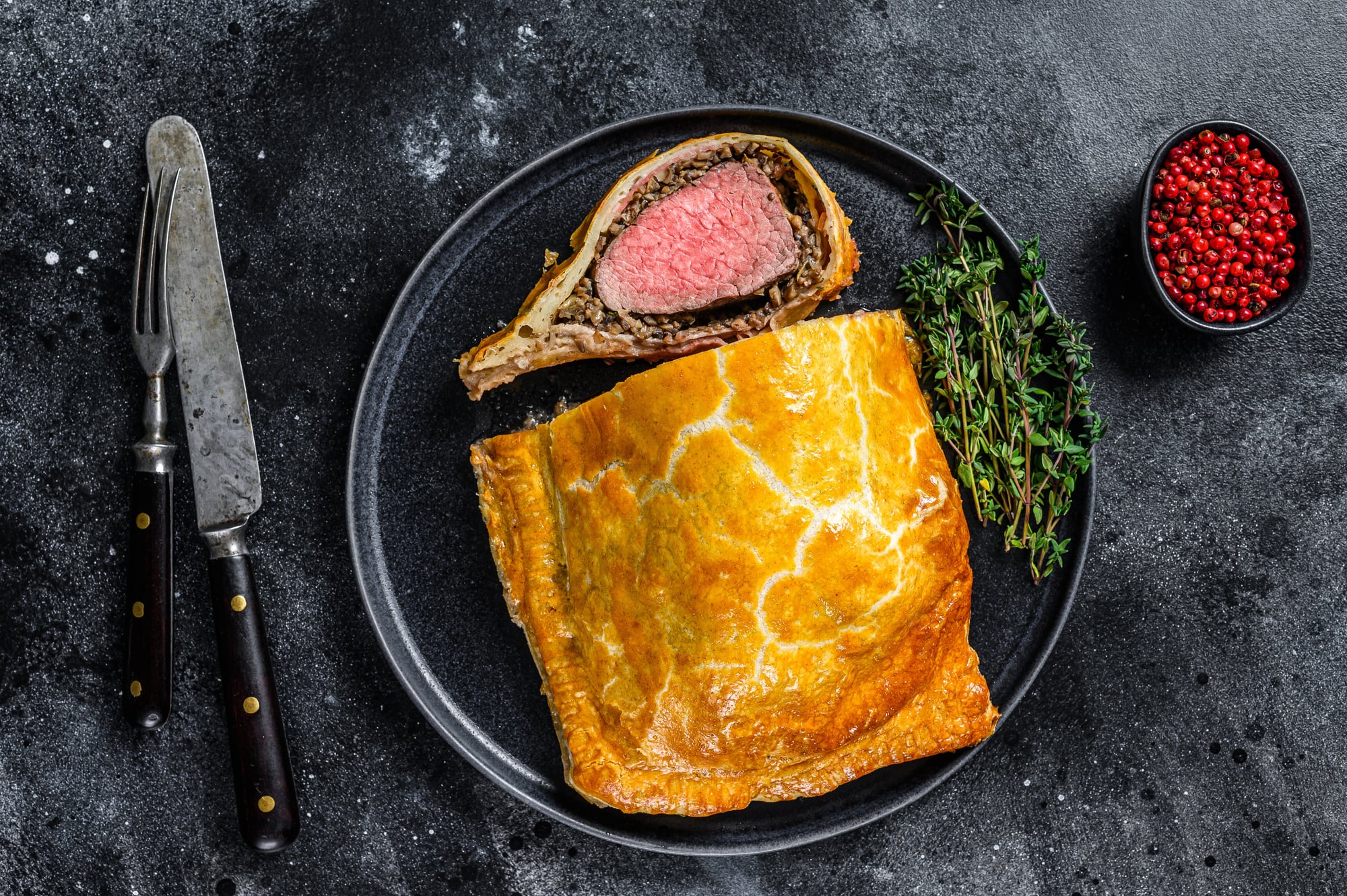
Arthur Wellesley, the 1st Duke of Wellington, defeated Napoleon at Waterloo and earned a place in history books. His culinary legacy came from his reported fondness for beef tenderloin wrapped in pâté and pastry — a preparation that requires the same strategic thinking as winning battles.
The dish is an exercise in precision: the beef must be perfectly seared, the pâté layer exact, the pastry golden but never soggy. One mistimed element ruins the whole thing.
It’s fitting that a dish requiring such tactical execution carries the name of a military strategist, though Wellington probably never imagined his name would become synonymous with one of the most challenging preparations in classic cuisine.
Chicken Tetrazzini
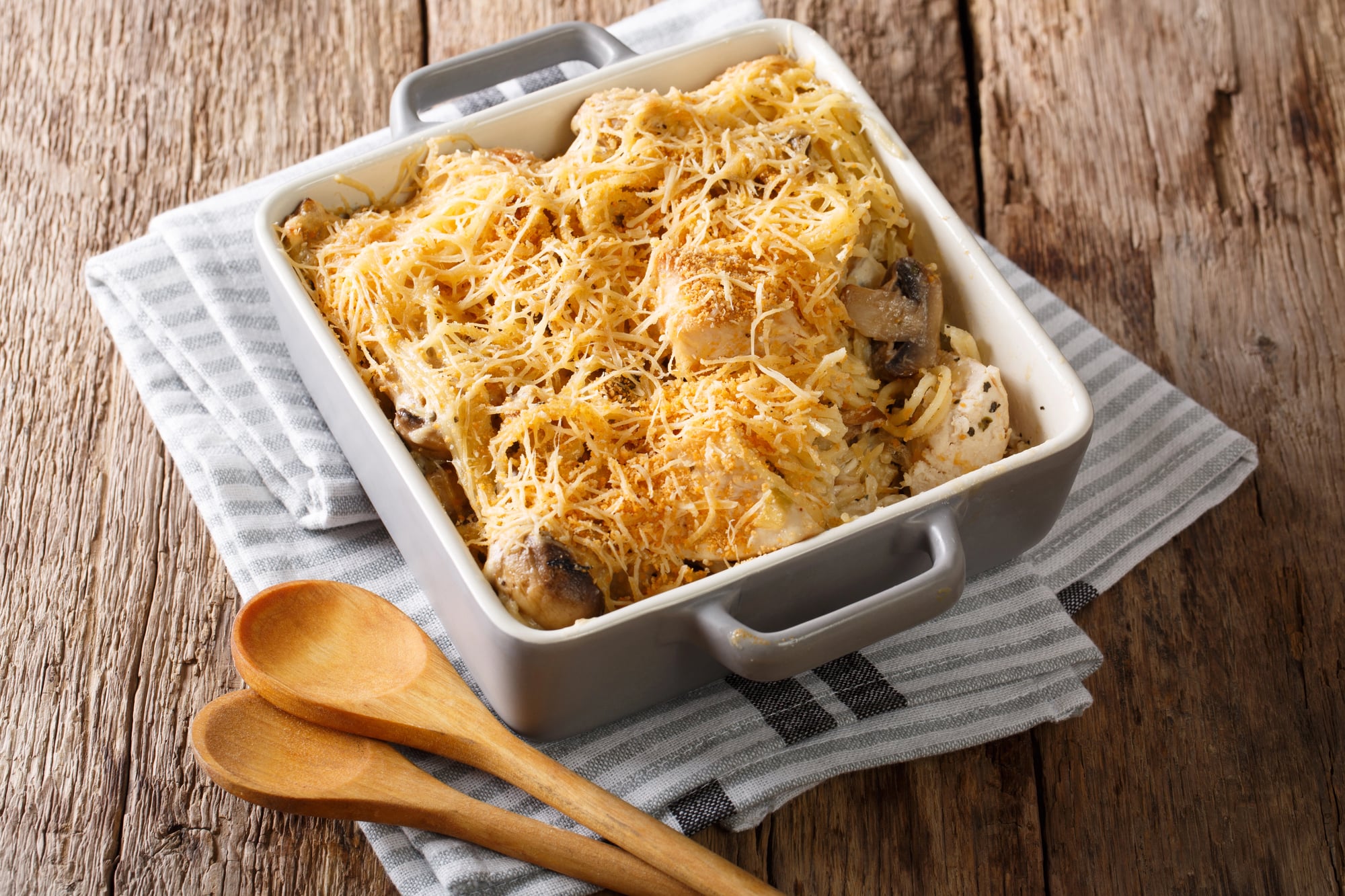
Luisa Tetrazzini could make audiences weep with her coloratura soprano, but she also had an appetite that matched her larger-than-life personality. The Italian opera singer toured America in the early 1900s, performing to packed houses and developing a reputation for both her voice and her love of good food.
The dish created in her honor — chicken, pasta, mushrooms, and cream sauce baked in a casserole — reflected her character: rich, satisfying, and designed to comfort.
The dish became popular during the Great Depression because it stretched expensive ingredients like chicken into a meal that could feed a family. Even so, it carried the name of an opera diva, giving everyday cooks a touch of glamour with their leftovers.
Bananas Foster
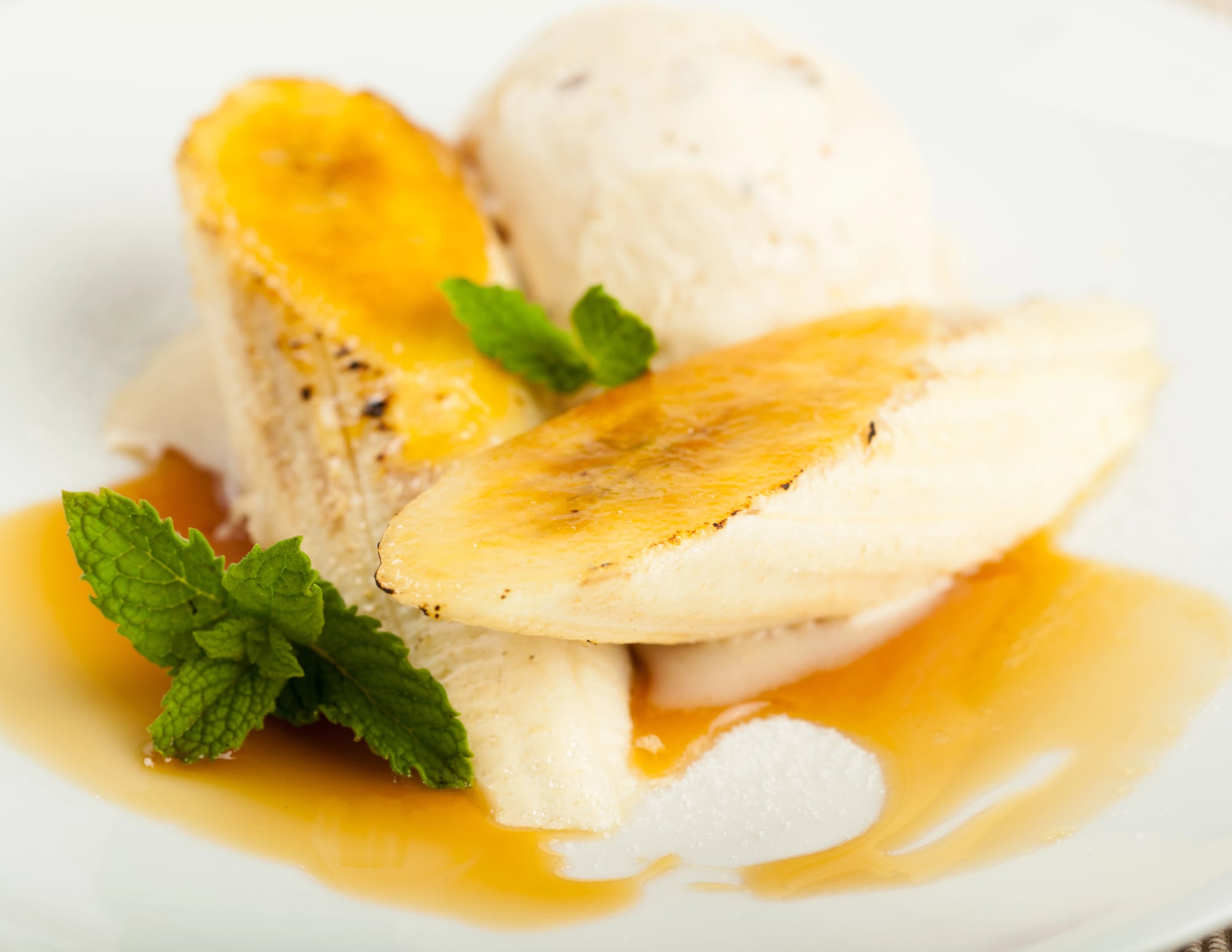
Owen Brennan wanted something spectacular for his New Orleans restaurant in 1951. His chef, Paul Blangé, created a tableside production involving bananas sautéed in butter, brown sugar, and cinnamon, then flambéed with rum and served over vanilla ice cream.
They named it after Richard Foster, a friend of Brennan’s who happened to be chairman of the New Orleans Crime Commission and a regular customer.
The dish perfectly captured the spirit of New Orleans: dramatic, indulgent, and just a little dangerous. Foster probably had no idea his name would become attached to controlled pyrotechnics in restaurants across America.
Arnold Palmer

Arnold Palmer’s most enduring creation happened off the golf course. He liked to mix iced tea and lemonade, finding the combination more refreshing than either drink alone.
He’d order it at country clubs and restaurants, and other golfers started asking for “what Arnold’s having.”
The mixture caught on because it solved a problem many people didn’t realize they had — iced tea could be too bitter, lemonade too sweet, but together they balanced each other perfectly. Palmer’s name stuck to the drink not because of marketing genius, but because he was simply the person who popularized something that tasted better than its individual parts.
Fettuccine Alfredo
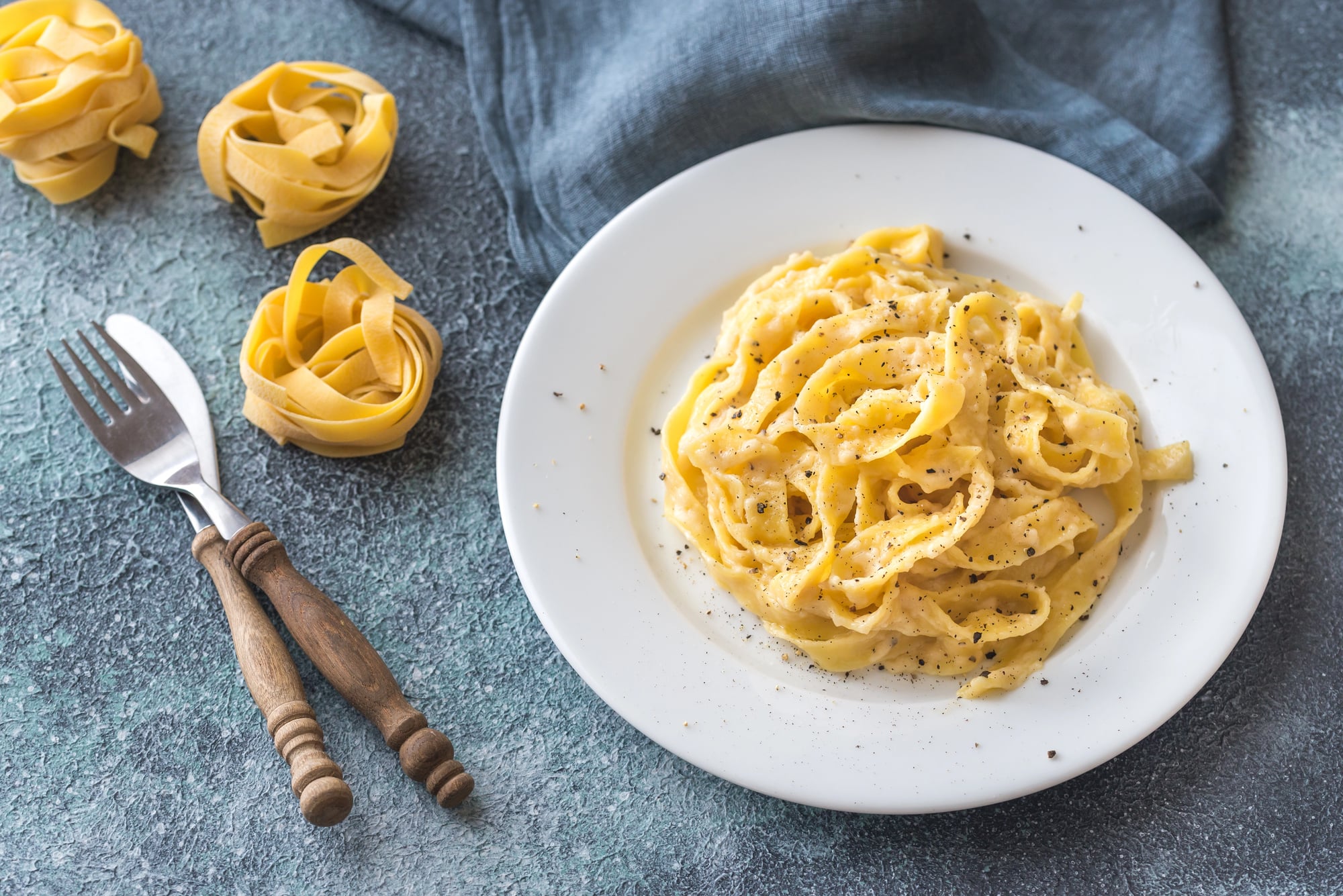
Alfredo di Lelio was running his family’s Roman restaurant in 1914 when his pregnant wife lost her appetite. He created something simple: fresh fettuccine tossed with butter and Parmigiano-Reggiano, finished with pasta water to create a silky sauce.
His wife could eat it, and other customers started requesting the dish.
It didn’t become famous until 1920, when American honeymooners Mary Pickford and Douglas Fairbanks ate at his restaurant and raved about the pasta back in Hollywood. Suddenly every Italian restaurant in America wanted to serve “Fettuccine Alfredo,” even though most Italians consider it more of a basic preparation than a named dish.
Love makes people do extraordinary things — sometimes that includes creating globally famous pasta.
German Chocolate Cake
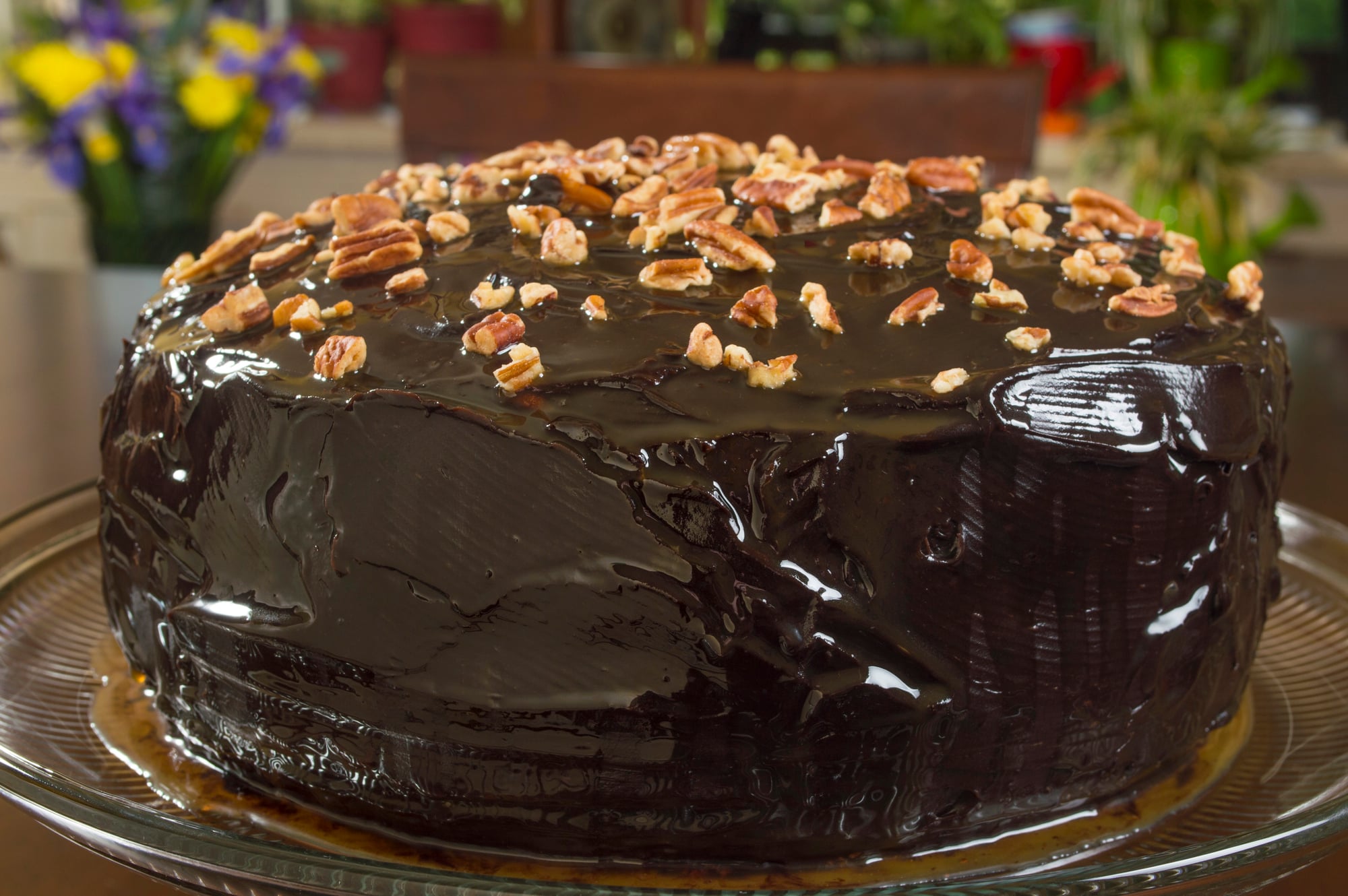
This cake has nothing to do with Germany, which confuses people who assume the name refers to the country. It honors Sam German, a chocolatier who worked for Baker’s Chocolate Company in the 1850s and developed a dark baking chocolate sweeter than previous versions, making it easier for home cooks to use in desserts.
The cake that made German famous didn’t appear until 1957, when a Dallas homemaker named Mrs. George Clay submitted a recipe for “German’s Chocolate Cake” to a local newspaper. The cake featured German’s chocolate in both the batter and the distinctive coconut-pecan frosting.
Baker’s Chocolate promoted the recipe, and it spread across America. German had been dead for decades by then, but his name became permanently attached to a dessert he never tasted.
Oysters Rockefeller
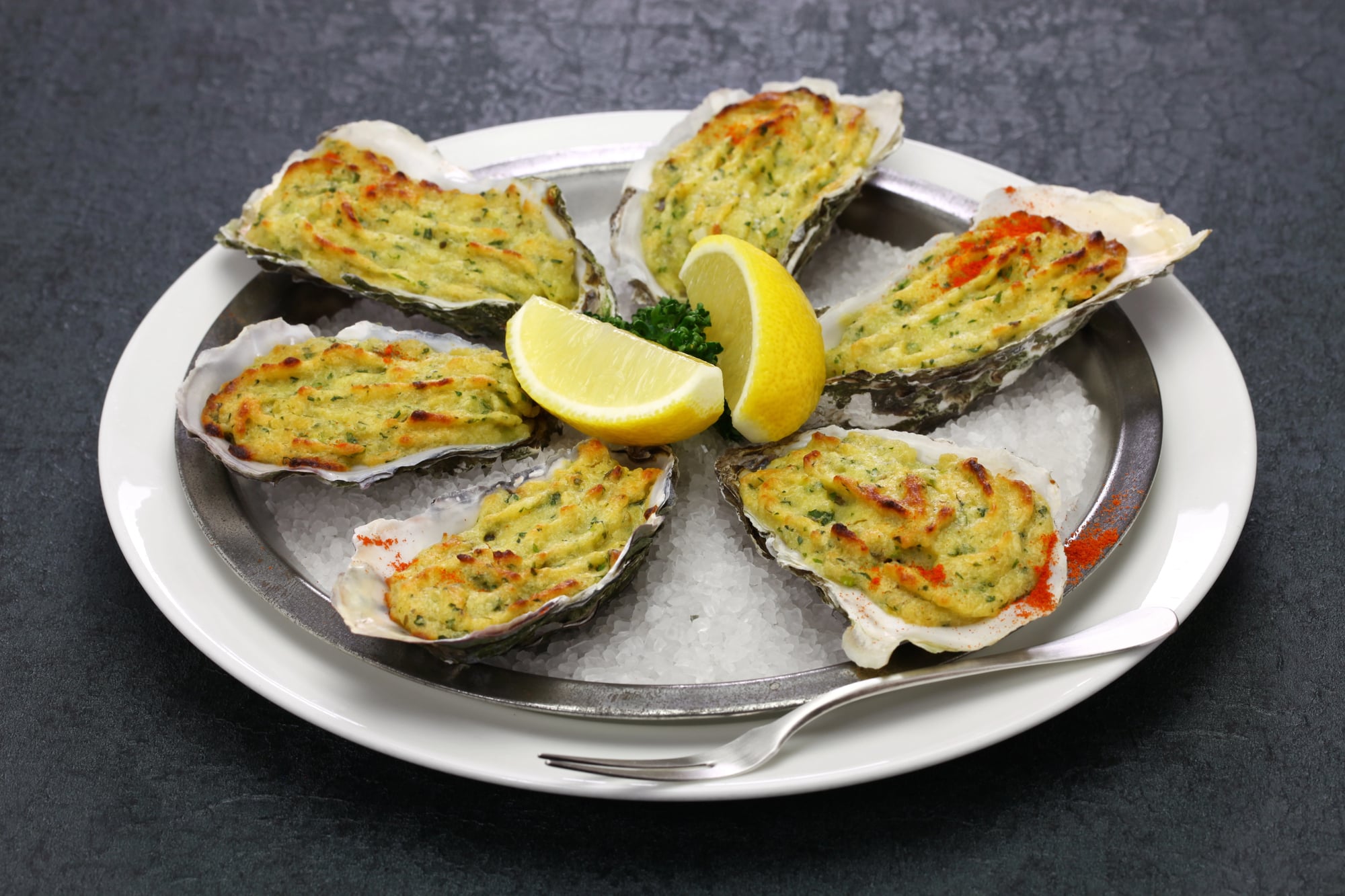
Jules Alciatore needed to replace escargot on the menu at Antoine’s in New Orleans in 1899. Snails had become too expensive to import, so he created a dish using local oysters topped with a rich mixture of herbs, breadcrumbs, and butter, then baked until golden.
The dish was so rich and decadent that he named it after John D. Rockefeller, the wealthiest American of the era.
The original recipe remains a closely guarded secret at Antoine’s, passed down through five generations of the Alciatore family. Food historians have tried to reverse-engineer it for over a century, but the restaurant maintains that most attempts miss crucial elements.
Alciatore understood the power of a name: calling something after the richest man in America suggested a luxury that matched the dish’s indulgent character.
Cobb Salad
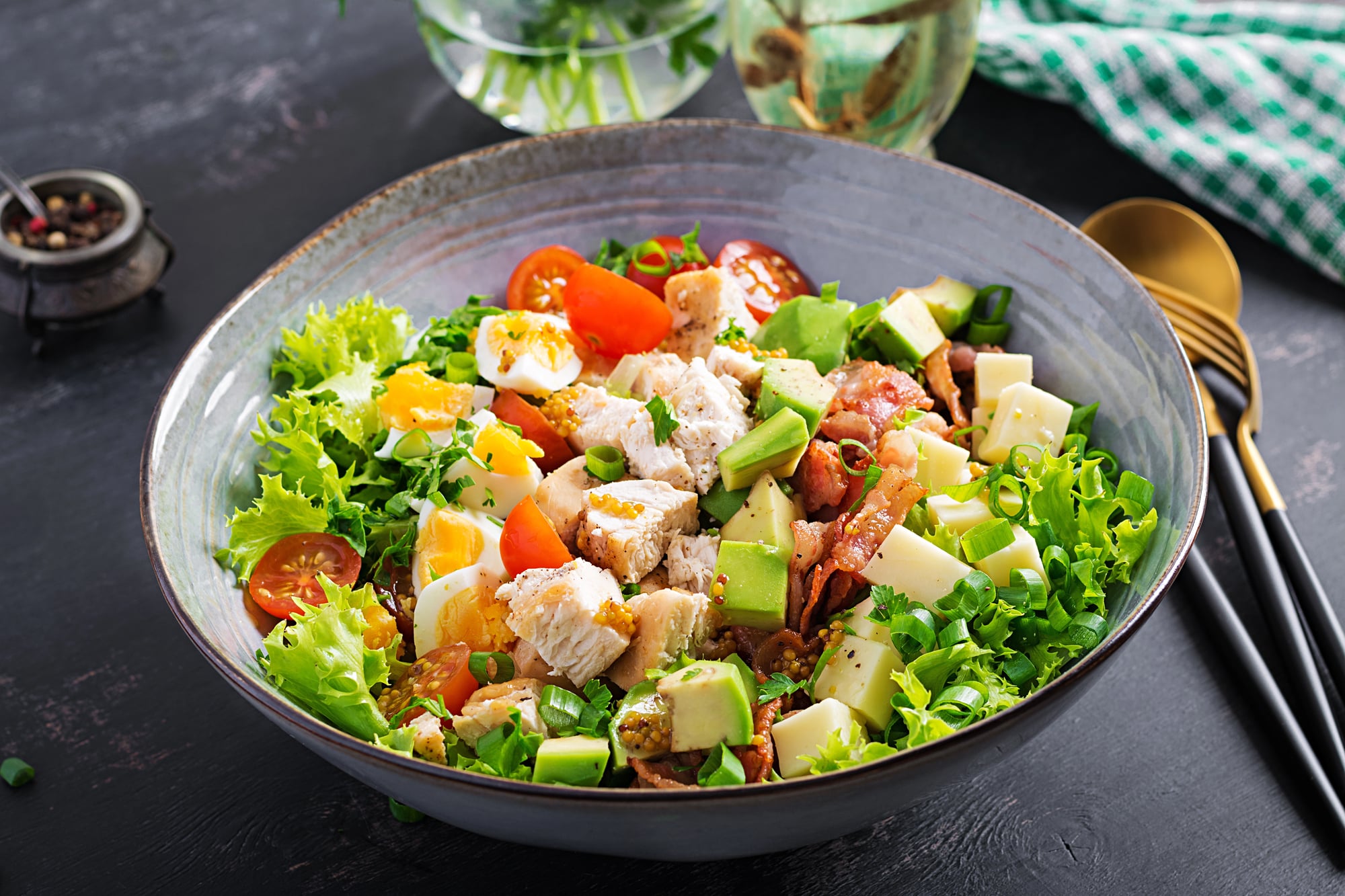
Bob Cobb owned the Brown Derby restaurant in Hollywood during the 1930s, where movie stars gathered for late-night meals. One evening in 1937, hungry and rummaging through the restaurant’s walk-in refrigerator, he found leftover lettuce, tomatoes, chicken breast, bacon, blue cheese, hard-boiled eggs, and avocado.
Rather than heat anything up, Cobb chopped everything into small pieces and tossed it together with French dressing. The result was satisfying enough that he started serving it to customers, and it became a signature dish — turning leftovers into something that felt both substantial and fresh.
Shirley Temple
Shirley Temple was eight years old and already a movie star when she inspired the drink that bears her name. During the 1930s, she attended Hollywood parties and premieres where adults sipped cocktails while she had nothing similar to drink.
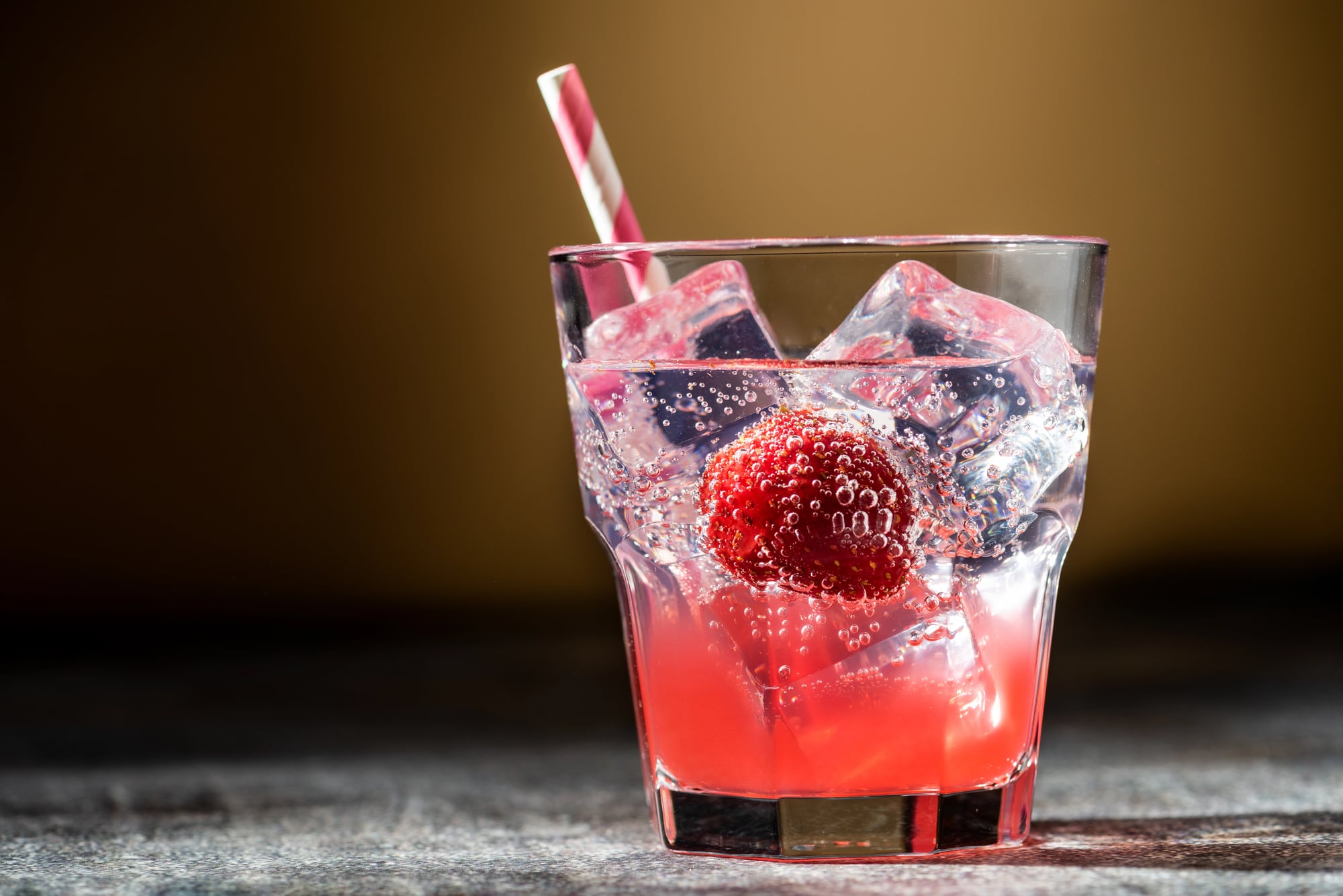
A bartender at Chasen’s restaurant in Beverly Hills created something special: ginger ale mixed with grenadine and garnished with a maraschino cherry.
The drink looked festive and tasted sweet without containing alcohol — perfect for a child who wanted to feel included in the adult world of Hollywood glamour. The Shirley Temple became the default fancy drink for children at restaurants nationwide, a tradition that continues today.
Temple later said she was pleased that children could order something with her name on it.
Eggs Sardou
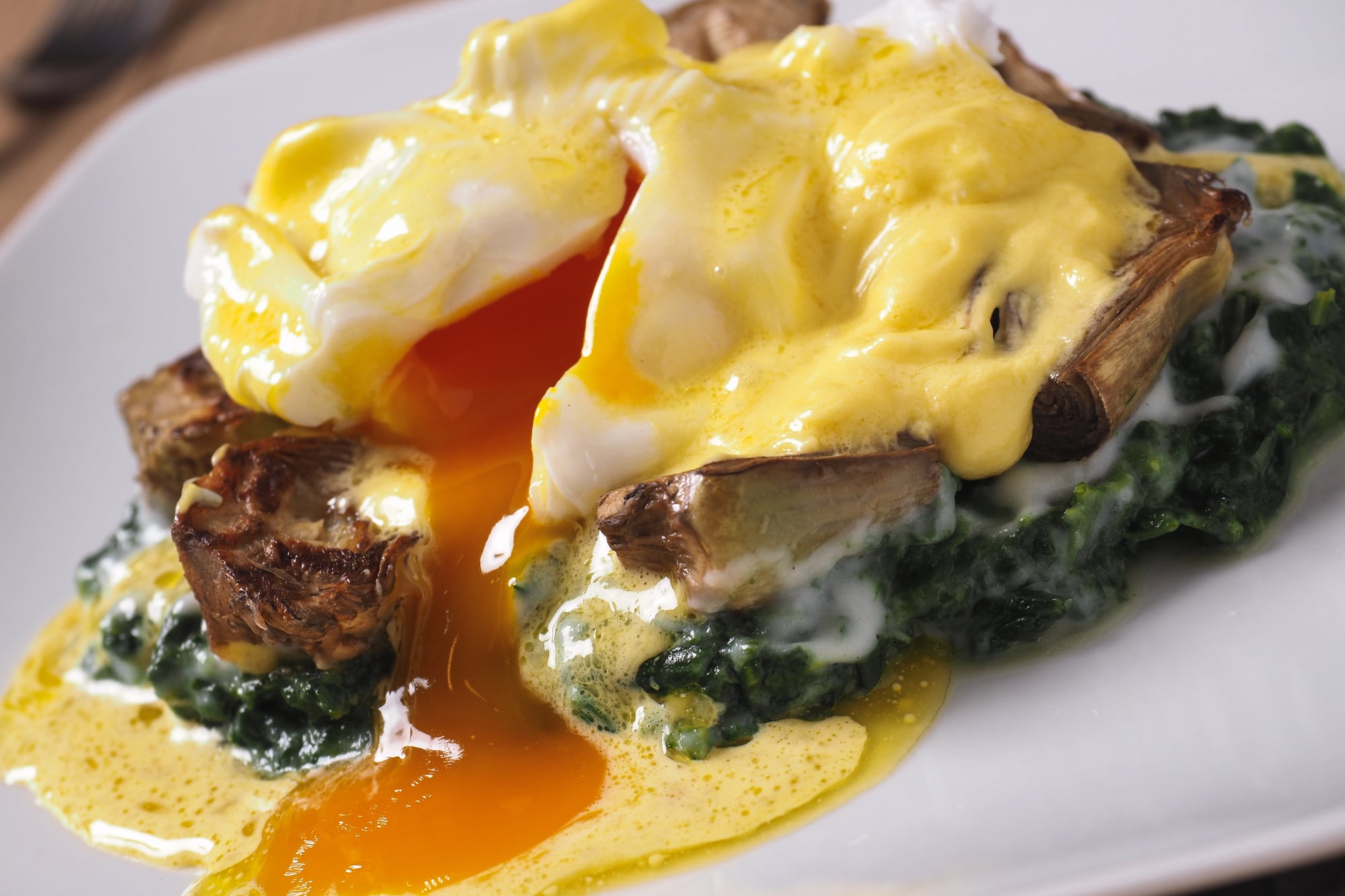
Antoine Alciatore created this elaborate brunch dish at his New Orleans restaurant in 1908 to honor Victorien Sardou, a French dramatist whose plays were popular with local audiences. The dish reflected the complexity of Sardou’s theatrical works: poached eggs served over artichoke hearts and creamed spinach, topped with hollandaise sauce and truffle slices.
It was expensive, labor-intensive, and dramatic — like Sardou’s plays, designed to impress sophisticated audiences. The dish remains on Antoine’s menu today, though few diners recognize Sardou’s name or understand why a playwright inspired such an intricate egg preparation.
Beef Stroganoff
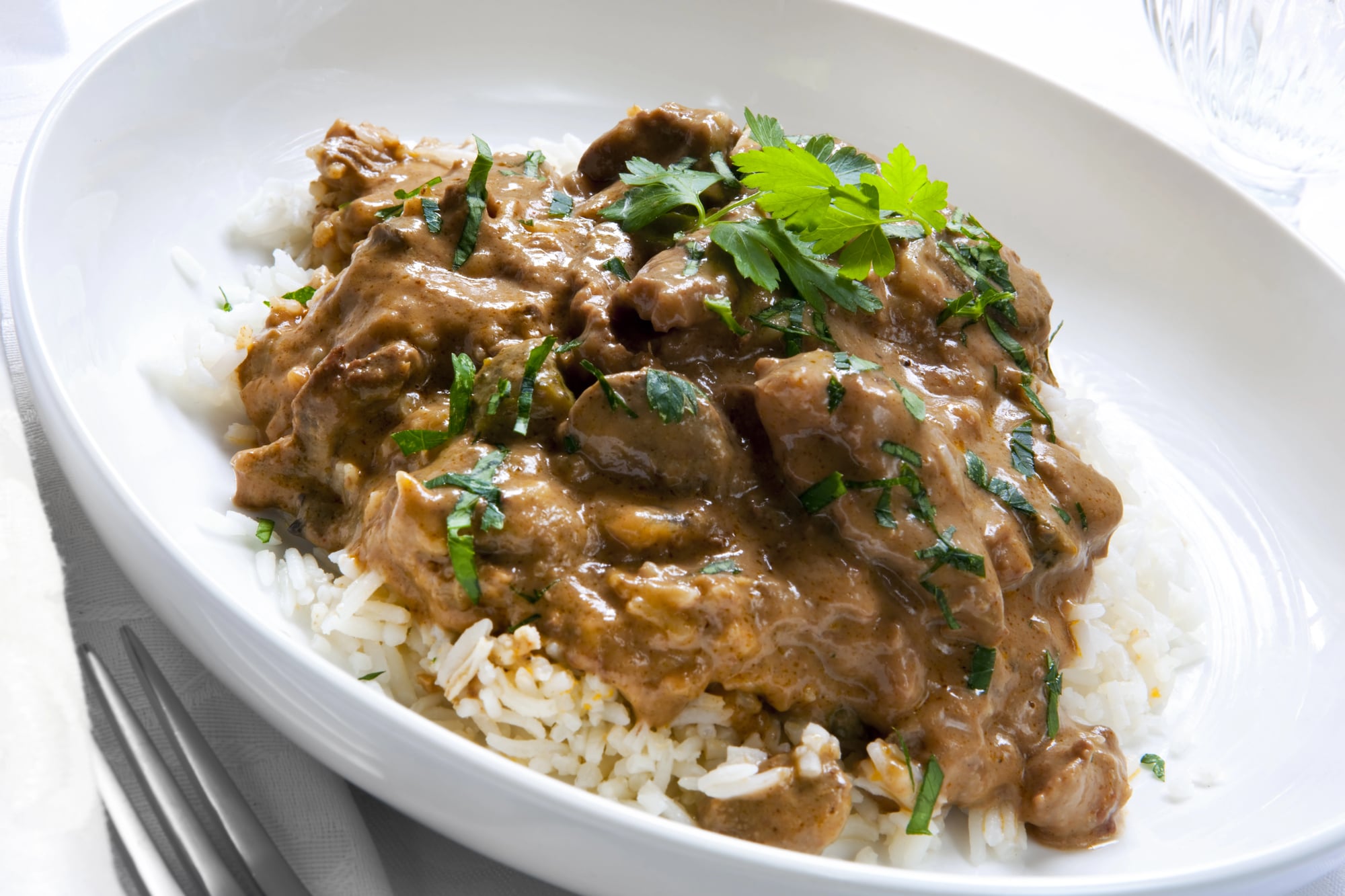
Count Pavel Stroganoff belonged to a wealthy Russian family known for their patronage of the arts and lavish dinner parties in 19th-century St. Petersburg. The dish that bears his name — beef strips in a sour cream sauce served over noodles — likely originated in his household kitchen, though the exact details remain murky.
What made Stroganoff special was the technique: beef cut into small strips, cooked quickly, then finished in a rich sauce that wouldn’t overwhelm the meat’s flavor.
Elegant enough for aristocratic tables, it became a staple of American home cooking during the 1950s and 60s. The Count probably never imagined his name would appear on supermarket boxes in suburban grocery stores.
Waldorf Salad
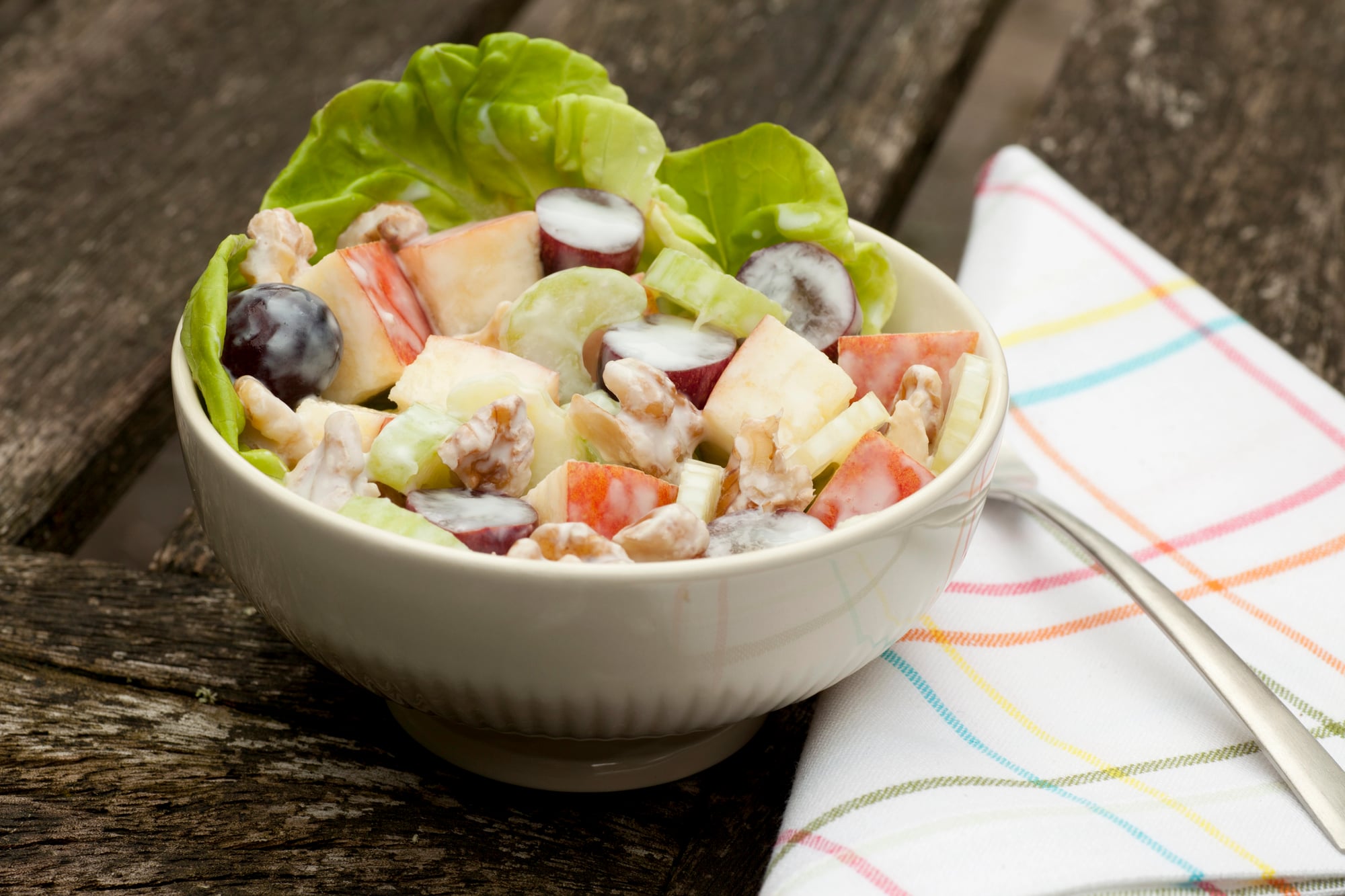
Oscar Tschirky managed the Waldorf Hotel’s dining room in the 1890s — the same maître d’ who adapted Lemuel Benedict’s hangover cure into Eggs Benedict. His Waldorf salad was originally simple: diced apples and celery mixed with mayonnaise, meant to be a light, refreshing dish between courses.
Chopped walnuts became a standard addition later, giving it more substance.
What made the dish notable wasn’t complexity but restraint. Tschirky understood that sometimes the best preparations let good ingredients speak for themselves.
Graham Crackers
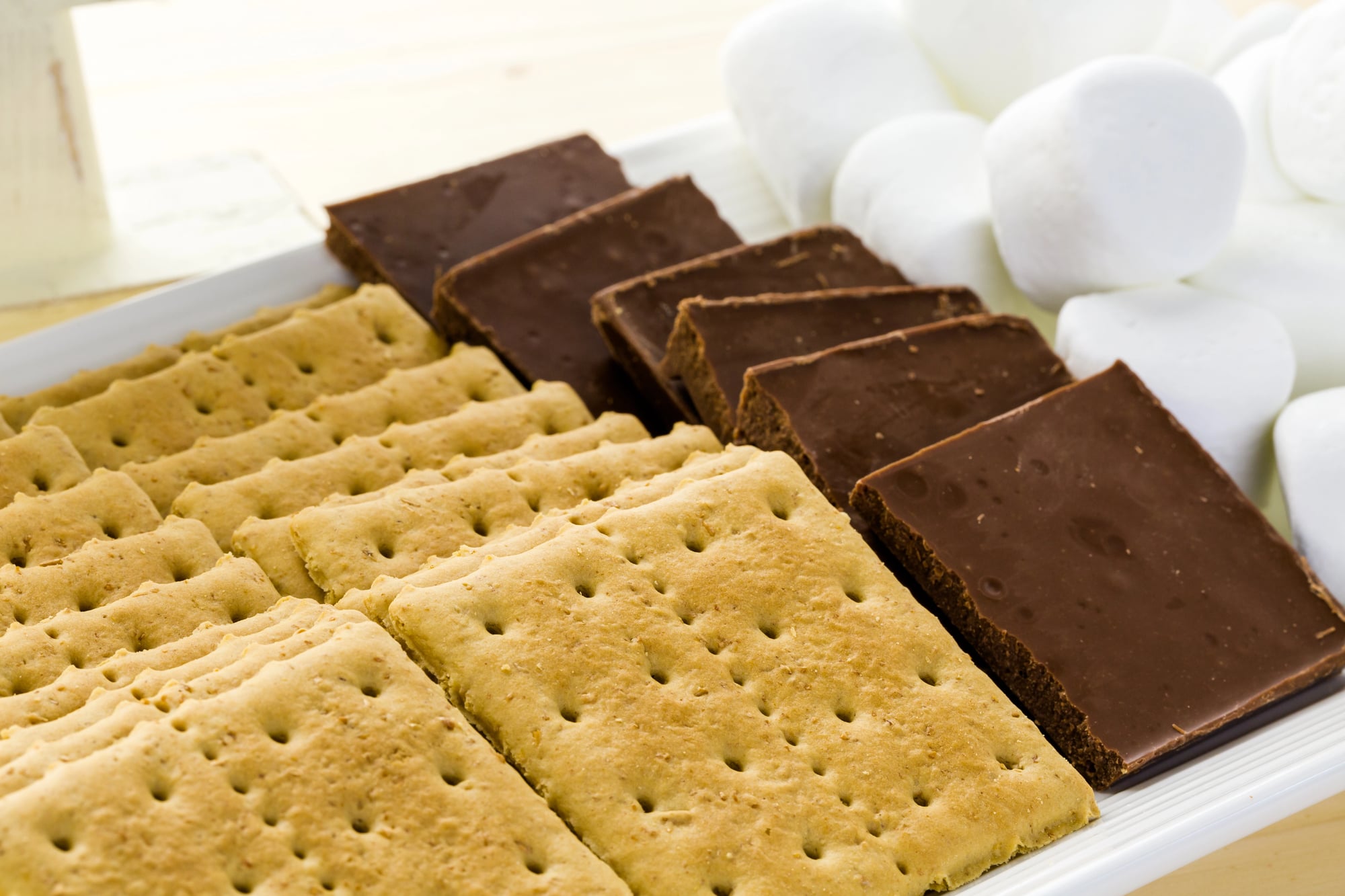
Sylvester Graham preached dietary reform in the 1820s and 30s, believing that simple, wholesome foods could improve both physical and moral health. He advocated for whole grain flour, minimal processing, and avoiding rich or spicy foods that he thought overstimulated the body and led to immoral behavior.
The crackers that bear his name were originally much plainer than today’s versions — unsweetened rectangles of whole wheat flour that fit Graham’s philosophy of bland but nutritious eating.
Modern graham crackers would probably horrify him: they’re sweet enough to eat as cookies and commonly used in s’mores. Graham’s name survived, but his austere vision of proper eating did not.
Earl Grey Tea
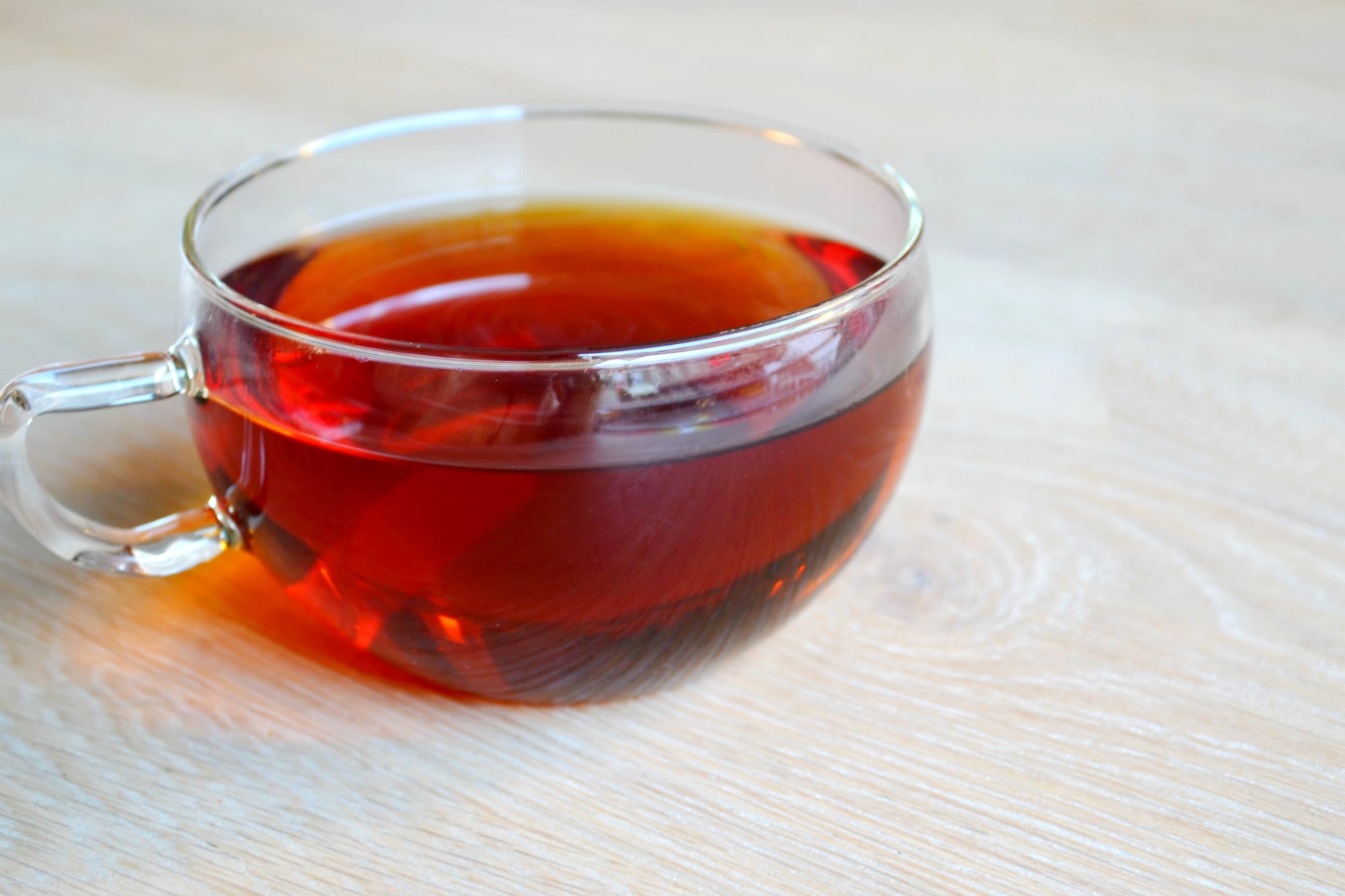
Charles Grey, the 2nd Earl Grey and British Prime Minister in the early 1830s, has long been credited with inspiring the bergamot-flavored tea blend that bears his name. The traditional story holds that he received a recipe from a Chinese official grateful for diplomatic favor.
Tea historians consider this unlikely, since Grey never traveled to China.
More probably, a British tea company created the blend and attached Grey’s name for marketing purposes. The Earl Grey brand suggested sophistication and aristocratic taste — qualities that helped sell an unusual tea flavor to British consumers.
Whether or not Grey influenced the blend, his name became permanently attached to one of the world’s most recognizable tea varieties.
Lobster Newberg
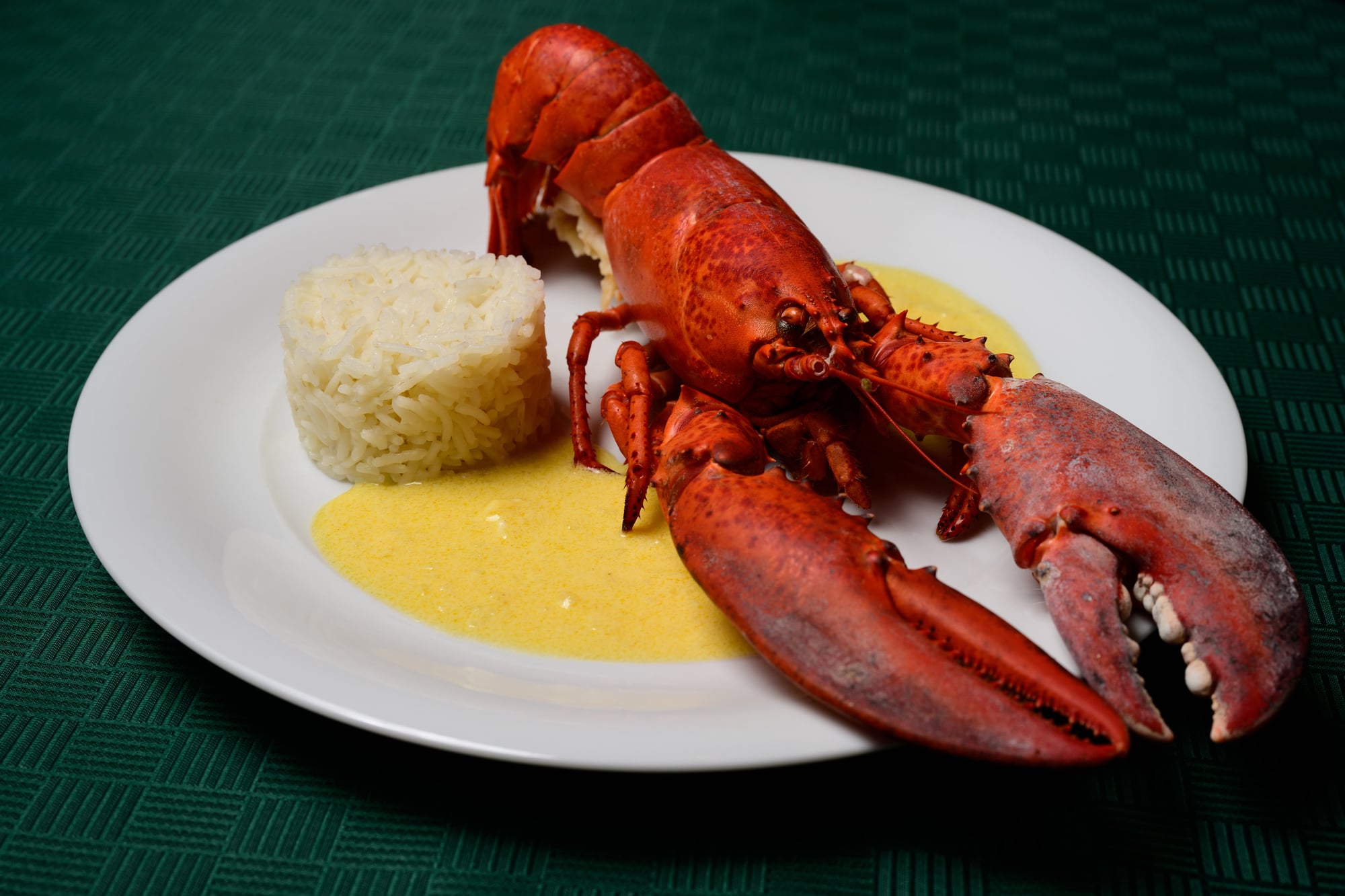
Ben Wenberg was a sea captain who frequented Delmonico’s restaurant in New York during the 1870s. He brought the restaurant a recipe for lobster cooked in cream and sherry, a preparation he’d encountered during his travels.
The dish became popular enough that owner Charles Delmonico named it “Lobster Wenberg” in the captain’s honor.
The story takes a turn when Wenberg got into an argument with Delmonico and was banned from the restaurant. Delmonico kept the dish on the menu but rearranged the letters in Wenberg’s name, creating “Lobster Newberg.”
The dish survived the personal drama and became a staple of American fine dining, though few people know they’re eating a renamed tribute to a disgraced sea captain.
Nachos
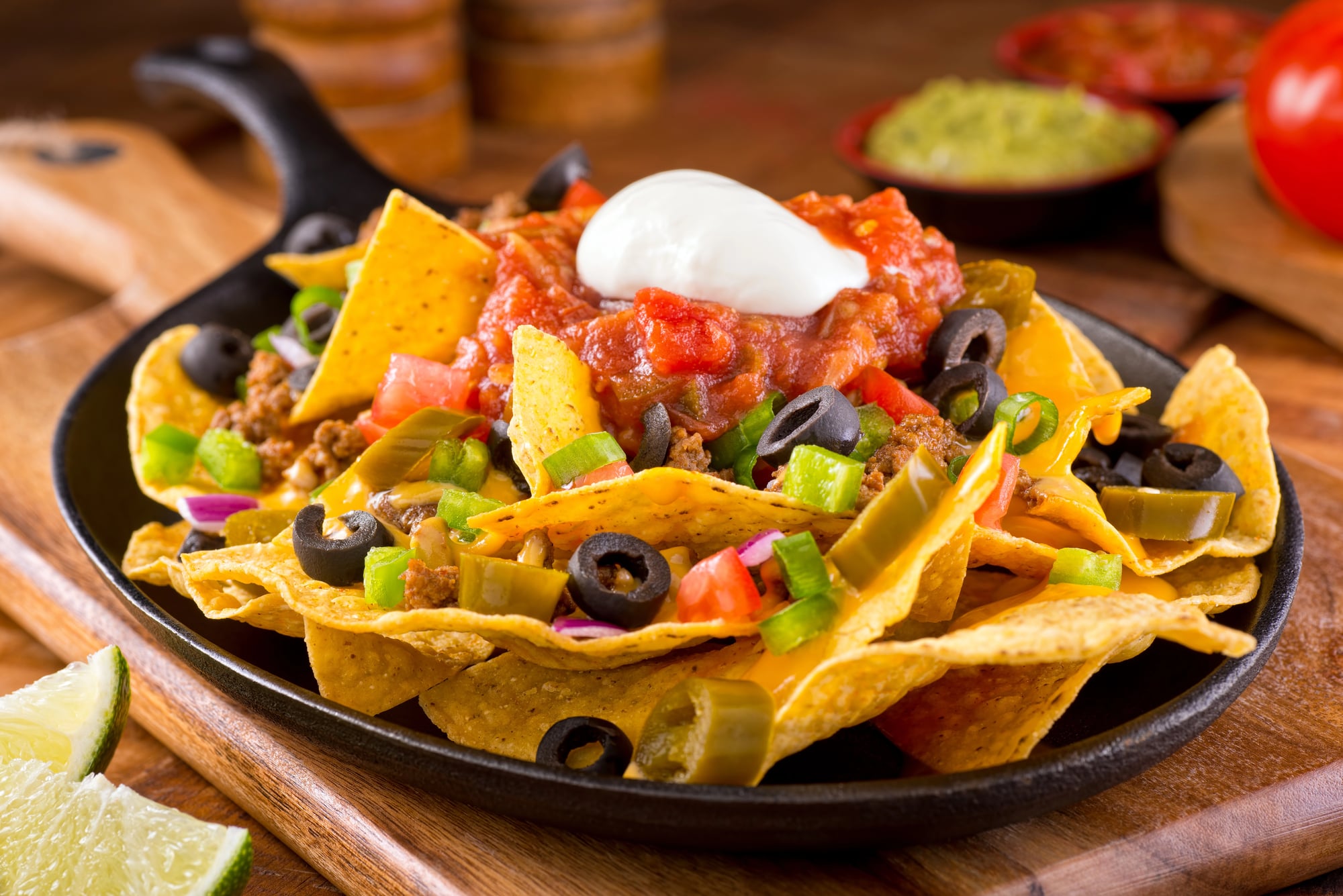
Ignacio “Nacho” Anaya managed a small restaurant in Piedras Negras, Mexico, just across the border from Eagle Pass, Texas. In 1943, a group of American military wives arrived just as the kitchen was closing.
Rather than turn them away, Anaya improvised with what he had: he scattered jalapeños and cheese over tortilla chips and heated everything until the cheese melted.
The women loved the simple combination and spread the word when they returned to Texas. Anaya called his creation “nachos especiales” — Nacho’s special.
The dish became so popular that he eventually opened a larger restaurant to handle the crowds of Americans crossing the border for his invention.
Reuben Sandwich
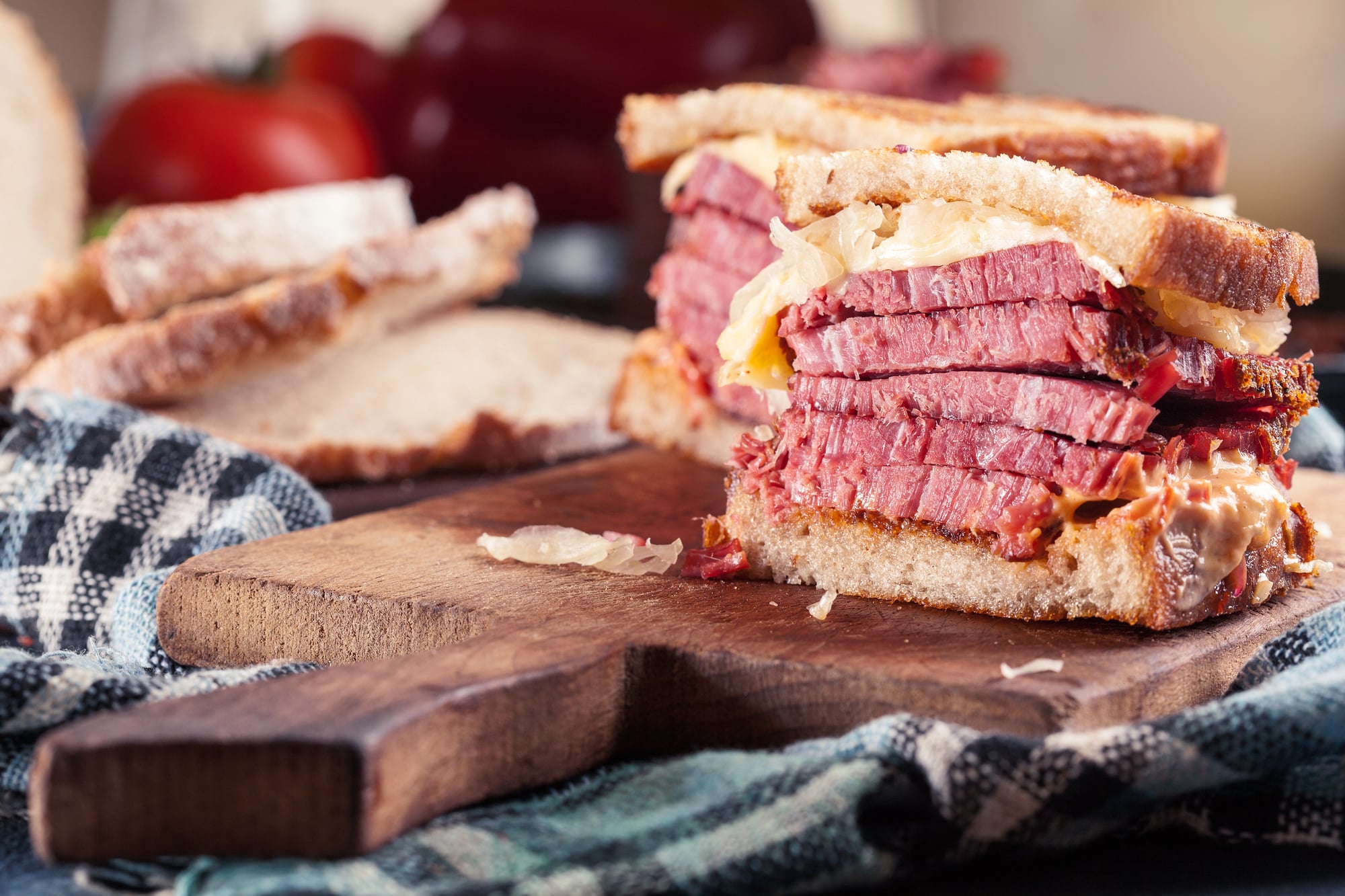
Two men claim to have invented the Reuben, and both stories sound plausible enough to muddy the waters. Reuben Kulakofsky, a wholesale grocer in Omaha, supposedly created it during a poker game at the Blackstone Hotel in the 1920s.
Arnold Reuben, who owned Reuben’s Delicatessen in New York, claimed he invented it for an actress in 1914.
What’s certain is that someone figured out corned beef, Swiss cheese, sauerkraut, and Russian dressing belonged together between grilled rye bread. The combination works because each element plays a specific role: the meat provides substance, the cheese richness, the sauerkraut acidity, and the dressing ties it all together.
Whoever invented it understood sandwich architecture.
Chicken À La King
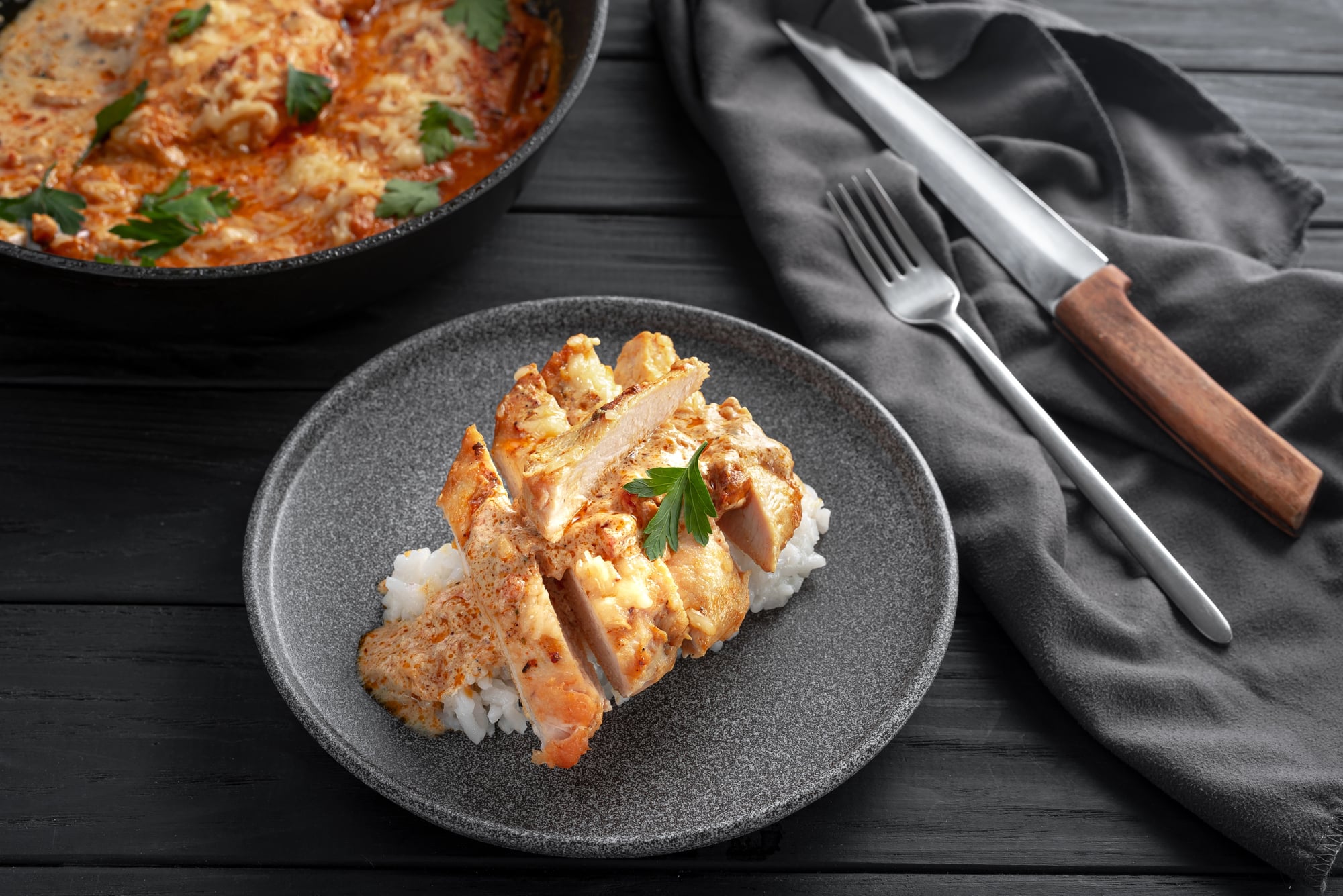
The origin of Chicken à la King involves more conflicting claims than seem reasonable for a simple dish of chicken in cream sauce. E. Clark King II insisted his father created it at a Brighton Beach hotel in the 1890s.
Keens Steakhouse in New York claimed their chef invented it for owner J.R. Keene. A Wall Street financier named James R. Keene supposedly inspired yet another version.
The dish itself — chunks of chicken in a cream sauce with mushrooms, peppers, and sometimes peas, served over rice or toast points — became popular at hotels and banquet halls because it could be prepared in large quantities without losing quality.
Whoever deserves credit understood that chicken in cream sauce would always find an audience, especially when given a name suggesting royal treatment.
Oysters Bienville
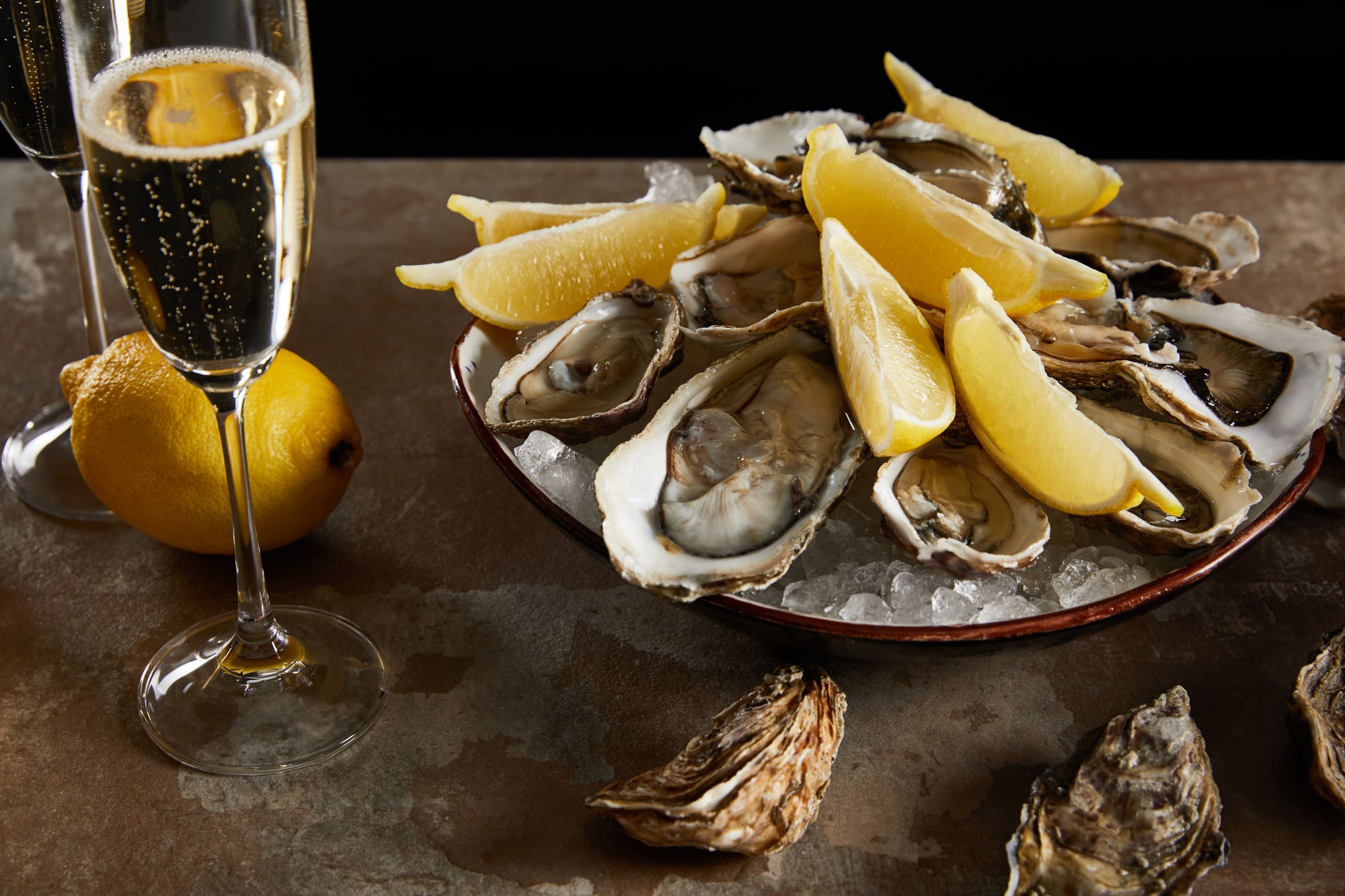
Arnaud Cazenave created this baked oyster dish at his New Orleans restaurant in the early 1900s, naming it after Jean-Baptiste Le Moyne, Sieur de Bienville, the founder of New Orleans. The preparation topped fresh oysters with a rich sauce of shrimp, mushrooms, bell peppers, and cheese, then baked everything until golden and bubbly.
Cazenave understood that New Orleans diners appreciated dishes with local historical connections, and naming a dish after the city’s founder created that link immediately.
Bienville never tasted the oysters that bear his name, but the dish captured the city’s love of rich, layered flavors — combinations that shouldn’t work but always do.
Carpaccio
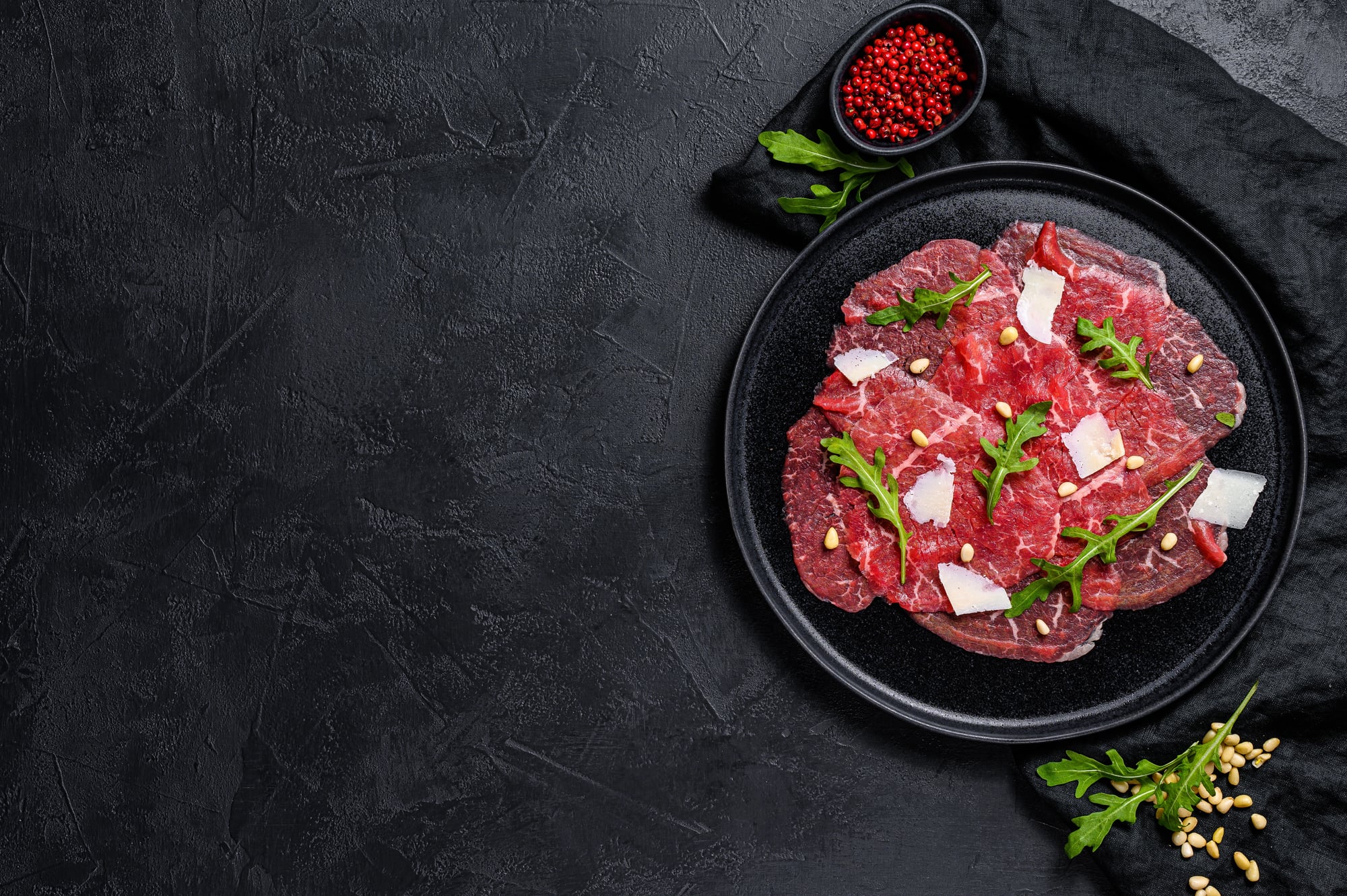
Giuseppe Cipriani created this dish at Harry’s Bar in Venice in 1950, naming it after the Renaissance painter Vittore Carpaccio in honor of an exhibition of his works then showing in the city. The connection was visual: the thin slices of raw beef drizzled with olive oil and lemon juice echoed the distinctive red and white tones of Carpaccio’s paintings.
The dish demonstrated that sometimes the best food ideas are as much about presentation as preparation. Cipriani understood that raw beef, sliced paper-thin and dressed simply, could be both elegant and approachable — and that giving it a painter’s name elevated it beyond its simple ingredients.
Thousand Island Dressing
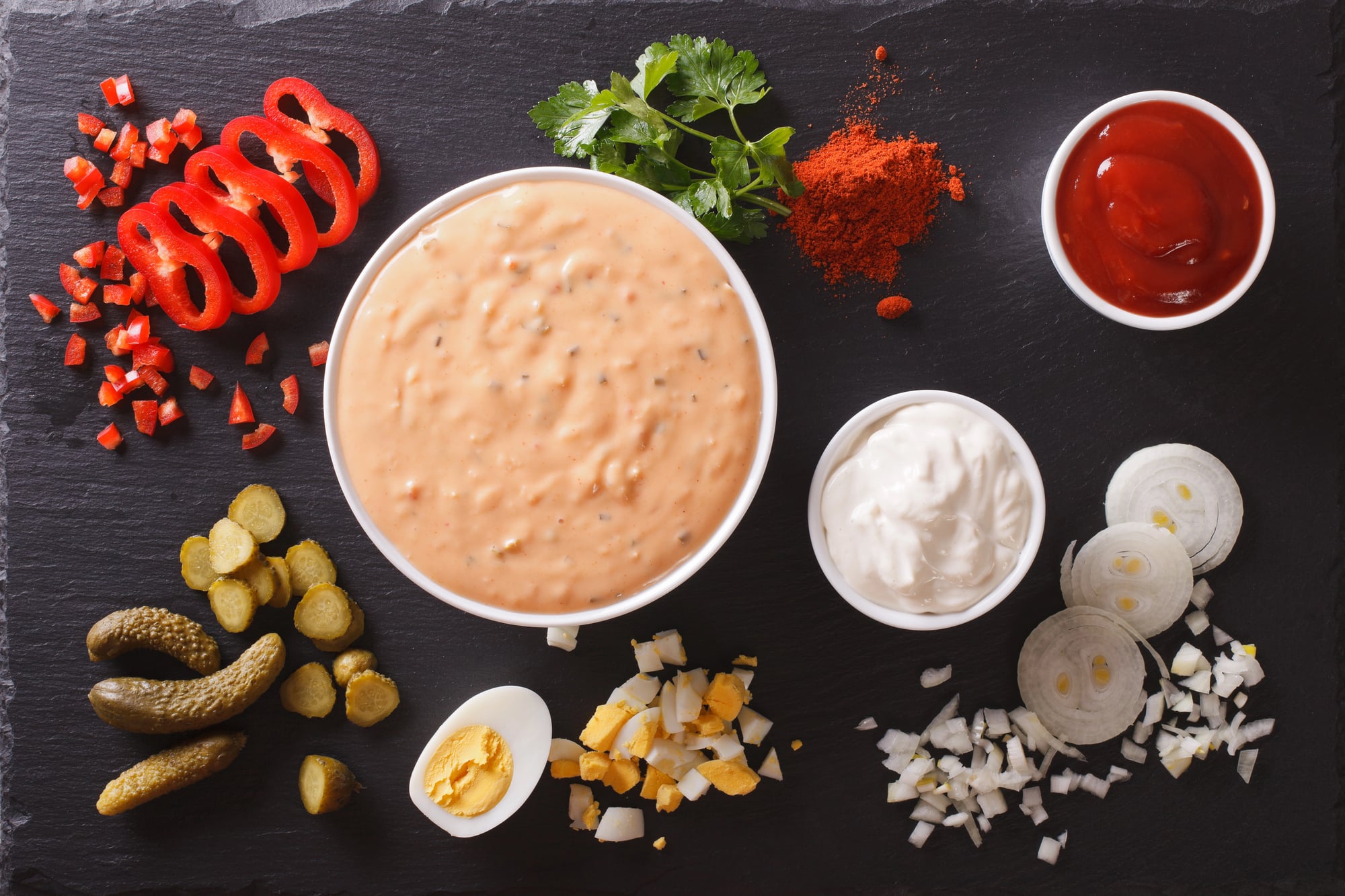
The origins of Thousand Island dressing trace to the Thousand Islands region along the St. Lawrence River between the United States and Canada, where multiple origin stories compete. The most colorful involves a local fishing guide’s wife, Sophia LaLonde, who made the dressing for shore lunches in the early 1900s.
Hotel Thousand Islands owner George Boldt allegedly tasted it, obtained the recipe, and introduced it to the Waldorf-Astoria — the same hotel connected to several other dishes on this list.
Whether or not the Waldorf connection holds, the dressing carries the name of a place rather than a person, making it unique on this list — a reminder that sometimes it’s geography, not an individual, that earns a spot on the menu.
Salisbury Steak
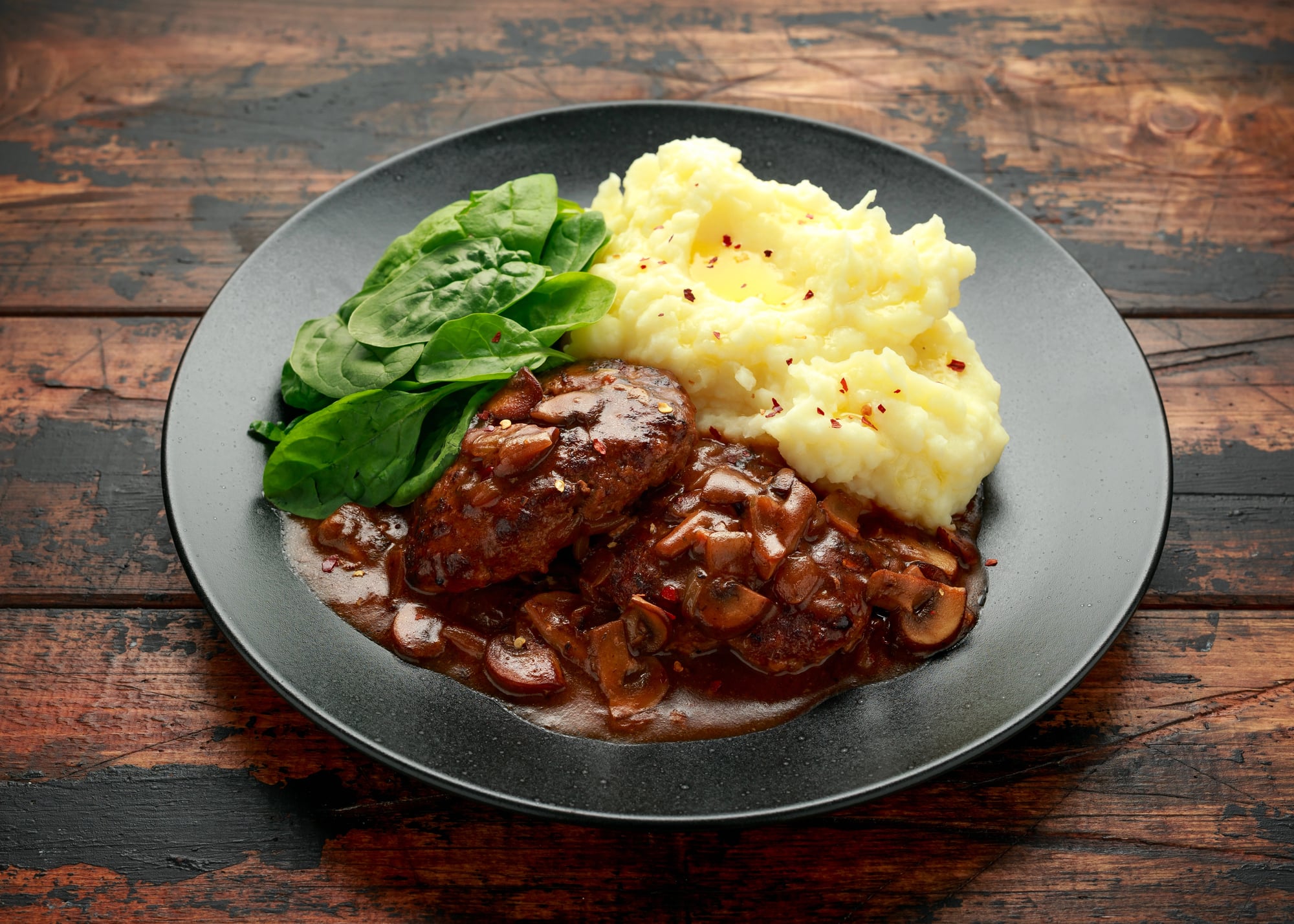
James H. Salisbury was a 19th-century American physician who believed that lean ground beef, eaten three times a day, could cure a remarkable variety of ailments including colitis, hardening of the arteries, and mental illness. He prescribed his minced beef patties to Civil War soldiers and later promoted them through his writing as a cornerstone of healthy living.
The medical theories behind the dish didn’t survive, but the dish did.
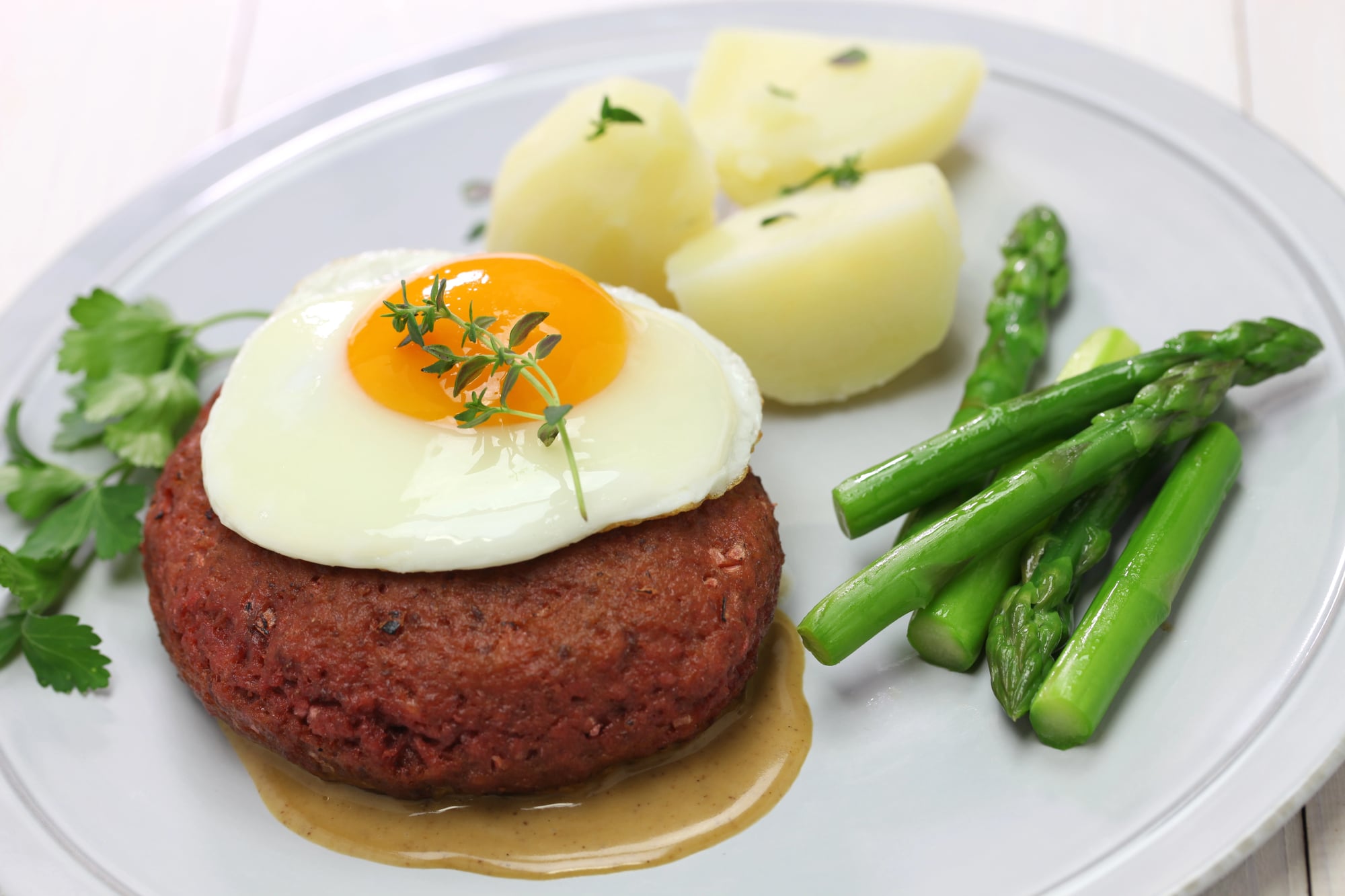
Salisbury steak — a seasoned ground beef patty served with brown gravy — became a staple of American diners, school cafeterias, and TV dinner trays long after anyone remembered its originator’s therapeutic claims. Dr. Salisbury wanted to reform American eating habits.
He mostly ended up on frozen food packaging.
Names and Food
Every dish on this list started as a specific moment — a depleted pantry on a busy July night, a diva’s appetite, a hangover, a borrowed recipe from a sea captain. The name attached afterward became the part that lasted, outliving the circumstances that produced it and sometimes outliving the person entirely.
What’s striking is how often the story behind the name is more interesting than the name itself. Most diners ordering a Caesar salad don’t know it was invented in Mexico by an Italian immigrant during Prohibition.
Most people eating Salisbury steak have no idea they’re named for a doctor whose medical theories were wrong in almost every detail. The dish carries forward while the story waits to be rediscovered — which is its own argument for paying attention to what you’re eating and who put it on the menu.
More from Go2Tutors!

- The Romanov Crown Jewels and Their Tragic Fate
- 13 Historical Mysteries That Science Still Can’t Solve
- Famous Hoaxes That Fooled the World for Years
- 15 Child Stars with Tragic Adult Lives
- 16 Famous Jewelry Pieces in History
Like Go2Tutors’s content? Follow us on MSN.