Historic Gardens That Influenced Modern Landscapes
Gardens feel lasting when you walk through them. Yet their shapes, plants, and trails aren’t frozen – just thoughts shaped into dirt.
While they look planned, these choices shift over time. Because a decision from long ago in some far-off plot now lives in local green spaces nearby.
The gardens changing our idea of outdoor areas weren’t necessarily big or well known. Some tried new ideas.
While others showed control and influence. A couple were simply people trying to understand nature by organizing it.
Yet every single one left a mark on future designs.
Hanging Gardens Set An Impossible Standard
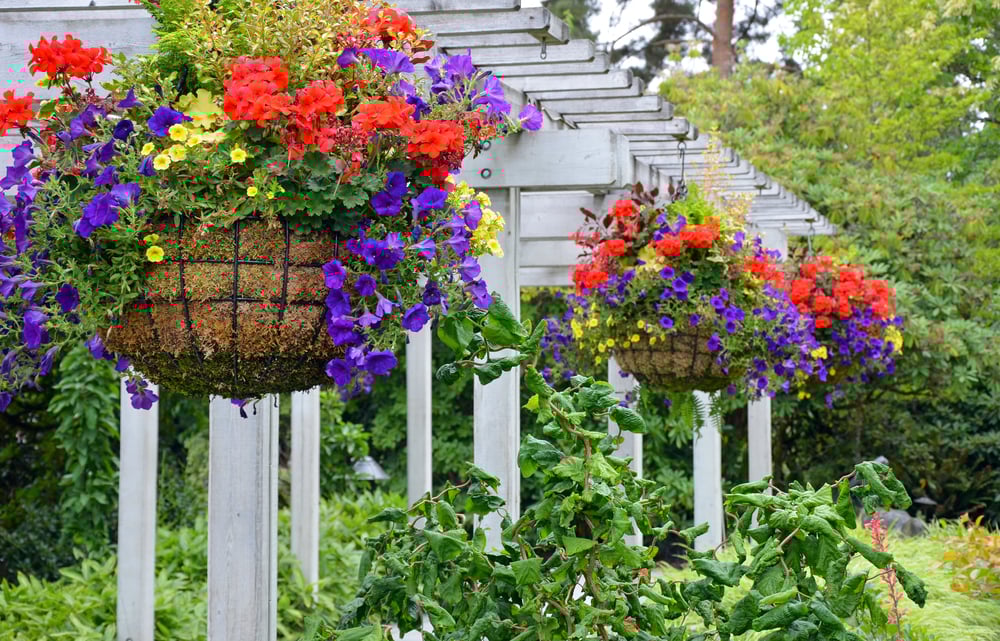
The Hanging Gardens might’ve never been real – or if they were, probably not in Babylon like people say. No solid evidence’s turned up by diggers yet.
Old historians such as Diodorus and Strabo described them differently – both wrote about rumors, not firsthand sights. Lately, experts think writings from Sennacherib point to Nineveh instead, hinting the gardens stood there.
Whether real or made up, no matter their location, tales of the Hanging Gardens shaped how people built gardens for ages. One after another, terraces rising like steps into the sky turned into a dream worth chasing.
Getting water uphill to feed greenery high above ground? That puzzle sparked invention after invention.
More than just pretty layouts, gardens started being seen as clever feats – thanks largely to those old-time stories. Renaissance garden designers pictured how the Hanging Gardens could’ve appeared – then copied that vision.
Back then, Victorians took the concept further; their tiered greenhouses echoed similar dreams. Today’s sky-high plant spots and wall-climbing greens trace back to a fantasy that possibly didn’t exist – or maybe just somewhere else entirely.
Persian Paradise Gardens Created A Template

Persian gardens established patterns that spread across three continents. The chahar bagh—four-part garden—divided space into quadrants with water channels running through the center.
This design dates to the Achaemenid period (6th-4th century BCE), with roots possibly extending even earlier. The pattern wasn’t arbitrary.
It represented the four rivers of paradise from Zoroastrian and later Islamic tradition. These gardens were walled, creating enclosed spaces separate from the harsh desert outside.
Inside, water, shade, and cultivated plants offered relief. The design spread with Persian imperial expansion and later with Islamic culture.
You can see this pattern in Mughal gardens in India, in Moorish gardens in Spain, and in countless modern formal gardens worldwide. Any time you see a garden divided into four sections with water features at the center or along the axes, you’re looking at a design that originated in ancient Persia.
The pattern worked so well for organizing space that it became foundational.
Roman Peristyle Gardens Brought Nature Inside

The peristyle—a colonnade surrounding an open courtyard—came from Greek architecture, but Romans popularized the domestic peristyle garden. Wealthy Romans built gardens in the interior courtyards of their homes.
These gardens featured fountains, statuary, and carefully chosen plants. This wasn’t just decoration.
Romans were bringing controlled nature into their living space. The garden became a room of the house, one that happened to be open to the sky.
This idea of the garden as an extension of living space rather than something separate influenced Western residential design permanently. Courtyard gardens in Mediterranean architecture, atriums in modern buildings, even the American concept of the backyard as outdoor living space—all trace back to how Romans thought about integrating gardens with structures.
The peristyle made the garden intimate and domestic rather than purely agricultural or wild.
Chinese Scholar Gardens Valued Restraint

Chinese literati created gardens that were philosophical statements, with key principles established as early as the Tang and Song dynasties, though refined further during the Ming and Qing periods. These weren’t meant to show wealth through size or exotic plants.
Instead, they aimed for harmony between natural and constructed elements. Scholar gardens used rocks, water, plants, and architecture in careful composition.
The goal was to evoke natural landscapes in miniature while creating spaces for contemplation. Borrowed scenery—incorporating distant views into the garden’s design—expanded the space visually without expanding it physically.
These principles influenced Japanese garden design significantly. But they also affected Western landscape architecture once trade and cultural exchange increased.
The idea that gardens should look natural rather than obviously artificial, that restraint could be more powerful than abundance, came partly from Chinese garden traditions. Modern minimalist landscape design owes something to scholar gardens even when designers don’t realize it.
Versailles Made Gardens Political
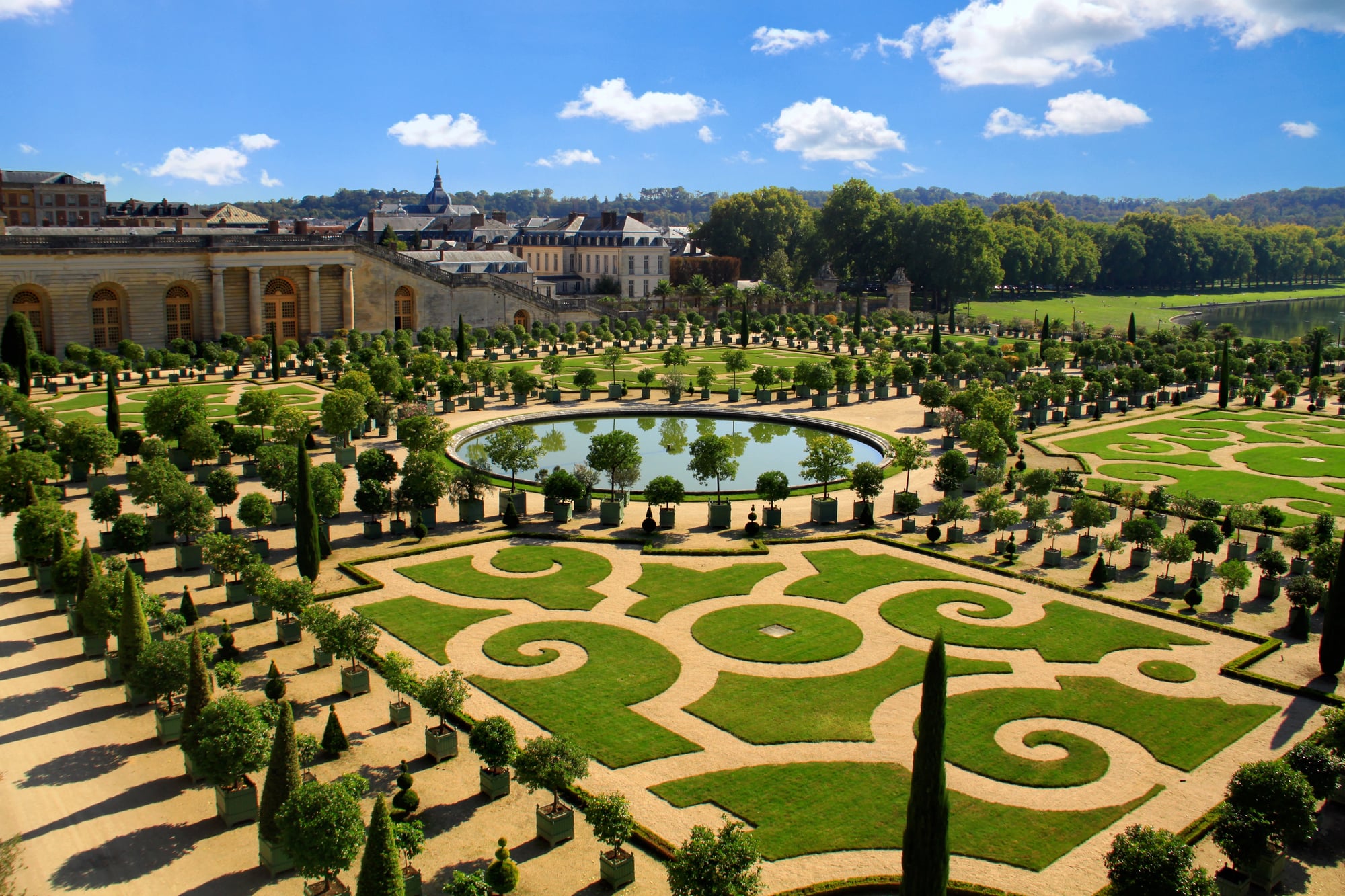
Louis XIV’s gardens at Versailles weren’t about beauty alone. They were about control.
André Le Nôtre began work on the gardens in the 1660s, creating geometric patterns, forced perspective, and vast scale that demonstrated the king could impose order on nature itself. The gardens evolved and expanded over multiple reigns.
If the king could make forests and water obey his will, imagine what he could do to political opponents. Le Nôtre designed Versailles to be experienced from specific viewpoints, primarily the palace.
The symmetry, the long sight lines, the precisely trimmed hedges—everything reinforced hierarchy and control. Nature was tamed, organized, and made to serve power.
This formal French garden style spread across Europe as other monarchs tried to match or exceed Versailles. Formal gardens became status symbols.
The style influenced public parks later, though usually in modified form. Any time you see perfectly straight paths, geometric planting beds, and formal symmetry in a park, you’re seeing Versailles’s influence.
English Landscape Gardens Rebelled Against Formality
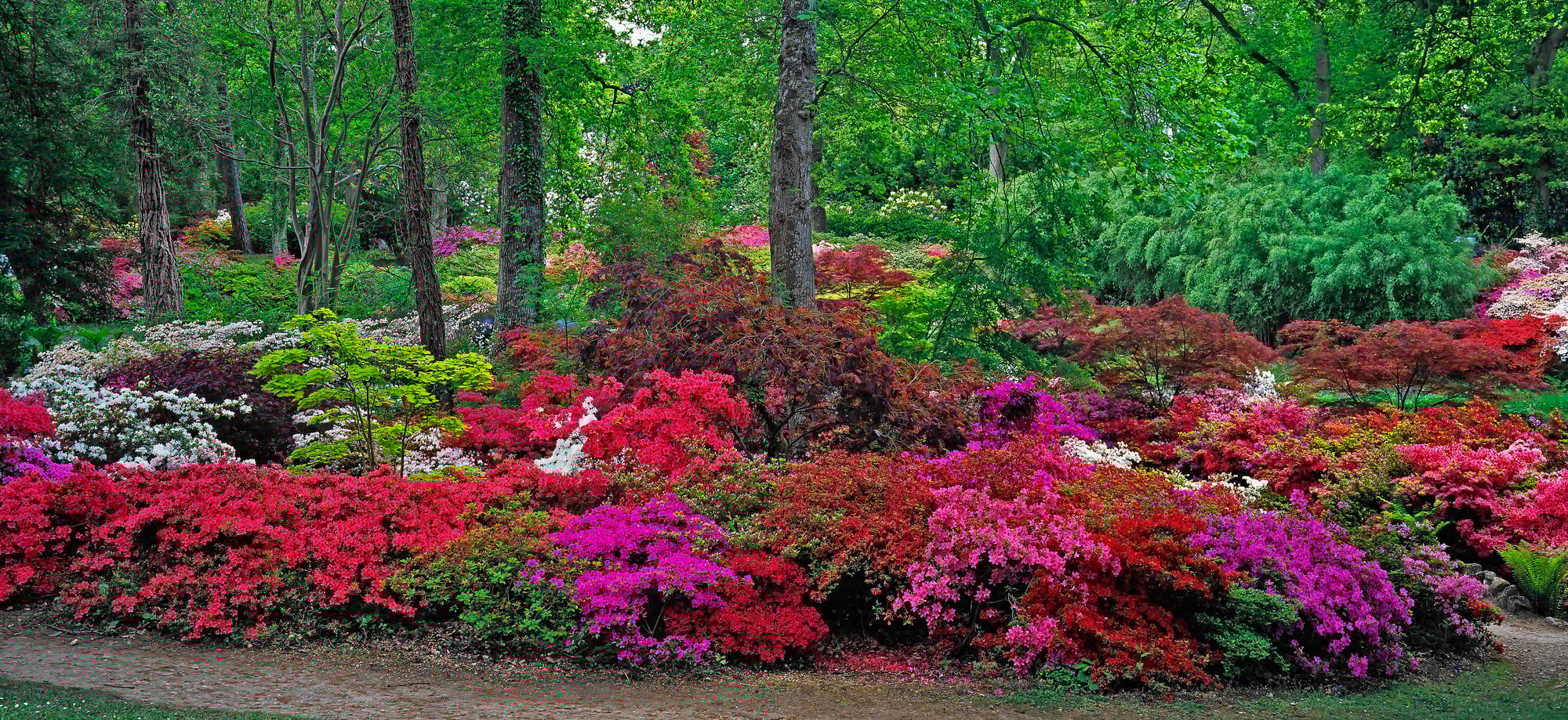
By the 18th century, some English designers rejected French formality. Capability Brown and Humphry Repton created landscapes that looked natural but were carefully engineered.
Brown’s earliest work blended formal and natural elements before he moved toward full naturalism. They made artificial lakes look like they’d always been there.
They placed trees in seemingly random patterns that were actually calculated. They rolled gentle hills where flat ground had been.
This style pretended not to be designed at all. The goal was to improve upon nature while hiding the improvements.
Estates were made to look like idealized pastoral scenes from paintings. The landscapes looked effortless but required massive earth-moving and decades of plant growth to achieve.
English landscape gardens influenced public park design worldwide. Frederick Law Olmsted studied English landscapes before designing Central Park and other American parks.
The naturalistic style became associated with public spaces meant for recreation and contemplation. The idea that parks should look like countryside rather than formal gardens traces directly to this English rebellion against geometric layouts.
Japanese Zen Gardens Rejected Plants
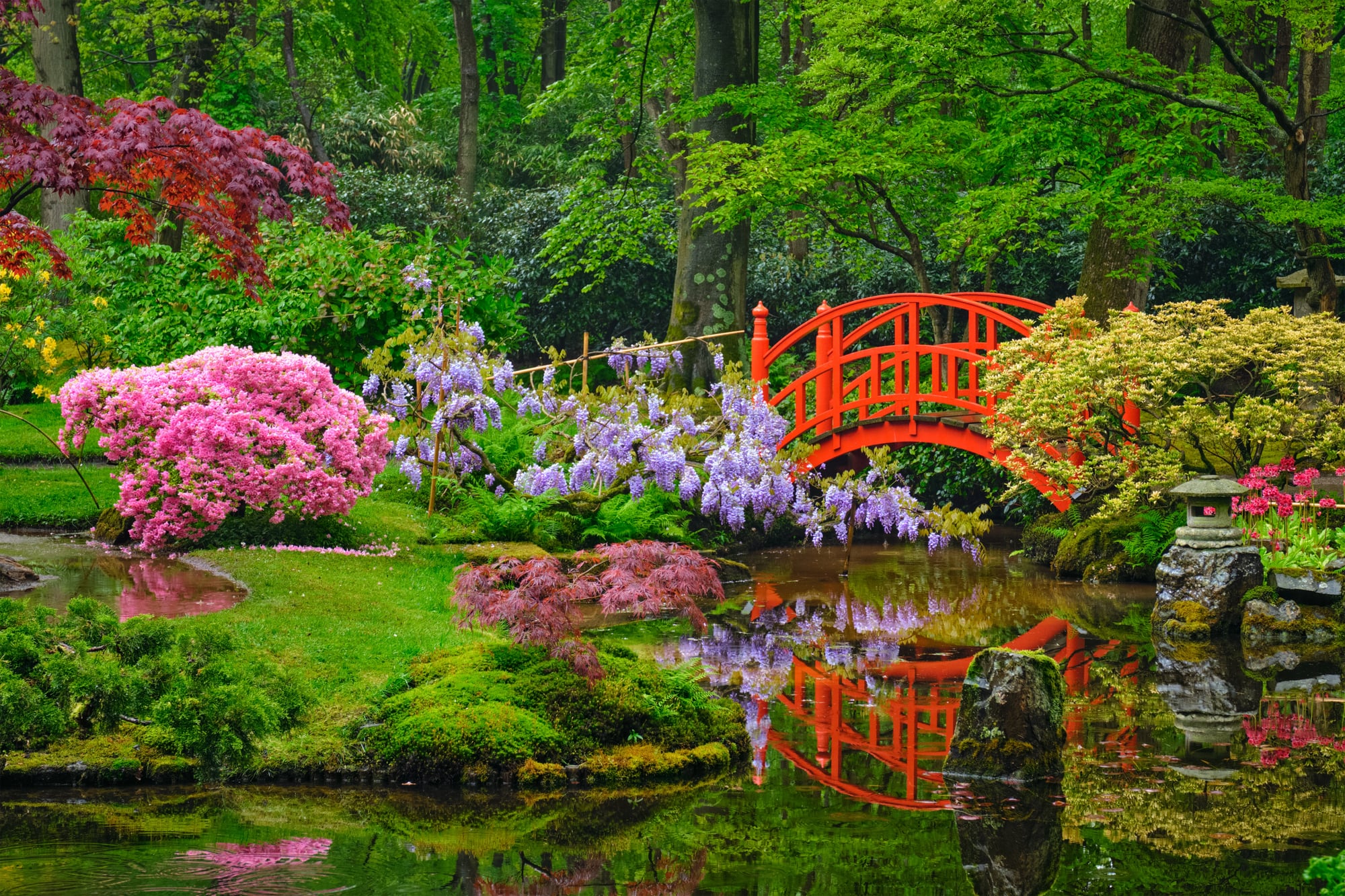
Zen Buddhist temple gardens in Japan took minimalism to an extreme. Karesansui—dry landscape gardens—used rocks and raked gravel to represent water and landscapes without using actual water or many plants.
The garden at Ryōan-ji in Kyoto, with its current layout likely dating to the late 15th century, is the most famous example. The garden’s meaning is debated, and its Zen associations were emphasized more strongly in later periods than they were originally.
These gardens weren’t meant for walking through. They were meant for viewing and meditation.
The act of raking the gravel was itself a meditative practice. The gardens represented natural landscapes through abstraction rather than replication.
This approach influenced modern landscape architecture’s use of non-plant materials. Gravel gardens, rock gardens, and minimalist designs that prioritize stone and negative space all draw from Zen garden principles.
The idea that a garden doesn’t need to be full of plants to be meaningful was radical when Western designers encountered it.
Mughal Gardens Perfected Paradise

Mughal emperors in India from the 16th to 18th centuries built some of history’s most refined gardens. These expanded on Persian paradise garden templates but added Indian elements and greater sophistication.
The Taj Mahal’s gardens are the most famous, featuring a charbagh design with a riverfront terrace—a departure from classic Persian enclosed gardens. Many other notable gardens existed throughout the empire.
Water was central—channels, pools, and fountains throughout. The gardens were designed to be experienced from pavilions and pathways, with carefully planned views.
Plants were chosen for fragrance as much as appearance. The gardens engaged multiple senses and provided relief from heat.
These gardens influenced colonial British design in India, which then fed back into English garden design. The emphasis on water features, on gardens as sensory experiences, and on integrating architecture with landscape spread from Mughal precedents.
Modern water gardens and gardens designed around scent trace partial lineage to Mughal refinements.
Italian Renaissance Gardens Played With Perspective
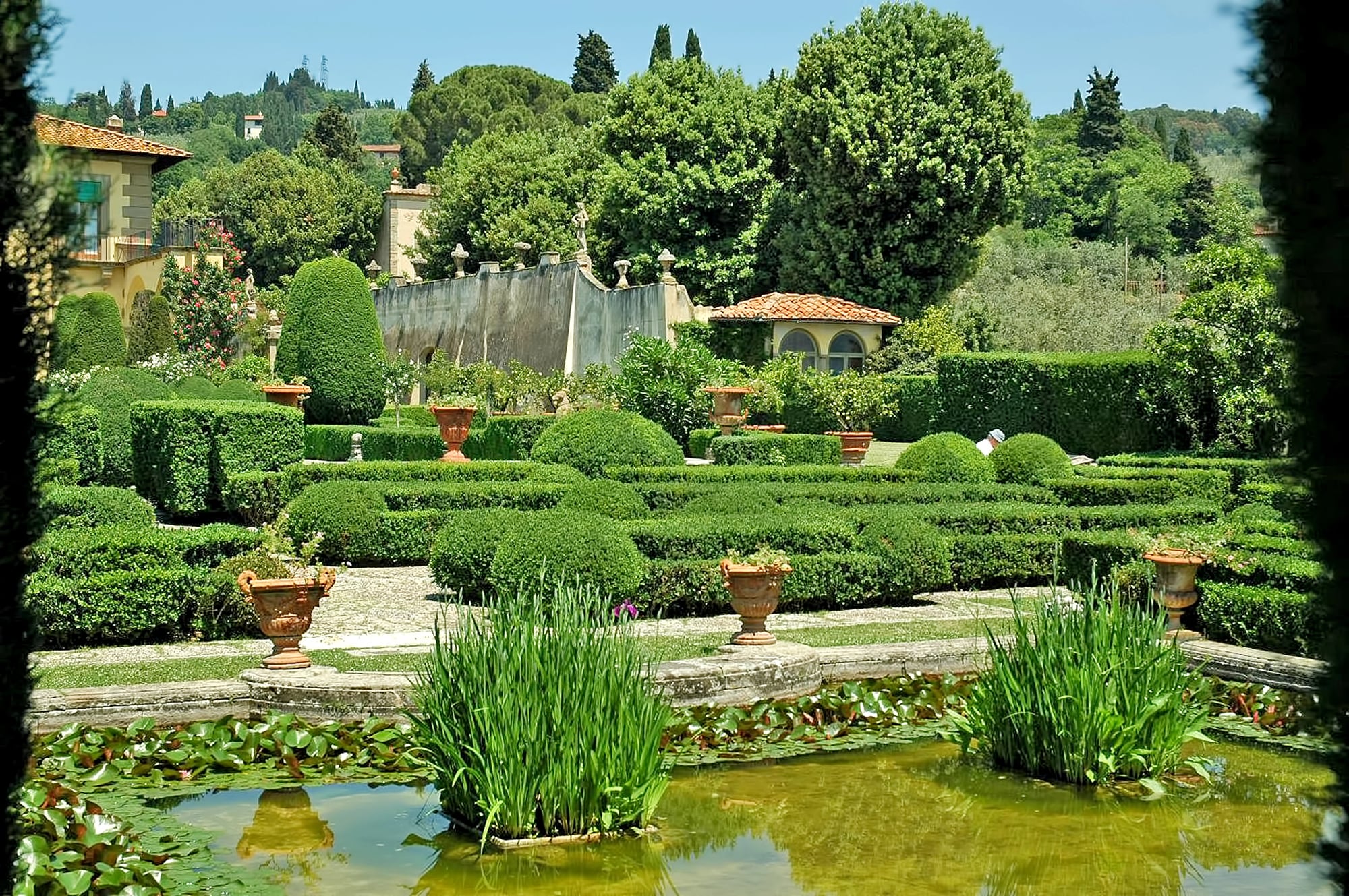
Italian Renaissance gardens used terracing and perspective tricks to make spaces feel larger and more dramatic. Villa d’Este, dating to the mid-16th century, and Villa Lante featured elaborate fountains, cascading water, and precisely planned views.
These perspective techniques were influenced by Renaissance theater and developments in optics. These gardens were theatres.
They had distinct acts as you moved through them. They revealed new scenes at carefully planned moments.
The technical achievement of moving water uphill and creating dramatic water effects was as important as the plantings. This theatrical approach to gardens—the idea that moving through a garden should be a sequence of experiences rather than seeing everything at once—influenced later formal garden design.
The use of different levels, of hiding and revealing views, of making gardens into narrative experiences all came partly from Italian Renaissance innovations.
Capability Brown Erased What Came Before
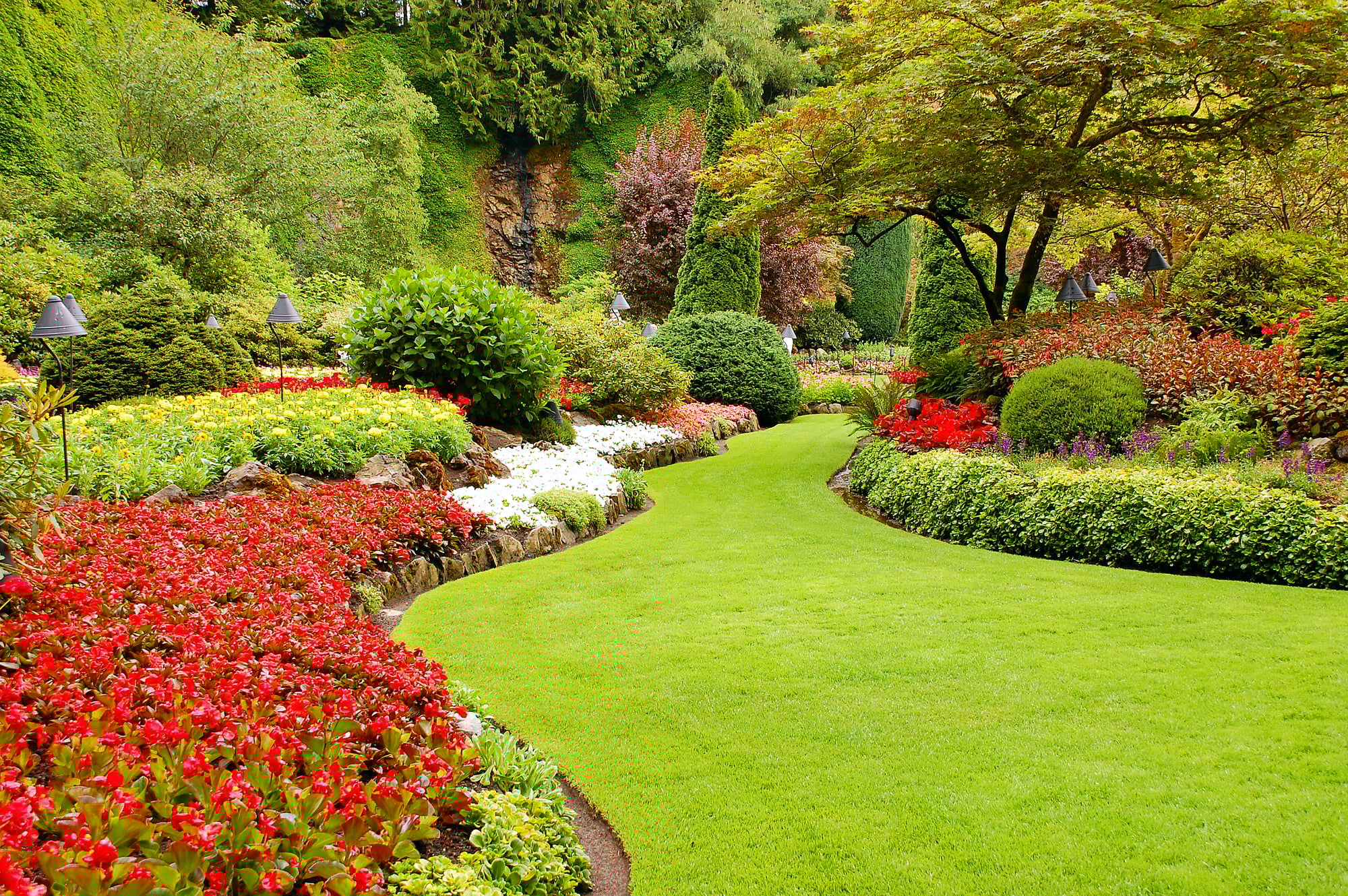
Lancelot “Capability” Brown got his nickname from telling clients their estates had “capability” for improvement. His improvements often meant designing over existing formal gardens and replacing them with naturalistic landscapes.
He designed over 170 parks and gardens in England, though later owners sometimes continued or completed the transformations he initiated. Brown’s signature style included serpentine lakes, scattered tree clumps, and rolling lawns that came right up to the house without intermediate gardens.
He removed terraces, parterres, and formal avenues. His landscapes looked like improved nature rather than gardens in the traditional sense.
This was controversial. Brown’s designs replaced gardens that earlier generations had spent fortunes creating.
But his style became so dominant that it defined the English landscape aesthetic. His influence on park design internationally was enormous.
The look of many university campuses, suburban developments, and public parks owes something to Brown’s vision of artfully natural landscapes.
Islamic Courtyard Gardens Cooled Cities
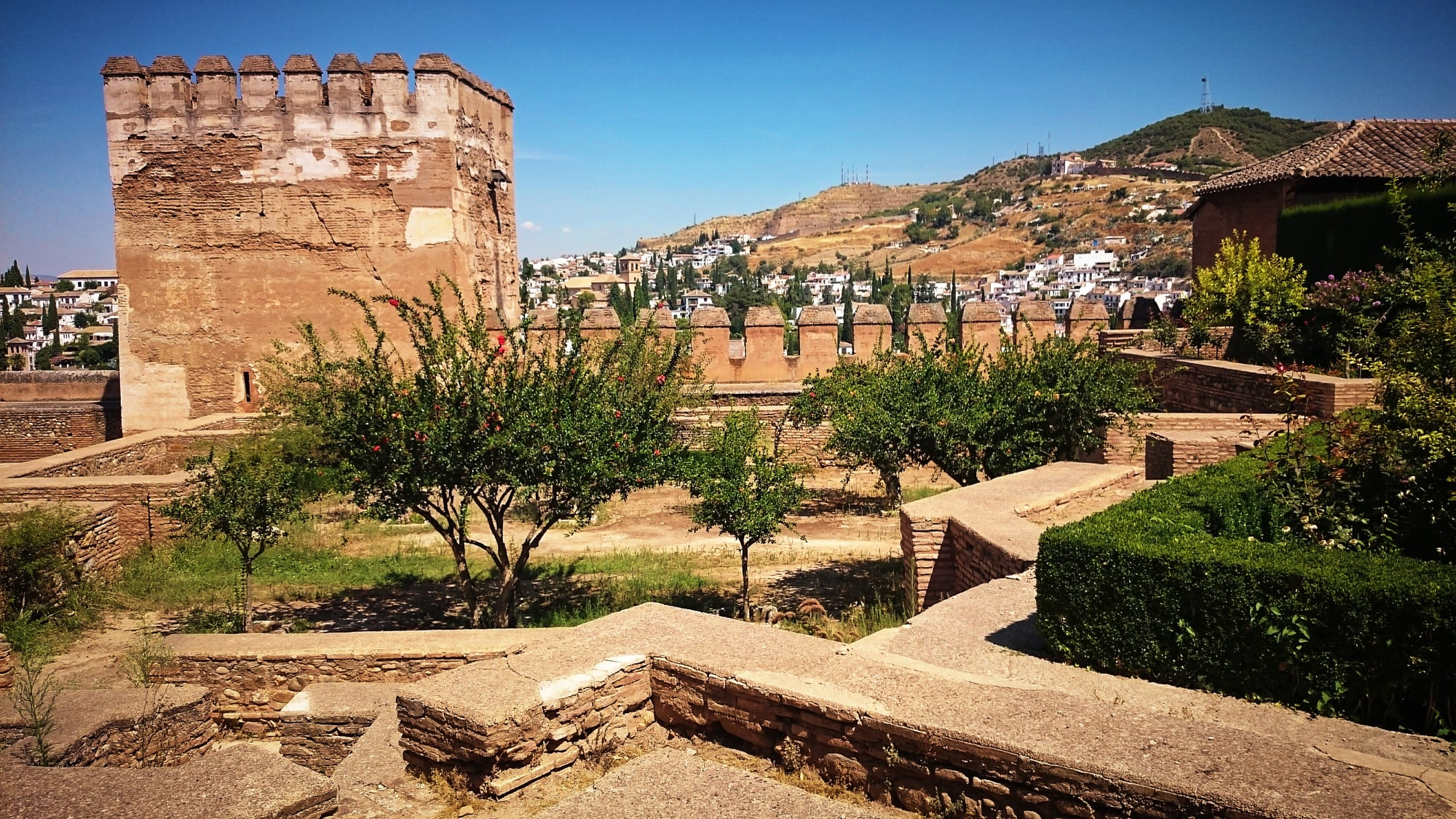
Islamic architecture integrated gardens into urban buildings as functional cooling systems, drawing on techniques that originated in pre-Islamic Persian architecture. Courtyard gardens in houses, mosques, and public buildings created microclimates.
Water features cooled air. Plants provided shade.
The enclosed space is protected from dust and heat while allowing airflow. These weren’t decorative additions.
They were climate control that happened to be beautiful. The design principles worked so well that they spread throughout the Islamic world from Spain to Central Asia.
Each region adapted the basic pattern to local conditions.Modern architects studying sustainable design in hot climates have rediscovered these principles. Green courtyards in urban buildings, interior gardens for climate control, and water features for cooling all echo these courtyard garden traditions.
The environmental function of gardens is being relearned from historical precedents.
Dutch Golden Age Gardens Showed Botanical Knowledge
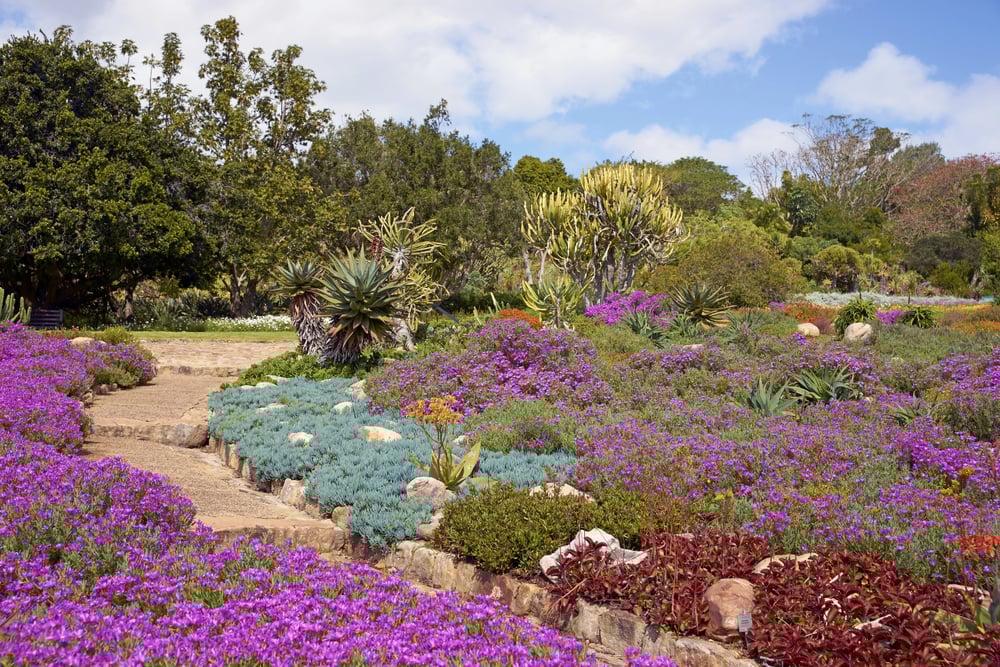
During the 17th century, Dutch wealth from trade allowed for elaborate gardens featuring exotic plants from around the world. These gardens were partly about display but also about scientific study.
Botanical knowledge advanced through collecting and cultivating new species. Tulip mania in the 1630s was primarily an economic and speculative phenomenon driven by many factors, though Dutch gardens had made tulips fashionable.
The economic bubble was remarkable, demonstrating how plant markets could become financial instruments. Dutch gardens also popularized bulb plants more generally and refined techniques for forcing blooms.The integration of botanical science with garden design influenced later botanical gardens worldwide.
The idea that gardens could be places of learning and research as well as beauty traces to Dutch precedents. Modern botanical gardens trying to balance public enjoyment with plant conservation are following a model the Dutch helped establish.
Victorian Public Parks Democratized Gardens
Before the 19th century, elaborate gardens were private—available only to wealthy landowners and their guests. Victorian reformers pushed for public parks that would bring garden benefits to urban populations.
Parks would provide fresh air, recreation space, and moral improvement to the working classes. Birkenhead Park in England, opened in 1847, was the first publicly funded civic park of its scale, though earlier European cities had smaller public green spaces.
It influenced Central Park in New York and countless other urban parks. The idea that cities should include large parks accessible to everyone was relatively new.
Previously, most urban green space was either private or limited commons areas.This movement permanently changed urban planning. Modern cities are expected to include parks.
The quality and accessibility of parks affects property values and livability assessments. The Victorian innovation of treating large parks as public infrastructure rather than private luxury reshaped cities worldwide.
Modern Botanical Gardens Balance Science and Beauty
Contemporary botanical gardens evolved from earlier traditions but added conservation missions in the 20th century. Earlier institutions like Kew Gardens focused on imperial botany and economic plants.
Now they’re not just displaying plants—they’re preserving species, researching plant biology, and educating the public about environmental issues.Places like Kew Gardens in London and the Missouri Botanical Garden maintain seed banks, study endangered species, and work on ecological restoration.
The garden becomes a tool for addressing environmental challenges while remaining a designed landscape for public enjoyment. This dual purpose creates design challenges.
How do you make a space beautiful and accessible while serving serious scientific functions? How do you balance rare species preservation with popular displays?
Modern botanical gardens are figuring out how historic garden traditions can serve contemporary environmental needs. They’re not just inheriting traditions—they’re transforming them for new purposes.
Gardens Keep Evolving
These old gardens weren’t set in stone. One built on the last, shaping the next one down the line.
The structured French style pushed against older forms, sparking a looser English take. Ideas from Japan touched modern Western simplicity, which later looped back into new Japanese work.
Today’s outdoor spaces borrow ideas – now and then – from many old styles. One current yard could mix a four-part Persian layout with wilder English plant groupings, quiet Japanese touches, yet still welcome everyone like Victorian parks did.
Folks who plan them choose bits that fit where they’re building. The talk between old traditions and today’s demands keeps going.
Modern garden layouts will affect future designs, much like classic ones still guide our idea of outdoor areas. These forms stick around since they fix real issues – ways to arrange space, include water features, or make visuals that do more than just impress.
Every era takes past ideas, tweaks them a bit, preserving the core while nudging things ahead.
More from Go2Tutors!

- The Romanov Crown Jewels and Their Tragic Fate
- 13 Historical Mysteries That Science Still Can’t Solve
- Famous Hoaxes That Fooled the World for Years
- 15 Child Stars with Tragic Adult Lives
- 16 Famous Jewelry Pieces in History
Like Go2Tutors’s content? Follow us on MSN.