Currency Designs With Hidden Meanings Most People Miss
You handle money every day without really looking at it. Bills pass through your hands dozens of times a week, yet most people never notice the deliberate symbols, historical references, and coded messages embedded in their design.
Currency isn’t just functional — it’s a carefully crafted piece of national storytelling that reveals far more than its face value suggests.
The Eye of Providence on the Dollar Bill
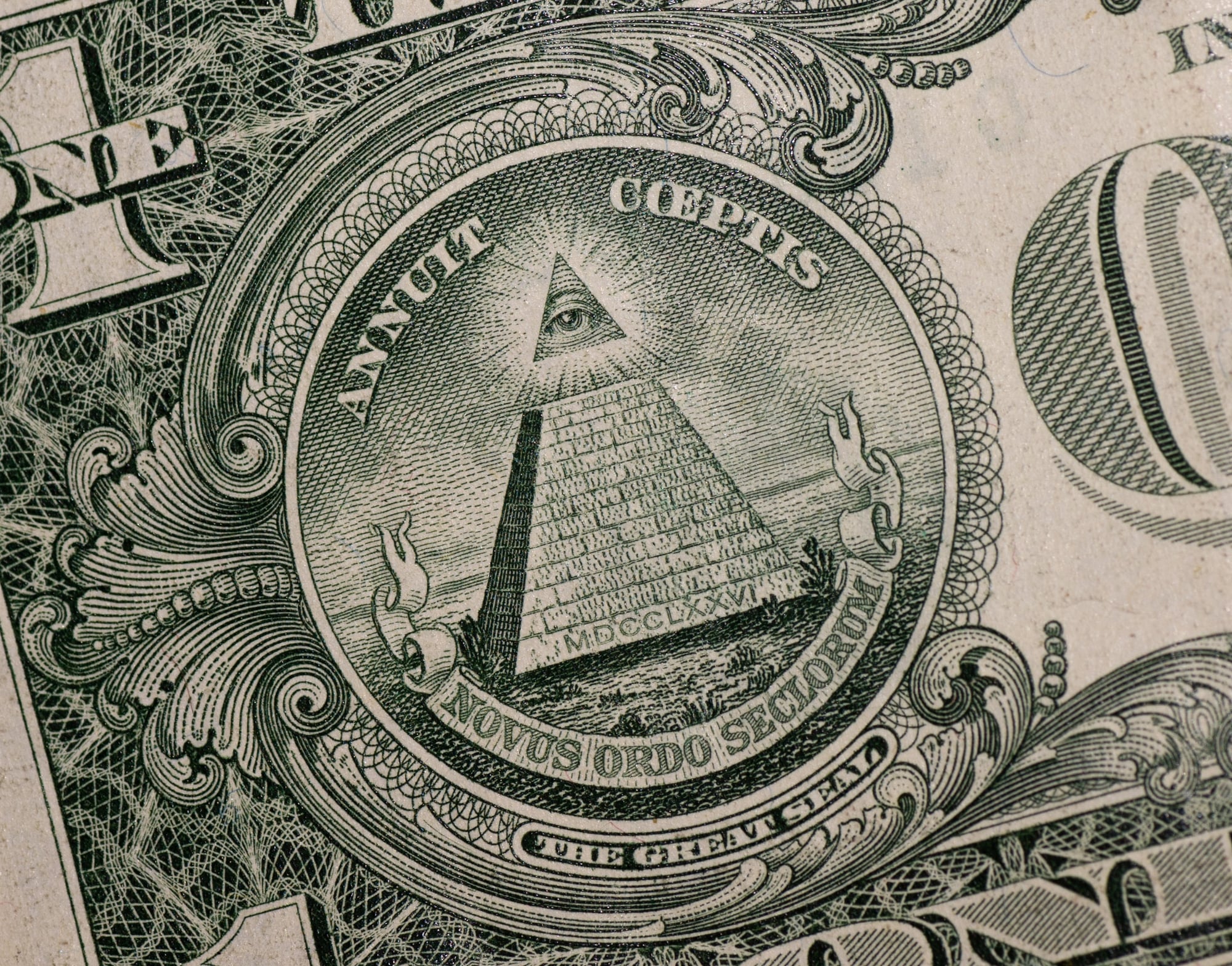
The floating eye above the pyramid isn’t Masonic symbolism gone rogue. It represents divine providence watching over the new nation, though conspiracy theorists have turned it into something far more sinister.
The Latin phrase “Annuit Coeptis” translates to “He has favored our undertakings” — a direct reference to God’s blessing on American independence.
The unfinished pyramid below tells its own story. Thirteen steps represent the original colonies, while the missing capstone suggests the nation was still under construction when the design was approved in 1782.
The Roman numerals MDCCLXXVI at the base mark 1776, but they’re placed there as a foundation date, not just a historical footnote.
Hidden Spiders and Owls in Paper Money
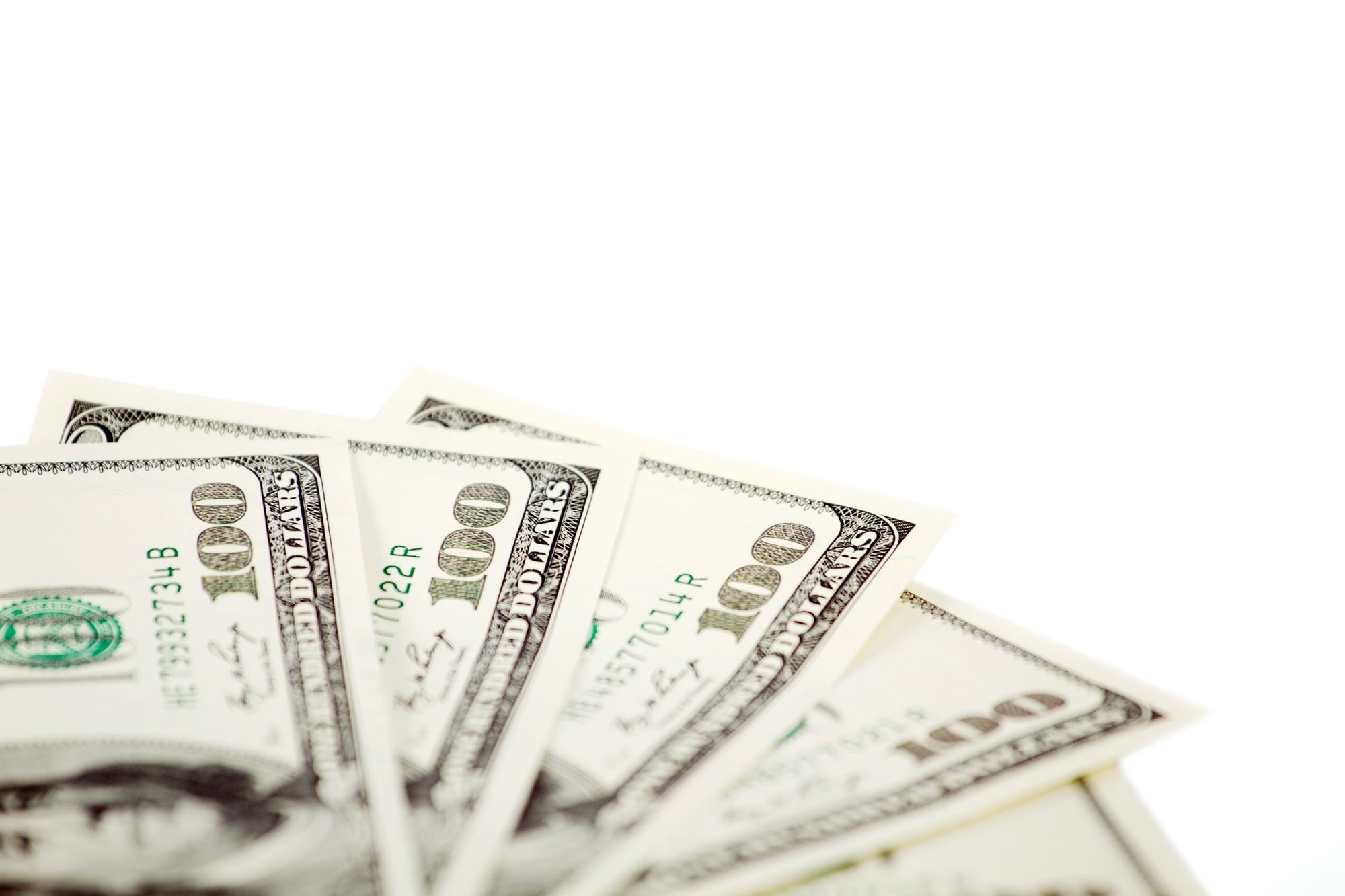
Modern U.S. currency employs numerous verified anti-counterfeiting measures including security threads, color-shifting ink, and microprinting. While urban legends periodically circulate claiming hidden spiders or owls appear on dollar bills when folded or viewed at certain angles, these are internet hoaxes without basis in actual currency design.
The genuine security features on currency are well-documented by the Bureau of Engraving and Printing and require no hidden decoding through creative folding techniques.
Sacred Geometry in Currency Layout
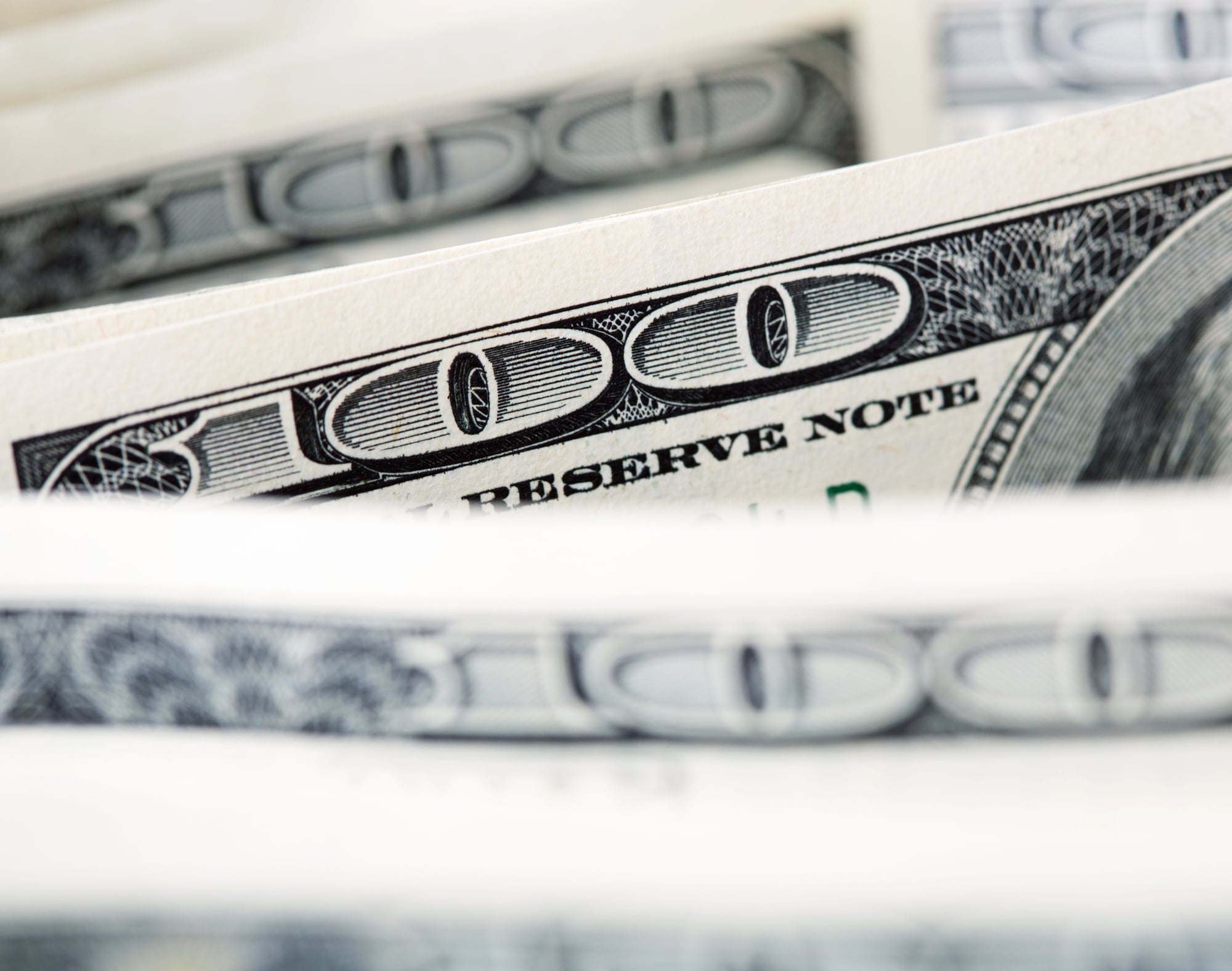
Money is a temple built from numbers, and the proportions follow rules older than the countries that print it. The golden ratio appears throughout American currency design — not as decoration, but as a mathematical harmony that the human eye finds naturally pleasing (even when it doesn’t consciously recognize why).
The placement of portraits, the sizing of text blocks, the spacing between design elements: all calculated to create subconscious trust through geometric perfection.
And yet this precision serves a practical purpose beyond aesthetics. Counterfeiters can copy images and replicate colors, but few understand the mathematical relationships that govern authentic currency layout.
So the sacred geometry becomes a security feature disguised as artistic choice — which is probably exactly what the designers intended.
Color-Changing Ink Messages
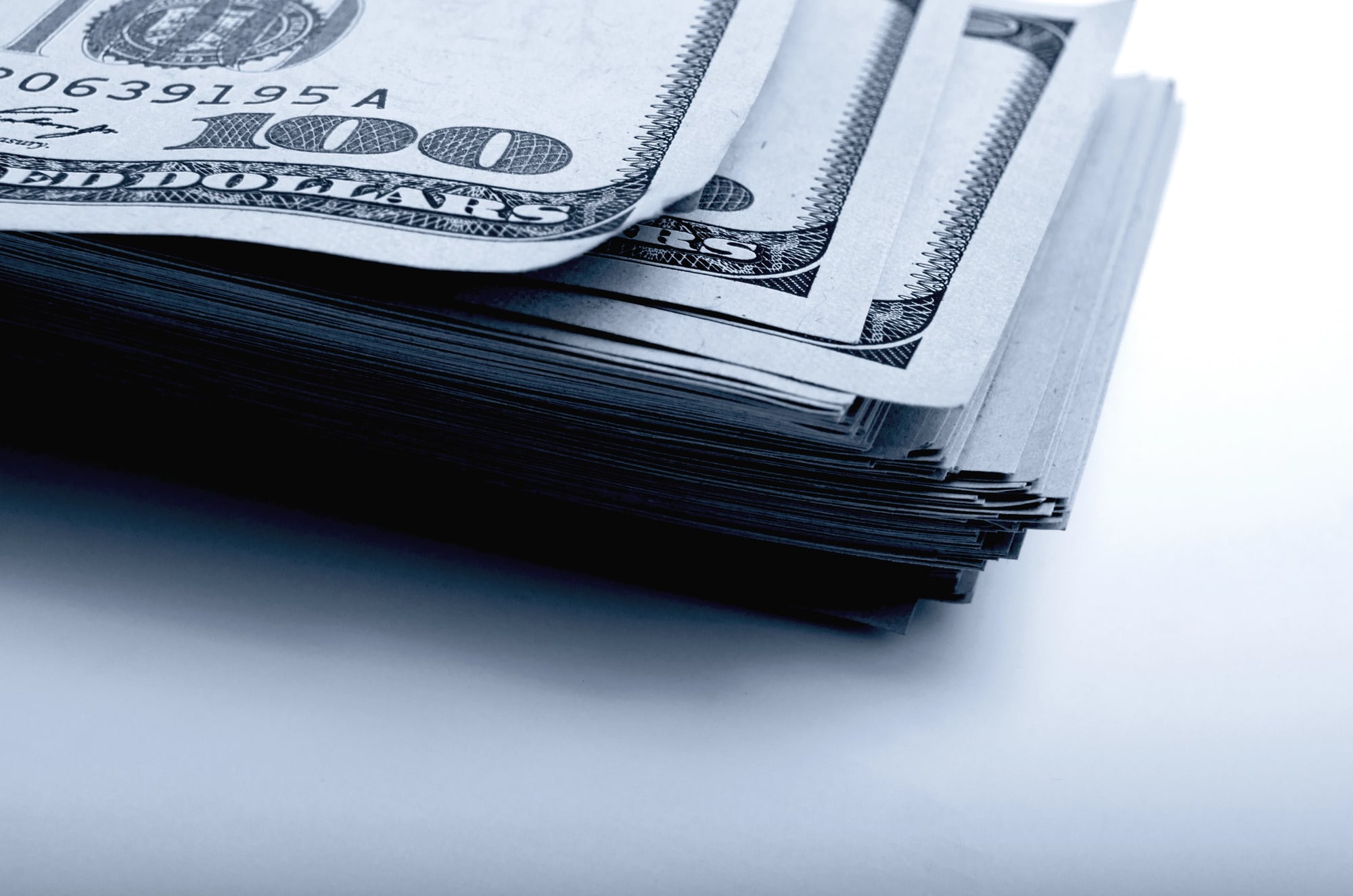
That shifting green-to-copper ink on newer bills isn’t just showing off. The color change reveals different numbers depending on the viewing angle, creating a simple authenticity test anyone can perform.
Tilt a twenty-dollar bill and watch the “20” in the lower right corner cycle through its color spectrum — but look closer and the number itself appears to move slightly as the hue shifts.
This optical effect requires specialized ink that costs more per ounce than the bill itself is worth. Counterfeiters can’t access it legally, and creating a substitute that behaves identically has proven nearly impossible.
The color change is bold enough that everyone notices it, but the technical challenge behind replicating it remains formidable.
Microprinting Throughout Currency
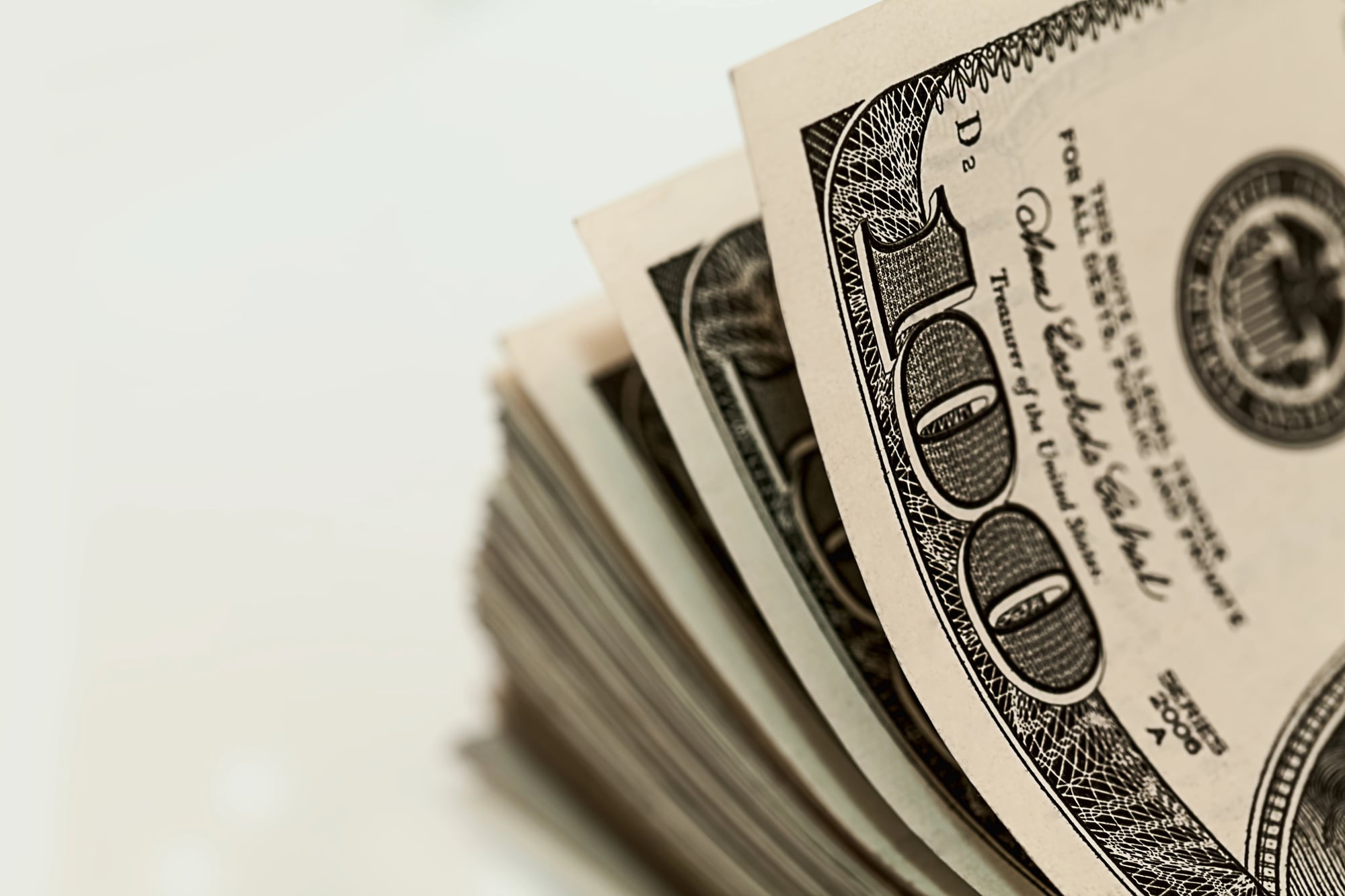
Read the tiny text around Lincoln’s portrait on a five-dollar bill and you’ll discover entire sentences printed in letters smaller than periods. “The United States of America” curves along Lincoln’s jacket lapel, while “Five Dollars” repeats endlessly around the Lincoln Memorial on the reverse.
These microscopic words look like decorative lines from a normal viewing distance.
Standard photocopiers and desktop printers can’t resolve text this small clearly. The letters blur together into gray lines, immediately revealing counterfeit attempts.
But legitimate bills display each character with crisp precision when viewed under magnification — a security feature hiding in plain sight that most people mistake for decorative border patterns.
Masonic Symbolism Beyond the Eye
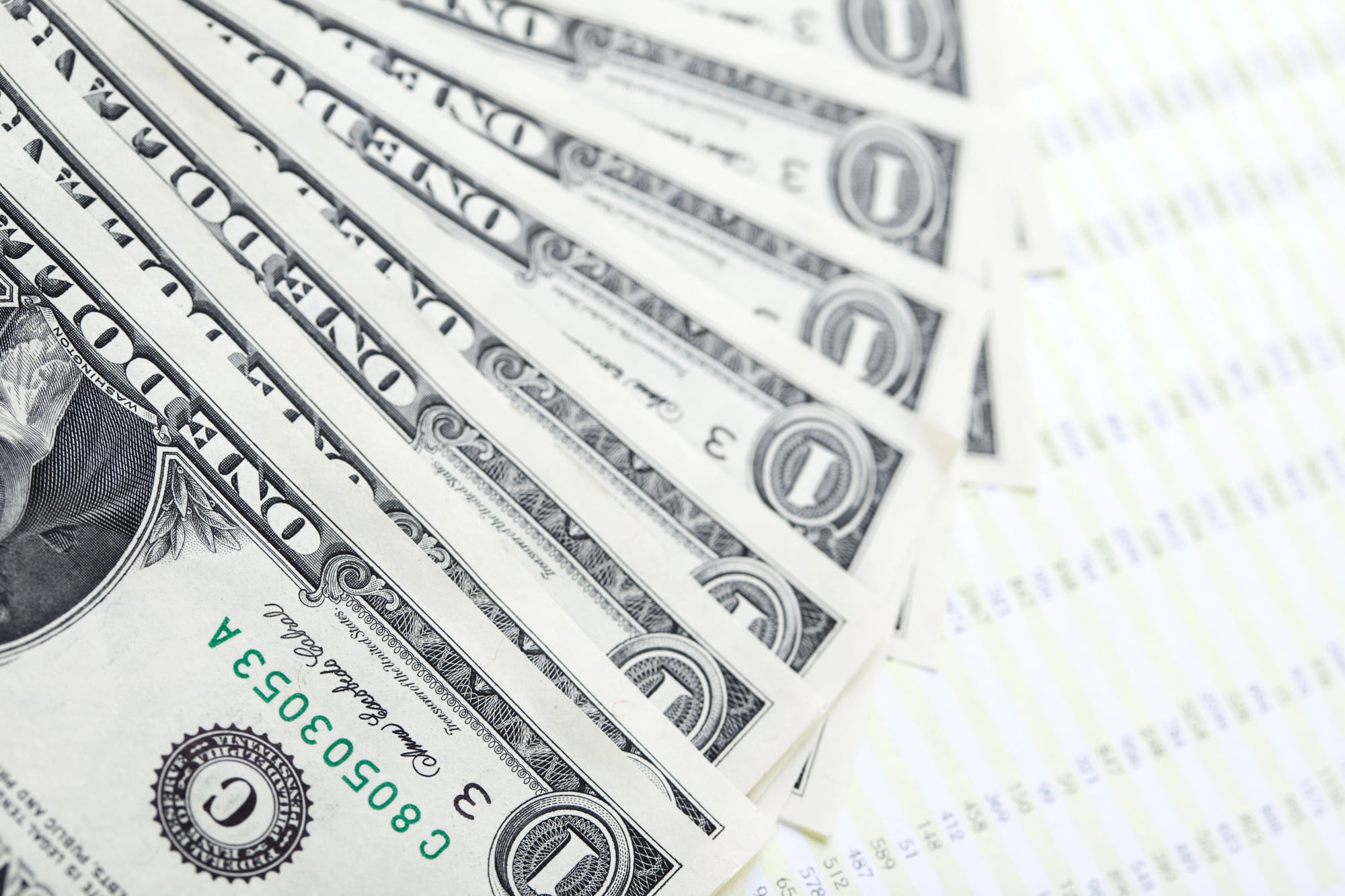
The square and compass appear subtly throughout American currency, though not where conspiracy websites claim to find them. Look at the intersecting lines in the Treasury seal — the balanced scales rest atop a carpenter’s square, while the key’s teeth form compass-like angles.
These weren’t accidents in an era when many founding fathers belonged to Masonic lodges.
The number 13 dominates dollar bill design with Masonic precision: 13 stars above the eagle, 13 stripes on the shield, 13 arrows in the left talon, 13 olive branch leaves in the right.
But this repetition serves dual purposes — honoring both the original colonies and Masonic traditions that revered the number. The symbolism was intentional, though its meaning extends beyond any single interpretation.
Security Threads That Tell Stories
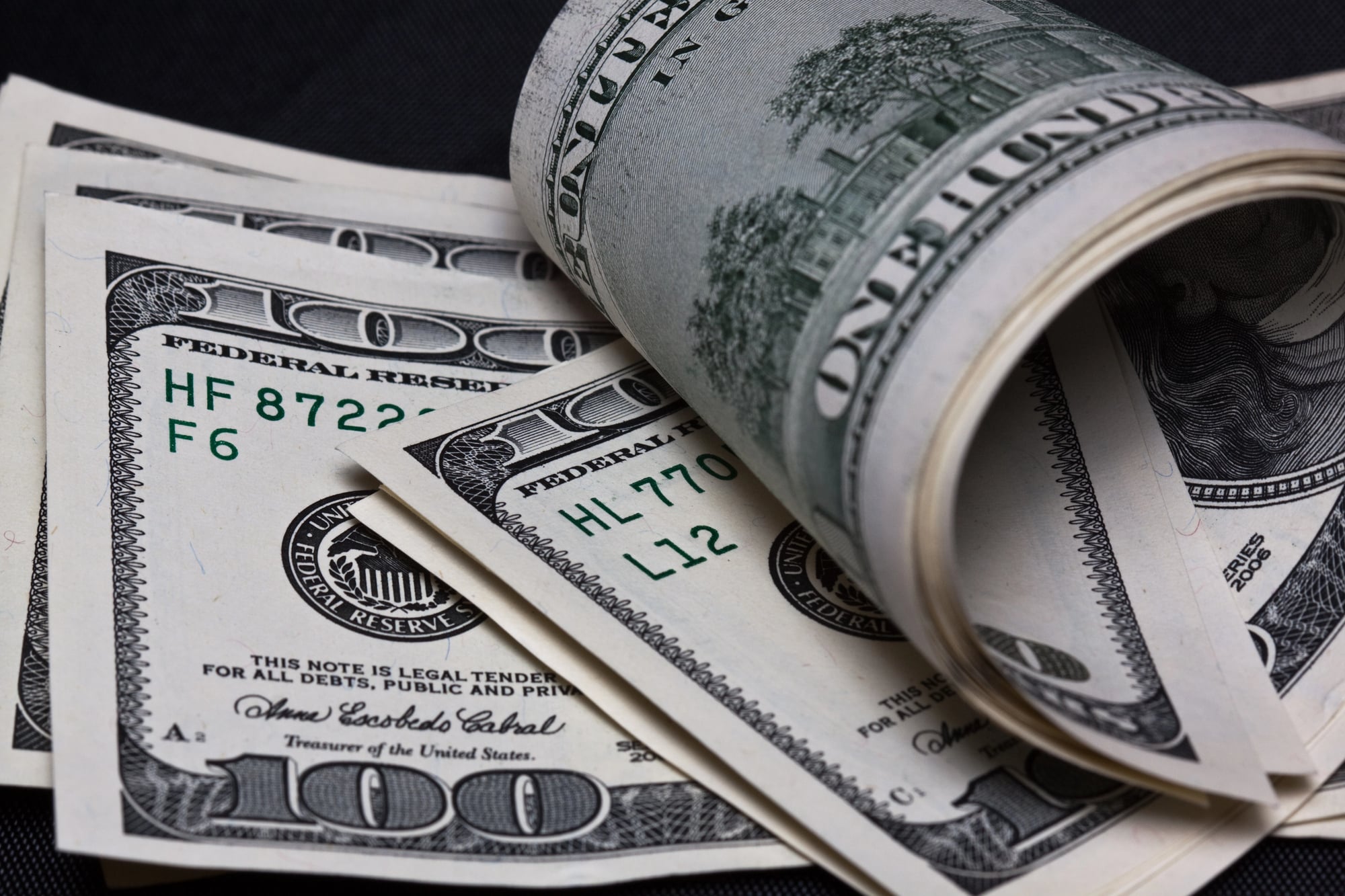
Hold most bills up to the light and you’ll see a thin vertical line running through the paper. But that security thread contains more than just verification marks — it’s printed with microscopic text that identifies the bill’s denomination in multiple languages.
A twenty-dollar bill’s thread reads “USA TWENTY” repeatedly, along with a tiny flag pattern visible only under magnification.
The thread’s position shifts for each denomination, creating a simple sorting system for automated counting machines. More importantly, the thread is embedded during the papermaking process, not added afterward, making it impossible to replicate without access to the Bureau of Engraving and Printing’s specialized equipment.
Counterfeiters can print fake threads onto bills, but they can’t weave them through the paper itself.
Portraits With Deliberate Imperfections
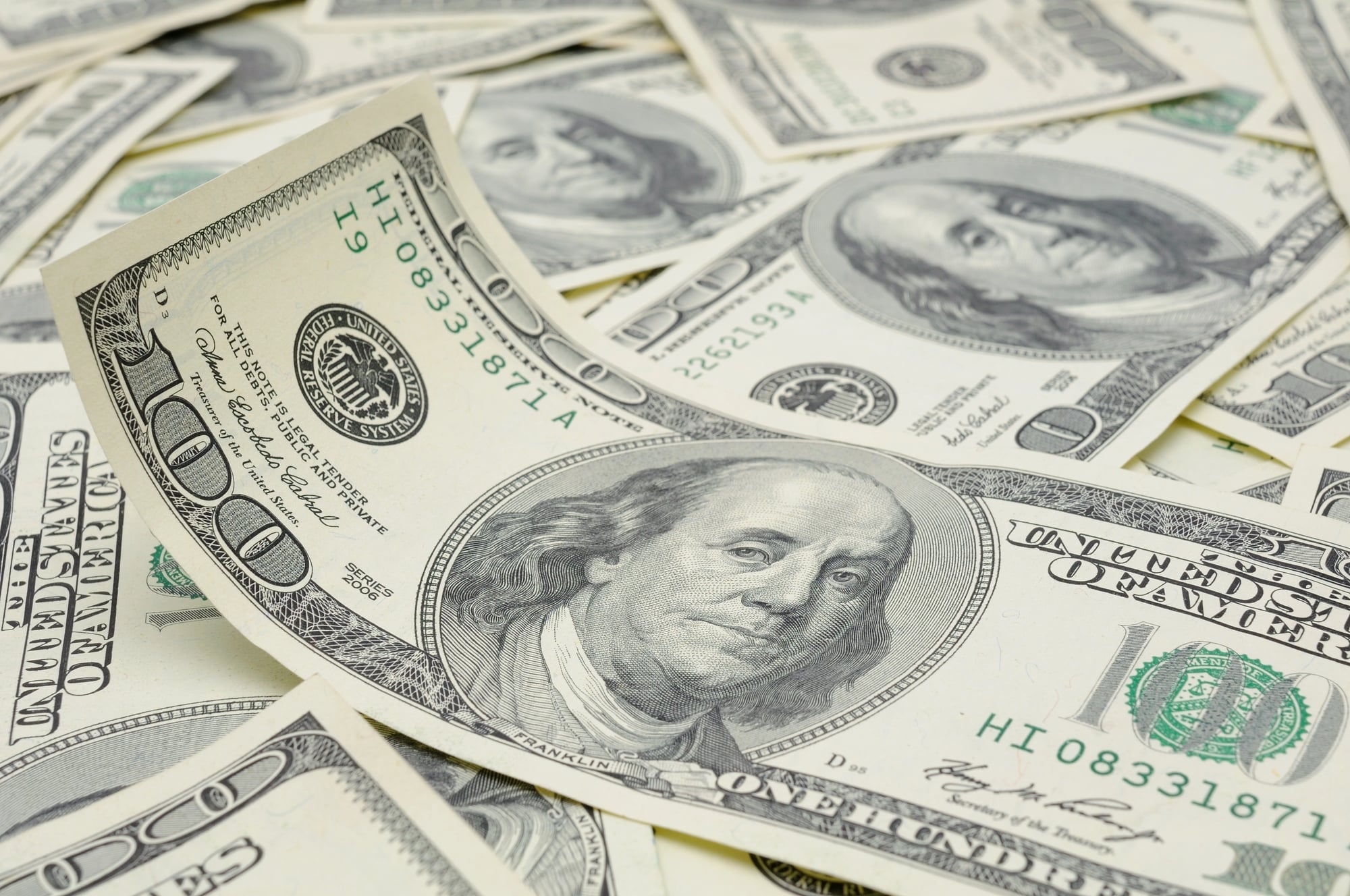
Washington’s face on the dollar bill contains intentional flaws that serve as authentication markers. The crosshatching in his hair follows specific patterns that become irregular in precise spots — irregularities that look natural but follow a coded system.
Counterfeiters copying the portrait typically smooth out these “imperfections,” not realizing they’re removing security features.
The eyes receive particular attention in currency portraits. Washington’s pupils contain tiny geometric patterns invisible without magnification, while Lincoln’s eyes on the five-dollar bill include microscopic text.
These details require specialized engraving techniques that take years to master and equipment that costs millions to acquire. The human face becomes a security device disguised as portraiture.
Mathematical Sequences in Serial Numbers
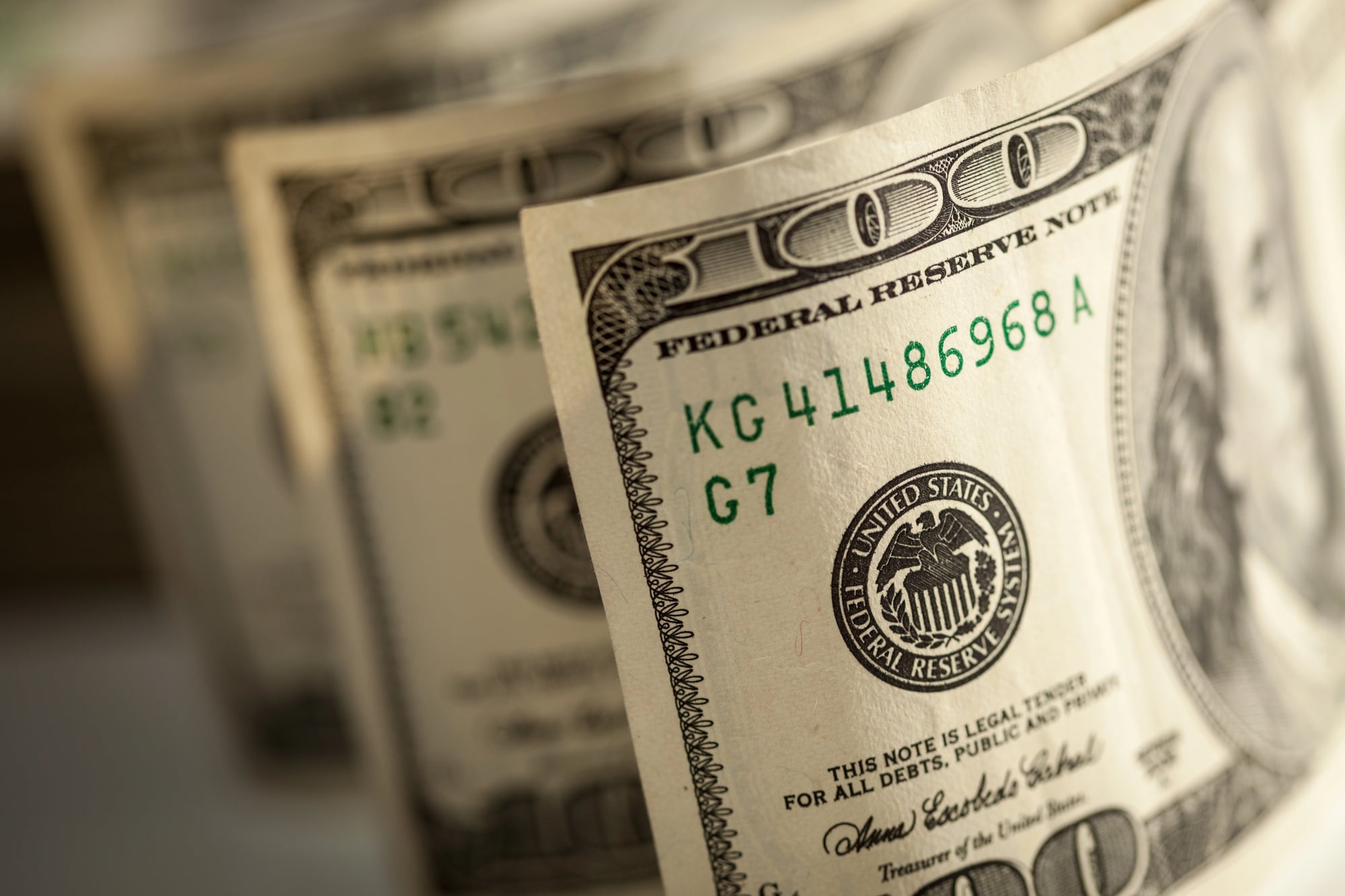
Those random-looking serial numbers aren’t random at all. Each follows a complex mathematical formula that authenticates the bill and tracks its printing sequence.
The Bureau of Engraving and Printing can determine exactly when and where any bill was manufactured just from its serial number — information encoded in what appears to be arbitrary letter and number combinations.
Certain serial number patterns indicate test runs, replacement bills, or special printing batches. Star notes — bills with asterisks after their serial numbers — replace defective currency during production and become valuable to collectors precisely because their numbering system differs from standard bills.
The math behind serial numbers reveals the entire manufacturing history of each individual bill.
Watermarks That Change Meaning
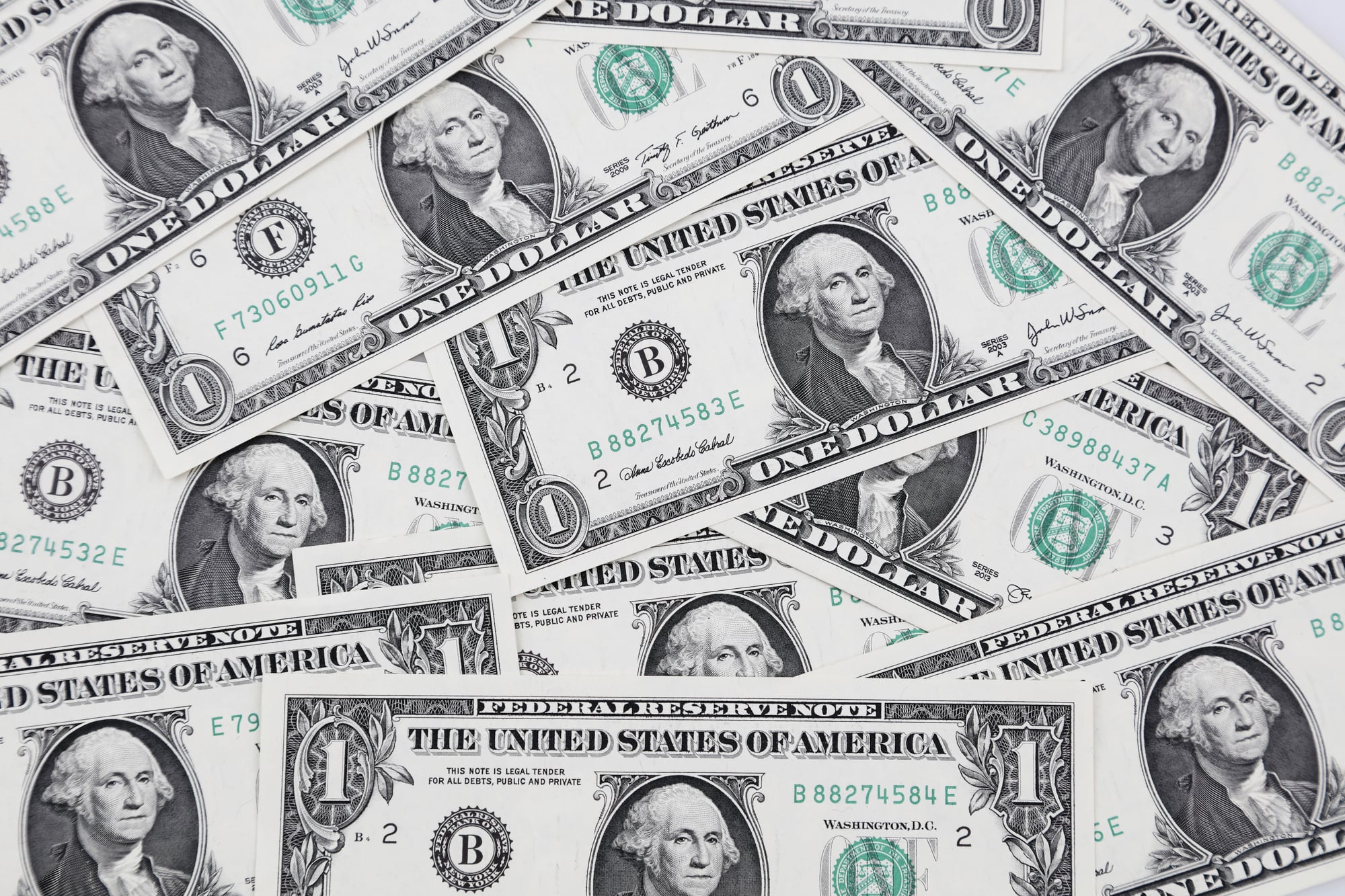
The watermark visible when holding currency to light doesn’t just repeat the portrait — it tells a different story entirely. Benjamin Franklin’s watermark on hundred-dollar bills shows him at a different age than his printed portrait, creating two separate authentication points on the same bill.
The watermark Franklin appears younger, capturing him during his diplomatic years rather than his elder statesman period.
This dual-portrait approach makes counterfeiting exponentially more difficult. Forgers must replicate not just one likeness but two, ensuring both match their respective historical periods while using completely different production techniques.
The watermark exists in the paper’s fiber structure, while the portrait sits on the surface — a combination that requires separate specialized processes to execute convincingly.
Hidden Maps and Geographic References
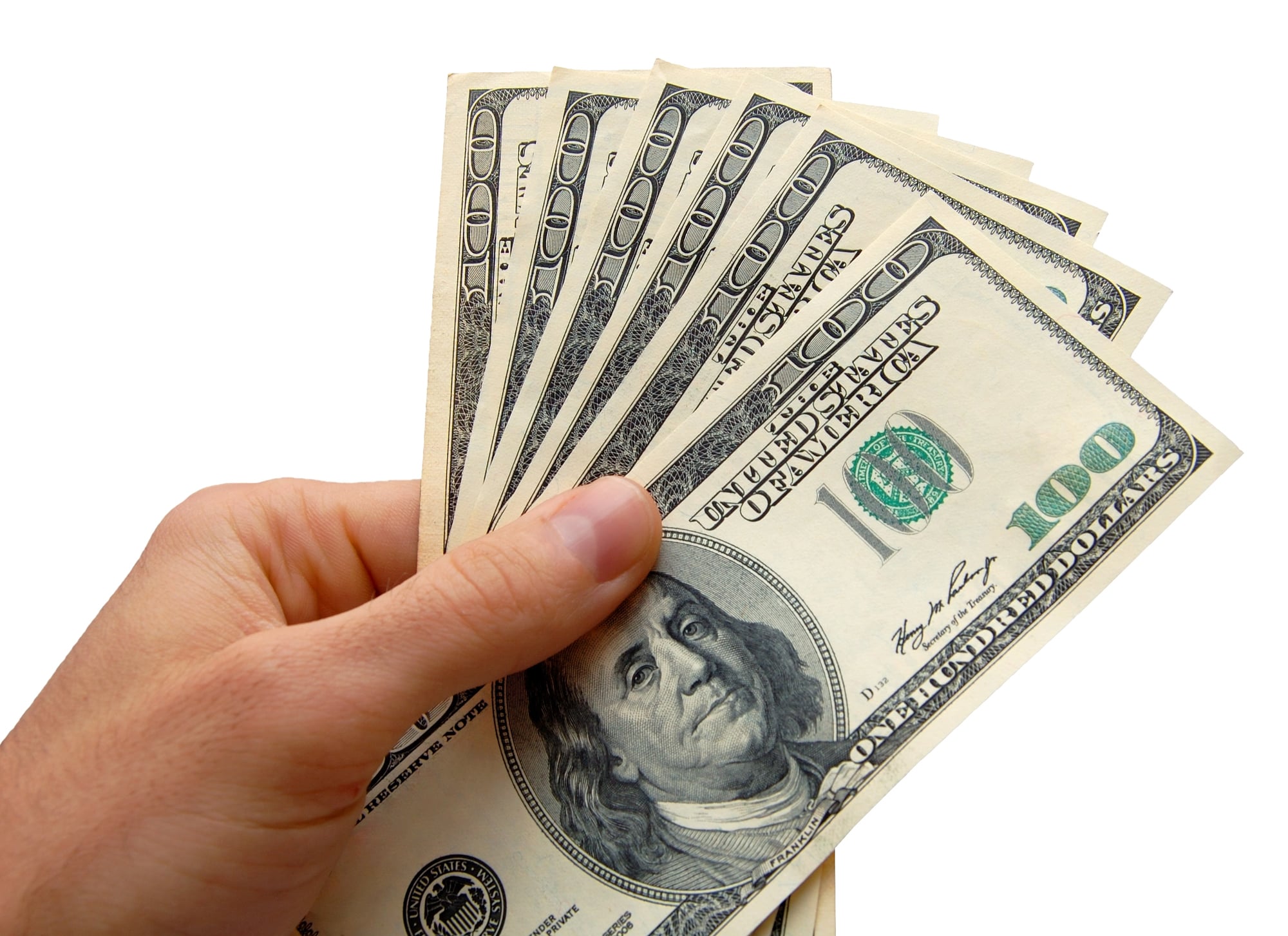
The Treasury Building on the back of ten-dollar bills isn’t just architectural decoration — it’s positioned to show specific windows and columns that reference geographic coordinates. The number of visible columns corresponds to longitude markers, while the window pattern encodes latitude references for the building’s actual location.
This geographic encoding creates yet another layer of authentication.
State quarters take this concept further, embedding geographic coordinates for state capitals in their border designs. The placement of stars, the angles of design elements, even the specific fonts chosen all reference mapping data that connects each quarter to its geographic origin.
Currency becomes cartography disguised as commemoration.
Invisible Ink Under Ultraviolet Light
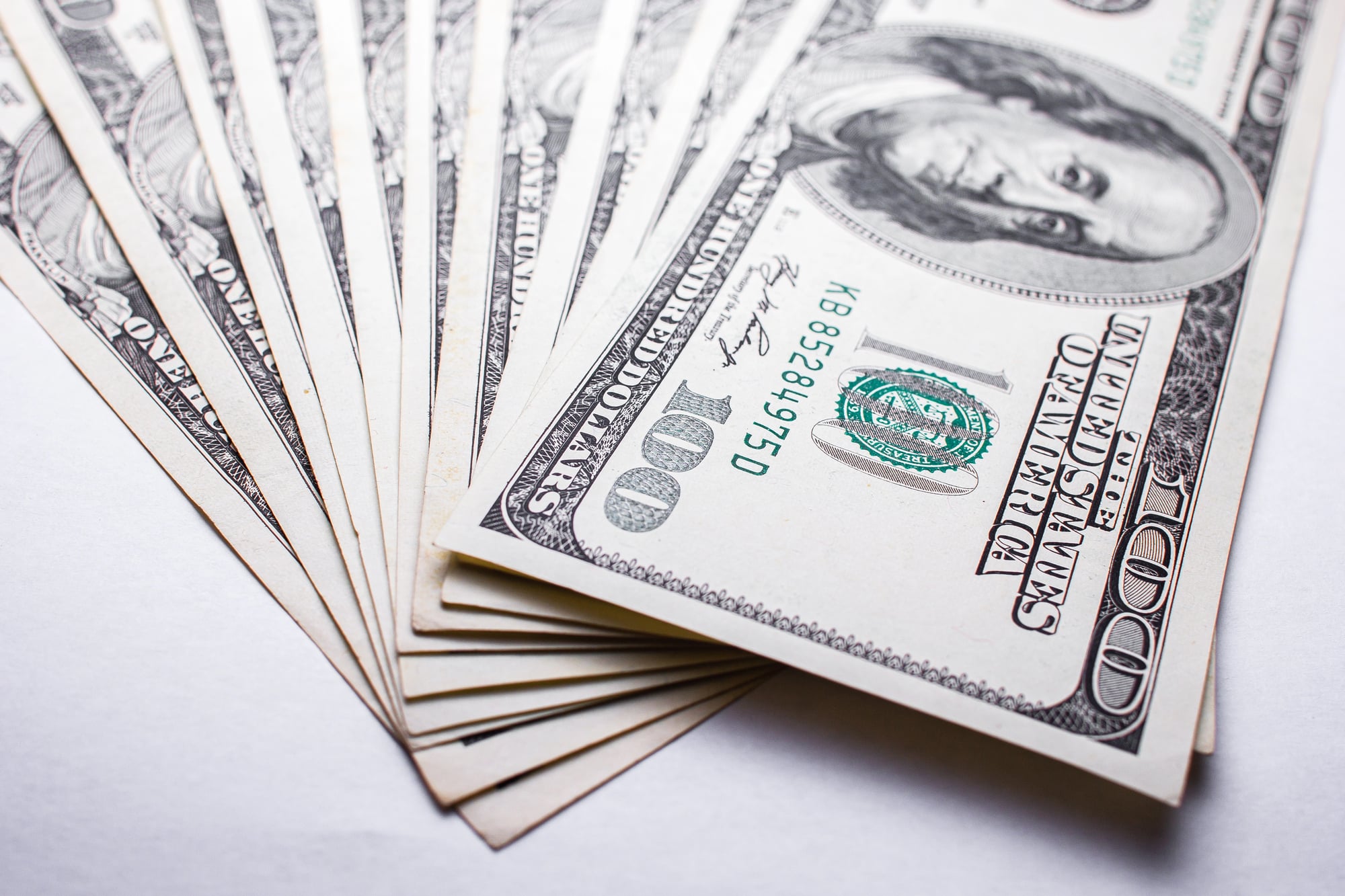
Shine a blacklight on most modern currency and hidden images appear in brilliant colors. The security thread glows specific hues for each denomination — blue for hundreds, green for twenties — while invisible ink reveals additional text and symbols throughout the design.
These ultraviolet features remain completely hidden under normal lighting conditions.
The invisible ink contains compounds that fluoresce only under specific wavelengths, making them impossible to replicate with standard printing techniques. More sophisticated versions respond to different types of ultraviolet light with varying intensity, creating multiple layers of hidden authentication.
What appears blank to the unaided eye becomes a complex security display under the right conditions.
Raised Printing That Tells Touch Stories
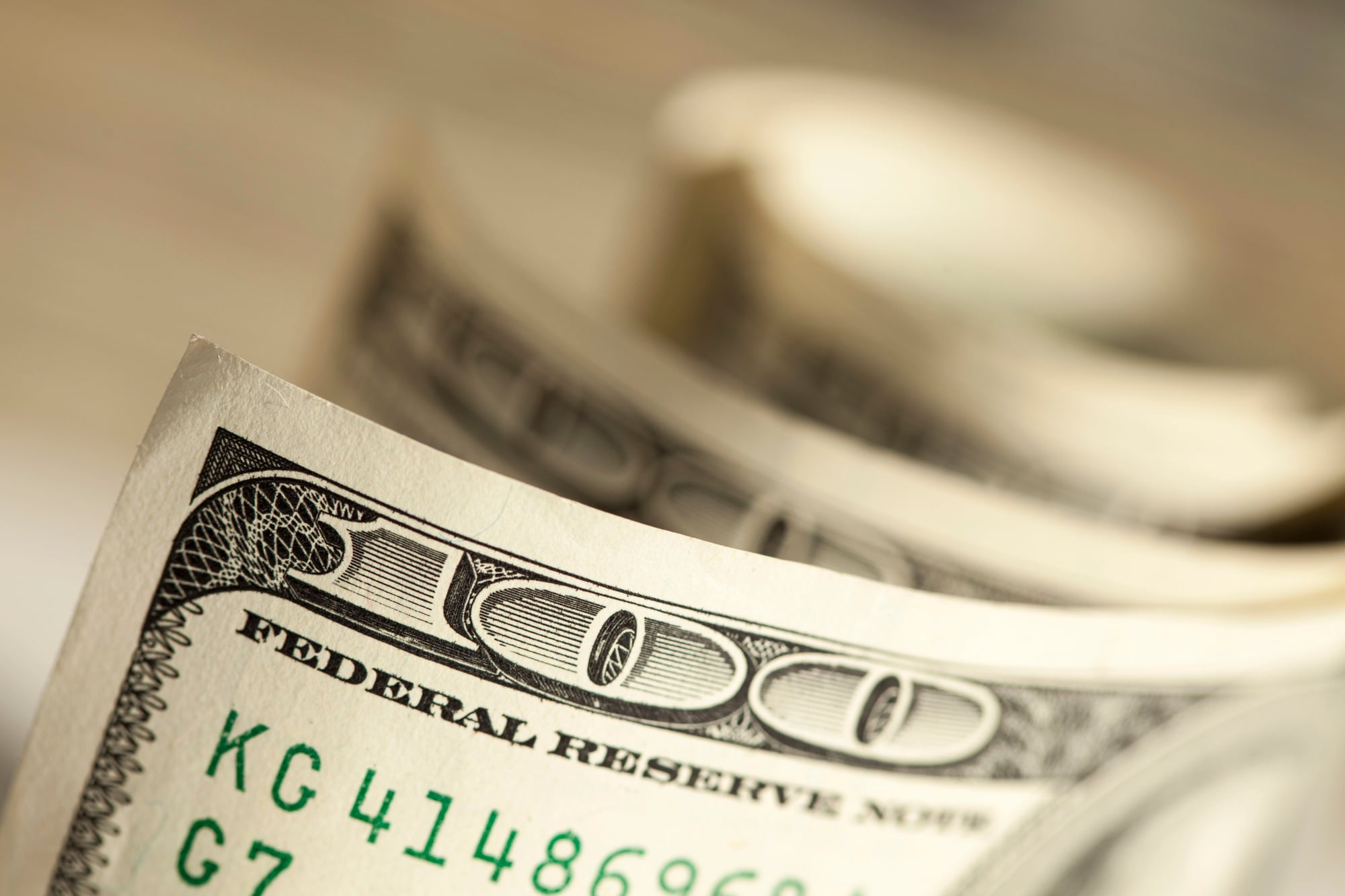
Run your finger across genuine currency and you’ll feel the texture of raised printing — a tactile security feature that serves dual purposes. The raised elements help visually impaired individuals distinguish between denominations by touch alone, while simultaneously creating another counterfeiting barrier.
This intaglio printing technique requires specialized presses and plates that cost millions to acquire.
The specific areas chosen for raised printing aren’t arbitrary. Portraits receive the heaviest texture, making them both visually striking and tactilely distinctive.
Treasury seals and serial numbers also feature raised elements, creating multiple touch points across each bill’s surface. Counterfeiters using standard printing methods produce flat reproductions that fail the simplest tactile test.
The Stories Money Tells
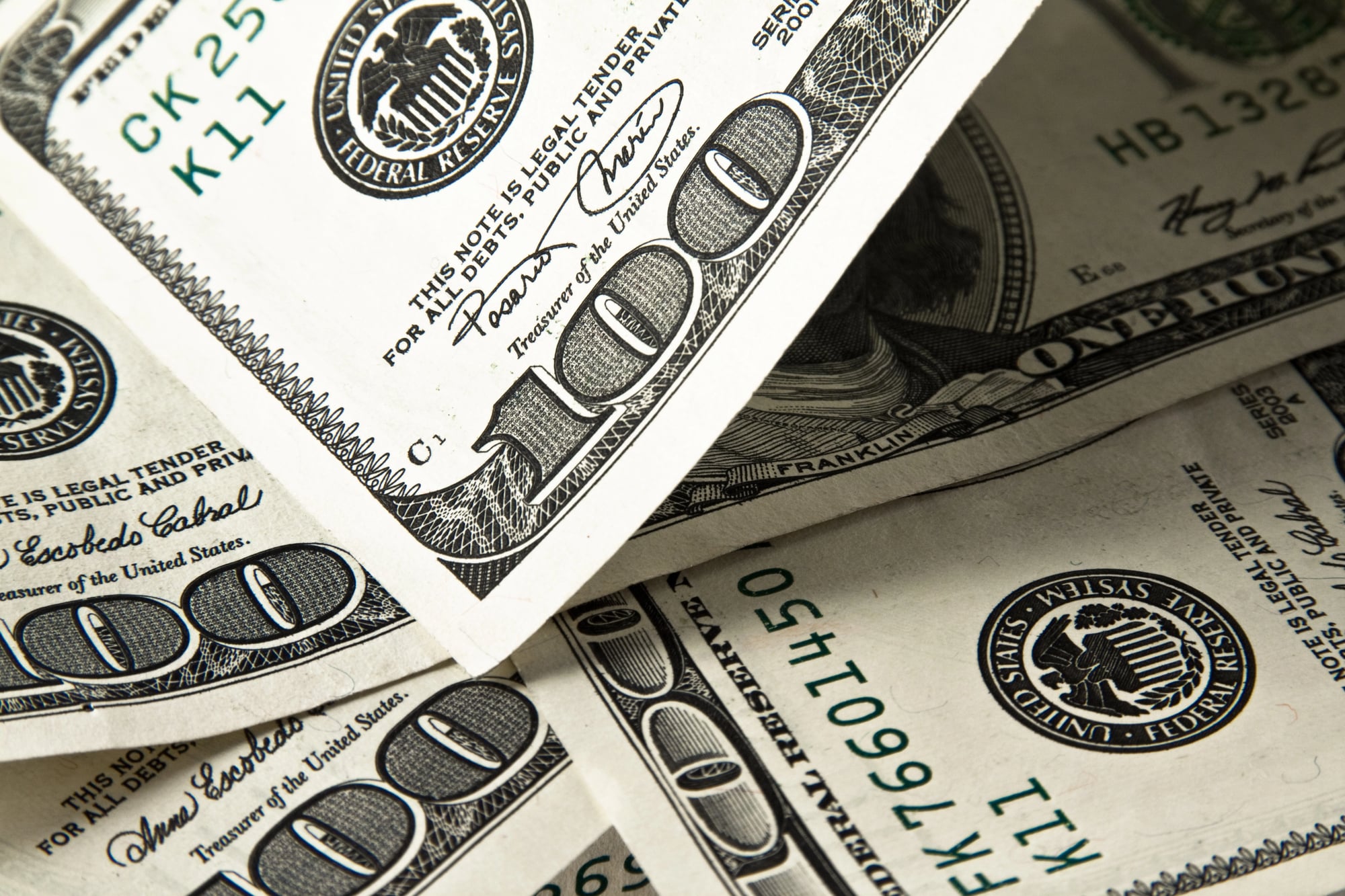
Currency design reveals national priorities with surprising honesty. The symbols chosen, the historical figures featured, the architectural landmarks displayed — all represent conscious decisions about which stories deserve permanent representation.
Every element that appears on money reflects what a society wants to remember about itself, while hidden security features reveal what it fears losing.
And so the bills in your wallet carry more than purchasing power. They’re archaeological artifacts from the moment of their creation, encoding the hopes, fears, and technical capabilities of their era.
The hidden meanings aren’t just artistic flourishes or security necessities — they’re time capsules disguised as legal tender, waiting for anyone curious enough to look closer.
What Your Pocket Reveals
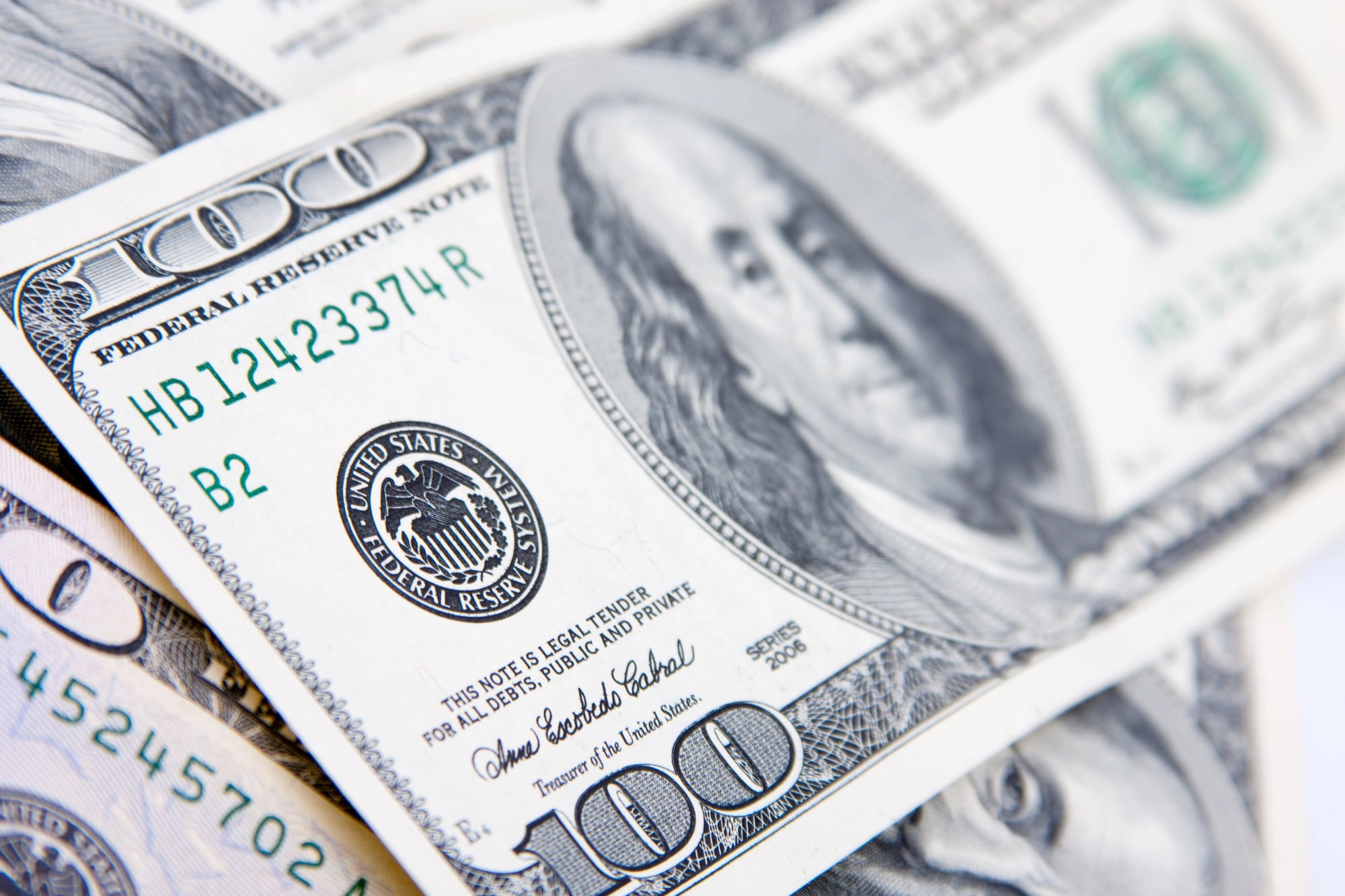
The next time you handle money, remember that you’re touching a small masterpiece of encoding and symbolism. Those bills represent thousands of hours of artistic work, mathematical precision, and security innovation compressed into something designed to feel ordinary.
The hidden meanings were never meant to stay hidden forever — they were meant to reward the careful observer while quietly doing their work of authentication and national storytelling. The stories are there, waiting in your pocket, for anyone who takes the time to read them.
More from Go2Tutors!

- The Romanov Crown Jewels and Their Tragic Fate
- 13 Historical Mysteries That Science Still Can’t Solve
- Famous Hoaxes That Fooled the World for Years
- 15 Child Stars with Tragic Adult Lives
- 16 Famous Jewelry Pieces in History
Like Go2Tutors’s content? Follow us on MSN.