31 Vintage Keychains Actually Worth Something
That junk drawer in your kitchen might be hiding something interesting. While most people toss keychains into the forgotten-trinket abyss, collectors are paying real money for the right vintage pieces — from promotional giveaways that accidentally became rare to commemorative items that captured cultural moments before anyone thought to preserve them.
The keychain collecting world runs on nostalgia, scarcity, and cultural significance. Brand loyalty, regional exclusivity, and production quirks all play into what makes one keychain worthless and another worth a dinner out — or more.
The prices below are rough ranges for clean, authentic examples in good condition, so treat them as guidance rather than guarantees, and get anything significant appraised before selling.
Coca-Cola Bottle Opener Keychains
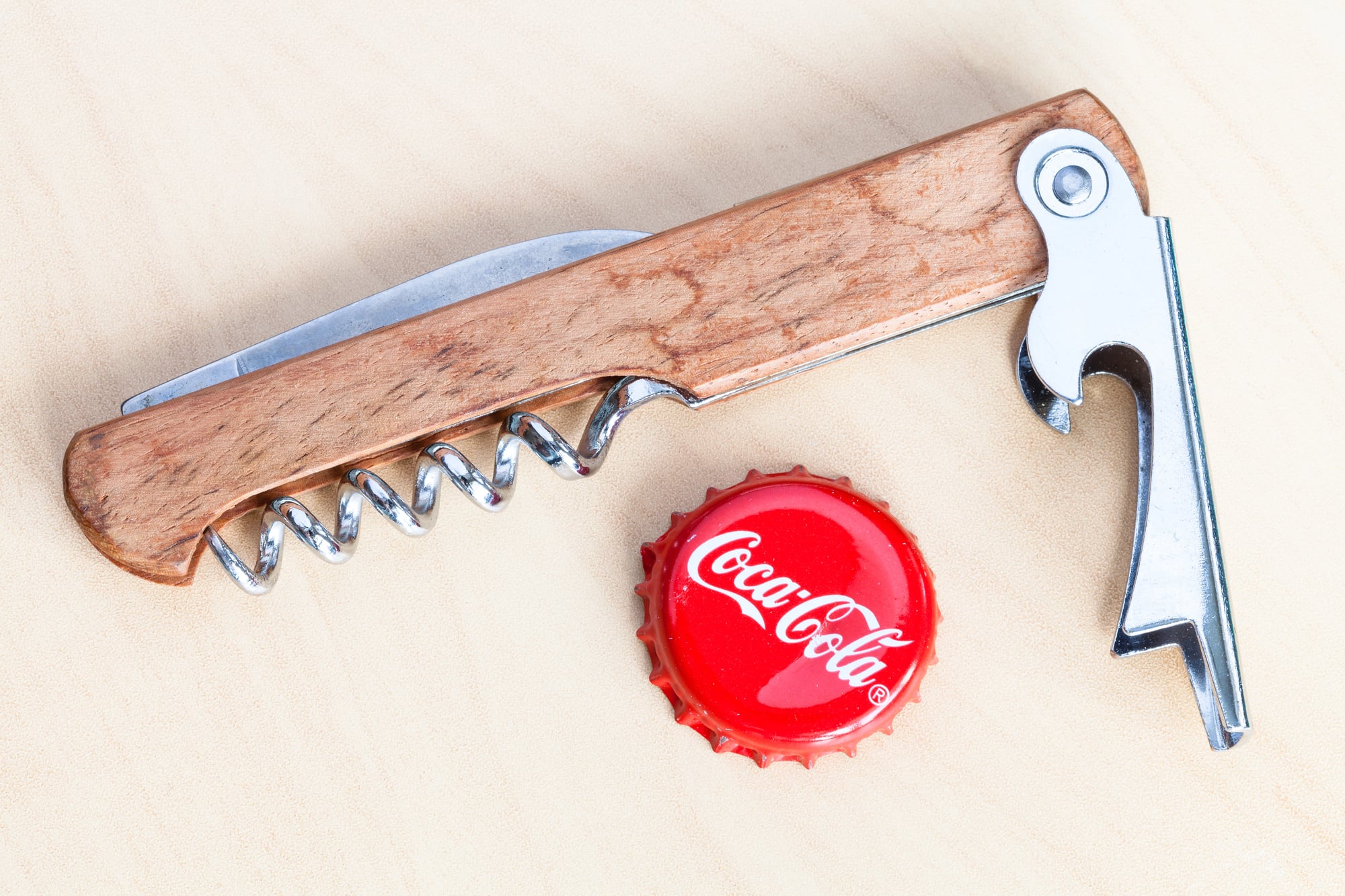
The holy grail of advertising keychains comes from the world’s most recognizable brand. Coca-Cola bottle opener keychains from the 1940s and 1950s regularly sell into the hundreds of dollars, with pristine examples occasionally reaching more.
The dual purpose — they actually got used and worn down — combined with the shift away from glass bottles in many markets makes survivors genuinely scarce. Regional variations drive the highest prices.
Keychains promoting local Coca-Cola bottling plants or featuring specific city names can double or triple the base value. Unusual colors help too — the standard red examples are common, but white, yellow, or blue promotional rarities are what collectors hunt obsessively.
Disney Character Keychains From Disneyland’s Opening Era
Disney’s early merchandise strategy was surprisingly restrained compared to today’s saturation approach, which is exactly why 1950s and 1960s Disneyland keychains command premium prices. Mickey Mouse, Donald Duck, and other classic characters in their vintage representations sell for anywhere from tens of dollars into the hundreds, depending on condition and character.
The manufacturing details most people overlook are the ones that determine real value. Early Disney keychains were often made by different companies under license, and certain manufacturers are more prized by collectors.
The casual seller has no idea which marking on the back determines whether their keychain is worth $50 or $500 — which creates opportunities for informed buyers trolling estate sales.
Phillips 66 Service Station Promotional Items
Gas station memorabilia occupies its own devoted corner of Americana collecting, where the more extinct the brand, the higher the prices climb. Phillips 66 keychains from mid-century promotional campaigns — those orange and black shield logos were everywhere once, which somehow makes them scarce now — sell in the tens to low hundreds of dollars when they surface in good condition.
The sweet spot involves keychains that advertised specific services or products rather than just the logo. Tire promotions, oil change reminders, or holiday campaigns created limited runs distributed to select stations.
Finding one of these feels like archaeological discovery, except the artifact pays for dinner rather than advancing human knowledge.
Harley-Davidson Dealer Keychains
Harley-Davidson’s dealer network operated like a franchise of small kingdoms throughout the mid-20th century, each with its own promotional materials and local identity. Keychains from defunct dealerships trade in the tens to low hundreds of dollars among collectors who appreciate both the brand mystique and the local history angle.
The most valuable pieces combine the Harley logo with specific dealer information — city names, addresses, or phone numbers that place them in time and geography. Anniversary keychains, when a dealership celebrated 10, 25, or 50 years in business, are the real prizes.
Those can reach several hundred dollars, assuming anyone kept them instead of losing them in a parking lot.
Early McDonald’s Promotional Keychains
McDonald’s promotional keychains from the 1960s and 1970s represent a specific moment when the company was expanding rapidly but hadn’t yet standardized its marketing materials completely. This created regional variations and limited-run promotions that now attract collectors who specialize in fast food memorabilia — yes, that’s a real collecting category.
The golden arches logo went through several design iterations during this period, and keychains reflect those changes in ways that help date them precisely. Early versions with the original arch design or specific menu promotions command the highest prices, with quality examples selling from the tens into the low hundreds of dollars.
Vintage Airline Keychains
Air travel was still genuinely glamorous in the 1950s and 1960s, and airlines produced attractive promotional materials that passengers actually wanted to keep. TWA, Pan Am, and other defunct carriers created keychains that now sell from the tens into the low hundreds of dollars, with international route promotions commanding the highest prices.
The appeal isn’t just nostalgia — it’s historical documentation. These keychains promoted routes that no longer exist, aircraft that have been retired for decades, and a service culture that disappeared when deregulation turned flying into a bus system with wings.
Keychains that advertise specific aircraft or exotic destinations that were new to American travelers are the most sought after.
Zippo Promotional Keychains
Zippo lighter keychains occupy a strange middle ground between advertising collectibles and functional items. The company distributed small keychain lighters as promotional gifts from the 1940s through the 1970s, many featuring company logos or event commemorations.
Working examples in good condition sell from the tens into the hundreds of dollars, depending on the promotional partner and rarity. Corporate promotions drive the highest values — keychains produced for specific companies to give to employees or customers.
Oil companies, tool manufacturers, and automotive brands frequently commissioned Zippo keychains, creating limited runs that were never sold to the general public. Finding one involves luck, estate sales, and the occasional elderly relative who worked for the right company at the right time.
Hotel And Motel Keychains From The Interstate Era

The interstate highway system created a boom in roadside hospitality from the 1950s through the 1970s, before chain motels standardized the American road trip experience. Independent motels and small hotel chains produced distinctive keychains as both advertising and practical gifts for guests who appreciated the reminder of their travels.
Holiday Inn keychains from the company’s early expansion period are particularly sought after, especially those featuring the classic orange and green logo design. Howard Johnson’s, with its distinctive orange roof architecture, created keychains that sell in the tens to low hundreds of dollars.
The real treasures are keychains from motels that didn’t survive the chain hotel invasion — places that existed only in regional markets and only for a few decades.
World’s Fair Commemorative Keychains
World’s Fair keychains represent captured moments of American optimism about technology and the future. The 1939 New York World’s Fair, with its Trylon and Perisphere symbols, produced keychains that can reach several hundred dollars in good condition.
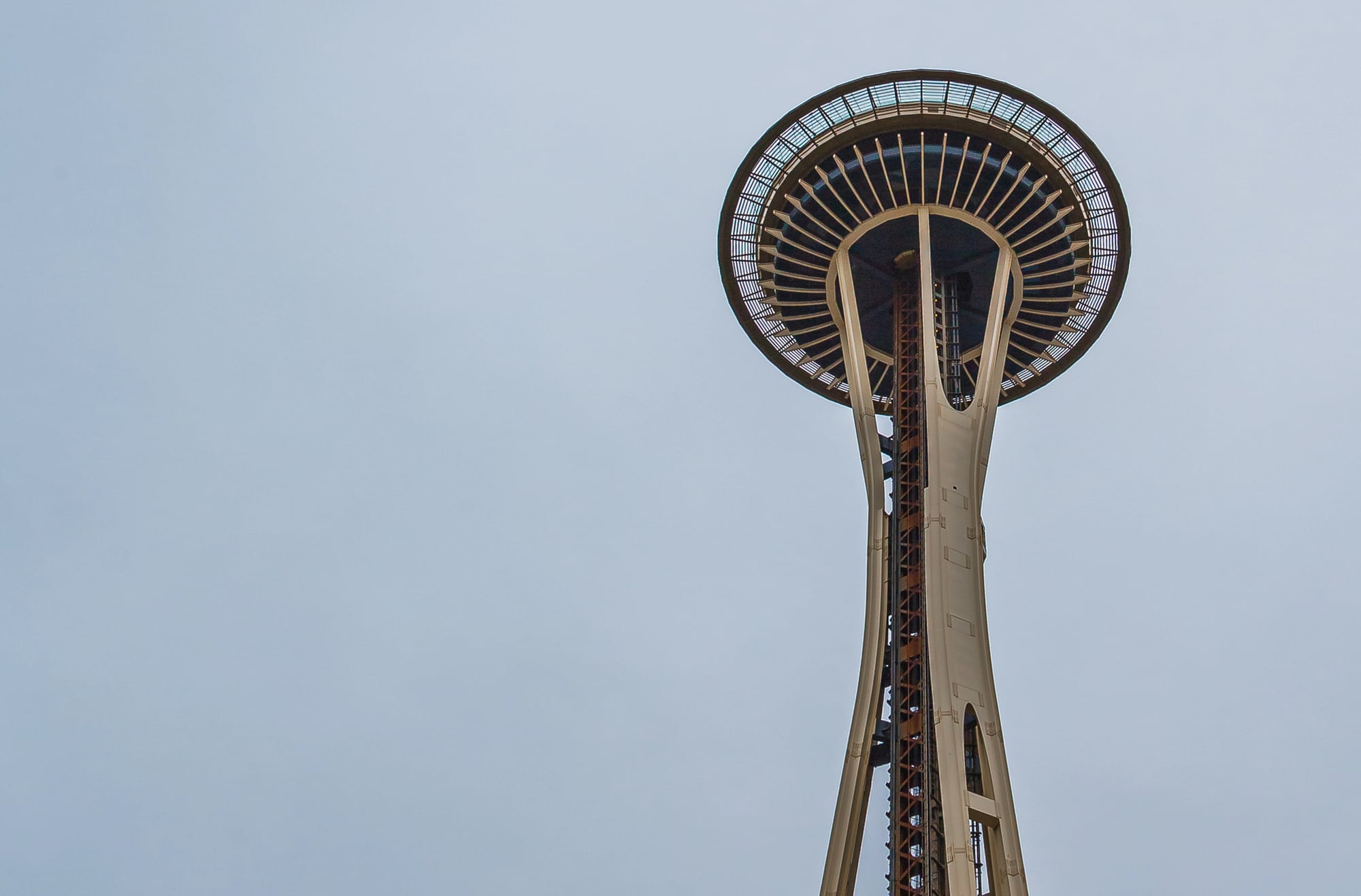
The 1964–65 New York World’s Fair keychains are slightly less valuable but still command real prices, particularly those promoting specific pavilions. The Space Needle keychains from Seattle’s 1962 Century 21 Exposition occupy their own category, since the structure became a permanent city symbol rather than a temporary fair attraction.
Early versions produced during the actual fair rather than as later tourist souvenirs are the ones worth finding.
Baseball Stadium Keychains
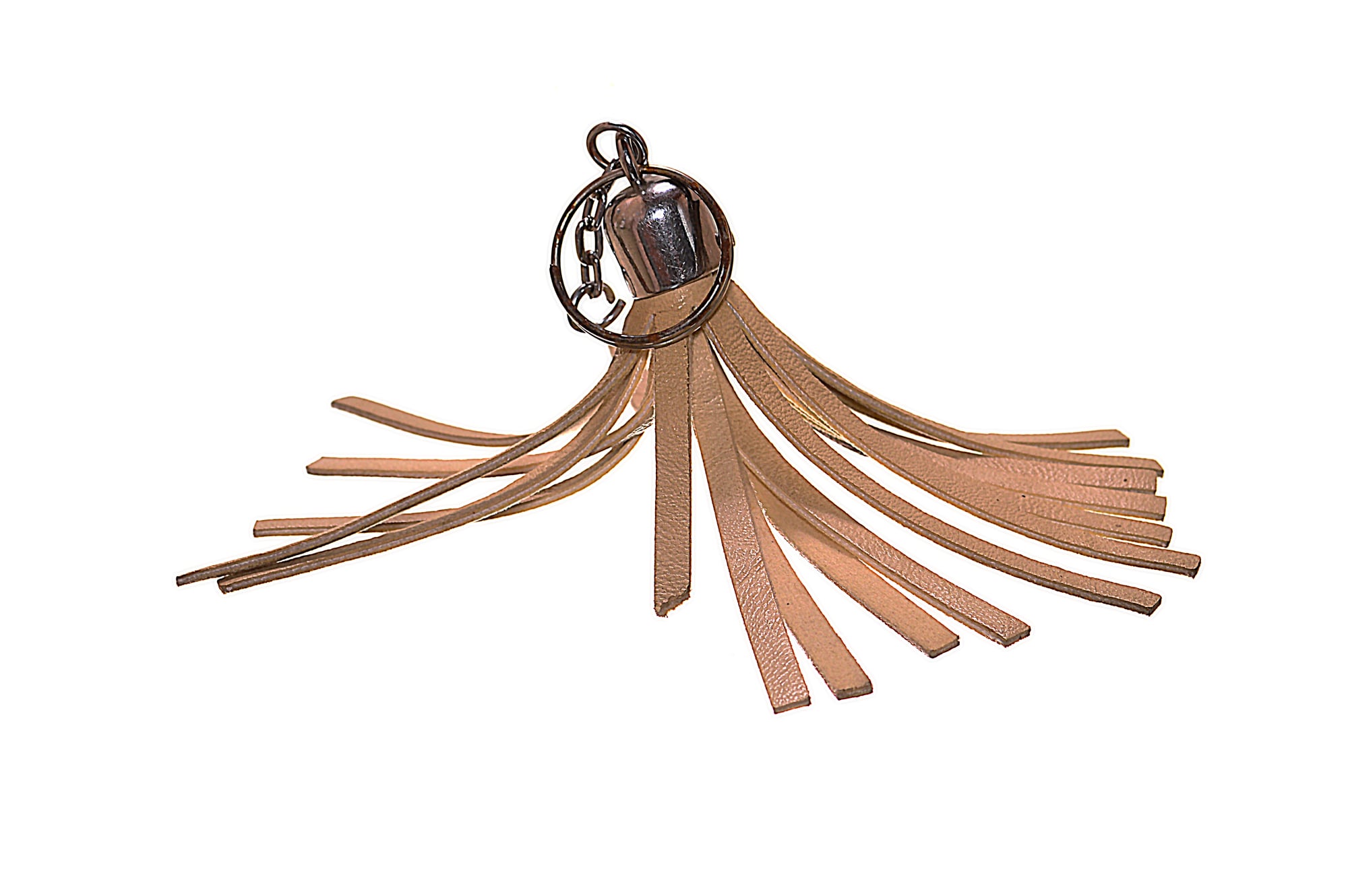
Vintage baseball stadium keychains capture both sports history and architectural nostalgia, since most of the ballparks they commemorate have been demolished. Ebbets Field keychains from the Brooklyn Dodgers era and Polo Grounds keychains from the New York Giants are among the more sought-after pieces in this category, attracting both sports collectors and those drawn to the history of the stadiums themselves.
Yankee Stadium keychains present a more complex situation, since the team stayed in the Bronx but replaced the original stadium in 2009. Keychains from the original stadium’s early decades — particularly those tied to specific seasons or events — attract collectors who appreciate both the baseball history and the architectural loss.
Vintage Car Dealership Keychains
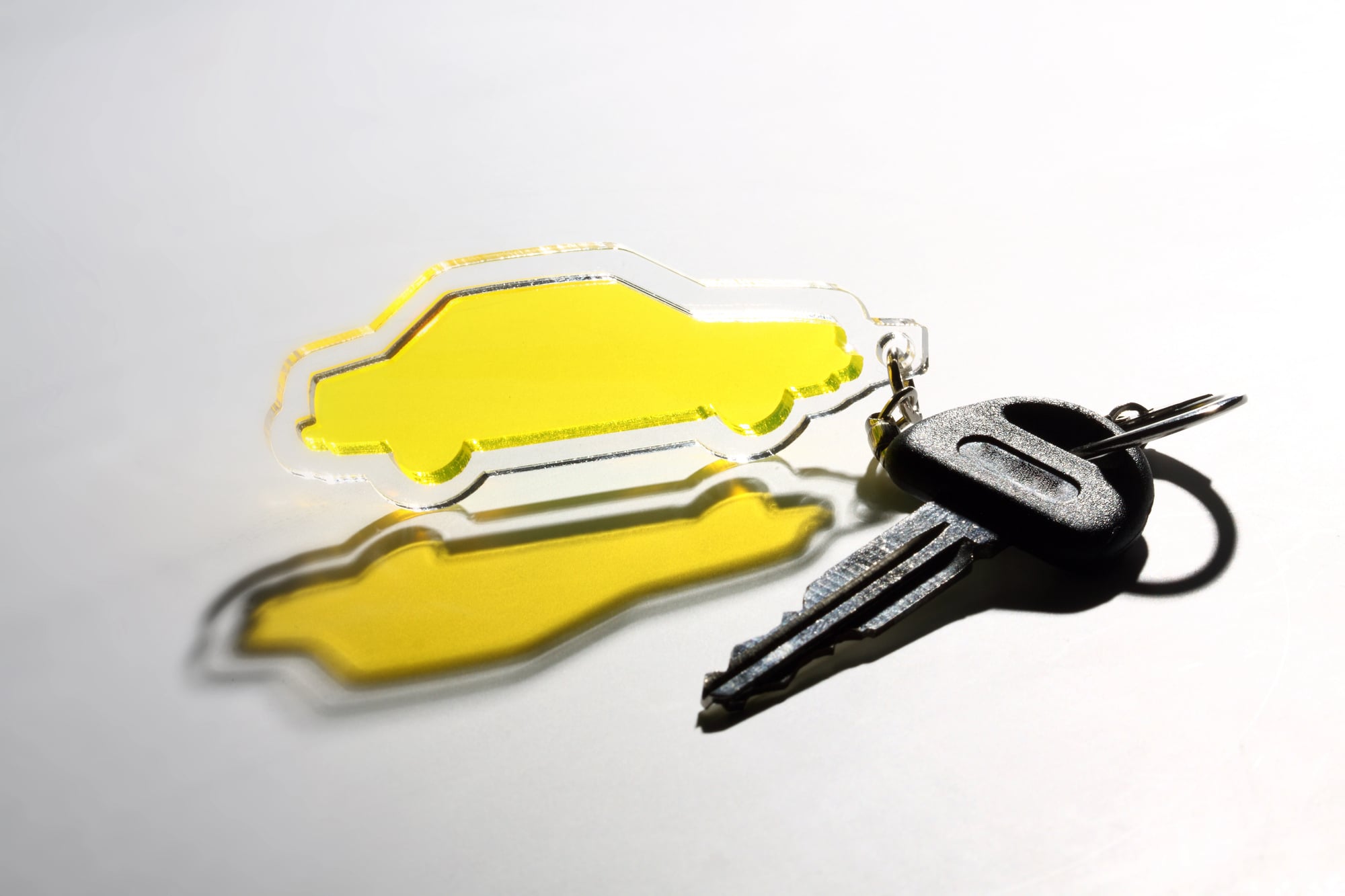
Car dealership keychains from the 1950s and 1960s often featured elaborate designs that reflected the era’s automotive optimism. Cadillac, Chrysler, and Ford dealerships produced keychains that were small sculptures rather than simple advertising tokens.
Working examples with moving parts — miniature steering wheels, tiny hood ornaments, or functional compasses — are the ones that attract serious attention. The most valuable pieces come from dealerships that sold short-lived or exotic brands.
Edsel dealership keychains, produced during the car’s brief production run from 1957 to 1960, are genuine curiosities that collectors of automotive failures prize. The rarer the car, generally, the rarer the dealership keychain.
Drive-In Restaurant Keychains

Drive-in restaurants created their own category of roadside Americana before fast food chains standardized the experience. A&W Root Beer stands, Sonic Drive-In locations, and regional chains produced keychains that captured the car culture optimism of the 1950s and 1960s.
Regional chains command higher prices than national brands due to their limited distribution. The carhop service culture these keychains represent disappeared from most of America, giving them historical significance beyond simple nostalgia.
Keychains depicting carhops on roller skates or featuring drive-in architectural details document a specific moment in American dining culture that lasted only a few decades.
Vintage Soda Brand Keychains
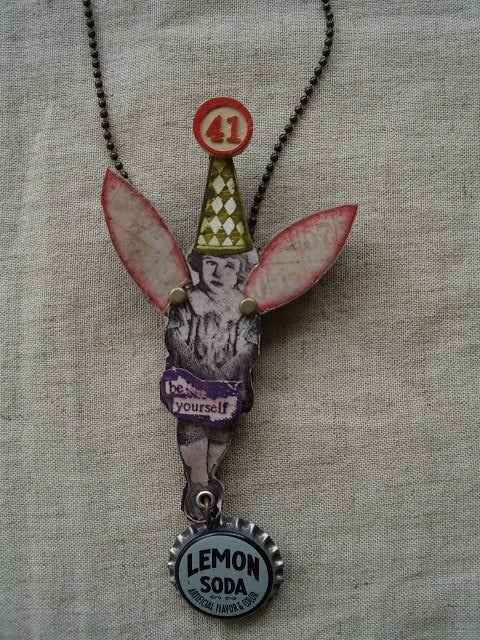
Pepsi-Cola keychains from mid-century promotional campaigns trade in the tens to low hundreds of dollars, though they haven’t achieved the premium prices that Coca-Cola items command — brand loyalty extends to the collectibles market. Dr Pepper keychains, particularly those promoting the “10-2-4” advertising campaign, attract their own devoted collectors.
Regional soda brands create the most interesting opportunities. Orange Crush, 7Up, and other national brands produced thousands of keychains, but local and regional bottlers often commissioned their own versions.
A Nehi soda keychain from a small-town bottling plant can outperform a major brand keychain from a big market, simply because fewer were made and fewer survived.
Early Las Vegas Casino Keychains

Las Vegas casino keychains from the 1950s and 1960s represent the city’s transition from regional gambling destination to entertainment capital. The Sands, the Desert Inn, and other demolished casinos produced keychains that now trade from the low hundreds into the several hundreds of dollars, with prices reflecting both the casino’s historical significance and the keychain’s condition.
The appeal combines gambling nostalgia with architectural loss — most of these casinos were imploded to make room for newer resorts. Keychains from casinos that no longer exist document a specific era of Las Vegas development that genuinely cannot be recreated.
Television Show Promotional Keychains
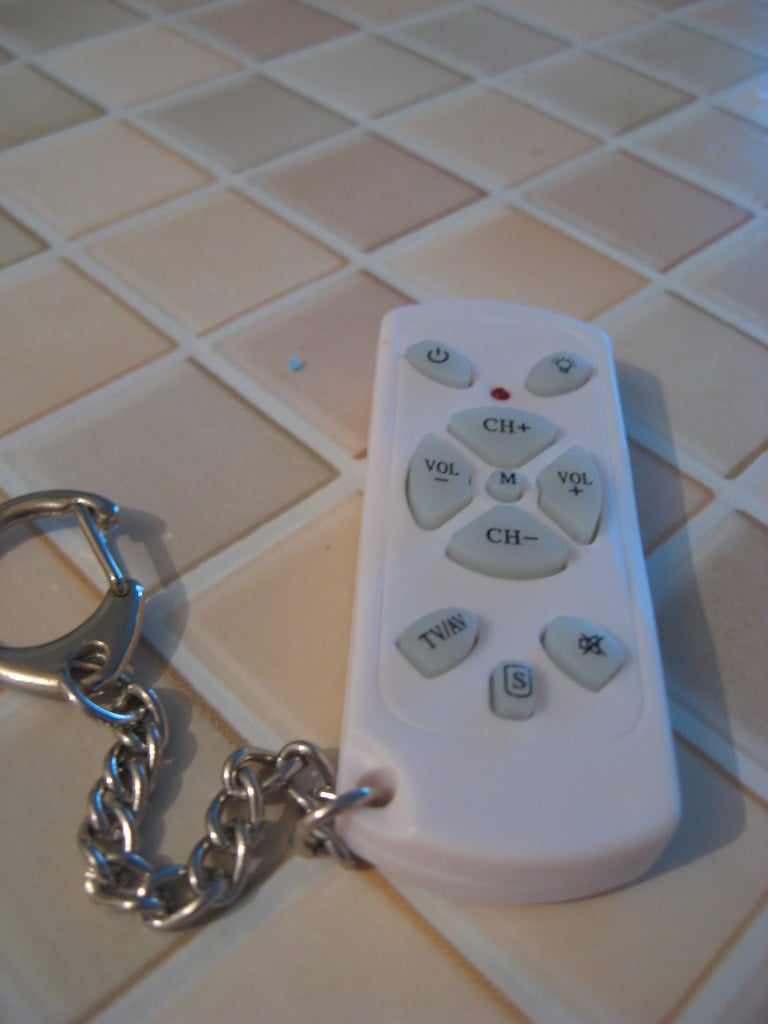
Television networks and sponsors produced promotional keychains for popular shows during the medium’s early decades, when merchandising was less systematic. Howdy Doody keychains from the 1950s, and Western hero keychains for the Lone Ranger and Roy Rogers, attract collectors who specialize in early TV memorabilia. Values vary widely with condition and character.
The most interesting pieces promoted shows that were popular briefly but are now culturally significant. Keychains from “The Ed Sullivan Show” or “American Bandstand” capture the intersection of television and music history, while promotional items from early game shows document the medium’s experimental period.
Vintage Airline Pilot Wing Keychains
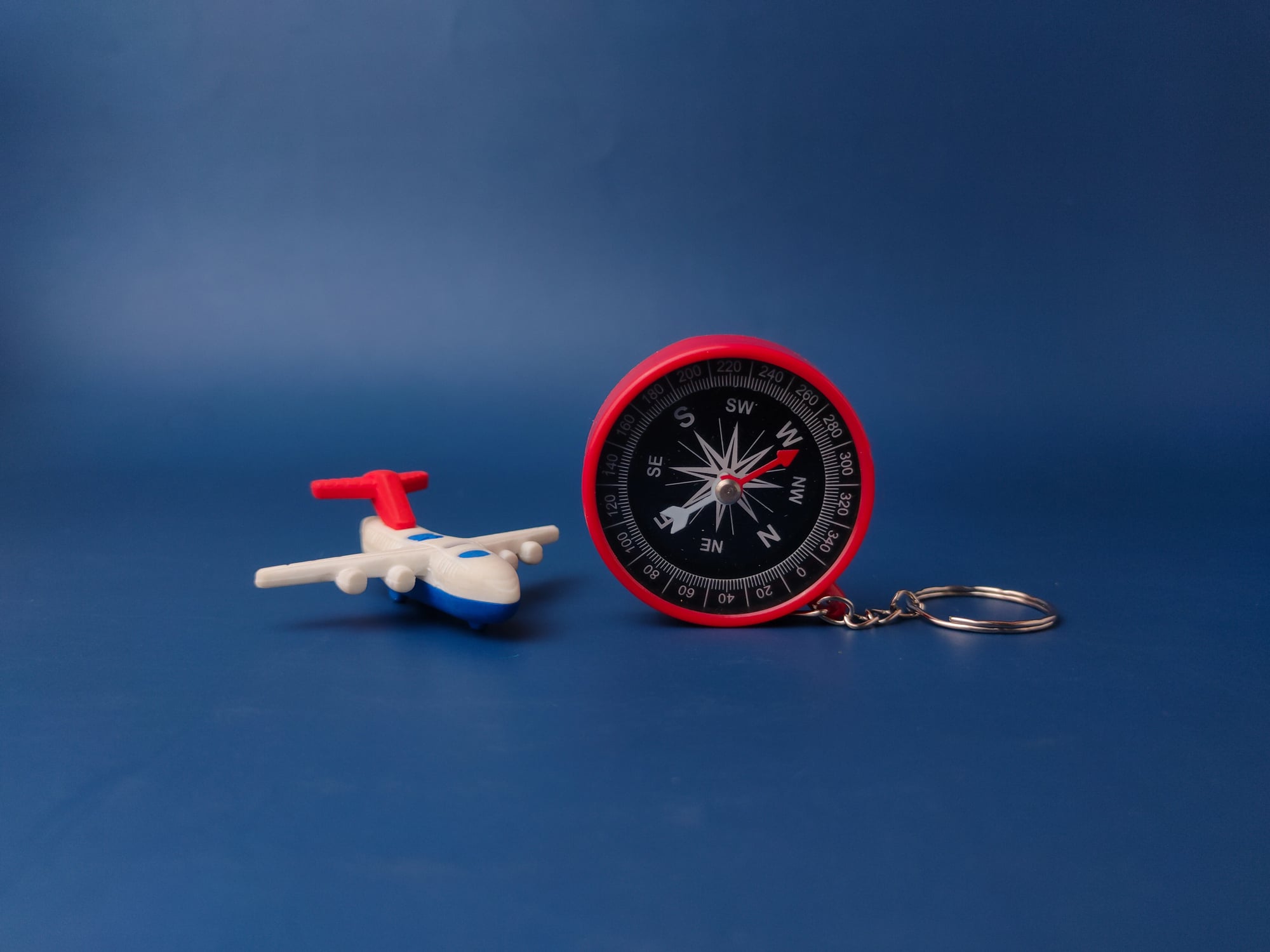
Airline pilot wing keychains were distributed by various carriers as promotional gifts for aviation enthusiasts, particularly during the 1950s and 1960s when commercial aviation still carried romantic associations. TWA, Eastern, and Pan Am wing keychains attract collectors of aviation memorabilia, with international carriers generally commanding premium prices.
The detail work on these keychains often rivals official pilot wings, since airlines wanted promotional items that reflected their professional standards. United Airlines keychains featuring early jet aircraft designs, or Pan Am keychains promoting international routes, combine aviation history with corporate nostalgia in ways that keep them desirable.
Early Theme Park Keychains
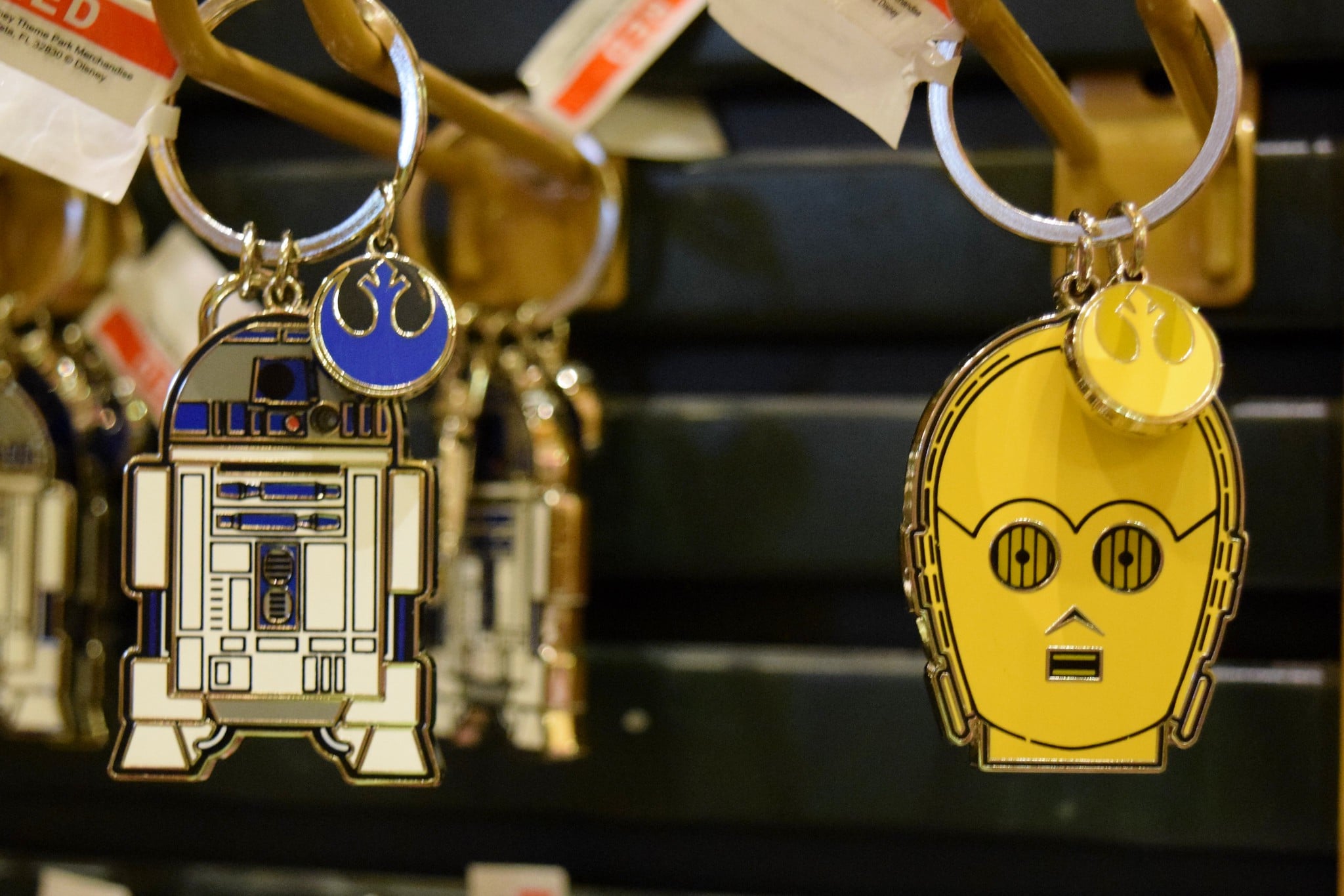
Before Disney established the template for theme park merchandising, regional amusement parks created their own promotional materials with local character and limited distribution. Coney Island keychains from the park’s mid-century period attract serious collectors. Knott’s Berry Farm keychains from before Disney competition forced the park to expand beyond its agricultural theme are similarly prized.
Six Flags keychains from the company’s early Texas location, before national expansion, represent a specific moment in theme park development. The regional identity and limited production runs create scarcity that drives prices higher than more recent theme park memorabilia.
Vintage Gas Station Credit Card Keychains
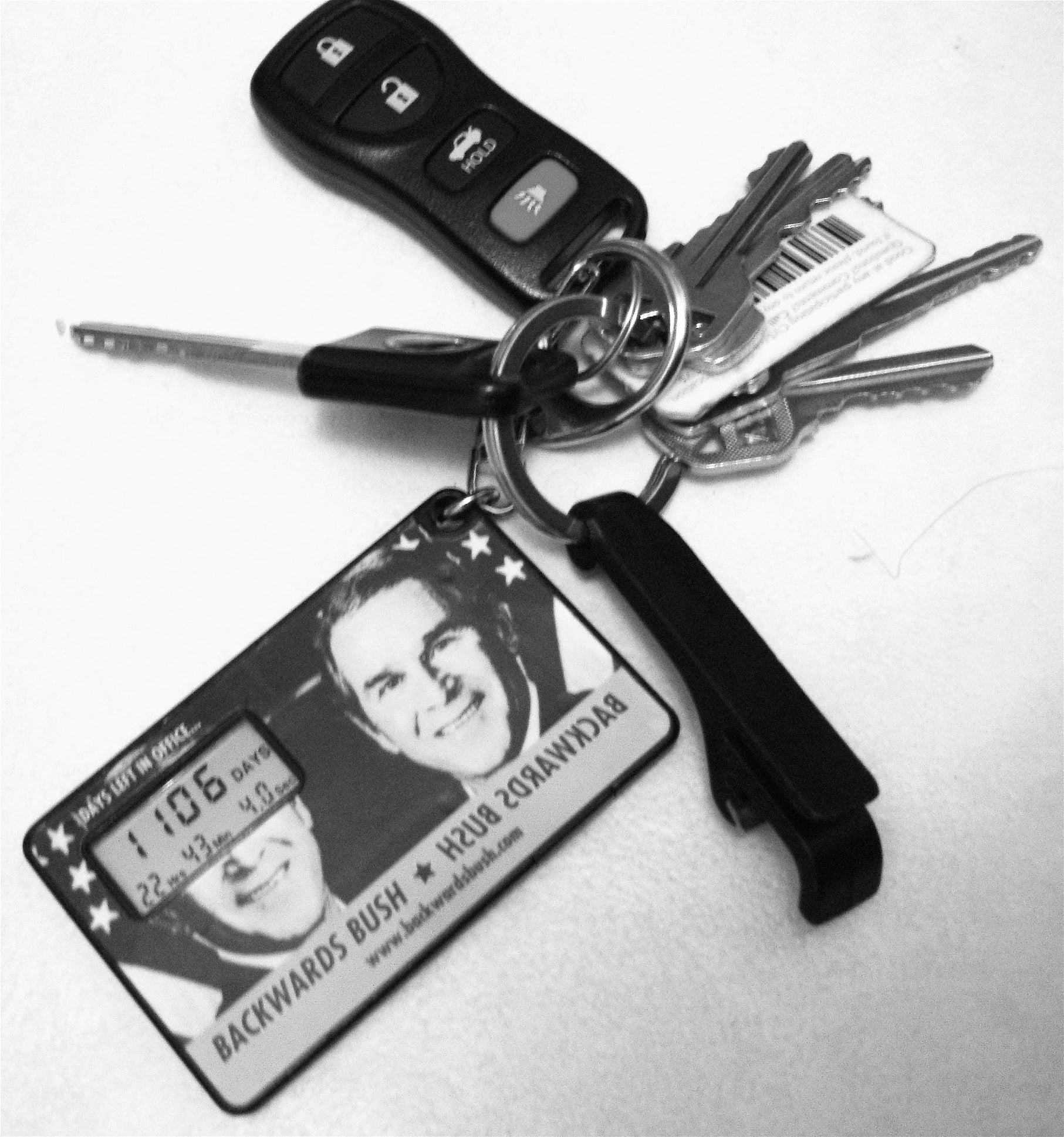
Gas station credit cards were relatively new in the 1950s and 1960s, and oil companies produced promotional keychains to encourage loyalty and card usage. Texaco, Shell, and Mobil keychains featuring credit card promotions attract collectors of petroleum memorabilia, with regional variations commanding higher prices than national campaigns.
The historical significance involves documenting the transition from cash-only gas purchases to credit-based transactions that eventually became universal. These keychains represent a specific marketing moment when oil companies had to convince customers that credit cards were trustworthy.
Olympic Games Commemorative Keychains
Olympic keychains from games held in the United States carry both international significance and domestic nostalgia. The 1960 Squaw Valley Winter Olympics produced keychains that attract collectors of both Olympic and winter sports memorabilia. The 1984 Los Angeles Summer Olympics keychains, particularly those promoting specific sports or venues, have their own following.
The appeal extends beyond sports collecting into Cold War history and international relations. These keychains document America’s role as Olympic host during specific periods, and the political context gives them significance beyond simple sports memorabilia.
Vintage Radio Station Keychains
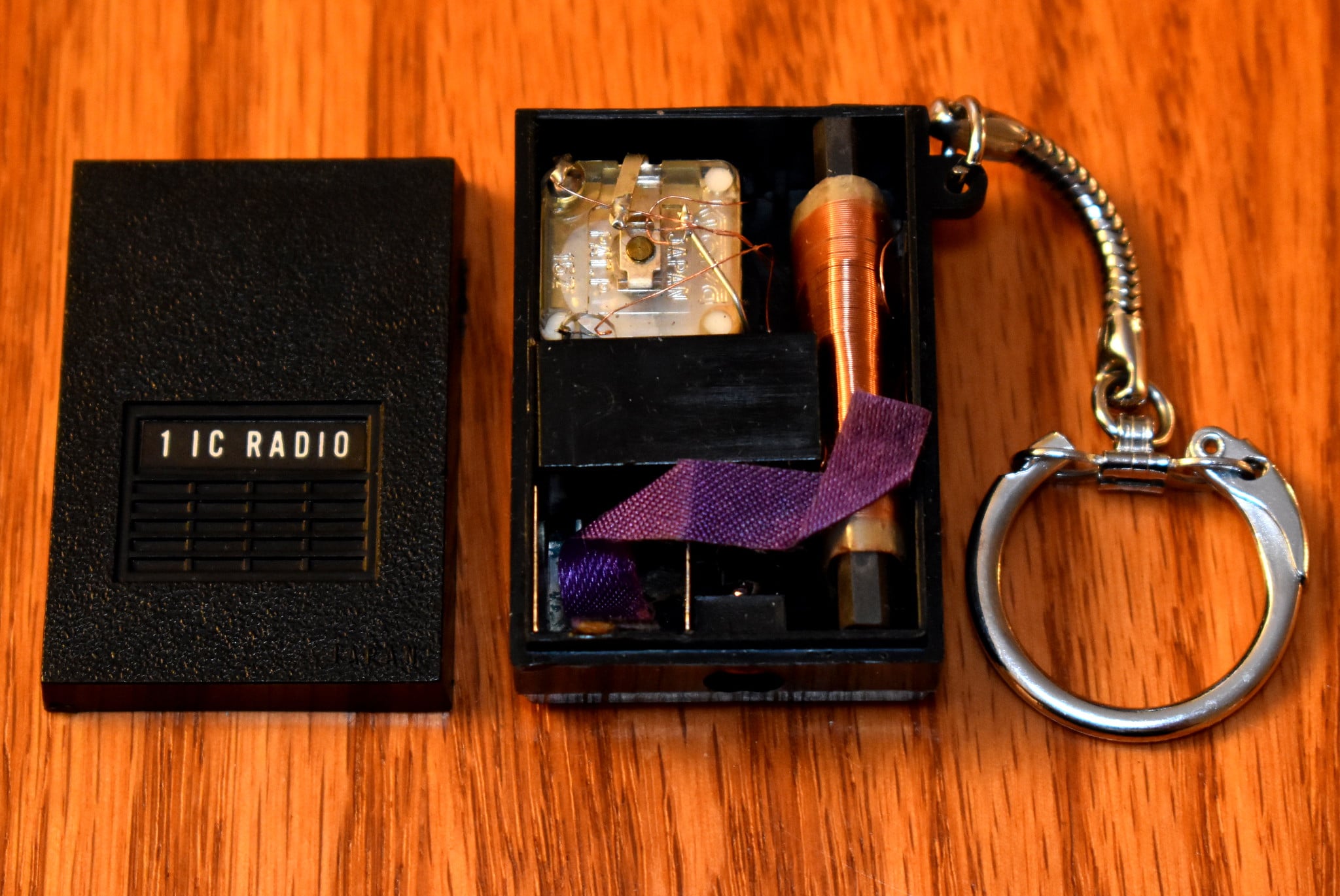
Radio station keychains from the 1950s and 1960s capture the medium’s golden age, when local stations had distinct personalities and regional influence. WABC, WLS, and other major market stations produced keychains that attract collectors of broadcasting history. Regional stations with memorable call letters or strong promotional campaigns can command similar interest.
The historical documentation involves the transition from radio’s dominance to television’s rise, and from local programming to national syndication. These keychains represent a period when radio stations were community institutions rather than automated music services.
Vintage Beer Brand Keychains
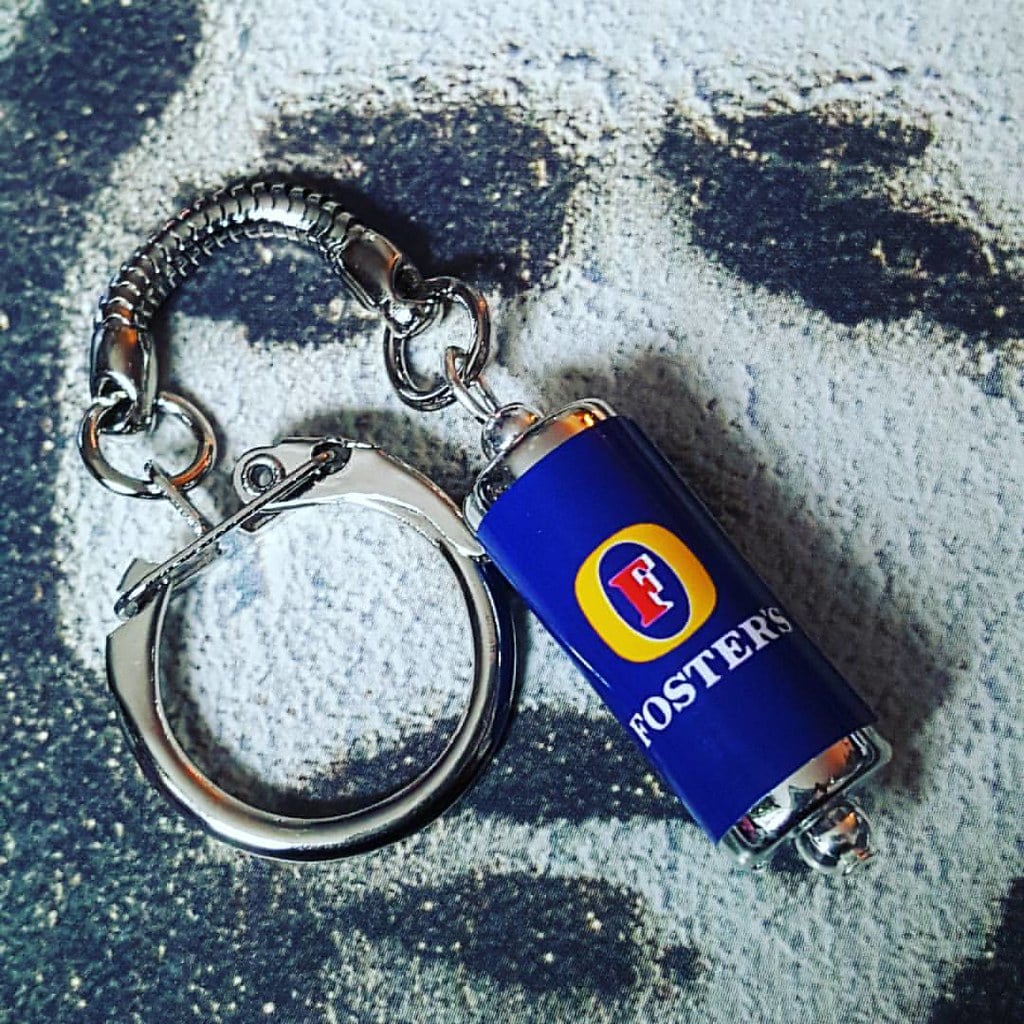
Beer brand keychains from regional breweries document American drinking culture before national brands dominated the market. Schlitz, Pabst, and other major brands produced keychains that attract collectors of breweriana. Regional breweries that didn’t survive industry consolidation — places like Grain Belt, Iron City, or Lone Star during their independent periods — created keychains that trade at a premium due to their limited original distribution.
The cultural significance involves documenting regional identity and local business culture that disappeared when brewing became a national industry. These keychains represent community institutions that were often family-owned for generations before being sold or closed.
Early Computer Company Keychains
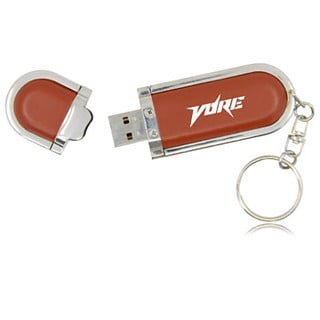
Computer company keychains from the industry’s early decades document the transition from experimental technology to consumer products. IBM keychains from the 1960s and 1970s attract collectors of technology history. Apple Computer keychains from the company’s earliest years — before the product naming conventions that defined later decades — are particularly sought after.
Tech company promotional items from companies that didn’t survive the industry’s rapid evolution create interesting collecting opportunities. Wang, Commodore, and other defunct computer companies produced keychains that now document technological dead ends and alternative development paths that the industry didn’t take.
Vintage Motorcycle Manufacturer Keychains
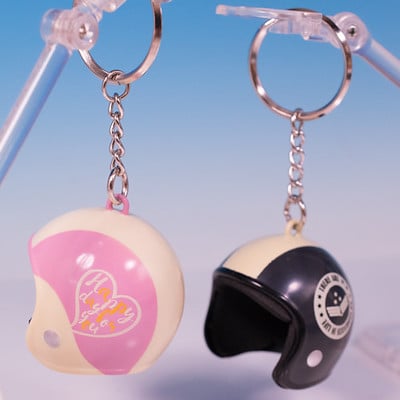
Motorcycle manufacturer keychains from brands that didn’t survive Japanese competition document American and European motorcycle culture before market consolidation. Indian Motorcycle keychains from the company’s original run — before the various revival attempts — are among the more prized pieces in this category. Triumph, BSA, and other British brands attract their own devoted collector base.
The appeal combines mechanical nostalgia with cultural documentation of motorcycle clubs, racing culture, and transportation alternatives that existed before motorcycles became primarily recreational.
World War II Military Unit Keychains
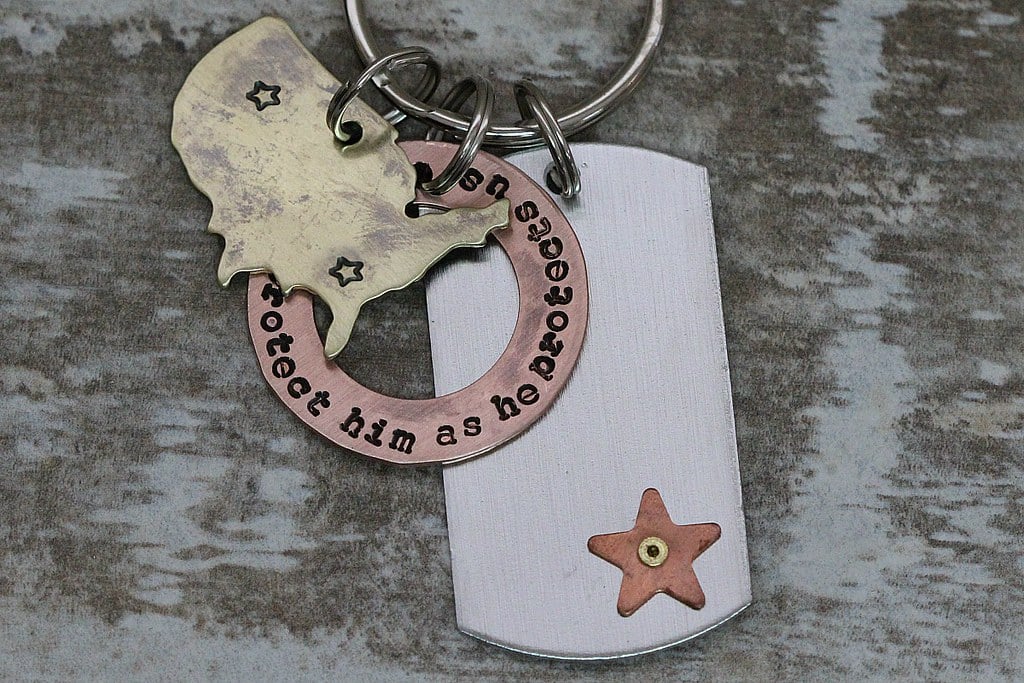
Military unit keychains from World War II were often produced locally or by private companies for specific units, creating limited runs with regional distribution. Army Air Corps, Navy, and Marine units commissioned keychains that now trade from the low hundreds into several hundred dollars, depending on the unit’s historical significance and the keychain’s rarity.
The historical documentation involves preserving unit identity and military culture from a specific conflict period. These keychains often feature unit insignia, aircraft silhouettes, or ship designs that help identify specific military assignments and locations.
Vintage Space Program Keychains
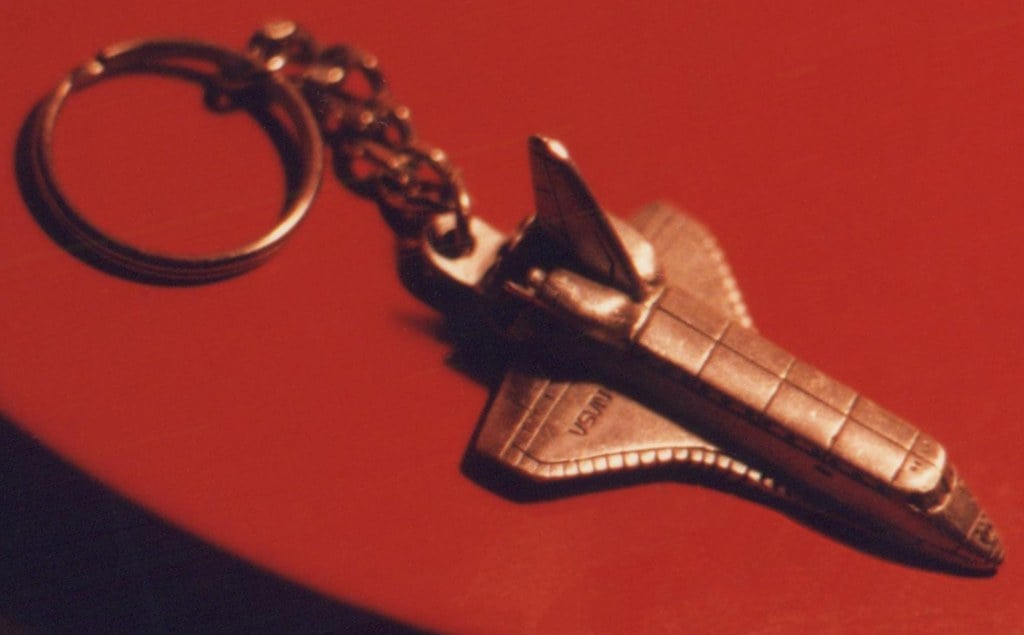
NASA keychains from the Mercury, Gemini, and Apollo program eras document America’s space exploration during the Cold War competition with the Soviet Union. Mission-specific keychains — those tied to particular launches rather than the program generally — command the highest prices, since they were produced in smaller quantities for specific events.
The Apollo 11 keychains produced around the time of the first moon landing in 1969 are among the most sought-after, since that mission has maintained its cultural significance for over fifty years. Contractor keychains — those produced by companies like Grumman or North American Aviation, which built the spacecraft — attract both space collectors and aviation enthusiasts.
Political Campaign Keychains
Presidential campaign keychains run parallel to the button collecting world, with third-party and losing-candidate memorabilia often commanding higher prices than winning-campaign materials. Wendell Willkie and Adlai Stevenson keychains attract collectors precisely because their campaigns failed — scarcity through cultural forgetting rather than original low production.
Convention keychains — those produced for specific party conventions rather than general campaign distribution — are particularly valued because they were distributed to a limited audience in a specific place at a specific time. That combination of geographic and temporal specificity is exactly what drives collector interest.
Souvenir Keychains from Demolished Landmarks
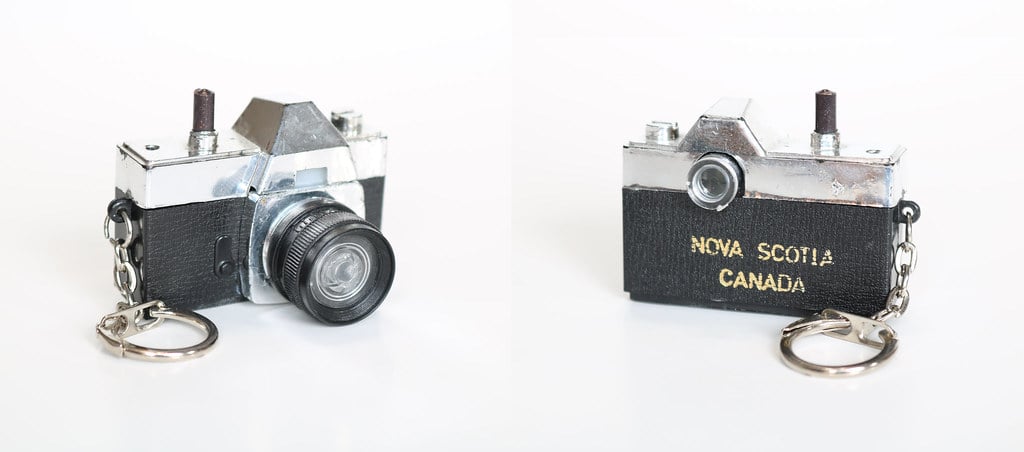
Keychains from buildings, bridges, and landmarks that no longer exist occupy a melancholy corner of the market. Pennsylvania Station keychains from before the original structure’s 1963 demolition, which triggered the historic preservation movement in New York, attract both railroad collectors and architectural history enthusiasts.
The value here is documentary: these keychains are sometimes the only physical evidence that a specific building once sold trinkets to visitors who cared enough to take one home. The more significant the building and the more complete its disappearance, the more collectors are willing to pay for a small metal reminder that it was there.
Exposition and State Fair Keychains
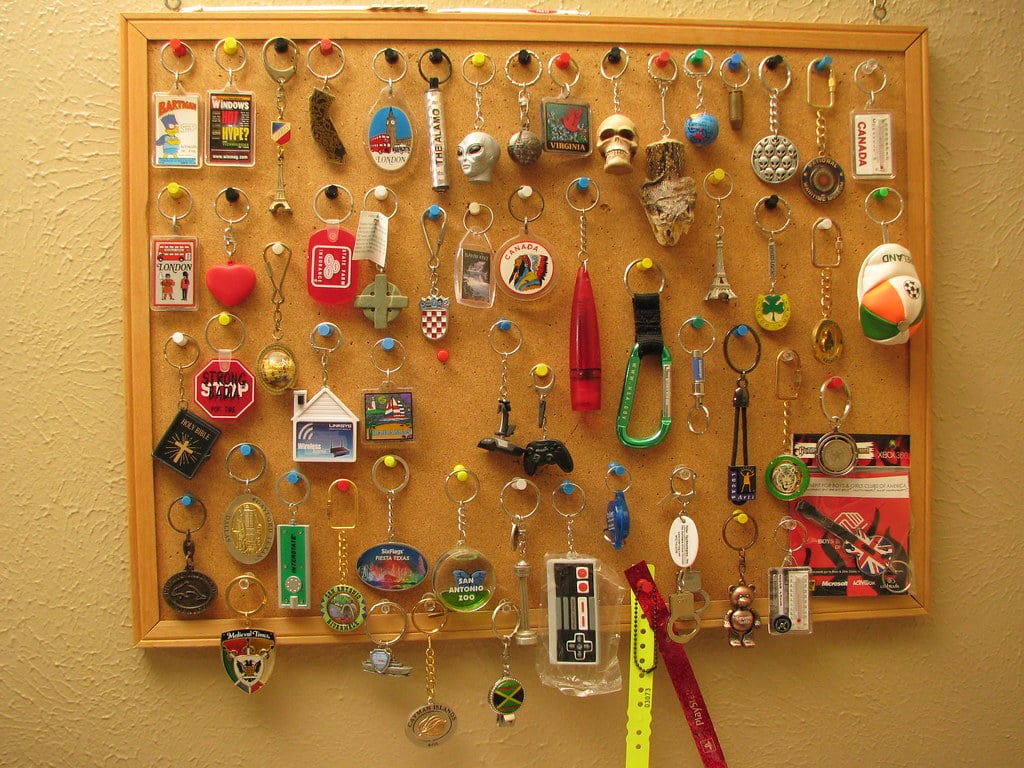
State and regional fair keychains have their own devoted collector base, with pieces from fairs that no longer exist commanding the highest prices. The Texas Centennial Exposition of 1936, held in Dallas, produced keychains that attract collectors of both Texas history and Depression-era Americana.
Annual events create collecting niches based on specific years — a 1939 Iowa State Fair keychain is more interesting than a 1975 example because it places the holder in a more historically charged moment. Keychains that can be precisely dated through design details or promotional specifics are the ones that command attention.
Vintage Railroad Keychains
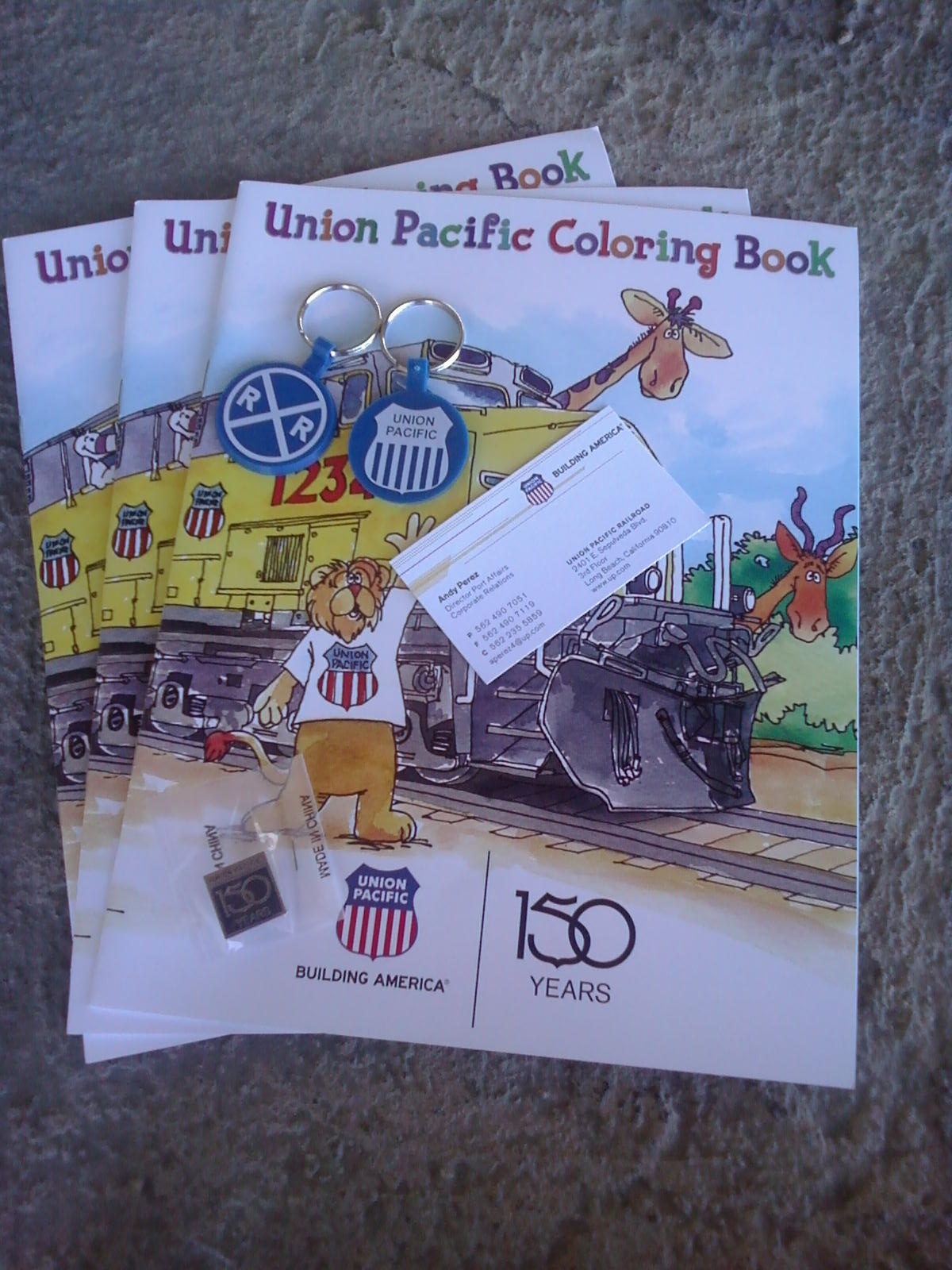
American railroad keychains from the steam and early diesel eras document a transportation system that once knit the country together and has since contracted dramatically. The Pennsylvania Railroad, New York Central, and other major carriers produced keychains for employees and passengers that now attract both railroad enthusiasts and general Americana collectors.
Keychains from specific named trains — the 20th Century Limited, the California Zephyr, the City of New Orleans — command premium prices because they capture a specific service at a specific moment in American transportation history. The romance of named passenger trains is entirely gone now. The keychains are what’s left.
Vintage Sports Team Keychains
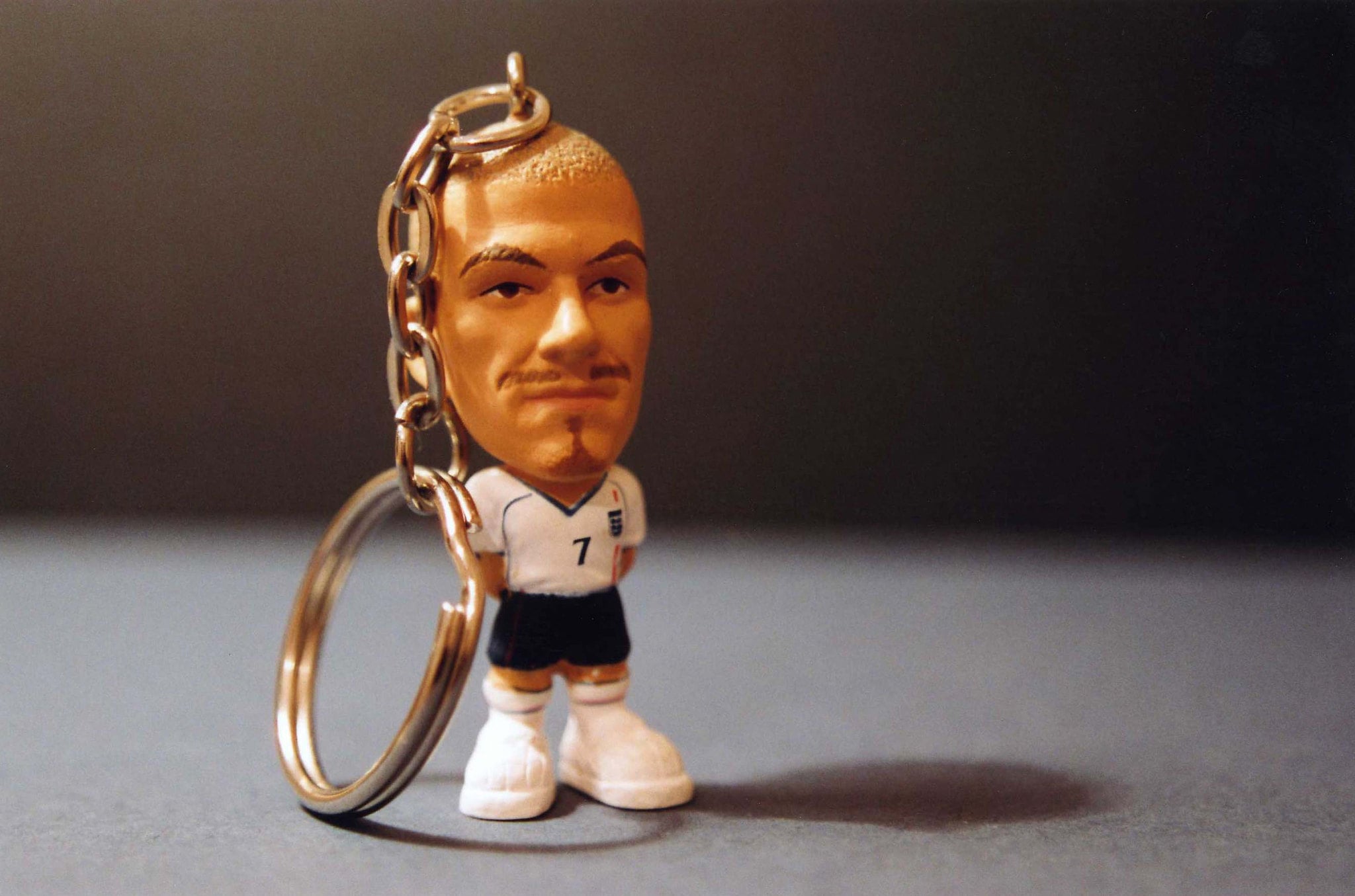
Sports team keychains from the mid-20th century attract collectors of both sports memorabilia and regional history. Teams that have since relocated create particular interest — Brooklyn Dodgers, Philadelphia Athletics, and other franchises that left their original cities produced keychains that document a specific relationship between a team and a place that no longer exists.
The most valuable pieces combine team identity with specific seasons, championships, or stadiums in ways that place them precisely in time. A generic team logo keychain attracts modest interest. One tied to a specific pennant race or World Series year, in the right condition, is a different proposition entirely.
Vintage Toy Brand Keychains
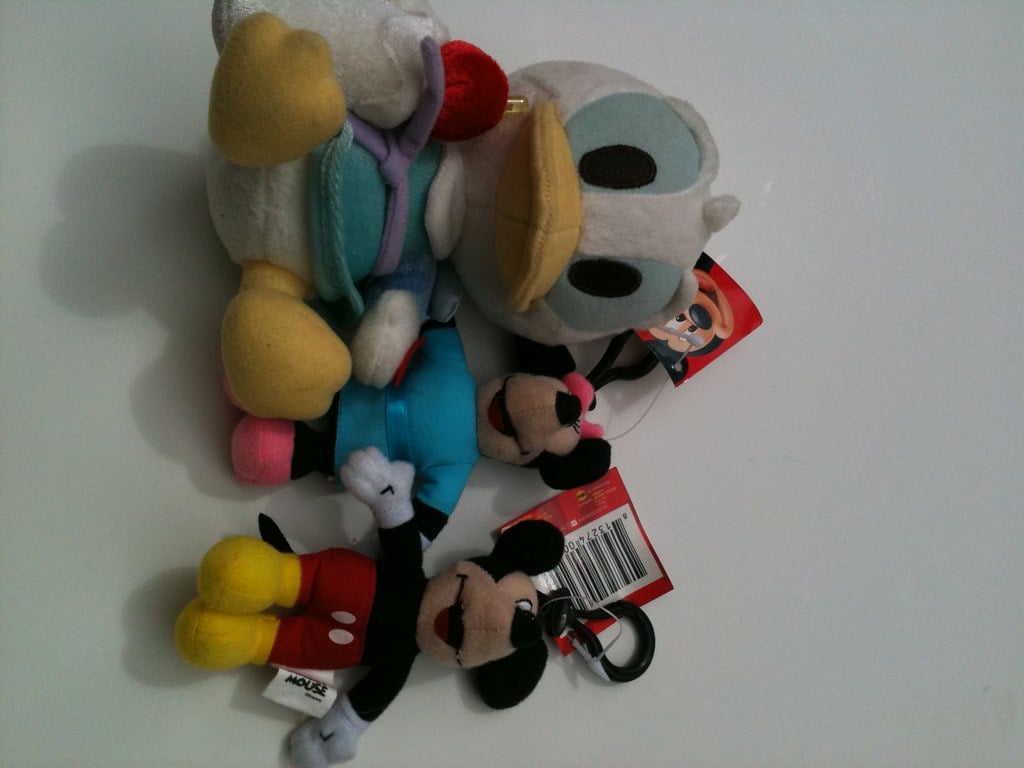
Toy companies produced promotional keychains for their most popular products and brands during the mid-20th century. Lionel Trains keychains attract model railroad collectors. Erector Set, Tinkertoy, and Lincoln Logs produced keychains that now sit at the intersection of toy collecting and advertising memorabilia.
Brands that no longer exist in their original form command the most attention. Keychain representing toy companies that were sold, consolidated, or closed carry the melancholy of an entire childhood universe that simply stopped being made. Collectors who grew up with these toys are now at the age where they buy back the pieces they remember.
The Drawer at the Back of the Store
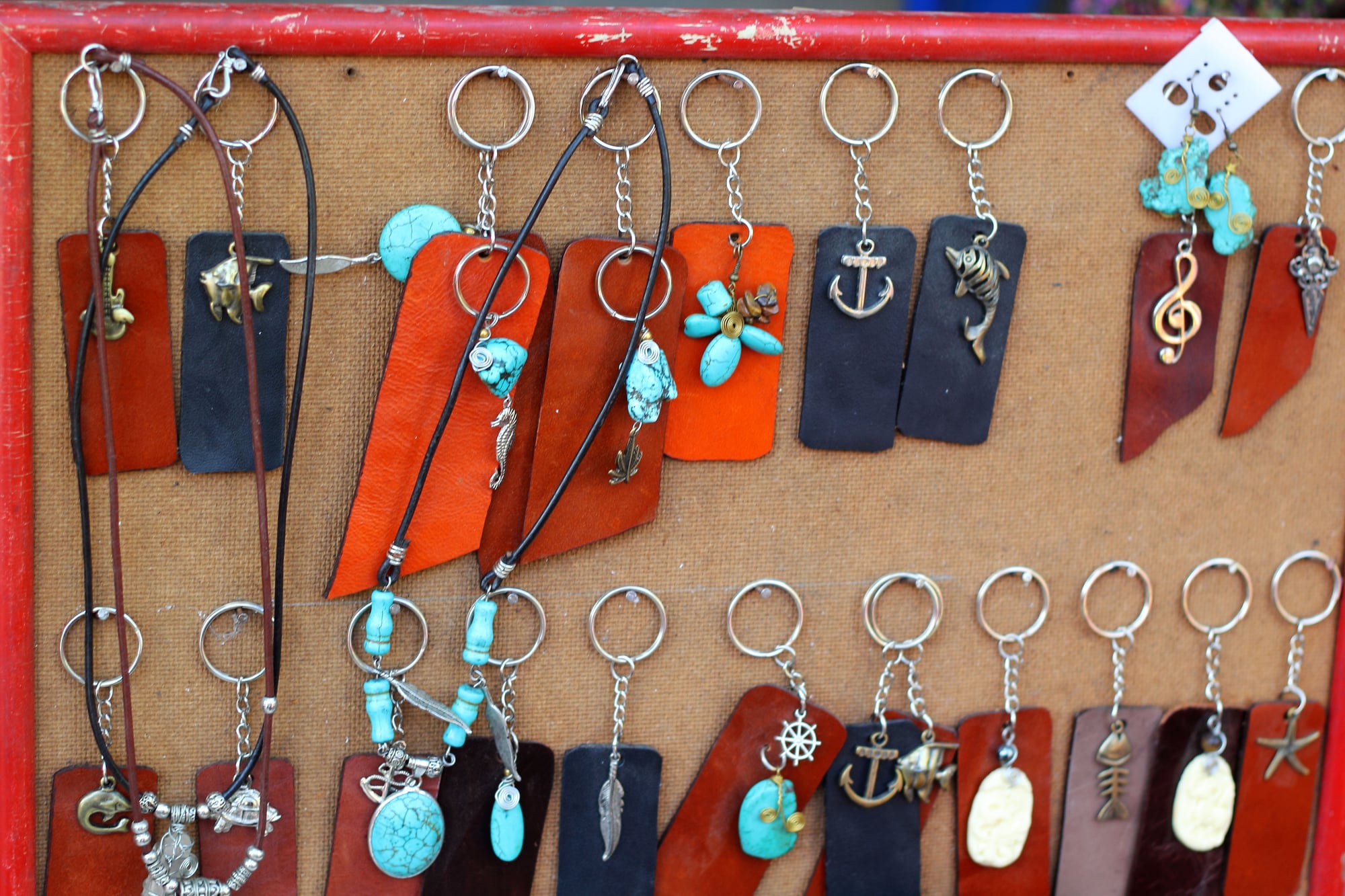
Almost nobody who kept these knew they were keeping anything valuable. They went into junk drawers, garage boxes, and the pockets of donated coats. The ones that survived did so by accident, forgotten long enough to become rare.
That accidental survival is part of the appeal. These were functional objects first and cultural artifacts second, which means every good example is there because someone happened to keep it for reasons that had nothing to do with eventual value. The junk drawer archaeology of keychain collecting rewards patience — and occasionally turns up something genuinely worth finding.
More from Go2Tutors!

- The Romanov Crown Jewels and Their Tragic Fate
- 13 Historical Mysteries That Science Still Can’t Solve
- Famous Hoaxes That Fooled the World for Years
- 15 Child Stars with Tragic Adult Lives
- 16 Famous Jewelry Pieces in History
Like Go2Tutors’s content? Follow us on MSN.