15 Classic Books Every Man Should Revisit
There’s something startling about returning to a novel read in youth. A book you once skimmed through for a school report suddenly feels like a slow conversation with someone who knows more about life than you’d expected. Time changes how stories land — years of hardship, success, failure, and quiet introspection all give once-flat characters new depth.
These aren’t just required reading lists from high school syllabi. They’re windows into the struggles, ambitions, and internal battles many men face — even if they never say so aloud. The heroes (and antiheroes) in these works no longer seem distant — they feel familiar, even uncomfortably so. Here’s a look at 15 timeless books that offer fresh meaning when read with life experience in tow.
To Kill a Mockingbird
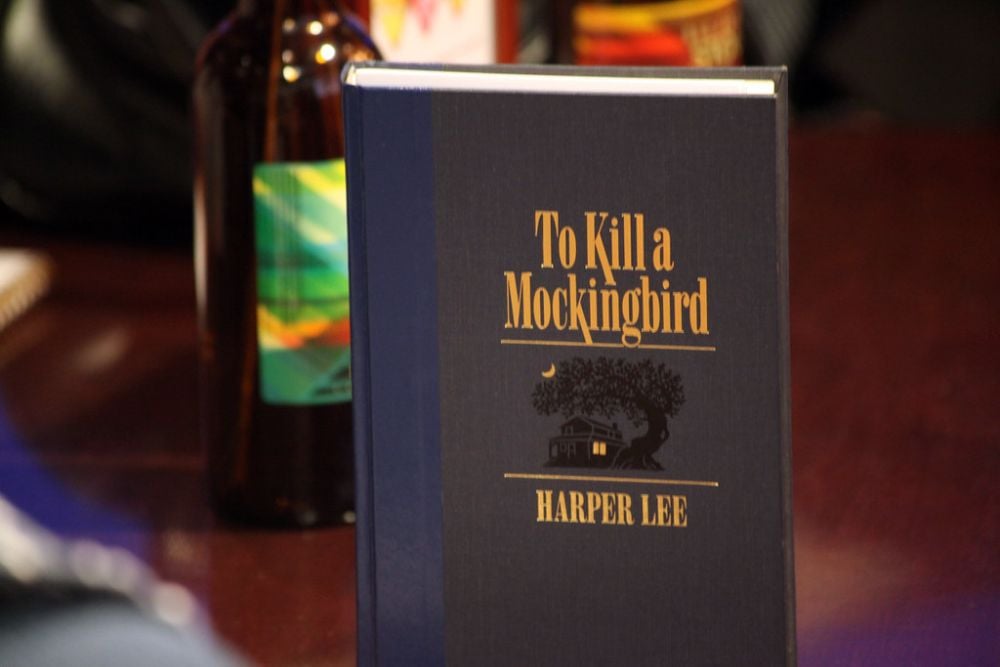
Harper Lee’s novel stops being a tale about childhood and starts sounding like a meditation on courage. Atticus Finch — once an unreachable moral icon — now appears as a man under pressure, doing what he can within a flawed system.
The story hits harder when you’ve faced ethical crossroads in real life, especially when silence would’ve been easier.
The Great Gatsby
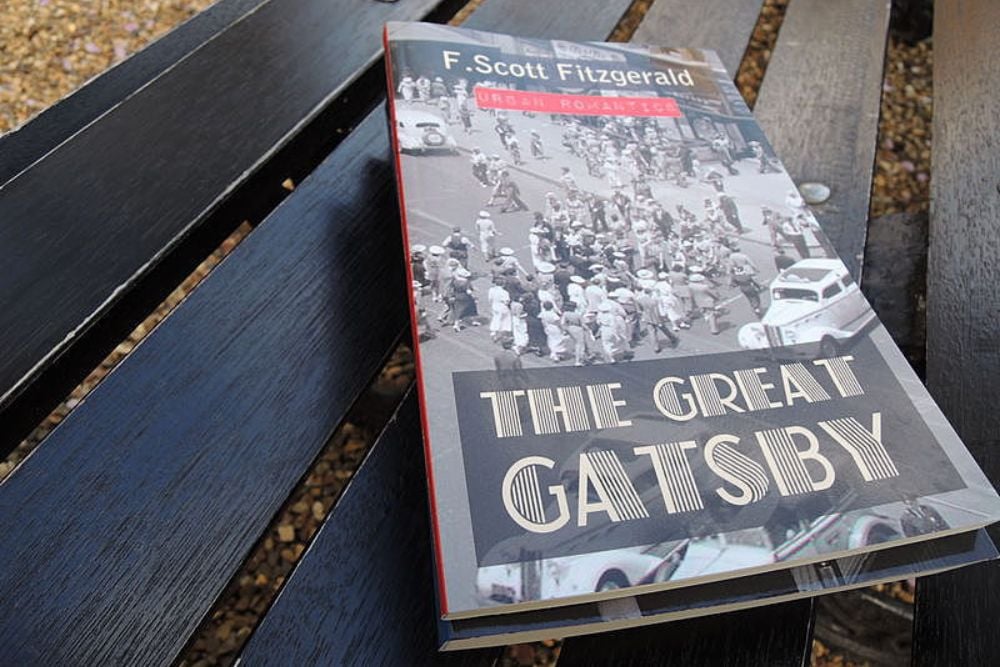
The parties fade into the background — what sticks now is the hollow core behind them. Gatsby’s obsession with an ideal becomes a metaphor for chasing success that never quite satisfies.
The green light isn’t just Daisy anymore — it’s every “next goal” that never delivered what it promised.
Like Go2Tutors’s content? Follow us on MSN.
Of Mice and Men

Once read as a simple story of friendship, Steinbeck’s novella reveals something more painful when revisited. The bond between George and Lennie — part care, part burden — speaks to the loyalty forged through hardship.
That ending? It lands differently when you’ve faced impossible decisions with no good outcomes.
1984
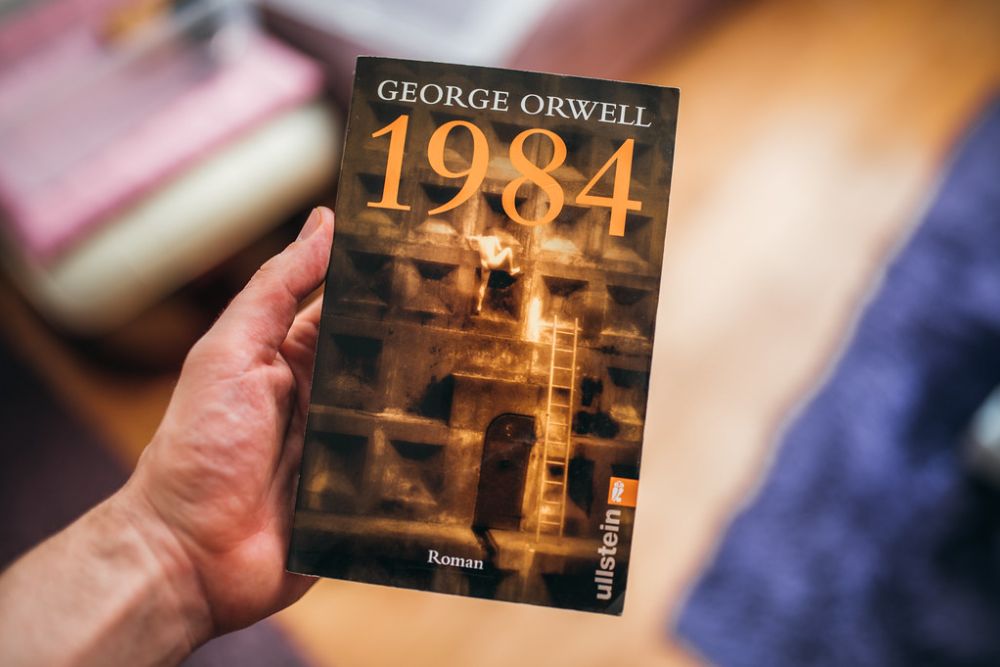
Orwell’s warning about surveillance and truth manipulation doesn’t feel like fiction anymore. Winston’s quiet resistance resonates more deeply after navigating modern work environments where going along with the system feels easier — but comes at a cost.
His fight to think freely mirrors today’s battle to remain authentic in a world of curated narratives.
The Catcher in the Rye
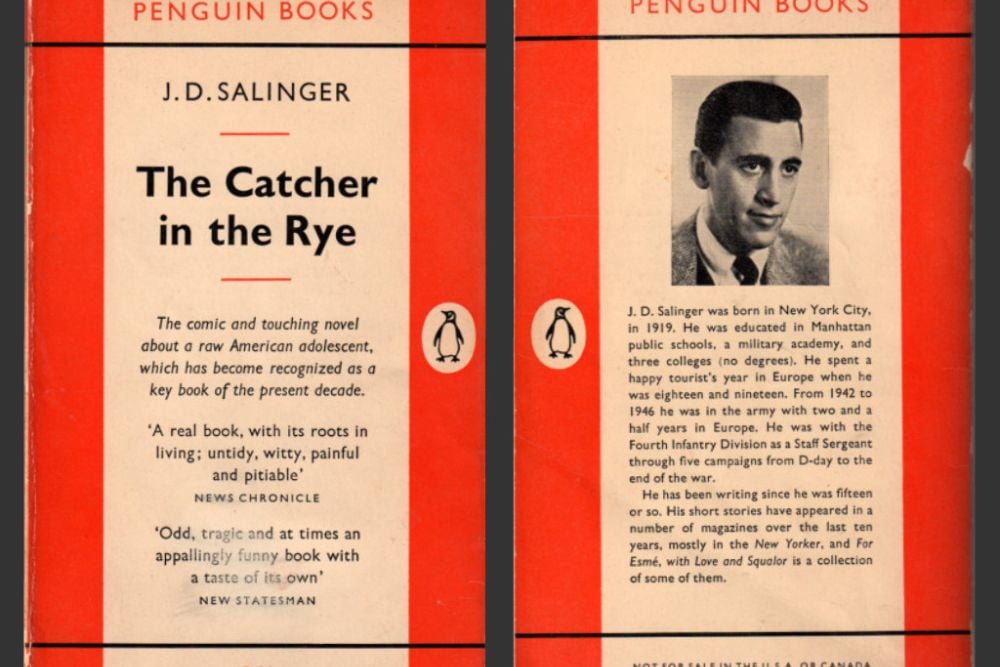
Holden Caulfield doesn’t come off as just a moody teen now — his anger feels raw and oddly wise. As an adult, his disdain for “phoniness” makes uncomfortable sense, especially in industries or relationships where truth takes a back seat.
His loneliness, too, is all too recognizable.
Like Go2Tutors’s content? Follow us on MSN.
Lord of the Flies

Golding’s island experiment once read like wild fiction — now it feels eerily familiar. The group dynamics among the boys mirror the slow unraveling of order seen in boardrooms, committees, or crisis teams.
Ralph’s effort to lead with reason while others push for chaos? That’s not just a story — it’s Monday morning.
One Flew Over the Cuckoo’s Nest
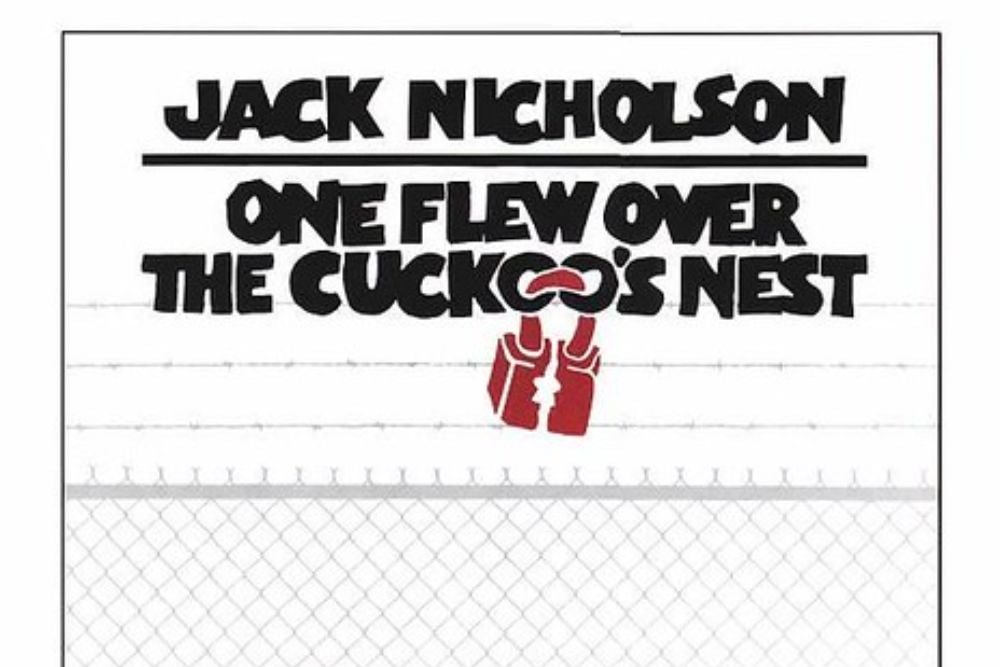
The novel’s clash between individual freedom and institutional control hits harder when you’ve had to navigate systems designed more for compliance than care. McMurphy’s defiance isn’t just entertaining — it reflects the frustration many men feel in environments where authenticity gets punished.
The Old Man and the Sea

Hemingway’s Santiago isn’t just an old fisherman anymore — he’s every man who kept pushing despite knowing the odds weren’t in his favor. The quiet dignity of showing up and giving everything, even when no one’s watching, becomes a kind of triumph.
Failure doesn’t erase meaning — sometimes it reveals it.
Like Go2Tutors’s content? Follow us on MSN.
Fahrenheit 451

Bradbury’s vision of a distracted, numb society has crept into reality. Montag’s slow awakening to thought and depth mirrors the quiet rediscovery many face after years of screen time and superficial chatter.
Books become more than paper — they represent rebellion against forgetfulness.
Slaughterhouse-Five
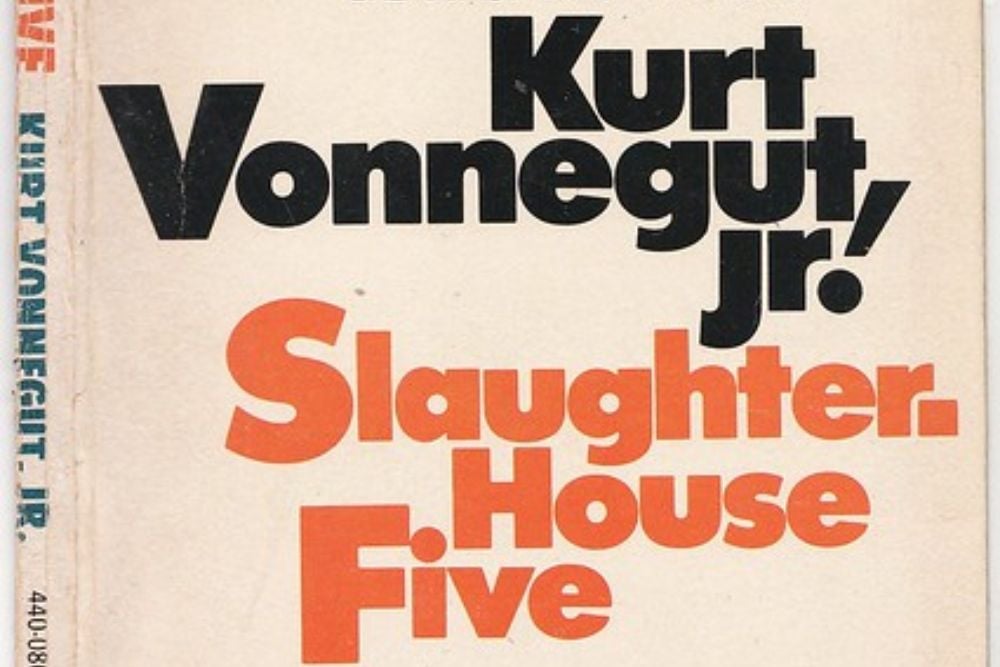
Trauma doesn’t always look like a battlefield wound — it might be invisible but still real. Vonnegut’s looping narrative captures the fragmentation that follows life’s darkest moments.
Billy Pilgrim’s scattered timeline mirrors the way memory can betray you — or help you survive.
Brave New World

Pleasure without purpose, connection without depth — Huxley’s dystopia hits different in an age of algorithmic happiness. Bernard’s discomfort with the ease around him echoes the quiet dissatisfaction many feel in lives that look perfect on paper but feel hollow inside.
Like Go2Tutors’s content? Follow us on MSN.
Animal Farm

At first, it’s just about pigs and politics. Later, it becomes an unsettling reminder of how noble visions — in companies, movements, or governments — can twist into the very thing they meant to oppose.
The slope toward corruption isn’t always steep; sometimes it’s gradual and polite.
The Sun Also Rises

The drinking, the travel, the endless noise — it all looks like a distraction now. Jake Barnes’ wound becomes symbolic, not just physical.
It’s the quiet injury that keeps someone from fully showing up — in love, in life. The group’s glamorous discontent hits close when meaning feels just out of reach.
Heart of Darkness

The jungle is metaphorical — the descent into moral ambiguity, frighteningly real. Marlow’s journey isn’t just into Africa; it’s a confrontation with what lies under the surface of any man given power without limits.
Kurtz’s final words — “The horror!” — echo long after the last page.
Like Go2Tutors’s content? Follow us on MSN.
On the Road
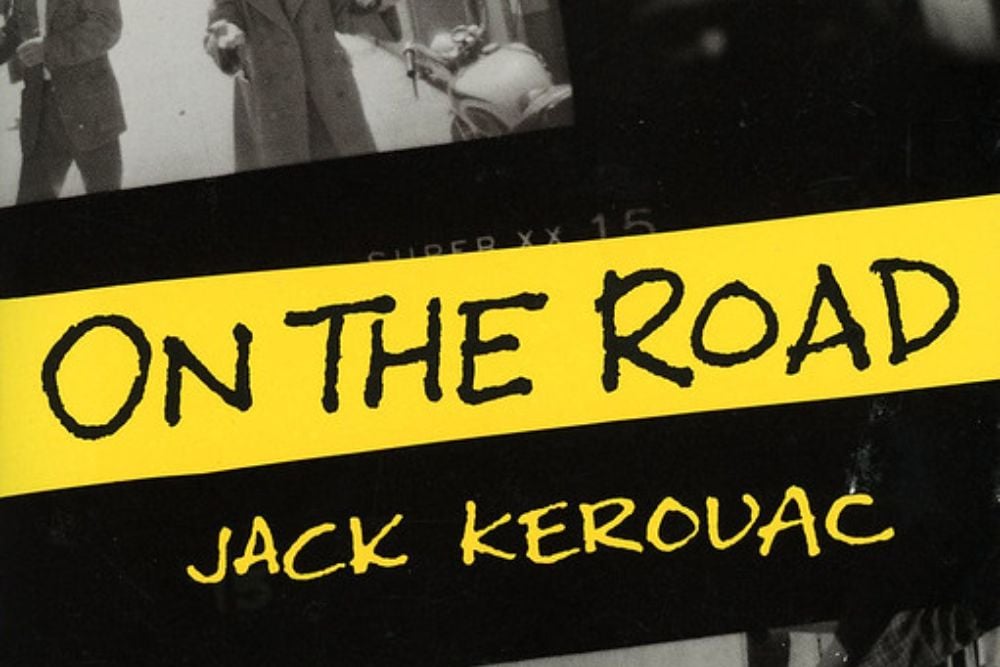
Kerouac’s restless wandering once seemed thrilling — now, it feels like a question without an answer. The endless motion doesn’t fix anything.
The friendships fade, the destinations blur, and what remains is a sense that maybe movement was a substitute for meaning all along.
Why These Books Still Matter

What once felt like abstract stories about other people now reflects real questions — about work, identity, failure, responsibility, and purpose. These novels don’t offer clean conclusions or motivational takeaways. What they provide is far more valuable: insight into the ongoing tension between who men are, who they want to be, and how to live in the space between.
Rereading them isn’t about nostalgia — it’s about clarity. These books don’t change. You do. And with that change comes the ability to finally understand what these stories were trying to say all along.
More from Go2Tutors!

- 16 Restaurant Chains That Went Too Fast
- 12 Things Sold in the 80s That Are Now Illegal
- 15 VHS Tapes That Could Be Worth Thousands
- 17 Historical “What Ifs” That Would Have Changed Everything
- 18 TV Shows That Vanished Without a Finale
Like Go2Tutors’s content? Follow us on MSN.