25 Languages Governments Tried To Wipe Out But Couldn’t
Language sits at the core of who people are — their stories, their prayers, the way they think about time and family and what matters. That makes it a powerful target when governments want to reshape entire populations.
History is full of systematic campaigns to erase languages, from boarding schools that punished children for speaking their native tongues to laws that banned entire languages from public life. What’s remarkable isn’t that these campaigns happened, but how many of them failed.
Communities found ways to keep their languages alive in kitchens and ceremonies, in secret schools and coded conversations. These are the languages that governments tried to destroy but couldn’t.
Welsh

The Welsh language survived centuries of systematic suppression that would have killed weaker tongues. English authorities banned Welsh from schools in the 1847 Blue Books report, calling it a barrier to progress.
Children caught speaking Welsh wore wooden tokens around their necks as punishment.
Irish Gaelic

Irish faced deliberate starvation during centuries of English rule, with laws forbidding its use in courts and schools. The Great Famine of the 1840s nearly finished what policy had started, killing and scattering native speakers across the globe.
Yet Irish persisted in remote villages and revolutionary songs, refusing to disappear entirely.
Catalan

Franco’s Spain treated Catalan like a disease that needed curing — banning it from schools, courts, and even private conversations that might be overheard. Street signs in Catalan were torn down (replaced with Spanish versions), and parents couldn’t legally name their children with Catalan names.
But the language lived on in whispered bedtime stories and underground poetry circles, waiting for its moment to resurface.
Basque
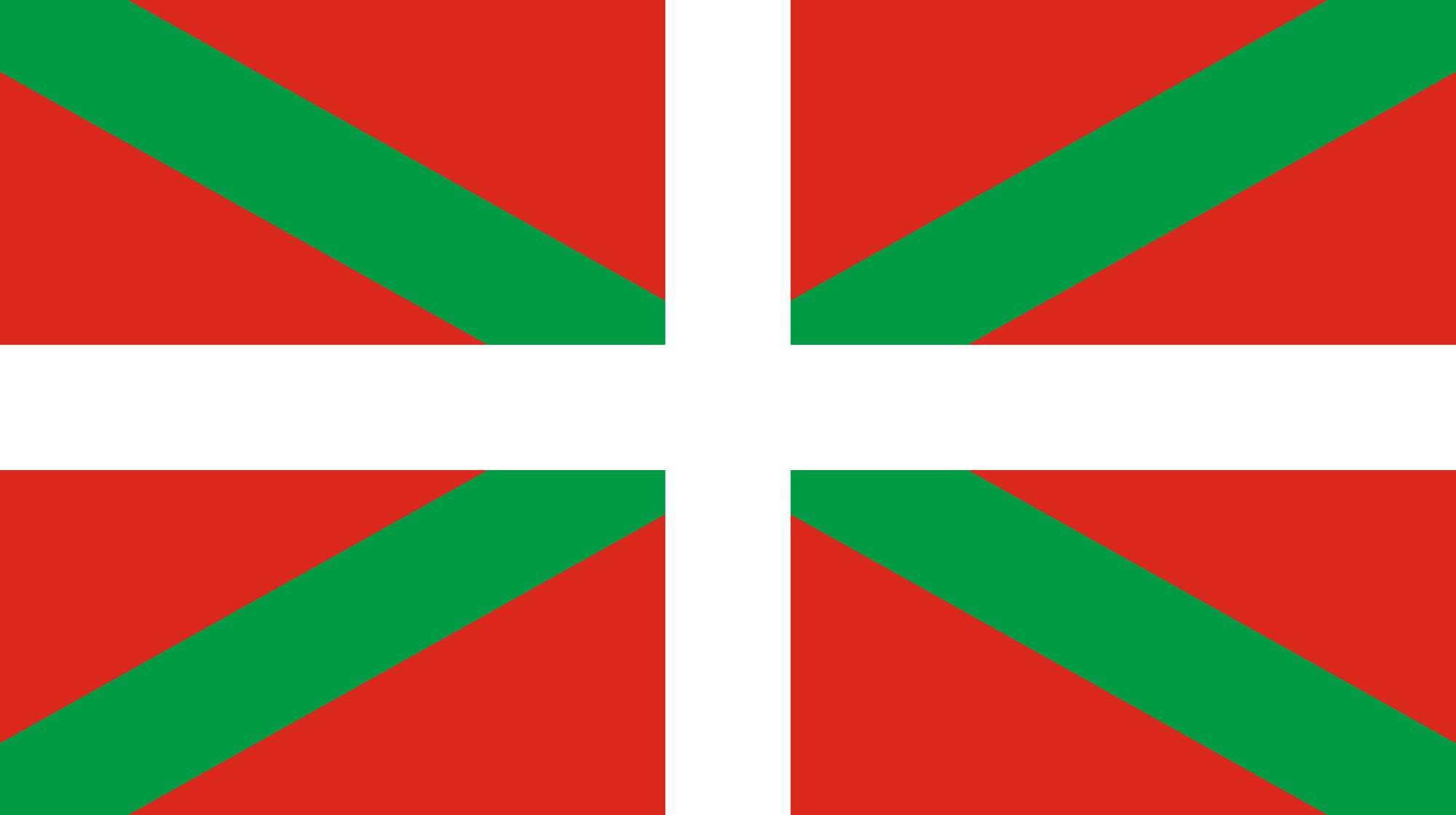
The Basque language, Euskera, has no known relatives anywhere on Earth — it’s a linguistic island that predates every other European tongue. Franco’s government saw this uniqueness as a threat and banned Basque from all public spaces, arresting people for speaking it in markets or cafes.
Euskera survived anyway, passed down through generations who understood they were protecting something irreplaceable.
Kurdish

Kurdish speakers scattered across Turkey, Iraq, Iran, and Syria have faced decades of government policies designed to make their language disappear. Turkey once referred to Kurds as “Mountain Turks” and banned Kurdish entirely, while Saddam Hussein’s Iraq gassed Kurdish villages partly to eliminate the language along with its speakers.
The language endures across borders, carried by communities who refuse to let it die.
Tibetan

China’s approach to Tibet has always targeted language as much as territory — Mandarin replaced Tibetan in schools, and speaking Tibetan became a quiet act of resistance. The 2008 protests in Tibet sparked partly because young Tibetans could no longer learn in their native language (relegated to second-class status in their own homeland).
Tibetan persists in exile communities and hidden monasteries, kept alive by people who see language preservation as spiritual duty.
Sami
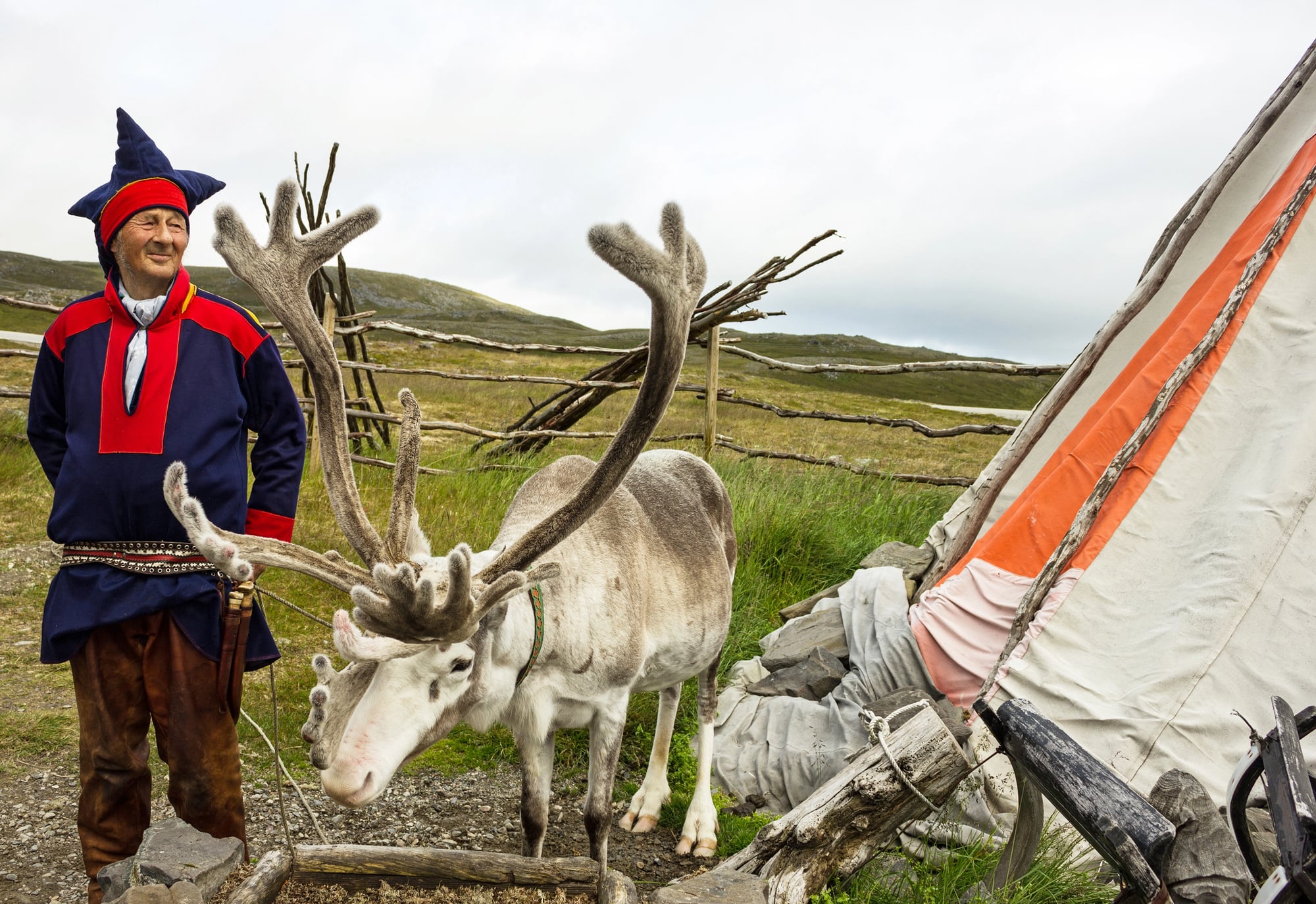
The Sami people of northern Scandinavia watched their languages disappear from official use as Norway, Sweden, and Finland pursued aggressive assimilation policies. Sami children were sent to boarding schools where their native tongues were beaten out of them, replaced with the majority languages of their respective countries.
Several Sami dialects survived in the tundra and reindeer camps, spoken by herders who kept the old ways alive far from government reach.
Hawaiian

American authorities systematically dismantled Hawaiian language education after annexing the islands, making English mandatory in all schools by 1896. Within two generations, Hawaiian had nearly vanished from daily life, spoken mainly by elderly residents in remote areas.
The language found new life in the 1970s when activists created immersion schools, proving that apparently dead languages could be resurrected through community will.
Scottish Gaelic

The British government spent centuries trying to eliminate Scottish Gaelic, particularly after the failed Jacobite uprisings made Highland culture seem dangerous to English rule. The Education Act of 1872 banned Gaelic from Scottish schools entirely, and children were punished for speaking it even during recess.
Gaelic retreated to the outer islands and crofting communities, where it survived in songs and stories told by firelight.
Breton

France’s approach to regional languages has always been ruthlessly centralized — one nation, one language, no exceptions. Breton speakers in Brittany faced the same policies that targeted other regional tongues: school punishment for speaking Breton, official documents only in French, and steady pressure to assimilate completely.
The language survived in fishing villages and rural communities where French felt foreign and unnecessary.
Quechua
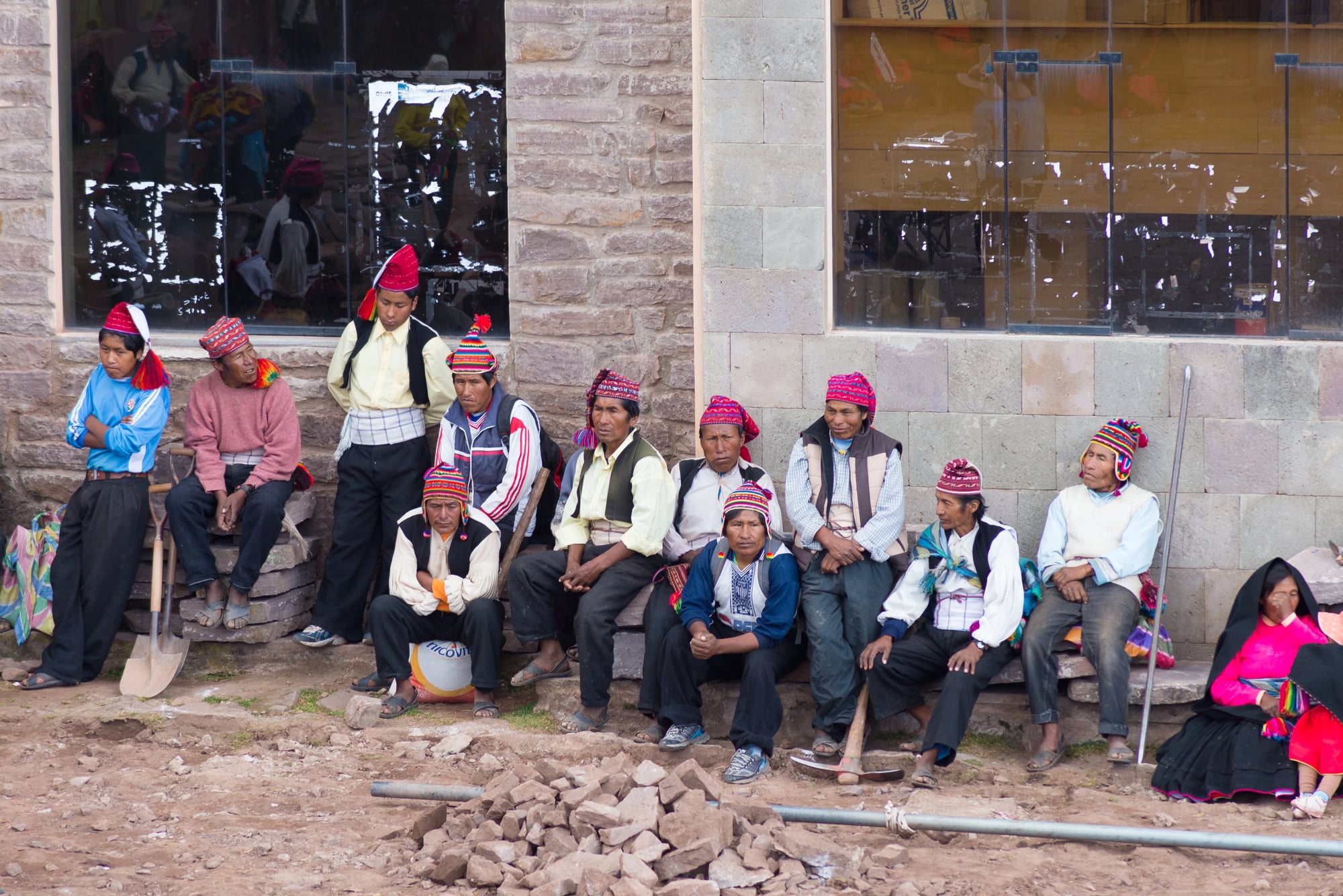
Spanish colonizers and later Peruvian governments have spent centuries trying to replace Quechua with Spanish, viewing indigenous languages as obstacles to modernization. Quechua speakers were barred from government jobs, their children punished in schools, and their communities pressured to abandon “backward” traditions.
But Quechua adapted and endured, spoken by millions across the Andes who maintained their linguistic identity despite official hostility.
Cherokee

The United States government’s boarding school system specifically targeted Native American languages, operating on the principle that killing the language would kill the culture. Cherokee children were forcibly removed from their families and punished severely for speaking their native tongue, part of a broader campaign to “civilize” indigenous populations.
Cherokee survived through elders who taught it secretly and communities that refused to let their linguistic heritage disappear completely.
Navajo

Navajo faced the same systematic suppression as other Native American languages, with children sent to distant boarding schools where speaking Navajo earned beatings and humiliation. The irony came during World War II when the U.S. military suddenly needed Navajo speakers as code talkers, using the very language they’d tried to eliminate as an unbreakable communication system.
Navajo endured this contradiction and remains one of the most widely spoken indigenous languages in North America.
Ainu

Japan’s approach to the Ainu people of Hokkaido was cultural obliteration — banning their language, religion, and traditional practices while forcing assimilation into Japanese society. The Ainu Language Act of 1997 finally recognized what had nearly been lost, but by then fluent speakers numbered in the dozens rather than thousands.
Ainu survival represents one of the most precarious language recoveries in modern history.
Maori

New Zealand’s education system once punished Maori children for speaking their native language, part of a broader policy to create a monolingual English-speaking nation. The Maori Language Act of 1987 reversed decades of suppression by making Maori an official language, but the damage was severe — whole generations had grown up unable to speak the language of their ancestors.
Maori recovery has been remarkable, driven by immersion schools and cultural renaissance movements.
Sardinian

Italy’s unification came with linguistic costs — regional languages like Sardinian were systematically discouraged in favor of standard Italian. Schools banned Sardinian, government documents appeared only in Italian, and speaking Sardinian in official contexts became impossible.
The language persisted in rural villages and family kitchens, places where Italian felt artificial and Sardinian remained the natural choice for daily life.
Frisian
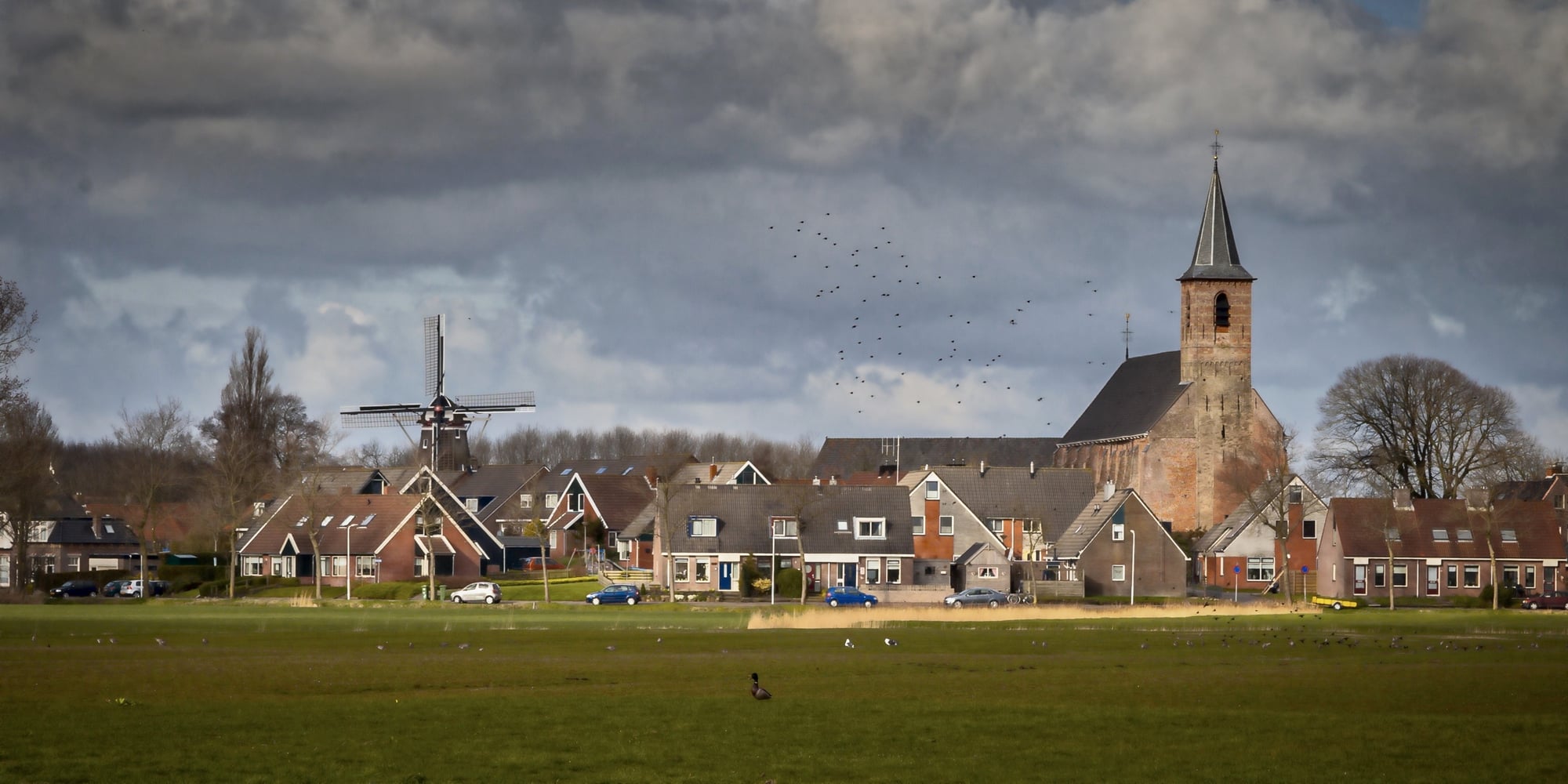
The Netherlands and Germany both pursued policies that marginalized Frisian, treating it as a dialect rather than a legitimate language deserving protection. Frisian disappeared from schools and official use, relegated to informal conversations and cultural events that felt increasingly quaint rather than vital.
West Frisian has recovered somewhat in the Netherlands, while East and North Frisian remain critically endangered despite recent recognition efforts.
Galician

Spain’s treatment of Galician paralleled its suppression of Catalan — Franco’s government banned the language from public use and punished children for speaking it in schools. Galician literature was prohibited (writers faced imprisonment for publishing in their native tongue), and the language retreated to rural communities and underground resistance movements.
Galician’s recovery after Franco’s death has been steady, though Spanish remains dominant in urban areas.
Alsatian

France’s approach to Alsace-Lorraine after reclaiming it from Germany involved aggressive Francification that targeted the local Germanic dialect, Alsatian. Schools switched entirely to French, German street signs were replaced, and speaking Alsatian became a mark of insufficient patriotism.
The language survived in family settings and traditional festivals, but each generation spoke it less fluently than the last.
Corsican

Corsican faced the same centralizing pressure that affected other regional languages in France — systematic replacement with standard French in all official contexts. The island’s incorporation into France meant that Corsican children learned to read and write only in French, while their native language was relegated to informal use.
Corsican independence movements have helped revive interest in the language, though fluent speakers continue to decline.
Sorbian

Germany’s historical treatment of the Sorbian minority in Lusatia involved steady pressure to assimilate linguistically and culturally into German society. Sorbian schools were closed, publications banned, and the language pushed toward extinction through official neglect rather than outright prohibition.
Both Upper and Lower Sorbian survive today, but as highly endangered languages spoken primarily by elderly residents in traditional Sorbian villages.
Kashubian

Poland’s approach to regional languages has been inconsistent — sometimes tolerating diversity, other times pushing for linguistic unity around standard Polish. Kashubian speakers in northern Poland faced periods of suppression where their language was banned from schools and official use, treated as a peasant dialect rather than a legitimate tongue.
Kashubian has gained some official recognition recently, though it remains vulnerable to displacement by Polish.
Occitan
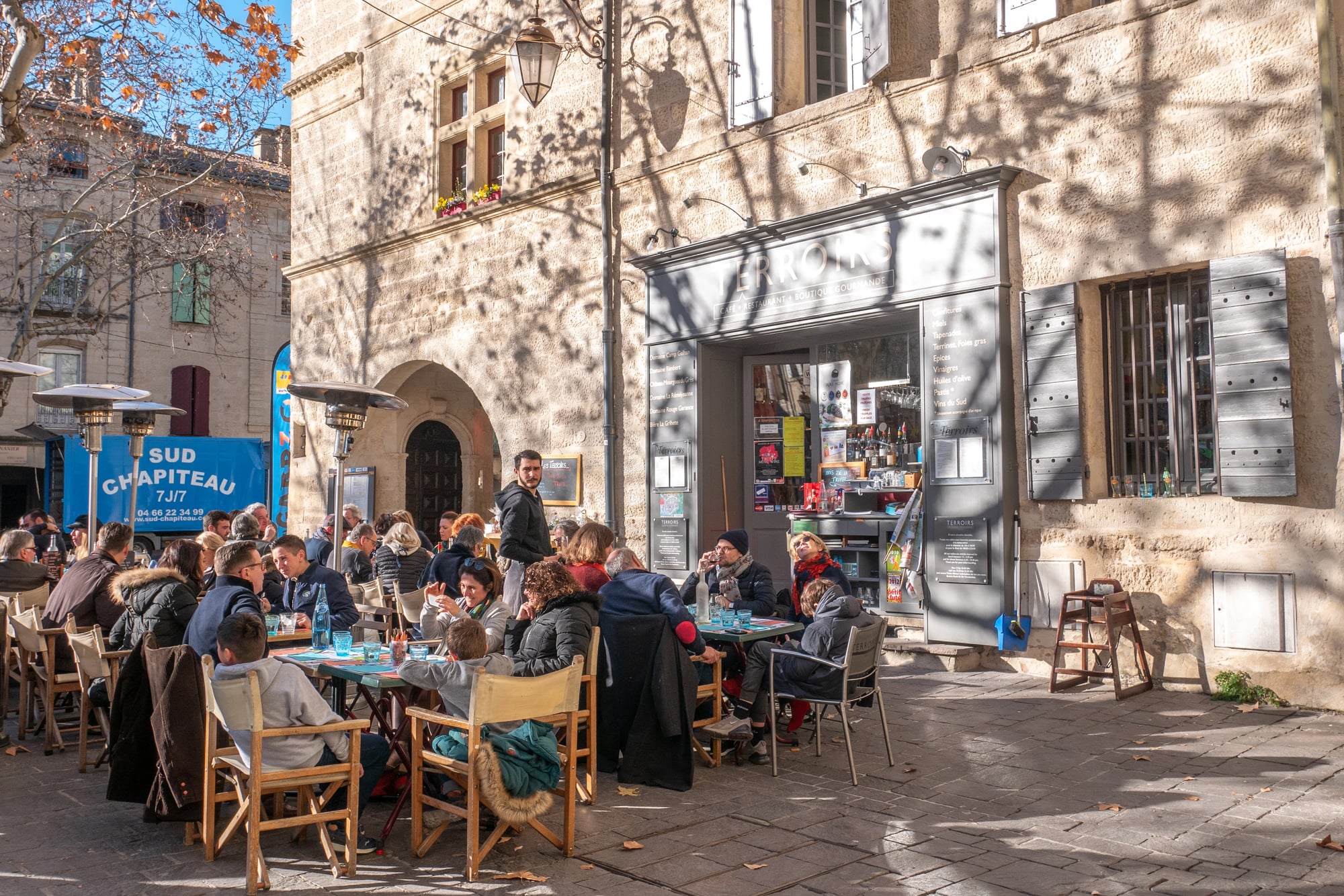
France’s linguistic centralization policies hit Occitan particularly hard because of its wide distribution across southern France — suppressing it required systematic effort across multiple regions. Schools punished children for speaking Occitan, official documents appeared only in French, and the language gradually retreated from public life.
Occitan survives in fragmentary form across its traditional range, kept alive by cultural activists and elderly speakers in rural communities.
Aromanian
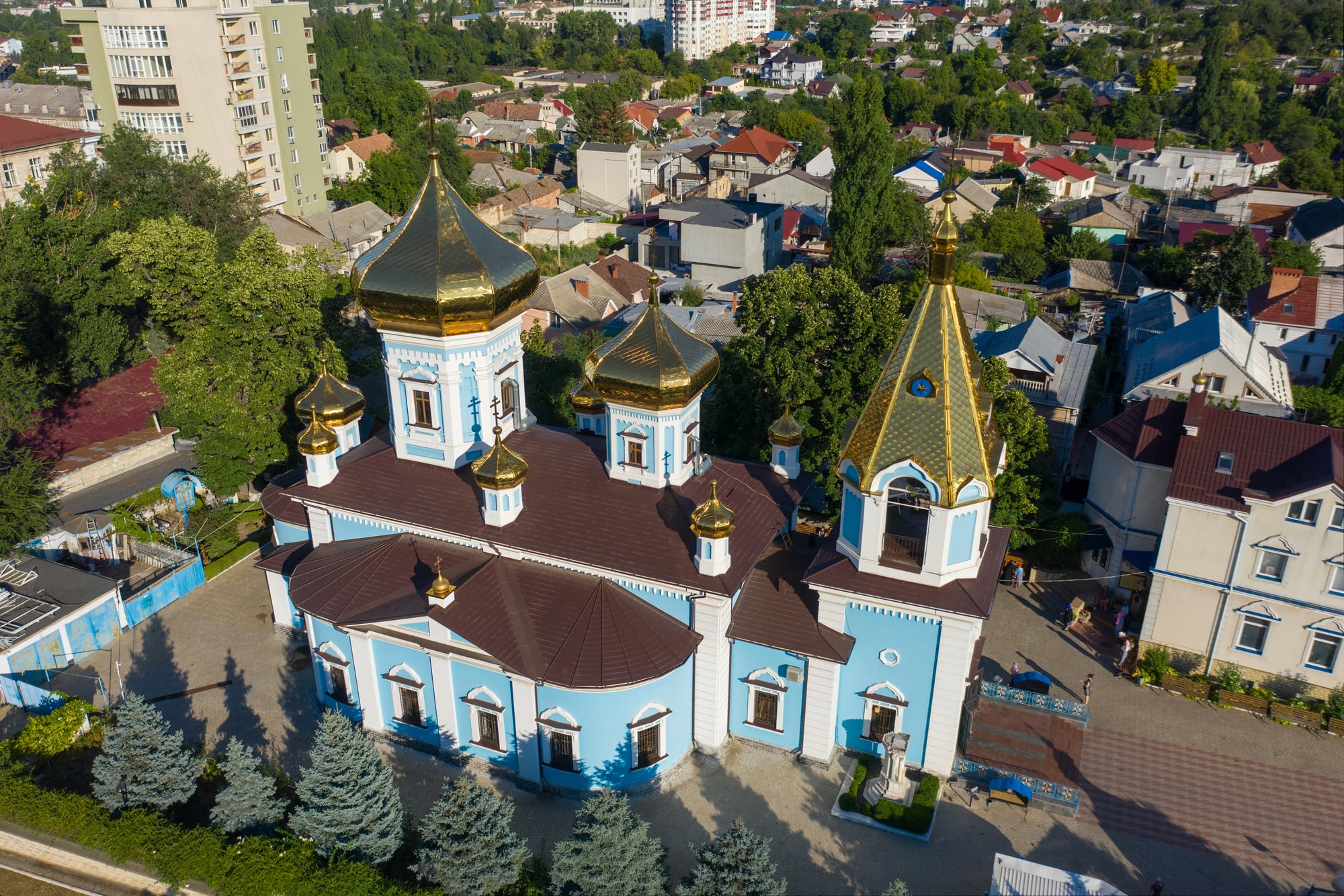
The Balkans’ complex political history has put pressure on Aromanian from multiple directions — Greek, Albanian, Romanian, and Macedonian governments have all viewed the language with suspicion at various times. Aromanian speakers, scattered across several countries, faced assimilation pressure and official policies that discouraged their linguistic distinctiveness.
The language persists among traditional pastoral communities and diaspora populations who maintain their unique identity despite political boundaries.
Rusyn

Rusyn speakers have faced denial of their linguistic distinctiveness from multiple governments that preferred to classify them as speakers of Ukrainian, Slovak, or Russian rather than recognize a separate language. This political limbo meant no official protection, no standardized education, and steady pressure to assimilate into majority populations.
Rusyn has gained some recognition in recent decades, though it remains vulnerable to displacement by the dominant languages of the countries where Rusyn communities live.
The Quiet Revolution

Languages that survive government suppression don’t do so by accident — they endure because communities make deliberate choices to keep them alive, often at personal cost. Parents whisper to children in languages that could get them fired from jobs.
Teachers create underground schools that operate in kitchen tables and church basements. Writers preserve literature in languages that have no official status, knowing their work might not be read for generations.
These acts of linguistic resistance happen quietly, one conversation at a time, but they add up to something governments can’t easily destroy: the human need to speak in the tongue that carries the deepest truths about who people are and where they come from.
More from Go2Tutors!

- The Romanov Crown Jewels and Their Tragic Fate
- 13 Historical Mysteries That Science Still Can’t Solve
- Famous Hoaxes That Fooled the World for Years
- 15 Child Stars with Tragic Adult Lives
- 16 Famous Jewelry Pieces in History
Like Go2Tutors’s content? Follow us on MSN.



