The Most Remote Post Offices in the World
Getting mail delivered seems simple until you think about the people who live at the edges of civilization. Somewhere, postal workers wake up, put on their uniforms, and head to work in places most of us will never see.
These aren’t your typical branch locations with parking lots and automatic doors. These are outposts where the mail arrives by dogsled, boat, or plane—if it arrives at all.
Port Lockroy, Antarctica
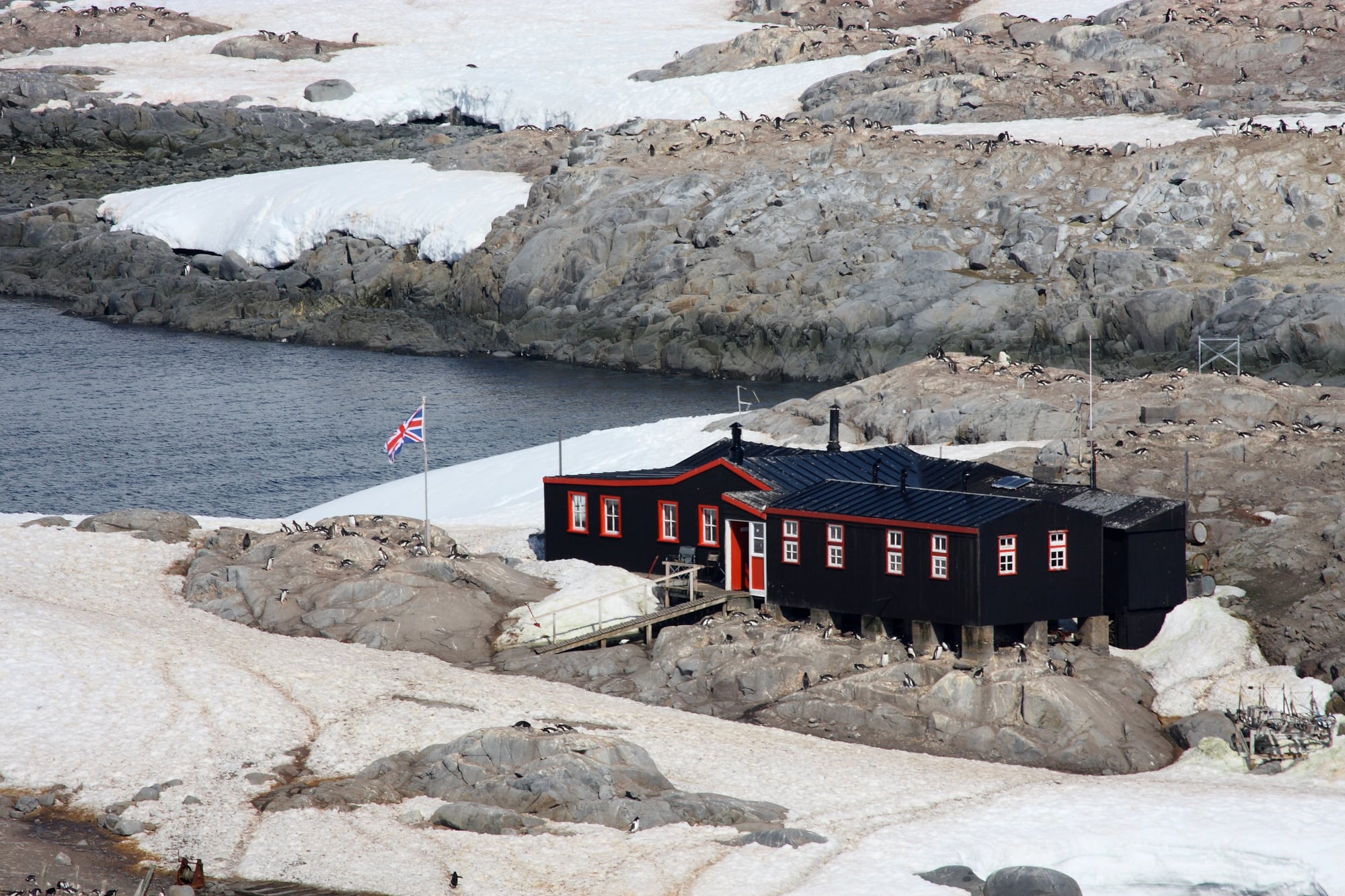
The red building sits on Goudier Island, surrounded by penguins and ice. Port Lockroy started as a British research station during World War II, and now operates as a museum and post office during the Antarctic summer.
The staff live there for months, sorting mail while Gentoo penguins nest around the building. You can send a postcard from here, and thousands of people do.
The letters get stamped with a special Antarctic postmark, then wait for the next ship heading north. The postal service here exists mostly for tourists, but that doesn’t make it any less real.
Someone has to organize those letters, keep the stamps dry, and make sure everything reaches the next boat on time.
Supai, Arizona

The bottom of the Grand Canyon doesn’t get mail trucks. Supai, home to the Havasupai Tribe, sits eight miles below the canyon rim.
The only way down is on foot, by horse, or by mule. So the mail comes by mule train.
Six days a week, pack mules carry letters, packages, and supplies down the switchbacks to the village. The postal carrier loads up the animals at the top and leads them down ancient trails.
When you live in Supai, you learn to plan ahead. Ordering something online means waiting for the next mule train.
The post office serves about 200 permanent residents. They get their electricity from generators and their mail from animals that have been doing this job for decades.
The postal service considers this the most remote delivery route in the lower 48 states.
Ittoqqortoormiit, Greenland
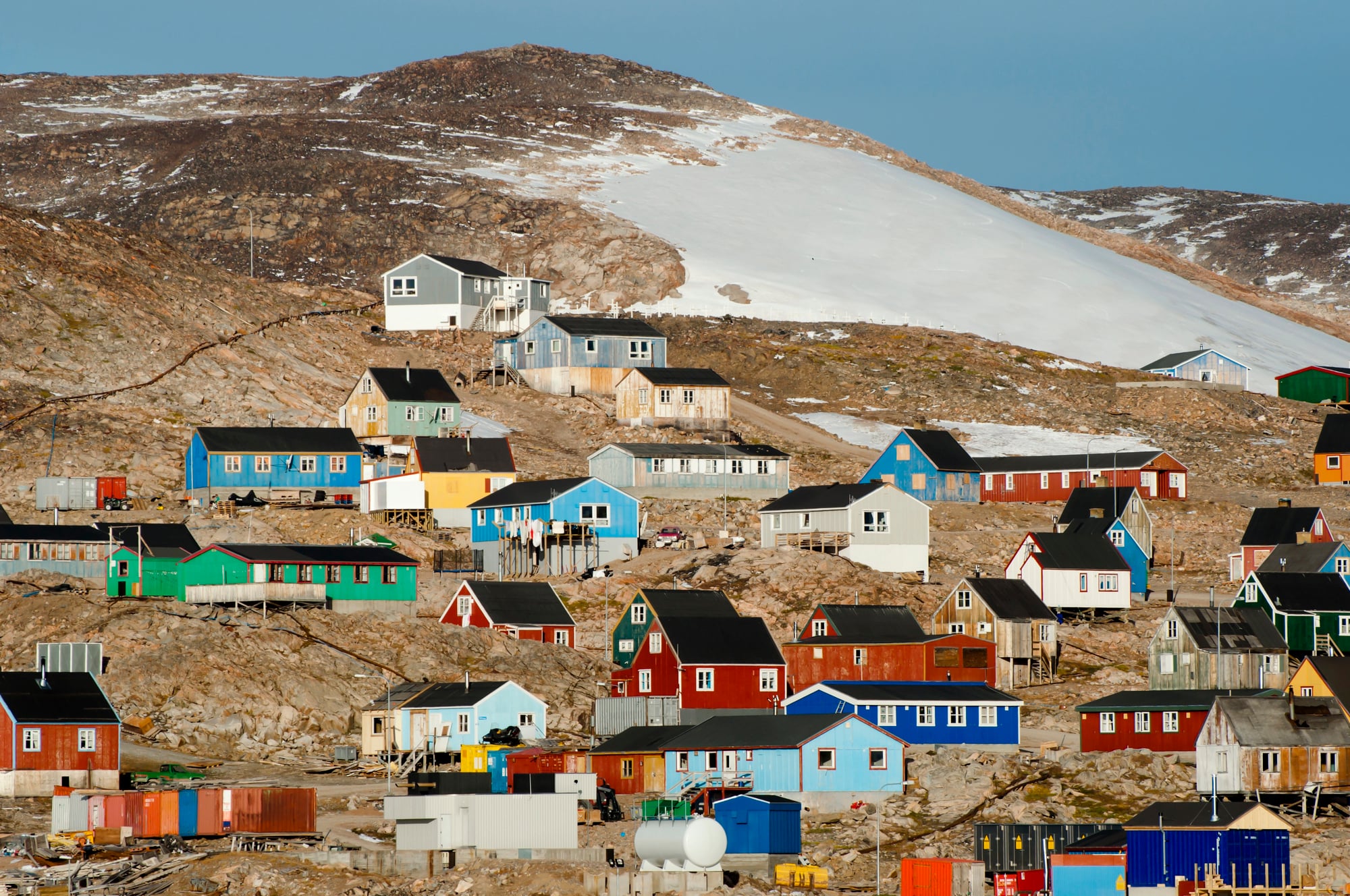
The name takes practice to pronounce. The town sits on the eastern coast of Greenland, where the nearest neighbor lives hundreds of miles away.
About 350 people call this place home, and they survive on hunting and fishing in one of the most isolated settlements in the Arctic. Ships can only reach Ittoqqortoormiit for a few months each year when the ice breaks up.
During winter, the sea freezes solid, and the town becomes even more cut off than usual. Mail comes whenever a helicopter can make the trip or when a boat can push through the ice.
The post office handles mail, but it also serves as a gathering spot. When you live somewhere this remote, places where people can meet become important.
The postal workers here know everyone by name because everyone truly does know everyone.
Tristan da Cunha
This island sits in the middle of the South Atlantic Ocean, claiming the title of the most remote inhabited archipelago on Earth. The nearest land mass is South Africa, which is 1,750 miles away.
About 250 people live here, all of them descended from a handful of settlers who arrived in the 1800s. Ships visit Tristan da Cunha maybe nine times a year.
No airport exists here because the terrain won’t allow it. When a boat arrives, it brings mail, supplies, and occasionally new residents.
The post office sorts through everything while the ship unloads. The island produces postage stamps that collectors prize.
Philatelists around the world know about Tristan da Cunha stamps, and the revenue from stamp sales helps support the local economy. The post office staff creates these stamps, processes the orders, and keeps the system running between ship visits.
Longyearbyen, Svalbard
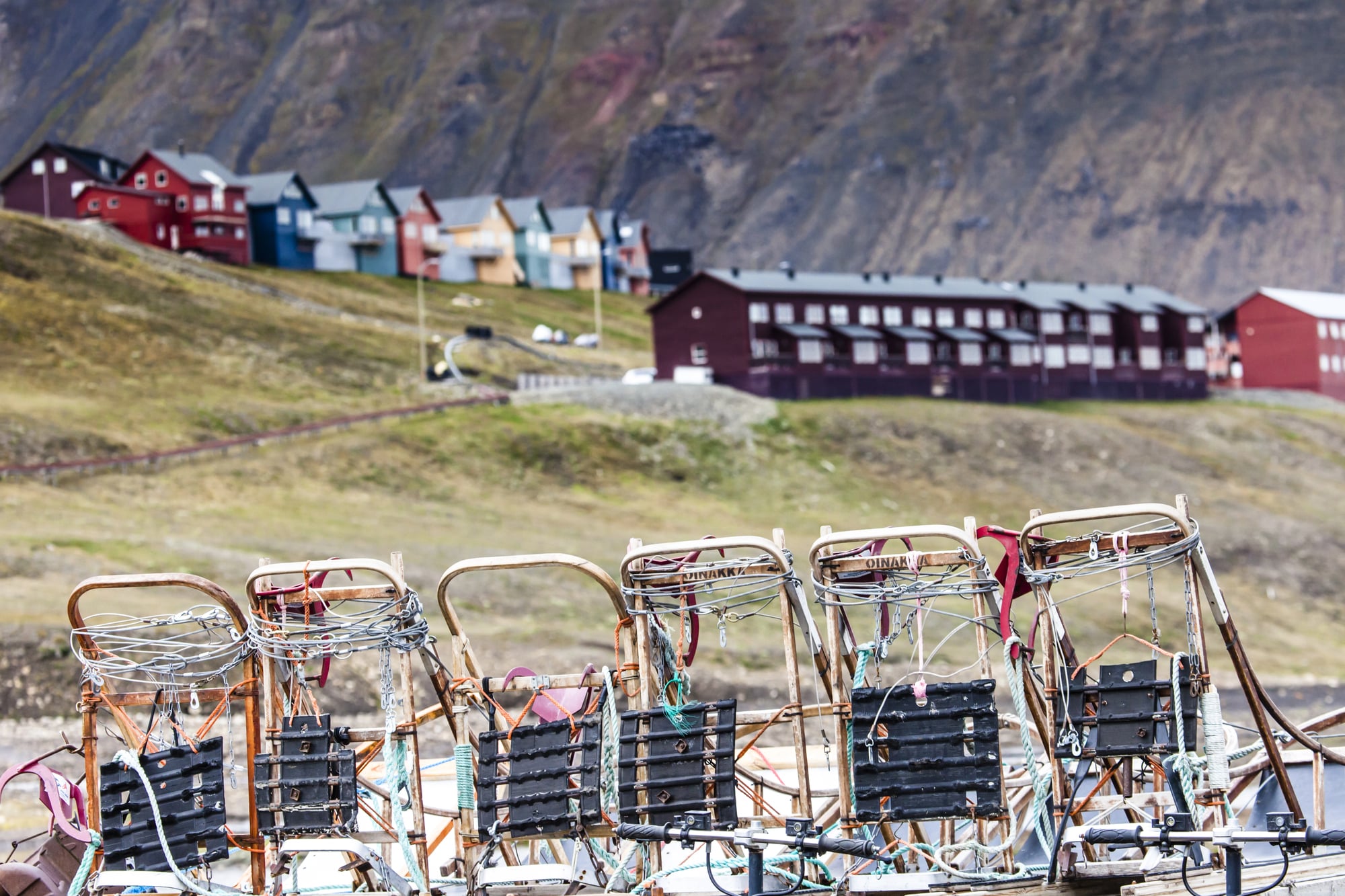
North of Norway, past the edge of the European mainland, you’ll find Svalbard. Longyearbyen serves as the main settlement, sitting at 78 degrees north latitude.
Polar bears outnumber people in this archipelago, and residents must carry rifles when they leave town. The post office here handles mail for researchers, miners, and the families who live in this Arctic outpost.
Everything arrives by plane or boat, and during the polar winter, when the sun doesn’t rise for months, the mail keeps coming. This counts as one of the northernmost postal services in the world.
The workers here deal with temperatures that drop well below freezing and darkness that lasts for months. Mail slots freeze shut.
Ink stops flowing in pens. But the post office stays open.
Pitcairn Island
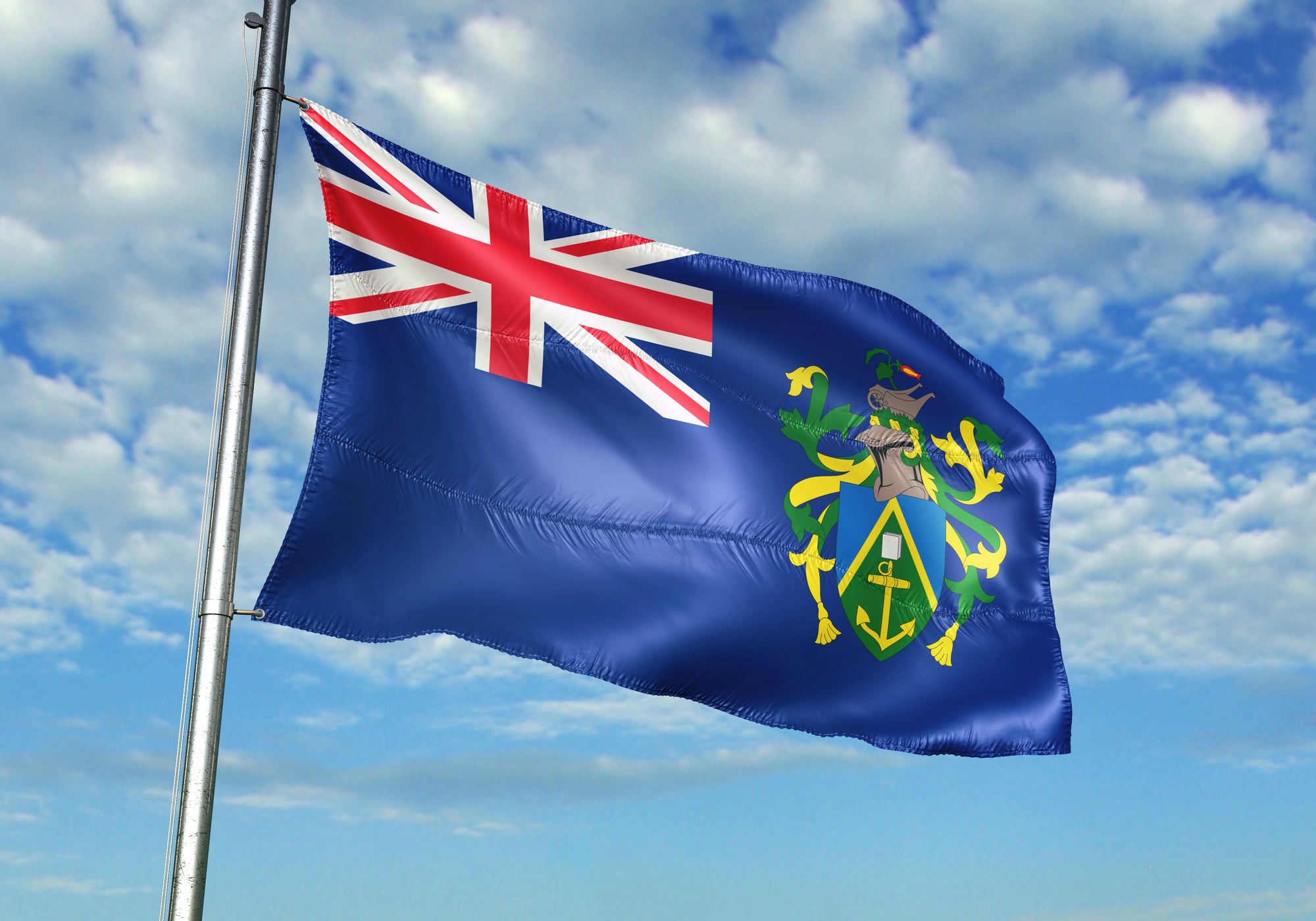
Four families live on Pitcairn Island in the South Pacific. The descendants of the Bounty mutineers still call this place home, and they’ve maintained their settlement since 1790.
The island has no airport and no regular ferry service. Ships pass by about ten times a year.
When one approaches, the islanders launch their longboats and row out to meet it. They collect supplies, greet visitors, and pick up their mail.
The post office operates from a building in the main square, such as it is. Pitcairn produces postage stamps like Tristan da Cunha does.
The stamps feature local wildlife, historical scenes, and island landmarks. Collectors order them, and the postal workers ship them out on the next available vessel.
For a community this small, the post office represents more than just mail delivery. It connects them to the outside world.
McMurdo Station, Antarctica

The American research station at McMurdo handles more than just science. The base operates its own post office, serving the scientists, support staff, and military personnel who work there.
During peak summer season, more than a thousand people live at McMurdo. Mail arrives by plane when weather permits.
The postal workers sort through bags of letters and packages, organizing them for distribution across the base. They stamp outgoing mail with Antarctic postmarks that people collect.
The post office at McMurdo stays busy. People working in Antarctica miss home, and letters help.
Packages from family members bring comfort food, books, and reminders of warmer places. The postal staff here understands what that mail means to people living at the bottom of the world.
Alert, Nunavut, Canada

The northernmost permanently inhabited place on Earth sits just 500 miles from the North Pole. Alert serves as a military signals intelligence station, and about 60 people work there at any given time, rotating through on temporary assignments.
Mail reaches Alert by military aircraft. The planes land on an ice runway that gets maintained year-round.
The post office handles mail for the station personnel, and the postal workers deal with some of the harshest conditions imaginable. Temperatures at Alert regularly drop to -40 degrees and colder.
The sun doesn’t rise for months during winter, and it doesn’t set for months during summer. People don’t live here permanently—they work here in shifts and then leave.
But while they’re there, they get mail.
South Pole Station

The geographic South Pole has a post office. The Amundsen-Scott South Pole Station sits at 90 degrees south, and it serves as both a research facility and a symbolic location.
Scientists working here study everything from astronomy to climate science. Getting mail to the South Pole requires multiple flights.
Everything flies in from McMurdo Station, weather permitting. During winter, the station gets locked in, and no planes can land for months.
The postal workers know this and plan accordingly. The post office stamps everything with a South Pole postmark.
Visitors often send postcards from here, but the staff handles more practical mail too—letters from home, packages of supplies, forms and documents that need signatures. The mail service here operates in one of the most extreme environments humans have created.
Easter Island
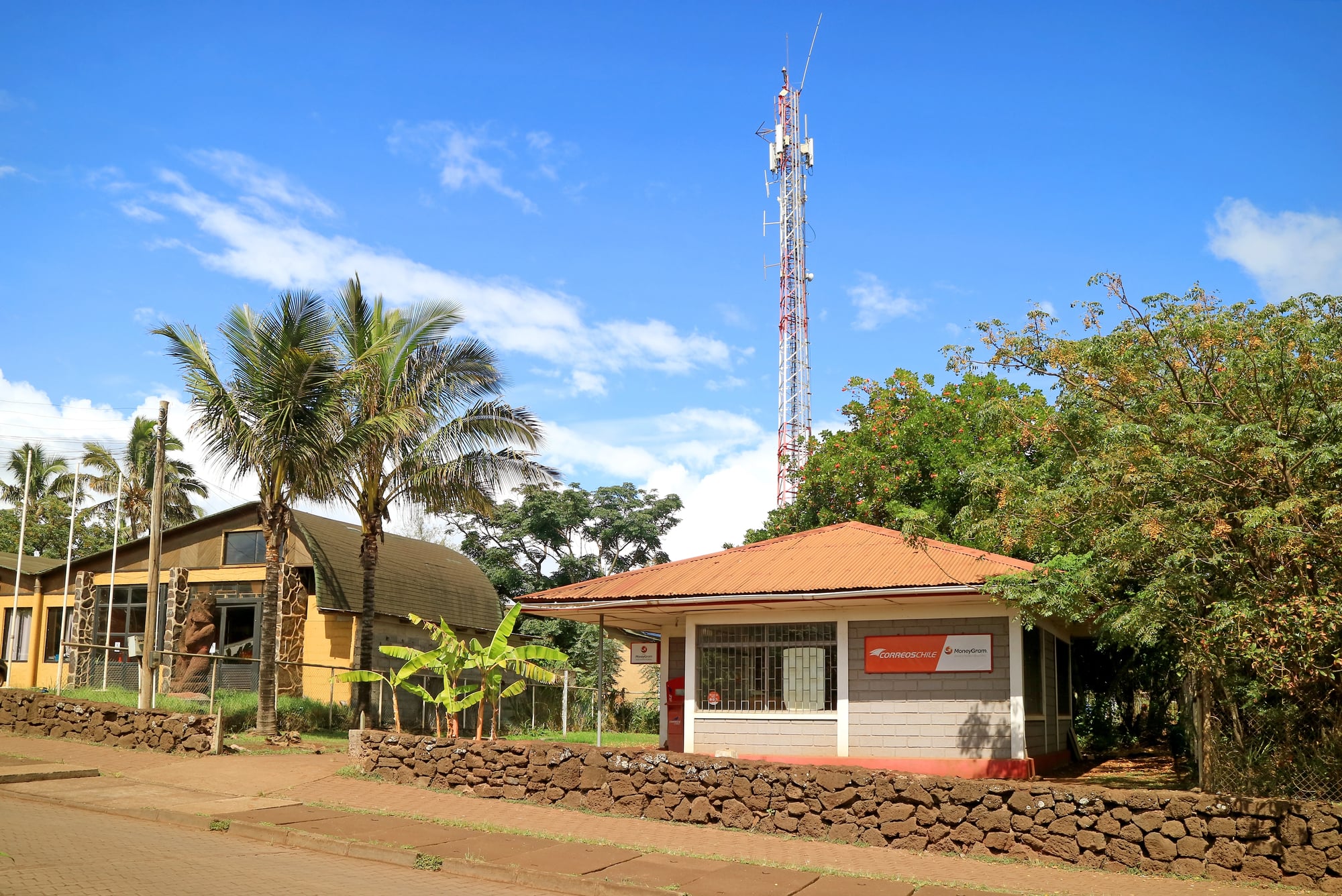
Easter Island sits 2,200 miles off the coast of Chile, making it one of the most isolated inhabited islands on Earth. The famous stone statues draw tourists, but people actually live here year-round.
The post office in Hanga Roa, the main town, serves both locals and visitors. Ships and planes bring mail to Easter Island.
The flights come from Chile, crossing thousands of miles of open ocean. When the mail arrives, the postal workers sort through it, separating letters for the 5,000 or so residents from tourist mail.
The post office offers a special passport stamp that travelers collect. It shows the island’s distinctive profile and gets added to the collection of stamps from other remote places.
But beyond tourism, the post office provides a real service to islanders who order supplies from the mainland and stay in touch with families who’ve moved away.
Upernavik, Greenland

This town in northwestern Greenland sits north of the Arctic Circle, where the ice dominates the landscape for most of the year. About 1,100 people live here, surviving on fishing and hunting.
The harbor freezes solid in winter, and dog sleds become the main form of transportation. Mail reaches Upernavik by helicopter or boat, depending on the season.
The post office staff coordinates deliveries around weather and ice conditions. Sometimes mail sits waiting for weeks until conditions improve enough for a flight.
The postal workers here serve a community spread across several small islands. They know what it means when someone receives a package from Denmark or a letter from a relative living in southern Greenland.
These connections matter when you live somewhere this isolated.
Cocos (Keeling) Islands

These islands sit in the Indian Ocean, roughly halfway between Australia and Sri Lanka. About 600 people live across two of the 27 islands that make up the atoll.
The post office on West Island handles mail for the entire territory. Ships visit every few weeks, and planes fly in from Australia twice a week.
The mail comes by air mostly, but larger packages arrive by sea. The postal workers process everything in a small office that also handles customs and immigration.
The islands produce their own stamps, featuring local wildlife and scenes from island life. The postal service here connects one of Australia’s most remote territories to the rest of the world.
For people living on a coral atoll thousands of miles from anywhere, that connection remains important.
Where Distance Means Something

These post offices exist because people do. Someone lives in these remote places, works there, raises families there, and needs to stay connected to the larger world.
The postal workers at these outposts deal with conditions most people never imagine—extreme cold, isolation, dangerous wildlife, months of darkness or constant daylight. But they show up, sort the mail, and keep the system running.
They understand that a letter from home means everything when you’re stationed in Antarctica or living on an island in the middle of the ocean. The stamps they use, the marks they leave on envelopes, become proof that someone reached out across distance and emptiness to make a connection.
These aren’t just post offices. They’re lifelines.
More from Go2Tutors!

- The Romanov Crown Jewels and Their Tragic Fate
- 13 Historical Mysteries That Science Still Can’t Solve
- Famous Hoaxes That Fooled the World for Years
- 15 Child Stars with Tragic Adult Lives
- 16 Famous Jewelry Pieces in History
Like Go2Tutors’s content? Follow us on MSN.