Deepest Mines Humans Have Dug
Down below, through ages past, lay secrets few dared face. Into shadows they went, where warmth pressed close and sight failed them.
Driven by need or wonder, hands gripped rough implements without clear direction. Slowly, depth after depth gave way – not easily, but surely – under steady pressure from minds unwilling to stay above.
Down deep, where sunlight never reaches, people carved tunnels not for show. Driven by need, they chased rare substances buried beneath rock layers.
Getting there meant solving tough problems, facing danger every step. Strength mattered.
So did clever thinking. Each descent tells a story about effort, about what we value enough to reach for.
What lies underfoot pulls us downward, testing limits without warning.
Peeling back the layers, these are some of the lowest mines dug by people. What it feels like down there, where heat and pressure rise, changes everything about moving, breathing, surviving.
The weight of the rock above presses hard. Machines groan louder than voices.
Light bends strangely off wet walls. Humans adapt slowly to places never meant for them.
Each step deeper twists the conditions further. Rock temperatures climb past boiling.
Cooling systems run nonstop just to keep air bearable. Shifts last longer because travel time eats into hours.
Dust sticks to skin no matter how many times you wipe. Silence is rare, but so is clear sound – echoes mess with hearing. Few choose this job once they’ve felt it firsthand.
Mponeng Gold Mine
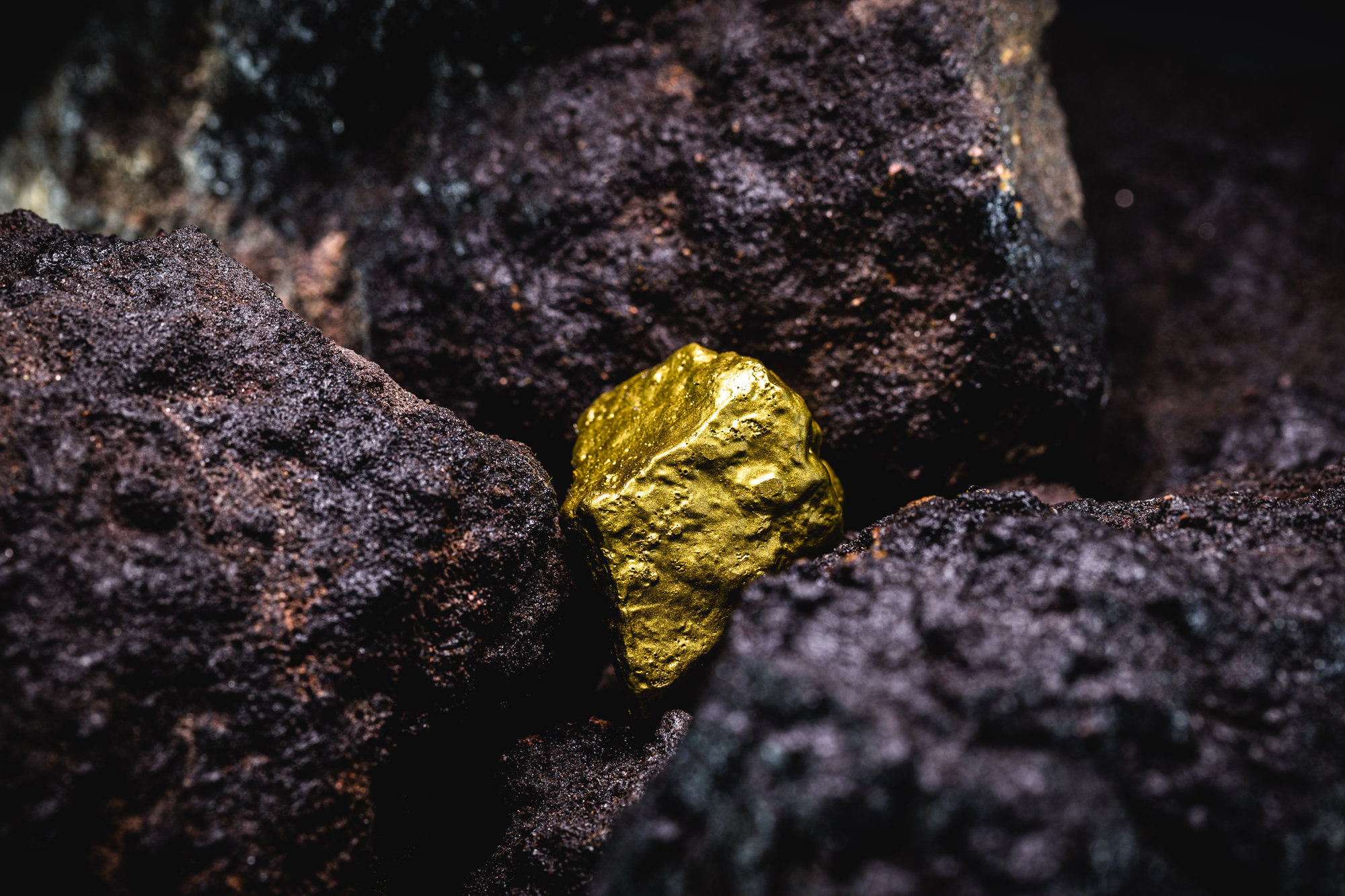
The Mponeng Gold Mine is widely regarded as the deepest mine ever built by humans. At its lowest point, it reaches about 2.5 miles below the Earth’s surface, a depth so extreme that conditions become almost otherworldly.
Temperatures at that level naturally rise to around 140 degrees Fahrenheit. Without extensive cooling systems pumping chilled air underground, survival would be impossible.
Even with modern technology, workers operate in an environment where heat and pressure are constant challenges.
What’s remarkable is that Mponeng remains active. Gold veins at such depths are incredibly difficult to access, yet the mine continues to produce, proving that modern mining has pushed well beyond what was once thought physically feasible.
TauTona Mine
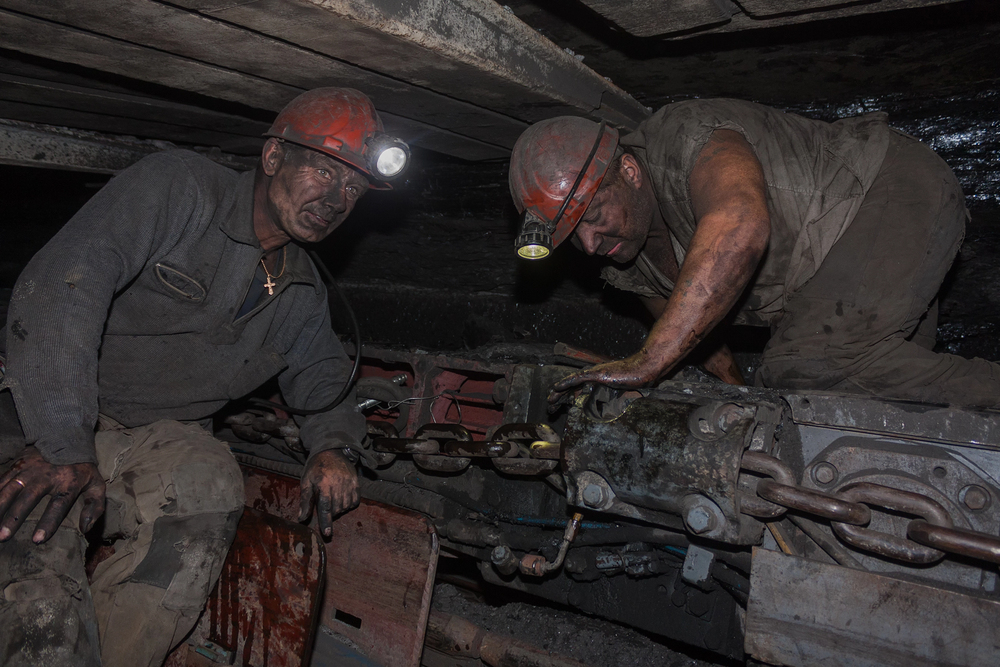
Not far from Mponeng lies the TauTona Mine, whose name means ‘great lion’ in Setswana. At roughly 2.4 miles deep, it once rivaled Mponeng for the title of deepest mine on Earth.
Reaching the bottom of TauTona is a journey in itself. Workers descend through a series of shafts that can take nearly an hour to travel from surface to work areas.
The deeper they go, the more artificial the environment becomes.
TauTona’s depth highlighted a turning point in mining history. At extreme levels like this, engineering challenges and safety concerns begin to outweigh economic returns, leading many ultra-deep mines to scale back or shut down over time.
Savuka Gold Mine
Savuka, another South African gold mine, reaches depths of around 2.3 miles. For years, it stood among the deepest working mines in the world, contributing significantly to the country’s gold production.
At such depths, even small geological shifts matter. Rock pressure increases dramatically, and maintaining stable tunnels requires constant reinforcement and monitoring.
Mining here is as much about controlling the Earth as it is about extracting minerals.
Savuka’s history reflects the limits of deep mining. While technologically impressive, operations at this depth are expensive, energy-intensive, and increasingly difficult to justify as ore quality declines.
East Rand Mine
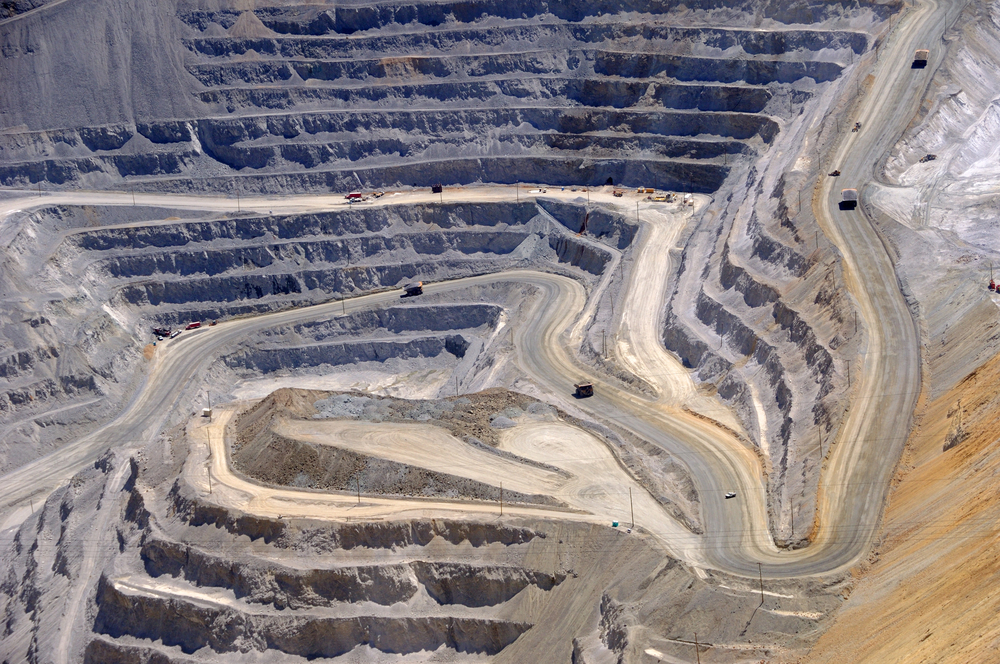
The East Rand Mine reached a depth of roughly 2.2 miles before ceasing operations. During its peak, it played a major role in South Africa’s mining industry and demonstrated just how far deep-level mining had advanced.
Unlike shallower mines, East Rand relied heavily on cooling systems and complex ventilation to make work possible. The deeper the mine went, the more it depended on machinery simply to create a livable environment.
Its closure wasn’t due to a lack of engineering skill. Instead, it reflected a broader reality of deep mining, where economic viability becomes harder to maintain as depth increases.
Kidd Creek Mine
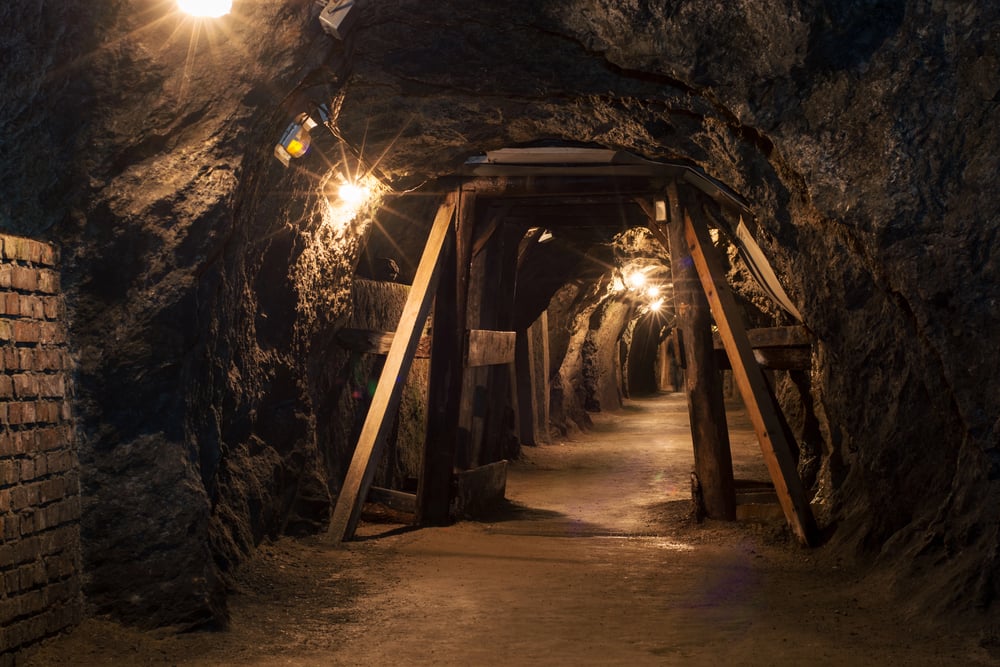
Outside of South Africa, the Kidd Creek Mine in Canada stands out as the deepest base metal mine in the world. It reaches approximately 1.8 miles below the surface, making it a global outlier for non-gold mining operations.
Kidd Creek extracts copper and zinc, and its depth introduced challenges similar to those faced in South African mines. Heat management, ventilation, and ground stability all become more complex the deeper operations go.
What makes Kidd Creek notable is that it pushed depth limits in a very different geological setting. It proved that extreme mining wasn’t limited to gold-rich regions alone.
Western Deep Levels Mine
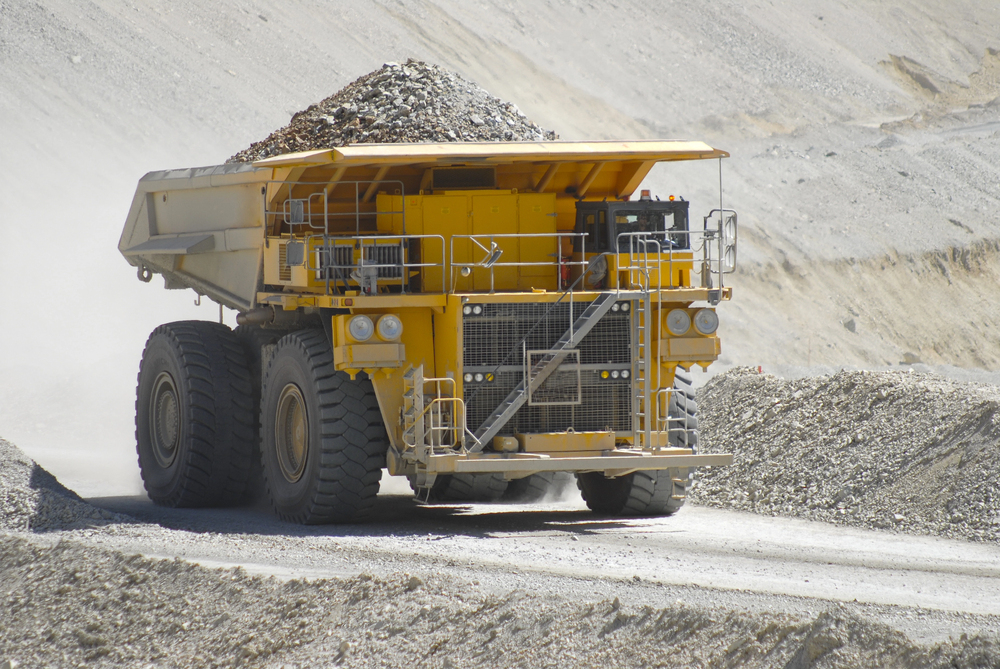
Western Deep Levels, now largely inactive, once extended beyond 2.2 miles below the surface. During its operational years, it contributed to South Africa’s reputation as the global leader in deep mining.
The mine required constant innovation to manage seismic activity and rock stress. As tunnels extended downward, the Earth’s natural forces became increasingly unpredictable.
Western Deep Levels serve as a reminder that depth alone doesn’t guarantee longevity. Even the most advanced mines face natural and economic limits.
What Makes These Depths So Extreme
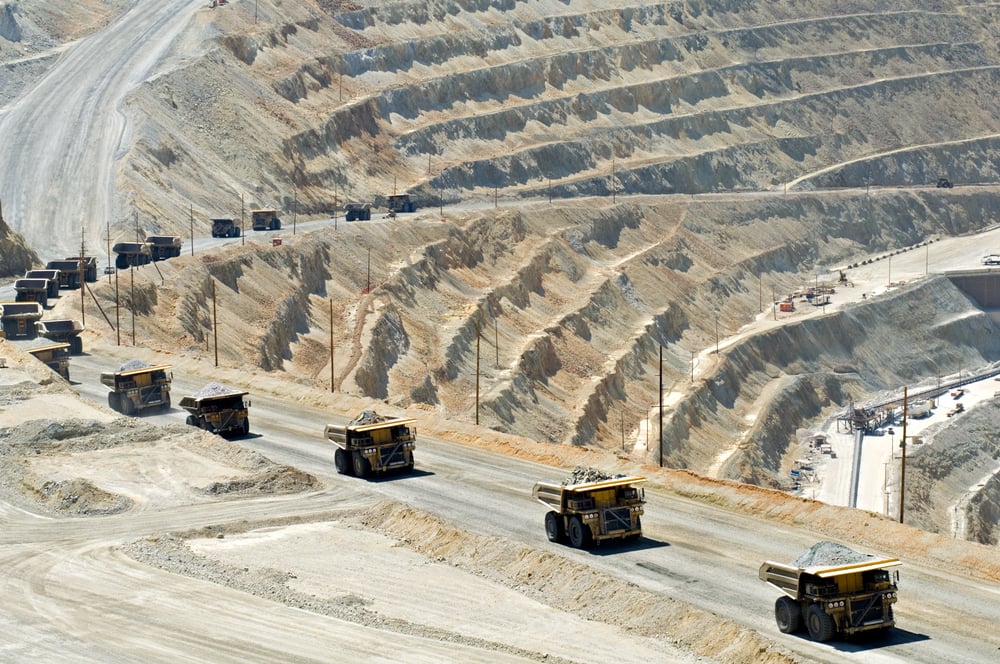
At depths exceeding two miles, mining is no longer just excavation. It becomes environmental control.
Air must be cooled, circulated, and filtered continuously. Rock pressure can cause sudden shifts, requiring advanced monitoring systems to detect movement before it becomes dangerous.
Travel time also changes how work is done. Simply reaching a work site can take close to an hour, meaning every shift must be carefully planned.
Emergency response becomes more complex, and every decision carries higher stakes.
These conditions explain why ultra-deep mines are rare. Beyond a certain point, each additional foot downward demands exponentially more effort.
Why Humans Went This Deep
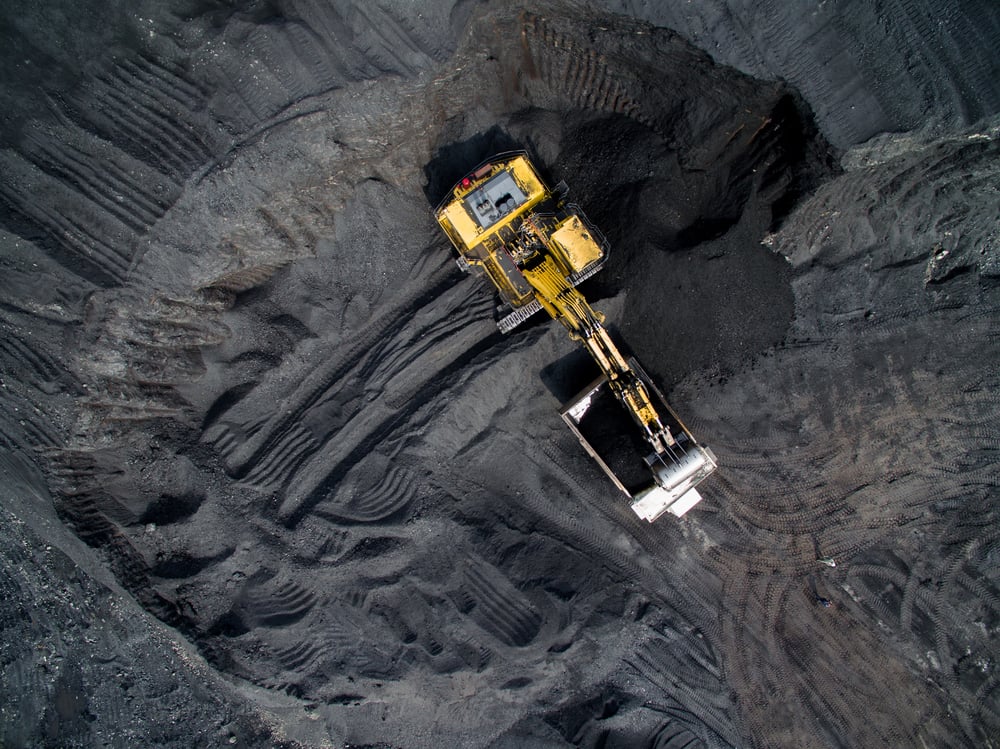
The answer is simple and complicated at the same time. Valuable minerals, especially gold, often exist far below the surface.
When surface deposits were exhausted, mining companies followed the ore downward.
Economic pressure played a major role. During periods of high gold prices, investing in deeper shafts made sense despite the risks and costs.
Advances in engineering made those investments possible, at least for a time.
Still, deep mining has always been a balancing act between reward and limitation. Every new record depth tests whether the Earth will allow humans to go further.
Why We May Never Go Much Deeper
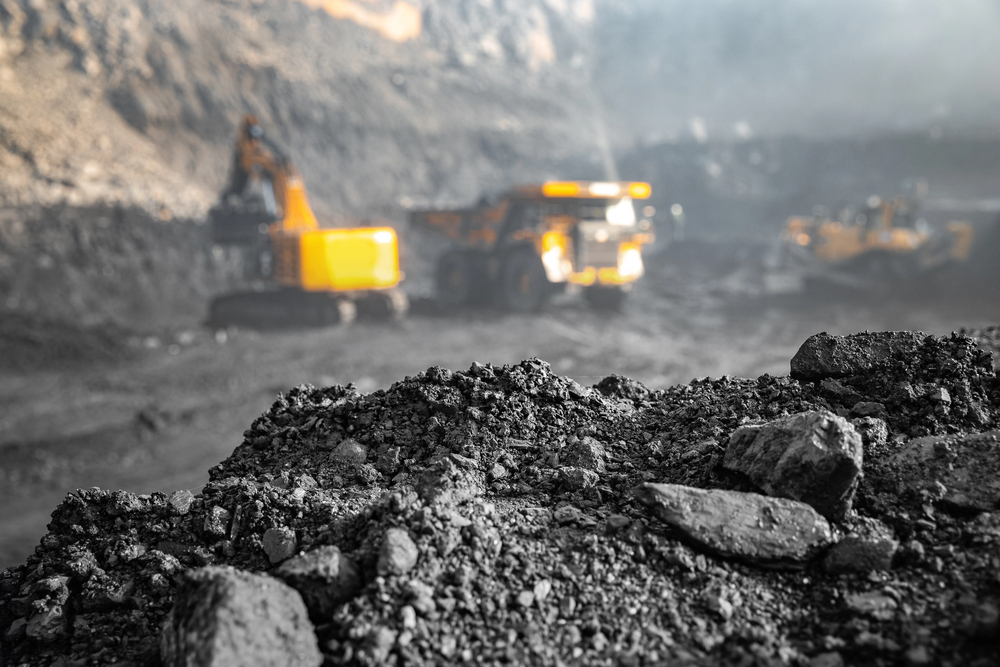
While technology continues to advance, there are natural limits that are difficult to overcome. Heat, pressure, and energy demands rise sharply with depth, and cooling systems alone consume enormous amounts of power.
In many cases, it’s now more efficient to find new deposits or use improved extraction methods rather than push deeper into existing ones.
Automation may change some aspects of mining, but it doesn’t eliminate the fundamental challenges of extreme depth.
As a result, the deepest mines humans have dug may remain unmatched for years to come.
How These Mines Changed Our Understanding
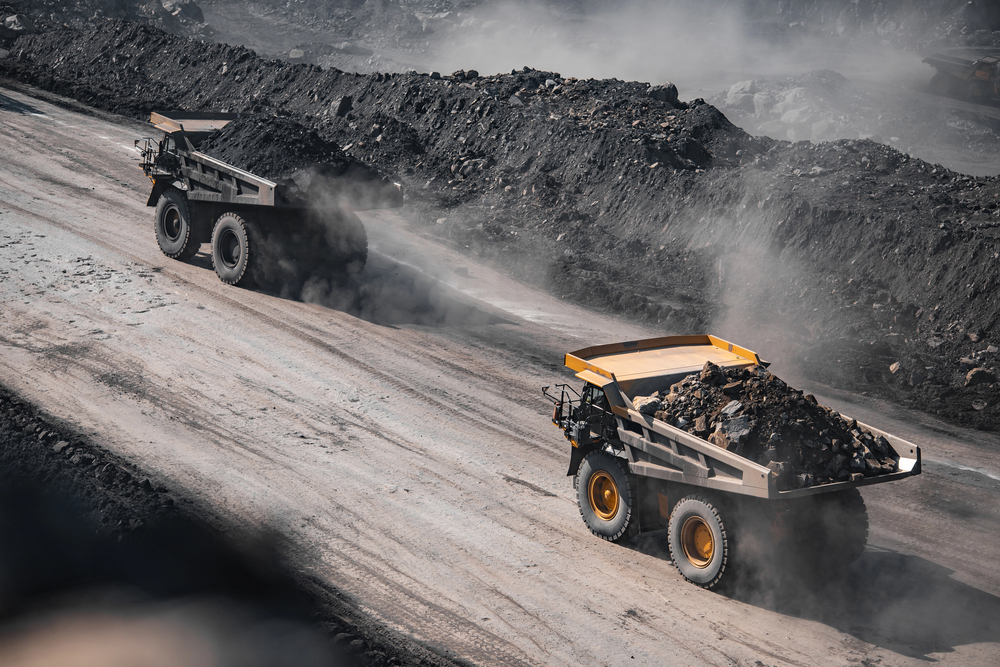
These mines didn’t just extract minerals. They reshaped how engineers think about underground construction, safety, and environmental control.
Techniques developed for deep mining have influenced tunnel construction, geothermal research, and even underground data storage concepts.
They also forced a reckoning with human limits. Working miles below the surface revealed how fragile people are in extreme environments, and how much effort is required to make those spaces livable.
In that sense, these mines represent more than industrial achievement. They mark the edge of where human ambition meets the physical boundaries of the planet.
When Depth Becomes a Legacy
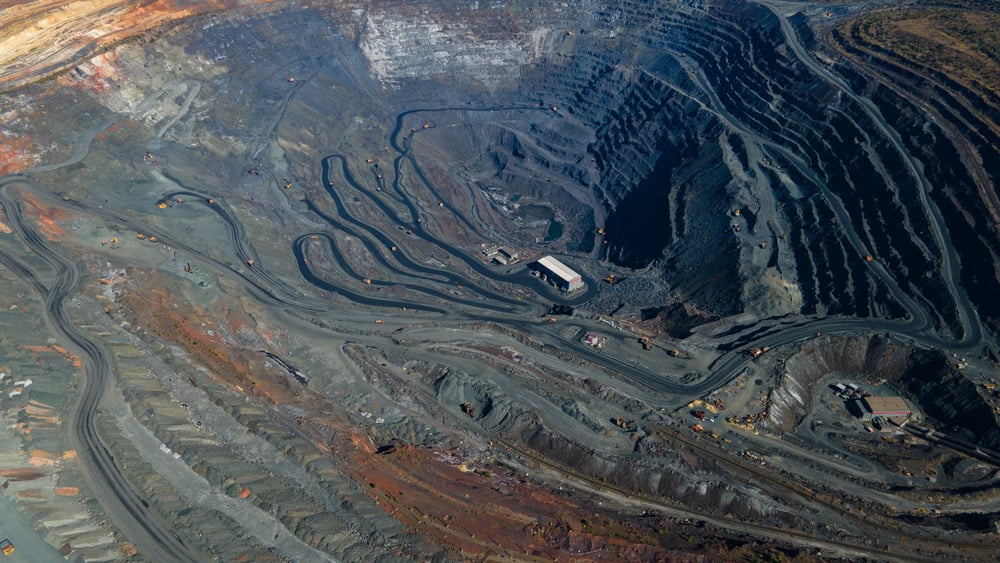
Down deep where people once carved pits into Earth, those pits reflected what mattered back then – need, new ideas, plus daring choices. These days, most sit quietly or shut down, not due to missing know-how, yet because pushing further costs far more than it gives.
Still, what they built has not faded. Evidence lives on – people can transform brutal places if driven hard enough.
A silent lesson lingers: certain edges of the world, once touched, make sense without another step forward.
More from Go2Tutors!

- The Romanov Crown Jewels and Their Tragic Fate
- 13 Historical Mysteries That Science Still Can’t Solve
- Famous Hoaxes That Fooled the World for Years
- 15 Child Stars with Tragic Adult Lives
- 16 Famous Jewelry Pieces in History
Like Go2Tutors’s content? Follow us on MSN.



