Why Certain Musical Instruments Were Banned By Churches For Centuries
Music has always stirred something deep in the human soul, but not all instruments were welcome in the sacred halls of worship. For centuries, churches across Christianity maintained strict lists of forbidden instruments, viewing certain sounds as threats to spiritual purity.
These bans weren’t just about maintaining order during services — they reflected profound theological debates about what belonged in the presence of the divine and what might lead congregations astray.
Drums
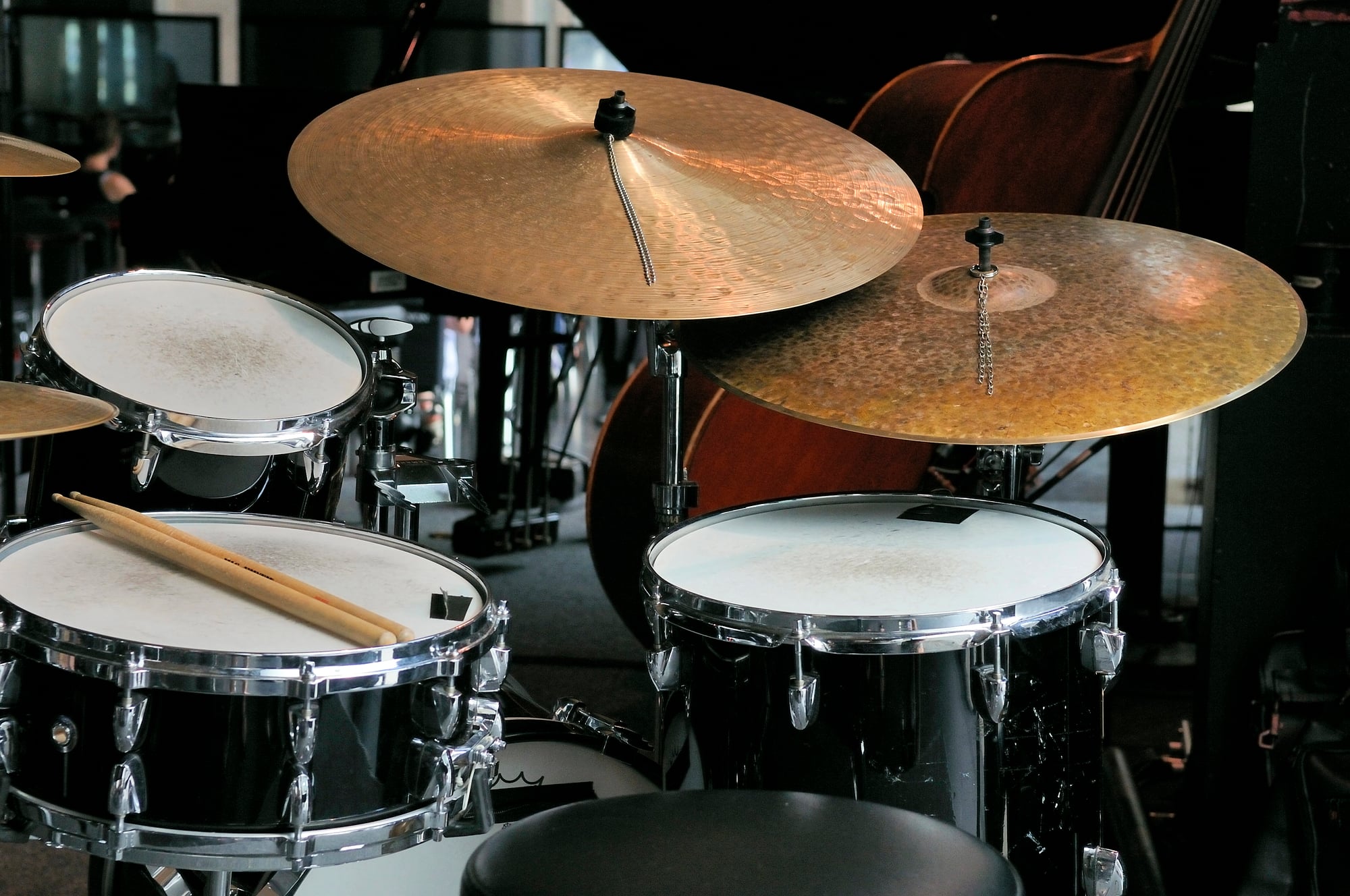
Drums got the boot early and stayed banned for good reason. The rhythmic pounding reminded church leaders of pagan rituals and fertility ceremonies.
Nobody wanted their Sunday service turning into a tribal dance around an altar fire.
Flutes
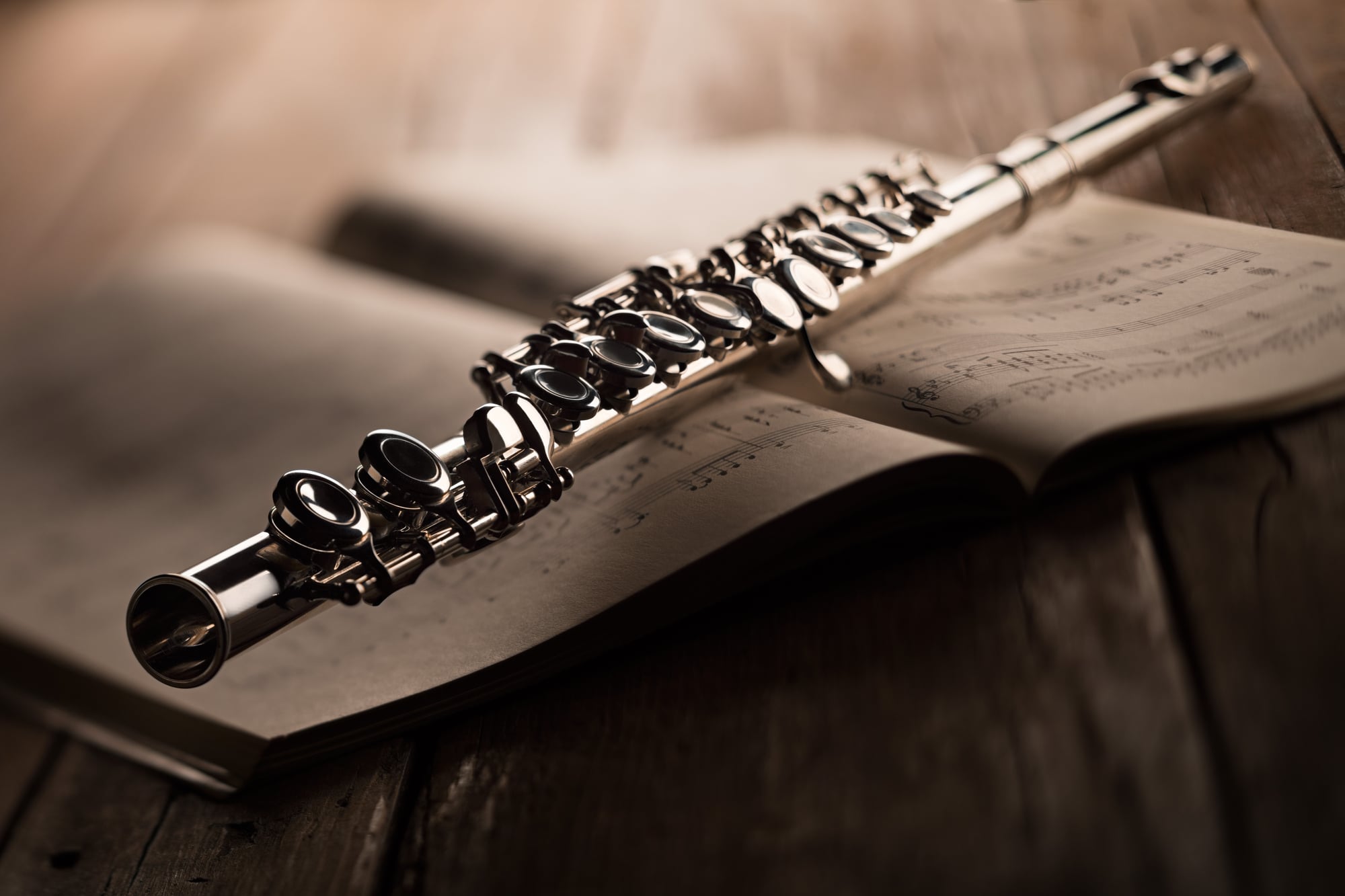
The flute carried too much baggage from Greek and Roman mythology (where it was associated with wine-soaked festivals and the god Pan’s wild escapades). Church authorities figured anything that made people think of drunken revelry and woodland spirits probably didn’t belong in a sanctuary.
So flutes found themselves locked out of worship for centuries, relegated to the secular world where their breathy, sensual tones could corrupt souls without disrupting mass.
Cymbals
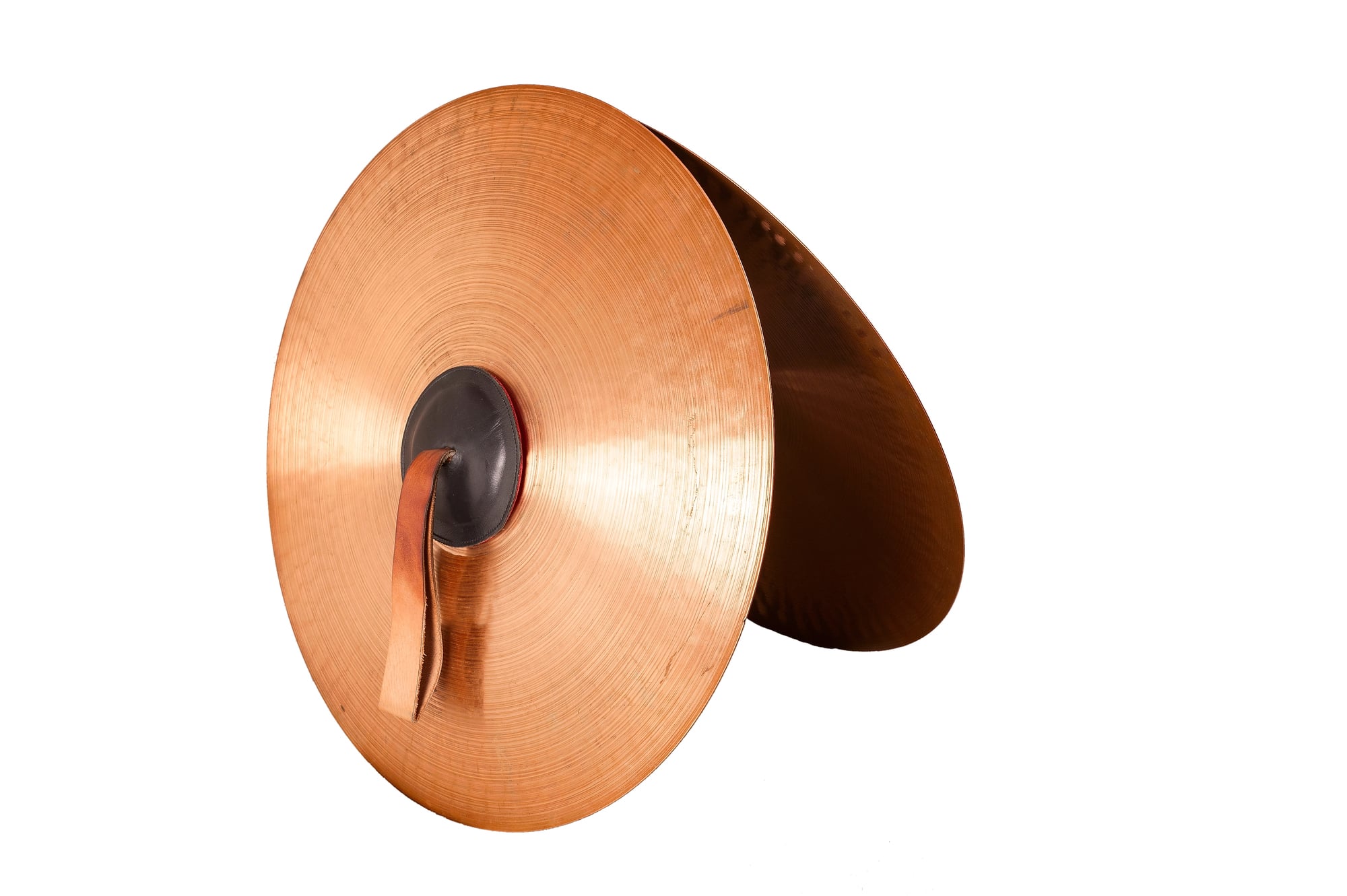
Cymbals crash through silence like unwelcome thoughts during prayer — sudden, jarring, impossible to ignore. The early church fathers understood something about the psychology of worship that modern services sometimes forget: not every sound serves contemplation, and some instruments seem designed to shatter rather than sustain the delicate atmosphere required for genuine spiritual reflection.
Cymbals belonged to the world of celebration and military triumph, not the quiet surrender that prayer demanded.
Trumpets
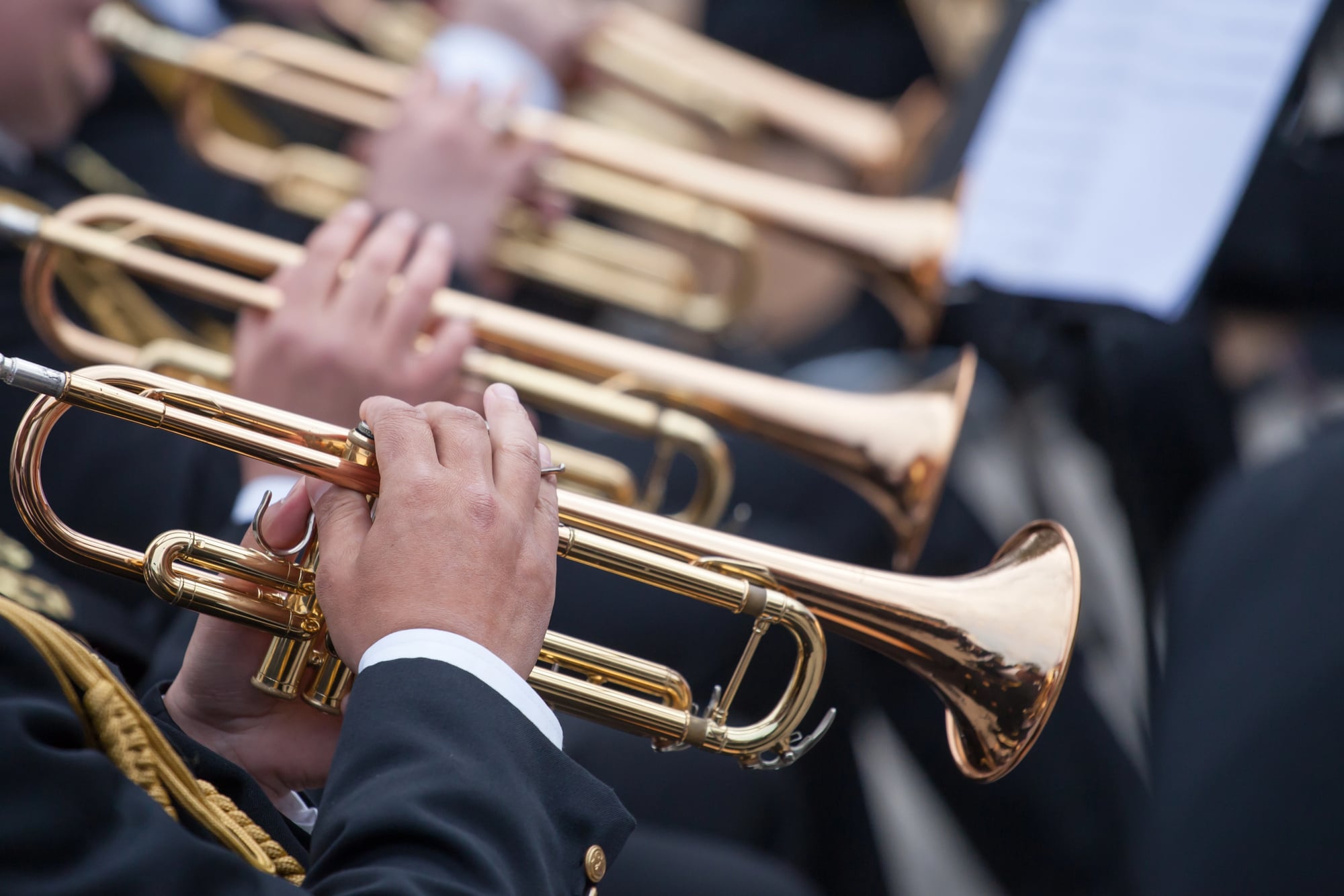
Military associations doomed trumpets in most church settings. These were the instruments that announced war, called troops to battle, and proclaimed the authority of earthly kings.
Church leaders weren’t interested in competing with Caesar’s fanfare.
Tambourines

The tambourine wandered too close to the world of street performers and traveling entertainers — people the church viewed with deep suspicion (and often for good reason, considering how many medieval minstrels doubled as pickpockets and con artists). And then there was the dancing issue: tambourines practically demanded movement, swaying, the kind of physical expression that made sober-minded clergy nervous about where things might lead.
Even today, watch someone pick up a tambourine and try to stay perfectly still — it’s nearly impossible, which tells you everything about why church authorities wanted nothing to do with them.
Stringed Instruments Associated With Secular Music
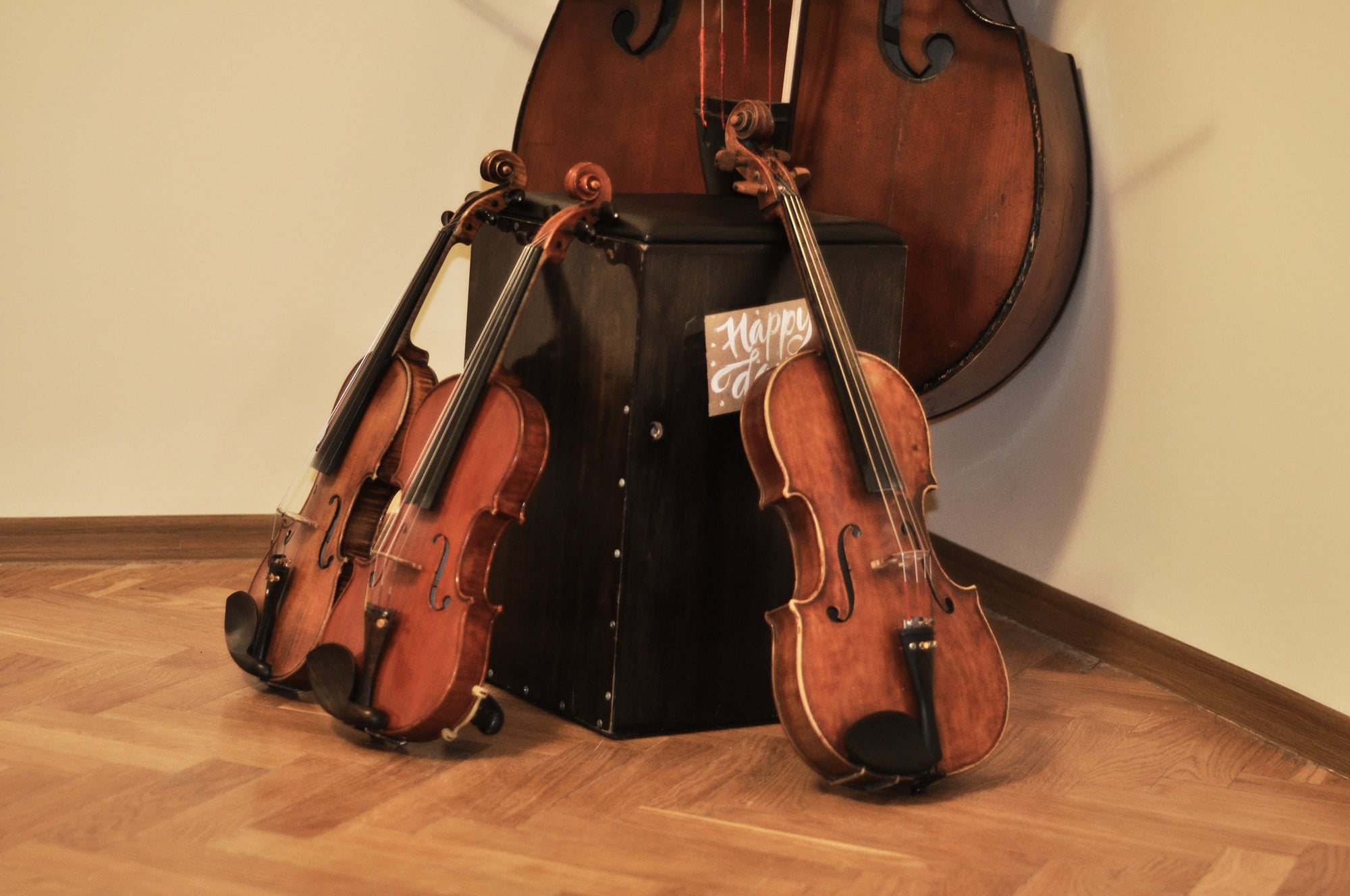
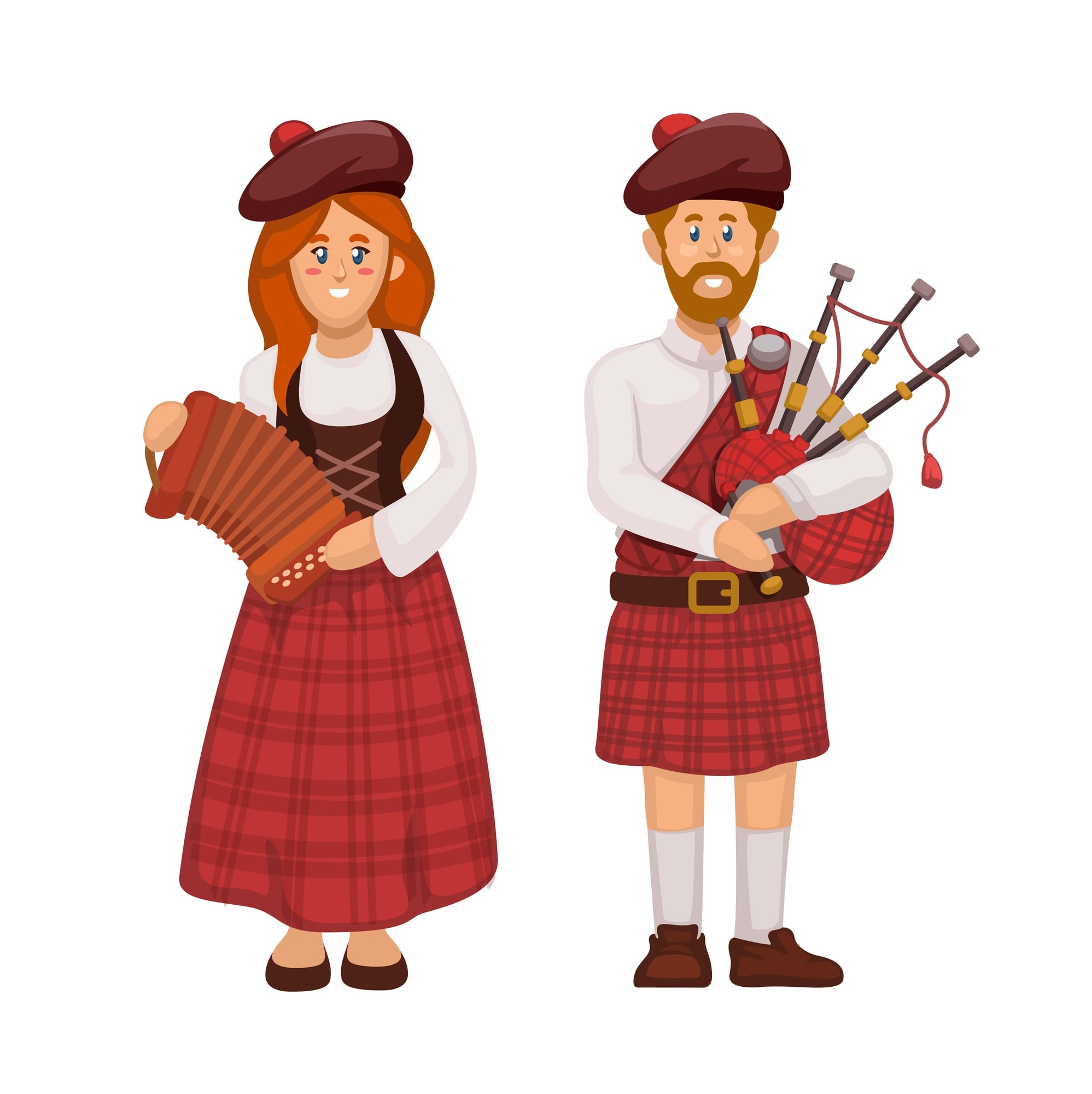
Lutes were the guitars of their day — which meant they carried all the wrong associations. These instruments soundtracked romantic serenades, tavern songs, and court entertainment where the themes ran decidedly earthly rather than heavenly.
Church officials knew exactly what happened when you introduced an instrument that everyone associated with love ballads and drinking songs into a worship service.
Bells Outside Of Church Control
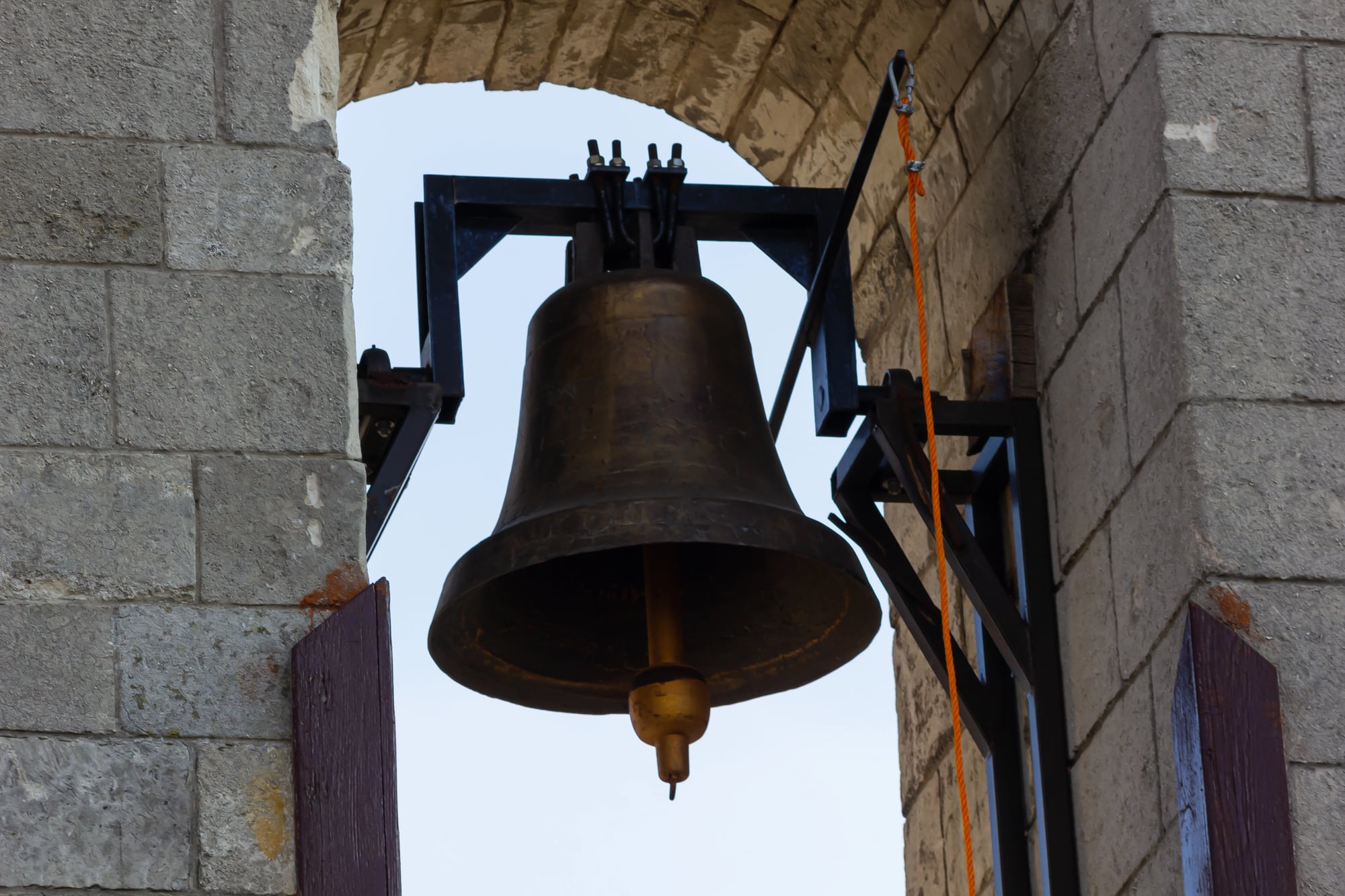
The church controlled bells with an iron fist because bells meant power. When a bell rang, people stopped what they were doing and listened — which made unauthorized bells a direct challenge to ecclesiastical authority.
Rogue bell-ringers were essentially hijacking the community’s attention without permission.
Wind Instruments From Folk Traditions
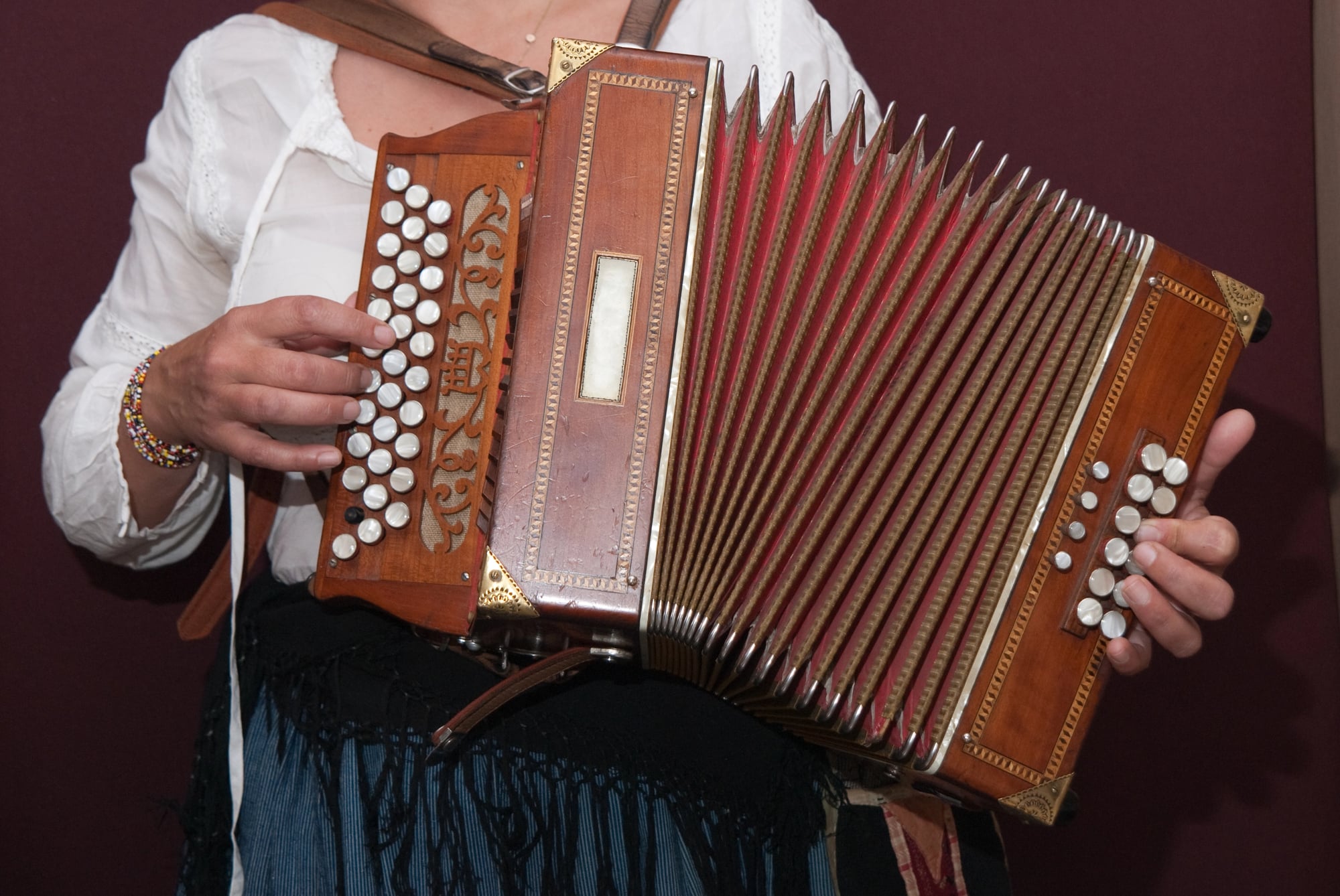
Folk instruments carried the voices of the common people — their struggles, their superstitions, their earthy humor that didn’t always align with official church doctrine. A shepherd’s pipe might seem innocent enough, but it connected listeners to an older world where spirits lived in trees and music served magic rather than worship.
Church authorities preferred to keep that particular door firmly closed, understanding that once you let folk traditions into sacred space, you’re inviting conversations about whose version of the divine gets to be official.
Percussion Beyond Basic Rhythm
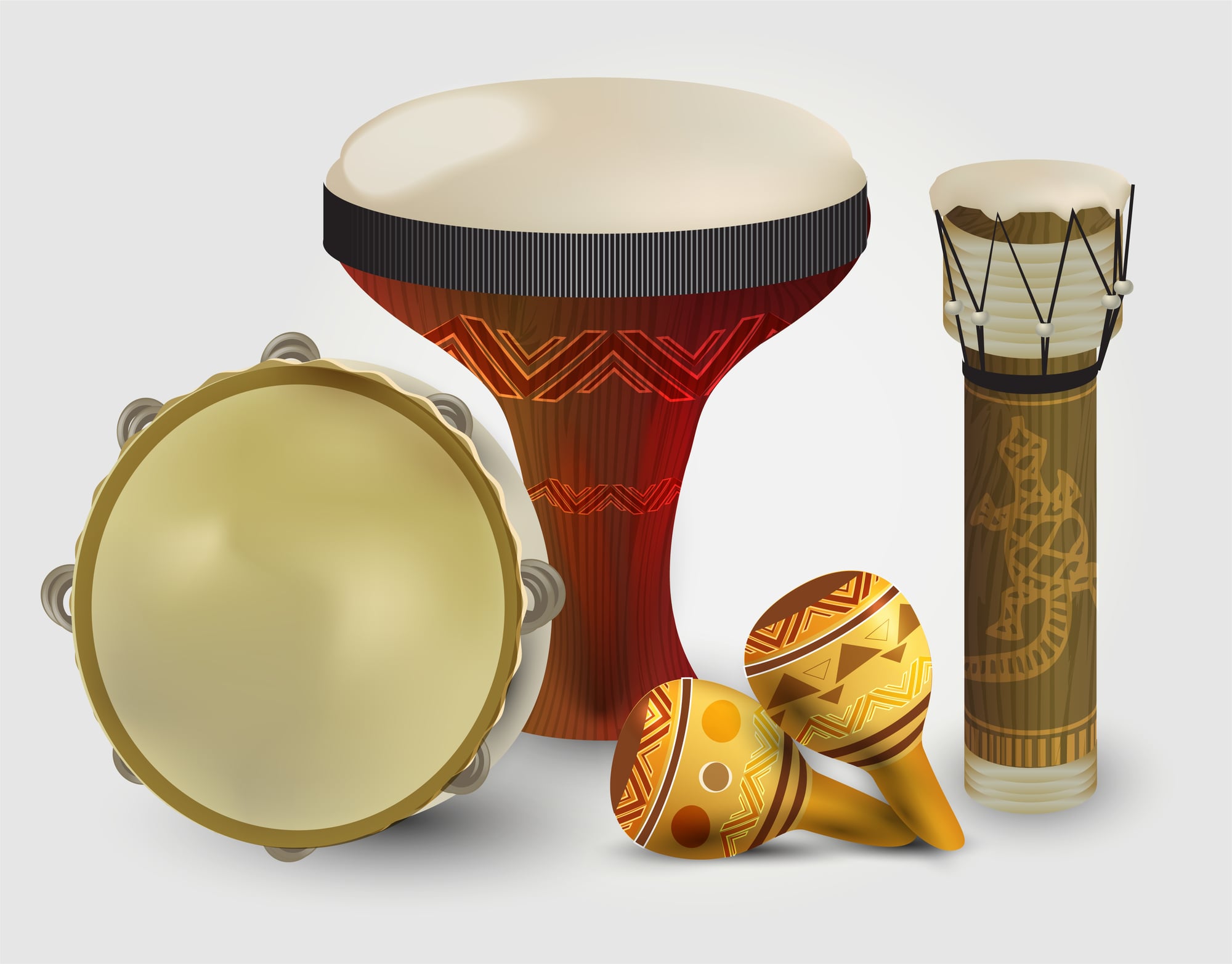
Complex percussion opened up rhythmic possibilities that church leaders found genuinely threatening. Simple, steady beats supported congregational singing and kept everyone together during psalms.
But intricate rhythmic patterns — syncopation, polyrhythms, the kind of complex percussion work that makes feet move involuntarily — that was dangerous territory that could transform a worship service into something much less controllable.
Instruments Used In Mystery Religions

Certain instruments belonged so completely to competing religious traditions that using them in Christian worship would have been like hanging rival team banners in your home stadium. The sistrum (a metal rattle used in Egyptian goddess worship) and various reed instruments associated with mystery cults carried theological baggage that made them impossible to redeem.
Smart church leaders recognized that some associations run too deep to overcome.
Stringed Instruments Played By Women

Gender politics infected instrument bans in predictable ways. Certain stringed instruments — particularly those played by women in secular contexts — were deemed inappropriate for church use partly because they challenged established ideas about who should control musical expression in sacred settings.
The harp might seem angelic now, but when it was primarily associated with female court musicians and their potentially seductive influence, church authorities preferred to keep it out of the sanctuary.
Instruments Associated With Dancing

Any instrument that made people want to dance was automatically suspect. The medieval church took a dim view of bodily expression during worship, preferring contemplation over celebration, stillness over movement.
Instruments that naturally encouraged dancing — certain types of pipes, small drums, anything with a strong rhythmic pulse — were banned not because the music itself was evil, but because it led to behavior church leaders couldn’t control.
Foreign Instruments From Non-Christian Cultures
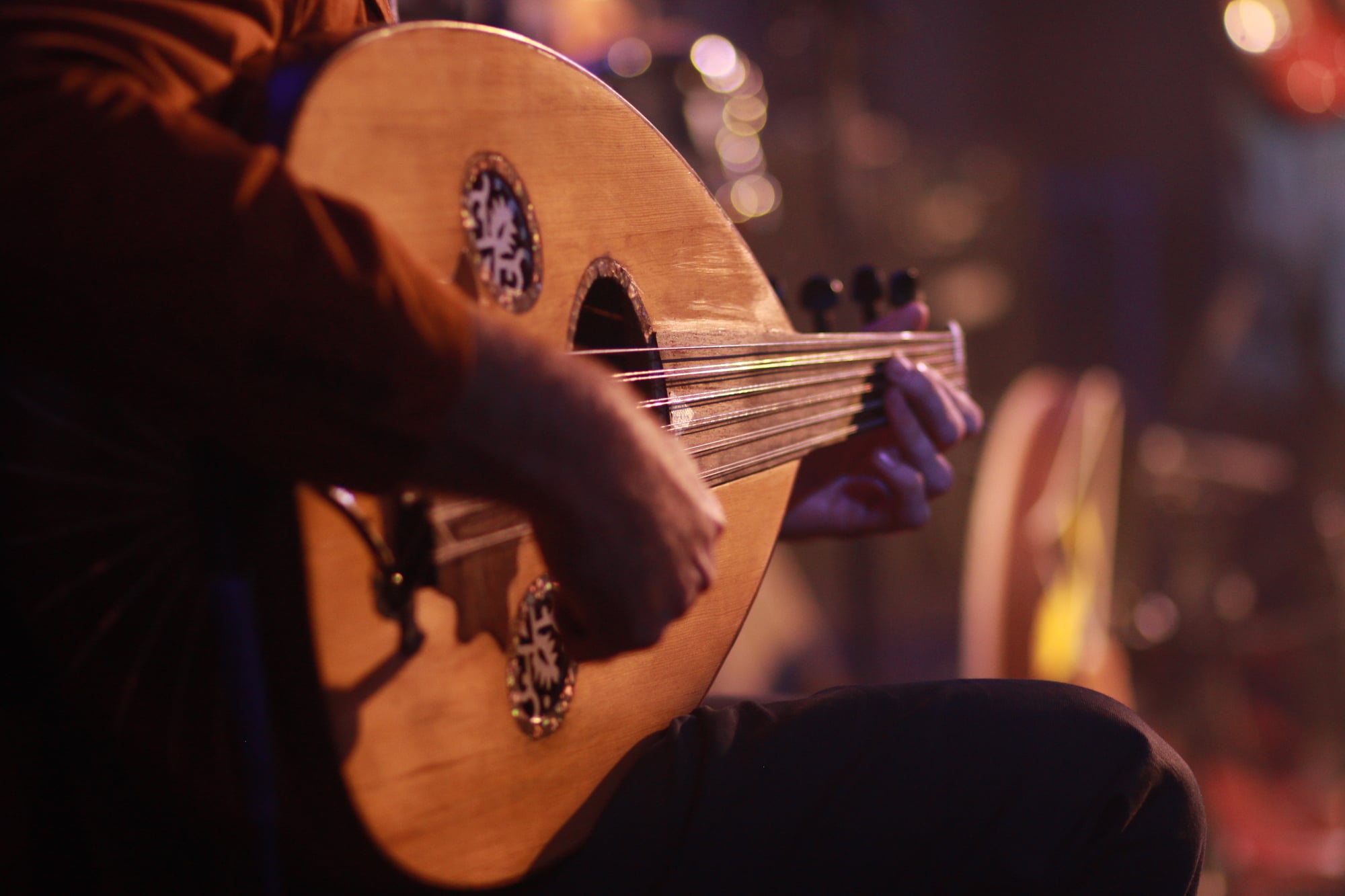
Instruments from Islamic, Jewish, or other non-Christian traditions were often banned regardless of their musical qualities. This had less to do with sound and more to do with religious identity — using a Persian oud or Arabic drum in Christian worship would have sent confusing messages about theological boundaries.
Church authorities preferred clear distinctions between sacred and secular, Christian and foreign, acceptable and dangerous.
Instruments Used By Traveling Performers
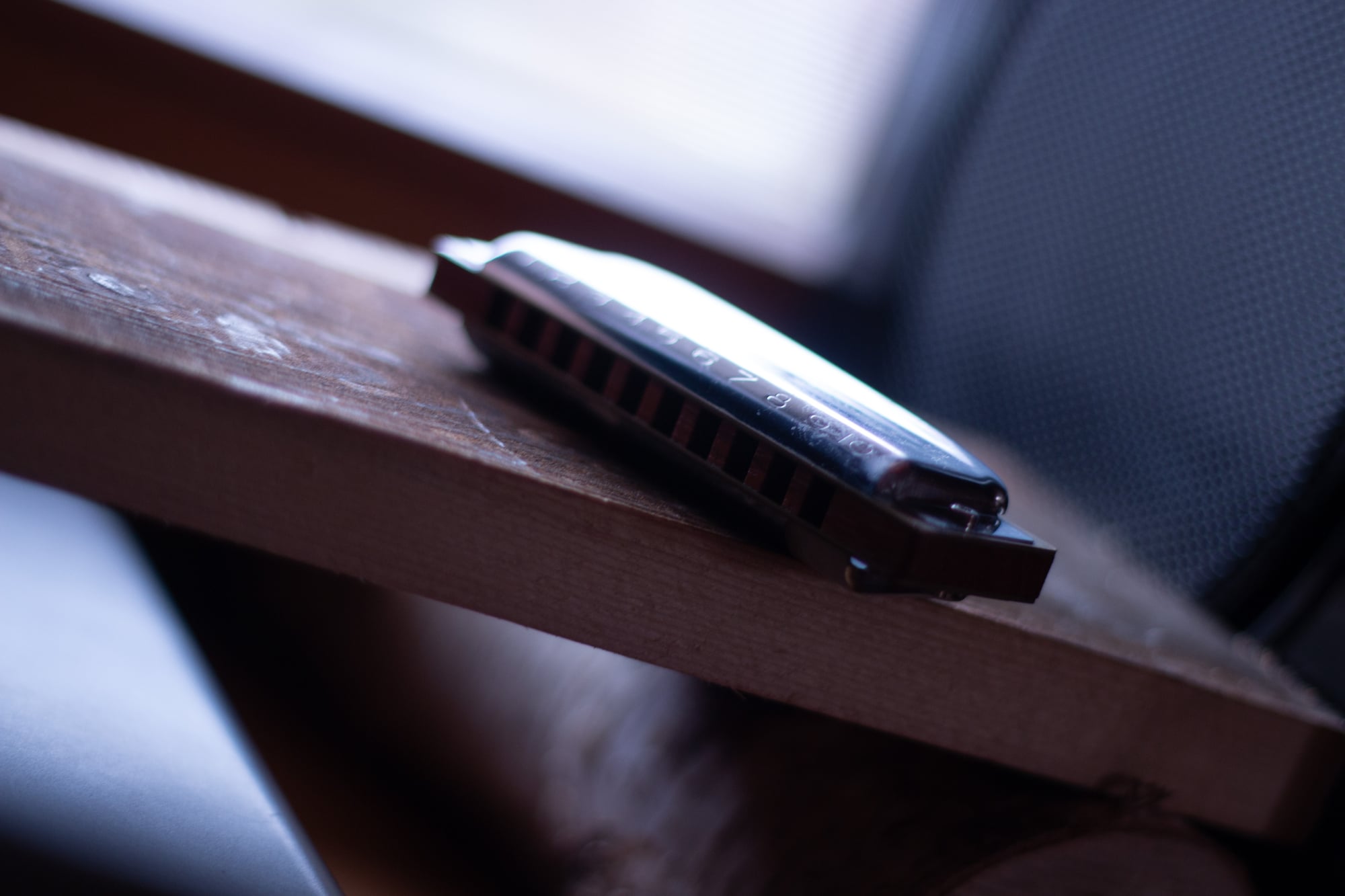
Traveling musicians occupied an uncomfortable social position — too worldly for church approval, too useful for complete rejection. Their instruments (portable harps, small drums, various wind instruments) carried associations with the morally questionable lifestyle of people who made their living entertaining strangers.
Church leaders figured that anything good enough for wandering performers was probably too compromised for divine service.
Instruments Associated With Courtly Love
The medieval cult of courtly love produced its own musical instruments and traditions that church authorities viewed with deep suspicion. Instruments used to accompany romantic poetry and songs celebrating earthly (rather than divine) love were kept out of worship settings.
The church wanted hearts turned toward heaven, not toward the complicated emotional territory that courtly love traditions explored.
Wind Instruments With Sensual Associations
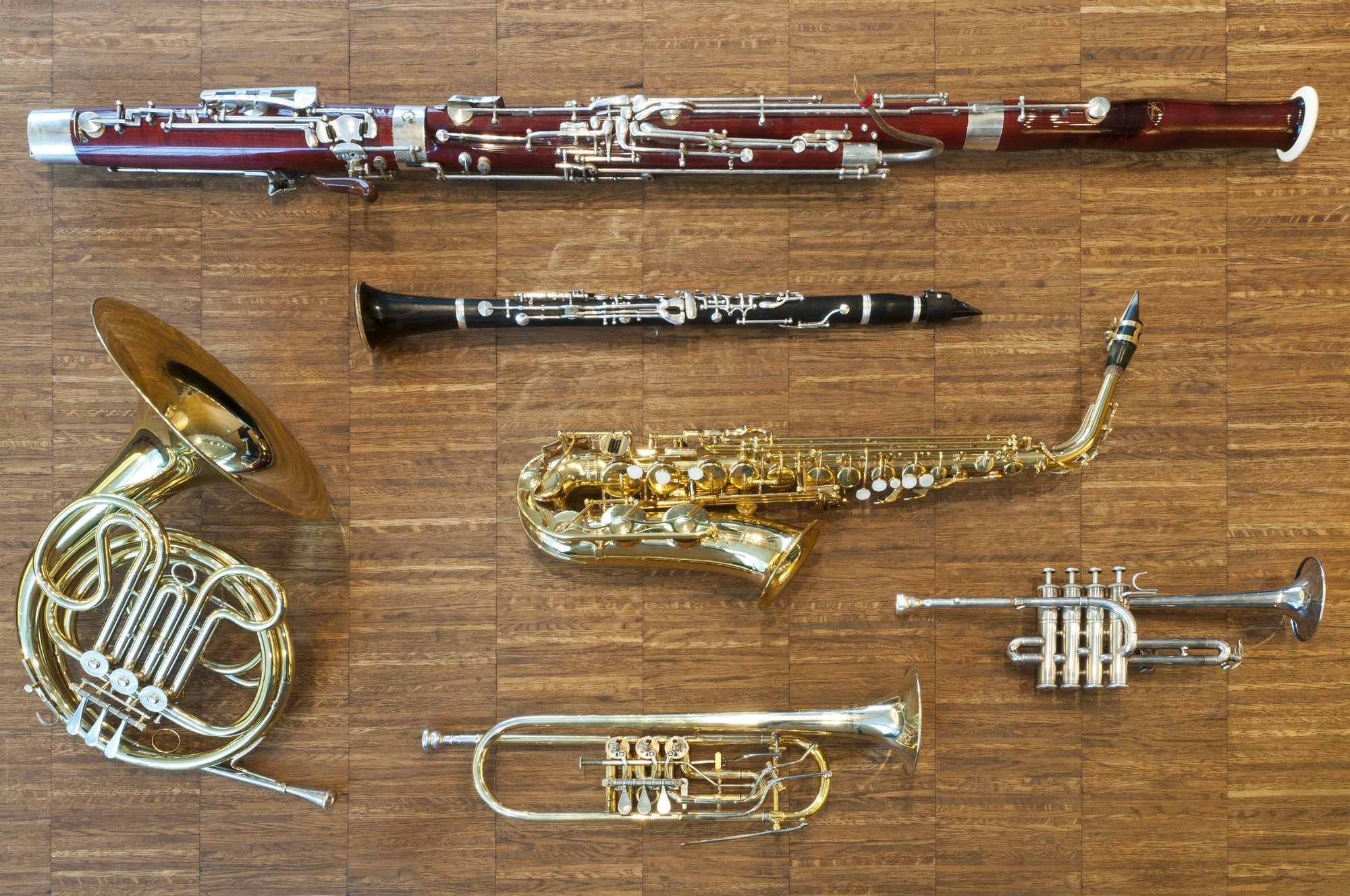
Certain wind instruments — particularly those requiring intimate breath control and mouth positioning — were deemed too sensual for church use. The symbolism was obvious enough that it didn’t need to be spelled out in official documents.
Church leaders simply understood that some instruments suggested physical intimacy in ways that made them inappropriate for sacred contexts.
Instruments Used In Fertility Rituals
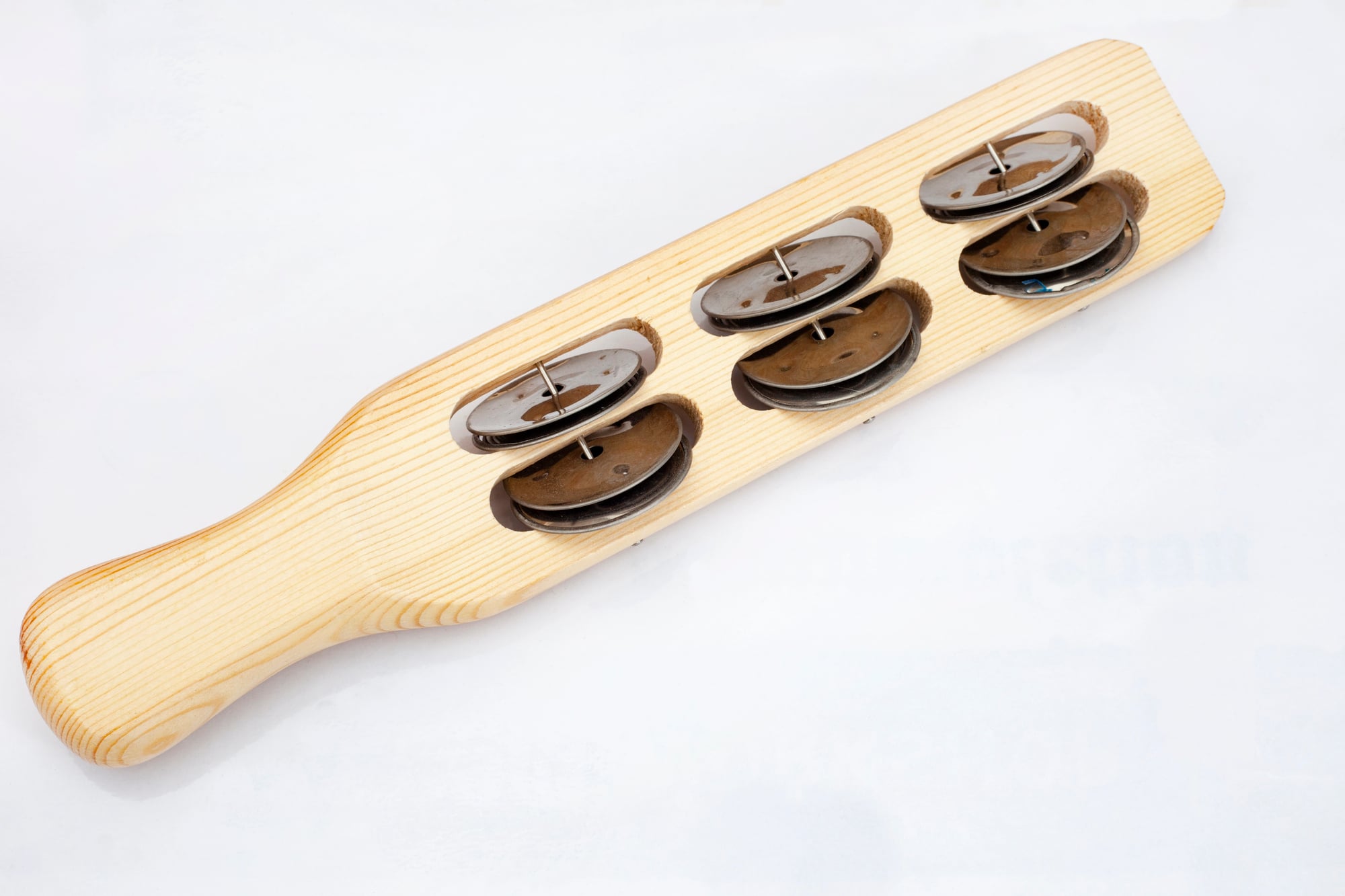
Agricultural communities across Europe maintained seasonal festivals and fertility rituals that used specific instruments to encourage crop growth and animal reproduction. These instruments — certain types of horns, percussion, and wind instruments — carried associations with pre-Christian religious practices that church authorities worked hard to suppress.
Allowing them into Christian worship would have confused the theological message about where spiritual power actually came from.
Percussion Instruments Used In Ecstatic Worship

Some percussion instruments were specifically designed to induce altered states of consciousness — the kind of ecstatic religious experience that early Christian authorities found deeply threatening. These instruments could drive listeners into trance states that bypassed rational thought and official church mediation.
Church leaders preferred worship that they could control and direct, not the unpredictable spiritual experiences that certain types of percussion made possible.
The Rhythm Of Sacred Silence
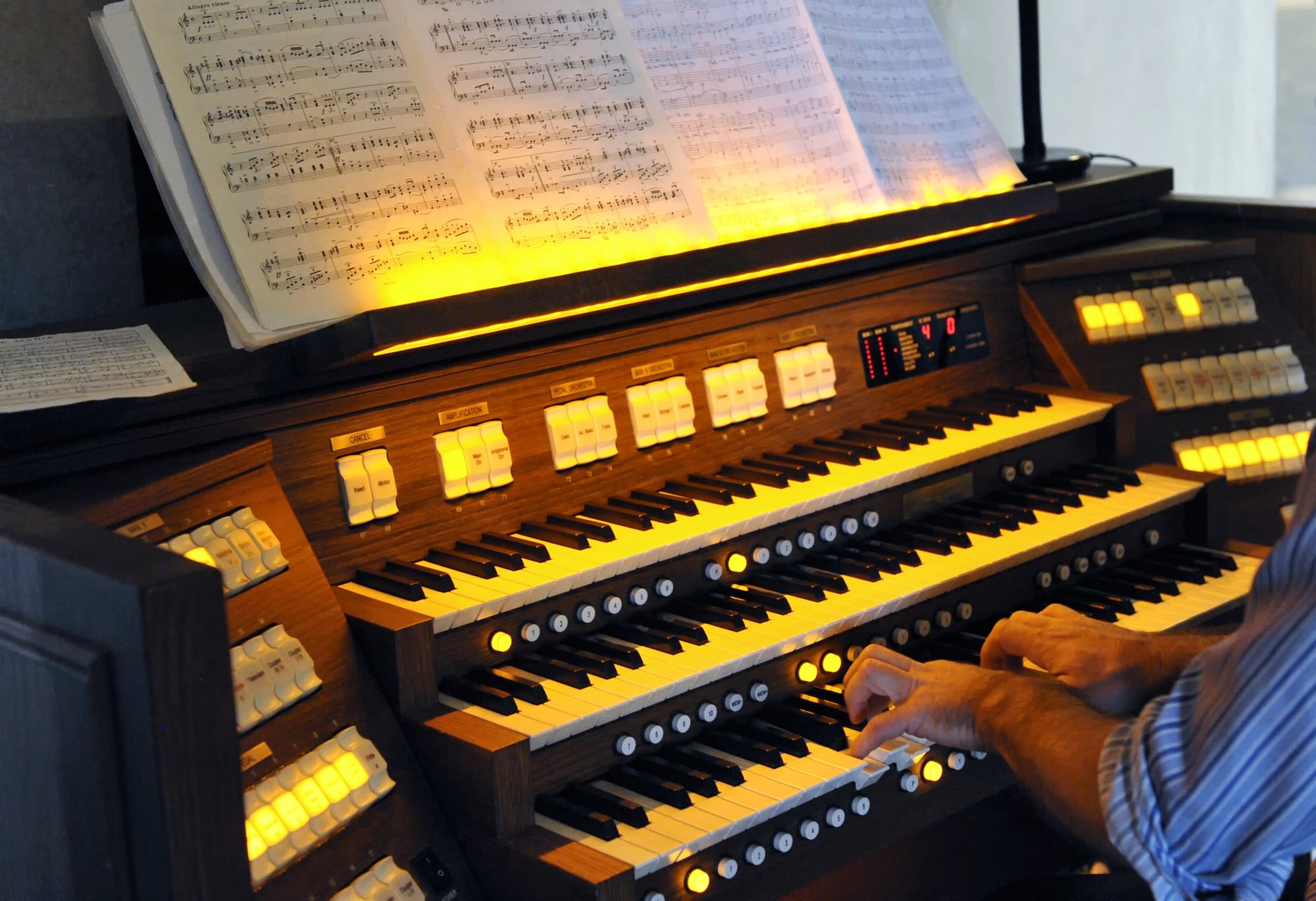
The deepest irony of these centuries-long instrument bans lies in what they reveal about the power of music itself. Church authorities understood something that modern worship sometimes forgets: sound shapes souls, rhythm changes hearts, and melody can carry messages that sermons cannot touch.
By carefully controlling which instruments entered sacred space, they were acknowledging music’s profound ability to transform human consciousness — a power too dangerous to leave unguarded, too sacred to treat casually.
More from Go2Tutors!

- The Romanov Crown Jewels and Their Tragic Fate
- 13 Historical Mysteries That Science Still Can’t Solve
- Famous Hoaxes That Fooled the World for Years
- 15 Child Stars with Tragic Adult Lives
- 16 Famous Jewelry Pieces in History
Like Go2Tutors’s content? Follow us on MSN.



