Pre-internet Habits That Shaped a Generation
Growing up without constant connectivity meant learning patience in ways that feel almost foreign now. You waited for things.
You planned ahead. You figured stuff out without the safety net of instant answers.
These habits weren’t just quirks of a different time. They shaped how an entire generation approached problems, relationships, and boredom itself.
The skills you developed back then still matter, even if the world has moved on.
Waiting by the Phone

Landline calls required you to actually be home. If someone said they’d call at seven, you sat near that phone.
Missing a call meant missing out completely. This taught a specific kind of reliability.
When you made plans, you showed up because there was no quick text to cancel or reschedule. Your word carried more weight because backing out took real effort.
Writing Letters to Stay Connected

Keeping in touch meant writing letters that took days or weeks to arrive. You couldn’t fire off a quick thought and get an instant response.
Every word counted because you knew the wait. This forced you to think before communicating.
You considered what really mattered. The letters you got back felt more valuable than a hundred texts ever could.
Spending Hours in Libraries

Need information? You headed to the library and hoped the book you needed wasn’t checked out.
Research meant flipping through card catalogs and scanning indexes. You learned to dig deeper because giving up wasn’t an option.
Finding the right information took skill and persistence. That hunt for knowledge built research abilities that search engines can’t replace.
Recording Songs from the Radio

Making your own music collection meant recording from the radio with a tape deck ready. You waited through commercials and hoped the DJ wouldn’t talk over the intro.
Every song you captured felt like a small victory. This taught patience and timing.
You couldn’t skip tracks or replay instantly. The music you recorded mattered more because you worked for it.
Renting Movies for the Weekend

Friday nights meant trips to Blockbuster or the local video store. You browsed physical shelves and made choices based on box art and recommendations from friends.
If the movie you wanted was out, you picked something else or waited. This created real anticipation.
You committed to your choice because returning a movie early just to swap it felt wasteful. You watched what you rented and gave it a fair shot.
Reading the Morning Paper

News arrived once a day through the newspaper on your doorstep. You read it with breakfast or during your commute.
Stories developed slowly over days, not minutes. This paced information consumption differently.
You absorbed news in chunks rather than a constant stream. Understanding came from reading full articles, not just headlines.
Finding Payphones When Out

Being unreachable was normal. Need to make a call?
You found a payphone and hoped you had quarters. Plans couldn’t change on the fly.
This made you more decisive. Once you left the house, you committed to your plans.
Problem-solving happened in real time without backup from someone on speed dial.
Creating Mixtapes for Friends
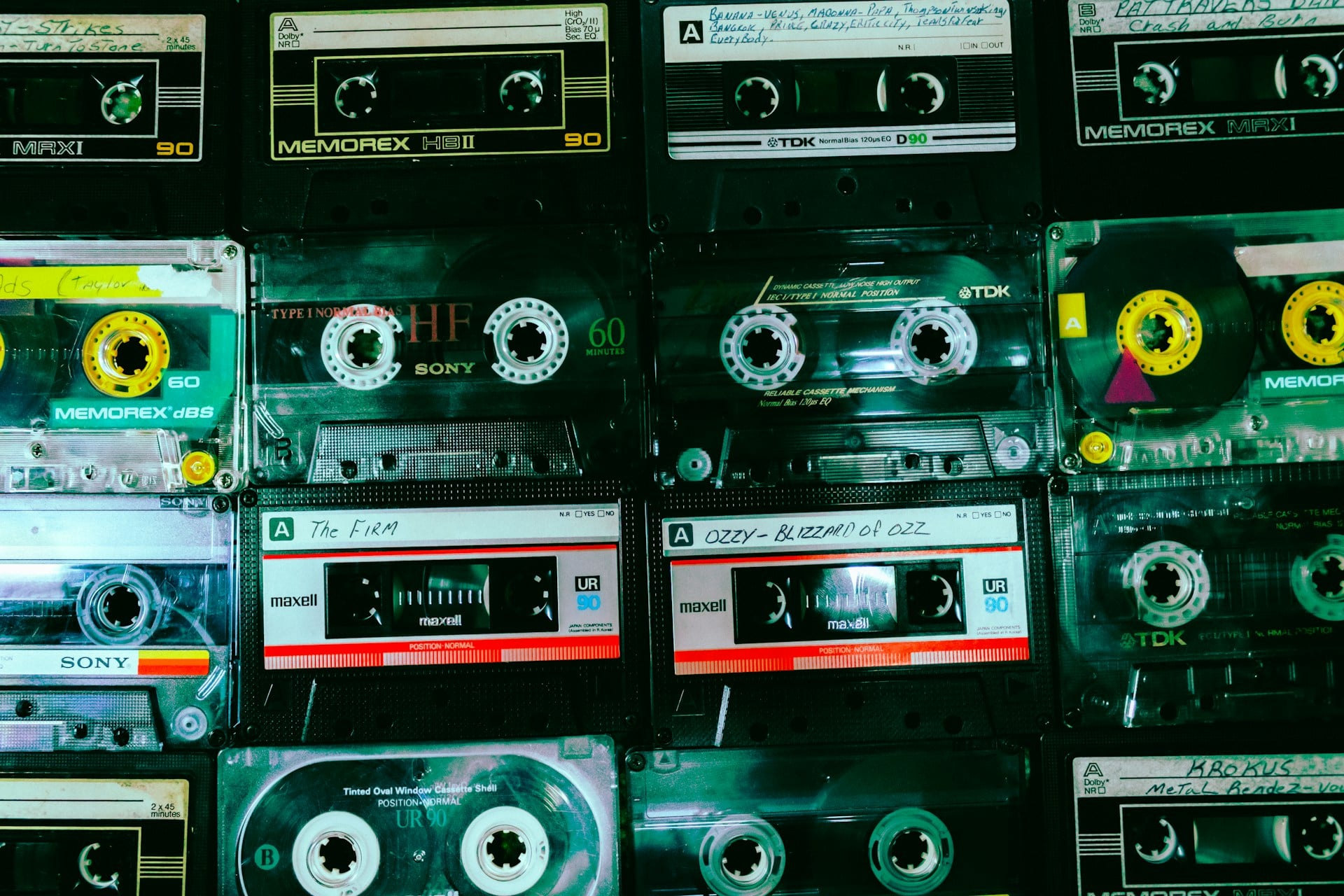
Showing someone you cared meant making them a mixtape. You recorded songs in specific order, timed the tape length, and sometimes added handwritten track lists.
Hours went into crafting the perfect sequence. This taught you to curate experiences for others.
The effort you put into a mixtape showed genuine thought. Receiving one felt personal in ways playlists never quite match.
Scheduling Your Evening Around TV Shows

Miss your favorite show? Too bad.
Television programs aired at set times and you either watched or waited months for reruns. VCRs helped some, but programming recordings took effort.
This created shared cultural moments. Everyone watched the same episode at the same time.
Next-day conversations at school or work revolved around what happened the night before.
Navigating with Paper Maps

Getting lost meant pulling out a paper map and figuring out where you went wrong. You planned routes before leaving, memorized key turns, and sometimes asked strangers for directions.
This developed spatial awareness and memory. You understood geography differently when you had to track your position mentally.
Wrong turns taught you to adapt without a GPS recalculating instantly.
Taking Photos on Film

Every picture cost money to develop, so you made film photography count. You had 24 or 36 shots per roll and no way to see results until days later.
Bad photos meant wasted film and disappointment. This made you more intentional.
You composed shots carefully and thought about lighting. The photos you kept mattered more because you couldn’t take hundreds to get one good shot.
Playing Outside Until Dark

Entertainment meant going outside. You and your friends created games, explored neighborhoods, and stayed out until the streetlights came on.
Boredom sparked creativity rather than screen time. This built independence and imagination.
You learned to entertain yourself without constant stimulation. Physical play developed social skills that online interaction can’t replicate.
Memorizing Important Phone Numbers

Speed dial didn’t exist, so you memorized numbers for everyone important. Your brain held dozens of ten-digit sequences.
Losing your address book actually mattered. This exercised memory differently.
You retained information because you had no backup. That mental database made you more self-reliant and aware of your connections.
Actually Reading Instruction Manuals
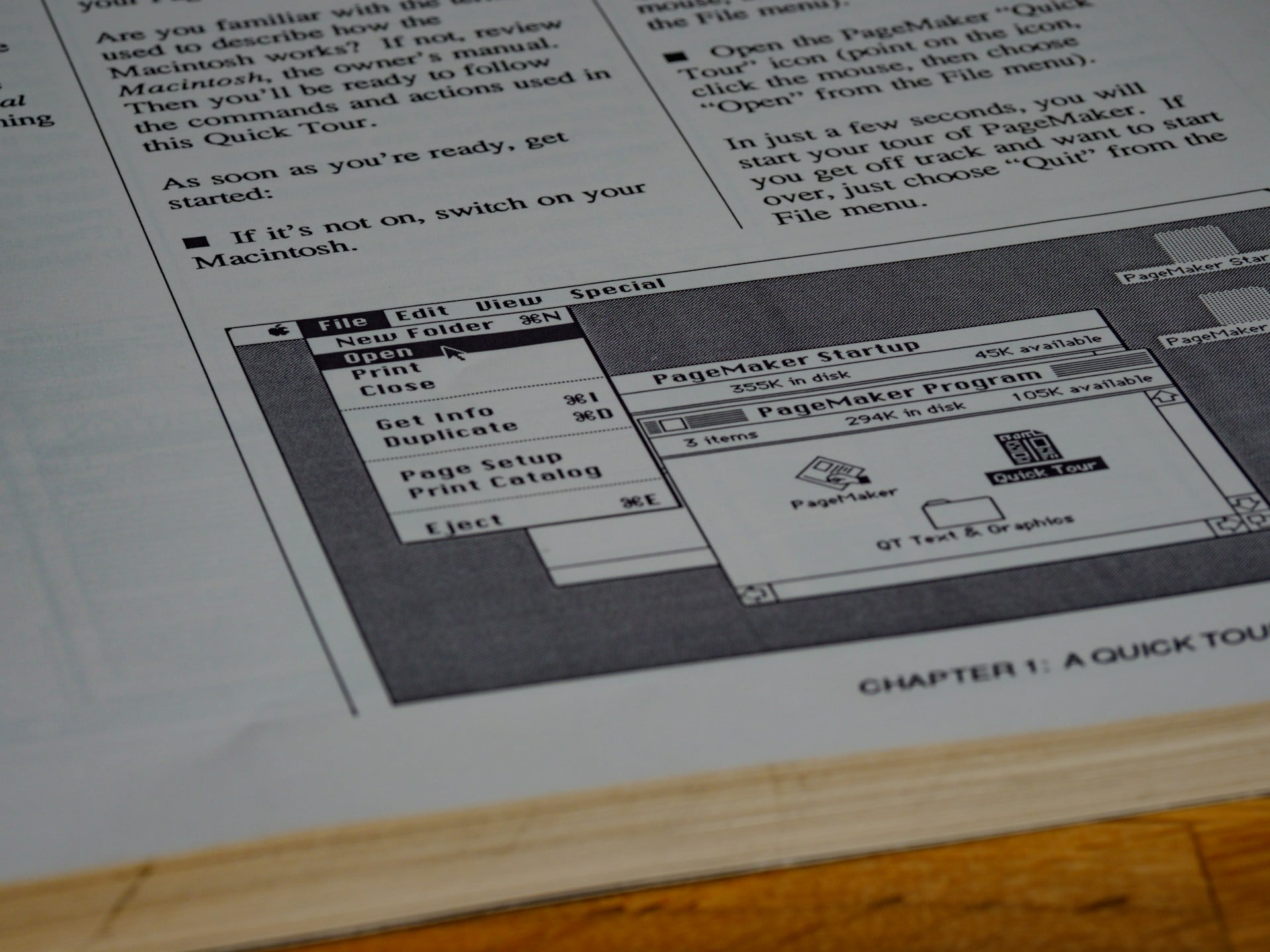
New gadgets arrived with guides people actually used. Back then, no video lessons online were around.
Folks just started reading them page by page. Step one after another helped solve issues mistakes led to learning.
This built a step-by-step way to tackle issues. Since then, you’ve figured out glitches on your own while growing more comfortable with tricky stuff.
Figuring out mechanisms? That’s now up to you.
When Silence Meant Something

The quiet, without alerts buzzing all the time, left room to think. Boredom didn’t need fixing right away.
Instead of rushing, you just stayed with your mind while riding in cars or sitting around waiting. These calm times helped thought grow, sparked new ideas.
Your thoughts roamed freely, linking things on their own. Routines formed in stillness pop up now, especially when you step back.
They whisper some spaces don’t need filling.
More from Go2Tutors!

- The Romanov Crown Jewels and Their Tragic Fate
- 13 Historical Mysteries That Science Still Can’t Solve
- Famous Hoaxes That Fooled the World for Years
- 15 Child Stars with Tragic Adult Lives
- 16 Famous Jewelry Pieces in History
Like Go2Tutors’s content? Follow us on MSN.