27 Candy Brands Owned by the Same Company Without Anyone Knowing
The next time you’re standing in the candy aisle, take a closer look at those colorful packages. What seems like a diverse marketplace of competing brands is actually something much more consolidated.
Behind the bright logos and different flavors, a surprising number of your favorite candies share the same corporate parent—and most people have no idea.
Kit Kat
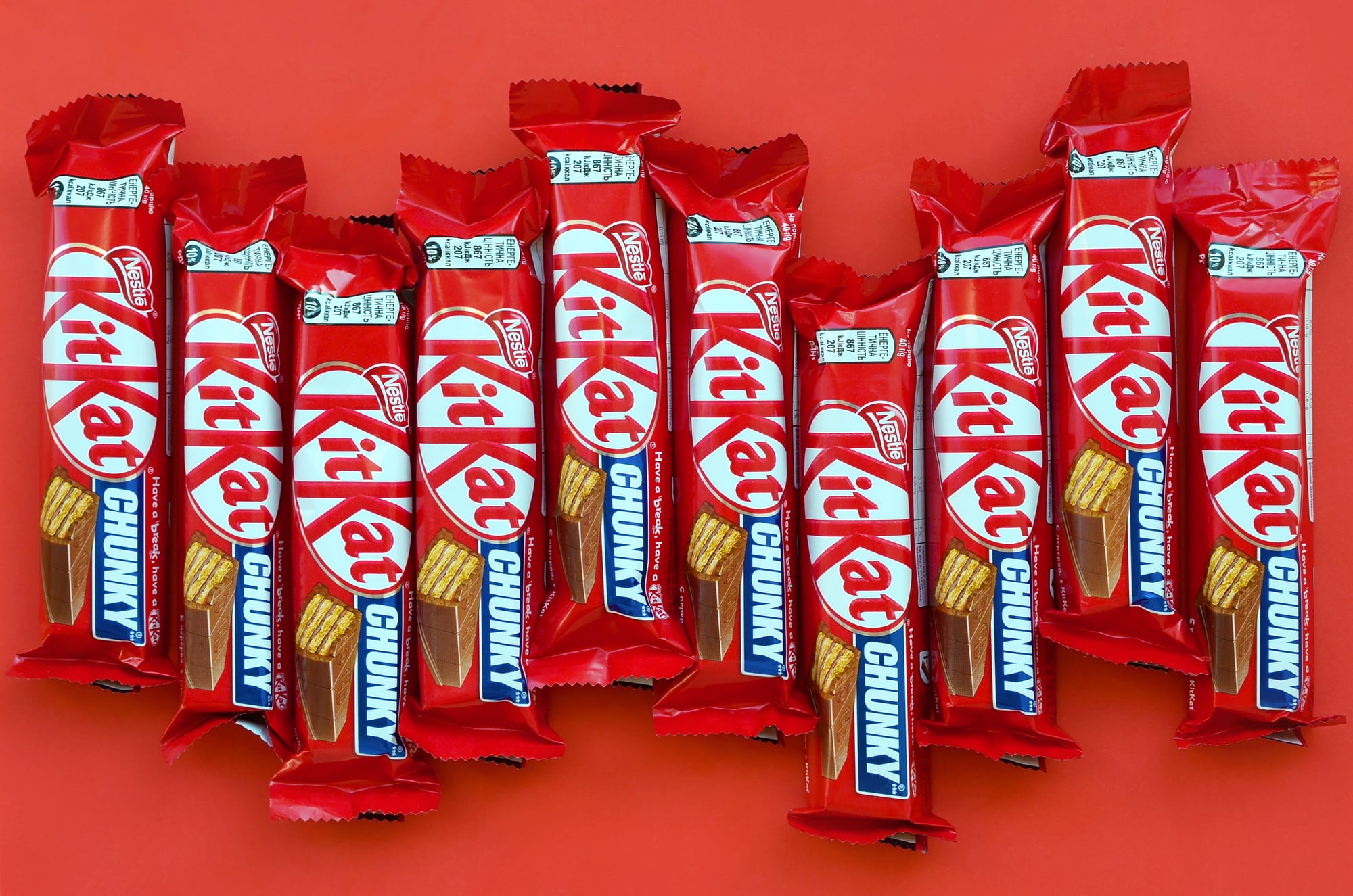
Nestlé owns Kit Kat in most of the world, but here’s where it gets interesting: Hershey holds the rights in the United States. So that break-apart chocolate bar sitting in your pantry exists in a licensing arrangement that splits global control between two candy giants (depending on which side of the border you bought it).
Butterfinger
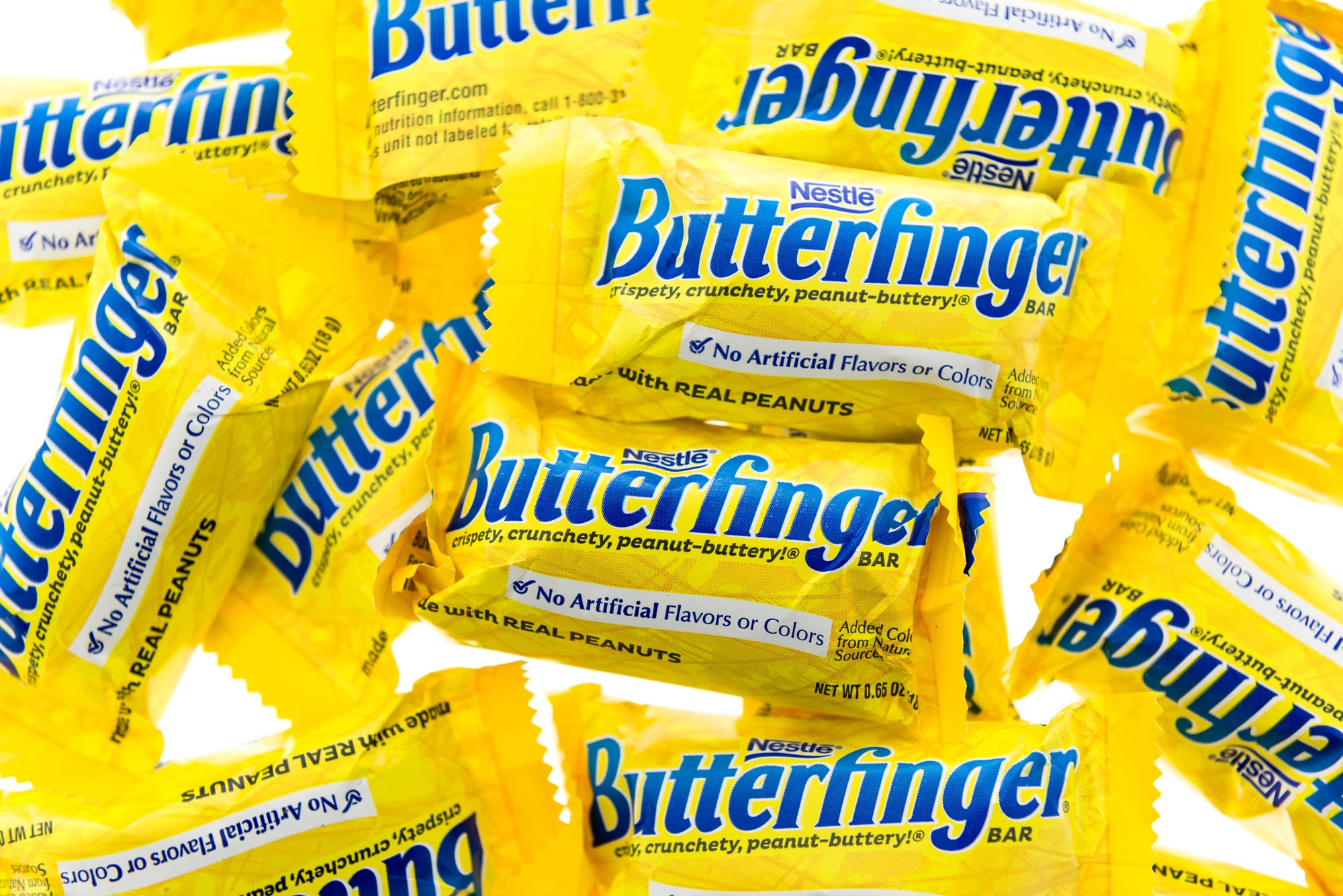
This used to be a Nestlé brand until 2018, when something unexpected happened—Ferrero bought it outright. The Italian company that makes Nutella now controls the peanut buttery, flaky center that sticks to your teeth, and they’ve been quietly reformulating it ever since.
People noticed.
Nerds
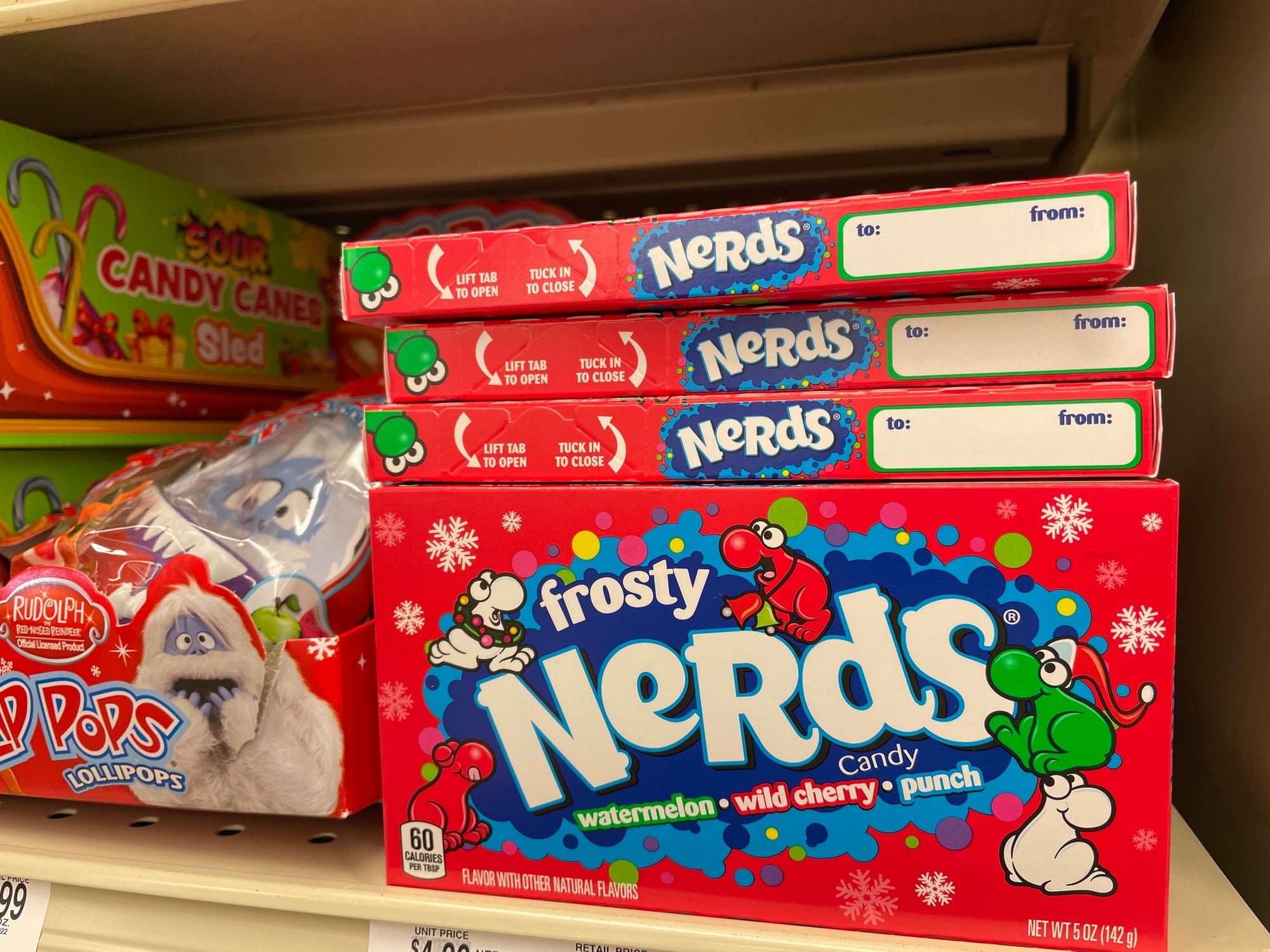
Those tiny, crunchy pellets that come in the divided box belong to Ferrara Candy Company, though the brand has bounced around more than most people realize. The company perfected the art of making sugar crystals addictive enough that you pour them directly from box to mouth (which everyone does, despite the presence of the little spout).
SweeTARTS
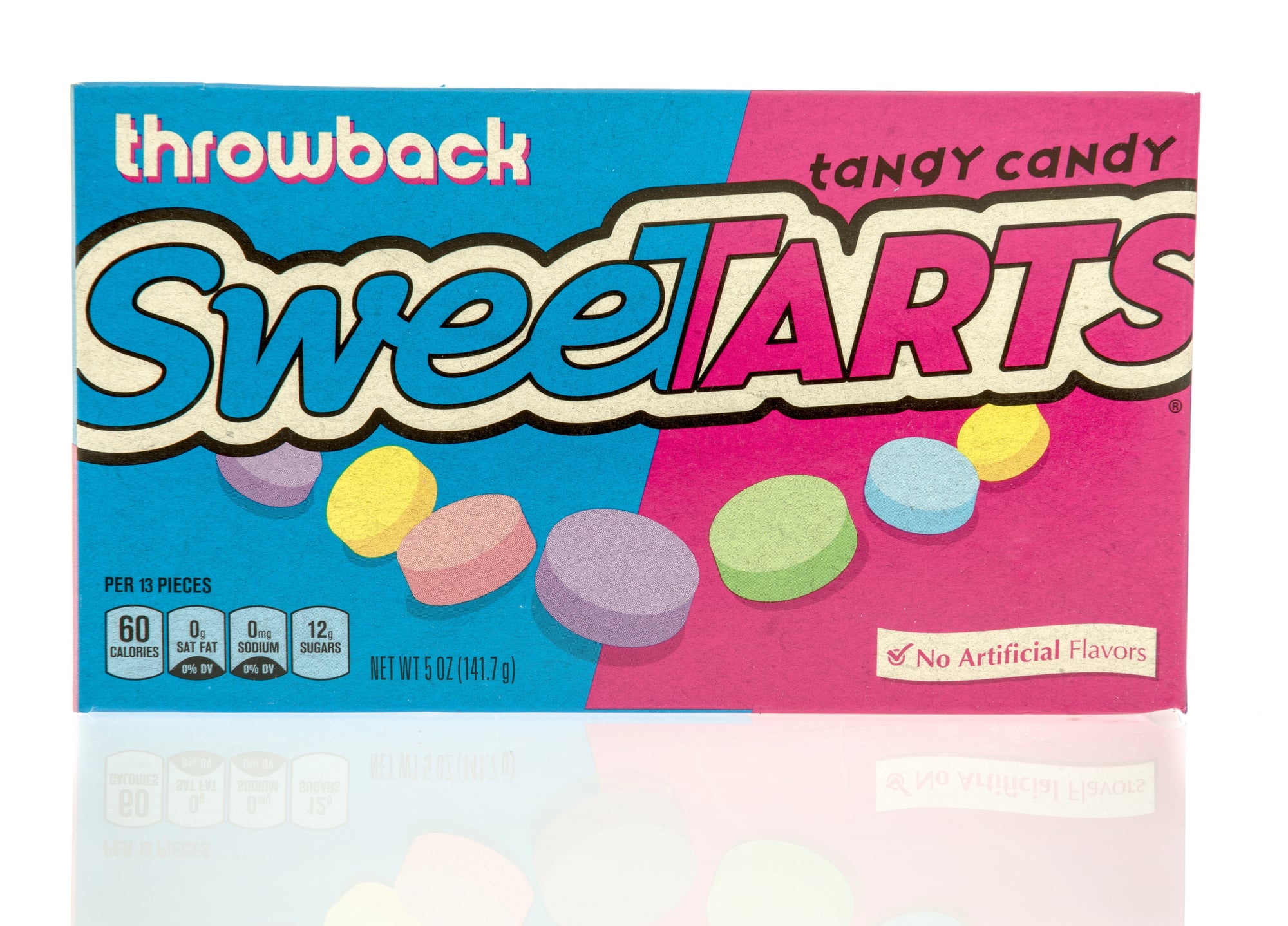
Here’s another Ferrara brand that lives in the sweet-and-sour category alongside Nerds. The company has built a small empire around making your mouth pucker, then crave more—a business model that sounds simple until you realize how many brands they’ve managed to acquire using this exact formula.
Pixy Stix
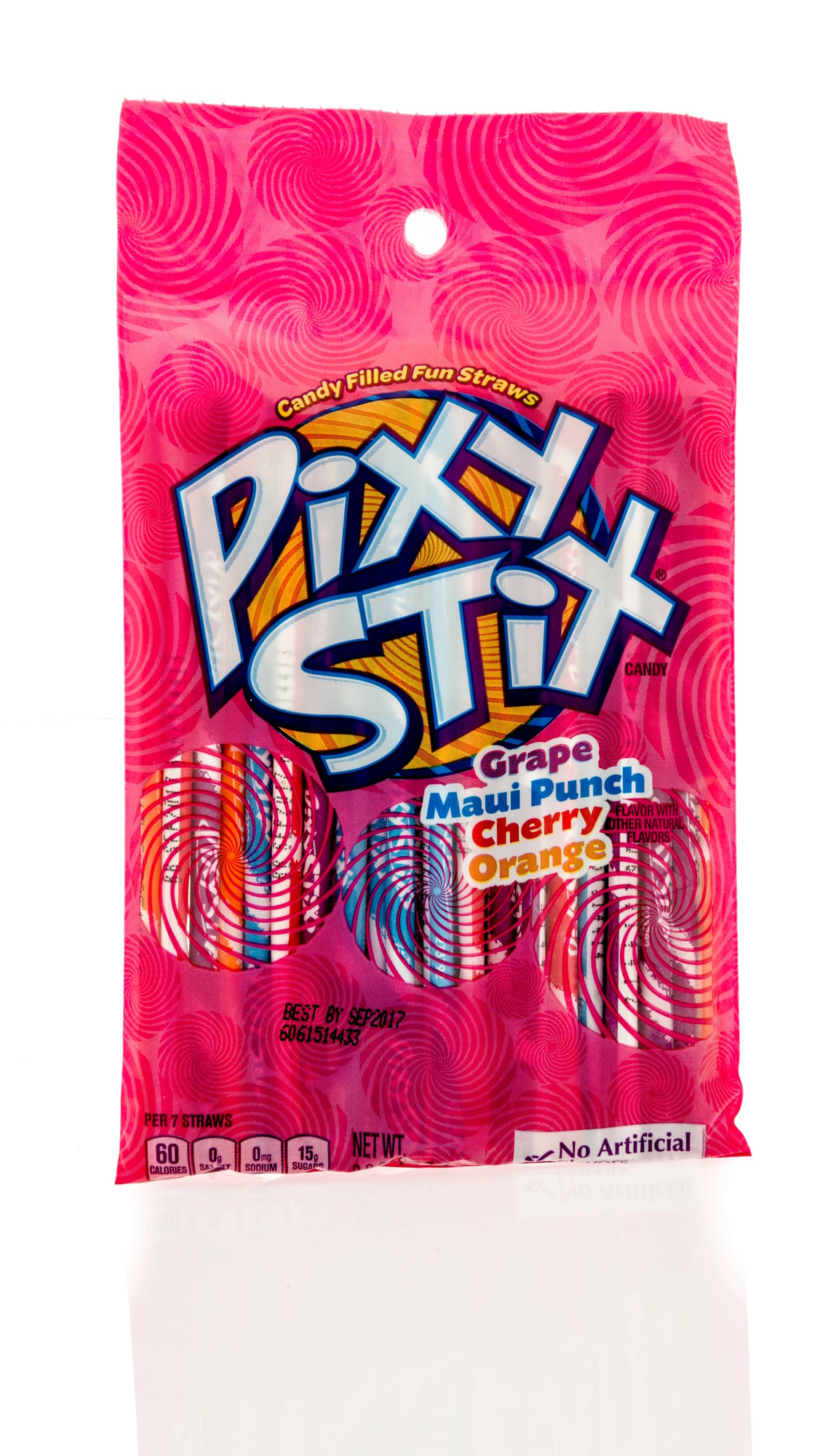
Ferrara again, proving that the market for pure sugar delivered via paper straw was both sustainable and profitable. The brand that taught children to mainline powdered sweetener now sits alongside chocolate empires and gummy innovations under the same corporate umbrella, which says something about the democratic nature of sugar cravings.
Fun Dip
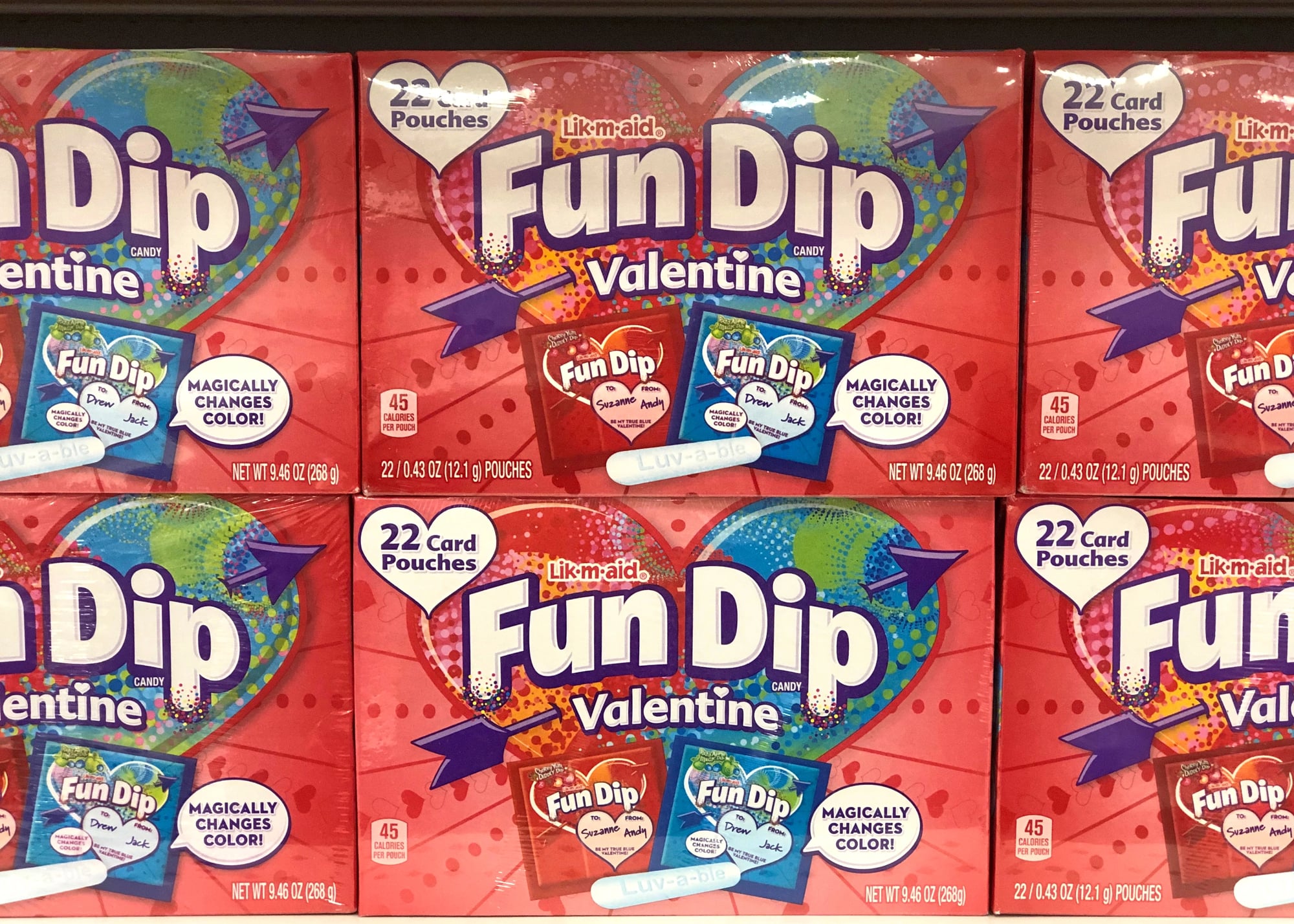
The candy that came with its own edible spoon belongs to Ferrara too. So the same company controls multiple ways to consume flavored sugar powder—sometimes you pour it (Nerds), sometimes you drink it through a straw (Pixy Stix), and sometimes you lick a candy stick and dip it yourself.
Gobstoppers
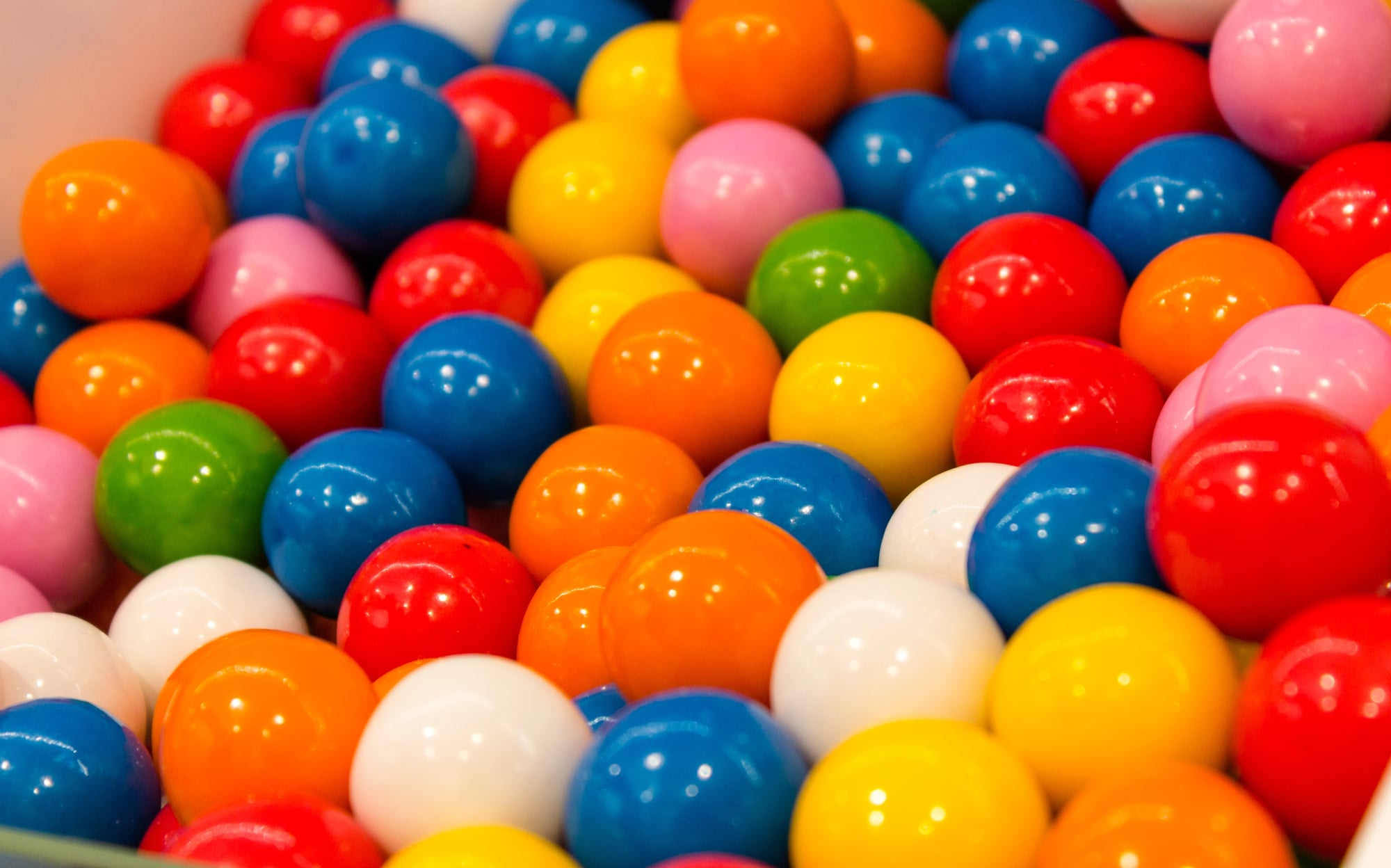
Nestlé owns these color-changing jawbreakers that Roald Dahl made famous and Quaker Oats originally produced (back when cereal companies dabbled in hard candy, apparently). The brand survived multiple corporate handoffs while maintaining the same basic promise: a candy that lasts long enough to justify the marketing budget.
Wonka Brand
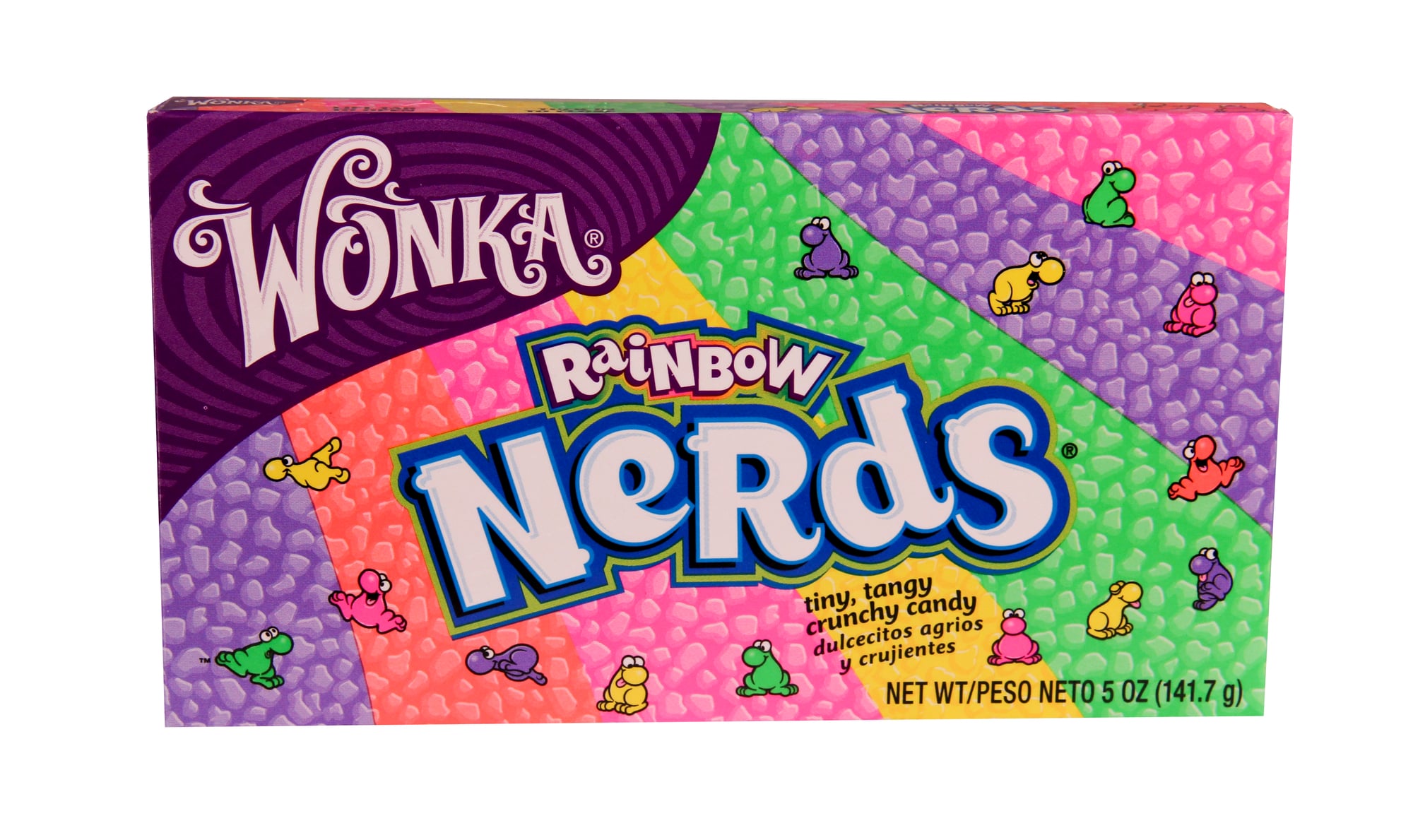
The entire Wonka line—including those Gobstoppers—transferred from Quaker to Nestlé in a deal that gave one Swiss company control over a fictional chocolate factory’s real-world products. SweeTARTS was part of this acquisition too, which means Nestlé briefly owned both the peanut butter cup competition and the sour candy market before selling pieces off to Ferrero.
Crunch Bars
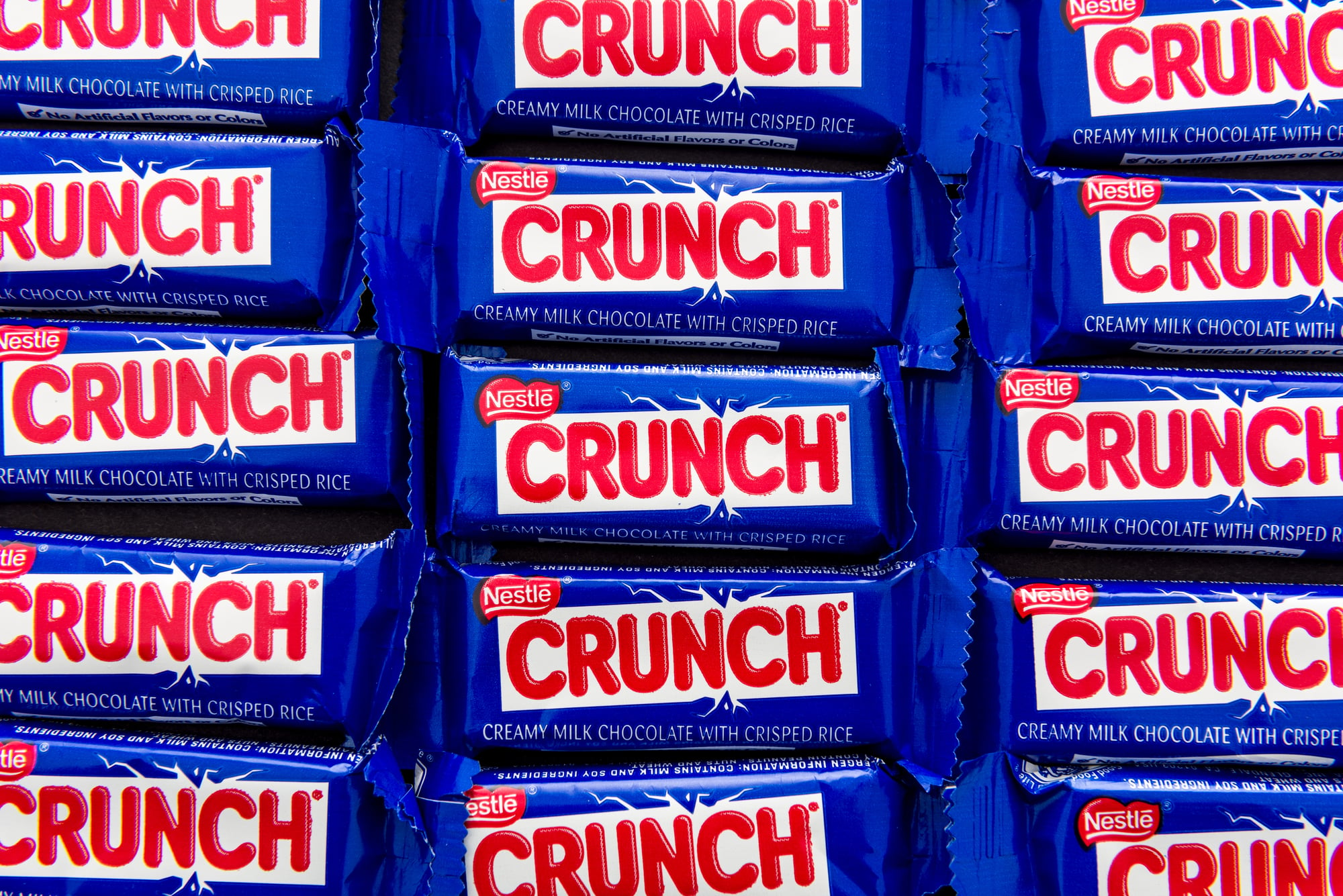
Nestlé Crunch represents the company’s most straightforward approach to chocolate: rice crisps mixed into milk chocolate, no complications. It’s been a Nestlé product since 1938, making it one of the more stable brand relationships in an industry where ownership changes hands like trading cards.
Smarties (Rockets in Canada)
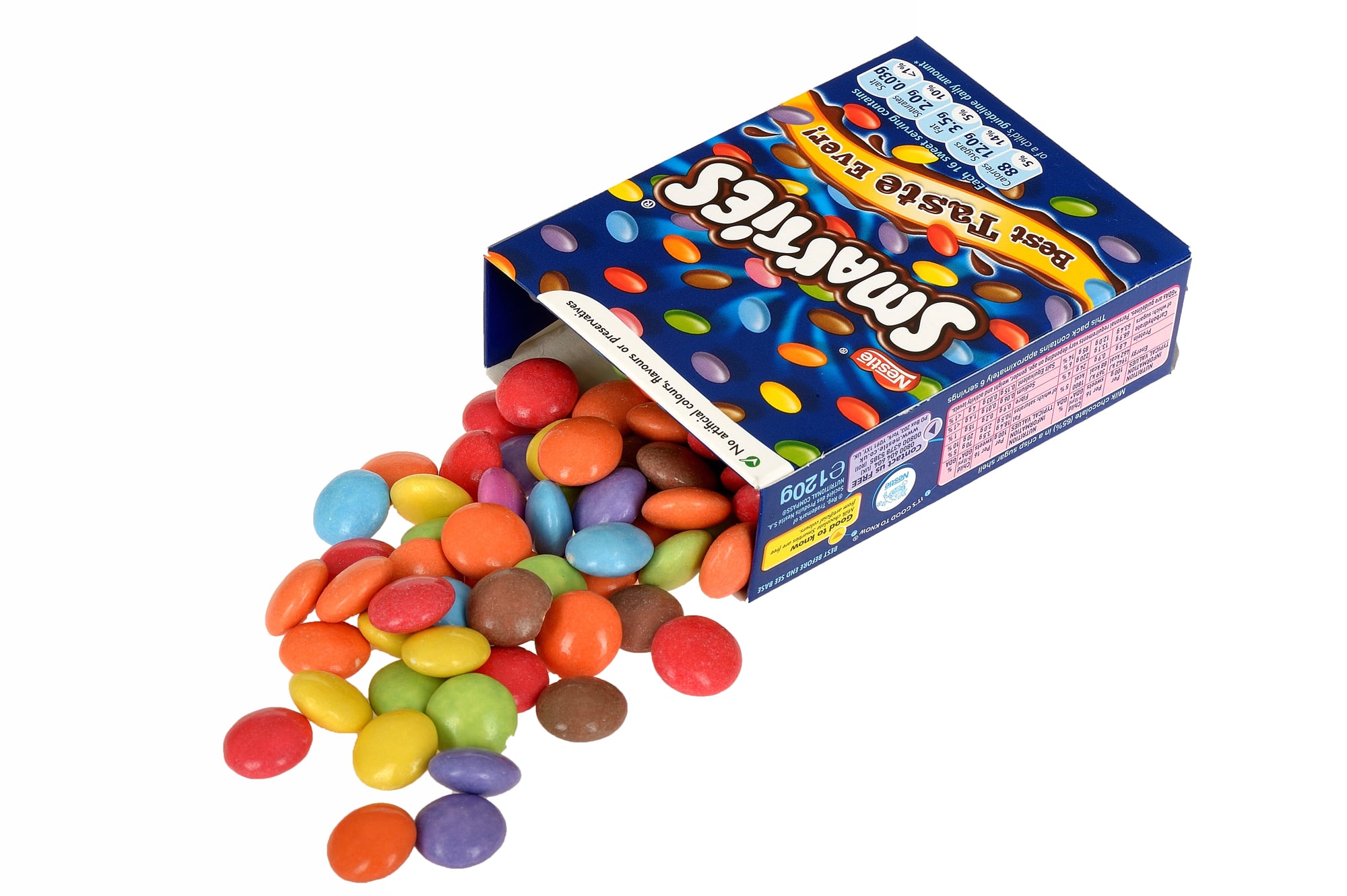
Those chalky tablets that come in cellophane rolls are made by Smarties Candy Company, a family-owned operation that’s remained independent while bigger brands changed hands around them. They produce billions of rolls per year using essentially the same recipe from 1949, which suggests that sometimes the simplest approach works best.
Baby Ruth
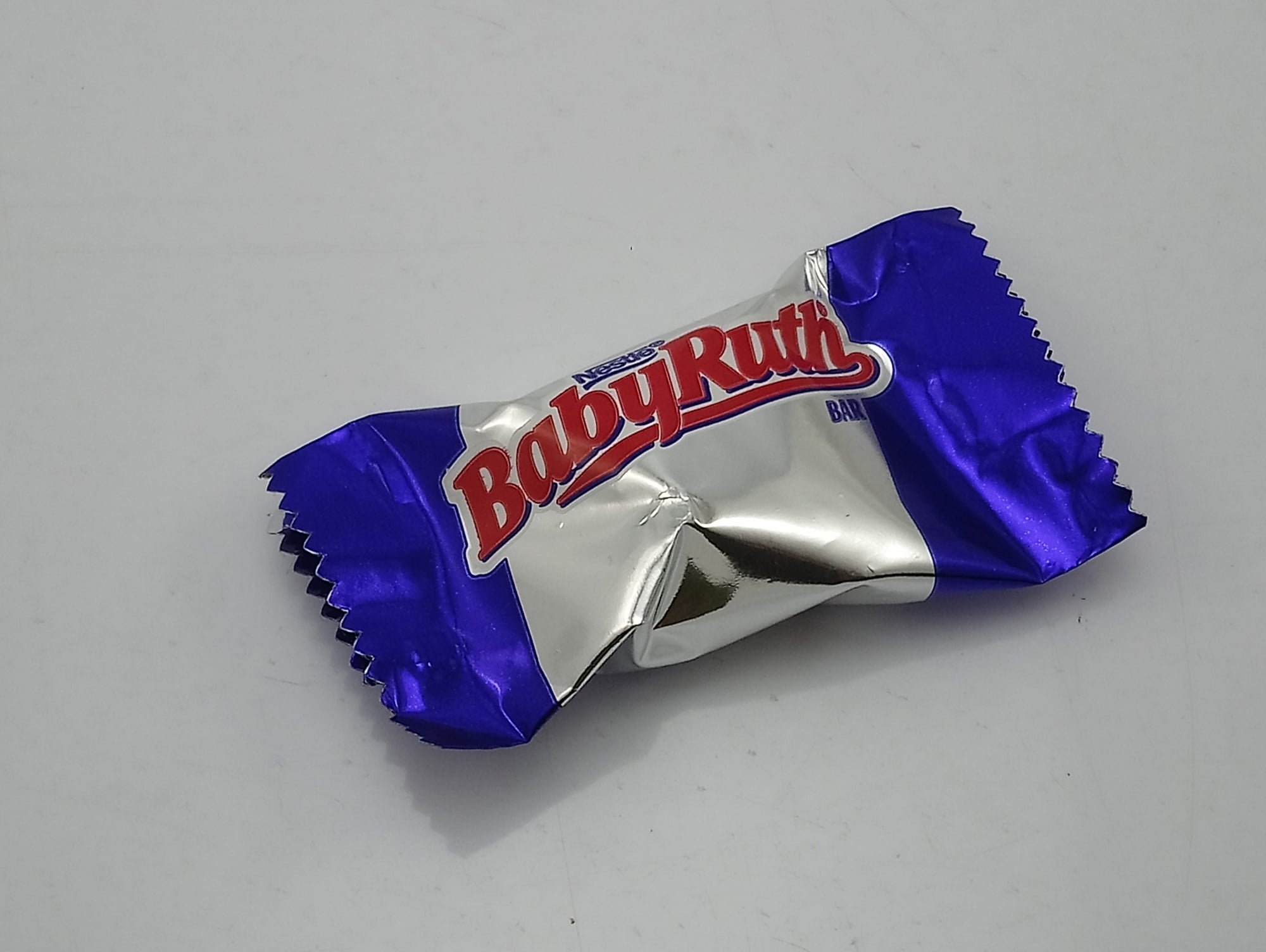
Ferrero controls this peanut-and-nougat bar that’s spent decades in Babe Ruth naming disputes (it’s actually named after President Cleveland’s daughter, according to the official story). The Italian company acquired it along with Butterfinger, giving them control over two major peanut-centric candy bars that compete directly with Hershey and Mars products.
100 Grand
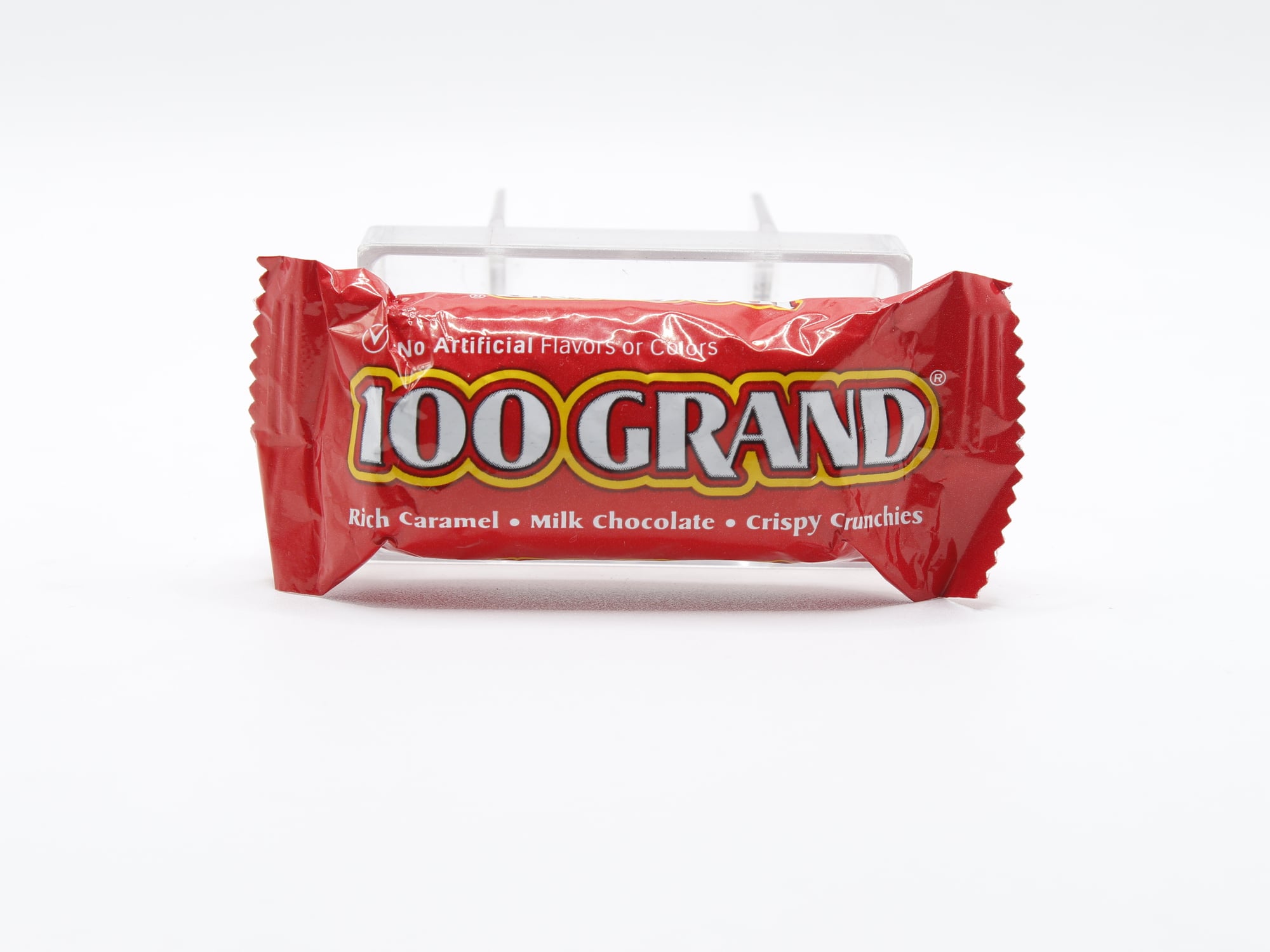
This caramel-and-rice-crisp chocolate bar belongs to Nestlé and occupies a specific niche: the candy that sounds expensive but costs the same as everything else. The name was a marketing decision that somehow worked, though it’s hard to imagine the same strategy succeeding with today’s inflation rates.
Raisinets
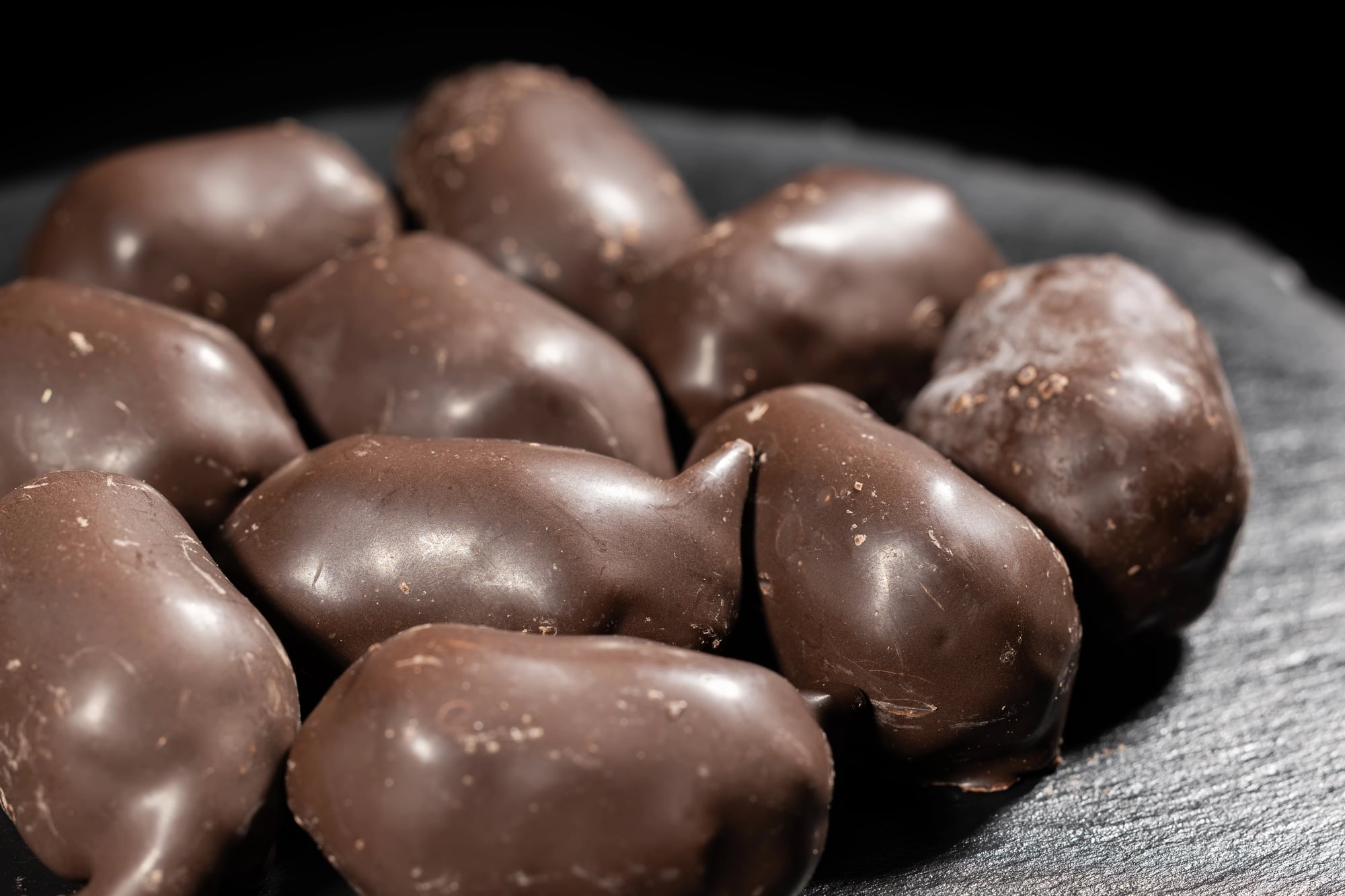
Nestlé owns these chocolate-covered raisins that movie theaters have been selling since the 1920s. The brand represents an early attempt to make fruit consumption feel like dessert, a psychological trick that worked well enough to survive nearly a century of changing snack preferences and health trends.
Goobers
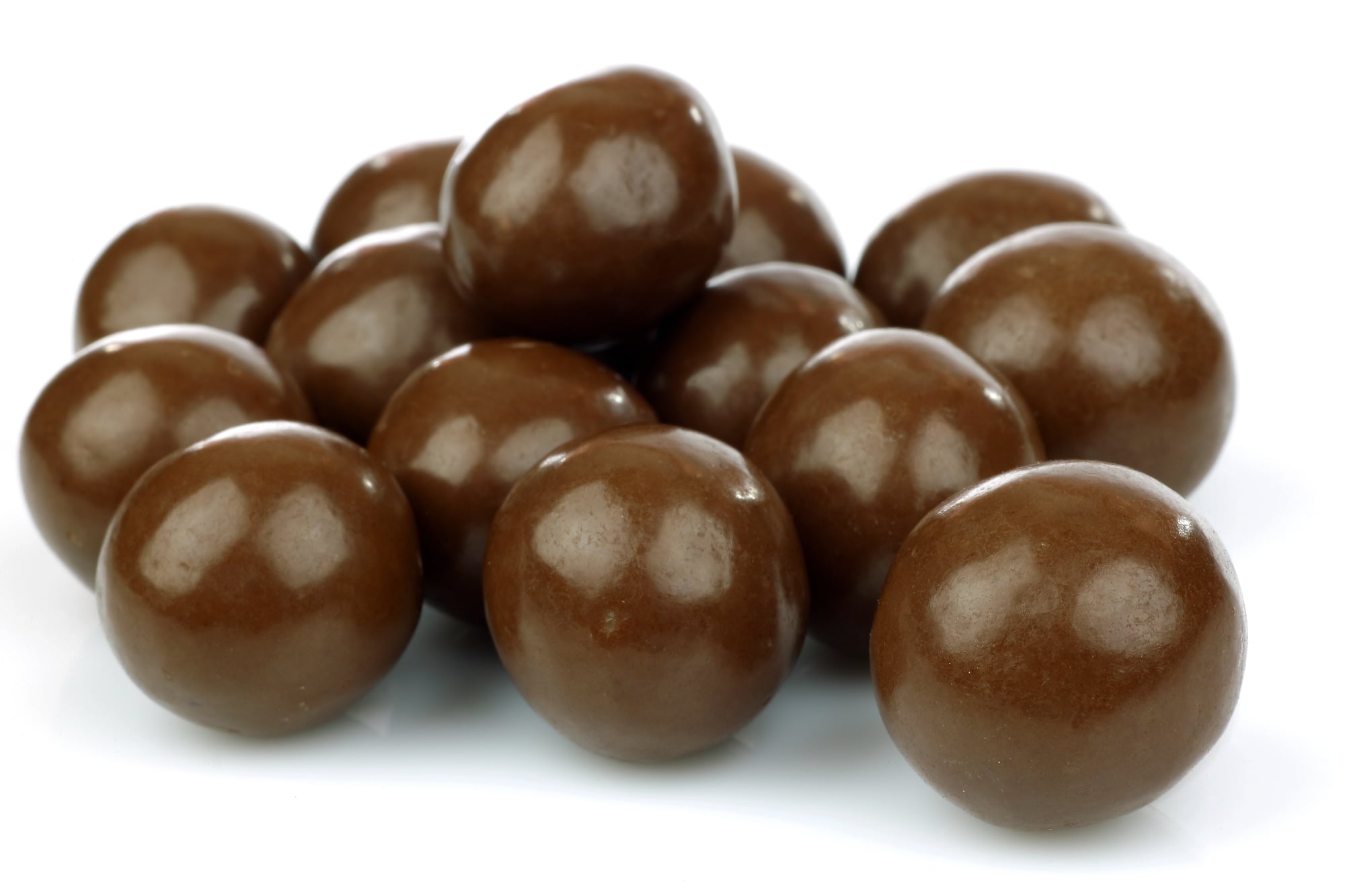
Another Nestlé movie theater staple—chocolate-covered peanuts that rattle in their box and annoy people sitting three rows away. The brand name sounds like it was chosen specifically to be memorable rather than appetizing, which turned out to be the right call for a product that people mostly buy out of habit.
Oh Henry!
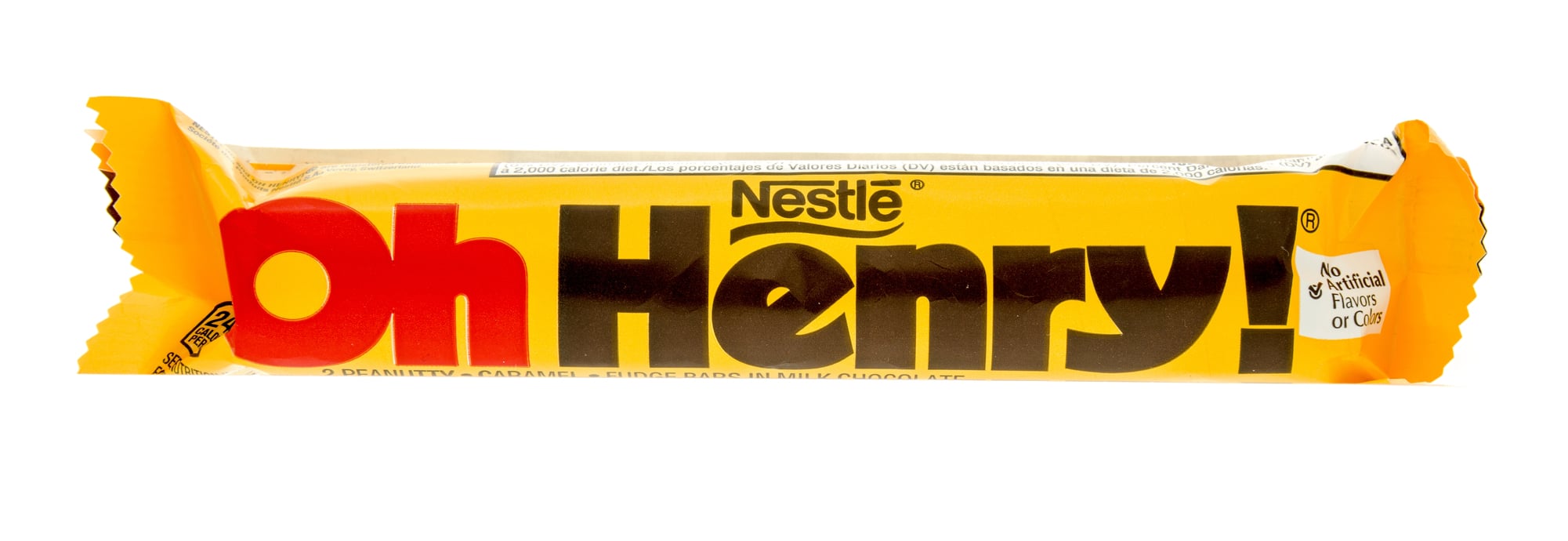
This peanut-caramel-fudge combination belongs to Nestlé in the United States, though it started as a Canadian brand and remains popular there under different ownership. The bar represents the “everything but the kitchen sink” approach to candy design: when you can’t decide on one texture, include them all.
Chunky
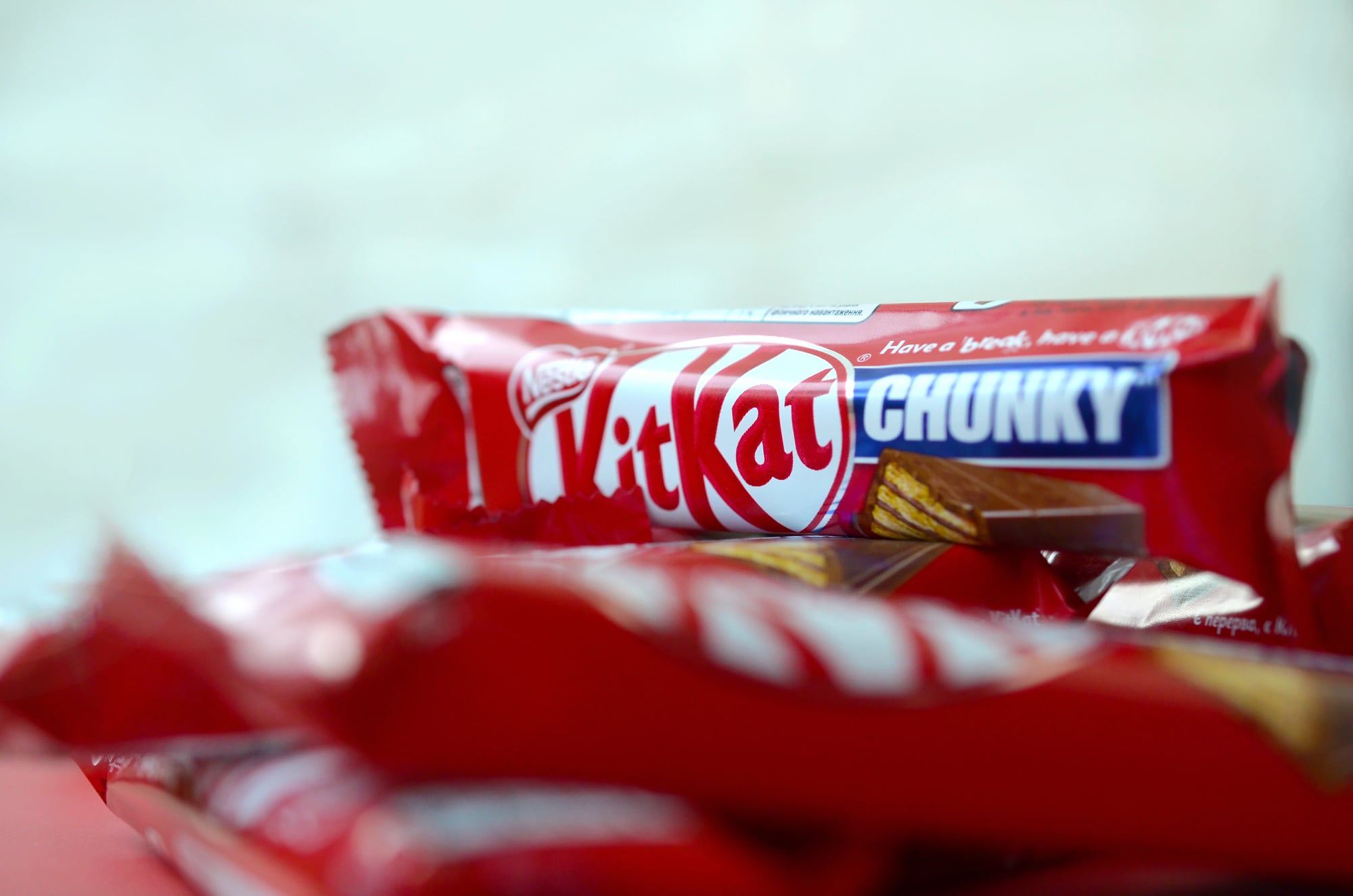
Nestlé controls this thick chocolate bar filled with peanuts and raisins that’s shaped like a trapezoid for reasons that nobody discusses anymore. The unusual geometry was supposedly designed to prevent the bar from rolling away, which suggests that 1930s candy engineers took physics more seriously than expected.
Spree
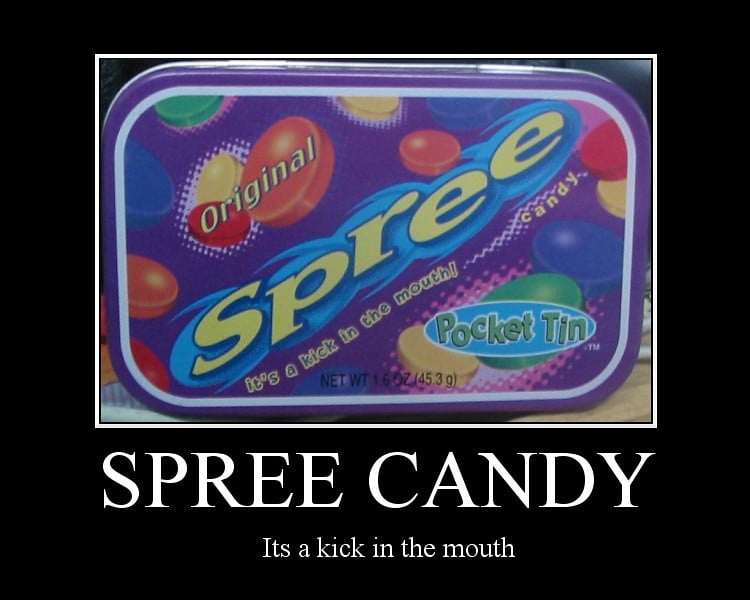
These compressed dextrose tablets with their hard candy shell belong to Ferrara, continuing the company’s domination of the sweet-and-sour market. Spree occupies the middle ground between SweeTARTS and Nerds—not quite as sour as the former, more substantial than the latter, and somehow different enough to justify shelf space for all three.
Bottle Caps
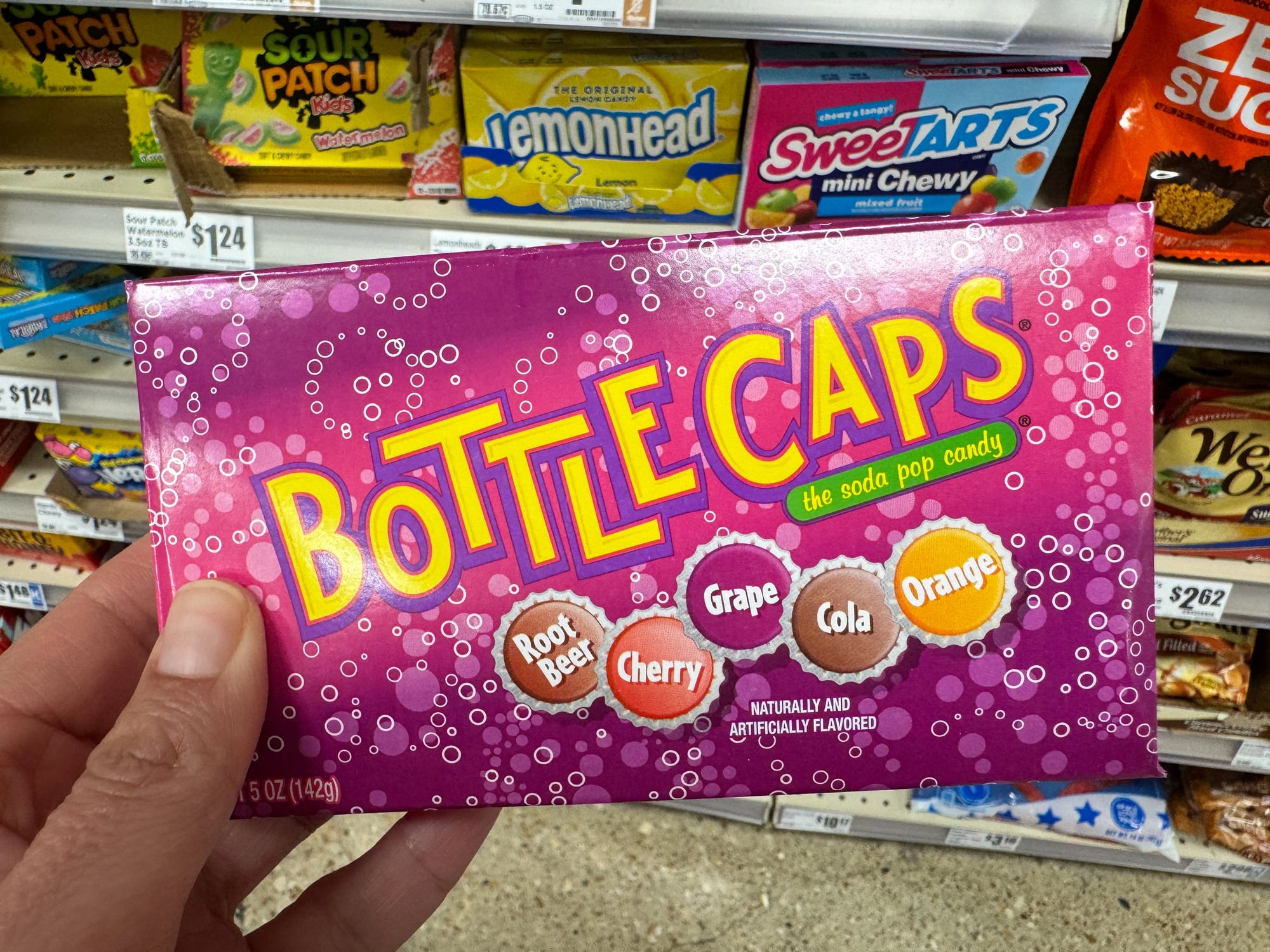
Ferrara owns these soda-flavored candy tablets that taste like cola, orange, cherry, root beer, and grape—basically a liquid candy store condensed into chewable form. The brand banking on nostalgia for old-fashioned soda fountains, which worked better than anyone expected it to.
Trolli
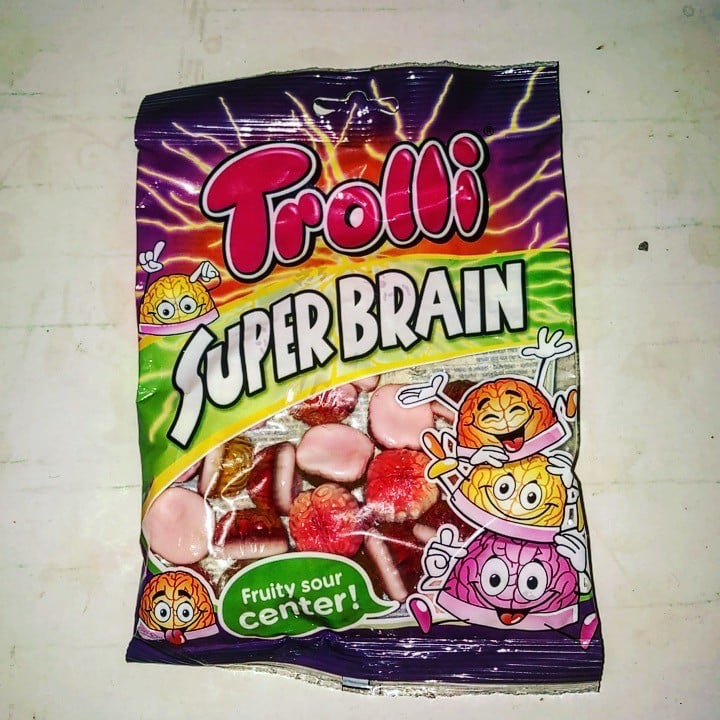
This gummy brand belongs to Mederer Motiv, a German company that specializes in making sour gummy candy shaped like everyday objects. Trolli occupies the intersection of “weird textures” and “aggressive flavors,” appealing to people who find regular gummy bears insufficiently challenging.
Haribo
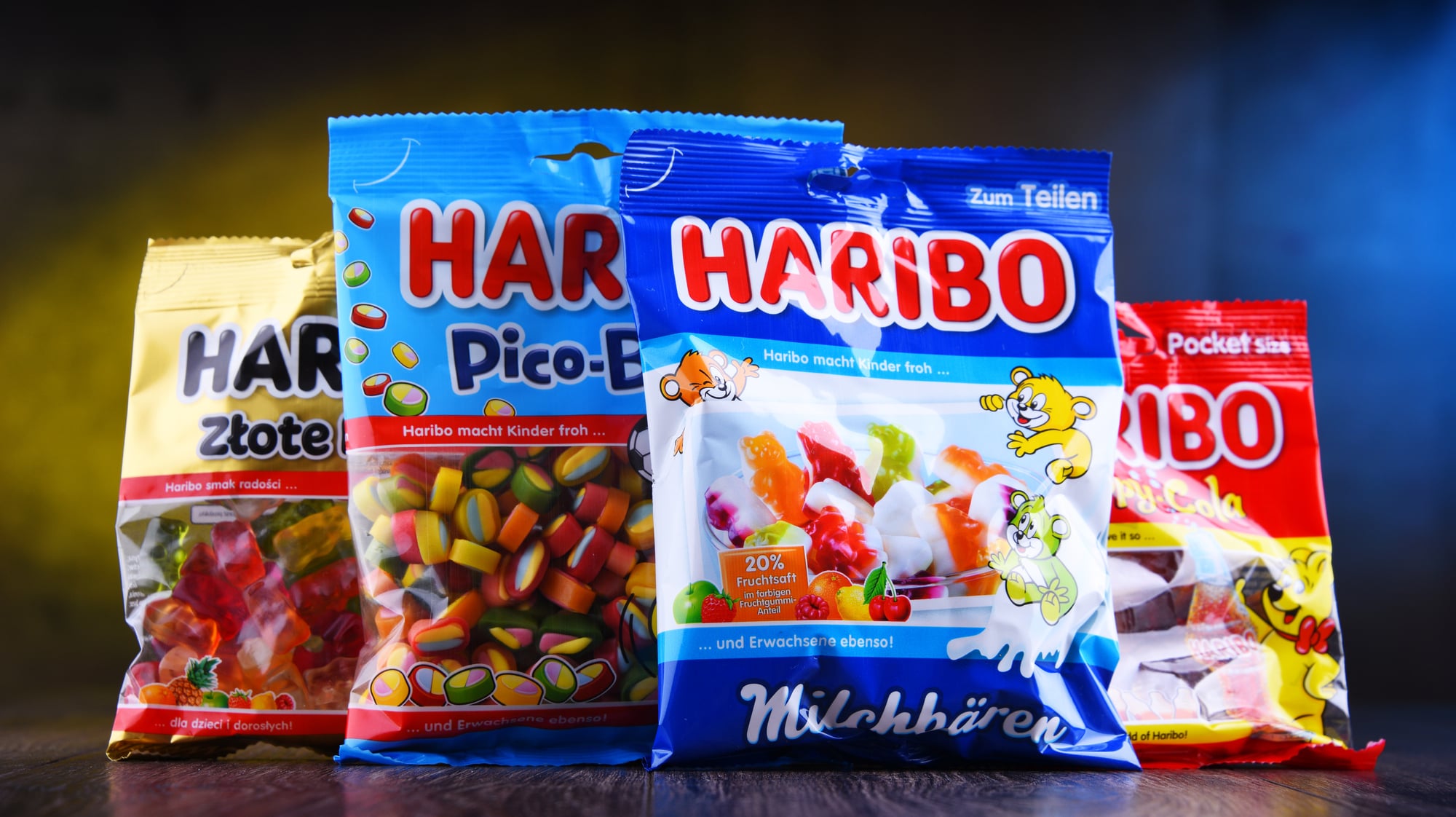
The German company behind Gummy Bears controls more of the gummy candy market than most people realize. Haribo invented the category in the 1920s and has been expanding it ever since, proving that Hans Riegel’s original fruit-flavored bear concept had room for decades of variation.
Swedish Fish
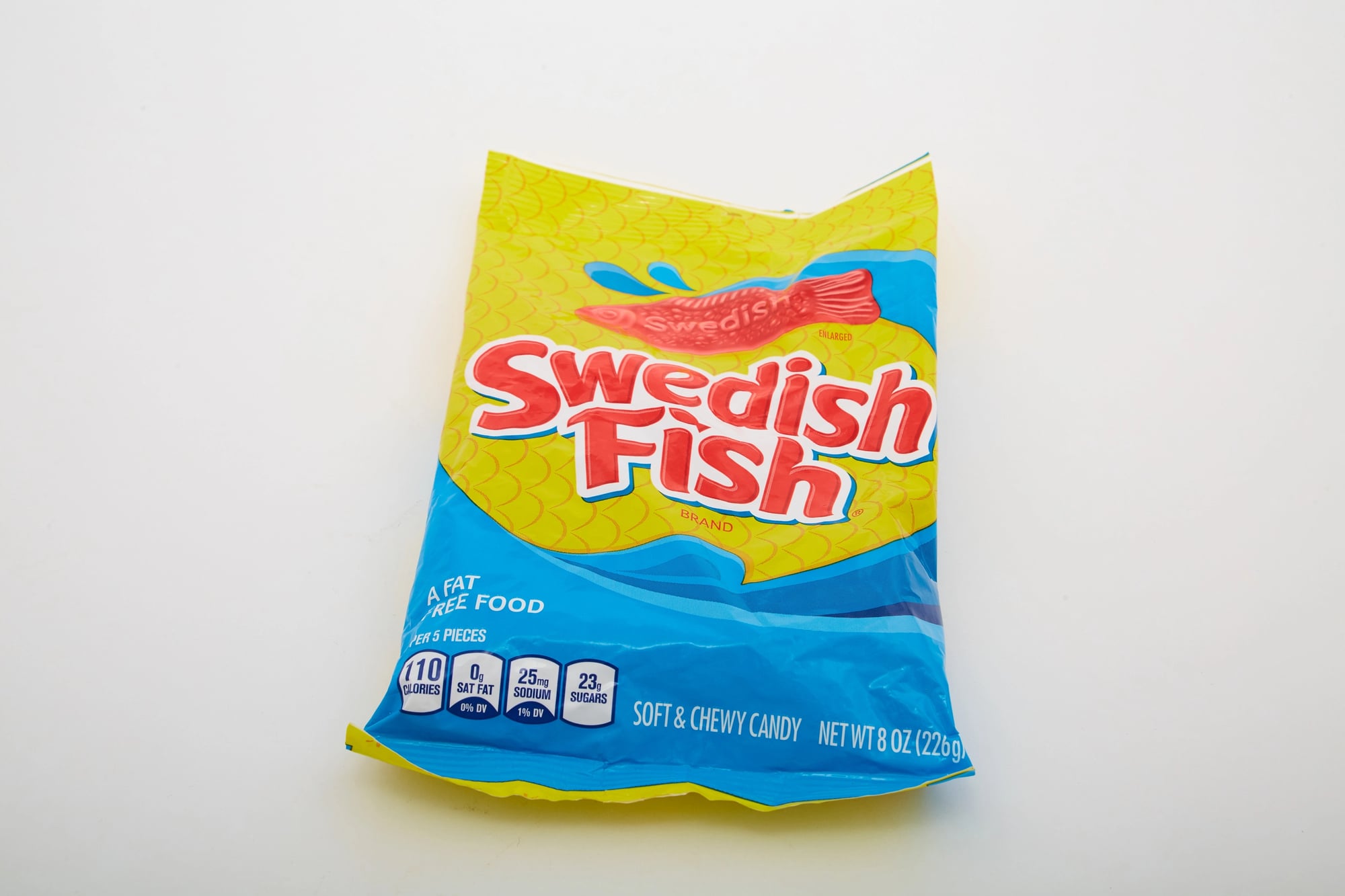
Mondelez International owns these red, fish-shaped gummies that somehow became associated with Swedish culture despite being invented in Sweden specifically for export to North America. The brand represents successful international marketing: a candy that feels foreign enough to seem sophisticated but familiar enough to become a staple.
Sour Patch Kids
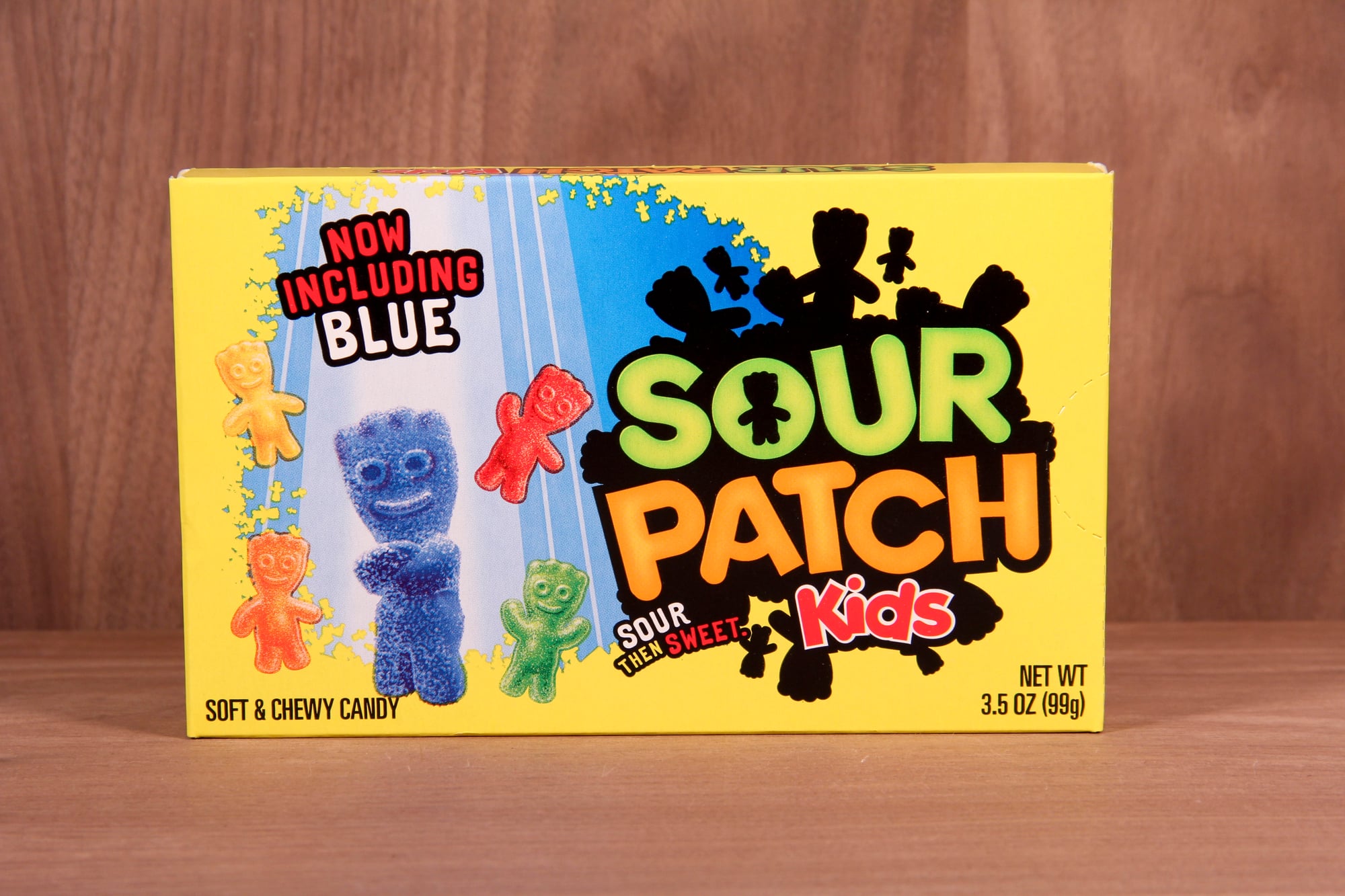
Also owned by Mondelez, these sour-then-sweet gummies follow a formula that’s been copied extensively but never quite replicated. The “sour then sweet” marketing tagline describes both the flavor profile and the emotional journey of eating them, which is either clever branding or accurate description.
Oreo
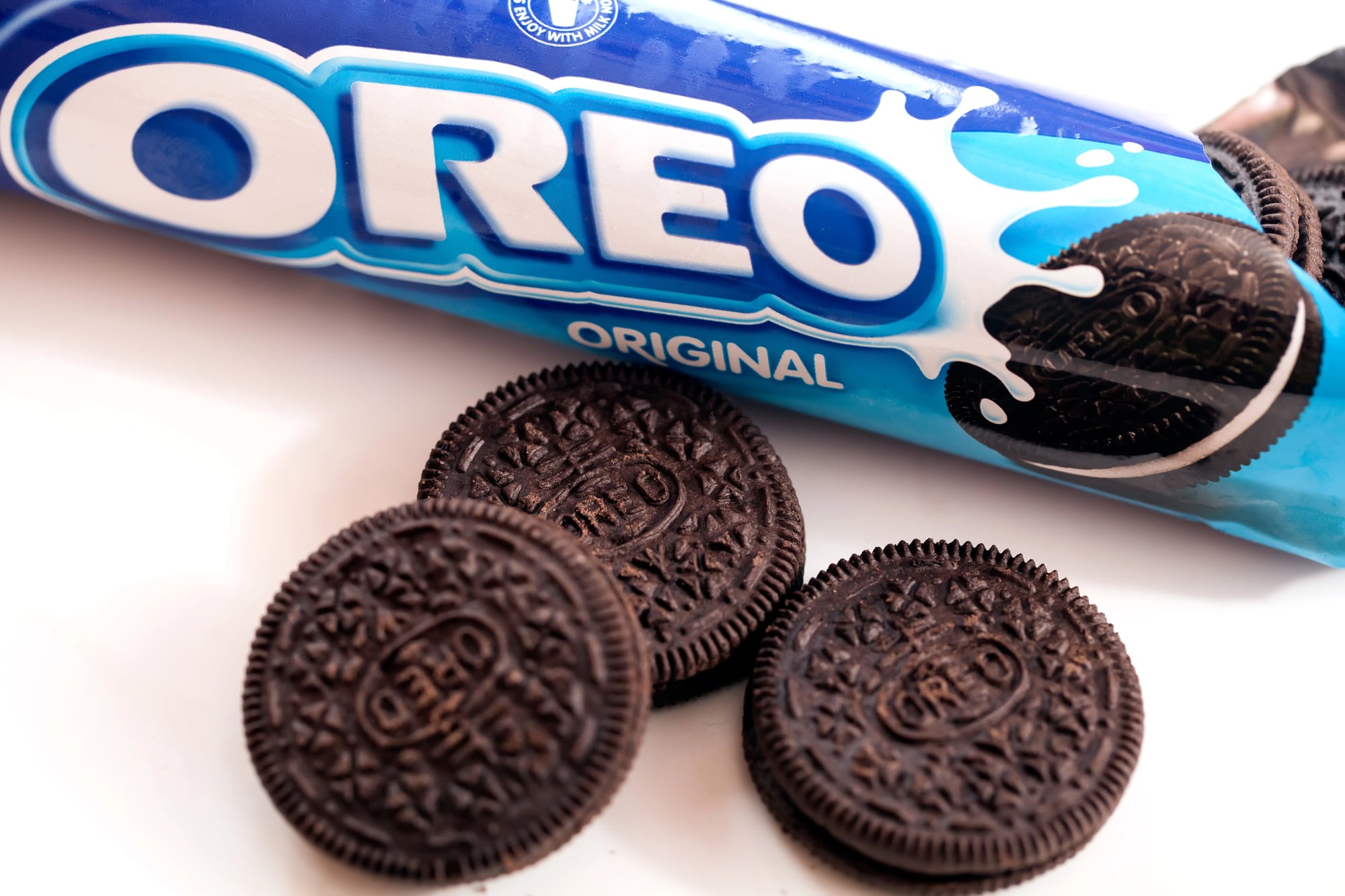
Mondelez controls the world’s best-selling cookie brand, which technically isn’t candy but occupies the same shelf space and serves the same purpose. Oreo represents the triumph of brand recognition over actual innovation: the same chocolate wafer and cream filling formula, endlessly recombined into new variations that somehow keep working.
Cadbury
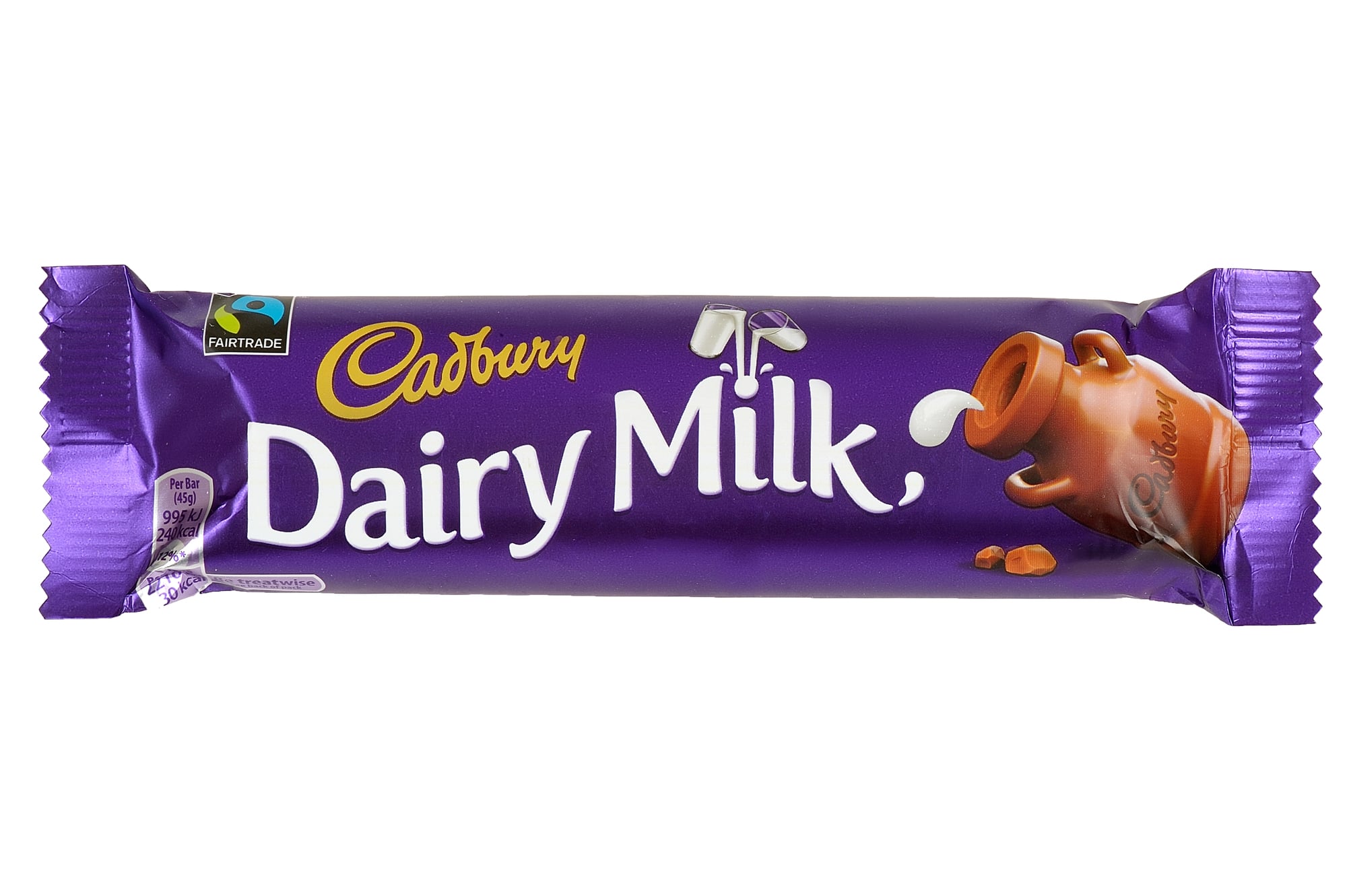
Mondelez owns Cadbury in most markets (Hershey controls it in the United States through licensing), giving them control over chocolate brands that date back to the 1800s. The Dairy Milk formula became the template for modern milk chocolate, which means most contemporary candy bars owe something to a British Quaker family’s original recipe.
Toblerone
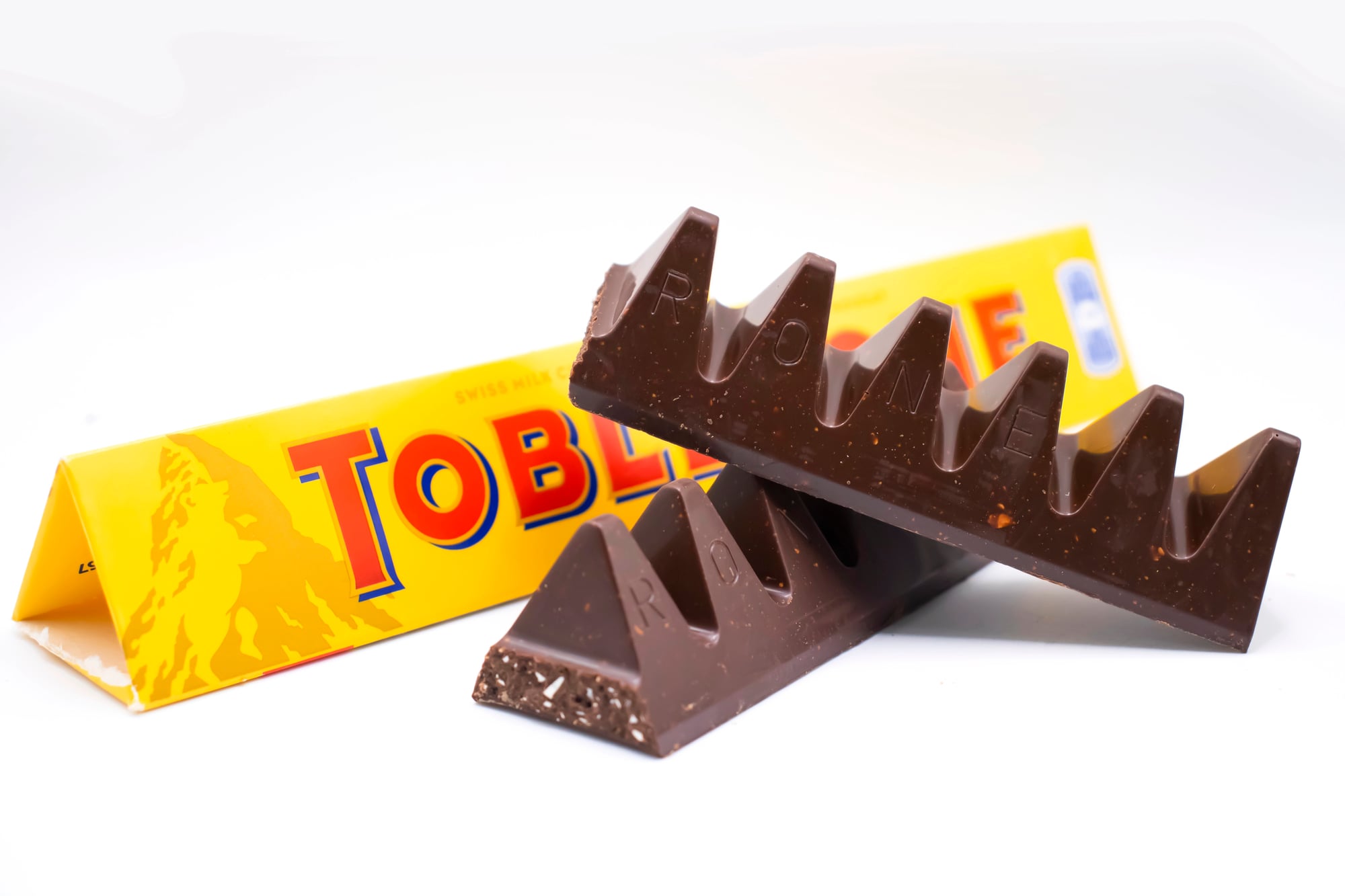
This triangular Swiss chocolate bar with honey and almond nougat belongs to Mondelez, though it was created by Theodor Tobler in 1908. The distinctive shape was supposedly inspired by the Matterhorn, making it one of the few candy bars designed around a specific mountain range—a marketing approach that hasn’t been replicated much.
Halls
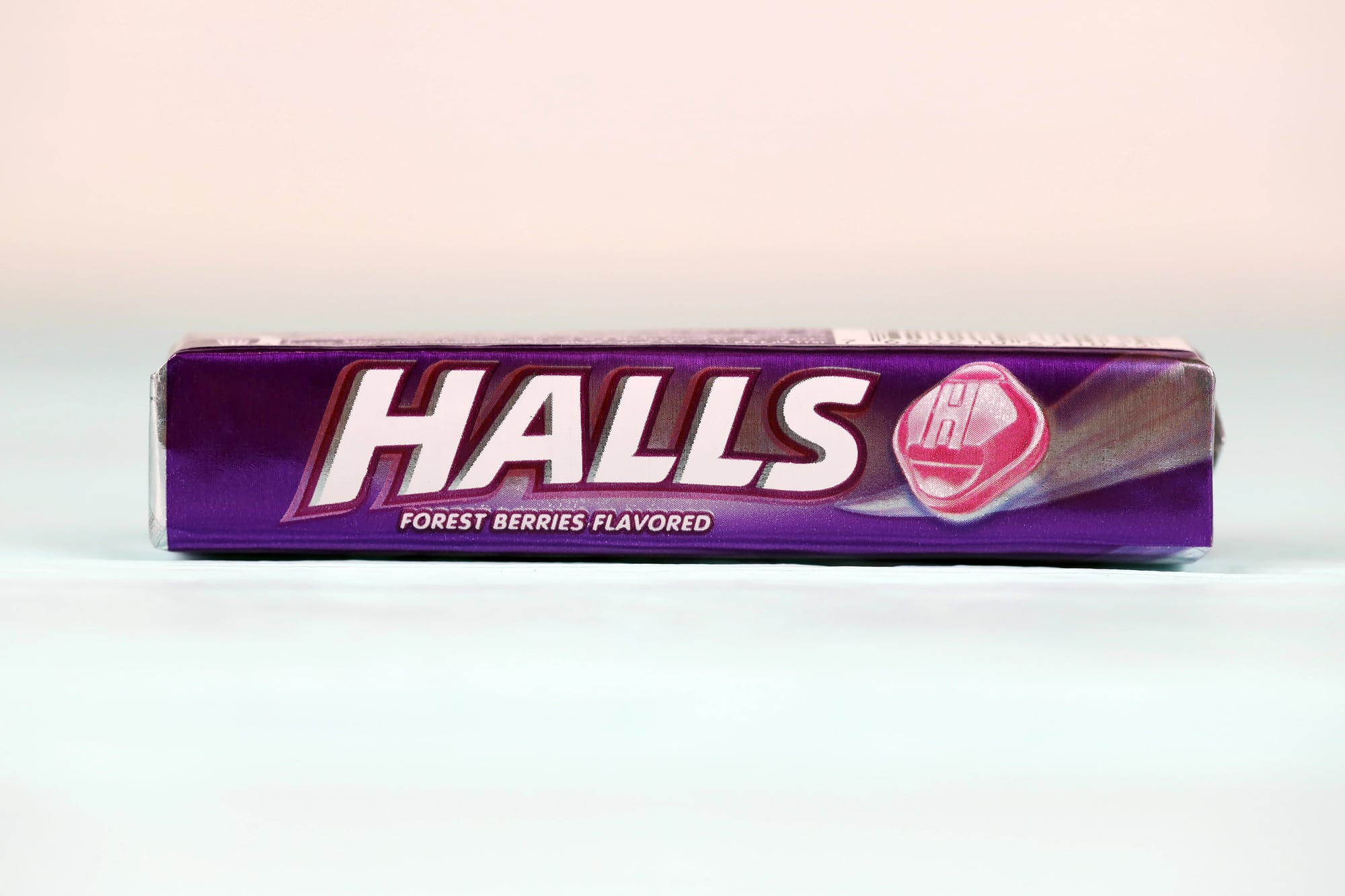
Mondelez owns these throat lozenges that occupy the borderline between candy and medicine. Halls represents the successful medicalization of sugar consumption: people buy them for sore throats but keep eating them after the symptoms disappear, which suggests the formula works on multiple levels.
Trident
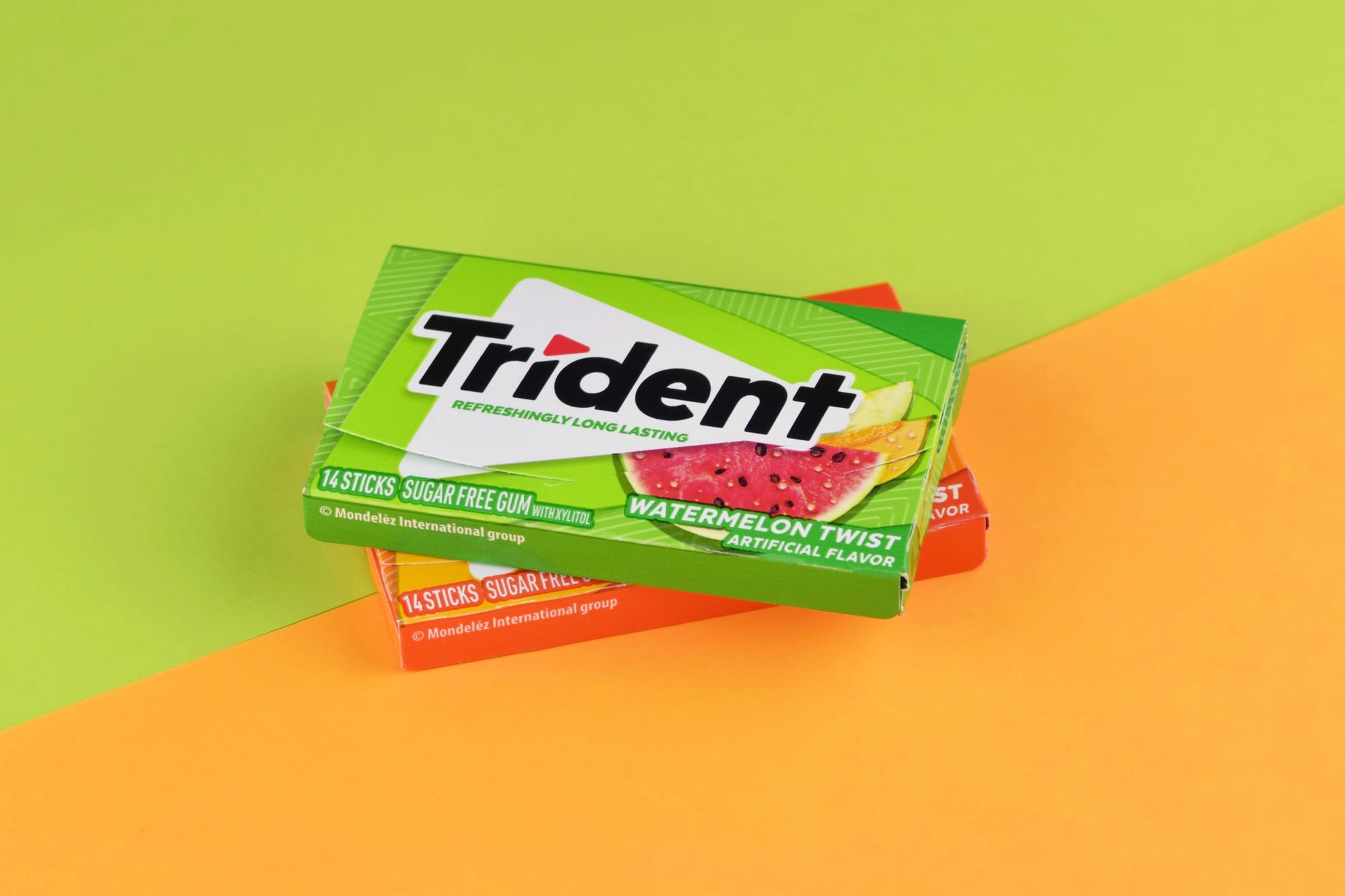
This gum brand also belongs to Mondelez and has survived multiple decades of changing oral hygiene trends by positioning itself as the dentist-recommended option. Trident managed to make sugar-free gum feel like a health choice rather than a compromise, which turned out to be worth billions in sales.
The Sweet Reality
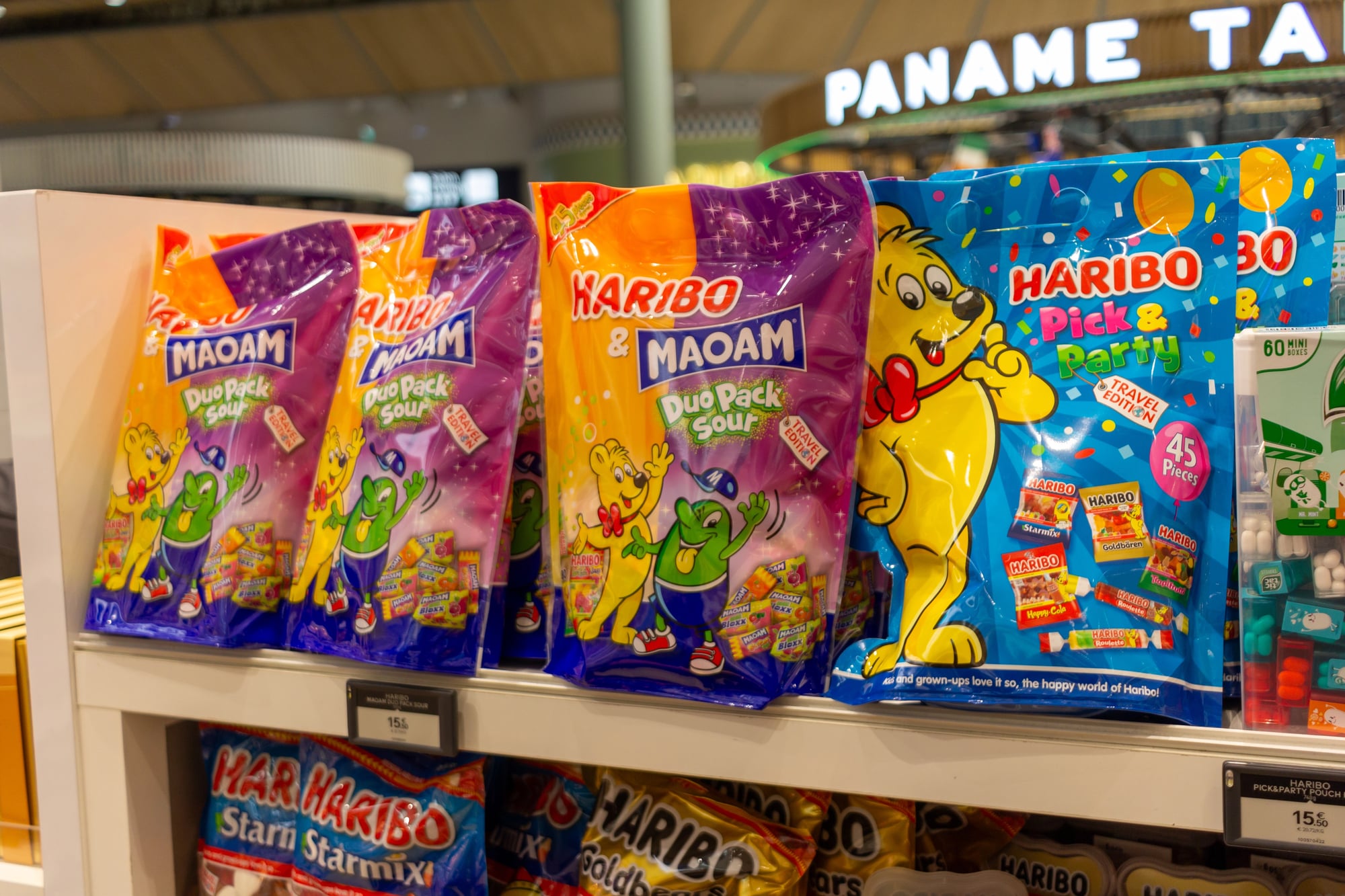
The candy aisle illusion runs deeper than most people expect. What looks like variety is actually consolidation—a handful of major corporations controlling dozens of brands that compete with each other for shelf space while sending profits to the same parent companies.
Your childhood favorites and current cravings are more connected than they appear, linked by corporate structures that prioritize market coverage over actual competition. The next time someone talks about supporting different brands, remember that the choice might be more limited than the colorful packaging suggests.
More from Go2Tutors!

- The Romanov Crown Jewels and Their Tragic Fate
- 13 Historical Mysteries That Science Still Can’t Solve
- Famous Hoaxes That Fooled the World for Years
- 15 Child Stars with Tragic Adult Lives
- 16 Famous Jewelry Pieces in History
Like Go2Tutors’s content? Follow us on MSN.