Why Standard Units of Measurement Have Such Bizarre Origins
Most people go through life using feet, pounds, and gallons without questioning where these measurements came from. The truth is, our modern system of units didn’t emerge from careful scientific planning or elegant mathematical principles.
Instead, it’s a chaotic patchwork of ancient body parts, random objects, and political compromises that somehow became the foundation of how we measure everything around us.
The Foot
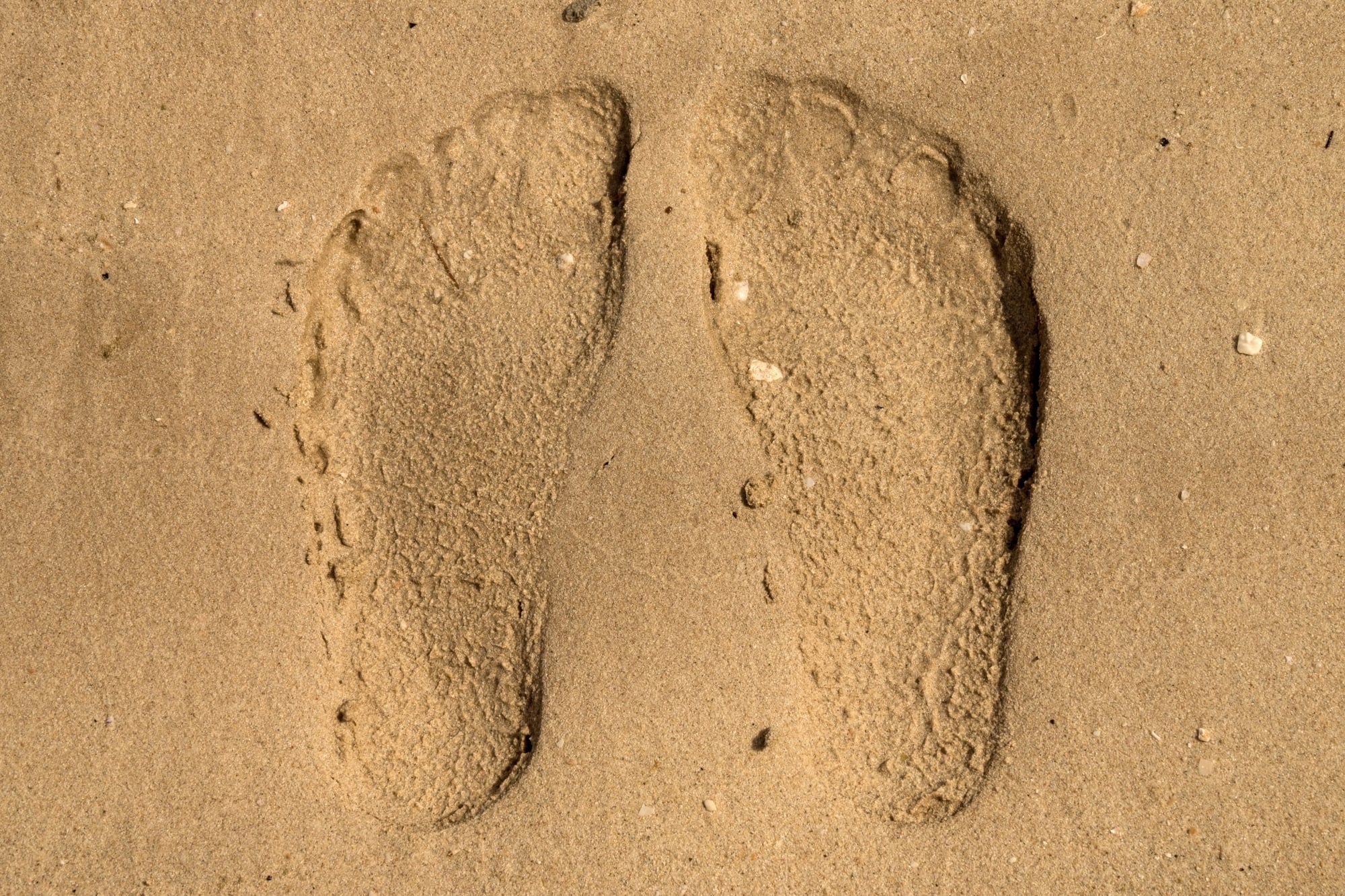
King Henry I of England decided his foot would become the official measurement for everyone else’s construction projects. This wasn’t democracy in action — it was pure royal convenience wrapped in legal authority.
The fact that millions of buildings still stand using a dead medieval king’s body part as their fundamental unit says something disturbing about how we approach progress.
The Yard
So the story goes that King Henry I (the same foot enthusiast) extended his arm and declared the distance from his nose to his fingertips would be one yard — though some accounts suggest it was actually the length of his belt, which raises questions about medieval fashion choices that history probably shouldn’t have preserved. And yet here we are, centuries later, buying fabric and measuring football fields using a long-dead monarch’s arm span (or waistline, depending on which medieval chronicler you trust).
The yard somehow survived the fall of kingdoms, the rise of science, and the metric system’s best efforts to overthrow it.
The Mile
Picture this: a Roman soldier, dust on his sandals, counting his steps across conquered territory. Every thousand paces — mille passus — became a mile, though the Romans measured it as roughly 5,000 feet, not our modern 5,280.
The extra 280 feet came later, when English lawmakers decided to cram exactly eight furlongs into a mile, creating a measurement that satisfied no one but somehow stuck anyway.
The Pound
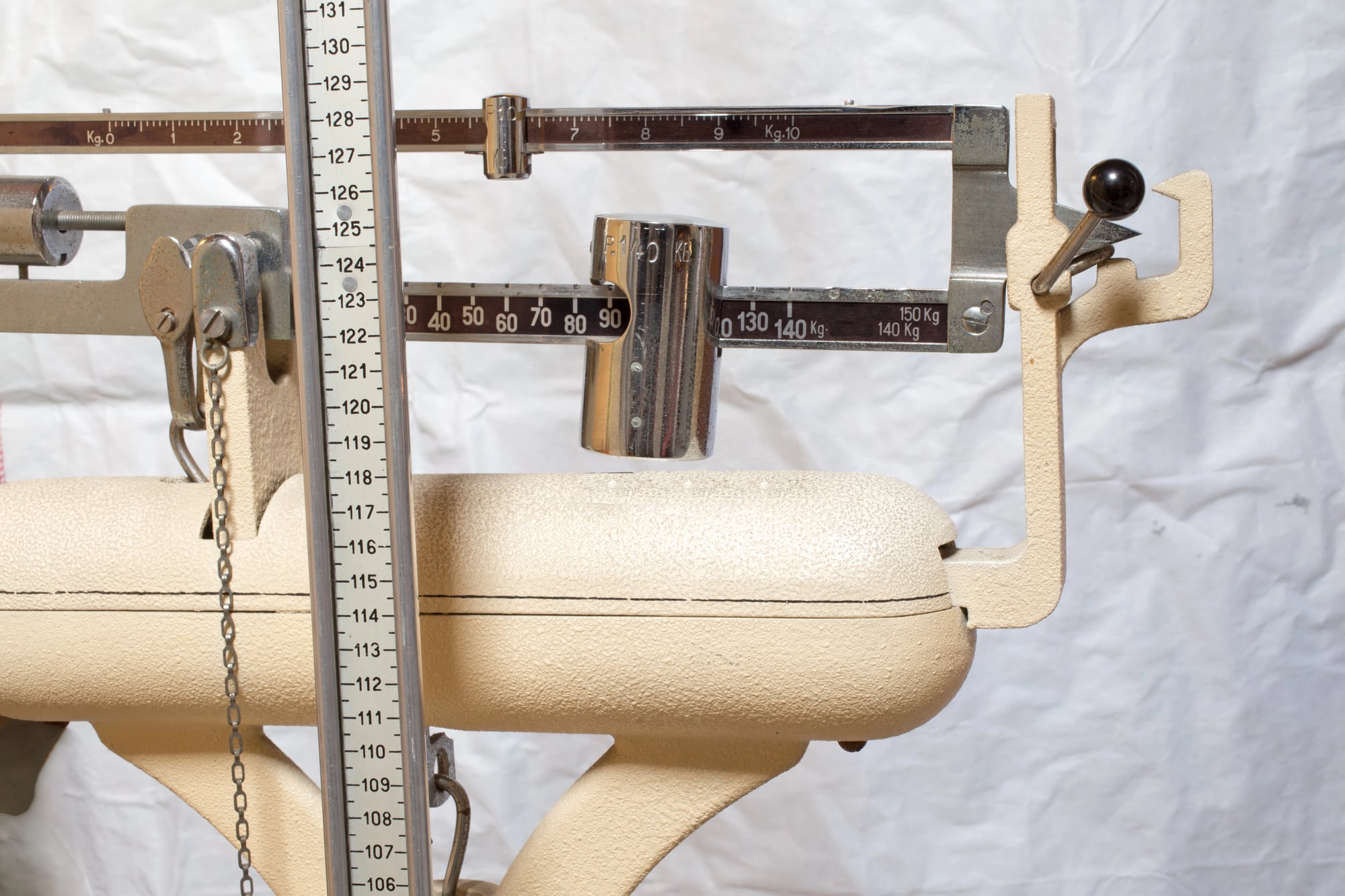
The pound started as a literal pound of silver, which made perfect sense when silver was currency and precision scales were luxury items. The Romans called it libra, which explains why we abbreviate pounds as “lb” and why no one can ever remember that connection.
Medieval merchants kept tweaking the definition until different regions had completely different pounds, turning trade into a guessing game that somehow didn’t collapse the economy.
The Gallon
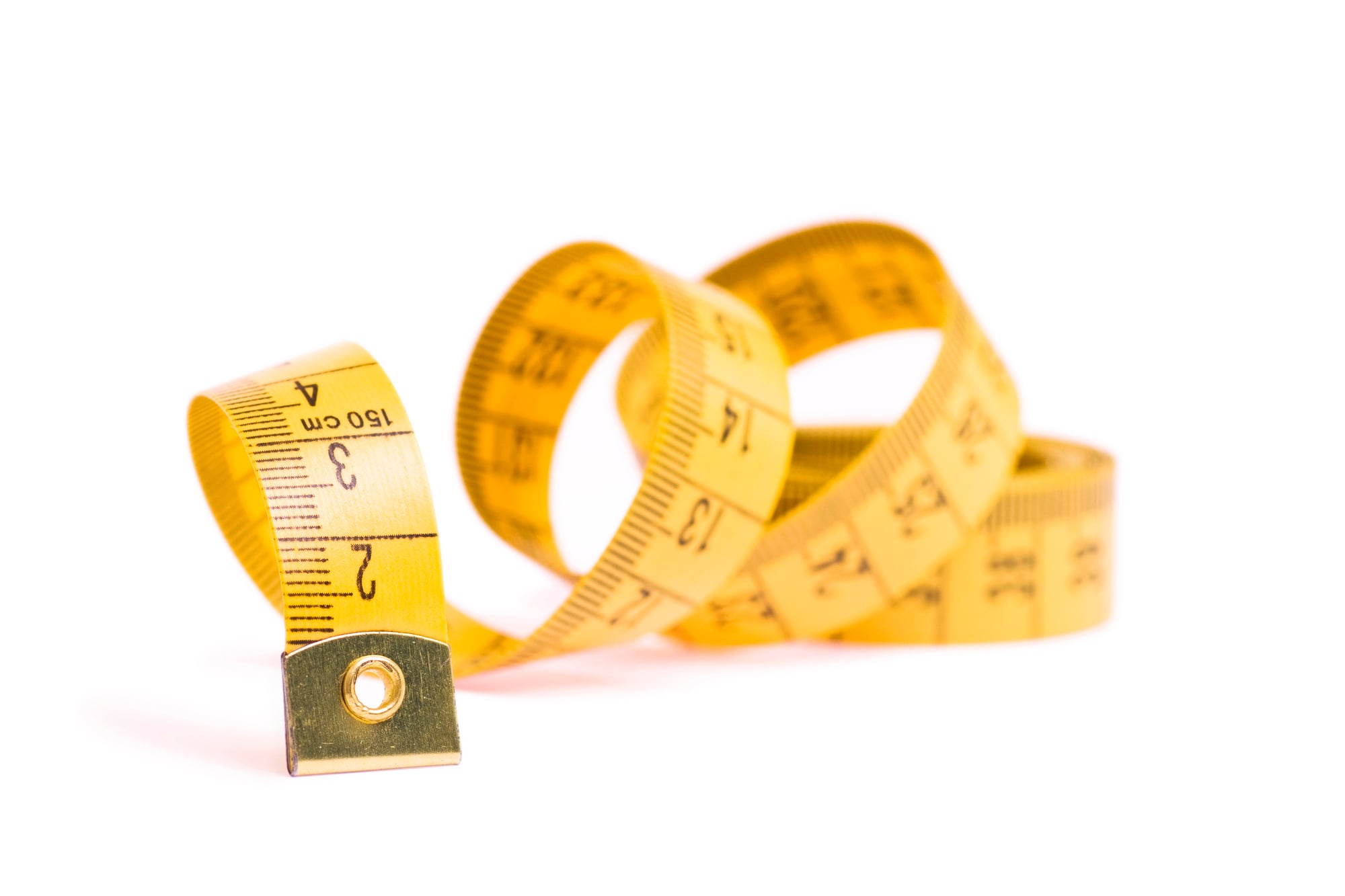
England had multiple gallons running simultaneously for centuries — a wine gallon, an ale gallon, and a corn gallon — because apparently measuring liquid was too simple to standardize (each held different amounts, naturally, since wine merchants and beer brewers couldn’t agree on anything). America adopted the smaller wine gallon, while Britain eventually settled on a larger imperial gallon, which means buying gas in London costs more than just the exchange rate suggests.
The fact that two nations sharing a language couldn’t share a gallon tells you everything about human cooperation.
The Inch
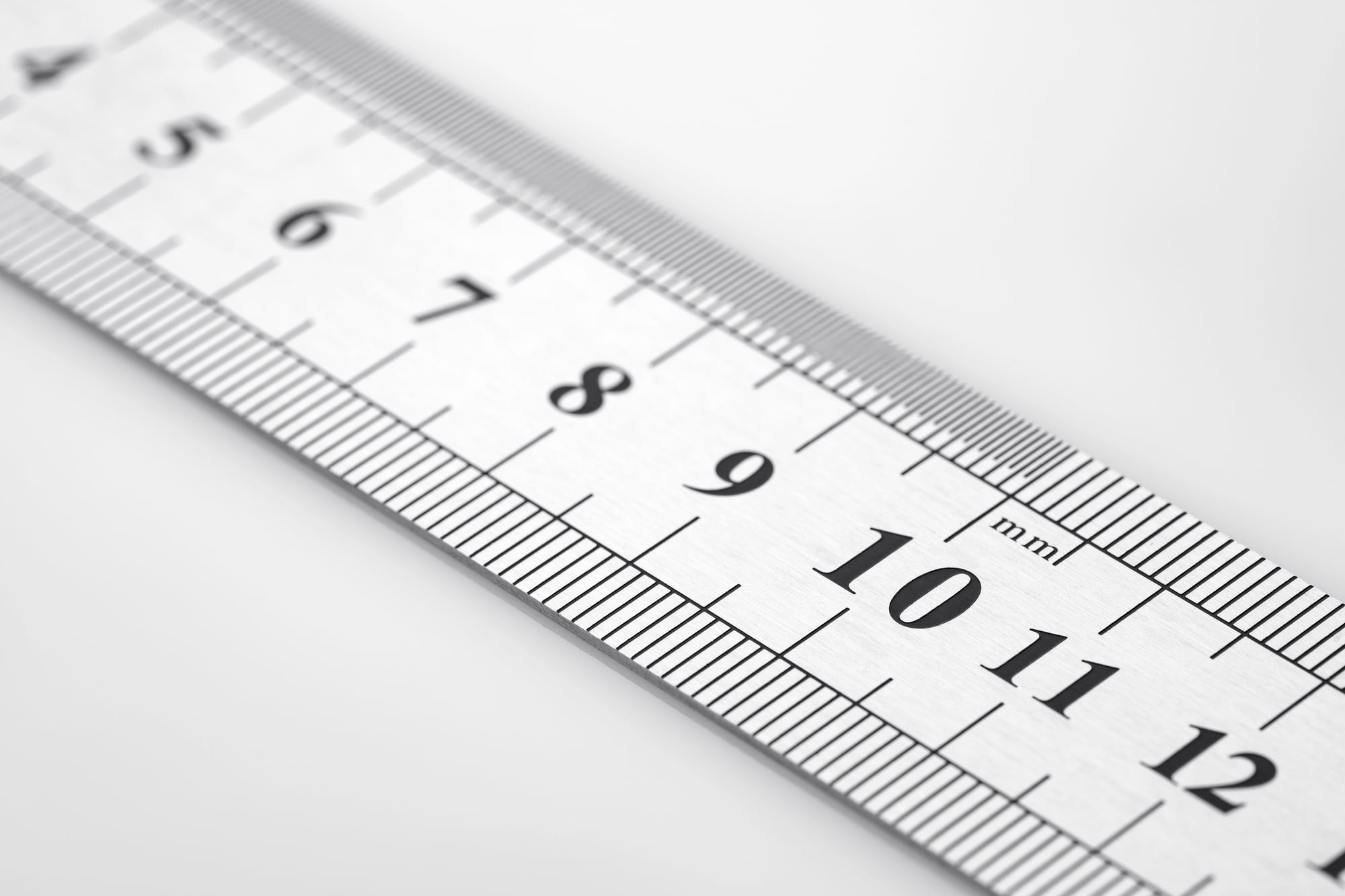
Hold up your thumb. That’s roughly an inch, according to medieval logic that decided human body parts made reliable measuring tools.
The word comes from the Latin uncia, meaning one-twelfth, since an inch was one-twelfth of a foot — which was based on another body part entirely, creating a measurement system that resembled a recursive anatomy lesson more than practical science.
The Acre
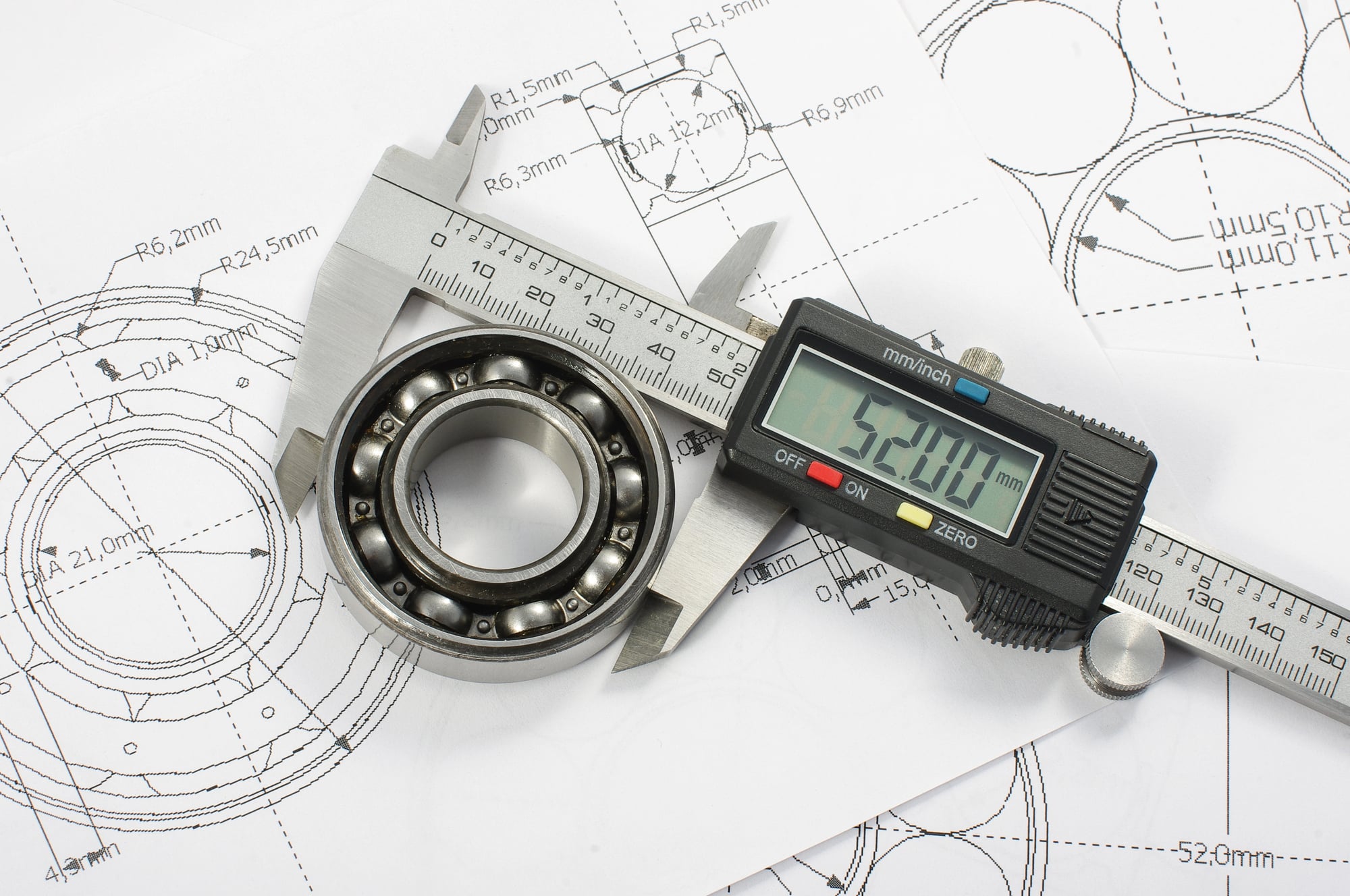
An acre was the amount of land a team of oxen could plow in one day, which sounds reasonable until you realize that oxen have different energy levels, fields have different soil conditions, and farmers have different standards for what constitutes a day’s work. Medieval agriculture somehow turned this vague concept into a precise measurement of 43,560 square feet.
The transition from “what two oxen can handle” to an exact number reveals the strange alchemy of turning practical experience into mathematical certainty.
The Ounce
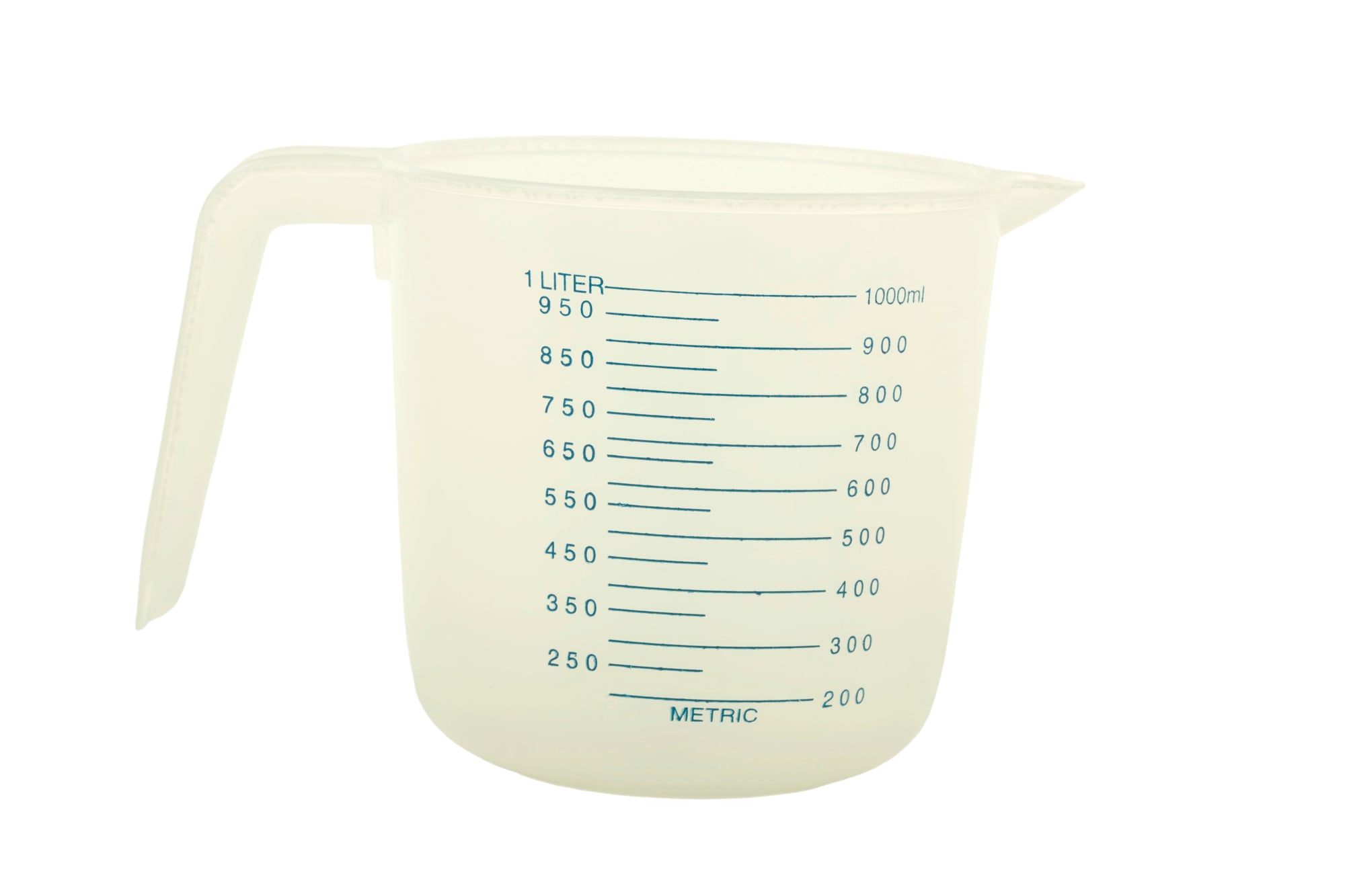
The ounce splits into two completely different measurements — fluid ounces for liquid and weight ounces for everything else — because medieval society apparently enjoyed making simple tasks complicated (a fluid ounce of water doesn’t weigh exactly one weight ounce, which seems designed to frustrate anyone who assumes logical consistency). So eight fluid ounces of water weighs approximately 8.34 weight ounces, not a round number, and somehow this passes for a rational system.
But cooks worldwide have adapted to this mathematical chaos and keep producing edible food, which might be the most impressive feat of human adaptability in measurement history.
The Fathom
Sailors needed to measure the depth of water without sophisticated equipment, so they used rope with a lead weight and defined one fathom as the distance between a man’s outstretched arms — roughly six feet. This worked fine for navigation until landlubbers started using fathoms to measure everything from timber to fabric, creating a measurement system where maritime body language became commercial standard.
The word itself comes from Old English for “embrace,” which makes measuring ocean depth sound surprisingly intimate.
The Furlong
A furlong was the length of a furrow that a team of oxen could plow without resting — essentially, how far you could push working animals before they needed a breather. This became 660 feet, or one-eighth of a mile, though the connection between ox stamina and precise measurement remains mysteriously exact.
Horse racing still uses furlongs, which means modern thoroughbreds run distances determined by medieval farming equipment.
The Stone
Britain still weighs people in stones, where one stone equals 14 pounds, because apparently counting by 14s felt more natural than counting by 10s or even 12s (the origins trace back to actual stones used as standard weights, though which stones and why 14 pounds remains historically murky). So a British person might weigh “11 stone” instead of 154 pounds, preserving a measurement system that literally started with rocks.
The persistence of stone as a unit suggests that once people get comfortable with a measurement, mathematical convenience becomes irrelevant.
The Bushel
A bushel was a basket of specific size used to measure grain, but different regions had different basket sizes, creating a measurement that varied wildly depending on where you conducted business (some bushels held 32 quarts, others held 36, because consistency was apparently optional). The word comes from Old French boissiel, meaning “little box,” which undersells the commercial chaos this “little box” created across medieval markets.
Modern agriculture still uses bushels, though now they’re precisely defined as 2,150.42 cubic inches — a level of mathematical precision that would bewilder the farmers who originally filled baskets by eye.
The Barrel
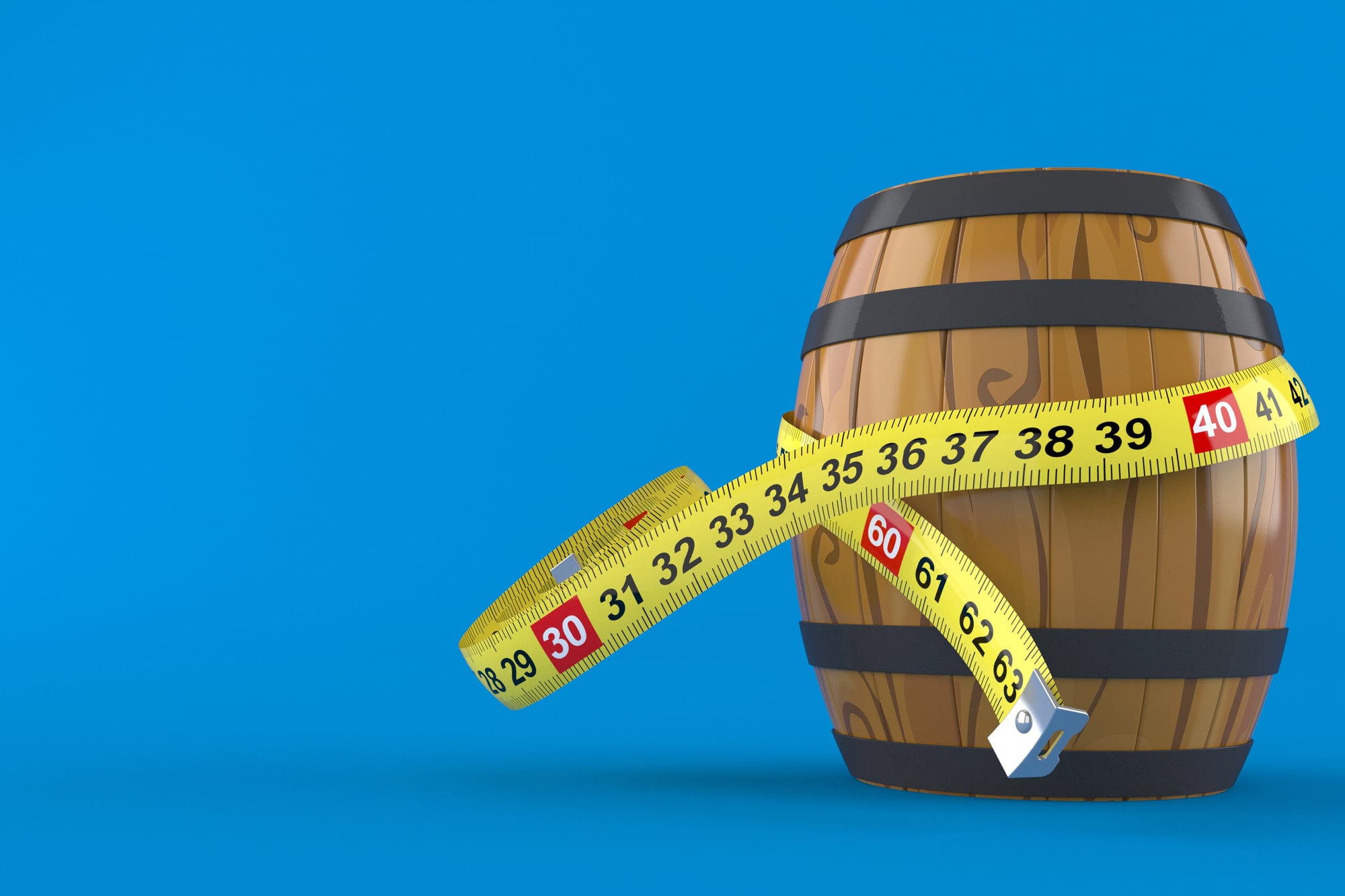
Different liquids got different barrel sizes — a barrel of oil holds 42 gallons, a barrel of beer holds 31 gallons, and a barrel of wine holds who knows what depending on the region and century you’re asking about. The oil barrel became standard in 1860s Pennsylvania, where early petroleum producers needed a consistent container size and somehow landed on 42 gallons as the magic number.
This means global oil markets run on a measurement unit decided by 19th-century American businessmen who probably never imagined their arbitrary choice would influence international economics.
The Degree
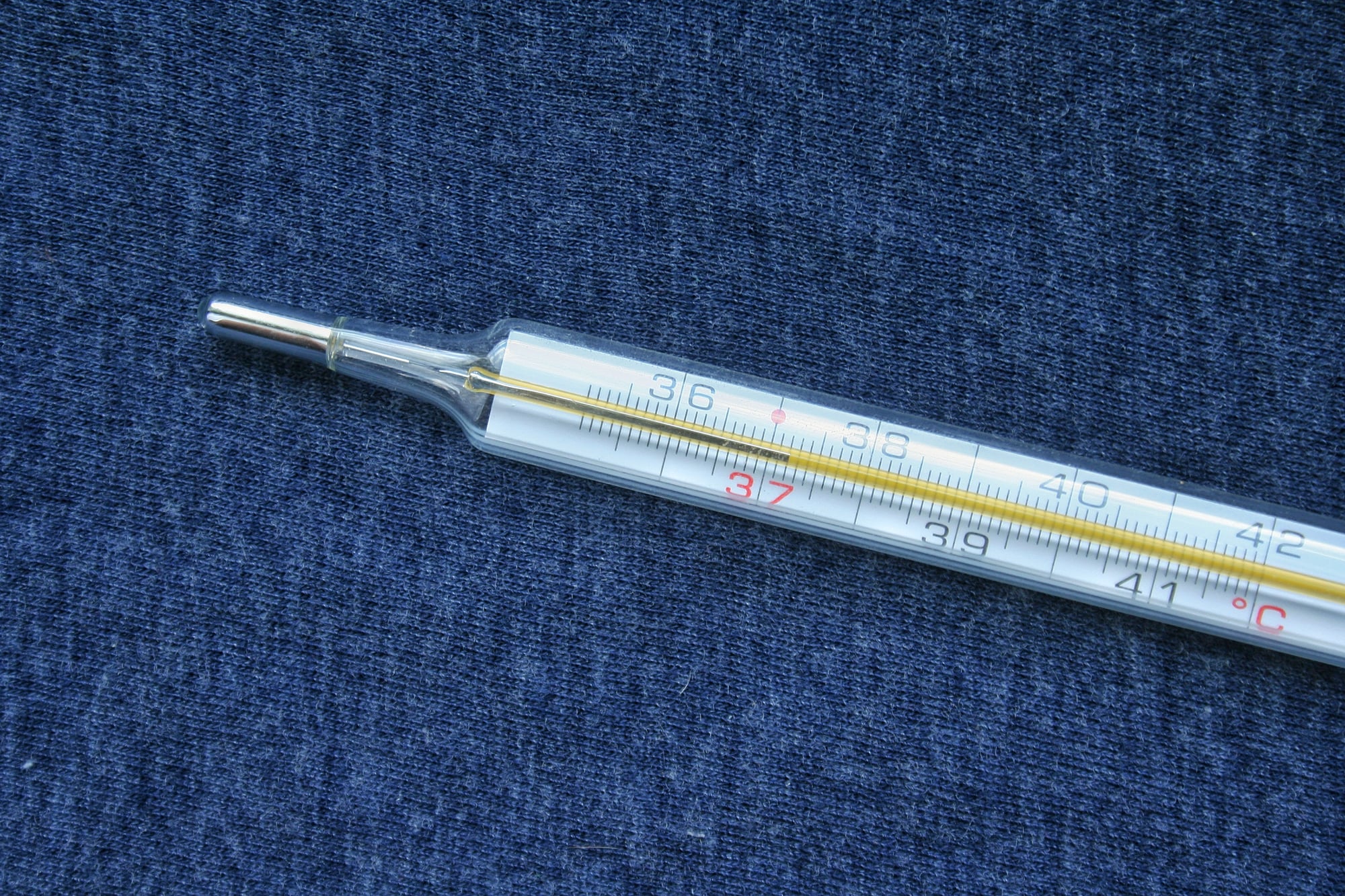
Ancient Babylonians divided circles into 360 degrees, possibly because 360 is divisible by almost everything (1, 2, 3, 4, 5, 6, 8, 9, 10, 12, 15, 18, 20, 24, 30, 36, 40, 45, 60, 72, 90, 120, 180, and 360), making mathematical calculations easier in a world without calculators. But 360 also roughly matched their calendar year, creating a measurement system where geometry and timekeeping intersected in ways that made intuitive sense to people who tracked seasons by watching stars.
Modern navigation, construction, and engineering still use degrees, proving that sometimes ancient mathematical intuition outlasts scientific revolutions.
The Carat
Carob seeds were supposedly so uniform in weight that ancient gem traders used them as standard units for weighing precious stones — though anyone who’s seen actual carob seeds knows they vary considerably, making this origin story questionably practical. The word “carat” comes directly from the Greek word for carob seed, creating a direct linguistic link between ancient legumes and modern jewelry stores.
Today’s carat equals exactly 200 milligrams, a precision that would amaze traders who originally balanced tiny seeds against diamonds.
The Horsepower
James Watt needed to sell steam engines to people who understood horses better than thermodynamics, so he calculated that one horse could lift 550 pounds one foot in one second — a measurement that had more to do with marketing than equine biology. Real horses vary dramatically in strength, and no horse actually sustains 550 foot-pounds per second for extended periods, but the unit stuck anyway.
Modern car engines are still rated in horsepower, meaning automotive performance is measured against 18th-century assumptions about farm animal capabilities.
The Knot
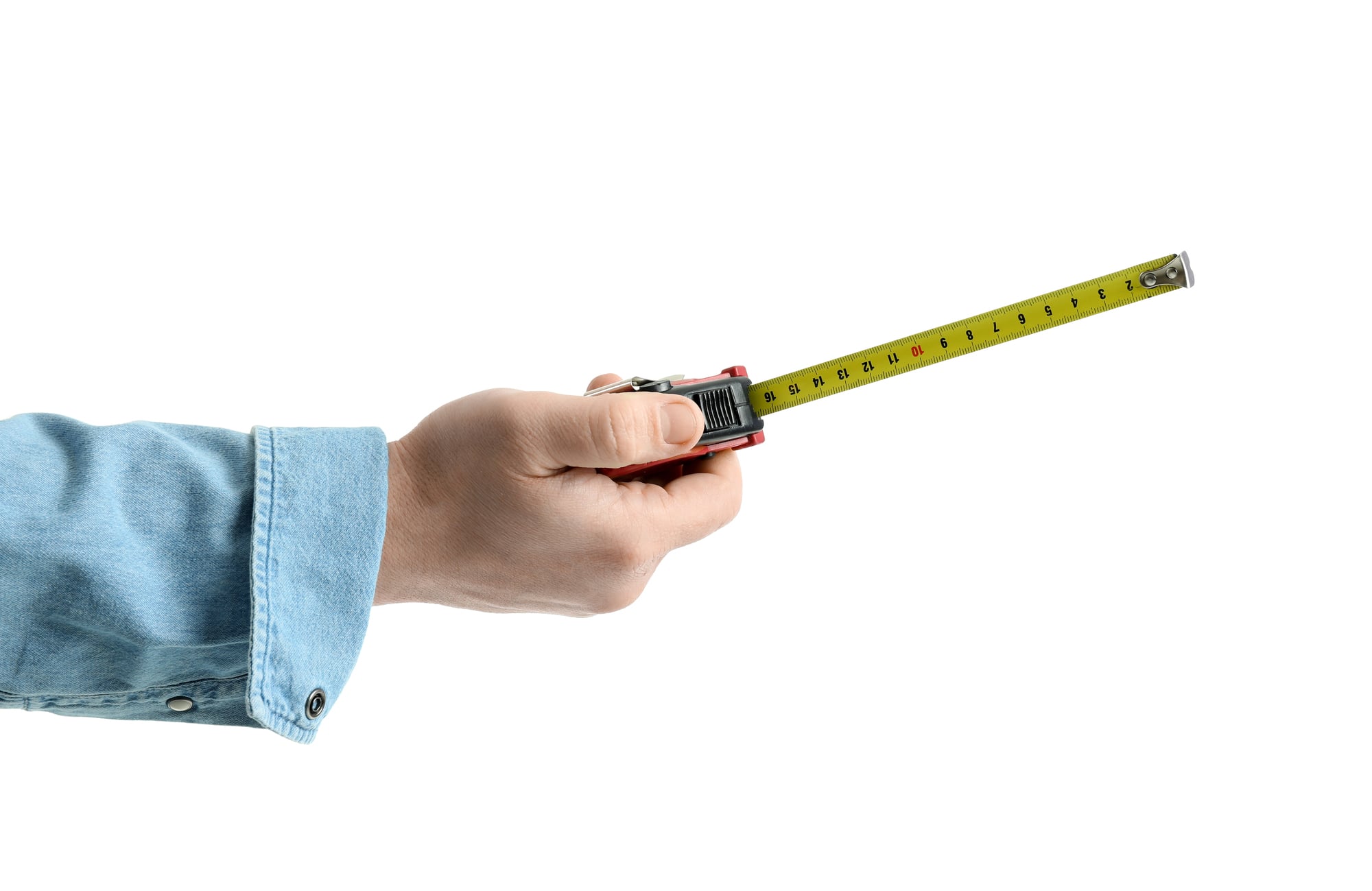
Ships measure speed in knots because sailors used to drop a rope with knots tied at regular intervals, counting how many knots passed over the side in a set time period (usually 28 seconds, timed with a sand glass). One knot equaled one nautical mile per hour, but nautical miles are longer than regular miles — 6,076 feet instead of 5,280 feet — because they’re based on the Earth’s circumference rather than Roman footsteps.
So maritime speed measurement combines medieval rope technology, astronomical mathematics, and arbitrary time intervals into a system that somehow works perfectly for navigation.
The Pint
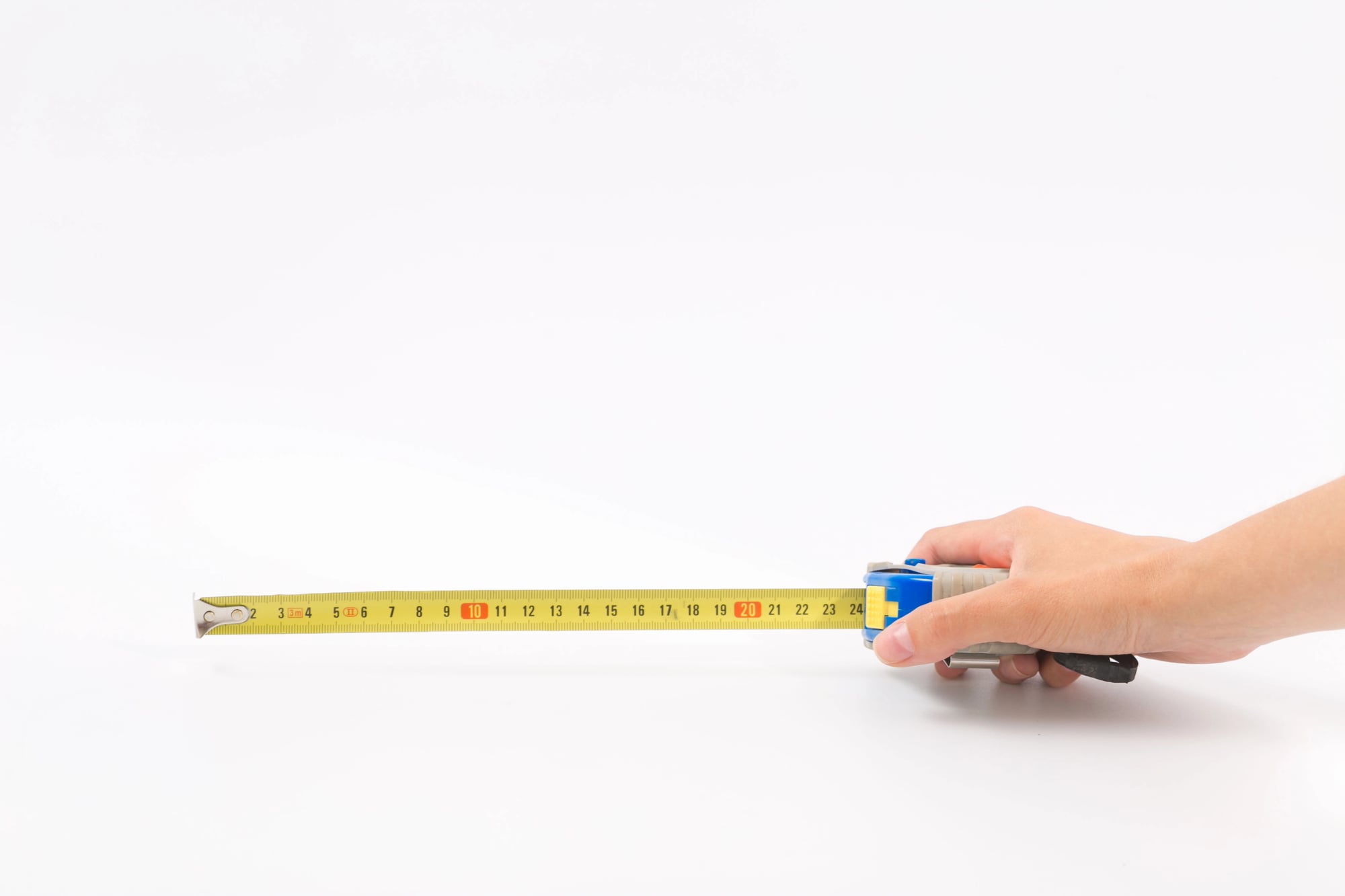
“A pint’s a pound the world around” goes the old saying, except it’s only true for water, and only sometimes, and only if you ignore the fact that British pints are larger than American pints (20 fluid ounces versus 16 fluid ounces, because trans-Atlantic consistency was apparently too much to ask). The word comes from Latin picta, meaning “painted,” referring to painted marks on containers that showed standard volumes.
Modern bartenders navigate this chaos daily, pouring “pints” that would confuse medieval tavern keepers and international travelers alike.
The Ton
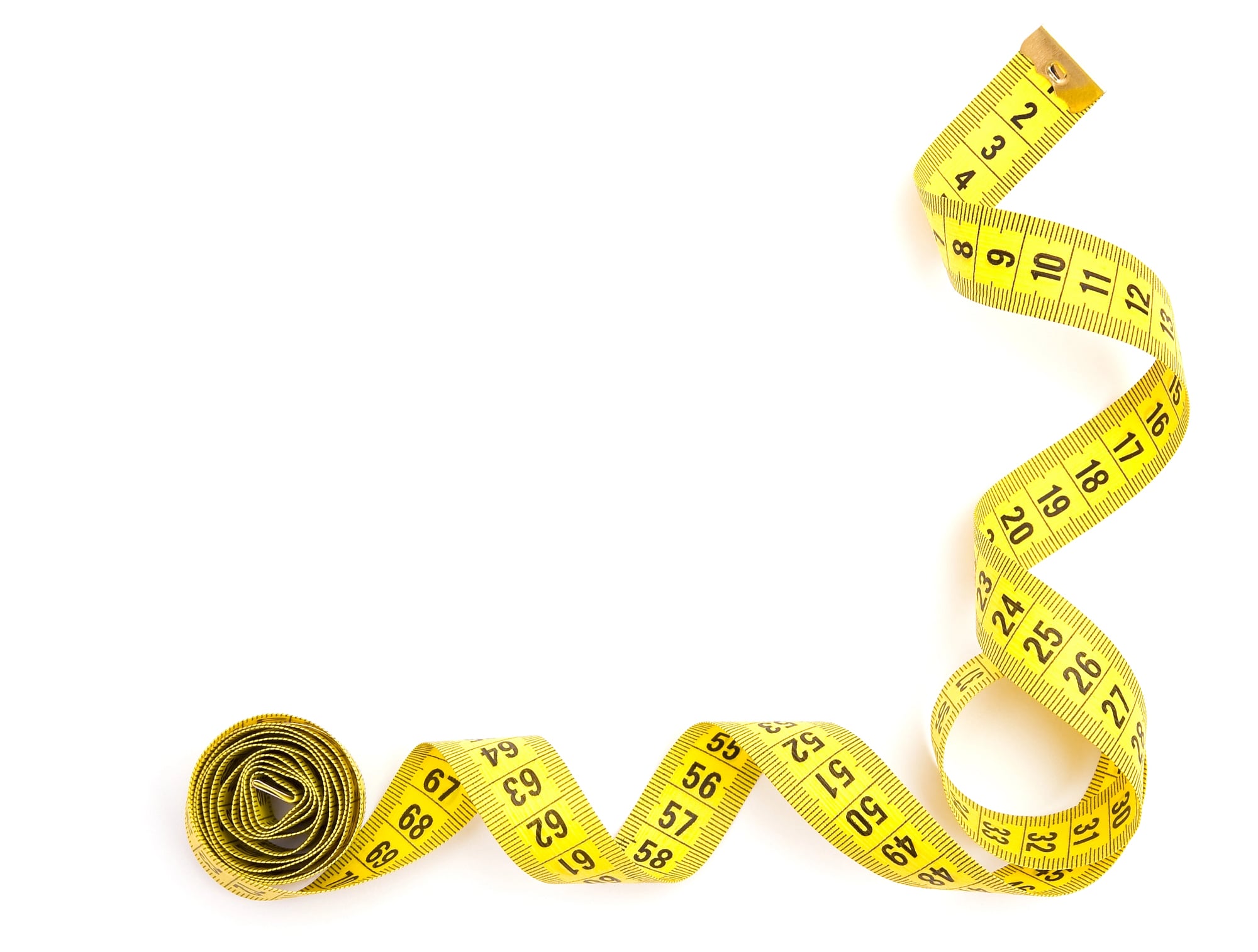
The word “ton” comes from “tun,” a large wine barrel that became a standard unit of weight (roughly 2,000 pounds) and volume (roughly 252 gallons), because medieval commerce apparently enjoyed measurements that meant completely different things depending on context. Britain uses “tonnes” (metric tons of 1,000 kilograms), America uses “tons” (2,000 pounds), and shipping uses “tons” for volume, creating a measurement system where precision depends entirely on who’s doing the measuring.
The fact that international trade functions despite this linguistic chaos suggests either remarkable human adaptability or mutual acceptance of profitable confusion.
The Legacy of Measurement Chaos

Every time someone measures a room in feet or weighs produce in pounds, they’re participating in an ancient system that never made logical sense but somehow became indispensable. These units survived because they worked well enough, not because they worked perfectly.
The metric system offered mathematical elegance and universal consistency, but most Americans still think in terms of medieval body parts and Roman footsteps, proving that familiarity often trumps logic when it comes to how humans organize the physical world.
More from Go2Tutors!

- The Romanov Crown Jewels and Their Tragic Fate
- 13 Historical Mysteries That Science Still Can’t Solve
- Famous Hoaxes That Fooled the World for Years
- 15 Child Stars with Tragic Adult Lives
- 16 Famous Jewelry Pieces in History
Like Go2Tutors’s content? Follow us on MSN.



