The Longest Running Stage Plays in History
Some shows close after a few weeks. Others run for years.
And then there are the rare ones — the productions that somehow outlast entire generations of theatergoers, surviving cast changes, cultural shifts, and the occasional world crisis to keep selling tickets night after night, decade after decade. These are the plays that refused to stop.
The Mousetrap: 70 Years and Counting
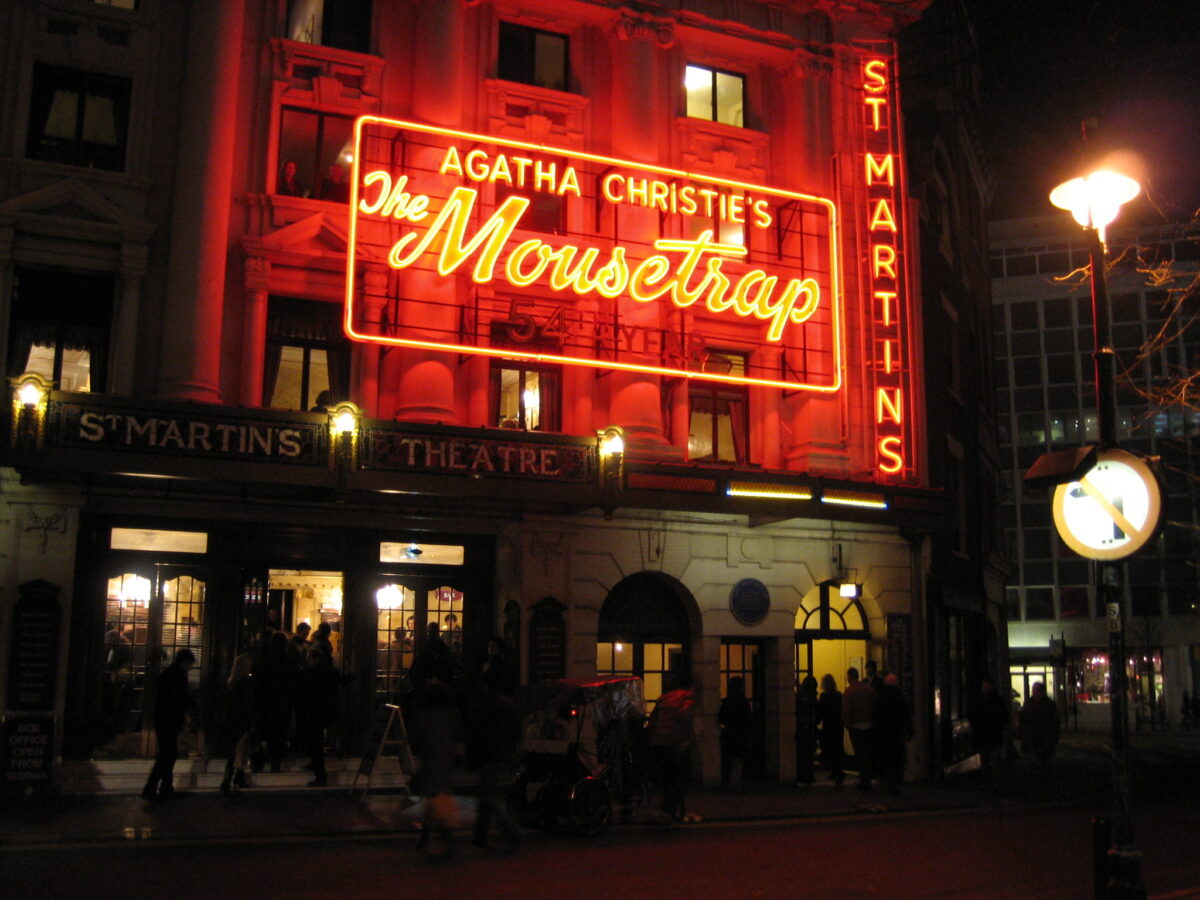
No conversation about long-running plays starts anywhere else. Agatha Christie’s The Mousetrap opened in London’s West End on November 25, 1952, and it has been running ever since — making it the longest-running stage play in recorded history. It transferred to St Martin’s Theatre in 1974, where it has remained.
The play is a murder mystery set in a snowbound guesthouse, and it ends with a request that audiences not reveal the twist to anyone who hasn’t seen it. That tradition has been held for over 70 years.
At this point, the secret ending is one of the most successfully kept in entertainment history. The production has seen well over 27,000 performances and has been watched by more than 10 million people.
Those numbers keep climbing.
The Fantasticks: Off-Broadway’s Quiet Giant
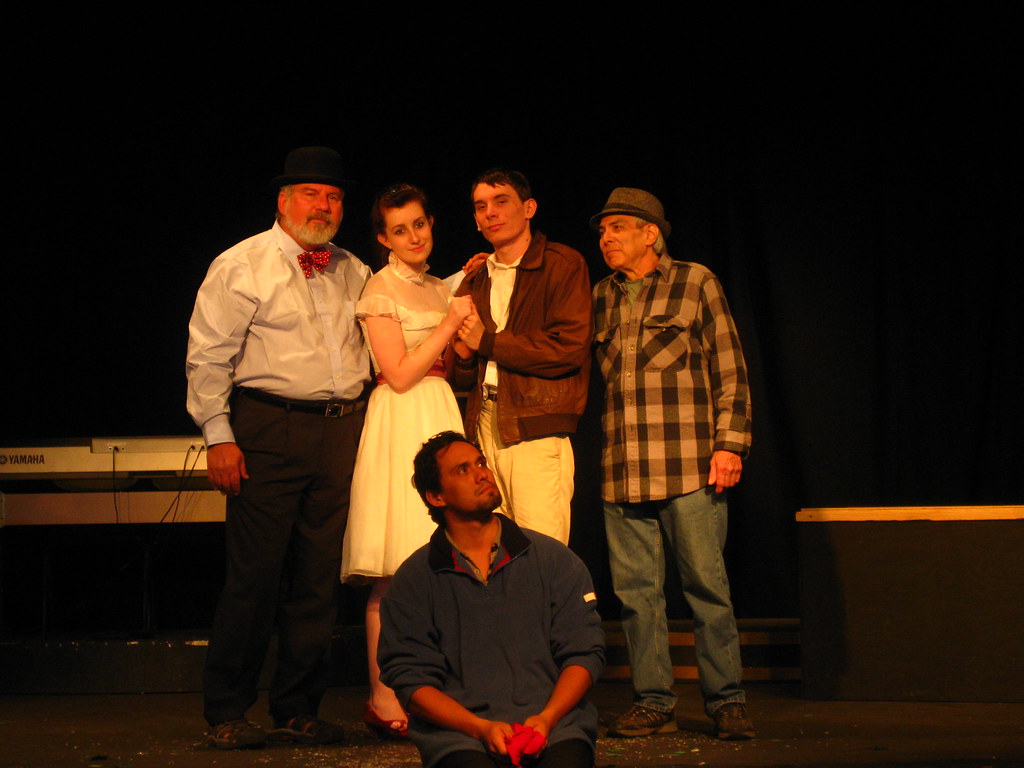
Broadway gets most of the attention, but The Fantasticks made its mark Off-Broadway at the Sullivan Street Playhouse in New York City. It opened in 1960 and ran continuously until 2002 — 42 years without stopping.
That original run clocked in at 17,162 performances. The show then took a break before reopening at the Snapple Theater Center and continuing its run.
By most estimates, the total performance count now stands above 21,000, making it the longest-running musical production in the world. The show has a cast of eight and virtually no set to speak of.
Just a bare stage, a few props, and two narrators helping tell the story. It proved that spectacle isn’t what keeps people coming back.
La Cantatrice Chauve: The Play That Never Ended
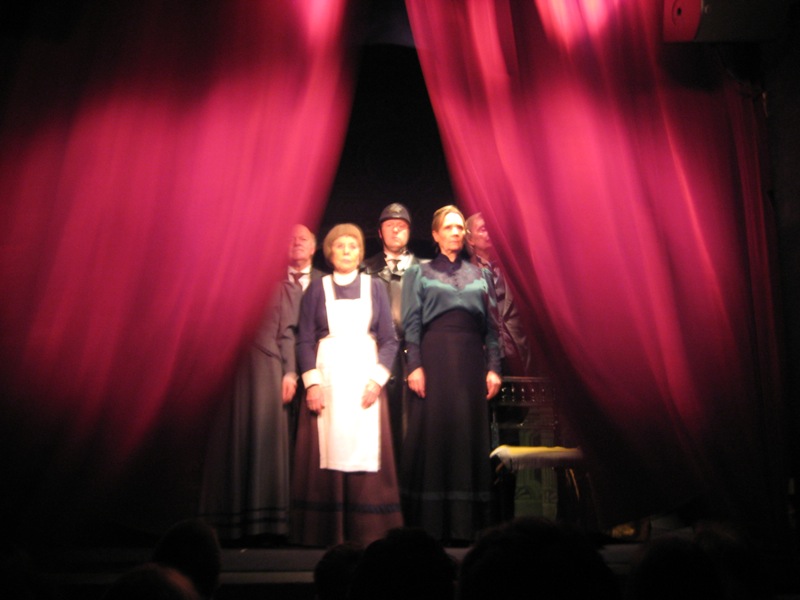
Eugène Ionesco’s absurdist one-act La Cantatrice Chauve (translated as The Bald Soprano) has been running continuously in Paris since 1957. It plays at the Théâtre de la Huchette alongside another Ionesco piece, La Leçon, and the two shows have rotated nightly for decades.
The pair of productions hold the Guinness World Record for longest-running show at the same venue. The theater seats fewer than 100 people, the actors have changed many times over, but the show never closed.
It’s a strange claim to fame for a play that largely makes fun of the idea of meaningful conversation. The characters talk endlessly without saying anything.
Yet the show about communication failing has communicated something that audiences keep wanting to experience.
Perfect Crime: New York’s Hidden Record-Holder
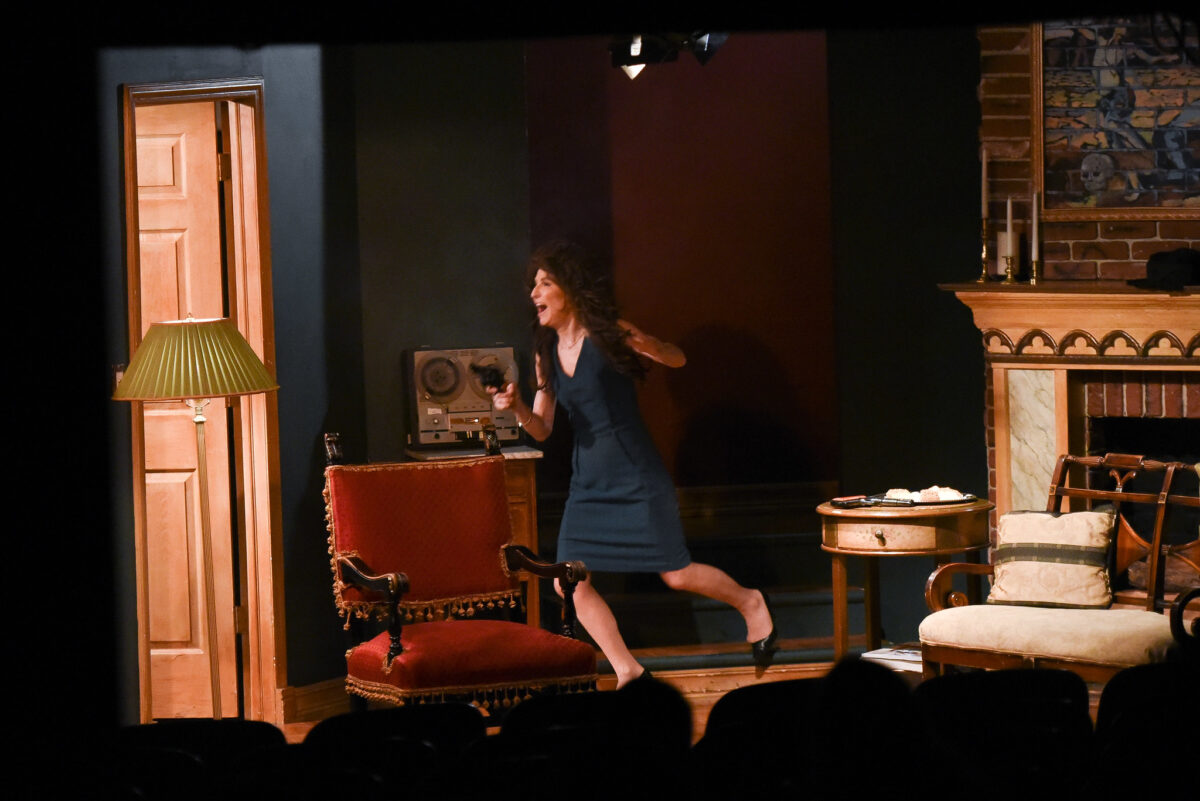
Most theater fans outside New York haven’t heard of Perfect Crime, but it has been running at various Off-Broadway venues since 1987. The actress Catherine Russell has played the lead role in every single performance — more than 14,000 of them — which is itself a record.
The play is a psychological thriller, and Russell’s unbroken run with the production is almost as fascinating as the show itself. She’s the only actor in theater history to have performed the same role that many times in the same production.
Shear Madness: America’s Longest-Running Play
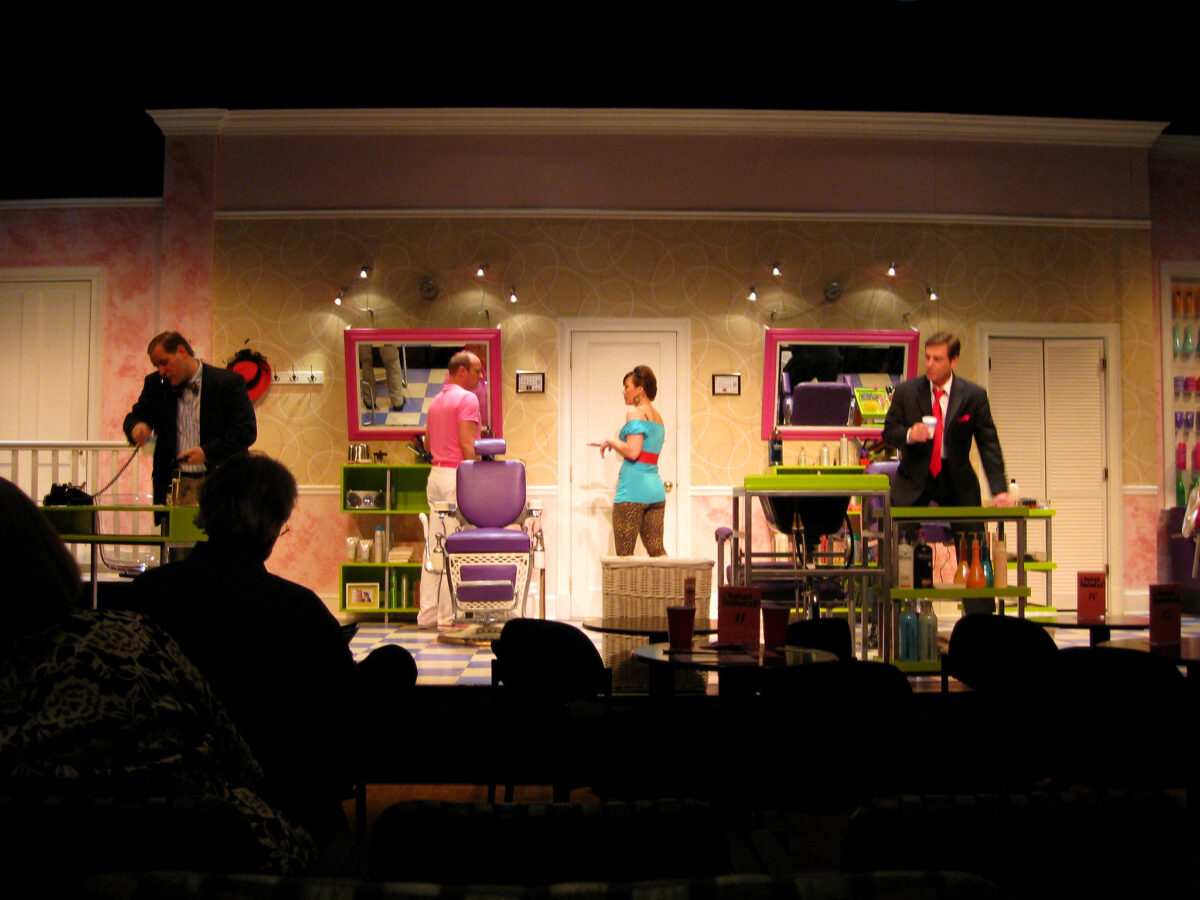
Shear Madness, set in a hair salon and structured as an audience-participation murder mystery, has a complicated history that involves multiple productions running simultaneously across the country. The original Boston production opened in 1980 and ran for over 30 years at the Charles Playhouse.
What makes Shear Madness unusual is that no two performances are identical. The plot is fixed, but the audience interrogates the suspects and votes on the murderer.
Different outcomes, the same play. It ran for over 13,000 performances in Boston alone before closing in 2013.
What Makes a Play Run for Decades
The obvious answer is that people enjoy it. But that’s not quite enough. A lot of plays get enjoyed and then close.
The ones that run for decades tend to share a few qualities. Accessibility is a big one.
The Mousetrap is not a demanding play. You don’t need to know Agatha Christie’s work or have any background in theater to follow it.
The same goes for The Fantasticks and Shear Madness. They’re built for general audiences, not theater insiders.
Length matters too. Most long-running plays are under two hours.
Nobody’s committing to a four-hour production week after week.
The Role of Tourism

The Mousetrap would likely not have survived without tourists. A significant portion of its audience on any given night are visitors to London who’ve heard of it and want to check it off their list.
The same is true of Shear Madness in its various touring productions. When a show becomes a landmark rather than just a play, the audience essentially becomes self-replenishing.
Local theatergoers cycle in and out, but tourists keep arriving fresh. The show doesn’t need to win over the same city twice.
How Casts Change Without the Show Changing
One of the stranger aspects of very long-running productions is that virtually nothing of the original remains. The cast changes, the director moves on, the producers hand off to new producers.
The physical set gets rebuilt. In some cases, even the theater changes. The Mousetrap has had over 500 cast members since 1952.
Every actor who has played in it has signed the same agreement to keep the ending secret. The play is essentially a living document that gets passed from one group of actors to the next.
This raises a genuine philosophical question about what exactly is “running.” The answer the theater world has settled on is simple: the same title, the same text, the same unbroken production history.
Broadway’s Long Runners
Broadway productions are harder to sustain because the costs are so much higher. But a handful have managed impressive runs.
Chicago has been running continuously since its 1996 revival — making it the longest-running American musical on Broadway. The Phantom of the Opera ran from 1988 to 2023, closing after 35 years and 13,981 performances.
Neither touches The Mousetrap, but by any other measure, they’re extraordinary runs. Broadway productions typically recoup their costs and close within a year.
Shows that run for decades are statistical outliers.
The Plays That Came Close
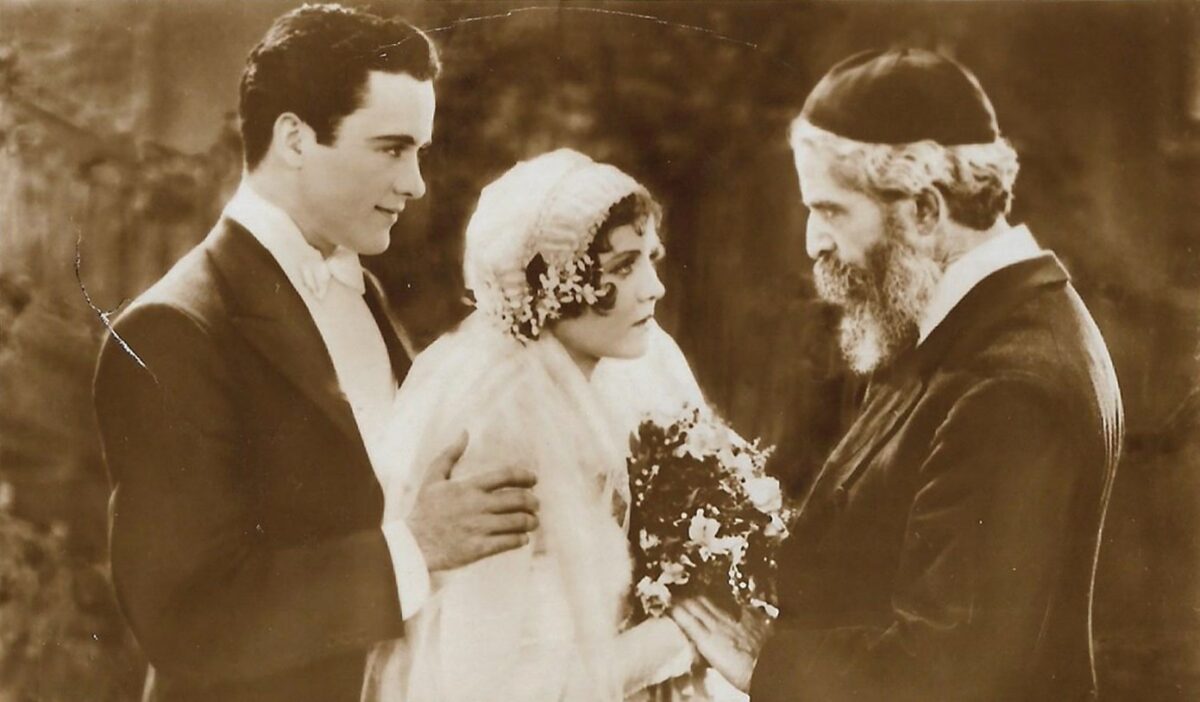
History has several near-misses. The play which ran on Broadway from 1933 to 1941, clocked 3,182 performances and was considered an almost unbeatable record at the time.
Abie’s Irish Rose ran for 2,327 performances in the 1920s. Both were eventually overtaken.
Oh! Calcutta! ran Off-Broadway for 5,959 performances after its 1976 revival. Cats on Broadway ran for 7,485 performances across 18 years.
At the time of their respective runs, these felt like permanent fixtures. Every record eventually gets context.
Why Certain Genres Hold Up
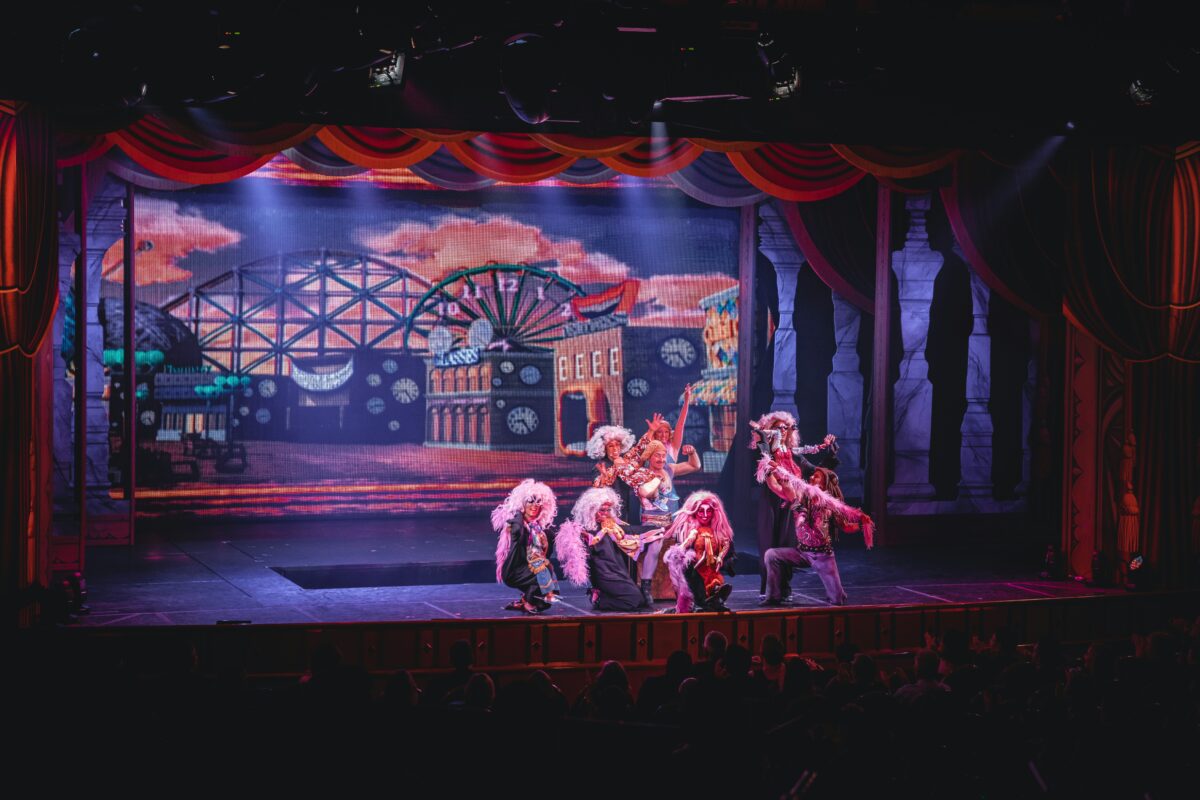
Over time, murder mysteries and funny shows keep showing up again and again. A heavy drama might win praise, yet often fades fast.
What gives a serious story its power – deep feeling – is usually why it can’t last forever. Funny stories or whodunits? They tend to work just fine even if you do not care too much about the characters.
Arrive, laugh or wonder a bit, walk away when it ends. Nothing lingers.
There is no need to think back on what happened later. The moment holds everything.
Fewer twists do not mean weaker series. These stories simply aim elsewhere – offering steady comfort instead of sharp surprises.
The Economic Reason For Remaining Open
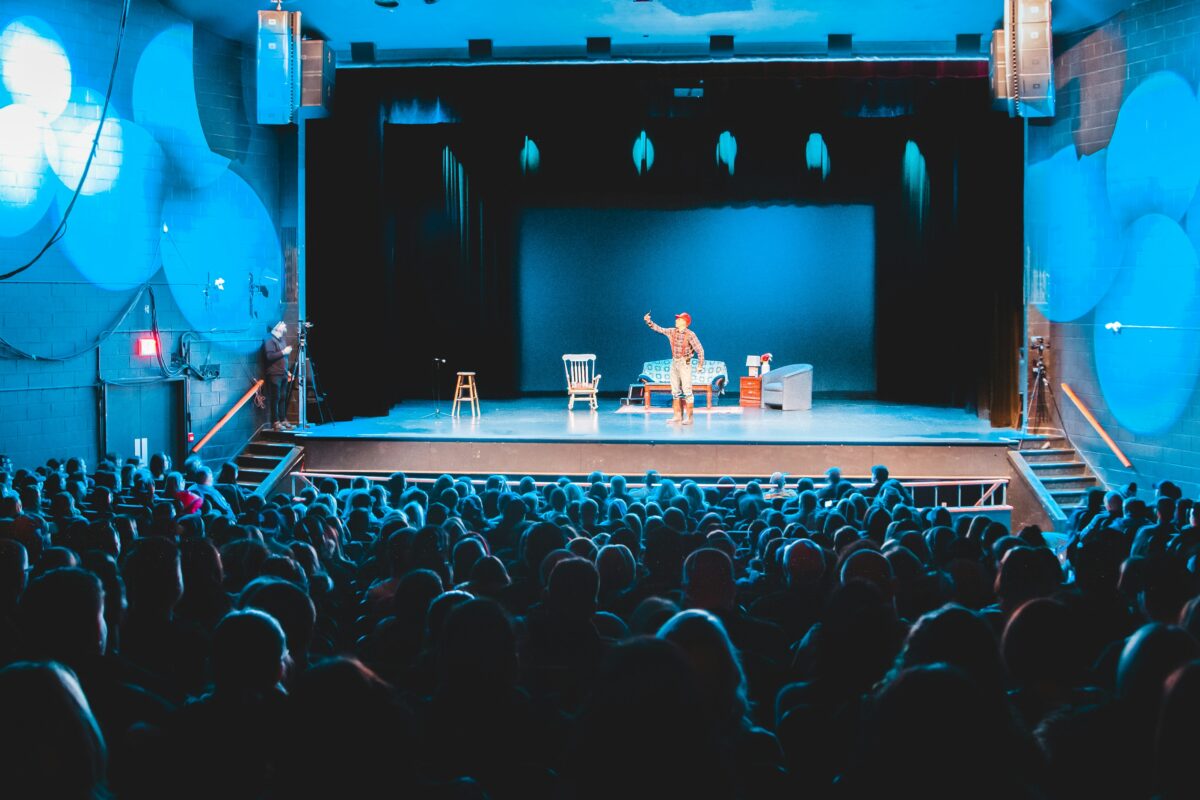
Four decades on stage? That’s not about nostalgia. Money keeps the lights burning.
Early expenses vanished long ago. Everything built already stands ready. Words were bought upfront.
Only people, space, and promotion still need paying. When a performance hits peak popularity in a city, word spreads without effort.
Reviews fade away, simply because everyone already knows. Visitors lock in seats before arrival, treating it like a landmark.
It slips into daily life, no longer just entertainment but part of the scene.
Uncounted Records
One missing piece sits right in the middle of global theater records. While performances like La Cantatrice Chauve in Paris show up clearly, others stay hidden.
Far from capitals, shows go on year after year beneath the radar. Towns across southern Europe host them quietly. Even remote parts of Japan see regular stagings unseen abroad.
Across South America, local troupes keep stories alive night after night. Decades pass without a single headline noticing.
Most documented shows come from big-city English stages, since they’ve got systems in place to track and share their runs. What really lasted longest on stage probably defies the neat version we’re handed.
The Curtain That Never Fell
A play still going strong since before your grandparents grew old feels kind of quiet magic. When The Mousetrap first hit the stage, people were still lining up for rations in war-weary Britain.
Most of those early performers have long since passed away. Around them, everything else shifted so much it barely looks familiar.
Yet week after week, from Tuesday right through to Sunday, fresh faces step into a house buried by snow – then somebody ends up dead. Here, moments meant to vanish stick around.
Not every show slips away fast. What lives inside certain rooms, where actors speak while unseen faces listen, holds on tight.
Time bends when people gather like this. Words breathed out one night might echo further than stone buildings or printed pages ever do.
More from Go2Tutors!

- The Romanov Crown Jewels and Their Tragic Fate
- 13 Historical Mysteries That Science Still Can’t Solve
- Famous Hoaxes That Fooled the World for Years
- 15 Child Stars with Tragic Adult Lives
- 16 Famous Jewelry Pieces in History
Like Go2Tutors’s content? Follow us on MSN.



